Hubbry Logo
CelosiaCelosiaMain
Open search
Celosia
Community hub
Celosia
logo
8 pages, 0 posts
0 subscribers
Be the first to start a discussion here.
Celosia
Celosia
from Wikipedia

Celosia
Celosia spicata
Scientific classification Edit this classification
Kingdom: Plantae
Clade: Tracheophytes
Clade: Angiosperms
Clade: Eudicots
Order: Caryophyllales
Family: Amaranthaceae
Subfamily: Amaranthoideae
Genus: Celosia
L.[1]

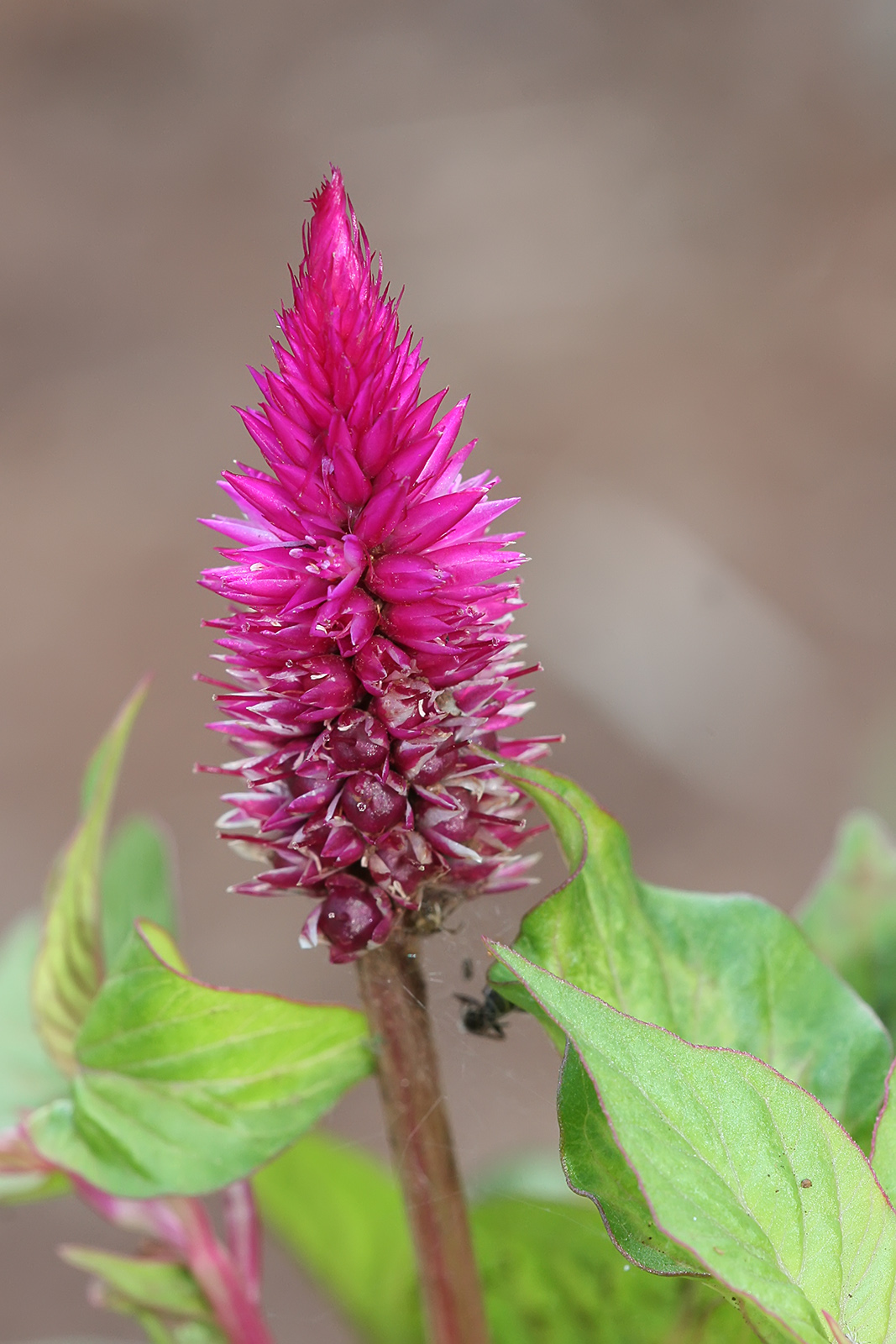
Celosia (/sˈlʃiə/ see-LOH-shee-ə[2]) is a small genus of edible and ornamental plants in the amaranth family, Amaranthaceae. Its species are commonly known as woolflowers, or, if the flower heads are crested by fasciation, cockscombs.[3] The plants are well known in East Africa's highlands and are used under their Swahili name, mfungu.

Taxonomy

[edit]

The generic name is derived from the Ancient Greek word κήλεος (kḗleos), meaning "burning",[4] and refers to the colourful flame-like flower heads.[5]

Uses

[edit]

As a garden plant

[edit]

The plant is an annual. Seed production in these species can be very high, 200–700 kg per hectare. One ounce of seed may contain up to 43,000 seeds. One thousand seeds can weigh 1.0–1.2 grams. Depending upon the location and fertility of the soil, blossoms can last 8–10 weeks.[citation needed]

C. argentea and C. cristata are common garden ornamental plants.[6]

As food

[edit]

Celosia argentea var. argentea or Lagos spinach (a.k.a. quail grass, soko, celosia, feather cockscomb) is a broadleaf annual leaf vegetable. It grows widespread across Mexico, where it is known as "velvet flower", northern South America, tropical Africa, the West Indies, South, East and Southeast Asia where it is grown as a native or naturalized wildflower, and is cultivated as a nutritious leafy green vegetable. It is traditional fare in the countries of Central and West Africa, and is one of the leading leafy green vegetables in Nigeria, where it is known as "soko yokoto", meaning "make husbands fat and happy".[7] In Spain it is known as "Rooster comb" because of its appearance.[citation needed]

As a grain, Celosia is a pseudo-cereal, not a true cereal.[citation needed]

These leaves, young stems and young inflorescences are used for stew, as they soften up readily in cooking. The leaves also have a soft texture and a mild spinach-like taste.[citation needed]

Flower of Celosia cristata
Woolflower or cockscomb—Celosia plumosa

Cultivation

[edit]
Silver cockscomb Celosia argentea in Tirunelveli, India

Despite its African origin (a claim that is not without dispute), Celosia is known as a foodstuff in Indonesia and India. Moreover, in the future it might become more widely eaten, especially in the hot and malnourished regions of the equatorial zone. In that regard, it has already been hailed as the often-wished-for vegetable that "grows like a weed without demanding all the tender loving care that other vegetables seem to need"; one person said of his time growing it as this: "Every place I have tried it, it grows with no work. We have had no disease problems and very little insect damage. It reseeds itself abundantly and new plants have come up in the immediate vicinity."[8]

Works well in humid areas and is the most-used leafy plant in Nigeria. It grows in the wet season and grows well while other plants succumb to mold and other diseases like mildew. Though a very simple plant, Celosia does need moderate soil moisture.[citation needed]

Cultural Symbolism

[edit]

The genus Celosia is also recognized as an important cultural symbol in Cebu, Philippines. The local government of Cebu City, together with Sinulog Foundation Incorporated (SFI), declared the Celosia flower as the official flower of the Sinulog Festival, the grandest festival in the Philippines held in honor of Santo Niño every third Sunday of January. The reason for the move was that the flowers' colors, which are predominantly red and yellow, resemble the colors of the cape, crown, and other regalia of the Infant Jesus. Celosia argentea flowers are still grown seasonally in Sirao Garden, located Barangay Sirao, Cebu City.

Selected species

[edit]

Formerly placed here

[edit]

Images

[edit]

References

[edit]
[edit]
Revisions and contributorsEdit on WikipediaRead on Wikipedia
from Grokipedia
Celosia is a genus comprising approximately 45 species of herbaceous annual and perennial plants in the amaranth family, Amaranthaceae. Native to tropical and warm temperate regions of Africa, Asia, and the Americas, these plants are characterized by their alternate, simple leaves and distinctive inflorescences that form dense, showy spikes, plumes, or crests resembling flames or cockscombs. The genus name derives from the Greek word keleos, meaning "burning," alluding to the vibrant, fiery appearance of their flowers. Most species are grown as ornamental annuals in gardens worldwide, prized for their long-blooming period from summer to frost and colors ranging from , , and orange to , , and cream. Notable cultivars include those from varieties, such as the crested var. cristata (cockscomb group) with brain-like flower heads and the plumed var. plumosa (feather group) with soft, feathery spikes. In addition to their decorative value, certain species like C. argentea are cultivated as leafy in parts of and , where young leaves and seeds are harvested for food, providing nutritional benefits including vitamins and minerals. These thrive in full sun and well-drained soil, making them popular in borders, containers, and cut flower arrangements.

Description

Morphology

Celosia species are erect or occasionally decumbent herbaceous annuals or short-lived perennials in the family, typically reaching heights of 10-200 cm. The stems are usually branched, green to reddish, and glabrous or sparsely pubescent with fine hairs. Leaves are alternate, simple, and sessile to petiolate, with blades that are lanceolate to ovate or linear, measuring 2-15 cm in length and 0.5-6 cm in width, featuring entire or slightly undulate margins and a prominent silvery midrib. The leaves are often green but may be tinged with red or purple. Inflorescences are terminal, forming spikes, panicles, or crests that are dense and showy, with three primary morphological types: cristata (fleshy, convoluted, brain-like combs), plumosa (feathery, plume-like panicles), and spicata (slender, spike-like resembling heads). These inflorescences feature colorful bracts in shades of red, pink, yellow, orange, or purple that remain vibrant even after the flowers senesce. The flowers are small, bisexual, and measure 2-5 mm, consisting of five scarious tepals that are faintly veined, five stamens, and a superior . Fruits are utricles that are ovoid or globose, thinly walled, and dehiscent via a , each containing numerous tiny lenticular seeds (0.5-1 mm) that are black or brown.

Reproduction and Growth

Celosia species exhibit an annual life cycle in most cultivated forms, completing their development from to within a single . requires warm soil temperatures above 18°C (65°F), with optimal rates achieved at 21–27°C (70–80°F), typically occurring within 7–14 days under exposure. Following , seedlings enter a vegetative growth phase lasting 4–6 weeks, during which they develop robust foliage and stems before initiating reproductive structures. This phase is crucial for establishing plant vigor, after which floral induction begins, leading to formation. Reproduction in Celosia is primarily sexual, with self-compatible flowers facilitating efficient seed set. Pollination occurs mainly through anemophily (wind) and (insects, including bees and ), aided by the exposed structure of the inflorescences. In temperate regions, blooming typically spans from summer through fall, aligning with favorable warm conditions for activity and seed maturation. Some display photoperiod sensitivity as quantitative short-day , accelerating flowering under day lengths of 14 hours or less, while many modern cultivars behave as day-neutral, flowering reliably across varying photoperiods. Seed production is prolific, with each yielding 2,000–3,000 under typical conditions, concentrated within the inflorescences. These small exhibit high rates of 80–95% when sown in moist, well-aerated media under optimal temperatures and lighting. Viability persists for 2–4 years when stored in cool, dry conditions, enabling reliable across seasons.

Taxonomy

Etymology and History

The genus name Celosia derives from the Ancient Greek word kḗleos, meaning "burned" or "burning," which alludes to the flame-like or scorched appearance of the plant's colorful, dry inflorescences. This nomenclature was established by Carl Linnaeus in his seminal work Species Plantarum (1753), where he formally described the genus and included species such as C. argentea and C. cristata, recognizing their distinctive floral structures within the then-emerging system of binomial classification. Plants of Celosia were introduced to via trade routes originating in and during the mid-16th century, facilitating their initial documentation in botanical literature. A notably dark red, crested variety arrived around 1570, marking one of the earliest recorded introductions and sparking interest among European botanists for its ornamental potential. These plants appeared in 16th-century European herbals, where they were described for their striking forms, often under vernacular names like "cockscomb" due to the resemblance of their crested inflorescences to a rooster's . Early taxonomic efforts revealed confusion between Celosia and closely related genera such as Amaranthus, owing to similarities in inflorescence structure and seed characteristics within the family. Linnaeus himself contributed to reclassifications in subsequent editions of his works, while 19th-century botanist Alfred Moquin-Tandon further clarified boundaries through his comprehensive treatment of in de Candolle's Prodromus Systematis Naturalis Regni Vegetabilis (1849), transferring several taxa and lectotypifying Linnaean names to resolve ambiguities.

Classification and Species Diversity

Celosia belongs to the subfamily Amaranthoideae within the family , where it is classified in the tribe Celosieae. Closely related genera in the family include Amaranthus (tribe Amaranthinae) and (subfamily Gomphrenoideae). The type species of the genus is L., an annual herb native to tropical . The encompasses an estimated 45–50 of annual or perennial herbs and subshrubs. As of 2025, recognizes 46 accepted . Infrageneric recognizes divisions like section Celosia (encompassing spicate types) and section Comosa (featuring crested forms), as outlined in regional treatments of the . Post-2000 phylogenetic analyses using DNA sequences, such as matK and rbcL genes, have generally supported the broader integrity of Amaranthaceae but revealed complexities within Celosieae, including potential paraphyly or polyphyly for Celosia and evidence of hybridization driven by polyploidy (e.g., 4x, 8x, and 12x cytotypes). These findings have prompted ongoing taxonomic revisions in tropical floras, including the treatment of Amaranthaceae in the Flora of Tropical East Africa (1985), which refines species boundaries amid synonymy and morphological variation. Notable infrageneric variation occurs within C. argentea, where varieties like var. cristata (cockscomb type) and var. plumosa (plumed type) were historically recognized as distinct species, such as Celosia cristata L., before being subsumed under the broader species complex based on morphological and genetic overlap.

Distribution and Habitat

Native Range

Celosia species are primarily native to the tropical and subtropical regions of Africa and Asia, with a smaller number of species originating in the Americas. In Africa, the genus is well-represented across West and East African savannas and woodlands, where species such as Celosia trigyna thrive in seasonally dry environments. For instance, C. trigyna is distributed from tropical and southern Africa extending to the Arabian Peninsula, often found in open grasslands and disturbed areas. In Asia, native occurrences are concentrated in southern India, Sri Lanka, Indonesia, and parts of China, including species like Celosia polygonoides and C. pulchella in seasonally dry tropical biomes of the Indian subcontinent. Although Celosia argentea—a widespread and variable species—is native to tropical Africa, some varieties have long been associated with Asian regions, contributing to the genus's diversity there. These typically inhabit disturbed soils in grasslands, roadsides, and riverbanks, favoring open, sunny sites with sandy or loamy textures that retain some moisture, such as vertisols and near water bodies. They occur across an altitudinal range of 0 to 2,000 meters, aligning with equivalents of USDA hardiness zones 9–11 in their natural settings, where they endure seasonal droughts and nutrient-poor conditions. As , Celosia plants play a key role in colonizing degraded or early-successional habitats, rapidly establishing in areas with low fertility and promoting through their fibrous root systems. In African ecosystems, like C. argentea (formerly known as C. pallida) often function as weeds, aggressively occupying natural and semi-natural disturbed sites and outcompeting other vegetation in savannas and fallow lands. Native presence in the is limited to a few in tropical and subtropical areas, such as Celosia grandifolia in to western and C. longifolia in northern , primarily in wet tropical biomes; most records of common like C. argentea in the region stem from post-introduction escapes rather than original wild populations. These American natives similarly prefer disturbed, open habitats with loamy or sandy soils, reflecting the genus's overall adaptation to dynamic, human-influenced or naturally unstable environments across its range.

Introduced and Naturalized Areas

Celosia species, particularly C. argentea, were introduced to in the mid-16th century, likely through trade routes established by Portuguese and Dutch explorers from tropical regions. The genus has since become widely naturalized in tropical , including and northern such as , as well as in and , where it establishes in disturbed habitats following human introduction. In warm-temperate zones, Celosia often naturalizes as a weed, notably in the (e.g., and ) and Pacific Islands, thriving in agricultural fields, roadsides, and urban waste areas due to its adaptability to disturbed soils. Its global spread is linked to 19th-century ornamental and the migration of food crops via the to the , where it escaped cultivation and became established. By 2025, Celosia records appear in over 100 countries according to the (GBIF) database. While overall invasive potential remains low, concerns have been raised in some Pacific islands, where it can displace native in disturbed sites, prompting recommendations to limit further planting.

Uses

Ornamental Purposes

Celosia species are widely cultivated as summer annuals in garden borders, containers, and as due to their vibrant colors and heat tolerance. Varieties such as the , belonging to the plumosa type, are bred for compact growth reaching 20-30 cm in height, producing large plumed inflorescences in shades of scarlet, , orange, , and cream, making them ideal for small-scale displays and commercial cut-flower production. The diversity of inflorescences is highly prized in ornamental : crested forms offer bold, textured structures resembling rooster combs, while plumed varieties provide airy, feathery movement that enhances visual interest in landscapes. These features made Celosia popular in Victorian-era gardens, where they were featured in elaborate carpet beds and exhibited at county fairs for their striking appearance, and continue to be valued in modern drought-tolerant designs for their ability to thrive in hot, dry conditions once established. By 2025, hybrid seeds have come to dominate the ornamental Celosia market, with series like Fresh Look—featuring plume-like flowers in , orange, , and on 30-45 cm tall—prioritized for their uniformity, disease resistance, and extended bloom periods in both home and professional settings. Drying techniques, such as hanging harvested stems upside down in a dark, well-ventilated area, effectively preserve the vivid colors of Celosia inflorescences for use in wreaths and everlasting arrangements, extending their decorative utility beyond the . In garden design, Celosia pairs well with salvias and zinnias in pollinator-friendly beds, as all three attract bees, butterflies, and other beneficial insects to boost biodiversity and support ecosystem health.

Culinary Applications

The leaves of Celosia argentea, commonly known as Lagos spinach, are widely used as a leafy vegetable in West African cuisine, where they are cooked and incorporated into dishes such as egusi soup, a thick stew made with ground melon seeds, palm oil, and proteins like meat or fish. These tender leaves provide a spinach-like texture and mild flavor, often sautéed or boiled before adding to soups to enhance nutritional value without overpowering other ingredients. Nutritionally, the leaves are rich in vitamins C (59 mg per 100 g) and iron (28.3 mg per 100 g), calcium (200 mg per 100 g), offering a profile comparable to or surpassing common greens like spinach in mineral content. In the , the young leaves and stems, referred to as talbos ng celosia, are stir-fried with , onions, and or added to soups and stews for a nutritious , valued for their high protein and content. Across , the leaves are also prepared as porridges by boiling and mashing, sometimes mixed with grains or other to create a staple that supports dietary needs in nutrient-scarce regions. These preparation methods highlight C. argentea's versatility as an accessible, heat-tolerant green that contributes essential micronutrients to traditional diets. The seeds of Celosia species, particularly C. argentea, are utilized in and , where they are ground into for flatbreads or porridges, or popped like for a crunchy , providing a gluten-free alternative with notable protein content and the . Cultivation for seed production can yield up to 1 ton per under optimal conditions, making it a viable crop for in arid areas. Due to the presence of oxalates in , which can inhibit mineral absorption if consumed in excess, blanching or is recommended to significantly reduce oxalate levels and improve digestibility, especially for individuals prone to kidney stones. In the 2020s, Celosia has gained recognition as an emerging in vegan markets for its nutrient density and sustainability, appearing in plant-based products like powders and ready-to-eat greens.

Medicinal and Other Uses

In traditional Ayurvedic medicine, leaf extracts of are employed to alleviate eye inflammation, attributed to the properties of betacyanins present in the plant, which help mitigate in ocular tissues. Similarly, these extracts are used to treat , with ethanolic preparations demonstrating effects by inhibiting gastrointestinal motility in experimental models. In African herbalism, leaves are applied topically for , owing to their compounds that combat bacterial infections and promote tissue repair in sores, ulcers, and skin eruptions. Post-2010 research has explored the potential anti-diabetic effects of Celosia seed extracts, particularly , which exhibit hypoglycemic activity by enhancing insulin sensitivity and reducing blood glucose levels in streptozotocin-induced diabetic models. These findings support traditional uses of seed decoctions for managing mellitus, though clinical trials in humans remain limited. As of 2025, research highlights C. argentea as a sustainable source of pigments, with potential and applications in functional foods and nutraceuticals. Beyond medicine, the red pigments from Celosia inflorescences, primarily betacyanins, serve as dyes for textiles in traditional Indian practices, particularly in regions like , where flower extracts produce vibrant, colorfast hues on fabrics without synthetic additives. In tropical agriculture, Celosia argentea foliage is utilized as animal for ruminants, providing a protein-rich supplement that improves feed intake and growth performance in . Celosia species exhibit low overall at therapeutic doses, but caution is advised for pregnant individuals due to reports of uterine effects from and extracts, potentially leading to contractions or outcomes in traditional contexts.

Cultivation

Growing Conditions and Propagation

Celosia thrives in full sun, receiving at least six hours of direct daily, which promotes vibrant flower colors and sturdy growth. The plant prefers well-drained sandy soil with a range of 6.0 to 7.0, tolerating most types except heavy clay, and benefits from soil amended with for optimal fertility. Ideal temperatures range from 21°C to 32°C (70°F to 90°F) during the , with the plant exhibiting heat and humidity tolerance once established, though it requires warm soil to avoid . Watering should provide approximately 2.5 cm (1 inch) per week, allowing the to dry slightly between applications to prevent , as Celosia is drought-tolerant after establishment but sensitive to overwatering. Propagation is primarily achieved through seeds, which can be sown directly outdoors after the last at a very shallow depth of about 3 mm (1/8 inch) or on the surface with a light covering, with occurring in 7-14 days under warm conditions of 21-24°C (70-75°F). For earlier blooms, start indoors 4-6 weeks before the final , covering them lightly with or to hold the seeds in place, as is required for , and transplant seedlings outdoors once they have 4-6 true leaves. Space plants 15-30 cm (6-12 inches) apart in rows or beds to allow for bushy growth, and pinch young plants at the fifth node to encourage branching and multiple flower stems. Apply a balanced NPK , such as 10-10-10, every four weeks during the to support vigorous development, avoiding excessive to prevent leggy growth. Flowers typically appear 8-10 weeks after , with occurring when crests or plumes are fully colored but before seed set for or prolonged display. To save seeds, allow inflorescences to dry on the plant, then collect and store them in a cool, dry place; viability remains high for 2-3 years. In USDA zones 9 and above, varieties can be overwintered by applying a 5-10 cm (2-4 inch) layer of around the base after the first frost to protect roots from mild cold. In ornamental beds, Celosia production can achieve high stem yields under optimal spacing and care, depending on variety and pinching practices. For culinary leaf crops, yields range from 2-4 kg of fresh leaves per square meter over multiple harvests in a season.

Pests and Diseases

Celosia plants, particularly in cultivation, are susceptible to several pests and diseases that can impact growth, aesthetics, and yield. Among the major insect pests, such as feed on plant sap, leading to distorted growth, sticky honeydew excretion that promotes , and potential transmission of viruses. Spider mites () are another common threat, causing stippling or speckling on leaves due to their piercing-sucking mouthparts, which results in yellowing, webbing, and leaf drop in severe infestations. Effective control for these pests includes applications of or insecticidal soaps, which disrupt feeding and reproduction without broad environmental harm. Fungal diseases pose significant risks, especially in humid or poorly drained conditions. Damping-off, caused by spp., affects seedlings by rotting roots and stems due to overwatering or contaminated , leading to sudden collapse and high mortality rates in settings. Alternaria leaf spot, induced by , manifests as small brown spots with yellow halos on foliage in humid environments, potentially expanding to cause defoliation if unchecked. Prevention strategies emphasize cultural practices like to reduce buildup in , alongside fungicides such as for targeted suppression. Viral infections, often vectored by , further complicate management. Celosia induces mottling, leaf curling, and stunted growth, severely reducing ornamental value and plant vigor. (IPM) approaches are recommended for sustainable control, incorporating resistant varieties like those bred for enhanced tolerance to common pathogens, alongside biological agents such as ladybugs to prey on . Biofungicides derived from natural microbes offer organic options for suppressing fungal diseases while minimizing resistance development.

Cultural Significance

Symbolism and Meaning

In , Celosia flowers, with their flame-like inflorescences, symbolize fire and are associated with vitality and good fortune, often incorporated into floral arrangements during celebrations like due to their resemblance to a rooster's —a lucky emblem. In African traditions, particularly among the of , Celosia—known locally as "sokoyokoto," meaning "the vegetable that makes your husband's face rosy"—signifies vitality and beauty, with red varieties evoking blood, bravery, and prosperity in cultural contexts. These associations extend to rituals where the plant's vibrant hues represent life force and communal well-being. In Western floriography, particularly during the , Celosia conveyed meanings of fascination, boldness, humor, warmth, and silliness, inspired by its exotic, crested form that stood out in bouquets as a of audacious . In , the flower appears in festival offerings during , embodying devotion and spiritual purity through its use in poojas and decorations alongside other sacred blooms. In 2025, Adriane Strampp's painting Celosia (oil on linen) was featured in a solo exhibition.

Traditional Practices

In broader South Indian Hindu traditions, Celosia flowers are incorporated into garlands offered during temple rituals and ceremonies, enhancing the aesthetic and symbolic elements of without a specific scent, as they complement fragrant companions like marigolds. While seeds of the plant hold medicinal value in folk practices, their direct use in Vedic rituals remains undocumented in primary sources, though the plant's overall presence underscores its cultural integration in regional spiritual customs. Across , particularly in Yoruba-influenced regions like , Celosia—locally called soko yokoto—is employed in indigenous rituals and spells, where its flame-like inflorescences are believed to harness magical properties for attracting affection or resolving romantic discord, often as part of Ifá-inspired practices that blend herbalism with spiritual guidance. In , Celosia features in , the ancient art of flower arrangement, where its bold, plumed or crested forms are arranged to evoke seasonal transitions, particularly summer's vibrant energy and impermanence, using asymmetrical compositions in shallow vessels to symbolize harmony between heaven, earth, and humanity. These arrangements, rooted in Buddhist and Shinto influences, highlight the flower's textured plumes for meditative displays during festivals or home altars. Historically in 19th-century , Celosia gained popularity during the as a potted ornamental and dried flower for and decorative crafts, valued for its enduring color and form in sachets or arrangements that masked odors in households, reflecting the period's fascination with exotic tropical plants introduced via colonial trade.

Selected Species

Key Species

Celosia argentea serves as the of the and is a versatile annual herb recognized globally as both a persistent and a valuable for its edible leaves and ornamental flowers. This species exhibits significant economic importance in the international seed market, driven by its dual role in production and , particularly in tropical regions where it commands high market prices comparable to other leafy greens like . Prominent varieties of C. argentea are cultivated for their distinctive inflorescences. The cristata variety, known as crested cockscomb, produces large, velvety, convoluted flower heads resembling a rooster's in vivid reds, yellows, pinks, or oranges, with typically reaching 30–90 cm in height. The plumosa variety, or plumed cockscomb, features soft, feathery plumes in multicolored hues of red, pink, yellow, and orange, on compact growing 30–60 cm tall. In contrast, the spicata variety displays erect, narrow, wheat-like spikes in similar colors, supported by taller stems of 60–90 cm. Celosia trigyna, an annual herb native to tropical and southern Africa as well as the , grows erect to 1.5 m with branched or unbranched stems and pale pink to white spike-like inflorescences; it holds cultural significance in local for treating conditions such as sores, gastrointestinal issues, and . Notable modern cultivars include the 'Kosmo' series, a line of dwarf hybrids derived from crosses between C. spicata and C. plumosa, introduced in the for their heat tolerance and compact growth to 20–25 cm, featuring side-branching spikes in shades of orange, pink, red, and yellow without requiring growth regulators or pinching.

Synonyms and Reclassifications

The genus Celosia has undergone significant taxonomic revisions, particularly in the 20th and 21st centuries, resulting in numerous and the reduction of many historical names to varietal status within core . For instance, Celosia cristata L., originally described in 1753, is now treated as Celosia argentea L. var. cristata (L.) Kuntze, based on morphological similarities in structure and shared genetic markers within the C. argentea complex. Similarly, Celosia huttonii Mast., described in 1875, has been reduced to a synonym of C. argentea var. spicata (Vahl) Scheele, reflecting its alignment with the spicate forms of the . Several species historically placed in Celosia have been transferred to other genera due to differences in floral morphology, such as and pericarp , identified through anatomical studies. Notable examples include Celosia madagascariensis Poir., now classified as Lagrezia madagascariensis (Poir.) Moq. in the genus Lagrezia, and elements once confused with L., which remains firmly in Achyranthes based on distinct and flower characteristics. These reclassifications clarified boundaries within by emphasizing pericarp zonation and fruit morphology. Molecular phylogenetic studies from the to further refined the , merging approximately 20 historical names into the C. argentea through analyses of DNA markers like SRAP and sequences. For example, Celosia debilis S. Moore, described in 1916, is now recognized as C. argentea var. debilis (S. Moore) Fosberg, supported by genetic clustering with the argentea lineage. These revisions reduced the perceived diversity from over 100 historical epithets—many based on regional variants—to a more consolidated framework. Recent assessments, including those integrated into global databases up to 2021, indicate that Celosia species such as C. argentea are evaluated as Least Concern (LC) by the IUCN, with synonymy playing a key role in stabilizing counts and focusing conservation on distinct . Ongoing nomenclatural work continues to resolve ambiguities, ensuring the now comprises around 46 accepted .

References

Add your contribution
Related Hubs
User Avatar
No comments yet.