Hubbry Logo
Comedy filmComedy filmMain
Open search
Comedy film
Community hub
Comedy film
logo
8 pages, 0 posts
0 subscribers
Be the first to start a discussion here.
Comedy film
Comedy film
from Wikipedia

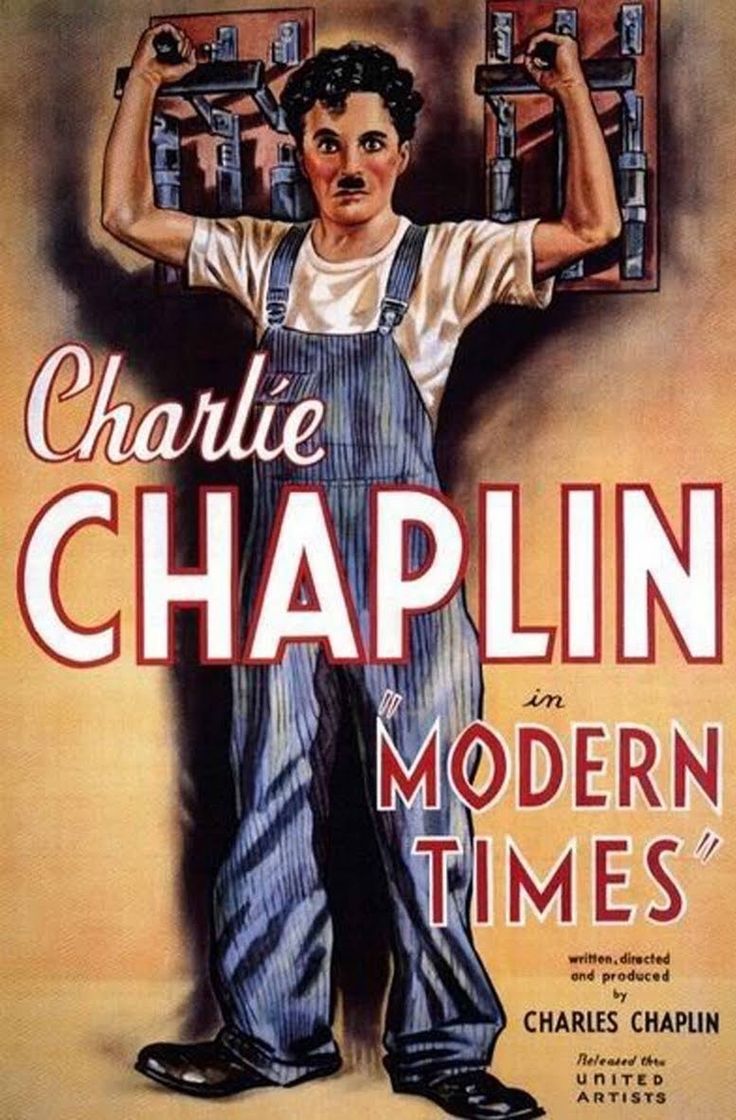
Poster for Charlie Chaplin's film Modern Times (1936).

The comedy film is a film genre that emphasizes humor. These films are designed to amuse audiences and make them laugh.[1] Films in this genre typically have a happy ending, with dark comedy being an exception to this rule. Comedy is one of the oldest genres in film, and it is derived from classical comedy in theatre. Some of the earliest silent films were slapstick comedies, which often relied on visual depictions, such as sight gags and pratfalls, so they could be enjoyed without requiring sound. To provide drama and excitement to silent movies, live music was played in sync with the action on the screen, on pianos, organs, and other instruments.[2] When sound films became more prevalent during the 1920s, comedy films grew in popularity, as laughter could result from both burlesque situations but also from humorous dialogue.

Comedy, compared with other film genres, places more focus on individual star actors, with many former stand-up comics transitioning to the film industry due to their popularity.[3]

In The Screenwriters Taxonomy (2017), Eric R. Williams contends that film genres are fundamentally based upon a film's atmosphere, character, and story, and therefore, the labels "drama" and "comedy" are too broad to be considered a genre.[4] Instead, his taxonomy argues that comedy is a type of film that contains at least a dozen different sub-types.[5] A number of hybrid genres have emerged, such as action comedy and romantic comedy.

History

[edit]

Silent film era

[edit]
The film poster for the first comedy film, L'Arroseur Arrosé (1895)

The first comedy film was L'Arroseur Arrosé (1895), directed and produced by film pioneer Louis Lumière. Less than a minute long, it shows a boy playing a prank on a gardener. The most notable comedy actors of the silent film era (1895–1927) were Charlie Chaplin, Harold Lloyd, and Buster Keaton, though they were able to make the transition into "talkies" after the 1920s.

Social commentary in comedy

[edit]

Film-makers in the 1960s skillfully employed the use of comedy film to make social statements by building their narratives around sensitive cultural, political or social issues. Such films include Dr Strangelove, or How I Learned to Love the Bomb, Guess Who's Coming to Dinner? and The Graduate.[6]

Camp and bawdy comedy

[edit]

In America, the sexual revolution drove an appetite for comedies that celebrated and parodied changing social morals, including Bob & Carol & Ted & Alice and Fanny Hill.[6] In Britain, a camp sensibility lay behind the successful Carry On films, while in America subversive independent film-maker John Waters made camp films for college audiences with his drag queen friends that eventually found a mainstream audience.[7] The success of the American television show Saturday Night Live drove decades of cinema with racier content allowed on television drawing on the program's stars and characters, with bigger successes including Wayne's World, Mean Girls, Ghostbusters and Animal House.[6]

Present era

[edit]

Parody and joke-based films continue to find audiences.[6]

Reception

[edit]

While comedic films are among the most popular with audiences at the box office, there is an 'historical bias against a close and serious consideration of comedy' when it comes to critical reception and conferring of awards, such as at the Academy Awards. Film writer Cailian Savage observes "Comedies have won Oscars, although they’ve usually been comedy-dramas, involved very depressing scenes, or appealed to stone-hearted drama lovers in some other way, such as Shakespeare in Love."

Sub-types

[edit]

Hybrid sub-genres

[edit]

According to Williams' taxonomy, all film descriptions should contain their type (comedy or drama) combined with one (or more) sub-genres.[5] This combination does not create a separate genre, but rather, provides a better understanding of the film.

See also

[edit]

References

[edit]

Bibliography

[edit]
[edit]
Revisions and contributorsEdit on WikipediaRead on Wikipedia
from Grokipedia
Comedy film is a of cinema designed to elicit by placing characters in exaggerated or absurd situations that highlight human follies, often through physical antics, verbal , or satirical commentary on social norms. The form contrasts with by resolving conflicts harmoniously, typically ending in restoration or affirmation of the , thereby providing audiences with cathartic amusement rather than . Emerging alongside the birth of motion pictures, comedy film's origins lie in short vignettes like (1895), directed by , which depicted a prankster soaping a gardener's hose, marking one of the earliest instances of filmed humor relying on visual surprise and reversal. This silent-era foundation evolved through pioneers such as and , whose physical comedy emphasized precise timing, props, and bodily vulnerability to generate universal laughs independent of language. With the advent of sound in the late 1920s, the genre diversified into subcategories including comedies of the 1930s, characterized by rapid-fire dialogue and class-crossing romances, and later forms like and that critiqued contemporary society. Defining characteristics encompass tropes such as pratfalls, irony, incongruity between expectation and reality, and the deflation of pretensions, all engineered to provoke involuntary mirth while occasionally underscoring truths about . Despite its commercial success—evidenced by box-office dominance in various eras—comedy has historically received less critical acclaim than dramatic genres, possibly due to its perceived ephemerality and reliance on subjective humor over profound narrative depth.

Definition and Characteristics

Core Principles of Humor in Cinema

Humor in cinema operates through psychological mechanisms that provoke laughter via cognitive and emotional responses, primarily drawing from incongruity, superiority, and theories. The incongruity theory asserts that amusement arises from perceiving a mismatch between expectation and reality, resolved through sudden comprehension, which film leverages through visual and narrative surprises such as unexpected physical mishaps or plot twists. In cinematic comedy, this manifests in setups where characters or objects behave mechanically against fluid human adaptability, as theorized by in his 1900 essay , where comedy exposes "something mechanical encrusted on the living," like repetitive actions defying natural elasticity. For instance, Charlie Chaplin's factory worker in Modern Times (1936) embodies this through synchronized gear-trapping gags that juxtapose human vitality with industrial rigidity, amplifying incongruity for laughs. Superiority posits that stems from a sense of vantage over others' flaws or misfortunes, a dynamic intensified in by spectator detachment from on-screen ineptitude. This principle underlies character-driven comedy where arrogant figures suffer ironic comeuppances, fostering audience without direct participation, as seen in portrayals of bumbling authority that reinforce social hierarchies through ridicule. Empirical studies on humor confirm superiority's role intertwines with incongruity, where viewers derive pleasure from characters' perceived inferiority amplified by visual exaggeration, such as over-the-top failures in pursuit of status. Relief theory, advanced by in Jokes and Their Relation to the Unconscious (1905), explains humor as discharging pent-up psychic tension, particularly from subjects, which cinema exploits via escalating awkwardness resolved in punchlines or sight gags. In movies, this involves building narrative pressure—through forbidden desires or social —then releasing it absurdly, as in verbal wit or physical pratfalls that cathartically evade censorship, with Freud noting such mechanisms economize mental expenditure otherwise inhibited. These theories converge in practice: comedic timing synchronizes buildup and release, heightens incongruities, and repetition with variation exploits superiority, ensuring humor's efficacy across visual media. Filmmakers apply these via precise editing, performance, and to maximize laughter's corrective social function, as Bergson argued comedy humbles rigidity for communal elasticity.

Distinctions from Drama and Other Genres

Comedy films primarily seek to provoke through mechanisms such as incongruity and benign violations of expectations, in contrast to , which build and sustain emotional tension to evoke , fear, or from perceived serious threats. According to the benign violation theory, humor emerges when a norm or expectation is simultaneously violated and rendered harmless, allowing audiences to experience relief without genuine peril; dramatic narratives, however, treat violations as consequential, fostering prolonged unease or reflection on human frailty. This perceptual distinction ensures that comedic stakes, even in scenarios mirroring dramatic conflicts—like nuclear brinkmanship in (1964)—are framed as absurdly resolvable, preventing the irreparable harm audiences anticipate in pure dramas such as (1964). Narratively, comedies often employ exaggerated resolutions and cyclical structures where conflicts dissolve into harmony or repetition for repeated humorous beats, whereas dramas prioritize linear progression toward irreversible outcomes, whether tragic or redemptive, grounded in realistic causality. Film theorists note that comedic structures borrow dramatic tension but undercut it with disbelief in permanent damage, enabling punchlines or sight gags to punctuate rather than culminate the plot; for instance, physical pratfalls in slapstick evade the bodily realism that heightens stakes in dramatic injury scenes. In terms of acting, comedic performances demand precise timing and commitment to extremes for comic effect, diverging from the subtle, internalized emotional authenticity central to dramatic portrayals. Beyond drama, comedy films differ from genres like horror, where violations of safety norms induce sustained fear through credible menace rather than benign subversion, or action, which channels tension into visceral thrills via spectacle without prioritizing laughter as the payoff. Hybrids such as blend elements but maintain comedy's relief function to temper dramatic weight, as seen in suburban ensemble films where mild violations of social norms yield humor amid relational strains. These boundaries, while porous, hinge on audience expectation: comedy invites detachment through amusement, preserving causal realism by signaling non-threat, unlike the immersive gravity of other forms.

Historical Development

Silent Era Foundations (1890s–1920s)

The origins of comedy film emerged alongside the invention of motion pictures in the 1890s, with early shorts exploiting simple visual pranks and physical mishaps to elicit laughter from audiences unaccustomed to narrative cinema. French inventors Louis and Auguste Lumière produced L'Arroseur arrosé in 1895, a 49-second film showing a gardener sprayed by water after a boy steps on his hose, marking one of the first deliberate comedic uses of cause-and-effect action in film. This work, part of the Lumières' initial public screenings in December 1895, demonstrated how everyday scenarios could be inverted for humorous effect through precise staging and editing, setting a precedent for physical comedy without reliance on spoken words. By the early 1900s, American filmmakers advanced these foundations, transitioning from single-shot actualities to multi-scene narratives emphasizing exaggerated gestures and chases suited to the medium's visual limitations. , trained under at Biograph Studios, established Keystone Studios in Edendale, , in 1912, where he systematized as a high-energy form of comedy involving pratfalls, pie-throwing, and vehicular pursuits. Keystone's output, primarily one- and two-reel shorts averaging 10-20 minutes, featured the Keystone Kops—a bumbling police troupe debuting in films like Cohen Collects a Debt (1912)—whose incompetent antics in over 30 productions exemplified chaotic ensemble humor driven by rapid cuts and stunt work. Sennett's innovations, including the first fully enclosed film stage for controlled action, prioritized timing and spatial gags over plot complexity, influencing the genre's emphasis on performer athleticism. Charlie Chaplin's arrival at Keystone in December 1914 elevated individual character-driven comedy within this framework. Directing and starring in 35 shorts by 1916, Chaplin refined persona—a bowler-hatted vagrant blending with mischief—in landmark films like The Tramp (1915), which combined chase sequences with sentimental resolution to gross over $100,000 in rentals. His techniques, such as balletic footwork and prop interactions, underscored the silent era's demand for universal visual expressiveness, appealing to global audiences through mime-like precision rather than cultural specifics. By the late 1910s, Chaplin's independent Mutual and First National productions, including The Kid (1921), expanded to features while retaining roots, amassing millions in box-office returns and solidifying comedy's commercial viability. In the 1920s, Buster Keaton and Harold Lloyd further diversified silent comedy by integrating daring stunts and relatable everyman struggles, pushing technical boundaries amid growing feature-length formats. Keaton, entering shorts in 1920 after vaudeville, directed and performed in acrobatic spectacles like One Week (1920) and The General (1926), where he executed unassisted falls from moving trains, emphasizing stoic deadpan reactions to amplify gag impact through contrast. Lloyd, active since 1913, pioneered glasses-character comedy in two-reelers before features like Safety Last! (1923), featuring the iconic clock-hanging sequence filmed with concealed wires, which drew 50 million viewers and highlighted risk as a comedic amplifier. These contributions, reliant on innovative matte shots, miniatures, and performer safety innovations, demonstrated how silent comedy evolved from crude pranks to sophisticated visual narratives, laying groundwork for genre longevity despite impending sound technology.

Transition to Sound and Classical Period (1930s–1950s)

The advent of synchronized sound in late 1920s Hollywood shifted comedy films from primarily visual slapstick to dialogue-centric narratives, enabling rapid-fire wit and verbal interplay that expanded humorous possibilities beyond physical gags. Silent-era icons like Buster Keaton saw their careers falter due to the demand for vocal performance, while others adapted variably. Charlie Chaplin's Modern Times (1936) bridged the eras as a partial talkie, incorporating sound effects and music but limiting spoken dialogue to preserve the Tramp character's universal, non-verbal appeal; Chaplin's first on-screen words occur late in the film, marking a cautious transition. The exemplified successful adaptation, debuting in sound with (1929), a musical comedy that captured their stage-derived through synchronized dialogue and ad-libs, despite early technical limitations in live sound recording. Similarly, transitioned seamlessly, incorporating verbal timing into their visual routines in films like (1932). Sound's integration post-1932, via improved mixing techniques, allowed greater flexibility in , enhancing comedic pacing and effects without set-bound recording constraints. The 1930s classical period birthed , a subgenre defined by fast-paced, witty banter, eccentric upper-class protagonists clashing across social divides, and improbable romantic resolutions—often inverting traditional courtship dynamics. Pioneered in films like (1934), directed by , which featured and in a runaway heiress-reporter romance blending with , screwballs thrived amid the by offering escapist levity. The genre's verbal dexterity, exemplified in Howard Hawks's (1938) with and Katharine Hepburn's chaotic interplay, relied on overlapping dialogue and situational absurdity rather than overt physicality. Enforcement of the Motion Picture Production Code () from 1934 curtailed explicit sexuality, prompting screwball filmmakers to innovate with , suggestion, and battle-of-the-sexes dynamics to evade while maintaining adult appeal. This restraint arguably heightened comedic ingenuity, as seen in Preston Sturges's (1941), where verbal seduction substitutes for visual explicitness. The subgenre peaked in the late 1930s and early 1940s with hits like The Philadelphia Story (1940), but waned post-World War II due to shifting audience tastes, wartime austerity, and the rise of television, though echoes persisted in fare. In the 1940s–1950s, comedy diversified with ensemble-driven vehicles like the Bob Hope-Bing Crosby Road to... series (e.g., , 1946), blending musical numbers, ad-libs, and self-referential parody for broad appeal. Directors like advanced verbal satire in (1960, edging into the era's close), but the decade's standouts included Martin and Lewis vehicles, such as (1952), emphasizing manic physical-verbal hybrids tailored to post-war optimism and suburban audiences. Sound's maturation solidified comedy's emphasis on star chemistry and script precision, with box-office successes like (1959) reviving elements through farce and Marilyn Monroe's timing, grossing over $25 million domestically. Overall, the era entrenched Hollywood comedy as a dialogue-fueled staple, resilient against technological and cultural shifts.

Expansion and Diversification (1960s–1980s)

The 1960s marked a shift in comedy films toward greater integration of social and , departing from the lighter fare of prior decades amid tensions and cultural upheavals. Directors like employed dark humor to critique institutional absurdities, as seen in Dr. Strangelove or: How I Learned to Stop Worrying and Love the Bomb (1964), which lampooned nuclear deterrence strategies through exaggerated military incompetence. Similarly, Billy Wilder's The Producers (1967), ' directorial debut, satirized Broadway producers scheming to stage a deliberate flop, earning for screenplay and performance while highlighting entrepreneurial folly. These films reflected a broader trend of using to address subjects previously confined to , with ensembles in star-driven vehicles like It's a Mad, Mad, Mad, Mad World (1963) amplifying chaotic across sprawling narratives. By the 1970s, the genre expanded through irreverent parody, absurdism, and boundary-pushing content, fueled by countercultural influences and the decline of the Hays Code's remnants, allowing for more explicit language and themes. pioneered genre deconstructions with (1974), a Western spoof that subverted racial stereotypes and Hollywood tropes, and (1974), which revived Universal horror parodies with meticulous homage to visual gags. Woody Allen's (1977) blended neurotic introspection with romantic farce, winning four Oscars including Best Picture and elevating verbal wit in relationship comedies. College-set raunch emerged with National Lampoon's Animal House (1978), capturing anti-authoritarian youth rebellion and spawning the frat-house subgenre, while British imports like Monty Python and the Holy Grail (1975) popularized surreal sketch-style narratives. This era's comedies often grossed significantly, with several earning Best Picture nominations, signaling critical and commercial validation. The 1980s further diversified comedy by merging it with blockbusters, teen exploitation, and high-concept spoofs, driven by home video proliferation and franchise potential that amplified parody of mainstream hits. Airplane! (1980), directed by , , and , revived rapid-fire, non-sequitur gags reminiscent of 1930s but updated for disaster-film clichés, influencing the spoof cycle including The Naked Gun series. Teen-oriented films like John Hughes' The Breakfast Club (1985) infused coming-of-age stories with ensemble banter on adolescent angst, while action-comedy hybrids such as Ghostbusters (1984) combined supernatural effects with ensemble improv, grossing over $295 million worldwide. This period saw subgenre hybridization, from buddy cop parodies to workplace satires like 9 to 5 (1980), which highlighted gender dynamics through exaggerated corporate incompetence, reflecting Reagan-era economic shifts without overt didacticism. Overall, these developments broadened comedy's appeal, prioritizing and marketable stars over pure narrative restraint.

Contemporary Evolution (1990s–Present)

The 1990s witnessed the popularization of gross-out humor and high-concept family comedies, often leveraging physical comedy and exaggerated scenarios for broad appeal. Films like Home Alone (1990), which grossed $476.7 million worldwide, exemplified the era's success with slapstick-driven narratives centered on child protagonists outwitting adults, spawning sequels such as Home Alone 2: Lost in New York (1992) at $359 million. Simultaneously, irreverent titles including Dumb and Dumber (1994) and There's Something About Mary (1998) pushed boundaries with bodily function gags and absurd premises, grossing $247 million and $369 million respectively, reflecting a cultural relaxation post-Cold War toward unfiltered, lowbrow entertainment. These trends contrasted earlier restraint, prioritizing visceral laughs over verbal wit, though family-oriented hits like Mrs. Doubtfire (1993) at $441 million maintained crossover viability through disguise-based farce. Entering the 2000s, comedy evolved toward character-focused raunchiness under influences like producer-director , whose films blended improvisational dialogue with explorations of in adults. Apatow's (2005), which he directed, and productions such as Anchorman: The Legend of Ron Burgundy (2004) and (2007) grossed collectively over $500 million, establishing a template for "" dynamics and R-rated candor that dominated studio output. Parallel to this, animated comedies surged with (2001), earning $484 million by subverting fairy-tale tropes with adult-oriented and pop-culture references, influencing a wave of CGI features that appealed to multi-generational audiences and elevated animation's commercial viability beyond children's fare. Franchise expansions, including (2004) at $517 million and (2009) at $465 million, underscored reliance on sequels and ensemble antics for box-office reliability. From the 2010s onward, pure comedy films declined in theatrical dominance as streaming platforms shifted emphasis to episodic formats and hybrid genres, reducing standalone R-rated comedies from $2.5 billion in aggregate box office (2009) to $1 billion (2018). Hits like Bridesmaids (2011) and Ted (2012), grossing $306 million and $556 million, attempted to adapt Apatow-esque ensembles to female-led or anthropomorphic premises, but studios increasingly favored IP-driven hybrids amid risk aversion, pushing original comedy toward television or niche releases. Apatow attributed this to executives prioritizing proven intellectual property over untested scripts, noting post-2007 writers' strike dynamics funneled talent to safer media. Recent outliers, such as Barbie (2023) at $1.45 billion, succeeded via satirical marketing and cultural tie-ins, while animated sequels like Kung Fu Panda 4 (2024) at $548 million sustained the genre's viability, though overall theatrical comedies grapple with fragmented audiences and algorithmic content curation.

Subgenres and Variations

Physical and Slapstick Comedies

Physical comedy in film relies on exaggerated movements, facial expressions, and props to generate humor, often transcending verbal elements through visual timing and spatial dynamics. , a subset of , emphasizes boisterous, simulated-violent actions such as pratfalls, collisions, and chases, deriving its name from the "batocchio" device used in 16th-century Italian to mimic slapping sounds harmlessly. This style prioritizes and over narrative subtlety, with gags structured around cause-and-effect chains of mishaps that escalate comically. The subgenre originated in early cinema during the silent era, where lack of synchronized sound amplified the efficacy of visual feats, as filmmakers like recognized physical antics' universal appeal without language barriers. Sennett's Keystone Studios, founded in 1912, popularized through the Keystone Kops series starting that year, featuring incompetent policemen in frantic, multi-vehicle pursuits that exemplified chaotic ensemble physicality. refined the form with his character, debuting at Keystone in 1914, blending dexterity and pathos in films like Modern Times (released February 5, 1936), where factory machinery gags critiqued industrialization via rhythmic, body-contorting humor. Buster Keaton elevated slapstick through deadpan precision and high-risk stunts, as in The General (1926), a Civil War-era chase film incorporating real locomotives for authentic, hyperbolic action sequences that integrated engineering logic with comedic inevitability. Harold Lloyd contributed "thrill comedy," dangling from structures in Safety Last! (1923) to merge danger with slapstick timing. Post-silent era, duos like Laurel and Hardy sustained the tradition via synchronized mishaps in shorts from 1927 onward, while the Three Stooges extended eye-pokes and head-slaps into sound films starting 1930. These elements persist in modern iterations, though diluted by dialogue-heavy formats, underscoring slapstick's foundational role in comedy film's visual lexicon.

Verbal, Satirical, and Parody Forms

Verbal comedy in cinema prioritizes as the primary vehicle for humor, employing techniques such as , irony, , and rapid-fire banter to generate laughs through linguistic dexterity rather than physical action. This form emerged prominently in the sound era, where scripted exchanges allowed for intricate verbal sparring that highlighted character intelligence or folly. Films like Howard Hawks's (1940) exemplify this, with its overlapping —delivered at an estimated 240 words per minute—creating chaotic energy through machine-gun-like repartee between reporters. Screwball comedies, a key verbal subvariant from the 1930s to 1940s, often featured sophisticated, class-crossing romances fueled by witty insults and misunderstandings, constrained yet invigorated by Hollywood's Production Code which shifted emphasis from sexual explicitness to verbal . , a pivotal screenwriter-director, elevated this style in works like (1941) and (1942), where naturalistic yet heightened dialogue exposed human pretensions through eccentric timing and verbal agility. These films' success— (1941) grossed over $2 million domestically despite a modest budget—demonstrated verbal humor's commercial viability amid economic recovery, influencing later dialogue-heavy comedies. Satirical comedy extends verbal elements to critique societal, political, or institutional flaws, using , reversal, and incongruity to provoke reflection alongside amusement. Unlike pure verbal , satire targets real-world absurdities, as in Stanley Kubrick's or: How I Learned to Stop Worrying and Love the Bomb (1964), which lampooned brinkmanship through characters like the titular ex-Nazi advisor embodying bureaucratic madness. The film's release amid escalating nuclear tensions amplified its impact, earning four Academy Award nominations and underscoring 's role in challenging authority; earnings exceeded $9.4 million against a $1.5 million cost. Later examples, such as Network (1976), satirized media via prophetic rants like "I'm mad as hell," drawing from verifiable broadcast trends and grossing $23.7 million. Parody in comedy films mocks specific genres, styles, or prior works by hyperbolically imitating their conventions, often blending verbal absurdity with visual callbacks to heighten ridicule. This form thrives on audience familiarity, subverting expectations through literalism or inversion, as defined by its reliance on ironic imitation for critique or pure mockery. The Zucker-Abrahams-Zucker team's Airplane! (1980), spoofing 1970s disaster films like Airport (1970), amassed over 400 sight gags and puns—such as "Don't call me Shirley"—yielding $83 million in North American rentals from a $3.5 million budget and spawning a franchise. Similarly, Mel Brooks's Young Frankenstein (1974) parodied Universal horror classics with deliberate anachronisms and verbal pastiches, like Gene Wilder's "It's alive!" reenactments, earning $86 million worldwide and two Oscars for its faithful yet farcical homage. These works illustrate parody's dual function: entertaining via exaggeration while commenting on formulaic tropes, though success hinges on precise timing to avoid diminishing returns in sequels.

Romantic and Relationship-Based Comedies

Romantic and relationship-based comedies constitute a prominent subgenre of comedy films, emphasizing humorous explorations of romantic attraction, rituals, marital tensions, and relational conflicts, often culminating in harmonious resolutions that affirm monogamous pairings. Central tropes include the "meet-cute"—an amusing or serendipitous initial encounter sparking tension—and escalating comedic obstacles such as misunderstandings, rival suitors, or societal barriers, resolved through witty repartee and personal growth. These films derive humor from interpersonal dynamics, including verbal sparring between mismatched protagonists and exaggerated depictions of emotional vulnerabilities, distinguishing them from purely physical or satirical comedies by prioritizing relational causality over abstract absurdity. The subgenre crystallized in the 1930s amid the , evolving from earlier "comedies of manners" that contrasted class differences in romance, with comedies marking its cinematic apex through rapid-fire dialogue and improbable pairings defying sexual taboos via innuendo. Frank Capra's It Happened One Night (1934), featuring as a spoiled heiress fleeing her father and as a cynical reporter, pioneered this form by blending road-trip hijinks with egalitarian romance, grossing $2.5 million domestically (equivalent to over $55 million today) and sweeping the five major —a feat unmatched until 1991. Subsequent exemplars like Howard Hawks' Bringing Up Baby (1938), with and Katharine Hepburn's chaotic pursuit amid pet leopards and paleontological mishaps, amplified themes of opposites attracting through intellectual and social friction, influencing over 200 films in the decade despite Production Code restrictions on explicit content. Post-World War II, the subgenre adapted to suburban domesticity and sexual liberation, with 1950s-1960s entries like (1959) introducing Doris Day-Rock Hudson battles-of-the-sexes amid telephone mix-ups, earning $18 million domestically and three Oscars while reflecting mid-century anxieties over gender roles. The 1970s-1980s saw edgier sex comedies, such as (1977), Woody Allen's semi-autobiographical dissection of neurotic urban dating that grossed $37.9 million and won four Oscars, incorporating and break-up realism. A 1990s renaissance, driven by Nora Ephron's (1989), probed platonic-to-romantic evolutions via and Meg Ryan's decade-spanning banter, amassing $92.8 million domestically and cementing New York as a rom-com locus. Commercially, romantic comedies have yielded consistent hits, with Garry Marshall's Pretty Woman (1990) starring Julia Roberts and Richard Gere as a prostitute and tycoon, generating $463.4 million worldwide through Cinderella motifs and aspirational fantasy, ranking among the top-grossing entries adjusted for inflation. Later standouts include My Big Fat Greek Wedding (2002), a sleeper hit grossing $368.7 million globally on a $5 million budget via cultural-clash humor in ethnic matchmaking, and Crazy Rich Asians (2018), which earned $239 million domestically by subverting tropes with opulent Singaporean family intrigues. However, post-2010 box office data indicate a decline, with U.S. rom-com grosses falling to under $500 million annually by 2023 from peaks exceeding $1 billion in the 1990s, attributed to streaming fragmentation and audience fatigue with formulaic narratives, though outliers like Anyone But You (2023) recouped $220 million via Shakespearean farce. Critically, the subgenre's endurance stems from its causal fidelity to human mating patterns—initial antagonism yielding compatibility through trial—bolstered by ensemble supports like sassy confidants amplifying relational stakes, yet it faces scrutiny for idealizing improbable reconiliations over empirical divorce rates hovering at 40-50% in Western societies. Modern iterations increasingly hybridize with diverse casts and self-aware deconstructions, as in (2017), which drew from Kumail Nanjiani's real interfaith romance to gross $56.1 million while earning Oscar nominations for authentic cultural hurdles.

Dark, Absurd, and Hybrid Comedies

Dark comedy, also known as , derives humor from subjects typically considered taboo or morbid, such as , violence, or human suffering, often employing irony or to provoke discomfort alongside laughter. This subgenre gained prominence in cinema during the 1960s amid tensions and nuclear fears, with Stanley Kubrick's Dr. Strangelove or: How I Learned to Stop Worrying and Love the Bomb (1964) exemplifying the approach by lampooning the absurdity of mutually assured destruction through exaggerated military incompetence and doomsday scenarios. Earlier roots trace to literary traditions, but film adaptations like the ' Fargo (1996) demonstrated its commercial viability, blending crime elements with deadpan to critique Midwestern complacency, grossing over $60 million worldwide on a $7 million budget. Absurd comedy emphasizes illogical scenarios, surrealism, and the inherent meaninglessness of existence, often rejecting conventional narrative logic to highlight life's irrationality. Influenced by existential philosophy and theater like Samuel Beckett's works, it flourished in the 1970s British comedy scene with 's Monty Python and the Holy Grail (1975), which featured non-sequiturs, anachronistic knights, and spontaneous violence, such as the "Killer Rabbit" sequence, to satirize Arthurian legend. Luis Buñuel's (1962) pioneered surreal absurdism by trapping dinner guests in a due to an inexplicable psychological barrier, underscoring social conventions' fragility without resolution. These films prioritize conceptual provocation over plot coherence, with later examples like Yorgos Lanthimos's (2015) enforcing dystopian rules where singles must find partners or transform into animals, earning critical acclaim for its exploration of relational . Hybrid comedies integrate comedic elements with other genres, creating tonal blends that amplify humor through contrast, such as horror-comedy's use of scares for punchlines. The subgenre expanded post-1980s with self-aware entries like Scream (1996), which parodied slasher tropes while delivering genuine tension, achieving $173 million in global box office on a $14 million budget and revitalizing the horror market. Edgar Wright's Shaun of the Dead (2004), a "rom-zom-com," merged zombie apocalypse with romantic and buddy comedy, grossing $38 million and influencing subsequent undead satires by humanizing survival instincts amid gore. Action hybrids like Deadpool (2016) combined R-rated quips with superhero violence, shattering records as the highest-grossing R-rated film at over $783 million, proving viability for irreverent genre fusions in blockbuster formats. Overlaps exist, as dark and absurd elements often hybridize with sci-fi or thriller, enabling critiques of societal norms through amplified exaggeration, though success hinges on precise tonal balance to avoid alienating audiences.

Filmmaking Techniques and Elements

Performance and Timing Mechanics

Performance in comedy films emphasizes exaggerated physicality and precise control to generate humor through visual absurdity and surprise. Actors utilize broad gestures, elastic facial expressions, and coordinated body movements, often derived from traditions, to amplify comedic intent without relying solely on dialogue. In subgenres, performers execute feats involving props or self-inflicted mishaps, demanding athleticism and coordination to simulate pain or chaos safely. Timing mechanics form the rhythmic backbone of comedic delivery, dictating the pacing of actions, pauses, and reactions to heighten anticipation and punchline impact. This involves deliberate cadences in dialogue—such as pregnant pauses before revelations—and synchronized beats in physical routines, where split-second delays or accelerations underscore gags. In , timing ensures the escalation of mishaps aligns with audience expectations, as seen in Charlie Chaplin's meticulously choreographed sequences in Modern Times (1936), where machine-like precision in the Tramp's movements builds escalating . For verbal and ensemble performances, timing synchronizes actor interplays, allowing space for laughter post-joke while maintaining narrative flow. Buster Keaton exemplified mechanical timing in films like The General (1926), designing stunts with exact spatial and temporal calculations to integrate human error into machine-like sequences, enhancing deadpan humor through unflinching precision. Post-punchline pauses, as practiced by performers like Jack Benny, prevent overlap that dilutes laughs, a technique transferable to film editing where cuts reinforce comedic beats. Empirical rehearsal with audiences refines these elements, adjusting for medium-specific constraints like fixed takes versus live variability. In hybrid forms, performance mechanics blend these with narrative subtlety, where understated reactions amplify timing's subtlety, as opposed to overt . Credible analyses note that flawed timing—too rushed or protracted—flattens humor, underscoring causal links between rhythmic fidelity and audience response in controlled environments.

Visual and Narrative Devices

Visual devices in comedy films emphasize physical exaggeration and precise timing to elicit laughter, often relying on sight gags that require no dialogue. , one of the earliest forms, involves exaggerated physical actions where performers use props like a wooden "slapstick" tool to amplify sound effects of impacts, as seen in silent-era shorts. Cinematographers enhance these through specific framing, lens choices, and lighting that highlight comedic mishaps, such as wide-angle lenses distorting proportions for . Camera techniques further amplify humor via dynamic movements and edits. Techniques like the "push in" zoom during punchlines build anticipation, while "reveal" shots uncover unexpected elements for surprise, and comparison shots juxtapose disparate scales or situations for ironic effect. Quick zooms and slow reveals, as employed by directors like , manipulate viewer expectations through rhythmic camera bumps and literal interpretations of dialogue. Editing prioritizes "wait for it" pauses to time reactions perfectly, ensuring visual gags land without verbal crutches. Narrative devices in comedy films structure stories around escalating misunderstandings and ironic reversals to sustain humor. Repetition of gags, such as running jokes or motifs, builds familiarity before subverting expectations via misdirection. places incompatible elements—like high-stakes scenarios with inept characters—creating conflict through contrast, while drives plots via layered deceptions that resolve in chaotic climaxes. Hyperbole and amplify narrative tension; characters' overreactions to trivial events or ironic underplaying of disasters heighten . These devices often integrate with visual elements, as in fish-out-of-water tales where narrative setups cue physical payoffs, maintaining momentum through personal stakes rather than epic threats. Pacing relies on comedic timing, synchronizing beats with action cues to mirror real-life awkwardness.

Key Figures and Innovations

Pioneering Performers and Directors

established Keystone Studios in 1912, pioneering the fast-paced format that emphasized chaotic chases and physical gags, exemplified by the Keystone Kops series starting in 1912, which featured recurring ensemble antics in over 100 shorts by 1917. approach drew from traditions but adapted them to cinema's visual immediacy, producing hundreds of one- and two-reel comedies that grossed millions and trained talents like Chaplin and Arbuckle through rapid, low-budget production cycles. Charlie Chaplin joined Keystone in December 1913 and debuted his iconic Tramp character in the short Kid Auto Races at Venice on February 7, 1914, marking the first appearance of this bowler-hatted, cane-wielding figure who combined mime-inspired physicality with subtle emotional depth. Over 35 Keystone films in 1914 alone, Chaplin slowed Sennett's frenetic tempo, introducing narrative arcs and character motivation that elevated slapstick from mere spectacle to structured storytelling, as seen in Tillie's Punctured Romance (1914), the first feature-length comedy at six reels. By 1918, after forming his own studio, Chaplin's independent control enabled longer-form works like The Kid (1921), blending humor with social pathos and influencing comedy's shift toward psychological realism. Buster Keaton entered films in 1917 with The Butcher's Boy, quickly innovating through deadpan stoicism and integrated stunts that exploited cinema's spatial possibilities, such as the train-top chases in Our Hospitality (1923) requiring precise timing and minimal cuts. Keaton's self-directed shorts and features, including The General (1926) with its 18 authentic locomotives and Civil War-era gags, advanced gag construction by embedding physical feats within coherent plots, achieving box-office successes like $1.2 million in rentals for Sherlock Jr. (1924). His technical rigor, performing unassisted falls from heights up to 15 feet, set standards for visual comedy's realism over exaggeration. Harold Lloyd, emerging around 1917 with his "Lonesome Luke" persona, transitioned to the bespectacled "Glasses" character by 1919, pioneering "thrill comedy" through everyday-hero antics and daring heights-based gags, as in Safety Last! (1923), where he dangled from a clock 18 stories up using a custom prosthetic hand after losing fingers in a 1919 prop bomb accident. Lloyd's 200+ shorts and 13 features emphasized relatable ambition and optical illusions, contributing to comedy's broadening appeal beyond to aspirational narratives. Directors like Sennett and later Chaplin and Keaton not only performed but shaped the medium: Sennett's assembly-line model produced 1,000+ films by 1920, while Chaplin's 1919 co-founding of granted creators autonomy from studio interference, enabling comedies like (1925) to gross $5 million worldwide. These figures' emphasis on performer-driven innovation laid causal foundations for comedy film's endurance, prioritizing visual timing and authenticity over scripted dialogue in the silent era's constraints.

Influential Writers and Producers

, an early pioneer in comedy production, established his studio in 1914 and became renowned for producing short films featuring comedians like and , as well as the long-running series starting in 1922. Roach's innovations included the development of two-reel comedies that balanced with narrative structure, influencing the transition from silent films to sound era productions such as the Laurel and Hardy features (1931) and (1933). His hands-off approach allowed performers creative freedom, fostering character-driven humor that impacted later filmmakers including and John Hughes. Preston Sturges revolutionized comedy writing in the 1940s as the first Hollywood filmmaker granted full control to direct his own original , producing a series of farces characterized by rapid , ensemble casts, and satirical takes on American society. Key works include (1940), for which he won an Academy Award for Best Original on February 27, 1941, (1941), and (1942), which emphasized irony and human folly over pure farce. Sturges's method of scripting intricate plots with stock company actors set a precedent for writer-directors, blending verbal wit with in ways that critiqued class dynamics without moralizing. Billy Wilder, often collaborating with I.A.L. Diamond, contributed landmark comedy screenplays that integrated sharp social observation with precise timing, such as Some Like It Hot (1959), which earned six Academy Award nominations including Best Original Screenplay, and The Apartment (1960), winning Oscars for Best Picture, Director, and Screenplay on April 4, 1961. Wilder's scripts, drawing from European influences, featured cross-dressing gags, corporate satire, and moral ambiguity, as in Ninotchka (1939, co-written with Charles Brackett), influencing generations through their blend of cynicism and humanism. The Writers Guild of America ranked several Wilder scripts, including Some Like It Hot at number one, among the funniest ever in their 2015 poll of 86 years of comedy writing. In the modern era, emerged as a dominant producer shaping raunchy, improvisational comedies through , founded in 1999, with hits like The 40-Year-Old Virgin (2005, grossing $177 million worldwide) and Superbad (2007, $170 million). Apatow's model emphasized extended takes, ensemble improv from performers like and , and themes of , revitalizing mid-2000s box-office comedy amid declining theatrical audiences for the genre. His production of over a dozen films in a decade run, including Knocked Up (2007), prioritized authentic male friendships and relational awkwardness, influencing streaming-era comedies despite criticisms of formulaic elements.

Cultural Impact and Reception

Commercial Success and Audience Appeal

Comedy films have historically achieved substantial returns, ranking fourth in cumulative worldwide earnings among genres from 1995 to 2025, with approximately $38.2 billion generated. Top performers include Minions (2015), which grossed $1.157 billion globally, and (2023), which earned $1.45 billion, demonstrating the potential for animated and hybrid comedies to dominate charts. Earlier successes like (1990) at $476 million domestic and (2004) highlight franchise extensions and family-oriented humor as reliable drivers. Despite this, theatrical comedy releases have declined since the , with original comedies comprising a shrinking share of studio output as studios prioritize high-budget action and films for international markets, where dialogue-heavy humor translates poorly. Comedies often succeed on lower budgets—averaging $26.5 million—with potential to double investments, but they represent only 9.3% of sequels, limiting scalability compared to genres like action, which captured larger market shares through visual spectacle. The shift to streaming platforms has redirected mid-tier comedies away from theaters, reducing visibility while the overall comedy film market expands to an estimated $30 billion by 2032, fueled by . Audience appeal stems from comedy's universal draw for and emotional release, with 90% of viewers more likely to recall humorous content, broadening demographic reach. In , 25- to 39-year-olds form the largest cinema demographic at 36%, while U.S. surveys show 46% of men as regular cinemagoers favoring the genre. leads viewership preferences in countries like the U.S. and , appealing across ages via relatable or absurdity, though older audiences (45+) increasingly engage with mature-themed entries. Success factors include strong ensemble casts, timely cultural references, and positive , correlating with higher audience scores, but over-reliance on U.S.-centric tropes hampers global performance.

Critical Analysis and Evolving Standards

Critical analysis of comedy films often emphasizes the subjective nature of humor, which complicates objective evaluation compared to dramatic genres where plot coherence and character depth provide clearer metrics. Scholars note that comedy's reliance on timing, surprise, and cultural context renders it resistant to formal theorization, leading to its historical undervaluation in academic and critical discourse. For instance, a 2015 study argues that the absence of a unified theory of comedy, akin to those for or realism, contributes to comedies receiving less scholarly scrutiny, with critics frequently dismissing them as ephemeral rather than art. This perspective aligns with broader trends privileging emotional depth over laughter's physiological and social functions, though empirical studies on audience responses, such as fMRI research linking comedy preferences to activation, suggest humor's measurable cognitive impact warrants greater analytical rigor. Standards for evaluating comedy have evolved alongside technological and societal shifts, transitioning from early 20th-century focus on physical innovation to mid-century appreciation of verbal wit and satire. In the silent era, films like Charlie Chaplin's Modern Times (1936) were lauded for integrating slapstick with social commentary, earning praise from critics like those in Philosophy Now for advancing narrative complexity amid industrialization's constraints. The advent of sound in the 1930s elevated screwball comedies, such as Bringing Up Baby (1938), where rapid dialogue and subversion of norms were analyzed for their disruption of bourgeois conventions, reflecting a critical shift toward linguistic dexterity over visual gags. By the 1960s, standards incorporated political edge, with Stanley Kubrick's Dr. Strangelove (1964) exemplifying how absurdity could critique Cold War absurdities, influencing evaluations to weigh ideological insight against mere amusement. Contemporary criticism grapples with evolving cultural sensitivities, where standards increasingly demand alignment with progressive norms, often penalizing transgressive humor despite evidence that boundary-pushing drives comedic efficacy. Analysis of online reviews reveals that modern evaluators prioritize inclusivity and representation, yet this can stifle innovation, as seen in the mixed reception of films like (2020), which revived 2006's satirical bite but faced backlash for offense. Data from genre preference studies indicate a fragmentation in tastes, with comedy's commercial viability tied to niche appeals rather than universal laughs, prompting debates on whether heightened scrutiny from biased institutional sources—such as academia's left-leaning tilt—undermines objective assessment of humor's role in challenging power structures. This evolution underscores a tension: while standards have broadened to include diverse voices, causal constraints from risk diluting comedy's truth-telling potential, as historical precedents like pre-Hays Code irreverence demonstrate greater yielding enduring works.

Societal Reflections and Influences

Comedy films frequently reflect prevailing societal conditions, values, and tensions by exaggerating everyday absurdities and power imbalances, providing a lens into cultural anxieties without direct confrontation. For instance, Charlie Chaplin's Modern Times (1936) satirized the dehumanizing effects of industrial and mass during the , portraying character's struggles with assembly-line efficiency and economic desperation as emblematic of broader mechanization's toll on human dignity. This depiction drew from observable social dynamics, such as rising and job loss in and the U.S., underscoring how comedy can encapsulate era-specific hardships through visual rather than overt . Such reflections extend to political and cultural critiques, where satirical elements in films like Stanley Kubrick's (1964) lampooned nuclear brinkmanship and bureaucratic incompetence, mirroring public fears of mutually assured destruction amid escalating U.S.-Soviet tensions. Empirical analyses indicate that films, including comedies, often mirror societal beliefs and trends, offering insights into and normative shifts, though their representational accuracy varies by and . In the and 1970s, comedies increasingly incorporated anti-war sentiments and countercultural rebellions, as seen in adaptations like (1970), which highlighted institutional absurdities during the , reflecting evolving public disillusionment with authority. Regarding influences, comedy's potential to shape cultural norms is more nuanced, with evidence suggesting it can disarm audiences and lower resistance to challenging ideas, thereby facilitating attitude shifts on social issues. Studies on exposure show temporary changes in young viewers' opinions toward topics like or , though long-term effects depend on prior beliefs and repeated viewing. Satirical comedy, in particular, encourages by exposing flaws and elite behaviors, potentially influencing public discourse, as evidenced by correlations between satirical content consumption and heightened skepticism toward authority. However, causal impacts remain contested, with research indicating that while comedy draws to issues, transformative effects are contingent on audience and contextual framing rather than inherent persuasive power. Historical examples, such as Depression-era comedies alleviating collective despair through escapist humor, suggest bidirectional interplay: films both echo and subtly reinforce resilience amid adversity.

Controversies and Constraints

Historical Censorship and Moral Codes

In the early , American comedy films faced increasing scrutiny from religious and civic groups concerned that motion pictures lowered moral standards, particularly through depictions of sexuality, crime, and irreverence that characterized many pre-1934 productions. This pressure culminated in the formation of the Motion Picture Producers and Distributors of America (MPPDA) in 1922, led by , to self-regulate content and preempt federal . The 1930 Production Code, drafted by Martin Quigley and Daniel Lord, S.J., outlined prohibitions including "no picture shall be produced which will lower the moral standards of those who see it," bans on suggestive , , and sympathy for criminals, with evil required to be punished. Enforcement intensified in 1934 under , following boycotts by the Catholic Legion of Decency, which condemned films ridiculing religion or promoting "immoral" behavior. Pre-Code comedies, such as the ' Duck Soup (1933) and Mae West's (1933), exploited lax oversight with overt sexual innuendo, adultery themes, and anarchic unbound by later restrictions. Post-enforcement, these elements were curtailed; for instance, the ' subsequent films like A Night at the (1935) saw scripts revised to excise drug references and , shifting toward verbal wit over physical or sexual excess. The reshaped comedy subgenres, notably fostering variants that evaded bans through implication rather than explicitness, as in (1938), where sexual tension arose from chaotic courtship without consummation. Romantic comedies adapted by portraying women in more chaste roles, emphasizing matrimony over premarital liaisons, contrasting pre-Code works like (1933) that normalized . Compliance was incentivized by the Seal of Approval, denying access to the lucrative Legion-endorsed market otherwise. By the 1950s, challenges mounted as courts recognized films under First Amendment protections, eroding the Code's rigidity; it was supplanted in 1968 by the MPAA ratings system, allowing graded content warnings over outright bans. While critics attribute creative stagnation to the Code's , proponents argue it honed subtlety in humor, compelling filmmakers to innovate within constraints rather than rely on .

Modern Political Correctness and Creative Limits

In the 21st century, prominent figures in comedy have argued that evolving norms of , amplified by scrutiny and advocacy pressures, have fostered among filmmakers, curtailing the edgy, boundary-pushing humor central to the genre's history. , whose 1974 Western parody featured satirical depictions of racism and institutional corruption, stated in September 2017 that Hollywood's "stupidly politically correct" climate would prevent such a film's production today, as studios avoid content risking widespread offense. This view aligns with Jerry Seinfeld's June 2015 assertion that political correctness drives comedians away from riskier venues like college campuses, signaling a broader on comedic innovation in films reliant on observational or inversion. Industry insiders report that fear of backlash leads to preemptive alterations in scripts, with writers and producers opting for sanitized narratives to bypass potential boycotts or internal reviews. declared in January 2022 that "political correctness has killed comedy," explaining that modern jokes inevitably "hurt somebody's feelings," deterring specials or films that might end careers amid heightened sensitivity. Similarly, noted in September 2017 that social media-fueled outrage prompts , reducing comedy to safer, less provocative territory and diminishing the genre's capacity for cultural critique. Empirical trends support this, with a marked decline in R-rated ensemble comedies—such as those from the and like The Hangover series—correlating to studios' ; production budgets for broad comedies averaged $26.5 million in recent years, but returns favor formulaic, inoffensive fare over irreverent outliers. High-profile cases illustrate the tensions, though successes reveal uneven enforcement. Dave Chappelle's 2021 Netflix special The Closer, which included jokes critiquing transgender activism, sparked employee walkouts and trans advocacy protests, yet topped viewership charts with over 23 million households in its first week, demonstrating audience appetite for unvarnished material despite corporate fallout. Ricky Gervais, in his November 2023 special Armageddon, lambasted oversensitivity as antithetical to comedy's truth-telling function, defending jokes on topics like wokeness that provoke elite discomfort but resonate widely. These instances highlight how political correctness manifests not as outright bans but as a de facto filter, where filmmakers weigh creative risks against reputational costs, often yielding blander outputs. Opposing perspectives persist, with some attributing comedy's challenges to market shifts rather than ideological constraints. rebutted such claims in June 2024, labeling arguments that stifles humor as "bullshit" and insisting that authentic endures scrutiny. himself expressed regret in October 2024 for earlier blaming the "extreme left," suggesting internal industry dynamics play a larger role. Nonetheless, the prevalence of these debates underscores a causal link: heightened emphasis on avoiding harm—often amplified by biased institutional gatekeepers in media—prioritizes consensus over provocation, limiting comedy films' ability to mine discomfort for insight, as evidenced by fewer greenlit projects echoing the unapologetic of predecessors like Brooks' oeuvre.

References

Add your contribution
Related Hubs
User Avatar
No comments yet.