Hubbry Logo
Cardiac surgeryCardiac surgeryMain
Open search
Cardiac surgery
Community hub
Cardiac surgery
logo
8 pages, 0 posts
0 subscribers
Be the first to start a discussion here.
Cardiac surgery
Cardiac surgery
from Wikipedia

Cardiac surgery
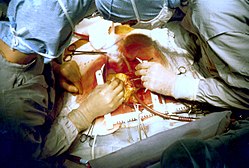
Two cardiac surgeons performing coronary artery bypass surgery. Note the use of a steel retractor to forcefully maintain the exposure of the heart.
ICD-9-CM35-37
MeSHD006348
OPS-301 code5-35...5-37
Cardiac surgery
SpecialtyCardiothoracic surgery

Cardiac surgery, or cardiovascular surgery, is a surgery on the heart or great vessels performed by cardiac surgeons. It is often used to treat complications of ischemic heart disease (for example, with coronary artery bypass grafting); to correct congenital heart disease; or to treat valvular heart disease from various causes, including endocarditis, rheumatic heart disease,[1] and atherosclerosis.[2] It also includes heart transplantation.[3]

History

[edit]

19th century

[edit]

The earliest operations on the pericardium (the sac that surrounds the heart) took place in the 19th century and were performed by Francisco Romero (1801) in the city of Almería (Spain),[4] Dominique Jean Larrey (1810), Henry Dalton (1891), and Daniel Hale Williams (1893).[5] The first surgery on the heart itself was performed by Axel Cappelen on 4 September 1895 at Rikshospitalet in Kristiania, now Oslo. Cappelen ligated a bleeding coronary artery in a 24-year-old man who had been stabbed in the left axilla and was in deep shock upon arrival. Access was through a left thoracotomy. The patient awoke and seemed fine for 24 hours but became ill with a fever and died three days after the surgery from mediastinitis.[6][7]

20th century

[edit]

Surgery on the great vessels (e.g., aortic coarctation repair, Blalock–Thomas–Taussig shunt creation, closure of patent ductus arteriosus) became common after the turn of the century. However, operations on the heart valves were unknown until, in 1925, Henry Souttar operated successfully on a young woman with mitral valve stenosis. He made an opening in the appendage of the left atrium and inserted a finger in order to palpate and explore the damaged mitral valve. The patient survived for several years,[8] but Souttar's colleagues considered the procedure unjustified, and he could not continue.[9][10]

Alfred Blalock, Helen Taussig, and Vivien Thomas performed the first successful palliative pediatric cardiac operation at Johns Hopkins Hospital on 29 November 1944, in a one-year-old girl with Tetralogy of Fallot.[11] Their work on patient Eileen Saxon was dramatically portrayed by HBO in the 2004 television film Something The Lord Made as the birth of modern cardiac surgery.

Cardiac surgery changed significantly after World War II. In 1947, Thomas Sellors of Middlesex Hospital in London operated on a Tetralogy of Fallot patient with pulmonary stenosis and successfully divided the stenosed pulmonary valve. In 1948, Russell Brock, probably unaware of Sellors's work,[12] used a specially designed dilator in three cases of pulmonary stenosis. Later that year, he designed a punch to resect a stenosed infundibulum, which is often associated with Tetralogy of Fallot. Many thousands of these "blind" operations were performed until the introduction of cardiopulmonary bypass made direct surgery on valves possible.[9]

Also in 1948, four surgeons carried out successful operations for mitral valve stenosis resulting from rheumatic fever. Horace Smithy of Charlotte used a valvulotome to remove a portion of a patient's mitral valve,[13] while three other doctors—Charles Bailey of Hahnemann University Hospital in Philadelphia; Dwight Harken in Boston; and Russell Brock of Guy's Hospital in London—adopted Souttar's method. All four men began their work independently of one another within a period of a few months. This time, Souttar's technique was widely adopted, with some modifications.[9][10]

The first successful intracardiac correction of a congenital heart defect using hypothermia was performed by lead surgeon Dr. F. John Lewis[14][15] (Dr. C. Walton Lillehei assisted) at the University of Minnesota on 2 September 1952. In 1953, Alexander Alexandrovich Vishnevsky conducted the first cardiac surgery under local anesthesia. In 1956, Dr. John Carter Callaghan performed the first documented open-heart surgery in Canada.[16]

Types

[edit]

Open-heart surgery

[edit]

Open-heart surgery is any kind of surgery in which a surgeon makes a large incision (cut) in the chest to open the rib cage and operate on the heart. "Open" refers to the chest, not the heart.[citation needed] Depending on the type of surgery, the surgeon also may open the heart.[17]

Dr. Wilfred G. Bigelow of the University of Toronto found that procedures involving opening the patient's heart could be performed better in a bloodless and motionless environment. Therefore, during such surgery, the heart is temporarily stopped, and the patient is placed on cardiopulmonary bypass, meaning a machine pumps their blood and oxygen. Because the machine cannot function the same way as the heart, surgeons try to minimize the time a patient spends on it.[18]

Cardiac surgery at Gemelli Hospital in Rome

Cardiopulmonary bypass was developed after surgeons realized the limitations of hypothermia in cardiac surgery: Complex intracardiac repairs take time, and the patient needs blood flow to the body (particularly to the brain), as well as heart and lung function. In July 1952, Forest Dodrill was the first to use a mechanical pump in a human to bypass the left side of the heart whilst allowing the patient's lungs to oxygenate the blood, in order to operate on the mitral valve.[19] In 1953, Dr. John Heysham Gibbon of Jefferson Medical School in Philadelphia reported the first successful use of extracorporeal circulation by means of an oxygenator, but he abandoned the method after subsequent failures.[20] In 1954, Dr. Lillehei performed a series of successful operations with the controlled cross-circulation technique, in which the patient's mother or father was used as a "heart-lung machine".[21] Dr. John W. Kirklin at the Mayo Clinic was the first to use a Gibbon-type pump-oxygenator.[20][22] Russell M. Nelson became the first surgeon to perform an open heart surgery in Utah in 1955.[23]

Nazih Zuhdi performed the first total intentional hemodilution open-heart surgery on Terry Gene Nix, age 7, on 25 February 1960 at Mercy Hospital in Oklahoma City. The operation was a success; however, Nix died three years later.[24] In March 1961, Zuhdi, Carey, and Greer performed open-heart surgery on a child, aged 3+12, using the total intentional hemodilution machine.

Modern beating-heart surgery

[edit]

In the early 1990s, surgeons began to perform off-pump coronary artery bypass, done without cardiopulmonary bypass. In these operations, the heart continues beating during surgery, but is stabilized to provide an almost still work area in which to connect a conduit vessel that bypasses a blockage. The conduit vessel that is often used is the saphenous vein. This vein is harvested using a technique known as endoscopic vein harvesting (EVH).

Heart transplant

[edit]

In 1945, the Soviet pathologist Nikolai Sinitsyn successfully transplanted a heart from one frog to another frog and from one dog to another dog.

Norman Shumway is widely regarded as the father of human heart transplantation, although the world's first adult heart transplant was performed by a South African cardiac surgeon, Christiaan Barnard, using techniques developed by Shumway and Richard Lower.[25] Barnard performed the first transplant on Louis Washkansky on 3 December 1967 at Groote Schuur Hospital in Cape Town.[25][26] Adrian Kantrowitz performed the first pediatric heart transplant on 6 December 1967 at Maimonides Hospital (now Maimonides Medical Center) in Brooklyn, New York, barely three days later.[25] Shumway performed the first adult heart transplant in the United States on 6 January 1968 at Stanford University Hospital.[25]

Coronary artery bypass grafting

[edit]

Coronary artery bypass grafting (CABG), also called revascularization, is a common surgical procedure to create an alternative path to deliver blood supply to the heart and body, with the goal of preventing clot formation. This can be done in many ways, and the arteries used can be taken from several areas of the body.[27] Arteries are typically harvested from the chest, arm, or wrist and then attached to a portion of the coronary artery, relieving pressure and limiting clotting factors in that area of the heart.[28]

The procedure is typically performed because of coronary artery disease (CAD), in which a plaque-like substance builds up in the coronary artery, the main pathway carrying oxygen-rich blood to the heart. This can cause a blockage and/or a rupture, which can lead to a heart attack.[28]

Minimally invasive surgery

[edit]

As an alternative to open-heart surgery, which involves a five- to eight-inch incision in the chest wall, a surgeon may perform an endoscopic procedure by making very small incisions through which a camera and specialized tools are inserted.[29] Recently, minimally invasive coronary artery bypass grafting demonstrated excellent outcomes and appears to be a safe method in well-selected patients with multivessel coronary artery disease.[30]

In robot-assisted heart surgery, a machine controlled by a cardiac surgeon is used to perform a procedure. The main advantage to this is the size of the incision required: three small port holes instead of an incision big enough for the surgeon's hands.[31] The use of robotics in heart surgery continues to be evaluated, but early research has shown it to be a safe alternative to traditional techniques.[32]

Post-surgical procedures

[edit]

As with any surgical procedure, cardiac surgery requires postoperative precautions to avoid complications. Incision care is needed to avoid infection and minimize scarring. Swelling and loss of appetite are common.[33][34]

Recovery from open-heart surgery begins with about 48 hours in an intensive care unit, where heart rate, blood pressure, and oxygen levels are closely monitored. Chest tubes are inserted to drain blood around the heart and lungs. Postoperative pain control after cardiac surgery may involve chest-area nerve blocks for small, short-term reductions in pain or opioid use.[35]

After discharge from the hospital, compression socks may be recommended in order to regulate blood flow.[36]

Risks

[edit]

The advancement of cardiac surgery and cardiopulmonary bypass techniques has greatly reduced the mortality rates of these procedures. For instance, repairs of congenital heart defects are currently estimated to have 4–6% mortality rates.[37][38]

A major concern with cardiac surgery is neurological damage. Stroke occurs in 2–3% of all people undergoing cardiac surgery, and the rate is higher in patients with other risk factors for stroke.[39] A more subtle complication attributed to cardiopulmonary bypass is postperfusion syndrome, sometimes called "pumphead". The neurocognitive symptoms of postperfusion syndrome were initially thought to be permanent,[40] but turned out to be transient, with no permanent neurological impairment.[41]

In order to assess the performance of surgical units and individual surgeons, a popular risk model has been created called the EuroSCORE. It takes a number of health factors from a patient and, using precalculated logistic regression coefficients, attempts to quantify the probability that they will survive to discharge. Within the United Kingdom, the EuroSCORE was used to give a breakdown of all cardiothoracic surgery centres and to indicate whether the units and their individuals surgeons performed within an acceptable range. The results are available on the Care Quality Commission website.[42][43]

Another important source of complications are the neuropsychological and psychopathologic changes following open-heart surgery. One example is Skumin syndrome [fr], described by Victor Skumin in 1978, which is a "cardioprosthetic psychopathological syndrome"[44] associated with mechanical heart valve implants and characterized by irrational fear, anxiety, depression, sleep disorder, and weakness.[45][46]

Risk reduction

[edit]

Pharmacological and non-pharmacological prevention approaches may reduce the risk of atrial fibrillation after an operation and reduce the length of hospital stays, however there is no evidence that this improves mortality.[47]

Non-pharmacologic approaches

[edit]

Preoperative physical therapy may reduce postoperative pulmonary complications, such as pneumonia and atelectasis, in patients undergoing elective cardiac surgery and may decrease the length of hospital stay by more than three days on average.[48] There is evidence that quitting smoking at least four weeks before surgery may reduce the risk of postoperative complications.[49]

Pharmacological approaches

[edit]

Beta-blocking medication is sometimes prescribed during cardiac surgery. There is some low certainty evidence that this perioperative blockade of beta-adrenergic receptors may reduce the incidence of atrial fibrillation and ventricular arrhythmias in patients undergoing cardiac surgery.[50]

See also

[edit]

References

[edit]

Further reading

[edit]
[edit]
Revisions and contributorsEdit on WikipediaRead on Wikipedia
from Grokipedia
Cardiac surgery is a specialized field of focused on the surgical treatment of pathologies affecting the heart and , encompassing procedures to repair or replace damaged structures, restore blood flow, and manage congenital or acquired heart diseases. This discipline addresses a wide range of conditions, including , valvular disorders, , congenital defects, and aortic aneurysms, often requiring advanced techniques such as to temporarily support circulation during operations. Performed by cardiothoracic surgeons in settings, cardiac surgery has evolved into a high-stakes intervention with mortality rates typically ranging from 2-3% for elective procedures, though risks like postoperative (around 1.8% in coronary bypass cases) remain notable. The history of cardiac surgery spans over a century, beginning with early 19th-century experiments amid significant ethical resistance, as surgeons like deemed direct heart operations unethical in 1881. Pioneering milestones included the first successful pericardial wound repair by Henry C. Dalton in 1891 and in 1893, followed by Ludwig Rehn's 1906 report of 124 cardiac wound repairs achieving a 40% survival rate. Progress accelerated in the mid-20th century with Robert E. Gross's 1938 ligation of a , the Blalock-Taussig shunt in 1944 for congenital defects, and John Gibbon's 1953 invention of the heart-lung machine, which enabled open-heart surgery. Further breakthroughs included the first coronary artery bypass grafting (CABG) by Robert Hans Goetz in 1960 and Christiaan Barnard's 1967 human heart transplant, transforming cardiac surgery from a speculative endeavor into a cornerstone of modern cardiovascular care. Among the most common procedures, coronary artery bypass grafting (CABG) reroutes blood flow around blocked arteries using vessels from elsewhere in the body, primarily to alleviate and prevent heart attacks in patients with severe coronary disease. Valve repair or replacement corrects dysfunctional heart valves, often via open surgery or minimally invasive approaches, while congenital defect corrections address structural anomalies present from birth, such as septal defects or . serves as a life-saving option for end-stage , replacing a diseased heart with a donor organ, and arrhythmia surgeries like the Cox-Maze procedure ablate tissue to restore normal . These interventions, which can range from minimally invasive to multi-hour open procedures, are selected based on patient-specific factors like age, comorbidities, and disease severity. Advancements in cardiac surgery continue to emphasize minimally invasive and hybrid techniques, including robot-assisted surgery and (TAVR), introduced in 2002, which allow valve implantation without full sternotomy and reduce recovery time. Multidisciplinary teams, incorporating innovations like ventricular assist devices for bridge-to-transplant support and for organ preservation, have improved outcomes for complex cases such as and . In the United States, these procedures account for approximately $20 billion in annual healthcare costs, representing approximately 0.4% of the total healthcare budget (as of 2023). This underscores their critical role in managing , the leading globally.

Fundamentals

Definition and scope

Cardiac surgery is a specialized medical discipline dedicated to the surgical treatment of pathologies affecting the heart and great vessels, including the . It addresses congenital defects present from birth, acquired conditions such as and valvular dysfunction, and traumatic injuries resulting from events like penetrating wounds or blunt force. These interventions aim to repair, replace, or bypass damaged structures to restore hemodynamic stability and prevent complications like or sudden cardiac death. The scope of cardiac surgery extends to both elective procedures, planned to manage chronic conditions, and emergency operations, such as those for acute or massive . It applies across all age groups, from neonates with critical congenital anomalies to elderly adults with degenerative valve disease, requiring tailored approaches for pediatric and adult populations. Distinct from non-surgical cardiovascular treatments like (PCI) or medical therapy with anticoagulants and statins, cardiac surgery often necessitates direct visualization and manipulation of cardiac structures, frequently utilizing to maintain circulation during the procedure. Primary anatomical targets in cardiac surgery include the four heart chambers (right and left atria, right and left ventricles), the cardiac valves (aortic, mitral, tricuspid, and pulmonary), supplying myocardial blood flow, the and its branches, and the enclosing the heart. Procedures may involve grafting vessels to , excising or repairing aneurysmal segments of the , or reconstructing septal defects in congenital cases, all guided by preoperative imaging like and . Globally, cardiovascular diseases necessitated over 1 million cardiac surgical procedures annually as of the early , including both adult and pediatric cases, underscoring the field's critical role in addressing the leading cause of mortality worldwide. In the United States, approximately 300,000 to 400,000 such surgeries occurred each year as of the early , with coronary artery bypass grafting (CABG) accounting for around 150,000 to 200,000 cases, highlighting the scale of intervention required for prevalent conditions like ischemic heart disease. These volumes reflect evolving techniques, including minimally invasive options, but also persistent gaps in access, particularly in low-resource settings where up to 75% of the population lacks timely surgical care.

Indications and patient selection

Cardiac surgery is indicated primarily for conditions that significantly impair cardiac function and are unresponsive to medical management, including (CAD), , congenital heart defects, aortic aneurysms, and advanced . In CAD, coronary artery bypass grafting (CABG) is recommended for patients with significant left main coronary artery stenosis (>50% diameter reduction), three-vessel disease with left ventricular ejection fraction (LVEF) ≤50%, or multivessel disease in diabetics, as these improve survival and symptom relief compared to medical therapy or alone. For , surgical intervention such as aortic or replacement or repair is indicated in symptomatic severe (aortic velocity ≥4.0 m/s, mean gradient ≥40 mm Hg, valve area ≤1.0 cm²) or severe (effective regurgitant orifice area ≥0.4 cm², regurgitant volume ≥60 mL), and in asymptomatic cases with LVEF <50% or left ventricular end-systolic diameter ≥50 mm to prevent irreversible ventricular dysfunction. Congenital defects like atrial or ventricular septal defects warrant repair if they cause significant shunting leading to right heart overload, pulmonary hypertension, or cyanosis, typically in infancy or adulthood if residual defects persist. Aortic aneurysms necessitate surgery for ascending aorta diameters ≥5.5 cm in non-syndromic patients or ≥5.0 cm with rapid growth (≥0.5 cm/year), to mitigate rupture risk. In , surgery is pursued for ischemic cardiomyopathy unresponsive to guideline-directed medical therapy, such as CABG in patients with LVEF ≤35% and viable myocardium, or advanced therapies like left ventricular assist device implantation in refractory cases. Diagnostic processes for determining surgical candidacy involve multimodal imaging and functional assessments to quantify disease severity and guide decision-making. Transthoracic or transesophageal echocardiography evaluates valvular function, chamber sizes, and LVEF, while coronary angiography confirms CAD extent and suitability for revascularization. Computed tomography (CT) or magnetic resonance imaging (MRI) assesses aortic aneurysms and congenital anatomy, and stress testing (exercise or pharmacologic) identifies ischemia in CAD or valvular disease. Risk stratification employs validated scoring systems like EuroSCORE II, which incorporates 18 variables including age, comorbidities, and procedural urgency to predict in-hospital mortality and inform shared decision-making. Patient selection emphasizes a multidisciplinary heart team approach, balancing benefits against risks based on individual factors. Age influences choice, with surgical aortic valve replacement preferred under 65 years for durability, while transcatheter options suit those over 80 with suitable anatomy. Comorbidities such as diabetes, chronic kidney disease, or chronic obstructive pulmonary disease elevate risk and may favor less invasive techniques, whereas symptom severity (e.g., New York Heart Association class III/IV) or surgical urgency (elective for stable disease versus emergent for acute decompensation) dictates timing. Overall, selection prioritizes patients with acceptable predicted mortality (<5-10% via EuroSCORE II) and life expectancy exceeding procedural recovery. Contraindications to cardiac surgery are primarily absolute in cases of patient refusal or prohibitive risk from advanced frailty (e.g., severe sarcopenia limiting recovery) or irreversible multiorgan failure (e.g., end-stage renal disease without dialysis feasibility). Relative contraindications include very high surgical risk (EuroSCORE II >20%) where benefits do not outweigh complications, or active uncontrolled infection outside guidelines, though these are evaluated case-by-case via heart team consensus.

History

Early developments (19th-early 20th century)

The early developments in cardiac surgery during the 19th and early 20th centuries were marked by tentative interventions focused on the pericardium and external cardiac injuries, constrained by the absence of effective anesthesia, antisepsis, and circulatory support. In 1810, French surgeon , Napoleon's chief military surgeon, performed the first reported pericardiotomy to relieve in a with a chest wound, successfully draining the fluid and saving the individual's life. This procedure represented an initial foray into accessing the heart's protective sac, though it was limited to external manipulation without direct cardiac intervention. Throughout the , human closed-heart procedures expanded to include for effusions, with techniques like incision or aspiration becoming more common to manage , often in trauma settings. Experimental work on animals laid crucial groundwork for suturing cardiac wounds. In 1882, Dr. Block from Danzig demonstrated in rabbits that penetrating heart injuries could be repaired by direct suturing, achieving survival without immediate , which challenged prevailing views that such manipulation was invariably fatal. These findings encouraged cautious human applications, though ethical concerns and technical limitations delayed widespread adoption. Entering the early 20th century, landmark human surgeries emerged despite persistent risks. In 1896, German surgeon Ludwig Rehn achieved the first successful suture of a penetrating heart in a 22-year-old stabbed in the left ventricle, closing the 1.5 cm laceration with silk and enabling full recovery—a feat accomplished amid skepticism about operating on the beating heart. Around the same period, Moritz Schiff's experiments in the 1870s on direct open-chest cardiac massage to resuscitate chloroform-arrested dogs were revived in 1902 by and Cecil Lane, who refined the technique in animals to restore circulation through manual compression, influencing later methods. Initial valve interventions also began, with British cardiologist Sir Thomas Lauder Brunton proposing surgical relief of via valvulotomy in 1902, though practical attempts remained experimental and largely unsuccessful at the time due to inadequate visualization. A pivotal milestone came from Alexis Carrel's innovations in . In the early 1900s, Carrel developed precise techniques for end-to-end vascular using fine silk sutures and triangular flaps, enabling reliable vessel reconnection in animals; these methods earned him the 1912 in Physiology or Medicine and later informed cardiac procedures. These advances occurred against formidable challenges, including extraordinarily high mortality rates—often exceeding 90% in early attempts—from postoperative infections due to unsterile conditions, inability to visualize or access intracardiac structures without stopping the heart, and lack of any bypass mechanism to maintain circulation. Ethical barriers further hindered progress, as surgeons grappled with the moral implications of operating on the vital, beating organ, limiting interventions to desperate trauma cases rather than elective repairs.

Mid-20th century breakthroughs

The mid-20th century marked a pivotal shift in cardiac surgery from palliative, indirect interventions to direct access and repair of intracardiac defects, driven by innovations in circulatory support techniques developed primarily in the 1940s and 1950s. Building on earlier experimental work with shunts, surgeons began addressing the heart's interior under controlled conditions, enabling operations previously deemed impossible due to the risks of blood loss and oxygen deprivation. A foundational advancement was the Blalock-Taussig shunt, performed successfully on November 29, 1944, by and Helen Taussig at , which connected the to the to palliate in infants, dramatically improving oxygenation and survival in cyanotic children. This procedure, inspired by experiments on dogs, represented the first systemic-to-pulmonary artery for congenital heart disease and set the stage for more invasive repairs. In the early 1950s, emerged as a method to induce circulatory arrest, allowing brief periods of open-heart surgery without mechanical support. Canadian surgeon Wilfred Bigelow and his team at the demonstrated in 1950 that cooling the body to 28–32°C reduced metabolic oxygen demand by up to 60%, enabling safe circulatory arrest for 5–10 minutes in animal models, which was soon applied clinically for closures. This technique, detailed in Bigelow's seminal paper, extended operable time but was limited to short procedures due to risks of rewarming and . Parallel efforts focused on cross-circulation, where a donor—often a family member—provided oxygenated blood to the patient via cannulas, bypassing the need for a mechanical device. at the pioneered controlled cross-circulation in 1954, performing the first successful series of open intracardiac repairs, including closures, with a 62% survival rate across 45 pediatric cases, a marked improvement over prior attempts. , working in Lillehei's group, contributed to early applications of this method in 1953 for experimental and initial human trials, helping refine the technique before its broader adoption. The invention of the heart-lung machine revolutionized the field by enabling prolonged, total . John H. Gibbon Jr. at Jefferson Medical College developed the first functional model in the late 1940s, featuring a screen and roller pumps, and achieved the inaugural successful human use on May 6, 1953, repairing an in an 18-year-old patient who survived without neurological deficits. Gibbon's device allowed indefinite circulatory support, though early human applications had high failure rates due to oxygenation inefficiencies. These breakthroughs culminated in the establishment of dedicated cardiac surgery programs, such as John W. Kirklin's at the in 1955, where he adapted 's machine for clinical series, performing the first open-heart operations there on March 22, 1955, and achieving progressive success in repairing congenital defects like . Key figures including , Lillehei, and Kirklin collaborated across institutions, sharing techniques at meetings like the American Association for Thoracic Surgery, which accelerated standardization. The collective impact was profound: prior to these innovations, intracardiac surgery carried near-100% mortality due to uncontrollable and hypoxia, but by the late 1950s, select procedures saw rates drop to 10–20%, enabling routine repairs of valves and and transforming cardiac surgery from experimental to viable therapy for thousands. This era's advancements not only saved lives but also laid the groundwork for modern cardiothoracic centers, with survival rates continuing to improve as techniques were refined.

Late 20th-21st century advances

Following the mid-20th century establishment of core techniques, the late 20th century saw significant standardization and refinement of coronary artery bypass grafting (CABG). René Favaloro's 1967 introduction of the saphenous vein graft marked a pivotal advancement, with the procedure becoming widespread by the 1970s through improved surgical protocols and patient outcomes in large cohorts. Similarly, experienced a revival after Christiaan Barnard's landmark 1967 procedure, which initially faced high rejection rates; the introduction of cyclosporine in the 1980s dramatically reduced acute rejection episodes, enabling broader clinical adoption and long-term graft survival. Entering the 2000s, minimally invasive approaches transformed cardiac surgery by reducing recovery times and complications. The minimally invasive direct coronary artery bypass (MIDCAB) technique, developed in the mid-1990s via anterior mini-thoracotomy, targeted single-vessel without full sternotomy, offering equivalent patency rates to traditional methods in select patients. Robotic-assisted surgery advanced further with the FDA approval of the in 2000 for general use and 2002 for specific cardiac procedures like , enabling precise, tremor-free manipulations through small incisions and enhancing outcomes in complex anatomies. Hybrid procedures, combining surgical grafting with percutaneous stenting, emerged prominently in the 2000s for multivessel , providing complete with lower morbidity than full CABG while matching long-term in early trials. Recent innovations from the onward have integrated advanced technologies for precision and personalization. Three-dimensional ( of patient-specific heart models, based on data, has facilitated preoperative planning for complex repairs since the 2010s, improving surgical accuracy and reducing operative times in congenital and structural cases. adjuncts for repairs have shown promise in preclinical models by targeting underlying genetic defects to enhance tissue regeneration post-surgery, with ongoing trials exploring viral vectors for various congenital heart conditions. Post-2020, AI-assisted has optimized intraoperative guidance, automating segmentation in and MRI to predict procedural risks and personalize interventions. Global disparities in access, affecting over 6 billion people, have been addressed through 2020s initiatives like the Global Cardiac Surgery Initiative, which promotes training and infrastructure in low-resource settings to expand safe care. As of 2025, robotic integration has extended to cardiac transplantation and telesurgery, while AI enhances intraoperative and risk prediction. These advances have driven substantial improvements in safety, with operative mortality for elective CABG declining to under 2% by the 2020s, attributable to enhanced biomaterials like biocompatible grafts and standardized protocols reducing perioperative risks.

Preoperative Preparation

Patient evaluation

Patient evaluation for cardiac surgery entails a thorough preoperative assessment conducted by a multidisciplinary team comprising cardiologists, cardiac surgeons, anesthesiologists, nurses, and other specialists such as intensivists and perfusionists, to ensure comprehensive risk stratification and shared decision-making. This collaborative approach, as outlined in enhanced recovery after (ERAS) protocols, facilitates the identification of modifiable risk factors, optimization of patient physiology, and alignment of treatment with individual goals, ultimately improving perioperative outcomes. Diagnostic evaluation relies on a suite of non-invasive and invasive modalities to delineate , function, and ischemia. Electrocardiography (ECG) provides baseline rhythm and conduction data, while transthoracic echocardiography (TTE) and transesophageal echocardiography (TEE) assess ventricular function, valvular integrity, and intracardiac structures. , often including coronary angiography, evaluates and hemodynamics, guiding procedural planning. Nuclear stress testing identifies myocardial ischemia and viability in patients with suspected coronary disease, and biomarkers such as B-type natriuretic peptide (BNP) quantify severity, with elevated levels indicating higher risk of postoperative complications. Risk scoring integrates patient-specific variables into validated models to predict operative mortality and morbidity. The Society of Thoracic Surgeons (STS) score, derived from a large national database, incorporates over 40 factors including age, left ventricular ejection fraction (e.g., <30% elevates risk substantially), prior cardiac surgery, and dialysis dependence, achieving high predictive accuracy for procedures like coronary artery bypass grafting. Similarly, EuroSCORE II refines earlier models by weighting variables such as renal impairment and extracardiac arteriopathy, offering calibrated estimates of in-hospital mortality (e.g., scores >10% denote high risk). These tools inform patient counseling and procedural selection without overemphasizing exhaustive metrics. Psychological and social evaluation addresses non-physiological factors influencing surgical success, including processes that emphasize shared decision-making to align expectations with realistic outcomes. Screening for anxiety, depression, and coping mechanisms—using validated tools like the Hospital Anxiety and Depression Scale—is essential, as preoperative distress correlates with prolonged recovery and reduced compliance; for instance, elevated anxiety predicts longer hospital stays. Social support assessments ensure family involvement and address barriers like frailty or socioeconomic challenges.

Optimization and planning

Optimization and planning in cardiac surgery involves targeted interventions to enhance resilience and refine procedural strategies, drawing on risk assessments such as those from preoperative evaluations to guide preparations, including updates from the 2024 ERAS/STS Expert Consensus Statement emphasizing patient-centered multimodal care. Medical optimization focuses on mitigating modifiable risk factors to reduce perioperative complications. is recommended at least 8 weeks prior to surgery to improve and pulmonary function. control targets levels below 130/80 mmHg in patients with comorbidities like , achieved through antihypertensive adjustments. includes optimizing glycemic control with insulin or oral agents to prevent hyperglycemia-related risks. Medications such as beta-blockers are initiated or titrated at least 7-8 days preoperatively for patients with ischemic indications, while statins are continued or started to stabilize plaques and reduce cardiovascular events. Lifestyle interventions emphasize physical conditioning and nutritional enhancement over 4-6 weeks preoperatively. Weight loss programs, often combined with supervised exercise rehabilitation, aim to reduce obesity-related operative risks and improve functional capacity. Exercise protocols, such as aerobic , enhance cardiopulmonary reserve and have been shown to shorten stays in prehabilitation cohorts. For malnourished patients, identified in approximately 39% of cases on average via tools like the Nutritional Risk Screening, preoperative nutritional support with high-protein supplements improves outcomes by addressing and immune deficits. Surgical planning integrates advanced imaging and multidisciplinary coordination to tailor interventions. Computed tomography or enables , which facilitates precise anatomical visualization and reduces operative time by up to 20% in complex cases. Graft and prosthetic selection, such as choosing versus arterial conduits in bypass procedures, is informed by patient-specific factors like vessel quality and durability expectations. Timing coordination distinguishes urgent interventions for acute from elective or approaches in multivessel or scenarios, where delaying non-critical components minimizes cumulative risks. Special populations require adapted protocols to account for physiological vulnerabilities. In pediatric patients, dosing of anesthetics and cardioprotective agents like is weight-based, with comprehensive evaluations ensuring age-appropriate metabolic and hemodynamic stability. For elderly patients, frailty protocols incorporate comprehensive geriatric assessments evaluating mobility, , and nutrition, which predict postoperative and mortality, guiding optimizations like to improve resilience.

Surgical Approaches

Open-heart surgery

Open-heart surgery represents the traditional approach to accessing and operating on the heart, primarily through a median sternotomy incision that provides direct visualization of the cardiac structures. This method typically involves the use of cardiopulmonary bypass (CPB) to temporarily halt the heart's function, allowing surgeons to perform precise intracardiac repairs in a bloodless field. Cardioplegia solutions are administered to induce controlled cardiac arrest, minimizing myocardial oxygen demand and protecting the heart muscle during the procedure. The procedure begins with a median sternotomy, where the sternum is divided longitudinally to expose the heart and great vessels. Once access is gained, CPB is initiated through cannulation of the ascending aorta for arterial return and the superior and inferior vena cava (or right atrium) for venous drainage, diverting blood flow away from the heart and lungs. The patient's body temperature is then lowered to 28-32°C via the CPB circuit to further reduce metabolic activity and protect organs during circulatory arrest. The aorta is cross-clamped distal to the cannulation site to isolate the coronary circulation, after which cardioplegia is delivered—often anterogradely through the aortic root or retrogradely via the coronary sinus—to achieve diastolic arrest. With the heart stopped and decompressed, surgeons perform intracardiac repairs under direct vision, such as patching septal defects or reconstructing valves, before weaning from CPB and restoring normal circulation. This approach offers significant advantages, including unobstructed access to all cardiac chambers and great vessels, making it the preferred method for complex operations like or multi-valve interventions that require extensive manipulation. Refinements such as bicaval cannulation, which separates drainage from the superior and for more complete decompression of the right heart, have enhanced outcomes in these scenarios. Open-heart surgery has been the dominant technique since the 1950s, following the pioneering development of safe CPB by John Gibbon and others, which enabled the first successful intracardiac procedures. Throughout the modern era, median sternotomy with CPB has remained the gold standard for comprehensive cardiac access, though minimally invasive alternatives have emerged for select cases.

Minimally invasive and off-pump techniques

Minimally invasive cardiac surgery employs smaller incisions compared to traditional open-heart procedures, such as partial sternotomy or minithoracotomy, to access the heart while reducing surgical trauma. These approaches typically involve incisions of 4-6 cm, for instance, a right anterior thoracotomy in the third intercostal space for mitral valve access or a J-shaped partial sternotomy extending into the right fourth intercostal space for aortic valve procedures. Endoscopic tools and video-assisted thoracoscopy enable visualization and manipulation through these limited openings, often combined with peripheral cannulation for temporary cardiac support. Robotic assistance further refines these techniques by utilizing small ports, typically 1.5 cm in size, to insert articulated instruments that provide enhanced precision and three-dimensional visualization. Port-access methods, involving femoral cannulation and endoaortic balloon occlusion, allow for minimal incisions via ports, facilitating procedures like valve interventions without full chest opening. These innovations are particularly suited for selected patients with straightforward anatomy, promoting faster recovery through reduced tissue disruption. Off-pump techniques, also known as beating-heart surgery, perform interventions on a continuously beating heart without , relying on mechanical stabilizers to temporarily immobilize the target coronary area while preserving the body's natural . This approach is especially beneficial for high-risk patients, such as those with aortic , , or lung conditions, as it avoids the inflammatory response associated with bypass circuits. Key techniques include minimally invasive direct coronary artery bypass (MIDCAB), which uses a 5-8 cm left anterior in the fourth to graft the left internal mammary artery to the on a beating heart. Hybrid operating rooms integrate for real-time imaging, enabling precise guidance during these procedures and supporting seamless transitions between minimally invasive and interventional steps. Conversion to open surgery occurs in approximately 2-3% of cases, often due to unexpected adhesions, bleeding, or cannulation difficulties. These methods offer advantages including shorter hospital stays, averaging 4.5-6 days compared to 6-7.5 days for conventional approaches, and reduced blood loss by about 79 in the first 24 hours postoperatively. Patients also experience less postoperative pain, lower infection rates, and quicker return to normal activities, typically within 12 days versus 36 days. However, drawbacks include prolonged operative times—up to 55 minutes longer—and challenges with visibility in complex anatomies, potentially leading to incomplete or the need for additional interventions.

Common Procedures

Coronary artery bypass grafting

Coronary artery bypass grafting (CABG) is a surgical procedure designed to restore blood flow to the ischemic myocardium by creating detours around blocked using vascular grafts. It is primarily indicated for patients with multi-vessel (CAD), particularly three-vessel disease, or significant left main coronary artery , where improves survival and symptom relief compared to medical therapy alone.31739-8/fulltext) CABG is often superior to (PCI) in cases of complex , such as those with a SYNTAX score greater than 22, which quantifies lesion complexity and predicts higher risks with PCI. For instance, in patients with and multi-vessel disease, CABG reduces long-term major adverse cardiac events more effectively than PCI.31739-8/fulltext) The procedure typically employs arterial or venous conduits, with the left internal mammary artery (LIMA) being the preferred graft due to its superior long-term patency and endothelial function matching native . Saphenous vein grafts from the leg serve as alternatives for multiple bypasses, though they have lower durability. CABG can be performed on-pump, utilizing to arrest the heart, or off-pump (also known as beating-heart surgery), which avoids bypass to potentially reduce complications like in high-risk patients. Anastomoses, the connections between grafts and vessels, are usually end-to-side, suturing the graft's end to the side of the target coronary artery distally and to the proximally for vein grafts. Key surgical steps include harvesting the grafts—often endoscopically for saphenous veins or via for the internal mammary artery—followed by distal anastomoses to the beyond the stenoses, and then proximal anastomoses if needed. is initiated for on-pump cases to facilitate a still, bloodless field, though off-pump techniques stabilize the heart with mechanical devices. Since the 2010s, there has been a trend toward total arterial , using multiple arterial grafts like bilateral internal mammary arteries or radial arteries, to enhance durability and outcomes, particularly in younger patients, though adoption remains below 10% in many centers.31895-6/fulltext) Outcomes of CABG are generally favorable, with the graft demonstrating 10-year patency rates of 85-95%, significantly outperforming saphenous vein grafts at around 50%. As of 2023, approximately 200,000 CABG procedures were performed annually , reflecting its established role in treating advanced CAD.

Valve repair and replacement

Valve repair and replacement are surgical interventions aimed at correcting dysfunction in the heart's four valves—aortic, mitral, tricuspid, and pulmonic—primarily due to or from conditions such as leaflet or annular dilation in , and or rheumatic changes in . Indications for intervention include symptomatic severe disease or asymptomatic cases with left ventricular dysfunction, such as below 50% or end-systolic diameter exceeding 50 mm for , and peak velocity over 4 m/s or mean gradient above 40 mm Hg for . For , surgery is recommended for symptomatic severe primary disease or asymptomatic severe cases with 30-60% or end-systolic diameter at least 40 mm, while warrants intervention for symptomatic severe cases with valve area 1.5 cm² or less. typically requires repair during concomitant left-sided surgery for severe cases, and pulmonic valve interventions address symptomatic severe or on an individualized basis. Repair is preferred over replacement when feasible, as it preserves native tissue, reduces complications, and improves long-term outcomes, particularly for primary where success rates exceed 90% in experienced centers using techniques like leaflet resection, plication for , and annuloplasty rings to restore annular shape and size. Annuloplasty involves implanting a prosthetic ring—often semi-rigid and complete—to reinforce the annulus and enhance leaflet coaptation, achieving over 95% freedom from reoperation and more than 80% freedom from moderate or severe regurgitation at 15-20 years for degenerative cases. For aortic valves, repair techniques include cusp plication and commissural annuloplasty for regurgitation with favorable , while tricuspid repair commonly employs annuloplasty for secondary regurgitation due to annular dilation over 40 mm. Post-2010s hybrid approaches, such as (TAVR) for high-risk patients and transcatheter edge-to-edge repair (TEER) for inoperable , serve as adjuncts to surgical repair, with TEER approximating leaflets via clipping to reduce regurgitation in secondary cases despite medical . When repair is not possible, valve replacement uses mechanical or bioprosthetic prostheses; mechanical valves, such as bileaflet designs, offer lifelong durability but necessitate lifelong anticoagulation with targeting an international normalized ratio (INR) of 2-3 to prevent , whereas bioprosthetic valves avoid routine anticoagulation after initial but degenerate after 10-20 years, particularly in younger patients. For young adults with aortic disease, the —replacing the with the patient's pulmonic autograft and using a homograft for the pulmonic position—provides excellent and normal life expectancy, with 87% survival at 20 years despite a 20% reintervention rate, though it is considered only in select cases due to technical complexity. Overall, mitral repair demonstrates 90% durability at 10 years with lower reoperation, , and risks compared to replacement. These procedures can be performed via minimally invasive approaches in appropriate candidates to reduce recovery time.

Congenital heart defect correction

Congenital heart defect correction encompasses surgical interventions to repair structural anomalies present at birth, primarily in pediatric patients, aiming to restore normal and prevent long-term complications. These procedures address a spectrum of defects, from simple shunts to complex single-ventricle physiologies, often requiring open-heart techniques under . Early diagnosis through enables timely intervention, with outcomes varying by defect complexity and patient age. Common defects include (ASD) and (VSD), which involve abnormal communications between heart chambers leading to left-to-right shunting and potential . ASD closure typically uses a pericardial patch or transcatheter device like the Amplatzer Septal Occluder, performed electively around 4-5 years of age in children or upon presentation in adults, achieving high success rates with low mortality. VSD closure employs a Dacron patch surgically or perventricular hybrid approach without bypass in infants, recommended before 6-12 months to avert pulmonary vascular obstructive disease, with closure rates exceeding 90% in muscular types by 12 months. Tetralogy of Fallot (TOF) repair addresses right ventricular outflow tract obstruction, VSD, , and . Palliative modified Blalock-Taussig (BT) shunt, connecting the to , provides initial relief in neonates, with 30-day mortality around 7%. Definitive repair at 3-6 months involves VSD closure and outflow tract augmentation via transannular patch or valve-sparing techniques, yielding 95-98% survival into adulthood. , a narrowing of the , is corrected by resection with end-to-end or subclavian flap aortoplasty in neonates, with balloon preferred for older children, showing good short-term patency. For (HLHS), a severe single-ventricle defect, the serves as the first stage of palliation, reconstructing the from the and securing pulmonary flow via BT or , performed within the first week of life using and atrial septectomy. This initiates a staged approach, followed by bidirectional Glenn at 4-6 months and Fontan completion at 3-5 years, with neonatal mortality approximately 15% and interstage mortality up to 15%. Hybrid catheter-surgical combinations, involving PDA stenting and banding, have emerged in the 2020s as alternatives for high-risk neonates, offering comparable early survival to Norwood. Neonatal timing is critical for cyanotic or obstructive defects like TOF and HLHS to minimize hypoxia and organ damage, while simpler shunts like ASD/VSD allow deferred elective repair. Long-term surveillance is essential, as 20-30% of patients require reintervention for residual lesions, arrhythmias, or valve dysfunction, particularly after transannular patches in TOF or arch recoarctation. Advances include experimental fetal interventions, such as percutaneous aortic valvuloplasty for evolving HLHS, achieving biventricular outcomes in about 50% of cases but carrying a 10% fetal demise risk, remaining largely investigational as of 2025. Overall, survival for simple defects like ASD/VSD has improved to 95-99%, reflecting refinements in perioperative care and minimally invasive hybrids.

Heart transplantation

Heart transplantation is indicated for patients with end-stage who exhibit persistent New York Heart Association (NYHA) class IV symptoms refractory to optimal guideline-directed medical therapy, advanced heart failure devices, and modifications. Candidates typically include those with advanced heart failure profiles as defined by the Interagency Registry for Mechanically Assisted Circulatory Support (INTERMACS), particularly profiles 1 through 3, indicating critical , progressive decline, or stable but inotrope-dependent states despite maximal support. Listing criteria emphasize multidisciplinary evaluation to confirm irreversible cardiac dysfunction, absence of contraindications such as irreversible or multiorgan failure, and potential for post-transplant benefit, with cardiopulmonary exercise testing (peak VO₂ ≤12-14 mL/kg/min) and right heart catheterization often guiding eligibility. The procedure involves orthotopic heart transplantation, where the donor heart replaces the recipient's heart in its anatomic position, most commonly using the bicaval technique, which anastomoses the donor and recipient superior and inferior vena cavae separately along with the , , and left atrium.30103-X/fulltext) This approach has largely supplanted the earlier biatrial technique—introduced in 1967 and involving broader atrial anastomoses—due to reduced incidence of atrial arrhythmias, better preservation of sinus node function, and improved long-term , as evidenced by meta-analyses showing lower early and late complications with bicaval anastomosis.30103-X/fulltext) Ischemic time, from donor cross-clamp to reperfusion, is ideally limited to under 4 hours to minimize graft injury, though up to 6 hours may be acceptable for optimal donors; intraoperative (ECMO) provides temporary support if primary graft dysfunction occurs, facilitating weaning in select cases of severe early failure. Postoperatively, immunosuppression follows a triple-drug regimen comprising calcineurin inhibitors (e.g., tacrolimus or cyclosporine, targeting trough levels of 8-10 ng/mL initially), corticosteroids (e.g., prednisone), and antimetabolites (e.g., mycophenolate mofetil), initiated immediately to prevent rejection while balancing infection and toxicity risks. Acute cellular and antibody-mediated rejection is surveilled primarily through endomyocardial biopsies, performed weekly in the first month, monthly through the first year, and every 4-6 months thereafter in stable patients, with more frequent sampling for high-risk individuals (e.g., young age or prior rejection episodes); noninvasive adjuncts like gene expression profiling may reduce biopsy frequency after year 1. One-year survival rates for heart transplant recipients in the range from 85% to 90%, reflecting advances in donor management and , though long-term outcomes are constrained by donor shortages, with approximately 5,000 to 6,000 heart transplants performed globally annually as of 2024.

Intraoperative Management

Cardiopulmonary bypass

Cardiopulmonary bypass (CPB) is a critical technique in cardiac surgery that temporarily assumes the functions of the heart and lungs, allowing surgeons to operate on a still and bloodless field while maintaining systemic circulation and oxygenation. Developed in the mid-20th century, CPB enables complex intracardiac procedures by diverting venous blood from the patient, processing it extracorporeally, and returning oxygenated blood to the arterial system. The system replicates pulmonary gas exchange and cardiac pumping action, typically under hypothermic conditions to reduce metabolic demand. CPB is employed in the majority of open-heart surgeries, with usage rates around 80-90% of such procedures, as off-pump alternatives are reserved for specific low-risk cases. The CPB circuit comprises essential components designed for efficient blood handling and physiological support. Central to the system is a centrifugal or roller that propels forward at controlled rates. The , often a membrane type, facilitates the of oxygen into the and removal of , mimicking alveolar function. Integrated with the is a that regulates temperature, enabling cooling for myocardial protection and rewarming post-procedure. Arterial and venous line filters remove microemboli, particulate matter, and air to safeguard against and organ . Prior to initiation, the circuit is primed with 1-2 liters of crystalloid solution, such as balanced fluids, occasionally augmented with products like packed red cells or to optimize and minimize hemodilution in smaller patients or those with . Effective circuit management during CPB focuses on hemodynamic stability and prevention of . Blood flow is maintained non-pulsatile at 2.2-2.4 L/min per square meter of to ensure adequate organ , adjusted based on patient needs and monitored via inline flow probes. is targeted at 50-70 mmHg, using vasopressors if necessary to counteract from or . Systemic anticoagulation is mandatory to avoid clotting in the foreign circuit surfaces; unfractionated is administered intravenously at 300 units per kg prior to cannulation, with the activated clotting time (ACT) maintained above 480 seconds through periodic testing and bolus dosing. Additional heparin-protamine or point-of-care assays may guide reversal upon discontinuation. Weaning from CPB requires a methodical transition to restore native cardiac and pulmonary function. After completing the surgical repair, the patient is gradually rewarmed to normothermia (nasopharyngeal temperature of 36.5-37.5°C) at a controlled rate of no more than 0.5°C per minute to prevent cerebral or , with the temperature gradient between blood and core limited to 10°C. Pump flow is then reduced stepwise—starting at partial levels (e.g., 50% of full flow)—while assessing ventricular filling, contractility via transesophageal , and hemodynamic parameters like and lactate levels. Once stability is achieved, full separation occurs, followed by decannulation and circuit flushing. In minimally invasive cardiac surgery, vacuum-assisted venous drainage applies negative pressure (-20 to -60 mmHg) to the venous reservoir, improving return flow through smaller cannulas without increasing risk when properly regulated. Despite its efficacy, CPB is associated with specific complications arising from blood-circuit interactions. , the shearing of red blood cells by pumps and oxygenators, can elevate plasma free levels, potentially leading to renal tubular damage if exceeding 20-50 mg/dL, though modern centrifugal pumps have reduced incidence to under 5% in uncomplicated cases. More broadly, CPB triggers a (SIRS) through activation of complement, cytokines, and contact pathways, manifesting as fever, , and capillary leak, which contributes to 20-30% of postoperative morbidity including prolonged ventilation and . Strategies like biocompatible coatings and mitigate these risks, but vigilant monitoring remains essential.

Myocardial protection strategies

Myocardial protection strategies in cardiac surgery aim to minimize ischemic injury to the heart muscle during periods of induced , primarily through and supportive techniques that reduce metabolic demand and prevent cellular damage. These methods are essential when the heart is stopped to create a still operative field, typically under , allowing surgeons to perform procedures without ongoing coronary blood flow. The primary goal is to maintain myocardial viability by achieving rapid diastolic , limiting oxygen consumption, and mitigating upon restoration of flow. Cardioplegia involves the infusion of specialized solutions to induce controlled , most commonly via antegrade delivery through the aortic root into the or retrograde delivery through the for cases with obstructed coronaries or aortic insufficiency. Cold solutions, maintained at 4-8°C to further suppress , are widely used; a seminal example is solution, a crystalloid formulation containing (KCl, 16 mmol/L) to depolarize the and induce diastolic arrest, along with (16 mmol/L), (1 mmol/L), and low calcium (1.2 mmol/L) in a base of (110 mmol/L) and (10 mmol/L). This solution requires intermittent redosing every 20-30 minutes to counteract accumulating myocardial and sustain protection, with initial doses of 300-500 mL adjusted based on patient factors. Adjuncts to enhance protection by further reducing oxygen demand or stabilizing cellular function. , often systemic or topical, lowers myocardial metabolism by up to 97% at profound levels (), extending safe ischemic time to approximately 45 minutes. Fibrillatory arrest, induced by electrical fibrillation prior to clamping, combined with mild (32-34°C), decreases oxygen consumption compared to a beating empty heart and avoids full cardioplegic arrest in select off-pump or minimally invasive cases. Preoperative pharmacological agents, such as beta-blockers, precondition the myocardium by reducing and contractility, thereby limiting ischemic stress when combined with hypothermic cardioplegia. A key debate surrounds blood versus crystalloid , with blood-based solutions offering superior oxygen-carrying capacity and endogenous antioxidants to buffer reperfusion radicals, potentially mimicking normal better than crystalloids. Meta-analyses of randomized trials indicate blood cardioplegia reduces low-output syndrome ( 0.54) and early creatine kinase-MB release (by 5.9 U/L at 24 hours) without differing significantly in mortality or rates, though crystalloids like St. Thomas' remain valued for simplicity and cost-effectiveness. Monitoring ensures effective protection, with intramyocardial temperature probes placed in the ventricular walls to track cooling and rewarming, guiding dosing to prevent hotspots exceeding safe ischemic thresholds. Reperfusion injury, characterized by oxidative stress from free radicals, is mitigated using antioxidants in cardioplegic solutions or adjunct therapies, as blood cardioplegia's natural scavengers help neutralize these upon reflow. Evolving strategies since the 1990s include warm (normothermic blood-based, >28°C), which preserves enzymatic function and metabolic activity during arrest, reducing upon unclamping (2% vs. 84% with cold) and perioperative (by 86%), as shown in early trials of over 300 coronary patients. The del Nido solution, developed in the early 1990s at the for immature myocardium, represents a single-dose advancement; this crystalloid-blood hybrid (containing lidocaine 100 mg/L, 50-150 mmol/L, , and ) provides prolonged protection (up to 90 minutes without redosing) and is particularly adopted in , lowering release and needs compared to multidose cold in neonates and infants.

Postoperative Care

Immediate recovery

Following cardiac surgery, patients are transferred to the cardiovascular (CVICU) for intensive monitoring and stabilization during the initial 24 to 72 hours, focusing on hemodynamic support, respiratory recovery, and early complication management. This period emphasizes rapid assessment of , cardiac function, and organ to facilitate a smooth transition from intraoperative to postoperative care. Hemodynamic and respiratory monitoring form the cornerstone of immediate recovery. A Swan-Ganz () catheter may be inserted in select high-risk patients to provide continuous data on , pulmonary artery pressures, and mixed venous , guiding fluid and vasoactive drug administration. is typically weaned within 6 to 12 hours post-surgery in low-risk patients meeting readiness criteria, such as adequate oxygenation and mental status, to reduce ventilator-associated complications. Temporary epicardial pacing wires, placed intraoperatively, are activated if or develops, supporting heart rate and rhythm stability. Pain management employs a multimodal strategy to optimize analgesia while minimizing respiratory depression and risks. This includes intravenous like for breakthrough pain, combined with thoracic epidural analgesia using local anesthetics such as bupivacaine, and adjuncts like acetaminophen or gabapentinoids to reduce overall opioid requirements. is meticulously controlled with , such as , administered early to counteract intraoperative fluid shifts and prevent pulmonary congestion or . Common early complications require prompt intervention. Postoperative affects 20% to 40% of patients, typically within the first 48 hours, and is managed with rate control and antiarrhythmic agents like to restore and prevent . Excessive necessitating surgical re-exploration occurs in fewer than 5% of cases, often due to or surgical site issues, and is indicated by output exceeding predefined thresholds (e.g., >400 mL/hour in the second postoperative hour). Transfer from the CVICU to a step-down unit occurs once criteria are met, including hemodynamic stability (e.g., >65 mmHg without high-dose inotropes), successful extubation, adequate control, and absence of active arrhythmias or . Fast-track protocols, incorporating early extubation and minimized , enable many patients to achieve these milestones within 24 hours, reducing average ICU stays to approximately 1 day without increasing readmission risks. Prior to discharge, instructions for early home mobilization are provided, particularly following coronary artery bypass grafting, with progressive walking programs to support recovery. Recommended guidelines include, for weeks 1-2, 400-800 meters or 5-10 minutes of light walking 1-2 times daily, adding simple arm swings; week 3, 1200 meters via 20 minutes walking plus 5 minutes rest plus 20 minutes, once daily, segmenting if tired; week 4, 1600 meters or 20-30 minutes walking once daily; and weeks 5-6, 2000-3000 meters or 30-40 minutes walking once daily, aiming for over 150 minutes weekly accumulation. Focus remains on daily movement over strict targets, with adjustments for fatigue.

Long-term management

Long-term management after cardiac surgery emphasizes ongoing surveillance, , rehabilitation, and support for to optimize outcomes, prevent complications, and promote sustained cardiovascular . Patients are typically followed by a multidisciplinary team including cardiologists, surgeons, and providers, with care tailored to the specific procedure performed, such as coronary artery bypass grafting (CABG), valve repair or replacement, or congenital defect correction. This phase begins upon hospital discharge and extends indefinitely, focusing on risk factor modification and early detection of issues like graft occlusion or valve dysfunction. Surveillance involves regular clinical assessments and to monitor surgical outcomes and detect deterioration. Transthoracic echocardiograms are recommended initially 1-3 months post-procedure, with subsequent surveillance tailored to the prosthesis type and patient factors (e.g., every 3-5 years for asymptomatic bioprosthetic valves or as clinically indicated for mechanical valves), to evaluate prosthetic function, gradients, and regurgitation. For CABG patients, endothelial function tests, such as flow-mediated dilation or invasive assessments, may be used in select cases to evaluate graft patency and vascular , particularly in research or high-risk scenarios where early dysfunction predicts long-term failure. Additional tests, including or , are performed as needed based on symptoms or risk factors. Pharmacological management is cornerstone for secondary prevention, with regimens individualized to reduce thrombotic, ischemic, and hypertensive risks. Lifelong antiplatelet therapy with aspirin (81-325 mg daily) is standard for all patients post-CABG to maintain graft patency and prevent ischemic events. Statins, such as high-intensity (40-80 mg) or (20-40 mg) for those under 75 years, are continued indefinitely to lower LDL and stabilize plaques. inhibitors or ARBs are recommended for patients with left ventricular dysfunction, , or to mitigate remodeling and improve survival. For mechanical valve recipients, lifelong anticoagulation with antagonists like is required, targeting an INR of 2.0-3.0 for aortic positions or 2.5-3.5 for mitral, often combined with low-dose aspirin to minimize . Cardiac rehabilitation programs form a critical component, structured in phases to enhance physical capacity and adherence to lifestyle changes. Phase II, the early outpatient stage, typically lasts 6-12 weeks with supervised sessions 2-3 times weekly, incorporating , , and education on risk factors. Phase III focuses on maintenance, promoting independent activity to sustain gains. Exercise guidelines recommend at least 150 minutes per week of moderate-intensity aerobic activity, such as walking or , alongside resistance 2-3 days weekly, to improve endothelial function and reduce recurrence risk. These programs, covered for up to 36 sessions in eligible patients, significantly boost functional status and . Quality of life considerations address psychosocial and occupational reintegration, as surgery can impose lasting emotional burdens. Most patients return to work within 4-8 weeks for light duties, progressing to full activities by 6-12 weeks depending on procedure complexity and preoperative status, with aiding modifications if needed. Psychological support is essential, as 5-12% of patients develop (PTSD) symptoms long-term, linked to prolonged hospital stays and preoperative anxiety, which impair social functioning, energy levels, and emotional well-being. Screening and interventions like can mitigate these effects, fostering overall recovery.

Complications and Risks

Perioperative risks

Perioperative risks in cardiac surgery encompass a range of immediate intraoperative and early postoperative hazards that can significantly impact outcomes, occurring within the first days following the procedure. These risks arise from the complex interplay of surgical intervention, (CPB), , and patient comorbidities, leading to potential morbidity and mortality. Overall for elective cardiac surgery is approximately 1-3%, with rates for isolated coronary artery bypass grafting (CABG) at 1.7% and isolated at 1.6%, based on data from the of Thoracic Surgeons (STS) Adult Cardiac Surgery Database. In emergency cases, such as acute or , mortality escalates to 15-30%, with surgical in-hospital mortality for type A acute approximately 18-25% as of 2023, reflecting the heightened physiological stress and limited preoperative optimization. Intraoperatively, bleeding is a primary concern, often resulting from induced by CPB or surgical trauma, with excessive hemorrhage leading to in 0.5-6% of cases; tamponade manifests as hemodynamic instability due to pericardial compression and requires urgent intervention. , including air or particulate emboli dislodged during manipulation of the heart or aorta, poses another risk, contributing to in up to 1-3% of patients. Arrhythmias are prevalent, occurring in over 90% of cases during cardiac procedures due to myocardial manipulation, electrolyte shifts, or ischemia, with or potentially necessitating or pharmacological management. Anesthesia-related risks, such as intraoperative , affect about 30% of patients under general , exacerbated by vasodilatory effects of anesthetics or preload reduction during CPB initiation, and can precipitate organ hypoperfusion if prolonged. In the early postoperative period, infections, particularly sternal wound infections, occur in 1-2% of patients, with deep sternal wound infections reported at 1.6% across large cohorts; these are often mediated by species and can lead to mediastinitis if not promptly treated. Low cardiac output (LCOS), characterized by inadequate tissue despite adequate filling pressures, affects approximately 5% of patients and is driven by post-CPB or incomplete . Acute renal failure requiring dialysis complicates 2-5% of cases, primarily due to ischemic injury from , CPB-related , or nephrotoxic agents, with affected patients facing substantially higher mortality. Key risk factors amplifying these perioperative hazards include prolonged CPB duration exceeding 120 minutes, which independently predicts increased morbidity and mortality through systemic inflammatory response and end-organ ischemia. Redo surgeries further elevate risk, with up to threefold higher than primary procedures due to adhesions, distorted , and cumulative comorbidities. Mitigation strategies, such as meticulous and pharmacological support, are essential to minimize these risks, as detailed in dedicated guidelines.

Long-term complications

Long-term complications of cardiac surgery encompass a range of delayed adverse outcomes that can significantly impact patient and survival, often manifesting months to years after the procedure. These include structural failures of grafts and valves, neurological sequelae, recurrent cardiac events, arrhythmias, and increased risk in transplant recipients, necessitating ongoing and management strategies. Graft failure, particularly due to in saphenous vein grafts used in coronary artery bypass grafting (CABG), affects approximately 25-50% of grafts within 10 years post-surgery, driven by intimal hyperplasia and superimposed that lead to occlusion and recurrent ischemia. Similarly, prosthetic heart valves, especially bioprosthetics, undergo structural valve deterioration (SVD) characterized by , leaflet tear, or , with typical durability of 10-15 years in adults, after which reintervention may be required; freedom from SVD is estimated at 80-90% at 10 years but declines to 60-80% by 15 years. Management involves lipid-lowering therapy, antiplatelet agents, and periodic or computed tomography to monitor patency and intervene early. Neurological complications persist as significant long-term risks, with occurring in 1-2% of patients beyond the immediate postoperative period, often linked to embolic events from or aortic manipulation during surgery. Subtle cognitive decline, including deficits in and executive function, affects 20-40% of patients at follow-up assessments up to several years later, potentially contributing to reduced and higher healthcare utilization. recurrence is also common, with rates up to 20-30% within 5-10 years in patients with preoperative ventricular dysfunction, exacerbated by graft failure or progressive , and managed through guideline-directed medical therapy and device implantation. Arrhythmias, such as (VT), emerge as a late complication in 0.8-15% of cases depending on the surgery type, often due to scar-related reentry circuits in the myocardium and associated with sudden cardiac death risk, requiring implantable cardioverter-defibrillators in high-risk individuals. In heart transplant patients, chronic elevates malignancy risk, with de novo cancers developing in about 18% over 10 years, including skin, lung, and post-transplant , attributed to impaired immune ; annual dermatologic screening and adjustment of immunosuppressive regimens are essential for mitigation. Reoperation rates for structural issues or recurrent symptoms range from 10-16% at 10 years across various cardiac procedures, influenced by patient age, comorbidities, and initial surgical success. Surveillance imaging, such as or cardiac MRI every 1-5 years based on valve type and factors, plays a critical role in detecting early deterioration and facilitating timely interventions to improve long-term outcomes.

Risk reduction strategies

Preoperative risk reduction in cardiac surgery begins with the use of validated risk calculators to guide patient selection and inform shared . Tools such as the European System for Cardiac Operative Risk Evaluation (EuroSCORE) II and the Society of Thoracic Surgeons (STS) score estimate in-hospital mortality and other adverse outcomes based on patient demographics, comorbidities, and procedural factors, enabling clinicians to identify high-risk individuals and optimize interventions accordingly. Multidisciplinary optimization, including prehabilitation programs involving exercise, nutritional support, and , has been shown to reduce postoperative complications, such as pulmonary issues and prolonged hospital stays, by enhancing patient resilience prior to surgery. Intraoperative strategies emphasize techniques that minimize physiological stress and procedural complications. Minimally invasive approaches, such as robotic-assisted or thoracoscopic methods, reduce the risk of surgical site infections through smaller incisions and shorter operative times compared to traditional sternotomy. Meticulous surgical techniques, including off-pump coronary artery bypass grafting (CABG), provide renal protection by avoiding , which is associated with a lower incidence of without compromising graft patency or long-term outcomes. Postoperative care incorporates targeted pharmacological and rehabilitative measures to mitigate common risks like arrhythmias and hemorrhage. Beta-blockers, administered perioperatively, serve as first-line prophylaxis against postoperative , reducing its incidence by modulating autonomic tone and preventing hemodynamic instability. Early mobilization, initiated within 24-48 hours post-surgery under multidisciplinary supervision, promotes pulmonary function, prevents , and shortens hospital stays by improving functional capacity and reducing . For bleeding management, , an antifibrinolytic agent, significantly decreases postoperative blood loss and transfusion requirements when administered intravenously during . Systemic approaches, such as Enhanced Recovery After Surgery (ERAS) protocols initially developed in the 2010s and updated in 2024 with recommendations on protective lung ventilation and ventilation during , integrate multimodal elements across perioperative phases to accelerate recovery and lower overall risks. These evidence-based pathways, including optimized analgesia, fluid management, and glycemic control, have been associated with a 1-2 day reduction in hospital length of stay while decreasing complication rates like infections and readmissions in cardiac surgery patients.

Training and Innovations

Surgeon training and certification

Cardiac surgeons undergo extensive training to develop the specialized skills required for operating on the heart and major blood vessels. , the primary pathways include the integrated thoracic surgery residency, which spans six years and combines foundational surgical education with progressive cardiothoracic exposure, often extending to seven or eight years if is incorporated. Alternatively, the traditional pathway involves completing a five-year residency followed by a two- to three-year fellowship, totaling seven to eight years of postgraduate training. Both routes are accredited by the Accreditation Council for Graduate Medical Education (ACGME) and emphasize hands-on operative experience, with residents required to perform an annual average of 125 major cardiothoracic cases as the primary surgeon to meet board eligibility. For integrated programs, this accumulates to at least 375 cases by the end of postgraduate year six, while traditional fellowships require 250 to 375 cases during the final years. Certification is overseen by the American Board of Thoracic Surgery (ABTS), which mandates completion of an ACGME-accredited residency, fulfillment of operative volume requirements, passage of secure written and oral examinations assessing clinical knowledge and decision-making, and possession of a full, unrestricted medical license. Successful candidates receive primary certification in thoracic surgery, with subspecialty certification available in congenital cardiac surgery after an additional one- to two-year fellowship involving at least 150 major congenital cases. Maintenance of certification occurs through a continuous process every five years, requiring an average of 30 AMA Category 1 continuing medical education (CME) credits annually (150 total over five years), with at least half focused on cardiothoracic topics, alongside cognitive examinations and practice improvement activities; while not formally mandated, professional societies recommend maintaining a caseload exceeding 50 procedures per year to ensure proficiency. Training programs incorporate specializations such as adult cardiac surgery, pediatric/congenital heart surgery, and heart or , often pursued via advanced fellowships lasting one to two years beyond core residency. For instance, transplant specialization builds on general cardiothoracic with focused experience in and implantation, while congenital pathways address structural defects across age groups. Simulation-based , including (VR) platforms introduced in the , enhances skill acquisition by allowing practice of complex procedures like coronary artery bypass grafting without patient risk, with studies demonstrating improved operative performance and reduced error rates. Globally, training durations and structures vary significantly; for example, programs in and parts of may last four to six years with earlier specialization, compared to the longer U.S. models, and often include less emphasis on due to resource constraints. These differences contribute to workforce challenges, including shortages exacerbated by aging demographics and procedural demands, with projections indicating a 12% deficit in cardiothoracic surgeons by 2050 and up to 20% vacancy rates in rural or underserved areas as of 2025. , such as robotic-assisted , necessitate ongoing adaptations in curricula to incorporate new proficiencies.

Emerging technologies and future directions

Recent advancements in robotic-assisted cardiac surgery have integrated enhanced systems like the da Vinci platform with features such as improved visualization and tremor filtration, enabling more precise minimally invasive procedures for valve repairs and coronary bypasses. Ongoing trials in the 2020s are exploring haptic feedback integration to provide surgeons with tactile sensations during remote or telesurgery applications, potentially reducing operative times and complications in complex cardiac interventions. Artificial intelligence is increasingly incorporated for preoperative planning, with machine learning models using patient data to predict surgical outcomes such as mortality and morbidity, achieving accuracies up to 85% in multicenter validations. These AI tools analyze preoperative variables like comorbidities and imaging to optimize risk stratification and personalize operative strategies. In bioengineering, decellularized tissue-engineered heart valves represent a promising alternative to mechanical or bioprosthetic options, with preclinical and early clinical studies demonstrating reduced immunogenicity and potential for host recellularization. Advances since the 2010s include the use of porcine or human scaffolds treated to remove cellular components while preserving extracellular matrix integrity, leading to improved durability in pediatric applications where growth adaptation is critical. Stem cell therapies for myocardial regeneration are advancing through phase I/II trials, such as those delivering human-induced pluripotent stem cell-derived cardiomyocytes during coronary artery bypass grafting, showing feasibility and signals of improved ejection fraction in ischemic heart failure patients. By 2025, comprehensive reviews of these trials highlight enhanced cardiac function in advanced heart failure cases, with ongoing efforts to scale production and mitigate immune rejection. Xenotransplantation has progressed with gene-edited pig hearts addressing compatibility barriers through modifications targeting alpha-gal and other antigens, culminating in the first human transplant in 2022 at the University of Maryland, where the recipient survived 60 days post-procedure. A second transplant in 2023 resulted in survival of about 40 days, supported by immunosuppressive regimens, though both cases ultimately succumbed to multi-organ failure. By 2025, preclinical models with 10-gene-edited pigs have achieved over 1,000 days of graft survival, informing human trials and demonstrating reduced rejection through vascular and immune pathway edits. Looking ahead, fully percutaneous procedures are evolving beyond isolated valve replacements like transcatheter aortic valve implantation to encompass comprehensive interventions, including mitral repair and insertions via catheter-based approaches. via is poised to tailor surgical decisions, with polygenic risk scores guiding repairs and ablations based on individual genetic profiles for aortic and ischemic diseases. To address healthcare inequities, particularly in underserved regions, mobile health platforms and telecardiology extensions are being explored to facilitate remote preoperative assessments and postoperative monitoring, potentially expanding access to advanced cardiac care.

References

Add your contribution
Related Hubs
User Avatar
No comments yet.