Hubbry Logo
Hydrogen safetyHydrogen safetyMain
Open search
Hydrogen safety
Community hub
Hydrogen safety
logo
8 pages, 0 posts
0 subscribers
Be the first to start a discussion here.
Hydrogen safety
Hydrogen safety
from Wikipedia
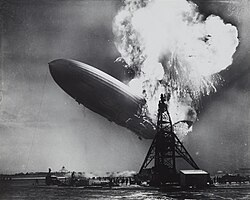
The Hindenburg disaster is an example of a large hydrogen explosion.

Hydrogen safety covers the safe production, handling and use of hydrogen, particularly hydrogen gas fuel and liquid hydrogen. Hydrogen possesses the NFPA 704's highest rating of four on the flammability scale because it is flammable when mixed even in small amounts with ordinary air. Ignition can occur at a volumetric ratio of hydrogen to air as low as 4% due to the oxygen in the air and the simplicity and chemical properties of the reaction. However, hydrogen has no rating for innate hazard for reactivity or toxicity. The storage and use of hydrogen poses unique challenges due to its ease of leaking as a gaseous fuel, low-energy ignition, wide range of combustible fuel-air mixtures, buoyancy, and its ability to embrittle metals that must be accounted for to ensure safe operation.[1]

Liquid hydrogen poses additional challenges due to its increased density and the extremely low temperatures needed to keep it in liquid form. Moreover, its demand and use in industry—as rocket fuel, alternative energy storage source, coolant for electric generators in power stations, a feedstock in industrial and chemical processes including production of ammonia and methanol, etc.—has continued to increase, which has led to the increased importance of considerations of safety protocols in producing, storing, transferring, and using hydrogen.[1]

Hydrogen has one of the widest explosive/ignition mix range with air of all the gases with few exceptions such as acetylene, silane, and ethylene oxide, and in terms of minimum necessary ignition energy and mixture ratios has extremely low requirements for an explosion to occur. This means that whatever the mix proportion between air and hydrogen, when ignited in an enclosed space a hydrogen leak will most likely lead to an explosion, not a mere flame.[2]

There are many codes and standards regarding hydrogen safety in storage, transport, and use. These range from federal regulations,[3] ANSI/AIAA,[4] NFPA,[5] and ISO[6] standards. The Canadian Hydrogen Safety Program concluded that hydrogen fueling is as safe as, or safer than, compressed natural gas (CNG) fueling,[7]

Prevention

[edit]
NFPA 704
safety square
The fire diamond hazard sign for both elemental hydrogen gas and its heavier isotope deuterium.[8][9]

There are a number of items to consider to help design systems and procedures to avoid accidents when dealing with hydrogen, as one of the primary dangers of hydrogen is that it is extremely flammable.[10]

Inerting and purging

[edit]

Inerting chambers and purging gas lines are important standard safety procedures to take when transferring hydrogen. In order to properly inert or purge, the flammability limits must be taken into account, and hydrogen's are very different from other kinds of gases. At normal atmospheric pressure it is 4% to 75%, based on the volume percent of hydrogen in oxygen it is 4% to 94%, while the limits of the detonation potential of hydrogen in air are 18.3% to 59% by volume.[1][11][12][13][14] In fact, these flammability limits can often be more stringent than this, as the turbulence during a fire can cause a deflagration which can create detonation. For comparison the deflagration limit of gasoline in air is 1.4–7.6%, and of acetylene in air,[15] 2.5–82%.

Therefore, when equipment is open to air before or after a transfer of hydrogen, there are unique conditions to take into consideration that might have otherwise been safe with transferring other kinds of gases. Incidents have occurred because inerting or purging was not sufficient, or because the introduction of air in the equipment was underestimated (e.g., when adding powders), resulting in an explosion.[16] For this reason, inerting or purging procedures and equipment are often unique to hydrogen, and often the fittings or marking on a hydrogen line should be completely different to ensure that this and other processes are properly followed, as many explosions have happened simply because a hydrogen line was accidentally plugged into a main line or because the hydrogen line was confused with another.[17][18][19]

Ignition source management

[edit]

The minimum ignition energy of hydrogen in air is one of the lowest among known substances at 0.02 mJ, and hydrogen-air mixtures can ignite with 1/10 the effort of igniting gasoline-air mixtures.[1][11] Because of this, any possible ignition source has to be scrutinized. Any electrical device, bond, or ground should meet applicable hazardous area classification requirement.[20][21] Any potential sources (like some ventilation system designs[22]) for static electricity build-up should likewise be minimized, e.g. through antistatic devices.[23]

Hot-work procedures must be robust, comprehensive, and well-enforced; and they should purge and ventilate high-areas and sample the atmosphere before work. Ceiling-mounted equipment should likewise meet hazardous area requirements (NFPA 497).[16] Finally, rupture discs should not be used as this has been a common ignition source for multiple explosions and fires. Instead other pressure relief systems such as a relief valve should be used.[24][25]

Mechanical integrity and reactive chemistry

[edit]

There are four main chemical properties to account for when dealing with hydrogen that can come into contact with other materials even in normal atmospheric pressures and temperatures:

  • The chemistry of hydrogen is very different from traditional chemicals. E.g., with oxidation in ambient environments. And neglecting this unique chemistry has caused issues at some chemical plants.[26] Another aspect to be considered as well is the fact that hydrogen can be generated as a byproduct of a different reaction may have been overlooked, e.g. Zirconium and steam creating a source of hydrogen.[27][28][14] This danger can be circumvented somewhat via the use of passive autocatalytic recombiners.
  • Another major issue to consider is the chemical compatibility of hydrogen with other common building materials like steel.[29][30] Because of hydrogen embrittlement, material compatibility with hydrogen is specially considered.[14]
  • These considerations can further change because of special reactions at high temperatures.[14]
  • The diffusivity of hydrogen is very different from ordinary gases, and therefore gasketing materials have to be chosen carefully.[31][32]
  • The buoyant forces and stresses on mechanical bodies involved are often reversed from standard gases. For example, because of buoyancy, stresses are often pronounced near the top of a large storage tank.[33][14]

All four of these factors are considered during the initial design of a system using hydrogen, and is typically accomplished by limiting the contact between susceptible metals and hydrogen, either by spacing, electroplating, surface cleaning, material choice, and quality assurance during manufacturing, welding, and installation. Otherwise, hydrogen damage can be managed and detected by specialty monitoring equipment.[34][16]

Leaks and flame detection systems

[edit]

Locations of hydrogen sources and piping have to be chosen with care. Since hydrogen is a lighter-than-air gas, it collects under roofs and overhangs (typically referred to as trapping sites), where it forms an explosion hazard.[14] Many individuals are familiar with protecting plants from heavier-than-air vapors, but are unfamiliar with "looking up", and is therefore of particular note.[33] It can also enter pipes and can follow them to their destinations. Because of this, hydrogen pipes should be well-labeled and located above other pipes to prevent this occurrence.[10][16]

Even with proper design, hydrogen leaks can support combustion at very low flow rates, as low as 4 micrograms/s.[1][35][12] To this end, detection is important. Hydrogen sensors or a katharometer allow for rapid detection of hydrogen leaks to ensure that the hydrogen can be vented and the source of the leak tracked down. Around certain pipes or locations special tapes can be added for hydrogen detection purposes. A traditional method is to add a hydrogen odorant with the gas as is common with natural gas. In fuel cell applications these odorants can contaminate the fuel cells, but researchers are investigating other methods that might be used for hydrogen detection: tracers, new odorant technology, advanced sensors, and others.[1]

While hydrogen flames can be hard to see with the naked eye (it can have a so-called "invisible flame"), they show up readily on UV/IR flame detectors. More recently Multi IR detectors have been developed, which have even faster detection on hydrogen-flames.[36][37] This is quite important in fighting hydrogen fires, as the preferred method of fighting a fire is stopping the source of the leak, as in certain cases (namely, cryogenic hydrogen) dousing the source directly with water may cause icing, which in turn may cause a secondary rupture.[38][33]

Ventilation and flaring

[edit]

Aside from flammability concerns, in enclosed spaces, hydrogen can also act as an asphyxiant gas.[1] Therefore, one should make sure to have proper ventilation to deal with both issues should they arise, as it is generally safe to simply vent hydrogen into the atmosphere. However, when placing and designing such ventilation systems, one must keep in mind that hydrogen will tend to accumulate towards the ceilings and peaks of structures, rather than the floor. Many dangers may be mitigated by the fact that hydrogen rapidly rises and often disperses before ignition.[39][16]

In certain emergency or maintenance situations, hydrogen can also be flared.[40][14] For example, a safety feature in some hydrogen-powered vehicles is that they can flare the fuel if the tank is on fire, burning out completely with little damage to the vehicle, in contrast to the expected result in a gasoline-fueled vehicle.[41]

Inventory management and facility spacing

[edit]

Ideally, no fire or explosion will occur, but the facility should be designed so that if accidental ignition occurs, it will minimize additional damage. Minimum separation distances between hydrogen storage units should be considered, together with the pressure of said storage units (cf., NFPA 2 and 55). Explosion venting should be laid out so that other parts of the facility will not be harmed. In certain situations, this translates to a roof that can be safely blown away from the rest of the structure in an explosion.[16]

Cryogenics

[edit]

Liquid hydrogen has a slightly different chemistry compared to other cryogenic chemicals, as trace accumulated air can easily contaminate liquid hydrogen and form an unstable mixture with detonative capabilities similar to TNT and other highly explosive materials. Because of this, liquid hydrogen requires complex storage technology such as the special thermally insulated containers and requires special handling common to all cryogenic substances. This is similar to, but more severe than liquid oxygen. Even with thermally insulated containers it is difficult to keep such a low temperature, and the hydrogen will gradually leak away. Typically it will evaporate at a rate of 1% per day.[1][42]

The main danger with cryogenic hydrogen is what is known as BLEVE (boiling liquid expanding vapor explosion). Because hydrogen is gaseous in atmospheric conditions, the rapid phase change together with the detonation energy combine to create a more hazardous situation.[43] A secondary danger is the fact that many materials change from being to ductile to brittle at extremely cold temperatures, allowing new places for leaks to form.[14]

Human factors

[edit]

Along with traditional job safety training, checklists to help prevent commonly skipped steps (e.g., testing high points in the work area) are often implemented, along with instructions on the situational dangers that come inherent to working with hydrogen.[16][44]

Incidents

[edit]
Date Location Description Suspected cause
6 May 1937 Naval Air Station Lakehurst As the zeppelin Hindenburg was approaching landing, a fire detonated one of the aft hydrogen cells, thereby rupturing neighboring cells and causing the airship to fall to the ground aft-first. The inferno then travelled towards the stern, bursting and igniting the remaining cells. Despite four news stations recording the disaster on film and surviving eyewitness testimonies from crew and people on the ground, the cause of the initial fire was never conclusively determined.[citation needed]
5 April 1975 Ilford, UK An oxygen separator exploded due to hydrogen ingress. The resulting abrupt release of lye exposed one person who later died of lye burn injuries. Mixing of oxygen and hydrogen due to breakdown of the electrolyser cells.[45]
28 January 1986 Over the Atlantic Ocean just east of Kennedy Space Center A large LH2 tank ruptured and exploded, killing all 7 astronauts aboard the Space Shuttle Challenger A faulty O-ring on the solid rocket booster allowed hot gases and flames to impinge upon the external LH2 tank, causing the tank wall to weaken and then burst. The thrust generated from the contents of the tank caused the LOX tank above to also rupture, and this mixture of LH2/LOX then detonated, destroying the orbiter in the explosion.
1999 Hanau, Germany A large chemical tank used to store hydrogen for manufacturing processes exploded. The tank was designed to lie on its side, but instead was laid upright. The forces towards the top of the tank caused it to rupture and then explode.[33]
January 2007 Muskingum River Coal Plant (owned and operated by AEP) An explosion of compressed hydrogen during delivery at the Muskingum River Coal Plant caused significant damage and killed one person.[46][47][48] A premature rupture of a pressure relief disc used for the compressed hydrogen cooling system.[49]
2011 Fukushima, Japan Three reactor buildings were damaged by hydrogen explosions. Exposed Zircaloy cladded fuel rods became very hot and reacted with steam, releasing hydrogen.[50][51] The containments were filled with inert nitrogen, which prevented hydrogen from burning in the containment. However, the hydrogen leaked from the containment into the reactor building, where it mixed with air and exploded.[52] To prevent further explosions, vent holes were opened in the top of the remaining reactor buildings.
2015 The Formosa Plastics Group refinery in Taiwan Chemical plant explosion Due to hydrogen leaking from a pipe[53]
12 February 2018 13:20 Diamond Bar, a suburb of Los Angeles, CA On the way to an FCV hydrogen station, a truck carrying about 24 compressed hydrogen tanks caught fire. This caused the evacuation initially of a one-mile radius area of Diamond Bar. The fire broke out on the truck at about 1:20 p.m. at the intersection of South Brea Canyon Road and Golden Springs Drive, according to a Los Angeles County Fire Department dispatcher.[54][55][56][57] The National Transportation Safety Board has launched an investigation.[58]
August 2018 Veridam El Cajon, CA A delivery truck carrying liquid hydrogen caught fire at Veridiam manufacturing plant.[59] in El Cajon, California.[60] It is not known what caused the explosion.[61]
May 2019 AB Specialty Silicones in Waukegan, Illinois An explosion killed four workers and seriously injured a fifth. Operator error adding an incorrect ingredient[62][26]
23 May 2019 Gangwon Technopark in Gangneung, South Korea A hydrogen tank exploded, killing two and injuring six.[63][64] Oxygen seeped into the hydrogen storage tanks.[65]
June 2019 Air Products and Chemicals facility in Santa Clara, California Tanker truck explosion damaging surrounding hydrogen transfill facility Leak in transfer hose.[66] This resulted in the temporary shutdown of multiple hydrogen fueling stations in the San Francisco area.[67]
June 2019 Norway A Uno-X fueling station experienced an explosion,[68] resulting in the shutdown of all Uno-X hydrogen fueling stations and a temporary halt in sales of fuel cell vehicles in the country.[69] Investigations determined that neither the electrolyzer nor the dispenser used by customers had anything to do with this incident.[70][71] Instead, Nel ASA announced the root cause of the incident had been identified as an assembly error of the use of a specific plug in a hydrogen tank in the high-pressure storage unit.[72]
December 2019 An Airgas facility in Waukesha, Wisconsin A gas explosion injured one worker and caused 2 hydrogen storage tanks to leak.[73][74] Unknown.[75]
7 April 2020 OneH2 Hydrogen Fuel plant in Long View, North Carolina An explosion caused significant damage to surrounding buildings. The blast was felt several miles away, damaging about 60 homes. No injuries from the explosion were reported. The incident remains under investigation.[76][77][78][79] The company published a press release: Hydrogen Safety Systems Operated Effectively, Prevented Injury at Plant Explosion.[80]
11 June 2020 Praxair Inc., 703 6th St. Texas City, Texas An explosion occurred at the hydrogen production plant. No further details[81][82]
30 September 2020 Changhua City, Taiwan A hydrogen tanker crashed and exploded, killing the driver. Vehicle crash[83]
9 August 2021 Medupi Power Station in South Africa An explosion in Unit 4 of the plant Improper operator procedure while the generator was being purged of hydrogen[84]
25 February 2022 Detroit, Michigan A hydrogen tank for a balloon in a pick-up truck bed exploded, injuring 2. The Detroit Fire Department believes a leak in the hydrogen tank caused the explosion.

[85]

22 April 2022 Towanda, Pennsylvania A hydrogen tank at Global Tungsten & Powders Corp. exploded. A spokesperson for the company said five employees were taken to hospitals with non-life-threatening injuries. OSHA and company officials are investigating the incident.

[86][87]

28 September 2022 Vasai, India 3 people killed, 8 injured in hydrogen cylinder explosion in at a Maharashtra Industrial unit. Faulty tank.[88][89]
6 February 2023 Delaware County, Ohio A pickup truck towing a trailer carrying full hydrogen tanks on US-23 in Delaware County Ohio explodes after crash. Three people were transported to a hospital with minor injuries. Vehicular crash[90]
28 April 2023 Troutman, North Carolina A Plug Power liquid hydrogen tanker venting and flaring caused an evacuation at a Pilot Travel Center in Troutman, North Carolina along the Charlotte Highway, Interstate 77. Safety flare and vent due to excess pressure.[91][92][93][94]
18 July 2023 Kern County, California A Golden Empire Transit Bus was destroyed during fueling at their maintenance facility. Leaking fuel tank.[95][96][97][98]
8 August 2023 Lebring, Styria, Austria An outdoor hydrogen tank exploded at the premises of HypTec in Austria, causing massive damage due to the pressure wave which could be felt 3 km away. The personnel at the site was indoor and only minor injuries to an employee occurred. Leaky tank[99][100]
17 September 2023 North West Queensland, Australia Release of pressurised hydrogen gas at a chemical plant in North West Queensland resulted in an explosion and fire. Three workers were injured and damage caused to plant. The incident occurred during the recommissioning of equipment after routine scheduled maintenance. The injured workers did not require hospitalisation. Failure of a butterfly valve, under hydrogen header-pressure of approximately 2000kPa. The bearing bush bolts of the butterfly valve may not have been correctly installed at the time of overhaul.[101]
26 June 2024 Gersthofen, Germany A fire broke out after an apparent explosion at a newly opened hydrogen filling station in the freight transport center in Gersthofen in Augsburg. No one was injured. The station remained closed after the incident. Probably an explosion in a compressor.[102]
19 September 2024 Geismar, Louisiana A hydrogen gas explosion and fire occurred at Chevron Renewable Energy Group's renewable diesel plant. Two workers were seriously injured. Under investigation.[103]
23 December 2024 Chungju, South Korea A hydrogen gas explosion occurred in a bus after being refueled at a hydrogen filling station. Three persons were injured, one of them seriously. Under investigation.[104]

Hydrogen codes and standards

[edit]

There exist many hydrogen codes and standards for hydrogen fuel cell vehicles, stationary fuel cell applications and portable fuel cell applications. Additional to the codes and standards for hydrogen technology products, there are codes and standards for hydrogen safety, for the safe handling of hydrogen[105] and the storage of hydrogen. What follows is a list of some of the major codes and standards regulating hydrogen:

Name of standard Short title
29CFR1910.103 Gaseous and cryogenic hydrogen handling and storage
29CFR1910.119 Process safety management of highly hazardous chemicals
40CFR68 Chemical accident prevention provisions
49CFR Regulations on shipping and handling hydrogen gas and cryogenic hydrogen[106]
ISO 13984:1999 Liquid hydrogen — Land vehicle fuelling system interface
ISO/AWI 13984 Liquid Hydrogen Land Vehicle Fueling Protocol
ISO/AWI 13985 Liquid hydrogen — Land vehicle fuel tanks
ISO/CD 14687 Hydrogen fuel quality — Product specification
ISO/AWI TR 15916 Basic considerations for the safety of hydrogen systems
ISO 16110 Hydrogen generators using fuel processing technologies
ISO 16111 Transportable gas storage devices — Hydrogen absorbed in reversible metal hydride
ISO/AWI 17268 Gaseous hydrogen land vehicle refuelling connection devices
ISO 19880 Gaseous hydrogen — Fuelling stations
ISO/AWI 19881 Gaseous hydrogen — Land vehicle fuel containers
ISO 19882 Gaseous hydrogen — Thermally activated pressure relief devices for compressed hydrogen vehicle fuel containers
ISO/TS 19883 Safety of pressure swing adsorption systems for hydrogen separation and purification
ISO/WD 19884 Gaseous hydrogen — Cylinders and tubes for stationary storage
ISO/CD 19885 Gaseous hydrogen — Fuelling protocols for hydrogen-fueled vehicles — Part 1: Design and development process for fueling protocols
ISO/CD 19887 Gaseous Hydrogen — Fuel system components for hydrogen fuelled vehicles
ISO/AWI 22734 Hydrogen generators using water electrolysis — Industrial, commercial, and residential applications
ISO/AWI 24078 Hydrogen in energy systems — Vocabulary
ISO 26142:2010 Hydrogen detection apparatus — Stationary applications[107]
NFPA 2 Hydrogen technologies code
NFPA 30A Rules for design of refueling stations
NFPA 50A Standard for gaseous hydrogen systems at consumer sites
NFPA 50B Standard for liquefied hydrogen systems at consumer sites
NFPA 52 Compressed Natural Gas Vehicular Fuel Systems Code
NFPA 57 Liquefied natural gas vehicular fuel systems standard[108]
CGA C-6.4 Methods for External Visual Inspection of Natural Gas Vehicle (NGV) and Hydrogen Gas Vehicle (HGV) Fuel Containers and Their Installations
CGA G-5 Hydrogen
CGA G-5.3 Commodity Specification for Hydrogen
CGA G-5.4 Standard for Hydrogen Piping Systems at User Locations
CGA G-5.5 Hydrogen Vent Systems
CGA G-5.6 Hydrogen Pipeline Systems
CGA G-5.7 Carbon Monoxide and Syngas Pipeline Systems
CGA H-3 Standard for Cryogenic Hydrogen Storage
CGA H-4 Terminology Associated with Hydrogen Fuel Technologies
CGA H-5 Standard for Bulk Hydrogen Supply Systems (an American National Standard)
CGA H-7 Standard Procedures for Hydrogen Supply Systems
CGA H-10 Combustion Safety for Steam Reformer Operation
CGA H-11 Safe Startup and Shutdown Practices for Steam Reformers
CGA H-12 Mechanical Integrity of Syngas Outlet Systems
CGA H-13 Hydrogen Pressure Swing Adsorber (PSA) Mechanical Integrity Requirements
CGA H-14 HYCO Plant Gas Leak Detection and Response Practices
CGA H-15 Safe Catalyst Handling in HYCO Plants
CGA H-16 Guideline on Remedial Actions for HYCO Plant Components Subject to High Temperature Hydrogen Attack
CGA P-6 Standard Density Data, Atmospheric Gases and Hydrogen
CGA P-28 OSHA Process Safety Management and EPA Risk Management Plan Guidance Document for Bulk Liquid Hydrogen Supply Systems
CGA P-74 Standard for Tube Trailer Supply Systems at Customer Sites
CGA PS-31 CGA Position Statement on Cleanliness for Proton Exchange Membranes Hydrogen Piping/Components
CGA PS-33 CGA Position Statement on Use of LPG or Propane Tank as Compressed Hydrogen Storage Buffers
CGA PS-46 CGA Position Statement on Roofs Over Hydrogen Storage Systems
CGA PS-48 CGA Position Statement on Clarification of Existing Hydrogen Setback Distances and Development of New Hydrogen Setback Distances in NFPA 55
CGA PS-69 CGA Position Statement on Liquefied Hydrogen Supply System Separation Distances

Guidelines

[edit]

The current ANSI/AIAA standard for hydrogen safety guidelines is AIAA G-095-2004, Guide to Safety of Hydrogen and Hydrogen Systems.[109] As NASA has been one of the world's largest users of hydrogen, this evolved from NASA's earlier guidelines, NSS 1740.16 (8719.16).[14] These documents cover both the risks posed by hydrogen in its different forms and how to ameliorate them. NASA also references Safety Standard for Hydrogen and Hydrogen Systems [110] and the Sourcebook for Hydrogen Applications.[111][106]

Another organization responsible for hydrogen safety guidelines is the Compressed Gas Association (CGA), which has a number of references of their own covering general hydrogen storage,[112] piping,[113] and venting.[114][106]

In 2023 CGA launched the Safe Hydrogen Project which is a collaborative global effort to develop and distribute safety information for the production, storage, transport, and use of hydrogen.

See also

[edit]

References

[edit]
[edit]
Revisions and contributorsEdit on WikipediaRead on Wikipedia
from Grokipedia
Hydrogen safety refers to the set of , operational, and regulatory practices aimed at preventing accidents during the production, storage, transportation, and use of , a highly flammable gas with unique properties that pose significant risks if mishandled. 's wide flammability range of 4% to 75% by volume in air, combined with its low minimum ignition energy of 0.02 millijoules, makes it prone to ignition from small sparks or , potentially leading to fires, explosions, or jet flames. Additionally, can cause material embrittlement in certain metals, increasing the likelihood of leaks in storage and systems. Key hazards in systems arise across its lifecycle: during production via methods like steam reforming or , where high pressures and temperatures risk releases of flammable mixtures; in storage, often at 350–750 bar for compressed gas or -253°C for cryogenic liquid, heightening and dangers; and in transportation and utilization, such as in vehicles, where leaks can form buoyant vapor clouds that disperse rapidly but ignite easily. Historical incidents underscore these risks, with over 200 major hydrogen-related accidents recorded since 1976, including about 20% from failures; overall fatalities have been relatively low. Recent events, such as a fatal in , , in October 2025 that killed two workers, highlight ongoing challenges in maintenance and residual gas handling. measures emphasize using specialized sensors, robust ventilation to dilute concentrations below flammable limits, and like water deluge for cooling rather than extinguishing, as hydrogen flames are nearly invisible. Regulatory frameworks and standards form the backbone of hydrogen safety, with organizations like the (NFPA) providing codes such as NFPA 2 for hydrogen technologies and NFPA 55 for compressed gases, which dictate separation distances, pressure relief, and emergency shutdowns. The U.S. Department of Energy (DOE) supports research into advanced sensors and best practices through resources like H2tools.org, while international standards from ISO (e.g., ISO/TS 19880-1 for fueling stations) and the European Industrial Gases Association ensure global consistency. Compliance with these, alongside preliminary hazard analyses and training for responders, has enabled safe scaling of hydrogen infrastructure, positioning it as a viable clean energy option despite challenges.

Fundamental Properties and Hazards

Flammability and Explosivity

Hydrogen exhibits a wide range of flammability in air, spanning from 4% to 75% by volume, which significantly broadens the conditions under which ignition can occur compared to other common fuels like (5-15%). This extensive flammability envelope arises from hydrogen's high and reactivity, allowing mixtures across a broad concentration spectrum to sustain once initiated. The minimum ignition energy for hydrogen-air mixtures is exceptionally low at 0.017 mJ, particularly at stoichiometric concentrations near 29.5% hydrogen by volume, making even weak electrostatic sparks or hot surfaces sufficient to ignite a . This low threshold underscores hydrogen's sensitivity to ignition sources, as energies from everyday electrical equipment or friction can readily exceed it. Hydrogen's in air is 585°C, above which can occur without an external spark, though this value decreases under high-pressure conditions relevant to storage systems. The flame propagation in hydrogen exhibits high speeds, with laminar burning velocities reaching up to 2.7 m/s—nearly seven times faster than —enabling rapid spread through premixed volumes. In turbulent environments, these speeds can accelerate dramatically, contributing to accelerated dynamics. In confined spaces, hydrogen-air mixtures pose a detonation risk, where a subsonic transitions to a supersonic wave via deflagration-to-detonation transition () mechanisms, driven by flame acceleration and interactions. typically requires confinement to build pressure and velocity, often occurring when flame speeds exceed 100 m/s, leading to near-instantaneous energy release and structural damage. Explosion overpressures from deflagrations or detonations can be estimated using adaptations of the for combustion products, particularly in closed volumes. For a stoichiometric , the peak PP is approximated as P=nRTVP = \frac{nRT}{V}, where nn is the number of moles of products, RR is the , TT is the (approximately 2200 for hydrogen-air), and VV is the volume; this yields overpressures of 7-10 bar in unvented scenarios, scaling with initial conditions. Key factors influencing hydrogen's explosivity include , which wrinkles the front and increases effective burning area to boost rise rates, and confinement, which reflects shock waves and sustains acceleration toward . Strong confinement, such as in obstructed or enclosed geometries, amplifies overpressures by limiting expansion and promoting feedback between and waves.

Toxicity and Asphyxiation Risks

Hydrogen is classified as a simple asphyxiant, meaning it poses no direct but can cause harm by displacing oxygen in the atmosphere, particularly in confined or poorly ventilated spaces. As a colorless, odorless gas, hydrogen provides no sensory warning of its presence, increasing the risk of undetected accumulation. The critical threshold for oxygen deficiency is an atmospheric oxygen concentration below 19.5%, at which point physiological impairments begin to manifest. Exposure to atmospheres enriched with leads to hypoxia, with symptoms varying by oxygen level. At 16-19.5% oxygen, individuals may experience increased heart and respiration rates, along with mild impairment in coordination and judgment. More severe effects, including , , , and rapid fatigue, occur at 12-16% oxygen, while levels of 10-12% can cause loss of within minutes, and below 10%, immediate collapse and potential death from . These effects stem from reduced oxygen availability to tissues, particularly the and heart, without any specific toxic interaction from itself. As a simple asphyxiant, has no specific OSHA (PEL) or NIOSH Immediately Dangerous to Life or Health (IDLH) values; instead, exposures are controlled to ensure atmospheric oxygen remains above 19.5%. Some industry guidelines recommend monitoring and alarming at 1% concentration in confined spaces to prevent significant oxygen displacement. The National Institute for (NIOSH) similarly recommends monitoring to prevent oxygen depletion below 19.5%. Case studies illustrate the dangers of hydrogen-induced asphyxiation in confined spaces absent ignition sources. For instance, in and industrial settings involving or generation, leaks have led to oxygen displacement fatalities when workers entered enclosed areas without adequate ventilation or monitoring, as documented in analyses of non-combustive gas releases. Another reported event involved maintenance in a hydrogen-purged vessel where undetected leakage caused rapid hypoxia, resulting in unconsciousness and requiring rescue, underscoring failures in atmospheric testing protocols. These incidents emphasize that even small leaks in sealed environments can accumulate to lethal levels without fire. Biomonitoring for hydrogen exposure focuses on oxygen status due to the displacement mechanism. Environmental sensors continuously measure oxygen concentration and hydrogen levels in potential exposure areas, with alarms triggered below 19.5% oxygen or above 1% hydrogen. For individuals, pulse oximetry assesses blood oxygen saturation (SpO2), targeting values above 95%; levels below 90% indicate hypoxia requiring intervention. Post-exposure medical evaluation includes arterial blood gas analysis to confirm oxygenation and rule out complications like . First-aid protocols for suspected hydrogen asphyxiation prioritize rapid restoration of oxygen. Immediately evacuate the affected person to , ensuring rescuers use to avoid secondary exposure. Administer 100% supplemental oxygen via at 10-15 liters per minute if breathing is labored or SpO2 is low; if apneic, initiate (CPR) with rescue breaths using a bag-valve-mask connected to oxygen. Seek emergency medical care promptly, as hypoxic can progress even after removal from the source. Avoid physical exertion post-exposure to prevent delayed symptoms.

Physical Handling Challenges

Hydrogen's low boiling point of -252.8°C at necessitates cryogenic storage for , which introduces significant handling challenges due to the extreme temperatures involved. This cryogenic nature requires specialized insulation and systems to prevent ingress, which could lead to rapid and overpressurization of storage vessels. Additionally, exhibits a high diffusion rate through materials, particularly metals like steels, where its atomic permeability can result in leakage over time even through seemingly impermeable barriers. For instance, studies on carbon steels such as A106 grade B have shown measurable rates under high pressures up to 2,000 psi, underscoring the need for barrier coatings or alternative materials in piping and tanks. Despite its high gravimetric energy density of approximately 120 MJ/kg—the highest among common fuels—hydrogen's low volumetric at ambient conditions, around 0.01 MJ/L, demands either compression to 350–700 bar or to achieve practical storage volumes. Compression to these pressures requires robust, high-strength vessels that withstand significant mechanical stresses, while consumes substantial —up to 30–40% of the hydrogen's lower heating value—and amplifies cryogenic risks. These methods heighten concerns during transfer and manipulation, as failures could release large volumes of gas or cold liquid, posing containment and personnel hazards. A critical physical challenge arises from 's interaction with metals, causing embrittlement through mechanisms like , particularly in high-strength steels. occurs when hydrogen atoms diffuse into the metal lattice, reducing and promoting crack initiation under stress, with susceptibility increasing in alloys such as martensitic advanced high-strength steels (AHSS) used in pipelines and pressure vessels. Review studies indicate that steels with yield strengths above 1,000 MPa are especially vulnerable, as hydrogen lowers the by up to 50% in some cases, necessitating careful material selection and hydrogen-compatible alloys like austenitic stainless steels. Thermal contraction and expansion in hydrogen systems further complicate physical handling, especially in networks exposed to temperature fluctuations from cryogenic to ambient conditions. These effects can induce excessive stresses at joints and supports if not accommodated by flexible designs, such as expansion loops or , potentially leading to leaks or ruptures. Safety standards emphasize that must incorporate sufficient flexibility to mitigate these thermal movements, ensuring mechanical integrity during operations like filling or venting. During pressure reduction, undergoes Joule-Thomson cooling upon expansion, where its inversion allows significant drops—potentially to -100°C or lower from ambient—creating risks of for personnel and brittle failure in non-cryogenic-rated components. This cooling effect, inherent to 's thermodynamic properties above its inversion point of about 193 K, requires insulated throttling devices and protective gear in handling protocols to prevent cold burns or material embrittlement from rapid chilling.

Risk Assessment Methods

Hazard Identification Techniques

Hazard identification techniques are essential systematic methods used in the early stages of hydrogen project planning to pinpoint potential safety risks associated with the unique properties of , such as its wide flammability range and low ignition energy. These qualitative approaches help engineers and safety professionals evaluate process deviations, component failures, and barrier effectiveness without relying on probabilistic modeling, enabling proactive design adjustments. By focusing on hydrogen-specific challenges, these techniques ensure comprehensive coverage of like leaks and ignition sources before systems are operational. The (HAZOP) is a structured qualitative method tailored for systems, where the process is divided into nodes—such as subsystems in a water electrolysis plant for production—and analyzed for deviations using guide words applied to parameters like flow, , and . Guide words include "no" or "low" to identify scenarios like "no flow" that could indicate leaks from failures or blockages, potentially leading to accumulation and flammability risks in interconnected systems. In applications, HAZOP emphasizes operability issues unique to the fuel, such as PEM electrolyzer degradation from impurities or pressure imbalances, to forecast component failures and recommend strategies. Failure Modes and Effects Analysis (FMEA) for systems systematically examines potential failure modes in components like fuel containers, valves, and lines, assessing their causes, effects, and criticality to rank risks. Risks are prioritized using severity (e.g., high for ruptures causing jet flames or explosions), occurrence (typically low for robust designs but medium for wear-related issues), and detectability (improved by sensors but challenged by properties). -specific modes include leaks from impact or in storage tanks, restricted flow in stacks leading to overheating, or combustible mixture formation from undetected releases, with like pressure relief devices and leak sensors integrated to mitigate effects. Bow-tie analysis provides a visual framework for hydrogen safety by diagramming a central top event, such as a hydrogen release from storage, with threats on the left (e.g., mechanical failure or external fire) and consequences on the right (e.g., ignition leading to explosion). Preventive barriers, like shut-off valves or material enclosures, aim to block threats, while mitigative barriers, such as thermal pressure relief devices (TPRDs) that vent gas to prevent rupture, address consequences if the event occurs. In hydrogen storage applications, like composite cylinders in forklifts exposed to engulfing fires, this method evaluates barrier performance, highlighting TPRDs' varying efficiency (e.g., higher in full fires) to inform safety guidelines. Checklist-based approaches, such as those developed by the Hydrogen Safety Panel, offer an initial screening tool for hydrogen hazards by prompting evaluation of key areas like system integrity, discharge management, and ignition control. These lists guide users to verify compliance with codes (e.g., NFPA 2), assess risks from component failures like leaks, and ensure measures for keeping contained, such as pressure relief and compatible materials. They are particularly useful for preliminary reviews in new installations, identifying common issues like enclosed space accumulation before deeper analyses. Integrating 's properties, such as the of leaks, into identification workflows involves structured steps like those in NASA's hydrogen hazards , where potential failures are evaluated for combustible mixture formation in confined areas and ignition risks from undetected releases. This ensures workflows account for low visibility by prioritizing leak-prone components and accumulation scenarios, documenting results in charts to guide barrier placement. These techniques lay the groundwork for subsequent quantitative risk to further refine safety measures.

Quantitative Risk Analysis

Quantitative risk analysis (QRA) in hydrogen safety involves mathematical and probabilistic methods to evaluate the likelihood and severity of hazardous events, such as leaks, fires, and explosions, enabling informed design and operational decisions for hydrogen systems. This approach integrates (FTA), event trees, (PRA), consequence modeling, and layer of protection analysis (LOPA) to quantify risks against acceptable criteria, often targeting frequencies below 10^{-5} per year for major incidents. By combining failure probabilities with consequence estimates, QRA helps prioritize mitigation measures in applications like fuel cells, storage, and refueling stations. Fault Tree Analysis (FTA) is a top-down deductive method used to model the logical combinations of failures leading to a top event, such as a in systems. In applications, identifies basic events like component malfunctions or errors that contribute to leaks or ignition, assigning probabilities to quantify the overall system failure rate. For instance, in systems, has been applied to trace pathways from leaks to explosive mixtures, revealing that through membranes is a dominant contributor. Event trees complement by mapping sequences from an initiating event, such as a rupture, through branches representing success or failure of functions, culminating in outcomes like jet fires or vapor cloud (VCE). In risk assessments, event trees for leak-to-explosion sequences incorporate branches for detection, ignition, and , estimating probabilities for each endpoint. Probabilistic Risk Assessment (PRA) builds on and event trees by integrating hydrogen-specific failure rates to compute overall metrics, such as individual or societal contours. PRA for systems uses data on component reliabilities, including probabilities derived from industry databases and testing. For example, studies report small probabilities for on the order of 10^{-6} to 10^{-4} per demand, influenced by factors like material embrittlement and seal degradation, with higher rates for cryogenic service. In large-scale storage facilities, PRA incorporates these rates alongside initiating event frequencies, such as pipe failures at 10^{-5} to 10^{-4} per year, to assess cumulative from multiple scenarios. Uncertainty in failure data is addressed through simulations, providing confidence intervals for estimates. Consequence modeling employs (CFD) to simulate dispersion, ignition, and effects, providing spatial and temporal predictions of hazards. CFD tools model jet releases, buoyant plumes, and mixing with air to determine flammable envelopes, essential for due to its low ignition and wide flammability limits. For , CFD simulates deflagration-to-detonation transitions and overpressures in confined spaces, often using TNT equivalence to equate blast to conventional explosives for damage assessment. 's TNT equivalence factor is approximately 2-3 times that of typical hydrocarbons on a basis, due to its higher release, with models showing overpressures up to 0.1 bar at 10-20 meters for a 1 kg release in open air. These simulations inform safe separation distances and ventilation requirements. Layer of Protection Analysis (LOPA) evaluates the effectiveness of independent protection layers (IPLs), such as alarms, interlocks, and relief devices, in reducing risk to tolerable levels like 10^{-5}/year for offsite fatalities. In hydrogen systems, LOPA starts with an initiating event frequency, multiplies by the probability of (typically 10^{-1} to per IPL), and compares the mitigated frequency to targets. For a compressor seal with a base frequency of /year, adding IPLs like high-pressure shutdown (PFD=10^{-1}) and emergency isolation (PFD=10^{-2}) can achieve below 10^{-5}/year. LOPA is particularly useful for hydrogen refueling stations, where it quantifies IPL contributions to preventing escalation from leaks to fires. Software tools facilitate QRA by automating calculations for hydrogen-specific scenarios. PHAST (Process Hazard Analysis Software Tool) models dispersion, jet fires, and VCE, using unified dispersion models to predict and blast waves from hydrogen releases. For a 350 bar hydrogen jet, PHAST estimates flame lengths up to 50 meters and overpressures exceeding 0.3 bar within 15 meters. HYSYS, while primarily for steady-state , supports dynamic hazard assessments by integrating thermodynamic data for hydrogen behavior under failure conditions. Specialized tools like HyRAM (Hydrogen Risk Assessment Models) combine PRA and CFD for end-to-end analysis, including probabilistic leak sizes and ignition probabilities tailored to .

Prevention Strategies

Inerting, Purging, and Atmosphere Control

Inerting and purging are essential techniques in hydrogen safety to prevent the formation of flammable or explosive mixtures by controlling the oxygen content in enclosed spaces or systems. Inerting involves introducing an inert gas, such as nitrogen or argon, to displace oxygen and reduce its concentration below the level required for combustion, typically maintaining oxygen levels under 1% by volume to ensure the atmosphere is below the lean flammability limit (LFL) of hydrogen, which is 4% in air. Nitrogen is the most commonly used inert gas due to its availability and effectiveness above cryogenic temperatures, while argon serves as an alternative in specific applications where nitrogen might condense. These methods are particularly critical during startup, shutdown, and maintenance to avoid ignition risks from residual air or hydrogen. Purging sequences remove hazardous gases through controlled displacement or dilution with inert gas, ensuring safe transitions between air, hydrogen, or inert atmospheres. In displacement purging, the inert gas flows in a plug-like manner to push out the existing gas, suitable for systems with high height-to-diameter (H/D) ratios greater than 10, requiring approximately 1.2 times the vessel volume of inert gas at low flow rates below 10 m/s to minimize mixing. Dilution purging, ideal for low H/D ratios under 1, mixes the inert gas with the target gas before venting, demanding about 3.5 times the vessel volume and thorough mixing to avoid dead zones. Flow rates for safe purging are calculated based on system geometry and desired concentration reduction; for dilution, the number of volume changes ii is given by i=ln(Ca/Ce)i = \ln(C_a / C_e), where CaC_a is the initial concentration and CeC_e the target, yielding the inert gas volume VN=iVBV_N = i \cdot V_B for vessel volume VBV_B. Sweep-through purging, a variant of continuous dilution, enhances efficiency by maintaining turbulent flow through the system, with the required inert gas volume Qt=VKln(C1/C2)Q_t = V \cdot K \cdot \ln(C_1 / C_2), where KK is the mixing efficiency (typically 0.25 for conservative estimates) and C1C_1, C2C_2 are initial and final oxygen concentrations. These sequences are applied during startup to inert from air and shutdown to purge hydrogen, preventing explosive mixtures. Continuous monitoring of purity and concentration is vital to verify purging effectiveness and maintain safe atmospheres, using fixed or portable analyzers such as electrochemical oxygen sensors or detectors calibrated to detect levels as low as 0.4% (10% of LFL) in confined spaces. In applications like storage tanks, pipelines, and systems, purging ensures oxygen is reduced below 2% before introducing and below 1% during operations, with sweep-through methods achieving high efficiency in linear systems like pipelines by leveraging natural density differences. For s, inert purging during maintenance removes residual to below 25% of LFL, preventing ignition upon reassembly. Over-inerting poses risks of asphyxiation in manned areas, as or can displace oxygen to below 19.5%, leading to unconsciousness within seconds; thus, ventilation must restore safe levels (19.5–23.5%) before entry, with procedures mandatory.

Ignition Source Control

Ignition source control in hydrogen facilities focuses on eliminating or mitigating sources that could ignite the gas, given its wide flammability range (4-75% in air) and low minimum ignition energy of 0.017 mJ. This involves systematic of hazardous areas, selection of certified , procedural safeguards, and environmental controls to prevent sparks, , , or static discharges. Complementary measures, such as inerting atmospheres, enhance these efforts by reducing oxygen levels, but primary emphasis remains on source elimination. Hazardous areas in hydrogen-handling environments are classified using standards like ATEX (EU Directive 2014/34/EU) and IECEx (IEC 60079 series) to determine the probability of an explosive atmosphere forming. Zone 0 designates areas where a hydrogen-air is continuously or for long periods present (e.g., inside storage vessels); Zone 1 covers locations where such mixtures are likely during normal operations (e.g., around pump seals or flanges); and Zone 2 applies to areas where ignitable mixtures are unlikely but may briefly occur (e.g., adjacent to normal leak points). is categorized as Gas Group IIC due to its high hazard level, requiring equipment suitable for the most stringent protection levels in these zones. To prevent electrical ignition, intrinsically safe (Ex i) equipment limits energy output—such as voltage, current, and stored —to below thresholds that could ignite , allowing direct use in Zone 0 without additional barriers. Explosion-proof (Ex d) enclosures, constructed from robust materials like or aluminum, contain any internal and cool exhaust gases to prevent external propagation, suitable for Zones 1 and 2. These designs comply with IEC 60079-11 for and IEC 60079-1 for flameproof protection, ensuring compatibility with hydrogen's properties. Static electricity poses a significant risk in systems due to the gas's low ignition , potentially generating sparks during flow or handling. Effective mitigation requires bonding and grounding all conductive components, such as , vessels, and tools, to achieve a resistance below 1 megohm, dissipating charges safely to . Conductive flooring, non-static clothing (e.g., rather than synthetics), and avoidance of ungrounded insulators further reduce buildup, as outlined in safety standards for systems. Maintenance activities like or grinding introduce spark risks, necessitating permits that mandate pre-job assessments, area isolation, and continuous monitoring. Procedures include purging from systems, establishing exclusion zones (e.g., 25 feet from sources), and employing spark suppression tools such as arrestors or screens. These controls align with NFPA 51B guidelines adapted for , prohibiting in classified zones without authorization and verification of gas-free conditions. Autoignition from hot surfaces is prevented by maintaining equipment temperatures below hydrogen's autoignition threshold of 585°C in air at . This involves using indirect heating methods (e.g., steam jackets instead of direct flames), thermal insulation, and cooling systems like water sprays during operations or emergencies. Process design limits surface temperatures through and heat tracing controls, ensuring compliance with ASME B31.3 piping codes for service. Electromagnetic interference (EMI) from nearby vehicles, power tools, or radio equipment can induce voltages in hydrogen lines or , potentially causing arcing or unintended switching that ignites leaks. includes shielding cables, maintaining separation distances (e.g., 3 meters from high-power sources), and using EMI-filtered enclosures certified under IEC 60079-30 for explosive atmospheres.

Material Compatibility and Mechanical Integrity

Hydrogen's interaction with materials can lead to embrittlement, where atomic hydrogen diffuses into metals, reducing and promoting crack initiation, particularly in high-strength steels used in pressure vessels and . To mitigate this, materials like austenitic stainless steels (e.g., 304 or 316 grades) are selected for their face-centered cubic structure, which traps hydrogen at dislocations and grain boundaries, limiting its mobility and preserving mechanical integrity under hydrogen exposure. Aluminum alloys, such as 6061-T6, are also employed due to their low hydrogen and resistance to embrittlement, making them suitable for composite overwrapped pressure vessels in applications. Non-destructive testing (NDT) methods are essential for detecting hydrogen-induced cracks in pressure vessels before they compromise integrity. , including techniques, uses high-frequency sound waves to identify internal flaws like hydrogen-induced cracking (HIC) by measuring echo reflections from discontinuities, allowing for precise crack sizing and location without vessel disassembly. Advanced UT variants, such as total focusing method (TFM), enhance resolution for curved surfaces common in pressure equipment, enabling early detection of sub-surface cracks that could propagate under operational stresses. Design codes ensure mechanical integrity by specifying construction standards tailored to hydrogen service. The ASME Boiler and Pressure Vessel Code (BPVC) Section VIII, Division 3, provides rules for high-pressure vessels (>10,000 psig), including material selection and fabrication to achieve leak-before-burst behavior, where vessels fail by leaking rather than catastrophic rupture under exposure. This division mandates assessments to verify that hydrogen-enhanced degradation does not reduce the burst pressure margin below safety factors of 2.4 to 3.0, depending on the application. Fatigue analysis under cyclic loading accounts for 's role in accelerating crack growth, which can reduce component life by orders of magnitude compared to air environments. enhances fatigue crack propagation rates by promoting localized plasticity and crack tip opening, with growth rates increasing with and decreasing with loading due to diffusion-limited effects. For steels, studies show crack growth rates up to 10 times higher in 100% at 10 MPa versus inert conditions, necessitating conservative design curves in codes like ASME BPVC Section VIII, Division 3, Article KD-10. Inspection intervals for hydrogen systems are determined through fitness-for-service (FFS) assessments per 579-1/ASME FFS-1, which evaluate degradation mechanisms like embrittlement to justify extended operations. These assessments use Level 1 screening for rapid checks, progressing to Level 3 finite element analysis for precise remaining life predictions, often recommending intervals of 5-10 years based on crack growth models and NDT results. For hydrogen-induced cracks, FFS integrates material-specific data to optimize intervals, ensuring integrity while minimizing downtime, as demonstrated in evaluations of weldments.

Inventory and Facility Design

Siting requirements for hydrogen facilities are governed by standards such as NFPA 2, which specify separation distances to minimize the risk of ignition or exposure to potential leaks or releases. For gaseous systems, these distances vary based on storage quantity, , and exposure type, with tables in Chapter 7 providing minimum setbacks from ignition sources, lines, and areas. For example, a storage volume of approximately 1000 m³ at moderate typically requires at least 15 m separation from potential ignition sources to allow for safe dispersion of any unintended release. Maximum allowable inventory limits for are established to control the potential scale of incidents, often tied to maximum allowable quantities (MAQ) per control area in NFPA 2 and related codes like NFPA 55. The MAQ for indoor storage of gaseous hydrogen per control area is 1,000 scf in unsprinklered buildings without gas cabinets or sprinklers, increasing to 2,000 scf with gas cabinets (unsprinklered) or sprinklers (without cabinets), and 4,000 scf with both protections, as per NFPA 55 and IFC Table 5003.1.1(1). while outdoor or bulk systems have higher thresholds but require risk assessments considering and designated risk zones. In high-density urban areas, inventories may be further restricted to reduce off-site consequences, with aggregate limits such as 75,000 gallons for storage to align with separation distance applicability. Facility siting studies incorporate metrics—e.g., limiting large-scale storage near areas exceeding 10,000 people per —to ensure individual risk remains below acceptable thresholds like 10^{-5} per year. As of 2024, the International Code has incorporated focused requirements for hydrogen dispensing and repair facilities to bolster safety in utilization phases. Redundancy in piping and valving systems is essential for isolating sections during failures, preventing widespread releases in hydrogen facilities. Designs typically incorporate multiple automatic shutoff valves, including fail-safe isolation valves actuated by pressure drops or leak detection, along with manual overrides for operational control. For instance, container isolation valves in storage systems secure hydrogen flow automatically upon detecting anomalies, with redundant pairs ensuring reliability in high-pressure lines up to 700 bar. This approach limits the affected inventory to segmented sections, reducing the potential for cascading failures. Blast-resistant construction and venting are critical for containing potential explosions in enclosed areas. Facilities incorporate reinforced structures capable of withstanding up to 0.1 bar, with venting panels designed to relieve expanding gases during a . The venting area is determined using methods outlined in NFPA 68, which account for the enclosure volume, characteristics of the gas, and the maximum allowable reduced to prevent structural . These measures, aligned with NFPA 68, prioritize low-strength enclosures to direct flames and outward safely. Integration of fire walls and diking enhances containment for spill scenarios, particularly for . Fire walls with at least 2-hour fire-resistance ratings separate storage from adjacent areas, reducing radiant heat exposure and allowing zero separation distances in protected enclosures except for ventilation intakes. For cryogenic spills, diking surrounds storage tanks to capture boil-off vapors and liquid pools, with capacities designed to hold the largest tank's volume plus precipitation runoff, preventing spread to ignition sources or drainage systems. These features comply with OSHA and DOE guidelines for handling.

Detection and Emergency Response

Leak and Flame Detection Systems

Leak and flame detection systems are essential for identifying releases and ignitions in real-time, enabling timely in industrial, storage, and transportation settings. These systems employ specialized sensors tuned to 's unique physical and chemical properties, such as its low molecular weight, high , and nearly invisible flame spectrum. Ultrasonic and acoustic sensors detect leaks by capturing the high-frequency sounds generated by escaping gas under , offering non-contact, area-monitoring capabilities suitable for large-scale facilities. These sensors operate effectively in noisy environments and can identify leaks from distances up to several meters, with sensitivity to small releases equivalent to concentrations as low as 0.1% in air for certain configurations. Infrared (IR) and ultraviolet (UV) flame detectors are designed to recognize hydrogen flames, which emit primarily in the UV range due to hydroxyl radicals and in the IR range around the 2.7 μm band from water vapor dissociation products. UV/IR combination detectors use dual-wavelength sensing to distinguish hydrogen flames from background radiation or non-fire sources, achieving detection ranges of up to 60 meters for a 0.8-meter gasoline pan fire equivalent. Triple IR (IR3) variants further enhance specificity by monitoring multiple IR bands, including 2.7 μm, to confirm flickering flame signatures at 1-15 Hz, reducing false alarms from sunlight or hot surfaces. Hydrogen-specific electrochemical sensors provide point detection by measuring the electrical current generated from the oxidation of hydrogen at an electrode surface, typically in a diffusion-limited setup. These sensors offer high selectivity for hydrogen over common interferents like hydrocarbons and respond in less than 10 seconds to reach 90% of steady-state signal at 1% concentration, operating reliably at ambient temperatures without requiring power beyond milliwatts. Their sensitivity aligns with lower flammability limits around 4% hydrogen in air, allowing early warning before explosive mixtures form. Integration of these sensors into systems facilitates centralized monitoring, automated alarming, and historical data for compliance and analysis. In hydrogen stations, SCADA platforms process sensor inputs to trigger visual and audible alarms for purity drops below 90% or anomalies indicative of leaks, while timestamps, concentrations, and states for post-event review. This connectivity enables remote oversight and , enhancing overall facility safety. To address challenges like environmental noise or interferents, false positive reduction employs multi-sensor fusion techniques combined with validation. Fusion algorithms, such as those using networks, combine data from ultrasonic, electrochemical, and optical sensors to cross-verify detections, achieving over 95% accuracy in simulated 30 ppm leaks while minimizing erroneous alerts from humidity or vibrations. AI-driven validation further refines outputs by learning site-specific patterns, improving reliability in dynamic environments without compromising response speed.

Ventilation and Dispersion Management

Ventilation and dispersion management are essential for mitigating hydrogen release risks by diluting concentrations below flammable limits and preventing accumulation in enclosed or semi-enclosed spaces. These systems ensure that , which has a low of 4% by volume in air and a high due to its low , is rapidly dispersed to safe levels, reducing the potential for ignition and . Effective management involves both preventive and responsive measures tailored to indoor and outdoor environments. Natural ventilation relies on passive airflow through openings, such as vents or louvers, to facilitate dispersion, particularly suitable for smaller indoor areas or outdoor sites where and aid upward movement. It is achieved by placing inlet openings at floor level and outlets at the highest points to leverage hydrogen's tendency to rise, with a minimum opening area of 0.003 m² per m³ of room volume recommended to promote adequate exchange. However, natural ventilation can be unreliable in calm conditions or obstructed spaces, often requiring supplementation with forced systems for consistent performance. Forced ventilation, in contrast, uses mechanical means like fans to actively extract and dilute , providing more controlled airflow rates essential for high-risk indoor hydrogen handling areas. Standards such as IEC/EN 60079-10-1 recommend ventilation rates, often calculated via dispersion modeling, to maintain concentrations below 25% of the (1% ), with typical minimums of 6-12 depending on the application and release scenario. These rates prioritize explosion prevention by continuously refreshing air volumes, with higher rates (e.g., up to 30 ) applied in enclosed battery or storage rooms to account for variable release scenarios. Explosion-proof fans and ducting are critical components in forced ventilation designs to eliminate ignition risks from sparks or hot surfaces during handling. Fans must feature non-sparking impellers, such as those made from or aluminum, and comply with standards like NFPA 70 for Class I, Group B hazardous locations, ensuring they can operate safely in potentially flammable atmospheres. Ducting should be constructed from corrosion-resistant, non-combustible materials with smooth interiors to minimize turbulence and static buildup, often incorporating flame arrestors or explosion vents to contain any internal deflagrations while directing exhaust away from ignition sources. For outdoor releases, plume dispersion modeling predicts cloud behavior and downwind concentrations to inform safe separation distances and facility siting. Gaussian plume models, which assume steady-state and turbulent , are widely used to estimate concentration profiles, accounting for 's and low molecular weight that cause rapid vertical mixing and plume rise. These models help define exclusion zones where concentrations exceed 4% by volume, with validation against experimental high-pressure jet releases showing accurate prediction of flammable extents up to 15 meters downwind under neutral atmospheric conditions. Local exhaust systems target potential leak points, such as flanges and valves, by capturing at the source before it disperses into larger areas. These systems employ hooded vents with capture velocities of at least 0.5 m/s to entrain low-density plumes effectively, integrating seamlessly with overall facility ventilation to maintain localized concentrations below 1% by volume. Placement near high-risk joints, like those in piping systems, enhances by isolating minor releases without relying solely on general dilution. Post-incident ventilation recovery procedures focus on restoring safe after a release or fire event to support site re-entry and normal operations. This involves sequential of fans, ducts, and filters for or , followed by testing rates to confirm they meet pre-incident standards (e.g., 12 ), often triggered by detection systems confirming levels below 0.4% by volume. Recovery plans emphasize coordinated shutdown avoidance during emergencies to prevent stagnant pockets, ensuring ventilation remains operational for purging and cooling residual hazards.

Emergency Shutdown and Containment Procedures

Emergency shutdown and containment procedures are critical components of safety protocols, designed to rapidly isolate sources and mitigate the spread of leaks, fires, or explosions in facilities handling gaseous or . These procedures prioritize stopping the flow of at its source to prevent escalation, while ensuring safe dispersion or confinement of any released material. Current standards like NFPA 2 (2024 edition) require systems to include remote-controlled shutoff valves and excess flow valves that activate automatically upon detecting abnormal conditions such as or leaks. Emergency shutdown systems (ESS) typically include manual and automatic mechanisms triggered by alarms for hydrogen detection, fire, ventilation failure, or manual activation via emergency shutdown devices (ESDs). ESDs are strategically placed on equipment and at remote locations to allow safe operator access during incidents. Upon activation, ESS de-energize unclassified electrical components, close automatic shutoff valves to isolate supply, and initiate safe venting or purging to maintain system integrity. The (NFPA) 2 Hydrogen Technologies Code (2024) mandates manual emergency shutdown valves at dispensing areas and remote points, with redundant shutoffs for indoor systems, ensuring power and gas supplies are cut off promptly. Containment procedures focus on preventing the accumulation of flammable hydrogen concentrations and controlling spills, particularly for cryogenic (LH2), through physical barriers, venting, and isolation. Facilities require impoundment areas or dikes to limit spill extent, though their use is cautious to avoid prolonging flammable vapor travel; no sewer drains are permitted in spill zones to prevent hydrogen ingress. Pressure relief devices, such as rupture disks and relief valves, must be installed in all enclosures that could trap liquid or cold vapors, set at no more than 100% of maximum allowable working pressure (MAWP) to limit relieving pressures to no more than 20% above design limits, per ASME Boiler and Code Section VIII (as of 2025). For leaks or spills, immediate isolation of the affected section using stop valves is required, followed by evacuation based on site-specific modeling if the leak is uncontrollable; distances of up to 152 meters (500 feet) may apply for large releases per historical guidelines, while current assessments follow NFPA 2 (2024). Venting systems direct released hydrogen outdoors via elevated stacks to promote safe dispersion, per OSHA 29 CFR 1910.103. In fire scenarios, hydrogen fires should not be extinguished until the supply is isolated, instead using sprays at a minimum rate of 8.14 L/min/m² to cool adjacent equipment and prevent thermal damage. These procedures are integrated into broader emergency response plans, requiring coordination with local fire departments and personnel training under standards like 29 CFR 1910.120 for hazardous operations. The NREL Hydrogen Technologies Safety Guide (updated as of 2023) emphasizes accessible emergency shutdown equipment and clear operational protocols, aligned with NFPA 2 (2024) and the International Code (IFC), to ensure rapid response and minimize risks in , storage, and fueling applications. As of 2025, NFPA 2 revisions incorporate advanced AI for sensor integration and updated risk assessments for emerging .

Storage and Transportation Safety

High-Pressure Storage Systems

High-pressure storage systems for compressed gaseous , typically operating above 200 bar, rely on robust certification processes to ensure structural integrity under extreme conditions. Cylinders and vessels are certified according to standards such as ISO 19881, which specifies requirements for gaseous land vehicle fuel containers, including design verification through stress analysis and prototype testing. This certification involves demonstrating that the vessel can withstand the hoop stress generated by internal pressure, calculated using the thin-walled cylinder formula: σ=Prt\sigma = \frac{P r}{t} where σ\sigma is the hoop stress, PP is the internal pressure, rr is the radius, and tt is the wall thickness; this ensures the material yield strength is not exceeded during operation. Overpressure protection is critical to prevent catastrophic failure, achieved through relief valves set to activate at 1.1 to 1.5 times the maximum allowable working pressure (MAWP), allowing controlled venting before the vessel reaches its burst limit. These devices must be sized to handle scenarios like thermal expansion or fire exposure, complying with codes such as ASME Section VIII for pressure vessels. For vehicular applications, composite overwrapped pressure vessels (COPVs), often Type III or IV, provide lightweight alternatives with a minimum burst pressure factor greater than 2.25 times the service pressure, enhancing safety margins against rupture while reducing vehicle weight. Filling protocols mitigate risks from adiabatic heating during rapid compression, which can elevate temperatures and approach autoignition thresholds if uncontrolled. Standards like SAE J2601 prescribe controlled flow rates, often with pre-cooling of the to below -40°C, to limit end-of-fill temperatures to under 85°C and prevent pressure spikes or ignition. These protocols use thermodynamic modeling to balance fueling speed with , ensuring the reaches 95-100% without exceeding vessel limits. Periodic requalification through hydrostatic testing is mandated every 5 to 10 years, depending on cylinder type and , to verify ongoing integrity against fatigue or degradation. Under U.S. DOT regulations (49 CFR 180.209), this involves pressurizing the to 1.5 times the service pressure with water and inspecting for permanent expansion exceeding 10% of the baseline, with non-metallic composites often relying on visual and ultrasonic methods instead. risks in metallic components are addressed through compatible materials, as outlined in material compatibility guidelines.

Cryogenic Liquefied Hydrogen Handling

Cryogenic liquefied hydrogen (LH2), maintained at temperatures around -253°C, presents unique safety challenges due to its extreme cold, low boiling point, and propensity for rapid phase changes, necessitating specialized handling protocols to mitigate risks such as overpressurization, thermal burns, and asphyxiation. Storage and handling systems must incorporate robust thermal management to prevent unintended vaporization, which can lead to pressure buildup or the formation of hazardous vapor clouds. Key safety measures focus on controlling heat ingress, managing phase transitions, and ensuring personnel protection during operations like filling, transfer, and maintenance. Boil-off gas (BOG) management is critical to prevent pressure buildup in LH2 storage vessels, as ambient inevitably causes even in well-insulated systems. The rate of boil-off is determined by the into the system, governed by Fourier's law of conduction: Q=kAΔTLQ = \frac{k A \Delta T}{L}, where QQ is the rate, kk is the thermal conductivity of the insulation, AA is the surface area, ΔT\Delta T is the temperature difference, and LL is the insulation thickness; venting systems are designed to safely release BOG at rates typically below 0.5% per day for large-scale storage to maintain internal under 5 bar. Automated valves and reliquefaction units are employed to recapture and reliquify BOG, reducing losses and environmental release while avoiding mixtures in confined spaces. Effective insulation is essential for minimizing heat leak and boil-off in cryogenic LH2 handling, with vacuum-jacketed systems offering superior compared to foam-insulated alternatives. Vacuum-jacketed vessels use a double-walled with a high-vacuum annulus (typically 10^{-5} to 10^{-6} ) and (MLI) to achieve rates as low as 0.1 W/m², far outperforming polyurethane foam, which relies on solid conduction and barriers but can suffer from higher bridging and degradation over time. systems, such as integrated cold sinks or phase-change materials, further enhance stability by absorbing incidental heat without active energy input, ensuring long-term integrity in stationary storage or transport applications. Spills of LH2 pose severe hazards due to rapid upon exposure to ambient conditions, where the can expand over 800 times in volume, forming dense, stratified vapor clouds that act as asphyxiants in enclosed areas or create cryogenic hazards on surfaces. These clouds, often visible as from atmospheric , can displace oxygen to levels below 19.5%, leading to rapid , while surface from boil-off can cause slips or equipment embrittlement; mitigation involves immediate evacuation according to ERG Guide 115, with initial isolation distances of 15-100 m and protective action distances up to 0.8 km downwind depending on spill size and conditions, along with non-sparking absorbent barriers to contain pools without ignition sources. Personnel handling LH2 must use specialized (PPE) to guard against cold burns, which can occur in seconds from direct contact and result in severe tissue damage akin to burns. Cryogenic gloves made of multi-layered, insulated materials like or with vapor barriers are mandatory, providing flexibility for manipulation while allowing quick removal in case of immersion; full-face shields, aprons, and closed-toe boots rated for -196°C or lower complete the ensemble to prevent during transfers or inspections. Transfer lines for LH2 are designed with in mind to minimize leaks from thermal contraction or mechanical stress, often incorporating bayonet connections that enable quick, secure coupling without tools or . These self-aligning, vacuum-jacketed bayonets use a male-female interface with locking mechanisms and relief ports to vent any trapped gas, reducing disconnection risks and ensuring leak-tight seals at cryogenic temperatures; materials like (e.g., 304 or 316) are selected for their at low temperatures. Such designs have been validated in applications, where they support safe fueling operations with failure rates below 10^{-6} per connection cycle.

Vehicular and Pipeline Transport Risks

Vehicular transport of hydrogen, particularly in fuel cell vehicles (FCVs), presents risks associated with onboard storage systems during crashes, where structural integrity must prevent leaks that could lead to ignition. Global Technical Regulation (GTR) No. 13 establishes crashworthiness requirements for hydrogen storage, mandating frontal, side, and rear impact tests to ensure the fuel system remains intact. In these tests, post-crash hydrogen concentrations must not exceed 4 vol% in any vehicle compartment to mitigate fire hazards, with no detectable leaks from the storage system allowed. These provisions, adopted by the U.S. in FMVSS No. 307, emphasize crash protection through reinforced tank designs and burst disk mechanisms that release hydrogen safely if pressures exceed limits during impacts. Pipeline transport introduces integrity challenges from hydrogen's embrittling effects on materials, necessitating robust management to avoid cracks and leaks. (CP) systems, using impressed current or sacrificial anodes, are critical for underground to counteract external and () by maintaining a pipe-to-soil potential of at least -850 mV. Impressed current CP, preferred for its adjustability, combines with external coatings to isolate the , though monitoring via close-interval surveys every 5-10 years is required to detect disbondment or interference that could exacerbate . , such as low-strength 5L X52 with tensile strength below 800 MPa, further enhances resistance to and during long-distance transport. In 2025, the U.S. advanced the PIPES Act, allocating $804 million for safety enhancements, including new standards and drone-based inspections. Leakage risks in pipeline joints and during unloading operations are heightened due to hydrogen's low and odorless nature, which allow it to permeate seals and evade human detection. Joints and valves represent high-risk points, with cumulative failure probabilities increasing with the number of connections; mitigation involves minimizing joints through optimized designs and using welded or compression fittings to ASME B31.12 standards. Unloading processes, such as at terminals, demand pressure equalization and double-block-and-bleed valves to prevent releases, while alternatives to odorization—ineffective for pure —include distributed networks using catalytic or ultrasonic detectors for real-time leak identification. These electrochemical and acoustic sensors provide early warning without additives, ensuring compliance with leak rates below 0.1% of inventory per hour. Emergency response for transport incidents relies on standardized placarding and protocols to facilitate rapid hazard recognition and mitigation. Vehicles and containers carrying compressed hydrogen must display UN 1049 placards with the flammable gas diamond (Division 2.1) on all sides, alerting responders to isolation distances of 100 meters initially. The U.S. DOT Emergency Response Guidebook (ERG) Guide 115 directs first responders to approach upwind, eliminate ignition sources, and evacuate downwind areas up to 0.5-3.9 km for large spills depending on time of day, prioritizing ventilation to disperse the gas. For fires involving tanks, responders cool exposures with water spray from a safe distance while allowing controlled burning if leaks cannot be stopped immediately. Route planning for transport minimizes exposure to high-risk areas by integrating assessments that prioritize low-population corridors and off-peak scheduling. Dynamic models evaluate occupancy and ignition probabilities, favoring rural segments where release frequencies are as low as 1.80E-05 per year compared to 6.47E-05 in urban zones. Minimum spacing from populations accounts for vapor cloud explosion (VCE) harm distances—122 m for compressed gaseous (CGH₂) and 257 m for (LH₂)—with land-use restrictions enforcing buffers to limit societal in dense areas. GIS-based mapping further identifies and avoids proximity to ignition sources like power lines, ensuring overall aligns with quantitative criteria below 10^{-5} fatalities per year.

Human Factors and Training

Operator Training Programs

Operator training programs for hydrogen safety are structured educational initiatives designed to equip personnel with the knowledge, skills, and awareness necessary to handle systems safely, minimizing in high-risk environments. These programs emphasize 's unique properties—such as its wide flammability range, low ignition energy, and rapid dispersion—and focus on recognition, safe operational practices, and protocols. Certification programs, such as the Fundamental Hydrogen Safety Credential offered by the Center for Hydrogen Safety (CHS) in collaboration with the Hydrogen Safety Panel (HSP), require participants to complete nine online courses covering topics like properties and hazards, safety planning, facility design, equipment components, liquid systems, material compatibility, system operation, inspection, and maintenance, followed by a proctored to demonstrate competency. Similarly, the HSP has developed 22 eLearning courses and webinars tailored for operators, including modules on water electrolysis safety, global codes and standards, ventilation for fuel cell vehicles, , transport of fuel, and response for vehicles. Practical training components often incorporate simulator-based drills to build hands-on experience in responding to hydrogen leaks and activating emergency shutdown (ESD) systems. Virtual reality simulations, for example, recreate leak scenarios at hydrogen fueling stations under varying pressures (e.g., 100–300 bar), allowing trainees to practice detection, isolation, and without real-world risks. Dedicated facilities, such as the National Training Facility for Hydrogen Safety at the Hazardous Materials Management and Emergency Response () site, utilize physical props and interactive setups to simulate incidents, enabling operators to rehearse response procedures like evacuation and in controlled settings. Competency assessments within these programs rely on scenario-based testing to evaluate operators' ability to apply training in dynamic situations, such as identifying leak sources or executing ESD protocols during simulated emergencies. These assessments combine theoretical exams with practical demonstrations, aligning with hydrogen-specific competency frameworks that define core skills in , , and safe handling practices. Refresher training is required at least every three years for employees involved in hydrogen processes, as stipulated under OSHA's standard (29 CFR 1910.119(g)(2)), to verify continued understanding of operating procedures and address any operational changes. More frequent sessions may be necessary based on incident reviews or process modifications. To support diverse workforces, operator training programs include multilingual adaptations and accessibility features, ensuring equitable access for non-native speakers and individuals with disabilities. Platforms like EDU-HUB offer over 80 multilingual resources on safety, while providers such as BakerRisk incorporate translation options into their courses to facilitate global participation.

Ergonomic and Behavioral Considerations

In hydrogen facilities operating on 24/7 schedules, is essential to mitigate risks from that disrupts workers' circadian rhythms, potentially impairing alertness during critical tasks like monitoring equipment. Guidelines recommend aligning shift rotations with natural circadian cycles and providing adequate recovery periods between shifts to reduce error rates in high-hazard environments like chemical processing plants. These practices, adapted from broader industrial standards, help lower -related incidents in continuous operations, emphasizing the need for regular assessments using biomathematical models to predict and prevent accumulation. Cognitive biases, particularly , pose significant challenges in safety by leading operators to gradually accept suboptimal practices during routine leak checks, such as bypassing full sensor verifications when initial results appear normal. This phenomenon, where deviations from safety protocols become culturally embedded without immediate consequences, has been documented in chemical industries as a precursor to major failures. To counter this, organizations implement regular audits and bias-awareness training to reinforce adherence to detection standards, ensuring that even minor anomalies in hydrogen systems trigger comprehensive responses rather than dismissal. Personal protective equipment (PPE) for cryogenic handling must balance thermal protection with ergonomic usability, as bulky gloves can impair manual dexterity in cold environments, complicating tasks like adjustments or connector manipulations. Usability testing protocols evaluate glove designs for and fine , prioritizing loose-fitting, insulated models that maintain flexibility at temperatures below -196°C while preventing , as thicker materials enhance resistance but impair precision. In applications, such testing ensures PPE supports safe handling without introducing secondary risks from reduced , with standards recommending periodic dexterity assessments during fit trials. Effective communication protocols in hydrogen facility teams are vital for preventing mishearing of alarms amid high-noise conditions or multi-tasking, where auditory errors can delay responses to leaks or anomalies. Standardized procedures, such as the "closed-loop" method requiring verbal acknowledgment and read-back of signals, reduce miscommunication rates by ensuring clarity in interactions, particularly during shift handovers or drills. These protocols, drawn from nuclear and frameworks applicable to operations, incorporate visual aids like strobe lights alongside audible alerts to enhance reliability in dynamic environments. Stress response equips personnel for high-pressure in scenarios, such as rapid isolation of a leak under time constraints, by simulating physiological reactions like elevated heart rates that can narrow focus and impair judgment. Programs emphasize techniques like controlled breathing and scenario-based rehearsals to build resilience, with from hydrogen-specific showing improvements in response accuracy during simulated emergencies. This addresses the acute stress of handling volatile systems, fostering adaptive behaviors that prioritize over haste in real-time operations.

Historical Incidents and Lessons Learned

Major Industrial Accidents

One of the earliest significant industrial incidents involving occurred on June 26, 1984, during preparations for NASA's STS-41D mission at . A leak from the external tank's aft hydrogen disconnect area ignited, creating an invisible fire that burned for several minutes before being extinguished by the launch pad's water deluge system. The cause was traced to a faulty that prevented proper engine ignition, allowing the highly flammable gas to escape and auto-ignite upon contact with air. No fatalities or injuries were reported, but the incident caused damage to the orbiter's hydrogen umbilical and launch infrastructure, leading to a launch abort and extensive post-incident inspections that delayed the mission by months. On October 23, 2001, a generation plant experienced a concussive event (CCE) resulting in an explosion and fire. The incident stemmed from blockages in the oxygen supply line during , which permitted oxygen to into the high-pressure pipe, forming a self-igniting -oxygen that detonated. No fatalities occurred, but the blast inflicted significant structural damage to piping, equipment, and surrounding facilities, necessitating a prolonged shutdown for repairs and upgrades. The event highlighted vulnerabilities in gas purity control during operations involving mixed oxidizer-fuel systems. In June 2019, an explosion rocked the Uno-X refueling station in , , marking a notable setback for emerging . A leak from a high-pressure —caused by an assembly error where a plug was inadequately torqued—released gas that ignited in open air, producing a powerful blast on June 10. The pressure wave injured three individuals with minor trauma from deploying vehicle airbags nearby, with no fatalities; damage included destruction of the station's dispenser and storage components, along with scattered debris over a wide area. The incident prompted a nationwide suspension of hydrogen refueling operations and fines exceeding $3 million against the involved manufacturer. These pre-2025 events illustrate a pattern of leaks from containment failures leading to ignition in industrial settings, with total reported injuries across them numbering three and property damages in the multimillion-dollar range, though no deaths were recorded in these specific cases.

Transportation and Infrastructure Failures

One of the most infamous historical incidents involving hydrogen transportation was the 1937 Hindenburg disaster, where the , filled with approximately 200,000 cubic meters of for , caught fire upon landing in , resulting in 36 fatalities. Investigations concluded that a leak from a gas cell allowed to mix with atmospheric oxygen, and a static spark—likely from or —ignited the mixture, leading to rapid combustion despite the hydrogen's low ignition energy. This event, while often misattributed solely to hydrogen's flammability, highlighted vulnerabilities in large-scale aerial transport systems, including inadequate and risks in fabric envelopes. In more recent infrastructure failures, has emerged as a critical factor in and storage ruptures. A notable example occurred on November 4, 2009, at the Silver Eagle Refinery in Woods Cross, Utah, where uninspected thinned the walls of a 10-inch pipe in the hydrotreater unit, causing a catastrophic rupture and massive release that ignited into a and , injuring four workers and damaging nearby equipment. The U.S. Chemical Safety Board (CSB) investigation revealed that the refinery failed to perform required internal inspections, allowing -induced cracking and general to go undetected, underscoring the need for enhanced material integrity monitoring in high-pressure transport lines. Although exact release volumes were not quantified, the incident disrupted operations for months and prompted regulatory scrutiny of management in -handling . Vehicular and station-related incidents have also illustrated overpressurization and component failure risks. In May 2012, a hydrogen fueling station in , experienced a release and fire from a failed on a , venting approximately 300 kg of that burned for 2.5 hours, but resulted in only minor due to rapid response. Post-2010 trends from the European Hydrogen Incidents and Accidents Database (HIAD 2.0), which catalogs 706 events from the early to 2021, indicate a shift toward fewer catastrophic vehicular incidents compared to infrastructure ones. This disparity reflects improved vehicle safety standards, such as reinforced tanks and leak sensors in vehicles, while networks face ongoing challenges from aging materials and . These patterns parallel broader industrial analyses, where mobility-related failures emphasize rapid dispersion risks in confined spaces like garages or highways. More recent incidents as of November 2025 highlight continuing risks in scaling hydrogen infrastructure. On December 23, 2024, a hydrogen-powered bus exploded at a refueling station in , , due to a suspected during fueling, causing property damage but no injuries; investigations emphasized the need for improved fueling protocols. In October 2025, an at SK Energy's hydrogen manufacturing plant in , , injured five workers (four seriously) from a compressor failure, underscoring issues in production facilities. Also in October 2025, a hydrogen at a South Korean industrial site killed two workers, linked to inadequate in piping systems. These events reinforce lessons on robust component design, regular inspections, and enhanced emergency training to mitigate human and mechanical factors.

Codes, Standards, and Regulations

International Standards and Guidelines

The (ISO) 19880 series establishes comprehensive standards for the design, construction, operation, and maintenance of gaseous fueling stations to ensure safety and . ISO 19880-1:2020 specifies general requirements for safety and performance, targeting light-duty vehicles while providing guidance for medium- and heavy-duty applications; it addresses key risks such as leaks, over-pressurization, and hazards through requirements for system integrity, ventilation, and emergency shutdown procedures. Subsequent parts, including ISO 19880-5 for dispenser hoses and assemblies, detail component-specific testing and material compatibility to prevent failures in high-pressure environments up to 70 MPa. These standards promote equivalent safety levels to conventional fueling , facilitating global adoption of refueling networks. The (IEC) 60079 series provides foundational guidelines for electrical equipment in atmospheres, critically applicable to hydrogen systems given its as a Group IIC gas with ignition energies as low as 0.017 mJ. IEC 60079-10-1:2020 outlines methods for area , areas based on the likelihood of hydrogen-air mixtures forming concentrations (4-75% volume), and selecting techniques like or explosion-proof enclosures. Complementary parts, such as IEC 60079-20-1 for ignition temperature determination and IEC 60079-14 for installation design, ensure that hydrogen-handling equipment minimizes ignition sources in classified zones. These standards are widely referenced in to mitigate electrostatic, electrical, and thermal ignition risks. The Economic Commission for (UNECE) Global Technical Regulation No. 13 (GTR 13), established in 2013 and amended thereafter, with Amendment 2 under development as of 2025, harmonizes type approval criteria for hydrogen and vehicles worldwide, focusing on fuel system , leak prevention, and post-impact integrity. It mandates performance tests for storage systems, including burst pressure limits exceeding 225% of nominal working pressure and rates below 5.6 mg/(L·24h), to protect occupants and bystanders from or risks. GTR 13 integrates component-level validations with whole-vehicle assessments, enabling mutual recognition of approvals across contracting parties to the 1998 Agreement. The (IEA) Hydrogen TCP Task 43, launched in 2021 with foundational work building on 2020 analyses, delivers guidelines for in large-scale applications, emphasizing probabilistic methods like and consequence modeling for facilities such as production plants and storage sites. These guidelines recommend integrating quantitative risk assessment (QRA) to evaluate dispersion, jet fires, and deflagrations, with thresholds for individual risk below 10^{-5} per year to align with industrial norms. Task 43 promotes data-driven approaches, including CFD simulations for behavior, to inform safety distances and mitigation strategies. Post-2022 harmonization efforts through initiatives like the IEA's Global Hydrogen Review series and ISO technical committees have accelerated alignment of standards for cross-border trade, addressing gaps in and while building on existing frameworks. These endeavors support national adaptations of international guidelines without altering core principles.

National and Regional Regulations

In the United States, hydrogen safety is regulated primarily through federal agencies such as the (OSHA), the Pipeline and Hazardous Materials Safety Administration (PHMSA), and the (NHTSA). OSHA's 29 CFR 1910.103 establishes requirements for the , installation, and operation of gaseous and liquefied hydrogen systems on industrial premises, mandating features like explosion-proof electrical equipment and separation distances from ignition sources to mitigate risks of fire and . PHMSA oversees the transportation and infrastructure under 49 CFR Part 192, requiring management programs for hydrogen pipelines to address material compatibility and leak prevention, particularly given hydrogen's embrittlement effects on steel. For vehicular applications, NHTSA's (FMVSS) No. 307 and No. 308, effective January 2025, specify and requirements for storage systems in vehicles, ensuring containment during impacts up to 52 km/h. The Department of Energy (DOE) supports these through model codes like NFPA 2, which provides guidelines for hydrogen technologies in buildings and fueling stations, influencing local adoptions. In the , regulations emphasize harmonized directives to address 's flammability and pressure-related hazards across member states. The Seveso III Directive (2012/18/EU) applies to facilities storing 5 tonnes or more of , requiring risk assessments, emergency plans, and public information to prevent major accidents involving dangerous substances. The ATEX Directive (2014/34/EU) governs equipment used in potentially explosive atmospheres, mandating certified designs for handling systems to prevent ignition from or sparks. Complementing these, the Pressure Equipment Directive () (2014/68/EU) sets essential safety requirements for pressure vessels and piping exceeding 0.5 bar, including material selection resistant to permeation and fatigue testing for storage tanks. National implementations vary, but the directives ensure consistent enforcement, with bodies like the European Hydrogen Safety Panel providing guidance on integration into projects funded by the Clean Hydrogen Joint Undertaking. Japan's regulatory framework builds on its leadership in hydrogen adoption, with the Gas Safety serving as the cornerstone for handling compressed and liquefied , requiring permits, inspections, and distance separations for storage facilities to minimize risks. The 2024 Hydrogen Society Promotion Act introduces subsidies and certification for low-carbon supply chains while reinforcing through updated standards under the Gas Business Act, which regulates distribution networks for material compatibility and . For vehicles, Japan's standards (e.g., attachments to Announcement No. 17) align with UN ECE regulations, mandating tank burst s exceeding 225% of operating . In , hydrogen safety is managed at both federal and state levels, with Standards Australia adopting ISO 19880 for fueling stations to ensure safe dispensing pressures and ventilation. Queensland's Hydrogen Safety Code of Practice (2025) provides specific guidance for unodorized fuel gas supply, requiring risk assessments and explosion-proof enclosures for production and storage sites. Western Australia's Dangerous Goods Safety (Storage and Transport) Regulations classify hydrogen as a Class 2.1 flammable gas, enforcing separation distances and labeling for transport. The Department of Climate Change, Energy, the Environment and Water (DCCEEW) oversees aspects, including environmental permits for large-scale projects. The relies on existing legislation adapted for , with the Control of Major Accident Hazards (COMAH) Regulations 2015 applying to sites storing over 50 tonnes of , necessitating reports and off-site similar to Seveso III. The Dangerous Substances and Atmospheres Regulations (DSEAR) 2002 require and ventilation in areas with leaks to control mixtures below 4% volume. The (HSE) provides sector-specific guidance, such as for blending into networks, while the Pipeline Safety Regulations 1996 govern infrastructure integrity. No dedicated law exists as of 2025, but ongoing reviews under the Hydrogen Strategy aim to address gaps in and storage. In , recent reforms classify as an energy resource under the National Energy Law rather than solely a hazardous chemical, easing some permitting while maintaining oversight by the Ministry of . The GB/T 34539-2017 standard outlines essential requirements for systems, including design and protocols. Provincial policies, such as Beijing's 2025 industry standards system, prioritize emissions thresholds (≤2.00 kgCO2e/kgH2) and infrastructure for vehicles and refueling stations. The 2022 Medium- and Long-Term Plan for Industry Development integrates into 32 national policies, focusing on for production and .

References

Add your contribution
Related Hubs
User Avatar
No comments yet.