


Community hub
Recent from talks
Contribute something
Nothing was collected or created yet.
Outline of Bahrain
View on Wikipedia


The following outline is provided as an overview of and topical guide to Bahrain:
Bahrain, officially the Kingdom of Bahrain, is an island country in West Asia. Situated on the Persian Gulf, it comprises a small archipelago of 50 natural islands and an additional 33 artificial islands, centred on Bahrain Island, which makes up around 83 percent of the country's landmass. Bahrain is situated between Qatar and the northeastern coast of Saudi Arabia, to which it is connected by the King Fahd Causeway. The population is 1,588,670 as of 2024, of whom 739,736 (46.6% of the population) are Bahraini nationals, and 848,934 are expatriates (53.4% of the population). Bahrain spans some 760 square kilometres (290 sq mi) and is the third-smallest nation in Asia after Maldives and Singapore. The capital and largest city is Manama.
General reference
[edit]
- Pronunciation:
- Common English country name: Bahrain
- Official English country name: The Kingdom of Bahrain
- Common endonym(s):
- Official endonym(s):
- Adjectival(s): Bahraini
- Demonym(s):
- Etymology: Name of Bahrain
- International rankings of Bahrain
- ISO country codes: BH, BHR, 048
- ISO region codes: See ISO 3166-2:BH
- Internet country code top-level domain: .bh
Geography of Bahrain
[edit]
- Bahrain is: an island country
- Location:
- Northern Hemisphere and Eastern Hemisphere
- Indian Ocean
- Eurasia
- Middle East
- Time zone: UTC+03
- Extreme points of Bahrain
- High: Jabal ad Dukhan 122 m (400 ft)
- Low: Arabian Gulf 0 m
- Land boundaries: none
- Coastline: 161 km
- Population of Bahrain: 1,046,814(2007) - 154th most populous country
- Area of Bahrain: 665 square kilometres (257 sq mi) - 189th largest country
- Atlas of Bahrain
Environment of Bahrain
[edit]
- Climate of Bahrain
- Renewable energy in Bahrain
- Geology of Bahrain
- Protected areas of Bahrain
- Wildlife of Bahrain
Natural geographic features of Bahrain
[edit]- Beaches in Bahrain
- Gulf of Bahrain
- Hills in Bahrain
- Islands of Bahrain
- Lakes of Bahrain: None
- Rivers of Bahrain
- Waterfalls of Bahrain: None
- Valleys of Bahrain
- World Heritage Sites in Bahrain
- Bahrain Pearling Trail
- Qal'at al-Bahrain – was the capital of the Dilmun, one of the most important ancient civilizations of the region. It contains the richest remains inventoried of this civilization, which was hitherto only known from written Sumerian references.
Regions of Bahrain
[edit]Ecoregions of Bahrain
[edit]Administrative divisions of Bahrain
[edit]Administrative divisions of Bahrain
Governorates of Bahrain
[edit]Cities in Bahrain
[edit]Demography of Bahrain
[edit]Government and politics of Bahrain
[edit]- Form of government: constitutional monarchy
- Capital of Bahrain: Manama
- Elections in Bahrain
- Political parties in Bahrain
- 1981 failed coup d'état in Bahrain
- 1990s Uprising in Bahrain
- Adel Mouwda
- Al-Menbar Islamic Society
- Al Muntada
- Al Wefaq
- Alees Samaan
- Ali Ahmed
- Ali Mattar
- Ali Salman
- Asalah
- Bahrain Centre for Human Rights
- Bahrain Freedom Movement
- Bahrain Human Rights Society
- Bahrain Human Rights Watch Society
- Bahrain national dialogue
- Bahraini opposition
- Bandargate scandal
- Boycott Batelco
- Constitution of Bahrain
- Consultative Council of Bahrain
- Council of Representatives of Bahrain
- Economists Bloc
- Faisal Fulad
- Gay rights in Bahrain
- Islamic Front for the Liberation of Bahrain
- Jassim Al Saeedi
- Majeed Karimi
- Khalifa Al Dhahrani
- Lulwa Al Awadhi
- Mohammed Khalid
- National Action Charter of Bahrain
- National Assembly of Bahrain
- National Justice Movement
- Supreme Council for Women
- Women's political rights in Bahrain
- Workers Trade Union Law
Liberalism in Bahrain
[edit]- Al Muntada
- Sawsan Al Sha'er
- Haya Rashed Al-Khalifa
- Bahrain Human Rights Watch Society
- Economists Bloc
- We Have A Right
- Women's political rights in Bahrain
Political parties in Bahrain
[edit]- List of political parties in Bahrain
- Al Meethaq
- Al-Menbar Islamic Society
- Al Wefaq
- Asalah
- Baath Party
- Democratic Bloc
- Democratic Progressive Tribune - Bahrain
- Islamic Action Society
- National Action Charter Society
- National Democratic Action
- National Liberation Front - Bahrain
- Nationalist Democratic Rally Society
Bahraini politicians
[edit]- Adel Mouwda
- Ahmad Al-Thawadi
- Salman bin Hamad bin Isa Al Khalifa
- Alees Samaan
- Ali Ahmed
- Ali Mattar
- Ali Salman
- Tawfeeq Ahmed Almansoor
- Faisal Fulad
- Jassim Al Saeedi
- Majeed Karimi
- Khalid ibn Ahmad Al Khalifah
- Khalifa Al Dhahrani
- Lulwa Al Awadhi
- Mohammed Khalid
- Muhammad ibn Mubarak ibn Hamad Al Khalifah
- Nada Haffadh
- Khalifah ibn Sulman Al Khalifah
Branches of government
[edit]Executive branch of the government of Bahrain
[edit]Legislative branch of the government of Bahrain
[edit]Judicial branch of the government of Bahrain
[edit]Foreign relations of Bahrain
[edit]Bahraini diplomats
[edit]International organization membership
[edit]The Kingdom of Bahrain is a member of:[1]
Law and order in Bahrain
[edit]Law enforcement in Bahrain
Human rights in Bahrain
[edit]- Al Muntada
- Faisal Fulad
- Freedom of religion in Bahrain
- Human rights organizations in Bahrain
- LGBT rights in Bahrain
- Lulwa Al Awadhi
- Supreme Council for Women
- We Have A Right
- Women's political rights in Bahrain
- Workers Trade Union Law
Torture in Bahrain
[edit]- Torture in Bahrain
- Adel Flaifel
- Ian Henderson (Britain)
- Royal Decree 56 of 2002
- State Security Law of 1974
Military of Bahrain
[edit]- Command
- Forces
- Military history of Bahrain
- Military ranks of Bahrain
Local government in Bahrain
[edit]History of Bahrain
[edit]- History of Bahrain (1783–1971)
- 1981 failed coup d'état in Bahrain
- 1990s Uprising in Bahrain
- Arad Fort
- Awal
- Bab Al Bahrain
- Baharna
- Bahrain Independence Day
- Barbar temple
- Charles Belgrave
- Dilmun
- First Oil Well, Bahrain
- Former municipalities of Bahrain
- Forum for the Future (Bahrain 2005)
- Hamad ibn Isa Al Khalifa (1872-1942)
- Isa ibn Ali Al Khalifa
- Al Muharraq
- National Action Charter of Bahrain
- National Liberation Front - Bahrain
- Qal'at al-Bahrain
- Qarmatians
- Riffa Fort
- Salman ibn Hamad Al Khalifa (1895-1961)
Archaeological sites in Bahrain
[edit]Disasters in Bahrain
[edit]Culture of Bahrain
[edit]- Architecture of Bahrain
- Forts in Bahrain
- Tallest structures in Bahrain
- Art in Bahrain
- Cuisine of Bahrain
- Festivals in Bahrain
- Holidays in Bahrain
- Languages of Bahrain
- Media of Bahrain
- Museums in Bahrain
- National symbols of Bahrain
- People of Bahrain
- Prostitution in Bahrain
- Public holidays in Bahrain
- Records of Bahrain
- Religion in Bahrain
- Scouting in Bahrain
Bahraini people
[edit]- List of Bahrainis
- Ali Abdulla Al-Ubaydli
- Mohammed ibn Jassim Al Ghatam
- Ebrahim Eshaq
- Rashid Al Zayani
- Fawzi Kanoo
- Farouk Yousif Almoayyed
- Abdulla Ahmed Nass
Bahraini families
[edit]Al Khalifa
[edit]- Al Khalifa
- Haya Rashed Al-Khalifa
- Hamad ibn Isa Al Khalifa (1872-1942)
- Hamad ibn Isa Al Khalifah
- Isa ibn Ali Al Khalifa
- Isa ibn Salman Al Khalifah
- Khalid ibn Ahmad Al Khalifah
- Faisal ibn Hamad Al Khalifah
- Khalifah ibn Sulman Al Khalifah
- Meriam Al-Khalifa
- Muhammad ibn Mubarak ibn Hamad Al Khalifah
- Salman bin Hamad bin Isa Al Khalifa
- Salman ibn Hamad Al Khalifa (1895-1961)
Al Bin Ali
[edit]Bahraini people by occupation
[edit]Bahraini activists
[edit]Bahraini actors
[edit]Bahraini television actors
[edit]Bahraini journalists
[edit]Bahraini lawyers
[edit]Bahraini musicians
[edit]- Bahraini female DJ
Bahraini singers
[edit]- Bahraini female singers
- Bahraini male singers
Bahraini pirates
[edit]Bahraini prisoners and detainees
[edit]- Juma Mohammed Abdul Latif Al Dossary
- Salman Ebrahim Mohamed Ali Al Khalifa
- Essa Al Murbati
- Abdulla Majid Al Naimi
Sport in Bahrain
[edit]Bahraini Clubs
[edit]Cricket in Bahrain
[edit]Football in Bahrain
[edit]Bahrain Grand Prix
[edit]Bahrain at the Olympics
[edit]Bahraini sportspeople
[edit]Bahraini footballers
[edit]Bahraini athletes
[edit]- Belal Mansoor Ali
- Maryam Yusuf Jamal
- Mushir Salem Jawher (until 2007)
- Yusuf Saad Kamel
- Aadam Ismaeel Khamis
- Rashid Ramzi
- Moustafa Ahmed Shebto
- Tareq Mubarak Taher
Sports venues in Bahrain
[edit]Football venues in Bahrain
[edit]Economy and infrastructure of Bahrain
[edit]- Economic rank, by nominal GDP (2007): 96th (ninety-sixth)
- US-Bahrain Free Trade Agreement
- Agriculture in Bahrain
- Banking in Bahrain
- Bahraini dinar
- Bahrain Stock Exchange
- Banks of Bahrain
- Arab Banking
- Bank of Bahrain and Kuwait
- HSBC Bank Middle East
- Kuwait Finance House
- National Bank of Bahrain
- Shamil Bank of Bahrain
- Communications in Bahrain
- Companies of Bahrain
- Currency of Bahrain: Dinar
- ISO 4217: BHD
- Energy in Bahrain
- Healthcare in Bahrain
- Mining in Bahrain
- Science and technology in Bahrain
- Tourism in Bahrain
- Visitor attractions in Bahrain
- Visa policy of Bahrain
- World Heritage Sites in Bahrain: 1
- Qal'at al-Bahrain – was the capital of the Dilmun, one of the most important ancient civilizations of the region. It contains the richest remains inventoried of this civilization, which was hitherto only known from written Sumerian references.
Trade unions of Bahrain
[edit]Transport in Bahrain
[edit]- Transport in Bahrain
- Air transport in Bahrain
- Airports in Bahrain
- Airlines of Bahrain
- Rail transport in Bahrain
- Road system in Bahrain
- Roads in Bahrain
- Bridges in Bahrain
- Air transport in Bahrain
Education in Bahrain
[edit]Schools in Bahrain
[edit]See also
[edit]
References
[edit]- ^ "Bahrain". The World Factbook. United States Central Intelligence Agency. July 2, 2009. Retrieved July 23, 2009.
External links
[edit] Media from Commons
 News from Wikinews
 Travel information from Wikivoyage
 Arabic edition of Wikipedia


Outline of Bahrain
View on GrokipediaGeneral reference
Etymology and nomenclature
The name Bahrain derives from the Arabic term al-Baḥrayn, which is the dual form of baḥr meaning "sea," thus translating to "two seas."[9] This nomenclature reflects the archipelago's geographical features, specifically the surrounding waters of the Persian Gulf combined with its subterranean freshwater springs that emerge amid the saline environment.[9] The "two seas" interpretation has been consistently documented in historical and geographical accounts, attributing the distinction to either the contrast between salty seawater and sweet freshwater sources or the upper (surface) and lower (subterranean) bodies of water accessible via the islands' artesian wells.[9] Prior to the widespread adoption of the Arabic name, the region was known by various designations tied to ancient civilizations, including Dilmun in Sumerian records dating back to approximately 2300 BCE, Tylos under Greek influence from the Hellenistic period, and Awal during pre-Islamic Arabian usage.[10] These earlier names highlight Bahrain's role as a trading hub rather than a direct linguistic precursor to the modern term. Officially, the country is designated as the Kingdom of Bahrain, rendered in Arabic as Mamlakat al-Baḥrayn (مملكة البحرين), a title formalized following the elevation from emirate to kingdom in 2002 under King Hamad bin Isa Al Khalifa.[11] In international contexts, it is commonly referred to simply as Bahrain, with the Arabic form emphasizing its status as an independent sovereign entity since 1971.[11] The persistence of al-Baḥrayn in regional Arabic dialects underscores its enduring association with the islands' unique hydrogeology, distinct from mainland Arabian Peninsula nomenclature.[9]Key statistics and symbols
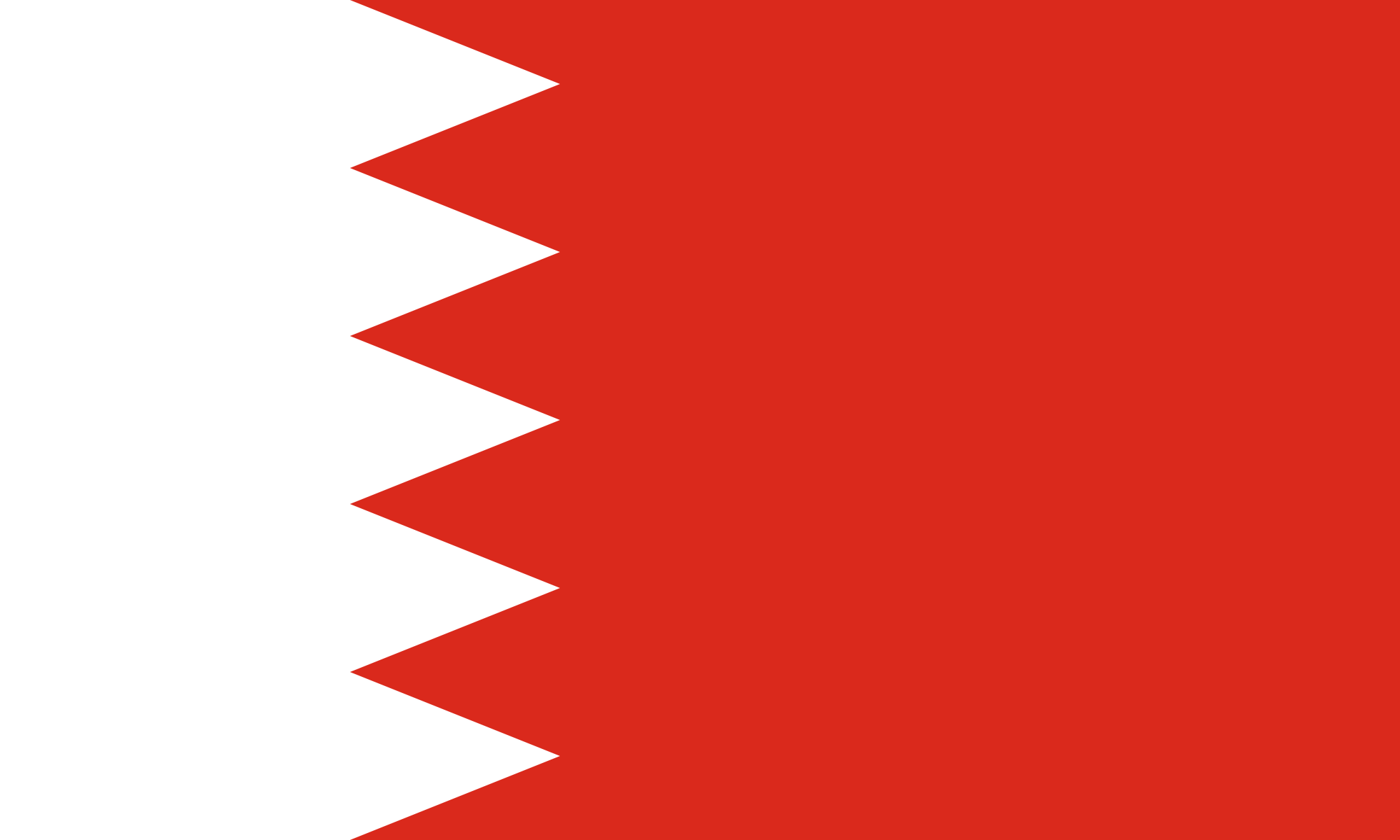
The Kingdom of Bahrain maintains a population of 1,588,670 as of 2024, comprising 739,736 Bahraini nationals (46.6%) and 848,934 non-nationals (53.4%), with a density of 2,002 inhabitants per square kilometer.[12] Its total area spans 760 square kilometers, all land with negligible water coverage, positioning it as one of the world's smallest nations by territory.[13] The capital and largest city is Manama, serving as the economic and administrative hub.[13] Arabic is the official language, while the Bahraini dinar (BHD) functions as the currency, subdivided into 1,000 fils, with an exchange rate pegged to the US dollar at approximately 0.376 BHD per USD.[13] Bahrain operates as a constitutional monarchy under King Hamad bin Isa Al Khalifah, with executive authority shared via a prime minister and bicameral legislature comprising an elected Council of Representatives and appointed Consultative Council.[13] Its GDP reached approximately 47.74 billion USD in recent estimates, yielding a per capita figure of about 30,048 USD, driven primarily by oil, finance, and tourism sectors.[14] Key identifiers include the ISO 3166-1 alpha-2 code "BH," alpha-3 code "BHR," international calling code +973, and internet country code top-level domain .bh.[13] The national flag, adopted in 1971, features a red field with a hoist-side white serrated band containing five points symbolizing the five pillars of Islam, reflecting Bahrain's Islamic heritage and maritime position.[13] The coat of arms, instituted in 1932, displays a blue shield with five white wavy stripes denoting the sea and pillars of Islam, topped by a palm frond, flanked by crossed swords, and supported by a ribbon bearing the Arabic inscription "Kingdom of Bahrain."[15] The national anthem, "Bahrainona" (Our Bahrain), composed in 1971 with lyrics by Mohamed Sudqi Ayyash, lacks official words in performance but evokes national unity and pride.[16]| Category | Details |
|---|---|
| Official Name | Kingdom of Bahrain[13] |
| Capital | Manama (population ~157,000 core, metro over 500,000)[13] |
| Largest City | Manama[13] |
| Government Type | Constitutional monarchy[13] |
| Head of State | King Hamad bin Isa Al Khalifah (since 1999)[13] |
| Head of Government | Prime Minister Salman bin Hamad Al Khalifah (since 2020)[13] |
| Legislature | Bicameral National Assembly (40-member elected Council of Representatives; 40-member appointed Consultative Council)[13] |
| GDP (nominal) | ~47.74 billion USD (recent est.)[14] |
| GDP per capita | ~30,048 USD[14] |
| Currency | Bahraini dinar (BHD)[13] |
| Time Zone | Arabia Standard Time (UTC+3)[13] |
| Driving Side | Right[13] |
Geography of Bahrain
Physical features and location
Bahrain is an archipelago situated in the Persian Gulf, positioned east of Saudi Arabia in the Middle East.[13] Its geographic coordinates are approximately 26°00′N 50°33′E.[13] The nation consists of Bahrain Island as its primary landmass, accounting for the majority of its territory, alongside numerous smaller islands.[13] The total land area of Bahrain measures 760 square kilometers, with no significant inland water bodies, equivalent to roughly four times the size of Washington, DC.[13] It shares no land boundaries but maintains a coastline extending 161 kilometers along the Gulf.[13] Maritime claims include a 12-nautical-mile territorial sea and a 24-nautical-mile contiguous zone.[13] Bahrain's terrain features a mostly low desert plain that gently rises to a central escarpment, characterized by arid conditions with minimal elevation variation.[13] The highest point is Jabal ad Dukhan at 134 meters above sea level, while the lowest point lies at sea level in the Persian Gulf.[13][17] The landscape includes limited agricultural land at 11.3% of the total area, with 2.1% arable, reflecting its desert-dominated geography and reliance on irrigation for the 40 square kilometers of irrigated land.[13]Climate and environmental challenges
Bahrain experiences an arid desert climate characterized by extremely hot summers and mild winters, with average summer temperatures exceeding 40°C (104°F) from May to September and winter highs around 20°C (68°F) from December to February.[18] Annual precipitation is minimal, averaging 70-80 mm, mostly occurring during sporadic winter showers, while summers feature high humidity and frequent dust storms driven by shamal winds.[19] The country's flat topography and proximity to the Persian Gulf exacerbate heat retention and humidity, contributing to oppressive conditions with heat indices often surpassing 50°C (122°F).[20] Water scarcity poses a primary environmental challenge, as Bahrain lacks rivers, lakes, or significant surface runoff, relying almost entirely on desalination for its 1.7 million cubic meters daily water demand, which strains energy resources and generates hypersaline brine discharge harming marine ecosystems.[21] Groundwater aquifers, once primary sources, have been depleted by over-extraction for agriculture and urban use, leading to saltwater intrusion and subsidence rates up to 2 cm per year in some areas.[22] Inefficient irrigation in farming, which consumes about 40% of water despite contributing less than 1% to GDP, further aggravates shortages amid projected demand growth from population increases and economic diversification.[21] Climate change amplifies vulnerabilities through rising sea levels, which threaten Bahrain's low-lying coastal zones housing 90% of the population and key infrastructure; projections indicate a 1.5-meter rise by 2100 could inundate 27% of land area under high-emission scenarios.[23] A 2-meter increase would submerge 15% of industrial land, particularly in oil facilities and ports, while warmer Gulf waters, up 1°C since 1980, disrupt fisheries by altering fish migration and increasing coral bleaching in nearby reefs.[24][25] Desertification and pollution from the oil sector compound these issues, with sand encroachment reducing arable land—already limited to 2.8% of territory—and oil extraction activities contributing to air emissions of sulfur dioxide and particulate matter, alongside historical spills affecting mangroves and seabeds.[26] Bahrain's hydrocarbon reliance, producing 200,000 barrels of oil daily from fields like Bahrain Field, generates greenhouse gases exacerbating global warming, though diversification efforts aim to mitigate dependency.[27][25] Government initiatives, including the 2023 sea-level adaptation plan and Supreme Council for Environment monitoring, target resilience through barriers, reforestation, and renewable energy targets of 20% by 2035, yet implementation faces fiscal constraints.[28][29]Administrative divisions and regions
Bahrain is divided into four governorates (muḥāfaẓāt), which serve as the primary administrative divisions: the Capital Governorate (Muḥāfaẓat al-ʿĀṣimah), Muharraq Governorate (Muḥāfaẓat al-Muḥarraq), Northern Governorate (Muḥāfaẓat al-Shamālīyah), and Southern Governorate (Muḥāfaẓat al-Janūbīyah).[30] These were established following the abolition of the Central Governorate in September 2014, with its territories redistributed among the Capital, Northern, and Southern governorates to streamline administration and align with municipal boundaries. Each governorate is headed by a governor appointed by the king and is further subdivided into districts and municipalities responsible for local services such as urban planning, waste management, and community development.[31] The Capital Governorate, encompassing the capital city of Manama and surrounding areas on the northern coast of Bahrain Island, functions as the political, economic, and cultural hub of the country. It houses key government institutions, including the royal palace and National Assembly, and features a dense urban landscape with commercial districts and historical sites. As of the 2020 census, it had a population of approximately 548,000, representing over one-third of Bahrain's total residents, concentrated in an area of about 70 square kilometers.[32] The Muharraq Governorate, located on Muharraq Island connected to Bahrain Island via causeways, includes the historic city of Muharraq and Bahrain International Airport. It is known for its aviation, maritime industries, and traditional pearling heritage, with residential and light industrial zones. The governorate spans roughly 60 square kilometers and recorded a population of around 268,000 in 2020.[32] The Northern Governorate, in the northwest of Bahrain Island, is predominantly suburban and rural, featuring agricultural lands, housing developments, and industrial parks near the King Fahd Causeway linking to Saudi Arabia. It covers approximately 200 square kilometers, the second-largest area after the Southern Governorate, and had a population of about 380,000 as of 2020, reflecting significant expatriate communities in construction and services.[32][31] The Southern Governorate, the largest by land area at over 160 square kilometers, occupies the southern and eastern parts of Bahrain Island, including industrial zones like Sitra with oil refineries and petrochemical facilities. It supports heavy industry, logistics, and some agriculture, with a 2020 population of roughly 306,000, bolstered by worker housing for energy sector employees.[32]| Governorate | Approximate Area (km²) | Population (2020 est.) | Key Features |
|---|---|---|---|
| Capital | 70 | 548,000 | Government seat, urban commerce |
| Muharraq | 60 | 268,000 | Airport, historical sites |
| Northern | 200 | 380,000 | Suburban, industrial links to Saudi Arabia |
| Southern | 160+ | 306,000 | Oil refineries, heavy industry |