
.JPG/250px-Rajendra_Chola_(cropped).JPG)


.JPG)
Community hub
Recent from talks
Contribute something
Nothing was collected or created yet.
Rajendra I
View on Wikipedia
Key Information

.JPG)

| Chola kings and emperors |
|---|
| Interregnum (c. 200 – c. 848 CE) |
| Related |
Rajendra I[a] (26 July 971 – 1044), often referred to as Rajendra the Great,[b] was a Chola Emperor who reigned from 1014 to 1044. He was born in Thanjavur to Rajaraja I. His queen was Vanavan Mahadevi and he assumed royal power as co-regent with his father in 1012 until his father died in 1014, when Rajendra ascended to the Chola throne.
During his reign, the Chola Empire reached its zenith in the Indian subcontinent; it extended its reach via trade and conquest across the Indian Ocean, making Rajendra one of only a few Indian monarchs who conquered territory beyond South Asia.[10][11][12]
In his early years, Rajendra was involved in the Chola Army, with which he fought in several campaigns against the Western Chalukyas and the rulers of Anuradhapura, earning him his first victories. He quelled rebellions in the Chera and Pandiya vassal states, and in Sri Lanka. As Emperor, Rajendra completed the conquest of Ruhuna and brought an entire portion of Sri Lanka under imperial rule.[13][14] Rajendra expanded Chola rule by defeating the kingdoms of Kalinga and Vengai, and subduing the islands of Laccadives and the Maldives, which he renamed Munnir Palantivu Pannirayiram ("Twelve Thousand Islands and the Ocean Where Three Waters Meet"). These islands were later used as strategic naval bases. During his South-East Asia campaign, he annexed Srivijaya, Kedah, Tambralinga and Pegu, achieving imperial dominance in the region and strengthening Indian influence in Southeast Asia.
Rajendra conducted a war against the Pala dynasty and captured a great deal of wealth, which he used to build the city of Gangaikondacholapuram, the capital of the Chola Empire, and one of the centers of trade and commerce in the empire for several centuries.[10] The city was remarkable for its artificial lake, extensive fortifications, moats surrounding the imperial palace, and the Brihadisvara Temple. Rajendra was a follower of Shaivism but welcomed Buddhism and built several stupas across South-East Asia and South India.
New forms of trade emerged during Rajendra's reign such as the commercial system called "emporia," this was after the Chola's had gained control of Strait of Malacca and several other coastal areas.[15] Emporia refers to exporting goods according to their demand, arose, making trade within the Empire profitable and helped maintain the Chola military. The Khmer Empire was a major ally and trading partner, and helped the Cholas expand their networks as far as Song China. This link allowed Rajendra to incorporate Chinese vessels into the Chola Military. These networks also extended west; the Cholas engaged in the spice trade with Arabia, North Africa, Anatolia and Turkic peoples.
Rajendra Chola I was succeeded by his son Rajadhiraja I, who ruled from 1044 to 1054.[16]
Early life and ascension
[edit]
The exact birth date of Rajendra I is unknown; it is speculated he was born around 971 CE.[17] He was the son of Rajaraja I and queen Vanathi, who is also called Thiripuvāna Mādēviyār. Rajendra had a younger brother named Araiyan Rajarajan, who became a commanding general of a Chola army, and at least three sisters; the younger sister was Kundavai (not to be confused with Kundavai Pirattiyar), the queen of Chalukya-Vimaladitya; and a daughter called Mahadevi. Other significant members of the royal household include queen mother Dantisakti Vitanki—alias Lokamahadevi. The nakshatra of Rajendra's birth was Thiruvathirai (Ardra).[18]
Rajendra was declared heir apparent and formally associated with his father in the administration of the Chola Empire in the final years of his father's reign (1012–1014).[11] In 1018, Rajendra appointed his son Rajadhiraja as heir apparent or co-regent to the Chola throne, which Rajadhiraja occupied from 1018 to 1044.[19]
Military conquests
[edit].svg)
On his father's behalf Rajaraja I, Rajendra I started his wars on the Indian mainland when he was a co-regent for his father in an expedition in 1012 with the capture Iditurai-nadu, (Ededore 2000), (was a stretch of country between the rivers Krishna on the north and Tungabhadra on the south, comprising a large part of the present Raichur doab) and Banavasi (in western Mysore in Karnataka). He then directed his attention to Kollipaakkai(Kulpak),about 45 miles northeast of Hyderabad in Telangana and captured it in 1013.[20]
In about 1014 - 1015 CE, Rajendra led a war against the Rattapadi in northern Karnataka and southern Maharashtra. Rajendra was successful in striking at the heart of the Chalukyan Empire and sacking and destroying capital Manyakheta.[21][22][23] He also captured Malkheda on behalf of his father, which met this reversal after its initial capture by Rajaraja Cholan in 1006. With the death of Rajaraja Cholan I in 1014 CE and the ascension of Rajendra to the Chola throne in the same year. After a lapse of two years, in 1016, Rajendra sent a naval force to Sri Lanka and brought the Ruhuna Kingdom under his control.[14]
Following an expedition to eastern Kerala in 1017, Rajendra captured Kudamalai Nadu.[24]
In 1018, Rajendra's forces captured the Maldives and Lakshadweep islands, and the same year captured Sandimaaththivu, the Kavaratti island west of Kerala.[25][25]
In 1019, Rajendra sent another expedition against the Rattapadi , northern Karnataka and southern Maharashtra. With its new capital at Kalyan in northernmost Karnataka, which the Cholas lost again but recaptured after Battle of Maski in eastern Karnataka. After a two-year lapse, Rajendra, with his capture of many regions of the Indian mainland, became more ambitious in conquering the northern and north-western parts of India.[26]
He commenced his war expedition in this direction in 1021, capturing Sakkarakkoattam in the south of Chhattisgarh. Then, he sent part of his forces to the Ganges river in the north and the other in a north-westerly direction. At the same time, he stationed himself at Sakkarakkoattam until the two expeditions were complete.[27]
The second expedition went to Uttarapatha and Gangetic region countries towards the Ganges river in the north from Sakkarakkoattam; they captured the regions of Odda Vishayam and Thandabuththi in Odisha, Kosala Naadu in northern Chhattisgarh, Thakkana Laadam and Uttara Laadam in Jharkhand, and Vangala Desam in modern-day Bangladesh, and reached the Ganges.[28]
The Chola Indian Mainland expedition ended in 1022, and details of the countries conquered by his forces in the expedition were included in his Meikeerthi's from 1023. With the return of Rajendra Chola's forces to the Chola capital in 1022, the Royal Guru of Rajendra, Isaana Pandithar, built Gangaikonda Cholaeswarer temple at Kulampandel, Tamil Nadu. With his return, Rajendra claimed a new title, "Gangaikondaan", and gave the title "Gangaikonda Cholan" (the Chola who captured Gangai) to his younger brother, who led the Gangetic expedition. Rajendra commenced the construction of a new city named "Gangaikonda Cholapuram", with a new Siva temple named "Gangaikonda Cholaeswarem" and a large temple water tank called "Chola Gangam", where the holy water brought from the Ganges river was mixed. The Essalam Copper Plates of Rajendra state with the conquest of the Gangetic region, Rajendra constructed the new city of the Gangaikonda Cholapuram, the great Gangaikonda Choleswarer temple, and the sacred Cholagangam Tank at the Udaiyar Palaiyam region of Ariyalur district. In the temple "Gangaikonda Cholaeswarem" he built, the presiding deity of the Karuvarai (Sanctum Sanctorum) called the "Gangaikonda Cholaeswarer" also known as "Peruvudaiyar" – the God Siva in the form of Lingam, the biggest Lingam among the Siva Temples in the world over, having a height of 13 feet (4.0 m) and a circumference of 20 ft (6.1 m). The praśasti mentions Rajendra's conquests:[29]
On the third Regnal year of Rajendra Chola – the conqueror of the East country, Ganges and Kadaram; this stone inscription was made to record the tax exemption grant given by Rajendra, the one who surrendered to Shiva.[29]
The Vijayamkonda Cholaeswarem Siva temple of Erumbur in Cuddalore district – the present-day Kadambavanesvara temple near Erumbur – was built to commemorate the victory of Rajendra's forces over Sri Vijaya and many regions of Sumatra. The Kadaremkonda Cholaeswarem Siva temple in Kudimallur in Vellore district – present-day Bhimeswara temple near Kalavai – was built to commemorate Rajendra's victory over Kadarem and many regions of present-day Malaysia.[30]
Rajendra I's overseas war expedition commenced in 1023; a large fleet of ships with Chola warriors was sent to Sri Vijaya, Palembang in southern Sumatra, which was captured. After that, the fleet captured the adjacent settlement Malaiyur.[31] From there, the fleet sailed to the nearby island Bangha and captured Mevilibangham. The fleet then sailed to Pannai, on the eastern Sumatran mainland, followed by Ilamuridesam in northern Sumatra. The forces next sailed to Malaysia and captured Vallaipandur in modern-day north-east Malaysia and Kadarem in north-west Malaysia. From here, Rajendra's forces sailed north and captured the adjacent settlement Ilankasokam in south-east Thailand, followed by Mathamalingam, eastern Thailand and Thalaitakkolam in south-west Thailand. From here, the fleet departed to India, en route capturing Manakkavaarem in the Andaman and Nicobar Islands, the southern Myanmar (Burma) seaport city Magpapaalam, and returned to Chola country.[14] The Chola south-east Asian expedition ended in 1024, and details of the lands conquered by his forces in this expedition were included in his Meikeerthan early silver kasu of 1025.[32] With Rajendra's victory over Sri Vijaya(m) of Sumatra in 1023, he built a Siva Temple at Erumbur, Tamil Nadu, and named it Vijayamkonda Cholaeswarem.

With his triumph over the Kadaram, Rajendra assumed the new title "Kadaremkondaan", and one of his grandsons who led the Kadaram expedition was given the title "Kadaremkonda Cholan" (the Chola who captured Kadarem). A region of the present-day Kudimallur, Tamil Nadu, was named "Kadarekonda Cholapuram". Some villages in present-day Tamil Nadu still bear the names Kidarankondan in Thiruvaarur and Ariyalur regions (present Gedaramkondan in Ariyalur) and Kadaramkonda Cholapuram (present Narasingpuram). With Rajendra's victories over Kadaram, Malaysia, in 1023, he built a Siva temple in northern Tamil Nadu and named it Kadaremkonda Cholaeswarem.[33]
Following Rajendra's victories in the wars on the Indian mainland and near-overseas, he built two "magnificent & gigantic temples completely out of Granite stone" as living monuments of his forces' great valour and superior status in this region, which are included in the UNESCO World Heritage Series.[34] The two granite temples were built to commemorate their triumphs far overseas and as monuments of the Chola's achievements in South-East Asia and the high status of the Medieval Chola Empire in the world history of that period (1025 CE).[35]
Rajendra's conquest chronology
[edit]| Timeline | Conquests | Result |
|---|---|---|
| 992–1040 CE | Chalukya–Chola wars | Chola victory
|
| 1007 CE | Battle of Donur | Chola victory
|
| 993–1017 CE | Conquest of Anuradhapura | Chola victory
|
| 1018–1019 CE | Conquest of the Chera Kingdom and Pandya Kingdom | Chola victory
|
| 1018 CE | Conquest of the Maldives, Kavaratti and Lakshadweep islands | Chola victory
|
| 1020 CE | Battle of Maski | Chola victory
|
| 1021 CE | Recovery of Vengi | Chola victory
|
| 1021 CE | Conquest of the Kalinga | Chola victory
|
| 1019 - 1021 CE | Conquest of the Ganges | Chola victory
|
| 1021 CE | Chola conquest of Chandra dynasty | Chola victory
|
| 1023-1025 CE | Chola conquest of the Nicobar island | Chola victory
|
| 1023–1025 CE | Conquest of Pegu | Chola victory |
| 1025 CE | Conquest of the Srivijaya Empire | Chola victory |
| 1025 CE | Chola conquest of the Langkasuka kingdom | Chola victory
|
| 1028 CE | Chola invasion of Kedah | Chola victory
|
| 1035 CE | Reconquest of Vengi | Chola victory
|
Battles in southern India
[edit]Early campaigns
[edit]Rajendra led campaigns from 1002 CE; these include the conquest of the Rashtrakutas and the campaigns against the Western Chalukyas. He conquered the Chalukyan territories of Yedatore – a large part of Raichur district between the Krishna and the Tungabhadra rivers – Banavasi in north-western Mysore and the capital Manyakheta. Rajendra erected a Siva temple at Bhatkal. He also conquered Kollipakkai, located north of Hyderabad in present-day Telangana.[36] An excerpt from an inscription in Tamil from Kolar states:
In the eighth year of the reign of Kopparakesarivanmar sri Rajendra Sola Deva, who, while the goddess of Fortune, having become constant, increased, and while the goddess of the great Earth, the goddess of victory in battle and the matchless goddess of Fame, having become his great queens, rejoiced-that in his extended lifetime, conquered with his great war-like army Idaiturai-nadu, Vanavasi(i.e., Banavasi) shut in by a fence of continuous forests; Kollipakkai, whose walls were surrounded by sulli trees; Mannaikkadakkam(i.e., Manyakheta) whose fortification was unapproachable.[37]
In 1018 and 1019 CE, Rajendra invaded and conquered the Pandya and Chera Perumal kingdoms.[38] He appointed one of his sons as viceroy with the title Jatavarman Sundara Chola-Pandya with Madurai as the headquarters in charge of both Pandya and Chera/Kerala.[39] As per inscriptions on a memorial stone, Rajendra took the highway Rajakesari Peruvazhi to reach the Chera Nadu from Chola Nadu.[40]
Chola–Chalukya wars
[edit]
Rajendra Chola I fought several battles with Western Chalukyas. From 992 CE to 1008 CE, during the reign of Rajaraja I, Rajendra raided and annexed several towns, such as Rattapadi, Banavasi and Donur (Bijapur District).[42][43]
Tailapa II and his son Satyashraya,who were opponents of Raja Raja Chola I and Rajendra Chola I, ended up being defeated at Annigeri and at Kogali respectively.Jayasimha II was defeated in Kadambalige.Raja Raja Chola I invaded the Chalukya territory in 1003 - 1004 AD, and Achieve victory in many battles. Raja Raja Chola I Defeated Satyashraya in pitched some battles and from cut of the treasures that he captured from him the temple at Thanjavur was enriched.Tiruvalangadu plates of Rajendra Chola, state that Raja raja defeated Satyashraya who "fled to avoid misery from the attack of his (i. e. Arunmolivarman’s) ocean-like army, (still) misery found a (permanent) abode in him. In this Battle Satyashraya brother prince Dasavarman seems to have killed and Chalukya general dandanayaka Kesava was taken prisoner.[44][45]
Siege of Unkal
[edit]Raja Raja Chola diverted attention from Vengi affairs to the Satyashraya to counteroffensive and sent an army under Crown Prince Rajendra Chola in Chalukya Country. Rajendra marched with a 900,000-strong army and Captured Santalige, Kadambalige, Banavasi, Kogali and besieged the fort of Unkallu in the modern Unkal district located in the Dharwad district. In this ensuing battle, the Cholas defeated the Chalukyas, and the Chalukya commander, Lenka Keta, was killed. After Rajendra Chola successfully captured Unkallu Fort and then encamped at Donur.[46][47]
Battle of Donur
[edit]Following the Siege of Unkallu Fort, Rajendra battled against Satyashraya, who was opposing him in Donur. Kulpak and Malkhed became the objects of attack. In the Battle of Donur Rajendra defeated Satyashraya and successfully raided Banavasi, Donur (in the Bijapur region), unkal (near modern Hubli) , Kudala sangama and parts of the Raichur Doab (called Iditurainadu) and secured Gangavadi and Nolambavadi.[48][49][50][51] A mandapa at Tiruvottiyur called Mannaikonda Chola was among the mementos of the Rajendra Chola campaign.[52][53][54] Mannaikonda-Chola is described in inscriptions as a surname assumed in commemoration of his conquest of Manyakheta.[55][56]
Hottur inscription attributed to Irivabedanga Satyashraya from Dharwad acknowledges his allegiance to the Western Chalukyas and highlights the Chola incursion. He accuses Rajendra Chola of leading a massive force of 955,000 soldiers and causing havoc in Donuwara(Donur in Bijapur district), blurring the ethical boundaries of warfare prescribed by the Dharmaśāstras.[57]
Rattapadi Campaign
[edit]Kanyakumari Inscriptions State that, Madhurantaka alias Rajendra-Chola :
(Conquered Kuntala, made Manyakheta a playground for his armies ; had the kings of Kuluta and Utkala slain and the chiefs of Kalinga and Vimsa destroyed ; burnt Kataha).[58]
In about 1014 - 1015 CE, Rajendra led a war against the Rattapadi in northern Karnataka and southern Maharashtra. Rajendra was successful in striking at the heart of the Chalukyan Empire and sacking and destroying capital Manyakheta.[59][60][61] He also captured Malkheda on behalf of his father, which met this reversal after its initial capture by Rajaraja Cholan in 1007.The Kanyakumari Inscriptions, while recording the achievements of Rajendra Chola, state that the latter made Manyakheta the playground of his army.later, as Manyakheta’s loot was paraded in Thanjavur, Rajendra Chola declared that he had captured the ‘spotless fame’ of the Chalukyas, becoming a resplendent conqueror in his own right; he also proclaimed that he had fulfilled his father’s vow.[62][63]
Vengi affairs
[edit]In 1015, Jayasimha II became the king of Western Chalukyas. He tried to recover the losses suffered by his predecessor Satyashraya, who fled his capital and was later restored to the throne by Raja Raja I as a tribute-paying subordinate. Initially, Jayasimha II was successful because Rajendra was busy with his campaigns in Sri Lanka.[64] In 1021, after the demise of the Eastern Chalukyan king Vimaladitya of Vengi, Jayasimha supported Vijayaditya VII's claim to the throne against the claims of Rajaraja Narendra, the son of Vimaladitya and Chola princess Kundavai.[64] Rajendra helped his nephew Rajaraja Narendra defeat Vijayaditya who was supported by Jayasimha II. On the Eastern front, Rajendra's general, Arayan Rajarajan, defeated Vijayaditya, who was supported by Jayasimha II. And Rajaraja Narendra was installed on the Vengi throne.[65][66] Vengi was later the site of the coronation of Rajendra's nephew following his victories in the Chola expedition to North India.[67]
Battle of Maski
[edit]Western front Rajendra led a 900,000-strong army and defeated Jayasimha II at the Battle of Maski in 1020 AD.Following battle rajendra recapture Gangavadi and annexed Raichur from Western Chalukyas.[68] Rajendra fought Jayasimha II in the Battle of Maski.[64][69][70]
Rajendra chola Tiruvalangadu copper plates states,
“( He captured) the seven and a half lakhs of Rattapadi(which was) strong by nature, and vast quantities of treasure, together with the inestimable reputation of Jayasimha II, who out of fear and to his great disrepute, turned his back at Musangi (i.e., Maski) and hide himself. ” [71]
That lord of Rattarashtra (i.e., Jayasimha II) in order to escape from the fire of the terrible rage of the ornament of the Solar race (i.e., Rajendra Chola) took to his heels with fear, abandoning all (his) family riches and reputation.[72]
"It may be no wonder that the fire of his anger burst into a flame as it came into contact with the descendant of Tailapa II . This, however, is strange that, having crossed the waters of all the oceans, it (the fire of his anger) consumed the enemy fuel"(dvisadindhana.)[73]
(conquest of the quarters with a powerful army ; invasion of the South, the Pandya country and the flight of the Pandya king to the Malaya hill ; hia son Chola-Pandya left in charge of the kingdom ; invasion of the Western region, crossing the Sahya and flghting with and defeating the lord of Kerala and leaving Chola-Pandya in charge of the west also ; entry into Kanchi and conquest of Jayasimha II).
While in this consequent Rajendra Chola I, he captured the whole of Rattapadi. In the battle at Musangi (Maski), as it is spelt in the inscriptions, and the description of this campaign states that Rajendra Chola started from Kanchipuram on his march against Chalukya Country; there was a fierce battle between the forces of Rajendra and Jayasimha II , Jayasimha turned back and fled to the forests, and Rajendra returned to his capital with much booty.[76]
Reconquest of Vengi
[edit]Rajendra Chola's nephew, Rajaraja Narendra Eight years after his coronation, the sovereignty of Vengi was changed. Rajaraja was driven out of the kingdom by his half-brother Vijayaditya in 1031 AD. Vijayaditya could not have overcome his brother and seized Vengi, and the only power that could have helped him in the enterprise was the Western Chalukya monarch Jayasimha II . The Western Chalukya general invaded Vengi and captured the city of Bezwada(Vijayawada).So Rajaraja Narendra sought help in the Chola court. Soon Rajendra Chola sent an army under his general, the Brahman general Rajaraja Brahma Maharaja, together with two other officers. The Chola army marched on Vengi and attacked the western Chalukyas in the village of Kalindindi. The battle ended indecisively, as both side generals who were engaged in the fight on either side, perished on the battlefield, neither side could claim victory. but the Cholas failed to secure Rajaraja Narendra to the Vengi Throne. Therefore, in 1035 CE, Rajendra Chola sent another expedition to Vengi under his son and co-regent, Rajadhiraja I. Rajadhiraja Succeeding and defeating the Western Chalukya armies and driving them out of the Telugu country. Once again Rajaraja Narendra was installed on the Vengi throne.[77]
Conquest of Anuradhapura
[edit]
Under his father Rajaraja I, Rajendra Chola I's commander Vallavaraiyan Vandiyadevan commanded an army that invaded Sri Lanka and sacked the capital city Anuradhapura.[78] The new Chola capital was at Polonnaruwa, which was renamed "Jananathamangalam", a title of Rajaraja. Chola official Tali Kumaran erected a Siva temple called Rajarajeshvara ("Lord of Rajaraja") in the town Mahatittha – modern Mantota, Mannar – which was renamed Rajaraja-pura.[79] Chola-occupied territories on the island were named Mummudicholamandalam after Mummudi Chola or Rajaraja I, Rajendra's father.[80]
During his reign, Rajendra's father Rajaraja I annexed the Kingdom of Anuradhapura in northern Sri Lanka. Rajendra invaded the Kingdom of Polonnaruwa in the south in 1017.[81] Chola raids were launched southwards from Rajarata into Rohana. By his fifth year, Rajendra claimed to have completely conquered the island. The whole of Anuradhapura, including the south-eastern province Rohana, was incorporated into the Chola Empire.[13] According to the Sinhalese chronicle Mahavamsa, the conquest of Anuradhapura was completed in the 36th year of the reign of the Sinhalese monarch Mahinda V – about 1017 to 1018.[13] But the Cholas never consolidated their control over the south of the island, which lacked large, prosperous settlements to tempt long-term Chola occupation. Under Rajendra, the Chola's predatory expansion in Sri Lanka approached a point of diminishing returns.[82] According to the Culavamsa and Karandai plates, Rajendra led a large army into Ruhuna kingdom and Ruhuna was incorporated into the Chola Empire[13] and captured Mahinda's crown, queen and daughter, a vast amount of wealth and the king himself, whom Rajendra took to India as a prisoner to India, where he died in exile in 1029.[83][13]
Aftermath
[edit]11–12 years after the Chola conquest of Rohana, Prince Kassapa, son of Mahinda, hid in Rohana, where Chola forces unsuccessfully searched for him. Soon after the death of Mahinda, Kassapa assumed the Sinhalese monarchy as Kassapa VI – also known as Vikramabahu – and reigned in Rohana from 1029 to 1040 while attempting to organise a campaign of liberation and unification. He became the king of Rohana after the 11–12 years of Chola rule in Rohana. Taking advantage of uprisings in the Pandya and Chera kingdoms,which seems to have no effect in this conflict, 2 Sinhala dandanayakas by the names of Budha and Kiththi defeated the Chola garrisons (on behalf of Kassapa IV) in a 6 month long battle at Palatupana in Rohana. The soldiers of the 95,000-strong Chola army withdrawn to Pulatthinagara across dhakkina principality. Prince Kassapa IV launched an unsuccessful raid into Pulattinagara but died because of a disease before he could consolidate his power to a second raid into Pulattinagara. A series of non-sinhalese ephemeral aspirants to the throne subsequently appeared and disappeared in Rohana without dislodging the Cholas from the north.[83] Kassapa VI's mysterious death in 1040, however, brought an end to the war until the rise of Vijayabahu. His successor Mahalana-Kitti (1040–1042) tried to lead a revolt against the Cholas but failed.[84]
_LACMA_M.87.272.5.jpg)
Vijayabahu I of Polonnaruwa I (1055–1110) descended from or claimed to be descended from the Sinhalese royal house, the House of Lambakanna II. By the age of seventeen, he had defeated his most-potent rivals in Rohana and was anxious to take on the Cholas.[83] The crisis in the country left a few scattered, turbulent chiefs and intractable rebels whose allegiance, if any, was at best opportunistic, which proved a problem to both sides in the conflict, frustrating both the Sinhalese kings and the Cholas. Vijayabahu, from his base in Rohana, faced a similar difficulty; he had to contend with the hostility of local chiefs who regarded him as a more-significant threat than the Cholas to their independence. For that reason, the Cholas recruited nominal support from rebel chiefs in Rohana. Vijayabahu needed help consolidating a firm territorial base from which to launch a decisive campaign against the Cholas. On another front, the Cholas needed to eliminate similar opposition in the north. Gradually the wider conflict developed into a prolonged, back-and-forth struggle of raids and counter-raids; the forces of Vijayabahu advanced upon Polonnaruva, and then fell back to fortresses in Dakkhinadesa and Rohana to withstand retaliatory Chola attacks and sieges.[83] The Chola reign over Sri Lanka persisted until 1070, the occupation ended in Chola withdrawal after a further series of indecisive clashes.[85]
Conquest of the Ganges
[edit]
Conflict with the Palas
[edit]In 1019 CE, Rajendra's forces marched through Kalinga towards the Ganges river. In Kalinga, the Chola forces defeated Indraratha, ruler of the Somavamsi dynasty.[86] Rajendra accepted the help of the Paramaras and the Kalachuris, with whom Indraratha had a bitter enmity, and Rajendra took advantage of this situation. The combined armies defeated Indraprastha, who was probably killed. The Chola army eventually reached the Pala kingdom of Bengal, where they defeated Mahipala. The Chola army also defeated the last ruler of the Kamboja Pala dynasty, Dharmapala of Dandabhukti.[87][88] The Chola army went on to raid eastern Bengal – modern-day Bangladesh – defeated Govindachandra of the Chandra dynasty, and invaded the Bastar region.[89][90]
The Tamil praśasti of Rajendra I reads:
(He seized) Śakkarakkōţţam, whose warriors were brave; Madura-maṇḍalam destroyed in a trice, the prosperous city of Nāmaṇaik-kōṇam with its dense groves. Pañcap-paḷḷi whose warriors (bore) cruel bows, Māśunideśa with its green fields; a large heap of family-treasures with many (other) treasures (which he carried away), after having conquered Indraratha of the ancient race of the moon, together with (his) family, in a fight which took place at Ādinagar, (a city) whose fame knew no decline; Oḍḍa-viṣaya which was difficult of approach on account of its dense forest defence; the good Kōśalai-nāḍu where Brahmins assembled; Taṇḍabutti in whose gardens bees abounded, (land which he acquired) after having destroyed Dharmapāla (in) a hot battle; Takkaṇalāḍam, whose fame reached (all) directions, (and which he occupied) after having forcibly attacked Raṇaśura; Vangāḷa-deśā, where the rain water never stopped, (and from which) Gōvindacandra fled, having descended (from his) male elephant; elephants of rare strength, women and treasure, (which he seized) after having been pleased to put to flight in a hot battlefield the strong Mahipāla by the sound of a conch from the deep sea; Uttiralāḍam (on the shore of) the expansive ocean (producing) pearls; and the Gangā whose waters bearing flagrant flowers dashed against the bathing places (tirtha)[91]
Gangaikondacholapuram
[edit]To celebrate his victory in the Ganges, Rajendra constructed a new capital at Gangaikondacholapuram and built Gangaikonda Choleeswarar Temple, which is similar to the Brihadeeswarar Temple at Thanjavur. There has been general disagreement among historians on the nature of the expedition. Early scholars such as V. Venkayya interpreted Rajendra's campaign to "bring the waters of the Ganges into Chola territory" as a pilgrimage to the Ganges river.[92] This theory has been refuted by later historians, the most notable being K. A. Nilakanta Sastri.[33] The military nature of the campaign is suggested by the last line of the Thiruvalangadu plates, which state the king erected the Cholaganga tank as a Ganga-jalamayam jayasthambham ("liquid pillar of victory).[33]
The Chola expedition to the Ganges had a long-lasting influence. According to R. D. Banerji, a Kannadiga chief who accompanied Araiyan Rajarajan on his campaign settled in Bengal and founded the Sena Dynasty.[33] It is believed the Karnata people of Mithila might have descended from soldiers of the Chola army.[33] According to the Siddhantasaravali of Trilocana Sivacharya, many Shaivite Brahmins from Bengal were taken to Chola country, where Rajendra granted them lands. They eventually settled in Kanchipuram and the Cauvery Delta, forming the Sivacharya community.[33]
Campaigns in South-East Asia
[edit]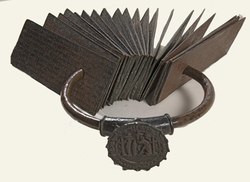
Invasion of Srivijaya
[edit]Srivijaya was a kingdom centred in Palembang, Sumatra, and was ruled by the Sailendra dynasty. During the reign of Mara Vijayatungavarman, Srivijaya had cordial relations with the Chola Empire during the reign of Rajaraja Chola I, leading to Mara Vijayatungavarman building the Chudamani Vihara in Nagapattinam. Sangrama Vijayatunggavarman succeeded Mara.
Khmer Emperor Suryavarman I started a war against the kingdom of Tambralinga on the Malay Peninsula, and requested aid from Rajendra.[93][94] After learning of Suryavarman's alliance with Rajendra, Tambralinga requested aid from Srivijaya, which Sangrama granted.[93][95] This led to the Chola invasion of the Srivijiya Empire. This belligerence were partly influenced by religion; the Chola and Khmer Empire were Hindu Shaivites, while Tambralinga and Srivijaya Empires were Mahayana Buddhists.[96][32]
The Cholas are known to have benefitted from both piracy and foreign trade. Sometimes, Chola naval expeditions led to plunder and conquest as far as South-east Asia.[97] While Srivijaya controlled two major naval choke points the Malacca and Sunda Straits, the Malacca Strait's north-west opening was controlled from Kedah on the Malay Peninsula side and from Pannai on the Sumatran side.
Other campaigns in South-East Asia
[edit]In 1025 CE, Rajendra's Chola forces crossed the Indian Ocean and invaded Srivijaya, attacking several places in modern-day Malaysia and Indonesia.[98] The Cholas sacked the capital Kadaram and Pannai on Sumatra, and Malaiyur on the Malay Peninsula. Rajendra also invaded Tambralinga and the Gangga Nagara Kingdom in modern-day Malaysia and southern Thailand.[99][100][101] Chola forces captured the last ruler of the Sailendra Dynasty Sangrama Vijayatunggavarman.[31] The Chola invasion was the end of Srivijaya.[102][103] Srivijaya's maritime power declined under the Chola attack.[104] Chola forces conquered large portions of Srivijaya, including its ports Ligor, Kedah and Tumasik (now Singapore).[104][105] The Chola invasion furthered the expansion of Tamil merchant associations such as the Manigramam, Ayyavole and Ainnurruvar into South-East Asia,[106][107][108][109] and for the next century, Tamil trading companies from southern India dominated the region.[102][103] Rajendra's expedition is mentioned in corrupted form as Raja Chulan in the medieval Malay chronicle Sejarah Melaya, and Malay princes have names ending with Cholan or Chulan, such as Raja Chulan of Perak.[110][111][112][113][114] One record of Rajendra describes him as the King of Lamuri in north Sumatra.[115] The Chola invasion led to the fall of the Sailendra Dynasty of Srivijaya also coincided with the return voyage of the Buddhist scholar Atiśa from Sumatra to India in 1025.[116]
Despite the devastation, the Srivijaya mandala survived because the Chola attack was short and only meant to plunder so the invasion failed to install direct administration over Srivijaya. This invasion severely weakened the Srivijayan hegemony, and enabled the formation of regional kingdoms like Kahuripan and its successor Kediri, in Java, which were based on agriculture rather than coastal and long-distance trade. Sri Deva was enthroned as the new king and trading activities resumed. Deva sent an embassy to the court of China in 1028.[117] The invasion was not followed by direct Cholan occupation, and the region was unchanged geo-politically, trade had considerable consequences. Tamil traders encroached on the Srivijayan realm that was traditionally controlled by Malay traders, and the Tamil guilds' influence increased on the Malay Peninsula and the north coast of Sumatra.[117]
Aftermath
[edit]With the growing presence of Tamil guilds in the region, relations between Srivijaya and the Cholas improved. Chola nobles were accepted in the Srivijaya court, and in 1067, a Chola prince named Divakara or Devakala was sent as a Srivijayan ambassador to the Imperial Court of China. The prince, who was the nephew of Rajendra Chola, was enthroned in 1070 as Kulothunga Chola I. During the Kedah rebellion, Srivijaya asked the Cholas for help. In 1068, Virarajendra Chola launched a naval raid to help Srivijaya reclaim Kedah.[118] Virarajendra reinstated the Kedah king at the request of the Srivijayan Maharaja, and Kedah accepted Srivijayan sovereignty.[119][118]
Death
[edit]
Rajendra I died in 1044 in Brahmadesam, present-day Tiruvannamalai district, Tamil Nadu. Rajendra's son Rajadhiraja I recorded this information in an inscription, which states Rajendra's queen Viramahadevi committed sati upon her husband's death. Her remains were interred in the same tomb at Brahmadesam. It adds the queen's brother Madhuranthaka Parakesari Velan,[120] who was a general in Rajendra's army, constructed a watershed at the same place in memory of his sister.[5][121]
Personal life and family
[edit]
According to the Siddanta Saravali of Trilochana Sivacharya, Rajendra Chola I was a poet who composed hymns to praise the god Siva. A commentary on the same work says Rajendra brought several Saivas from the banks of the Ganges river and settled them in Kanchi and across the Chola Empire.[122]
Titles
[edit]After his successful campaign for the Ganges river in North India, Rajendra gained the title Gangaikonda Chola (The Chola who took the Ganges river). After his successful South-East Asian campaign, he gained the title "Kadaram Kondan" (He who took Kedah).[123]
He inherited the title Mummudi Cholan (Chola with three crowns) from his father Mummudi, a title used by Tamil kings who ruled the three kingdoms of Cholas, Pandyas and Cheras.[124] Rajendra assumed other titles to commemorate his conquests, such as Mudigonda Cholan and Irattapadikonda Cholan.
Rajendra I bore the title Chalukya-Chudamani (Crest Jewel of the Chalukyas).[125]
Family
[edit]Rajendra I had many queens; Tribhuvana or Vanavan Mahadevi, Mukkokilan, Puteri Onangki and Viramahadevi, the last of whom committed sati upon Rajendra's death.[12] He had seven sons; Rajarajan, Rajadhiraja, Manukula Kesari, Sanga Varman, Rajendra II, Rajamahendran and Virarajendra. Rajarajan was the eldest of the seven but died before reaching thirteen. Manukula Kesari died in 1021 during the war with the Western Chalukyas. Arulmoli Nangaiyar Piranar and Ammangadevi (queen of eastern Chalukya Rajaraja Narendra and the mother of Kulottunga I) are the known daughters of Rajendra.[12]
Issue
[edit]| Name | Mother | Birth
Date |
Death Date | Notes |
|---|---|---|---|---|
| Rajarajan | Mukkokilan Adigal | 988 C.E. | Unknown | |
| Rajadhiraja I | Mukkokilan Adigal | 994 C.E. | 1052 C.E. (aged 58) | Chola Emperor from 1044 C.E. to 1052 C.E.; Died in the Battle of Koppam against the western Chalukyas |
| Manukula Kesari | Tiribhuvana( Vanavan Mahadevi) | 994 C.E | 1021 C.E. (aged 27) | Chola Governor of the Cheras from 1018 C.E. to 1021 C.E. |
| Sanga Varman | Panchavan Mahadevi | 995 C.E | 1059 C.E. (aged 64) | Chola Governor of the Mummudichola Mandalam (Polonnaruwa) from 1024 C.E. to 1059 C.E. |
| Rajendra II | Mukkokilan Adigal | 997 C.E | 1064 C.E. (aged 67) | Chola Emperor, from 1052 C.E. to 1064 C.E., Retains his father's possessions. |
| Rajamahendra | Unknown | 1000 C.E. | 1060 C.E
(Aged 60) |
Co-Regent of the Chola Empire under his brother Rajendra II from 1056 C.E. to 1060 C.E. |
| Virarajendra | Mukkokilan Adigal | 1002 C.E | 1070 C.E. (aged 68) | Chola Emperor from 1065 C.E. to 1070 C.E. and King of Kadaram(Kedah) from 1067 C.E. to 1070 C.E.; Put down several rebellions in Kadaram and Sri Lanka but lost over Srivijaya. |
| Arulmoli Nangaiyar Piranar | Unknown | Unknown | Unknown | Queen of Kodumbalur King Elangovel Thrichirapalli |
| Ammangadevi | Unknown | Unknown | Unknown | Queen Consort of eastern Chalukya King Rajaraja Narendra; Mother of Chola Emperor Kulottunga I. |
Work and legacy
[edit] | This section needs additional citations for verification. (June 2023) |
Temples
[edit]

Rajendra Chola I built several sites.[126] Rajendra built Gangaikondacholapuram to commemorate his victory over the Pala Dynasty. The name of the city Gangaikonda Cholapuram means "The City of the Conqueror of Ganga River" or "the town of the one who defeated the kings near the Ganga". The city has an artificial lake, which is filled with water from the Kollidam and Vellar rivers. The outer fortification in the city is wider than the inner one. The remains of the outer fortification consists of a mound encircling the palace.
Rajendra established Gangaikonda Cholapuram as his capital from the mediaeval Chola capital Thanjavur, which became the capital for the next 250 years.[35] Rajendra I built several temples using plans and infrastructure recommended in Tamil Vastu and Agama sastra texts.[127] These included a Dharma Sasta, Vishnu and other temples. These temples were destroyed in the late 13th and 14th centuries, except the Brihadishvara temple. The other Chola landmarks are evidenced by soil-covered mounds and excavated, broken pillar stumps and brick walls found over several kilometres from the surviving temple.[127][128]
Rajendra states Dehejia must have involved the same artisans used by his father and transferred them from Thanjavur.[129] Most or all of the Chola kings from Rajendra I had their coronations at Gangaikonda Cholapuram. Archaeological excavations have revealed fort walls and palace remains a few kilometres from this temple.
Rajendra also built a royal palace of burnt brick. The ceilings were covered with small, flat tiles laid in several courses in a fine lime mortar. The pillars were probably made of polished wood and were supported on granite bases; a few pillar bases have survived. Iron nails and clamps have been recovered from this palace site. A tunnel links the palace and the temple's inner first prakaara to the north.
Rajendra also developed Koneswaram temple in Trincomalee. The temple to Bhadrakali, which is located further along the complex inland along Konesar Road, benefitted from Rajendra.[130] The Kali temple is mentioned in the book Birds of Prey (1997) by Wilbur Smith, which is set in the 1660s. The Thirukonasala Mahatyam, describing the origins of the world, Lanka and Koneswaram based on puranic legends, is lost. The historical literature Mattakallappu Manmiyam (Batticaloa Manmiyam) chronicles the Tamil settlement in Batticaloa; it follows the Dakshina Kailasa Puranam and Dakshina Kailasa Manmiam in its description of Koneswaram as one of the nine most-important and sacred sites in the world for Hindus.[131]
Rajendra also expanded the Pathirakali Amman Temple in Trincomalee. It attracted many pilgrims during his reign.
Rajendra developed an efficient water management system from the village level upwards. The increase in royal patronage, and the number of devadana and bramadeya lands increased the role of the temples and village assemblies. Committees like (tank committee) and totta-variam (garden committees) were active, and the temples had vast resources in land, men and money.
Rajendra built a large tank named Cholagangam in his capital city Gangaikonda Cholapuram, and it was described as the liquid pillar of victory.
Ottakoothar's Vikrama Cholan Ula mentions Rajendra's conquests:
The king Rajendra Chola, generous as Karpaga tree that gives whatever one wants, went with his army, conquered and ruled and protected the land, where Ganges flows and Kadaram. He belongs to the lineage of Vikrama [132]
— Ottakoothar, Vikrama Cholan Ula, verse 18
The Malay-language Hikayat Iskandar Zulkarnain was written about Alexander the Great as Dhul-Qarnayn, and from it, the ancestry of several South-East Asian royal families is traced to Iskandar Zulkarnain (Alexander the Great).[133] through Rajendra (Raja Chulan, Raja Cholan) in the Malay Annals such as the Sumatran Minangkabau royalty.[134][135]
Inscriptions
[edit]

Several inscriptions of Rajendra commemorating his reign and conquests have been found. An inscription at Adhipuriswara temple in Chengalpattu district gives his natal star as Tiruvadarai. Donations were made to the temple to celebrate the king's birthday in Maargali.[136] An inscription at Umamahesvara temple in Konerirajapuram, Thanjavur district, refers to donations by Alvar Parantakan Kundavai-Pirattiyar during the third year of Rajendra's reign.[137]
The walls of Rajarajeswaramudaiya Mahadevar Temple, built by his father and later developed by Rajendra, include inscriptions describing many donations to the temple made by Rajendra.[138]
Officials
[edit]Rajendra appointed his son Rajadhiraja as heir apparent to the Chola throne in 1018.[19] Large military expeditions, like the Pandya and Chalukya wars, were carried out by Rajadhiraja.[139] The prominent officials of the time were:
- Vallavaraiyar Vandyadevar[139]
- Yadava Bhima "Uttama Chola" Miladudaiyar[139]
- Gangaikonda Chola Miladudaiyar[139]
- Dandanayakan Narakkan Krishnan Raman[139]
- Marayan Arumoli "Uttama Chola" Brahmamarayan[139]
- Talaigrama Indaladeva[139]
Popular culture
[edit]- He is portrayed by Sivakumar in the Tamil-language film Rajaraja Cholan (1973).
- India's merchant navy training ship TS Rajendra was named in his honour.[140]
- The state government of Maharashtra proposed to dedicate Rajendra's portrait to Mazgaon Docks.[141]
- The video game Age of Empires II: Definitive Edition: Dynasties of India contains a five-chapter campaign titled Rajendra.[142]
Literature
[edit]- Vengayin Maindhan by Akilan covers the life and achievements of Rajendra
- Gangapuri Kavalan by Vembu Vikiraman in which Rajendra's the protagonist
- Mannan Magal by Sandilyan set in the period of Rajendra
- Gangai Konda Cholan by Balakumaran
- Ulagam Vendra Cholan by Bharathika which covers the war history and lifetime achievements
Gallery
[edit]-
-
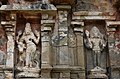
 Entrance of Gangaikonda Cholapuram Temple
 -
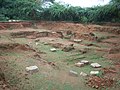 Ruins of Rajendra's Palace
 -

-
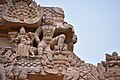 Sculptures at Gangaikonda Cholapuram
.jpg)
.jpg)


.jpg)
See also
[edit]References
[edit]Notes
[edit]- ^ (/rɑːdʒeɪndrə/; Middle Tamil: Rājēntira Cōḻaṉ; Classical Sanskrit: Rājēndradēva Śōla; Old Malay: Raja Chulan[7][8][9]
- ^ Also known as Gangaikonda Cholan (Middle Tamil: Kaṅkaikoṇṭa Cōḻaṉ; lit. 'Bringer of the Ganges'), and Kadaram Kondan (Middle Tamil: Kaṭāram Koṇṭāṉ; lit. 'Conqueror of Kedah').
Citations
[edit]- ^ Sastri, K. A. N. (1935). The Cholas. Vol. I. University of Madras. Retrieved 14 July 2025.
- ^ Sen, Sailendra (2013). A Textbook of Medieval Indian History. Primus Books. pp. 46–49. ISBN 978-9-38060-734-4.
- ^ "Full text of "Historical Inscriptions Of Southern India"". Internet Archive. Kitabistam,Allahabad. 23 October 2016. Retrieved 27 February 2025.
- ^ Karthik, Deepak (19 July 2022). "Rajendra Chola Birth Anniversary: Local Holiday Announced in Ariyalur District". The Times of India.
- ^ a b c Ē. Kē Cēṣāttiri. Sri Brihadisvara: The Great Temple of Thānjavūr. Nile Books, 1998. p. 19.
- ^ The Imperial Pandyas: Mathematics Reconstructs the Chronology, N. Sethuraman, 1978, p. 5, "Calendar System alone must be employed to fix the accession date of a Hindu king Rajendra Chola".
- ^ "Sri Vijaya-Malayu 1299, Singapore and Sumatran Kingdoms". www.eresources.nlb.gov.sg. Retrieved 3 August 2023.
- ^ S. Amran Tasai; Djamari; Budiono Isas (2005). Sejarah Melayu: sebagai karya sastra dan karya sejarah : sebuah antologi. Pusat Bahasa, Departemen Pendidikan Nasional. p. 67. ISBN 978-979-685-524-7.
- ^ John N. Miksic (30 September 2013). Singapore and the Silk Road of the Sea, 1300_1800. NUS Press. pp. 147–. ISBN 978-9971-69-574-3.
- ^ a b Thapar, Romila (2003) [2002]. The Penguin History of Early India: From the Origins to AD 1300. New Delhi: Penguin Books. pp. 364–365. ISBN 978-0-14-302989-2.
- ^ a b K. A. Nilakanta Sastri 1955, pp. 194–195.
- ^ a b c K. A. Nilakanta Sastri 1955, pp. 228.
- ^ a b c d e K. A. Nilakanta Sastri 1955, pp. 199–200.
- ^ a b c Spencer, George W. (May 1976). "The Politics of Plunder: The Cholas in Eleventh-Century Ceylon". The Journal of Asian Studies. 35 (3): 405–419. doi:10.2307/2053272. ISSN 1752-0401. JSTOR 2053272. S2CID 154741845.
- ^ "10 Rajendra Chola's Naval Expedition and the Chola Trade with Southeast and East Asia". Nagapattinam to Suvarnadwipa. ISEAS. 2009. pp. 168–177. doi:10.1355/9789812309389-015. ISBN 9789812309389.
- ^ Karashima 2014, p. 370.
- ^ Kramrisch, Stella; Boner, Alice; Sarma, Sadasiva Rath; Das, Rajendra Prasad (1975). "New Light on the Sun Temple of Konarka". Artibus Asiae. 37 (4): 306. doi:10.2307/3250236. ISSN 0004-3648. JSTOR 3250236.
- ^ K. A. Nilakanta Sastri 1955, pp. 186–187.
- ^ a b K. A. Nilakanta Sastri 1955, pp. 195–196.
- ^ Cholas I.
- ^ B.R Gopal (1981). The Chalukyas Of Kalyana And The Kalachuris. Servants of Knowledge. Karnataka University Dharwad.
- ^ Anirudh Kanisetti (2025). Lords Of Earth And Sea A History Of The Chola Empire (2025).
- ^ Cholas I.
- ^ M. G. S. Narayanan 2013, p. 115-118.
- ^ a b K. A. N. Sastri 1992, p. 2.
- ^ Historical Inscriptions Of Southern INida. BRAOU, Digital Library Of India. Kitabistam,Allahabad.
{{cite book}}: CS1 maint: others (link) - ^ Sastri, K. A. Nilakanta (1958). History of South India.
- ^ Cholas I.
- ^ a b Kamalakkannan, S. "Valanchulivanar, varalaaru aivum aivu varlarum". varalaaru.com. Retrieved 18 August 2020.
- ^ Mabbett, I. W. (September 1982). "Trade and Statecraft in the Age of Cōlas. By Kenneth R. Hall. New Delhi: Shakti Malik Abhinav Publications, 1980. Pp. viii, 238. Acknowledgements, Appendices, Bibliography, Index". Journal of Southeast Asian Studies. 13 (2): 411–413. doi:10.1017/s0022463400008882. ISSN 0022-4634. S2CID 162962287.
- ^ a b Kulke, Hermann; Kesavapany, K.; Sakhuja, Vijay. Nagapattinam to Suvarnadwipa: Reflections on the Chola Naval Expeditions to Southeast Asia p. 230
- ^ a b R. C. Majumdar (1961), "The Overseas Expeditions of King Rājendra Cola", Artibus Asiae 24 (3/4), pp. 338-342, Artibus Asiae Publishers
- ^ a b c d e f Sastri, p 210
- ^ Jeyabalakrishnan, P. (December 2017). "Place of Tourist Interest in Thanjavur District – A Study" (PDF). Journal of Emerging Technologies and Innovative Research. 4 (12).
- ^ a b Melton, J. Gordon (15 January 2014). Faiths Across Time: 5,000 Years of Religious History [4 Volumes]: 5,000 Years of Religious History. Abc-Clio. ISBN 9781610690263.
- ^ Cholas I.
- ^ Epigraphia Carnatica, Volume 10, Part 1, page 32
- ^ See Sastri, K. A. N., A History of South India, p165
- ^ Cholas I.
- ^ "On how Kongu Nadu was a Jain bastion". The Hindu. 12 October 2017. Archived from the original on 23 October 2019. Retrieved 5 December 2019.
- ^ Rice, Benjamin Lewis (1994). Epigraphia Carnatica: Volume X: Inscriptions in the Kolar District. Mangalore, British India: Department of Archeology, Mysore State. Retrieved 4 August 2015.
- ^ Cholas I.
- ^ Sastri, K. A. Nilakanta (1958). History of South India.
- ^ Benjamin Lewis Rice. Mysore Gazetteer, Volume 2, Part 2. Government Press, 1930 - Karnataka (India). p. 1075.
- ^ B.R Gopal (1981). The Chalukyas Of Kalyana And The Kalachuris. Servants of Knowledge. Karnataka University Dharwad.
- ^ Murari, Krishna (1977). The Cāḷukyas of Kalyāṇi, from Circa 973 A.D. to 1200 A.D.: Based Mainly on Epigraphical Sources. Concept Publishing Company.
- ^ S. Ramakrishnan, General Editor (2001). History and Culture of the Indian People, Volume 05, The Struggle For Empire. Public Resource. Bharatiya Vidya Bhavan.
{{cite book}}:|first=has generic name (help) - ^ Historical Inscriptions Of Southern INida. BRAOU, Digital Library Of India. Kitabistam,Allahabad.
{{cite book}}: CS1 maint: others (link) - ^ Sastri, K. A. Nilakanta (1958). History of South India.
- ^ The History and Culture of the Indian People. G. Allen & Unwin. 1951.
- ^ Cholas I.
- ^ Cholas I.
- ^ "South Indian Inscriptions Volume 2 - Rajarajesvara Temple Inscriptions at Tanjavur @ whatisindia.com". www.whatisindia.com. Retrieved 31 July 2025.
- ^ Historical Inscriptions Of Southern INida. BRAOU, Digital Library Of India. Kitabistam,Allahabad.
{{cite book}}: CS1 maint: others (link) - ^ South Indian Inscriptions: Miscellaneous inscriptions in Tamil (4 pts. in 2). Director General, Archaeological Survey of India. 1987.
- ^ Murthy, C. Krishna (1985). Saiva Art and Architecture in South India. Sundeep Prakashan. ISBN 978-0-8364-1417-2.
- ^ Studying early India: archaeology, texts and historical issues, p. 198
- ^ Chakravarti, N. p (1933). Epigraphia Indica Vol.22.
- ^ B.R Gopal (1981). The Chalukyas Of Kalyana And The Kalachuris. Servants of Knowledge. Karnataka University Dharwad.
- ^ Anirudh Kanisetti (2025). Lords Of Earth And Sea A History Of The Chola Empire (2025).
- ^ Cholas I.
- ^ Anirudh Kanisetti (2025). Lords Of Earth And Sea A History Of The Chola Empire (2025).
- ^ B.R Gopal (1981). The Chalukyas Of Kalyana And The Kalachuris. Servants of Knowledge. Karnataka University Dharwad.
- ^ a b c See Sastri, K. A. N., A History of South India, p166
- ^ Proceedings of the Asiatic Society of Bengal, page 70
- ^ Yazdani G. (1960). The Early History Of The Deccan Pat I-vi (1960).
- ^ Sastri, K. A. Nilakanta (1958). History of South India.
- ^ Historical Inscriptions Of Southern INida. BRAOU, Digital Library Of India. Kitabistam,Allahabad.
{{cite book}}: CS1 maint: others (link) - ^ Historical Inscriptions Of Southern INida. BRAOU, Digital Library Of India. Kitabistam,Allahabad.
{{cite book}}: CS1 maint: others (link) - ^ Yazdani G. (1960). The Early History Of The Deccan Pat I-vi (1960).
- ^ Nilakanta Sastri, K. A. (1935). The Colas: Volume I (The Cholas I). University of Madras. p. 277. Retrieved 31 July 2025 – via Internet Archive.
- ^ "South Indian Inscriptions – Volume 3 No. 205D: Aditya II (Karikala)". WhatIsIndia.com. WhatIsIndia Publishers (P) Ltd. Retrieved 31 July 2025.
- ^ Nilakanta Sastri, K. A. (1935). The Colas: Volume I (The Cholas I). University of Madras. p. 277. Retrieved 31 July 2025 – via Internet Archive.
- ^ Chakravarti, N. p (1933). Epigraphia Indica Vol.22.
- ^ https://www.whatisindia.com/inscriptions/south_indian_inscriptions/volume_3/no_205d_aditya_ii_karikala.html
- ^ Nilakanta Sastri, K. A. (1935). The Colas: Volume I (The Cholas I). University of Madras. p. 277. Retrieved 31 July 2025 – via Internet Archive.
- ^ Venkataramanayya, N[elaturi (1950). The Eastern Calukyas of Vengi.
- ^ Spencer 1976, p. 411.
- ^ K. A. N. Sastri 1992, p. 3.
- ^ Karashima 2014, p. 132.
- ^ Indian History with Objective Questions and Historical Maps Twenty-Sixth Edition 2010, South India page 59
- ^ Spencer 1976, p. 416.
- ^ a b c d Spencer 1976, p. 417.
- ^ Cholas I.
- ^ Spencer 1976, p. 418.
- ^ Sastri, K. A. Nilakanta (2000) [1935]. The Cōlas. Madras: University of Madras. p.208
- ^ Ancient Indian History and Civilization by Sailendra Nath Sen p.281
- ^ West Bengal District Gazetteers: Nadīa p.63
- ^ The Cambridge Shorter History of India p.145
- ^ Dimensions of Human Cultures in Central India by Professor S.K. Tiwari p.161
- ^ Sastri, p 207
- ^ Sastri, p 209
- ^ a b Kenneth R. Hall (October 1975), "Khmer Commercial Development and Foreign Contacts under Sūryavarman I", Journal of the Economic and Social History of the Orient 18 (3), pp. 318-336, Brill Publishers
- ^ Munoz, Paul Michel. Early Kingdoms of the Indonesian Archipelago and the Malay Peninsula p. 158-159
- ^ *Majumdar, R. C. (1961). "The Overseas Expeditions of King Rājendra Chola", Artibus Asiae 24 (3/4), pp. 338–342. Artibus Asiae Publishers.
- ^ Kenneth R. Hall (October 1975), "Khmer Commercial Development and Foreign Contacts under Sūryavarman I", Journal of the Economic and Social History of the Orient 18 (3), pp. 318-336, Brill Publishers
- ^ Craig A. Lockard (27 December 2006). Societies, Networks, and Transitions: A Global History. Cengage Learning. p. 367. ISBN 0618386114. Retrieved 23 April 2012.
- ^ Coedès, George (1968). Walter F. Vella (ed.). The Indianized States of Southeast Asia. trans. Susan Brown Cowing. University of Hawaii Press. pp. 142–143. ISBN 978-0-8248-0368-1.
- ^ The Sea and Civilization: A Maritime History of the World by Lincoln Paine p.866
- ^ Andaya, Leonard Y. Leaves of the Same Tree: Trade and Ethnicity in the Straits of Melaka p.35
- ^ Epigraphia Carnatica, Volume 10, Part 1, page 41
- ^ a b Abshire, Jean. The History of Singapore p. 17
- ^ a b Murfett, Malcolm H.; Miksic, John; Farell, Brian; Chiang, Ming Shun. Between Two Oceans: A Military History of Singapore from 1275 to 1971 p. 16
- ^ a b Sar Desai, D. R. Southeast Asia: Past and Present p.43
- ^ Munoz, p. 161
- ^ Sen, Tansen. Buddhism, Diplomacy, and Trade: The Realignment of Sino-Indian Relations 600-1400 p. 159
- ^ Findlay, Ronald; O'Rourke, Kevin H. Power and Plenty: Trade, War, and the World Economy in the Second Millennium p. 69
- ^ Wink, André. Al-Hind, the Making of the Indo-Islamic World: Early Medieval India and the expansion of Islam 7th-11 centuries p. 325
- ^ Sen, Sailendra Nath. Ancient Indian History and Civilization p. 564
- ^ Gunn, Geoffrey C. History Without Borders: The Making of an Asian World Region, 1000-1800 p. 43
- ^ Kulke, Hermann; Kesavapany, K.; Sakhuja, Vijay. Nagapattinam to Suvarnadwipa: Reflections on the Chola Naval Expeditions to Southeast Asia p. 71
- ^ Sen, Tansen. Buddhism, Diplomacy, and Trade: The Realignment of Sino-Indian Relations p. 226
- ^ Kalyanaraman, A. Aryatarangini, the Saga of the Indo-Aryans p.158
- ^ Singam, S. Durai Raja. India and Malaya Through the Ages
- ^ Wink, André. Al-Hind: The Slave Kings and the Islamic Conquest p. 326
- ^ Atisa and Tibet: Life and Works of Dipamkara Srijnana by Alaka Chattopadhyaya p.91
- ^ a b Munoz, Paul Michel (2006). Early Kingdoms of the Indonesian Archipelago and the Malay Peninsula. Singapore: Editions Didier Millet. p. 163. ISBN 981-4155-67-5.
- ^ a b Nagapattinam to Suvarnadwipa: Reflections on the Chola Naval Expeditions by Hermann Kulke, K Kesavapany, Vijay Sakhuja p.305
- ^ Munoz, Paul Michel (2006). Early Kingdoms of the Indonesian Archipelago and the Malay Peninsula. Singapore: Editions Didier Millet. ISBN 981-4155-67-5.
- ^ Place Names Society of India. Madhav N. Katti (ed.). Studies in Indian place names, Volume 6. Published on behalf of the Place Names Society of India by Geetha Book House, 1984. p. 89.
- ^ Place Names Society of India. Madhav N. Katti (ed.). Studies in Indian place names, Volume 6. Published on behalf of the Place Names Society of India by Geetha Book House, 1984 - India. p. 89.
- ^ R. S. Sharma, K. M. Shrimali. A Comprehensive history of India: A.D. 985-1206, Volume 4, Part 1, A comprehensive history of India, K. K. Dasgupta. People's Publishing House, 1992. p. 14.
- ^ Nagapattinam to Suvarnadwipa: Reflections on the Chola Naval Expeditions to .Southeast Asia by Hermann Kulke, K Kesavapany, Vijay Sakhuja p.170
- ^ Temples of South India by V.V. Subba Reddy p.118
- ^ N. Subrahmanian. Tamil Epigraphy: A Survey. Ennes Publications, 1980. p. 128.
- ^ Vasudevan (2003), pp. 21–24
- ^ a b S.R. Balasubrahmanyam 1975, pp. 241–249.
- ^ S., Vasanthi (2009). "Excavation at Gangaikonda Cholapuram, the imperial capital of Rajendra Chola, and its significance". In Kulke, Hermann; K., Kesavapany; Sakhuja, Vijay (eds.). Nagapattinam to Suvarnadwipa: Reflections on the Chola Naval Expeditions to Southeast Asia. Singapore: Institute of south-east Asian Studies. pp. 96–100. ISBN 978-981-230-938-9.
- ^ Dehejia, Vidya (2013). Art of the Imperial Cholas. Columbia University Press. pp. 79–81. ISBN 9780231515245.
- ^ An inscription of Rajendra I was found at the goddess Kali's Temple in Trincomalee, detailing his expansion of the shrine. Indrapala, Karthigesu (2007). The evolution of an ethnic identity: The Tamils in Sri Lanka C. 300 B.C. to C. 1200 A.D. Colombo: Vijitha Yapa. ISBN 978-955-1266-72-1.
- ^ Sivaratnam, C (1964). An outline of the cultural history and principles of Hinduism (1 ed.). Colombo: Stangard Printers. OCLC 12240260.
Koneswaram temple. Tiru-Kona-malai, sacred mountain of Kona or Koneser, Iswara or Siva. The date of building the original temple is given as 1580 B.C., according to a Tamil poem by Kavi Raja Virothayan translated into English in 1831 by Simon Cassie Chitty...
- ^ p 9
- ^ Balai Seni Lukis Negara (Malaysia) (1999). Seni dan nasionalisme: dulu & kini. Balai Seni Lukis Negara. ISBN 9789839572278.
- ^ John N. Miksic (30 September 2013). Singapore and the Silk Road of the Sea, 1300_1800. NUS Press. pp. 147–. ISBN 978-9971-69-574-3.
- ^ Marie-Sybille de Vienne (9 March 2015). Brunei: From the Age of Commerce to the 21st Century. NUS Press. pp. 47–. ISBN 978-9971-69-818-8.
- ^ S. R. Balasubrahmanyam. Middle Chola Temples: Rajaraja I to Kulottunga I, A.D. 985-1070. Thomson Press (India), 1975 - Hindu temples - 424 pages. p. 301.
- ^ S. R. Balasubrahmanyam. Middle Chola Temples: Rajaraja I to Kulottunga I, A.D. 985-1070. Thomson Press (India), 1975. p. 269.
- ^ "SIVAN KOIL – SIVAPURAM". Government of Tamil Nadu, Department of Archaeology. Retrieved 26 August 2023.
- ^ a b c d e f g K. A. Nilakanta Sastri 1955, pp. 226–227.
- ^ "Press release, President address". Government of India. Retrieved 1 June 2016.
- ^ "Rajendra Chola: Maharashtra to dedicate Tamil emperor Rajendra Chola's portrait to Mazgon Docks". The Times of India. 29 September 2016. Retrieved 11 January 2018.
- ^ Rodrigues, Lucas (13 April 2023). "Age Of Empires 2: Definitive Edition - Best Campaigns, Ranked". TheGamer. Archived from the original on 21 April 2023. Retrieved 24 September 2023.
Bibliography
[edit]- Karashima, Noboru (2014). A Concise History of South India: Issues and Interpretations. New Delhi: Oxford University Press. ISBN 978-0-19-809977-2.
- K. A. Nilakanta Sastri (1955) [1935]. The Colas (2nd revised ed.). University of Madras.
- K. A. N. Sastri (1992). "The Cōḷas". In R. S. Sharma; K. M. Shrimali (eds.). A Comprehensive history of India: A.D. 985-1206. People's Publishing House. ISBN 978-81-7007-121-1.
- S.R. Balasubrahmanyam (1975). Middle Chola Temples. Thomson Press. ISBN 978-9060236079.
- M. G. S. Narayanan (2013) [1972]. Perumals of Kerala: Brahmin Oligarchy and Ritual Monarchy. Kerala: CosmoBooks. ISBN 978-81-88765-07-2.
- Vasudevan, Geeta (2003). Royal Temple of Rajaraja: An Instrument of Imperial Chola Power. Abhinav Publications. ISBN 0-00-638784-5.
Further reading
[edit]- Schmidt, Karl Ludwig (1997). An Atlas and Survey of South Asian History (Sources and Studies in World History). Armonk, N.Y.: M.E. Sharpe. ISBN 1-56324-334-2.
- R. Hall, Kenneth (October 1975). Khmer Commercial Development and Foreign Contacts under Sūryavarman I, Journal of the Economic and Social History of the Orient 18 (3), pp. 318–336. Brill Publishers
- Śrīnidhiḥ: perspectives in Indian archaeology, art, and culture by K. R. Srinivasan, K. V. Raman

Rajendra I
View on GrokipediaRajendra Chola I (r. 1014–1044 CE) was an emperor of the Chola dynasty who ruled over much of southern India and extended Chola influence across the Indian Ocean through ambitious military expeditions.[1]
Succeeding his father Rajaraja Chola I, he completed the conquest of Sri Lanka, incorporated the Maldives into the empire, and launched a northern campaign that reached the banks of the Ganges River, earning him the title Gangaikonda Chola ("the Chola who took the Ganga").[1][2] These achievements, documented in contemporary inscriptions, marked the peak of Chola imperial expansion and demonstrated the dynasty's naval prowess in raiding Srivijaya territories in Southeast Asia, including parts of modern Indonesia, Malaysia, and Thailand.[1] To commemorate his northern victories, Rajendra founded the city of Gangaikonda Cholapuram as his new capital, shifting the administrative center from Thanjavur and constructing the grand Brihadisvara Temple there, a UNESCO World Heritage Site exemplifying Chola architectural grandeur dedicated to Shiva.[1] His reign advanced Shaivite temple culture, efficient administration through local self-governance, and maritime trade dominance in the Bay of Bengal, fostering cultural exchanges evident in inscriptions detailing land grants and military campaigns across conquered regions.[1] These efforts solidified the Chola Empire as a major power until the mid-13th century, influencing South Indian history through enduring architectural and administrative legacies.[3]