Respect all members: no insults, harassment, or hate speech.
Be tolerant of different viewpoints, cultures, and beliefs. If you do not agree with others, just create separate note, article or collection.
Clearly distinguish between personal opinion and fact.
Verify facts before posting, especially when writing about history, science, or statistics.
Promotional content must be published on the “Related Services and Products” page—no more than one paragraph per service. You can also create subpages under the “Related Services and Products” page and publish longer promotional text there.
Do not post materials that infringe on copyright without permission.
Always credit sources when sharing information, quotes, or media.
Be respectful of the work of others when making changes.
Discuss major edits instead of removing others' contributions without reason.
If you notice rule-breaking, notify community about it in talks.
Do not share personal data of others without their consent.
Tortoises (/ˈtɔːrtəs.ɪz/TOR-təs-iz) are reptiles of the family Testudinidae of the order Testudines (Latin for "tortoise"). Like other testudines, tortoises have a shell to protect from predation and other threats. The shell in tortoises is generally hard, and like other members of the suborder Cryptodira, they retract their necks and heads directly backward into the shell to protect them.[1]
Tortoises can vary in size with some species, such as the Galápagos giant tortoise, growing to more than 1.2 metres (3.9 ft) in length, whereas others like the speckled Cape tortoise have shells that measure only 6.8 centimetres (2.7 in) long.[2] Several lineages of tortoises have independently evolved very large body sizes in excess of 100 kilograms (220 lb), including the Galapagos giant tortoise and the Aldabra giant tortoise. They are usually diurnal animals with tendencies to be crepuscular depending on the ambient temperatures. They are generally reclusive animals. Tortoises are the longest-living land animals in the world, although the longest-living species of tortoise is a matter of debate. Galápagos tortoises are noted to live over 150 years, but an Aldabra giant tortoise named Adwaita may have lived an estimated 255 years. In general, most tortoise species can live 80–150 years. Tortoises are typically slow-moving.
Differences exist in usage of the common terms turtle, tortoise, and terrapin, depending on the variety of English being used; usage is inconsistent and contradictory.[3] These terms are common names and do not reflect precise biological or taxonomic distinctions.[4]
Skeleton of a tortoise
The American Society of Ichthyologists and Herpetologists uses "turtle" to describe all species of the order Testudines, regardless of whether they are land-dwelling or sea-dwelling, and uses "tortoise" as a more specific term for slow-moving terrestrial species.[3] General American usage agrees; turtle is often a general term; tortoise is used only in reference to terrestrial turtles or, more narrowly, only those members of Testudinidae, the family of modern land tortoises; and terrapin may refer to turtles that are small and live in fresh and brackish water, in particular the diamondback terrapin (Malaclemys terrapin).[5][6][7][8] In America, for example, the members of the genus Terrapene dwell on land, yet are referred to as box turtles rather than tortoises.[4]
British and International English usage, by contrast, tends not to use "turtle" as a generic term for all members of the order, and also applies the term "tortoises" broadly to all land-dwelling members of the order Testudines, regardless of whether they are actually members of the family Testudinidae.[8] In Britain, terrapin is used to refer to a larger group of semiaquatic turtles than the restricted meaning in America.[6][9]
Australian usage is different from both American and British usage.[8] Land tortoises are not native to Australia, and traditionally freshwater turtles have been called "tortoises" in Australia.[10] Some Australian experts disapprove of this usage—believing that the term tortoises is "better confined to purely terrestrial animals with very different habits and needs, none of which are found in this country"—and promote the use of the term "freshwater turtle" to describe Australia's primarily aquatic members of the order Testudines because it avoids misleading use of the word "tortoise" and also is a useful distinction from marine turtles.[10]
Most species of tortoises lay small clutch sizes, seldom exceeding 20 eggs, and many species have clutch sizes of only 1–2 eggs. Incubation is characteristically long in most species, the average incubation period are between 100 and 160.0 days. Egg-laying typically occurs at night, after which the mother tortoise covers her clutch with sand, soil, and organic material. The eggs are left unattended, and depending on the species, take from 60 to 120 days to incubate.[11] The size of the egg depends on the size of the mother and can be estimated by examining the width of the cloacal opening between the carapace and plastron. The plastron of a female tortoise often has a noticeable V-shaped notch below the tail which facilitates passing the eggs. Upon completion of the incubation period, a fully formed hatchling uses an egg tooth to break out of its shell. It digs to the surface of the nest and begins a life of survival on its own. They are hatched with an embryonic egg sac which serves as a source of nutrition for the first three to seven days until they have the strength and mobility to find food. Juvenile tortoises often require a different balance of nutrients than adults, so may eat foods which a more mature tortoise would not. For example, the young of a strictly herbivorous species commonly will consume worms or insect larvae for additional protein.[12]
The number of concentric rings on the carapace, much like the cross-section of a tree, can sometimes give a clue to how old the animal is, but, since the growth depends highly on the accessibility of food and water, a tortoise that has access to plenty of forage (or is regularly fed by its owner) with no seasonal variation will have no noticeable rings. Moreover, some tortoises grow more than one ring per season, and in some others, due to wear, some rings are no longer visible.[13]
Tortoises generally have one of the longest lifespans of any animal, and some individuals are known to have lived longer than 150 years.[14] Because of this, they symbolize longevity in some cultures, such as Chinese culture. The oldest tortoise ever recorded, and one of the oldest individual animals ever recorded, was Tu'i Malila, which was presented to the Tongan royal family by the British explorer James Cook shortly after its birth in 1777. Tu'i Malila remained in the care of the Tongan royal family until its death by natural causes on May 19, 1965, at the age of 188.[15]
The Alipore Zoo in India was the home to Adwaita, which zoo officials claimed was the oldest living animal until its death on March 23, 2006. Adwaita (also spelled Addwaita) was an Aldabra giant tortoise brought to India by Lord Wellesley, who handed it over to the Alipur Zoological Gardens in 1875 when the zoo was set up. West Bengal officials said records showed Adwaita was at least 150 years old, but other evidence pointed to 250. Adwaita was said to be the pet of Robert Clive.[16]
Harriet was a resident at the Australia Zoo in Queensland from 1987 to her death in 2006; she was believed to have been brought to England by Charles Darwin aboard the Beagle and then on to Australia by John Clements Wickham.[17] Harriet died on June 23, 2006, just shy of her 176th birthday.
Timothy, a female spur-thighed tortoise, lived to be about 165 years old. For 38 years, she was carried as a mascot aboard various ships in Britain's Royal Navy. Then in 1892, at age 53, she retired to the grounds of Powderham Castle in Devon. Up to the time of her death in 2004, she was believed to be the United Kingdom's oldest resident.[18]
Many species of tortoises are sexually dimorphic, though the differences between males and females vary from species to species.[21] In some species, males have a longer, more protruding neck plate than their female counterparts, while in others, the claws are longer on the females.
The male plastron is curved inwards to aid reproduction. The easiest way to determine the sex of a tortoise is to look at the tail. The females, as a general rule, have smaller tails, dropped down, whereas the males have much longer tails which are usually pulled up and to the side of the rear shell.
The brain of a tortoise is extremely small. Red-footed tortoises, from Central and South America, do not have an area in the brain called the hippocampus, which relates to emotion, learning, memory and spatial navigation. Studies have shown that red-footed tortoises may rely on an area of the brain called the medial cortex for emotional actions, an area that humans use for actions such as decision making.[22]
Tortoises are found from southern North America to southern South America, around the Mediterranean basin, across Eurasia to Southeast Asia, in sub-Saharan Africa, Madagascar, and some Pacific islands. They are absent from Australasia. They live in diverse habitats, including deserts, arid grasslands, and scrub to wet evergreen forests, and from sea level to mountains. Most species, however, occupy semiarid habitats.
Many large islands are or were characterized by species of giant tortoises. Part of the reason for this is that tortoises are good at oceanic dispersal. Despite being unable to swim, tortoises are able to survive long periods adrift at sea because they can survive months without food or fresh water. Tortoises have been known to survive oceanic dispersals of more than 740 km.[23] Once on islands tortoises faced few predators or competitors and could grow to large sizes and become the dominant large herbivores on many islands due to their low metabolic rate and reduced need for fresh water compared to mammals.[24]
Tortoises are generally considered to be strict herbivores, feeding on grasses, weeds, leafy greens, flowers, and some fruits. However, hunting and eating of birds has been observed on occasion.[26] Pet tortoises typically require diets based on wild grasses, weeds, leafy greens and certain flowers. Certain species consume worms or insects and carrion in their normal habitats. Too much protein is detrimental in herbivorous species, and has been associated with shell deformities and other medical problems. Different tortoise species vary greatly in their nutritional requirements.
Communication in tortoises is different from many other reptiles. Because they are restricted by their shell and short limbs, visual communication is not a strong form of communication in tortoises. Tortoises use olfactory cues to determine the sex of other tortoises so that they can find a potential mate. Tactile communication is important in tortoises during combat and courtship. In both combat and courtship, tortoises use ramming to communicate with other individuals.[27]
In 2023 Kehlmaier again recovered a very similar phylogeny to the 2021 one, which further reaffirmed the evolutionary distinctiveness of the extinct Cylindraspis, but swapped the position of Gopherus and Manouria, making Gopherus the most basal genus.[48]
In Hinduism, Kurma (Sanskrit: कुर्म) was the second Avatar of Vishnu. Like the MatsyaAvatara, Kurma also belongs to the Satya Yuga. Vishnu took the form of a half-man, half-tortoise, the lower half being a tortoise. He is normally shown as having four arms. He sat on the bottom of the ocean after the Great Flood. A mountain was placed on his back by the other gods so they could churn the sea and find the ancient treasures of the Vedic peoples.[citation needed]
In September, 1968, two Russian tortoises became the first animals to fly to and circle the Moon. Their Zond 5 mission brought them back to Earth safely.
^Thomson, S.; Irwin, S.; Irwin, T. (1995). "Harriet, the Galapagos tortoise: disclosing one and a half centuries of history". Intermontanus. 4 (5): 33–35.
^Goodman, Steven M.; Jungers, William L. (2014). Extinct Madagascar: picturing the island's past. Chicago. ISBN978-0-226-14397-2.{{cite book}}: CS1 maint: location missing publisher (link)
^Rhodin, Anders G.J. (2021-11-15). Turtles of the World: Annotated Checklist and Atlas of Taxonomy, Synonymy, Distribution, and Conservation Status (9th Ed.). Chelonian Research Monographs. Vol. 8. Chelonian Research Foundation and Turtle Conservancy. doi:10.3854/crm.8.checklist.atlas.v9.2021. ISBN978-0-9910368-3-7. S2CID244279960.
^Rhodin, A.G.J.; Thomson, S.; Georgalis, G.; Karl, H.-V.; Danilov, I.G.; Takahashi, A.; de la Fuente, M.S.; Bourque, J.R.; Delfino M.; Bour, R.; Iverson, J.B.; Shaffer, H.B.; van Dijk, P.P.; et al. (Turtle Extinctions Working Group) (2015). Turtles and tortoises of the world during the rise and global spread of humanity: first checklist and review of extinct Pleistocene and Holocene chelonians. Chelonian Research Monographs. Vol. 5. pp. 000e.1–66. doi:10.3854/crm.5.000e.fossil.checklist.v1.2015. ISBN978-0-9653540-9-7.
^Batsch, A.J.G.C. (1788). Versuch einer Anleitung zur Kenntniss und Geschichte der Thiere und Mineralien. Erster Theil. Allgemeine Geschichte der Natur; besondre der Säugthiere, Vögel, Amphibien und Fische. Jena: Akademischen Buchandlung, 528 pp.
^Adán Pérez-García; Evangelos Vlachos; Xabier Murelaga (2020). "A large testudinid with African affinities in the post-Messinian (lower Pliocene) record of south-eastern Spain". Palaeontology. 63 (3): 497–512. doi:10.1111/pala.12468. S2CID214232312.
^Gray, John Edward. (1872). "Appendix to the Catalogue of Shield Reptiles in the Collection of the British Museum. Part I. Testudinata (Tortoises)". London: British Museum, 28 pp.
^ abcdFitzinger, Leopold J. (1835). "Entwurf einer systematischen Anordnung der Schildkröten nach den Grundsätzen der natürlichen Methode". Annalen des Wiener Museums der Naturgeschichte. 1: 105–128.
^Rafinesque, Constantine Samuel (1832). "Description of two new genera of soft shell turtles of North America". Atlantic Journal and Friend of Knowledge. 1: 64–65.
^Duméril, André Marie Constant and Bibron, Gab riel. 1834. Erpétologie Générale ou Histoire Naturelle Complète des Reptiles. Tome Premier. Paris: Roret, 439 pp.
^Lindholm, Wassili A. (1929). "Revidiertes Verzeichnis der Gattungen der rezenten Schildkröten nebst Notizen zur Nomenklatur einiger Arten". Zoologischer Anzeiger. 81: 275–295.
^Gray, John Edward (1834). "Characters of several new species of freshwater tortoises (Emys) from India and China". Proceedings of the Zoological Society of London. 2: 53–54.
^Falconer, H.; Cautley, P.T. (1837). "On additional fossil species of the order Quadrumana from the Siwalik Hills". Journal of the Asiatic Society of Bengal. 6: 354–360.
Gerlach, Justin (2004). Giant Tortoises of the Indian Ocean. Frankfurt: Chimiara.
Antoinette C. van der Kuyl; Donato L. Ph. Ballasina; John T. Dekker; Jolanda Maas; Ronald E. Willemsen; Jaap Goudsmit (February 2002). "Phylogenetic Relationships among the Species of the Genus Testudo (Testudines: Testudinidae) Inferred from Mitochondrial 12S rRNA Gene Sequences". Molecular Phylogenetics and Evolution. 22 (2): 174–183. doi:10.1006/mpev.2001.1052. ISSN1055-7903. PMID11820839.
A tortoise is a reptile belonging to the family Testudinidae within the order Testudines, distinguished by its hard, bony shell that protects its body and fuses with its spine and ribs, enabling a fully terrestrial lifestyle.[1] Unlike aquatic or semi-aquatic turtles, tortoises possess sturdy, elephantine legs and feet adapted for walking on land, short tails, and a diet primarily consisting of vegetation such as grasses, leaves, and fruits, though some species incorporate insects or fungi.[1] They are found in diverse habitats worldwide, including deserts, grasslands, savannas, and forests across Africa, Asia, Europe, North and South America, and islands like the Galápagos, but are absent from Australia and Antarctica.[2]The family Testudinidae encompasses approximately 62 extant species distributed across 13 genera, making it the most diverse group of terrestrial chelonians, though this number reflects ongoing taxonomic revisions and includes both mainland and island forms.[3] Tortoises exhibit remarkable longevity, with many species living over 100 years—some individuals exceeding 150 years—and slow metabolic rates that allow them to survive extended periods without food or water by drawing on fat reserves stored in their tails and limbs.[1]Reproduction is oviparous, with females laying clutches of 2–20 eggs in burrows or nests, and juveniles often taking 10–30 years to reach sexual maturity, contributing to their vulnerability to environmental pressures.[4]Notable for their role in seed dispersal and ecosystem engineering through burrowing, tortoises face significant conservation challenges, with over 60% of species classified as threatened by the IUCN as of 2025 due to habitat destruction, invasive species, climate change, and illegal wildlife trade.[5] Iconic examples include the Galápagos tortoise (Chelonoidis nigra), which inspired Charles Darwin's theory of evolution, and the African spurred tortoise (Centrochelys sulcata), one of the largest species reaching up to 1 meter in length and 100 kilograms in weight.[2] Efforts by organizations like the U.S. Fish and Wildlife Service and IUCN's Tortoise and Freshwater Turtle Specialist Group focus on habitat protection, captive breeding, and anti-poaching measures to safeguard these ancient lineages, which have persisted since the Eocene epoch.[6]
Terminology and Etymology
Definitions and Distinctions
Tortoises are reptiles classified within the family Testudinidae of the order Testudines, distinguished by their exclusively terrestrial habitat and primarily herbivorous diet consisting of grasses, leaves, flowers, and fruits.[7] These animals feature a high-domed carapace that provides robust protection suited to life on land, with sturdy limbs and clubbed feet adapted for walking rather than swimming.[7]A key distinction lies in their lifestyle compared to other Testudines: while turtles are typically aquatic or semi-aquatic, possessing webbed feet or flippers for propulsion in water, tortoises remain fully terrestrial without such adaptations.[8] Terrapins, conversely, dwell in brackish or estuarine waters and exhibit webbed feet similar to turtles, but their semi-aquatic habits in coastal or swampy areas set them apart from the land-bound tortoises.[8] Usage of these terms can vary by region; for example, in North America, "turtle" often refers broadly to all shelled reptiles in Testudines, while in the UK and Australia, it specifically denotes aquatic species, with "tortoise" reserved for terrestrial ones.[9] This emphasis on a completely terrestrial existence underscores the evolutionary specialization of tortoises for terrestrial environments, free from reliance on aquatic resources.[10]Common misconceptions often blur these lines, with many assuming that "turtle" and "tortoise" are synonymous terms applicable to all shelled reptiles in the order Testudines, or that all such animals share aquatic traits.[11] In reality, while tortoises are a subset of turtles in the broader taxonomic sense, the reverse is not true, leading to errors in identification and care.[11] This confusion is amplified in popular media, where aquatic turtle characters are frequently mislabeled as tortoises, perpetuating the myth among general audiences.[12]The term "tortoise" originates from Old French tortue, likely adapted from Vulgar Latin tartarūcha, a diminutive of tartarūchus derived from Ancient Greek tartaroûkhos ("holder of Tartarus"), evoking an association with slowness akin to infernal torment or the underworld.[13] Alternatively, it may draw from Latin tortus ("twisted"), alluding to the curved shape of their toes.[13]
Historical Naming
The English word "tortoise" entered the language around the 15th century, derived from Old French tortue, which in turn stems from Vulgar Latin tortūca or Medieval Latin tortūca, possibly influenced by Latin tortus meaning "twisted," alluding to the reptile's curved legs.[13] This etymological path traces back further to ancient associations, including Late Latin tartarūcha from Greek tartaroûkhos ("holder of Tartarus"), reflecting mythological beliefs that tortoises originated in the underworld.[13] In ancient Greek, the term chelōnē (χελώνη) denoted both turtles and tortoises, serving as the root for the modern scientific order name Testudines (or Chelonia in older nomenclature) and highlighting early cultural reverence for these animals in mythology, such as the nymph Chelone transformed into a tortoise by Hermes.[14]Across cultures, tortoises have borne diverse names reflecting local languages and observations. In Japanese, the word kame (亀) refers to both turtles and tortoises, a term with deep roots in folklore where the creature symbolizes longevity and is often depicted in art and proverbs.[15] Scientific nomenclature also draws from descriptive Latin terms; for instance, the African spurred tortoise (Centrochelys sulcata) receives its specific epithet sulcata from Latin sulcus meaning "furrow," referencing the distinctive grooves between the scutes on its carapace, a naming convention established in the 18th century to catalog newly encountered species.[16]Early scientific classification of tortoises began with Carl Linnaeus's Systema Naturae (10th edition, 1758), where he placed numerous species under the genus Testudo, including Testudo graeca for the Mediterranean or Greek tortoise, based on limited European specimens and descriptions from ancient texts.[17] This Linnaean framework lumped diverse forms together, but colonial explorations from the 16th to 19th centuries introduced specimens from remote regions like Africa, Asia, and the Americas, prompting taxonomic revisions as naturalists recognized morphological variations; for example, giant tortoises initially classified broadly under Testudo were later segregated into genera like Geochelone and Chelonoidis to reflect geographic and adaptive differences uncovered through expedition collections.[18]Explorers played a pivotal role in advancing tortoise nomenclature, particularly during the Age of Sail when ships transported live animals and preserved samples to Europe, fueling debates over species boundaries. Charles Darwin's 1835 Galápagos expedition aboard HMS Beagle exemplifies this influence: he collected tortoises from multiple islands, noting shell shape and size variations that suggested island-specific forms, which later informed taxonomic distinctions; today, the Santiago Island population bears the name Chelonoidis darwini in recognition of his contributions to understanding their diversity.[19]
Taxonomy and Evolution
Classification
Tortoises, commonly referred to as land turtles, belong to the order Testudines within the class Reptilia, and are classified under the suborder Cryptodira, which encompasses most modern turtles that retract their necks vertically into the shell. The core family comprising true tortoises is Testudinidae, part of the superfamily Testudinoidea, which includes 18 extant genera and 62 species.[3] This family is distinguished by its exclusively terrestrial members, adapted to diverse arid and semi-arid environments worldwide, excluding Australia and Antarctica.[7]While Testudinidae represents the primary lineage of fully terrestrial tortoises, the term "tortoise" is occasionally applied more broadly to semi-terrestrial species in the family Geoemydidae, such as certain wood turtles in the genus Rhinoclemmys, which exhibit tortoise-like behaviors but retain semi-aquatic affinities.[20] In contrast, Testudinidae species are strictly terrestrial, with no aquatic adaptations, and include prominent genera like Chelonoidis, which encompasses giant tortoises from the Galápagos and South America, and Testudo, native to Mediterranean regions and known for species such as the Greek tortoise (Testudo graeca).[7] Other key genera in Testudinidae include Gopherus (North American gopher tortoises), Astrochelys (Madagascan radiated tortoises), and Kinixys (African hinged tortoises), highlighting the family's morphological diversity in shell structure and limb adaptations for terrestrial life.[10]Species diversity within Testudinidae is highest in Africa, with over 30 species across sub-Saharan regions, including the spurred tortoise (Centrochelys sulcata) and various hinge-back tortoises.[21]Madagascar hosts a significant endemic radiation, with 4 species in 2 genera (Astrochelys and Pyxis), representing a hotspot of chelonian biodiversity.[22]Asia and the Americas also contribute notably, with about 10-15 species each, such as the Indian star tortoise (Geochelone elegans) in South Asia and the desert tortoise (Gopherus agassizii) in North America.[7]Taxonomic revisions in the 2020s have refined classifications within Testudinidae, notably confirming the monotypic genus Centrochelys for the African spurred tortoise (C. sulcata), previously lumped under Geochelone based on morphological and genetic analyses that underscore its distinct evolutionary lineage.[23] These updates, informed by molecular phylogenetics, have stabilized genus boundaries and increased the recognized species count through splits in polytypic taxa, enhancing conservation assessments.[24]
Phylogenetic Relationships
Tortoises, as members of the family Testudinidae, trace their evolutionary origins to the broader clade of turtles (Testudines), which first appeared during the Late Triassic approximately 220 million years ago. The crown group of Testudinidae, comprising all extant lineages, diverged around 50 million years ago in the Eocene, following the Cretaceous-Paleogene extinction event that reshaped terrestrial ecosystems. This divergence is supported by fossil-calibrated molecular clocks and total-evidence analyses integrating morphological and genetic data, indicating an initial diversification in the Northern Hemisphere before global spread.[25][26]Phylogenetic analyses reveal a well-resolved tree for Testudinidae, with basal branches including the North American genus Gopherus and the Asian genus Manouria, forming a sister-group relationship at the root of the family. Subsequent clades include the Testudininae subfamily, which splits into the Testudona clade (encompassing Testudo and allies) and the more diverse Geochelona clade, featuring South American lineages like Chelonoidis as relatively early-diverging elements within it. Major radiations occurred in Africa and Madagascar, giving rise to endemic groups such as Astrochelys (Madagascan radiated tortoises), Pyxis (Madagascan plowshare tortoises), and various African Geochelone species, reflecting adaptation to arid and insular environments post-Eocene. These relationships are corroborated by total-evidence phylogenies that align fossil placements with molecular trees.[27][26]Genetic studies utilizing mitochondrial DNA (mtDNA) sequences, such as 12S rRNA, 16S rRNA, and cytochrome b, alongside nuclear loci like CMOS and RAG2, have been pivotal in elucidating these relationships since the early 2000s. Analyses from the 2010s, including supermatrix approaches with over 50 kb of sequence data across nearly all turtlespecies, confirmed the monophyly of Testudinidae while highlighting polyphyly in traditional genera like Geochelone, which scatters across at least four independent clades—necessitating taxonomic revisions such as elevating Chelonoidis and Astrochelys to distinct genera. These findings underscore convergent evolution in shell morphology and size among distantly related lineages.[27][28]The fossil record plays a crucial role in anchoring this phylogeny and illuminating biogeographic patterns linked to continental drift. Early stem-testudinids like Hadrianus majusculus from the Early Eocene of North America represent basal forms, while Cretaceous and Jurassic fossils from Gondwana, such as Indochelys spatulata from the Early-Middle Jurassic of India, provide evidence of ancestral turtle distributions across separating landmasses, supporting vicariance models for cryptodiran diversification amid the breakup of Pangaea and Gondwana. Later Cenozoic fossils, including Stylemys from North America and Cheirogaster from Eurasia, trace post-Eocene dispersals and radiations, aligning with tectonic shifts that facilitated intercontinental migrations.[26]
Physical Characteristics
Anatomy and Morphology
Tortoises possess a distinctive shell that serves as both armor and structural support, adapted for terrestrial life. The shell comprises two primary components: the carapace, forming the dorsal shield, and the plastron, the ventral plate, connected laterally by bony bridges. The carapace arises from fused ribs and dermal bones, while the plastron develops from the gastralia and interclavicle, creating a rigid enclosure that encases the body. Overlying these bony elements are keratinous scutes, epidermal structures composed of beta-keratin that provide additional protection and flexibility for growth. These scutes exhibit annual growth rings, formed by periodic shedding and renewal, which can indicate the tortoise's age through annuli counting, though accuracy varies by species and environmental factors.[29][30][31]The skeletal system of tortoises is robust, supporting their heavy, low-slung bodies on land. Limbs are characterized by short, sturdy, elephantine or columnar hind legs with broad feet, enabling weight distribution and stability during slow locomotion and burrowing. Forelimbs are similarly adapted for digging, featuring strong claws and muscular attachments for soil displacement. As members of the Cryptodira suborder, tortoises have a retractable head and neck that fold in an S-shaped configuration to withdraw into the shell for protection, contrasting with the sideways folding in pleurodires. The overall skeleton emphasizes compressive strength over agility, with fused vertebrae in the carapace limiting flexibility but enhancing durability.[32][33][34]Respiration in tortoises is uniquely adapted to their inflexible shell, which incorporates the ribs and prevents thoracic expansion typical in other reptiles. Instead, they employ abdominal ventilation, utilizing a muscular sling of abdominal and pectoral muscles attached to the shell's inner surface to compress and expand the lungs. This mechanism generates intrapulmonary pressure changes, drawing air in and out without rib movement, though it limits tidal volume compared to more mobile vertebrates. The rigid shell thus imposes constraints on breathing efficiency, particularly during activity, but supports the evolutionary trade-off for protection.[35][36][37]The skin of tortoises is thick and dry, suited to arid environments, featuring epidermal scales or shields that overlap for waterproofing and defense against abrasion. These scales, formed from keratinized epidermis, cover the head, neck, limbs, and tail, providing a tough outer layer that molts periodically. Sexual dimorphism is evident in tail length, with males possessing longer, thicker tails to accommodate reproductive structures, while females have shorter ones.[38][39][40]
Size, Lifespan, and Growth
Tortoises exhibit remarkable variation in body size across species, ranging from the diminutive speckled padloper (Chersobius signatus), the world's smallest tortoise with a maximum carapace length of about 10 cm, to the massive Aldabra giant tortoise (Aldabrachelys gigantea aldabrensis), which can reach up to 1.3 m in carapace length.[41][42] Weights similarly span extremes, with the speckled padloper typically under 150 g, while adult male Aldabra giants often exceed 250 kg, and exceptional individuals in captivity have approached 350 kg.[41][42] These size differences correlate with ecological niches, as smaller species inhabit arid, resource-scarce environments, whereas giants evolved on isolated islands with abundant vegetation and fewer predators.[42]Lifespans among tortoises are exceptionally long compared to other reptiles, averaging 50–100 years in the wild for many species, though this varies widely by size and habitat—smaller tortoises like the speckled padloper may live 30–50 years, while giants such as the Aldabra can exceed 100 years.[43][44] In captivity, where threats like predation and habitat loss are minimized, individuals routinely surpass 150 years, benefiting from controlled diets, veterinary care, and protection from environmental stressors.[44] Key factors influencing longevity include their ectothermic metabolism, which conserves energy and reduces oxidative damage, alongside low adult predation rates; however, juveniles face high mortality from predators and resource scarcity in the wild.[45] The oldest verified living tortoise is Jonathan, a Seychelles giant tortoise (Aldabrachelys gigantea hololissa) estimated to have hatched around 1832, making him approximately 193 years old as of 2025 and the oldest known land animal.[46]Tortoise growth follows an indeterminate pattern, continuing slowly throughout life rather than ceasing at maturity, though rates are highest in juveniles and taper significantly in adulthood.[47] This is evident in the annual growth rings on their scutes, which form during seasonal growth periods and can be used to estimate age, albeit with some variability due to environmental factors.[48] Growth is modulated by diet quality, with nutrient-rich foraging accelerating early development, and temperature, as warmer conditions enhance metabolic rates and shell elongation in ectotherms like tortoises.[49] In wild populations, such as desert tortoises, initial rapid growth phases last 18–22 years before shifting to minimal annual increments, supporting their long-term survival strategy.[50]
Reproduction and Life Cycle
Mating and Courtship
Tortoise mating is typically initiated by males through elaborate courtship rituals that involve tactile, visual, and sometimes auditory signals to attract and subdue females. In many species, such as the desert tortoise (Gopherus agassizii), males begin by trailing the female, followed by chin-rubbing using mental gland secretions to mark and identify her sex and receptivity.[51] This is often accompanied by aggressive biting of the female's head, legs, or shell, averaging over 85 bites per interaction, and ramming with the plastron to immobilize her before mounting.[51] These behaviors form distinct phases—trailing, subduing, and mounting—that can last up to an hour or more, with mounting durations around 17 minutes in successful copulations.[51] Species-specific variations include vocalizations; for instance, male Galápagos tortoises (Chelonoidis spp.) produce loud bellows during mounting to signal dominance and arousal.[52] In African species like the leopard tortoise (Stigmochelys pardalis), courtship involves similar ramming and circling behaviors.[53]Mate selection in tortoises often favors larger or more dominant males, with females exerting choice by responding to courtship intensity or avoiding persistent advances. In the gopher tortoise (Gopherus polyphemus), the mating system is characterized as a mix of female-defense and scramble-competition polygyny, where larger males achieve higher reproductive success by siring more offspring, though smaller males can still contribute to paternity in multi-sired clutches.[54] Polygynous strategies are common across tortoise species, allowing males to mate with multiple females during a breeding season, while females may mate with several males, promoting genetic diversity without long-term pair bonds.[54] Female choice is evident in behaviors like remaining still for preferred suitors or fleeing from others, as observed in Galápagos tortoises where females often ignore or evade males.[52]Breeding in tortoises is strongly seasonal, peaking during wet or warm periods triggered by environmental cues like rainfall and photoperiod to synchronize reproduction with resource availability. In arid-adapted species such as the desert tortoise, mating activity intensifies in spring (March-April) and late summer (July-September), aligning with increased precipitation that stimulates foraging and gonadal development.[51] Similarly, Galápagos tortoises mate from December to August, with peaks from February to June during the hot, rainy season, influenced more by temperature and moisture than day length due to equatorial stability.[55]Climate and photoperiod serve as primary proximate factors across tortoise taxa, ensuring mating occurs when conditions favor offspring survival.[55]Male-male aggression is a key component of courtship, establishing dominance hierarchies through combat displays that deter rivals and secure mating access. In Gopherus species, including the desert and gopher tortoises, males engage in ramming contests, using their shells to butt or flip opponents, often escalating from chases and bites during the breeding season.[56] These interactions reinforce polygynous systems by allowing dominant males to monopolize females in high-density areas, though subordinate males may still opportunistically mate.[57]
Development and Growth Stages
Tortoise eggs are typically laid in clutches ranging from 1 to 30, varying widely by species and environmental conditions; for instance, Hermann's tortoises (Testudo hermanni) produce an average of 6.9 eggs per clutch, with a range of 4 to 10.[58] Incubation periods last 60 to 120 days, influenced by soiltemperature and moisture, with optimal ranges of 28–32°C promoting balanced development. Sex determination in many tortoise species is temperature-dependent (TSD), with lower incubation temperatures typically producing males and higher temperatures producing females (pattern Ia). Pivotal temperatures vary by species but are often around 28–32°C. For example, in Hermann's tortoise (Testudo hermanni), females develop above 29°C, with a pivotal temperature of 31.5°C.[58]Upon hatching, tortoise hatchlings absorb their remaining yolk sac for initial nourishment, remaining hidden in nests or burrows for days to weeks to avoid predation.[59] This early juvenile phase is marked by high vulnerability to predators due to small size (typically 3–5 cm carapace length) and soft shells, with survival rates often below 10% in the first year. Growth is rapid during the initial years, potentially doubling in size within the first year as individuals transition from hatchlings to juveniles, focusing energy on shell hardening and foraging development.[60]Tortoises progress through distinct life stages: hatchling (0–1 year, post-emergence), juvenile (1–5/10 years, rapid growth phase), subadult (pre-maturity growth, varying by species), and adult (post-maturity, focused on reproduction and maintenance).[61] Sexual maturity is reached at 5–20 years, depending on species size and habitat; smaller species like the gopher tortoise (Gopherus polyphemus) mature around 10–21 years at 18–39 cm carapace length, while larger ones like the desert tortoise (Gopherus agassizii) may take 12–16 years.[62][63]Senescence is rare in tortoises, attributed to their slow metabolism and efficient cellular repair mechanisms, allowing many to maintain reproductive capacity into advanced ages exceeding 50–100 years.[64] Age estimation in living individuals can briefly reference growth rings on scutes, though this method is more precise for juveniles.[65]
Sensory and Neural Biology
Brain Structure and Intelligence
Tortoise brains exhibit a relatively large encephalization quotient (EQ) among reptiles, reflecting a brain mass that exceeds expectations for their body size more than in many other reptilian groups.[66] This relative enlargement is particularly evident in the telencephalon, the forebrain region associated with higher cognitive functions such as learning and memory formation.[67] The expanded telencephalon supports adaptive behaviors in tortoises, enabling them to process environmental information effectively despite the absence of a true neocortex found in mammals.[68]Neural adaptations in the tortoise brain emphasize sensory integration tailored to their ecological niche. The olfactory bulb is prominently developed, comprising a significant portion of the brain volume and facilitating chemosensory detection crucial for foraging in diverse habitats.[69] Although lacking a mammalian neocortex, tortoises possess hippocampal-like structures in the medial cortex of the pallium, which serves as a functional homologue to the hippocampus and underpins spatial memory capabilities.[70] Lesions to this medial cortex impair spatial learning tasks, confirming its role in encoding environmental layouts.[71]Cognitive studies highlight tortoises' problem-solving abilities, as demonstrated in experiments with red-footed tortoises (Chelonoidis carbonaria). These tortoises successfully navigate eight-arm radial mazes, using extramaze cues to distinguish baited arms and exhibiting win-shift strategies indicative of spatial working memory.[72] In touchscreen paradigms, they learn to select stimuli for rewards, transferring knowledge across contexts and solving two-choice spatial tasks with high accuracy.[73] Such behaviors underscore learning flexibility, with tortoises retaining maze solutions over multiple sessions.[74]Compared to other reptiles like lizards, tortoises display elevated cognitive performance in spatial tasks, attributable to their larger relative telencephalon.[75] However, their intelligence lags behind that of birds and mammals, lacking the neural complexity for advanced social cognition.[76] Tortoises excel in long-term memory, recalling relative reward values associated with cues for up to 18 months, which aids survival strategies like anticipating seasonal changes.[77] This memory persists through brumation, the reptilian equivalent of hibernation, allowing retention of learned responses to environmental cues such as temperature shifts signaling dormancy.[78]
Senses and Perception
Tortoises possess trichromatic color vision with sensitivity to ultraviolet (UV) light, enabling them to perceive a broad spectrum that aids in detecting vegetation and environmental cues.[79] This UV sensitivity, combined with cones responsive to violet, green, and orange/red wavelengths, allows for color discrimination in natural settings, as demonstrated in behavioral tests with Hermann's tortoises (Testudo hermanni) that preferentially selected certain hues over others.[80] However, their visual acuity is relatively low compared to many vertebrates, limiting fine detail resolution, while they exhibit strong sensitivity to motion, facilitating predator avoidance and foraging.[81]Olfaction serves as a primary sensory modality in tortoises, with a well-developed nasal system for detecting food sources and conspecifics. The Jacobson's organ, a vomeronasal structure homologous to that in other reptiles, plays a key role in chemoreception by processing pheromones and non-volatile chemical signals.[82] In species like the gopher tortoise (Gopherus polyphemus), mental gland secretions function as pheromones, influencing mate attraction and territorial behaviors through olfactory cues.[83] This organ enhances the ability to identify mates and locate suitable vegetation from a distance.Hearing in tortoises is adapted for low-frequency sounds, typically below 1 kHz, with insensitivity to high pitches common in mammalian communication. They detect airborne sounds and substrate vibrations primarily through their shell and body, which act as resonators to transmit mechanical stimuli to inner ear structures.[84] In Hermann's tortoises, auditory responses are elicited by frequencies around 100-500 Hz, allowing perception of environmental rumbles or predator footsteps via vibrational cues.[84]Touch sensitivity is pronounced in tortoises, particularly in the carapace and plastron, where mechanoreceptors respond to substrate vibrations and direct contact. These sensory endings enable detection of approaching threats through ground-borne vibrations.[85] Thermoreception in tortoises is facilitated by heat-sensitive ion channels, allowing them to sense temperature gradients and regulate body heat by moving between warm and cool microhabitats.
Distribution and Habitat
Geographic Range
Tortoises of the family Testudinidae are distributed across all continents except Australia and Antarctica, reflecting their adaptation to diverse terrestrial environments but absence from isolated southern landmasses lacking historical colonization pathways. The family exhibits its highest species diversity in Africa (approximately 24 species, including sub-Saharan regions, Madagascar, and nearby islands), with genera such as Kinixys, Psammobates, Chersobius, and Pyxis. In contrast, Asia supports around 12 species across genera like Indotestudo and Manouria; South America hosts 3 mainland species mainly within the genus Chelonoidis; Europe has 4 species (primarily Testudo), and North America has 4 species (Gopherus).[3]Island archipelagos have been sites of significant evolutionary radiations for tortoises, driven by isolation and adaptive divergence. In the Galápagos Islands, the giant tortoise complex has radiated into 15 taxa (now often recognized as distinct species based on recent genetic studies), of which 13 are extant, representing a classic example of insular speciation with forms adapted to different islands.[2][86] The Seychelles harbor the Aldabra giant tortoise (Aldabrachelys gigantea), the sole surviving giant tortoise species there following extinctions, with populations exceeding 100,000 individuals on Aldabra Atoll. Madagascar supports 4 endemic tortoise species, including critically endangered forms like the radiated tortoise (Astrochelys radiata) and ploughshare tortoise (A. yniphora), showcasing high endemism in the western Indian Ocean.[87][88][89]Human-mediated introductions have expanded tortoise ranges beyond native distributions, often with ecological consequences. For instance, the red-footed tortoise (Chelonoidis carbonarius), native to northern South America, was transported to various Caribbean islands by pre-Columbian indigenous peoples and later Europeans, with established populations documented since the 19th century on islands like Grenada and the Bahamas. These introductions, sometimes dating to the 1800s, have led to feral populations impacting local vegetation and competing with native fauna.[90][91]Biogeographic patterns in tortoise distribution reveal a concentration in the Southern Hemisphere, attributable to ancient dispersals linked to Gondwanan landmass configurations during the Paleogene, with the Testudinidae lineage originating in the late Cretaceous and spreading from northern continents to Africa in the Paleocene, then to South America and island chains via overwater or vicariant events. This Gondwanan connection facilitated diversification in southern latitudes, contrasting with limited presence in northern temperate zones.[24]
Preferred Environments
Tortoises occupy diverse terrestrial habitats worldwide, ranging from arid deserts and open grasslands to savannas and forested regions, with many species adapted to burrowing in dry environments for shelter and thermoregulation. In the Sonoran Desert, for instance, the Sonoran desert tortoise (Gopherus morafkai) thrives in creosote bush scrub, cactus-dominated landscapes, and rocky foothills, where it excavates extensive burrows up to 10 meters long to evade extreme heat exceeding 60°C.[57] Similarly, the gopher tortoise (Gopherus polyphemus) in the southeastern United States prefers well-drained sandy soils in pine-oak woodlands and grasslands, constructing burrows that support communal ecosystems for other species.[92] In semi-arid African savannas, the leopard tortoise (Stigmochelys pardalis) favors low shrublands and cultivated fields, while Galápagos giant tortoises (Chelonoidis spp.) select highland areas with short grasses and sedges on volcanic islands.[93][94]Microhabitat preferences emphasize access to thermal gradients for effective thermoregulation, with tortoises seeking basking sites on rocks or open ground to achieve optimal body temperatures around 30°C, followed by shade or burrows to prevent overheating.[95] In tropical and subtropical zones, species like the radiated tortoise (Astrochelys radiata) in Madagascar's spiny forests prefer areas with partial shade from succulents and low vegetation for cooling during midday, while avoiding dense undergrowth that impedes movement.[96] Desert species, such as the Mojave desert tortoise (Gopherus agassizii), select rocky slopes, washes, and burrow entrances near perennial plants for shelter, enabling precise control of exposure to sunlight.[97]Tortoises exhibit remarkable climate adaptations, particularly drought tolerance through physiological mechanisms like urinary bladder water storage, which allows survival during prolonged dry periods by reabsorbing up to 50% of stored urine when needed.[98] Elevational ranges span from sea level in coastal deserts to over 2,000 meters in montane grasslands, as seen in the Mojave population of G. agassizii, which extends from Death Valley lows to 2,225 meters in higher plateaus. In multi-species regions like Madagascar, niche partitioning facilitates coexistence; for example, the ploughshare tortoise (Astrochelys yniphora) occupies bamboo-dominated wetlands, while the radiated tortoise favors drier spiny thickets, reducing competition through habitat and microhabitat differentiation.[99]
Diet and Foraging
Nutritional Requirements
Tortoises are predominantly herbivorous, relying on a diet composed primarily of high-fiber plants such as grasses, leaves, and flowers to meet their nutritional needs. In the wild, their intake typically features vegetation with fiber content exceeding 30% on a dry matter basis, which supports slow digestion and efficient nutrient extraction. This high-fiber composition, drawn from species like threeawn and grama grasses, aids in maintaining gut health and preventing rapid passage of undigested material.[100]A critical aspect of tortoise nutrition is the balance of calcium and phosphorus, with wild diets often achieving ratios of 6.4:1 or higher—sometimes exceeding 20:1 in plants like Plantago species—to promote robust shell and bone development. Essential vitamins, including A, C, and E, are obtained from varied vegetation, with vitamin A primarily from leafy greens, vitamin C from fresh plant matter, and vitamin E from seeds and greens, though fruits provide supplementary sources in some habitats. Arid-adapted species, such as the African spurred tortoise (Centrochelys sulcata), derive much of their hydration from dew on vegetation and moisture within food plants rather than free water, enabling survival in low-precipitation environments.[100][101][102]The digestive physiology of tortoises is adapted for this herbivorous lifestyle through hindgut fermentation, where microbes in the cecum and large intestine slowly break down cellulose from fibrous plants into usable volatile fatty acids. This microbial process, occurring in a capacious hindgut, allows efficient extraction of energy from otherwise indigestible plant material, with passage times extending up to several days to maximize fermentation.[100][103]Improper diets deviating from these natural requirements, such as those high in protein, can lead to metabolic bone disease (MBD) in tortoises, characterized by weakened bones and shell deformities like pyramiding, where scutes grow unevenly due to accelerated, unbalanced skeletal development. High-protein intake disrupts calcium metabolism, exacerbating MBD and reducing overall bone density, a condition observed even in subtle forms across many captive-reared individuals.[104]
Feeding Behaviors
Tortoises exhibit diverse foraging strategies adapted to their terrestrial habitats, primarily as herbivores that graze or browse on vegetation, though some species like red-footed tortoises (Chelonoidis carbonarius) incorporate more fruits and invertebrates. In open grasslands and savannas, species like the gopher tortoise (Gopherus polyphemus) employ grazing behaviors, methodically consuming grasses and forbs while moving slowly across exposed areas to maximize intake efficiency.[105] In contrast, tortoises in shrublands or forested edges, such as the desert tortoise (Gopherus agassizii), browse on higher vegetation like succulents and low shrubs, using their strong jaws to clip and shear plant material.[106] These strategies reflect a balance between energy expenditure and resource acquisition, with tortoises often following established paths or microhabitats rich in preferred plants to minimize search time.[107]Foraging patterns in tortoises frequently shift with seasonal changes in resource availability, allowing them to exploit transient food pulses. During wet seasons, many species prioritize lush, protein-rich new growth in grasses and herbs, while in dry periods, they target more resilient options like flowers, fruits, or drought-tolerant foliage to sustain nutrition.[108] For instance, Hermann's tortoise (Testudo hermanni) increases consumption of annual plants in spring and shifts to perennial shrubs and flowers later in the year as herbaceous resources decline.[109] Giant tortoises on islands like Aldabra demonstrate migratory foraging, moving to areas with peak plant productivity during the rainy season.[110] These adaptations ensure survival in variable environments, with tortoises adjusting movement and selection to track optimal forage quality.Tortoises select food based on evaluation of plant quality, showing a strong preference for tender, nutrient-dense growth while avoiding potentially toxic plants. This selective behavior, observed in species like the geometric tortoise (Psammobates geometricus), favors young shoots and avoids mature or chemically defended foliage, optimizing dietary quality.[111] Daily intake typically ranges from 1% to 3% of body weight, consumed in bouts that align with peak activity periods to support slow digestive processes.[112]Juvenile tortoises occasionally display opportunistic feeding, incorporating rare carnivorous elements like insects to supplement protein needs during growth phases. In species such as the gopher tortoise, young individuals have been documented consuming beetles, ants, and other invertebrates encountered while foraging, though this comprises a minor portion of their diet and diminishes with age.[113] This behavior provides essential nutrients in resource-scarce early life stages, enhancing survival without altering their predominantly herbivorous strategy.[114]
Behavior and Ecology
Daily and Seasonal Activities
Tortoises exhibit primarily diurnal activity patterns, emerging from burrows or shelters in the early morning to bask in sunlight, which raises their body temperature to optimal levels for physiological functions such as digestion.[62] This basking phase is followed by foraging in the late morning or early afternoon, when ambient temperatures allow efficient movement and food intake, with activity often peaking between 25°C and 32°C.[115] In hotter climates, such as those experienced by Aldabra giant tortoises, individuals may shift to bimodal patterns, with reduced midday activity to avoid overheating, seeking shade or burrows during peak heat before resuming foraging in the late afternoon.[115] Some desert species, like the desert tortoise (Gopherus agassizii), become more nocturnal during extreme summer heat to conserve energy.[116]Seasonally, temperate species such as Hermann's and spur-thighed tortoises enter brumation, a reptilian form of hibernation, lasting 3-6 months from late fall to early spring, when burrow temperatures stabilize at 4-10°C to minimize metabolic demands.[117] In arid environments, desert tortoises like Gopherus agassizii undergo estivation during the hottest, driest summer months, retreating into burrows for up to several months to escape temperatures exceeding 40°C and water scarcity.[118] These dormancy periods align with environmental extremes, allowing tortoises to survive periods of low resource availability without significant energy expenditure.[119]Activity in tortoises is triggered primarily by temperature thresholds, with most species remaining inactive below 20°C and increasing movement as conditions warm, often emerging only when soil or air temperatures exceed this level.[120] Rainfall also plays a key role, stimulating emergence and foraging in arid-adapted species by promoting vegetation growth and hydration opportunities, as observed in Mojave desert tortoises during post-rain periods.[118]Tortoises' low metabolic rates, typically ranging from 0.01 to 0.05 ml O₂/g/hr at resting temperatures around 20-30°C, facilitate energy conservation during inactive periods, enabling them to endure extended fasts of several months without feeding.[121] During brumation or estivation, metabolic depression further reduces oxygen consumption by up to 50% compared to active resting states, supporting survival on stored fat reserves.[119] This adaptation underscores their ectothermic strategy for long-term persistence in variable habitats.[122]
Social Interactions and Predation
Tortoises are predominantly solitary animals, spending much of their lives independently, though they may form temporary aggregations at limited resources such as water sources or foraging sites.[123] In species like the desert tortoise (Gopherus agassizii), social networks inferred from refuge use reveal non-random associations that differ significantly from random encounters, indicating underlying social structure despite their solitary nature.[124] These networks exhibit moderate spatial constraints, driven by factors like seasonal variations in burrow use and environmental stressors such as drought.[124] Among juveniles, such as in Manouria emys, social structure emerges around shelter resources, where the presence of conspecifics increases shelter utilization, and larger individuals dominate access.[125] In adult males, dominance hierarchies can form during interactions at communal sites, influencing access to mates or territories.[123]Communication among tortoises primarily occurs through visual, tactile, chemical, and limited acoustic signals, often in contexts like resource sharing or brief encounters. Visual cues include head bobbing and postural displays, while tactile interactions involve shell vibrations produced by rapid movements against substrates.[123] Chemical signaling via pheromones is prominent, with mental gland secretions in males of species like Gopherus polyphemus showing sexual dimorphism and species-specific protein profiles that likely convey individual identity or status to conspecifics.[126] Acoustic communication is less common but includes mounting vocalizations in species such as Hermann's tortoise (Testudo hermanni), which may function to signal the caller's size or motivation during interactions, potentially deterring rivals or attracting attention.[127] In Aldabra giant tortoises (Aldabrachelys gigantea), individual personality traits like boldness influence responses to conspecific or human approaches, though direct inter-tortoise vocalizations remain rare.[128]Predation poses significant threats to tortoise populations, particularly targeting vulnerable life stages, with eggs and juveniles facing high mortality from mammals and birds. Common ravens (Corvus corax) are major predators of young Mediterranean spur-thighed tortoises (Testudo graeca), responsible for up to 91% of juvenile mortality in some habitats, preferentially attacking individuals with carapaces 40–70 mm long by pecking or pulling limbs.[129] In desert tortoise populations, ravens similarly prey on hatchlings and small juveniles, whose soft shells offer little protection, exacerbating recruitment declines.[129][130] Adult tortoises experience lower predation rates due to their hardened shells but may fall victim to large carnivores like coyotes or eagles in open habitats. Anti-predator behaviors shift ontogenetically; juveniles often rely on crypsis and rapid withdrawal into burrows, while adults primarily retract into their shells for passive defense, remaining motionless to avoid detection.[131] Habitat structure influences predation risk, with vegetation cover reducing detectability of young tortoises by obscuring them from avian predators.[129]Tortoises play key ecological roles as seed dispersers and habitat engineers, contributing to biodiversity in their ecosystems. Through endozoochory, gopher tortoises (Gopherus polyphemus) consume fruits like cocoplum (Chrysobalanus icaco) and excrete viable seeds, accelerating germination—median time reduced from 122 days for depulped seeds to 73 days for those in frass—facilitating rapid plant colonization along trails.[132] Their burrows serve as refuges for over 350 species of vertebrates and invertebrates, enhancing habitat complexity and supporting co-dependent communities in arid and forested environments.[133] These activities underscore tortoises' status as keystone species, promoting seed dispersal for large-seeded plants and bioturbation that improves soil aeration and nutrient cycling.[133]
Conservation and Threats
Population Status
Tortoise populations worldwide face significant conservation challenges, with approximately 54% of the 364 recognized turtle and tortoise species classified as threatened on the IUCN Red List as of 2025.[3][134] This includes categories of vulnerable, endangered, and critically endangered, reflecting ongoing declines driven by various pressures. Among tortoises specifically, a substantial proportion exhibit similar threats, with at least 14 species listed as critically endangered, such as the ploughshare tortoise (Astrochelys yniphora), whose wild population is estimated at fewer than 400 individuals.[135]Population estimates for many tortoise species indicate widespread declines, with many assessed species showing reductions in recent decades according to IUCN data.[136] For instance, the radiated tortoise (Astrochelys radiata), also critically endangered, has experienced a population reduction exceeding 75% in the past three generations, with wild numbers now likely below 2 million and continuing to decrease rapidly.[137] These trends highlight the vulnerability of many species, where small, fragmented populations amplify extinction risks.Despite these challenges, some recovery programs have demonstrated success. The Galápagos giant tortoise (Chelonoidis niger complex) populations, which numbered around 15,000 in the 1970s, have increased to approximately 25,000–27,000 by 2025 through targeted breeding, repatriation, and habitat restoration efforts led by organizations like the Galápagos National Park.[138][139][140]Monitoring tortoise populations relies on established methods such as mark-recapture techniques and camera traps to estimate densities and track trends non-invasively. These approaches have yielded adult density estimates ranging from 0.1 to 5 individuals per hectare in various habitats, providing critical data for conservation planning.[141][142]
Human Impacts and Protection
Human activities pose significant threats to tortoise populations worldwide, primarily through habitat destruction, illegal collection, and direct mortality. Habitat loss and degradation, driven largely by agricultural expansion, urbanization, and infrastructure development, affect a majority of threatened tortoise species and represent the leading cause of declines for many. For instance, conversion of native habitats to farmland has contributed to population reductions of 50-80% for the gopher tortoise (Gopherus polyphemus) in Florida since the 1960s.[143]Poaching for the international pet trade exacerbates these pressures, with over 11,000 tortoises and freshwater turtles entering illegal markets annually in India alone since 2009, highlighting the scale of exploitation in key source regions.[144]Roadkill from expanding road networks also inflicts substantial mortality, particularly on slow-moving species like the desert tortoise (Gopherus agassizii), where vehicle collisions contribute to fragmented populations and reduced genetic connectivity.[145]Invasive species introduced by human activities further endanger island-dwelling tortoises by preying on eggs, hatchlings, and juveniles. In the Seychelles, invasive rats (Rattus spp.) consume tortoise eggs and young, posing a severe threat to endemic species such as the Aldabra giant tortoise (Aldabrachelys gigantea), while predatory ants like the crazy ant (Anoplolepis gracilipes) disrupt nesting sites and invertebrate communities essential for tortoise foraging.[146][147] These non-native predators amplify extinction risks on isolated habitats, where tortoises have evolved without such pressures.Conservation efforts have implemented robust protections to counter these impacts. The Convention on International Trade in Endangered Species (CITES) lists over 20 species of tortoises and freshwater turtles in Appendix I, including about 10 tortoise species, prohibiting commercial international trade to curb poaching and pet trade exploitation.[148] Captive breeding programs have achieved notable successes; for example, a facility in Madagascar produced 255 surviving juvenile ploughshare tortoises (Astrochelys yniphora) over a decade, bolstering the critically endangered population through releases into protected areas.[149] Legal frameworks further support recovery, including the designation of the Galápagos Islands as a UNESCO World Heritage site in 1978, which safeguards habitats for giant tortoises via strict national park regulations. In Madagascar, community-based management initiatives engage local stakeholders in monitoring and habitat protection, reducing poaching through economic incentives and traditional taboos surrounding species like the radiated tortoise (Astrochelys radiata).[150] These multifaceted approaches aim to mitigate human-induced declines and promote sustainable coexistence.
Human Interactions
Cultural and Religious Significance
In Hindu mythology, the tortoise is revered as Kurma, the second avatar of the god Vishnu, who assumed the form of a giant tortoise to support Mount Mandara during the churning of the cosmic ocean (Samudra Manthan) to obtain the nectar of immortality, an event described in ancient texts dating back to the Vedic period around 1500 BCE.[151] This incarnation symbolizes stability and divine intervention in preserving the universe, positioning the tortoise as a world-bearing creature that upholds creation amid chaos. Similarly, in Native American folklore, particularly among the Ojibway and Lakota peoples, the tortoise or turtle serves as a foundational myth element, embodying the Earth itself in the "Turtle Island" creation story, where it carries the world on its back after sacrificing to support emerging life from the waters.[152] African folklore, such as in Bantu traditions, portrays the tortoise as a clever trickster figure in tales like "Tortoise and the Baboon," where its patience and cunning allow it to outwit faster animals, often reflecting themes of wisdom and survival in oral narratives passed down through generations.[153]The tortoise holds profound symbolic meaning across cultures, particularly representing longevity and immortality in Chinese traditions, where it is one of the Four Symbols of the cardinal directions as the Black Tortoise (Xuanwu), guarding the north and often depicted as temple protectors or in feng shui to promote enduring life and stability.[154] In Greek tales, the tortoise embodies wisdom and perseverance, as seen in Aesop's fable "The Tortoise and the Hare" from around 600 BCE, which illustrates that steady determination triumphs over arrogance, a moral embedded in the creature's deliberate pace.[155]Tortoises appear in ancient art and literature as symbols of the natural and eternal worlds. In ancient Egyptian tombs from the Old Kingdom onward, such as those at Beni Hasan, tortoises are depicted in wall paintings and reliefs alongside other wildlife, representing the fauna of the Nile Valley and sometimes speared in ritual hunting scenes to signify royal prowess and the harmony of creation.[156] These representations, often in naturalistic styles, highlight the tortoise's role in the afterlife journey, evoking endurance through the desert-like challenges of the underworld.In religious practices, tortoises are considered sacred in certain Hindu and Buddhist traditions; in Hinduism, Kurma's form underscores non-violence (ahimsa) toward the creature, while in Buddhism, it symbolizes patience, wisdom, and the rarity of human rebirth, as turtles withdrawing into their shells represent detachment from worldly illusions.[157] In parts of Africa, particularly among the Mahafaly and Antandroy peoples of Madagascar, cultural taboos known as fady prohibit harming or eating the radiated tortoise (Astrochelys radiata), viewing it as a guardian spirit whose violation brings misfortune, a belief that has historically aided conservation efforts despite modern pressures.[158]
As Pets and in Captivity
Tortoises are popular exotic pets, with species such as the Sulcata tortoise (Centrochelys sulcata) and Russian tortoise (Testudo horsfieldii) being among the most commonly kept due to their hardiness and manageable size in youth.[159] Sulcata tortoises can grow to over 3 feet long and weigh up to 150 pounds, while Russian tortoises typically reach 8-10 inches.[159] However, legal restrictions apply, as all tortoise species are listed under CITES Appendices I or II, requiring import permits for international trade to prevent overexploitation.[160] For instance, Sulcata tortoises are in Appendix II with a zero annual export quota for wild-caught specimens, mandating certificates for captive-bred individuals.[160]Proper enclosure setup is essential for tortoise welfare, unlike aquatic turtles which require water-based tanks with filtration systems for water quality control and ample swimming space; tortoises necessitate terrestrial enclosures with controlled humidity, temperature gradients, and basking areas for UVB exposure to prevent common care errors from habitat confusion.[161] These favor spacious outdoor pens with secure fencing buried at least 6 inches underground to prevent escapes and predation.[159] Indoor setups require UVB lighting placed 12-18 inches above the basking area, replaced every 6 months to ensure vitamin D3 synthesis, alongside a heat gradient of 85-95°F for basking and 70-80°F ambient.[159] Substrate should mimic natural habitats, such as a mix of soil and coconutfiber for burrowing, avoiding sand to prevent impaction.[159] Diet in captivity should replicate wild foraging, consisting of 80% leafy greens like collard, kale, and dandelion, with 20% vegetables, flowers, and occasional fruits, supplemented with calcium and low-protein pellets to support shell growth.[159]Common health issues in pet tortoises include shell pyramiding, characterized by raised, cone-shaped scutes, often resulting from diets high in protein or low in fiber, combined with inadequate humidity and UVB exposure.[162] Respiratory infections, manifesting as nasal discharge, wheezing, or lethargy, frequently arise from cold drafts, high humidity, or vitamin A deficiencies, and can be bacterial, viral, or mycoplasmal in origin, requiring veterinary antibiotics.[162] With optimal care, tortoises can live 50–150 years in captivity, often longer than in the wild, where high juvenile mortality from predation and environmental factors limits many individuals from reaching advanced ages, though long-lived survivors can exceed 100 years.[163]Ethical concerns surround tortoise pet ownership, as overcollection for the trade has depleted wild populations, prompting the 1984 EU ban on commercial imports of species like Hermann's and spur-thighed tortoises to curb high mortality during transport and captivity.[164] In the 2020s, EU efforts to establish a positive list for exotic pets aim to further restrict species unsuitable for private keeping, addressing welfare issues like abandonment and inadequate care.[165] Adoption from rescues is recommended over purchasing, as many tortoises are surrendered due to their long-term commitment and growth beyond expected sizes.[164]
Use as Food and in Trade
Tortoises have been exploited for food in various regions, particularly as bushmeat in parts of Africa and Asia. In Madagascar, the radiated tortoise (Astrochelys radiata) is hunted for its meat, considered a delicacy among ethnic groups such as the Vezo and Antanosy, with illegal harvesting reaching up to 1,000 individuals per week in some southern areas as of 2010.[166] In Asia, certain tortoise species contribute to traditional dishes like turtle soup, though consumption has declined due to conservation pressures.[167] Historically in Europe, species like the spur-thighed tortoise (Testudo graeca) were consumed by prehistoric humans at sites like Sima del Elefante in Spain, with evidence of continued use into later periods, including by Neanderthals.[168][169][170]The international trade in tortoises primarily involves the pet market and traditional medicine, with millions of specimens exchanged annually before stricter controls. Under the Convention on International Trade in Endangered Species (CITES), high-volume trade exceeds 5,000 animals or 10 tons per year for certain species, driven largely by demand in Asia.[148] In traditional Chinese medicine (TCM), tortoise shells are used for elixirs and remedies, with unregulated trade in East and Southeast Asia resulting in millions of turtles and tortoises killed annually; for instance, Taiwan's market alone consumed vast quantities pre-2009 documentation.[171][172]Economically, the black market values tortoises highly, ranging from $100 to $1,000 per individual depending on species and rarity, fueling poaching networks.[173] Seizure data from organizations like TRAFFIC highlight the ongoing scale of trafficking, with notable confiscations including nearly 1,000 radiated tortoises returned from Thailand to Madagascar in late 2024.[174]Regulations have intensified to curb exploitation, including CITES Appendix I listings for many species that ban commercial trade since the 1970s, with the US prohibiting imports of certain land tortoises as early as 2000 and the EU enforcing permits and bans on wild-caught specimens like T. graeca from the 1990s onward.[175][176] Efforts at sustainable alternatives, such as captive farming for tortoises, face challenges due to their slow growth rates and high juvenile mortality.[177]


_head.jpg)

_cactus_at_Smyrna_Dunes_Park_-_Flickr_-_Andrea_Westmoreland.jpg)

_(10292092024).jpg)


_1.jpg)


_7365.jpg)
.jpg)
.jpg)


_male_Cap_Bon.jpg)


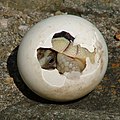 Baby Testudo marginata emerges from its egg
 Baby tortoise, less than a day old
 Young, 20-year-old Tanzanian leopard tortoise feeding on grass
 Aldabra giant tortoise, Geochelone gigantea
 22-year-old leopard tortoise
 African spurred tortoise from the Oakland Zoo
 Pair of African spurred tortoises mate in a zoo
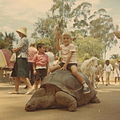 Boy rides a tortoise at a zoo
 Young Testudo hermanni


