Respect all members: no insults, harassment, or hate speech.
Be tolerant of different viewpoints, cultures, and beliefs. If you do not agree with others, just create separate note, article or collection.
Clearly distinguish between personal opinion and fact.
Verify facts before posting, especially when writing about history, science, or statistics.
Promotional content must be published on the “Related Services and Products” page—no more than one paragraph per service. You can also create subpages under the “Related Services and Products” page and publish longer promotional text there.
Do not post materials that infringe on copyright without permission.
Always credit sources when sharing information, quotes, or media.
Be respectful of the work of others when making changes.
Discuss major edits instead of removing others' contributions without reason.
If you notice rule-breaking, notify community about it in talks.
Do not share personal data of others without their consent.
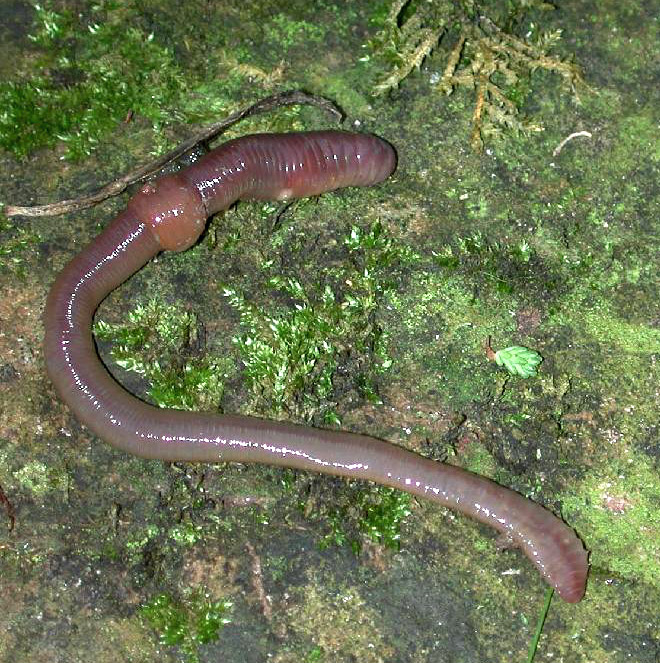
Worms are many different distantly related bilateral animals that typically have a long cylindrical tube-like body, no limbs, and usually no eyes.
Worms vary in size from microscopic to over 1 metre (3.3 ft) in length for marine polychaete worms (bristle worms);[1] 6.7 metres (22 ft) for the African giant earthworm, Microchaetus rappi;[2] and 58 metres (190 ft) for the marine nemertean worm (bootlace worm), Lineus longissimus.[3] Various types of worm occupy a small variety of parasitic niches, living inside the bodies of other animals. Free-living worm species do not live on land but instead live in marine or freshwater environments or underground by burrowing.
The term "helminth" is sometimes used to refer to parasitic worms. The term is more commonly used in medicine, and usually refers to roundworms and tapeworms.
In taxonomy, "worm" refers to an obsolete grouping, Vermes, used by Carl Linnaeus and Jean-Baptiste Lamarck for all non-arthropodinvertebrateanimals, now seen to be polyphyletic. In 1758, Linnaeus created the first hierarchical classification in his Systema Naturae.[4] In his original scheme, the animals were one of three kingdoms, divided into the classes of Vermes, Insecta, Pisces, Amphibia, Aves, and Mammalia. Since then the last four have all been subsumed into a single phylum, the Chordata, while his Insecta (which included the crustaceans and arachnids) and Vermes have been renamed or broken up. The process was begun in 1793 by Lamarck, who called the Vermes une espèce de chaos (a sort of chaos)[a] and split the group into three new phyla, worms, echinoderms, and polyps (which contained corals and jellyfish). By 1809, in his Philosophie Zoologique, Lamarck had created 9 phyla apart from vertebrates (where he still had 4 phyla: mammals, birds, reptiles, and fish) and molluscs, namely cirripedes, annelids, crustaceans, arachnids, insects, worms, radiates, polyps, and infusorians.[6]Chordates are remarkably wormlike by ancestry.[7]
In the 13th century, worms were recognized in Europe as part of the category of reptiles that consisted of a miscellany of egg-laying creatures, including "snakes, various fantastic monsters, lizards, assorted amphibians", as recorded by Vincent of Beauvais in his Mirror of Nature.[8] In everyday language, the term worm is also applied to various other living forms such as larvae, insects, millipedes, centipedes, shipworms (teredo worms), or even some vertebrates (creatures with a backbone) such as blindworms and caecilians. Worms include several groups. The three main phyla are:
Platyhelminthes, includes the flatworms, tapeworms, and flukes. They have a flat, ribbon- or leaf-shaped body with a pair of eyes at the front. Some are parasites.
A species of Oroperipatus, a velvet wormNematoda, contains the threadworms, hookworms and other roundworms. Threadworms may be microscopic, such as the vinegar eelworm, or more than 1-metre (3 feet) long. They are found in damp earth, moss, decaying substances, fresh water, or salt water. Some roundworms are also parasites: the Guinea worm, for example, gets under the skin of the feet and legs of people living in tropical countries.
Annelida, consists of the segmented worms, with bodies divided into segments or rings. Among these worms are the earthworms and the bristle worms of the sea.
Worms may also be called helminths, particularly in medical terminology when referring to parasitic worms, especially the Nematoda (roundworms) and Cestoda (tapeworms). Hence, "helminthology" is the study of parasitic worms. When a human or an animal, such as a dog or horse, is said to "have worms", it means that it is infested with parasitic worms, typically roundworms or tapeworms. Deworming is a method to kill off the worms that have infected a human or animal by giving anthelmintic drugs.
"Ringworm" is not a worm at all, but a skin fungus.
Lobopodians are an informal grouping of extinct panarthropods from the Cambrian to the Carboniferous that are often called worms or "worm-like animals" despite having had legs in the form of stubby lobopods. Likewise, the extant Onychophora are sometimes called velvet worms despite possessing stubby legs.
^Franklin-Brown, Mary (2012). Reading the world: encyclopedic writing in the scholastic age. Chicago London: The University of Chicago Press. p. 223;377. ISBN9780226260709.
A worm is an invertebrate animal characterized by an elongated, tube-like body lacking legs or other prominent appendages, often exhibiting bilateral symmetry with a distinct anterior (head) and posterior (tail) end.[1][2] The term "worm" is a common, non-taxonomic descriptor applied to various distantly related groups within the animal kingdom, primarily encompassing members of the phyla Platyhelminthes (flatworms), Nematoda (roundworms), and Annelida (segmented worms).[1][3]Worms exhibit remarkable diversity in form, habitat, and lifestyle, with over 20,000 species described across these phyla alone. Flatworms (Platyhelminthes) are typically soft, flattened, and unsegmented, including free-living forms and parasites like flukes and tapeworms that can infect humans and animals.[1][4] Roundworms (Nematoda) possess a pseudocoelom and cylindrical bodies, thriving in soil, water, and as parasites in plants, animals, and humans, with estimates of over 25,000 known species.[1][3] Segmented worms (Annelida), such as earthworms and leeches, feature a true coelom and metameric segmentation, enabling more complex locomotion and burrowing; this phylum includes about 17,000 species, predominantly marine polychaetes alongside terrestrial and freshwater forms.[1][5]Ecologically, worms play pivotal roles in nutrient cycling, soil aeration, and food webs, often enhancing biodiversity and agricultural productivity. Earthworms, for instance, improve soil structure by burrowing and decomposing organic matter, contributing to approximately 6.5% of global grain production and 2.3% of legume yields through enhanced nutrient availability.[6][7] Parasitic worms, while sometimes detrimental to hosts, influence population dynamics and have spurred advancements in medical research and anthelmintic treatments.[3][4] In marine environments, polychaete worms support benthic ecosystems by facilitating sediment turnover and serving as prey for larger organisms.[8]
Etymology and History
Etymology
The English word "worm" derives from the Old English "wyrm," originally denoting a serpent, snake, or dragon-like creature, often with mythical connotations. This term evolved from Proto-Germanic *wurmiz, which itself traces back to the Proto-Indo-European root *wṛmis, implying something that twists or turns, reflecting the serpentine form associated with such beings.[9] By late Old English, the meaning expanded to include actual legless invertebrates, such as earthworms, marking a shift from fantastical imagery to more earthly observations.[10]Related terms appear across Indo-European languages, underscoring shared linguistic roots tied to elongation and motion. In Latin, "vermis" specifically referred to earthworms or similar creeping creatures, cognate with the Germanic forms and derived from the same Proto-Indo-European *wer- "to turn." Similarly, the Greek "helminthos," from "helmas" meaning a small strap or worm-like twist, denoted parasitic worms and stems from the Proto-Indo-European *wel- "to turn, revolve," entering English scientific vocabulary in the 19th century.[11]Historically, the term's connotations transitioned from folklore, where "worms" evoked monstrous serpents or dragons in medieval texts and myths, to precise scientific descriptors following the 18th-century taxonomic advancements. This evolution aligned the word with legless, elongated invertebrates, though it now applies to a polyphyletic assemblage lacking formal taxonomic unity.[12]
Historical Perspectives
The scientific study of worms traces its origins to ancient Greece, where Aristotle, around 350 BCE, included them in his broad classification of animals. In his History of Animals, he categorized worms among the bloodless creatures (ἄναιμα), distinguishing them from higher animals and grouping certain soft-bodied forms like earthworms under informal terms akin to "entoma"—insects or segmented creatures without wings—based on their lack of articulated limbs and simple locomotion.[13] This early taxonomy reflected a rudimentary understanding of invertebrate diversity, viewing worms primarily as lowly, generative forms arising from mud or decay, a notion influenced by observations of their apparent spontaneous generation from mud or decay and prevalence in natural environments.During the medieval and Renaissance periods, knowledge of worms remained largely observational and tied to medical and agricultural contexts, with limited systematic dissection. European scholars often echoed Aristotelian ideas, associating worms with putrefaction and disease in humoral medicine. A significant advancement came in 1651 with William Harvey's Exercitationes de Generatione Animalium, where he observed earthworms copulating and noted their hermaphroditic nature and production of eggs—challenging prevailing views by demonstrating generation through copulation rather than abiogenesis. Harvey's work marked an early shift toward empirical study, influencing later naturalists by highlighting worms' reproductive complexity beyond mere pests.The 19th century brought a focus on worms' ecological significance, elevating their status in scientific discourse. Charles Darwin's 1881 publication, The Formation of Vegetable Mould, Through the Action of Earthworms, with Observations on Their Habits, detailed experiments showing how earthworms aerate soil, decompose organic matter, and contribute to soil fertility—processes he quantified through long-term observations of worm castings and burrowing. This seminal work, drawing on over 30 years of study, underscored worms' role in ecosystem dynamics, inspiring soil science and countering earlier derogatory cultural perceptions of them as destructive vermin in folklore and literature.In the 20th century, technological innovations transformed the understanding of worm microstructures, particularly nematodes. The advent of electron microscopy in the 1950s enabled unprecedented visualization of internal and surface details; for instance, A.F. Bird and K. Deutsch's 1957 study used transmission electron microscopy to reveal the layered ultrastructure of the Ascaris lumbricoides cuticle, including epicuticle, exocuticle, and endocuticle strata previously invisible to light microscopes.[14] This breakthrough facilitated modern taxonomy by clarifying phylogenetic relationships and cellular adaptations, shifting views from simplistic organisms to complex models for developmental biology and parasitology.
Biological Overview
Definition and Characteristics
In biology, the term "worm" is an informal descriptor for a diverse array of elongated, soft-bodied invertebrates that lack limbs or appendages, typically exhibiting bilateral symmetry and a cylindrical or flattened body shape that facilitates movement through soil, water, or host tissues.[15][1] These organisms often display a simple, streamlined body plan without rigid external support structures, allowing flexibility and adaptation to various environments such as burrowing in sediment or parasitizing other animals.[1] While some groups, like annelids, feature segmentation along the body, this trait is not universal across all worms, highlighting their morphological variability.[1]Common characteristics among worms include a tubular digestive system that runs from a mouth at the anterior end to an anus at the posterior end, enabling efficient processing of food in linear fashion.[1] Many rely on a hydrostatic skeleton, a fluid-filled body cavity pressurized by muscular contractions to provide structural support and propulsion, particularly suited for peristaltic locomotion in confined spaces.[16] Their body plans are generally simple, with bilateral symmetry directing sensory and nervous functions toward the head region for detecting environmental cues like light and chemicals, and adaptations often geared toward burrowing, crawling, or internal parasitism rather than active predation or flight.[1][15]The concept of "worms" does not correspond to a formal taxonomic clade or monophyletic group but rather represents a grade of organization—an artificial assemblage of distantly related lineages from multiple phyla, such as Platyhelminthes, Nematoda, and Annelida, united loosely by convergent evolutionary traits like elongation and limb absence.[1] This polyphyletic nature stems from independent evolution of worm-like forms in separate branches of the animal kingdom, excluding them from strict phylogenetic classification.[1]
Diversity and Polyphyly
The diversity of worms is vast, spanning numerous ecological niches from soil and freshwater to marine environments and as parasites within other organisms. Major worm phyla collectively include tens of thousands of described species, with the phylum Nematoda alone accounting for approximately 28,000 formally described species as of 2025, though estimates suggest millions more remain undescribed due to their microscopic size and abundance in sediments and soils.[17] Similarly, the phylum Annelida comprises approximately 20,000 species, many of which are marine polychaetes, while Platyhelminthes includes approximately 25,000 species, predominantly parasitic forms.[18][19] This species richness underscores the ecological importance of worms in nutrient cycling, decomposition, and food webs.The term "worm" does not denote a monophyletic group in contemporary phylogenetic classifications; rather, it is polyphyletic, lumping together distantly related invertebrates that share superficial resemblances in body form but belong to separate evolutionary lineages.[1] Organisms classified as worms arise independently across phyla such as Annelida (segmented worms), Nematoda (roundworms), and Platyhelminthes (flatworms), reflecting convergent evolution toward an elongated, limbless morphology suited to burrowing, creeping, or navigating confined spaces.[1] This adaptive convergence results in similar streamlined shapes despite fundamental differences in internal anatomy, such as the presence of segmentation in annelids versus the pseudocoelomate structure in nematodes.Worms also exhibit extreme variation in body size, highlighting their morphological adaptability. At the lower end, certain free-living nematodes measure just 80 micrometers in length, comparable to the width of a human hair and visible only under magnification.[20] In contrast, some polychaete annelids achieve enormous proportions, with species like Eunice aphroditois reaching lengths exceeding 3 meters, making them among the longest invertebrates.[21]
Major Groups
Annelids
The phylum Annelida comprises approximately 22,000 described species of segmented worms, distinguished by their metameric body segmentation, which divides the coelom into repeating compartments, allowing for specialized regional functions.[22] These organisms possess chitinous setae—bristle-like structures protruding from most body segments—that facilitate locomotion by anchoring into substrates during peristaltic movement.[1] Annelids also feature a closed circulatory system, where blood is confined to vessels and pumped by dorsal and ventral longitudinal vessels connected by contractile aortic arches, enabling efficient oxygen and nutrient transport across their often elongated bodies.[23]Annelida is traditionally divided into three major classes: Polychaeta, Oligochaeta, and Hirudinea. Polychaetes, the largest class with over 10,000 marine species, are characterized by prominent paired parapodia (fleshy appendages) bearing numerous setae, which aid in swimming, crawling, and tube-dwelling; examples include the ragworm Nereis and the fan worm Sabella.[24] Oligochaetes, primarily terrestrial and freshwater forms like earthworms (Lumbricus terrestris), lack parapodia and have fewer setae per segment, adapting them for burrowing in moist soils through hydrostatic skeleton-based undulation.[1] Hirudineans, or leeches (about 700 species), are mostly aquatic ectoparasites or predators with reduced or absent setae, a muscular posterior sucker for attachment, and an anterior proboscis for blood-feeding, as seen in the medicinal leech Hirudo medicinalis.[23]Certain annelids demonstrate remarkable regenerative capabilities, with regeneration considered an ancestral trait across the phylum, allowing many species to regrow lost anterior or posterior segments following injury.[25] For instance, polychaetes and oligochaetes can regenerate entire posterior ends, while some, like earthworms, exhibit limited anterior regeneration but can repair damaged tissues effectively.[26] In ecological roles, oligochaetes such as earthworms contribute to soilaeration by burrowing and creating channels that enhance oxygen penetration and water infiltration, thereby improving soil structure and nutrient cycling in terrestrial ecosystems.[24][27]
Nematodes
Nematodes, belonging to the phylum Nematoda, represent one of the most abundant and diverse groups of multicellular animals, with over 28,000 species formally described to date. These roundworms are ubiquitous, inhabiting virtually every ecosystem on Earth, including marine and freshwater environments, soils, and as parasites in plants, animals, and humans. Their simple, unsegmented body structure, covered by a tough, flexible cuticle composed primarily of collagen and other proteins, enables survival in extreme conditions ranging from deep-sea sediments to arid deserts.[28][29][30]A defining feature of nematodes is their pseudocoelomate body plan, featuring a complete digestive system with a mouth at one end and an anus at the other, allowing for efficient unidirectional food processing from bacteria and organic matter to host tissues in parasitic forms. Locomotion is achieved through four longitudinal muscle bands underlying the hypodermis, which contract to produce a characteristic thrashing motion, as the absence of circular muscles limits bending to sine-wave patterns. Reproduction is typically sexual and prolific; for instance, the free-living nematode Caenorhabditis elegans, widely used as a model organism in developmental biology due to its transparent body and fully mapped genome, can produce approximately 300 progeny per hermaphroditic adult over a 3-4 day reproductive span at room temperature.[28][30][31]Nematode diversity encompasses both free-living and parasitic lifestyles, with the latter accounting for a significant portion of described species and causing substantial ecological and economic impacts. Free-living forms, such as bacterivores in soil, play crucial roles in nutrient cycling by decomposing organic material and regulating microbial populations. In contrast, parasitic nematodes include devastating plant pathogens like root-knot nematodes (Meloidogyne spp.), which infect roots of crops such as tomatoes and soybeans, inducing galls that impair water and nutrient uptake and leading to yield losses exceeding 50% in severe infestations. Animal parasites, including those affecting livestock and humans (e.g., hookworms), further highlight the phylum's adaptive versatility.[32][33][34]
Platyhelminths
Platyhelminths, or flatworms, form the phylum Platyhelminthes, a diverse group of soft-bodied invertebrates estimated to include over 25,000 described species worldwide. This phylum is divided into several classes, including the primarily free-living Turbellaria encompassing around 4,000 species found in marine, freshwater, and terrestrial environments; the parasitic Monogenea with approximately 6,000 species, mostly ectoparasites of fish and other aquatic vertebrates; the parasitic Trematoda (flukes, primarily Digenea) comprising nearly 20,000 species that infect a wide range of hosts including mollusks, fish, and mammals; and the Cestoda (tapeworms) with approximately 5,000 species that are obligate endoparasites of vertebrates. These organisms are distinguished by their dorsoventrally flattened bodies, which lack segmentation and enable efficient diffusion of oxygen and nutrients directly through the body surface, compensating for the absence of a specialized circulatory or respiratory system.[35][35][35]A defining feature of platyhelminths is their acoelomate body plan, in which the space between the digestive tract and the body wall is filled with mesenchyme rather than a fluid-filled coelom, resulting in a simple, ribbon-like structure. For osmoregulation and excretion, they rely on a system of protonephridia—branching tubules ending in flame cells that filter waste and excess water from the body fluids, a crucial adaptation for maintaining internal balance in aquatic or parasitic lifestyles. Reproduction in most platyhelminths is hermaphroditic, with individuals possessing both ovarian and testicular tissues, facilitating either self-fertilization or cross-fertilization; exceptions include the schistosomes, which exhibit separate sexes. This reproductive strategy enhances their adaptability in diverse environments, from free-living predation to complex parasitic life cycles involving multiple hosts.[36][37][35]Among the most significant platyhelminths are the trematodes of the genus Schistosoma, blood flukes that cause schistosomiasis (bilharzia), a neglected tropical disease transmitted through contaminated freshwater. As of 2023, Schistosoma species, particularly S. mansoni and S. haematobium, infect over 240 million people globally, predominantly in sub-Saharan Africa, leading to chronic illness and an estimated 12,000 deaths annually from complications like liver fibrosis and bladder cancer, though this figure is likely underestimated. These parasites highlight the phylum's profound impact on human health, with their complex life cycles involving snail intermediate hosts underscoring the challenges in control efforts.[38][38]
Anatomy and Physiology
Body Structure
Worms, being soft-bodied invertebrates, typically lack a rigid endoskeleton and instead rely on a hydrostatic skeleton for support and locomotion. This structure consists of a fluid-filled body cavity enclosed by a muscular body wall, which generates internal pressure to maintain shape and facilitate movement through antagonistic muscle contractions. In annelids, such as earthworms, the coelom serves as this hydrostatic skeleton, divided into segments by septa, allowing peristaltic waves for burrowing and crawling.[39][1]The digestive system in most worms is a tubular tract extending from a mouth to an anus, enabling complete digestion and absorption, though variations exist across groups. In nematodes, it forms a straight tube with a muscular pharynx that pumps food into the intestine via peristalsis, while in annelids, the system is segmented and looped with specialized regions like a crop and gizzard for processing soil or organic matter. Platyhelminths possess an incomplete, often branched gut with a single opening serving as both mouth and anus, where extracellular digestion occurs followed by diffusion of nutrients.[40][1]Gas exchange in worms occurs primarily through diffusion across the body surface, as they lack specialized respiratory organs, with moist skin or cuticle facilitating oxygen uptake in aquatic or damp environments. Excretory adaptations include simple structures for osmoregulation and waste removal, such as flame cells in platyhelminths, where ciliary beating in bulb-like cells drives fluid through tubules to nephridiopores, and metanephridia in annelids, which filter coelomic fluid via ciliated funnels in each segment.[1][41]Circulatory systems vary among worm groups. Platyhelminths and nematodes lack a dedicated circulatory system, relying on diffusion through body fluids for nutrient and gas transport. In contrast, annelids possess a closed circulatory system with a dorsal vessel acting as the main pumping structure, connected to a ventral vessel by segmental loops and five to ten pairs of aortic arches that function as hearts; blood may contain hemoglobin or other respiratory pigments for oxygen transport.[1]
Sensory and Nervous Systems
The nervous systems of worms are generally simple, lacking the centralized complexity found in vertebrates, and consist primarily of a ventral nerve cord lined with ganglia that coordinate basic sensory-motor functions across major groups such as annelids, nematodes, and platyhelminths.[42][43] In annelids, the ventral nerve cord features segmental ganglia that facilitate localized reflexes, while more advanced forms exhibit brain-like cerebral ganglia located dorsally above the pharynx, connected by circumpharyngeal connectives to the cord.[43] Nematodes possess a similar ventral nerve cord with anterior and posterior ganglia clustered around a circumoral nerve ring that serves as a rudimentary central processing hub, enabling invariant neural wiring for locomotion and sensing despite species diversity.[42] Platyhelminths display a ladder-like arrangement with two longitudinal nerve cords linked by transverse commissures and anterior cerebral ganglia that integrate sensory inputs, supporting cephalization in free-living species.[44]Sensory organs in worms are rudimentary and distributed peripherally, allowing detection of environmental cues without specialized eyes or ears. Chemoreceptors, embedded in the epidermis or associated with the nerve cords, enable food detection and chemical navigation; for instance, nematodes use amphid sensilla—paired, chemosensory structures near the anterior end—to sense solutes, gases, and temperature gradients.[42] Light sensitivity occurs via dispersed photoreceptors rather than image-forming organs; platyhelminths possess ocelli, simple pigment-cup structures with rhabdomeric photoreceptors that detect light direction and intensity, aiding in phototaxis.[44] Statocysts, fluid-filled sacs containing statoliths for gravity and balance detection, appear in some free-living platyhelminths and certain annelids, providing mechanosensory feedback during movement.[45]Behavioral integration in worms relies on decentralized reflexes mediated by the ventral nerve cord and ganglia, without higher cognitive processing. In annelids like earthworms, photophobia manifests as rapid withdrawal from light stimuli detected by epidermal photoreceptors, coordinated through segmental ganglia to contract longitudinal muscles and burrow away from illumination.[46] This reflex arc exemplifies the worm's reliance on direct sensory-neural-motor pathways for survival, as seen in nematodes where amphid signals trigger undulatory locomotion adjustments via the nerve ring.[42] Such simplicity allows efficient responses to immediate threats, underscoring the evolutionary adaptation of worm nervous systems to subterranean or parasitic lifestyles.[44]
Reproduction and Life Cycle
Asexual Reproduction
Asexual reproduction in worms encompasses strategies such as fragmentation and parthenogenesis, enabling these organisms to propagate without gamete fusion. These methods are prevalent among certain annelids, nematodes, and platyhelminths, allowing for efficient clonal reproduction in diverse ecological contexts.[47]Fragmentation, followed by regeneration, is a key asexual mechanism in many annelids and platyhelminths. In annelids, particularly some polychaetes like those in the family Syllidae and oligochaetes such as Enchytraeus, the body can break into segments, each of which regenerates into a complete individual through the proliferation of undifferentiated cells.[25][48] This process is facilitated by the modular body plan of annelids, where septa divide the coelom, supporting independent regeneration of anterior and posterior fragments. In platyhelminths, especially free-living planarians (Tricladida), fission occurs when the worm constricts at a specific body point, separating into head and tail pieces that each regrow the missing parts using neoblasts—pluripotent stem cells.[49][50] This regenerative capacity is evolutionarily linked to asexual reproduction, as species relying on fission exhibit enhanced tissue regrowth compared to sexual counterparts.[50]Parthenogenesis, the development of unfertilized eggs into viable offspring, occurs in select nematodes and flatworms, producing genetically identical daughters. Among nematodes, mitotic parthenogenesis is common in root-knot nematodes (Meloidogyne spp.), where eggs develop through mitotic parthenogenesis, producing diploid clonal females that rapidly infest plant roots.[51][52] In platyhelminths, parthenogenetic reproduction is observed in some triclad flatworms like Schmidtea polychroa, where unfertilized oocytes, triggered by sperm, develop into offspring without incorporating paternal genetic material, often coexisting with sexual forms in the same population.[53] This mode is also noted in certain parasitic digeneans, though less frequently in free-living species.[54]These asexual strategies confer ecological advantages, particularly in unstable or sparse habitats where finding mates is challenging. Fragmentation and parthenogenesis enable rapid population expansion and colonization without reliance on partners, as seen in naid annelids thriving in turbulent freshwater environments through regenerative fission.[55][47] By producing numerous clones quickly, worms can exploit transient resources or recover from physical damage, enhancing survival in variable conditions.[55]
Sexual Reproduction
Sexual reproduction in worms involves the production and fusion of gametes, promoting genetic recombination, and is prevalent across major groups such as annelids, nematodes, and platyhelminths.[25][56][57]Many platyhelminths and annelids exhibit hermaphroditism, where individuals possess both male and female reproductive organs, facilitating cross-fertilization to avoid self-fertilization. In platyhelminths, most species are simultaneous hermaphrodites with internal fertilization, often through mutual insemination during copulation.[57]Sequential hermaphroditism occurs in some annelids, such as certain leeches that shift sexes over their lifetimes, while simultaneous hermaphroditism is common in oligochaetes like earthworms, where paired individuals align ventrally to exchange sperm.[57][25] In polychaete annelids, which are often gonochoristic with separate sexes, external fertilization predominates via broadcast spawning of eggs and sperm into the water column.[25]Nematodes typically display dioecy, with distinct male and female sexes, where males are generally smaller than females and possess specialized structures for mating. Internal fertilization occurs when the male's copulatory spicules guide and deliver amoeboid sperm into the female's reproductive tract, often during copulation where the male coils around the female.[56]Sexual reproduction integrates into worm life cycles through egg-laying or viviparity, with many species featuring larval stages for dispersal and development. Annelids often produce trochophore larvae from fertilized eggs, which are ciliated and free-swimming before metamorphosing into juveniles, particularly in marine polychaetes. Nematodes and platyhelminths generally lay eggs post-fertilization, though some nematodes exhibit viviparity where larvae develop internally before release.[56][57]
Ecology and Distribution
Habitats and Adaptations
Worms, encompassing annelids, nematodes, and platyhelminths, inhabit a vast array of environments, from terrestrial soils to aquatic systems and parasitic niches within host organisms. Annelids such as earthworms primarily occupy moist soils, where they burrow and contribute to soilaeration, while polychaetes dominate marine sediments, including intertidal zones and deep-sea floors.[24] Nematodes exhibit even broader distribution, thriving in soil pores, freshwater sediments, marine environments ranging from shallow coasts to abyssal depths, and as parasites within host tissues of plants, animals, and humans.[58][59] Platyhelminths, or flatworms, are found in freshwater bodies, marine habitats, damp terrestrial soils, and predominantly as endoparasites in the tissues and organs of vertebrate and invertebrate hosts.[60]These diverse habitats demand specialized physiological adaptations to cope with environmental stressors like oxygen scarcity and desiccation. In low-oxygen muds of coastal and estuarine zones, certain annelids, including families like Opheliidae, Capitellidae, and Cirratulidae, rely on anaerobic respiration pathways, supplemented by hemoglobin-like pigments for oxygen storage and transport when conditions improve.[61] This metabolic flexibility allows them to persist in hypoxic sediments where aerobic respiration would fail. For desiccation resistance, some nematodes employ estivation-like states, entering dormant dauer larvae that reduce metabolic rates and synthesize protective trehalose to withstand prolonged dry periods in soil or temporary aquatic habitats.[62] Their body structure, with a hydrostatic skeleton and cuticular exoskeleton, further enables burrowing and moisture retention in arid soils.[63]Worms achieve global ubiquity, with species distributed across every continent and ocean depth, reflecting their evolutionary success in exploiting varied niches. This widespread presence is exemplified by annelids, which occur from polar regions to tropics in both hemispheres. In extreme deep-sea environments, certain annelids exhibit gigantism, such as oversized polychaete larvae and adults reaching lengths far exceeding shallow-water relatives, possibly linked to lower metabolic demands and sparse food resources at abyssal pressures.[61]
Ecological Roles
Earthworms serve as pivotal ecosystem engineers in soil environments, profoundly shaping terrestrial habitats through their burrowing and feeding behaviors. These annelids create extensive networks of tunnels that improve soilaeration, drainage, and root penetration, thereby enhancing water infiltration rates by up to 10 times in soils lacking earthworms. Their activities also promote the fragmentation and decomposition of organic matter, accelerating the breakdown of leaf litter and dead plant material into nutrient-rich casts.[64]In nutrient cycling, earthworms facilitate the release and redistribution of essential elements such as nitrogen and phosphorus, with castings containing up to five times more available nitrogen than surrounding bulk soil. In productive ecosystems like pastures and forests, earthworm populations can process 2–20 tonnes of organic matter per hectare annually, significantly boosting soil fertility and supporting plant growth. This processing capacity underscores their role in maintaining long-term soil health and productivity.[64]Worms occupy diverse positions in food webs, functioning both as predators and prey to sustain ecosystem dynamics. Many nematodes prey on microbes, including bacteria and fungi, while predatory species consume small invertebrates and even other nematodes, regulating microbial populations and preventing imbalances in soil communities; for instance, certain nematodes achieve a trophic level of approximately 4.6, acting as apex predators in subsurface food webs. Earthworms and other free-living worms, in turn, serve as vital prey for vertebrates like birds, fish, and amphibians, as well as invertebrates such as snails, thereby transferring energy across trophic levels and bolstering biodiversity.[65][64]Nematodes are effective indicator species for assessing soil health, as their community structure—encompassing bacterial feeders, fungal feeders, omnivores, and predators—mirrors shifts in microbial activity, nutrient availability, and environmental stressors like tillage or pollution. A dominance of bacterial-feeding nematodes often signals rapid nutrient cycling in fertile soils, while increases in predatory types indicate robust suppression of pathogens and greater ecosystem stability. Parasitic worms, including helminths, exert regulatory influences on host populations by reducing densities through impacts on fecundity and survival, which helps prevent overpopulation and maintains balance in wildlife communities.[66][67]
Interactions with Humans
Parasitic and Pathogenic Worms
Parasitic and pathogenic worms, primarily helminths from the phyla Nematoda and Platyhelminthes, pose significant health risks to humans, animals, and plants by inflicting damage through tissue invasion, nutrient competition, and immune modulation. In humans, these infections often occur in tropical and subtropical regions with poor sanitation, leading to chronic morbidity that impairs growth, productivity, and quality of life. Soil-transmitted helminths (STHs), such as hookworms and roundworms, exemplify nematodes that penetrate the skin or are ingested, while platyhelminths like tapeworms establish residence in the intestines after consumption of contaminated meat or fish.[68][69]Hookworms, particularly Necator americanus, are a leading cause of iron-deficiency anemia in endemic areas, as adult worms attach to the intestinal mucosa and ingest blood, resulting in daily losses of approximately 0.03 mL per worm.[70] This chronic blood loss exacerbates malnutrition, especially in children and pregnant women, contributing to fatigue, developmental delays, and increased maternal mortality. In heavy infections, protein deficiency accompanies anemia, further weakening host immunity and physical performance.[71][72]Tapeworms, such as Taenia solium (pork tapeworm) and Diphyllobothrium latum (fish tapeworm), lead to nutrient malabsorption by absorbing vitamins and other essentials directly from the host's intestinal contents, often causing deficiencies in vitamin B12 and leading to megaloblastic anemia. These cestodes can grow to several meters in length, competing for nutrients and occasionally causing intestinal obstruction or cysticercosis in the case of T. solium, where larvae invade tissues like the brain, resulting in neurocysticercosis. In animals, similar tapeworm infections in livestock reduce weight gain and milk production, impacting food security.[69][73][74]The global burden of these infections is immense, with approximately 1.5 billion people—nearly one fifth of the world's population—affected by STHs alone, predominantly in low-income countries where they perpetuate cycles of poverty and disease.[68] In plants, pathogenic nematodes like root-knot worms (Meloidogyne spp.) cause galls that disrupt root function, leading to stunted growth and yield losses estimated at 15–25% in major crops worldwide.[75] These impacts extend to animals, where parasitic worms contribute to livestock morbidity and economic losses in agriculture. Recent modeling estimates the prevalence of STH cases at around 643 million as of 2021.[76]Control strategies emphasize preventive chemotherapy through mass deworming programs using drugs like albendazole (400 mg single dose), which is highly effective against STHs and safe for widespread use, alongside mebendazole as an alternative. The World Health Organization recommends annual or biannual treatment for at-risk populations to reduce worm burdens and morbidity. In 2023, more than 451 million children in need of treatment received preventive chemotherapy for STH, corresponding to 51.5% global coverage.[77] Complementary measures include improved sanitation, such as latrine construction to prevent soil contamination, and health education to promote hygiene and safe food practices, which have significantly lowered prevalence in targeted interventions.[68][78][79]
Beneficial Uses and Cultural Significance
Earthworms play a crucial role in sustainable agriculture through vermicomposting, a process where they convert organic waste into nutrient-rich humus that improves soil structure and fertility. By ingesting and breaking down materials like food scraps and manure, earthworms such as Eisenia fetida enhance soil aeration, water retention, and microbial activity, leading to higher crop yields and reduced reliance on chemical fertilizers.[80] Studies have shown that vermicompost application can increase plant growth by promoting nutrient availability, including nitrogen, phosphorus, and potassium, while also suppressing soil-borne pathogens through beneficial microbial communities.[81] This eco-friendly method recycles waste effectively, mitigating environmental issues like landfill overflow and greenhouse gas emissions from decomposition.[82]In addition to agriculture, certain worms serve practical purposes in fishing and medicine. Bloodworms, the larvae of marine polychaetes like Glycera dibranchiata, are prized as bait due to their wriggling movement and scent, attracting species such as striped bass, flounder, and perch in saltwater environments. Harvested from coastal mudflats, these worms are durable on hooks and effective in cold water, making them a staple for anglers despite their high cost.[83] Medically, leeches (Hirudo medicinalis) are employed in hirudotherapy to prevent blood clots during microsurgery and reconstructive procedures, where their saliva contains hirudin, a potent anticoagulant that improves circulation and reduces swelling. This ancient practice has modern applications in plastic surgery, such as salvaging skin flaps, with clinical reviews confirming its efficacy in promoting venous drainage without systemic side effects when using sterile leeches.[84][85]Nematodes, particularly Caenorhabditis elegans, have revolutionized genetic research, earning the 2002 Nobel Prize in Physiology or Medicine for Sydney Brenner, H. Robert Horvitz, and John E. Sulston for elucidating genetic regulation of organ development and programmed cell death using this model organism. The worm's simple anatomy—959 cells in the adult hermaphrodite—allowed mapping of its cell lineage from egg to maturity, revealing conserved mechanisms applicable to human biology, including apoptosis pathways implicated in cancer and neurodegeneration.[86]Worms hold diverse cultural significance across history, often symbolizing transformation, decay, or hidden complexities. In the Bible, worms appear as metaphors for human frailty and divine judgment, such as in Isaiah 66:24, where "their worm shall not die," evoking eternal consequences, or Psalm 22:6, where the speaker laments, "I am a worm and no man," underscoring humility and suffering.[87] The idiom "open a can of worms," originating in 1950sAmerican English from the messiness of bait cans, denotes unleashing unforeseen troubles, reflecting worms' association with entanglement and chaos.[88] In mythology, worm-like serpents feature prominently, such as the Norse Jörmungandr, a world-encircling sea serpent embodying chaos and cosmic balance, slain by Thor in Ragnarök.[89] Modern literature amplifies this symbolism in Frank Herbert's Dune (1965), where colossal sandworms on Arrakis, revered by the Fremen as Shai-Hulud (Old Man of the Desert), represent ecological interdependence and divine power, central to the planet's spice cycle and cultural rituals like the Water of Life ceremony.[90] These depictions highlight worms' enduring role as emblems of life's hidden forces.