Hubbry Logo
Aquaporin-2Aquaporin-2Main
Open search
Aquaporin-2
Community hub
Aquaporin-2
logo
8 pages, 0 posts
0 subscribers
Be the first to start a discussion here.
Aquaporin-2
Aquaporin-2
from Wikipedia

AQP2
Available structures
PDBOrtholog search: PDBe RCSB
Identifiers
AliasesAQP2, AQP-CD, WCH-CD, aquaporin 2, NDI2
External IDsOMIM: 107777; MGI: 1096865; HomoloGene: 20137; GeneCards: AQP2; OMA:AQP2 - orthologs
Orthologs
SpeciesHumanMouse
Entrez
Ensembl
UniProt
RefSeq (mRNA)

NM_000486

NM_009699

RefSeq (protein)

NP_000477

NP_033829

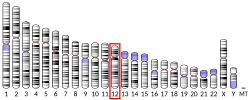
Location (UCSC)Chr 12: 49.95 – 49.96 MbChr 15: 99.48 – 99.48 Mb
PubMed search[3][4]
Wikidata
View/Edit HumanView/Edit Mouse

Aquaporin-2 (AQP-2) is found in the apical cell membranes of the kidney's collecting duct principal cells and in intracellular vesicles located throughout the cell. It is encoded by the AQP2 gene.

Regulation

[edit]

It is the only aquaporin regulated by vasopressin.[5] The basic job of aquaporin 2 is to reabsorb water from the primary urine that flows into the nephron from the filtration of blood in the glomerulus through the Bowman's capsule.[6] Aquaporin 2 is in kidney epithelial cells and usually lies dormant in intracellular vesicle membranes. When it is needed, vasopressin binds to the cell surface vasopressin receptor thereby activating a signaling pathway that causes the aquaporin 2 containing vesicles to fuse with the plasma membrane, so the aquaporin 2 can be used by the cell.[7] This aquaporin is regulated in two ways by the peptide hormone vasopressin:

  • short-term regulation (minutes) through trafficking of AQP2 vesicles to the apical region where they fuse with the apical plasma membrane
  • long-term regulation (days) through an increase in AQP2 gene expression.

This aquaporin is also regulated by food intake. Fasting reduces expression of this aquaporin independently of vasopressin.

Clinical significance

[edit]

Mutations in this channel are associated with nephrogenic diabetes insipidus, which can be autosomal dominant or recessive. Mutations in the vasopressin receptor cause a similar X-linked phenotype.

Lithium, which is often used to treat bipolar disorder, can cause acquired diabetes insipidus (characterized by the excretion of large volumes of dilute urine) by decreasing the expression of the AQP2 gene.

The expression of the AQP2 gene is increased during conditions associated with water retention such as pregnancy and congestive heart failure.

See also

[edit]

References

[edit]

Further reading

[edit]
[edit]
Revisions and contributorsEdit on WikipediaRead on Wikipedia
from Grokipedia
Aquaporin-2 (AQP2) is a vasopressin-regulated water channel protein expressed in the principal cells of the kidney's collecting duct, where it facilitates transcellular reabsorption to maintain and enable concentration. As a member of the aquaporin family of membrane proteins, AQP2 forms selective pores that allow the passage of molecules while excluding ions and protons, playing a pivotal role in renal . Structurally, human AQP2 is a tetrameric , with each consisting of six transmembrane α-helices connected by five loops, including two hydrophobic NPA motifs (Asn-Pro-Ala) that create a narrow hourglass-shaped pore approximately 2-3 in diameter for selectivity. The of AQP2 is particularly important for its , featuring sites for and ubiquitination that influence trafficking, while the exhibits conformational flexibility observed in crystallographic studies at 2.75 resolution. Compared to other aquaporins like AQP5 (63% sequence identity), AQP2's shows unique variability, which may contribute to its vasopressin-dependent membrane dynamics. The primary function of AQP2 is to increase the osmotic water permeability of the apical membrane of collecting duct principal cells upon stimulation by arginine vasopressin (AVP), the antidiuretic hormone, allowing water to follow the osmotic gradient created by sodium reabsorption in the cortical thick ascending limb. Regulation occurs through both short-term (minutes) and long-term (hours to days) mechanisms: AVP binds to V2 receptors on the basolateral membrane, activating adenylate cyclase to elevate cAMP levels, which in turn activates (PKA) to phosphorylate AQP2 at serine 256, promoting its translocation from intracellular vesicles to the apical membrane via actin cytoskeleton remodeling and vesicle fusion. Additional regulators include , , and other kinases like Src and Golgi casein kinase, which modulate trafficking and ; dephosphorylation or ubiquitination (e.g., at 270) facilitates AQP2 retrieval into multivesicular bodies for degradation or recycling. Long-term regulation involves AVP-induced transcription of the AQP2 gene, increasing mRNA and protein levels by 4-10 fold in rodents. Dysregulation of AQP2 is implicated in several disorders, including (NDI), where mutations (over 50 identified, such as Q57P or R187C) cause protein misfolding, retention, and impaired trafficking, leading to and . results from AVP deficiency, reducing AQP2 expression, while syndrome of inappropriate antidiuretic hormone secretion (SIADH) causes excessive AQP2 activity and . Other conditions like lithium-induced NDI involve AQP2 downregulation via monophosphatase inhibition, and emerging research highlights epigenetic factors like miRNAs and autophagic degradation in hypokalemia-related NDI. Recent advances include development of direct AQP2 inhibitors as selective aquaretics and exploration of AQP2's role in renal fibrosis (as of 2025). Therapeutic approaches include V2 receptor antagonists like for water retention disorders and experimental strategies targeting trafficking enhancers (e.g., statins) for NDI, though no curative treatments exist yet.

Discovery and Genetics

Historical Discovery

The identification of aquaporin-2 (AQP2) as a vasopressin-regulated channel represented a major breakthrough in , building on the recent discovery of aquaporin-1 (AQP1). In early 1993, researchers led by Sei Sasaki at cloned the (cDNA) encoding AQP2 from rat kidney inner medullary collecting duct, revealing a 271-amino-acid protein with high to AQP1 and restricted expression in the principal cells of the collecting duct, the site of vasopressin-dependent reabsorption. This work demonstrated that AQP2, initially termed WCH-CD (water channel of the collecting duct), functions as an apical membrane channel whose activity is modulated by to control urine concentration. Concurrently, Peter Agre's laboratory at advanced the characterization of AQP2 through subcellular immunolocalization studies in rat kidney. Using affinity-purified antibodies against AQP2, they showed that the protein is predominantly sequestered in intracellular vesicles under basal conditions but translocates to the apical plasma membrane of collecting duct principal cells in response to stimulation, thereby increasing permeability by up to fivefold. This trafficking mechanism provided direct molecular evidence for the long-observed physiological effects of on renal transport. The human AQP2 gene was cloned and sequenced in 1994 by the same Japanese group, identifying a 271-amino-acid protein with 92% identity to the rat isoform and mapping it to chromosome 12q13, confirming its conserved role in human water homeostasis. Agre's foundational contributions to aquaporin research, including the elucidation of AQP2 as a dynamically regulated channel, were recognized with the 2003 Nobel Prize in Chemistry, awarded for the discovery of water channels in cell membranes. Prior to AQP2's molecular identification, foundational experiments in amphibian and mammalian models had established the phenomenon of vasopressin-inducible water permeability. Classic studies on isolated toad urinary bladder epithelia in the late 1950s demonstrated rapid increases in water flux upon vasopressin exposure, mediated by cytoplasmic granule fusion with the apical membrane—a process later paralleled by AQP2 exocytosis in rat kidney collecting ducts. In vivo rat models similarly showed that vasopressin infusion enhances medullary collecting duct water permeability, a response definitively linked to AQP2 trafficking in subsequent immunoelectron microscopy studies from Agre's group.

Gene and Protein Characteristics

The AQP2 is located on the long arm of human at the 12q13.12 locus and spans approximately 8.14 kb, consisting of four exons and three introns. This genomic organization supports the encoding of a functional channel protein essential for renal reabsorption. The AQP2 encodes a 271-amino-acid polypeptide with a calculated of 28.837 kDa. The protein features six transmembrane helices and two highly conserved asparagine-proline-alanine (NPA) motifs in loops B and E, which are signature elements of the family and critical for forming the water-selective pore. Post-translational modifications of AQP2 include N-linked at 123 (Asn123), which occurs primarily in the and Golgi apparatus and stabilizes the protein for proper trafficking to the cell surface. Additionally, occurs at several serine residues in the C-terminal tail, notably Ser256, Ser261, and Ser269; these sites are pivotal for modulating AQP2 insertion and retention in response to hormonal signals. AQP2 exhibits high across mammalian species, reflecting evolutionary conservation within the major intrinsic protein (MIP) superfamily, which encompasses 13 isoforms (AQP0 through AQP12) in mammals. Unlike other family members, AQP2 is uniquely responsive to , enabling regulated water permeability in the collecting duct.

Molecular Structure

Monomer Architecture

The of Aquaporin-2 (AQP2) consists of a single polypeptide chain that spans the , adopting a characteristic hourglass-shaped architecture central to the aquaporin family. This structure features six transmembrane α-helices (TM1–TM6) arranged in a bundle, which collectively form a narrow, central pore approximately 8–10 wide at its broadest point, narrowing to facilitate selective molecular . The helices are connected by five loops, with the overall fold creating an inverted cone-like shape that constricts at the membrane's midline. Loops B and E, located between TM2–TM3 and TM4–TM5 respectively, each contain a half-membrane-spanning α-helix (HB and HE) that dips into the membrane from opposite sides, folding inward to line the pore and contribute to its hourglass constriction. These half-helices are pivotal in shaping the water pathway, with their positive electrostatic potential aiding in the orientation of permeating molecules. Embedded within these loops are two conserved NPA (Asn-Pro-Ala) motifs—one in loop B (Asn68-Pro69-Ala70) and one in loop E (Asn187-Pro188-Ala189)—which form a critical constriction site at the pore's center. The NPA motifs enable precise hydrogen bonding interactions that orient water molecules in a single file and exclude protons through electrostatic repulsion. At the extracellular entrance of the pore lies the aromatic/arginine (ar/R) selectivity filter, a narrow region (∼1.8 diameter) formed by residues including Phe58, His180, Cys181, and , which collectively prevent the passage of ions and protons while permitting . The side chains of and His180 project into the pore, creating a positive charge barrier that enhances selectivity through electrostatic and steric hindrance. This filter, conserved across aquaporins, ensures the channel's specificity for uncharged molecules. The first high-resolution crystal structure of human AQP2 was determined in 2014 at 2.75 Å resolution (PDB ID: 4NEF), revealing the cytoplasmic as an unstructured, flexible region extending from TM6, with multiple conformations observed due to its interaction with symmetry-related molecules in the crystal lattice. This domain, comprising approximately 20–30 residues, orients toward the and lacks secondary structure in the resolved model, distinguishing it from more rigid termini in related aquaporins. The structure confirms the monomeric unit's role as the functional pore, with tetrameric assembly occurring via lateral contacts between monomers.

Tetrameric Assembly and Function

Aquaporin-2 (AQP2) functions as a homotetramer, with four identical assembling into a square planar array that spans the . Each contributes six transmembrane α-helices and two half-helices from loops B and E to form an independent water-conducting pore, while the overall tetrameric organization ensures structural stability and coordinated channel activity. This assembly has been structurally characterized by , revealing a resolution of 2.75 in the P4₂ with one tetramer per asymmetric unit (PDB ID: 4NEF). Complementing this, single-particle cryo-electron microscopy (cryo-EM) has resolved the full-length human AQP2 tetramer at 2.9 , confirming its native-like conformation in detergent-solubilized lipid environments with associated lipid densities at the membrane interface. The tetramer's stability relies on specific inter-monomer interactions, including hydrophobic helix-helix contacts between transmembrane helices of adjacent protomers and contributions from extracellular loop D. Loop D exhibits conformational flexibility, with binding of divalent cations like Cd²⁺ (at sites involving Glu¹⁵⁵ and Gln⁵⁷) inducing rearrangements that strengthen protomer interfaces and promote tetramerization. These contacts, along with C-terminal helical extensions, are essential for proper insertion into lipid bilayers and resistance to dissociation under physiological conditions, as evidenced by the persistence of the tetrameric form in biochemical assays and cryo-EM reconstructions embedded in lipid nanodiscs. The central cavity of the AQP2 tetramer, formed at the symmetry axis by the four monomers, has a of approximately 8–10 but lacks a defined selectivity filter; while this pore may facilitate passage of small uncharged molecules like CO₂ in certain aquaporins such as AQP1, its role in water-specific orthodox aquaporins like AQP2 remains unclear and unestablished for transport. Instead, the tetramer acts as the minimal functional unit for water conduction, with each 's pore enabling rapid transmembrane flux while inter-monomer interactions prevent independent activity. Disruption of tetrameric assembly impairs AQP2 function, as seen in (NDI)-associated mutations that affect interface stability. For instance, the recessive NDI mutation R187C hinders tetramer formation, resulting in monomeric proteins that misfold, aggregate, and are retained in the , as demonstrated by sucrose gradient centrifugation showing a shift from tetrameric (~120 ) to monomeric (~30 ) species. Similarly, dominant NDI mutations like E258K permit heterotetramerization with wild-type AQP2 but cause misrouting to intracellular compartments, abolishing plasma membrane water permeability; biochemical co-expression studies in oocytes confirm this dominant-negative effect on tetramer trafficking and conduction. These findings underscore the tetramer's necessity for membrane targeting and channel efficacy, with cryo-EM and cross-linking data further validating its oligomeric integrity in bilayers.

Biochemical Function

Water Transport Mechanism

Aquaporin-2 enables the passive of across biological membranes by forming a selective pore that constrains molecules to move in a single-file configuration through a narrow approximately 2.8 in . This , located near the asparagine-proline-alanine (NPA) motifs in the protein's transmembrane helices, ensures that molecules pass sequentially without lateral displacement, maximizing while maintaining structural integrity of the channel. The NPA motifs generate electrostatic fields that orient the dipole moments of the traversing molecules, facilitating their alignment and progression through the pore via transient hydrogen bonding with the protein backbone. The aromatic/arginine (ar/R) region provides an additional of similar size (~2.8 ), contributing to overall pore selectivity. The permeation rate of Aquaporin-2 is exceptionally high, with approximately 10^9 to 3 × 10^9 molecules transported per subunit per second at physiological temperatures, comparable to other orthodox aquaporins and quantified using stopped-flow assays on reconstituted proteoliposomes. These assays measure osmotic shrinkage of vesicles upon exposure to hypertonic solutions, revealing the channel's capacity to respond rapidly to concentration gradients without energy input. This rate underscores Aquaporin-2's role in high-flux movement and the biophysical optimization of the pore for near-diffusional limits of flow. Access to the Aquaporin-2 pore is regulated by a gating mechanism centered on a cytoplasmic involving residue Arg187 within the aromatic/arginine selectivity filter, which dynamically modulates the pore's . This can narrow to impede water entry, influenced by factors such as changes or events that alter local electrostatic interactions and side-chain positioning. simulations demonstrate that transitions between open and constricted states at this site control permeation without disrupting the overall tetrameric assembly. The energy profile of water transport through Aquaporin-2 relies solely on osmotic gradients, requiring no , as the process is thermodynamically favorable due to the channel's low-friction pathway. Quantum mechanical simulations reveal a coordinated of hydrogen bonds among the single-file molecules, where each water donates and accepts bonds in a sequential manner to propagate movement across the membrane.

Permeability and Selectivity

Aquaporin-2 (AQP2) exhibits high selectivity for molecules, primarily through steric hindrance at the narrowest of its pore, located at the aromatic/ (ar/R) region, where the diameter measures approximately 2.8 . This size effectively accommodates single-file passage of molecules, which have a of about 2.8 , while excluding larger hydrated ions such as Na⁺ with an effective hydrated diameter of around 7 . In addition to physical constraints, an electrostatic barrier contributes to AQP2's selectivity by repelling positively charged species, including protons and cations. Positive charges in the asparagine-proline-alanine (NPA) motifs and the ar/R region create a bipolar electrostatic field that disrupts proton wire formation and raises the free-energy barrier for H⁺ conduction, ensuring negligible proton permeability. This mechanism has been validated through pH-jump experiments in aquaporin-expressing systems, which demonstrate rapid pH equilibration without channel-mediated proton flux, confirming the barrier's efficacy. The tetrameric assembly of AQP2 forms orthogonal arrays in the membrane, which collectively enhance osmotic permeability by optimizing channel density and orientation. When expressed in oocytes, AQP2 yields an osmotic permeability coefficient (P_f) of approximately 0.02 cm/s, reflecting efficient transport under physiological gradients. This value underscores AQP2's role as a high-flux channel, with the tetramer's central pore potentially contributing to additional permeation pathways. AQP2 shows limited permeability to small uncharged molecules compared to aquaglyceroporins like AQP3. While it excludes ions and larger solutes, its conductance for and remains low, with experimental assays in oocytes and reconstituted vesicles confirming no significant flux of these molecules. This specificity distinguishes AQP2 as an orthodox , prioritizing water over polyols and amides.

Cellular Localization and Expression

Tissue and Cellular Distribution

Aquaporin-2 (AQP2) is predominantly expressed in the principal cells of the renal tubules and collecting ducts, encompassing both cortical and medullary segments. In these cells, AQP2 localizes to the apical plasma membrane, facilitating reabsorption. This selective expression is confirmed by systems-level analyses of restricted to these segments. Immunohistochemical studies further demonstrate AQP2's apical localization in principal cells of the cortex and outer medulla, with extension to inner medullary regions. Low-level AQP2 expression is detectable in select non-renal tissues, including the (such as colon and ), , and components of the central and peripheral nervous systems, but these levels are negligible compared to renal expression as evidenced by quantitative PCR and analyses. In the colon, for instance, AQP2 mRNA and protein have been identified in distal epithelial cells via RT-PCR and , though functional significance remains limited. also show membranous expression, but overall, extra-renal sites contribute minimally to systemic AQP2 abundance. At the subcellular level, AQP2 resides primarily in intracellular storage vesicles within principal cells, particularly Rab11-positive recycling endosomes located in the subapical region, with a smaller fraction constitutively present in the apical membrane. This vesicular pool allows for rapid mobilization, though basal distribution emphasizes the intracellular compartment. studies using immunogold labeling confirm AQP2's association with Rab11 in these endosomes, distinguishing it from other trafficking pathways. Developmentally, AQP2 expression in the is low during the fetal period and absent or minimal in immature nephrons, with significant upregulation occurring postnatally to support maturing water homeostasis. In models, transcript levels remain low at birth but increase progressively to adult maxima by 10 weeks, paralleling enhanced concentrating capacity. fetal studies similarly report sparse apical immunoreactivity in early , intensifying toward term, though overall expression lags behind postnatal levels.

Vesicular Trafficking

Aquaporin-2 (AQP2) undergoes dynamic vesicular trafficking in renal principal cells of the collecting duct, shuttling between intracellular storage vesicles and the apical plasma membrane to regulate water . This process is primarily triggered by (AVP), which promotes exocytic insertion of AQP2-bearing vesicles into the membrane, increasing water permeability. Upon AVP withdrawal, AQP2 is retrieved via , allowing rapid adjustments to urinary concentration. Exocytic insertion involves the fusion of AQP2-containing vesicles with the apical membrane, facilitated by SNARE proteins such as VAMP2 on the vesicle membrane interacting with t-SNAREs like syntaxin-4 and SNAP-23 on the target membrane. This fusion is supported by actin cytoskeleton remodeling, where cAMP-dependent protein kinase A (PKA) phosphorylates AQP2 at serine 256 and disrupts F-actin barriers, enabling vesicle docking. Additionally, inhibition of RhoA, a small GTPase that promotes stress fiber formation, enhances trafficking by reducing actin stabilization; for instance, Clostridium difficile toxin B, which inactivates RhoA, increases AQP2 membrane accumulation independently of cAMP elevation. Endocytic retrieval of AQP2 occurs through a -mediated pathway, primarily under basal conditions or upon AVP withdrawal, involving ubiquitination at 270 (Lys270) in the C-terminal tail. This short-chain ubiquitination, mediated by E3 ligases such as NEDD4-2, promotes internalization via mechanisms, followed by sorting into multivesicular bodies. Internalized AQP2 can then be recycled back to storage vesicles or directed to lysosomes for degradation, with the latter enhanced by ESCRT-III components like LIP5 during prolonged hormone withdrawal. The time course of AQP2 trafficking is rapid: exocytic insertion begins within 5 minutes of AVP stimulation, peaking at 15-30 minutes with significant membrane accumulation, while retrieval initiates shortly after AVP removal, reducing surface AQP2 within 30 minutes through ubiquitination and endocytic events. This bidirectional regulation ensures precise control over water homeostasis without altering AQP2 expression levels.

Regulation

Short-Term Regulation by Vasopressin

Short-term regulation of aquaporin-2 (AQP2) by arginine vasopressin (AVP) primarily occurs through rapid signaling in renal collecting duct principal cells, enabling quick adjustments to water permeability within minutes. AVP binds to the vasopressin type 2 receptor (V2R), a G protein-coupled receptor (GPCR) expressed on the basolateral membrane, which couples to the stimulatory G protein (Gs). This interaction activates adenylyl cyclases III and VI, leading to increased intracellular cyclic AMP (cAMP) levels. Elevated cAMP then activates protein kinase A (PKA), initiating downstream phosphorylation events that control AQP2 vesicular trafficking from intracellular storage vesicles to the apical plasma membrane. PKA-mediated phosphorylation is central to this process, targeting specific serine residues in the C-terminal tail of AQP2. Phosphorylation at serine 256 (Ser256) by PKA is a key event that promotes the of AQP2-containing vesicles, facilitating their insertion into the apical and thereby enhancing . This modification is constitutively present to some extent but increases upon AVP , serving as a prerequisite for further regulatory phosphorylations. Conversely, phosphorylation at serine 261 (Ser261) promotes AQP2 and retrieval from the ; AVP signaling reduces Ser261 phosphorylation, thereby inhibiting and shifting the balance toward apical accumulation. These reciprocal changes in Ser256 and Ser261 occur rapidly in response to AVP and are essential for the dynamic control of AQP2 trafficking. In addition to the cAMP-PKA pathway, AVP influences AQP2 trafficking through involving calcium (Ca²⁺) mobilization and (PKC) activation. Although V2R primarily signals via Gs, secondary mechanisms can activate , generating inositol 1,4,5-trisphosphate (IP₃) and mobilizing Ca²⁺ from intracellular stores such as the . This Ca²⁺ release, often in oscillatory patterns, modulates vesicular trafficking by interacting with the cAMP pathway, potentially via exchange protein directly activated by cAMP (Epac) or direct effects on cytoskeletal elements. PKC, activated by diacylglycerol (DAG) downstream of IP₃ signaling, further fine-tunes AQP2 membrane targeting, with certain isoforms enhancing while others may counteract prolonged AVP effects. To prevent overstimulation, short-term AVP signaling undergoes desensitization primarily through β-arrestin recruitment to the phosphorylated V2R. Upon prolonged AVP exposure, receptor kinases (GRKs) phosphorylate the activated V2R, allowing β-arrestins to bind, uncouple Gs, and promote receptor internalization via clathrin-coated pits. This β-arrestin-dependent terminates surface signaling and limits sustained cAMP production, thereby regulating the duration of AQP2 trafficking. Although some endosomal signaling persists briefly, this mechanism ensures transient activation, maintaining in .

Long-Term and Alternative Regulation

Long-term regulation of aquaporin-2 (AQP2) primarily involves transcriptional and post-transcriptional mechanisms that sustain changes in its expression levels, distinct from acute trafficking events. Arginine vasopressin (AVP) induces AQP2 mRNA expression through activation of the / pathway, which phosphorylates cAMP response element-binding protein (CREB) at serine 133, enabling CREB binding to the cAMP response element (CRE) in the AQP2 promoter to drive transcription. Additionally, hyperosmolarity upregulates AQP2 transcription via the tonicity-responsive enhancer binding protein (TonEBP, also known as NFAT5), which binds to tonicity-responsive elements in the AQP2 promoter, enhancing in renal collecting duct cells under high-osmotic conditions. Hormonal influences, such as aldosterone, modulate AQP2 abundance by targeting its degradation. Aldosterone stimulates serum- and glucocorticoid-regulated kinase 1 (SGK1), which phosphorylates neural precursor cell expressed, developmentally down-regulated 4-like (Nedd4-2) at specific serine residues, inhibiting Nedd4-2's activity and thereby reducing AQP2 ubiquitination and proteasomal degradation. This mechanism parallels aldosterone's effects on epithelial sodium channels but sustains AQP2 levels in principal cells during prolonged exposure. Pathophysiological conditions also alter AQP2 expression independently of AVP. For instance, inhibits AQP2 gene transcription and protein abundance in the renal inner medulla by elevating (PGE2) levels, which suppress adenylate cyclase activity and cAMP production, leading to reduced AQP2 in models of syndrome of inappropriate antidiuretic hormone secretion. Similarly, downregulates AQP2 mRNA and protein in the and medulla, causing through mechanisms involving decreased sensitivity to AVP or direct transcriptional repression, as observed even in AVP-deficient models. Epigenetic modifications provide chronic control over AQP2 expression. Histone acetylation, particularly at H3K27 on the AQP2 promoter, promotes transcriptional activation; inhibition of histone deacetylase 3 (HDAC3) enhances this acetylation, preventing AQP2 downregulation during potassium deprivation and improving urinary concentrating ability. MicroRNAs, such as miR-137, post-transcriptionally repress AQP2 by binding its 3'-, reducing mRNA stability and , with upregulation of miR-137 observed in inflammatory states like exposure that impair AQP2 function.

Physiological Roles

Renal Water Reabsorption

Aquaporin-2 (AQP2) facilitates the apical entry of water into principal cells of the renal collecting duct, enabling osmotic reabsorption from the tubular lumen driven by the hypertonic and facilitated exit through basolateral aquaporin-3 (AQP3) and aquaporin-4 (AQP4). This transcellular pathway is essential for fine-tuning urine concentration in response to antidiuretic hormone (). In the cortical collecting duct (CCD) and inner medullary collecting duct (IMCD), AQP2 expression allows for the recovery of approximately 10-15% of the filtered water load under conditions, representing the final stage of renal after proximal and loop reabsorption. Vasopressin-stimulated insertion of AQP2 into the apical membrane rapidly increases water permeability in these segments, as detailed in studies of vesicular trafficking. AQP2 contributes to the maintenance of the medullary osmolality gradient by coordinating with transporters such as UT-A1 in the inner medullary duct, which recycles to enhance corticomedullary hypertonicity, and with the Na-K-2Cl (NKCC2) in the thick ascending limb to support . This interplay ensures that water reabsorption via AQP2 occurs efficiently along the osmotic gradient, up to 1200 mOsm/kg in the inner medulla. Defects in AQP2 function impair this process, limiting to below 300 mOsm/kg compared to the normal maximum exceeding 1200 mOsm/kg during water deprivation, underscoring its quantitative impact on concentrating ability.

Broader Water Homeostasis

Aquaporin-2 (AQP2) plays a key role in systemic homeostasis during by facilitating increased renal reabsorption to meet the heightened fluid demands of the and maternal circulation. In pregnant rats, AQP2 mRNA and protein expression in the are significantly upregulated, with levels reaching approximately 200-250% of non-pregnant controls by mid-to-late gestation, contributing to reduced and enhanced retention despite unchanged levels. This adaptation occurs through V2 receptor-mediated mechanisms, independent of fluctuations, and supports overall for fetal development. Although direct regulation by estrogen and progesterone on renal AQP2 remains unclear, hormonal shifts in correlate with these changes, promoting physiological and volume expansion. In , elevated arginine vasopressin (AVP) levels drive AQP2 expression and apical targeting in the renal collecting duct, leading to excessive water reabsorption and dilutional . Non-osmotic AVP release, triggered by reduced effective circulating volume and , sustains AQP2 upregulation, impairing free water excretion and correlating inversely with in patients. This mechanism exacerbates fluid overload, a hallmark of advanced , where urinary AQP2 excretion serves as a of AVP activity and disease severity. Consequently, AQP2-mediated water retention contributes to poor prognosis, highlighting its systemic impact on electrolyte balance beyond isolated renal function. Beyond the , AQP2 exhibits minor expression in non-renal tissues, supporting through localized fluid movements. In the distal colon of rats, AQP2 localizes to the apical membranes of absorptive epithelial cells, where it facilitates vasopressin-stimulated absorption, with expression increasing under to enhance colonic fluid reabsorption. These roles, though secondary to renal AQP2, integrate with gastrointestinal and exocrine functions to fine-tune systemic distribution. AQP2 function intersects with the renin-angiotensin-aldosterone system (RAAS) for volume sensing and regulation, primarily through AVP signaling. AVP activates V1a receptors in cells, stimulating renin release and subsequent RAAS components like angiotensin II, which in turn support V2 receptor-AQP2 signaling to optimize and urine concentration. This crosstalk ensures coordinated responses to , where RAAS activation amplifies AQP2-mediated water conservation, preventing across physiological states.

Clinical Significance

Nephrogenic Diabetes Insipidus

Nephrogenic diabetes insipidus (NDI) arises from dysfunction of aquaporin-2 (AQP2), impairing water reabsorption in the renal collecting duct and leading to excessive urine output despite normal or elevated levels. This condition manifests as congenital or acquired forms, with AQP2 mutations accounting for approximately 10% of congenital cases, while acquired NDI often involves disrupted AQP2 trafficking or expression due to external factors. The overall prevalence of congenital NDI is estimated at 1 in 250,000 to 1 in 1,000,000 live births, though rates vary by population, such as 8.8 per million in certain regions. Symptoms typically include severe exceeding 10 liters per day, , recurrent , and , particularly evident in infancy for congenital forms. Congenital NDI due to AQP2 defects occurs in autosomal recessive or dominant patterns. In the autosomal recessive form, which predominates among AQP2-related cases, biallelic loss-of-function lead to misfolded AQP2 proteins that are retained in the (ER), preventing their trafficking to the apical membrane. Over 70 such have been identified, including missense variants like T125M and V24A, which cause ER retention and degradation, resulting in absent or minimal AQP2 function. These are distributed across the AQP2 gene and typically require or homozygosity for disease manifestation. Autosomal dominant NDI, rarer than the recessive form, stems from heterozygous that exert a dominant-negative effect by trapping wild-type AQP2 in intracellular compartments, such as the Golgi apparatus, thereby reducing overall channel availability. Exemplary include E258K and R254Q, which alter trafficking signals and lead to partial mislocalization of AQP2 tetramers, causing milder but progressive symptoms compared to recessive variants. Unlike recessive , these do not fully abolish but interfere with vesicular transport, often resulting in delayed onset of . Acquired NDI linked to AQP2 dysfunction commonly arises from chronic therapy, used in , which inhibits AQP2 and disrupts its phosphorylation-dependent trafficking to the plasma membrane. Other causes include electrolyte imbalances like or hypercalcemia, which downregulate AQP2 levels, and certain drugs or renal diseases that impair AQP2 insertion into the apical membrane. These forms are reversible upon removal of the offending agent in some cases, unlike the permanent defects in congenital NDI. Diagnosis of AQP2-related NDI involves confirming and , followed by a water deprivation test showing failure to concentrate ( <300 mOsm/kg) and no response to administration, distinguishing it from . Genetic testing identifies AQP2 variants in congenital cases, while urinary AQP2 excretion may be reduced in both forms. For management, treatments focus on symptom relief rather than curing the defect, including high fluid intake to prevent and pharmacologic interventions like diuretics (e.g., hydrochlorothiazide) to induce mild and enhance proximal , often combined with nonsteroidal drugs such as indomethacin to reduce prostaglandin-mediated output. In lithium-induced cases, amiloride may be added to counteract the drug's effects on AQP2. Long-term monitoring is essential to mitigate complications like growth failure in children or renal damage.

Other Associated Disorders

Chronic use, particularly in patients with , is associated with the development of (NDI) due to downregulation of aquaporin-2 (AQP2) expression in the renal collecting ducts. Approximately 20% of long-term lithium-treated patients develop this condition, with chronic exposure exceeding several years leading to reduced AQP2 protein and mRNA levels through inhibition of kinase-3 (GSK-3) pathways. This mechanism involves lithium's activation of GSK-3β, which impairs signaling and decreases AQP2 trafficking and abundance, resulting in and impaired water reabsorption. In conditions such as congestive heart failure and liver cirrhosis, elevated levels of arginine vasopressin (AVP) lead to increased AQP2 expression and urinary excretion, contributing to dilutional through excessive water retention. This upregulation of AQP2 in the collecting ducts exacerbates hypervolemic , as seen in decompensated states where impaired free water excretion worsens fluid overload. AVP V2 receptor antagonists like have been shown to effectively correct by blocking V2 receptor-mediated AQP2 insertion, with urinary AQP2 levels serving as a for therapeutic response in these patients. During and in syndrome of inappropriate antidiuretic hormone secretion (SIADH), AQP2 expression is transiently upregulated due to elevated AVP activity, promoting and potentially contributing to . In SIADH, persistent AVP stimulation despite low serum osmolality increases AQP2-mediated water reabsorption, leading to euvolemic . In , AQP2 levels rise particularly in early stages, supporting maternal fluid , and normalize postpartum as AVP dynamics revert. Emerging research highlights AQP2's role in , where inflammatory pathways such as activation downregulate AQP2 and V2 receptor expression, contributing to and impaired water handling. In , therapies targeting AQP2 regulation show promise; for instance, inhibitors like imidapril reduce renal AQP2 expression to promote , while traditional medicines such as Goreisan modulate AQP2 abundance to alleviate fluid retention in hypertensive states.

References

Add your contribution
Related Hubs
User Avatar
No comments yet.