Hubbry Logo
ATPaseATPaseMain
Open search
ATPase
Community hub
ATPase
logo
8 pages, 0 posts
0 subscribers
Be the first to start a discussion here.
ATPase
ATPase
from Wikipedia
Adenosinetriphosphatase
Identifiers
EC no.3.6.1.3
CAS no.9000-83-3
Databases
IntEnzIntEnz view
BRENDABRENDA entry
ExPASyNiceZyme view
KEGGKEGG entry
MetaCycmetabolic pathway
PRIAMprofile
PDB structuresRCSB PDB PDBe PDBsum
Search
PMCarticles
PubMedarticles
NCBIproteins
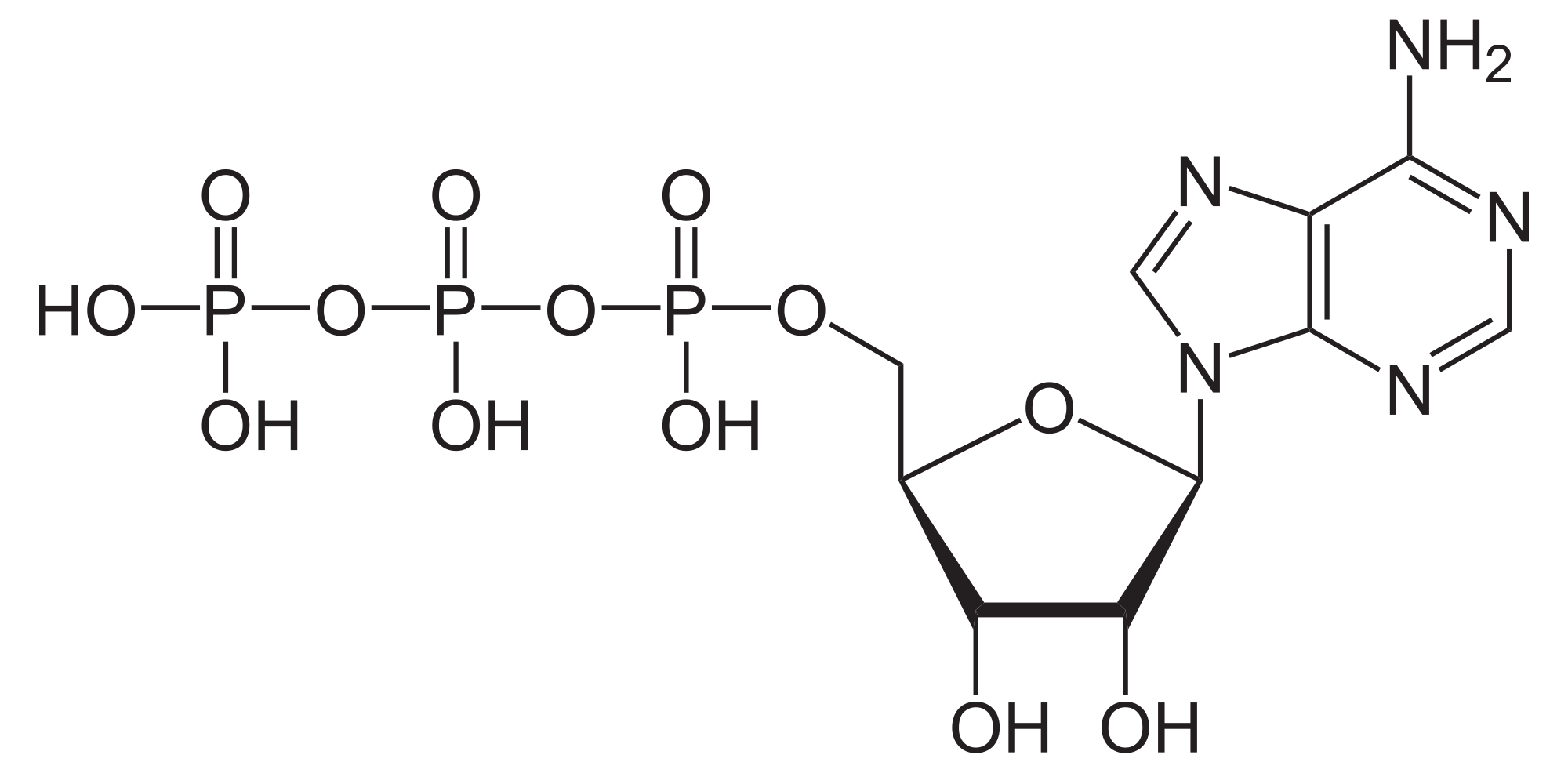
Adenosine triphosphate
Adenosine diphosphate
Adenosine monophosphate

ATPases (EC 3.6.1.3, Adenosine 5'-TriPhosphatase, adenylpyrophosphatase, ATP monophosphatase, triphosphatase, ATP hydrolase, adenosine triphosphatase) are a class of enzymes that catalyze the decomposition of ATP into ADP and a free phosphate ion[1][2][3][4][5][6] or the inverse reaction. This dephosphorylation reaction releases energy, which the enzyme (in most cases) harnesses to drive other chemical reactions that would not otherwise occur. This process is widely used in all known forms of life.

Some such enzymes are integral membrane proteins (anchored within biological membranes), and move solutes across the membrane, typically against their concentration gradient. These are called transmembrane ATPases.

Functions

[edit]
Na+/K+ATPase

Transmembrane ATPases import metabolites necessary for cell metabolism and export toxins, wastes, and solutes that can hinder cellular processes. An important example is the sodium-potassium pump (Na+/K+ATPase) that maintains the cell membrane potential. Another example is the hydrogen potassium ATPase (H+/K+ATPase or gastric proton pump) that acidifies the contents of the stomach. ATPase is genetically conserved in animals; therefore, cardenolides which are toxic steroids produced by plants that act on ATPases, make general and effective animal toxins that act dose dependently.[7]

Besides exchangers, other categories of transmembrane ATPase include co-transporters and pumps (however, some exchangers are also pumps). Some of these, like the Na+/K+ATPase, cause a net flow of charge, but others do not. These are called electrogenic transporters and electroneutral transporters, respectively.[8] Genetic variants in ATPases result in a wide spectrum of human diseases, from prenatal to later onset disease.[9][10]

Structure

[edit]

The Walker motifs are a telltale protein sequence motif for nucleotide binding and hydrolysis. Beyond this broad function, the Walker motifs can be found in almost all natural ATPases, with the notable exception of tyrosine kinases.[11] The Walker motifs commonly form a Beta sheet-turn-Alpha helix that is self-organized as a Nest (protein structural motif). This is thought to be because modern ATPases evolved from small NTP-binding peptides that had to be self-organized.[12]

Protein design has been able to replicate the ATPase function (weakly) without using natural ATPase sequences or structures. Importantly, while all natural ATPases have some beta-sheet structure, the designed "Alternative ATPase" lacks beta sheet structure, demonstrating that this life-essential function is possible with sequences and structures not found in nature.[13]

Mechanism

[edit]

ATPase (also called FoF1-ATP Synthase) is a charge-transferring complex that catalyzes ATP to perform ATP synthesis by moving ions through the membrane.[14]

The coupling of ATP hydrolysis and transport is a chemical reaction in which a fixed number of solute molecules are transported for each ATP molecule hydrolyzed; for the Na+/K+ exchanger, this is three Na+ ions out of the cell and two K+ ions inside per ATP molecule hydrolyzed.

Transmembrane ATPases make use of ATP's chemical potential energy by performing mechanical work: they transport solutes in the opposite direction of their thermodynamically preferred direction of movement—that is, from the side of the membrane with low concentration to the side with high concentration. This process is referred to as active transport.

For instance, inhibiting vesicular H+-ATPases would result in a rise in the pH within vesicles and a drop in the pH of the cytoplasm.

All of the ATPases share a common basic structure. Each rotary ATPase is composed of two major components: Fo/A0/V0 and F1/A1/V1. They are connected by 1-3 stalks to maintain stability, control rotation, and prevent them from rotating in the other direction. One stalk is utilized to transmit torque.[15] The number of peripheral stalks is dependent on the type of ATPase: F-ATPases have one, A-ATPases have two, and V-ATPases have three. The F1 catalytic domain is located on the N-side (negative-side) of the membrane and is involved in the synthesis and degradation of ATP and is involved in oxidative phosphorylation. The Fo transmembrane domain is involved in the movement of ions across the membrane.[14]

The bacterial FoF1-ATPase consists of the soluble F1 domain and the transmembrane Fo domain, which is composed of several subunits with varying stoichiometry. There are two subunits, γ, and ε, that form the central stalk and they are linked to Fo. Fo contains a c-subunit oligomer in the shape of a ring (c-ring). The α subunit is close to the subunit b2 and makes up the stalk that connects the transmembrane subunits to the α3β3 and δ subunits. F-ATP synthases are identical in appearance and function except for the mitochondrial FoF1-ATP synthase, which contains 7-9 additional subunits.[14]

The electrochemical potential is what causes the c-ring to rotate in a clockwise direction for ATP synthesis. This causes the central stalk and the catalytic domain to change shape. Rotating the c-ring causes three ATP molecules to be made, which then causes H+ to move from the P-side (positive-side) of the membrane to the N-side (negative-side) of the membrane. The counterclockwise rotation of the c-ring is driven by ATP hydrolysis and ions move from the N-side to the P-side, which helps to build up electrochemical potential.[14]

Transmembrane ATP synthases

[edit]

The ATP synthase of mitochondria and chloroplasts is an anabolic enzyme that harnesses the energy of a transmembrane proton gradient as an energy source for adding an inorganic phosphate group to a molecule of adenosine diphosphate (ADP) to form a molecule of adenosine triphosphate (ATP).

This enzyme works when a proton moves down the concentration gradient, giving the enzyme a spinning motion. This unique spinning motion bonds ADP and P together to create ATP.

ATP synthase can also function in reverse, that is, use energy released by ATP hydrolysis to pump protons against their electrochemical gradient.

Classification

[edit]

There are different types of ATPases, which can differ in function (ATP synthesis and/or hydrolysis), structure (F-, V- and A-ATPases contain rotary motors) and in the type of ions they transport.

P-ATPase

[edit]

P-ATPases (sometime known as E1-E2 ATPases) are found in bacteria and also in eukaryotic plasma membranes and organelles. Its name is due to short time attachment of inorganic phosphate at the aspartate residues at the time of activation. Function of P-ATPase is to transport a variety of different compounds, like ions and phospholipids, across a membrane using ATP hydrolysis for energy. There are many different classes of P-ATPases, which transports a specific type of ion. P-ATPases may be composed of one or two polypeptides, and can usually take two main conformations, E1 and E2.

Human genes

[edit]

See also

[edit]

References

[edit]
[edit]
Revisions and contributorsEdit on WikipediaRead on Wikipedia
from Grokipedia
ATPase, or adenosine triphosphatase, is a superfamily of enzymes that catalyze the of (ATP) to (ADP) and inorganic (Pi), releasing approximately 7.3 kcal/mol of free energy under standard conditions to power diverse cellular processes. This energy release is typically coupled to mechanical or transport functions, such as active translocation across membranes or conformational changes in molecular motors, enabling essential activities like maintaining electrochemical gradients, , and protein synthesis. ATPases are ubiquitous across all domains of life, from to s, and their activity accounts for a significant portion of cellular ATP consumption, with human cells hydrolyzing 100–150 moles of ATP per day. ATPases are broadly classified into several major families based on structural motifs, catalytic mechanisms, and physiological roles, including P-type, F-type, V-type, and ABC-type. P-type ATPases form a phosphorylated aspartate intermediate during their catalytic cycle and mediate primary of cations like Na+, K+, Ca2+, and H+ across plasma and membranes, exemplified by the Na+/K+-ATPase that establishes membrane potentials vital for impulse transmission. F-type ATPases, found in mitochondria, chloroplasts, and bacterial plasma membranes, function primarily as ATP synthases in oxidative or , using proton gradients to synthesize ATP, though they can reverse to hydrolyze ATP under certain conditions. V-type ATPases (vacuolar-type) are proton pumps that acidify intracellular compartments like lysosomes and endosomes, supporting processes such as , protein degradation, and . ABC-type ATPases (ATP-binding cassette) drive the transport of a wide array of substrates, including ions, , and , across membranes and are involved in cellular , , and . The functional versatility of ATPases underscores their critical role in cellular physiology, where they regulate ion balances, pH , vesicle trafficking, and energy transduction. Mutations or dysregulation of specific ATPases contribute to human diseases, including (from Na+/K+-ATPase defects), ( dysfunction), (ABC transporters like CFTR), and various cancers linked to altered and signaling. Ongoing continues to elucidate their rotary mechanisms, , and therapeutic potential, highlighting ATPases as key targets for pharmacological intervention.

Overview

Definition and Nomenclature

ATPases are a diverse family of enzymes that catalyze the hydrolysis of adenosine triphosphate (ATP) to adenosine diphosphate (ADP) and inorganic phosphate (Pi), releasing free energy that drives various cellular processes:
\ceATP+H2O>ADP+Pi+energy\ce{ATP + H2O -> ADP + Pi + energy}
This enzymatic activity is classified primarily under the Enzyme Commission (EC) numbers 3.6.3.- for ATP hydrolases acting on acid anhydrides without translocation and 7.1.2.- for certain proton-translocating ATPases, reflecting updates in the International Union of Biochemistry and Molecular Biology (IUBMB) nomenclature to account for their roles in ion transport.
The nomenclature of ATPases derives from their functional role as ATP phosphohydrolases, with the general 9000-83-3 assigned to triphosphatase. Specific subtypes are denoted by letters indicating structural and mechanistic features, such as P-type (phosphorylating) ATPases, F-type (factor-dependent) ATPases, V-type (vacuolar) ATPases, and A-type (archaeal) ATPases, each linked to dedicated entries in biochemical databases like and for detailed annotation and pathway integration. These classifications facilitate the organization of the superfamily based on shared catalytic domains and transport capabilities. A key distinction exists between ATPases and ATP synthases: while ATPases predominantly hydrolyze ATP to perform work such as ion pumping or mechanical motion, ATP synthases—often reversible F-type ATPases—can operate in the opposite direction, synthesizing ATP from ADP and Pi using a proton motive force across membranes. This reversibility highlights the bidirectional potential of certain rotary ATPases but underscores that ATPases are defined by their hydrolysis-dominant function in most physiological contexts. ATPases exhibit remarkable evolutionary conservation, with homologs present across all domains of life, from prokaryotes like and to eukaryotes, reflecting their ancient origin and essential role in energy homeostasis predating the . This broad distribution is evidenced by phylogenetic analyses of core subunits, which trace rotary mechanisms back over 3.5 billion years.

Historical Development

The discovery of ATPases traces back to 1957, when identified the Na⁺/K⁺-ATPase in the nerve membranes of crabs, recognizing it as an enzyme that hydrolyzes ATP to drive the of sodium and potassium ions across cell membranes. This pioneering work laid the foundation for understanding ion pumps and their energy requirements, earning Skou half of the 1997 (shared with Paul D. Boyer and for contributions to mechanisms). Skou's findings demonstrated that the enzyme's activity was stimulated by Na⁺ and K⁺, establishing it as the first example of a . During the 1960s and 1970s, significant progress was made in characterizing F-type ATPases, primarily through Racker's research on mitochondrial . In 1960, Racker and colleagues purified the soluble F₁ subunit from bovine heart mitochondria using submitochondrial particles, revealing its ATPase activity and role as a coupling factor in ATP synthesis. By 1966, Racker identified the membrane-embedded F₀ component, which confers sensitivity to the complex, and in 1974, his team reconstituted the full F₁F₀-ATPase with in liposomes to demonstrate light-driven ATP synthesis, validating Peter Mitchell's chemiosmotic hypothesis. F-type ATPases were also identified in bacterial plasma membranes and chloroplasts during this era, highlighting their conservation across energy-transducing systems.47984-0/fulltext) A key milestone in the 1970s was the recognition of V-type ATPases, with early evidence of ATP-dependent acidification in vacuolar and vesicular membranes emerging around 1974 through studies on proton transport in and fungal systems. In the , systematic of ATPases into P-type (phosphorylated intermediates, like Na⁺/K⁺-ATPase), F-type (mitochondrial/bacterial synthases), and V-type (vacuolar proton pumps) was formalized in biochemical literature, reflecting differences in structure, localization, and function. Structural insights advanced with the first of a —the Ca²⁺-ATPase—in 2000, revealing its E1-E2 conformational cycle. The 2010s brought transformative advances via cryo-electron microscopy (cryo-EM), enabling high-resolution visualization of rotary mechanisms in F- and V-type ATPases. These studies confirmed the rotational catalysis proposed by Boyer in the for F-type enzymes and elucidated similar dynamics in V-type complexes, including subunit arrangements and proton translocation pathways.00288-7)

Biological Functions

Energy Transduction and Cellular Processes

ATPases play a central role in energy transduction by harnessing the chemical energy released from to drive diverse cellular work. The hydrolysis of ATP to ADP and inorganic phosphate under standard conditions yields approximately -30.5 kJ/mol (ΔG°') of free energy, which is coupled to mechanical processes such as activity, osmotic work in ion transport across membranes, and chemical transformations including reactions. This energy conversion is highly efficient, enabling ATPases to perform essential functions that maintain cellular dynamics and respond to environmental cues. For instance, in mechanical work, ATPases in muscle cells utilize this energy to generate force and facilitate filament sliding during contraction. Beyond mechanical applications, ATPases contribute to protein synthesis and maturation through chaperone activities, where powers conformational changes that assist in folding newly synthesized polypeptides and prevent aggregation. Heat shock protein 70 () family ATPases, for example, cycle between ATP- and ADP-bound states to bind and release client proteins, ensuring proper assembly in crowded cellular environments. In signaling pathways, while protein transfer phosphate groups from ATP without full and thus differ from classical ATPases, certain ATPases like Na+/K+-ATPase exhibit signal-transducing roles by interacting with downstream effectors upon binding, modulating pathways such as Src activation. ATPases are conserved across all domains of life—bacteria, archaea, and eukaryotes—underscoring their fundamental importance in cellular and . They are indispensable for processes like regulation, where plasma H+-ATPases extrude protons to maintain cytosolic and support metabolic stability under stress. Quantitative aspects of this coupling are evident in specific stoichiometries; for example, the Na+/K+-ATPase transports three sodium ions out of the cell per one ATP hydrolyzed, establishing electrochemical gradients critical for .

Roles in Transport and Signaling

ATPases play a pivotal role in by harnessing the energy from to move ions and molecules against their concentration gradients across cellular membranes. The Na⁺/K⁺-ATPase, a prototypical , exemplifies this function by extruding three sodium ions from the in exchange for two ions, thereby establishing and maintaining essential electrochemical gradients. These gradients are crucial for processes such as nerve impulse propagation, where the sodium influx during action potentials is balanced by Na⁺/K⁺-ATPase activity to restore the resting and enable repetitive signaling in neurons and muscle cells. In cellular signaling, ATPases contribute to the regulation of ion homeostasis that underpins second messenger systems and oscillatory dynamics. Calcium ATPases, including the sarco/endoplasmic reticulum Ca²⁺-ATPase (SERCA) and plasma membrane Ca²⁺-ATPase (PMCA), actively sequester or extrude Ca²⁺ ions to control cytosolic concentrations, facilitating calcium oscillations vital for and neuronal excitability. For instance, SERCA pumps Ca²⁺ into the in skeletal and , terminating contraction and replenishing stores for subsequent signaling events, while PMCA extrudes Ca²⁺ across the plasma membrane in neurons to fine-tune local calcium signals and prevent . These actions integrate with second messenger pathways, such as those involving and phospholamban, to modulate downstream responses like and . Organelle-specific ATPases, particularly s, drive acidification of intracellular compartments to support degradation and trafficking processes. s protonate the lumen of lysosomes and endosomes, creating an acidic (approximately 4.5–5.5) that activates hydrolytic enzymes for the breakdown of engulfed macromolecules via and . This acidification also facilitates receptor-ligand dissociation in endosomes, promoting cargo sorting and recycling, which is essential for nutrient acquisition, , and cellular . Dysregulation of activity impairs these functions, linking it to pathological states like lysosomal storage disorders. Evolutionary adaptations of ATPases highlight their versatility in transport across kingdoms. In , ATP-binding cassette (ABC) importers utilize to selectively uptake essential nutrients, such as via the ZnuABC system in pathogens like Typhimurium, enabling survival in nutrient-limited host environments and contributing to . Similarly, in , plasma H⁺-ATPases generate a proton motive force that drives secondary solute transport, including influx, to maintain necessary for cell expansion and structural integrity. This turgor regulation supports processes like stomatal opening and overall plant growth under varying environmental conditions.

Structural Characteristics

Core Domains and Motifs

ATPases share conserved structural elements that underpin their ability to bind and hydrolyze ATP, with the nucleotide-binding domain serving as a central feature across diverse families. In many ATPase families, such as F-type and ABC-type, this domain adopts a RecA-like fold, characterized by a core of five parallel β-strands flanked by α-helices, which positions key residues for nucleotide interaction. P-type ATPases feature a specialized N-domain with a distinct that nonetheless contains the conserved motifs for ATP binding. The nucleotide-binding domain contains two hallmark motifs: the Walker A motif, also known as the P-loop, with a consensus sequence of GxxxxGK[T/S], which forms a flexible loop that binds the β- and γ-phosphates of ATP; and the Walker B motif, typically hhhhDE (where h represents hydrophobic residues), which coordinates a Mg²⁺ ion essential for stabilizing the hydrolytic water molecule. These motifs, identified in various nucleotide-binding proteins including ATP synthase subunits, enable precise ATP coordination and facilitate the enzyme's catalytic competence. In P-type ATPases, the core architecture extends to include a (P-domain) and an (A-domain), which interact closely with the N-domain to form a contiguous cytoplasmic head. The P-domain features a conserved aspartate residue within the DKTGT motif, which undergoes autophosphorylation by the γ-phosphate of ATP to form a transient aspartyl-phosphate intermediate, a defining step in the . This event, supported by the A-domain's regulatory role in , links hydrolysis to conformational rearrangements. The , integral to most ATPases, consists of 6-10 α-helices per subunit, forming a bundle that spans the membrane and provides the scaffold for substrate translocation, with a core of six helices conserved across P-type variants. Oligomerization further modulates ATPase function, with enzymes assembling into monomers, dimers, or higher-order complexes depending on the family and cellular context. For instance, many P-type ATPases operate as monomers, while plasma membrane H⁺-ATPases form functional hexamers stabilized by subunit interfaces in their cytoplasmic domains. Rotary ATPases, such as those in F- and V-types, often feature hexameric head structures composed of alternating subunits, enabling coordinated ATP hydrolysis. These oligomeric states enhance stability and efficiency in energy transduction, reflecting adaptations of the shared core motifs to specific physiological demands.

Variations Across Types

P-type ATPases exhibit distinct structural features that enable their functions, characterized by alternating E1 and E2 conformational states during the , with a phosphorylated aspartate intermediate formed in the E2P state to drive . These enzymes typically feature a composed of 8-10 α-helices, including a core of six helices (M1-M6) that undergo significant rearrangements to facilitate occlusion and release. ABC-type ATPases, in contrast, typically form a dimeric architecture consisting of two transmembrane domains (TMDs), each comprising six α-helices that form the substrate translocation pathway, associated with or fused to two cytoplasmic nucleotide-binding domains (NBDs). The NBDs adopt RecA-like folds and contain Walker A and B motifs along with a (C) motif specific to the ABC family, enabling ATP-dependent dimerization that drives conformational changes for . F-type, V-type, and A-type ATPases function as rotary motors, consisting of a soluble catalytic head (F1, V1, or A1) formed by an α₃β₃ hexameric structure responsible for or synthesis, connected to a membrane-embedded sector (Fo, Vo, or Ao) that includes a c-ring rotor composed of 8-15 c-subunits. This rotary architecture allows for torque generation across the , with the c-ring varying by organism to adapt proton or translocation efficiency. Accessory subunits further diversify ATPase structures and functions among these classes; in F-type ATPases, the γ, δ, and ε subunits form a central stalk that couples between the F1 head and Fo c-ring, enabling transfer. P-type ATPases, such as Ca²⁺-ATPases, incorporate regulatory domains, including autoinhibitory regions at the N- or that modulate activity through interactions with or phospholipids, displacing these domains to activate the enzyme upon signaling. Recent cryo-EM studies have revealed novel variations, such as a dimeric F1-like in the gliding bacterium Mycoplasma mobile, where the forms a chain-like assembly to power , showcasing an α₃β₃ hexamer with structural adaptations for linear force generation rather than traditional rotary synthesis. These structural differences across types underpin their specialized roles in energy transduction, from pumping in P-types to proton-motive force utilization in F/V/A-types.

Catalytic Mechanisms

ATP Hydrolysis and Conformational Dynamics

The catalytic cycle of ATPases begins with the binding of to a specific nucleotide-binding site within the 's cytosolic domains, initiating a series of chemical and structural transformations that drive . In P-type ATPases, ATP binding promotes the transfer of the γ-phosphate to a conserved aspartate residue in the phosphorylation (P) domain, forming a transient aspartyl- intermediate (E1-P) that captures the energy of ATP cleavage. This step is followed by of the phosphoenzyme, where a molecule attacks the acyl bond, releasing inorganic (Pi) and returning the enzyme to its dephosphorylated state (E2 to E1 transition), completing the reset for subsequent cycles. In contrast, F-type ATPases undergo direct without intermediate , where ATP is cleaved at the catalytic β-subunit, producing ADP and Pi in a process tightly coupled to mechanical rotation. Conformational dynamics play a central role in coordinating these hydrolysis steps, enabling efficient substrate processing and product release. P-type ATPases operate via the alternating access model, cycling between E1 (cytosol-facing, ATP-bound) and E2 (extracellular-facing, ADP/Pi-bound) conformations; phosphorylation induces a large-scale rearrangement of the A, N, and P domains, occluding ions and facilitating vectorial transport, while dephosphorylation reverses this to reset accessibility. In F-type ATPases, hydrolysis drives stepwise 120° rotations of the central γ rotor relative to the α3β3 hexamer, with each ATP molecule hydrolyzed in a β-subunit triggering substeps (80° power stroke and 40° relaxation) that propagate conformational changes across catalytic sites for cooperative . These dynamics ensure unidirectional progression, with hydrolysis tightly synchronized to mechanical output. Critical residues stabilize the and activate the during . The arginine finger, a conserved residue (e.g., αArg373 in F1-ATPase), inserts into the from an adjacent subunit, neutralizing negative charges on the γ-phosphate and accelerating the reaction rate by up to 10^5-fold through stabilization. Water for nucleophilic attack is mediated by a general base, such as Glu184 in the β-subunit of F1-ATPase, which deprotonates the lytic molecule, positioning it for inline attack on the atom. In P-type ATPases, analogous residues in the P-domain, including those in the TGES motif, facilitate dephosphorylation by similar mechanisms. The kinetics of ATP hydrolysis generally follow Michaelis-Menten behavior, characterized by a Michaelis constant (Km) for ATP in the range of 10-100 μM across ATPase types, reflecting high affinity under physiological conditions. v=Vmax[ATP]Km+[ATP]v = \frac{V_{\max} [\text{ATP}]}{K_m + [\text{ATP}]} For instance, in F1-ATPase, Km values around 25-80 μM support rapid turnover rates exceeding 100 s⁻¹ per site. In Na⁺/K⁺-ATPase, hydrolysis is sensitive to inhibition by ouabain, which binds the E2-P conformation with nanomolar affinity, stabilizing the phosphoenzyme and blocking the cycle at an IC₅₀ of approximately 10-100 nM.

Energy Coupling to Work

In ATPases, the energy released from ATP hydrolysis is coupled to biological work through distinct mechanisms that ensure efficient transduction without dissipation. In P-type ATPases, such as the Na⁺/K⁺-ATPase, autophosphorylation of a conserved aspartate residue in the cytoplasmic domain triggers a series of conformational changes, alternating between E1 (ion-binding) and E2 (ion-release) states, which drive the selective transport of ions across the membrane. This phosphorylation-dependent cycle links the chemical energy of the phosphoanhydride bond to mechanical work by occluding and exposing ion-binding sites to opposite membrane sides. In contrast, F-type and V-type ATPases utilize a rotary mechanism where the protonmotive force (Δμ_H⁺) generated by gradients powers or is powered by ATP synthesis/. The FO subunit, embedded in the , channels protons through a rotating c-ring, which mechanically couples to the F1 (or V1) catalytic domain via a central stalk, inducing conformational shifts that facilitate ATP production or consumption. These enzymes exhibit defined stoichiometries that dictate energy transfer efficiency; for instance, the Na⁺/K⁺-ATPase transports 3 Na⁺ s outward and 2 K⁺ s inward per ATP hydrolyzed, establishing electrochemical gradients essential for cellular . Similarly, F-type ATP synthases typically translocate 3–4 H⁺ per ATP synthesized, with the exact ratio depending on the number of c-subunits in the rotor (e.g., 10–15 c-subunits per turn yielding ~3.3–5 H⁺/ATP, but commonly cited as 3–4 in physiological contexts). The coupling in these enzymes is reversible, allowing F-type ATPases in mitochondria to switch directions based on the Gibbs free energy (ΔG) balance. Under oxidative phosphorylation conditions, where the proton gradient is favorable, the enzyme synthesizes ATP via the reaction: ADP+Pi+nHout+ATP+nHin+\text{ADP} + \text{P}_\text{i} + n\text{H}^+_\text{out} \rightleftharpoons \text{ATP} + n\text{H}^+_\text{in} where nn represents the H⁺ stoichiometry (typically 3–4), driving protons inward against the gradient. This reversibility ensures adaptability to cellular energy demands, such as during hypoxia when hydrolysis maintains the gradient. Rotary ATPases achieve near-100% mechanical coupling efficiency in vitro, minimizing energy loss through tight subunit interactions, though some V-type ATPases exhibit slippage—uncoupled proton leakage—reducing effective ratios under high loads to prevent over-acidification.

Classification

P-type ATPases

P-type ATPases constitute a major superfamily of primary active transporters that utilize to drive the uphill of cations and across cellular membranes, distinguished by the transient autophosphorylation of a conserved aspartate residue in their catalytic domain. This event is central to their mechanism, facilitating alternating conformational states known as E1 (high-affinity substrate binding, open to the ) and E2 (low-affinity, open to the extracellular or luminal side), which enable vectorial through an alternating access model. The superfamily is classified into five main types (I–V) based on phylogenetic analysis and substrate specificity, with type III subdivided into IIIA (proton pumps) and IIIB (magnesium transporters), and type IV dedicated to lipid flippases. Key subtypes include the sodium-potassium pump (Na⁺/K⁺-ATPase), a type II member that functions as an αβ heterodimer to maintain electrochemical gradients by exporting three Na⁺ ions and importing two K⁺ ions per ATP hydrolyzed. Calcium ATPases, also type II, encompass the plasma membrane Ca²⁺-ATPase (PMCA), which extrudes Ca²⁺ from the to the , and the sarco/ Ca²⁺-ATPase (), which sequesters Ca²⁺ into intracellular stores to regulate signaling and contraction. Type IIIA H⁺-ATPases, prevalent in and fungal plasma membranes, generate proton gradients essential for nutrient uptake and cell turgor, while type IIIB Mg²⁺-ATPases in support magnesium under limiting conditions. Type IV P4-ATPases act as flippases, translocating aminophospholipids like from the exoplasmic to the cytoplasmic leaflet to preserve membrane asymmetry. These enzymes fulfill critical functions in ion homeostasis at the plasma membrane, such as establishing resting membrane potentials via Na⁺/K⁺-ATPase and modulating cytosolic Ca²⁺ levels through PMCA and to prevent toxicity and enable signaling. In plants, type IIIA H⁺-ATPases drive secondary and cell elongation by acidifying the , promoting growth. P4-lipid flippases contribute to asymmetry, which is vital for membrane curvature, vesicle trafficking, and regulation. Recent 2025 structural and functional studies have elucidated how P4-ATPases, such as those flipping phosphoinositides, maintain lipid asymmetry in eukaryotic membranes, revealing compartment-specific roles in Golgi and plasma membrane dynamics. P-type ATPases are ubiquitously distributed across , , and eukaryotes, reflecting their ancient evolutionary origin, with specialized like the abundance of type IIIA H⁺-ATPases in plasma membranes underscoring their role in terrestrial and growth.

F-type, V-type, and A-type ATPases

F-type, V-type, and A-type ATPases constitute a superfamily of rotary enzymes that transduce electrochemical gradients into mechanical for ATP synthesis or , distinguished from P-type ATPases by their rotary rather than linear mechanisms. These enzymes share a conserved featuring a soluble catalytic head domain composed of an asymmetric hexamer of three α and three β subunits (α₃β₃), which encloses a central rotor stalk primarily formed by the γ subunit that transmits to drive conformational changes. The membrane-embedded sector includes a rotating c-ring of multiple transmembrane c-subunits that couples translocation to rotor movement, with peripheral stator elements preventing co-rotation of the head. A recent structural study revealed a novel dimeric assembly of an F₁-like ATPase in the gliding bacterium Mycoplasma mobile, where chained dimers generate force for motility, expanding the functional diversity of rotary ATPase variants. F-type ATPases, also known as ATP synthases, are primarily located in the of eukaryotes, the thylakoid membrane of chloroplasts, and the plasma membrane of , where they synthesize ATP using proton motive force. In these contexts, the F₀ sector's c-ring, typically composed of 8-15 c-subunits depending on the , rotates counterclockwise (viewed from the F₁ side) as protons translocate through half-channels in the a-subunit, driving the γ stalk to induce 120° steps in the α₃β₃ head for ATP production. This rotary mechanism efficiently couples the proton gradient generated by respiration or to cellular energy needs. V-type ATPases function as proton pumps that acidify intracellular compartments such as vacuoles, endosomes, and lysosomes in eukaryotes, as well as the plasma membrane in some fungi and . The V₀ sector features a proteolipid ring with 10-14 c-subunits (varying by species and isoform), which rotates to transport protons into the lumen, powered by ATP in the V₁ head, thereby maintaining acidic for processes like protein degradation and nutrient uptake. Unlike F-type, V-type enzymes predominantly hydrolyze ATP to drive active proton pumping rather than synthesis. A-type ATPases serve as the archaeal counterparts to V-type, residing in the plasma membrane where they often function bidirectionally in ATP synthesis or , adapted to extreme environments such as high temperatures, , or acidity characteristic of many archaeal habitats. Structurally akin to V-type with an A₁ head and A₀ membrane sector, A-type enzymes exhibit rotor rings of variable c-subunit (6-13) that can utilize either H⁺ or Na⁺ gradients, reflecting evolutionary adaptations for selectivity in extremophilic conditions. These features enable to thrive in niches where standard gradients are insufficient.

Specialized Examples

Transmembrane Ion Pumps

Transmembrane ion pumps, primarily from the P-type and V-type ATPase families, utilize to actively transport ions across cellular membranes, establishing electrochemical gradients essential for cellular . These pumps operate unidirectionally to extrude or import specific ions against their concentration gradients, powering secondary and maintaining membrane potentials. In animal cells, P-type ATPases such as the Na+/K+-ATPase exemplify this function by counter-transporting sodium and potassium ions, while V-type ATPases, like the vacuolar H+-ATPase, drive proton pumping for intracellular compartment acidification. The Na+/K+-ATPase, a prototypical , maintains the resting in eukaryotic cells by exporting three sodium ions (Na+) from the in exchange for two ions (K+) imported per ATP molecule hydrolyzed, resulting in a net outward movement of positive charge that hyperpolarizes the membrane. This 3Na+:2K+ ensures low intracellular Na+ and high K+ concentrations, which are critical for impulse propagation, , and osmotic balance. The pump is notably inhibited by cardiac glycosides like (), which bind to the extracellular side and block transport, a mechanism exploited in treatments to increase cardiac contractility. Closely related, the H+/K+-ATPase in gastric parietal cells facilitates (HCl) secretion into the lumen, essential for and defense. This P-type pump exchanges intracellular H+ for extracellular K+ in a 1:1 ratio per ATP hydrolyzed, similar in structure and mechanism to the Na+/K+-ATPase but adapted for acid production. Unlike the Na+/K+ pump, it relies on K+ recycling through apical channels (e.g., KCNQ1) to sustain activity, as K+ efflux provides the counter-ion necessary for continuous H+ extrusion and Cl- follows via parallel channels to form HCl. In contrast, V-type ATPases form large, multi-subunit complexes consisting of a peripheral V1 domain for and a membrane-embedded V0 domain for proton translocation, enabling acidification of lysosomes, endosomes, and other organelles to pH values around 4.5-5.0. This proton pumping supports lysosomal function, protein degradation, and receptor recycling, with dysfunction linked to diseases like and neurodegeneration. Regulation occurs through glucose availability, where high glucose promotes V-ATPase assembly and increased acidification via PI3K signaling, while glucose enhances assembly and activity through AMPK ; additionally, nucleotides like ATP/ADP ratios modulate assembly by influencing subunit interactions. In , plasma membrane H+-ATPases (P-type IIIA subfamily) generate apoplastic proton gradients that drive secondary of nutrients such as , , and via symporters and antiporters, maintaining cytosolic and ion . These pumps extrude H+ into the , creating a proton motive force that powers uptake under varying environmental conditions. Recent advances highlight their role in stress adaptation; for instance, studies from 2022 demonstrate that enhanced H+-ATPase activity in improves and nutrient acquisition during and salinity stress, with post-translational modifications like enabling rapid responses to abiotic challenges. More recent 2024-2025 research, including on PATROL1-mediated H+-ATPase translocation, shows improvements in plasticity and overall growth under by optimizing and functions.

ATP Synthases and Rotary Motors

ATP synthases, particularly the F-type variants known as F₀F₁-ATP synthases, are reversible rotary enzymes that harness the proton motive force across energy-transducing to synthesize ATP during in mitochondria and in chloroplasts, or in bacterial plasma membranes. The F₀ domain, embedded in the , consists of a ring of c-subunits that rotates as protons flow through a channel formed by subunits a and the c-ring, driving the central rotor (γ-subunit) within the soluble F₁ domain. This induces conformational changes in the three catalytic β-subunits of F₁, enabling ATP formation from ADP and inorganic phosphate. According to Paul D. Boyer's binding change mechanism, the three catalytic sites cycle cooperatively through distinct conformations—open, loose, and tight—such that a full 360° of the rotor produces three ATP molecules, with binding of substrates and release of products facilitated by the changing affinities at each site. The structural basis of this rotary catalysis has been elucidated through high-resolution cryo-electron microscopy (cryo-EM), revealing a central rotor that turns 360° relative to the for every three ATP synthesized, with the F₁ hexamer (α₃β₃) surrounding the asymmetric γ rotor to enforce sequential site alterations. In mitochondrial inner membranes, F₀F₁-ATP synthases assemble into dimers that organize into curved rows along cristae ridges, promoting membrane invagination and enhancing packing density for efficient ATP production; a 2016 cryo-EM study of the complete dimeric enzyme from mitochondria at 3.7 Å resolution demonstrated how the dimer interface and peripheral stalks stabilize these assemblies, with the c-ring containing 10 subunits in this species. These dimeric configurations are conserved across eukaryotes, underscoring their role in shaping cristae architecture to optimize respiratory efficiency. V-type and A-type ATPases, structurally related to F-type synthases, primarily function as ATP hydrolytic proton pumps but exhibit reversibility under extreme conditions such as high proton gradients or low ATP availability, allowing limited ATP synthesis. V-type ATPases, found in eukaryotic vacuoles, lysosomes, and endomembranes, dissociate into V₁ (catalytic) and V₀ (membrane) sectors for regulation, yet can operate bidirectionally or under physiological stress to couple proton flow to ATP formation. A-type ATPases in , particularly methanogens, are adapted for in low-energy environments; for instance, the A₁A₀ ATP synthase in species like acetivorans concurrently translocates H⁺ and Na⁺ to drive ATP synthesis during from or CO₂ reduction, supporting growth under anaerobic, nutrient-limited conditions. This promiscuity in ion coupling highlights evolutionary adaptations for extremophilic . Beyond energy transduction, rotary ATPase principles extend to motility in bacterial flagellar motors, where stator complexes of MotA and MotB proteins harness proton motive force to generate on the flagellar rotor, analogous to the F₀ stator-rotor interaction. MotA₄MotB₂ assemblies surround the MS-ring rotor, with proton influx through MotB inducing conformational changes in MotA that push against the rotor, achieving rotation speeds up to approximately 300 Hz (18,000 rpm) for ; structural homologies between MotA/MotB and F₀ components, including transmembrane helices and ion-binding motifs, suggest shared evolutionary origins in ion-driven rotary mechanisms. This application exemplifies how ATPase-like motors power diverse cellular processes without direct .

Human Relevance and Advances

Key Genes and Isoforms

The Na⁺/K⁺-ATPase, a critical P-type ATPase, is composed of α catalytic subunits encoded by the genes ATP1A1, ATP1A2, ATP1A3, and ATP1A4, along with β regulatory subunits from ATP1B1, ATP1B2, and ATP1B3. The α1 subunit (ATP1A1) exhibits ubiquitous membranous expression across most human tissues, with particularly high levels in the kidney, heart, and epithelial cells, supporting ion homeostasis in diverse cellular contexts. In contrast, the α2 subunit (ATP1A2) is predominantly expressed in the brain, skeletal muscle, and heart, where it contributes to neuronal excitability and muscle contraction, while the α3 subunit (ATP1A3) is enriched in neurons and glial cells of the central nervous system, playing a key role in maintaining neuronal membrane potential. The α4 isoform (ATP1A4) shows restricted expression primarily in the testis. The β subunits modulate the assembly, trafficking, and activity of the α subunits; ATP1B1 is highly expressed in the kidney and brain, ATP1B2 is more broadly distributed, and ATP1B3 predominates in the nervous system and skeletal muscle. Ca²⁺-ATPases encompass the sarco/endoplasmic reticulum Ca²⁺-ATPases (SERCAs) and plasma membrane Ca²⁺-ATPases (PMCAs), both essential for calcium signaling regulation. The SERCA family includes ATP2A1 (encoding SERCA1), which is primarily expressed in fast-twitch skeletal muscle fibers, facilitating rapid calcium reuptake into the sarcoplasmic reticulum during muscle relaxation. Other SERCA isoforms, such as ATP2A2 (SERCA2), are abundant in cardiac and slow-twitch skeletal muscle, as well as non-muscle tissues, supporting sustained calcium handling. The PMCA family, encoded by ATP2B1 through ATP2B4, extrudes calcium from the cytosol across the plasma membrane; ATP2B1 (PMCA1) and ATP2B4 (PMCA4) display widespread expression in various tissues, serving housekeeping functions, whereas ATP2B2 (PMCA2) and ATP2B3 (PMCA3) exhibit more restricted patterns, with high levels in the brain and testis, respectively, aiding specialized neuronal and reproductive functions. V-ATPases, rotary proton pumps classified under the V-type ATPase group, consist of a peripheral V₁ domain for and an integral V₀ domain for proton translocation, assembled from 14 distinct subunit types with multiple isoforms encoded by genes such as ATP6V1A (subunit A of V₁) and ATP6V0A1 (subunit a1 of V₀). These complexes are ubiquitously expressed but with isoform-specific distributions; for instance, ATP6V0A1 is strongly expressed in neurons and contributes to acidification of intracellular compartments like endosomes and lysosomes. Assembly of V-ATPases occurs primarily in the and Golgi apparatus, where subunit isoforms are incorporated to tailor the pump's localization and activity to specific organelles or cellular needs, such as in the Golgi for regulation during protein processing. P4-ATPases, a subclass of P-type ATPases functioning as flippases, maintain by translocating aminophospholipids like from the exoplasmic to the cytosolic leaflet. The ATP8A1 encodes a key highly expressed in neuronal tissues, where it associates with accessory proteins like CDC50A to regulate endosomal and plasma distribution, supporting synaptic function and cellular signaling in the brain.

Diseases and Therapeutic Targets

Mutations in the ATP1A3 gene, which encodes the alpha-3 subunit of the Na+/K+-ATPase, cause rapid-onset - (RDP), a rare autosomal dominant characterized by abrupt onset of and typically in or early adulthood. These mutations impair the pump's function, leading to neuronal dysfunction and symptoms such as sudden instability and limb . Similarly, mutations in ATP1A2, encoding the alpha-2 subunit, are responsible for familial type 2 (FHM2), an autosomal dominant condition featuring attacks with , hemiparesis, and sometimes or seizures. These genetic alterations disrupt sodium-potassium in neuronal cells, exacerbating underlying the phenotype. Darier disease, a rare autosomal dominant skin disorder marked by dyskeratotic lesions and potential neuropsychiatric features, results from mutations in ATP2A2, which encodes the sarco/ Ca2+-ATPase 2 (SERCA2). These mutations lead to defective in keratinocytes, causing impaired and desmosomal dysfunction. Overexpression of , a that acidifies intracellular compartments and the extracellular environment, is associated with enhanced tumor invasion and in various cancers, including and pancreatic tumors. This upregulation facilitates tumor by promoting degradation and activating proteases like cathepsins through localized acidification. Targeting V-ATPase with inhibitors such as bafilomycin A1 has shown promise in preclinical models by blocking proton pumping, thereby reducing tumor acidity, inhibiting invasion, and inducing cancer cell death without significant toxicity to normal cells. Therapeutically, cardiac glycosides like inhibit Na+/K+-ATPase, increasing intracellular sodium and calcium in cardiac myocytes to enhance contractility, making it a longstanding treatment for with reduced . This inhibition also modulates autonomic signaling, reducing sympathetic drive in patients. Recent findings highlight Na+/K+-ATPase's role in platelet signaling, where the alpha-1 subunit fine-tunes receptor function to regulate activation and , with implications for sex-dimorphic cardiovascular risks. In acquired conditions, sepsis induces dysfunction of ATPase pumps, including Na+/K+-ATPase and SERCA2a, contributing to multi-organ failure through impaired ion homeostasis and energetic collapse in tissues like the lungs and heart. This pump failure exacerbates cellular , reduces alveolar fluid clearance, and promotes mitochondrial dysfunction, worsening outcomes in . As of 2025, emerging research has expanded therapeutic opportunities for ATPases in human diseases. For V-ATPases, inhibitors targeting subunits like ATP6V0D1 show potential in overcoming chemoresistance and exploiting metabolic vulnerabilities in stem cells, enhancing anti-cancer efficacy. PMCA dysfunction is increasingly linked to cerebellar , contributing to cognitive and neuropsychiatric symptoms in neurodegenerative conditions, with implications for targeted calcium therapies. Na+/K+-ATPase has emerged as a multifunctional target in and complications, (ARDS), and neurodegeneration, where modulation could mitigate inflammation, ion imbalances, and neuronal loss.

References

Add your contribution
Related Hubs
User Avatar
No comments yet.