Hubbry Logo
AnosmiaAnosmiaMain
Open search
Anosmia
Community hub
Anosmia
logo
8 pages, 0 posts
0 subscribers
Be the first to start a discussion here.
Anosmia
Anosmia
from Wikipedia
Anosmia
Other namesLoss of smell, smell blindness,[1] odor blindness
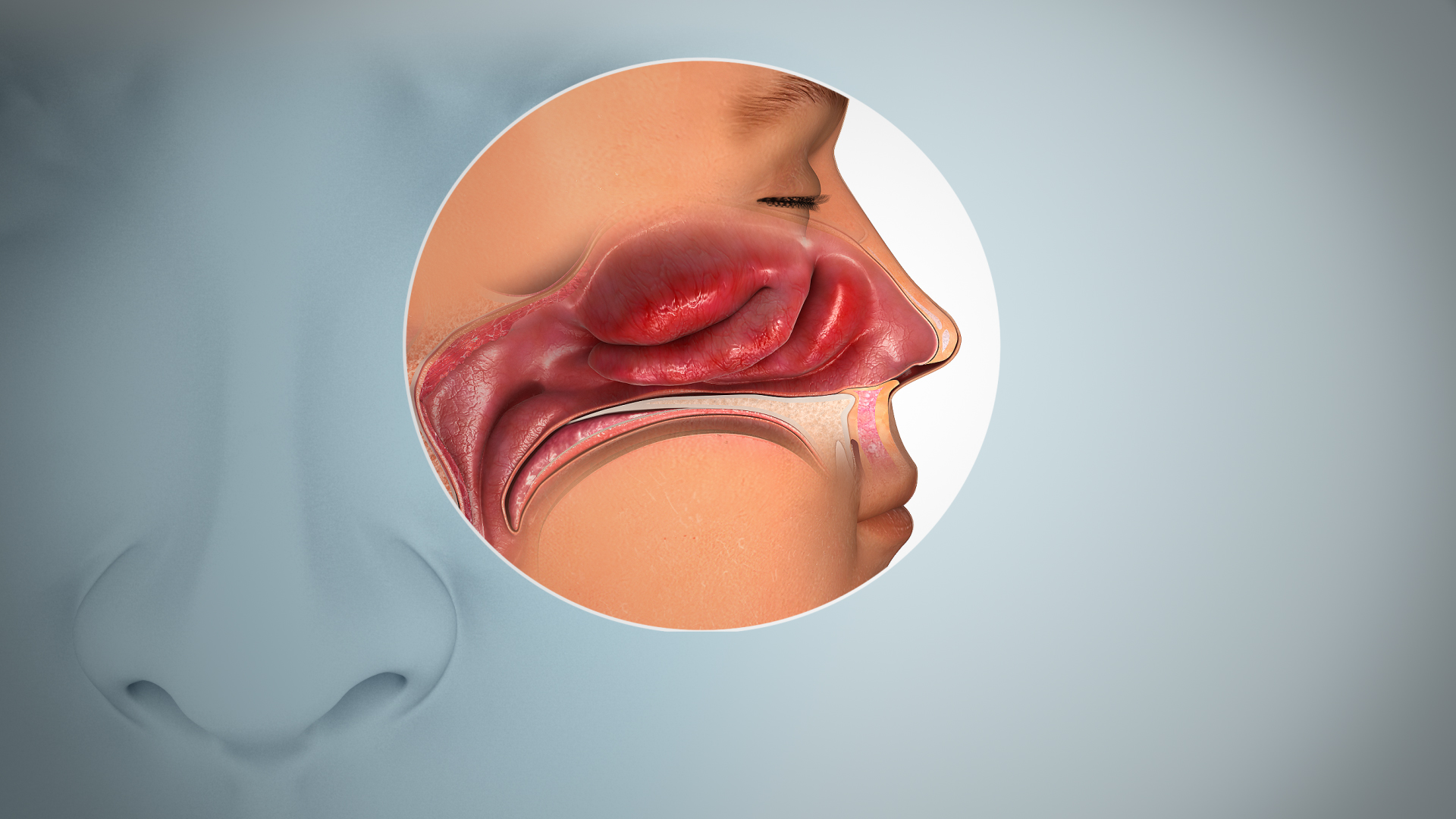
A side view anatomical drawing of the nasal sinuses depicting inflamed mucosa
Inflamed nasal mucosa causing anosmia
Pronunciation
SpecialtyOtorhinolaryngology
TypesPartial, total[2]

Anosmia, also known as smell blindness, is the lack of ability to detect one or more smells.[1][2] Anosmia may be temporary or permanent.[3] It differs from hyposmia, which is a decreased sensitivity to some or all smells.[2]

Anosmia can be categorized into acquired anosmia and congenital anosmia. Acquired anosmia develops later in life due to various causes, such as upper respiratory infections, head trauma, or neurodegenerative diseases.[4] In contrast, congenital anosmia is present from birth and is typically caused by genetic factors or developmental abnormalities of the olfactory system.[5] While acquired anosmia may have potential treatments depending on the underlying cause, such as medications or surgery, congenital anosmia currently has no known cure, and management focuses on safety precautions and coping strategies.[6]

Anosmia can be due to a number of factors, including inflammation of the nasal mucosa, blockage of nasal passages, or destruction of temporal lobular tissue.[7] Anosmia stemming from sinus inflammation is due to chronic mucosal changes in the lining of the paranasal sinus and in the middle and superior turbinates.[8][9]

When anosmia is caused by inflammatory changes in the nasal passageways, it is treated simply by reducing inflammation.[10][11] It can be caused by chronic meningitis and neurosyphilis that would increase intracranial pressure over a long period of time,[12] and, in some cases, by ciliopathy,[13] including ciliopathy due to primary ciliary dyskinesia.[14]

The term derives from the Neo-Latin anosmia, based on Ancient Greek ἀν- (an-) + ὀσμή (osmḗ 'smell'; another related term, hyperosmia, refers to an increased ability to smell). Some people may be anosmic for one particular odor, a condition known as "specific anosmia". The absence of the sense of smell from birth is known as congenital anosmia.[15]

In the United States, 3% of people aged over 40 are affected by anosmia.[3]

Anosmia is a common symptom of COVID-19 and can persist as long COVID.[16]

Definition

[edit]

Anosmia is the inability to smell.[1] It may be partial or total, and can be specific to certain smells.[2] Reduced sensitivity to some or all smells is hyposmia.[2]

Signs and symptoms

[edit]

Anosmia can have a number of harmful effects.[17] People with sudden onset anosmia may find food less appetizing, though congenital anosmics rarely complain about this, and none report a loss in weight. Loss of smell can also be dangerous because it hinders the detection of gas leaks, fire, and spoiled food. Misconceptions of anosmia as trivial can make it more difficult for a patient to receive the same types of medical aid as someone who has lost other senses, such as hearing or sight.[citation needed]

Many experience one sided loss of smell, often as a result of minor head trauma. This type of anosmia is normally only detected if both of the nostrils are tested separately. Using this method of testing each nostril separately will often show a reduced or even completely absent sense of smell in either one nostril or both, something which is often not revealed if both nostrils are simultaneously tested.[18]

Losing an established and sentimental smell memory (e.g. the smell of grass, of the grandparents' attic, of a particular book, of loved ones, or of oneself) has been known to cause feelings of depression.[19][better source needed]

Loss of the ability to smell may lead to the loss of libido, but this usually does not apply to those with olfactory dysfunction at birth.[19][20]

Often people who have loss of smell at birth report that they pretended to be able to smell as children because they thought that smelling was something that older/mature people could do, or did not understand the concept of smelling but did not want to appear different from others. When children get older, they often realize and report to their parents that they do not actually possess a sense of smell, often to the surprise of their parents.[citation needed]

Causes

[edit]

A temporary loss of smell can be caused by a blocked nose or infection. In contrast, a permanent loss of smell may be caused by death of olfactory receptor neurons in the nose or by brain injury in which there is damage to the olfactory nerve or damage to brain areas that process smell (see olfactory system). The lack of the sense of smell at birth, usually due to genetic factors, is referred to as congenital anosmia. Family members of the patient with congenital anosmia are often found with similar histories; this suggests that the anosmia may follow an autosomal dominant pattern.[21] Anosmia may very occasionally be an early sign of a degenerative brain disease such as Parkinson's disease and Alzheimer's disease.[22]

Another specific cause of permanent loss could be from damage to olfactory receptor neurons because of use of certain types of nasal spray; i.e., those that cause vasoconstriction of the nasal microcirculation. To avoid such damage and the subsequent risk of loss of smell, vasoconstricting nasal sprays should be used only when absolutely necessary and then for only a short amount of time. Non-vasoconstricting sprays, such as those used to treat allergy-related congestion, are safe to use for prescribed periods of time.[23] Anosmia can also be caused by nasal polyps. These polyps are found in people with allergies, histories of sinusitis, and family history. Individuals with cystic fibrosis often develop nasal polyps.[citation needed]

Amiodarone is a drug used in the treatment of arrhythmias of the heart. A clinical study demonstrated that the use of this drug induced anosmia in some patients. Although rare, there was a case in which a 66-year-old male was treated with amiodarone for ventricular tachycardia. After the use of the drug he began experiencing olfactory disturbance, however after decreasing the dosage of amiodarone, the severity of the anosmia decreased accordingly, suggesting a relationship between use of amiodarone to the development of anosmia.[24]

[edit]

Chemosensory disturbances, including loss of smell or taste, are the predominant neurological symptom of COVID-19.[25][26] As many as 80% of COVID-19 patients exhibit some change in chemesthesis, including smell. Loss of smell has also been found to be more predictive of COVID-19 than all other symptoms, including fever, cough, or fatigue, based on a survey of 2 million participants in the UK and US.[27] Google searches for "smell", "loss of smell", "anosmia", and other similar terms increased since the early months of the pandemic, and strongly correlated with increases in daily cases and deaths.[28] Research into the mechanisms underlying these symptoms is currently ongoing.[29][30]

Many countries list anosmia as an official COVID-19 symptom, and some have developed "smell tests" as potential screening tools.[31][32]

In 2020, the Global Consortium for Chemosensory Research, a collaborative research organization of international smell and taste researchers, formed to investigate loss of smell and related chemosensory symptoms.[33]

Decision-making in COVID-19 patients

[edit]

Studies have indicated that patients who presented with anosmia during the acute phase of COVID-19 are more likely to develop changes in decision-making, exhibiting more impulsive responses, which are associated with functional and structural brain changes.[34]

Possible causes

[edit]

Diagnosis

[edit]

Diagnosis begins with a detailed history, including possible related injuries, such as upper respiratory infections or head injury. The examination may involve nasal endoscopy for obstructive factors such as polyps or swelling.[7] A nervous system examination is performed to see if the cranial nerves are affected.[7] On occasion, after head traumas, there are people who have unilateral anosmia. The sense of smell should be tested individually in each nostril.[18]

Many cases of congenital anosmia remain unreported and undiagnosed. Since the disorder is present from birth the individual may have little or no understanding of the sense of smell, hence is unaware of the deficit.[56] It may also lead to reduction of appetite.[57]

Treatment

[edit]

Though anosmia caused by brain damage cannot be treated, anosmia caused by inflammatory changes in the mucosa may be treated with glucocorticoids. Reduction of inflammation through the use of oral glucocorticoids such as prednisone, followed by long term topical glucocorticoid nasal spray, would easily and safely treat the anosmia. A prednisone regimen is adjusted based on the degree of the thickness of mucosa, the discharge of oedema and the presence or absence of nasal polyps.[10] However, the treatment is not permanent and may have to be repeated after a short while.[10] Together with medication, pressure of the upper area of the nose must be mitigated through aeration and drainage.[58]

Anosmia caused by a nasal polyp may be treated by steroidal treatment or removal of the polyp.[59]

Although very early in development, gene therapy has restored a sense of smell in mice with congenital anosmia when caused by ciliopathy. In this case, a genetic condition had affected cilia in their bodies which normally enabled them to detect air-borne chemicals, and an adenovirus was used to implant a working version of the IFT88 gene into defective cells in the nose, which restored the cilia and allowed a sense of smell.[60][61]

Epidemiology

[edit]

In the United States, 3% of people aged over 40 are affected by anosmia.[3]

In 2012, smell was assessed in persons aged 40 years and older with rates of anosmia/severe hyposmia of 0.3% at age 40–49 rising to 14.1% at age 80+. Rates of hyposmia were much higher: 3.7% at age 40–49 and 25.9% at 80+.[62]

Famous people with anosmia

[edit]

See also

[edit]

References

[edit]

Further reading

[edit]
Revisions and contributorsEdit on WikipediaRead on Wikipedia
from Grokipedia
Anosmia is the complete or near-complete inability to perceive odors, resulting from dysfunction in the , nerves, or brain processing areas. This condition contrasts with , which involves diminished but not absent smell detection. Anosmia may be congenital, present from birth due to genetic factors such as , or acquired later in life through various etiologies including viral infections, head trauma, or neurodegenerative diseases. In the United States, anosmia affects approximately 3% of adults over age 40, with prevalence rising to over 5% in those over 65, though broader olfactory dysfunction (including ) impacts up to 20% of the population. Common causes include post-viral olfactory loss, which accounts for up to 40% of cases in adults, alongside chronic , nasal polyps, and exposure to toxins. Less frequently, it signals underlying conditions like or tumors. Anosmia significantly impairs by blunting flavor perception—since relies heavily on retronasal olfaction—and heightening risks from undetected dangers such as gas leaks, , or spoiled . Affected individuals often report emotional distress, , and nutritional challenges, with studies linking persistent smell loss to elevated depression and reduced daily functioning. typically employs standardized olfactory tests like the University of Pennsylvania Smell Identification Test, while management focuses on treating reversible causes or olfactory training to promote neural recovery in idiopathic cases.

Definition and Classification

Definition

Anosmia is the complete absence of the , defined as the total inability to detect s through the . This condition contrasts with , which entails a partial or reduced ability to perceive smells, and , involving distorted perception. The term originates from Greek roots "an-" (without) and "osmē" (smell), emphasizing the functional deficit in olfaction rather than mere nasal obstruction. Olfactory dysfunction like anosmia impairs detection of volatile chemical compounds in the air, which normally bind to receptors in the nasal epithelium to transmit signals to the via the . In anosmia, this pathway fails entirely, often without affecting basic sensations (sweet, sour, salty, bitter), though flavor perception suffers due to the interplay between smell and . The disorder can manifest unilaterally (one nostril) or bilaterally and is diagnosed via standardized tests such as the Smell Identification Test (UPSIT), where scores indicate complete anosmia. Prevalence estimates for anosmia in the range from 3% to 20%, with rates rising markedly in older individuals—approaching 50% or higher beyond age 65—due to cumulative neuronal degeneration, though exact figures vary by diagnostic criteria and studied. Temporary anosmia affects millions annually, often linked to viral infections, while permanent cases stem from irreversible damage.

Types and Classification

Anosmia, the complete absence of the , is broadly classified by onset into congenital and acquired forms. Congenital anosmia, present from birth and comprising approximately 2-3% of the population with olfactory disorders, is often idiopathic or linked to genetic conditions such as , which involves and anosmia due to failure of development. Acquired anosmia, far more prevalent and accounting for over 90% of cases, arises postnatally from identifiable insults like viral infections, head trauma, or neurodegenerative diseases. Mechanistically, anosmia is categorized as conductive (transport-related) or sensorineural, analogous to classifications in auditory dysfunction. Conductive anosmia results from physical obstruction or inflammation impeding odorant molecules from reaching the , as seen in chronic rhinosinusitis, nasal polyps, or , where airflow blockage prevents stimulation of receptors. Sensorineural anosmia involves damage to the olfactory neuroepithelium, cranial nerve I, or central processing pathways, commonly following upper respiratory infections that destroy receptor cells or traumatic shearing of olfactory filaments. Mixed forms, combining both mechanisms, occur in conditions like post-traumatic cases with both structural and neural injury. By severity and qualitative aspects, anosmia is distinguished from related disorders: total anosmia denotes inability to detect any odors, while partial anosmia or reflects diminished detection thresholds, often progressing to complete loss if untreated. Specific anosmia refers to selective loss for particular odorants due to isolated receptor deficits, whereas qualitative distortions like (distorted perception of odors) or (perception of nonexistent smells) may accompany or follow resolution of quantitative deficits but are not true anosmia. Age-related presbyosmia, a gradual sensorineural decline starting around age 60, represents a subtype of acquired rather than frank anosmia in most cases.

Pathophysiology

Olfactory System Anatomy and Function

The olfactory system begins in the peripheral compartment with the olfactory epithelium, a specialized pseudostratified neuroepithelium located in the superior nasal cavity, specifically along the cribriform plate of the ethmoid bone and extending to the superior turbinates. This epithelium consists primarily of three cell types: bipolar olfactory receptor neurons (ORNs), which serve as the primary sensory transducers; supporting (sustentacular) cells that provide structural and metabolic support; and basal stem cells responsible for regenerating ORNs, which have a lifespan of approximately 30-60 days. ORNs extend a single dendrite apically, terminating in 10-20 non-motile cilia immersed in nasal mucus, where odorant molecules dissolve and bind to G-protein-coupled receptors (GPCRs) expressed on the ciliary membrane; humans possess around 400 functional olfactory receptor genes encoding these receptors, enabling detection of diverse volatile compounds. Upon odorant binding, olfactory transduction occurs via a second-messenger cascade: the receptor activates the G-protein , stimulating to produce cyclic AMP (), which opens cyclic nucleotide-gated (CNG) cation channels, allowing influx of Na⁺ and Ca²⁺ ions, the neuron and generating action potentials that propagate along the unmyelinated axon. This Ca²⁺ entry also amplifies the signal by opening Ca²⁺-activated Cl⁻ channels, contributing to further through Cl⁻ efflux, a mechanism confirmed in models and essential for odor sensitivity thresholds as low as . The axons of approximately 6-10 million ORNs per fasciculate into 20-40 fila olfactoria, which traverse the foramina to in the ipsilateral without synapsing intermediately, bypassing the typical thalamic relay seen in other sensory pathways. In the olfactory bulb, a laminated structure ventral to the frontal lobe, ORN axons converge in a topographical manner onto approximately 2,000 glomeruli—spherical neuropil structures where each glomerulus receives input from ORNs expressing a single receptor type, ensuring odor-specific patterning. Within glomeruli, excitatory mitral cells and tufted cells receive primary synapses and integrate signals via dendrodendritic interactions with inhibitory periglomerular and granule interneurons, refining odor representation through lateral inhibition and gain control. Mitral and tufted cell axons then form the olfactory tract, projecting directly to primary olfactory cortices including the anterior olfactory nucleus, piriform cortex, and entorhinal cortex, facilitating conscious perception, odor discrimination, and integration with limbic structures for emotional and memory associations. This architecture supports rapid adaptation to persistent odors via feedback mechanisms and enables the system to distinguish thousands of scents, though it lacks tonotopic organization akin to audition or vision.

Mechanisms of Dysfunction

Olfactory dysfunction resulting in anosmia primarily occurs through three mechanistic categories: conductive, sensorineural, and central disruptions. Conductive mechanisms involve physical obstruction that prevents odorant molecules from accessing the located in the superior . This blockage, often due to mucosal edema, nasal polyps, or excessive mucus production, impairs the transport of volatile compounds to receptor sites without damaging neural structures. Such obstructions account for 30-70% of olfactory losses in conditions like chronic rhinosinusitis, where inflamed turbinates or septal deviations further restrict airflow to the olfactory cleft. Sensorineural mechanisms entail direct injury to the olfactory sensory neurons (OSNs) or supporting , disrupting from odorant binding to neural firing. Viral infections, such as those from upper respiratory tract pathogens, induce epithelial inflammation, of OSNs, or loss of cilia, with recovery rates varying from 32-66% depending on regeneration from basal stem cells. Traumatic forces shear delicate olfactory axons traversing the , leading to retrograde degeneration of OSNs and potential scarring that hinders axonal regrowth across the plate. Toxic exposures, including or certain agents, trigger and neuronal death, while age-related sensorineural decline involves progressive OSN turnover failure, affecting up to 22% of individuals over 60. Central mechanisms arise from lesions or degenerative processes in the , tracts, or higher cortical regions like the and orbitofrontal areas, where intact peripheral signals fail to be processed. Neurodegenerative disorders such as reduce olfactory bulb volume and gray matter in processing centers, contributing to anosmia in early stages. Traumatic brain injury or neoplasms compressing central pathways similarly impair integration, though these account for fewer isolated anosmia cases compared to peripheral etiologies. Mixed mechanisms often coexist, as initial conductive blocks can progress to sensorineural damage via prolonged inflammation.

Signs and Symptoms

Primary Symptoms

The primary symptom of anosmia is the complete inability to detect odors, regardless of their intensity, familiarity, or chemical composition. This sensory deficit distinguishes anosmia from , which involves only partial reduction in olfactory function. The loss may manifest suddenly, as in post-viral cases, or gradually, often going unnoticed until routine scents like food aromas or environmental hazards fail to register. Olfactory impairment directly alters flavor perception, as approximately 80% of taste experience derives from retronasal olfaction during eating; affected individuals typically report that foods bland or unappealing, with difficulty differentiating subtle flavors despite preservation of basic gustatory qualities such as sweet, sour, salty, bitter, and . Basic detection remains intact via the tongue's chemoreceptors, but the absence of olfactory input diminishes overall sensory enjoyment and discrimination. In clinical assessments, patients often demonstrate this through standardized olfactory tests, confirming zero detection threshold for common odorants.

Associated Manifestations

Anosmia is commonly associated with perceived alterations in taste perception, including (complete loss of ) or (distorted ), though true gustatory dysfunction is less frequent than olfactory impairment; the perceived loss often stems from the diminished contribution of smell to flavor detection, as the integrates with gustatory pathways in the . In clinical evaluations, up to 80% of patients reporting anosmia also describe changes, but objective testing reveals that thresholds for basic qualities (sweet, sour, bitter, salty, ) remain largely intact unless direct damage to or nerves occurs. Nasal symptoms such as congestion, , or frequently accompany anosmia, particularly when caused by upper respiratory infections or inflammatory conditions, reflecting shared mucosal involvement in the nasal passages. Headaches may co-occur, potentially indicating changes, sinus pathology, or neurological involvement, warranting further investigation to differentiate benign from serious etiologies. In chronic cases, anosmia can manifest with secondary effects including reduced appetite and unintended , as the inability to detect food aromas diminishes and sensory enjoyment of meals; nutritional deficiencies and depressive symptoms have been reported in affected individuals, with studies linking prolonged olfactory loss to increased risk of mood disorders. Safety-related manifestations, such as failure to detect , gas leaks, or spoiled , pose hazards but are consequences rather than direct physiological symptoms.

Causes

Acquired Causes

Acquired anosmia results from diverse post-natal etiologies that disrupt , nerve fibers, or central processing pathways, with sinonasal diseases comprising the leading cause (7–56% of cases), followed by post-upper respiratory infections (18–45%), head trauma (8–20%), and toxic exposures. These mechanisms often involve mechanical obstruction, inflammatory damage to the olfactory mucosa, direct neuronal injury, or neurodegenerative processes, contrasting with congenital forms arising from developmental anomalies. varies by population, but acquired forms predominate in clinical settings, affecting up to 20% of individuals at some point.

Obstructive and Inflammatory

Obstructive causes impede airflow to the olfactory cleft, while inflammatory processes erode the sensory epithelium through edema, cytokine release, and mucosal remodeling. Chronic rhinosinusitis, often bacterial or fungal, leads to persistent and polyp formation, obstructing the nasal vault and region; nasal polyps alone account for significant anosmia cases by physically blocking odorant access. triggers eosinophilic infiltration and swelling, reducing stimulation, with symptoms exacerbated during seasonal flares. Non-allergic and acute similarly cause transient or progressive loss via congestion and secondary epithelial damage. In chronic cases, recurrent correlates with on imaging, underscoring irreversible neuronal loss if untreated. Treatment targeting , such as corticosteroids or , can restore function in 20–50% of obstructive cases, though outcomes depend on duration and severity.

Post-Infectious

Viral upper respiratory infections damage sustentacular cells in the , leading to receptor degeneration and ; over 200 viruses, including rhinoviruses and , are implicated, but has emerged as a major driver since 2020. In , anosmia affects 40–60% of patients acutely, often preceding respiratory symptoms, via ACE2 receptor-mediated viral entry into support cells, triggering inflammation and temporary or persistent /anosmia. Recovery occurs in most within 4 weeks, but 10–30% experience prolonged dysfunction beyond 6 months, with in up to one-third, linked to aberrant nerve regeneration. Post-infectious anosmia from non-COVID viruses follows similar epithelial injury but typically resolves faster, within 2–4 weeks, though chronic cases may involve central neural remodeling. Olfactory training accelerates recovery, improving thresholds in 30–60% of patients per randomized trials.

Traumatic and Iatrogenic

Head trauma shears olfactory fila passing through the , causing immediate or delayed anosmia in 8–20% of cases, with severity correlating to injury force and frontal impact; contrecoup effects damage the directly. Recovery potential exists in 30% within 12 weeks via axonal sprouting, but often precludes full restoration. Iatrogenic anosmia arises from surgical interventions, particularly endoscopic sinus or septal procedures, fracturing the or severing nerves; complications include up to 20% transient loss from mucosal trauma or cautery. for head/neck cancers induces dose-dependent epithelial atrophy, while agents like contribute via . varies, with surgical cases showing 10–40% permanent deficit if cribriform violation occurs.

Neurological and Toxic

Neurological causes involve central or peripheral neurodegeneration; precedes motor symptoms with olfactory loss in 90% of cases due to deposition in the , while Alzheimer's affects 80–90% via pathology disrupting entorhinal projections. Brain tumors, aneurysms, or demyelinate olfactory tracts, causing unilateral or bilateral deficits. Toxic exposures, including solvents, pesticides, and like , induce chemical of the , with chronic low-level inhalation linked to persistent anosmia in industrial workers. accelerates age-related decline via ciliotoxicity, though direct causation remains debated. These etiologies often present insidiously, requiring for diagnosis, with limited reversibility except in early toxic cases via cessation.

Obstructive and Inflammatory

Obstructive causes of anosmia involve mechanical blockages in the nasal passages that prevent odorants from reaching the . Nasal polyps, benign growths arising from the sinonasal mucosa, frequently obstruct the olfactory cleft, resulting in or anosmia in affected individuals. These polyps are particularly prevalent in chronic with nasal polyposis (CRSwNP), where they contribute to airflow obstruction and reduced olfactory function. Other obstructive etiologies include deviated , which alters nasal airflow and impairs odor detection, and intranasal tumors that physically impede the nasal airway. Inflammatory processes primarily disrupt olfaction through mucosal and cytokine-mediated damage to olfactory receptors, rather than complete blockage. Chronic rhinosinusitis (CRS), characterized by persistent inflammation of the sinonasal mucosa lasting over 12 weeks, affects olfactory function in 60-80% of patients, with anosmia more severe in those with polyps and inflammation. induces nasal inflammation via IgE-mediated responses, leading to temporary or anosmia due to swollen mucosa blocking odorant access. Acute inflammatory events, such as viral upper respiratory infections, can cause transient anosmia through similar mechanisms, though chronic cases often involve ongoing . In CRSwNP, inflammatory mediators like exacerbate both and epithelial damage, correlating with olfactory test scores. Obstructive and inflammatory mechanisms frequently coexist, as in nasal polyposis where inflammation promotes polyp formation and subsequent obstruction. Prevalence data indicate that sinonasal diseases account for the majority of conductive anosmia cases, with resolution often following targeted or surgical interventions.

Post-Infectious

Post-infectious anosmia, also known as postviral olfactory loss, arises following viral infections of the upper and represents the leading cause of acquired anosmia in adults, accounting for up to 40% of cases. Unlike obstructive etiologies, it typically persists beyond the resolution of acute or congestion, often lasting weeks to months. Common implicated viruses include rhinoviruses, non-SARS coronaviruses (such as HCoV-229E), , parainfluenza, and Epstein-Barr virus, with infection triggering damage to the or neural pathways. The virus, responsible for , has been associated with particularly high rates of post-infectious anosmia, with meta-analyses estimating an incidence of around 50% among infected individuals, often presenting suddenly without nasal obstruction. Mechanisms may involve direct viral entry via ACE2 receptors on sustentacular cells and olfactory sensory neurons, leading to epithelial , apoptosis of supporting cells, or immune-mediated ; central nervous system involvement, such as altered metabolism in olfactory regions, has also been proposed in some cases. Prognosis varies, with self-reported recovery rates reaching approximately 95% within 6 months post- for cases, though objective psychophysical testing reveals higher persistence of or anosmia, affecting 66% of previously infected individuals in one large cohort, including 8.2% with severe impairment. Long-term studies indicate persistent symptoms in 14-19% of patients beyond 6-12 months, potentially linked to incomplete neuronal regeneration or ongoing . Factors such as infection severity and age may influence duration, but evidence for complete irreversibility remains limited outside rare chronic cases.

Traumatic and Iatrogenic

Traumatic anosmia arises primarily from mechanical disruption of the olfactory neuroepithelium or central pathways due to , often involving shearing of filaments as they pass through the of the . Posterior impacts are associated with higher risk compared to anterior trauma, as they more directly affect the and tracts. Incidence varies by trauma severity, with olfactory dysfunction reported in 4-68% of (TBI) cases, though anosmia specifically affects approximately 5-20% of head trauma patients. Mild TBI can also lead to anosmia, as evidenced by cases following minor impacts like bumping into objects. Recovery rates for post-traumatic anosmia range from 15-50%, with significant improvement in about 36% of cases, often occurring within the first year but diminishing after two years. Factors influencing include injury severity, involvement, and early olfactory training, which has shown efficacy in meta-analyses with recovery rates up to 36% within eight months. Iatrogenic anosmia results from medical interventions damaging olfactory structures, most commonly during endoscopic sinus surgery or skull base procedures, where disruption of the olfactory cleft or occurs in up to 20-40% of high-risk cases. Patient factors such as preoperative , extensive polyposis, or aggressive surgical revision increase postoperative olfactory loss risk. Certain medications, including and rarely , have been linked to anosmia via FDA reports and case studies, though causality requires further verification beyond databases. for head and neck cancers can induce olfactory epithelium damage, contributing to persistent deficits. Unlike traumatic cases, iatrogenic anosmia recovery depends on intervention specifics, with limited data on spontaneous resolution rates.

Neurological and Toxic

Neurological causes of anosmia encompass disorders affecting the central olfactory pathways, including the , tracts, and cortical processing areas. In neurodegenerative diseases such as , olfactory dysfunction manifests early and is near-universal, with anosmia or present in up to 90% of cases prior to motor symptoms. Similarly, in , anosmia precedes cognitive decline and affects a significant proportion of patients, serving as a potential for progression. Multiple sclerosis can disrupt olfactory function through demyelination of central pathways, leading to partial or complete loss. Brain tumors, particularly those impinging on the olfactory groove or orbitofrontal regions such as meningiomas, directly compress olfactory or tracts, resulting in unilateral or bilateral anosmia. Strokes affecting vascular supply to olfactory structures, including bilateral infarcts, have been documented to cause acquired anosmia, with deficits persisting in chronic phases even in mild to moderate cases. Other neurological etiologies include , where seizures may transiently or permanently impair smell processing, and involving the olfactory or bulb. Toxic causes arise from exposure to chemicals that damage or neurons, accounting for 1-5% of all olfactory disorders. Occupational solvents such as and other organic compounds have induced anosmia and in exposed workers, with acute onset linked to direct mucosal . Pesticides, insecticides, and corrosive industrial agents irritate and necrose olfactory neuroepithelium, leading to persistent deficits documented in case series. Such exposures primarily affect peripheral receptors due to their contact with inhaled toxins, though central effects may occur with systemic absorption. Recovery varies, often incomplete without removal from the agent.

Congenital and Genetic Causes

Congenital anosmia, the absence of olfactory function from birth, arises from developmental failures in the , including aplasia or of the olfactory bulbs and tracts, or replacement of by . This condition is rare, with estimates suggesting a of 1 in 5,000 to 1 in 10,000 individuals, though exact figures remain uncertain due to underdiagnosis. Isolated congenital anosmia (ICA), unassociated with broader syndromes, accounts for many cases and is linked to genetic variants disrupting olfactory or , with recent genomic studies identifying 162 variants across 158 candidate genes, including those involved in neuronal migration and signaling pathways. These findings, derived from whole-exome sequencing of affected families, highlight polygenic contributions but lack a single dominant causal mutation in most ICA patients. Syndromic forms integrate anosmia with multisystem disorders, most prominently , a genetic condition characterized by congenital and anosmia or due to impaired migration of neurons and olfactory axons during embryogenesis. KS exhibits , with in over 20 genes—such as KAL1 (now ANOS1), FGFR1, PROKR2, and CHD7—accounting for approximately 30-50% of cases, often following autosomal dominant, recessive, or X-linked inheritance patterns. The prevalence of KS is estimated at 1 in 8,000 males and 1 in 40,000 females, with anosmia present in nearly all patients due to olfactory bulb aplasia confirmed via MRI. Pathogenic variants disrupt signaling or extracellular matrix interactions critical for neural crest-derived , underscoring a shared developmental with isolated . Additional genetic syndromes feature anosmia as a core or variable trait. Congenital insensitivity to pain with anhidrosis (CIPA), caused by biallelic mutations in NTRK1, impairs signaling, resulting in deficits that include olfactory loss alongside pain insensitivity and thermoregulatory failure. Ciliopathies, such as Bardet-Biedl syndrome (mutations in BBS genes) or (e.g., CEP290 variants), involve defective primary cilia in olfactory s, leading to or anosmia through disrupted chemosensory transduction. Rare isolated mutations, like those in SPRY4, have been reported to cause severe congenital smell defects with later , suggesting broader roles for Sprouty proteins in olfactory pathway development. Diagnosis of these causes typically requires targeted genetic panels or , as phenotypic overlap complicates clinical differentiation without molecular confirmation.

Diagnosis

History and Clinical Assessment

The clinical evaluation of anosmia commences with a comprehensive history to characterize the olfactory deficit and identify potential etiologies. Key elements include the onset (sudden versus gradual), duration, and progression of smell loss, as well as whether it is unilateral or bilateral, which can differentiate peripheral from central causes. Patients should be queried regarding associated symptoms such as altered taste perception (often perceived as flavor loss due to retronasal olfaction impairment), , discharge, facial pain, or systemic complaints like or neurological deficits. Recent or past upper respiratory infections, head trauma, sinonasal , or exposure to ototoxic agents (e.g., certain drugs or industrial solvents) must be documented, as these account for a significant proportion of cases—post-viral anosmia following infections like has been reported in up to 60% of acute cases in some cohorts. history, including intranasal steroids, antibiotics, or antihypertensives, alongside habits like smoking or environmental exposures, is elicited, as polypharmacy correlates with olfactory decline in older adults. Family of congenital anosmia or Kallmann syndrome, and psychosocial impacts such as reduced appetite or safety concerns (e.g., detecting smoke or spoiled food), are also assessed to guide differential diagnosis. Validated questionnaires, such as the Brief Smell Identification Test or subjective scales like the Visual Analog Scale for olfactory function, may supplement history-taking to quantify self-reported impairment, though these are subjective and require correlation with objective measures. Red-flag features prompting urgent evaluation include sudden bilateral loss with neurological symptoms (suggesting or tumor) or progressive unilateral deficit (indicating possible mass ). Clinical assessment involves a targeted , beginning with inspection of the external for , trauma, or discharge, followed by anterior rhinoscopy to evaluate the nasal vestibule and for polyps, mucosal edema, or purulent secretions that could obstruct airflow to the . , using a flexible or rigid , is a procedure to visualize the middle and superior , turbinates, and nasopharynx for inflammatory changes, neoplasms, or structural anomalies not apparent on routine exam; this identifies obstructive causes in approximately 20-30% of cases, such as nasal polyps in chronic rhinosinusitis. The oral cavity and oropharynx are examined for dental issues or infections contributing to perceived loss, while a basic neurological screen assesses , particularly I (olfactory, via informal testing if feasible) and V/VII for trigeminal or involvement. In cases suspecting systemic involvement, vital signs and general exam for endocrine or disorders (e.g., signs of in genetic anosmias) are included. This stepwise approach prioritizes reversible obstructive pathologies before advancing to specialized testing.

Olfactory Testing

Olfactory testing employs standardized psychophysical methods to objectively quantify the , enabling classification of olfactory function as normosmic, hyposmic, or anosmic based on empirical thresholds derived from normative data. These tests are essential in clinical of anosmia, distinguishing it from subjective self-reports, which can overestimate or underestimate deficits due to lack of . Threshold tests measure the lowest detectable concentration, while suprathreshold tests assess (ability to differentiate similar odors) and identification (ability to name or recognize odors), often combined into composite scores for comprehensive evaluation. The Smell Identification Test (UPSIT) is a widely used, self-administered suprathreshold test consisting of 40 microencapsulated odorants in a scratch-and-sniff booklet, with forced-choice multiple-choice responses for identification. Scores range from 0 to 40, with lower scores indicating impairment; normative data account for age and gender, showing high test-retest reliability (strong to very strong correlations) and validity in detecting dysfunction. The test's sensitivity reaches 82% and specificity 66% at certain cutoffs, though performance may vary by population due to cultural familiarity with odors. Sniffin' Sticks, a comprehensive orthonasal test kit using odorized felt-tip pens, evaluates threshold (via n-butanol dilutions), (16 triplets of pens), and identification (16 common odors with four-choice options), yielding a TDI (threshold--identification) composite score. It demonstrates robust test-retest reliability, with correlations of 0.80 for , 0.88 for identification, and 0.92 for threshold, supporting its utility in serial monitoring of anosmia progression or recovery. Normative values from large cohorts allow , such as severe microsmia or anosmia at low TDI scores, with adaptations for cross-cultural validity. Other protocols, including abbreviated versions or retronasal tests like the Candy Smell Test, complement these for specific contexts, such as pediatric or post-viral assessment, but full quantitative batteries remain the gold standard for precision. Testing protocols typically involve standardized administration in a controlled environment to minimize confounds like congestion, with results guiding etiology-specific management. Limitations include potential biases from cognitive factors in identification tasks and the need for patient cooperation, underscoring the value of multiple test modalities for robust diagnosis.

Imaging and Laboratory Evaluation

(MRI) serves as the primary imaging modality for evaluating anosmia when structural or neurological causes are suspected, offering detailed visualization of the s, tracts, and central processing areas such as the . Studies have demonstrated that MRI can identify reduced volume in post-traumatic and post-infectious cases, with one review of 365 patients reporting abnormalities like lesions in 86% of post-traumatic anosmia instances. Indications for MRI include unilateral anosmia, head trauma history, progressive symptoms, or neurological deficits, as these raise concern for tumors, , or neurodegenerative processes; however, routine MRI for idiopathic cases yields low diagnostic value and is not cost-effective, with estimated costs exceeding $325,000 per causative finding identified. Computed tomography (CT) scanning complements MRI by assessing bony structures and for obstructive etiologies, such as polyps, fractures, or chronic rhinosinusitis, which may impede airflow to the . CT is particularly useful in inflammatory or post-infectious contexts where mucosal thickening or sinus opacification is present, guiding potential surgical interventions like polypectomy. Advanced techniques like functional MRI (fMRI), (SPECT), and (PET) provide insights into olfactory pathway activation and perfusion but remain investigational, primarily employed in research settings to detect hypometabolism or hypoperfusion in areas like the piriform gyrus. Laboratory evaluation for anosmia is not routine but targeted to differential diagnoses suggested by history and examination, focusing on systemic conditions that may impair olfactory function. Common tests include serum levels of , , and , as deficiencies—particularly hypozincemia—have been linked to reversible olfactory loss in nutritional or malabsorptive states. , , and inflammatory markers like may be ordered to screen for endocrine disorders, infections, or autoimmune processes such as Sjögren's syndrome. In cases with suspected infectious or neoplastic causes, targeted serologies (e.g., for or ) or tumor markers could be considered, though evidence for broad panels is limited, emphasizing the need for etiology-driven selection to avoid unnecessary testing.

Treatment and Management

Etiology-Specific Interventions

For obstructive etiologies, such as nasal polyps or septal deviations, endoscopic surgical interventions like polypectomy or aim to relieve mechanical blockage and restore airflow to the , with success rates varying based on the extent of obstruction. Medical approaches include intranasal corticosteroids (e.g., mometasone or fluticasone sprays) to shrink polyps and reduce mucosal swelling, often combined with saline irrigation for adjunctive clearance. Inflammatory causes, including chronic rhinosinusitis, are managed primarily with topical or systemic glucocorticoids to suppress ongoing mucosal inflammation, alongside antihistamines for allergic components and antibiotics (e.g., ) if bacterial is confirmed via . For cases refractory to , (FESS) targets diseased sinus tissue to improve ventilation and olfaction, with studies reporting olfactory improvement in up to 60% of patients post-procedure. Post-infectious anosmia, often following viral upper respiratory infections, warrants a of short-term systemic corticosteroids (e.g., prednisolone 40 mg daily tapered over 10-14 days) if symptoms persist beyond 2 weeks, demonstrating modest improvements in threshold-detection-identification (TDI) scores (e.g., from 14.4 to 18.9 points) in level 3-4 evidence . Topical steroids, such as irrigations, serve as an alternative or adjunct, yielding recovery in approximately 50% of cases when initiated early, though benefits are less pronounced without concurrent inflammation. Traumatic anosmia, resulting from shearing of olfactory filaments or frontal lobe contusions, lacks robust specific therapies; acute systemic corticosteroids may reduce perineural and promote regeneration, but randomized data are absent, with natural recovery occurring in under 20% of severe cases within 1 year. Limited evidence from small cohorts supports supplementation (e.g., 50 mg daily for 6 months), correlating with significant TDI gains versus controls. Iatrogenic anosmia induced by medications (e.g., certain antihypertensives or antibiotics) is addressed by discontinuing the culprit agent, with olfactory recovery observed in most cases within weeks to months if is reversible; dose reduction or substitution is preferred when cessation risks outweigh benefits. Neurological etiologies, such as olfactory groove meningiomas or neurodegenerative diseases (e.g., Parkinson's), require targeted management of the primary pathology—surgical excision or stereotactic for compressive lesions, potentially restoring function in 30-50% of operable cases depending on preoperative nerve integrity. For diffuse processes like Alzheimer's, no direct olfactory restoration exists beyond symptomatic support. Toxic exposures (e.g., to solvents or ) necessitate immediate cessation of contact and where applicable (e.g., EDTA for lead), with partial recovery feasible if axonal damage is not permanent, though chronic cases often persist. Congenital anosmia, stemming from of olfactory bulbs or genetic (e.g., in PROKR2 or KAL1 genes), has no established curative interventions, as structural deficits preclude regeneration; management remains supportive without evidence for or .

Symptomatic and Rehabilitative Approaches

Olfactory training represents the primary rehabilitative approach for anosmia, involving twice-daily exposure to strong, familiar odors such as , , , and for 20-30 seconds each, typically over 12 weeks or longer. This method aims to stimulate olfactory by promoting regeneration of neurons and central nervous system adaptation. A 2024 meta-analysis of randomized controlled trials demonstrated that olfactory training significantly improves olfactory function, with standardized mean differences indicating moderate effect sizes in threshold, , and identification scores. Clinical trials, including those for post-infectious anosmia, report recovery rates of 20-50% with olfactory , particularly when initiated early after symptom onset. For instance, in a placebo-controlled study of chronic olfactory disorder patients, 12 weeks of reduced anosmia from baseline levels to 2% in the active group versus 7.8% in controls, alongside improvements in quality-of-life measures related to smell. Intensive variants, using additional odors or shorter intervals, yield comparable or slightly enhanced outcomes in post-viral cases, though no superiority over standard protocols has been consistently shown. Adjuncts like systemic corticosteroids may augment efficacy in acute phases, but evidence for standalone symptomatic relief remains limited to short-term use. Symptomatic management emphasizes compensatory strategies to mitigate risks from impaired odor detection, such as installing and smoke alarms, using visual or date-based checks, and enhancing flavor perception through texture and spice in meals. These non-pharmacological adaptations address safety and nutritional challenges without restoring olfaction, supported by clinical guidelines prioritizing them alongside . Experimental symptomatic options, including intranasal or alpha-lipoic acid, show inconsistent benefits and lack robust endorsement due to small trial sizes and variable replication. on these approaches, often delivered via specialized smell clinics, underscores adherence to protocols for optimal rehabilitative gains.

Emerging and Experimental Therapies

(PRP) injections into the olfactory cleft have shown preliminary efficacy in restoring olfactory function in patients with post-viral and traumatic anosmia. A 2025 involving patients with COVID-19-related olfactory dysfunction demonstrated significant improvements in psychophysical measures of smell identification, , and threshold following PRP administration, with effects persisting at 6-month follow-up. Similarly, a of a 73-year-old with 45-year post-traumatic anosmia reported substantial recovery after PRP injections, suggesting potential neuroregenerative mechanisms via growth factors in PRP. However, a 2022 placebo-controlled study found improvements limited to smell without differences in threshold or identification, indicating variable outcomes possibly dependent on and timing. Stem cell therapies, primarily investigated in preclinical models, aim to regenerate the by transplanting or mesenchymal intranasally. A 2025 study in anosmia-induced mice reported that intranasal transplantation restored structure and function, with increased expression of olfactory markers and behavioral improvements in detection. Human applications remain experimental; exogenous approaches are proposed to augment endogenous repair in cases where basal cells fail, but clinical trials are limited, with ongoing focusing on safety and integration. Challenges include immune rejection and ethical sourcing, restricting progress to animal models and early-phase human studies. Gene therapy targets genetic ciliopathies underlying congenital anosmia by delivering corrective genes via viral vectors to olfactory neurons. Preclinical work in models of ciliopathy-induced anosmia has successfully rescued ciliary defects and restored odor perception through adeno-associated virus-mediated gene transfer, with behavioral evidence of recovered smell-guided navigation. A 2013 study similarly demonstrated functional restoration in a mammalian model, highlighting potential for targeted correction of monogenic defects. Translation to humans is nascent, confined to proof-of-concept due to delivery challenges across the blood-nasal barrier and off-target effects, with no approved therapies as of 2025. Non-invasive neuromodulation techniques, such as anodal (tDCS) combined with olfactory training, have yielded positive results in randomized trials for persistent post-COVID anosmia. A 2025 RCT with 52 participants showed that tDCS targeting prefrontal areas enhanced olfactory scores more than training alone, with mechanisms attributed to cortical plasticity and increased neural excitability. Emerging pharmacological agents, including intranasal CYR-064 in phase 2 trials (FLAVOR study, initiated 2024), are evaluating tolerability and efficacy for by modulating olfactory signaling pathways. These interventions remain investigational, requiring larger trials to confirm durability and broad applicability across anosmia etiologies.

Prognosis

Recovery Rates and Factors

Post-viral anosmia exhibits high recovery rates, with meta-analyses indicating that approximately two-thirds of cases resolve spontaneously within one to two years, though timelines vary by specific viral . In cases linked to infection, self-reported recovery approaches 95% within six months, but objective psychophysical testing reveals persistent dysfunction in 5-10% of patients even after prolonged follow-up. Complete recovery often occurs within 7-30 days for most, with 80-90% regaining function by , though severe initial impairment delays this process. Traumatic anosmia carries a poorer , with recovery in about 30% of cases, predominantly within the first 12 weeks post-injury. Severe head trauma, shearing of olfactory filaments, or immediate symptom onset correlates with lower recovery likelihood, as neural regeneration is limited by the extent of axonal damage. Idiopathic or neurodegenerative causes, such as those in Parkinson's or , show minimal spontaneous recovery, with progression rather than resolution being typical. Key factors influencing recovery include , with conductive losses (e.g., from polyps or obstructions) yielding near-complete resolution post-treatment, unlike sensorineural deficits. Greater initial olfactory impairment severity reduces recovery odds, as does concurrent impeding epithelial regeneration. Younger age and shorter symptom duration at intervention onset favor better outcomes across causes, reflecting preserved and reduced chronic . Early olfactory training—systematic exposure to odors—enhances recovery rates by 10-20% in post-viral and post-traumatic cases, independent of .

Long-Term Outcomes

Persistent anosmia, defined as olfactory loss enduring beyond six months, exhibits variable prognosis contingent on , with post-infectious cases demonstrating higher rates compared to traumatic or neurodegenerative origins. In a of olfactory dysfunction patients treated with steroids, overall recovery occurred in 45% of cases, with post-upper respiratory (URI) anosmia yielding superior outcomes relative to other etiologies such as sinonasal disease or idiopathic sensorineural loss. For post-viral anosmia excluding , recovery trajectories mirror acute infectious patterns but with potential for incomplete restoration if symptoms persist beyond initial onset, though longitudinal data remain limited. Post-SARS-CoV-2 anosmia, a prevalent form since , shows favorable long-term resolution in most instances; objective assessments at one year post-infection revealed near-complete recovery in 96.1% of persistent cases, with self-reported data indicating 95% restoration within six months. Extended follow-up to four years confirms over 90% full recovery rates via psychophysical testing, though 5-10% may experience enduring deficits, potentially linked to central neural remodeling rather than peripheral damage. Parametric modeling estimates persistent dysfunction in approximately 5% of COVID-related cases, underscoring etiology-specific resilience. In non-resolving cases across etiologies, long-term outcomes include heightened vulnerability to environmental hazards, with anosmic individuals facing 2-3 times greater incidence of poisoning or fire-related incidents due to undetected odors like smoke or gas. Neurodegenerative-associated anosmia, such as in , often progresses without recovery, serving as an early of underlying rather than a reversible deficit. Traumatic anosmia recovery plateaus at partial levels in roughly 30-50% of severe cases, influenced by injury extent and severance. Factors prognostic of poorer outcomes include older age, bilateral involvement, and delayed intervention beyond three months from onset.

Epidemiology

Prevalence and Distribution

The of anosmia, defined as complete loss of olfactory function, is estimated at 3% to 20% in the general population, though this range encompasses varying diagnostic criteria and overlaps with (reduced smell). A of over 175,000 individuals reported an overall olfactory dysfunction prevalence of 22.2%, with anosmia comprising a subset that increases markedly in clinical contexts. In U.S. population-based data from the National Health and Nutrition Examination Survey, anosmia affected approximately 13% of adults overall, with rates rising to over 30% in those aged 80 and older. Prevalence escalates with advancing age due to cumulative neurodegenerative and vascular factors affecting the and neural pathways. Studies indicate anosmia rates below 5% in individuals under 60 years but exceeding 25% in those over 70, with one of older adults showing 13.5% complete anosmia and trends up to 32.5% in community-dwelling elderly populations. Sex differences are inconsistent across etiologies: general population data show no strong overall disparity, though post-viral cases (particularly ) exhibit higher persistence in females in some cohorts (up to 61% of reported cases), while males may face elevated odds in others. Racial and ethnic variations include higher rates among individuals (22.3%) compared to (10.4%) in U.S. samples, potentially linked to socioeconomic or environmental exposures. The substantially altered distribution, with acute anosmia occurring in up to 50% of cases globally and persistent symptoms in 18.8% of recovered patients at 2-3 months post-infection. By 2024-2025, cohort studies of prior infections revealed ongoing olfactory impairment in 10-20% of affected adults, disproportionately impacting younger demographics (<50 years) compared to pre-pandemic baselines. Geographically, standardized rates vary modestly, with urban areas like reporting up to 28 per 10,000 versus rural regions, though global data remain limited by underdiagnosis in low-resource settings. Advanced age is the most consistent demographic risk factor for anosmia, with prevalence of olfactory impairment rising sharply from approximately 3% in younger adults to over 50% in those aged 65-80 years, attributed to progressive degeneration of and neural pathways. sex has been associated with higher incidence of anosmia in multiple cohort studies, potentially due to greater exposure to occupational hazards or differences in nasal and mucosal response. elevates risk through direct toxic damage to olfactory receptors and chronic mucosal irritation, with current smokers showing significantly higher odds of smell loss compared to non-smokers. Head trauma represents a key mechanical risk factor, disrupting filaments via shearing forces at the , while chronic and upper respiratory infections contribute via inflammatory obstruction and epithelial damage in 50-70% of cases. Neurodegenerative conditions like and correlate with anosmia due to early involvement, often preceding motor or cognitive symptoms by years. Environmental exposures, including particulate matter , have been linked to elevated risk through on , independent of age or comorbidities. Racial disparities exist, with individuals exhibiting over twice the prevalence of anosmia compared to whites in U.S. population studies, possibly influenced by socioeconomic factors affecting healthcare access and comorbid conditions. Epidemiological trends indicate a steady rise in anosmia prevalence with population aging, from 4% in those aged 40-49 to 62.5% by age 80 and older, driven by cumulative neurodegenerative and vascular insults. In , national claims data showed prevalence increasing from 7.10 to 13.74 per 10,000 population between 2006 and 2016, reflecting improved diagnostic awareness and rising chronic disease burdens. The markedly amplified incidence, with anosmia reported in 30-80% of acute cases globally, often as an early or isolated symptom due to SARS-CoV-2's for supporting cells in the olfactory neuroepithelium rather than direct death. Post-pandemic persistence has sustained elevated rates, with 10-20% of survivors experiencing long-term olfactory dysfunction, contributing to a broader upward trend in reported cases amid heightened public and clinical attention.

Societal and Health Impacts

Quality of Life and Psychological Effects

Anosmia profoundly diminishes by curtailing sensory enjoyment from food aromas and flavors, often resulting in reduced , weight changes, and disinterest in . Patients frequently describe a loss of pleasure in daily activities tied to olfaction, such as appreciating perfumes, flowers, or environmental scents, which contributes to and overall emotional flattening. Social domains are also affected, with diminished shared experiences like meals or romantic intimacy exacerbating feelings of disconnection and isolation. On average, olfactory dysfunction exerts a moderate impact on , though severe effects occur in subsets of patients, particularly those with persistent impairment. Psychologically, anosmia correlates with elevated risks of depression and anxiety, mediated in part by subjective distress from the sensory deficit. One-third of individuals seeking treatment for olfactory loss report significant life quality reductions, often linked to mood alterations and perceived vulnerability. Studies indicate that half of anosmia patients exhibit concurrent concerns, including depressive symptoms, interpersonal difficulties, and social withdrawal. For instance, reduced olfactory function associates with heightened depression severity, while improvements in smell perception inversely correlate with symptom alleviation. In post-viral contexts, such as COVID-19-induced anosmia, these effects intensify, with associations to prolonged psychological impairment, including anxiety and suicidal ideation risks. Olfactory dysfunction further predisposes to depressive states by limiting environmental sensory enrichment, a factor observed across neurological disorders. These outcomes underscore anosmia's role beyond sensory loss, influencing emotional processing and relational dynamics through disrupted central neural pathways.

Safety and Nutritional Implications

Individuals with anosmia are at increased risk of from undetected environmental hazards, including from fires, leaks, and spoiled or contaminated food. Olfactory impairment triples the likelihood of experiencing such hazardous events compared to normosmic individuals, with 25% to 50% of affected persons reporting incidents like gas exposure or food poisoning. In a 2024 study of 487 patients, 85.9% expressed safety concerns, predominantly involving failure to detect gas (cited in 40% of cases) or fire-related odors, prompting recommendations for compensatory measures such as detectors and visual checks. Elderly individuals with anosmia face disproportionately higher involvement in house fires and gas poisonings, as olfaction serves as an absent in visual or auditory cues alone. Nutritionally, anosmia disrupts flavor —where smell accounts for up to 80% of experience—often leading to reduced and food enjoyment, which can result in or inadequate caloric intake. In a 2022 study of 144 participants with induced anosmia, most reported decreased and compensatory strategies like adding spices or textures, though overall intake varied, with some experiencing sustained reductions. Conversely, self-reported olfactory dysfunction correlates with higher consumption of -dense foods rich in s, sugars, and salts to enhance , associating with poorer diet and elevated percent from total (up to 5% higher in affected groups). Among older adults, olfactory loss contributes to suppression, increasing risk through diminished intake of diverse nutrients and heightened vulnerability to undernutrition, as evidenced by correlations with low and frailty markers in cohort studies. These effects underscore the need for tailored dietary counseling to mitigate imbalances, though long-term outcomes depend on anosmia and duration.

Research Directions

Current Studies and Gaps

Recent cohort studies, such as the RECOVER Adult Cohort analysis published in September 2025, have quantified olfactory dysfunction prevalence and severity in over 10,000 U.S. adults with prior SARS-CoV-2 infection, finding persistent anosmia or hyposmia in approximately 10-15% of cases up to two years post-infection, often correlating with central nervous system involvement rather than peripheral epithelial damage. Similarly, a June 2025 study linked post-acute olfactory impairment to reduced physical capacity in COVID-19 survivors at 24 months, suggesting systemic inflammatory mediators as a contributing factor through impaired sensory-motor integration. Genetic research at the Monell Chemical Senses Center, ongoing as of 2025, sequences over 20,000 genes per participant to identify variants causing congenital anosmia, yielding candidate genes that implicate olfactory receptor dysfunction and neural pathway deficits. Clinical trials have explored pharmacological interventions; a September 2025 trial evaluates oral combined with olfactory training for traumatic anosmia, hypothesizing inhibition to enhance cyclic AMP-mediated regeneration of olfactory neurons, with interim data indicating partial recovery in 40% of participants after 12 weeks. An April 2025 trial tested intranasal airflow-enhancing prototypes, reporting improved smell identification scores in 60% of chronic anosmia patients via increased volatile molecule delivery to , though limited by small sample sizes (n=30). Emerging therapies for post-COVID cases, including palmitoylethanolamide-luteolin (PEA-LUT) and , show promise in pilot studies by modulating and supporting , with recovery rates up to 50% in refractory patients. Despite these advances, significant gaps persist in understanding non-viral etiologies, such as idiopathic or neurodegenerative anosmia, where mechanistic studies lag behind COVID-related research, comprising less than 20% of publications since 2020. Treatment efficacy remains inconsistent across causes, with no FDA-approved therapies for anosmia beyond supportive , and randomized controlled trials are underrepresented for congenital or traumatic forms due to challenges and heterogeneous phenotypes. Longitudinal data on development—predicted by persistent anosmia beyond four months in some cohorts—are sparse beyond two years, hindering prognostic models, while the interplay between olfactory immune defenses and function requires further elucidation to avoid overemphasizing viral models at the expense of broader causal pathways.

Future Therapeutic Targets

Emerging therapeutic strategies for anosmia emphasize regeneration of the and restoration of olfactory function, addressing limitations in endogenous repair mechanisms that fail in chronic cases such as post-viral or age-related loss. targets include enhancing proliferation within the olfactory niche, where horizontal basal cells (HBCs) serve as reserve progenitors activated post- via pathways like YAP signaling, which promotes HBC proliferation and olfactory recovery in injury models. Similarly, transcription factors such as p63 regulate dormant reserve s, presenting a target for stimulating epithelial regeneration in aging-related anosmia. Stem cell therapies represent a primary future direction, with intranasal delivery of neural s (NSCs) demonstrating olfactory epithelium regeneration and functional recovery in anosmia-induced models, including improved detection thresholds. Allogeneic marrow-derived mesenchymal s (MSCs) are under investigation in phase II trials for post-traumatic and post-infectious anosmia, aiming to modulate and support neuronal regrowth through paracrine effects, though human efficacy remains preliminary. Exogenous olfactory transplantation has shown promise in restoring populations after methimazole-induced ablation, highlighting potential for cell-free alternatives like conditioned media to bypass implantation challenges. Gene therapy approaches focus on ciliopathies and genetic deficits impairing olfactory cilia, with adenovirus-mediated delivery of wild-type genes like BBS1 reversing peripheral olfactory impairments in mouse models of Bardet-Biedl syndrome, restoring odor-guided behaviors. Viral vectors targeting olfactory sensory neurons have rescued perception in models of , suggesting applicability to monogenic anosmias, though off-target effects and delivery efficiency limit translation to broader etiologies. Neuromodulatory and pharmacological targets include (tDCS) of the to enhance central olfactory processing in persistent post-COVID anosmia, with randomized trials indicating modest improvements in identification. agents like active nasal sprays target mucosal inflammation underlying , showing preliminary in reducing epithelial damage. Ongoing gaps involve stratifying patients by endotype—such as inflammatory versus neurodegenerative—to tailor interventions, with pragmatic trial designs needed to validate scalability beyond animal models.

References

Add your contribution
Related Hubs
User Avatar
No comments yet.