Hubbry Logo
AraceaeAraceaeMain
Open search
Araceae
Community hub
Araceae
logo
8 pages, 0 posts
0 subscribers
Be the first to start a discussion here.
Araceae
Araceae
from Wikipedia

Araceae
Temporal range: 115–0 Ma Early Cretaceous[1] - Recent
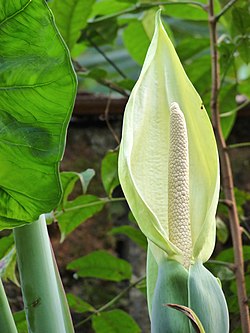
Inflorescence of Spathiphyllum cochlearispathum
Scientific classification Edit this classification
Kingdom: Plantae
Clade: Tracheophytes
Clade: Angiosperms
Clade: Monocots
Order: Alismatales
Family: Araceae
Juss.[2]
Subfamilies

The Araceae are a family of monocotyledonous flowering plants in which flowers are borne on a type of inflorescence called a spadix. The spadix is usually accompanied by, and sometimes partially enclosed in, a spathe (or leaf-like bract). Also known as the arum family, members are often colloquially known as aroids. This family of 114 genera and about 3,750 known species[3] is most diverse in the New World tropics, although also distributed in the Old World tropics and northern temperate regions.

Description

[edit]

Within the Araceae, species are often rhizomatous or tuberous; many are epiphytic, creeping lianas or vining plants, and the leaves and tissues of the entire plant nearly always contains irritating calcium oxalate crystals or raphides, in varying degrees.[4][5] The foliage can vary considerably from species to species. The majority of species produce an inflorescence consisting of a spadix (which some compare to a corn cob, in appearance), which is nearly always surrounded by a modified leaf bract called a spathe.[6] In monoecious aroids, possessing separate male and female flowers (but with both flowers present on one plant), the spadix is usually organized with female flowers towards the bottom and male flowers at the top. In aroids with perfect flowers, the stigma is no longer receptive when the pollen is released, thus preventing self-fertilization. Some species are dioecious.[7]

Many plants in this family are thermogenic (heat-producing).[8] Their flowers can reach up to 45 °C, even if the surrounding air temperature is much lower. One reason for this unusually high temperature is to attract insects (usually beetles) to pollinate the plant, rewarding the beetles with heat energy, in addition to preventing tissue damage in colder regions. Some examples of thermogenic aroids are Symplocarpus foetidus (eastern skunk-cabbage), Amorphophallus titanum (titan arum), Amorphophallus paeoniifolius (elephant-foot yam), Helicodiceros muscivorus (dead-horse arum lily), and Sauromatum venosum (voodoo lily). Some species, such as A. titanum and H. muscivorus, give off a very pungent smell akin to rotten meat, which serves to attract flies for pollination. The heat produced by the plant helps to convey the scent further.

Toxicity

[edit]

Within the Araceae family, the majority of species produce calcium oxalate crystals in the form of raphides. While it is possible to consume the cooked foliage of certain genera, such as Alocasia, Colocasia, and Xanthosoma, as well as the ripened fruits of Monstera deliciosa, these raphide compounds are irritating (and even dangerous) for many animals, including humans. Consumption of raw aroid vegetation may cause edema, vesicle formation or dysphagia, accompanied by a painful stinging and burning in the mouth and throat, with symptoms occurring for up to two weeks, depending on amount consumed. In smaller amounts, patients report feeling a mild to extreme sensation of sand or glass in the esophagus and mouth, lasting up to 48 hours.[9] Additionally, in heavier instances of ingestion, anaphylactic shock could cause swelling of the throat, restricting breathing. The genus Dieffenbachia is famously known as "dumb-cane" for this reason; however, given the presence of irritating compounds across the family, this nickname may be applied to virtually any genera within the Araceae.

Taxonomy

[edit]

Phylogeny

[edit]

Phylogeny based on the Angiosperm Phylogeny Website.[10]

Araceae

Gymnostachydoideae Bogner & Nicolson 1991

Orontioideae Brown ex Müller 1860

Lemnoideae

Pothoideae Engler 1876

Monsteroideae Engler 1876

Lasioideae Engler 1876

Zamioculcadoideae Bogner & Hesse 2005

Aroideae Arnott 1832

Classification

[edit]

One of the earliest observations of species in the Araceae was conducted by Theophrastus in his work Enquiry into Plants.[11] The Araceae were not recognized as a distinct group of plants until the 16th century. In 1789, Antoine Laurent de Jussieu classified all climbing aroids as Pothos and all terrestrial aroids as either Arum or Dracontium in his book Familles des Plantes.[citation needed]

The first major system of classification for the family was produced by Heinrich Wilhelm Schott, who published Genera Aroidearum in 1858 and Prodromus Systematis Aroidearum in 1860. Schott's system was based on floral characteristics, and used a narrow conception of a genus. Adolf Engler produced a classification in 1876, which was steadily refined up to 1920. His system is significantly different from Schott's, being based more on vegetative characters and anatomy. The two systems were to some extent rivals, with Engler's having more adherents before the advent of molecular phylogenetics brought new approaches.[12]

A comprehensive taxonomy of Araceae was published by Mayo et al. in 1997.[13]

Modern studies based on gene sequences show the Araceae (including the Lemnoideae, duckweeds) to be monophyletic, and the first diverging group within the Alismatales.[14] The APG III system of 2009 recognizes the family, including the genera formerly segregated in the Lemnaceae.[15] The sinking of the Lemnaceae into the Araceae was not immediately universally accepted. For example, the 2010 New Flora of the British Isles used a paraphyletic Araceae and a separate Lemnaceae.[16] However Lemna and its allies were incorporated in Araceae in the 2019 edition.[17]: 872  A comprehensive genomic study of Spirodela polyrhiza was published in February 2014.[18]

Genera

[edit]
The cuckoo-pint or lords and ladies (Arum maculatum) is a common arum in British woodlands.
Arisaema triphyllum

143 genera are accepted within the Araceae.[19] Anthurium, Epipremnum, Monstera, Philodendron and Zantedeschia are some of the most well-known genera of the family, as are the Colocasia (taro, arbi) and Xanthosoma ('elephant-ear', ‘ape), which are both cultivated for human consumption. The largest unbranched inflorescence in the world is that of the arum Amorphophallus titanum (titan arum).[20]

The Araceae includes many ornamental genera of global economic importance: Aglaonema, Alocasia, Anthurium, Caladium, Dieffenbachia, Epipremnum, Homalomena, Monstera, Nephthytis, Rhaphidophora, Scindapsus, Spathiphyllum, Syngonium, and Zamioculcas, to name but a few. The aquatic genera Anubias, Bucephalandra and Cryptocoryne are highly prized and cultivated aquarium plants; other, recently-described genera, such as the Lagenandra of India, are gradually becoming more known in the aquascaping world.[21] Philodendron is an important genus in the ecosystems of neotropical rainforests, and is widely used in home and interior decorating. Symplocarpus foetidus (skunk cabbage) is a common eastern North American species. An interesting peculiarity is that this family includes the largest unbranched inflorescence, that of the titan arum,[20] often erroneously called the "largest flower", and the smallest flowering plant and smallest fruit, in the duckweed, Wolffia.[22]

Fossil record

[edit]

The family Araceae has one of the oldest fossil record among angiosperms, with fossil forms first appearing during the Early Cretaceous epoch.[1][23] Notable fossils from the Early Cretaceous include: Spixiarum kipea,[24] an aroid from the late Aptian of Brazil;[1] Orontiophyllum ferreri, an aroid leaf from the late Albian of Spain;[1] and Turolospadix bogneri, an aroid spadix from the late Albian of Spain.[1]

Food plants

[edit]

Food plants in the family Araceae include Amorphophallus paeoniifolius (elephant foot yam), Colocasia esculenta (kochu, taro, dasheen), Xanthosoma (cocoyam, tannia), Typhonium trilobatum and Monstera deliciosa (Mexican breadfruit). While the aroids are little traded, and overlooked by plant breeders to the extent that the Crop Trust calls them "orphan crops", they are widely grown and are important in subsistence agriculture and in local markets. The main food product is the corm, which is high in starch; leaves and flowers also find culinary use.[25]

See also

[edit]

References

[edit]

Further reading

[edit]
[edit]
Revisions and contributorsEdit on WikipediaRead on Wikipedia
from Grokipedia
The Araceae, commonly known as the aroid or arum family, is a diverse family of monocotyledonous flowering plants in the order Alismatales, characterized by small, densely packed flowers borne on a fleshy, spike-like inflorescence called a spadix, which is typically subtended by a specialized bract known as a spathe. Comprising approximately 143 genera and 3,667 species, the family exhibits remarkable morphological variation, including herbaceous perennials, climbing vines, shrubs, epiphytes, and free-floating aquatics, with many species featuring alternate leaves that are often simple, sagittate, or hastate and contain raphides—needle-like calcium oxalate crystals that deter herbivores and can cause oral irritation in humans. Predominantly pantropical in distribution, with the highest diversity in the Neotropics and Southeast Asia, Araceae also extends into temperate zones and high-altitude regions, adapting to habitats ranging from humid rainforests and swamps to arid savannas and freshwater bodies. Taxonomically, Araceae is one of the largest families in Alismatales under the APG IV classification system, with subfamilies such as Aroideae, Monsteroideae, and Lasioideae reflecting evolutionary divergences in inflorescence structure, pollination mechanisms, and leaf morphology. Flowers are typically bisexual or unisexual (with many species monoecious), lacking a perianth in unisexual forms, and are adapted for diverse pollination strategies, including beetle, fly, or wind pollination, often aided by the spathe's color and scent—sometimes foul—to attract pollinators. Fruits are usually berries containing one to many seeds, which aid in dispersal by birds, mammals, or water. Ecologically, the family plays key roles in tropical forest understories, providing habitat and food sources, though some species are invasive in non-native regions due to their vegetative reproduction via rhizomes, tubers, or stolons. Araceae holds significant economic importance, particularly in horticulture and agriculture, with numerous genera cultivated worldwide as ornamentals for their striking foliage and inflorescences—examples include Anthurium, Philodendron, Spathiphyllum (peace lily), and Epipremnum (pothos). Edible species, such as Colocasia esculenta (taro), provide staple root crops in tropical diets, yielding carbohydrates after proper processing to remove irritant oxalates, while others like Xanthosoma and Alocasia are used regionally for food and fodder. Additionally, some taxa have medicinal applications in traditional systems for treating ailments like inflammation or infections, though toxicity from raphides limits unprocessed use. Conservation efforts focus on habitat loss threats in biodiversity hotspots, with ongoing phylogenetic research refining genus-level classifications to support ex situ preservation in botanical gardens.

Description

Morphology

Members of the Araceae family exhibit diverse growth habits, primarily as herbaceous perennials, but also as vines, epiphytes, geophytes, and rarely aquatics. Plants are typically terrestrial or hemiepiphytic, with stems that vary from short and erect to elongated rhizomes, tubers, or climbing axes supported by adventitious aerial roots. Leaves arise from basal rosettes or along stems, ranging from simple to compound forms, with blades frequently sagittate or hastate in outline, featuring prominent basal lobes and parallel venation. For instance, species in genera like Anthurium and Philodendron display these characteristic leaf shapes, which aid in climbing or light capture in understory habitats. The inflorescence is a defining feature, consisting of a spadix—a fleshy, unbranched spike bearing densely packed, minute flowers—enclosed or subtended by a spathe, a specialized bract that is often boat-shaped and variably colored from green to white or purple. Flowers are typically unisexual, with the spadix commonly zoned into a basal female portion and an apical male portion, though bisexual flowers occur in some taxa; synandria (fused stamens) and syncarps (fused carpels) are prevalent. Post-fertilization, the female flowers develop into berries, which aggregate into infructescences that may be brightly colored to attract dispersers. Araceae possess distinctive anatomical traits, including the presence of raphides—needle-like calcium oxalate crystals—throughout vegetative and reproductive tissues, serving potential defensive or regulatory functions. In certain species, such as those in Arum and Philodendron, inflorescences contain thermogenic tissues capable of elevating temperature above ambient levels to volatilize scents and attract beetle pollinators. The family spans a broad size spectrum, from diminutive floating aquatics like Pistia stratiotes, with rosettes of velvety leaves reaching 15 cm in diameter, to massive climbers such as Monstera deliciosa, which can extend over 20 m in length with leaves exceeding 90 cm wide in mature canopy forms.

Reproduction

The reproductive biology of Araceae is characterized by specialized pollination strategies that leverage the unique inflorescence structure of the spadix, often enclosed by a spathe. Pollination is predominantly entomophilous, with beetles—particularly dynastid scarabs—serving as primary vectors in many lineages, attracted by volatile odors mimicking dung, carrion, or fermentation, as well as thermogenesis that elevates spadix temperature by up to 30°C above ambient levels to enhance scent dispersal and pollinator activity. Some species rely on flies (e.g., Colocasiomyia drosophilids in Colocasia) or bees (e.g., euglossine orchids in certain Anthurium), drawn to similar deceptive or rewarding scents. In bisexual flowers, which predominate in basal subfamilies, protogyny ensures outcrossing by sequencing the female phase (stigmas receptive) before the male phase (anthers dehiscent), preventing self-pollination within the same inflorescence. Flowers in Araceae are minute and densely arranged on the spadix, occurring as either unisexual (57% of species, often in monoecious or dioecious arrangements) or bisexual forms, with the latter more common in early-diverging clades. The gynoecium is syncarpous, typically comprising 2–3 fused carpels with a superior ovary and axile or parietal placentation, resulting in compound fruits such as multi-seeded berries that aggregate from multiple ovaries. These berries are fleshy and brightly colored (red, orange, or white), facilitating seed maturation and dispersal. Seed dispersal in Araceae varies by habitat and fruit morphology, with zoochory predominant in terrestrial species where birds or small mammals consume the berries and excrete viable seeds, as observed in genera like Philodendron and Alocasia. Aquatic taxa, such as Pistia stratiotes, employ hydrochory, with buoyant fruits or plantlets floating on water currents for long-distance transport. Asexual reproduction supplements sexual modes through vegetative propagation, enabling rapid clonal spread in stable environments. Common mechanisms include rhizome or runner extension (e.g., in Symplocarpus), offsets from basal shoots, and bulbils or cormels, as prominently seen in taro (Colocasia esculenta), where daughter corms are planted to produce genetically identical offspring. This strategy predominates in cultivated and invasive species, reducing reliance on pollinators. The life cycle of Araceae is typically polycarpic and perennial, with individuals flowering repeatedly over multiple seasons from persistent rhizomes, tubers, or stems, allowing sustained reproduction without post-flowering death. Many species exhibit seasonal dormancy via underground tubers or corms, which store reserves and enable survival through adverse conditions, as in Arisaema where corms support regrowth and variable sex expression across years. Monocarpic habits are rare, confined to select herbaceous taxa that senesce after a single reproductive event.

Toxicity

Many species in the Araceae family produce toxic compounds as chemical defenses, primarily in the form of insoluble calcium oxalate crystals known as raphides, which are needle-like structures bundled within specialized idioblast cells. These raphides, along with associated proteolytic enzymes, contribute to the plant's irritant properties; upon mechanical damage such as chewing, the sharp crystals penetrate soft tissues, releasing enzymes that degrade proteins and exacerbate inflammation. This synergistic mechanism deters herbivores by causing immediate pain and tissue damage, as demonstrated in bioassays where purified raphides combined with proteases significantly reduced feeding by insects compared to raphides alone. Ingestion of Araceae plants typically results in localized effects, including intense oral burning, excessive salivation, swelling of the mouth, tongue, and lips, and difficulty swallowing due to the mechanical and enzymatic irritation. In severe cases, swelling can lead to airway obstruction, potentially requiring medical intervention, though systemic poisoning is rare and may involve hypocalcemia from oxalate binding to blood calcium, causing muscle cramps or cardiac irregularities. For example, consumption of Dieffenbachia leaves has been linked to temporary speech inhibition from throat edema, earning the plant the common name "dumb cane," a term originating from historical observations of its effects on the vocal apparatus. Toxicity levels vary across plant parts and species, with higher concentrations of calcium oxalate often found in raw leaves, stems, and sap; processing methods like boiling or soaking significantly reduce these compounds, mitigating risks in edible species such as taro (Colocasia esculenta). In taro corms, boiling for 20 minutes can decrease soluble oxalate content by up to 70%, rendering the plant safe for consumption after traditional preparation. Araceae toxins also impact animals, serving as a primary deterrent to herbivory; raphides cause oral trauma in grazing mammals and insects, reducing palatability and intake. Pets, particularly cats and dogs, are commonly affected by household Araceae like Dieffenbachia, exhibiting symptoms of vomiting, pawing at the mouth, and hypersalivation upon ingestion.

Taxonomy

History

The family Araceae was formally established by Carl Linnaeus in his seminal work Species Plantarum (1753), where he recognized the group as a natural assemblage based on floral characteristics and included 4 genera—Arum, Dracontium, Calla, and Pothos—encompassing 26 species known at the time. This initial classification laid the foundation for subsequent taxonomic treatments, drawing primarily from European and limited tropical collections, though it underrepresented the family's vast diversity in the New World tropics. In the 19th century, systematic understanding expanded significantly through the efforts of Adolf Engler, who published the first comprehensive monograph on Araceae in 1879 as part of de Candolle's Monographiae Phanerogamarum. Engler's work emphasized the inflorescence structure—particularly the spadix and spathe—as central to delimiting tribes and subfamilies, and incorporated extensive herbarium material from tropical explorations. Explorers like Richard Spruce played a crucial role in this era, collecting numerous specimens, including many Araceae, during his 15-year expedition along the Amazon River (1849–1864), which enriched European herbaria and revealed the family's ecological and morphological variability in neotropical forests. The 20th century brought revisions amid ongoing debates about Araceae's position among monocots. John Hutchinson, in The Families of Flowering Plants: Monocotyledons (1934), separated Araceae from the broad Liliaceae sensu lato, placing it in the order Arales due to its distinct inflorescence and embryological features, reflecting a shift toward phylogenetic considerations over artificial systems. Engler's framework persisted as the standard until the late 20th century, with refinements by figures like Josef Bogner, whose detailed morphological studies from the 1970s onward clarified generic boundaries in tropical taxa. Post-1990s molecular phylogenetics profoundly reshaped Araceae classification, challenging Engler's morphology-based tribes through analyses of DNA sequences like rbcL and 18S rDNA. Seminal studies, such as those by Chase et al. (1995), demonstrated Araceae's basal position within Alismatales in the APG system (1998 onward), leading to subfamily restructurings that merged or split traditional groups based on evolutionary relationships rather than inflorescence alone. Subsequent APG updates (II–IV) have integrated these findings, emphasizing monophyly and incorporating new genera from molecularly informed revisions.

Phylogeny

The phylogeny of the Araceae family has been primarily reconstructed using molecular data, including plastid genes such as rbcL and matK, and nuclear ribosomal internal transcribed spacer (ITS) regions, which have resolved longstanding uncertainties in evolutionary relationships. Early molecular phylogenies, starting with family-wide analyses in the 1990s, established the monophyly of Araceae within the Alismatales order and highlighted the basal position of the Australian genus Gymnostachys as sister to all other genera. A comprehensive study by Cusimano et al. (2011) reanalyzed multi-locus data from 144 genera, confirming this basal split and identifying subsequent early divergences, including the Orontioideae subfamily (e.g., Orontium and Symplocarpus) as the next branching lineage. The Pistia clade represents another early-diverging group, encompassing the free-floating Pistia stratiotes and the highly reduced duckweeds (Lemnoideae, including Spirodela and Lemna), which were nested within Araceae by DNA evidence despite their morphological divergence from typical aroids. Within the more derived "core Araceae," the genus Anubias (along with Montrichardia and Calla) shows early divergence near the base of the Aroideae subfamily, characterized by helophytic habits and isolated phylogenetic positions that challenge traditional morphology-based groupings. These findings resolved paraphyly in several historically recognized subfamilies, such as the broad Colocasioideae, by demonstrating that genera like Zamioculcas and Schismatoglottis form distinct lineages outside the main clades. The core Araceae radiation is structured into three major subclades: the Monsteroideae (including climbing genera like Monstera and Epipremnum), the Philodendroideae (dominated by Neotropical Philodendron species), and the Aroideae (encompassing diverse tribes like Areae and Colocasieae). DNA-based phylogenies have clarified relationships among these, showing Monsteroideae and Philodendroideae as sister groups, with Lasioideae intervening between them and Aroideae, thus overturning earlier paraphyletic arrangements based on inflorescence morphology. Evolutionary innovations within these clades include the shift from wind or water pollination in basal lineages to specialized insect pollination, predominantly by beetles (Chrysomelidae and Scarabaeidae), facilitated by volatile chemical mimics of dung or carrion. Thermogenesis, the metabolic heat production in spadices to enhance scent volatilization and attract pollinators, originated multiple times but is most prominent in Aroideae, with basal occurrences in Orontioideae suggesting an ancient trait linked to cool-climate adaptation. Recent phylogenomic approaches using whole-chloroplast genomes and transcriptomes have refined these relationships and revealed rapid radiations, particularly in Neotropical lineages. For instance, analyses of hundreds of nuclear loci indicate that Philodendroideae and Aroideae underwent accelerated diversification starting around 20-15 million years ago, coinciding with Andean uplift and Amazonian biome expansion, leading to high species richness in genera like Philodendron (over 500 species) and Anthurium. These studies also highlight polyploidy events and whole-genome duplications as drivers of adaptive radiations in humid tropical habitats.

Classification

The Araceae family is classified within the order Alismatales according to the Angiosperm Phylogeny Group IV (APG IV) system, which provides a molecularly informed framework for angiosperm taxonomy. This placement reflects the family's position among basal monocots, supported by shared floral and plastid DNA characteristics. The family encompasses approximately 145 genera and about 4,000 species, predominantly herbaceous plants with a global tropical distribution. Current infrageneric classification recognizes eight subfamilies, a structure largely established in APG IV but refined through subsequent phylogenomic analyses: Gymnostachydoideae, Orontioideae, Lemnoideae, Lasioideae, Pothoideae, Monsteroideae, Zamioculcadoideae, and Aroideae. These subfamilies are delimited primarily by inflorescence morphology, such as the presence of a spathe and spadix, and vegetative habits ranging from aquatic floating forms in Lemnoideae to climbing vines in Monsteroideae. For instance, Aroideae, the largest subfamily, includes about 80 genera and is characterized by diverse leaf shapes and often unisexual flowers, while Lasioideae represents a basal lineage with fewer genera and primitive inflorescence features. Gymnostachys, a monotypic Australian genus, was elevated to its own subfamily Gymnostachydoideae in pre-APG revisions and retains that status due to distinct stamen and pollen traits. As of 2026, ongoing molecular studies continue to describe new species and refine generic boundaries, with estimates ranging from 144 to 150 genera. Within these subfamilies, tribal classifications continue to evolve to ensure monophyly, informed by nuclear and plastid sequence data. Examples include the tribe Areae in Aroideae, comprising genera with unisexual flowers and berry fruits, such as Arum and Typhonium, where recent studies have merged taxa like Sauromatum into Typhonium to resolve paraphyly. Post-2016 phylogenomic work has prompted revisions, such as the recognition of new tribes like Aglaonemateae in Aroideae, addressing inconsistencies in inflorescence evolution and supporting ongoing refinements for taxonomic stability. Historical synonyms have been avoided in modern nomenclature to maintain clarity under the International Code of Nomenclature for algae, fungi, and plants.

Genera

The Araceae family encompasses approximately 144 genera and 3,645 species, exhibiting remarkable taxonomic diversity across tropical and subtropical regions worldwide. Among these, Anthurium stands as the largest genus, with over 1,000 species primarily distributed from Mexico to northern Argentina, characterized by its diverse leaf forms and colorful spathes that contribute to its horticultural prominence. Philodendron, the second-largest genus, includes more than 600 accepted species, many of which are hemiepiphytic climbers or terrestrial herbs native to the Neotropics, showcasing varied climbing habits and leaf morphologies adapted to forest understories. These two genera alone account for a significant portion of the family's species richness, highlighting the concentration of diversity within a few hyper-diverse clades. Several genera exemplify the family's ecological and morphological variation. The genus Arum, comprising about 25 species, is predominantly native to Europe, the Mediterranean, and western Asia, where its geophytic species thrive in temperate woodlands and open ground up to 4,400 meters elevation; these plants feature inflorescences that emit a foul odor to attract fly pollinators. Amorphophallus, with around 200 species mostly endemic to tropical Asia and Africa, is renowned for its dramatic inflorescences, including Amorphophallus titanum, the titan arum, which produces the largest unbranched inflorescence known, reaching up to 3 meters in height and emitting a carrion-like scent to mimic decaying flesh for pollination. Colocasia, containing about 25 species centered in tropical Asia and Oceania, includes Colocasia esculenta (taro), whose starchy corms are a staple food crop after cooking to remove irritant oxalates, supporting its role in traditional agriculture across Pacific cultures. The distribution of Araceae genera reveals hotspots of diversity, with approximately 68 genera concentrated in Asia, particularly Borneo, while the Neotropics host the majority of species diversity despite fewer genera overall. Old World endemics, such as Arisaema with nearly 200 species largely confined to eastern Asia (including China and Japan), demonstrate adaptations to temperate and subtropical forests, often featuring dioecious or monoecious flowering strategies. Recent molecular phylogenetic studies in the 2020s have refined classifications within genera like Philodendron, leading to the description of numerous new species and clarification of subgeneric boundaries based on diversification patterns in Central America, though major generic splits remain limited. Conservation concerns affect several endemic genera, particularly those with narrow distributions in biodiversity hotspots. For instance, genera like Lagenandra, restricted to Sri Lanka and southern India, include critically endangered species threatened by habitat loss and anthropogenic pressures, underscoring the vulnerability of monotypic or oligotypic Araceae lineages. Similarly, certain Amorphophallus species endemic to island ecosystems face elevated extinction risks due to restricted ranges and habitat fragmentation. These patterns emphasize the need for targeted protection of endemic genera to preserve the family's evolutionary legacy.

Distribution and Ecology

Geographic Range

The family Araceae exhibits a pantropical distribution, with the majority of its approximately 3,700 species concentrated in humid tropical regions across the Americas, Africa, Asia, and Oceania, while extensions into subtropical and temperate zones occur in parts of North America, Europe, and Asia, though the family is notably absent from high latitudes and Antarctica. The primary centers of diversity lie in the Neotropics, which host around 2,500 species across 44 genera, representing over two-thirds of the family's total species richness, followed by Southeast Asia with approximately 1,000 species; Africa serves as a secondary center with about 129 species. High levels of endemism characterize island hotspots such as Madagascar, where approximately 23 species occur (as of 2025), including several endemic genera like those in the tribe Arophyteae (e.g., Carlephyton with four species); recent discoveries, such as Carlephyton sajoreciae described in 2025, underscore ongoing taxonomic updates in the region. The biogeographic history of Araceae traces to Gondwanan origins in the Early Cretaceous, with subsequent dispersals into Laurasian regions facilitating its broad tropical expansion, complemented by human-mediated introductions such as Colocasia esculenta (taro), which originated in Southeast Asia but now occurs worldwide through cultivation and migration. Recent human influences have also expanded ranges via invasive species; for instance, Eichhornia crassipes (water hyacinth), native to South America, has proliferated across African waterways since the mid-20th century, with 2020s studies documenting ongoing ecological disruptions in lakes like Nokoué in Benin and Victoria in East Africa, affecting biodiversity and water quality.

Habitat Preferences

Araceae species predominantly thrive in humid tropical and subtropical environments, where high moisture levels and consistent humidity support their growth. Most favor understory positions in forests, receiving dappled or indirect light rather than full sun exposure, as this mimics their natural shaded habitats beneath dense canopies. They typically grow in wet, well-drained soils that retain moisture without becoming waterlogged, with a preference for slightly acidic to neutral pH levels ranging from 5.5 to 7.0. The family exhibits diverse adaptations to microhabitats, including epiphytic growth where species like Anthurium cling to tree trunks and branches in humid forest canopies, absorbing nutrients from air and rain. Aquatic forms, such as Pistia stratiotes, float freely on the surfaces of tropical and subtropical lakes, ponds, and slow-moving streams, forming dense mats in nutrient-rich waters. Terrestrial species often occupy swampy or peat-based wetlands, with genera like Cyrtosperma adapted to flooded, anaerobic conditions in Southeast Asian and Pacific island peat swamps. These variations allow Araceae to exploit a broad spectrum of wet ecological niches worldwide. Araceae occupy an extensive altitudinal gradient, from sea level in lowland wetlands to elevations exceeding 3,000 meters in montane regions. For instance, species in the Colombian Andes, including Anthurium and Chlorospatha, persist in high-elevation forests between 2,400 and 3,000 meters, enduring cooler temperatures and higher humidity. While most species show low tolerance to drought due to their reliance on consistent moisture—such as Heteropsis, which suffers from reduced rainfall—exceptions like Zamioculcas zamiifolia employ crassulacean acid metabolism (CAM) to withstand desiccation in drier African habitats. Recent studies from the 2020s indicate that climate change is driving habitat shifts in Araceae, particularly through tropical contraction and altered precipitation patterns that exacerbate drought stress in humid understories. In Central America, projections suggest up to 60% of tropical plant species, including many Araceae, face range reductions due to warming and drying trends. Epiphytic Araceae are especially vulnerable, as host tree canopies warm and dry, potentially leading to local extirpations in contraction zones.

Interactions

Araceae species engage in specialized mutualistic interactions with pollinators and dispersers, primarily beetles in the families Scarabaeidae and Staphylinidae, which are attracted to the inflorescences' heat and odors for mating and shelter, facilitating cross-pollination in exchange for temporary refuge. These beetle mutualisms are widespread across basal Araceae lineages, enhancing reproductive success in humid tropical environments. Ant associations occur in myrmecophilous genera such as Philodendron, where extrafloral nectaries on leaves and stems provide ants with carbohydrates, prompting them to defend the plant against herbivores. In some cases, ants also contribute to seed dispersal by removing fruits or seeds from vertebrate feces, as observed in Philodendron corcovadense and Pinellia tripartita, where ants transport elaiosome-bearing seeds to nests, aiding short-distance dispersal. Herbivory on Araceae is countered by physical and chemical defenses, including raphides (calcium oxalate crystals) in idioblasts that puncture herbivore tissues upon ingestion, deterring folivores in genera like Colocasia and Dieffenbachia. Fungal pathogens pose significant threats, with Phytophthora colocasiae causing taro leaf blight in Colocasia esculenta, leading to rapid leaf necrosis and up to 50% yield losses through oomycete infection of leaves and corms. This pathogen spreads via rain splash and infected propagules, exacerbating damage in wet tropical regions. Symbiotic relationships with arbuscular mycorrhizal fungi (AMF) enhance nutrient uptake in Araceae, particularly phosphorus and nitrogen, by extending the root system's absorptive capacity in nutrient-poor soils; for instance, AMF colonization in Anthurium and Philodendron species improves growth under low-fertility conditions. Some Araceae produce cyanogenic glycosides, such as triglochinin in Alocasia macrorrhizos, which release hydrogen cyanide upon tissue damage to deter herbivores and pathogens. Invasive Araceae like water hyacinth (Eichhornia crassipes) disrupt native ecosystems by forming dense floating mats that clog waterways, reduce dissolved oxygen levels by up to 90%, and outcompete aquatic plants for light and nutrients, leading to biodiversity declines in invaded rivers and lakes. These mats also alter food webs by suppressing phytoplankton and macroinvertebrate populations. Recent metagenomic studies reveal the role of rhizosphere microbiomes in Araceae health, such as in Amorphophallus konjac, where bacterial communities shift during soft rot disease progression, with beneficial taxa like Pseudomonas suppressing pathogens and aiding nutrient cycling. These 2020s analyses highlight microbiome dynamics in disease resistance and environmental adaptation across Araceae.

Uses and Cultivation

Food and Medicinal Uses

Several species within the Araceae family serve as important food staples, particularly in tropical regions, where their corms and leaves provide a valuable source of carbohydrates. Colocasia esculenta, commonly known as taro, is a primary example, with its corms and leaves consumed widely in Asia, Africa, and the Pacific after proper processing to mitigate antinutritional factors. The corms are rich in starch, comprising 70-80% of their dry weight, and offer dietary fiber, potassium, vitamin C, and protein, making them a nutrient-dense alternative to other root crops. However, raw taro contains high levels of calcium oxalate crystals, which can cause acridity and irritation; boiling or fermentation reduces oxalate content by approximately 50-65% through fermentation or 30-60% through boiling, depending on method and duration, rendering it safe and palatable for dishes like poi or boiled tubers. Similarly, Xanthosoma species, such as Xanthosoma sagittifolium (yautia or malanga), are staples in Latin America and the Caribbean, with corms providing comparable starch levels and requiring heat treatment like boiling to detoxify oxalates and hydrocyanic acid. These processing methods not only eliminate risks but also enhance digestibility and nutritional bioavailability. Beyond staples, certain Araceae have been used historically or in niche contexts as edibles. The rhizomes of Arum maculatum, native to Europe, were cooked as a famine food or vegetable in times of scarcity, yielding a starch-rich product after thorough boiling to neutralize irritants. In North America, the young shoots of Symplocarpus foetidus (skunk cabbage) are harvested in early spring and boiled repeatedly to remove calcium oxalates, allowing consumption as a vegetable with a mild flavor. Unprocessed consumption of these plants poses risks, including oral irritation and potential oxalate-related kidney issues due to their raphide crystals, emphasizing the need for detoxification. Medicinally, Araceae species have been employed in traditional remedies, often leveraging their bioactive compounds despite toxicity concerns. Extracts from Alocasia species, such as Alocasia macrorrhizos, exhibit anti-inflammatory properties and are used topically to treat boils, wounds, and skin inflammations in indigenous practices across Asia and the Pacific. Dieffenbachia sap has been applied traditionally in the Americas as a poultice for wound healing and to alleviate infections, though its irritant nature requires careful handling. Recent ethnobotanical studies in the Peruvian Amazon document the use of Philodendron species by Cashinahua indigenous communities, highlighting ongoing therapeutic applications in 2020s research. These uses underscore the family's dual role in providing sustenance and relief from ailments when processed appropriately.

Ornamental Value

Araceae species hold significant ornamental value in horticulture and floriculture due to their diverse foliage, striking inflorescences, and adaptability as indoor and cut plants. Popular genera include Anthurium, Spathiphyllum, and Monstera, which are prized for their aesthetic appeal in homes, offices, and floral arrangements. Among the most sought-after species is Anthurium andraeanum, commonly known as the flamingo flower, valued for its glossy, heart-shaped leaves and vibrant, long-lasting spathes in shades of red, pink, and white that resemble flowers. Spathiphyllum, or peace lily, is a staple houseplant appreciated for its elegant white spathes contrasting against dark green leaves, thriving in low-light conditions and adding a touch of serenity to interiors. Monstera deliciosa, the Swiss cheese plant, has surged in popularity for its dramatic, fenestrated leaves that create a tropical vibe, making it a favorite for modern decor. The ornamental cultivation of Araceae traces back to the Victorian era, when exotic species like Monstera and certain arums were introduced to Europe through global plant trade, captivating collectors with their bold forms and grown in conservatories as status symbols. Post-2000s, a houseplant boom driven by social media and urban living has elevated Araceae, with genera like Philodendron and Monstera becoming icons of indoor greenery, fueled by their ease of care and photogenic qualities. Breeding efforts have enhanced their ornamental appeal through hybrids emphasizing color variations, such as red spathes in Anthurium cultivars, and variegated leaves in Philodendron and Monstera selections, achieved via interspecific crosses to boost vigor and visual diversity. These developments have expanded market options, with variegated forms commanding premium prices among enthusiasts. In global trade, Araceae contribute substantially to the ornamental sector, with cut flowers and foliage from species like Anthurium being major exports from Colombia, which shipped $2.07 billion in cut flowers in 2023, and the Netherlands, a hub for over 60% of international cut flower trade. As of 2024, the broader ornamental trade was valued at tens of billions annually.

Cultivation Practices

Araceae plants thrive in well-draining, humus-rich soils that mimic their natural tropical understory environments, providing ample organic matter while preventing waterlogging. These soils should maintain consistent moisture without becoming soggy, often achieved by incorporating peat moss, perlite, or bark for aeration. Most species prefer indirect or filtered light to avoid leaf scorch, with bright, shaded conditions ideal for foliage development; direct sunlight can cause variegated cultivars to revert or burn. High humidity levels above 60% are essential, particularly for epiphytic genera like Anthurium and Philodendron, which benefit from misting or humidifiers in drier settings to replicate humid forest floors. Propagation of Araceae is versatile, commonly employing division of rhizomes or offsets for species like Colocasia and Alocasia, which readily produce new shoots from mature plants. Stem cuttings, especially tip or cane sections, are effective for vining types such as Philodendron and Epipremnum, rooted in moist media under high humidity. Seed propagation is less frequent due to slow germination and variability but used for breeding programs; it requires warm temperatures (around 75–85°F) and consistent moisture. Tissue culture has become a standard for commercial ornamentals like Anthurium and Dieffenbachia, enabling mass production of disease-free clones through micropropagation techniques involving shoot multiplication and rooting in vitro. Common pests affecting Araceae include aphids, which cluster on new growth and transmit viruses, and scale insects that weaken plants by sucking sap; these are managed through insecticidal soaps, neem oil applications, or biological controls like predatory mites. Diseases such as root rot caused by Pythium or Rhizoctonia fungi arise from overwatering or poor drainage, leading to mushy roots and wilting; prevention involves sterile media and proper watering, with fungicides like fludioxonil or strobilurins applied for control in affected cases. Bacterial leaf spot and dasheen mosaic virus are also prevalent, controlled via sanitation and virus-free stock from tissue culture. Commercial cultivation of Araceae, particularly ornamentals like Anthurium and Spathiphyllum, relies on controlled greenhouse environments with automated irrigation, supplemental lighting, and temperatures of 70–85°F to support year-round production for export markets. These facilities emphasize high-density planting in soilless mixes and fertigation with balanced nutrients to maximize yield. In contrast, home cultivation focuses on indoor pots with similar well-draining media, placed near east-facing windows for indirect light and grouped with other plants to boost humidity; regular wiping of leaves prevents dust buildup, and repotting every 1–2 years accommodates root growth. Sustainable practices in Araceae cultivation, especially for food crops like taro (Colocasia esculenta), incorporate integrated pest management (IPM) strategies developed in the 2020s, such as mulching with organic materials to suppress weeds and retain soil moisture while reducing chemical inputs. Fallowing fields and burning infected debris help control diseases like taro leaf blight, complemented by minimum tillage and cover crops to enhance soil health and biodiversity in Pacific Island farming systems. These approaches promote long-term productivity by minimizing environmental impact and reliance on synthetic pesticides.

Evolutionary History

Fossil Record

The fossil record of Araceae extends back to the Early Cretaceous, marking one of the earliest appearances of angiosperms among monocotyledons. The oldest evidence consists of inaperturate, striate pollen grains from the late Barremian to early Aptian stages, dated to approximately 124 million years ago, recovered from various localities and indicating the presence of primitive aroid-like plants. More complete macrofossils, including leaves and inflorescences of the extinct genus Mayoa, have been documented from Early Cretaceous deposits in Portugal, around 110–120 million years ago; these specimens exhibit features such as parallel venation and sheath-like structures akin to modern basal Araceae, supporting the family's position within the Alismatales order as a sister group to other monocots. By the Paleocene, approximately 60–58 million years ago, Araceae show signs of diversification in tropical settings, with well-preserved fossils from neotropical rainforests in Colombia featuring entire-margined leaves and associated pollen that align with modern aroid morphology. In western North America, particularly from late Paleocene sediments near Blackfalds, Alberta, Canada, nearly 200 leaves attributable to Orontiophyllum grandifolium comb. nov. and two spadices representing the extinct genus Bognerospadix gen. nov. have been identified, suggesting early radiation within the subfamily Orontioideae. These finds illustrate key challenges in aroid paleontology, as vegetative traits like parallel-pinnate venation and entire margins are shared across monocot families, often necessitating reproductive organs for accurate taxonomic placement; misidentifications based solely on leaves have historically complicated the record. The Paleogene epoch reveals a marked increase in aroid diversity, particularly during the Eocene around 50 million years ago, when warmer global climates favored tropical flora. At the Messel Pit in Germany, a UNESCO World Heritage site preserving Eocene maar lake deposits dated to about 48 million years ago, fossil leaves of Araciphyllites tertiarius exhibit sagittate shapes and venation patterns resembling those of modern genera such as Anthurium, pointing to early lasioid or pothoid relatives adapted to humid, forested habitats. Additional European Eocene foliage, including species like Danekrausvia and Rohrdorforaa, further documents this expansion, with over a dozen reliable leaf-based taxa now recognized from the period. Extinct genera such as Mayoa from the Cretaceous and Bognerospadix from the Paleocene provide critical insights into Araceae's role in monocot evolution, affirming their basal position and contributions to early angiosperm radiation; these fossils calibrate phylogenetic models, highlighting how aroids likely originated in wet, lowland environments before widespread dispersal. Recent 2020s discoveries, including the Alberta assemblages, have refined molecular clock estimates through fossil calibrations, placing the crown-group origin of Araceae at approximately 122 million years ago while confirming stem-lineage presence as early as 124 million years ago. Molecular dating estimates vary, with some recent phylogenomic analyses suggesting a crown age around 82 million years ago.

Biogeography

The Araceae family originated in the Late Cretaceous, with molecular dating estimates placing the stem age around 135 million years ago and the crown age at approximately 122 million years ago, primarily within Laurasia based on fossil-calibrated phylogenetic models that account for paleocontinental configurations. Early diversification occurred in this northern supercontinent, supported by fossil evidence from the Late Cretaceous of North America and Eurasia, where primitive lineages such as Orontioideae persisted. Vicariance played a key role in subsequent distribution patterns, driven by plate tectonics including the breakup of Gondwana during the Late Cretaceous to Paleogene; this fragmented ancestral ranges, leading to isolated populations in South America, Africa, and Australia, as reconstructed through dispersal-vicariance analyses incorporating fossil ranges. Dispersal events further shaped the family's global spread, particularly through long-distance mechanisms in both terrestrial and aquatic lineages. Transoceanic dispersal via birds and buoyant seeds enabled colonization of remote regions, as evidenced in the Pistia clade (including the floating aquatic Pistia stratiotes), where phylogenetic analyses indicate multiple over-water crossings from a Paleogene Tethyan origin to Africa, South America, and Pacific islands. Aquatic Araceae, such as those in the Lemnoideae (duckweeds), facilitated long-distance dispersal across oceans and freshwater systems, contributing to pantropical distributions despite limited terrestrial mobility in many taxa. Diversification in Araceae was significantly driven by geological and climatic factors, including the Andean uplift and climate oscillations. The Miocene uplift of the Andes promoted speciation by creating elevational gradients and isolating populations, as seen in the genus Philodendron, where diversification accelerated from the late Oligocene onward, coinciding with mountain building in the central and northern Andes that fragmented habitats and opened new ecological niches. Climate oscillations during the Miocene and Pleistocene further fueled radiations by alternating wet-dry cycles, enhancing habitat heterogeneity and opportunities for adaptive divergence in tropical understories. Current biogeographic patterns in Araceae show a strong Neotropical bias, with over half of the species diversity concentrated in South America, attributable to boreotropical migrations during the Eocene when warm, humid conditions allowed southward range expansions from northern Laurasian ancestors across land bridges. Recent phylogeographic models, incorporating genomic data from Southeast Asian clades like Alocasia, reveal multiple independent radiations in Asia during the Miocene, driven by floristic exchanges and tectonic activity in the region, updating earlier views of singular dispersals to emphasize recurrent Asian diversification events.

References

Add your contribution
Related Hubs
User Avatar
No comments yet.