Hubbry Logo
Destination spaDestination spaMain
Open search
Destination spa
Community hub
Destination spa
logo
8 pages, 0 posts
0 subscribers
Be the first to start a discussion here.
Destination spa
Destination spa
from Wikipedia
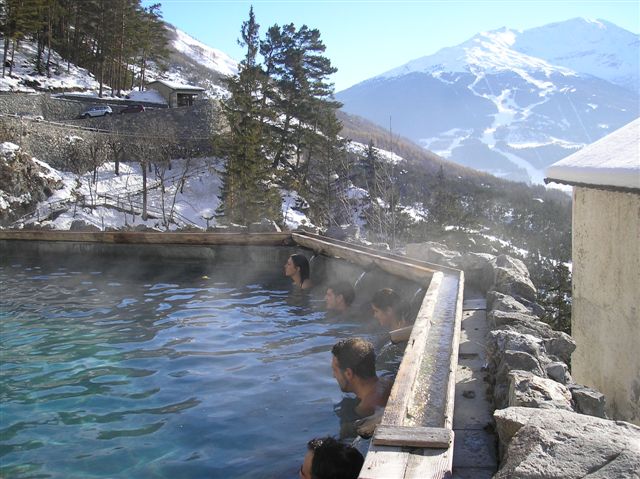
Destination spa in Bormio, Italy

A destination spa or health resort is a resort centered on a spa, such as a mineral spa. Historically, many such spas were developed at the location of natural hot springs or mineral springs. In the era before modern biochemistry and pharmacotherapy, "taking the waters" was often believed to have great medicinal powers. Even without such mystic powers, the stress relief and health education of spas also often has some degree of positive effect on health. Destination spas offer day spa facilities, but what sets them apart is that they also offer hotel facilities so that people can stay multiple nights.

Typically, over a seven-day stay, they provide a comprehensive program that includes spa services, physical fitness activities, wellness education, healthy cuisine, and special interest programming.

A special subgroup are the medical spas who offer treatments that are paid back by the national health insurance program.

All-inclusive program

[edit]

Some destination spas offer an all-inclusive program that includes facilitated fitness classes, healthy cuisine, educational classes and seminars, as well as similar to a beauty salon or a day spa. Guests reside and participate in the program at a destination spa instead of just visiting for a treatment or pure vacation. Some destination spas are in tropical locations or in spa towns.

Destination spas have been in use for a considerable time, and some are no longer used but are rather preserved as elements of earlier history; for example, Gilroy Yamato Hot Springs in California is such a historically used spa whose peak patronage occurred in the late 19th and early 20th century.

Resort spas are generally located in resorts, and offer similar services via rooms with services, meals, body treatments, and fitness a la carte.

Types of medical services

[edit]

Typical medical services offered at destination spas include:

Medical spas

[edit]

Medical spas provide treatments and revalidation therapies paid back by the national health insurance, have to comply to the ISO 21426:2018 standard on tourism and related service requirements for medical spas[1] and have a medical doctor on site who supervises all the treatments.

The European Spas Association represents medical spas, health resorts, and regional spa associations in 19 European countries.[2]

It is common for elderly people to take every year a one-week treatment in medical public spas, which offer treatments for patients with syndrome diseases such as fibromyalgia, multiple sclerosis, rheumatism, and arthritis.

Treatment is also offered in Ministry of Ayush hospital revalidation centers, in the Middle Eastern Hammam steam bath facilities, as well as Asian or "Traditional Chinese Hot Spring" centers, and Japanese shinrin-yoku centres.

[edit]

References

[edit]
Revisions and contributorsEdit on WikipediaRead on Wikipedia
from Grokipedia
A destination spa is a or facility designed primarily for wellness and , where guests travel specifically to immerse themselves in comprehensive programs that promote long-term habits through treatments, fitness activities, nutritious , educational sessions, and holistic therapies. Unlike day spas or hotel spas, destination spas emphasize all-inclusive, multi-day stays focused on personal transformation, often in scenic or natural settings that encourage renewal of mind, body, and spirit. The concept of destination spas has roots in ancient practices of thermal bathing and healing retreats, dating back to Roman times when mineral springs were used for therapeutic purposes, evolving through 19th-century European spa towns that attracted the for curative waters and social recovery. In the modern era, destination spas emerged around the 1980s as a response to growing interest in preventive health and , with early facilities prioritizing education on , exercise, and alongside traditional services like massages and . The formalization of the category came in 2000 with the creation of the Destination Spa Association, which set standards for authentic experiences to distinguish them from superficial resort offerings. Today, destination spas form a key segment of the global spa industry, which generated $137 billion in revenue from 191,348 facilities worldwide in 2023, driven by rising demand for immersive escapes amid modern stressors like sedentary s and digital overload. These spas often incorporate evidence-based elements such as personalized , detox programs, and mind-body practices like or , aiming not just for relaxation but for sustainable shifts that guests can maintain post-visit. Notable examples include facilities in natural locales like mountains or coastal areas, blending luxury accommodations with activities such as , nutritional counseling, and preventive medical services to foster overall .

Definition and Overview

Definition

A destination spa is a resort facility where the primary purpose of the visit is to engage in spa-based wellness, relaxation, and improvement activities, with guests typically staying on-site for multiple days or weeks to fully immerse themselves in a structured wellness experience. These establishments emphasize guiding guests toward healthy lifestyles through comprehensive programs that integrate various elements of , often located in scenic or therapeutic natural environments such as hot springs or forested retreats to enhance the restorative atmosphere. Unlike day spas, which provide services for short, non-overnight visits without accommodation, destination spas require extended stays and focus on transformative wellness rather than quick treatments. They also differ from resort spas, where spa services are secondary to general vacation activities like or within a larger or setting. To qualify as a destination spa, the facility must offer structured, all-inclusive programs that combine spa services—such as massages and —with activities, wellness education, nutritious cuisine, and special interest programming aimed at holistic health outcomes. This classification, established by the International Spa Association, prioritizes facilities dedicated to lifestyle enhancement over mere beauty or relaxation services.

Key Characteristics

Destination spas emphasize immersion as a core element, where guests typically commit to extended stays of three or more nights, centering their visit around structured spa activities designed to foster disconnection from everyday stressors and promote profound shifts. This full-immersion model ensures all participants engage in all-inclusive programs that integrate wellness practices, creating an environment where rejuvenation becomes the primary focus rather than incidental relaxation. A holistic approach defines the operational philosophy of destination spas, weaving together mind, body, and spirit through personalized wellness plans that incorporate practices such as and , alongside nature-based therapies like forest bathing or . These elements aim to guide guests toward sustainable healthy habits via education on , fitness, and emotional well-being, often delivered through complementary therapies and expert-led sessions. Location plays a pivotal role in enhancing therapeutic outcomes, with destination spas frequently situated in remote, natural environments such as mountainous regions, coastal areas, or sites featuring springs to amplify the restorative effects of the surroundings. These settings, like desert retreats or oceanfront sanctuaries, provide an authentic backdrop that supports immersion in local ecosystems and traditional healing modalities. Sustainability practices are integral to many destination spas, reflecting a commitment to eco-friendly operations through measures like organic sourcing for and treatments, as well as low-impact architecture that minimizes environmental footprint. Guests often encounter initiatives such as on-site composting, systems, and the use of , aligning the spa's wellness ethos with planetary stewardship.

History

Origins

The concept of destination spas traces its roots to ancient civilizations where natural thermal springs were sought out for health restoration, often involving travel to remote sites. In , as early as the 5th century BCE, people recognized the therapeutic benefits of mineral-rich waters, particularly sulphurous springs used to treat skin conditions and muscular ailments; public bathhouses became integral to daily hygiene and medical practice, with figures like documenting hydrotherapy's effects on the body. The Romans expanded these practices empire-wide, constructing elaborate —large public bath complexes—at hot spring locations, such as in present-day Bath, , established around 70 CE, where travelers from across the provinces journeyed for bathing rituals that combined social interaction, relaxation, and healing for war-weary soldiers and civilians alike. These facilities, featuring sequential hot, warm, and cold pools, underscored the precursor role of thermal destinations in promoting extended stays for rejuvenation. During the medieval and periods, European spa culture revived amid a renewed interest in natural remedies, drawing nobility to mineral water sites for curative sojourns. In , the town of gained prominence in the following the discovery of its thermal springs, believed to possess healing properties; by the , it attracted European elites seeking treatments for various ailments through immersion and drinking cures, establishing the town as a model for therapeutic travel. Similarly, Bath's hot springs, after falling into partial disuse post-Roman era, saw renewed use in the late medieval period and gained royal patronage in the , when Queen Elizabeth I incorporated the city and promoted its waters, encouraging aristocratic visits for health and leisure. This era marked a shift toward medically supervised , with physicians prescribing targeted water therapies, reflecting a broader revaluation of ancient through emerging scientific inquiry. The 19th century witnessed the expansion of hydrotherapy, transforming European and American springs into dedicated resorts for prolonged wellness retreats. In Europe, facilities emphasized mineral water regimens for chronic conditions, while in America, Saratoga Springs, New York, emerged as a premier destination in the early 1800s; its carbonated springs drew affluent visitors, including politicians and celebrities, for weeks-long "cures" involving bathing, drinking, and promenades, mirroring Old World traditions but adapted to a burgeoning resort culture. This period solidified the destination spa as a place for holistic health restoration, blending medical prescription with vacation-like immersion. Parallel to these Western developments, indigenous practices worldwide highlighted communal journeys to healing sites, influencing global spa concepts. Native American tribes, such as the , utilized sweat lodges—dome-shaped structures heated by heated stones and steam—for purification rites and therapeutic sweating, often involving to natural settings for physical and spiritual renewal dating back centuries. In , hot springs have served as communal healing destinations since at least the , where groups traveled to volcanic waters for soaking rituals believed to alleviate ailments and foster social bonds, as documented in early texts like the . These traditions emphasized collective wellness through environmental immersion, prefiguring modern destination spas' focus on restorative .

Modern Development

Following , destination spas began transitioning from primarily medicinal facilities to centers emphasizing lifestyle wellness, particularly during the 1950s through 1970s, as part of a broader cultural shift toward holistic health practices. This evolution was heavily influenced by counterculture movements that promoted personal empowerment, environmental awareness, and alternative therapies like and , moving away from conventional medical treatments toward preventive and mind-body approaches. In the and early , the industry saw increased formalization, with the establishment of the International Spa Association (ISPA) in 1991 contributing to broader spa standards, including a formal definition of the "destination spa" category in 2004 as holistic wellness retreats distinct from or day spas. The formalization of the category advanced further in 2000 with the creation of the Destination Spa Association, which set rigorous standards for authentic experiences among its members. The marked explosive growth for destination spas, with significant expansion in —particularly Thailand's wellness retreats integrating traditional practices like Thai massage—and the , where North American facilities led regional development. This surge was propelled by the global market, which reached $639 billion in 2017. The initially disrupted the sector in 2020, but post-2020 demand surged for isolated, health-focused escapes at destination spas, as travelers sought safe, restorative retreats amid heightened wellness awareness. By 2023, the global market had recovered to $830 billion, a 27% year-over-year increase from 2022, with continued growth to approximately $944 billion in 2024.

Types of Destination Spas

Wellness and Relaxation Spas

Wellness and relaxation spas represent a core category of destination spas, designed to provide immersive experiences for general and enhancement without a medical focus. These facilities emphasize holistic approaches to preventive wellness, helping guests achieve balance through non-invasive practices that promote mental clarity, physical vitality, and emotional . Unlike clinical settings, they prioritize experiential escapes in serene, often environments to foster long-term habits. The primary emphasis in these spas is on stress reduction, beauty enhancement, and preventive wellness, delivered through therapies such as massages, , , and . Massages, including Swedish and deep-tissue varieties, alleviate tension and improve circulation, while and sessions cultivate and resilience against daily pressures. , utilizing essential oils like lavender for calming effects, complements these by enhancing relaxation during treatments or daily routines. These services target the general public seeking vacation-like retreats, typically individuals without chronic health conditions who desire proactive measures to maintain overall vitality rather than address specific ailments. Programs at wellness and relaxation spas are structured around daily schedules that integrate classes and activities to support work-life balance and self-care. Guests often participate in guided sessions such as for gentle movement and energy flow, or cooking demonstrations featuring nutritious, plant-based recipes to encourage sustainable eating habits. These immersive routines, spanning multi-day stays, create a rhythm of , , and downtime, often delivered via all-inclusive packages that bundle accommodations with guided experiences. Distinctive examples highlight the experiential immersion of these spas, setting them apart through cultural and environmental integration. Eco-spas in , such as those along the island's coastlines, incorporate local traditions like herbal therapies alongside in tropical settings to promote harmony with nature. Similarly, retreats in draw on ancient practices, offering intensive sessions in Himalayan or riverside locations to deepen and preventive wellness without clinical oversight. These destinations underscore a vacation-oriented approach, where emerges from holistic, location-specific engagements rather than structured interventions.

Medical Spas

Medical spas within the destination spa landscape represent a specialized subset that integrates clinical medical oversight with therapeutic spa environments, emphasizing health restoration for specific medical conditions. These facilities feature on-site physicians who supervise evidence-based treatments such as , physiotherapy, and detox programs, tailored to address ailments like and stress-related disorders. For instance, utilizes warm mineral waters to reduce joint and improve mobility in patients, while physiotherapy sessions focus on targeted exercises to enhance recovery under professional medical guidance. Detox programs, often incorporating natural mineral resources, aim to alleviate symptoms of by supporting physiological processes in a supervised setting. This medical integration distinguishes these spas from non-clinical wellness venues, ensuring treatments are prescribed and monitored by qualified healthcare providers to optimize therapeutic outcomes. A further specialization within medical spas includes medical-led wellness clinics, which focus on serious health optimization such as detox, longevity, and gut health. These destinations provide comprehensive programs that combine advanced diagnostics, evidence-based treatments, personalized dietary plans, and on-site accommodations to support holistic health transformations under medical supervision. In regions like , medical spas often benefit from insurance reimbursement mechanisms, particularly for evidence-based therapies such as , which involves immersion in mineral-rich waters to treat musculoskeletal and respiratory conditions. National health systems in countries including , , , and finance these services through public for preventive care and rehabilitation; for example, in , social security reimburses 65% of spa treatment costs and 70% of medical monitoring, while in , prescribed can be fully covered under statutory . This reimbursement model encourages utilization by making clinically validated spa therapies accessible, with specifically recognized for its role in managing chronic conditions like through anti-inflammatory effects from natural thermal waters. Such coverage underscores the therapeutic legitimacy of medical spas, bridging traditional spa practices with modern healthcare reimbursement frameworks. Compliance with international standards is essential for medical spa operations, with facilities adhering to ISO 21426:2018 to ensure safety, efficacy, and quality. This standard outlines requirements for service provision using natural healing waters, including the employment of duly qualified technical staff for maintenance and water processing operations, as well as protocols for facility hygiene to prevent contamination and maintain therapeutic integrity. Staff qualifications extend to medical professionals overseeing treatments, ensuring that operations meet rigorous criteria for cleanliness, equipment sterilization, and environmental controls. These guidelines promote standardized practices that support the clinical focus of medical spas, safeguarding patient health during extended stays. Medical spas primarily attract patient demographics comprising older adults and individuals with chronic illnesses, who seek a blend of supervised recovery and restorative relaxation. This group, often aged 65 and above, includes those managing conditions like , , and frailty-related issues, where the controlled environment facilitates holistic rehabilitation without the intensity of hospital settings. The appeal lies in combining clinical interventions with spa amenities to improve , with studies indicating high prevalence of frailty and among spa attendees in this age cohort. By addressing both physical and psychological aspects of chronic health challenges, these spas support long-term wellness for aging populations.

Luxury and Themed Spas

Luxury destination spas distinguish themselves through opulent amenities designed for exclusivity and indulgence, often featuring high-thread-count linens, private villas, and gourmet healthy cuisine tailored to wellness goals. For instance, properties like in offer modernist suites and tented pavilions with bespoke desert-inspired designs, emphasizing seclusion and high-end comfort. Nightly rates at such elite retreats frequently exceed $1,000, reflecting the premium on personalized serenity and natural integration. Themed variations elevate the experience by incorporating unique concepts that blend wellness with , culture, or celebrity allure. spas, such as in , integrate guided hiking excursions with spa recovery sessions, allowing guests to explore rugged terrains like before unwinding in thermal pools. Cultural spas draw on traditional practices, exemplified by Six Senses Vana in , which immerses visitors in Ayurvedic therapies rooted in ancient dosha-balancing rituals amid Himalayan foothills. Celebrity-endorsed retreats like Miraval Arizona have gained prominence through high-profile backing, such as Oprah Winfrey's 2007 endorsement, which highlighted its transformative programs and attracted affluent seekers of holistic renewal. Personalization is a hallmark of these spas, achieved through bespoke itineraries crafted via expert consultations or emerging AI tools that analyze guest preferences for tailored wellness paths. At Six Senses Vana, initial dosha assessments lead to customized plans incorporating , nutrition, and spa treatments like massages. AI-driven concierges, as seen in modern luxury setups, generate dynamic schedules blending adventure hikes with restorative therapies, ensuring experiences align with individual health objectives and lifestyles. Post-2010, the market for experiential luxury spas has surged, driven by a for immersive blends of adventure and spiritual themes within the broader boom. The Global Wellness Institute reports spa revenues reached $309.1 billion in 2017, growing at 8% annually since 2015—twice the pace of overall —fueled by authentic, place-based offerings like Ayurvedic retreats and nature-infused adventures. This expansion reflects affluent consumers' shift toward meaningful, transformative escapes that combine indulgence with personal growth.

Services and Programs

All-Inclusive Programs

All-inclusive programs form the foundational offering at destination spas, providing guests with a comprehensive, bundled experience designed to immerse them in wellness without additional daily expenses for core elements. These programs typically operate on a fixed daily rate that encompasses nutrient-dense meals prepared by on-site nutritionists and chefs, emphasizing balanced, low-calorie options to support goals. Unlimited access to spa facilities, including pools, saunas, and relaxation areas, is included, alongside daily fitness sessions such as , cardio, and led by certified instructors. Educational components, like lectures on , , and , are also integrated to foster long-term lifestyle changes. The structure of these programs generally spans 3 to 14 days, allowing for varying levels of engagement based on guest needs, with many spas recommending a minimum of three nights for meaningful benefits. Programs often feature progressive intensity, starting with introductory detox or relaxation phases—such as gentle hydration and light movement—and advancing to more intensive rejuvenation elements like extended fitness challenges or deeper workshops. This phased approach helps build momentum, enabling participants to gradually deepen their commitment to wellness practices during their stay. For instance, at facilities like , stays of 3 nights begin at around $4,500 per person (double occupancy) as of 2025, while 5-night options range from $7,500, structuring the experience around daily personalized schedules. Pricing models for all-inclusive programs are based on per-night or per-package rates, typically ranging from $1,500 to $3,000 per person in luxury settings as of 2025, inclusive of gratuities, taxes, and resort fees but excluding premium add-ons such as private coaching sessions or specialized excursions. At Miraval Resorts, for example, base rates at the property start at approximately $2,300 per night (double occupancy) as of 2025, covering all essentials while providing a $175 nightly credit for elective enhancements. This transparent structure simplifies budgeting, as guests pay upfront for the core immersion without surprise costs for meals or standard activities. The all-inclusive model benefits guests by promoting full dedication to the wellness journey, eliminating around costs and encouraging uninhibited participation in the program's holistic elements. By removing financial barriers to core services, it reduces , allowing focus on personal growth and recovery, which enhances overall satisfaction and retention of healthy habits post-stay. Recent trends include integration of digital tools like AI-personalized wellness plans to enhance customization.

Spa Treatments and Therapies

Spa treatments and therapies in destination spas emphasize non-invasive, hands-on approaches to promote relaxation, , and skin health using natural and traditional methods. Traditional therapies form the foundation, including massages such as Swedish, which employs long, gliding strokes to improve circulation and ease muscle tension, and deep tissue massage, targeting deeper layers to alleviate and tightness. Facials, performed by trained estheticians who assess skin conditions and apply customized cleansing, exfoliation, and moisturizing techniques, address concerns like hydration and radiance. Body wraps involve applying nutrient-rich substances to envelop the body, aiding in toxin elimination and skin firming, while utilizes elements like saunas for dry heat to induce sweating and , steam rooms for moist heat to open pores, and mineral baths rich in therapeutic waters to soothe joints and enhance circulation. Alternative modalities complement these offerings, drawing from Eastern and indigenous traditions to foster holistic balance. Reiki involves gentle touch or proximity to channel energy for stress reduction and emotional healing, often integrated into spa sessions for its calming effects. applies pressure to specific points on the feet or hands to stimulate corresponding body areas, promoting relaxation and improved energy flow. Sound baths employ instruments like gongs and crystal bowls to create vibrational frequencies that induce deep meditative states and alleviate tension. Customization ensures therapies align with individual needs, such as adapting products for oily, dry, or sensitive types, adjusting intensity based on levels, or incorporating personal preferences like scent choices. For instance, multi-step rituals lasting around 90 minutes might sequence an exfoliating scrub to remove dead , a nourishing wrap for absorption, and a concluding to enhance circulation and relaxation. These treatments frequently employ natural elements sourced locally, such as mineral-rich mud from geothermal springs for wraps, which provides antioxidants and minerals to revitalize the skin, all administered by certified estheticians skilled in technique and safety. Such therapies are typically bundled within all-inclusive programs to provide seamless access during extended stays.

Medical and Wellness Services

Medical and wellness services at destination spas emphasize supervised, evidence-based interventions that integrate preventive care with therapeutic practices, often under the guidance of licensed physicians or health professionals. These services typically begin with comprehensive consultations, where guests receive tailored plans to address issues like digestive health, alongside evaluations for conditions such as . Intravenous (IV) therapies, including nutrient infusions for hydration and recovery, and sessions targeting pain relief or sleep disturbances, are administered by qualified practitioners to support restorative outcomes. For example, at facilities like Lanserhof Tegernsee in , these offerings combine medical diagnostics with spa-based treatments for holistic rejuvenation. Wellness education is a key pillar, delivered through interactive seminars on techniques, sleep hygiene strategies, and personalized fitness assessments that may incorporate tools to gauge stress responses and physiological markers. These programs aim to empower guests with practical knowledge for sustained , often drawing from the growing demand for educational components in spa experiences, where 66% of visitors report being encouraged by information on treatment benefits. Integrative approaches further distinguish these services by blending Eastern modalities, such as principles including and herbal consultations, with Western techniques like evidence-based physiotherapy or adapted for management. This fusion, evident in programs at resorts like Chiva-Som in , promotes balanced healing by addressing both physical and emotional aspects of . Expanded mental health services, including trauma-informed therapies, have become prominent post-2023. To ensure efficacy, destination spas incorporate outcome tracking through pre- and post-stay assessments, monitoring biomarkers such as , inflammation levels, or quality metrics to quantify improvements. This data-driven approach aligns with the sector's emphasis on personalized, measurable results, contributing to the $10.04 billion revenue generated by destination spas and health resorts in 2023, reflecting a 4.1% since 2019. Such evaluations not only validate the services' impact— with 78% of spa-goers believing treatments enhance overall —but also inform ongoing program refinements in response to post-pandemic trends toward medical-wellness integration.

Facilities and Amenities

Accommodations

Accommodations in destination spas are designed to enhance the overall wellness immersion, providing serene and restorative sleeping and personal spaces that align with the resort's focus on health and relaxation. These lodgings typically feature suites and rooms equipped with spa-inspired bathrooms, including deep soaking tubs for benefits and rainfall showers to promote a of cleansing and renewal. Many rooms incorporate private balconies or terraces offering views of natural landscapes, such as mountains or gardens, to foster a connection with the environment and encourage . Hypoallergenic and materials, like organic linens and non-toxic finishes, are commonly used to accommodate guests with allergies or sensitivities, ensuring a clean and breathable atmosphere. Design principles emphasize tranquility and , utilizing calming through natural materials such as reclaimed wood, stone accents, and earth-toned palettes to create a soothing ambiance. Amenities like built-in diffusers for and advanced help minimize disturbances, allowing guests to achieve deeper rest and recovery. These elements are integrated to support the spa's holistic approach, where the room itself serves as an extension of the wellness experience rather than mere overnight . To preserve intimacy and personalized service, destination spas operate on a small scale, which limits capacity and reduces crowding for a more exclusive feel. This approach supports through varied configurations, including solo traveler rooms with minimalist setups, couple suites with shared soaking areas, and larger villas or connecting rooms for group stays, all tailored to encourage focused wellness without external distractions. Accessibility is a key consideration, with many facilities offering ADA-compliant rooms featuring roll-in showers, grab bars at toilets and tubs, lowered fixtures, and widened doorways for maneuverability. Quiet zones or designated low-stimulation areas provide options for guests with sensory sensitivities, ensuring inclusive participation in the spa's restorative environment.

Recreational Facilities

Destination spas typically feature a variety of recreational facilities designed to promote , mental rejuvenation, and social interaction, often integrated into the to enhance the overall wellness experience. These spaces emphasize low-impact exercises and restorative environments, distinguishing them from more urban or day spas by their expansive, resort-like settings that encourage extended stays focused on health and vitality. Fitness areas in destination spas commonly include state-of-the-art gyms equipped with modern cardio and strength-training machines, dedicated and studios for group or private sessions, and or pools maintained at temperatures between 27-40°C to support aquatic exercises like lap swimming or . Many properties also provide extensive nature trails for and , spanning several miles through surrounding landscapes to foster outdoor endurance activities; for instance, in Georgia offers over 20 miles of such trails integrated with community parks. These facilities prioritize accessibility, with features like non-slip surfaces and wheelchair-friendly designs compliant with standards such as ADA guidelines. Relaxation zones serve as communal havens for quiet reflection and light socializing, featuring lounges with ergonomic seating, lush gardens with native landscaping, and pavilions that incorporate biophilic elements like features and shaded alcoves. Examples include the Zen gardens and centers at GOCO Retreat Samujana in , where guests can engage in guided breathing or simply unwind amid natural surroundings. These areas often border thermal pools or green spaces, promoting a seamless transition from active pursuits to passive recovery, with ambient lighting and to minimize disturbances. Specialized setups enhance the recreational offerings with innovative wellness tools, such as salt rooms utilizing halo generators to disperse fine salt particles for respiratory and benefits in a dry, ventilated environment, and flotation tanks filled with salt solutions at 35-36°C to induce deep relaxation through . Open-air spaces for group classes, like paddleboard under open skies at resorts, blend education with communal engagement. These features, often customized to the spa's theme, support targeted therapies while maintaining hygiene standards like UV disinfection for water-based elements. Maintenance standards for these facilities underscore sustainability, with many destination spas pursuing eco-certifications such as or the to minimize environmental impact through energy-efficient designs, renewable materials, and water management systems that achieve turnover rates of 0.5-4 hours in pools. Properties like Two Bunch Palms in exemplify this as the first "Sustainable Wellness Resort" in , incorporating solar farms and net-zero emission goals to ensure operations align with global wellness principles. Ventilation requirements, including at least four in key areas, further support health-focused upkeep.

Benefits and Impacts

Health and Wellness Benefits

Destination spas offer evidence-based physical health benefits through therapies like , which enhances circulation by dilating blood vessels and promoting blood flow, thereby aiding in the management of conditions such as chronic heart failure and . Nutrition-focused programs at these spas support by combining dietary education with practical workshops, leading to sustained and improvements in metabolic parameters over several months post-stay. Additionally, treatments reduce by improving vascular function and decreasing markers of , contributing to overall physical recovery. On the mental health front, practices integral to destination spa programs lower levels, the primary stress hormone, by fostering present-moment awareness and reducing physiological stress responses. These interventions alleviate symptoms of anxiety and depression, with studies showing 20-30% reductions in self-reported stress and moderate improvements in emotional following spa retreats. Psychological fitness gains, including enhanced mood and resilience, stem from the immersive environment that combines relaxation techniques with structured wellness activities. Long-term effects of destination spa stays include the formation of healthy habits that promote sustained changes, such as improved quality, regular exercise adherence, and better dietary practices, with benefits persisting up to six weeks or more after departure. Meta-analyses support the efficacy of spa therapies for managing conditions like , demonstrating pain relief and functional improvements without claiming curative outcomes, as evidenced by enhanced in follow-up assessments. These outcomes underscore the role of destination spas in fostering enduring enhancements through integrated physical and mental wellness approaches.

Economic and Social Impacts

Destination spas play a significant role in the global sector, which generated $720 billion in expenditures in 2019 and reached $868 billion in 2023, representing a key driver of within the broader wellness of $4.9 trillion in 2019 and $6.3 trillion in 2023. This sector contributes substantially to revenues by attracting high-spending visitors focused on holistic experiences, often extending stays and boosting ancillary spending on accommodations, dining, and activities. Job creation is a notable outcome, with supporting millions of positions worldwide in , services, and supply chains, including roles in spa operations and local product sourcing that prioritize regional ingredients and artisans to enhance authenticity and . In rural and underdeveloped areas, destination spas foster community benefits through infrastructure investments and economic diversification. For instance, , has transformed into a premier , where —including wellness retreats—drives a $1 billion industry, supporting local jobs, tax revenues exceeding $31 million annually, and improvements in roads, utilities, and public spaces that benefit residents. These developments often promote cultural preservation by integrating themed experiences, such as Indigenous-inspired therapies or historical site integrations, which highlight local heritage and encourage sustainable practices that protect natural and cultural assets. Emerging social trends reflect the of wellness, with affordable options and day programs making these experiences accessible beyond elite travelers, thus broadening participation across income levels. Inclusivity efforts are also advancing, targeting diverse demographics through adaptive programs for different ages, abilities, and cultural backgrounds, which enhance in . However, rapid growth poses challenges, including risks of that strain local resources and degrade visitor experiences in popular spa destinations. emerges as another concern, as seen in areas like , where influxes of wellness tourists drive up housing costs and displace long-term residents, altering community dynamics.

Regulations and Standards

International Standards

The International Spa Association (ISPA), a leading global organization in the spa industry, establishes guidelines for ethical practices in destination s through its Global Best Practices and . These standards emphasize professionalism, compliance with local laws, and upholding guest rights and responsibilities to ensure high-quality experiences. Specifically, ISPA recommends comprehensive staff training under protocols, including in and CPR, with many jurisdictions requiring at least 500 clock hours of for therapists to meet licensing standards aligned with these practices. Client confidentiality is addressed in guest relations guidelines, mandating the protection of during services to build trust and prevent breaches of . The (ISO) has developed ISO 21426:2018, which specifies requirements for quality services at medical spas using natural healing waters (except seawater) and other natural resources, excluding centres. Certification processes for destination spas often involve rigorous audits to verify adherence to international benchmarks, particularly in and wellness efficacy. The Green Key certification, administered by the Foundation for Environmental Education, requires spas to meet stringent environmental criteria, including energy and , , and sustainable sourcing, with regular on-site audits ensuring ongoing compliance and documentation of environmental impacts. Global harmonization efforts include the World Health Organization's (WHO) frameworks for traditional and complementary medicine (T&CM), which recognize such practices as valid components of integrative health systems. The WHO Global Report on Traditional and Complementary Medicine (2019) promotes national policies for integrating T&CM into healthcare, encouraging evidence-based recognition to enhance well-being and accessibility worldwide. This approach supports standardized validation of interventions within complementary medicine, fostering international consistency in safety and efficacy.

Regional Regulations

In , regulations for destination spas often emphasize the therapeutic use of thermal waters, with member states implementing national laws that align with broader hygiene and health standards. In , thermalism is recognized as a medical treatment under the social security system, where physicians can prescribe cures at accredited thermal establishments for conditions such as or respiratory issues, with the reimbursing up to 65% of costs for an 18-day program, including treatments and sometimes accommodation. These cures must adhere to strict protocols, including testing and facility , as outlined in national decrees that complement EU-wide and health safety directives. In the United States, oversight of destination spas occurs primarily at the state level, with licensing requirements varying based on whether the spa offers cosmetic, wellness, or medical procedures. For non-medical aesthetics such as facials and massages, states like regulate practitioners through the Board of Barbering and , which requires estheticians to complete 600 hours of training and pass examinations to ensure safe practices in services. Medical spas incorporating procedures like injectables fall under state medical boards, mandating physician supervision or ownership to prevent unlicensed practice, with variations such as requiring direct on-site medical oversight while others allow delegation to nurse practitioners. In , Japan's regulations for —traditional hot spring destination spas—are governed by the Hot Springs Act of 1948, which defines qualifying waters as those exceeding 25°C and containing specified levels to ensure therapeutic efficacy and safety. The law mandates conservation of natural resources, rigorous water quality monitoring to prevent contamination, and restrictions on extraction to avoid environmental damage, while also protecting by classifying historic onsen sites. These provisions build on international standards for water-based therapies but enforce unique national criteria for public access and facility operations. In emerging markets like the , destination spa operations must comply with Islamic principles, requiring certifications for products and services to exclude alcohol, pork derivatives, and non- ingredients in treatments such as and massages. including the and enforce alcohol-free mandates across hospitality venues, influencing spa designs to provide prayer facilities and gender-segregated areas while aligning with standards for compliance.

Notable Examples

Historical Sites

One of the earliest documented destination spas in is located in , where in 1326 an iron master named Henry the Ironmonger utilized the iron-rich thermal springs to alleviate his , establishing the site as a health resort known initially as Espa. These springs, emerging from the Fagnes region, were renowned for their mineral content, which was believed to treat joint ailments and digestive issues, attracting visitors from across the and giving the town its name, synonymous with spa culture worldwide. In Germany, Baden-Baden traces its origins to Roman times around 75 AD, when legionaries discovered and developed the hot springs on the Oos River, naming the settlement Aquae for its healing waters used in military bathing complexes. The site flourished in the 19th century as a premier European spa destination, drawing royalty and aristocracy for thermal treatments targeting rheumatism and skin disorders, with grand bathhouses like the Friedrichsbad exemplifying the era's opulent wellness architecture. Among American pioneers, , was designated the first federal reservation for thermal springs in 1832 by President , preserving 47 geothermal outlets for use and preventing private exploitation. The waters, reaching temperatures up to 143°F and rich in silica and sulfates, were particularly sought for arthritis relief, evolving the area into a major resort with bathhouses that hosted presidents and celebrities from the mid-19th century onward. Gilroy Yamato Hot Springs in emerged as a notable early 20th-century site, developed by Japanese immigrants starting in the 1890s and formalized under Japanese American ownership by 1905, introducing onsen-style communal baths that blended Eastern soaking traditions with Western resort amenities. The mineral-rich waters supported treatments for muscular and skin conditions, serving as a cultural hub for the Japanese community amid discriminatory laws, until its closure in 1966. In , Kusatsu Onsen in has been utilized since the 12th century, with records from the documenting its acidic volcanic waters for bathing rituals that addressed skin ailments like eczema and boils due to their high and antibacterial properties. The site's Yubatake central spring, discharging over 4,000 gallons per minute at 90°C, became a pilgrimage center for and commoners seeking therapeutic immersion, solidifying its role in Japan's heritage. Preservation efforts have sustained these historical sites' authenticity and cultural legacy. Spa and Baden-Baden were inscribed on UNESCO's World Heritage List in 2021 as part of the , recognizing their 18th- and 19th-century architectural ensembles and contributions to , with ongoing restorations funded by EU grants to maintain thermal infrastructure. Hot Springs National Park, managed by the since 1921, has restored its through federal initiatives, ensuring public access to the original springs while interpreting their via museums and guided tours. Gilroy Yamato received National Register of Historic Places designation in 2005 and California Historical Landmark status, with nonprofit conservancy efforts focusing on structural stabilization to honor its Japanese American significance. Kusatsu Onsen benefits from Japan's national onsen preservation policies, including seismic reinforcements and water quality monitoring by , preserving traditional yukemuri steaming practices central to its 12th-century origins.

Contemporary Resorts

Contemporary destination spas represent the evolution of the wellness retreat concept, emphasizing holistic programs that integrate , , and sustainable practices in luxurious, immersive environments. These resorts, often established or expanded since the late , prioritize personalized experiences drawing from global traditions while incorporating modern innovations to address contemporary needs. Leading examples showcase a blend of therapeutic treatments, nature-based activities, and eco-conscious design, attracting guests seeking transformative escapes. Earlier pioneers include in , founded in 1979 by Mel and Enid Zuckerman, which introduced the transformative wellness destination concept through all-inclusive programs focused on preventive health, nutrition, and fitness. Among global leaders, Miraval Arizona Resort in , founded in 1995, pioneered the destination wellness spa category with its comprehensive offerings centered on , meditation, and life-balance programs. The resort's approach includes , equine therapy, and adventure activities set against the landscape, fostering emotional and physical rejuvenation. Similarly, Chiva-Som International Health Resort in Hua Hin, , opened in 1995 by Boonchu Rojanastien as a "Haven of Life," fuses Asian healing traditions like Thai massage and herbal therapies with Western medical diagnostics and nutrition science. This holistic model emphasizes preventive health through customized immersions, earning acclaim as a transformative wellness pioneer. Innovative contemporary spas highlight specialized programs tailored to detox and environmental harmony. The Ranch Malibu in , established in the early 2010s, offers intensive seven-day retreats focused on guided hikes through the , plant-based detox nutrition, strength training, and daily massages, promoting profound physical reset in a 200-acre setting. In , Six Senses Yao Noi, which opened in 2007 on a in , exemplifies eco-luxury with its spa featuring ayurvedic, Thai, and deep-tissue treatments using locally sourced natural ingredients, alongside sustainability initiatives like and partnerships. Post-2020 developments have expanded access to remote, nature-immersed spas, particularly in regions like , where glamping-style retreats integrate wellness with off-grid luxury. For instance, Aro Ha Wellness Retreat in the , operational since 2014 but enhanced post-pandemic, combines guided hikes, , , and detox meals in a UNESCO-protected fiord landscape, emphasizing mental clarity and . Such additions reflect a trend toward tech-enhanced serenity, though traditional elements remain central. Awards from outlets like underscore their impact; in the 2025 World's Best Awards, Miraval Arizona ranked 11th among U.S. destination spas, The Ranch Malibu 5th in the U.S., and Miraval 6th in the U.S., based on reader surveys highlighting exceptional service, transformative programs, and eco-friendly practices.

References

Add your contribution
Related Hubs
User Avatar
No comments yet.