


Community hub
0 subscribers8 pages, 0 posts
Recent from talks
All channels
Be the first to start a discussion here.
Be the first to start a discussion here.
Be the first to start a discussion here.
Be the first to start a discussion here.
Contribute something
Welcome to the community hub built to collect knowledge and have discussions related to Skin condition.
Nothing was collected or created yet.
Skin condition
View on Wikipediafrom Wikipedia
Not found
Skin condition
View on Grokipediafrom Grokipedia
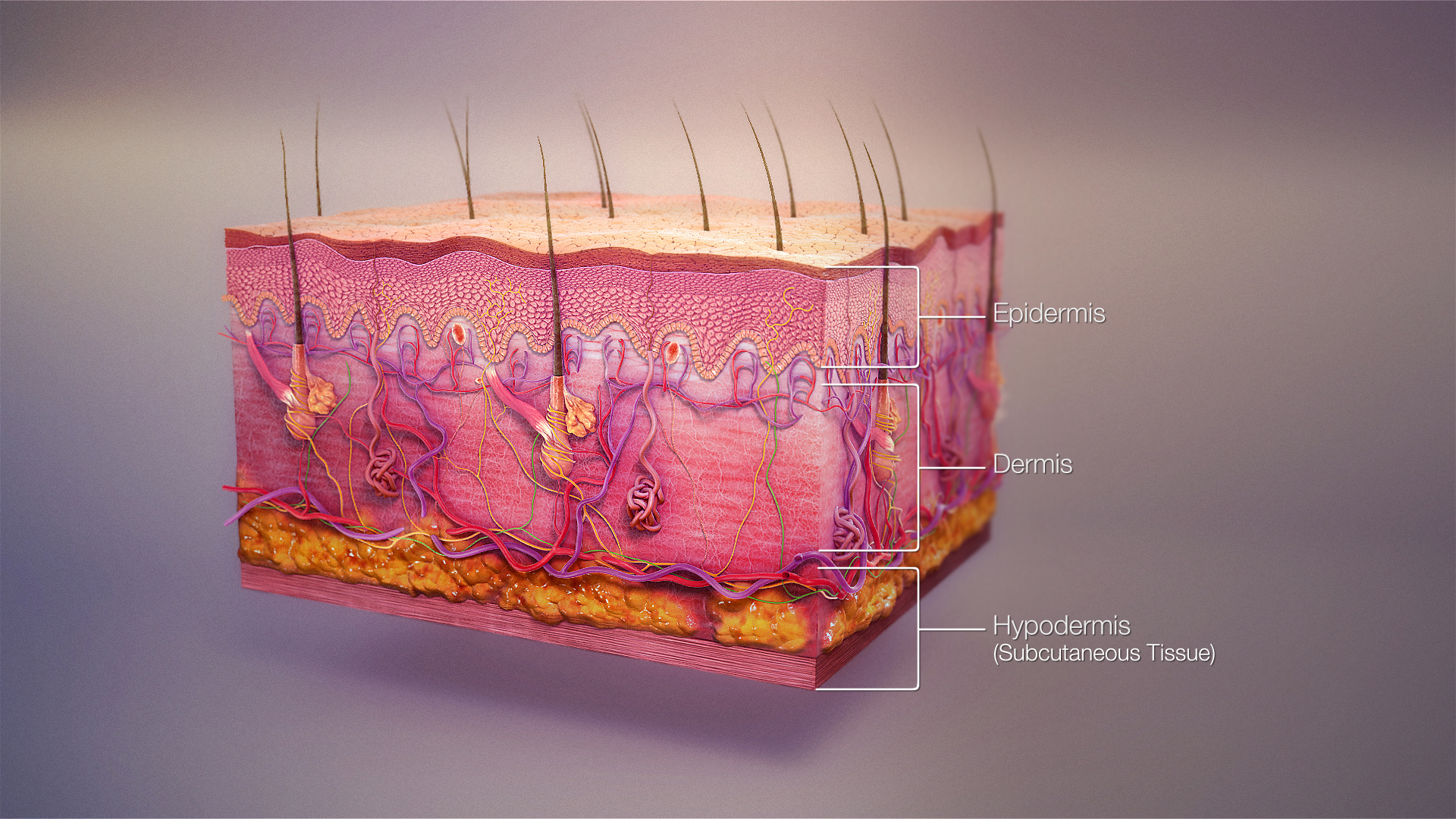
A skin condition, also known as a dermatological or cutaneous disorder, refers to any abnormality or disease affecting the skin, the body's largest organ, which acts as a protective barrier against pathogens, dehydration, and environmental damage while regulating body temperature and enabling sensation.[1]
Skin conditions encompass a broad spectrum of disorders, ranging from inflammatory and infectious to neoplastic and genetic, and represent a significant global health burden, affecting an estimated 1.8 billion people worldwide at any given time.[2] In May 2025, the World Health Assembly adopted a resolution recognizing skin diseases as a global public health priority, noting 4.69 billion incident cases and 41.9 million DALYs in 2021 per the Global Burden of Disease Study.[3] In the United States, approximately one in three individuals experiences a skin condition, with skin cancer being the most common form of cancer overall, though melanoma constitutes less than 5% of cases.[4] Globally, these conditions contribute about 1.79% to the total disease burden as measured by disability-adjusted life years (DALYs), with higher prevalence in low- and middle-income countries where infectious diseases like scabies and pyoderma affect hundreds of millions.[5] In developing regions, prevalence rates can reach 20-80%, often leading to substantial economic strain due to treatment costs and reduced productivity.[6]
Common skin conditions include acne, which results from clogged hair follicles and affects adolescents and young adults predominantly; atopic dermatitis (eczema), characterized by itchy, inflamed skin; psoriasis, featuring scaly red patches due to rapid skin cell turnover; and contact dermatitis, triggered by allergens or irritants.[1][4] Other notable types encompass hives (urticaria), fungal infections, and viral skin diseases, with fungal conditions alone impacting over 578 million people globally in 2019.[7] Symptoms typically involve itching, redness, rashes, swelling, or changes in skin texture and color, varying by condition and severity.[1]
Causes of skin conditions are multifaceted, including genetic predispositions, environmental exposures (such as UV radiation or chemicals), infections (bacterial, fungal, or viral), immune system dysregulation, and lifestyle factors like stress or diet.[4][6] In resource-limited settings, overcrowding and poor hygiene exacerbate infectious types, while in developed areas, autoimmune and allergic responses predominate.[6] Diagnosis often relies on clinical examination, history, and sometimes biopsy, with treatments ranging from topical creams and oral medications to phototherapy and surgery, emphasizing early intervention to prevent complications like scarring or secondary infections.[8]