Hubbry Logo
Neurointensive careNeurointensive careMain
Open search
Neurointensive care
Community hub
Neurointensive care
logo
8 pages, 0 posts
0 subscribers
Be the first to start a discussion here.
Neurointensive care
Neurointensive care
from Wikipedia

Neurocritical care (or neurointensive care) is a medical field that treats life-threatening diseases of the nervous system and identifies, prevents, and treats secondary brain injury.

Neurocritical care
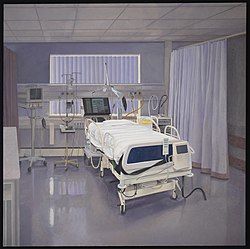
An intensive care unit in a hospital
SystemNervous system
Significant diseasesstroke, seizure, epilepsy, aneurysms, Traumatic brain injury, spinal cord injury, status epilepticus, Cerebral edema, encephalitis, meningitis, brain tumor, respiratory failure secondary to neuromuscular disease.
Significant testsComputed axial tomography, MRI scan, Lumbar puncture
Specialistneurointensivists, neurosurgeons

History

[edit]
Children's ward at Rancho Los Amigos Hospital in 1954, showing more than 100 persons being helped to breathe by the Iron lung

There have been many attempts to manage head injuries throughout history including trepanned skulls found from ancient Egypt and descriptions of treatments to decrease brain swelling in ancient Greek text.[1] Intensive care begin with centers to treat the poliomyelitis outbreak during the mid-twentieth century.[2] These early respiratory care units utilized a negative and positive pressure unit called the "Iron Lung" to aid patients in respiration and greatly decreased the mortality rate of polio.[1] Dr. Bjørn Aage Ibsen, a physician in Denmark, "birthed the intensive care unit", when he used tracheostomy and positive pressure manual ventilation to keep polio patients alive in the setting of an influx of patients and limited resources (only one iron Lung).[2]

Walter Edward Dandy (April 6, 1886 – April 19, 1946) was an American neurosurgeon and scientist.

The first neurological intensive care unit was created by Dr. Dandy Walker at Johns Hopkins in 1929.[1] Dr. Walker realized that some surgical patient could use specialized postoperative neurosurgical monitoring and treatment. The unit Dr. Walker created showed a benefit to postoperative patients, than neurologic patients came to the unit. Dr. Safar created the first intensive care unit in the United States in Baltimore in the 1950s.[1] In the 1970s, the benefit of specialized care in respiratory and cardiac ICUs led to the Society of Critical Care medicine being formed. This body created standards for extensive, difficult medical problems and treatments. Over time the need for specialized monitoring and treatments led to neurologic intensive care units.

Modern neurocritical care began to develop in the 1980s. The Neurocritical Care Society was founded in 2002. In 2005, neurocritical care was recognized as a neurological subspecialty.[1]

Scope

[edit]

The doctors who practice this type of medicine are called neurointensivists, and can have medical training in many fields, including neurology, anesthesiology, emergency medicine, internal medicine, or neurosurgery. Common diseases treated in neurointensive care units include strokes, ruptured aneurysms, brain and spinal cord injury from trauma, seizures (especially those that last for a long period of time- status epilepticus, and/or involve trauma to the patient, i.e., due to a stroke or a fall), swelling of the brain (Cerebral edema), infections of the brain (encephalitis) and the brain's or spine's meninges (meningitis), brain tumors (especially malignant cases; with neurological oncology), and weakness of the muscles required to breathe (such as the diaphragm). Besides dealing with critical illness of the nervous system, neurointensivists also treat the medical complications that may occur in their patients, including those of the heart, lung, kidneys, or any other body system, including treatment of infections.

Neurointensive care centers

[edit]

Neurological intensive care units are specialized units in select tertiary care centers that specialized in the care of critical ill neurological and post and pre-op neurosurgical patients. The goal of NICUs are to provide early and aggressive medical interventions including managing pain, airways, ventilation, anticoagulation, elevated ICP, cardiovascular stability and secondary brain injury. Admission criteria includes: Impaired consciousness, impaired ability to protect airway, progressive respiratory weakness, need for mechanical ventilation, seizure, Radiologic evidence of elevated ICP, monitoring of neurologic function in patients that are critically ill. Neuro-ICU have been seeing increasing use at Tertiary referral hospital. One of the main reasons why Neuro-ICUs have seen increased use is the use of therapeutic hypothermia which has been shown to improve long-term neurological outcomes following cardiac arrest.[3]

Neurointensive care team

[edit]

Most neurocritical care units are a collaborative effort between neurointensivists, neurosurgeons, neurologists, radiologists, pharmacists, physician extenders (such as nurse practitioners or physician assistants), critical care nurses, respiratory therapists, registered dietitians, rehabilitation therapists, and social workers who all work together in order to provide coordinated care for the critically ill neurologic patient.

Neurointensive care nursing

[edit]

Patients in the neurointensive care units (NICU) are vulnerable due to their primary injury, and in need of help with all their personal hygiene. When planning for nursing interventions it is beneficial to be aware of the patient's intracranial adaptive capacity, i.e., intracranial compliance, to avoid the development of elevated ICP. All nursing interventions is performed with the aim of benefit for the patient, such as hygienic interventions, preventing pressure ulcers, surgery wound management, endotracheal suctioning when artificial ventilation is needed, among other things. Though, nursing interventions might as well be stressful, and can result in high ICP. Therefore, it is the nurse's obligation to plan for the interventions so that a balance is achieved between the benefits for the patient's wellbeing and the risk of raised ICP, which might cause secondary insults. High ICP can be prevented by giving extra sedation before intervention, optimizing the patients position with a raised head and stretched neck to avoid venous stasis. When ICP is > 15 mmHg only the most important interventions are to be performed, to minimize the probabilities of secondary insults.[4]

Neurointensive care procedures

[edit]

Hypothermia: One third to half of people with coronary artery disease will have an episode where their heart stops. Of the patients who have their heart stopped seven to thirty percent leave the hospital with good neurological outcome (conscious, normal brain function, alert, capable of normal life).[citation needed] Lowering patients body temperature between 32 -34 degrees within six hours of arriving at the hospital doubles the patients with no significant brain damage compared to no cooling and increases survival of patients.[5]

ICU Monitor (front)

Basic life support monitoring: Electrocardiography, pulse oximetry, blood pressure, assessment of comatose patients.[6]

Neurological monitoring: Serial neurologic examination, assessment of comatose patients (Glasgow Coma Scale plus pupil or four score), ICP (subarachnoid hemorrhages, TBI, Hydrocephalus, Stroke, CNS infection, Hepatic failure), multimodality monitoring to monitor disease and prevent secondary injury in states that are insensitive to neurological exam or conditions confounded by sedation, neuromuscular blockade and coma.

Intracranial pressure (ICP) management: Ventricular catheter to monitor Brain oxygen and concentrations of glucose and PH. With treatment options of Hypertonic serum, barbiturates, hypothermia and decompressive hemicraniectomy

Common neurointensive care illnesses and treatments

[edit]

Traumatic brain injury: Sedation, ICP monitoring and management, Decompressive Craniectomy, Hyperosmolar therapy and maintain hemodynamic stability.

Cross section of a brain under acute middle cerebral artery (MCA) stroke; pictured at autopsy.

Stroke: Airway management, Maintenance of blood pressure and cerebral perfusion, intravenous fluid management, Temperature control, prophylaxis against seizures, nutrition, ICP management and treatment of medical complications.[7]

Subarachnoid hemorrhage: Find the cause of hemorrhage, treat aneurysm or arteriovenous malformation if necessary, monitor for clinical deterioration, manage systemic complications and maintain cerebral perfusion pressure and prevent vasospasm and bridge patient to angiographic clipping.[7]

Status epilepticus: Termination of seizures, prevention of seizure recurrence, treatment of cause of seizure, management of complications, monitoring of hemodynamic stability and continuous Electroencephalography (EEG).[8]

Meningitis: Empirical treatment with antibiotics and maintain hemodynamic stability.[7]

Encephalitis: Airway protection, monitoring of ICP, treatment of seizures if necessary, and sedation if patient is agitated and virial testing hemodynamic stability.[7]

Acute parainfectious inflammatory encephalopathy (Acute disseminated encephalomyelitis (ADEM) and Acute hemorrhagic leucoencephalitis (AHL)): high dose corticosteroids, monitoring of hemodynamic stability.[7]

Multiple sclerosis, Autonomic neuropathy, spinal cord lesion and neuromuscular disease causing respiratory failure: Monitor respiration and respiratory assistance, if necessary to maintain hemodynamic stability.[7]

Tissue plasminogen activator: Monitor patient who receive TPA for 24 hours for brain bleeds.

Spinal cord injury: immobilization, airway protection and oxygenation, management of spinal chock and cardiovascular effects.[9]

See also

[edit]

References

[edit]
[edit]
Revisions and contributorsEdit on WikipediaRead on Wikipedia
from Grokipedia
Neurointensive care, also known as neurocritical care, is a of dedicated to the comprehensive management of patients with life-threatening neurological and neurosurgical conditions, emphasizing specialized monitoring and interventions to prevent secondary brain injury and optimize outcomes. It involves a multidisciplinary team of neurointensivists, nurses, pharmacists, and other specialists who provide 24/7 care in dedicated neurointensive care units (neuro-ICUs) for conditions such as (TBI), (SAH), ischemic and hemorrhagic stroke, , and post-cardiac arrest brain injury. Key physiological monitoring techniques include (ICP) assessment via ventricular catheters or intraparenchymal sensors, cerebral blood flow (CBF) evaluation, brain tissue oxygenation (e.g., using probes like Licox® for partial brain tissue oxygen tension, PbtO2), and microdialysis for real-time analysis of cerebral energy metabolism markers such as glucose, lactate, and pyruvate ratios. These advanced tools enable early detection of complications like , ischemia, or seizures, with continuous () being essential for identifying nonconvulsive , which affects 8–37% of ICU patients with neurological issues. Admission to a neuro-ICU staffed by neurointensivists has been associated with reduced mortality, shorter lengths of stay, and improved functional outcomes compared to general ICUs, particularly for patients with or SAH. Therapeutic strategies often incorporate (e.g., 32–37.5°C to prevent fever post-cardiac arrest), hemodynamic optimization to maintain , and osmotic agents like for control, all grounded in principles of and the blood-brain barrier's role in volume regulation. The field continues to evolve with evidence from high-impact studies, including 2025 guidelines on post-cardiac arrest care, highlighting the benefits of specialized teams in sepsis-associated brain dysfunction and other systemic complications impacting neurological recovery.

Overview and Scope

Definition and Principles

Neurointensive care, also known as neurocritical care, is a of critical care medicine dedicated to the comprehensive management of patients with acute, life-threatening neurological conditions, including traumatic brain injuries, , spinal cord injuries, and severe neuromuscular disorders. This field applies specialized intensive care techniques to stabilize patients, prevent further neurological deterioration, and optimize recovery by addressing both the primary insult and subsequent complications. The primary emphasis is on rapid intervention to mitigate secondary brain injury, which can exacerbate initial damage through cascading pathophysiological processes. At its core, neurointensive care is guided by principles of multimodal monitoring, individualized therapy, and seamless integration of expertise from , , and critical care. Multimodal monitoring involves the simultaneous use of tools such as (ICP) measurement, cerebral oxygenation assessment, and brain tissue oxygen tension monitoring to detect subtle changes in brain physiology in real time, allowing for proactive adjustments in treatment. Individualized therapy tailors interventions—such as management, osmotherapy for reduction, or sedation protocols—to the unique needs of each , based on continuous rather than standardized protocols alone. This interdisciplinary approach ensures that therapeutic decisions balance neurological protection with systemic stability, often involving a multidisciplinary team for coordinated care. Central to neurointensive care are the distinctions between mechanisms. Primary brain injury refers to the immediate structural damage caused by the initial event, such as direct trauma or vascular occlusion, which is generally irreversible once it occurs. In contrast, secondary brain injury arises from delayed processes following the primary insult, including cerebral ischemia due to hypoperfusion, cytotoxic and vasogenic leading to increased ICP, and from excessive neurotransmitter release like glutamate, which triggers neuronal death cascades. The overarching goal of neurointensive care is to interrupt these secondary mechanisms through targeted strategies, such as maintaining and controlling , to preserve viable tissue and improve long-term outcomes. The field has evolved from the initial of neurosurgical patients within general intensive care units (ICUs) to of dedicated neuro-ICUs, which provide specialized environments equipped for advanced neurological monitoring and intervention. This progression reflects a growing recognition of the unique needs of neurologically critically ill patients, shifting from generalized critical care to a focused that enhances survival and functional recovery.

Importance in Critical Care

Neurointensive care plays a pivotal role in critical care by significantly improving survival rates for patients experiencing severe neurological insults, such as (TBI). In cases of severe TBI, mortality rates can reach 46%. However, implementation of neurointensive care protocols has demonstrated reductions in 12-month mortality from 31% to 23%, representing a relative decrease of approximately 26% through targeted early interventions that mitigate and systemic complications. This specialized approach not only enhances short-term survival but also improves long-term functional outcomes, underscoring its essential status in managing life-threatening neurological crises. A key distinction of neurointensive care from general intensive care units (ICUs) lies in its exclusive emphasis on brain-specific , where the exhibits heightened sensitivity to even subtle systemic disturbances. For instance, minor fluctuations in , glucose levels, or body temperature can trigger cascades of , , and , culminating in irreversible neuronal damage and exacerbated secondary . In contrast, general ICUs prioritize multisystem support but may overlook these nuanced neurological vulnerabilities, leading to higher rates of adverse outcomes in brain-injured patients; studies indicate that neurological patients fare better in dedicated neurointensive units, with reduced mortality compared to general settings. This focused expertise ensures proactive prevention of cerebral deterioration, preserving cognitive and motor functions that might otherwise be lost. Beyond acute management, neurointensive care integrates critically with broader medical frameworks, including for immediate stabilization, dedicated stroke units for thrombolytic , and post-operative protocols to address complications like or hemorrhage. This continuum of care facilitates seamless transitions, enhancing overall efficacy in conditions such as acute ischemic , where timely neurointensive intervention complements emergency responses to optimize recovery. From a perspective, neurointensive care yields substantial economic benefits by averting long-term disabilities that impose heavy societal burdens. Preventing outcomes like or persistent reduces lifetime healthcare and productivity losses, with multidisciplinary rehabilitation services after severe brain injury linked to average lifetime savings of $1.58 million per patient through decreased need for extended rehabilitation and institutional care. These cost efficiencies, alongside improved , position neurointensive care as a high-value component of modern critical care systems.

Historical Development

Early Milestones

The earliest known interventions in what would evolve into neurointensive care trace back to , where trepanation—drilling or scraping a hole into the —was performed to alleviate from trauma or presumed evil spirits. Archaeological evidence from , dating to around 5000 BC, reveals healed trepanation sites on skulls, indicating survival rates and intentional medical application rather than solely ritualistic purposes. In the 19th and early 20th centuries, the foundations of modern emerged, driven by pioneers like Harvey Cushing, who is widely regarded as the father of for systematizing the field through meticulous operative techniques and emphasis on patient monitoring. Cushing's innovations, including the introduction of monitoring during surgery and the use of X-rays for preoperative planning, addressed critical gaps in managing neurological injuries, particularly during when he developed subtemporal craniectomy to treat traumatic brain injuries, reducing mortality from over 50% to approximately 35%. A pivotal advancement in specialized care occurred in the 1920s when neurosurgeon Walter Dandy established the first dedicated three-bed unit at in 1923, providing 24-hour nursing for postoperative neurosurgical patients to enable closer observation and intervention. This unit represented an early precursor to neurointensive care facilities, focusing on stabilizing patients after complex cranial procedures amid limited systemic support. By the mid-20th century, the polio epidemics of the 1940s and 1950s highlighted the need for respiratory support in neurological crises, leading to the widespread adoption of the —a negative-pressure mechanical ventilator invented in the 1920s by Philip Drinker and Louis Shaw—to sustain breathing in paralyzed patients. During the 1952 Copenhagen polio epidemic, which was part of a national outbreak affecting over 5,000 individuals in and resulted in over 2,700 cases treated in , causing respiratory failure in hundreds, were instrumental in reducing immediate mortality from bulbar , though long-term care challenges persisted. Throughout this era, neurointensive care faced severe limitations, including the absence of antibiotics until the 1940s, which contributed to rampant postoperative infections and mortality rates exceeding 50% in many neurosurgical cases due to inadequate aseptic techniques and monitoring capabilities. The lack of real-time physiological assessment tools often delayed detection of complications like rising or , exacerbating outcomes in vulnerable patients. These constraints underscored the rudimentary state of care, setting the stage for later technological integrations.

Modern Advancements

The field of neurointensive care began to formalize in the 1980s and 1990s with the establishment of dedicated neuro-intensive care units (neuro-ICUs) in select hospitals across the and , marking a shift from integrated general critical care to specialized neurological management. This emergence was driven by the need for concentrated expertise in handling acute brain injuries, where multidisciplinary teams could address both neurological and systemic complications more effectively. A key technological advancement during this period was the widespread adoption of (ICP) monitoring, facilitated by the development of intraparenchymal microtransducers in the 1980s, which allowed for continuous, real-time assessment of brain swelling in patients with and other conditions. In 2002, the Neurocritical Care Society (NCS) was founded as an international, multidisciplinary organization to advance research, education, and clinical standards in the field. Concurrently, the NCS played a pivotal role in establishing formal fellowship training programs, building on earlier informal efforts like those at in the 1980s, to standardize subspecialty education for physicians from , , and critical care backgrounds. These programs, accredited by the United Council for Neurologic Subspecialties starting in 2007, emphasized comprehensive training in neuromonitoring, pharmacological interventions, and ethical decision-making. Significant milestones included the NCS's publication of its first clinical practice guidelines in 2012 on the management of , providing evidence-based recommendations for acute neurological emergencies. Over time, the scope of neurointensive care expanded to encompass neuroinfectious diseases, incorporating protocols for managing , , and emerging pathogens, particularly as threats highlighted the intersection of infection and neurological deterioration. From the 2010s to 2025, neurointensive care integrated advanced imaging modalities such as CT perfusion, which enables rapid identification of salvageable brain tissue in ischemic stroke by mapping cerebral blood flow deficits. Artificial intelligence (AI) tools have further enhanced prognostication, using machine learning algorithms to analyze multimodal data like EEG patterns and vital signs for early prediction of outcomes in conditions such as traumatic brain injury. In 2023, the NCS published consensus guidelines on the neuroprotective roles of analgesics and sedatives for controlling ICP and improving outcomes in neuro-ICU patients. By 2024, advancements included extended treatment windows for ischemic stroke therapies. The COVID-19 pandemic accelerated adaptations, with neuro-ICUs addressing complications like cerebrovascular events and encephalopathy in critically ill patients, leading to refined protocols for neuroinflammation and long-term sequelae. These developments have improved survival rates and functional recovery, underscoring the field's evolution toward precision and technology-driven care.

Organization and Facilities

Neurocritical Care Units

Neurocritical care units (NCCUs) are specialized intensive care environments designed to manage patients with acute neurological injuries, emphasizing rapid intervention and to optimize outcomes. These units integrate advanced infrastructure to support continuous care, distinguishing them from general ICUs by their focus on brain-specific vulnerabilities. Key design features of NCCUs include strategic proximity to operating rooms (ORs) and departments, which facilitates swift patient transfers and reduces risks associated with intrahospital movement. Additionally, 24/7 availability of imaging modalities such as computed tomography (CT) and (MRI) is essential, often achieved through on-site or adjacent facilities to enable immediate diagnostic assessments. Infection control measures are prioritized, particularly for immunocompromised patients, incorporating single-bed rooms with high-efficiency particulate air (HEPA) filtration, negative or positive pressure ventilation, and dedicated utility areas for clean and soiled materials to minimize pathogen transmission. NCCUs are classified into levels of care to match resource capabilities with patient acuity. Level I units provide comprehensive tertiary care, including advanced interventions and training programs, typically with 8-20 beds to accommodate complex cases. In contrast, Level II units focus on basic stabilization and of stable neurocritical conditions, with transfer protocols to Level I facilities for escalation. Bed capacities in these units generally range from 8 to 20, balancing efficiency with space for multidisciplinary access. Essential equipment in NCCUs includes ventilators modified for , such as those with precise control over oxygenation to prevent secondary brain injury, alongside point-of-care for rapid bedside evaluations. monitors integrate hemodynamic, respiratory, and neurological parameters to support real-time decision-making. Infrastructure like ceiling-mounted booms and power columns ensures unobstructed access to these devices around the patient's head. Globally, NCCUs are more prevalent in urban academic centers of high-income countries, where supports specialized care, whereas resource-limited settings face challenges such as shortages in trained personnel, access, and ICU beds, often relying on adapted general ICUs. These units are staffed by interdisciplinary teams, including neurointensivists available 24/7, to oversee operations.

Standards and Certification

Standards and certification in neurointensive care ensure high-quality, specialized management of critically ill neurological patients through established regulatory frameworks and professional benchmarks. The provides certification for Comprehensive Stroke Centers, which mandates dedicated neuro-intensive care beds with 24/7 availability of appropriately trained staff to deliver comprehensive care for and other neurological emergencies. Complementing this, the Neurocritical Care Society (NCS) issued guidelines in 2018 outlining standards for neurologic critical care units (NCCUs), building on earlier efforts since 2010 to designate unit levels and promote excellence in neurointensive care delivery. These guidelines define three levels of NCCUs—Level I for comprehensive care of complex cases, Level II for stabilization and management of acute patients, and Level III for emergent evaluation and transfer facilitation—emphasizing organizational structure, personnel qualifications, and quality processes to support optimal patient outcomes. Key metrics for neuro-ICU focus on and operational capacity to maintain expertise and . NCS guidelines recommend nurse-to-patient ratios of 1:2 as a baseline, with 1:1 required for high-acuity cases such as those involving monitoring or , to ensure vigilant monitoring and timely interventions. For unit designation, particularly at Level I NCCUs, NCS guidelines recommend sufficient patient volume to sustain clinical proficiency and support training programs. These metrics, aligned with requirements for dedicated beds and multidisciplinary oversight, underscore the need for specialized personnel to achieve and accreditation. Professional certification in neurocritical care is overseen by the United Council for Neurologic Subspecialties (UCNS), which established the in 2006 through a core curriculum and competency framework for advanced training. Eligibility for UCNS requires completion of an accredited fellowship—typically 24 months for physicians from , , or critical care backgrounds—and passing a rigorous examination administered biennially in odd-numbered years, consisting of 200 multiple-choice questions over five hours. This certification validates expertise in multisystem management of neurological emergencies, with over 1,000 diplomates certified by 2025, enhancing credibility and standardization in neurointensive care teams. As of 2025, standards have evolved to incorporate tele-neuroICU models, emphasizing for rural and underserved areas through remote monitoring and consultation to bridge gaps in on-site expertise. These telemedicine enhancements, including mobile units for nighttime coverage, have demonstrated reduced mortality in neuro-ICUs while optimizing staffing, as evidenced by comparative studies showing lower odds of death with hybrid models.

Multidisciplinary Team

Key Roles and Responsibilities

Neurointensivists serve as the primary leaders in neurointensive care units (NICUs), assuming responsibility for coordinating comprehensive patient management, including the oversight of (ICP) control and sedation strategies to prevent secondary brain injury. These specialists typically hold dual training, completing residency in , , or followed by a fellowship in neurocritical care accredited by the United Council for Neurologic Subspecialties (UCNS), enabling them to integrate neurologic expertise with critical care principles. In practice, they direct tiered ICP interventions, such as optimizing through hyperosmolar therapy or coma when refractory occurs, while titrating sedatives like to balance and facilitate serial neurologic assessments. Their role extends to real-time decision-making during acute deteriorations, ensuring alignment with evidence-based protocols to improve outcomes in conditions like . Neurosurgeons play a pivotal consultative and interventional role within the neurointensive team, focusing on emergent surgical procedures to address life-threatening neurologic conditions, such as for uncontrolled ICP or hematoma evacuation following hemorrhage. They must be available within 30 minutes in high-level NICUs to perform these interventions promptly. Collaborating closely with neurointensivists on postoperative care, including ventilator weaning protocols to minimize complications like . This partnership ensures seamless transitions from operating room to ICU, where neurosurgeons contribute to ongoing assessments of surgical site stability and neurologic recovery. Neurointensive care nurses provide continuous bedside vigilance and execute standardized protocols essential for patient stability, maintaining a nurse-to-patient ratio of 1:2 or 1:1 for high-acuity cases involving ICP monitoring or . Their responsibilities include real-time neuromonitoring via devices like external ventricular drains, precise administration of vasoactive agents, and adherence to maneuvers such as elevating the head of the bed to 30 degrees to promote venous drainage and reduce ICP. Nurses also manage family interactions, providing support and education to mitigate anxiety during prolonged ICU stays. Allied health professionals complement the core team by addressing systemic needs that influence neurologic outcomes, with clinical pharmacists conducting daily medication reconciliations to prevent adverse drug interactions, particularly with anticonvulsants or anticoagulants common in neurocritical patients. In dedicated NICUs, pharmacists with neuropharmacology expertise participate in rounds to optimize dosing of sedatives and osmotherapy agents. Physical and occupational therapists initiate early protocols, typically within 24-48 hours when hemodynamically stable, to prevent deep vein thrombosis (DVT) and , employing graded exercises tailored to neurologic deficits like . Respiratory therapists oversee adjustments, ensuring synchronization to avoid while supporting weaning efforts. Effective in neurointensive care rely on structured daily interdisciplinary rounds, where neurointensivists, neurosurgeons, nurses, pharmacists, and therapists convene at the bedside to patient data, adjust care plans, and address evolving needs, fostering collaborative and reducing errors. Handoffs during shift changes or consultations follow standardized protocols, such as the framework, to ensure complete transfer of critical information like ICP trends or sedation levels, maintaining continuity and preventing omissions in high-stakes environments. Family communication is integrated through dedicated protocols, with team members providing consistent updates to align expectations and support shared .

Training and Specialization

Neurointensive care specialists, primarily physicians, undergo specialized fellowship training following residency in fields such as neurology, neurosurgery, anesthesiology, emergency medicine, or internal medicine. The United Council for Neurologic Subspecialties (UCNS) accredits these programs, which typically last two years and require at least 12 months of dedicated clinical experience in neurocritical care units, emphasizing the management of acute neurological conditions in intensive care settings. Fellows gain proficiency in advanced neuromonitoring, multimodal therapies, and interdisciplinary collaboration, culminating in eligibility for UCNS certification upon passing a comprehensive examination. Nursing professionals in neurointensive care build on critical care registered nurse (CCRN) credentials with neuroscience-specific certifications to enhance expertise in neurological assessment and intervention. The Certified Neuroscience Registered Nurse (CNRN) credential, administered by the American Board of Nursing (ABNN), requires at least one year (or 2,080 hours) of full-time nursing practice within the preceding three years, followed by a 220-question computer-based examination covering topics like , diagnostics, and patient care across the lifespan. This certification validates specialized knowledge for managing conditions such as , trauma, and seizures in critical settings, often integrated with modules on management and . Continuing education is essential for maintaining proficiency amid evolving protocols, with the Neurocritical Care Society (NCS) playing a central role through its annual meetings and dedicated learning programs. These events, such as the NCS Annual Meeting, offer up to 21 continuing medical education (CME) credits, focusing on evidence-based updates and practical skills like simulation-based training for emergencies including cerebral herniation and . The NCS Learning Center provides additional resources, including webinars, podcasts, and certification courses like Essentials in Neurocritical Care (ENLS), ensuring ongoing competency in crisis simulation and multidisciplinary care. As of 2025, neurointensive care training curricula increasingly incorporate modules on (AI) ethics—addressing bias mitigation and data privacy in predictive algorithms—and integration for remote monitoring, reflecting technological advancements in the field. However, global disparities persist, with limited access to accredited fellowships and resources in low- and middle-income countries, exacerbating variations in care quality worldwide.

Patient Monitoring and Assessment

Neuromonitoring Techniques

Neuromonitoring techniques in neurointensive care involve specialized methods to continuously assess function, detect secondary injuries, and guide management in s with acute neurological conditions. These tools provide on intracranial dynamics, oxygenation, and electrical activity, enabling early intervention to prevent irreversible damage. By focusing on brain-specific parameters, neuromonitoring complements overall assessment and is essential in settings like neurocritical care units where traditional clinical exams may be unreliable due to or . Intracranial pressure (ICP) monitoring is a cornerstone of neuromonitoring, as elevated ICP can lead to herniation and poor outcomes if not addressed promptly. Invasive methods, such as intraventricular catheters, allow direct measurement of ICP through cerebrospinal fluid drainage and are considered the gold standard for accuracy in severe cases like traumatic brain injury. Non-invasive alternatives, including ultrasound measurement of optic nerve sheath diameter (ONSD), offer a safer option for initial screening or when invasive placement is contraindicated, though they may have lower precision in dynamic settings. Normal ICP is typically maintained below 20 mmHg, with values exceeding this threshold prompting therapeutic interventions. Brain oxygenation monitoring evaluates the balance between oxygen delivery and consumption, which is critical in conditions like or ischemia. Jugular venous oximetry (SjVO2) provides a global assessment by sampling blood from the jugular bulb via a retrograde , with normal values in the range of 55-75% indicating adequate cerebral and values below 55% suggesting potential . Parenchymal probes, inserted directly into brain tissue, measure local brain tissue oxygen tension (PbtO2) and are particularly useful for regional monitoring in focal injuries, offering insights into metabolic demand that global measures might miss. Electrophysiological techniques capture neural activity to identify subclinical events and assess pathway integrity. Continuous (cEEG) is widely employed for detection in neurocritical care, where up to 30% of patients may experience non-convulsive s that evade clinical observation, allowing timely therapy. Evoked potentials, such as somatosensory evoked potentials (SSEPs), evaluate and sensory pathway function by stimulating peripheral nerves and recording cortical responses, aiding in prognostication for injuries. Recent advancements as of 2025 have integrated non-invasive optical methods and to enhance neuromonitoring precision. (NIRS) enables bedside evaluation of by tracking regional fluctuations in response to changes, helping optimize hemodynamic targets without invasive procedures. AI-driven analysis of multimodal data, combining inputs from ICP, EEG, and oxygenation monitors, facilitates predictive modeling for outcomes and automated alerts, improving in complex neurocritical scenarios.

Systemic Monitoring

Systemic monitoring in neurointensive care encompasses the continuous assessment of cardiovascular, respiratory, and metabolic parameters to maintain physiological stability and prevent secondary brain injury in critically ill patients with neurological conditions. These non-neurological systems are closely intertwined with cerebral and oxygenation, where deviations can exacerbate conditions like brain edema or ischemia. Standard protocols emphasize real-time data acquisition through invasive and non-invasive devices to guide interventions, ensuring that systemic supports optimal brain function. Cardiovascular monitoring is fundamental, as blood pressure fluctuations can impair and . Invasive arterial lines are routinely employed to provide beat-to-beat measurements of (MAP), with targets typically set at 80-100 mmHg to preserve autoregulation in patients with acute brain injury, such as (TBI) or . is utilized to evaluate and detect instability, particularly in cases of hemodynamic compromise, allowing for timely adjustments in vasopressor therapy or fluid management to optimize global . Respiratory monitoring focuses on to avoid extremes that could alter cerebral flow. End-tidal CO2 monitoring is standard in mechanically ventilated patients to guide ventilation and prevent unnecessary , which can induce cerebral . gas analysis targets a PaCO2 of 35-45 mmHg to maintain normocapnia, as deviations—such as below 35 mmHg—may reduce cerebral flow and worsen ischemia, while can increase . modes like pressure-regulated volume control (PRVC) are commonly selected in neurointensive care to deliver consistent tidal volumes while minimizing peak airway pressures, thereby protecting against and supporting lung-protective strategies. Metabolic monitoring addresses derangements that directly influence neuronal integrity and recovery. Blood glucose levels are tracked frequently using , with targets of 140-200 mg/dL recommended to mitigate the risks of hypo- or hyperglycemia-induced secondary injury, such as worsened neuronal or osmotic shifts. Routine panels are essential to detect imbalances like or , which can precipitate seizures or arrhythmias; for instance, serum sodium is monitored to avoid levels below 135 mEq/L that might exacerbate through osmotic effects. Systemic instability, such as , can profoundly worsen edema by promoting inflammation and vascular permeability, leading to increased and poorer neurological outcomes in neurocritical patients. To counteract this, bundled care protocols integrate early administration, source control, and hemodynamic with close of the aforementioned parameters, aiming to stabilize peripheral organs and indirectly safeguard . These approaches complement brain-specific neuromonitoring by addressing extracranial factors that amplify neurological .

Common Conditions and Treatments

Acute Neurological Emergencies

Acute neurological emergencies represent a core focus of neurointensive care, involving rapid assessment, stabilization, and intervention to mitigate from sudden insults such as trauma, vascular events, seizures, or hemorrhage. These conditions demand immediate multidisciplinary response to preserve neurological function, with initial management prioritizing airway protection, hemodynamic stability, and targeted diagnostics like computed tomography (CT) imaging. In the United States, (TBI) affects approximately 2.8 million individuals annually through emergency department visits, hospitalizations, and deaths, while impact about 795,000 people each year with new or recurrent events. Traumatic brain injury (TBI) often presents with altered consciousness following blunt or penetrating head trauma, requiring prompt evaluation using the Glasgow Coma Scale (GCS) to gauge severity. The GCS assesses eye-opening (1-4 points), verbal response (1-5 points), and motor response (1-6 points), yielding a total score from 3 (deep coma) to 15 (normal); mild TBI is scored 13-15, moderate 9-12, and severe ≤8, guiding triage and prognosis. Common subtypes include cerebral contusion, characterized by localized bruising and hemorrhage from direct impact, typically in frontal or temporal lobes, and diffuse axonal injury (DAI), resulting from shearing forces in acceleration-deceleration injuries, leading to widespread white matter disruption visible on MRI. Initial stabilization involves preventing secondary hypoxia and hypotension, with CT to identify mass lesions. Ischemic stroke, caused by thrombotic or embolic occlusion, manifests as focal deficits like or , assessed via the Stroke Scale (NIHSS), which scores impairment across 11 items (0-42 total, with higher indicating greater severity) in areas such as , gaze, and motor function. Hemorrhagic stroke, from vessel rupture, presents with sudden headache, vomiting, and rapid deterioration due to intracerebral or subarachnoid bleeding. For ischemic cases, intravenous with tissue (tPA, ) is indicated within a 4.5-hour window from symptom onset, administered at 0.9 mg/kg (maximum 90 mg) to dissolve clots and restore perfusion, per (AHA) guidelines; is a reasonable alternative in eligible patients. Initial management for both types emphasizes control and to differentiate etiologies and exclude hemorrhage before . Status epilepticus, a life-threatening emergency, is defined as continuous seizure activity lasting more than 5 minutes or recurrent seizures without recovery of baseline , with refractory cases persisting despite initial therapies. It often arises from acute insults like or metabolic derangements, presenting with prolonged convulsions, autonomic instability, or subtle nonconvulsive features detectable by (EEG). American Epilepsy Society (AES) guidelines recommend immediate administration as first-line treatment: 0.1 mg/kg intravenously (maximum 4 mg per dose, repeatable once) or 0.2 mg/kg intramuscularly (maximum 10 mg), to terminate seizures and prevent neuronal damage from . Stabilization includes securing the airway and monitoring for . Subarachnoid hemorrhage (SAH), frequently from rupture, typically presents with a sudden ", , , and possible loss of or focal deficits. The Hunt-Hess scale grades severity clinically: Grade 1 (asymptomatic or mild ), Grade 2 (moderate with meningismus), Grade 3 (mild alteration in mental status or focal deficit), Grade 4 ( with ), and Grade 5 (deep , decerebrate rigidity), with higher grades predicting worse outcomes and higher mortality. rupture carries a rebleeding risk of up to 20% within 24-48 hours if untreated, escalating mortality; early securing of the via or clipping within 72 hours is critical, alongside to prevent . Noncontrast CT confirms diagnosis with high sensitivity in the first 6 hours, followed by if negative.

Secondary Complications and Management

Secondary complications in neurointensive care often arise from the primary neurological injury, leading to multi-organ dysfunction that requires vigilant monitoring and targeted interventions to prevent further deterioration. , a common , can progress to herniation syndromes, manifesting as elevated (ICP) and neurological decline. Management primarily involves osmotherapy to reduce swelling. , an , is administered at doses of 0.5-1 g/kg intravenously to create an osmotic gradient that draws fluid from tissue into the bloodstream, thereby lowering ICP. Hypertonic saline (HTS) protocols, typically using 3% or 23.4% solutions, are increasingly preferred for initial therapy, with bolus doses of 2-5 mL/kg over 10-20 minutes followed by continuous infusion if needed, as they provide sustained ICP reduction without the risk of renal complications associated with . The guidelines recommend HTS over for initial management in due to its efficacy and safety profile in maintaining serum osmolality below 320 mOsm/L. Close monitoring of serum osmolality, electrolytes, and renal function is essential to avoid rebound edema or . Systemic complications further complicate neurointensive care, particularly disruptions in fluid and balance stemming from hypothalamic-pituitary axis involvement. Neurogenic (NPE), triggered by acute insults, presents with acute respiratory distress and bilateral infiltrates on imaging, often within hours of injury. Treatment focuses on supportive care, including with (PEEP) to improve oxygenation, while addressing the underlying neurological event; diuretics like are used cautiously to manage fluid overload without exacerbating cerebral hypoperfusion. Syndrome of inappropriate antidiuretic hormone secretion (SIADH) leads to through excessive water retention, managed initially with fluid restriction to 80% of maintenance needs (approximately 20-25 mL/kg/day) and, if severe (sodium <125 mEq/L), 3% HTS boluses of 1-2 mL/kg to raise sodium by 4-6 mEq/L over 24 hours. In contrast, diabetes insipidus (DI) causes hypernatremia from vasopressin deficiency, necessitating desmopressin (DDAVP) replacement at 1-2 mcg intravenously every 8-12 hours, alongside meticulous fluid balance monitoring to match urine output with isotonic fluids at 30 mL/kg/day baseline, adjusted for insensible losses. The European Society of Intensive Care Medicine (ESICM) consensus emphasizes isotonic crystalloids for neurointensive patients to maintain euvolemia and prevent cerebral ischemia. Infections pose a significant risk in neurointensive care, exacerbated by prolonged mechanical ventilation and immunosuppression from critical illness. Ventilator-associated pneumonia (VAP) occurs in 23-60% of neurocritically ill patients, with incidence rates of 20-40 episodes per 1,000 ventilator-days in specialized units, driven by factors like impaired swallowing and immobility. Diagnosis relies on clinical criteria (fever, leukocytosis, purulent secretions) combined with quantitative cultures from bronchoalveolar lavage, targeting pathogens such as or . Management involves early empiric antibiotics (e.g., piperacillin-tazobactam or vancomycin) de-escalated based on cultures, with a 7-day course recommended by the Infectious Diseases Society of America (IDSA) guidelines to minimize resistance. Prophylactic strategies include oral chlorhexidine decontamination and elevation of the head of the bed to 30-45 degrees, though routine systemic antibiotics are not endorsed due to risks of multidrug resistance; selective digestive decontamination may be considered in high-risk cases but lacks universal recommendation. Transition to rehabilitation is facilitated by strategies to optimize weaning from mechanical ventilation and reduce prolonged intubation risks. Early tracheostomy, performed after 7-10 days of intubation in patients unlikely to extubate soon (e.g., those with Glasgow Coma Scale <8 or persistent bulbar dysfunction), shortens ventilator dependence, lowers VAP incidence, and enables earlier mobilization. Criteria include anticipated ventilation >14 days, with techniques preferred under bronchoscopic guidance to minimize complications like bleeding. Studies indicate that early tracheostomy reduces ICU length of stay by 5-10 days and improves success rates to over 70% in neurocritical populations, supporting a smoother to rehabilitative services while preserving neurological recovery potential.

Procedures and Interventions

Surgical and Procedural Interventions

Surgical and procedural interventions in neurointensive care are employed to mitigate life-threatening structural and physiological derangements, such as elevated (ICP) or vascular occlusions, often guided by neuromonitoring techniques to optimize timing and efficacy. These interventions typically occur in operating rooms or specialized suites and aim to preserve neurological function in critically ill patients with acute injuries. Decompressive craniectomy involves the surgical removal of a portion of the skull to allow brain expansion and reduce ICP in cases of refractory intracranial hypertension, defined as ICP exceeding 25 mmHg despite maximal medical therapy. This procedure is particularly indicated for patients with traumatic brain injury (TBI) where swelling leads to herniation risk. The RESCUEicp trial, a multicenter randomized controlled study published in 2016, demonstrated that early decompressive craniectomy significantly lowered mortality at six months (from 48.9% in the medical management group to 26.9% in the surgery group) compared to continued medical therapy alone, although it increased the proportion of patients with severe disability or vegetative states (from 28% to 40%). Long-term follow-up from the trial confirmed sustained mortality benefits but highlighted the trade-off with unfavorable functional outcomes in survivors. Ventriculostomy, or external ventricular drainage (EVD), is a bedside or procedural intervention that entails inserting a into the cerebral ventricles to drain excess (CSF) and monitor ICP, primarily for managing acute secondary to , , or TBI. This technique provides immediate relief from obstructive and allows direct ICP measurement, with drainage thresholds often set at 15-20 mmHg. Infection risk associated with , including or , is reported to be approximately 5-10% in modern protocols emphasizing sterile technique, antibiotic-impregnated catheters, and minimized duration of placement, though rates can vary based on patient factors like systemic or prolonged catheterization. Endovascular therapies, such as mechanical thrombectomy, are minimally invasive catheter-based procedures performed via femoral access to retrieve thrombi from large vessel occlusions in acute ischemic , restoring cerebral blood flow in the neurointensive setting. These interventions are critical for patients with proximal anterior circulation occlusions, where timely reperfusion prevents irreversible . The DAWN trial, a 2018 randomized study, established efficacy in an extended therapeutic window, showing that thrombectomy up to 24 hours from last known well in carefully selected patients (based on perfusion imaging mismatch) improved 90-day functional independence ( score of 0-2 in 49% of the thrombectomy group versus 13% in controls), without increased symptomatic risk. Therapeutic hypothermia, involving controlled body cooling to 32-34°C for 24 hours followed by gradual rewarming, has been utilized in neurointensive care for comatose patients post-cardiac arrest with (ROSC) to mitigate secondary from ischemia and reperfusion. This intervention targets by reducing metabolic demand and , typically initiated within hours of ROSC using surface or intravascular cooling devices. However, the 2025 American Heart Association guidelines, informed by trials like TTM2 demonstrating no superiority of hypothermia over targeted normothermia, now recommend to 32-37.5°C for at least 36 hours in comatose adults post-ROSC who remain unresponsive, with prevention of fever emphasized and strict hypothermia limited to select cases due to mixed efficacy evidence and potential complications like arrhythmias.

Pharmacological Therapies

Pharmacological therapies play a central role in neurointensive care by targeting seizure control, , cerebral protection, and reversal of coagulopathies to stabilize patients with acute neurological injuries such as (SAH) or (ICH). These interventions focus on modulating neuronal excitability, reducing indirectly through sedation, and preventing secondary brain injury without invasive procedures. Guidelines from organizations like the /American Stroke Association (AHA/ASA) and the Neurocritical Care Society emphasize evidence-based dosing and monitoring to optimize outcomes while minimizing adverse effects like or drug interactions. Anticonvulsants are essential for preventing and treating seizures in neurocritically ill patients, with remaining a first-line option for s. A typical intravenous loading dose of is 15-20 mg/kg, administered at a rate not exceeding 50 mg/min in adults to achieve rapid therapeutic levels and control acute seizures or . serves as an effective alternative, particularly in patients with hepatic impairment or those requiring fewer drug interactions, with initial doses of 20-60 mg/kg (up to 4500 mg) showing comparable efficacy to in reducing early post-traumatic seizures. Both agents are recommended in Neurocritical Care Society guidelines for seizure prophylaxis in moderate to severe , with favored for its renal clearance and lower risk of cardiac arrhythmias. Sedation and analgesia protocols in neurointensive care prioritize agents that maintain hemodynamic stability while facilitating neurological assessment. is commonly used for deep to achieve on (EEG) in cases of refractory or elevated , with infusion rates titrated from 20-75 mcg/kg/min to suppress epileptiform activity without prolonged recovery times. provides targeted analgesia for pain control in ventilated patients, dosed at 0.7-10 mcg/kg/hour intravenously, offering effective relief without significant due to its minimal impact on vascular tone compared to other opioids. These combinations align with broader intensive care guidelines adapted for neurocritical settings, emphasizing analgesia-first approaches to reduce risk. Neuroprotectants like are specifically indicated for preventing delayed cerebral ischemia from following aneurysmal SAH. The standard regimen involves oral at 60 mg every 4 hours (total 360 mg/day) for 21 consecutive days, initiated as soon as possible after , which has been shown to improve neurological outcomes by reducing ischemic deficits. This preferentially dilates cerebral vessels, and AHA/ASA guidelines classify its use as Class I, Level A evidence based on randomized trials demonstrating a 30-40% in poor outcomes. In patients with anticoagulant-associated ICH, rapid reversal is critical to limit expansion. For warfarin-related ICH, (PCC) is recommended at 25-50 IU/kg intravenously, achieving faster international normalized ratio correction (within 30 minutes) compared to , thereby reducing mortality and morbidity. For direct oral anticoagulants (DOACs), specific reversal agents include (5 g IV) for , which fully reverses its effects within minutes, and (high or low dose based on last DOAC intake) for factor Xa inhibitors like or , both supported by AHA guidelines for urgent bleeding scenarios. These agents are preferred over non-specific therapies like PCC for DOACs due to higher efficacy and lower thrombotic risk. As of 2025, emerging evidence supports as an adjunct for refractory , particularly when first- and second-line therapies fail. Intravenous , dosed at 1-3 mg/kg bolus followed by 0.5-7 mg/kg/hour infusion, acts on NMDA receptors to provide and termination in up to 50-60% of super-refractory cases, with systematic reviews highlighting its safety profile and reduced need for prolonged compared to traditional anesthetics. Early administration (within 12 hours of onset) is associated with better control rates, positioning as a promising option in updated neurocritical care protocols.

Outcomes, Ethics, and Research

Prognosis and Long-term Outcomes

The prognosis in neurointensive care varies widely depending on the underlying condition, injury severity, and patient-specific factors, with predictive models aiding in estimating survival and functional recovery. The International Mission for Prognosis and Analysis of Clinical Trials in (IMPACT) score is a widely used prognostic tool for (TBI), incorporating variables such as age, motor score, pupil reactivity, and computed tomography (CT) findings like traumatic or to predict 6-month mortality and unfavorable outcomes. For ischemic stroke patients in neurointensive settings, the (mRS) assesses long-term disability, ranging from 0 (no symptoms) to 6 (death), with scores of 0-2 indicating favorable functional independence at 90 days post-event. Survival rates differ markedly by TBI severity; mild TBI (Glasgow Coma Scale 13-15) has a survival rate approaching 99%, while severe TBI (Glasgow Coma Scale 3-8) carries a 30-50% mortality rate in the acute phase, often due to secondary brain insults like hypoxia or hypotension. Among severe TBI survivors, approximately 50% experience long-term disabilities, including cognitive impairments, motor deficits, and reduced quality of life, persisting beyond one year. In stroke cohorts under neurointensive care, 6-month survival exceeds 70% for milder cases, but severe hemispheric strokes yield rates around 40-60%, with persistent neurological deficits in most survivors. Key influencing factors include age, where patients over 65 years face roughly double the mortality risk compared to younger adults due to reduced physiological reserve and comorbidities. Early initiation of rehabilitation within the first weeks post-injury significantly enhances functional independence, with studies showing benefits in for those receiving prompt multidisciplinary therapy. As of 2025, models integrating multimodal data—such as clinical metrics, , and —have achieved up to 85% accuracy in predicting mortality and neurological outcomes in TBI and post-cardiac arrest neurointensive patients, outperforming traditional scores like IMPACT. These tools emphasize the potential for personalized prognostication, though challenges in data heterogeneity persist.

Ethical Considerations

Ethical considerations in neurointensive care are profoundly shaped by the uncertainty of neurological prognostication, the vulnerability of patients with impaired , and the high-stakes nature of interventions that may prolong life without restoring function. These dilemmas often revolve around balancing patient , beneficence, and , particularly when patients cannot communicate their preferences due to or severe brain injury. Decisions in this field must adhere to established ethical principles, such as those outlined by the , which emphasize informed decision-making and the avoidance of futile care. Withdrawal of represents one of the most challenging ethical issues in neurointensive care, often guided by criteria indicating irreversible brain damage, such as absent reflexes, fixed and dilated pupils, and absent motor responses on standardized scales like the . These neurological signs, combined with multimodal prognostication including imaging and , help clinicians determine when continued support is unlikely to lead to meaningful recovery, thereby justifying withdrawal to respect dignity and avoid prolonging suffering. Family involvement is crucial, with surrogate decision-makers relying on advance directives or prior expressed wishes to guide choices; for instance, if a has documented preferences via Physician Orders for Life-Sustaining Treatment (POLST) forms, these take precedence over clinical judgment alone. In the absence of directives, shared frameworks encourage multidisciplinary discussions to align withdrawal with the patient's substituted judgment or best interests, as supported by consensus guidelines from neurocritical care societies. Resource allocation in neurointensive care intensifies ethical tensions during crises like pandemics, where protocols prioritize patients with reversible injuries to maximize overall benefit. During the 2020 surge, European and U.S. guidelines, such as those from the Neurocritical Care Society, recommended scoring systems like the Sequential Organ Failure Assessment (SOFA) adapted for neurological patients, favoring those with higher likelihoods of recovery over those with extensive irreversible damage, such as widespread anoxic brain injury. These frameworks emphasize fairness by excluding non-clinical factors like age or status, though implementation revealed disparities in how protocols were applied across institutions, underscoring the need for transparent, equitable criteria to prevent . Informed consent poses unique challenges for comatose patients in neurointensive care, where surrogates must navigate complex decisions without direct patient input, relying on frameworks like the "substituted judgment" standard to infer preferences based on prior discussions or values. For procedures such as decompressive craniectomy or intracranial pressure monitoring, surrogates receive detailed information on risks, benefits, and alternatives, but emotional distress and prognostic uncertainty can impair their capacity, necessitating ethics consultations to ensure voluntariness and comprehension. Tools like decision aids, including web-based modules that outline outcomes for conditions like traumatic brain injury, have been developed to support surrogates, promoting autonomy even in incapacity; however, legal requirements vary by jurisdiction, with some mandating court involvement for minors or unbefriended patients. Equity issues further complicate neurointensive care , as underserved populations face systemic disparities in access to specialized units, leading to delayed interventions and worse outcomes for conditions like or . Racial and ethnic minorities, as well as low-income groups, experience barriers such as geographic isolation from level 1 neuro-ICUs and biases in , with studies showing and patients receiving less aggressive care despite similar prognoses. In 2025, growing integration of AI for prognostication has heightened concerns over , where models trained on underrepresented datasets may overestimate mortality risks for minority patients, perpetuating inequities unless mitigated through diverse data inclusion and regular audits. Addressing these requires interventions, such as expanding tele-neurocritical care to rural areas, to ensure just distribution of resources.

Current Research and Future Directions

Ongoing clinical trials are exploring refined surgical and thermal interventions to improve outcomes in neurointensive care. The DESTINY III trial investigates early prophylactic decompressive hemicraniectomy in elderly patients with (ICH), aiming to assess its efficacy and safety compared to standard medical management in reducing mortality and disability. Similarly, the TTM2 trial evaluated at 33°C versus targeted normothermia at 37.5°C in comatose patients post-cardiac arrest, finding no significant difference in death or poor neurological outcomes at six months, prompting a shift toward broader fever prevention strategies as alternatives. Emerging innovations in regenerative and neuromodulatory therapies hold promise for addressing severe neurological injuries. Stem cell therapies, particularly using (iPSC)-derived motor neuron cells, are advancing through phase 1 clinical trials for subacute , with early data indicating potential improvements in motor function and safety in human participants as of 2025. In preclinical studies, enables precise by selectively activating corticospinal neurons via light-sensitive channels, demonstrating enhanced functional recovery in animal models of spinal injury through targeted cAMP induction, with translation to human applications anticipated in the near future. Artificial intelligence and wearable technologies are transforming predictive and transitional monitoring in neurointensive settings. algorithms applied to EEG data have achieved seizure prediction sensitivities exceeding 90% in prospective evaluations, enabling proactive interventions to mitigate in ICU patients. Wearable neuromonitors, such as multi-parameter devices tracking and neurological , facilitate seamless post-ICU care by providing continuous, non-invasive data to detect early deterioration and support remote recovery management. Future directions in neurointensive care emphasize overcoming methodological hurdles and leveraging molecular insights for tailored therapies. Clinical trials face persistent challenges in recruiting diverse populations, including racial and ethnic minorities, due to communication barriers and underrepresentation, which limits generalizability and necessitates inclusive recruitment strategies to ensure equitable benefits. Additionally, integrating into protocols is poised to enable personalized interventions, with studies identifying genetic variations that predict responses to critical care therapies, paving the way for precision medicine in cerebrovascular emergencies.

References

Add your contribution
Related Hubs
User Avatar
No comments yet.