Hubbry Logo
Oil paintingOil paintingMain
Open search
Oil painting
Community hub
Oil painting
logo
8 pages, 0 posts
0 subscribers
Be the first to start a discussion here.
Contribute something
Oil painting
Oil painting
from Wikipedia

Mona Lisa was created by Leonardo da Vinci using oil paints during the Renaissance period in the 16th century.

Oil painting is a painting method involving the procedure of painting with pigments combined with a drying oil as the binder. It has been the most common technique for artistic painting on canvas, wood panel, or copper for several centuries. The advantages of oil for painting images include "greater flexibility, richer and denser color, the use of layers, and a wider range from light to dark".[1]

The oldest known oil paintings were created by Buddhist artists in Afghanistan, and date back to the 7th century AD.[2] Oil paint was later developed by Europeans for painting statues and woodwork from at least the 12th century, but its common use for painted images began with Early Netherlandish painting in Northern Europe, and by the height of the Renaissance, oil painting techniques had almost completely replaced the use of egg tempera paints for panel paintings in most of Europe, though not for Orthodox icons or wall paintings, where tempera and fresco, respectively, remained the usual choice.

Commonly used drying oils include linseed oil, poppy seed oil, walnut oil, and safflower oil. The choice of oil imparts a range of properties to the paint, such as the amount of yellowing or drying time. The paint could be thinned with turpentine. Certain differences, depending on the oil, are also visible in the sheen of the paints. An artist might use several different oils in the same painting depending on specific pigments and effects desired. The paints themselves also develop a particular consistency depending on the medium. The oil may be boiled with a resin, such as pine resin or frankincense, to create a varnish to provide protection and texture. The paint itself can be molded into different textures depending on its plasticity.

Techniques

[edit]
Thin blade used for the application or removal of paint. Can also be used to create a mixture of various pigments.

Traditional oil painting techniques often begin with the artist sketching the subject onto the canvas with charcoal or thinned paint. Oil paint is usually mixed with linseed oil, artist grade mineral spirits, or other solvents to make the paint thinner, faster or slower drying. (Because the solvents thin the oil in the paint, they can also be used to clean paint brushes.) A basic rule of oil paint application is 'fat over lean', meaning that each additional layer of paint should contain more oil than the layer below to allow proper drying. If each additional layer contains less oil, the final painting will crack and peel. The consistency on the canvas depends on the layering of the oil paint. This rule does not ensure permanence; it is the quality and type of oil that leads to a strong and stable paint film.

Other media can be used with the oil, including cold wax, resins, and varnishes. These additional media can aid the painter in adjusting the translucency of the paint, the sheen of the paint, the density or 'body' of the paint, and the ability of the paint to hold or conceal the brushstroke. These aspects of the paint are closely related to the expressive capacity of oil paint.

Traditionally, paint was most often transferred to the painting surface using paintbrushes, but there are other methods, including using palette knives and rags. Palette knives can scrape off any paint from a canvas and can also be used for application. Oil paint remains wet longer than many other types of artists' materials, enabling the artist to change the color, texture, or form of the figure. At times, the painter might even remove an entire layer of paint and begin anew. This can be done with a rag and some turpentine for a time while the paint is wet, but after a while the hardened layer must be scraped off. Oil paint dries by oxidation, not evaporation, and is usually dry to the touch within two weeks (some colors dry within days).

History

[edit]
A section of the earliest discovered oil paintings (c. 650 AD) depicting Buddhist imagery in Bamiyan, Afghanistan
A detail of the earliest known oil paintings in the world (circa. 650 AD) located in Bamiyan, Afghanistan.
A detail from the oldest oil paintings in the world (c. 650 AD), a series of Buddhist murals created in Bamiyan, Afghanistan

The earliest known surviving oil paintings are Buddhist murals created c. 650 AD in Bamiyan, Afghanistan. Bamiyan is a historic settlement along the Silk Road and is famous for the Bamiyan Buddhas, a series of giant statues, behind which rooms and tunnels are carved from the rock. The murals are located in these rooms. The artworks display a wide range of pigments and ingredients and even include the use of a final varnish layer. The application technique and refined level of the paint media used in the murals and their survival into the present day suggest that oil paints had been used in Asia for some time before the 7th century. The technique used, of binding pigments in oil, was unknown in Europe for another 900 years or so.[3][4][5]

In a treatise written about 1125, monk Theophilus Presbyter (a pseudonymous author who is sometimes identified as Roger of Helmarshausen[6]) gives instructions for oil-based painting in his treatise, De diversis artibus ('on various arts'), written about 1125.[7] At this period, it was probably used for painting sculptures, carvings, and wood fittings, perhaps especially for outdoor use. Surfaces exposed to the weather or of items like shields—both those used in tournaments and those hung as decorations—were more durable when painted in oil-based media than when painted in traditional tempera paints. Cennino Cennini, in his Book of Art, also mentions and describes the oil technique. Most European Renaissance sources, in particular Vasari, falsely credit northern European painters of the 15th century, and Jan van Eyck in particular, with the invention of oil paints.[8]

However, early Netherlandish paintings with artists like Van Eyck and Robert Campin in the early and mid-15th century were the first to make oil the usual painting medium and explore the use of layers and glazes, followed by the rest of Northern Europe, and then Italy.

Such works were painted on wooden panels, but towards the end of the 15th century canvas began to be used as a support, as it was cheaper, easier to transport, allowed larger works, and did not require complicated preliminary layers of gesso (a fine type of plaster). Venice, where sail-canvas was easily available, was a leader in the move to canvas. Small cabinet paintings were also made on metal, especially copper plates. These supports were more expensive but very firm, allowing intricately fine detail. Often printing plates from printmaking were reused for this purpose. The increasing use of oil spread through Italy from Northern Europe, starting in Venice in the late 15th century. By 1540, the previous method for painting on panel (tempera) had become all but extinct, although Italians continued to use chalk-based fresco for wall paintings, which was less successful and durable in damper northern climates.

Renaissance techniques used several thin almost transparent layers or glazes, usually each allowed to dry before the next was added, greatly increasing the time a painting took. The underpainting or ground beneath these was usually white (typically gesso coated with a primer), allowing light to reflect through the layers. But van Eyck, and Robert Campin a little later, used a wet-on-wet technique in places, painting a second layer soon after the first. Initially, the aim was, as with the established techniques of tempera and fresco, to produce a smooth surface when no attention was drawn to the brushstrokes or texture of the painted surface. Among the earliest impasto effects, using a raised or rough texture in the surface of the paint, are those from the later works of the Venetian painter Giovanni Bellini, around 1500.[9]

This became much more common in the 16th century, as many painters began to draw attention to the process of their painting, by leaving individual brushstrokes obvious, and a rough painted surface. Another Venetian, Titian, was a leader in this. In the 17th century some artists, including Rembrandt, began to use dark grounds. Until the mid-19th century, there was a division between artists who exploited "effects of handling" in their paintwork, and those who continued to aim at "an even, glassy surface from which all evidences of manipulation had been banished".[10]

Before the 19th century, artists or their apprentices ground pigments and mixed their paints for the range of painting media. This made portability difficult and kept most painting activities confined to the studio. This changed when tubes of oil paint became widely available following the American portrait painter John Goffe Rand's invention of the squeezable or collapsible metal tube in 1841. Artists could mix colors quickly and easily, which enabled, for the first time, relatively convenient plein air painting (a common approach in French Impressionism)

Ingredients

[edit]
A close-up of glistening, golden flax seeds.
Flax seed is the source of linseed oil.

The linseed oil itself comes from the flax seed, a common fiber crop. Linen, a "support" for oil painting (see relevant section), also comes from the flax plant. Safflower oil or the walnut or poppyseed oil or Castor Oil are sometimes used in formulating lighter colors like white because they "yellow" less on drying than linseed oil, but they have the slight drawback of drying more slowly and may not provide the strongest paint film. Linseed oil tends to dry yellow and can change the hue of the color. In some regions, this technique is referred to as the drying oil technique.

Recent advances in chemistry have produced modern water miscible oil paints that can be used and cleaned up with water. Small alterations in the molecular structure of the oil create this water miscible property.

Supports for oil painting

[edit]
A square canvas rests on top of another with its back showing a thick frame of wood.
Splined canvas

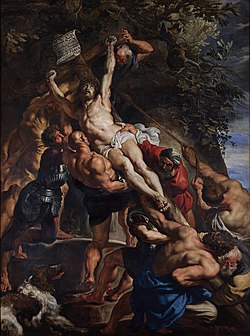
The earliest oil paintings were almost all panel paintings on wood, which had been seasoned and prepared in a complicated and rather expensive process with the panel constructed from several pieces of wood, although such support tends to warp. Panels continued to be used well into the 17th century, including by Rubens, who painted several large works on wood. The artists of the Italian regions moved towards canvas in the early 16th century, led partly by a wish to paint larger images, which would have been too heavy as panels. Canvas for sails was made in Venice and so easily available and cheaper than wood.

Smaller paintings, with very fine detail, were easier to paint on a very firm surface, and wood panels or copper plates, often reused from printmaking, were often chosen for small cabinet paintings even in the 19th century. Portrait miniatures normally used very firm supports, including ivory, or stiff paper card.

Traditional artists' canvas is made from linen, but less expensive cotton fabric has been used. The artist first prepares a wooden frame called a "stretcher" or "strainer". The difference between the two names is that stretchers are slightly adjustable, while strainers are rigid and lack adjustable corner notches. The canvas is then pulled across the wooden frame and tacked or stapled tightly to the back edge. Then the artist applies a "size" to isolate the canvas from the acidic qualities of the paint. Traditionally, the canvas was coated with a layer of animal glue (modern painters use rabbit skin glue) as the size and primed with lead white paint, sometimes with added chalk. Panels were prepared with a gesso, a mixture of glue and chalk.

Modern acrylic "gesso" is made of titanium dioxide with an acrylic binder. It is frequently used on canvas, whereas real gesso is not suitable for canvas. The artist might apply several layers of gesso, sanding each smooth after it has dried. Acrylic gesso is very difficult to sand. One manufacturer makes a "sandable" acrylic gesso, but it is intended for panels only and not canvas. It is possible to make the gesso a particular color, but most store-bought gesso is white. The gesso layer, depending on its thickness, will tend to draw the oil paint into the porous surface. Excessive or uneven gesso layers are sometimes visible on the surface of finished paintings as a change that's not from the paint.

Standard sizes for oil paintings were set in France in the 19th century. The standards were used by most artists, not only the French, as it was—and still is—supported by the main suppliers of artists' materials. Size 0 (toile de 0) to size 120 (toile de 120) is divided into separate "runs" for figures (figure), landscapes (paysage), and marines (marine) that more or less preserve the diagonal. Thus a 0 figure corresponds in height with a paysage 1 and a marine 2.[11]

Although surfaces like linoleum, wooden panel, paper, slate, pressed wood, Masonite, and cardboard have been used, the most popular surface since the 16th century has been canvas, although many artists used panel through the 17th century and beyond. The panel is more expensive, heavier, harder to transport, and prone to warp or split in poor conditions. For fine detail, however, the absolute solidity of a wooden panel has an advantage.

Some artists are now painting directly onto prepared Aluminium Composite Material (ACM) panels. Others combine the perceived benefits of canvas and panel by gluing canvas onto panels made from ACM, Masonite or other material.

Process

[edit]
A man's finger sticks through a hole in a large wooden palette. One of his hands is dipping a brush into the paint and the other holds numerous brushes in reserve.
A traditional wood palette used to hold and mix small amounts of paint while working

Oil paint is made by mixing pigments of colors with an oil medium. Since the 19th century the different main colors are purchased in paint tubes pre-prepared before painting begins, further shades of color are usually obtained by mixing small quantities as the painting process is underway. An artist's palette, traditionally a thin wood board held in the hand, is used for holding and mixing paints. Pigments may be any number of natural or synthetic substances with color, such as sulfides for yellow or cobalt salts for blue. Traditional pigments were based on minerals or plants, but many have proven unstable over long periods. Modern pigments often use synthetic chemicals. The pigment is mixed with oil, usually linseed, but other oils may be used. The various oils dry differently, which creates assorted effects.

A brush is most commonly employed by the artist to apply the paint, often over a sketched outline of their subject (which could be in another medium). Brushes are made from a variety of fibers to create different effects. For example, brushes made with hog bristles might be used for bolder strokes and impasto textures. Fitch hair and mongoose hair brushes are fine and smooth, and thus answer well for portraits and detail work. Even more expensive are red sable brushes (weasel hair). The finest quality brushes are called "kolinsky sable"; these brush fibers are taken from the tail of the Siberian weasel. This hair keeps a superfine point, has smooth handling, and good memory (it returns to its original point when lifted off the canvas), known to artists as a brush's "snap". Floppy fibers with no snap, such as squirrel hair, are generally not used by oil painters.

In the past few decades, many synthetic brushes have been marketed. These are very durable and can be quite good, as well as cost efficient.

Brushes come in multiple sizes and are used for different purposes. The type of brush also makes a difference. For example, a "round" is a pointed brush used for detail work. "Flat" brushes are used to apply broad swaths of color. "Bright" is a flat brush with shorter brush hairs, used for "scrubbing in". "Filbert" is a flat brush with rounded corners. "Egbert" is a very long, and rare, filbert brush. The artist might also apply paint with a palette knife, which is a flat metal blade. A palette knife may also be used to remove paint from the canvas when necessary. A variety of unconventional tools, such as rags, sponges, and cotton swabs, may be used to apply or remove paint. Some artists even paint with their fingers.

Tubes of paint

Old masters usually applied paint in thin layers known as "glazes" that allow light to penetrate completely through the layer, a method also simply called "indirect painting". This technique is what gives oil paintings their luminous characteristics. This method was first perfected through an adaptation of the egg tempera painting technique (egg yolks used as a binder, mixed with pigment), and was applied by the Early Netherlandish painters in Northern Europe with pigments usually ground in linseed oil. This approach has been called the "mixed technique" or "mixed method" in modern times. The first coat (the underpainting) is laid down, often painted with egg tempera or turpentine-thinned paint. This layer helps to "tone" the canvas and to cover the white of the gesso. Many artists use this layer to sketch out the composition. This first layer can be adjusted before proceeding further, an advantage over the "cartooning" method used in fresco technique. After this layer dries, the artist might then proceed by painting a "mosaic" of color swatches, working from darkest to lightest. The borders of the colors are blended when the "mosaic" is completed and then left to dry before applying details.

Artists in later periods, such as the Impressionist era (late 19th century), often expanded on this wet-on-wet method, blending the wet paint on the canvas without following the Renaissance-era approach of layering and glazing. This method is also called "alla prima". This method was created due to the advent of painting outdoors, instead of inside a studio, because while outside, an artist did not have the time to let each layer of paint dry before adding a new layer. Several contemporary artists use a combination of both techniques to add bold color (wet-on-wet) and obtain the depth of layers through glazing.

When the image is finished and has dried for up to a year, an artist often seals the work with a layer of varnish that is typically made from dammar gum crystals dissolved in turpentine. Such varnishes can be removed without disturbing the oil painting itself, to enable cleaning and conservation. Some contemporary artists decide not to varnish their work, preferring the surface unvarnished to avoid a glossy look.

Examples of famous works

[edit]

Citations

[edit]
  1. ^ Osborne (1970), p. 787
  2. ^ "World's oldest use of oil paint found in Afghanistan". World Archaeology. 6 July 2008. Retrieved 10 August 2020.
  3. ^ "Synchrotron light unveils oil in ancient Buddhist paintings from Bamiyan". European Synchrotron Radiation Facility. 21 April 2008. Retrieved 12 April 2020.
  4. ^ "Afghan caves hold world's first oil paintings: expert". ABC News. 25 January 2008.
  5. ^ "Earliest Oil Paintings Discovered". Live Science. 22 April 2008.
  6. ^ "Theophilus: German writer and painter". Encyclopedia Britannica. 11 April 2024 [First published 20 July 1998].
  7. ^ Osborne (1970), pp. 787, 1132
  8. ^ Borchert (2008), pp. 92–94
  9. ^ Osborne (1970), p. 787
  10. ^ Osborne (1970), pp. 787–788
  11. ^ Haaf, Beatrix (1987). "Industriell vorgrundierte Malleinen. Beiträge zur Entwicklungs-, Handels- und Materialgeschichte". Zeitschrift für Kunsttechnologie und Konservierung. 1: 7–71.

General and cited references

[edit]

Further reading

[edit]
[edit]
Revisions and contributorsEdit on WikipediaRead on Wikipedia
from Grokipedia
Oil painting is a traditional artistic technique in which dry pigments are suspended in a drying oil, such as linseed or , to form a slow-drying medium that hardens into a flexible, durable upon exposure to air. This method allows artists to blend colors seamlessly while wet, achieving subtle gradations of tone, rich luminosity, and fine details in light and shadow, typically applied in multiple layers to supports like primed , wood panels, or sheets. The origins of oil painting trace back to in the 12th century, where early experiments combined pigments with oils for illuminated manuscripts and small panels, though the technique remained limited in scope. It was in the early 15th century, in the (modern-day and the ), that artists like elevated oil painting to a virtuoso medium, using innovative layering, glazing, and meticulous to produce hyper-realistic effects, as seen in works like the (1432). 's advancements, building on earlier uses, enabled greater depth and vibrancy compared to preceding methods, marking a pivotal shift in Western art toward naturalism and . By the mid-15th century, oil painting had spread to , with early adoption in around 1445 and in the late 1450s, and in by artists such as in the 1460s, where the humid climate made impractical and the medium's wet-blending properties ideal for atmospheric effects. adapted Netherlandish techniques to Italian subjects, contributing to its popularity across . This diffusion solidified oil as the preeminent painting medium across during the and beyond, influencing masters like , , and Velázquez, who exploited its versatility for textures, transparent glazes, and alla prima (direct) applications. Key techniques evolved to include the "fat over lean" rule—thicker, oil-rich layers over leaner —to prevent cracking—and varnishing for enhanced sheen, ensuring longevity while accommodating diverse styles from meticulous realism to expressive . Today, oil painting remains a cornerstone of , valued for its archival stability and adaptability in both traditional and contemporary practices.

Fundamentals

Definition and Origins

Oil painting is a technique in which pigments are suspended in a drying oil, most commonly linseed oil, to create a viscous medium that is applied in layers to a support, resulting in durable and luminous artworks. The term "oil painting" derives from the English language, with its first recorded use dating to the late 17th century (1699), though the practice itself predates this nomenclature by centuries. Unlike tempera, which employs an egg-based emulsion that dries quickly and produces a matte finish, or fresco, where pigments are absorbed into wet plaster for a permanent bond, oil painting utilizes a slower-drying medium that permits extensive blending, subtle gradations, and intricate detailing on the surface. The conceptual origins of oil painting trace back to ancient practices where oils were occasionally used to bind pigments, as seen in adaptations from encaustic techniques involving heated wax and oil mixtures in Greek and , though these were not fully developed as a standalone medium. The earliest known actual oil paintings date to the CE, discovered in 2008 in the Bamiyan caves of , where Buddhist artists used or oil to bind pigments for murals. In early Mediterranean civilizations, non-drying oils like were mixed with pigments for preparatory layers or varnishes, but the shift to drying oils such as linseed enabled more stable applications without the rapid setting of earlier methods. This evolution positioned oil as a versatile binder, distinct from the water-soluble binders in or the plaster integration in , allowing for greater flexibility in artistic expression. Key advantages of oil painting include its exceptional color vibrancy, achieved through the translucent quality of the medium that allows to penetrate and reflect within layers, creating depth and . The technique's texture versatility supports a range of effects, from thin glazes to thick , facilitated by the oil's malleability before drying. Furthermore, its longevity stems from the process, where the undergoes oxidative cross-linking to form a tough, flexible film that resists cracking and fading over time.

Key Characteristics

Oil painting is distinguished by the inherent translucency of its oil binder, which allows light to penetrate the layers of , creating a luminous quality and enabling artists to achieve rich and subtle gradations that mimic the vibrancy of . This optical effect arises from the refractive properties of the , such as , which suspends pigments in a medium that transmits rather than scatters light, fostering glowing highlights and atmospheric depth in works like portraits. A defining trait of oil paint is its slow drying time, typically ranging from days to weeks depending on thickness and environmental conditions, which permits blending techniques such as , where colors merge seamlessly for soft transitions and realistic modeling without visible brush marks. This extended workability facilitates corrections and layered development, contrasting with faster-drying media like , and has been prized since the medium's adoption for its flexibility in refining compositions over time. The versatility of oil paint in texture is unparalleled, allowing applications from thin, transparent glazes that build through successive veils to thick strokes that impart three-dimensionality and tactile emphasis, as seen in the expressive surfaces of still lifes. Glazes exploit the medium's translucency for depth, while leverages its to retain bold ridges, enabling artists to convey movement, reflection, and emotional intensity within a single work. Oil paints dry through an oxidative process, where the unsaturated fatty acids in the oil binder react with oxygen to form a cross-linked, flexible film that enhances long-term durability and resistance to cracking, often preserving paintings for centuries under proper conditions. This chemical hardening creates a tough yet pliable layer superior to evaporation-based drying in other paints, contributing to the medium's archival stability. Despite these advantages, oil painting involves toxicity risks primarily from volatile solvents like used for thinning and cleaning, which emit harmful vapors necessitating good ventilation to prevent respiratory , headaches, or long-term health effects from . Artists must handle these materials in well-aired spaces or use alternatives to mitigate exposure, as the pigments themselves are generally inert once bound in oil.

Historical Development

Early Innovations

The innovations in oil painting emerged in 15th-century , particularly among Flemish artists who refined the medium to achieve unprecedented levels of detail and realism. , along with his brother Hubert, is widely recognized for advancing oil painting techniques, most notably in the (completed 1432), a altarpiece in oil on panel that exemplifies the medium's potential for luminous effects and intricate rendering. The Van Eycks' method involved grinding pigments into linseed or nut oils mixed with resins, allowing for thin glazes that built depth and vibrancy, transforming religious into vividly lifelike scenes. This approach marked a pivotal shift, enabling artists to capture subtle textures and light reflections that were challenging with prior media. The transition from egg tempera, the dominant medium in medieval , to oil painting was driven by the addition of resins and varnishes, which enhanced the oil's properties for gloss and controlled drying. , bound by egg yolk, dried rapidly but limited blending and layering; in contrast, oil's slower oxidation process, accelerated somewhat by resinous additives like those used by van Eyck, permitted techniques and translucent overlays for richer tonal transitions. These modifications not only improved adhesion and durability on wooden panels but also produced a glossy finish that mimicked the sheen of jewels and fabrics, elevating the aesthetic appeal of Northern European art. The technique rapidly spread through Flemish workshops, with painters like adopting and popularizing oil on portable oak panels, which offered greater flexibility than site-bound frescoes. Van der Weyden, active in and from the 1430s, applied oil to create emotionally charged compositions, such as altarpieces and diptychs that could be transported for private devotion or export, facilitating the medium's dissemination across . This portability aligned with the region's thriving trade networks, making oil painting a practical choice for secular and ecclesiastical commissions alike. Early adoption in Italy occurred around the 1470s, largely through , a Sicilian artist who encountered Flemish methods during travels to the or via imported works. Documented in by 1475–76, Antonello introduced oil techniques to Italian painters, including , by demonstrating glazing and precise brushwork in portraits and religious panels that blended Northern detail with Italian composition. His innovations bridged regional styles, paving the way for oil's dominance in .

Renaissance to Baroque

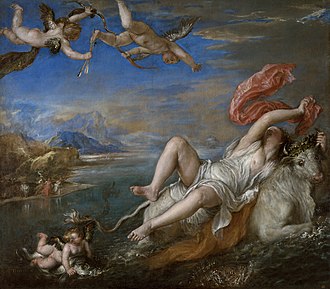
The oil painting technique, initially innovated by Flemish artists in the early , saw significant evolution during the as it spread southward to , where painters adapted and refined it for new expressive purposes. By the early , oil painting had become a dominant medium, allowing for greater flexibility in layering and blending compared to , enabling artists to achieve unprecedented realism and emotional depth in their works. Leonardo da Vinci advanced oil painting through his development of the sfumato technique, which involves subtle, smokey transitions between colors and tones to create atmospheric perspective and soften contours, as exemplified in the Mona Lisa (c. 1503–1506). This method, applied in thin glazes of oil, produced a hazy, lifelike quality in flesh tones and backgrounds, mimicking the diffusion of light in nature and enhancing the painting's enigmatic mood. Leonardo's approach marked a shift toward psychological subtlety, influencing subsequent generations by prioritizing optical realism over linear precision. In , the emphasis on colorito—the primacy of color over drawing (disegno)—distinguished the school's approach, with and pioneering loose brushwork in oil to capture the vibrancy of landscapes and figures. 's The Tempest (c. 1506–1508) and 's early works, such as Sacred and Profane Love (1514), employed fluid oil applications to build luminous effects directly on , allowing colors to blend for a sense of immediacy and in pastoral scenes. This Venetian contrasted with linearity, favoring sensual, atmospheric rendering that celebrated the medium's potential for rich, tactile surfaces. The period in the further dramatized oil painting through , an extreme form of where stark light contrasts emerge from deep shadows, as masterfully used by to heighten emotional intensity. In works like The Calling of Saint Matthew (1599–1600), applied oil paints with bold, direct illumination to spotlight figures against velvety darkness, creating theatrical tension and realism that drew viewers into biblical narratives. This technique amplified the medium's capacity for psychological drama, influencing European artists by transforming oil painting into a tool for dynamic and sensory immersion. The institutionalization of oil painting occurred through the establishment of art academies, which standardized its use on for genres like portraits and altarpieces, promoting consistent training and theoretical frameworks. Founded in the late , such as the Accademia del Disegno in (1563) and the Académie Royale in (1648), these institutions elevated oil techniques to professional norms, emphasizing life drawing and glazing for lifelike portraits, while ensuring altarpieces met ecclesiastical demands for grandeur and durability. This academization solidified as the preferred support, facilitating its widespread adoption across for both secular and religious commissions.

Modern and Contemporary Eras

In the , elevated oil painting's capacity for , with pioneering loose brushwork and vibrant colors to convey passion and drama, as seen in works like (1830), where dynamic strokes and bold hues evoke revolutionary fervor. This approach contrasted with Neoclassicism's restraint, emphasizing individual feeling over idealized forms. Realism, emerging in response to industrialization and social upheaval, shifted focus to everyday life and labor, with Gustave Courbet employing thick impasto layers in oils to render tangible textures and critique societal norms, notably in The Stonebreakers (1849), which depicts manual toil with raw, unvarnished materiality to highlight class struggles. Courbet's deliberate buildup of paint rejected romantic idealization, grounding his canvases in observable reality and peasant experiences. Impressionism in the late revolutionized oil painting through practices, as and captured transient light and atmosphere with rapid, alla prima applications directly on outdoors, prioritizing optical effects over fine detail in series like Monet's Haystacks (1890–91). This technique, using loose, visible brushstrokes and unmixed colors, allowed artists to depict modern urban and natural scenes with immediacy, fostering a shift from studio-bound layering to spontaneous execution. The 20th century saw oil painting embrace abstraction, with Pablo Picasso's Cubist works, such as (1907), fragmenting forms through geometric planes and multifaceted perspectives in oil on canvas, challenging traditional representation to explore simultaneity and multiple viewpoints. further expanded this boundary with his drip technique in the , pouring and flinging thinned paints—including oils and enamels—across horizontal canvases to create all-over compositions like Number 1A, 1948, emphasizing process and rhythmic energy over figuration in . In contemporary practice, oil painting integrates hybrid media, blending traditional oils with acrylics, resins, or found objects to create textured, surfaces that address postmodern themes of fragmentation and cultural fusion, as in the layered collages of artists like Amy Talluto. Environmental concerns have driven the adoption of non-toxic oil formulations, such as those free of and volatile solvents, reducing health risks and ecological impact from paint production and disposal in studio work. Additionally, digital tools influence a revival of classical oil techniques, enabling artists to sketch virtually before translating to canvas, merging precision software with tactile brushwork to reanimate historical methods in a tech-saturated era.

Materials

Pigments and Binders

Pigments in oil painting are finely ground colored particles that provide hue and opacity to the paint, derived from either inorganic or organic sources. Inorganic pigments, typically mineral-based compounds, offer greater durability and often higher opacity, making them suitable for long-lasting works; examples include (highly toxic and now largely replaced by safer options like titanium white), a basic used historically for its bright whiteness and covering power, and , a sodium aluminum sulfo-silicate originally derived from for deep blues. Artists should be aware that many pigments, particularly those containing like lead, , and , are toxic and require proper ventilation, gloves, and avoidance of /; safer synthetic alternatives are widely available today. Organic pigments, carbon-based and usually brighter in chroma, tend to be more transparent but less , such as alizarin crimson, a synthetic compound that produces vivid reds with improved stability over its natural madder root predecessor. Pigments are classified by hue (e.g., red, blue, yellow), opacity (ranging from transparent to opaque, affecting layering potential), and (rated on scales like ASTM I for excellent resistance to fading under light exposure to V for poor). Binders suspend and adhere pigments to the support, with linseed oil serving as the primary choice due to its siccative properties—high content of unsaturated fatty acids like enables polymerization through oxidation, forming a tough, flexible film that dries relatively quickly. Alternatives include , which dries more slowly and yellows less, ideal for cooler tones, and poppy oil, prized for its pale color and non-yellowing qualities in whites, blues, and greens despite extended drying times that can lead to softer films. Traditionally, artists ground dry pigments into binders like using a muller on a slab to create custom paints, allowing control over consistency but requiring skill to achieve even dispersion. In 1841, American artist John G. Rand invented the collapsible metal paint tube, revolutionizing accessibility by enabling pre-mixed, portable oil paints sealed against air exposure, which supplanted fragile pig bladders and facilitated painting. In oil painting, color theory relies on primary pigments—red, yellow, and blue—as the foundation, from which secondary colors are mixed: red and yellow yield orange, blue and yellow produce , and red and blue create , enabling a wide palette through subtractive mixing. Artists must heed warnings against fugitive pigments, such as genuine or certain early organic dyes, which fade under light exposure and compromise longevity; lightfast alternatives like synthetic alizarin crimson are recommended to ensure archival quality.

Mediums and Solvents

In oil painting, mediums are additives mixed with pigments and binders to alter the paint's consistency, drying time, and optical qualities, while solvents are volatile liquids used to thin paints and clean tools. Mediums enhance flow, gloss, or transparency, allowing artists to achieve desired effects without compromising the paint film's integrity. For instance, stand oil, a polymerized linseed oil heated in the absence of air, increases gloss and leveling while reducing brush strokes, making it ideal for glazing and smooth applications. Dammar resin, derived from tree sap, is dissolved in solvents to create a transparent medium that promotes quick setup of paint layers, enabling overworking within a day and contributing to luminous effects in glazes. These additives adhere to the fat-over-lean rule, where subsequent layers contain more oil or medium than underlying ones to ensure flexible drying and prevent cracking as the film cures. Solvents primarily thin oil paints for initial washes or underpainting and facilitate brush cleaning, with their evaporation rates influencing blendability and working time. Turpentine, distilled from pine resin, evaporates rapidly, allowing quick solvent loss and promoting even paint flow, but its strong odor and absorption through skin necessitate careful handling. Mineral spirits, a petroleum distillate, offer a slower evaporation rate than turpentine, providing longer open time for blending while being less odorous and safer for skin contact, though still requiring precautions. Odorless variants like Gamsol evaporate more gradually than turpentine but faster than alternatives such as spike lavender oil, balancing usability with reduced volatility. Historically, painters relied on boiled heated with metallic salts to accelerate drying—as a primary medium for its durability and gloss in multilayered works by artists like . This evolved through the era with additions like mastic resin for elasticity, but modern innovations include acrylic-based mediums and resins, introduced in the , which dry faster and reduce yellowing in hybrid techniques while maintaining compatibility with traditional oils. As of 2025, ongoing innovations include bio-based and low-VOC solvents, as well as sustainable binders derived from renewable sources, reflecting a shift toward options. These shifts reflect advances in chemistry, enabling safer, more versatile options without altering core oil-binding principles. Safety considerations are paramount due to the flammability and of many mediums and solvents. and mineral spirits are highly flammable, with vapors forming mixtures, and emit volatile organic compounds (VOCs) that irritate eyes, , and respiratory systems, potentially causing long-term . Adequate ventilation, such as studio fans or exhaust systems, is essential to disperse VOCs, and artists should use gloves, avoid absorption, and store materials away from ignition sources; solvent-free alternatives like pure stand oil minimize these risks while preserving traditional handling.

Supports and Preparation

Types of Supports

In oil painting, the support refers to the physical surface upon which the paint is applied, influencing the artwork's durability, texture, and portability. Early oil paintings predominantly utilized wooden panels as supports, particularly for works from the onward, due to their rigidity and stability. Common woods included , favored in such as the for its strength and resistance to warping, and poplar, preferred in for its lightweight and fine . These panels were often constructed from joined planks, suitable for pieces and religious commissions where permanence was essential. By the , stretched emerged as a revolutionary alternative, enabling greater flexibility and ease of transport. , woven from , became the standard support in due to its tight weave, durability, and ability to withstand repeated rolling and unrolling without damage. Cotton canvas gained popularity later, particularly in the 19th and 20th centuries, as a more affordable option, though it is coarser and more prone to expansion from compared to . Supports can be categorized as rigid or flexible, each offering distinct advantages. Rigid supports like wooden panels and modern boards—engineered hardboards introduced in the early —provide a stable, non-sagging surface ideal for detailed work and resisting environmental fluctuations. Metal sheets, such as , represent another rigid option, historically used from the in and for small-scale portraits, religious scenes, and still lifes due to their smooth, non-absorbent surface, high durability against rot and insects, and ability to enhance color saturation. Copper supports require specific preparation, often involving or application of a ground to prevent formation from oil interaction. Flexible supports, such as , allow for larger formats and easier storage but require stretching on frames to maintain tension. Paper, while occasionally used for preliminary oil sketches, is not suitable as a primary support due to its fragility and absorption issues. The evolution of supports reflects broader artistic and practical shifts, transitioning from fixed wooden altar panels in medieval and early settings to portable canvases that facilitated the rise of easel painting and outdoor work by the period. This change enhanced mobility for artists, as canvases could be rolled for travel, unlike bulky panels. Size considerations have long guided support selection, with small-scale miniatures and portraits often on compact wooden panels for precision, while expansive murals and landscapes favor large canvases for their and relative , though portability decreases with scale.

Grounding and Priming

Grounding and priming are essential preparatory steps in oil painting that involve applying layers to the support to ensure proper , prevent deterioration, and create a suitable surface for pigmentation. These treatments seal the underlying material, reducing absorbency and providing a stable base that enhances the longevity of the artwork. Traditionally, grounding refers to the application of absorbent, water-based layers like , while priming involves oil-compatible coatings to form a non-porous surface. For rigid supports such as panels, the process begins with using , a solution derived from animal hides, applied hot in thin coats to seal the porous wood and prevent rot from moisture or penetration. Over this, multiple layers of —typically a mixture of () or () bound with the same glue—are brushed on while warm, allowed to dry between applications, and sanded smooth for an even, absorbent surface that holds fine details. In , -based was preferred for its whiteness and workability, while gypsum variants dominated in southern regions due to availability; typically 8 to 15 thin coats might be used to build a durable, slightly toothy texture without cracking. On flexible supports like , traditional priming follows with to stiffen the fabric and block oil absorption, then involves oil-based primers such as (basic ) ground in or other drying oils, applied in several thin layers to create a smooth, non-absorbent film. These primers, often incorporating earth pigments for tone, dry slowly—requiring weeks to months for full hardening—and provide a flexible yet protective barrier against support degradation. Techniques include horizontal application to avoid drips, light sanding between coats for uniformity, and occasionally tinting the ground (e.g., a gray over white ) to aid in tonal modeling, as seen in portraiture where mid-tones speed value judgments. In contemporary practice, acrylic gesso has largely supplanted traditional methods, offering a polymer-based of white or other pigments in an acrylic binder that combines and grounding functions. Applied in 3-6 thin coats to or panels, it dries quickly (hours rather than days), sands easily to a smooth finish, and provides flexibility suitable for stretched supports, reducing the risk of cracking over time. This modern alternative maintains for oil paints while being less brittle than glue-based and avoiding toxic lead, though artists must ensure full curing before oil application to prevent .

Techniques

Layering and Glazing

Layering and glazing are foundational indirect techniques in oil painting that build depth, , and realism through successive applications of , allowing artists to achieve complex color harmonies and optical effects not possible with direct methods. These approaches, rooted in practices, involve creating a structured foundation before adding translucent layers, which interact with to produce a sense of volume and vibrancy. The process demands patience, as each layer must dry sufficiently to prevent issues, contrasting with faster wet-into-wet applications. Underpainting establishes the tonal structure of a composition, typically using a monochromatic base to define values, forms, and composition before color is introduced. Grisaille, a grayscale underpainting, mimics the appearance of sculpture in black, white, and gray tones, providing a precise guide for subsequent layers and enhancing the illusion of three-dimensionality. Verdaccio, an alternative, employs earthy greens and browns to approximate flesh tones and shadows, particularly favored in portraiture for its ability to harmonize with warmer overpaints. These methods allow artists to refine the overall design without committing to final colors early, ensuring balanced light and shadow relationships. Layering progresses from thin, lean applications to thicker, richer ones, adhering to the fat-over-lean principle to ensure long-term stability by preventing cracking as the painting cures. Initial layers use minimal in the medium to dry quickly and form a stable base, while subsequent ones incorporate more or for flexibility, allowing the underlying to breathe without tension. This gradual build-up creates , where colors from lower layers subtly influence those above, resulting in nuanced transitions and realism. For instance, in paintings, thin washes of tones in early layers can ground the scene, upon which denser sky and foliage are applied. Glazing involves applying thin, transparent veils of color over dried opaque layers, exploiting the translucency of to achieve jewel-like intensity and subtle color shifts. By mixing pigments with a glazing medium—such as or dammar diluted with —artists can create washes that allow light to penetrate and reflect back through multiple layers, enhancing saturation without muddiness. mastered this technique, using it to imbue flesh tones with warm glows and draperies with rich depth, as seen in works like , where glazes over a tonal produce luminous highlights and shadows. The result is an ethereal quality, where colors appear to emanate from within the canvas rather than sitting on its surface. Drying intervals are crucial in layering and glazing, with traditional methods requiring weeks or months between layers to allow tack-free , promoting and preventing the "alligatoring" effect from uneven contraction. Fast-drying earth pigments in might set in days, while oil-rich glazes can take up to six months, necessitating extended workflows for multi-layered works. In contrast, alla prima techniques apply all layers wet, but layering demands these deliberate pauses to build structural , though artists may accelerate with siccatives in non-glaze layers under controlled conditions.

Impasto and Alla Prima

Impasto is a painting technique in which oil paint is applied thickly to the surface, creating a textured, sculptural quality that emphasizes brushstrokes or palette knife marks. This method allows artists to build up layers of paint that retain their dimensionality, often using stiff hog bristle brushes or palette knives to achieve bold, three-dimensional effects. Opaque pigments contribute to the technique's visibility by maintaining color intensity in heavy applications. A notable example is Vincent van Gogh's The Starry Night (1889), where swirling impasto strokes evoke the turbulent energy of the night sky. Alla prima, meaning "at first" in Italian, refers to a direct approach completed in a single session, applying wet paint onto wet paint for spontaneous, fluid effects. This method captures immediate impressions and vibrant color interactions, often resulting in loose, expressive brushwork. It was popularized by Impressionists such as and , who used it to depict fleeting light and atmosphere in works like Monet's Impression, Sunrise (1872). Both techniques rely on specific tools and additives to enhance texture and workability. Hog bristle brushes, with their stiff, springy filaments, are ideal for pushing thick paint and creating defined strokes in or alla prima applications. Additives like paste can be mixed into to increase body and retain peaks without slumping, providing a matte finish and greater control during application. Despite their expressive potential, and present challenges, including extended drying times due to the thickness of the paint layers, which can take weeks or longer depending on environmental conditions and types. In , the process risks color muddiness if hues blend unintentionally, requiring careful planning of composition and limited overworking to preserve clarity.

Painting Process

Initial Setup

The initial setup for oil painting begins with establishing an appropriate workspace to ensure stability, visibility, and efficiency during the preparatory phase. Studio easels, typically constructed from or metal for , support larger canvases in a fixed indoor environment, while field easels, designed for portability, are lightweight and collapsible for outdoor or plein air work. Optimal lighting comes from north-facing windows, which provide consistent, diffused illumination throughout the day without shifting shadows or color distortions from direct sunlight. Palette selection favors non-porous surfaces like , which offers a warm tone and natural grip for , or , prized for its neutral reflectivity and ease of cleaning. Sketching establishes the composition on the primed support before any is applied, often starting with loose compositional drawings refined into detailed cartoons. These underdrawings are transferred using soft for direct, erasable lines on the primed surface or via for precise scaling and alignment, allowing artists to outline forms without committing to . Color mixing preparation involves organizing the palette with a curated selection of paints, frequently employing limited palettes to streamline harmony and control. The Zorn palette, named after Swedish artist , restricts to just four colors—titanium white, yellow ochre, cadmium red medium, and ivory black—ideal for portraiture as it facilitates subtle flesh tones and tonal values through careful mixing. Safety protocols are essential from the outset to mitigate risks from solvents and pigments. Artists should wear chemical-resistant gloves and ensure adequate ventilation, such as open windows or exhaust fans, to disperse volatile fumes during setup activities like palette preparation. Solvent-contaminated rags or residues must be stored in sealed, fire-safe containers and disposed of as through professional services, never poured down drains or discarded in regular trash.

Application and Building Layers

The application of oil paint begins with the blocking-in stage, where the artist establishes the overall composition by laying down broad masses of color and value using thin washes or loose brushstrokes. This initial layer, often called an or if monochromatic, helps define the major shapes, tonal relationships, and spatial structure without focusing on fine details, allowing for a strong foundational . Following blocking in, refinement involves gradually introducing mid-tones and finer details to develop form and texture. Artists build complexity by blending transitions between values, adding subtle color variations, and employing techniques like scumbling—a method of dragging a thin, semi-opaque layer of lighter over darker areas with a dry brush to soften edges and create atmospheric effects. This stage enhances depth and realism while maintaining the unity established earlier. Adjustments are integral throughout the building process, particularly in the early layers when paint remains workable. Errors in proportion or color can be corrected by wiping out excess paint with a clean rag dampened in , such as , which lifts the medium without fully removing the underlying support. Oil painters traditionally build , starting with shadowed areas and backgrounds to preserve the of highlights added later, as lighter pigments applied over dark ones retain vibrancy and prevent muddying. To monitor progress and ensure accuracy, artists frequently step back from the canvas—often several feet—to assess the painting's overall balance, proportions, and visual impact from a distance, mimicking the viewer's perspective. This periodic evaluation, combined with referencing the layering methods from earlier techniques, helps maintain compositional integrity as layers accumulate.

Finishing and Varnishing

After completing the , artists must assess the state before applying final protections. reaches touch-dry status when the surface no longer feels tacky to the touch, typically within days to weeks depending on thickness, pigments, and environmental conditions, allowing handling without surface disturbance. However, full curing through —a chemical cross-linking where the oil binds with oxygen—requires 6 to 12 months or longer, ensuring the achieves maximum stability and hardness. Varnishing serves to unify the painting's sheen, protect against dust and environmental pollutants, and provide a removable barrier for future conservation. Removable synthetic varnishes, such as Gamvar, an formulation, can be applied once the painting is touch-dry and offer a non-yellowing, even gloss while saturating colors without altering the original appearance. Natural varnishes like dammar, derived from tree , provide a traditional warm tone and similar protective qualities but may yellow over time. Many modern varnishes incorporate (UV) stabilizers to filter harmful light rays, reducing fading in lightfast pigments and extending the artwork's longevity. Framing enhances presentation and safeguards the painting from physical , requiring acid-free materials to avoid acidic degradation of the support or layers. Archival-quality mats, backings, and spacers made from materials like ragboard or prevent contact between the artwork and reactive elements, maintaining structural integrity over time. Post-painting cleanup involves immersing brushes in baths, such as mineral spirits or , to dissolve residual , followed by thorough rinsing and conditioning with soap to preserve shape and flexibility. Completed paintings should be stored in stable environments with controlled relative humidity of 45-55% and temperatures around 65-70°F (18-21°C) to prevent cracking, warping, or discoloration from fluctuations.

Notable Works

Iconic Paintings

One of the most renowned oil paintings in history is Leonardo da Vinci's (c. 1503–1506), executed in oil on a poplar wood panel measuring 77 x 53 cm. This portrait masterfully employs the technique, a method of subtle blending of tones and colors to create soft, imperceptible transitions between light and shadow, eliminating harsh outlines and lending the subject a lifelike, ethereal quality. The technique, derived from the Italian word for "smoky" or "vanished," allows for a hazy, atmospheric depth that enhances the enigmatic expression of the sitter, Lisa Gherardini. Complementing this is the use of atmospheric perspective in the background landscape, where cooler, bluer tones and reduced clarity in distant elements simulate the effects of air and distance, drawing the viewer's eye from the figure into an expansive, dreamlike vista. This innovative application of oil's versatility in layering thin glazes contributed to the painting's enduring status as a pinnacle of portraiture, influencing subsequent artists in achieving realism and emotional subtlety. Rembrandt van Rijn's (1642), a monumental measuring 379.5 x 453.5 cm, revolutionized group portraiture through its dynamic composition and masterful handling of light. Commissioned as a company portrait, the work transcends traditional static arrangements by depicting the figures in motion, as if responding to a call to arms, which injects narrative energy and psychological depth into the scene. Central to its impact is Rembrandt's expert use of —a stark contrast between light and dark—to create dramatic lighting that spotlights key figures like Captain and Lieutenant Willem van Ruytenburch, while plunging others into shadow, guiding the viewer's gaze and emphasizing spatial relationships. This technique, applied through bold highlights and subtle glazes, not only heightens the theatricality but also conveys the camaraderie and hierarchy within the group, making the painting a landmark in Baroque for its innovative blend of portraiture and . Vincent van Gogh's Sunflowers (1888), one of a series painted in during his Arles period, captures a vase of wilting flowers in vibrant yellows and greens, measuring approximately 92 x 73 cm in its most famous iteration. The painting's emotional intensity stems from van Gogh's heavy application, where thick ridges of oil paint are laid directly from the tube onto the canvas, creating a textured surface that evokes the rough, vital energy of the petals and stems. This alla prima approach, executed in a single sitting, amplifies the sense of immediacy and passion, transforming a simple into a profound expression of gratitude, transience, and inner turmoil. The swirling, directional brushstrokes in impasto further mimic the sunflower's heliotropic nature, symbolizing resilience amid decay and underscoring oil's capacity for expressive dimensionality in Post-Impressionist art. Pablo Picasso's (1937), a large-scale spanning 349 x 776 cm, stands as a powerful anti-war statement rendered in a monochromatic palette of black, white, and grays. Created in response to the bombing of the Basque town of during the , the painting distills horror through distorted, fragmented figures—bulls, horses, and anguished humans—intertwined in a chaotic tableau that conveys universal suffering and destruction. Picasso's use of oil allowed for broad, sweeping strokes and layered buildup to achieve a newsprint-like starkness, enhancing the work's journalistic urgency and symbolic potency; the absence of color intensifies the emotional rawness, focusing attention on form and gesture rather than hue. Despite incorporating some elements like in preliminary sketches, the final piece relies predominantly on oil for its monumental scale and visceral impact, establishing it as an iconic emblem of political protest in .

Influential Artists

Jan van Eyck (c. 1390–1441) is widely regarded as a pioneer in the development of oil painting during the , introducing techniques that achieved unprecedented levels of detailed realism and luminous depth. His innovative use of layering thin, translucent glazes allowed for the subtle modulation of color and tone, creating a sense of three-dimensionality and lifelike surface textures that transformed the medium's potential for naturalistic representation. This approach, evident in works like the , influenced subsequent generations of artists by establishing oil as a versatile tool for intricate detail and optical effects. Diego Velázquez (1599–1660), the leading painter of the , advanced oil painting through his masterful integration of loose brushwork, which conveyed immediacy and psychological depth while maintaining compositional elegance. In (1656), his fluid, expressive strokes blurred the boundaries between figure and space, prefiguring modern approaches to realism and illusion in portraiture and court scenes. Velázquez's technique emphasized the play of light and texture, allowing forms to emerge with a sense of vitality that prioritized suggestion over meticulous finish, profoundly impacting portraiture. Claude Monet (1840–1926), a foundational figure in , revolutionized oil painting by focusing on the transient effects of light and atmosphere, using rapid, visible brushstrokes to capture momentary impressions of nature. His Water Lilies series, painted over decades, exemplifies this pursuit, rendering shifting colors and reflections on water surfaces to evoke the ephemerality of perceptual experience. 's en plein air practice and serial explorations of motifs expanded oil's capacity for dynamic, light-infused compositions, influencing the shift toward in . Frida Kahlo (1907–1954) brought a deeply personal and symbolic dimension to oil painting, particularly through her introspective self-portraits that wove , , and emotional turmoil into surreal, narrative forms. In (1939), she employed bold colors and symbolic elements to explore dualities of heritage and inner conflict, transforming the medium into a vehicle for feminist and psychological expression. Kahlo's unflinching portrayal of pain and identity, rooted in her Mexican roots and personal hardships, elevated oil painting's role in conveying intimate, culturally resonant stories.

References

Add your contribution
Related Hubs
Contribute something
User Avatar
No comments yet.