Hubbry Logo
search
logo
1089763

Systems modeling

logo
Community Hub0 Subscribers
Read side by side
from Wikipedia
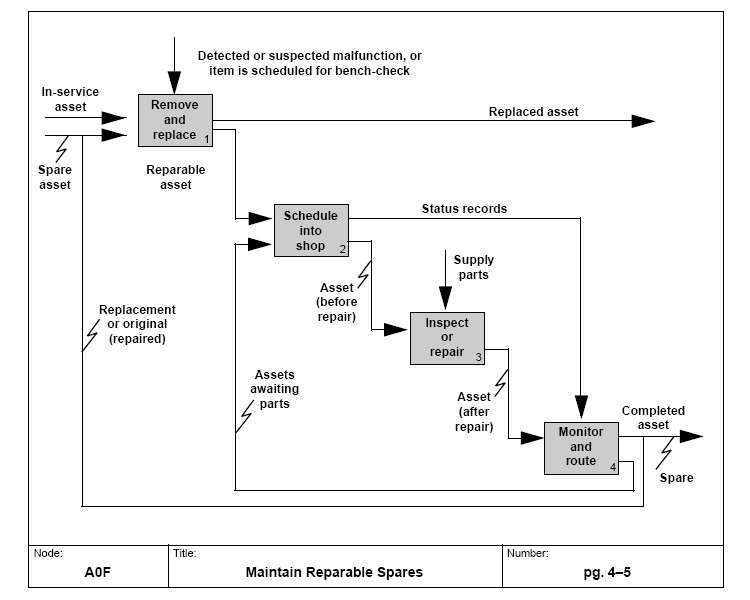
Example of an IDEF0 function model.
Functional Flow Block Diagram Format.[1]
Decomposition structure.
Static, dynamic, and requirements models for systems partition.
Business Process Modeling Notation Example.

Systems modeling or system modeling is the interdisciplinary study of the use of models to conceptualize and construct systems in business and IT development.[2]

A common type of systems modeling is function modeling, with specific techniques such as the Functional Flow Block Diagram and IDEF0. These models can be extended using functional decomposition, and can be linked to requirements models for further systems partition.

Contrasting the functional modeling, another type of systems modeling is architectural modeling which uses the systems architecture to conceptually model the structure, behavior, and more views of a system.

The Business Process Modeling Notation (BPMN), a graphical representation for specifying business processes in a workflow, can also be considered to be a systems modeling language.

Overview

[edit]

In business and IT development the term "systems modeling" has multiple meanings. It can relate to:

As a field of study systems modeling has emerged with the development of system theory and systems sciences.

As a type of modeling systems modeling is based on systems thinking and the systems approach. In business and IT systems modeling contrasts other approaches such as:

In "Methodology for Creating Business Knowledge" (1997) Arbnor and Bjerke the systems approach (systems modeling) was considered to be one of the three basic methodological approaches for gaining business knowledge, beside the analytical approach and the actor's approach (agent based modeling).[3]

History

[edit]

The function model originates in the 1950s, after in the first half of the 20th century other types of management diagrams had already been developed. The first known Gantt chart was developed in 1896 by Karol Adamiecki, who called it a harmonogram. Because Adamiecki did not publish his chart until 1931 - and in any case his works were published in either Polish or Russian, languages not popular in the West - the chart now bears the name of Henry Gantt (1861–1919), who designed his chart around the years 1910-1915 and popularized it in the West.[4] One of the first well defined function models, was the Functional Flow Block Diagram (FFBD) developed by the defense-related TRW Incorporated in the 1950s.[5] In the 1960s it was exploited by the NASA to visualize the time sequence of events in a space systems and flight missions.[6] It is further widely used in classical systems engineering to show the order of execution of system functions.[7]

One of the earliest pioneering works in information systems modeling[8] has been done by Young and Kent (1958), who argued:

Since we may be called upon to evaluate different computers or to find alternative ways of organizing current systems it is necessary to have some means of precisely stating a data processing problem independently of mechanization.[9]

They aimed for a precise and abstract way of specifying the informational and time characteristics of a data processing problem, and wanted to create a notation that should enable the analyst to organize the problem around any piece of hardware. Their efforts was not so much focused on independent systems analysis, but on creating abstract specification and invariant basis for designing different alternative implementations using different hardware components.[8]

A next step in IS modeling was taken by CODASYL, an IT industry consortium formed in 1959, who essentially aimed at the same thing as Young and Kent: the development of "a proper structure for machine independent problem definition language, at the system level of data processing". This led to the development of a specific IS information algebra.[8]

Types of systems modeling

[edit]

In business and IT development systems are modeled with different scopes and scales of complexity, such as:

Further more like systems thinking, systems modeling in can be divided into:

And all other specific types of systems modeling, such as form example complex systems modeling, dynamical systems modeling, and critical systems modeling.

Specific types of modeling languages

[edit]

See also

[edit]

References

[edit]

Further reading

[edit]
Revisions and contributorsEdit on WikipediaRead on Wikipedia
from Grokipedia
Systems modeling is the process of developing abstract representations, known as models, of complex systems to capture their essential characteristics, structure, behavior, and interactions with their environment. These models simplify reality by focusing on relevant aspects while abstracting away unnecessary details, enabling stakeholders to analyze, design, simulate, and predict system performance across disciplines such as engineering, software development, business, and environmental science.[1][2] Key concepts in systems modeling include abstraction, which hides complexity to emphasize critical features; views and viewpoints, where a view represents the system from specific stakeholder concerns (e.g., functional or structural) and a viewpoint defines the conventions for creating that view; and distinctions between black-box models, which expose only external inputs and outputs, and white-box models, which detail internal mechanisms. Models can take various forms, including mathematical representations using differential or difference equations to describe dynamic systems, graphical notations like the Systems Modeling Language (SysML) for engineering or Unified Modeling Language (UML) for software, and simulation-based approaches for behavioral analysis. Types of models encompass context models (showing environmental interactions), interaction models (depicting entity communications), structural models (outlining components and relationships), and behavioral models (illustrating dynamic processes over time).[1][3][2] The purposes of systems modeling are multifaceted, serving as the foundational step in control design to create mathematical representations for stability analysis and controller development, facilitating requirements elicitation and communication in software engineering, and supporting decision-making in management through simulation of feedback loops and nonlinear behaviors. Historically, systems modeling traces its roots to Isaac Newton's 17th-century application of differential equations to model planetary motion and gravitational forces. It evolved significantly in the 20th century with the rise of control theory in the 1940s, which integrated input-output perspectives from electrical engineering, and Jay W. Forrester's development of system dynamics in the mid-1950s at MIT, initially applied to industrial management problems using feedback loops and stocks-and-flows diagrams. Modern advancements include the 2000 IEEE 1471 standard for architecture views and the 2010 Systems Engineering Concept Model for SysML, paving the way for model-based systems engineering (MBSE) that emphasizes digital models over document-centric approaches.[4][3][5][1]

Fundamentals

Definition and Scope

Systems modeling is the process of creating abstract representations, or models, of complex systems to facilitate understanding, analysis, prediction, and design of their behavior, structure, and interactions.[2][3] These models simplify reality by capturing essential features while omitting extraneous details, allowing stakeholders to explore system dynamics without direct experimentation on the real-world entity.[6] At its core, a system model typically includes key components such as inputs (external stimuli or resources entering the system), processes (internal mechanisms transforming inputs), outputs (results or effects produced by the system), feedback loops (pathways where outputs influence future inputs to regulate or amplify behavior), and boundaries (delimiters defining what is included within the system versus its environment).[7][8][9] The scope of systems modeling encompasses a wide array of system types, including physical (e.g., mechanical or electrical), biological (e.g., ecological or physiological), social (e.g., organizational or economic), and engineered (e.g., software or infrastructure) systems.[10] This breadth distinguishes systems modeling from related disciplines: unlike systems analysis, which emphasizes problem identification and resolution through evaluative techniques, systems modeling prioritizes representational abstraction for broader inquiry.[11][12] In contrast, systems engineering focuses on the practical implementation, integration, and verification of systems based on those models, rather than their initial conceptualization.[12][13] Systems modeling is inherently interdisciplinary, drawing on mathematical foundations for formal representation, computer science for computational simulation and implementation, and domain-specific expertise to ensure contextual relevance and accuracy.[14][15] This integration enables the modeling of multifaceted phenomena that transcend single fields, such as coupled socio-technical systems where quantitative rigor meets qualitative insights.

Importance and Benefits

Systems modeling plays a crucial role in problem-solving and decision-making by enabling the prediction of system behavior under diverse scenarios, allowing engineers and scientists to anticipate outcomes without physical prototyping. This predictive capability facilitates early identification of potential issues, such as performance bottlenecks or failure modes, thereby informing design iterations and reducing the likelihood of costly real-world failures. For instance, in complex engineering projects, modeling supports scenario analysis that can decrease development risks by providing a virtual testing environment.[16] One key benefit is significant cost reduction through early defect detection and minimized rework, as models serve as a single source of truth that streamlines updates across project phases. Industry studies indicate that adopting model-based systems engineering (MBSE) can lower overall development costs by up to 55% compared to traditional document-based approaches, primarily by avoiding late-stage corrections that escalate expenses. Additionally, quantitative analyses show return on investment ratios as high as 7:1 for systems engineering efforts, with specific cases, such as a $85.7 million investment in developing and implementing a complex MBSE approach for a large aerospace system, achieving a 40% return on investment through rework cost avoidance over a decade. These savings are amplified in large-scale projects, where modeling reduces labor hours per requirement and enhances design reuse, leading to 3% improvements in overall costs and on-time delivery.[17][18][19] Systems modeling also facilitates effective communication among stakeholders by offering visual and abstract representations that bridge disciplinary gaps, making intricate concepts accessible to non-experts and fostering collaboration. In multidisciplinary teams, these representations ensure consistent information sharing, reducing misunderstandings that could derail projects. Furthermore, modeling excels in managing complexity inherent in nonlinear interactions, emergent behaviors, and interconnected components, which are often infeasible to study through empirical methods alone. By decomposing systems into manageable abstractions, models reveal hidden dynamics, enabling better handling of real-world intricacies like feedback loops in engineered environments.[16][20][21] From an ethical standpoint, systems modeling promotes safer designs by simulating risks and hazards prior to deployment, thereby mitigating potential harm to users, the environment, or society. This approach avoids the ethical dilemmas of conducting dangerous real-world experiments, such as those involving human subjects or high-stakes failures, and supports responsible innovation by prioritizing safety in decision-making. For example, virtual simulations allow for the evaluation of ethical trade-offs, like balancing innovation with reliability, without incurring actual consequences. Overall, these benefits underscore modeling's value in driving efficient, informed, and conscientious advancements across disciplines.[20][22]

Historical Development

Early Origins

The early origins of systems modeling lie in pre-20th century efforts to represent complex natural phenomena through analogical frameworks. In physics, James Clerk Maxwell introduced mechanical analogs for electrical systems in the mid-19th century, using physical models like rotating vortices and elastic deformations to conceptualize electromagnetic fields and their interactions.[23] These analogies facilitated qualitative understanding and prediction by mapping electrical behaviors onto familiar mechanical principles, laying groundwork for later quantitative modeling techniques.[24] In biology, conceptual ecological models emerged earlier, with Carl Linnaeus's Oeconomia Naturae (1749) portraying nature as an interconnected "economy" where species fulfill specific roles to maintain balance and interdependence.[25] Linnaeus's framework emphasized systemic harmony driven by divine order, influencing subsequent views of ecosystems as self-regulating wholes.[26] The transition to computational systems modeling accelerated during World War II, driven by wartime necessities in nuclear research. In the 1940s, Stanislaw Ulam and John von Neumann at Los Alamos National Laboratory pioneered Monte Carlo simulations to address the challenges of modeling neutron diffusion in atomic bomb design.[27] This probabilistic method used random sampling on early computers like ENIAC to approximate solutions for otherwise intractable equations, marking a pivotal shift from physical analogs to digital computation for complex, stochastic systems.[28] Their approach demonstrated the power of simulation in handling uncertainty and scale, influencing broader applications in scientific modeling.[29] In the 1950s, Jay Forrester at MIT further formalized systems modeling through industrial dynamics, extending principles from servomechanisms—feedback control systems he developed during the war—to socioeconomic contexts. Forrester's work at the Sloan School of Management produced the initial system dynamics models, which used differential equations to simulate feedback loops in industrial operations like production and inventory management.[5] These models highlighted how delays and nonlinear interactions amplify or dampen system behaviors, providing a structured method for analyzing dynamic complexity.[30] A cornerstone achievement was the creation of the DYNAMO programming language in the late 1950s, developed under Forrester's direction by Phyllis Fox and Alexander Pugh to implement and simulate feedback-based models efficiently on digital computers.[5] DYNAMO enabled users to describe systems via stocks, flows, and loops without low-level coding, standardizing computational systems modeling for decades.[31]

Key Milestones and Modern Evolution

In the 1960s and 1970s, Jay Forrester extended system dynamics to urban and global scales, developing models that simulated socioeconomic interactions and resource constraints. His 1969 book Urban Dynamics introduced a computational framework for analyzing city growth, decline, and policy impacts, using feedback loops to represent housing, employment, and population dynamics. This approach paved the way for broader applications, including the 1971 World Dynamics model, which forecasted global trends in population, industrialization, and pollution. The methodology gained prominence through the 1972 Limits to Growth report, commissioned by the Club of Rome, where Forrester's system dynamics was adapted by Dennis Meadows and colleagues to project scenarios of exponential growth leading to resource depletion and environmental collapse under business-as-usual conditions.[32][33][34][35] Parallel to these developments, operational research (OR) modeling expanded significantly from the 1960s to the 1980s, driven by advances in computing and optimization techniques. OR, initially rooted in wartime applications, saw widespread adoption in industry and government for decision-making under uncertainty, with linear programming implementations enabling solutions to problems involving thousands of variables by the late 1960s. The proliferation of mainframe computers in the 1970s and personal computers in the 1980s facilitated the integration of simulation and stochastic models into OR, supporting applications in logistics, manufacturing, and resource allocation. This era marked OR's transition from ad hoc analyses to standardized modeling practices, influencing systems engineering by emphasizing quantifiable performance metrics.[36][37][38] The 1990s and 2000s witnessed the rise of Model-Based Systems Engineering (MBSE), shifting from document-centric to model-centric paradigms for complex system design. MBSE emerged as a formalized methodology in the late 1990s, leveraging digital models to integrate requirements, architecture, and verification throughout the system lifecycle, reducing errors in large-scale projects like aerospace and defense. A pivotal advancement was the development of the Systems Modeling Language (SysML) in 2006 by the Object Management Group (OMG), which extended the Unified Modeling Language (UML) to support engineering-specific diagrams for requirements, behavior, and structure. SysML enabled interdisciplinary collaboration by providing a standardized notation for MBSE, facilitating traceability and simulation in integrated environments.[39][40][41] From the 2010s into the 2020s, systems modeling evolved with AI integration, particularly machine learning for parameter estimation, enhancing model accuracy in uncertain environments. Machine learning techniques, such as Bayesian optimization and neural networks, have automated the calibration of model parameters from observational data, improving predictive fidelity in fields like control systems and forecasting. Multi-scale modeling advanced concurrently, bridging molecular to ecosystem levels in biology—such as integrating cellular dynamics with tissue-level simulations for disease progression—and in climate science, where frameworks like NASA's Multi-scale Modeling Framework couple convective processes with global circulation models to refine predictions of extreme weather. The democratization of systems modeling accelerated through cloud-based tools in the 2020s, enabling scalable simulations without high-end local hardware; platforms like AWS-based simulation environments have lowered barriers for non-experts, fostering collaborative model development across distributed teams. In July 2025, the Object Management Group formally adopted SysML v2, the next-generation systems modeling language, which introduces improvements in textual notation, API support, and a modular kernel for advanced MBSE applications.[42][43][44][45][46][47] A notable application in the 2020s involved NASA's Entry Systems Modeling Project, which utilized advanced simulations to enhance planetary entry, descent, and landing (EDL) accuracy for missions like Mars 2020. High-fidelity computational models, incorporating aerothermodynamics and guidance algorithms, achieved an actual landing precision of 5 meters—far surpassing pre-mission estimates and the post-landing estimated accuracy of approximately 8.5 meters—by validating vehicle-atmosphere interactions through integrated end-to-end simulations. This project underscored the role of evolved modeling in mitigating risks for future human exploration, demonstrating improvements in trajectory prediction and system reliability.[48][49]

Modeling Principles and Approaches

Conceptual and Mathematical Modeling

Conceptual modeling involves creating qualitative representations of a system to capture its structure, behavior, and requirements without incorporating numerical or quantitative elements. This approach uses visual diagrams to facilitate communication among stakeholders and provide a high-level understanding of the system's components and interactions. Common diagramming techniques include the Unified Modeling Language (UML), which standardizes notations for depicting static structures (e.g., class diagrams showing object relationships) and dynamic behaviors (e.g., activity diagrams illustrating workflows and state machine diagrams for transitions).[50][51] Flowcharts, another foundational tool, represent process flows and decision points in a sequential manner, aiding in the visualization of system operations.[1] These methods emphasize abstraction to simplify complex realities, focusing on essential elements while omitting irrelevant details.[1] Mathematical modeling, in contrast, translates system descriptions into quantitative formulations using equations to enable precise analysis and prediction. A seminal representation for linear time-invariant systems is the state-space model, which describes the system's dynamics through internal state variables. The core equations are:
x˙=Ax+Bu \dot{x} = Ax + Bu
y=Cx+Du y = Cx + Du
Here, xx is the state vector capturing the system's internal conditions, uu represents inputs, yy denotes outputs, and matrices AA, BB, CC, and DD define the relationships between them; this framework is particularly suited for multi-input multi-output systems in control engineering.[52] Such models allow for the derivation of system responses under various conditions, supporting tasks like stability analysis and controller design.[52] Key principles guiding both conceptual and mathematical modeling include abstraction at varying levels, validation through consistency checks, and iterative refinement. Abstraction operates from high-level overviews (e.g., block diagrams of overall system function) to detailed specifications (e.g., component-specific equations), enabling progressive focus on relevant dynamics while suppressing noise.[53][1] Validation techniques, such as consistency checks, ensure that model elements align logically— for instance, verifying that behavioral descriptions match structural representations in UML diagrams—often through stakeholder reviews or semantic analysis.[1] Model refinement proceeds iteratively, starting with broad conceptual sketches and incorporating feedback to enhance accuracy and completeness, as seen in the evolution of standards like SysML from UML.[1] The primary differences between conceptual and mathematical modeling lie in their qualitative versus quantitative orientations. Conceptual models prioritize interpretive understanding and integration of domain knowledge, using non-numeric tools to explore system essence without precise measurements.[54] Mathematical models build upon this by imposing rigorous quantification, allowing for simulation, optimization, and empirical testing through equations that predict measurable outcomes.[54] This distinction ensures conceptual approaches inform initial design, while mathematical ones drive analytical depth.[54]

Simulation and Dynamic Modeling

Simulation involves executing computational models to replicate the behavior of real-world systems over time, allowing analysts to observe outcomes under various conditions without physical experimentation. This process mimics dynamic interactions by advancing the system state through predefined rules or equations, often incorporating randomness for stochastic elements. For instance, Monte Carlo simulation generates multiple random scenarios to estimate probabilistic outcomes in uncertain systems, such as risk assessment in engineering processes.[55] Dynamic modeling addresses time-varying systems by representing changes in state variables through differential equations that capture continuous or discrete evolutions. In system dynamics, a foundational approach, models are constructed using stocks—accumulations like inventory or population—and flows that alter these stocks over time. The core equation governing a stock SS is given by
dSdt=InflowsOutflows, \frac{dS}{dt} = \text{Inflows} - \text{Outflows},
where inflows increase the stock and outflows decrease it, integrated over time from an initial value; auxiliary variables may adjust for external sources or delays.[56] This framework, pioneered by Jay Forrester, enables the study of feedback loops and nonlinear behaviors in complex systems.[5] Key approaches to simulation include discrete-event simulation (DES), which advances time only at event occurrences, such as arrivals in a queueing system, making it efficient for modeling asynchronous processes like manufacturing lines. In DES, the system state updates via a future event list, incorporating stochastic durations from distributions like exponential or Poisson.[57][58] Continuous simulation, conversely, solves systems of ordinary differential equations (ODEs) numerically to track smooth changes, using methods like Runge-Kutta integration for accuracy in physical processes such as fluid dynamics.[59] To ensure reliability, simulation models undergo validation through calibration—adjusting parameters to match observed data—and sensitivity analysis, which examines how variations in inputs affect outputs to identify critical factors and quantify uncertainty. Calibration maximizes agreement between simulated and empirical results, while sensitivity analysis reveals model robustness, often using techniques like Latin hypercube sampling.[60] These steps confirm that the model accurately represents system dynamics before predictive use.[61]

Types of Systems Models

Static versus Dynamic Models

Static models represent systems in equilibrium or at a specific point in time, focusing on relationships among variables without accounting for temporal changes or evolution. These models are particularly suited for analyzing steady-state conditions, where inputs and outputs are balanced without time-dependent dynamics. For instance, the Leontief input-output model uses matrices to depict intersectoral dependencies in an economy, calculating production requirements to satisfy final demand under static assumptions.[62] Similarly, structural equation models examine hypothesized causal relationships among observed and latent variables in a cross-sectional manner, commonly applied in social and behavioral sciences to test theoretical structures without temporal components.[63] In contrast, dynamic models incorporate time as a core element, describing how system states evolve based on past conditions and interactions, often through mechanisms like feedback. This allows representation of processes that unfold over time, such as growth, decay, or oscillations. A key example is the use of feedback loops in control systems, where dynamic models capture how system outputs are fed back to adjust inputs, enabling analysis of stability and response to disturbances.[64] Another illustration is ARIMA time-series models, which forecast future values by modeling autocorrelation and differencing in sequential data to account for trends and seasonality.[65] The progression from static to dynamic modeling arose to address the limitations of time-invariant representations in capturing real-world changes, particularly in complex, interconnected systems.[66] Comparing the two, static models offer simplicity and computational efficiency for snapshot analyses of balanced systems, avoiding the need to track temporal paths and thus enabling quicker equilibrium assessments.[67] Dynamic models, however, provide deeper insights into transient behaviors and predictions over time, though at the cost of increased complexity in formulation and solution, as they must resolve time dependencies that reveal how systems respond to perturbations or evolve under feedback.[67] This distinction underscores static models' role in steady-state evaluation versus dynamic models' emphasis on forecasting and process understanding.

Discrete versus Continuous Models

In systems modeling, discrete models represent system states that evolve at distinct, specific points in time or space, often capturing changes through stepwise updates rather than smooth transitions. These models are particularly suited for simulating systems with countable events or individual entities, such as agent-based models where autonomous agents interact at discrete time steps to produce emergent behaviors.[68] Mathematically, discrete models are typically formulated using difference equations of the form xn+1=f(xn)x_{n+1} = f(x_n), where xnx_n denotes the state at the nn-th time step and ff defines the update rule based on the system's dynamics.[69] A classic example is queueing theory, which models customer arrivals and service completions as discrete events in a Markov chain framework, enabling analysis of steady-state probabilities and wait times through transition equations like Pi,j=f(ji+1)P_{i,j} = f(j - i + 1) for nonempty queues.[70] In contrast, continuous models depict system states that vary smoothly over time or space, approximating real-world phenomena where changes occur without abrupt jumps. These models are essential for capturing fluid or gradual processes, such as in fluid dynamics where variables like velocity and pressure evolve continuously.[71] They are commonly expressed via ordinary differential equations, such as the basic form dxdt=f(x,t)\frac{dx}{dt} = f(x, t), which describes the instantaneous rate of change of the state xx with respect to time tt.[69] For instance, population growth models often use the exponential equation dPdt=rP\frac{dP}{dt} = rP, where PP is the population size and rr is the per capita growth rate, leading to solutions like P(t)=P0ertP(t) = P_0 e^{rt} that reflect unbounded continuous expansion under ideal conditions.[72] The distinction between discrete and continuous models influences their applicability and computational treatment: discrete approaches offer ease in digital implementation and handling of stochastic events due to their finite-step nature, making them computationally efficient for large-scale simulations on computers.[73] Continuous models, however, provide higher fidelity to physical laws in natural systems by representing infinitesimal changes, though they often require numerical integration methods for solution, which can introduce approximation errors.[71] Recent trends emphasize hybridization, where discrete and continuous elements are integrated to leverage the strengths of both—for example, combining agent-based discrete interactions with continuous differential equations for biological systems exhibiting both event-driven and smooth dynamics.[74] This hybrid paradigm is gaining traction in complex modeling domains to address limitations like the noise in discrete simulations or the intractability of purely continuous formulations.[75]

Modeling Languages and Tools

General-Purpose Languages

General-purpose languages in systems modeling offer flexible frameworks for representing complex systems across diverse domains, emphasizing broad applicability rather than specialization. The Unified Modeling Language (UML), developed as a standard for visualizing, specifying, constructing, and documenting software-intensive systems, serves as a cornerstone for structural and behavioral modeling in engineering and software contexts. Complementing this, MATLAB combined with Simulink provides a numerical computing environment and block-diagram-based toolset for simulating dynamic systems, supporting multidomain physical and algorithmic representations.[76] These languages facilitate interdisciplinary collaboration by abstracting system components into reusable notations. Key features of these languages include diagrammatic notations for intuitive representation, automated code generation for implementation, and seamless integration with development ecosystems. UML supports a variety of diagram types, such as class diagrams to depict static structures like relationships between entities and sequence diagrams to illustrate dynamic interactions and message flows over time. Simulink, in turn, employs hierarchical block diagrams to model continuous and discrete systems, enabling simulation of real-world phenomena like feedback loops, while its code generation capabilities produce deployable C/C++ or HDL code from models.[77] Both integrate with broader toolchains—UML via the Meta Object Facility for model interchange and Simulink through MATLAB's scripting for analysis—enhancing workflow efficiency. The evolution of these languages traces back to the mid-1990s for UML, which unified competing object-oriented notations like Booch, OMT, and OOSE before its adoption as an OMG standard in 1997 with version 1.0, progressing through revisions to UML 2.5.1 in 2017 for improved semantics and profile support.[78][79] Simulink emerged in 1992 as an extension to MATLAB, initially focused on solving ordinary differential equations for control systems, and has since expanded to handle multidomain simulations with enhanced solver algorithms and hardware integration.[80] Recent developments include UML profiles for extending core metamodels to modern paradigms and Simulink's incorporation of reusable libraries for scalable model composition. These languages excel in reusability and standardization, enabling models to be shared and adapted across projects without proprietary constraints, which is particularly valuable in interdisciplinary efforts involving software, hardware, and simulation teams.[78] UML's OMG governance ensures consistent interpretation globally, reducing miscommunication in large-scale developments, while Simulink's component-based architecture promotes modular design and traceability throughout the system lifecycle.[76]

Domain-Specific Tools

Domain-specific tools in systems modeling are specialized languages and software designed for particular disciplines, incorporating domain knowledge to facilitate precise representation of field-specific elements such as physical laws, biological processes, or engineering constraints. These tools prioritize tailored notations and ontologies that align with professional practices in areas like systems engineering or ecology, enabling users to model complex interactions without extensive customization. Unlike broader platforms, they embed discipline-specific primitives to streamline analysis and validation within constrained scopes.[81] A prominent example is the Systems Modeling Language (SysML), developed for systems engineering applications, which supports diagrams for capturing requirements, system architecture, and behavioral flows to integrate hardware, software, and human elements in complex projects.[82] SysML's parametric diagrams, in particular, allow engineers to define and analyze quantitative constraints using mathematical equations tied to domain ontologies, such as those for mechanical or electrical systems.[81] The latest version, SysML v2.0, was adopted by the Object Management Group (OMG) in July 2025, introducing a new kernel modeling language, enhanced textual notations, and improved interoperability for model-based systems engineering.[47] In ecology and environmental modeling, tools like Stella and Vensim enable system dynamics simulations by representing stocks, flows, and feedback loops to explore population dynamics or resource management scenarios.[83][84] Key features of these tools include integrated domain ontologies that enforce consistency with field standards; for instance, SysML's profiles extend UML with engineering-specific stereotypes for components like interfaces and allocations, ensuring models adhere to interdisciplinary requirements.[81] Stella and Vensim incorporate visual interfaces for causal loop diagramming and equation-based simulations, optimized for iterative policy testing in dynamic environments like ecological networks.[85][86] Notable examples include AnyLogic, which supports hybrid simulations combining discrete events, agent-based, and system dynamics methods for applications such as supply chain optimization, where it models logistics flows and decision-making under uncertainty (latest version 8.9.6 as of September 2025).[87][88] OpenModelica, an open-source platform, facilitates modeling of physical systems through the Modelica language, enabling acausal descriptions of multi-domain phenomena like thermal-fluid interactions in engineering prototypes. These tools often extend general-purpose languages with domain extensions for enhanced applicability. While offering higher precision and efficiency within their target domains, such tools can be less flexible for cross-disciplinary modeling, as their specialized syntax and libraries may require adaptation or translation when applied outside intended fields, potentially increasing integration efforts.[89] Their use in engineering and scientific applications underscores their role in validating real-world systems.[82]

Applications

Engineering and Technology

In engineering and technology, systems modeling plays a pivotal role in designing, optimizing, and integrating complex engineered systems, enabling engineers to predict behaviors, mitigate risks, and streamline development processes. Model-Based Systems Engineering (MBSE) approaches, which leverage formal models to represent system architectures and requirements, are widely adopted in these fields to replace traditional document-based methods with digital twins that facilitate simulation-driven decision-making.[90] In aerospace and automotive engineering, MBSE is applied to spacecraft entry systems and vehicle design, where accurate modeling of aerothermal environments and structural dynamics is critical for mission success and safety. NASA's Entry Systems Modeling (ESM) project, active throughout the 2020s, develops advanced simulation tools to predict spacecraft entry conditions, significantly reducing uncertainties in heat shield performance and trajectory planning by integrating high-fidelity physics-based models.[91] For instance, MBSE methodologies have been shown to mitigate design errors in highly integrated aerospace systems by enabling early detection of inconsistencies through traceable models and assurance processes, thereby lowering the risk of costly rework during development.[92] In automotive applications, similar MBSE techniques support the integration of electronic control units and sensor networks, optimizing vehicle performance under dynamic conditions like collision avoidance.[93] In software and information technology, systems modeling supports agile development practices by visualizing workflows and dependencies, particularly in DevOps pipelines where continuous integration and deployment require precise orchestration. Business Process Model and Notation (BPMN) is commonly used to diagram these pipelines, providing a standardized graphical representation that maps code deployment, testing, and monitoring stages to ensure seamless collaboration between development and operations teams.[94] This modeling approach enhances agility by allowing iterative refinements to processes, such as automating feedback loops in CI/CD environments, which reduces deployment times and error rates in large-scale software projects.[95] In manufacturing, discrete-event simulation (DES) models are essential for supply chain optimization, capturing stochastic events like machine breakdowns, order arrivals, and inventory fluctuations to evaluate throughput and efficiency. These models simulate production flows at the event level, enabling scenario analysis for bottleneck identification and resource allocation in assembly lines and logistics networks.[96] For example, DES has been applied in chemical manufacturing to optimize logistics activities, resulting in reduced lead times and inventory costs by testing alternative supplier configurations without disrupting real operations.[97] In semiconductor supply chains, such as at Infineon, DES models mitigate the bullwhip effect by forecasting demand variability and adjusting safety stock levels, improving overall resilience to disruptions.[98] A notable case study in automotive technology is Tesla's application of dynamic systems modeling for autonomous driving simulations during the 2020s, where high-fidelity virtual environments replicate real-world scenarios to train neural networks for Full Self-Driving (FSD) capabilities. Tesla's simulation pipeline generates billions of synthetic driving miles, incorporating vehicle dynamics, sensor fusion, and environmental interactions to refine decision-making algorithms and validate edge cases like adverse weather or pedestrian behaviors.[99] This approach accelerates development by allowing rapid iteration on dynamic models of traffic flow and control systems, contributing to progressive improvements in FSD performance across software versions released in the decade.[100]

Science and Social Systems

In the natural sciences, systems modeling plays a pivotal role in simulating complex earth systems, particularly through continuous models that capture dynamic interactions across spatial and temporal scales. The Intergovernmental Panel on Climate Change (IPCC) employs Earth System Models (ESMs) from the Coupled Model Intercomparison Project Phase 6 (CMIP6) to integrate multi-scale data, including historical observations, near-term predictions, and long-term projections under Shared Socioeconomic Pathways (SSPs). These models facilitate projections of global surface air temperature changes, such as 1.3°C to 2.4°C (very likely range, relative to 1850–1900) under SSP1-2.6 for 2081–2100, by combining atmosphere-ocean general circulation models with biogeochemical cycles like nitrogen, enabling robust assessments of climate variability and regional impacts since the AR6 report in 2021.[101] In biology and medicine, agent-based models (ABMs) have been instrumental in simulating epidemic dynamics, allowing for the representation of heterogeneous individual behaviors and interactions. For instance, ABMs developed for COVID-19 outbreaks model SARS-CoV-2 transmission in urban settings with 100,000 agents, demonstrating that closing primary care facilities can lead to virus extinction in 40% of scenarios within 49 days, while frequent events accelerate spread by reducing time to 5% infection prevalence to under 69 days. Multi-scale modeling further advances biotech applications by bridging molecular to organ levels, using ordinary and partial differential equations to predict disease progression, such as in oncology where perturbations link to tumorigenesis or in drug development for assessing pro-arrhythmic risks across scales.[102][103] Social and economic systems benefit from soft systems methodology (SSM) and system dynamics (SD) approaches to address policy challenges in unstructured environments. SSM facilitates policy modeling by generating diverse stakeholder perspectives on socio-political issues, ensuring interventions are culturally feasible, as synthesized with SD in "Holon Dynamics" to verify dynamic coherence in economic planning. In urban planning, SD models simulate feedback loops for sustainable development, such as integrating land use with cellular automata to predict urban expansion or optimizing water resources by incorporating social and economic factors, informing policies like CO2 emission reductions through energy efficiency scenarios.[104][105] A notable case study in sustainable development modeling examines nature-society interactions through integrated frameworks that progress from defining purposes to assessing interventions. The 2023 PNAS perspective highlights advances in agent-based and integrated assessment models, such as those simulating water-energy-food nexuses in South Africa to align with Sustainable Development Goals or multimodel scenarios for global land and climate trade-offs, emphasizing equity in regions like East Africa and California to guide systemic policy changes.[106]

Challenges and Future Directions

Current Limitations

One major limitation in systems modeling is the difficulty in validating models, particularly due to overfitting and handling uncertainty. Overfitting occurs when models capture noise in training data rather than underlying patterns, leading to poor generalization and unreliable predictions in real-world scenarios.[107] This issue is exacerbated in complex systems where data scarcity or noise amplifies the risk, as models become overly tailored to specific datasets without broader applicability. Additionally, black-box models, such as those in machine learning-integrated systems modeling, often lack interpretability, making it challenging to verify internal decision-making processes and assess reliability under uncertainty.[108] Uncertainty quantification remains deficient in many computational frameworks, hindering robust validation as models fail to adequately account for epistemic and aleatoric uncertainties in dynamic systems.[109] Scalability poses another significant challenge, as simulating large-scale systems demands immense computational resources that often exceed available capabilities. For instance, climate models require supercomputers to process vast arrays of variables like atmospheric dynamics and ocean currents, yet even these machines struggle with high-resolution global simulations due to escalating complexity and time requirements.[110] In agent-based and distributed systems modeling, performance bottlenecks arise from managing numerous interacting components, resulting in slow simulation times and limited ability to model real-time or massive-scale behaviors without simplification that compromises accuracy.[111] These demands highlight the gap between theoretical model ambitions and practical execution, particularly for interdisciplinary applications involving millions of entities. Interdisciplinary gaps further complicate systems modeling through inconsistencies when integrating diverse data sources. In fields like systems biology, horizontal model integration reveals challenges in aligning semantic and parametric elements across models, such as differing annotations for biological species or reactions, which lead to simulation discrepancies and reduced fidelity.[112] Data from varied domains often exhibit format incompatibilities, quality variances, and parameterization conflicts, making it difficult to create cohesive representations without introducing errors that propagate through the system. These integration hurdles stem from the lack of standardized ontologies and tools, resulting in models that fail to capture the full interplay of cross-disciplinary interactions. Ethical risks in systems modeling, particularly bias in social models, can profoundly impact policy decisions. Biases embedded in model assumptions or data—such as cultural or socioeconomic skews—may perpetuate inequalities, as seen in agent-based social simulations where underrepresented groups are inadequately modeled, leading to inequitable outcomes in resource allocation or public health policies.[113] In policymaking contexts, unaddressed biases in model inputs can result in "policy-based evidence," where results reinforce preconceived notions rather than objective realities, exacerbating justice issues for vulnerable populations.[114] Transparency deficits compound these risks, as stakeholders may unknowingly adopt flawed models, underscoring the need for ethical oversight to mitigate discriminatory effects. One prominent emerging trend in systems modeling is the integration of artificial intelligence (AI) and machine learning (ML) techniques to automate model generation and optimization, particularly through neural networks for parameter tuning. Since 2022, large language models (LLMs) have been employed to streamline workflows in automated machine learning (AutoML), enabling end-to-end processes from data preprocessing to hyperparameter optimization, which reduces manual intervention in complex systems modeling tasks.[115] In model-based systems engineering (MBSE), AI-driven frameworks facilitate the automatic extraction of requirements and generation of SysML models from natural language inputs, achieving precisions up to 0.86 in role identification for digital continuity across design phases.[116] Neural networks have also advanced parameter estimation in dynamical systems, where deep learning models trained on simulation data infer unknown parameters with high accuracy, outperforming traditional optimization methods in nonlinear scenarios like chemical reactors.[117] These advancements, exemplified by AI-enhanced multiphysics simulations in aerospace engineering, allow for surrogate models that accelerate design exploration while maintaining fidelity.[118] Digital twins represent another key development, serving as real-time virtual replicas of physical systems that integrate sensor data, IoT, and AI for predictive maintenance within Industry 4.0 frameworks. These models mirror asset behaviors dynamically, enabling simulations that forecast failures and optimize operations, thereby reducing downtime in manufacturing applications through proactive interventions.[119] In systems modeling, digital twins extend beyond static representations by incorporating ML for anomaly detection and scenario testing, as seen in mechanical systems where they extend equipment lifespan via real-time health monitoring.[120] Post-2020 implementations have emphasized AI integration for model updates, such as reinforcement learning to refine predictions based on operational feedback, supporting scalable deployment in automotive and energy sectors.[116] Hybrid and multi-scale modeling approaches are gaining traction by combining discrete (e.g., agent-based) and continuous (e.g., differential equation-based) paradigms to address complexities in biological and environmental systems. In brain research, these methods link microscopic neuronal dynamics to macroscopic network activity, using integrated datasets like the Human Connectome Project to simulate disease impacts, such as epilepsy, with personalized optimizations via deep brain stimulation models.[121] Advancements since 2022 include hierarchical correlation models that bridge scales for neuropsychiatric applications, revealing how molecular changes propagate to behavioral outcomes.[122] For sustainable development, hybrid models couple discrete event simulations with continuous flows to optimize resource allocation in urban planning, as in Industry 5.0 contexts where ML enhances efficiency in eco-friendly supply chains.[123] Broader trends include the rise of open-access tools and collaborative platforms, particularly cloud-based MBSE solutions that democratize systems modeling by 2025. Platforms like OpenMBEE provide open-source environments for distributed teams to manage SysML v2 models, supporting version control and integration with repositories for large-scale projects such as NASA initiatives.[124] Web-based tools like SysON enable graphical editing and extensibility without proprietary software, fostering real-time collaboration via cloud hosting.[125] These developments, including Jupyter-integrated validation in SystemsModeling.com, lower barriers for global participation while ensuring model interoperability.[126]

References

User Avatar
No comments yet.