Hubbry Logo
HelminthologyHelminthologyMain
Open search
Helminthology
Community hub
Helminthology
logo
8 pages, 0 posts
0 subscribers
Be the first to start a discussion here.
Helminthology
Helminthology
from Wikipedia
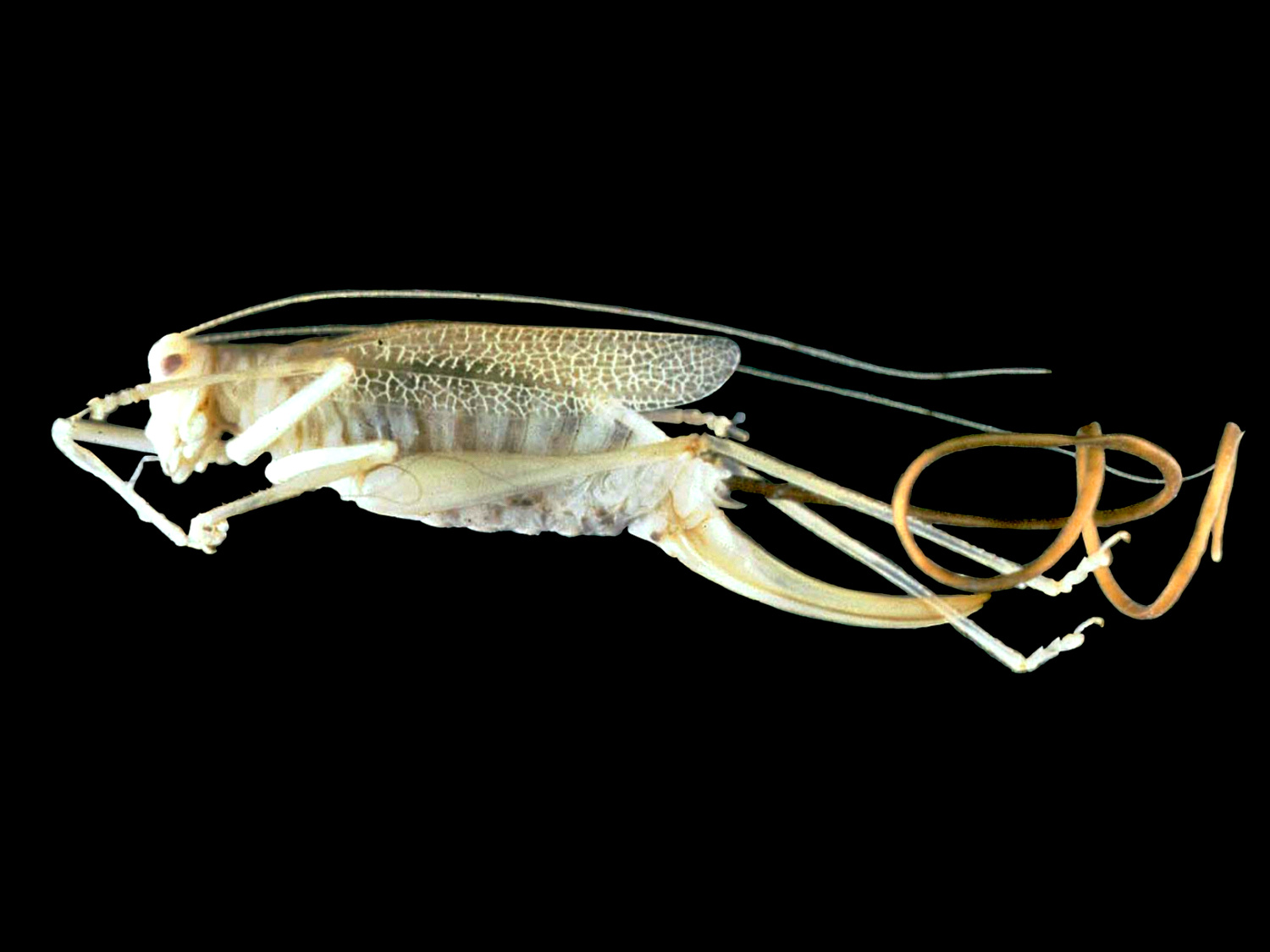
The helminth Spinochordodes parasitising a bush-cricket (Meconema sp.)
A plate from Félix Dujardin's 1845 Histoire naturelle des helminthes ou vers intestinaux

Helminthology is the study of parasitic worms (helminths). The field studies the taxonomy of helminths and their effects on their hosts.

The origin of the first compound of the word is the Greek ἕλμινς - helmins, meaning "worm".

In the 18th and early 19th century there was wave of publications on helminthology; this period has been described as the science's "Golden Era". During that period the authors Félix Dujardin,[1] William Blaxland Benham, Peter Simon Pallas, Marcus Elieser Bloch, Otto Friedrich Müller,[2] Johann Goeze, Friedrich Zenker, Charles Wardell Stiles, Carl Asmund Rudolphi, Otto Friedrich Bernhard von Linstow[3] and Johann Gottfried Bremser started systematic scientific studies of the subject.[4]

The Japanese parasitologist Satyu Yamaguti was one of the most active helminthologists of the 20th century; he wrote the six-volume Systema Helminthum.[5][6]

See also

[edit]

References

[edit]
Revisions and contributorsEdit on WikipediaRead on Wikipedia
from Grokipedia
Helminthology is the branch of that focuses on the study of helminths, multicellular parasitic worms characterized by elongated, flat or round bodies, including nematodes (roundworms), cestodes (tapeworms), and trematodes (flukes). These infect humans, animals, and , often requiring intermediate hosts like snails or arthropods in their complex life cycles, and are responsible for a range of diseases affecting over a billion people globally. The field examines the , morphology, , , and of helminths, with particular emphasis on their medical and veterinary significance. Nematodes, such as Ascaris lumbricoides and hookworms, are among the most prevalent, causing soil-transmitted helminthiases that impair nutrition, growth, and , particularly in children in tropical and subtropical regions. Cestodes and trematodes, including Taenia species and schistosomes, lead to conditions like taeniasis, , and , which can result in severe organ damage, , and increased mortality if untreated. Soil-transmitted helminths alone infect an estimated 1.5 billion people (approximately 19% of the world's population as of 2023), contributing to a substantial global burden of . Helminthology plays a crucial role in through advancements in diagnostics, such as microscopic identification of eggs and larvae, and interventions like mass drug administration with anthelmintics (e.g., and ). Research in the discipline also explores host-parasite interactions, immune modulation by helminths, and strategies for prevention via and , aiming to reduce transmission in endemic areas. Despite progress, challenges persist due to the parasites' adaptability and the socioeconomic factors perpetuating infections in low-resource settings.

Definition and Scope

Definition

Helminthology is the branch of and that studies parasitic worms known as helminths, focusing on their morphology, , , life cycles, and interactions with host organisms. The term derives from the Greek words helmins (ἕλμινς), meaning "worm," and logos (λόγος), meaning "study" or "discourse." It was first introduced in around 1845 by French zoologist Félix Dujardin in his seminal work Histoire naturelle des helminthes ou vers intestinaux, which provided early systematic descriptions of intestinal worms. Helminths are distinguished from free-living worms by their obligate parasitic lifestyle, where they rely on host organisms for nutrients and shelter, often causing in vertebrates and . Defined as multicellular, animals with elongated, bilaterally symmetrical bodies lacking a true , helminths primarily encompass three major groups: the Platyhelminthes (flatworms, including trematodes or flukes and cestodes or tapeworms), the Nematoda (roundworms), and the (thorny-headed worms). Unlike free-living nematodes or annelids, helminths in this context are that inhabit internal organs, tissues, or cavities, evolving complex adaptations for host invasion and evasion of immune responses. Over 20,000 of helminths have been described to date, representing a fraction of the estimated global diversity exceeding 100,000 species, with the majority functioning as that impact , , and ecosystems worldwide. This diversity underscores helminthology's role within broader , particularly in medical and veterinary applications, though specialized branches address specific contexts such as infections.

Branches of Helminthology

Medical helminthology focuses on the study of parasitic worms that infect humans and cause significant diseases, emphasizing their biology, life cycles, transmission, and pathological effects. This branch examines helminths such as those responsible for (caused by Schistosoma species) and (caused by ), which affect hundreds of millions globally through contaminated water, soil, or food, leading to high morbidity in endemic regions. Research in this area prioritizes understanding host-parasite interactions and distribution patterns to inform strategies. Veterinary helminthology investigates helminth parasites in domestic animals, , and , with a particular emphasis on their impact on animal health and productivity. It covers nematodes, cestodes, trematodes, and acanthocephalans that affect mammals and birds, including economic consequences like reduced meat, milk, and production in infected herds. For instance, the Fasciola hepatica in sheep causes liver damage, leading to substantial financial losses for farmers through decreased value and treatment costs. This discipline integrates ecological, genetic, and immunological methods to study disease mechanisms and control in animal populations. Agricultural helminthology studies parasitic worms affecting , primarily nematodes such as root-knot (Meloidogyne spp.) and cyst (Heterodera spp.) nematodes, which cause substantial losses estimated at 80–100 billion USD annually worldwide. This branch emphasizes management strategies including , resistant varieties, and biological controls to mitigate impacts on . Ecological helminthology explores the roles of helminths within natural , analyzing their contributions to dynamics, , and host population regulation. Helminths serve as indicators of , influencing trophic interactions by linking intermediate and definitive hosts across species. Studies highlight their function in maintaining ecosystem balance, such as through parasite-mediated effects on host and in . This branch underscores helminths' broader environmental significance beyond direct . Within helminthology, niche branches like acanthocephalan studies and cestodology address specific groups of parasitic worms, often integrated into broader platyhelminth research despite distinct phylogenies. Acanthocephalan helminthology examines thorny-headed worms (Acanthocephala), focusing on their unique proboscis attachment, life cycles involving arthropod intermediates, and ecological roles in wildlife, including contaminant bioaccumulation for environmental monitoring. Cestodology specializes in tapeworms (Cestoda), investigating their segmented morphology, hermaphroditic reproduction, and molecular diversity, particularly in fish and mammalian hosts, to advance taxonomic and evolutionary insights. Helminthology intersects with and , where studies reveal how helminth infections modulate host immune responses, such as inducing Th2-biased immunity that influences susceptibility to co-infections like . Epidemiological analyses track transmission dynamics and population-level impacts, integrating immunological data to model disease spread and intervention efficacy in endemic areas. These overlaps enhance understanding of helminth-driven immune regulation and its implications.

History

Early Observations

Early observations of helminths date back to ancient civilizations, where descriptions of worm-like parasites appear in medical texts and religious writings, often intertwined with rudimentary understandings of disease. The , an Egyptian medical document from approximately 1550 BCE, includes references to intestinal worms and treatments for associated ailments, such as prescriptions involving honey and oils to expel parasites from the body. Similarly, Biblical texts contain mentions of worms, such as "" interpreted by historians as allusions to . These accounts reflect initial human encounters with helminths, primarily through visible symptoms like or emergent worms, without recognition of their parasitic life cycles. Similar references to intestinal worms and expulsion remedies appear in ancient Indian Ayurvedic texts (~1500 BCE) and Chinese medical writings like the Yellow Emperor's Classic of (~200 BCE). The advent of in the late marked a pivotal shift toward more precise observations. In the late , Dutch microscopist used his handmade single-lens microscopes to observe small "animalcules" and microscopic organisms, including nematodes, in various samples, providing early visual evidence against and highlighting the need for magnification to study such minute organisms. By the mid-18th century, pre-Linnaean naturalists began informal classifications based on host and morphology. Peter Simon , in his 1766 work Miscellanea Zoologica, described various parasitic worms, including those in fish and other hosts, contributing to early taxonomic efforts without a . Such efforts were limited by the absence of standardized and advanced tools, often relying on gross dissections. The lack of suitable in these early periods posed significant challenges to accurate identification, frequently resulting in mythological or superstitious interpretations of helminths. Without microscopes or dissection techniques, emergent worms from skin or orifices—such as in —were sometimes likened to dragon-like serpents in , evoking images of fiery, mythical creatures punishing the afflicted, as seen in ancient Near Eastern tales. These misconceptions persisted until improved observational methods emerged, blending empirical curiosity with cultural narratives.

Key Developments and Figures

The 18th and early 19th centuries marked the of helminthology, characterized by a surge in publications and systematic observations of parasitic worms. , a German and naturalist, contributed significantly through his 1782 work Versuch einer Naturgeschichte der Eingeweidewürmer thierischer Körper, which detailed microscopic intestinal worms and their structures, including early descriptions of tapeworm scolices. This period saw increased use of microscopes to reveal helminth morphology, laying groundwork for taxonomic advancements. A pivotal milestone was Carl Asmund Rudolphi's comprehensive catalog Entozoorum sive vermium intestinalium historia naturalis (1808–1810), which described over 600 of intestinal worms, followed by his 1819 Entozoorum synopsis, expanding to nearly 1,000 and establishing the first systematic classification of helminths based on anatomical features. Rudolphi's works emphasized helminths as distinct from other animals, influencing subsequent by providing a foundational reference for identification and distribution. In the 20th century, Satyu Yamaguti's monumental Systema Helminthum (1958–1965), spanning six volumes, cataloged more than 9,000 helminth species, integrating morphological, ecological, and host-specific data to advance systematic helminthology. Meanwhile, Charles Wardell Stiles played a key role in institutionalizing helminth research in the United States; as chief zoologist at the U.S. Department of Agriculture's Bureau of Animal Industry from 1891, he established specialized laboratories in the 1890s, focusing on zoonotic helminths like hookworms and . Notable figures further propelled the field. Otto Friedrich Müller advanced studies in the 1780s through detailed illustrations in Animalcula Infusoria (1786), describing free-living and parasitic nematodes and their microstructures, which informed early understandings of nematode diversity. Friedrich Albert Zenker linked to human disease in the 1850s, identifying larvae in autopsied patients in 1860 and demonstrating pork as a transmission source, transforming helminthology's medical relevance. Otto von Linstow, active in the late , described numerous African helminths, including species from hosts, contributing to the of tropical parasites during colonial expeditions. Institutional milestones solidified helminthology as a . The founding of the American Society of Parasitologists in 1924 fostered collaboration among researchers, promoting standardized methods and knowledge exchange on helminth biology and control. This era's developments shifted helminthology from descriptive toward integrated medical and veterinary applications.

Classification of Helminths

Major Phyla

Helminths, or parasitic worms, are primarily classified into three major phyla: Platyhelminthes, Nematoda, and , each distinguished by unique morphological and anatomical adaptations suited to their parasitic lifestyles. These phyla encompass a diverse array of species that infect vertebrates, including humans, through complex life cycles involving intermediate and definitive hosts. The phylum Platyhelminthes, commonly known as flatworms, includes the classes (tapeworms) and (flukes), which are acoelomate organisms characterized by a dorsoventrally flattened body lacking a true . Cestodes, such as (the beef tapeworm), exhibit an elongated, ribbon-like body divided into segments called proglottids, with a scolex (head) equipped with suckers or hooks for attachment to the host's intestinal wall; they lack a digestive tract and absorb nutrients directly through their tegument. Trematodes, exemplified by (a blood fluke causing ), have a leaf-shaped, unsegmented body with oral and ventral suckers for adhesion, a well-developed tegument, and a complete but branched digestive system; most are hermaphroditic, except for schistosomes which are dioecious. This flattened morphology facilitates movement and nutrient absorption in confined host environments like blood vessels or bile ducts. In contrast, the phylum , or roundworms, comprises pseudocoelomate worms with a cylindrical, unsegmented body covered by a tough, flexible that provides protection and enables molting during development. A prominent example is , a large intestinal parasite in humans, featuring a complete digestive tract from mouth to anus, longitudinal muscle bands for whip-like movement, and sensory structures like amphids at the anterior end. Approximately 25,000–30,000 nematode species have been described (as of 2023), with a significant proportion being parasitic on , animals, and humans, adapting to diverse niches through their resilient cuticle and pseudocoelom that maintains internal pressure. The Acanthocephala, known as thorny-headed worms, consists of pseudocoelomate parasites lacking a digestive tract entirely, relying on host tissues for nutrient absorption via their body surface. Their most distinctive feature is an eversible armed with recurved spines or hooks—typically in 12-15 spiral rows in species like Moniliformis moniliformis—which embeds into the host's intestinal wall for anchorage, often causing mechanical damage. Moniliformis moniliformis, a parasite occasionally infecting humans, has a pseudosegmented, wrinkled body up to 30 cm long, with males and females differing in size and possessing separate gonads. Recent phylogenetic studies suggest Acanthocephala may derive from rotifers, but it is still recognized as a distinct in many classifications. Key morphological differences among these phyla highlight their evolutionary divergence: nematodes lack segmentation and possess a complete gut, unlike the acoelomate, often segmented cestodes with no alimentary canal; acanthocephalans uniquely forgo altogether, distinguishing them from the gut-equipped nematodes and trematodes. These traits underscore adaptations for endoparasitism, such as attachment mechanisms and body shapes optimized for host invasion.

Taxonomic Principles

The taxonomic classification of helminths adheres to the Linnaean hierarchical system, which organizes organisms into nested categories such as phylum, class, order, family, genus, and species based on shared characteristics. This framework has been refined through the incorporation of cladistic principles, which prioritize monophyletic groups defined by shared derived traits (synapomorphies) to reflect evolutionary relationships more accurately than purely typological approaches. In helminthology, morphological criteria remain foundational, including body shape (e.g., flattened versus cylindrical), body cavity type (acoelomate in platyhelminths and pseudocoelomate in nematodes), integument structure, digestive system configuration, reproductive organs, and attachment mechanisms like hooks or suckers. These features allow for initial delineation of major groups, though they are increasingly supplemented by molecular data to resolve ambiguities. Molecular markers, particularly sequencing of the (rRNA) gene, have become integral to helminth , enabling phylogenetic reconstructions that reveal evolutionary divergences not apparent from morphology alone. This nuclear gene's conserved regions facilitate alignment across diverse taxa, while variable domains highlight interspecies differences, supporting the identification of clades within phyla like Nematoda and Platyhelminthes. Integrative , combining these morphological and molecular approaches, is now a standard protocol for describing new helminth and revising existing classifications, as it addresses limitations in single-method analyses. Taxonomic challenges in helminthology include the prevalence of cryptic species, which exhibit minimal morphological differences despite genetic distinctness, often arising from in parasitic lifestyles or host-induced . Such species complicate traditional identification and inflate estimates of , with studies indicating high cryptic diversity in groups like trematodes and nematodes. Furthermore, "helminths" as a collective term represents a polyphyletic assemblage in modern phylogenies, as flatworms (Platyhelminthes) and roundworms (Nematoda) belong to separate metazoan lineages— and , respectively—lacking a common ancestor exclusive to worm-like parasites. This non-monophyletic nature underscores the need for phylum-specific classifications rather than broad helminth-centric groupings. Contemporary standards emphasize , typically using the mitochondrial subunit I (COI) gene, to delimit boundaries and authenticate identifications, particularly for morphologically conservative taxa. This method achieves high resolution at the level, with success rates around 70% for nematodes, and is often paired with 18S rRNA for higher taxonomic levels. The (ICZN), governing animal naming since its formal inception in 1905 with roots in 19th-century efforts, applies uniformly to helminths, ensuring stability through rules on priority, types, and synonymy. Historically, early 19th-century classifications by Karl Asmund Rudolphi relied heavily on host associations for grouping parasites, reflecting limited morphological resolution at the time. By the mid-20th century, Satyu Yamaguti advanced the field with detailed morphological keys in works like Systema Helminthum, providing standardized diagnostic criteria for thousands of across hosts. These shifts from host-centric to morphology-driven, and now integrative, systems have enhanced the precision and evolutionary grounding of helminth taxonomy.

Biology and Life Cycles

General Characteristics

Helminths are a diverse group of parasitic worms characterized by their elongated bodies, which are typically unsegmented except in the case of cestodes that exhibit segmentation. These organisms lack a and respiratory organs, instead relying on across their body surface for the exchange of gases, nutrients, and waste products, facilitated by their thin or tegument. This morphological simplicity allows them to thrive in host environments where direct access to resources is limited. Size varies widely among helminths, ranging from microscopic forms such as certain nematodes measuring about 1 mm in length to large tapeworms exceeding several meters. Physiologically, many helminths exhibit anaerobic metabolism, particularly those inhabiting oxygen-poor environments like the host's intestines, where they generate through processes such as and fumarate reduction rather than relying on oxygen-dependent respiration. is achieved through specialized excretory systems, with body fluids often maintained in isoosmotic balance with the host's internal environment to prevent osmotic stress, primarily via glandular structures or cells that regulate and water balance. These adaptations enable helminths to maintain despite fluctuating host conditions. Key adaptations include attachment mechanisms such as hooks and suckers, which secure the parasite to host tissues and prevent dislodgement by or immune responses. In flatworms, hermaphroditism enhances reproductive efficiency by allowing self-fertilization or cross-fertilization within the same individual, maximizing offspring production in resource-scarce parasitic niches. While these traits are shared across helminth groups, variations exist among major phyla such as Platyhelminthes and Nematoda.

Reproduction and Development

Helminths exhibit diverse reproductive strategies that contribute to their complex life cycles and high transmission potential. Sexual reproduction typically occurs in the definitive host across helminth groups, producing eggs that are shed into the environment. Asexual reproduction, which amplifies parasite numbers in intermediate hosts, is prominent in trematodes but is not a feature of nematodes or most cestodes. Trematodes, or flukes, primarily engage in hermaphroditic in the definitive host, allowing self- or cross-fertilization, though flukes like schistosomes are dioecious with separate sexes. In intermediate hosts, trematodes employ through parthenogenetic-like processes, where sporocysts or rediae produce numerous larvae, enhancing propagation without genetic recombination. Nematodes, in contrast, are predominantly dioecious, requiring separate male and female individuals for via copulation, though exceptions like species utilize . Cestodes are hermaphroditic and reproduce sexually in the definitive host, where each segment (proglottid) contains both organs, leading to self- or cross-fertilization and production of eggs containing larvae. In intermediate hosts, larval stages such as cysticerci (in Taenia species) develop but do not typically involve , though rare multiplication by occurs in some taeniid metacestodes. Egg-laying in helminths is adapted to environmental survival and transmission. Trematode eggs are typically operculated, featuring a lid-like structure that facilitates hatching in aquatic environments, as seen in species like . In nematodes, eggs such as those of ascarids (e.g., ) possess thick, chitinous shells with additional protective layers, providing resistance to desiccation and chemicals. Embryonation times vary; for eggs, development to the infective larval stage requires 18 days to several weeks under optimal conditions. Larval development follows egg hatching and involves distinct stages tailored to host invasion. In digenean trematodes, the miracidium—a ciliated, free-swimming larva—emerges from the and penetrates the snail intermediate host, transforming into sporocysts that generate cercariae, which then exit to infect the next host or encyst as metacercariae. Nematodes undergo sequential molting through four juvenile stages (L1 to L4), shedding their cuticles to grow, with the third-stage (L3) being infective in soil-transmitted species like s; for , the L2 develops within the embryonated and hatches in the host. Environmental factors critically influence hatching and development. and humidity trigger embryonation and hatching; for instance, eggs embryonate optimally at 25–35°C in moist , with lower temperatures delaying or preventing development. Trematode eggs hatch in under similar thermal cues, while is essential for egg viability in terrestrial settings.

Methods and Techniques

Diagnostic Approaches

Diagnostic approaches in helminthology primarily rely on clinical and methods to detect infections in hosts, focusing on identifying parasite eggs, larvae, or adults through non-invasive or minimally invasive techniques. These methods are essential for epidemiological surveys, individual , and monitoring control programs, particularly in endemic areas where soil-transmitted helminths and schistosomes predominate. Traditional diagnostics emphasize stool examination due to the intestinal habitat of many helminths, but , , and tissue samples are also utilized depending on the parasite's life cycle stage and migration patterns. Sample collection is the initial step, typically involving stool for intestinal helminths, for schistosome eggs, and for serological detection of circulating antigens or antibodies. Stool samples are collected fresh to preserve egg viability, often over multiple days to account for intermittent shedding, while is preferred for infections due to egg excretion in terminal streams. samples are drawn for serum analysis in cases of tissue-invasive helminths like filariae. Concentration techniques enhance detection sensitivity; for instance, the formalin- sedimentation method mixes stool with formalin to fix parasites, followed by to separate debris, allowing of heavier eggs and larvae for microscopic review. This technique is particularly useful for low-burden infections and protozoan co-infections. Microscopic examination remains the cornerstone of routine , targeting helminth eggs or larvae in fecal samples. Fecal flotation exploits the lower of parasite eggs compared to fecal debris, using solutions like saturated salt () or sugar () to float eggs to the surface for collection on a coverslip and microscopic identification. This method is simple, cost-effective, and widely applied in veterinary and field settings for detecting nematodes such as or hookworms. For quantitative assessment, especially in soil-transmitted helminth programs, the Kato-Katz thick smear technique is the World Health Organization-recommended standard; it involves pressing a 41.7 mg fecal template onto a slide, covering with soaked in glycerin-malachite green, and clearing the sample for egg counting under a to estimate eggs per gram of . Developed in its modern form in 1972, it facilitates rapid processing of multiple samples in resource-limited environments. Serological tests complement microscopy by detecting host immune responses to helminth antigens, useful for extraintestinal infections or when eggs are absent. Enzyme-linked immunosorbent assay () is commonly employed to identify antibodies against excretory-secretory products from parasites like or species; for example, a capture ELISA targeting anti-fasciola antibodies achieves high sensitivity (up to 95%) in chronic fascioliasis cases. These assays use purified antigens coated on plates, with patient serum added to detect specific IgG or IgE, providing evidence of exposure or active , though cross-reactivity with other helminths can occur. Imaging modalities aid in visualizing adult worms or tissue lesions in invasive helminthiases. , including gastroscopy or , directly identifies adult worms in the , such as Taenia species in the intestine, allowing for immediate removal if needed. is particularly valuable for cystic lesions, like hydatid cysts caused by , where it reveals characteristic features such as daughter cysts, detached membranes, or calcified walls in the liver or lungs, guiding staging and management without radiation exposure. While these traditional methods form the basis of clinical helminthology, molecular enhancements such as PCR-based detection are increasingly integrated for higher specificity in challenging cases, as explored in experimental contexts.

Experimental and Molecular Methods

Experimental and molecular methods in helminthology encompass a range of techniques that enable the , manipulation, and of helminth parasites to advance understanding of their biology, host interactions, and potential interventions. These approaches include culturing for lifecycle , molecular tools like PCR and for genetic and editing, for secretome characterization, and controlled animal models for testing hypotheses such as . Such methods prioritize precision and ethical standards to yield reliable data while minimizing harm. In vitro culturing techniques allow researchers to maintain portions of helminth lifecycles outside the host, facilitating studies on parasite development and host-parasite interactions without relying solely on live infections. For instance, Nippostrongylus brasiliensis, a , can be cultured to assess enzyme secretion like , which aids in understanding parasite survival mechanisms. This method has been particularly valuable in research, where extracts from cultured N. brasiliensis stimulate polyclonal type-2 responses, mimicking natural infections to study immune modulation. Comprehensive protocols for cultivation of various parasitic helminths, including nematodes, have been developed to support long-term maintenance and experimental manipulation, though success varies by due to nutritional and environmental requirements. Polymerase chain reaction (PCR) and sequencing represent cornerstone molecular tools for helminth identification and genetic characterization, enabling rapid and accurate species differentiation from complex samples. Amplification of the (ITS) regions in has become a standard for identifying closely related parasitic nematodes, as demonstrated in early seminal work that targeted the ITS-1, 5.8S, and ITS-2 regions for precise genotyping. This approach has evolved into quantitative PCR (qPCR) assays for soil-transmitted helminths, improving sensitivity in epidemiological studies by detecting low-level infections that misses. For advanced genetic manipulation, / technology has been adapted to helminth research, particularly using the non-parasitic nematode as a model to study conserved pathways relevant to parasitic species. High-efficiency via / ribonucleoprotein complexes in C. elegans allows targeted knockouts to investigate functions in development and host interaction, paving the way for applications in true parasites. Recent adaptations of / have enabled editing in parasitic helminths, offering new avenues for functional genomics and potential control strategies. Proteomics provides insights into helminth-host dynamics by analyzing the secretome—the collection of proteins secreted by parasites—which often includes potent immunomodulators. Mass spectrometry-based proteomics of the secretome from the model nematode Heligmosomoides polygyrus has identified over 370 proteins, including proteases, lysozymes, and apyrases that suppress host inflammatory responses. These analyses reveal how helminth-derived molecules, such as those modulating Th1/Th17 pathways, contribute to immune evasion and tolerance, with therapeutic potential for inflammatory diseases. Harnessing such secretomes through proteomic profiling has highlighted key immunomodulators like cystatins and serpins, which inhibit host proteases and cytokine signaling, underscoring their role in parasite persistence. Animal models, particularly , are integral to experimental helminthology for evaluating interventions like , with ethical frameworks ensuring responsible use. Infections of rats or mice with N. brasiliensis serve as models for human disease, allowing assessment of candidates such as recombinant antigens that reduce worm burden and egg output. Rodent models for soil-transmitted helminths, including proteomic similarities between N. brasiliensis and human parasites like , facilitate on immunity and vaccinology. Ethical considerations adhere to the 3Rs principle—replacement, reduction, and refinement—whereby non-animal alternatives like systems replace live models when feasible, group sizes are minimized through statistical , and procedures are refined to alleviate suffering, such as using analgesics during infections. This framework balances scientific necessity with in trials, promoting high-quality data while limiting harm.

Medical Importance

Human Helminth Infections

Human helminth infections represent a significant burden, primarily affecting populations in tropical and subtropical regions where poor and limited access to clean prevail. These infections, caused by nematodes and flatworms, with soil-transmitted helminths alone affecting an estimated 1.5 billion people worldwide (approximately 18% of the global population as of 2025), and other helminths contributing to a total exceeding 2 billion infections globally. Risk factors such as , inadequate , and environmental exposure facilitate transmission, leading to a range of acute and chronic health issues including , , and organ damage. The identifies like these as key targets for control due to their disproportionate effect on low-income communities. Soil-transmitted helminths (STH), including , hookworms ( and ), and , account for the majority of cases, with approximately 1.5 billion infections reported globally in 2023. infections often remain in light infestations but can lead to severe intestinal obstruction in heavy burdens, particularly among children, causing , , and potentially life-threatening blockages. Hookworm infections, prevalent in areas with walking on contaminated soil, primarily cause due to blood loss from intestinal attachment sites, resulting in fatigue, growth stunting, and in affected individuals. These STH are highly endemic in , , and , where prevalence exceeds 20% in many communities. Schistosomiasis, caused by trematodes of the genus (primarily S. mansoni, S. haematobium, and S. japonicum), affects approximately 240 million people, with more than 90% of cases concentrated in and parts of . Acute symptoms include fever, urticaria, and following cercarial penetration of the skin, while chronic infections lead to hepatosplenic fibrosis from S. mansoni or S. japonicum, and or bladder pathology from S. haematobium. Notably, S. haematobium is classified as a carcinogen by the International Agency for Research on Cancer, with strong epidemiological links to of the urinary bladder due to chronic inflammation and production. Transmission occurs through contact with infested freshwater, perpetuating cycles in agricultural and fishing communities. Filariasis encompasses and , both mosquito- or blackfly-transmitted infections causing debilitating morbidity. , mainly due to (responsible for 90% of cases), infected an estimated 51 million people as of 2018, leading to , , and through lymphatic obstruction and immune hyperresponsiveness, with ongoing elimination efforts further reducing . Endemic in 72 countries across , , the Pacific, and the , it severely impairs productivity and social inclusion. , caused by , affected over 20 million individuals as of 2017, predominantly in , where it manifests as pruritic , subcutaneous nodules, and river blindness from ocular microfilariae invasion, potentially blinding up to 5% of infected persons in hyperendemic areas. These infections highlight the interplay between , vector ecology, and socioeconomic conditions in sustaining helminth transmission. Other notable human helminth infections include cestode infections such as taeniasis and caused by , which affect millions globally and represent a major cause of acquired in endemic regions through . Foodborne trematodiases, like those from and , infect over 50 million people, primarily in , and are linked to .

Treatment and Prevention Strategies

Treatment of human helminth infections primarily relies on drugs, which target specific parasites through mechanisms such as disruption or neuromuscular . , a broad-spectrum , is widely used for soil-transmitted helminths like and hookworms, administered as a single 400 mg oral dose to children weighing at least 20 kg, often in campaigns. For caused by , is a key component of mass drug administration programs, typically given as a single annual dose of 150-200 μg/kg in combination with or , with initiatives like the Mectizan Donation Program supporting distribution since 1987. These pharmacological interventions have reduced prevalence in endemic areas by up to 50% in some programs, though varies by parasite and host factors. Vaccine development for helminthiases remains challenging due to the parasites' complex life cycles and immune evasion strategies, including antigenic variation that hinders long-term protection. The experimental , a recombinant fatty acid-binding protein from , has shown promise in preclinical and early clinical trials by inducing Th1-biased immune responses that reduce worm burden by 40-60% in animal models, with Phase I human trials confirming safety and in endemic populations. However, no helminth has reached widespread clinical use, as trials highlight issues like short-lived immunity and the need for adjuvants to enhance efficacy against and other infections. Prevention strategies emphasize breaking transmission cycles through measures, including improved sanitation such as the construction of latrines to reduce fecal contamination of and water sources. and access to safe are critical for controlling waterborne helminths like schistosomes, with promoting behaviors that can decrease rates by 30-50% in high-burden settings. The World Health Organization's Roadmap for 2021-2030 targets the elimination of soil-transmitted helminthiases as a problem in at least 100 countries by providing preventive to 90% of those in need, alongside integrated and surveillance. Emerging resistance poses a significant to control efforts, particularly resistance in human such as hookworms, driven by widespread use and genetic mutations in β-tubulin genes. Resistance is monitored using the egg hatch assay, an method where eggs are exposed to thiabendazole concentrations (e.g., 0.02-0.1 μg/ml); resistant populations exhibit hatching rates above 50% at discriminating doses, allowing early detection and guiding treatment adjustments. In human contexts, such assays inform applicable to zoonotic risks, with resistance reported in over 20% of tested populations in some regions.

Veterinary and Ecological Roles

Impacts on Animals

Helminths impose substantial burdens on , particularly through direct physiological damage and indirect economic repercussions. In sheep, Haemonchus contortus, a blood-feeding , causes severe and protein deficiency by attaching to the abomasal mucosa and ingesting approximately 0.05 mL of blood per worm daily, leading to reduced weight gain, lowered milk production, and increased mortality in heavy infections. This parasite is a primary contributor to global economic losses from gastrointestinal nematodes in small ruminants, estimated in the billions of dollars annually due to treatment costs, productivity declines, and animal deaths. Similarly, in dogs, Dirofilaria immitis (heartworm) resides in the pulmonary arteries and right ventricle, provoking endothelial damage, , and potentially fatal congestive if untreated, with economic impacts stemming from high veterinary treatment expenses that can exceed thousands of dollars per case in regions like the . Wildlife populations also suffer from helminth infections that compromise host fitness and survival. For instance, trematodes of the genus Ribeiroia, such as R. ondatrae, encyst in limb buds during larval stages, inducing severe malformations like extra limbs or amputations that impair locomotion and increase predation risk, thereby reducing overall viability in affected ecosystems. These deformities have been documented in species like Pacific treefrogs (Hyla regilla) and wood frogs (Rana sylvatica), where infection rates correlate with up to 90% malformation incidence in heavily parasitized sites, exacerbating declines in . Certain helminths facilitate zoonotic cycles that affect both domestic animals and humans, amplifying their impact on animal health management. , a cestode, maintains a lifecycle involving dogs as definitive hosts (harboring adult worms in the intestine, often asymptomatically) and sheep as intermediate hosts (developing hydatid cysts in organs like the liver and lungs, leading to organ condemnation at slaughter and estimated annual losses of millions in livestock productivity worldwide). This cycle poses risks to human health through accidental ingestion of eggs from contaminated dog feces, though primary animal effects include reduced carcass value and secondary infections in intermediate hosts. Effective management of helminth impacts in animals relies on targeted strategies to minimize resistance and environmental contamination. Routine schedules, such as strategic treatments at key life stages (e.g., pre-grazing for calves or FAMACHA-guided dosing for sheep based on scores), form the backbone of control in , often using anthelmintics like macrocyclic lactones or benzimidazoles administered orally or via pour-on formulations. In , integrated pest management approaches address helminthic threats, such as monogenean flukes on , through methods including deployment, mechanical removal, and selective chemical treatments. These strategies help preserve health and farm economics.

Environmental and Biodiversity Effects

Helminths play integral roles in natural ecosystems by influencing trophic interactions and . Through trophic transmission, many helminth species connect different levels of food webs, where intermediate hosts harboring infective stages are consumed by predators such as birds and , thereby facilitating parasite dispersal and energy flow across trophic levels. For instance, trematodes and cestodes in aquatic ecosystems are often acquired by or avian predators via predation on infected mollusks or crustaceans, enhancing the complexity and stability of these networks. Additionally, helminths contribute to regulating host populations through density-dependent mechanisms, where high parasite burdens reduce host , , or , preventing and maintaining ecological balance. In populations, nematodes like Heligmosomoides polygyrus have been shown to limit colony abundance by exerting density-dependent effects on and , equilibrating populations at sustainable densities. Helminth diversity serves as a valuable indicator of broader and . Parasite richness, particularly of helminths, positively correlates with host , as more diverse host communities support a wider array of parasite due to varied transmission opportunities and ecological niches. This relationship underscores helminths' utility in monitoring environmental integrity, where declines in helminth richness often signal habitat degradation or host population stress. In , such as fragmented rodent or populations, the loss of helminth communities reflects ecosystem stressors like , which disrupts transmission cycles and reduces parasite , potentially indicating broader biodiversity collapse. For example, studies on wild mammals have demonstrated that reduced helminth diversity in isolated habitats correlates with decreased host and increased risk, highlighting parasites as sentinels for conservation priorities. Climate change is altering helminth distributions, with warming temperatures enabling range expansions of certain species into previously unsuitable regions. The nematode Angiostrongylus cantonensis, known as the rat lungworm, exemplifies this trend, as rising global temperatures facilitate its spread from tropical origins to temperate zones by enhancing intermediate host (gastropod) survival and activity. Models predict that suitable habitats for A. cantonensis will expand northward, driven by climatic shifts that prolong transmission seasons. In Europe, this has manifested in 2020s outbreaks, including detections in southern Italy and Spain, where the parasite was identified in rats and gastropods, marking its establishment on the continent and raising concerns for wildlife and human health. In conservation efforts, managing helminth burdens is crucial for successful wildlife reintroduction programs, where excessive can compromise reintroduced individuals' survival and integration. protocols are routinely applied to captive-bred animals prior to release to mitigate risks from novel or intensified infections in altered habitats. For instance, in programs for endangered canids like Mexican gray wolves (Canis lupus baileyi), pups receive treatments during health assessments to reduce gastrointestinal helminth loads, supporting their acclimation to wild conditions. Similarly, empirical studies on reintroduction emphasize targeted parasite removal to prevent disease outbreaks that could undermine population recovery, balancing the ecological benefits of native helminths against threats to . Such interventions highlight the dual role of helminths in conservation: as potential stressors to be controlled and as components of healthy ecosystems to preserve.

Current Research

Genomic and Technological Advances

Significant progress in helminthology has been driven by genomic sequencing initiatives that have elucidated the genetic architecture of key parasitic worms. The complete nuclear genome of Schistosoma mansoni, a major causative agent of schistosomiasis, was sequenced in 2009 using whole-genome shotgun methods, yielding an assembly of approximately 363 megabases with at least 11,809 predicted genes and notable features such as an unusual intron size distribution and micro-exon gene families prone to alternative splicing. Similarly, advancements in Ascaris suum genomics culminated in a high-quality reference genome assembly by 2019, providing comprehensive resources including germline and somatic sequences, alongside extensive transcriptomic and small RNA data, which have facilitated comparative analyses across ascarid nematodes. These sequencing efforts have revealed potential drug targets, such as glutamate-gated chloride channels (GluCls), which mediate inhibitory neurotransmission in helminths and serve as primary sites for macrocyclic lactone anthelmintics like ivermectin, enabling targeted therapeutic development. Metagenomic approaches have further illuminated the interplay between helminths and host microbiomes, particularly in modulating immune responses. Studies from 2023 have demonstrated that tissue-dwelling helminths, such as those in murine models, influence the composition, promoting effects through microbial shifts that enhance regulatory immune pathways even in extraintestinal infections. These interactions often involve helminth-induced expansion of beneficial like lactobacilli, which contribute to and protection against inflammatory disorders, highlighting the microbiota's role as a mediator in helminth-host dynamics. Artificial intelligence and computational modeling have transformed diagnostic and epidemiological tools in helminth research. algorithms, particularly models like YOLOv4, have achieved recognition accuracies of up to 95-98% for classifying parasitic helminth eggs in microscopic images, enabling automated, in resource-limited settings. models incorporating AI have also advanced by analyzing geospatial and temporal data to forecast helminth transmission patterns, with techniques like SHAP analysis revealing key predictors such as environmental factors and host mobility to improve intervention strategies. Biotechnological applications of helminth-derived molecules offer promising avenues for therapies. The phosphorylcholine-containing ES-62, secreted by the filarial Acanthocheilonema viteae, modulates immune responses by targeting signaling, thereby suppressing pro-inflammatory pathways in models of autoimmune diseases like . Synthetic analogues of ES-62 have been developed to mimic these effects, demonstrating efficacy in preclinical studies by normalizing and reducing inflammation without the risks associated with live parasite administration.

Global Challenges and Future Directions

One of the most pressing challenges in helminthology is the emergence and spread of resistance, particularly among veterinary nematodes, which threatens livestock health and worldwide. By 2025, studies have documented widespread resistance to key drug classes such as macrocyclic lactones (e.g., ) and benzimidazoles, with prevalence rates reaching 47.4% for and 39.5% for benzimidazoles in gastrointestinal nematodes of sheep in regions like , and up to 90% of farms affected in some surveyed areas. This resistance is exacerbated by overuse of broad-spectrum and suboptimal treatment practices, leading to multidrug resistance in like Haemonchus contortus. To counter this, research has focused on novel classes, such as amino-acetonitrile derivatives exemplified by monepantel, which target a unique subtype in nematodes and show efficacy against resistant strains. Climate change and human migration are amplifying transmission risks for helminth infections by altering environmental suitability for intermediate hosts and expanding endemic zones. For instance, rising temperatures and shifting precipitation patterns are projected to increase transmission in , , and parts of , potentially creating new hotspots while reducing risks in some cooler highland areas. These dynamics, highlighted in assessments of climate impacts on vector- and water-borne diseases, underscore the need for adaptive surveillance that accounts for migration-driven spread into previously non-endemic regions. Underdiagnosis remains a critical barrier in low-resource settings, where limited and surveillance gaps result in underreporting of helminth burdens, affecting an estimated 1.5 billion people globally, predominantly in tropical and subtropical areas. This is compounded by reliance on labor-intensive methods like Kato-Katz smears, which often miss low-intensity infections, leading to incomplete control programs. Efforts to address this include the development of point-of-care diagnostics, such as AI-supported digital for soil-transmitted helminths, which achieve high sensitivity in field settings and enable rapid, on-site detection without specialized labs. Looking ahead, future directions in helminthology emphasize innovative therapeutic applications and integrated frameworks. Helminth , involving controlled exposure to parasitic worms or their products, has been tested in phase II clinical trials for autoimmune conditions such as and . These trials have demonstrated the safety of the approach and its potential to leverage immunomodulatory effects for reducing inflammation, though efficacy has been variable. Complementing this, One Health approaches are gaining traction, promoting collaborative strategies that link human, animal, and to monitor and mitigate helminth transmission across sectors, including enhanced genomic for early resistance detection.

References

Add your contribution
Related Hubs
User Avatar
No comments yet.