Hubbry Logo
Women's Protection UnitsWomen's Protection UnitsMain
Open search
Women's Protection Units
Community hub
Women's Protection Units
logo
8 pages, 0 posts
0 subscribers
Be the first to start a discussion here.
Women's Protection Units
from Wikipedia

Women's Protection Units
Kurdish: Yekîneyên Parastina Jin (YPJ)
Arabic: وحدات حماية المرأة
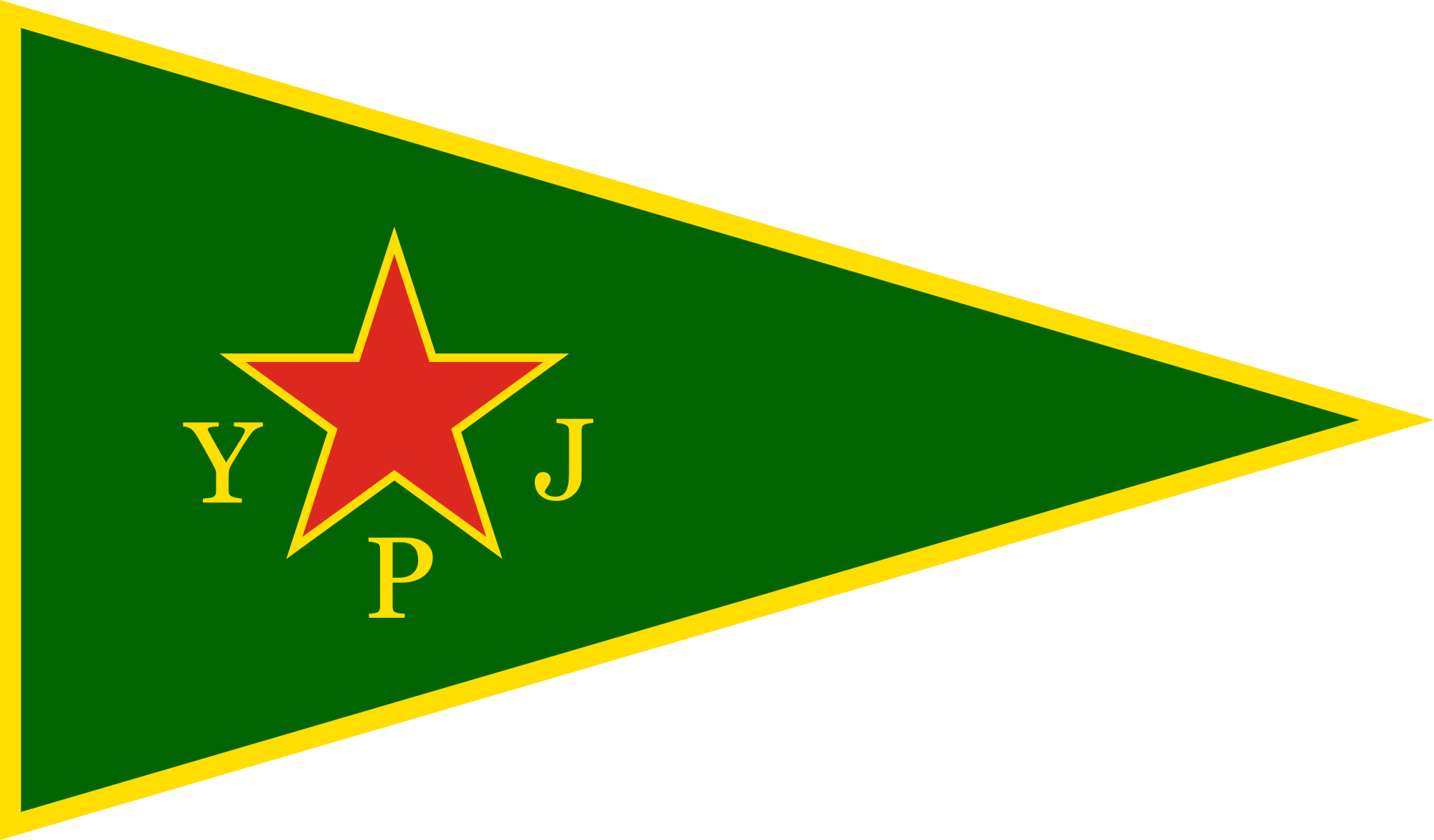
Flag of the YPJ
ActiveApril 2013–present
Allegiance Kurdish Supreme Committee (2013)[1]
Rojava (2013–present)[2]
Democratic Union Party (2013–present)
BranchFemale service units
TypeLight infantry (militia)
Size24,000 (2017 estimate)
Part ofSyrian Democratic Forces (since 2015)
Mottos"Know yourself, protect yourself"[3]
Engagements
Websitehttps://ypjrojava.net/
Commanders
General Commander[3]Nesrin Abdullah
Kobanî commander[4]Meryem Kobanî
Aleppo commander[5]Sewsen Bîrhat
Leading commander for Raqqa operations[6][7]Rojda Felat

The Women's Protection Units[a] (YPJ) or Women's Defense Units is an all-female militia involved in the Syrian civil war.[9] The YPJ is part of the Syrian Democratic Forces, the armed forces of the Democratic Autonomous Administration of North and East Syria, and is closely affiliated with the male-led YPG.[10] While the YPJ is mainly made up of Kurds, it also includes women from other ethnic groups in Northern Syria.[11]

History

[edit]
2016 VOA report about YPJ fighters

Women have been involved in Syrian Kurdish Resistance fighting since as early as 2011, when the mixed-sex YXG was founded, later to be renamed YPG in 2012.[12] The YPJ was founded as a strictly women's organization on 4 April 2013[12] with the first battalion formed in Jindires[13] and later expanded its activities towards the Kobane and Jazira cantons.[14] All female fighters who were previously part of the YPG mixed units automatically became members of the YPJ. Initially, there was just one YPJ battalion in each of the three cantons of Rojava, but battalions were quickly established in every neighborhood, expanding the organization.[12]

Between 2014 and November 2016 the YPJ counted between 7,000 and 20,000 members. As of August 2017, the group was reported to have 24,000 members.[15] After the defeat of ISIL the number has decreased and according to an interview by its General Commander Newroz Ahmed given to The Guardian, is currently at 5,000.[16]

In the Syrian civil war, the YPJ and the YPG have fought against various groups in northern Syria, including the Islamic State of Iraq and the Levant (ISIL) and were involved in the defense of Kobanî during the Siege of Kobanî[17] beginning in March 2014, with various Kurdish media agencies reporting that "YPJ troops have become vital in the battle".[18] In the Siege of Kobanî, prior to receiving the support of Western powers, the YPJ was forced to hold off ISIL attacks using only "vintage Russian Kalashnikovs bought on the black market, handmade grenades, and tanks they put together out of construction vehicles and pick-up trucks."[11] It was not until October 2014 that the United States began coordinating air strikes with the YPJ-YPG fighters on the ground.[11]

Additionally, the YPG, YPJ and the PKK were involved in an August 2014 military operation at Mount Sinjar, where up to as many as 10,000 Yazidis were rescued from genocide at the hands of ISIL.[19][11][20] ISIL had taken control of most areas around Mount Sinjar after pushing out the Peshmerga.[21] Because ISIL views the Yazidis as "a community of devil worshipers,"[22] those formerly inhabiting the town of Sinjar were forced to flee into the mountains. This left many Yazidis, including children and the elderly, without food, shelter, or resources.[22] Those still in the town were either massacred by ISIL or forced into sexual slavery.[23]

Along with the help of US air strikes, the attacking force was able to create a 30 kilometres (19 mi) safe zone for the Yazidi refugees to escape ISIL capture. The refugees were then moved into Northern Syria, with most later departing for safer areas of Iraqi Kurdistan.[24]

YPJ continues to fight alongside YPG as part of the multi-ethnic Syrian Democratic Forces (SDF).[11] The YPJ was involved in battles such as the SDF offensive against the major IS strongholds in Tabqa and Raqqa, serving as the main proxy[25] force (along with the YPG) for the United States.[26] During Operation Olive Branch, the Turkish offensive against Afrin Canton, YPJ units were again heavily involved in the fighting.[27] Guerrilla warfare tactics were among the tactics used against Turkey and their Syrian rebel allies.

During the 2019 Turkish offensive into north-eastern Syria, Turkish-backed Free Syrian Army fighters trampled and mutilated the body of what appeared to be a YPJ fighter they killed in the countryside near Kobanî.[28]

Ideology

[edit]

The YPJ is politically aligned to the PYD, which bases its philosophy on the writings of Abdullah Öcalan,[29] the leading ideologue in the Kurdistan Workers' Party (PKK), who is imprisoned by Turkey. Central to YPJ ideology is the PYD's ideological concept of "Jineology".[30]

Dating back to the early 1990s, Öcalan had been advocating that a ‘basic responsibility’ of the Kurdish movement was to liberate women. He stated that gender equality and women's liberation is necessary for Kurdish liberation. The PKK established its first all-female units of guerrillas in 1995, stating that in order to "break down gender roles solidified by centuries, women had to be on their own."[30] The YPJ adheres to the same strand of feminist ideology. Having joined the YPJ, women must spend at least a month practicing military tactics and studying the political theories of Öcalan, including Jineology. In any communal decision, regarding the YPJ/YPG or otherwise, it is required that no less than 40% of women participate.[31]

YPJ fighter wearing patch featuring Abdullah Öcalan
A mural in support of the YPJ in Bologna, Italy

The group has been praised by feminists for confronting traditional gender expectations and redefining the role of women in conflict in the region.[32][33] YPJ militants often enter the militia over hardships endured in the family, like lost relatives caused by attacks or fighting.[33] They play a role in changing the societal traditions by taking arms. These women say they are changing their community and society by doing so.[34] The YPJ has attracted international attention as an example of significant achievement for women in a region in which women are systematically disadvantaged.[35][36][37][38]

Another all-female force in northern Syria is the Bethnahrain Women's Protection Forces, which was formed as an Assyrian all-female brigade of the Syriac Military Council, seemingly inspired by the example of the YPJ. The Al-Bab Military Council, Kurdish Front and Liwa Thuwar al-Raqqa have also established their own female units.[39][40]

Abdullah Öcalan's ideas surrounding women's rights have been integral to the founding of the YPJ. Öcalan argued that "the struggle for women's freedom must be waged through the establishment of their own political parties, attaining a popular women's movement, building their own nongovernmental organizations and structures of democratic politics."[41] Öcalan developed this idea in 1996 when he published his theory of separation, which asserts that "if it is held that revolution cannot be made for the people, but rather by the people, then it must be held that revolution cannot merely be made for women but by women.”[42] The YPJ makes women an integral part of the governmental structure of Rojava as well as giving women an independent military unit which aligns with the theory of separation. As such the YPJ is an example of the manifestation of Kurdish political ideology particularly regarding women's role in nation building.

Recruitment

[edit]

The YPJ (Women's Defense Units) recruits primarily single women for active combat roles. Married women with children are often assigned to non-combat roles in public relations, administration, and recruitment.[43] Although the bulk of YPJ fighters are Kurdish women, Kurdish forces in Syria declared in 2017 that they will establish a battalion and training facility for Arab women to join the battle against the Islamic State group [IS].[44] YPJ is a volunteer army, and there is no compulsory recruitment. Some impoverished families receive financial compensation for their daughters' service. Women are allowed five days off per month to visit their families, but not all choose to do so, especially if their families discourage their return to the front lines. In contrast to men, who can go home every ten days, the rules for women's visits are more flexible, as YPJ makes its own decisions based on their unique perspectives and priorities.[45] This reflects a distinct approach from Western feminism, as the women in YPJ have experienced a more direct and tangible form of oppression compared to many in the West, where oppression can be subtler, leading some to deny its existence.[43]

Foreign volunteers

[edit]

Through the Syrian civil war hundreds traveled from Europe, Turkey and others to join the YPJ/YPG,[46] some out of political affinity and others out of a desire to fight ISIS.[47] On March 16, 2018, Anna Campbell became the first British woman to die while fighting as a part of the YPJ. Campbell had left her home in Lewes, East Sussex to go to Rojava and join the YPJ out of a desire to defend the revolution. She was killed by Turkish missile in the city of Afrin during Operation Olive Branch.[48] Since her enlistment, a number of other British women, such as Rûken Renas, have also signed up to fight with the YPJ.[49]

Hanna Bohman is another YPJ fighter hailing from the western hemisphere, in her case Canada. After nearly dying in a motorcycle incident, Bohman decided to leave her home in Vancouver, Canada to join the YPJ in February 2014.[50]

Additionally, Arab and Yazidi women that the YPJ liberated from ISIS have also begun fighting against their former oppressors.[51] The YPJ has set up institutions where these women are trained both militarily, as well as in fields such as feminist history and philosophy.[52] The Yazidi population has since created its own self defense force, the Sinjar Resistance Units (YBŞ).[53]

Supply

[edit]

The YPJ relies on local communities for supplies and food.[32] The YPJ (along with the YPG) received 27 bundles totaling 24 tons of small arms and ammunition as well as 10 tons of medical supplies from the United States and the Kurdistan Regional Government in Iraqi Kurdistan during the Siege of Kobanî.[54]

Child soldiers

[edit]

In 2020, the United Nations reported that the YPG/YPJ had the most child soldier recruits of any faction in the Syrian civil war, with 283 child soldiers followed by Tahrir al-Sham with 245 child soldiers.[55] This comes despite a 2014 agreement made with the human rights group Geneva Call promising an end to recruitment of soldiers under the age of 18.[56][57][58] Since the agreement, the YPJ has actually recruited more children into their ranks.[59]

Recognition

[edit]
[edit]
  • The 2018 French war drama Girls of the Sun, directed by Eva Husson, is a fictional depiction of the YPJ and their exploits during the Syrian Civil War inspired on true events.[61]
  • The 2022 Kurdish film Kobanê depicts the role of women fighters of the YPJ in the Siege of Kobanî.
  • The women fighters of the YPJ are depicted in season six of SEAL Team.
  • The 2023 Documentary Dream's Gate, directed by Negin Ahmadi depicts the role of women fighters of the YPJ during Civil war,she ventured into the war-torn region with her video camera in 2016.[62]

See also

[edit]

References

[edit]

Bibliography

[edit]
[edit]
Revisions and contributorsEdit on WikipediaRead on Wikipedia
from Grokipedia
The Women's Protection Units (YPJ; Yekîneyên Parastina Jin) is an all-female Kurdish militia founded on April 4, 2013, in northern Syria as the women's wing of the People's Protection Units (YPG), tasked with self-defense and advancing women's roles in combat and society amid the Syrian Civil War. Integrated into the Syrian Democratic Forces (SDF), the YPJ has numbered several thousand fighters and played a pivotal role in expelling Islamic State forces from key areas, including the defense of Kobani in 2014–2015 and the liberation of Raqqa in 2017, earning international recognition for its effectiveness despite operating with limited resources. Embedded in the Autonomous Administration of North and East Syria (Rojava), the group promotes a ideology of jineolojî (women's science) and co-presidency systems to dismantle patriarchal structures, drawing from the teachings of imprisoned PKK leader Abdullah Öcalan. Yet, the YPJ's close operational, ideological, and personnel ties to the Kurdistan Workers' Party (PKK)—designated a foreign terrorist organization by the United States, European Union, and others for decades of insurgent violence against Turkish civilians and security forces—have fueled controversies, with Turkey viewing the YPJ as an extension of PKK terrorism and launching cross-border operations against it.

Origins and Historical Development

Formation Amid Syrian Uprising (2011-2013)

The Syrian uprising commenced in March 2011, triggered by widespread protests against the Ba'athist regime of , inspired by regional Arab Spring movements. In predominantly Kurdish regions of northeastern , such as Hasakah and provinces, demonstrations also erupted, though they faced comparatively restrained regime responses initially compared to Arab-majority areas. The Democratic Union Party (PYD), a Kurdish political organization established in 2003 as a Syrian affiliate of the (PKK), capitalized on the ensuing instability to organize self-defense structures. In July and August 2011, the PYD formed the People's Protection Units (YPG) from existing local committees to safeguard Kurdish communities amid escalating violence and the regime's preoccupation with suppressing uprisings elsewhere. The YPG, functioning as the PYD's military arm, drew personnel and ideological guidance from PKK networks, which provided training and reinforcements across the Turkey-Syria border. By mid-2012, as Syrian government forces progressively withdrew from Kurdish-majority enclaves—including key towns like , Afrin, and —to redirect resources against rebel advances, the YPG assumed control of these territories with minimal resistance. This enabled the PYD to administer alongside military security, establishing early autonomous governance in what would later be termed Rojava. The Women's Protection Units (YPJ) emerged on April 4, 2013, as an all-female counterpart to the YPG, formalized to integrate women into the defense apparatus and counter emerging threats from jihadist groups infiltrating northern . Initial YPJ recruits, numbering in the hundreds, underwent training modeled on PKK practices emphasizing in combat roles, reflecting the PYD's ideological commitment—derived from PKK founder Abdullah Öcalan's writings—to dismantling patriarchal structures through armed women's participation. During 2011-2013, YPJ precursors operated within mixed YPG units, but the dedicated formation addressed vulnerabilities in women's mobilization amid sporadic clashes with regime loyalists and factions vying for territorial influence. This period marked the YPJ's foundational phase, prioritizing local defense over offensive operations as Kurdish forces consolidated holdings against a fragmented opposition landscape.

Major Military Engagements Against and Others (2014-2019)

The YPJ participated prominently in the defense of during the siege from September 2014 to January 2015, where Kurdish forces, including YPJ units, repelled a major offensive that threatened to overrun the city. YPJ fighters endured heavy combat alongside YPG counterparts, motivated by 's explicit threats of enslavement and execution for captured women, resulting in significant YPJ casualties during the four-month battle. The defense marked a turning point, with coalition airstrikes aiding the eventual recapture of the city on January 26, 2015, after had seized surrounding villages and deployed thousands of fighters. In 2016, YPJ elements integrated into the (SDF) for the Manbij offensive launched on June 1, targeting ISIS control over a strategic linking supply routes to . SDF forces, bolstered by YPG and YPJ, encircled and captured by August 13 after intense urban fighting, disrupting ISIS logistics and killing hundreds of militants. YPJ women fighters contributed to house-to-house clearances, facing booby traps and sniper fire in operations that highlighted their role in multi-ethnic SDF compositions. The YPJ advanced further in during SDF campaigns against ISIS strongholds in and . In the from April to May 5, YPJ units as part of the YPG-led SDF assaulted the dam and city, overcoming defenses fortified with tunnels and heavy weapons, securing the crossing vital for the push. Transitioning to starting June 6, YPJ fighters engaged in the four-month siege of 's de facto capital, clearing neighborhoods amid support, with YPJ commanders leading assaults that culminated in 's defeat on October 17. YPJ losses included fighters killed in close-quarters combat, but their participation underscored the force's commitment to dismantling territorial control. Against non-ISIS adversaries, the YPJ defended Afrin canton during Turkey's from January 20 to March 18, 2018, clashing with Turkish forces and allied proxies aiming to prevent Kurdish border continuity. YPJ positions faced artillery barrages and ground incursions, leading to tactical withdrawals after the capture of Afrin city, with reports of civilian evacuations and YPJ retreats to preserve forces for other fronts. This engagement shifted YPJ focus amid escalating Turkish opposition to Kurdish gains from anti-ISIS operations.

Post-Territorial Defeat of ISIS: Adaptation and Ongoing Conflicts (2020-2025)

Following the territorial defeat of in Baghuz in March 2019, the Women's Protection Units (YPJ), as an integral component of the (SDF), shifted focus from large-scale conventional battles to counter-insurgency efforts targeting sleeper cells, securing displacement camps like Al-Hol, and guarding prisons such as Al-Sina'a holding approximately 10,000 detainees. This adaptation involved intelligence-driven raids to dismantle covert networks exploiting Syria's instability, including border infiltrations from Iraq's eastern deserts. By early 2025, YPJ forces had conducted at least 60 such operations in , , and Hasakah regions, resulting in 64 arrests—including three senior commanders—and the elimination of six operatives. Parallel to these efforts, YPJ units engaged in persistent defensive conflicts against Turkish military incursions and Syrian National Army (SNA) proxies, particularly along the Syria-Turkey border. Clashes escalated in 2020–2021 around Ayn Isa, where SDF forces, including YPJ, repelled SNA advances backed by Turkish artillery and drones, preventing territorial losses in northern Raqqa province. Tensions intensified following the fall of the Assad regime on December 8, 2024, as Turkey exploited the ensuing power vacuum to demand SDF disarmament and YPG dissolution, leading to renewed SNA offensives in Manbij, Kobani, and East Aleppo by late 2024 and into 2025. These encounters, often involving artillery exchanges and small-arms fire, displaced over 1.1 million civilians by early 2025 and included SDF counteroffensives like the East Aleppo operation launched in December 2024. In the transitional Syrian context of , YPJ operations adapted further to a fragmented landscape, countering resurgence attempts amid sporadic clashes with the HTS-influenced transitional government and SNA forces in areas like Dayr Hafir and Tishreen Dam. Turkey's insistence on SDF integration into —entailing YPG laying down arms—clashed with Kurdish demands for autonomy, sustaining low-intensity warfare while YPJ maintained roles in community protection and anti- vigilance, often with U.S.-led enablement. Reports from SDF-aligned sources attribute over 37 SNA casualties in December 2024 Kobani-area fighting to YPJ-involved defenses, though independent verification remains limited amid biased pro-Kurdish and Turkish narratives.

Organizational Framework

Ties to YPG, SDF, and PKK

The Women's Protection Units (YPJ) function as the female military wing parallel to the People's Protection Units (YPG), established in 2012 under the Democratic Union Party (PYD) to provide gender-segregated combat roles while sharing the same command hierarchy and operational objectives. Together, the YPG and YPJ form the core Kurdish armed forces in northeastern , conducting joint operations and maintaining integrated training protocols. The YPJ integrated into the (SDF) upon the coalition's formation on October 10, 2015, as a founding component alongside the YPG, which has since dominated the SDF's structure, comprising an estimated 60-80% of its fighters and leadership despite the inclusion of Arab, Assyrian, and other units. SDF commanders, often drawn from YPG/YPJ ranks, oversee multi-ethnic brigades, but Kurdish units retain primary control over strategic decisions and territorial defense in the Autonomous Administration of North and East . Links to the (PKK) stem from the PYD's origins as the Syrian extension of PKK ideology and , with YPG/YPJ commanders receiving from PKK cadres in Iraq's as early as 2011 and ongoing personnel flows reported through smuggling routes. The PKK's influence manifests in shared doctrines of and , though YPG/YPJ spokespersons maintain autonomy, attributing alignments to ideological affinity rather than direct command. , the , and assessments classify these ties as operational extensions of the PKK, a designated terrorist , citing unified , channels, and Öcalan in YPJ materials. Despite U.S. partnership with the SDF since 2014 for anti-ISIS campaigns, Washington has acknowledged PKK linkages while delinking YPG/YPJ from formal terrorist status to sustain cooperation.

Command Hierarchy and Female Leadership Claims

The Women's Protection Units (YPJ) maintain a distinct General Command responsible for organizing battalions and units into a disciplined structure, with decision-making conducted independently through conferences, extended meetings, and a military council for YPJ-specific matters. This command is represented by female leaders within the General Command of the People's Protection Units (YPG), involving joint deliberations on overarching strategic issues while preserving autonomy in women's force operations. Internal regulations outline a centralized base comprising oversight centers for major cantons including al-Jazeera, Kobani, and Afrin, supported by subordinate formations focused on combat, ideological training, and self-criticism protocols among fighters. Claims of robust female leadership within the YPJ emphasize the development of women as commanders via specialized academies, such as the Martyr Silan Academy, alongside a mandated minimum 40% female representation in YPG structures. This aligns with the broader Rojava system's co-chair model, established as law requiring male-female co-presidency in all leadership roles to enforce , including in military councils. Notable examples include commanders Rojda Felat, who directed the ' 2017 campaign to capture from after 135 days of fighting, and Rojhelat Afrin, identified as YPJ in 2024 assessments of ongoing threats. Despite these assertions of , the YPJ's embedded role within the YPG and SDF frameworks—where joint commands integrate all-female units with male counterparts—indicates shared authority rather than isolated female dominance at higher echelons, reflecting ideological commitments to duality over unilateral control. Such integration draws from PKK organizational precedents, prioritizing collective decision-making under the ' umbrella since 2015.

Force Size, Demographics, and Internal Composition

The Women's Protection Units (YPJ) have historically numbered between 7,000 fighters in late and approximately 24,000 by 2017, according to reports from that period, though independent verification of current strength as of 2025 remains limited amid ongoing territorial losses and recruitment challenges. Within the broader (SDF), of which the YPJ forms the female component alongside the male People's Protection Units (YPG), total SDF fighter estimates range from 40,000 to 100,000, with YPG/YPJ constituting the Kurdish core; YPJ self-reports and affiliated media have claimed it represents about 40% of YPG forces, but such figures may reflect aspirational or inflated counts from partisan sources rather than audited data. Demographically, the YPJ consists exclusively of female combatants, primarily from northern and eastern aged 18 and older, with recruitment emphasizing volunteers up to around 40 years old during peak expansion. While dominate, the force includes women from other ethnicities such as , Assyrians, , and a small number of foreign volunteers from and elsewhere, reflecting efforts to project multi-ethnic inclusivity within Rojava's administration; however, ethnic remain the overwhelming majority, and foreign fighters constitute a negligible fraction. Internally, the YPJ maintains a hierarchical structure modeled on conventional militias, organized from the ground up into groups (each with 8-12 fighters), squadrons (two groups), and (two squadrons), with higher echelons forming brigades and regional commands under female leadership. Initially limited to one per Rojava canton, the organization expanded with recruitment surges, incorporating specialized subunits like Assyrian or Armenian women's for minority defense, though these operate within the overarching YPJ framework tied to YPG/SDF command; post-2017 policies excluded married women to mitigate family impacts from casualties, underscoring operational adaptations to attrition.

Ideology and Objectives

Influence of Abdullah Öcalan and PKK Foundations

The (PKK) was founded on November 27, 1978, by Abdullah Öcalan and a group of students in , initially as a Marxist-Leninist organization advocating armed struggle for an independent Kurdish state in southeastern . The group's early ideology emphasized class struggle and ethnic , drawing from Leninist principles of and protracted , with Öcalan positioning himself as the paramount leader. PKK's foundational tactics included starting in 1984, resulting in over 40,000 deaths in the Turkey-PKK conflict by the , and it has been designated a terrorist organization by the since 1997, the since 2002, and since its inception. Öcalan's capture by Turkish authorities on February 15, 1999, and subsequent life imprisonment shifted PKK's ideological trajectory; from prison, he authored texts renouncing Marxist-Leninist state-building in favor of "democratic confederalism," a decentralized, non-statist model inspired partly by American social ecologist Murray Bookchin, emphasizing grassroots assemblies, ecology, and radical women's liberation as prerequisites for societal freedom. Central to this evolution was Öcalan's assertion that patriarchy constituted the root of oppression, predating class or national conflicts, leading to the promotion of jineolojî (Kurdish for "women's science" or jineology), a framework to analyze and dismantle male dominance through autonomous female structures. This ideology influenced PKK's internal reforms, including the 1993 establishment of initial women's units following the self-immolation of PKK fighter Bêrîtan (Gülnaz Karataş) in protest against capture, which Öcalan cited as catalyzing separate female military formations to embody self-liberation. The Women's Protection Units (YPJ), established on April 2, 2012, in Syria's Kurdish regions amid the , directly inherited these PKK foundations as the Syrian affiliate of the Democratic Union Party (PYD), itself ideologically aligned with Öcalan's prison writings and PKK structures. YPJ's organizational ethos mandates that female fighters study Öcalan's texts, with commanders framing their roles as vanguard actors in jineology's practical implementation, viewing armed self-defense as inseparable from dismantling feudal-patriarchal norms. Öcalan, referred to as "Apo" (uncle) by adherents, is venerated in YPJ discourse as the intellectual architect of their gender-focused militancy, with units dedicating operations—such as victories against —to his paradigm of women's freedom enabling broader emancipation. However, critics, including Turkish and Western intelligence assessments, contend this influence perpetuates PKK's core authoritarianism and terrorist methods, rebranded under confederalist rhetoric, as YPG/YPJ leadership overlaps with PKK veterans and shares command protocols.

Democratic Confederalism and Stated Gender Equality Goals

, as articulated by PKK founder , posits a decentralized emphasizing , ecological sustainability, and women's liberation as interconnected pillars for societal transformation. In this framework, is not merely additive but foundational, with Öcalan arguing that patriarchal structures represent the original form of state oppression that must be dismantled to achieve true confederal autonomy. The ideology draws from influences like Murray Bookchin's communalism but adapts them to Kurdish contexts, rejecting centralized nation-states in favor of bottom-up councils where women's councils operate parallel to general assemblies to ensure parity. Central to these stated goals is (jineolojî), a coined by Öcalan to denote the "science of women," which reframes knowledge production around freeing women from historical enslavement by , , and . Proponents claim jineology enables women to lead societal renewal by analyzing and countering male dominance as the root of hierarchical power, integrating it into education, governance, and defense structures in Rojava's Autonomous Administration of North and East (AANES). This approach mandates institutional mechanisms like mandatory co-chairpersonships (one man, one woman) in all public bodies, 40-50% gender quotas in assemblies, and separate women's academies for ideological training, ostensibly to empower female agency without reliance on male-led reforms. The Women's Protection Units (YPJ), established in 2013 as the female counterpart to the People's Protection Units (YPG), explicitly operationalize these principles through armed , positioning women's participation as a direct challenge to patriarchal norms and external threats like . YPJ statements emphasize that female combatants embody jineology in practice, fostering "free women" who defend not only territory but also the ideological project of gender liberation, with recruitment framed as voluntary against feudal and Islamist oppressions. The group's charter aligns with Rojava's 2014 social contract, which constitutionally guarantees equal rights, prohibits discrimination, and prioritizes women's roles in security councils to prevent male monopoly on force. Öcalan’s writings, such as Liberating Life: Woman's Revolution (2013), underpin this by asserting that without radical female emancipation—encompassing mental, social, and armed dimensions— remains incomplete.

Critiques of Ideological Implementation in Practice

Despite ideological commitments to under , critics argue that the YPJ's implementation reveals contradictions, such as policies restricting married women's participation to avoid conflicts between duties and responsibilities, thereby limiting in role reconciliation. This exclusion, justified as protecting work-life balance, contradicts Jineology's emphasis on women's independent free from male or institutional interference. In practice, patriarchal structures persist within Rojava's administration, including on sexuality, heteronormative biases, and reported against LGBTQ individuals, undermining claims of comprehensive dismantling of gender hierarchies. The YPJ's heavy , while framed as against threats like , risks reinforcing gendered binaries, with female fighters sometimes adopting masculine traits to gain legitimacy in combat roles, potentially entrenching rather than eroding traditional norms. Marxist analyses further contend that the ideology's reliance on mythical matriarchal narratives biologically essentializes women as inherently pacifist or socialist, reinforcing roles like motherhood without fully challenging them, while neglecting class-based economic . Economic dependencies remain unaddressed, as traditional units—described as patriarchal "tombs" for women—are preserved for cultural reasons, and women's cooperatives (e.g., in and production) operate within market constraints rather than a socialist framework, limiting true independence. No. 22 of November 2014 mandates in institutions but fails to eradicate underlying family-based or socialize domestic labor effectively. Centralization of power in the PYD and affiliated forces further hampers democratic structures essential to ideological goals, prioritizing politico-military strategy over sustained equality. Some reports highlight exploitation within PKK-linked groups, including historical executions of female critics of internal sexual abuses, suggesting that empowerment rhetoric masks coercive elements in female . These practical shortcomings indicate that while the YPJ advances women's visibility in combat, broader ideological aims of liberation encounter barriers from war, centralization, and incomplete structural reforms.

Recruitment and Mobilization

Domestic Enlistment Processes in Kurdish Areas

Domestic enlistment into the Women's Protection Units (YPJ) in Kurdish-controlled areas of northeast , referred to as Rojava or the Autonomous Administration of North and East , operates on a voluntary basis for women, in contrast to the mandatory conscription imposed on men aged 18 to 40 under the "Duty of " for the affiliated People's Protection Units (YPG). Local women, primarily but also including and other residents, initiate the process by applying through community-based recruitment channels tied to the (SDF) structure, often motivated by ideals of gender liberation, regional defense, and opposition to patriarchal oppression. No formal forcible recruitment of women has been documented in these areas, with enlistment emphasizing personal agency and ideological alignment with democratic confederalism principles derived from PKK founder . Selection typically prioritizes unmarried women for frontline combat roles, as married individuals are generally excluded to align with operational and cultural considerations within the YPJ's estimated force of approximately 5,000 fighters. Applicants undergo initial vetting for commitment, , and basic eligibility, followed by integration into YPJ training academies that combine military instruction—such as weapons handling, tactics, and physical conditioning—with ideological education on women's and communal . This process has been facilitated since the YPJ's formation in 2012 amid the , drawing from local populations in governorates like Hasakah, , and , where recruitment campaigns leverage communal assemblies and women's cooperatives to promote participation as a means of societal transformation. While official SDF policies stipulate adult enlistment, the emphasis on voluntariness for women distinguishes YPJ mobilization from broader SDF conscription efforts, though enforcement varies by locality and security context.

Attraction of Foreign Fighters

The Women's Protection Units (YPJ) have drawn a small cohort of foreign female volunteers, predominantly from Western nations, through online recruitment channels and sympathetic media portrayals emphasizing their combat against the (ISIS) and advocacy for gender autonomy within Kurdish-controlled territories. Estimates indicate that foreign women constitute a minor fraction of YPJ recruits, with documented cases numbering in the low dozens among profiled volunteers; for instance, out of 60 foreign fighters analyzed in a study of YPG/YPJ affiliates, only five were women, including participants in YPJ units. These volunteers often joined via informal networks or the YPG structure, which facilitated entry for non-Kurdish sympathizers, though YPJ-specific integration focused on all-female battalions like the short-lived YPJ International. Primary motivations included ideological alignment with the YPJ's promotion of women's self-defense and , outrage over atrocities such as the , and personal drives like anti-capitalist or feminist activism. Western recruits, typically lacking prior military experience and aged 20-40, cited with perceived progressive Kurdish values as key, with some expressing Marxist-Leninist influences or a desire for revolutionary purpose; Italian cases, for example, highlighted affinity for Kurdish autonomy models over material incentives. Experiences varied, with volunteers serving in defensive roles, positions, or training local fighters during campaigns like (2014-2015) and (2017), though average tenures were brief—around 6-9 months—due to exhaustion, injury, or repatriation. Notable cases underscore the risks and limited scale: German recruit Ivana Hoffmann, aged 19, became the first Western woman killed fighting with the YPJ on March 7, 2015, near Tel Hamis. British volunteer died in Afrin on March 18, 2018, during clashes with Turkish-backed forces while attached to a YPJ foreign unit. Other examples include Canadian Hanna Böhman, who joined in 2015 without combat background and served as a , and British-Kurdish Shilan Özçelik, convicted in the UK in November 2015 for attempting to join after en route. Despite these attractions, foreign participation remained marginal compared to domestic Kurdish enlistment, with recruitment tapering post- territorial defeat in 2019 and facing legal scrutiny in home countries due to the YPJ's ties to PKK-designated terrorist structures.

Evidence and Claims of Coercion or Involuntary Service

Human rights organizations have reported instances of involuntary recruitment into the YPJ, particularly involving underage girls, where parental consent was absent and families alleged abduction or coercion. In 2015, (HRW) documented 59 cases of children under 18 recruited by YPG and YPJ forces since July 2014, including girls as young as 14; one specific case involved a 14-year-old girl taken from her school near by YPJ members without her parents' knowledge or approval. Similarly, in 2020, reports from Enab Baladi detailed multiple abductions of female minors in province, such as a 15-year-old girl seized from Tawi Berman village and another from Hamra Jamasa, with YPG patrols intervening to prevent family retrieval and families publicly disavowing daughters to sever ties. More recent documentation from HRW in highlights ongoing of girls via the (RYM), an SDF-linked group that indoctrinates and transfers minors to YPJ units, with verified cases including girls aged 12 to 14 taken from homes or schools and denied family contact despite pleas for return; one documented fatality involved "Ronahi Ibrahim," who joined RYM at 14 and died at 17 while fighting with YPJ. The (EUAA) notes that while formal under the "Duty of Self-Defence" (introduced July 2014) mandates service only for males aged 18-40 and deems YPJ enlistment voluntary for women, SDF and YPG forces have employed supplementary forced tactics, such as arbitrary arrests of eligible individuals ignoring exemptions, demands for one recruit per family, and harassment in non-Kurdish communities to meet quotas. These practices extend to girls, with UN-verified recruitments (including females) totaling 313 in SDF areas from January to December 2018 alone, often sourced from IDP camps without guardian approval. Counterclaims from SDF authorities and some monitoring reports, such as a 2024 Danish fact-finding mission, assert that YPJ remains contractual and voluntary for women, with no widespread evidence of adult female , attributing minor enlistments to ideological appeal rather than force; however, evasion of male can result in detention and compelled service, indirectly pressuring households. Despite YPG/YPJ pledges to end underage —such as a 2015 ban and a 2019 UN action plan—violations persist, with HRW and UN reports citing over 231 SDF-related child cases in 2023, underscoring incomplete implementation and continued involuntary involvement of minors, including in female units.

Military Capabilities and Operations

Combat Tactics, Training, and Effectiveness

YPJ recruits receive initial lasting at least one month, encompassing weapons handling, basic tactical maneuvers, and ideological instruction based on principles. Advanced programs build on PKK-influenced guerrilla methods, covering urban , techniques, and technical skills such as sniping and explosives use to enhance small-unit effectiveness in . In engagements against ISIS, YPJ tactics emphasize urban positioning to leverage familiarity with built environments, where ISIS fighters demonstrated operational disadvantages, combined with defensive fortifications and rapid counterattacks. During the 2014–2015 Battle of , YPJ units held frontline positions, employing hit-and-run ambushes and coordinated defenses that stalled ISIS advances until U.S. airstrikes provided decisive support, enabling eventual liberation on January 26, 2015. In the 2017 offensive, YPJ integrated into SDF ground forces for house-to-house clearing operations, utilizing mobility and ideological motivation to maintain cohesion amid intense urban fighting. Evaluations of YPJ effectiveness underscore high combat motivation driving persistence in battles like and , where they inflicted casualties on through determined close-quarters engagements, contributing to territorial gains. However, outcomes depended critically on coalition airpower and logistics, with YPJ sustaining hundreds of fatalities—estimated at over 500 across major anti- campaigns—reflecting vulnerabilities in manpower and equipment against numerically superior foes without external aid. Independent analyses note that while YPJ demonstrated resilience, their tactical successes align more with militia-level proficiency than conventional military prowess, limited by scale and reliance on alliances.

Sourcing of Weapons, Supplies, and Logistical Dependencies

The Women's Protection Units (YPJ), as the female component of the People's Protection Units (YPG) and the broader , primarily source weapons through battlefield captures from the and direct transfers from the U.S.-led Global . Captured armaments include , , anti-tank weapons, and vehicles originally supplied to or seized by ISIS from Syrian regime stockpiles, with SDF forces recovering significant quantities during operations like the 2015 Battle of and the 2017 Raqqa campaign. U.S. airdrops provided 24 tons of and to YPG/YPJ forces during the Kobani siege in October 2014, marking an early instance of coalition materiel support. In May , the U.S. initiated ground-based deliveries of , , and vehicles directly to SDF units, including YPG/YPJ elements, to facilitate the offensive against in , though deliveries were calibrated to avoid escalation with and ceased post-victory in November . These supplies supplemented captured stocks, with SDF inventories featuring U.S.-origin M16 rifles, machine guns, and TOW anti-tank missiles recovered from depots. Logistical dependencies extend to intelligence, surveillance, and precision airstrikes, which were critical for YPJ-integrated operations, enabling effective targeting of positions without indigenous equivalents. Non-lethal supplies, including 10 tons of medical aid airdropped in 2014, derive from humanitarian assistance and local in SDF-controlled territories, where YPJ units rely on community contributions for food and basic sustainment amid economic isolation. Post-2019 U.S. troop drawdowns reduced direct resupply, heightening reliance on pre-existing caches, improvised maintenance, and cross-border networks linked to (PKK) affiliates, though verifiable details on the latter remain limited to Turkish intelligence assessments. This dependency structure underscores YPJ vulnerabilities to disruptions in external alliances, as evidenced by ammunition shortages reported in defensive postures against Turkish-backed forces since 2018.

Role in Broader SDF Campaigns and Alliances

The Women's Protection Units (YPJ) serve as a core component of the , an alliance formed in October 2015 comprising primarily Kurdish People's Protection Units (YPG), YPJ, and multi-ethnic Arab, Assyrian, and other local militias to combat the . The SDF's structure integrates YPJ fighters into joint operations, leveraging their specialized training in and ideological commitment to to bolster overall force cohesion against ISIS strongholds. YPJ units played a pivotal role in the SDF's Operation Inherent Resolve campaigns, including the 2016 Battle of Manbij, where SDF forces, with YPG/YPJ at the forefront, captured the city from after intense urban fighting that resulted in over 2,000 deaths and the liberation of approximately 100,000 civilians. In the 2017 offensive, YPJ fighters participated in the ground assault on 's de facto capital, contributing to the SDF's encirclement and eventual capture of the city on October 17, 2017, amid estimates of 3,200-5,000 combatants killed and significant coalition airstrikes supporting the advance. Earlier, during the 2014-2015 Siege of —preceding formal SDF establishment but foundational to its formation—YPJ women were prominently involved in defending the city against assaults, with fighters enduring heavy casualties while coordinating with U.S. airstrikes that dropped over 700 munitions to repel the siege by January 26, 2015. As part of SDF alliances, YPJ benefits from and contributes to partnerships with the U.S.-led Global Coalition to Defeat , receiving training, intelligence, and air support that enhanced SDF effectiveness in expelling from northern by 2019. The SDF's inclusion of Arab-majority groups, such as the and Manbij Military Council, reflects strategic alliances to legitimize control over diverse territories, with YPJ's presence symbolizing cross-ethnic solidarity against extremism, though Kurdish dominance in leadership persists. These coalitions have sustained SDF/YPJ operations into 2025, including sweeps against sleeper cells in areas like Hasakah and , capturing dozens of militants and securing weapons caches.

Controversies and Criticisms

Recruitment and Use of Child Soldiers

The Women's Protection Units (YPJ), as the female component of the People's Protection Units (YPG) within the (SDF), have been implicated in the recruitment of underage girls, defined under as individuals under 18 years old, for military roles in northeast . documented cases in 2018 where YPG forces, including YPJ affiliates, recruited children from displacement camps, with girls as young as 14 enlisting or being coerced into service, often under promises of protection or ideological indoctrination. In response to international pressure, the SDF signed an action plan with the in 2018 committing to end child soldier recruitment, leading to the demobilization of 149 minors that July, including underage girls from YPJ ranks. However, subsequent monitoring revealed ongoing violations, with Geneva Call reporting in 2016 that non-state armed groups in Kurdish-controlled areas, including YPG/YPJ, continued deploying children in roles despite pledges to prohibit the practice. Recruitment often occurs through affiliated civilian youth organizations, such as the Revolutionary Youth (RY) movement, which operates under the Autonomous Administration of North and East (AANES) and funnels minors into SDF components like YPJ. Syrians for Truth and Justice (STJ) verified 52 child recruitment cases in AANES territories in 2023 alone, with 23 involving minor females likely directed toward YPJ training and deployment, including instances of parental circumvention via deceptive promises or direct pressure on youth. reported in October 2024 that RY continues to enlist children as young as 12-13 for military preparation, with transfers to SDF forces persisting despite official denials, raising concerns over coerced or involuntary service amid mandatory policies targeting residents aged 16-30 in controlled areas. These practices contravene the Optional Protocol to the Convention on the Rights of the Child on the involvement of children in armed conflict, to which is a party, and reflect systemic challenges in enforcing age restrictions in protracted conflict zones. International observers, including the , have noted that while SDF leadership asserts zero tolerance and points to efforts, from field investigations indicates minors remain integrated into YPJ units for frontline duties, , or auxiliary roles, exacerbating vulnerabilities for girls exposed to risks without adequate safeguards. The persistence post-2018 commitments underscores enforcement gaps, with UN reporting mechanisms listing SDF/YPG among persistent perpetrators of child recruitment in as of 2022, though progress in releasing some captives from ISIS-held areas has been acknowledged. Critics, including affected families, highlight ideological grooming via RY camps as a causal factor, where anti-ISIS narratives and empowerment rhetoric lure vulnerable minors, often stateless or displaced , into service without full .

Documented Human Rights Abuses

The YPG, of which the YPJ forms the women's brigade, has been implicated in the systematic destruction of civilian property and of Arab populations in northern following the recapture of ISIS-held territories. In Husseiniya village near Tel Hamees in al-Hasakeh governorate, captured by YPG forces in February 2015, from June 2015 showed the razing of 225 buildings—representing a 93.8% reduction in structures—using bulldozers and , displacing residents without military justification and amounting to for perceived ISIS affiliations. Similar demolitions occurred in at least 30 Arab-majority villages south of Suluk in al-Raqqa governorate and Abdi Koy village, where eyewitnesses reported threats of execution or coalition airstrikes to compel evacuations, alongside looting of livestock and goods. classified these acts as war crimes under , based on satellite evidence, field investigations, and resident interviews, noting the disproportionate targeting of non-Kurdish communities. In Kurdish-controlled enclaves such as Jazira (including and ), Afrin, and Ain al-Arab, YPG-affiliated Asayish security forces conducted arbitrary arrests of political opponents and civilians without warrants, often for protesting PYD policies or alleged common crimes, denying access to lawyers and holding detainees incommunicado for extended periods. documented cases of via beatings during interrogations, with at least two deaths in custody attributed to such abuse—one involving visible bruises and lacerations contradicting official claims—and unfair trials in People's Courts reliant on coerced confessions, ignoring complaints of mistreatment. For instance, on June 27, 2013, in , Asayish arrested around 50 Yekiti Party supporters, beating them for political activities, amid broader patterns of nine political disappearances or killings between 2012 and 2014 without credible investigations. These violations, reported via prison visits in February 2014 and witness testimonies, reflect failures in under PYD administration. SDF detention facilities, operated under YPG/SDF command structures that encompass YPJ units, have seen widespread and deaths among suspects post-2019 territorial defeats, including beatings, electric shocks, stress positions, and leading to hundreds of fatalities from abuse, disease, and neglect in overcrowded sites like Sini and Panorama centers. Amnesty International's 2024 analysis, drawing from survivor interviews and facility data, highlighted weekly deaths and mass suffocation incidents, such as 17 detainees dying in a Sini cell in 2020 due to deliberate ventilation cutoff, affecting over 56,000 held individuals including women and children, though direct YPJ involvement in guard duties remains unspecified.

Terrorist Designations and PKK Linkages

The (PKK), founded in 1978, has been designated a foreign terrorist by the since October 8, 1997, due to its use of bombings, assassinations, and targeting Turkish civilians and military personnel, resulting in over 40,000 deaths in its insurgency. The listed the PKK as a terrorist entity on April 2, 2002, citing similar violent activities, while has classified it as such since its inception, viewing it as an existential threat to national sovereignty. The Women's Protection Units (YPJ), established in as the all-female counterpart to the People's Protection Units (YPG), exhibit extensive linkages to the PKK, including shared ideological foundations in Abdullah Öcalan's doctrine of , which emphasizes Kurdish through armed struggle and . Operational ties are evidenced by PKK-trained commanders leading YPG/YPJ units, cross-border fighter movements from PKK bases in Iraq's to Syrian fronts, and unified command structures during campaigns, such as the integration of PKK veterans into YPJ ranks for battles against in Kobani in 2014-2015. Reports document at least 20 PKK foreign fighters embedded in YPG/YPJ formations by 2017, with logistical support flowing through PKK networks, underscoring a extension of the PKK's Syrian operations under the PYD political umbrella. Turkey designates the YPG and YPJ as terrorist organizations, asserting they function as the PKK's Syrian franchise, with identical symbols, tactics, and recruitment pipelines; this stance prompted operations like in 2018, targeting YPJ-held areas in Afrin. In contrast, the has refrained from designating the YPG/YPJ as terrorists, prioritizing their role in defeating territorially by 2019, despite internal assessments confirming PKK ideological influence and personnel overlap—such as YPG fighters retaining PKK affiliations post-training. This policy, articulated in U.S. congressional reports as of January 2025, distinguishes the groups operationally while acknowledging risks of PKK rebranding, leading to tensions with ally over arms transfers to YPJ units that later appeared in PKK hands. The similarly avoids YPG/YPJ listings, though member states like have restricted funding citing PKK ties.

Authoritarian Governance and Suppression in Controlled Territories

In the territories under the control of the Democratic Union Party (PYD) and its affiliated People's Protection Units (YPG), including the Women's Protection Units (YPJ), governance has been characterized by centralized control and suppression of political dissent since the establishment of de facto autonomy in Syrian Kurdish enclaves around 2012-2014. The PYD formed interim administrations in Afrin, (Ain al-Arab), and Jazira cantons by January 2014, creating bodies such as local councils, people's courts, and the Asayish internal security force, which operates 27 stations across the regions and reports to PYD-led structures under the Democratic Self-Management Charter. While the PYD promotes a model of emphasizing grassroots participation, independent analyses describe the system as authoritarian, with intolerance for political pluralism, secretive , and reliance on coercive mechanisms like control over oil revenues and security apparatuses to maintain dominance. Suppression of opposition has primarily targeted rival Kurdish groups, such as the (KNC), Kurdish Democratic Party in Syria (KDPS), and parties like Yekiti and Azadi, through arbitrary arrests and intimidation. documented dozens of such arrests between 2012 and 2014, including six detailed cases in Afrin where detainees were held without charges or legal access for weeks or months, often on vague accusations of or . In April 2014, a people's court in Afrin convicted 13 individuals, including five KDPS members, based on confessions allegedly obtained through , highlighting violations in PYD-controlled judicial systems lacking independence. The KNC has publicly denounced PYD actions, including the burning of its offices, expulsion of leaders like Ibrahim Biro, and arrests of teachers and journalists critical of PYD rule, as efforts to monopolize power despite failed reconciliation agreements like the 2012 Erbil accord. Abuses in detention and unsolved killings further underscore authoritarian enforcement, with reports of beatings, , and at least two deaths in custody in 2014: Rashwan Atash, beaten by an Asayish member on February 18, and Hanan Hamdosh in May. noted in 2015 that PYD-led authorities conducted arbitrary detentions and unfair trials under the guise of anti-terrorism measures, detaining critics without evidence and using confessions extracted under duress. PYD officials have denied the existence of political prisoners, asserting all cases involve criminal or terrorist charges, and claim internal disciplinary actions—such as dismissing five Asayish members for mistreatment and sentencing one perpetrator to —demonstrate ; however, investigations into nine unsolved disappearances or killings of opponents since 2012 remain unresolved. Control extends to intra-Kurdish dynamics and broader populations through military dominance and co-optation, with YPG/YPJ forces prioritizing territorial defense and public order, often sidelining power-sharing with rivals amid ongoing distrust linked to PYD's ties to the (PKK). Despite U.S. support bolstering their position against , these practices have fueled intra-Kurdish divisions and Arab unrest, particularly in mixed areas like , where coercive recruitment supplements formal conscription laws enacted in 2020 requiring one year of service for men aged 18-40.

International Relations and Legacy

U.S. and Western Military Support Against

The initiated direct military assistance to Kurdish-led forces, including the Women's Protection Units (YPJ), during the 2014 siege of by , marking a pivotal shift in policy to counter the group's territorial advances. On October 20, 2014, U.S. aircraft airdropped arms, ammunition, and medical supplies to defenders, primarily from the People's Protection Units (YPG) and YPJ, to bolster ground resistance amid encirclement by fighters. This support, coordinated through the U.S.-led Global Coalition to Defeat , escalated with thousands of precision airstrikes targeting positions, enabling Kurdish forces to repel the assault and reclaim the city by early 2015. Following Kobani's liberation, U.S. engagement deepened with the formation of the SDF in October 2015, an umbrella group incorporating YPG, YPJ, and Arab militias as the primary partner for ground operations against . American special operations forces provided on-site training, advisory support, and intelligence sharing to SDF units, including YPJ fighters, enhancing tactical capabilities in subsequent campaigns. By November 2016, over 300 U.S. personnel were embedded with SDF forces for the Raqqa offensive, supplying small arms, anti-tank weapons, and vehicles while coordinating coalition airstrikes that degraded defenses. The YPJ played prominent roles in battles for Tabqa and Raqqa, where SDF forces, backed by these resources, captured 's capital in October 2017 after four months of intense urban combat. Western allies, including the United Kingdom and France, contributed through the Combined Joint Task Force – Operation Inherent Resolve, conducting airstrikes and reconnaissance in support of SDF advances in Kobani, Manbij, and Raqqa. This multinational effort delivered over 30,000 munitions via air campaigns from 2014 to 2019, prioritizing ISIS command nodes and supply lines to facilitate ground gains by YPJ-integrated units. U.S. assistance totaled billions in broader counter-ISIS expenditures, with direct equipping of SDF forces emphasizing their proven effectiveness despite affiliations with PKK-linked groups. Post-Raqqa, support transitioned to counterterrorism operations, sustaining YPJ participation in detaining ISIS remnants and securing oil fields until policy shifts in 2019.

Turkish Opposition and Regional Tensions

designates the (PKK) as a terrorist organization due to its decades-long involving attacks that have killed thousands of Turkish civilians and security personnel since 1984, and views the People's Protection Units (YPG) and its women's brigade, the Women's Protection Units (YPJ), as organizational and ideological extensions of the PKK, posing a direct security threat along its southern border. This stance has driven multiple cross-border military operations into since 2016, aimed at dismantling YPG/YPJ control in border regions to prevent the establishment of an autonomous Kurdish corridor that could serve as a PKK staging ground. The first major incursion, , launched on August 24, 2016, involved Turkish forces and allied Syrian rebels clearing from northern while simultaneously blocking YPG advances toward the River's western bank, capturing over 2,000 square kilometers and displacing YPG units from key positions like by March 2017. This was followed by in January 2018, which targeted YPG/YPJ strongholds in Afrin, resulting in the capture of the region by March 2018 after intense fighting that killed hundreds of fighters on both sides and displaced approximately 300,000 civilians, according to Turkish claims of neutralizing over 4,600 militants. Operation Peace Spring, initiated on October 9, 2019, further expanded a 120-kilometer east of the , expelling SDF forces—including YPJ elements—from and Tal Abyad, with Turkey reporting the neutralization of 500 militants amid international criticism over civilian casualties and displacement of over 200,000 people. These campaigns have heightened regional tensions, straining Turkey's NATO alliance with the United States, which provided arms and training to the Syrian Democratic Forces (SDF)—dominated by YPG/YPJ—for anti-ISIS operations, leading to U.S. withdrawals like the partial pullback from northeastern Syria in October 2019 that enabled Turkish advances. Turkey has also conducted airstrikes and drone operations against YPG/YPJ positions, including a notable April 24, 2017, air campaign near al-Malikiyah that killed at least 20 fighters, and ongoing targeted killings of commanders perceived as PKK-linked, exacerbating frictions with Syria's post-Assad interim government and Iraq's Kurdish regions. Following the fall of Bashar al-Assad in December 2024, Turkish-backed Syrian National Army forces launched Operation Dawn of Freedom on November 30, 2024, advancing against SDF-held areas in northern Syria, with clashes continuing into 2025 and resulting in further territorial pressures on YPJ-integrated units amid demands for their disarmament or integration into state forces. Broader geopolitical ripple effects include Turkey's balancing act between countering Kurdish militancy and engaging to neutralize SDF autonomy, while cross-border PKK activities in and sustain a cycle of retaliatory strikes, with over 40,000 total deaths attributed to the PKK conflict since the . Turkish officials argue these measures are essential for , dismissing YPJ's anti-ISIS role as that masks PKK , though critics highlight humanitarian costs and the risk of empowering jihadist remnants in contested zones.

Long-Term Viability and Geopolitical Implications

The long-term viability of the Women's Protection Units (YPJ) remains precarious due to its structural dependence on external military support, particularly from the United States, which has provided air cover, training, and logistics since 2015 to counter ISIS remnants. This reliance has sustained YPJ operations within the Syrian Democratic Forces (SDF) framework, but U.S. commitments are contingent on counterterrorism priorities and face erosion amid shifting U.S. policy priorities and alliance strains with NATO partner Turkey. Without autonomous capabilities in heavy weaponry or air defense, the YPJ's defensive posture against superior adversaries like Turkish-backed forces is unsustainable in prolonged conflicts. Following the fall of Bashar al-Assad's regime in late 2024, the YPJ and broader SDF have navigated fragile negotiations with 's transitional government led by Hay'at Tahrir al-Sham (HTS) under Ahmed al-Sharaa, culminating in a March 10, 2025, agreement for integrating SDF civil and military institutions into the central state apparatus. However, clashes persisted, including sieges in Sheikh Maqsoud and Ashrafiyah, leading to a comprehensive ceasefire on October 7, 2025, amid ongoing talks for SDF incorporation into structures as of October 20, 2025. These arrangements demand concessions on Kurdish autonomy, such as dismantling PKK-linked structures, which the YPJ's ideological ties to the (PKK) complicate, risking internal fractures or forced dissolution. Analysts note that SDF cohesion hinges on balancing PKK influence with pragmatic integration, but HTS's jihadist origins and demands for centralized control undermine the YPJ's co-governance model in northeast . Turkish military operations, including Operation Dawn of Freedom launched November 30, 2024, have targeted SDF-held areas to curb perceived PKK threats, with drone strikes killing YPJ fighters, such as Delila Dersim on October 16, 2025, and civilians near Tishreen Dam in January 2025. Ankara's demands for YPG/YPJ demilitarization persist, viewing them as extensions of the PKK terrorist network, and Turkish officials issued warnings in August 2025 for the group to cease regional threats or face elimination. This hostility, rooted in cross-border PKK activities, limits territorial control and exposes YPJ vulnerabilities, as evidenced by losses in offensives toward and Tell Rifaat. Even PKK announcements of withdrawing forces from on October 26, 2025, have not halted attacks on affiliated bases. Geopolitically, the YPJ's existence exacerbates U.S.-Turkey tensions within , as American backing of SDF forces—despite PKK linkages—prioritizes containment over alliance harmony, prompting Turkish incursions that destabilize northern . Post-Assad power shifts amplify risks, with a July 2025 ultimatum to Kurdish forces highlighting Damascus's push for reintegration amid Turkish-Syrian coordination against shared threats. Sustained YPJ could provoke renewed Turkish-Syrian alliances or HTS offensives, fragmenting northeast 's oil-rich territories and complicating regional energy dynamics. Conversely, integration might dilute the YPJ's feminist and democratic experiment but avert collapse, though PKK ties invite ongoing isolation from Sunni Arab majorities and Gulf states wary of separatist precedents.

References

Add your contribution
Related Hubs
User Avatar
No comments yet.