Hubbry Logo
CharophytaCharophytaMain
Open search
Charophyta
community hub

Charophyta

#Wikipedia

#Grokipedia

Hub updates

Hub contents (all pages)

Talk channels
chitchatchitchat
Charophyta
Community hub
Charophyta
logo
8 pages, 0 posts
0 subscribers
2068769

Community hub

Charophyta

logo
0 subscribers
8 pages, 0 posts
Recent from talks
All channels
​
Be the first to start a discussion here.
Contribute something
Welcome to the community hub built to collect knowledge and have discussions related to Charophyta.
phylum of algae

From Wikipedia

phylum of algae

Media

Notes
0

  • Respect all members: no insults, harassment, or hate speech.
  • Be tolerant of different viewpoints, cultures, and beliefs. If you do not agree with others, just create separate note, article or collection.
  • Clearly distinguish between personal opinion and fact.
  • Verify facts before posting, especially when writing about history, science, or statistics.
  • Promotional content must be published on the “Related Services and Products” page—no more than one paragraph per service. You can also create subpages under the “Related Services and Products” page and publish longer promotional text there.
  • Do not post materials that infringe on copyright without permission.
  • Always credit sources when sharing information, quotes, or media.
  • Be respectful of the work of others when making changes.
  • Discuss major edits instead of removing others' contributions without reason.
  • If you notice rule-breaking, notify community about it in talks.
  • Do not share personal data of others without their consent.
  • Nothing was collected or created yet.

    Charophyta
    Charophyta
    Charophyta
    View on Wikipedia
    from Wikipedia
    Phylum of algae

    Charophyta
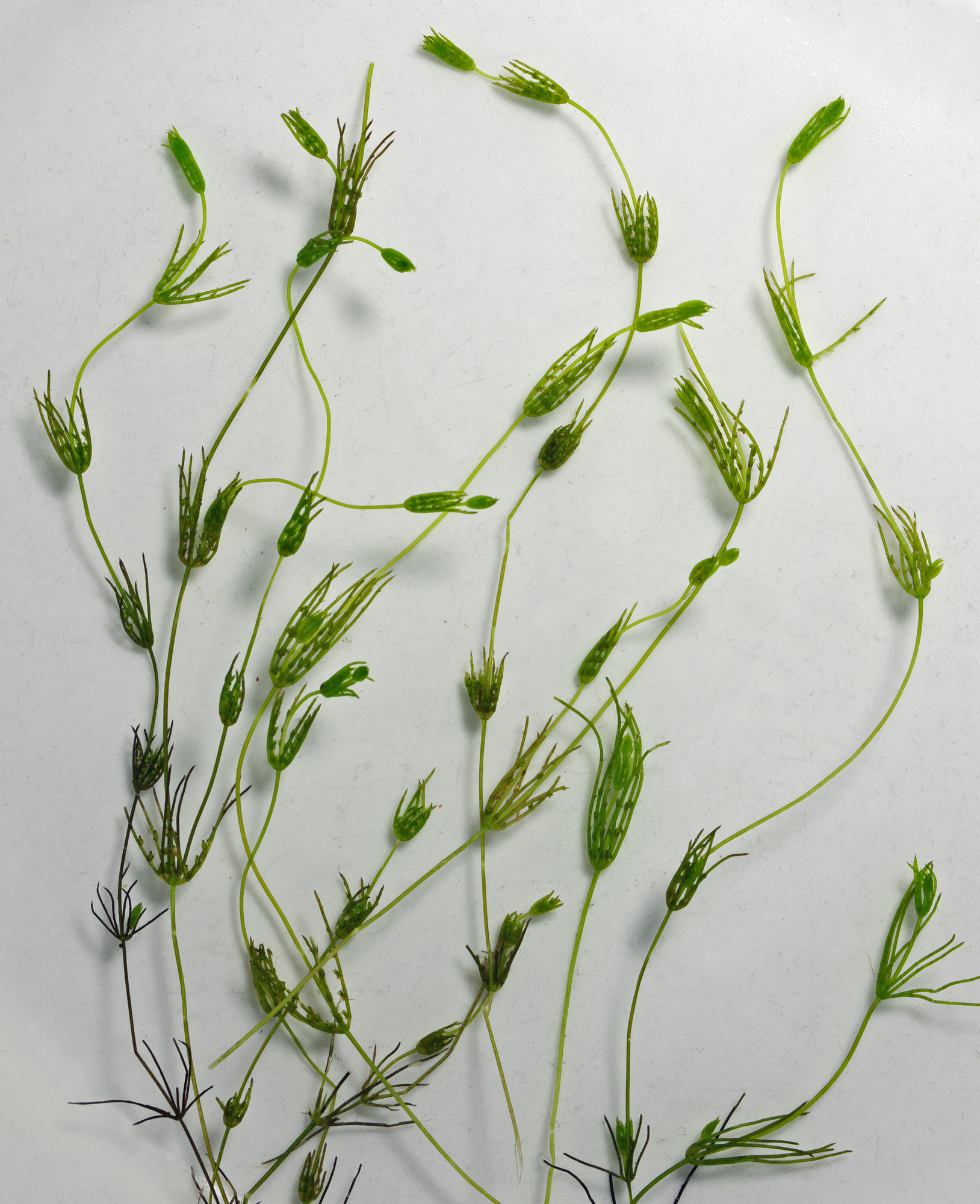
    Chara globularis
    Chara globularis
    Scientific classificationEdit this classification
    Kingdom: Plantae
    Division: Charophyta
    Migula 1897,[1] sensu Leliaert et al. 2012
    Groups included
    • Mesostigmatophyceae
    • Chlorokybophyceae
    • Streptofilum
    • Klebsormidiophyceae
    • Phragmoplastophyta
      • Charophyceae
      • Coleochaetophyceae
      • Zygnematophyceae
    Cladistically included but traditionally excluded taxa
    • Embryophyta

    Charophyta (UK: /kəˈrɒfɪtə, ˌkærəˈfaɪtə/) is a paraphyletic group of freshwater green algae, called charophytes (/ˈkærəˌfaɪts/), sometimes treated as a division,[2] yet also as a superdivision.[3] The terrestrial plants, the Embryophyta emerged deep within Charophyta, possibly from terrestrial unicellular charophytes,[4] with the class Zygnematophyceae as a sister group.[5][6][7][8][9]

    With the Embryophyta now cladistically placed in the Charophyta, it is a synonym of Streptophyta.[10][11][12][13] The sister group of the charophytes are the Chlorophyta. In some charophyte groups, such as the Zygnematophyceae or conjugating green algae, flagella are absent and sexual reproduction does not involve free-swimming flagellate sperm. Flagellate sperm, however, are found in stoneworts (Charales) and Coleochaetales, orders of parenchymatous charophytes that are the closest relatives of the land plants, where flagellate sperm are also present in all except the conifers and flowering plants.[14] Fossil stoneworts of early Devonian age that are similar to those of the present day have been described from the Rhynie chert of Scotland.[15] Somewhat different charophytes have also been collected from the Late Devonian (Famennian) Waterloo Farm lagerstätte of South Africa. These include two species each of Octochara and Hexachara, which are the oldest fossils of Charophyte axes bearing in situ oogonia.

    The name comes from the genus Chara, but the finding that the Embryophyta actually emerged in them has not resulted in a much more restricted meaning of the Charophyta, namely to a much smaller side branch. This more restricted group corresponds to the Charophyceae.

    Description

    [edit]

    The Zygnematophyceae, formerly known as the Conjugatophyceae, generally possess two fairly elaborate chloroplasts in each cell, rather than many discoid ones. They reproduce asexually by the development of a septum between the two cell-halves or semi-cells (in unicellular forms, each daughter-cell develops the other semi-cell afresh) and sexually by conjugation, or the fusion of the entire cell-contents of the two conjugating cells. The saccoderm desmids and the placoderm or true desmids, unicellular or filamentous members of the Zygnematophyceae, are dominant in non-calcareous, acid waters of oligotrophic or primitive lakes (e.g. Wastwater), or in lochans, tarns and bogs, as in the West of Scotland, Eire, parts of Wales and of the Lake District.[16]

    Klebsormidium, the type of the Klebsormidiophyceae, is a simple filamentous form with circular, plate-like chloroplasts, reproducing by fragmentation, by dorsiventral, biciliate swarmers and, according to Wille, a twentieth-century algologist, by aplanospores.[17] Sexual reproduction is simple and isogamous (the male and female gametes are outwardly indistinguishable).[17]

    The Charales (Charophyceae), or stoneworts, are freshwater and brackish algae with slender green or grey stems; the grey colour of many species results from the deposition of lime on the walls, masking the green colour of the chlorophyll. The main stems are slender and branch occasionally. Lateral branchlets occur in whorls at regular intervals up the stem, they are attached by rhizoids to the substrate.[18] The reproductive organs consist of antheridia and oogonia, though the structures of these organs differ considerably from the corresponding organs in other algae. As a result of fertilization, a protonema is formed, from which the sexually reproducing algae develops.[citation needed]

    A new terrestrial genus found in sandy soil in the Czech Republic, Streptofilum, may belong in its own class due its unique phylogenetic position. A cell wall is absent, instead the cell membrane consists of many layers of specific scales. It is a short, filamentous and unbranched algae surrounded by a mucilaginous sheath, which often disintegrates to diads and unicells.[19]

    Representation of a charophyte
    1. Mucilage
    2. Cell wall (cellulose)
    3. Vacuole
    4. Golgi apparatus, packages proteins
    5. Mitochondrion, creates ATP (energy) for the cell (flat cristae)
    6. Nucleus
    7. Nucleolus
    8. Endoplasmic reticulum, the transport network for molecules going to specific parts of the cell
    9. Vesicles
    10. Dense vesicle
    11. Plastid membranes (two, primary)
    12. Pyrenoid; center of carbon fixation
    13. Isthmus
    14. Polar lobe
    15. Lateral lobe
    16. First order
    17. Second order
    18. Third order

    Reproduction

    [edit]

    The cells in Charophyta algae are all haploid, except during sexual reproduction, where a diploid unicellular zygote is produced. The zygote becomes four new haploid cells through meiosis, which will develop into new algae. In multicellular forms these haploid cells will grow into a gametophyte. In embryophytes (land plants) the zygote will instead give rise to a multicellular sporophyte.[20][21]

    Except from land plants, retention of the zygote is only known from some species in one group of green algae; the coleochaetes. In these species the zygote is corticated by a layer of sterile gametophytic cells. Another similarity is the presence of sporopollenin in the inner wall of the zygote. In at least one species, it receives nourishment from the gametophyte through placental transfer cells.[22]

    Classification

    [edit]

    Charophyta are complex green algae that form a sister group to the Chlorophyta and within which the Embryophyta emerged. The chlorophyte and charophyte green algae and the embryophytes or land plants form a clade called the green plants or Viridiplantae, that is united among other things by the absence of phycobilins, the presence of chlorophyll a and chlorophyll b, cellulose in the cell wall and the use of starch, stored in the plastids, as a storage polysaccharide. The charophytes and embryophytes share several traits that distinguish them from the chlorophytes, such as the presence of certain enzymes (class I aldolase, Cu/Zn superoxide dismutase, glycolate oxidase, flagellar peroxidase), lateral flagella (when present), and, in many species, the use of phragmoplasts in mitosis.[23] Thus Charophyta and Embryophyta together form the clade Streptophyta, excluding the Chlorophyta.[citation needed]

    Charophytes such as Palaeonitella cranii and possibly the yet unassigned Parka decipiens[24] are present in the fossil record of the Devonian.[15] Palaeonitella differed little from some present-day stoneworts.[citation needed]

    Cladogram

    [edit]

    There is an emerging consensus on green algal relationships, mainly based on molecular data.[23][25][26][27][10][2][6][28][29][30][31][32][19][33] The Mesostigmatophyceae (including Spirotaenia, and Chlorokybophyceae) are at the base of charophytes (streptophytes). The cladograms below show consensus phylogenetic relationships based on plastid genomes[34] and a new proposal for a third phylum of green plants based on analysis of nuclear genomes.[35]

    Consensus plastid phylogeny
    Viridiplantae

    Chlorophyta

    Streptophyta

    Mesostigmatophyceae s.l.

    Klebsormidiophyceae

    Charophyceae

    Coleochaetophyceae

    Zygnematophyceae

    Embryophytes
    (land plants)

    (Charophyta s.l.)
    Consensus relationships among major green algal lineages inferred in recent plastid phylogenomic studies[34]
    Prasinodermophyta hypothesis
    Viridiplantae/
    Prasinodermophyta

    Palmophyllophyceae

    Prasinodermophyceae

    Chlorophyta

    Streptophyta

    Mesostigmatophyceae s.l.

    Klebsormidiophyceae

    Charophyceae

    Coleochaetophyceae

    Zygnematophyceae

    Embryophytes
    (land plants)

    (Charophyta s.l.)
    green algae
    Relationships among major green algal lineages based on a recent nuclear phylogenomic study[35]

    Mesostigmatophyceae s.l. in the cladograms corresponds to a clade of a narrower circumscription, Mesostigmatophyceae s.s., and a separate class Chlorokybophyceae, as used by AlgaeBase.[1]

    The Mesostigmatophyceae[which?] are not filamentous, but the other basal charophytes (streptophytes) are.[36][19][30]

    References

    [edit]
    1. ^ a b Guiry, M.D.; Guiry, G.M. "Charophytes". AlgaeBase. University of Galway. Retrieved 2022-02-21.
    2. ^ a b Lewis, Louise A.; McCourt, Richard M. (2004). "Green algae and the origin of land plants". American Journal of Botany. 91 (10): 1535–56. Bibcode:2004AmJB...91.1535L. doi:10.3732/ajb.91.10.1535. PMID 21652308.
    3. ^ Ruggiero, M. A.; Gordon, D. P.; Orrell, T. M.; Bailly, N.; Bourgoin, T.; Brusca, R. C.; et al. (2015). "A higher level classification of all living organisms". PLOS One. 10 (4) e0119248. Bibcode:2015PLoSO..1019248R. doi:10.1371/journal.pone.0119248. PMC 4418965. PMID 25923521.
    4. ^ de Vries, J; Archibald, JM (March 2018). "Plant evolution: landmarks on the path to terrestrial life". The New Phytologist. 217 (4): 1428–1434. Bibcode:2018NewPh.217.1428D. doi:10.1111/nph.14975. PMID 29318635.
    5. ^ Del-Bem, Luiz-Eduardo (2018-05-31). "Xyloglucan evolution and the terrestrialization of green plants". New Phytologist. 219 (4): 1150–1153. Bibcode:2018NewPh.219.1150D. doi:10.1111/nph.15191. hdl:1843/36860. ISSN 0028-646X. PMID 29851097.
    6. ^ a b Ruhfel, Brad R.; Gitzendanner, Matthew A.; Soltis, Pamela S.; Soltis, Douglas E.; Burleigh, J. Gordon (2014-02-17). "From algae to angiosperms–inferring the phylogeny of green plants (Viridiplantae) from 360 plastid genomes". BMC Evolutionary Biology. 14 (1): 23. Bibcode:2014BMCEE..14...23R. doi:10.1186/1471-2148-14-23. ISSN 1471-2148. PMC 3933183. PMID 24533922.
    7. ^ Wickett, Norman J.; Mirarab, Siavash; Nguyen, Nam; Warnow, Tandy; Carpenter, Eric; Matasci, Naim; Ayyampalayam, Saravanaraj; Barker, Michael S.; Burleigh, J. Gordon (2014-11-11). "Phylotranscriptomic analysis of the origin and early diversification of land plants". Proceedings of the National Academy of Sciences. 111 (45): E4859 – E4868. Bibcode:2014PNAS..111E4859W. doi:10.1073/pnas.1323926111. ISSN 0027-8424. PMC 4234587. PMID 25355905.
    8. ^ Vries, Jan de; Stanton, Amanda; Archibald, John M.; Gould, Sven B. (2016-02-16). "Streptophyte Terrestrialization in Light of Plastid Evolution". Trends in Plant Science. 21 (6): 467–476. Bibcode:2016TPS....21..467D. doi:10.1016/j.tplants.2016.01.021. ISSN 1360-1385. PMID 26895731.
    9. ^ Treatise on invertebrate paleontology. Part B. Protoctista 1. Volume1: Charophyta.[1]
    10. ^ a b Cook, Martha E.; Graham, Linda E. (2017). "Chlorokybophyceae, Klebsormidiophyceae, Coleochaetophyceae". In Archibald, John M.; Simpson, Alastair G. B.; Slamovits, Claudio H. (eds.). Handbook of the Protists. Springer International Publishing. pp. 185–204. doi:10.1007/978-3-319-28149-0_36. ISBN 978-3-319-28147-6.
    11. ^ Delwiche, Charles F.; Timme, Ruth E. (2011). "Plants". Current Biology. 21 (11): R417 – R422. Bibcode:2011CBio...21.R417D. doi:10.1016/j.cub.2011.04.021. PMID 21640897.
    12. ^ Karol, Kenneth G.; McCourt, Richard M.; Cimino, Matthew T.; Delwiche, Charles F. (2001-12-14). "The Closest Living Relatives of Land Plants". Science. 294 (5550): 2351–2353. Bibcode:2001Sci...294.2351K. doi:10.1126/science.1065156. ISSN 0036-8075. PMID 11743201. S2CID 35983109.
    13. ^ Lewis, Louise A.; McCourt, Richard M. (2004). "Green algae and the origin of land plants". American Journal of Botany. 91 (10): 1535–1556. Bibcode:2004AmJB...91.1535L. doi:10.3732/ajb.91.10.1535. ISSN 1537-2197. PMID 21652308.
    14. ^ Vaughn, K.C.; Renzaglia, K.S. (2006). "Structural and immunocytochemical characterization of the Ginkgo biloba L. sperm motility apparatus". Protoplasma. 227 (2–4): 165–73. Bibcode:2006Prpls.227..165V. doi:10.1007/s00709-005-0141-3. PMID 16736257. S2CID 9864200. Archived from the original on February 2, 2019.
    15. ^ a b Kelman, R.; Feist, M.; Trewin, N.H.; Hass, H. (2003). "Charophyte algae from the Rhynie chert". Transactions of the Royal Society of Edinburgh: Earth Sciences. 94 (4): 445–455. doi:10.1017/s0263593300000808. S2CID 128869547.
    16. ^ West, G.S; Fritsch, F.E. (1927). A Treatise of the British Freshwater Algae. Cambridge: Cambridge University Press.
    17. ^ a b Fritsch, F.E. (1935). The Structure and Reproduction of the Algae, vol I. Cambridge University Press. pp. 205–206.
    18. ^ Bryant 2007, J. The Stoneworts (Chlorophyta, Charales) in Guiry, M.D., John, D.M., Rindi, F. and McCarthy, T.K (Ed) New Survey of Clare Island Volume 6: The Freshwater and Terrestrial Algae. Royal Irish Academy. ISBN 9781904890317
    19. ^ a b c Mikhailyuk, Tatiana; Lukešová, Alena; Glaser, Karin; Holzinger, Andreas; Obwegeser, Sabrina; Nyporko, Svetlana; Friedl, Thomas; Karsten, Ulf (2018). "New Taxa of Streptophyte Algae (Streptophyta) from Terrestrial Habitats Revealed Using an Integrative Approach". Protist. 169 (3): 406–431. doi:10.1016/j.protis.2018.03.002. ISSN 1434-4610. PMC 6071840. PMID 29860113.
    20. ^ Evolution and development of land plant embryos - GtR - UKRI
    21. ^ Becker, B.; Marin, B. (2009). "Streptophyte algae and the origin of embryophytes". Annals of Botany. 103 (7): 999–1004. doi:10.1093/aob/mcp044. PMC 2707909. PMID 19273476.
    22. ^ Paleobotany: The Biology and Evolution of Fossil Plants
    23. ^ a b Leliaert, Frederik; Smith, David R.; Moreau, Hervé; Herron, Matthew D.; Verbruggen, Heroen; Delwiche, Charles F.; De Clerck, Olivier (2012). "Phylogeny and molecular evolution of the green algae" (PDF). Critical Reviews in Plant Sciences. 31 (1): 1–46. Bibcode:2012CRvPS..31....1L. doi:10.1080/07352689.2011.615705. S2CID 17603352. Archived from the original (PDF) on 2015-06-26. Retrieved 2016-10-04.
    24. ^ Hemsley, A.R. (1989). "The ultrastructure of the spores of the Devonian plant Parka decipiens". Annals of Botany. 64 (3): 359–367. doi:10.1093/oxfordjournals.aob.a087852.
    25. ^ Marin, Birger (2012). "Nested in the Chlorellales or Independent Class? Phylogeny and Classification of the Pedinophyceae (Viridiplantae) Revealed by Molecular Phylogenetic Analyses of Complete Nuclear and Plastid-encoded rRNA Operons". Protist. 163 (5): 778–805. doi:10.1016/j.protis.2011.11.004. PMID 22192529.
    26. ^ Laurin-Lemay, Simon; Brinkmann, Henner; Philippe, Hervé (2012). "Origin of land plants revisited in the light of sequence contamination and missing data". Current Biology. 22 (15): R593 – R594. Bibcode:2012CBio...22.R593L. doi:10.1016/j.cub.2012.06.013. PMID 22877776.
    27. ^ Leliaert, Frederik; Tronholm, Ana; Lemieux, Claude; Turmel, Monique; DePriest, Michael S.; Bhattacharya, Debashish; Karol, Kenneth G.; Fredericq, Suzanne; Zechman, Frederick W. (2016-05-09). "Chloroplast phylogenomic analyses reveal the deepest-branching lineage of the Chlorophyta, Palmophyllophyceae class. nov". Scientific Reports. 6 25367. Bibcode:2016NatSR...625367L. doi:10.1038/srep25367. ISSN 2045-2322. PMC 4860620. PMID 27157793.
    28. ^ Adl, Sina M.; Simpson, Alastair G. B.; Lane, Christopher E.; Lukeš, Julius; Bass, David; Bowser, Samuel S.; Brown, Matthew W.; Burki, Fabien; Dunthorn, Micah (2012-09-01). "The Revised Classification of Eukaryotes". Journal of Eukaryotic Microbiology. 59 (5): 429–514. doi:10.1111/j.1550-7408.2012.00644.x. ISSN 1550-7408. PMC 3483872. PMID 23020233.
    29. ^ Lemieux, Claude; Otis, Christian; Turmel, Monique (2007-01-12). "A clade uniting the green algae Mesostigma viride and Chlorokybus atmophyticus represents the deepest branch of the Streptophyta in chloroplast genome-based phylogenies". BMC Biology. 5 2. doi:10.1186/1741-7007-5-2. ISSN 1741-7007. PMC 1781420. PMID 17222354.
    30. ^ a b Umen, James G. (2014-11-01). "Green Algae and the Origins of Multicellularity in the Plant Kingdom". Cold Spring Harbor Perspectives in Biology. 6 (11) a016170. doi:10.1101/cshperspect.a016170. ISSN 1943-0264. PMC 4413236. PMID 25324214.
    31. ^ Sánchez-Baracaldo, Patricia; Raven, John A.; Pisani, Davide; Knoll, Andrew H. (2017-09-12). "Early photosynthetic eukaryotes inhabited low-salinity habitats". Proceedings of the National Academy of Sciences. 114 (37): E7737 – E7745. Bibcode:2017PNAS..114E7737S. doi:10.1073/pnas.1620089114. PMC 5603991. PMID 28808007.
    32. ^ Gitzendanner, Matthew A.; Soltis, Pamela S.; Wong, Gane K.-S.; Ruhfel, Brad R.; Soltis, Douglas E. (2018). "Plastid phylogenomic analysis of green plants: A billion years of evolutionary history". American Journal of Botany. 105 (3): 291–301. Bibcode:2018AmJB..105..291G. doi:10.1002/ajb2.1048. ISSN 0002-9122. PMID 29603143.
    33. ^ Glass, Sarah (2021). Chloroplast Genome Evolution in the Klebsormidiophyceae and Streptofilum (MS thesis). Lehman College.
    34. ^ a b Turmel, Monique; Lemieux, Claude (2018), "Evolution of the Plastid Genome in Green Algae", Advances in Botanical Research, Elsevier, pp. 157–193, doi:10.1016/bs.abr.2017.11.010, ISBN 978-0-12-813457-3
    35. ^ a b Li, Linzhou; Wang, Sibo; Wang, Hongli; Sahu, Sunil Kumar; Marin, Birger; Li, Haoyuan; Xu, Yan; Liang, Hongping; Li, Zhen; Cheng, Shifeng; Reder, Tanja (2020). "The genome of Prasinoderma coloniale unveils the existence of a third phylum within green plants". Nature Ecology & Evolution. 4 (9): 1220–1231. Bibcode:2020NatEE...4.1220L. doi:10.1038/s41559-020-1221-7. ISSN 2397-334X. PMC 7455551. PMID 32572216.
    36. ^ Nishiyama, Tomoaki; Sakayama, Hidetoshi; de Vries, Jan; Buschmann, Henrik; Saint-Marcoux, Denis; Ullrich, Kristian K.; Haas, Fabian B.; Vanderstraeten, Lisa; Becker, Dirk (2018). "The Chara Genome: Secondary Complexity and Implications for Plant Terrestrialization". Cell. 174 (2): 448–464.e24. doi:10.1016/j.cell.2018.06.033. ISSN 0092-8674. PMID 30007417.

    External links

    [edit]
    • Data related to Charophyta at Wikispecies
    Taxon identifiers
    Charophyta
    • Wikidata: Q133219
    • Wikispecies: Charophyta
    • AlgaeBase: 97242
    • APNI: 224706
    • BioLib: 1138954
    • CoL: 37
    • EoL: 58761336
    • EPPO: 1CHAP
    • GBIF: 7819616
    • iNaturalist: 311313
    • IRMNG: 11905112
    • ITIS: 9417
    • NBN: NHMSYS0021059029
    • Open Tree of Life: 5578948
    • Paleobiology Database: 55110
    • WoRMS: 368664
    • v
    • t
    • e
    Classification of Archaeplastida or Plantae s.l.
    Domain
    Archaea
    Bacteria
    Eukaryota
    (major groups
    Metamonada
    Discoba
    Diaphoretickes
    Hacrobia
    Cryptista
    Rhizaria
    Alveolata
    Stramenopiles
    Plants
    Amorphea
    Amoebozoa
    Opisthokonta
    Animalia
    Fungi
    Mesomycetozoea)
    incertae sedis
    • †Algospongia
    Glaucoplantae
    Glaucophyta
    • Glaucocystophyceae
    Rhodoplantae
    Picozoa
    • Picomonadea
    Rhodelphidia
    • Rhodelphea
    Rhodophyta
    (red algae)
    Cyanidiophytina
    • Cyanidiophyceae
    Proteorhodophytina
    • Porphyridiophyceae
    • Stylonematophyceae
    • Compsopogonophyceae
    • Rhodellophyceae
    Eurhodophytina
    • Bangiophyceae
    • Florideophyceae
    Viridiplantae or Plantae s.s.
    (green algae & land plants)
    Prasinodermophyta
    • Prasinodermophyceae
    • Palmophyllophyceae
    Chlorophyta
    Prasinophytina
    • Mamiellophyceae
    • Pyramimonadophyceae
    Chlorophytina
    • Nephroselmidophyceae
    • Picocystophyceae
    • Chloropicophyceae
    • Pedinophyceae
    • Chlorodendrophyceae
    • UTC clade
      • Ulvophyceae
      • Trebouxiophyceae
      • Chlorophyceae
    Streptophyta
    Chlorokybophytina
    • Mesostigmatophyceae
    • Chlorokybophyceae
    • Spirotaeniaceae
    Klebsormidiophytina
    • Klebsormidiophyceae
    Phragmoplastophyta
    Charophytina
    • Charophyceae
    Coleochaetophytina
    • Coleochaetophyceae
    Anydrophyta
    Zygnematophytina
    • Zygnematophyceae
    Embryophyta
    (land plants)
    Bryophytes
    Marchantiophyta
    (liverworts)
    • Haplomitriopsida
    • Marchantiopsida
    • Jungermanniopsida
    Anthocerotophyta
    (hornworts)
    • Leiosporocerotopsida
    • Anthocerotopsida
    Bryophyta
    (mosses)
    • Takakiopsida
    • Sphagnopsida
    • Andreaeobryopsida
    • Andreaeopsida
    • Oedipodiopsida
    • Tetraphidopsida
    • Polytrichopsida
    • Bryopsida
     Polysporangiophytes
    †Protracheophytes*
    • †Aglaophyton
    • †Eophytidae
    • †Horneophytopsida
    Tracheophytes
    (vascular plants)
    †Paratracheophytes*
    • †Cooksoniopsida
    • †Renaliales
    • †Rhyniopsida
    Eutracheophytes
    Lycophytes
    • †Barinophytopsida
    • †Zosterophyllopsida
    • Lycopodiopsida (clubmosses, spikemosses & quillworts)
    Euphyllophytes
    • †Eophyllophytopsida
    • †Trimerophytopsida
    Moniliformopses
    • †Ibykales
    • †Cladoxylopsida
    • Polypodiopsida (ferns and horsetails)
    Lignophytes
    †Progymnosperms*
    • †Aneurophytopsida
    • †Archaeopteridopsida
    • †Noeggerathiopsida
    • †Protopityales
    Spermatophytes
    (seed plants)
    †Pteridosperms*
    (seed ferns)
    and other extinct
    seed plant groups
    • †Bennettitales
    • †Calamopityales
    • †Callistophytales
    • †Caytoniales
    • †Cordaitales
    • †Corystospermales
    • †Czekanowskiales
    • †Gigantopteridales
    • †Glossopteridales
    • †Lyginopteridopsida
    • †Medullosales
    • †Peltaspermopsida
    • †Pentoxylopsida
    • †Petriellales
    Acrogymnospermae
    (living gymnosperms)
    • Cycadopsida (cycads)
    • Ginkgoales (Ginkgo)
    • Pinopsida (conifers)
    • Gnetopsida
    Angiospermae
    (flowering plants)
    • Basal angiosperms
    • Core angiosperms
      • Magnoliids
      • Monocots
      • Eudicots
    • *paraphyletic groups
    • † = extinct
    • List of plant orders
    • Current definitions of Plantae
    • v
    • t
    • e
    Extant life phyla/divisions by domain
    Bacteria
    • Abditibacteriota
    • Acidobacteriota
    • Actinomycetota
    • Aquificota
    • Armatimonadota
    • Atribacterota
    • Bacillota
    • Bacteroidota
    • Balneolota
    • Caldisericota
    • Calditrichota
    • Chlamydiota
    • Chlorobiota
    • Chloroflexota
    • Chrysiogenota
    • Coprothermobacterota
    • Cyanobacteriota
    • Deferribacterota
    • Deinococcota
    • Dictyoglomerota
    • Elusimicrobiota
    • Fibrobacterota
    • Fidelibacterota
    • Fusobacteriota
    • Gemmatimonadota
    • Kiritimatiellota
    • Lentisphaerota
    • Minisyncoccota
    • Mycoplasmatota
    • Nitrospinota
    • Nitrospirota
    • Planctomycetota
    • Pseudomonadota
    • Rhodothermota
    • Spirochaetota
    • Synergistota
    • Thermodesulfobacteriota
    • Thermomicrobiota
    • Thermotogota
    • Verrucomicrobiota
    • Vulcanimicrobiota
    • "Acetithermota"
    • "Aerophobota"
    • "Auribacterota"
    • "Babelota"
    • "Binatota"
    • "Bipolaricaulota"
    • "Caldipriscota"
    • "Calescibacteriota"
    • "Canglongiota"
    • "Cloacimonadota"
    • "Cosmopoliota"
    • "Cryosericota"
    • "Deferrimicrobiota"
    • "Dormiibacterota"
    • "Effluvivivacota"
    • "Electryoneota"
    • "Elulimicrobiota"
    • "Fermentibacterota"
    • "Fervidibacterota"
    • "Goldiibacteriota"
    • "Heilongiota"
    • "Hinthialibacterota"
    • "Hydrogenedentota"
    • "Hydrothermota"
    • "Kapaibacteriota"
    • "Krumholzibacteriota"
    • "Kryptoniota"
    • "Latescibacterota"
    • "Lernaellota"
    • "Lithacetigenota"
    • "Macinerneyibacteriota"
    • "Margulisiibacteriota"
    • "Methylomirabilota"
    • "Moduliflexota"
    • "Muiribacteriota"
    • "Nitrosediminicolota"
    • "Omnitrophota"
    • "Parcunitrobacterota"
    • "Peregrinibacteriota"
    • "Qinglongiota"
    • "Rifleibacteriota"
    • "Ryujiniota"
    • "Spongiamicota"
    • "Sumerlaeota"
    • "Sysuimicrobiota"
    • "Tangaroaeota"
    • "Tectimicrobiota"
    • "Tianyaibacteriota"
    • "Wirthibacterota"
    • "Zhuqueibacterota"
    • "Zhurongbacterota"
    Archaea
    • Methanobacteriota
    • Microcaldota
    • Nanobdellota
    • Promethearchaeota
    • Thermoproteota
    • "Aenigmatarchaeota"
    • "Altarchaeota"
    • "Augarchaeota"
    • "Geoarchaeota"
    • "Hadarchaeota"
    • "Hadesarchaeota"
    • "Huberarchaeota"
    • "Hydrothermarchaeota"
    • "Iainarchaeota"
    • "Micrarchaeota"
    • "Nanohalarchaeota"
    • "Nezhaarchaeota"
    • "Parvarchaeota"
    • "Poseidoniota"
    • "Undinarchaeota"
    Eukaryote
    Protist
    • Amoebozoa
    • Apicomplexa
    • Bigyra
    • Cercozoa
    • Charophyta
    • Chlorophyta
    • Chromerida
    • Ciliophora
    • Cryptista
    • Dinoflagellata
    • Endomyxa
    • Euglenozoa
    • Glaucophyta
    • Haptista
    • Hemimastigophora
    • Malawimonada
    • Metamonada
    • Nebulidia
    • Nibbleridia
    • Ochrophyta
    • Heterolobosea
    • Hyphochytriomycota
    • Oomycota
    • Perkinsozoa
    • Picozoa
    • Retaria
    • Rhodophyta
    • Telonemia
    Fungi
    • Chytridiomycota
    • Blastocladiomycota
    • Neocallimastigomycota
    • Glomeromycota
    • Zygomycota
    • Ascomycota
    • Basidiomycota
    Land plant
    • Bryophyta
    • Marchantiophyta
    • Anthocerotophyta
    • Lycopodiophyta
    • Pteridophyta
    • Cycadophyta
    • Ginkgophyta
    • Pinophyta
    • Gnetophyta
    Animal
    • Porifera
    • Ctenophora
    • Placozoa
    • Cnidaria
    • Xenacoelomorpha
    • Chordata
    • Hemichordata
    • Echinodermata
    • Chaetognatha
    • Kinorhyncha
    • Loricifera
    • Priapulida
    • Nematoda
    • Nematomorpha
    • Onychophora
    • Tardigrada
    • Arthropoda
    • Platyhelminthes
    • Gastrotricha
    • Orthonectida
    • Dicyemida
    • Rotifera
    • Acanthocephala
    • Gnathostomulida
    • Micrognathozoa
    • Cycliophora
    • Nemertea
    • Phoronida
    • Bryozoa
    • Entoprocta
    • Brachiopoda
    • Mollusca
    • Annelida
    Incertae sedis
    Parakaryon
    Relate: Extraterrestrial life
    Revisions and contributorsEdit on WikipediaRead on Wikipedia

    Charophyta

    View on Grokipedia
    from Grokipedia
    Charophyta, commonly referred to as charophytes, is a division of freshwater and terrestrial green algae within the clade Streptophyta, representing the closest living relatives to land plants (Embryophyta).[1] This group encompasses a diverse array of organisms that bridge the evolutionary gap between aquatic green algae and terrestrial vegetation, sharing key cellular and molecular features with embryophytes.[2] Phylogenetically, Charophyta forms a monophyletic assemblage basal to land plants, consisting of six principal classes: Mesostigmatophyceae, Chlorokybophyceae, Klebsormidiophyceae, Charophyceae, Coleochaetophyceae, and Zygnematophyceae.[1] Molecular analyses, including nuclear, chloroplast, and mitochondrial genes, confirm this positioning, with Zygnematophyceae identified as the sister group to land plants in recent phylogenomic studies.[3] The division includes approximately 4,000–6,000 species across 13 families and 122 genera, ranging from unicellular forms to complex, macroscopic thalli resembling higher plants.[2] Notable examples include the stoneworts (Charales, such as Chara and Nitella), conjugating algae (Zygnematales, like Spirogyra), and filamentous forms (Klebsormidiophyceae, such as Klebsormidium).[1] Charophytes exhibit a wide range of morphologies, including unicellular, filamentous, and parenchymatous body plans, often anchored to substrates by rhizoids in aquatic environments.[1] They possess shared traits with land plants, such as phragmoplast-mediated cytokinesis, rosette cellulose-synthesizing complexes, branched apical growth, and similar biosynthetic pathways for phytohormones like auxins and abscisic acid.[2] Reproduction is primarily sexual, with oogamous or isogamous gametes in many taxa, and some exhibit conjugation (e.g., Zygnematophyceae); asexual reproduction via zoospores or fragmentation also occurs.[1] Predominantly freshwater inhabitants, charophytes thrive in lakes, ponds, and slow-moving streams, though some terrestrial species colonize moist soils and biological soil crusts.[1] Evolutionarily, Charophyta played a pivotal role in the transition to terrestrial life, with an ancestral lineage colonizing land around 450–500 million years ago, giving rise to embryophytes during the Ordovician-Silurian period.[1] Genomic studies reveal conserved gene families, such as MADS-box transcription factors and stress-response pathways, that predate land plant diversification and facilitated adaptations to desiccation and UV exposure.[3] As model organisms, charophytes like Chara and Klebsormidium are increasingly used to study plant cell biology, development, and environmental responses, illuminating the origins of key plant innovations.[1]

    Introduction and Characteristics

    Definition and Taxonomy

    Charophyta, commonly referred to as charophytes, comprise a diverse group of freshwater and terrestrial green algae that form the algal component of the Streptophyta clade within the Viridiplantae (green plants). They are characterized by multicellular or unicellular thalli, complex cell walls containing cellulose and pectins, and advanced reproductive structures, distinguishing them from other green algae like those in Chlorophyta. As the closest living relatives to land plants (embryophytes), charophytes provide key insights into the evolutionary innovations that enabled plant terrestrialization, including adaptations for desiccation tolerance and nutrient uptake.[4][5] In modern taxonomy, Charophyta are recognized as a paraphyletic assemblage within Streptophyta, excluding the monophyletic embryophytes but encompassing all other streptophyte algae. The group is subdivided into six classes based on molecular phylogenetic evidence: the early-diverging Mesostigmatophyceae (e.g., Mesostigma viride), Chlorokybophyceae (e.g., Chlorokybus atmophyticus), and Klebsormidiophyceae (e.g., Klebsormidium nitens); and the later-diverging Zygnematophyceae (conjugating algae like Micrasterias and Spirogyra), Coleochaetophyceae (e.g., Coleochaete with discoid thalli), and Charophyceae (stoneworts like Chara and Nitella). Recent studies as of 2025 have identified Streptofilum as a deep-branching lineage potentially warranting its own class between Chlorokybophyceae and Klebsormidiophyceae.[4][6][5][7] This classification reflects approximately 122 genera across 13 families, with a fossil record extending back over 450 million years.[4][6][5] Phylogenetically, charophytes form the sister lineage to embryophytes, with robust support from chloroplast genomes, nuclear phylogenomics, and comparative transcriptomics. Among them, Zygnematophyceae emerge as the closest sister group to land plants, sharing genomic features such as auxin response pathways, phragmoplast-mediated cytokinesis, and genes for cell wall modification that predate terrestrial colonization. Early-diverging classes like Mesostigmatophyceae and Chlorokybophyceae represent basal streptophyte diversity, often exhibiting terrestrial or semi-terrestrial habits that mirror ancestral adaptations.[6][5][4] The taxonomy of Charophyta has evolved significantly, transitioning from 19th-century morphological groupings (e.g., based on oospore structure and antheridial development) to ultrastructural analyses in the 1970s–1980s using transmission electron microscopy, which first solidified their affinity to land plants. Contemporary refinements stem from high-throughput sequencing, resolving ambiguities in conjugating algae and confirming monophyly of major lineages while highlighting hybridization and cryptic diversity in groups like Charophyceae. This molecular framework underscores Charophyta's role as model organisms for studying streptophyte evolution.[5][4]

    General Morphological Features

    Charophyta, the streptophyte green algae, display a remarkable diversity in morphological forms, ranging from unicellular flagellates to complex multicellular thalli, reflecting their evolutionary position as the closest algal relatives to land plants. This morphological variation spans simple body plans in early-diverging lineages, such as the unicellular, biflagellate cells of Mesostigmatophyceae (e.g., Mesostigma viride), to more elaborate structures in advanced groups. For instance, Chlorokybophyceae form sarcinoid packets of non-flagellate cells, while Klebsormidiophyceae exhibit unbranched filamentous thalli composed of elongated cells. These simpler forms often inhabit freshwater or moist terrestrial environments, with cell walls rich in cellulose and pectic polysaccharides, and chloroplasts typically featuring pyrenoids for starch storage.[1][5] In the Zygnematophyceae, the largest class, morphology includes unicellular desmids with intricate, symmetric shapes—such as the multilobed Micrasterias cells that undergo precise cytokinesis via phragmoplasts—and unbranched filaments like Spirogyra, which coil helically and exhibit rapid cytoplasmic streaming. Coleochaetophyceae feature branched filaments or discoid rosettes (e.g., Coleochaete orbicularis), with cells interconnected by plasmodesmata-like structures, resembling early land plant organization. The most complex morphology occurs in Charophyceae, or stoneworts (e.g., Chara and Nitella), which form macroscopic, upright thalli up to several decimeters long, consisting of a central axis with alternating nodes and internodes; nodes bear whorls of short branchlets, while internodal cells can reach 10 cm in length and contain thousands of nuclei from endomitosis. These internodes often display helical bands of chloroplasts and specialized plasma membrane invaginations called charasomes, which enhance photosynthesis and ion transport.[1][5][8] Cellular features across Charophyta emphasize adaptations for aquatic or semi-terrestrial life, including robust cell walls with hemicelluloses like xyloglucans, and cytoskeletal elements (actin filaments and microtubules) that support cell shape, division, and streaming—reaching speeds of 100 µm/s in Chara internodes. Calcification of cell walls with calcium carbonate is prominent in Charophyceae, contributing to their "stonewort" appearance and ecological role in sediment formation. Overall, this morphological diversity underscores the group's transitional traits toward embryophyte complexity, such as multicellularity and intercellular connections.[5][1][8]

    Evolutionary Significance

    Phylogenetic Position

    Charophyta, commonly known as charophytes or charophyte green algae, occupy a pivotal position within the green plants (Viridiplantae), forming the algal component of the monophyletic clade Streptophyta alongside the land plants (Embryophyta).[9] Viridiplantae itself comprises two major lineages: the core Chlorophyta (including classes such as Chlorophyceae, Trebouxiophyceae, and Ulvophyceae) and Streptophyta, with molecular phylogenies based on nuclear, chloroplast, and mitochondrial genes consistently resolving Streptophyta as the sister group to Chlorophyta.[10] This bifurcation is supported by shared ultrastructural features like phycoplasts in Chlorophyta versus phragmoplasts in Streptophyta, highlighting divergent evolutionary paths in cytokinesis and cell division.[4] Within Streptophyta, Charophyta is recognized as a paraphyletic assemblage of freshwater and terrestrial green algae that excludes Embryophyta, serving as the closest algal relatives to land plants.[9] The clade's internal phylogeny reveals a series of successively branching lineages: the deepest include Mesostigmatophyceae (e.g., Mesostigma) and Chlorokybophyceae (e.g., Chlorokybus), followed by Klebsormidiophyceae (e.g., Klebsormidium), which exhibit simple unicellular or filamentous morphologies.[10] Higher up, the monophyletic Phragmoplastophyta encompasses Charophyceae (stoneworts, e.g., Chara), Coleochaetophyceae (e.g., Coleochaete), Zygnematophyceae, and Embryophyta, with Zygnematophyceae (conjugating algae, e.g., Spirogyra) as the immediate sister group to Embryophyta.[4] This topology, established through multigene analyses and genome-scale data, underscores Zygnematophyceae's role in key innovations like zygote retention and hormonal signaling that prefigure embryophyte development. The paraphyletic nature of Charophyta reflects historical taxonomic shifts, where earlier classifications grouped all streptophyte algae under a single division, but modern phylogenomics—drawing on ribosomal RNA, plastid genes like rbcL, and whole-genome comparisons—delineate distinct classes based on shared derived traits such as oogamous reproduction and complex cell walls.[10] Seminal studies, including those resolving Zygnematophyceae as the embryophyte sister via Bayesian inference on concatenated markers, have solidified this framework, with divergence estimates placing the Streptophyta-Chlorophyta split around 1.2 billion years ago and the Zygnematophyceae-Embryophyta node at approximately 700 million years ago. These relationships not only illuminate the aquatic origins of terrestrial adaptation but also highlight Charophyta's utility as models for studying phragmoplast-mediated cell division and stress responses conserved in plants.[9]

    Relation to Land Plants

    Charophyta, also known as charophytes or streptophyte green algae, represent the closest algal relatives to land plants (embryophytes), forming a monophyletic clade called Streptophyta that diverged from chlorophyte green algae approximately 700–800 million years ago.[5] Phylogenetic analyses, including nuclear, chloroplast, and mitochondrial gene sequences, consistently position Charophyta as the sister group to embryophytes, with the transition to land colonization occurring around 450–500 million years ago from a freshwater algal ancestor.[5] Within Charophyta, phylogenomic studies using hundreds of nuclear loci, as confirmed as of 2024, have identified the Zygnematophyceae (conjugating green algae) as the immediate sister lineage to land plants, overturning earlier views that emphasized more morphologically complex groups like Charales or Coleochaetales.[11][3] This positioning highlights Zygnematophyceae's surprisingly simple body plans—often unicellular or filamentous—as ancestral, with multicellularity evolving independently multiple times in both Charophyta and embryophytes.[11] Several cellular and biochemical traits shared between Charophyta and embryophytes underscore their close evolutionary relationship and provide insights into the innovations that facilitated terrestrialization. Both groups exhibit phragmoplast-based cytokinesis, where a microtubule array guides cell plate formation during division, contrasting with the phycoplast mechanism in chlorophytes.[5] Cell walls in advanced charophytes, such as those in Zygnematophyceae and Charales, contain cellulose microfibrils synthesized by rosette-shaped complexes, along with hemicelluloses, pectins, and arabinogalactan proteins—components that enhance structural integrity and are preadaptations for desiccation resistance on land.[5] Plasmodesmata, intercellular channels for symplastic transport, are present in certain charophytes like Coleochaete and Chara, mirroring their role in embryophyte tissues for nutrient and signal exchange.[5] Additionally, both lineages share peroxisomal enzymes like glycolate oxidase for photorespiration and similar flagellated sperm ultrastructure with scaled surfaces, indicating conserved reproductive mechanisms.[12] These shared features illuminate the evolutionary steps toward land plant success, as charophytes exhibit proto-terrestrial adaptations such as stress-responsive gene networks for UV protection and hormone signaling pathways akin to those in embryophytes.[5] For instance, genomic analyses of Zygnematophyceae reveal expanded gene families for cell wall modification and abiotic stress tolerance, suggesting that the last common ancestor possessed genetic toolkits enabling the conquest of terrestrial environments.[11] Studying Charophyta, particularly model species like Chara braunii and Spirogyra, thus serves as a window into embryophyte origins, bridging algal simplicity with plant complexity in traits like zygote retention and apical growth.[5]

    Morphology and Life Cycle

    Vegetative Structure

    Charophyta exhibit a wide range of vegetative morphologies, from unicellular to complex multicellular forms, reflecting their evolutionary diversity within the streptophyte lineage.[13] Unicellular representatives, such as those in Mesostigmatophyceae (e.g., Mesostigma viride), consist of motile, scaled cells, while Chlorokybophyceae form small packets of coccoid cells (e.g., Chlorokybus atmophyticus).[13] Filamentous structures predominate in Klebsormidiophyceae, with uniseriate, unbranched filaments composed of elongated cells (e.g., Klebsormidium), and Zygnematophyceae display unicellular, colonial, or filamentous habits, often with non-motile cells and variable chloroplast shapes, such as the bilobed forms in desmids like Micrasterias.[13][5] More complex thalli appear in Charophyceae and Coleochaetophyceae, which are particularly significant for understanding land plant origins. In Charophyceae (stoneworts, e.g., Chara and Nitella), the vegetative body is a macroscopic, erect axis up to 1 meter long, differentiated into nodes and internodes; internodes are elongated, unicellular, multinucleate structures with helical bands of chloroplasts, while nodes are short, multicellular regions from which whorls of branchlets emerge.[14][5] Rhizoidal branches at the base anchor the thallus to substrates, and the surface often bears a calcified crust.[14] Coleochaetophyceae form discoid or branched filamentous thalli (e.g., Coleochaete), adhering to surfaces with multicellular holdfasts and featuring hair-like extensions on peripheral cells.[13] Cell walls across Charophyta are primarily cellulosic, incorporating hemicelluloses like xyloglucan, pectins such as homogalacturonan, and glycoproteins including arabinogalactan proteins, akin to those in embryophytes.[5] Unique features include charasomes in Chara internodes—convoluted plasma membrane invaginations that enhance carbon dioxide uptake—and extracellular polymeric substances in species like Penium margaritaceum for environmental adaptation.[5] Cytoskeletal elements, such as actin and microtubules, support cell elongation and organelle positioning in filaments, contributing to the thallus's structural integrity.[5]

    Cellular Organization

    Charophyta exhibit a diverse array of cellular organizations, ranging from unicellular or filamentous forms in groups like Klebsormidiophyceae and Zygnematophyceae to more complex, multicellular structures in Charophyceae and Coleochaetophyceae.[5] Despite this variation, all charophyte cells are eukaryotic, featuring a defined nucleus, mitochondria, and double-membraned chloroplasts derived from endosymbiotic cyanobacteria.[15] The plasma membrane often interfaces with an extracellular matrix that includes scales in some basal lineages, such as Mesostigma viride, which secretes ornate glycoprotein scales.[15] Cell walls in Charophyta are primarily composed of cellulose microfibrils embedded in a matrix of hemicelluloses, pectins, and arabinogalactan proteins (AGPs), showing compositional similarities to those of embryophyte land plants.[16] For instance, xyloglucans, a key hemicellulose, are present in charophyte walls, as confirmed in species like Chara corallina and Penium margaritaceum, where they contribute to wall extensibility during growth.[17][18] Pectic components, rich in galacturonic acid, dominate the uronic acid content and facilitate calcium-mediated wall rigidity, particularly in advanced charophytes such as those in the Zygnematophyceae.[19] The cytoplasm is typically divided into a thin ectoplasmic layer (about 10 µm thick) lining the inner cell wall surface and a more viscous endoplasm occupying the cell center, especially in elongated cells.[15] Cytoplasmic streaming, a hallmark of many charophytes, is powered by myosin XI motors along actin filaments, achieving velocities up to 100 µm/s in Chara internodal cells to facilitate nutrient distribution and organelle transport.[15] In Zygnematophyceae, such as Micrasterias denticulata, the cytoskeleton orchestrates dynamic rearrangements during cell morphogenesis, with actin networks guiding lobe formation.[20] Microtubules often radiate from the nucleus or form cortical arrays, supporting cell polarity and division. Chloroplasts in Charophyta are lens-shaped or discoid organelles bounded by a double envelope, containing thylakoids stacked into grana and immersed in stroma, with chlorophyll a and b as primary pigments.[15] Their arrangement is taxon-specific: in Charales like Chara, hundreds of chloroplasts form helical bands spiraling around the cell, optimizing light capture in dense thalli; in contrast, Zygnematophyceae cells typically house one or two large chloroplasts with prominent pyrenoids for CO2 fixation and starch accumulation.[15] Light-induced repositioning occurs via actin-based motility, as seen in Mougeotia scalaris, where chloroplasts migrate to the cell periphery under high light. Nuclei in charophyte cells are enveloped by a double membrane with pores, containing linear chromosomes and undergoing open mitosis in most taxa.[15] Smaller cells, such as nodal cells in Chara, possess a single nucleus with dense chromatin, while elongated internodal cells can become multinucleate through amitosis, accumulating thousands of nuclei without cytokinesis.[15] In Spirogyra species, a microtubule scaffold associates with the nucleus to maintain position during cytoplasmic streaming.[15] Specialized cellular features enhance adaptation; for example, charasomes—finger-like invaginations of the plasma membrane in Chara—form banded arrays that generate alkaline zones for bicarbonate use in photosynthesis, involving H+-ATPase pumps.[15] In desiccation-tolerant zygnematophytes like Zygnema, extracellular polymeric substances (EPS) secreted via Golgi-derived vesicles stabilize cells in terrestrial-like habitats.[15] These traits underscore the evolutionary bridge to land plant cellular complexity.

    Life Cycle

    Charophyta predominantly exhibit a haplontic life cycle, in which the dominant, haploid gametophyte phase alternates with a brief diploid zygote stage that undergoes meiosis to produce haploid spores or gametes. This cycle is characteristic across the division, with variations in reproductive strategies; for instance, most taxa are isogamous or oogamous, while Zygnematophyceae often reproduce via conjugation without motile gametes. Asexual reproduction through zoospores or fragmentation supplements the sexual cycle in many species, facilitating adaptation to diverse aquatic and semi-terrestrial environments. This life cycle strategy represents a foundational evolutionary step toward the more complex alternation of generations in land plants.[21][1]

    Reproduction

    Asexual Reproduction

    Asexual reproduction in Charophyta encompasses a range of vegetative and propagative mechanisms that enable rapid propagation and survival under varying environmental conditions, often complementing their predominantly haplontic life cycles. Common methods include cell division, fragmentation of thalli or filaments, and the production of motile or non-motile spores such as zoospores, autospores, aplanospores, and akinetes. These processes allow for clonal expansion without gamete fusion, facilitating adaptation in diverse aquatic and semi-terrestrial habitats.[22] In the Charophyceae, particularly the order Charales, asexual reproduction primarily occurs through fragmentation of the branched thallus, where broken segments develop into new individuals. Additionally, specialized propagules known as bulbils or amylum stars—starch-rich bodies formed at nodes—detach and germinate into new plants, while rhizoids can produce adventitious shoots for vegetative propagation. These mechanisms are crucial for colonizing stable substrates in freshwater environments.[14] The Coleochaetophyceae, exemplified by Coleochaete species, reproduce asexually via the release of biflagellate zoospores from swollen cells in the discoid thallus. These motile spores swim to suitable substrates, settle, and develop into new thalli through cell division, with the escape pore formed enzymatically. This zoospore-mediated dispersal supports the epiphytic lifestyle of these algae on aquatic plants.[23][24] In the Zygnematophyceae, which includes filamentous genera like Spirogyra and Zygnema, asexual reproduction often involves fragmentation of unbranched filaments into viable segments that regenerate complete individuals. Non-motile resting stages such as aplanospores and akinetes form under stress, featuring thickened walls and accumulated reserves for dormancy; pre-akinetes, derived from vegetative cells, enhance tolerance to extremes like low temperatures down to -20°C. Parthenospores, though less common, represent another asexual propagule in some taxa.[25][26] Basal charophyte classes like Klebsormidiophyceae exhibit asexual reproduction through filament fragmentation and vegetative cell division, alongside the production of biflagellate zoospores or aplanospores from enlarged cells. In Klebsormidium, these processes support terrestrial and freshwater colonization, with zoospores enabling short-distance dispersal. Similar spore-based and divisive methods occur in simpler groups such as Chlorokybophyceae and Mesostigmatophyceae, emphasizing the evolutionary conservation of vegetative propagation across Charophyta.[27][28]

    Sexual Reproduction

    Sexual reproduction in Charophyta exhibits considerable diversity across its major lineages, reflecting evolutionary adaptations that parallel those in land plants, with a predominantly haplontic life cycle featuring zygotic meiosis. In most charophytes, gametes are produced in specialized structures, leading to the formation of a diploid zygote that undergoes meiosis to restore haploidy. Sexual processes range from oogamy, involving motile sperm and non-motile eggs, to conjugation without flagellated gametes, and are often triggered by environmental cues such as nutrient limitation or seasonal changes. This mode of reproduction facilitates genetic recombination and the production of resistant zygotes for dormancy and dispersal.[29] In early-diverging groups like Chlorokybophyceae and Klebsormidiophyceae, sexual reproduction is absent or remains undocumented, with reproduction relying primarily on asexual means. In contrast, the Charophyceae (stoneworts, including orders like Charales) display advanced oogamy. Male gametes, or antherozoids, are biflagellated sperm produced within spherical antheridia that develop on the haploid thallus and often appear bright orange at maturity. Female gametes are large, non-motile eggs housed in elongated oogonia, each containing a single egg cell surrounded by tube and sheath cells that facilitate sperm access through a pore upon maturity. Fertilization occurs when sperm from antheridia swim to and enter the oogonium, fusing with the egg to form a diploid oospore zygote, which develops a thick wall for resistance and germinates after meiosis to produce new haploid plants. This process is well-characterized in genera like Chara and Nitella, where sexual structures are conspicuous and contribute to the formation of dense meadow-like populations in freshwater habitats.[14][29][30] The Coleochaetophyceae, represented primarily by Coleochaete, also exhibit oogamy but with distinctive features linking them closely to embryophyte ancestors. Multicellular gametangia produce motile, flagellated sperm and sessile eggs on the discoid thallus, which may be monoecious or dioecious depending on the species. After fertilization, the zygote remains attached to the parental thallus, where it undergoes multiple rounds of DNA replication—up to five in Coleochaete scutata—prior to meiosis, potentially allowing for nutrient support from the parent. This zygote retention and post-fertilization development represent an embryophyte-like trait, enhancing zygote survival.[30][29] In the Zygnematophyceae, the largest charophyte class, sexual reproduction occurs via conjugation, an isogamous process without flagella, adapted to terrestrial and freshwater environments. Adjacent filaments of compatible mating types form conjugation tubes or papillae, through which one protoplast (acting as the male gamete) migrates to fuse with the stationary female gametangium. In species like Spirogyra, the resulting zygote develops into a thick-walled zygospore featuring layered walls: an inner endospore, a helicoidally arranged mesospore with cellulose microfibrils at angles around 18°, and an outer exospore. Cellular changes include degradation of the male chloroplast, starch breakdown, and lipid accumulation for energy reserves, rendering the zygospore highly resistant to desiccation and UV stress. Meiosis occurs upon germination, producing haploid filaments. Some taxa, such as Spirogyra and Sirogonium, produce diploid gametes with pre-fusion synapsis, though this requires further verification. Conjugation enables survival in fluctuating habitats and underscores the Zygnematophyceae's evolutionary success.[31][29]

    Classification

    Taxonomic History

    The genus Chara, a key representative of what would later be recognized as Charophyta, was first formally described by Carl Linnaeus in his Species Plantarum in 1753, placing it within the Cryptogamia Algae as a distinct genus of aquatic plants resembling horsetails.[32] Early 19th-century botanists, such as Alexander Braun, advanced the first systematic classification of Chara in 1847, dividing the genus into sections based on morphological features like cortex structure and oospore ornamentation, a framework reiterated by Braun in 1867 and 1882 and later refined by R.D. Wood in 1962.[33] Throughout the 19th and early 20th centuries, Charophyta—then primarily encompassing the order Charales or stoneworts—were generally classified as a subclass or order within the broader green algae (Chlorophyta), emphasizing their macroscopic, branched thalli and calcified structures.[2] In the mid-20th century, Gilbert M. Smith in 1950 formalized Charophyceae as a class parallel to Chlorophyceae, but limited it to Charales alone, based on reproductive and structural similarities to other algae.[2] A pivotal shift occurred in the 1970s and 1980s with ultrastructural studies by Kenneth D. Stewart and Karl R. Mattox, who in 1975 and expanded in 1984 proposed an inclusive Charophyceae comprising five orders—Charales, Coleochaetales, Zygnematales, Klebsormidiales, and Chlorokybales—united by shared cytological features such as phragmoplast-mediated cytokinesis, a multilayered flagellar apparatus, and peroxisomal glycolate metabolism akin to land plants.[1] This classification highlighted the paraphyletic nature of traditional green algae and positioned charophytes as the closest algal relatives to embryophytes (land plants).[2] The advent of molecular phylogenetics in the 1990s revolutionized the taxonomy, with analyses of 18S rDNA and rbcL genes confirming the monophyly of these charophyte orders while revealing their paraphyly relative to land plants, leading to the erection of Streptophyta as a clade encompassing all charophytes plus embryophytes.[1] Seminal multigene studies, such as Karol et al. (2001) using nuclear, chloroplast, and mitochondrial sequences, identified Charales as the sister group to land plants, with Mesostigma (Mesostigmatophyceae) as an early-diverging lineage. Subsequent genomic work by Turmel et al. (2003) and others refined these relationships, incorporating Zygnematophyceae as the closest algal relatives in some analyses, solidifying Charophyta as a grade of freshwater and terrestrial green algae central to understanding plant evolution.[2] Today, Charophyta is recognized as a non-monophyletic division within Streptophyta, comprising six main classes based on integrated morphological, ultrastructural, and molecular data.[1]

    Modern Classification

    In contemporary phylogenetic systematics, Charophyta encompasses the non-vascular green algal lineages within the monophyletic clade Streptophyta, which also includes the Embryophyta (land plants). This classification is based on molecular phylogenomic data, including analyses of nuclear, chloroplast, and mitochondrial genomes, that resolve Streptophyta as a sister group to Chlorophyta within the Viridiplantae.[4][15] The charophyte algae are paraphyletic relative to land plants, with shared derived traits such as phragmoplast-mediated cytokinesis, rosette-terminal cellulose-synthesizing complexes, and similar cell wall polysaccharides supporting their close evolutionary relationship.[34] The modern taxonomy recognizes six principal classes of extant charophyte algae, organized into two sequential grades of divergence: the early-diverging KCM grade and the late-diverging ZCC grade. The KCM grade comprises Mesostigmatophyceae (e.g., Mesostigma viride, unicellular biflagellates), Chlorokybophyceae (e.g., Chlorokybus atmophyticus, sarcinoid colonies), and Klebsormidiophyceae (e.g., Klebsormidium nitens, unbranched filaments). These basal lineages exhibit simple morphologies and lack complex multicellularity, representing the deepest branches within Streptophyta after the split from Chlorophyta.[4][15] The ZCC grade includes Zygnematophyceae (conjugating algae such as Spirogyra and Closterium, often filamentous or unicellular with conjugation-based reproduction), Coleochaetophyceae (e.g., Coleochaete orbicularis, discoid or branched filaments with oogamous reproduction), and Charophyceae (stoneworts like Chara vulgaris, macroscopic upright thalli with complex branching). Phylogenetic analyses, particularly those incorporating hundreds of genes, consistently place Zygnematophyceae as the closest sister group to Embryophyta, highlighting their role in the evolutionary transition to terrestrial plants approximately 500 million years ago.[34][4] Recent discoveries, such as the deep-branching genus Streptofilum, initially placed within Klebsormidiophyceae, have been redefined by 2025 phylogenomic analyses as a novel independent lineage within streptophytes, potentially expanding the recognized classes.[35][36] This classification framework, updated through integrative approaches combining morphology, ultrastructure, and multi-omics data, supersedes earlier divisions based solely on reproductive modes or habit, emphasizing monophyly and shared synapomorphies.[15]

    Phylogenetic Relationships

    Charophyta, also known as charophyte green algae, form a paraphyletic group within the Streptophyta clade of the Viridiplantae kingdom, which encompasses all green plants including land plants (Embryophyta).[37] The Streptophyta themselves are one of two major lineages in Viridiplantae, the other being Chlorophyta, with molecular phylogenies consistently supporting this bifurcation based on nuclear, chloroplast, and mitochondrial genomes.[38] This division is evidenced by shared ultrastructural features, such as the presence of phycoplasts in Chlorophyta versus phragmoplasts in Streptophyta, and is reinforced by phylogenomic analyses using hundreds of orthologous genes.[39] Within Streptophyta, Charophyta comprise a grade of algae that diverged progressively from the lineage leading to land plants, with six major monophyletic groups recognized: Mesostigmatophyceae, Chlorokybophyceae, Klebsormidiophyceae, Charophyceae (including Charales), Coleochaetophyceae, and Zygnematophyceae.[39] The early-diverging "KCM" grade includes Klebsormidiophyceae, Chlorokybophyceae, and Mesostigmatophyceae, which represent basal streptophytes often characterized by simple unicellular or filamentous forms and flagellated cells.[37] These basal lineages branched off approximately 800–1000 million years ago, based on molecular clock estimates calibrated with fossil data, predating the Cryogenian multicellularity in later streptophytes.[38] The later-diverging "ZCC" grade consists of Zygnematophyceae, Coleochaetophyceae, and Charophyceae, which exhibit more complex morphologies and shared innovations like branched filaments and oogamous reproduction.[37] Phylogenomic studies, including those analyzing over 500 single-copy nuclear genes, have resolved Zygnematophyceae as the closest sister group to Embryophyta, supplanting earlier hypotheses favoring Charales or Coleochaetales.[39] This relationship is supported by mitochondrial genome synteny and gene content similarities, as well as the presence of conserved signaling pathways, such as auxin response mechanisms, in both Zygnematophyceae and land plants.[40] Recent advances in 2023–2024, including expanded transcriptomic sampling and genomic studies with chromosome-scale assemblies of Zygnematophyceae genomes, confirm this topology while highlighting reductive evolution in Zygnematophyceae from multicellular ancestors, providing insights into terrestrial adaptations.[41][40] The paraphyletic nature of Charophyta underscores their role as evolutionary precursors to land plants, with key traits like cell wall composition (e.g., rosette-terminal complexes for cellulose synthesis) and stress response genes evolving stepwise across streptophyte lineages.[37] Discordances in earlier rRNA-based phylogenies have been largely resolved through multi-omic approaches, though incomplete lineage sorting remains a factor in deep nodes.[38] This framework positions Charophyta as critical models for understanding the transition to terrestrial life, with ongoing research emphasizing their freshwater origins around 1 billion years ago.[42]

    Ecology and Distribution

    Habitats

    Charophyta, particularly the order Charales (commonly known as stoneworts), primarily inhabit freshwater environments worldwide, excluding Antarctica. They are most commonly found in shallow, standing or slow-flowing waters such as lakes, ponds, rivers, ditches, and temporary pools, where they anchor to substrates like sand, silt, mud, or marl-rich sediments using rhizoids. These algae thrive in the photic zone, typically at depths less than 2–3 meters, forming dense submerged meadows that can cover extensive areas of lake bottoms or riverbeds.[14][43] Ecologically, charophytes prefer oligotrophic to mesotrophic conditions with clear, low-nutrient waters, where phosphorus levels are often below 100 µg/L and phytoplankton biomass is minimal, allowing sufficient light penetration for photosynthesis. They are sensitive to eutrophication, sedimentation, and hydrological alterations, which can lead to their decline in polluted or turbid habitats, though some tolerant species like Chara vulgaris and C. globularis persist in mildly eutrophic or temporary sites. Substrates influence species distribution, with sandy or calcareous beds supporting deeper-water forms such as Nitellopsis obtusa, while clayish or muddy bottoms favor shallow, ephemeral populations. In regions like the Mediterranean and Balkans, they occur in karst springs, artificial ponds, and floodplains at elevations from sea level to several hundred meters.[44][43][14] While predominantly freshwater, certain charophyte taxa exhibit broader salinity tolerance, inhabiting brackish coastal lagoons, estuaries, or even hypersaline inland waters; for instance, Lamprothamnium species endure salinities up to 30–40 ppt in Australian salt lakes. Globally, their distribution spans all continents with suitable aquatic systems, from Arctic tundras to tropical wetlands, with higher diversity in temperate zones. In North America and Europe, over 20–30 species per region are documented, often in protected wetlands that serve as biodiversity hotspots. These habitats support charophyte meadows that stabilize sediments, enhance water clarity, and contribute to carbonate deposition in hard-water systems.[14][44] Although most charophytes are aquatic, some classes, such as Klebsormidiophyceae and certain Zygnematophyceae, occupy terrestrial or subaerial habitats, including moist soils, damp rock surfaces, and biological soil crusts in arid and semi-arid regions worldwide. These aero-terrestrial forms tolerate desiccation and UV radiation, contributing to soil stabilization and nutrient cycling in non-aquatic ecosystems.[1]

    Ecological Roles

    Charophytes play crucial roles as primary producers in freshwater and brackish aquatic ecosystems, contributing significantly to primary production and supporting food webs. They form dense meadows that provide habitat and trophic niches for a variety of organisms, including invertebrates, fish, and waterfowl, enhancing overall biodiversity. For instance, their beds serve as breeding grounds and refuges for zooplankton, macroinvertebrates, and juvenile fish, while also acting as food sources for species like ducks and amphibians.[14][45][46] As ecosystem engineers, charophytes stabilize sediments and influence abiotic conditions, reducing resuspension by up to 100 times more effectively than other aquatic vegetation, which promotes water clarity and prevents nutrient release from sediments. They act as nutrient sinks, absorbing nitrogen and phosphorus, thereby controlling eutrophication and limiting phytoplankton blooms through competition and potential allelopathic effects. Additionally, by delivering oxygen to sediments, they facilitate nutrient cycling and inhibit the growth of nuisance algae, such as certain blue-green species.[14][47][46] Charophytes also serve as bioindicators of ecosystem health due to their sensitivity to eutrophication and environmental changes, with their presence signaling oligotrophic conditions and clear-water states. In restored or pioneer habitats, they colonize new areas, maintaining ecosystem stability and supporting carbon sequestration. Their decline often indicates degradation, underscoring their importance in monitoring and conservation efforts under frameworks like EU water directives.[14][45][46]

    References

    1. https://www.frontiersin.org/journals/plant-science/articles/10.3389/fpls.2016.01470/full
    2. https://bsapubs.onlinelibrary.wiley.com/doi/10.3732/ajb.91.10.1535
    3. https://www.nature.com/articles/s41588-024-01737-3
    4. https://doi.org/10.3389/fpls.2016.01470
    5. https://pmc.ncbi.nlm.nih.gov/articles/PMC9614468/
    6. https://www.nature.com/articles/s41477-019-0560-3
    7. https://enviromicro-journals.onlinelibrary.wiley.com/doi/10.1111/1462-2920.70033
    8. https://www.sciencedirect.com/science/article/pii/B9780128114056000049
    9. https://www.sciencedirect.com/science/article/pii/S0960982223017360
    10. https://doi.org/10.1016/j.cub.2023.12.036
    11. https://www.sciencedirect.com/science/article/pii/S0960982222012994
    12. https://www.sciencedirect.com/science/article/pii/S0960982210014600
    13. https://www.sciencedirect.com/science/article/pii/B978012809633820890X
    14. https://edis.ifas.ufl.edu/publication/AG448
    15. https://doi.org/10.1093/plphys/kiac390
    16. https://academic.oup.com/aob/article/91/1/1/202155
    17. https://www.journals.uchicago.edu/doi/10.1086/651227
    18. https://www.nature.com/articles/s42003-021-02277-w
    19. https://pubmed.ncbi.nlm.nih.gov/12495914/
    20. https://doi.org/10.3389/fpls.2016.00999
    21. https://doi.org/10.1111/j.1469-8137.2009.03054.x
    22. https://www.sciencedirect.com/topics/immunology-and-microbiology/charophyta
    23. https://ucmp.berkeley.edu/greenalgae/charophyta/coleochaetaleslh.html
    24. https://www.journals.uchicago.edu/doi/abs/10.1086/333869
    25. https://files.blogs.baruch.cuny.edu/wp-content/blogs.dir/10552/files/2024/01/algae.pdf
    26. https://pmc.ncbi.nlm.nih.gov/articles/PMC9343959/
    27. https://www.sciencedirect.com/topics/agricultural-and-biological-sciences/klebsormidiophyceae
    28. https://academicworks.cuny.edu/context/le_etds/article/1017/viewcontent/SGlassThesis.pdf
    29. https://www.researchgate.net/publication/229990880_What_do_we_know_about_Charophyte_Streptophyta_life_cycles
    30. https://pmc.ncbi.nlm.nih.gov/articles/PMC5056234/
    31. https://www.frontiersin.org/journals/plant-science/articles/10.3389/fpls.2024.1358974/full
    32. https://www.algaebase.org/search/genus/detail/?genus_id=43352
    33. https://onlinelibrary.wiley.com/doi/abs/10.1111/j.1529-8817.1980.tb03023.x
    34. https://doi.org/10.1016/j.cell.2020.04.019
    35. https://doi.org/10.1016/j.protis.2018.03.002
    36. https://doi.org/10.1016/j.cub.2024.12.013
    37. https://doi.org/10.1093/aob/mcad123
    38. https://doi.org/10.1038/s41467-023-41137-5
    39. https://doi.org/10.1093/gbe/evt135
    40. https://doi.org/10.1038/s41588-024-01737-3
    41. https://pmc.ncbi.nlm.nih.gov/articles/PMC11423916/
    42. https://doi.org/10.1093/gbe/evae026
    43. https://www.mdpi.com/1424-2818/15/3/342
    44. https://pmc.ncbi.nlm.nih.gov/articles/PMC10574563/
    45. https://www.mdpi.com/2223-7747/12/19/3434
    46. https://www.researchgate.net/publication/325705330_Ecology_of_charophytes_-_permanent_pioneers_and_ecosystem_engineers
    47. https://cdn.townweb.com/peppermilllake.org/wp-content/uploads/2023/03/CHAROPHYTES.pdf
    Add your contribution
    Related Hubs
    Hubbry - a platform of hubs to organize world’s information and connect people.Community hub content is available under the Creative Commons Attribution-ShareAlike 4.0 License; Personal hub content is available under Personal Hub Content License. Additional terms may apply. By using this site, you agree to the Terms of Use and Privacy Policy.
    © 2026 Hubbry
    Privacy Policy
    Terms of Use
    Contact Hubbry
    Contribute something
    User Avatar
    No comments yet.