


Community hub
Recent from talks
Contribute something
Nothing was collected or created yet.
Ferrovanadium
View on Wikipedia | This article needs additional citations for verification. (March 2018) |
 | |
| Names | |
|---|---|
| IUPAC name
iron;vanadium
| |
| Identifiers | |
3D model (JSmol)
|
|
| ChemSpider | |
| ECHA InfoCard | 100.107.726 |
| EC Number |
|
PubChem CID
|
|
| |
| |
| Properties | |
| FeV | |
| Molar mass | 106.786 g/mol |
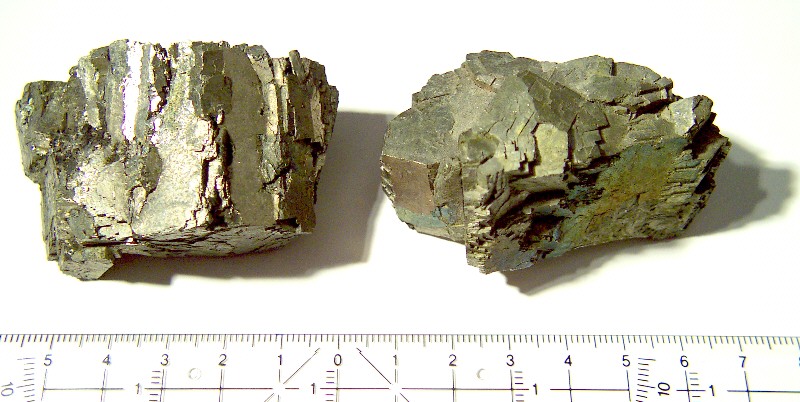
| Appearance | grey or silver semi-metallic crystalline solid [1] |
| Density | Varies by composition |
| Melting point | 1,480[1] °C (2,700 °F; 1,750 K) |
| Insoluble in water [1] | |
| Thermochemistry | |
Heat capacity (C)
|
0 J/mol K |
Std molar
entropy (S⦵298) |
0 J/mol K |
Std enthalpy of
formation (ΔfH⦵298) |
0 kJ/mol |
| Hazards | |
| GHS labelling: | |
 
| |
| Warning | |
| H320, H335, H373 | |
| P260, P264, P271, P304+P340, P305+P351+P338, P312, P314, P337+P313, P403+P233, P405, P501 | |
| NFPA 704 (fire diamond) | |
| Flash point | Non-flammable, but dust may be explosive |
Except where otherwise noted, data are given for materials in their standard state (at 25 °C [77 °F], 100 kPa).
| |


Ferrovanadium (FeV) is an alloy formed by combining iron and vanadium with a vanadium content range of 35–85%. The production of this alloy results in a grayish silver crystalline solid that can be crushed into a powder called "ferrovanadium dust".[2] Ferrovanadium is a universal hardener, strengthener and anti-corrosive additive for steels like high-strength low-alloy steel, tool steels, as well as other ferrous-based products. It has significant advantages over both iron and vanadium individually. Ferrovanadium is used as an additive to improve the qualities of ferrous alloys. One such use is to improve corrosion resistance to alkaline reagents as well as sulfuric and hydrochloric acids. It is also used to improve the tensile strength to weight ratio of the material. One application of such steels is in the chemical processing industry for high pressure high throughput fluid handling systems dealing with industrial scale sulfuric acid production. It is also commonly used for hand tools e.g. spanners (wrenches), screwdrivers, ratchets, etc.
Composition
[edit]Vanadium content in ferrovanadium ranges from 35% to 85%. FeV80 (80% Vanadium) is the most common ferrovanadium composition.[3] In addition to iron and vanadium, small amounts of silicon, aluminum, carbon, sulfur, phosphorus, arsenic, copper, and manganese are found in ferrovanadium. Impurities can make up to 11% by weight of the alloy. Concentrations of these impurities determine the grade of ferrovanadium.[4]
| Grade | V | Si | Al | C | S | P | As | Cu | Mn |
|---|---|---|---|---|---|---|---|---|---|
| FeV75C0.1 | 70-85 | 0.8 | 2.0 | 0.1 | 0.05 | 0.05 | 0.05 | 0.1 | 0.4 |
| FeV75C0.15 | 70-85 | 1.0 | 2.5 | 0.15 | 0.1 | 0.1 | 0.05 | 0.1 | 0.6 |
| FeV50C0.4 | 48-60 | 1.8 | 0.2 | 0.4 | 0.02 | 0.07 | 0.01 | 0.2 | 2.7 |
| FeV50C0.5 | 48-60 | 2.0 | 0.3 | 0.5 | 0.02 | 0.07 | 0.01 | 0.2 | 4.0 |
| FeV50C0.6 | 48-60 | 2.0 | 0.3 | 0.6 | 0.03 | 0.07 | 0.02 | 0.2 | 5.0 |
| FeV50C0.3 | > 50 | 2.0 | 2.5 | 0.3 | 0.1 | 0.1 | 0.05 | 0.2 | 0.2 |
| FeV50C0.75 | > 50 | 2.0 | 2.5 | 0.75 | 0.1 | 0.1 | 0.05 | 0.2 | 0.2 |
| FeV40C0.5 | 35-48 | 2.0 | 0.5 | 0.5 | 0.05 | 0.08 | 0.03 | 0.2 | 2.0 |
| FeV40C0.75 | 35-48 | 2.0 | 0.5 | 0.75 | 0.05 | 0.08 | 0.03 | 0.4 | 4.0 |
| FeV40C1 | 35-48 | 2.0 | 0.5 | 1.0 | 0.05 | 0.1 | 0.03 | 0.4 | 6.0 |
Synthesis
[edit]Eighty-five percent of all vanadium extracted from the Earth is used to create alloys such as ferrovanadium.[3] There are two common ways in which ferrovanadium is produced: silicon reduction and aluminum reduction.
Reduction by silicon
[edit]Vanadium pentoxide (V2O5), ferrosilicon (FeSi75), lime (CaO) and slag (recycled vanadium containing waste) are combined in an electric arc furnace heated to 1850 °C.[3][5] Silicon in the ferrosilicon reduces the vanadium in V2O5 to vanadium metal. The vanadium then interacts with the iron to form ferrovanadium.[5] Excess lime and V2O5 are added to use up the silicon and refine the metal. This process produces vanadium concentrations between thirty-five and sixty percent.[4]
2 V2O5 + 5 (Fey/5Si)alloy + 10 CaO → 4 (Fey/4V)alloy + 5 Ca2SiO4 [5]
Reduction by aluminum
[edit]Iron, V2O5, aluminum, and lime are combined in an electric arc furnace. Like the silicon, aluminum reduces the vanadium in V2O5 to vanadium metal. The vanadium dissolves into the iron and forms the ferrovanadium alloy.[6] The resulting ferrovanadium has a vanadium concentration between seventy and eighty-five percent.[4]
3 V2O5 + 10 Al → 6 V + 5 Al2O3 [5]
Vx + Fe1−x → (Fe1−xVx)alloy
Toxicology
[edit]Ferrovanadium dust is a mild irritant that affects the eyes when touched by contaminated skin and the respiratory tract when inhaled. The dust caused chronic bronchitis and pneumonitis in animals exposed to high concentration (1000–2000 mg/m3) at intervals for two months. However, no such long-term effects have been observed in humans.[2]
Occupational exposure
[edit]The American Conference of Governmental Industrial Hygienists (ACGIH) states that an employee who is working eight hours a day, five days a week, can be exposed to ferrovanadium dust in their place of work at concentrations of up to 1.0 mg/m3 without adverse effects.[7] Short-term exposures should be kept below 3.0 mg/m3.[2] It is suggested that those working with high concentrations of ferrovanadium dust wear a respirator to prevent inhalation and irritation of the respiratory tract.[1]
Steel
[edit]The most common use of ferrovanadium is in the production of steel. In 2017, 94% of consumption of vanadium in the USA was to produce iron and steel alloys.[8] Ferrovanadium and other vanadium alloys are used in carbon steel, alloy steel, high strength steel, and HSLA (High Strength Low Alloy) steel.[9] These steels are then used to make automotive parts, pipes, tools, and more.[6]
The addition of ferrovanadium toughens the steel making it more resistant to temperature and torsion.[2] This increase in strength is a result of the formation of vanadium carbides which have a rigid crystal structure as well as a finer grain size which decreases the ductility of the steel.[10] In addition to adding to the composition of the steel, ferrovanadium can also be used as a coating on the steel. When coated with nitrated ferrovanadium, the abrasion resistance of steel increases 30-50%.[11]
Market
[edit]Between 2013 and 2017, the United States imported 13,510 tons of ferrovanadium, a majority of which came from Czechia, Austria, Canada, and South Korea.[8] The price of ferrovanadium has fluctuated dramatically since 1996, hitting an all-time high in 2008 at $76041.61/ton FeV80.[12] In more recent years, it has once again seen an increase in price as environmental standards shut down some of the vanadium producers in China. These shutdowns, as well as the closure of a South African vanadium mine, created a vanadium shortage, forcing ferrovanadium factories to reduce their production of ferrovanadium, decreasing its supply and driving up the price.[8]
See also
[edit]References
[edit]- ^ a b c d National Center for Biotechnology Information. PubChem Compound Database; CID=14928220, https://pubchem.ncbi.nlm.nih.gov/compound/14928220 (accessed Mar. 23, 2018).
- ^ a b c d Hathaway, G. J.; Proctor, N. H. Proctor and Hughes chemical hazards of the workplace; Wiley-Interscience: Hoboken, 2004.
- ^ a b c Swinbourne, D. R.; Richardson, T.; Cabalteja, F. Understanding ferrovanadium smelting through computational thermodynamics modeling. Mineral Processing and Extractive Metallurgy 2016, 125 (1), 45–55.
- ^ a b c d Gasik, M. Handbook of Ferroalloys: Theory and Technology; Butterworth-Heinemann Ltd: s.l., 2013.
- ^ a b c d Vermaak , M. K. G. Vanadium recovery in the electro-aluminothermic production of ferrovanadium. thesis, 2000
- ^ a b Sutulov, A.; Wang, C. T. Vanadium processing https://www.britannica.com/technology/vanadium-processing#ref82021 (accessed Mar 22, 2018).
- ^ Barceloux, D. G. Vanadium. Journal of Toxicology: Clinical Toxicology 1999, 37 (2), 265–278.
- ^ a b c U.S. Geological Survey; Vanadium. Mineral commodity summaries 2018: U.S. Geological Survey 2018, 180-181.
- ^ Tian, P.; Zhong, Z.; Bai, R.; Zhang, X.; Gao, H. Application of Different Vanadium Alloys in Steel. Proceedings of the International Conference on Computer Information Systems and Industrial Applications 2015, 861-864.
- ^ Britannica, T. E. of E. Vanadium https://www.britannica.com/science/vanadium (accessed Mar 22, 2018).
- ^ Ivanova, E. A.; Narkevich, N. A.. Coatings Dispersely Hardened by Nitrided Ferrovanadium and Applied by the Electron-Beam Method. Steel in Translation 2008, 38 (10), 820–823.
- ^ Bumbac, C. Journal of Global Economics 2011, 3 (3), 30–41.
Ferrovanadium
View on GrokipediaOverview
Definition and Composition
Ferrovanadium is a master alloy composed primarily of iron (Fe) and vanadium (V), serving as an essential additive in steel production to enhance strength and other properties. It typically contains 35-85% vanadium by weight, with the balance being iron and minor impurities such as carbon (less than 0.5%), silicon (less than 2%), aluminum (less than 2%), and phosphorus (less than 0.1%).[1][6] Common commercial grades of ferrovanadium include FeV50 (approximately 50% vanadium), FeV60 (60% vanadium), and FeV80 (80% vanadium), each defined by their specific vanadium content and impurity limits as per industry standards. These grades ensure consistent performance when alloyed into steel, with FeV80 being the most widely used due to its high vanadium efficiency. For the FeV80 grade, ASTM A102 specifies 75-85% vanadium.[7][8][9] Composition variations exist to suit specific end-uses, such as low-carbon ferrovanadium variants (with carbon below 0.1%) tailored for high-strength low-alloy steels requiring improved weldability and toughness. At the atomic level, ferrovanadium consists of vanadium in metallic form alloyed with iron, forming a body-centered cubic (BCC) solid solution that allows for uniform distribution in the steel matrix.[9][10]History and Development
Vanadium, the key component of ferrovanadium, was first discovered in 1801 by Mexican mineralogist Andrés Manuel del Río while examining a specimen of brown lead ore from Zimapán, Hidalgo, Mexico; del Río identified it as a new element with properties similar to chromium and uranium.[11] However, due to skepticism from European chemists, including doubts raised by Alexander von Humboldt, del Río's claim was initially dismissed, and the element was thought to be an impure form of chromium.[12] It was independently rediscovered in 1830 by Swedish chemist Nils Gabriel Sefström during analysis of iron ores from central Sweden, who isolated vanadium oxide and named the element after Vanadis, the Scandinavian goddess of beauty and fertility, inspired by the vivid colors of its compounds.[11] Sefström's work was confirmed in 1831 by Friedrich Wöhler, solidifying vanadium's place in the periodic table.[13] The development of ferrovanadium as a commercial alloy emerged in the early 20th century, driven by the need for stronger steels in emerging industries like automotive and armaments. The first industrial application of vanadium in steel occurred in 1896 in France, where it was added to enhance toughness and wear resistance in armor plates. In the United States, Henry Ford adopted vanadium-strengthened steel for the chassis of the 1908 Model T, after observing its superior performance in a French racing car's wreckage in 1905; this innovation allowed for lighter, more durable components, contributing to the production of over 15 million Model T vehicles by 1927.[14] Post-World War I, ferrovanadium saw widespread adoption in steelmaking, particularly for high-strength alloys used in armor plating and structural applications, with production primarily via aluminothermic reduction of vanadium pentoxide in the presence of iron.[15] By the 1920s, alternative methods like silicon reduction gained traction, enabling more efficient large-scale manufacturing.[15] Key milestones in ferrovanadium production unfolded amid post-1940s industrial expansions, as global steel output surged during economic booms in Europe and North America, increasing demand for vanadium alloys in construction and machinery.[16] In the 1980s, innovations included the development of nitrided vanadium variants, such as nitrovanadium alloys combining vanadium and nitrogen to further enhance steel strength and nitrogen content for specialized applications in high-performance steels.[17] Production scaled significantly, with vanadium slag becoming a primary feedstock by the late 1950s, supporting ferrovanadium output from integrated steelworks.[18] Entering the 2000s, ferrovanadium evolved toward high-purity grades to meet demands in advanced sectors like aerospace and automotive, where vanadium microalloying in titanium alloys (e.g., Ti-6Al-4V) and high-strength low-alloy steels improves fatigue resistance and lightweighting for aircraft components and vehicle frames.[19] Since 2010, China has dominated global production, accounting for 50-60% of output through expanded capacity in regions like Panzhihua, driven by its massive steel industry and vanadium-bearing magnetite resources.[20] Post-2020, sustainable sourcing initiatives have gained prominence, including recycling from steel scrap and low-carbon production methods to reduce environmental impacts, with efforts like those by AMG Vanadium emphasizing secondary materials and 80% lower CO2 emissions compared to traditional processes.[21][22]Properties
Chemical Properties
Ferrovanadium exhibits high chemical stability attributable to vanadium's ability to adopt multiple oxidation states ranging from +2 to +5, which enables versatile bonding and resistance to environmental degradation.[23] In its alloyed form with iron, ferrovanadium demonstrates enhanced corrosion resistance compared to pure vanadium, owing to the protective iron matrix that limits exposure and stabilizes the structure against oxidative and acidic attacks.[24] This stability is particularly evident in industrial settings where the alloy maintains integrity under high-temperature processing conditions. The reactivity of ferrovanadium is pronounced in steel matrices, where vanadium readily forms stable nitrides such as VN and carbides such as VC, which precipitate to enhance hardenability and overall material performance.[1] These compounds arise through reactions with residual nitrogen and carbon during steel production; for instance, nitride formation occurs at elevated temperatures via the process described by the equation: [25] Such reactivity underscores ferrovanadium's role in microalloying, where it interacts compatibly with other elements like niobium and titanium to form complementary carbonitrides without adverse phase conflicts.[26] Ferrovanadium shows good solubility in molten iron, dissolving readily above 1500°C due to the complete miscibility of iron and vanadium in the liquid phase.[27] The Fe-V phase diagram indicates a continuous solid solution with complete miscibility in the liquid phase and an azeotropic minimum melting point near 1468°C at approximately 30 wt.% vanadium, facilitating uniform incorporation during alloying processes.[28] In terms of acid resistance, ferrovanadium remains stable in dilute sulfuric acid (H₂SO₄) at moderate temperatures, benefiting from a passivating oxide layer, but it dissolves in hot concentrated nitric acid (HNO₃) due to the oxidizing conditions that promote vanadium dissolution as vanadate ions.[29][30] Regarding oxidation behavior, ferrovanadium oxidizes in air when heated, forming a mixture of lower oxides like V₂O₃ and higher oxides like V₂O₅, with the process accelerating above 500°C and leading to scale formation that can impact long-term exposure in oxidative environments.[31]Physical and Mechanical Properties
Ferrovanadium exhibits physical properties that vary with its vanadium content, typically ranging from 40% to 80% by weight, influencing its density, which spans 6.4 to 7.0 g/cm³; for instance, FeV60 has a density of approximately 7.0 g/cm³, while FeV80 is around 6.4 g/cm³.[32] Its melting point also depends on composition, falling between 1450–1600 °C for FeV60 and 1680–1800 °C for FeV80, with a boiling point near 3380 °C.[32][33] The alloy appears as silvery-gray metallic lumps, often in sizes of 10-100 mm, or as powder in finer applications.[33] In terms of thermal and electrical characteristics, ferrovanadium demonstrates moderate thermal conductivity, approximately 30-35 W/m·K at room temperature, akin to pure vanadium's value of 35 W/m·K.[34] Its electrical resistivity is in the range of 50-70 μΩ·cm, reflecting the influence of intermetallic phases between iron and vanadium.[35] The coefficient of thermal expansion lies between 11-12 × 10⁻⁶/K, interpolating between iron's 11.8 × 10⁻⁶/K and vanadium's 8.4 × 10⁻⁶/K, which supports its stability in high-temperature environments.[36][37] Ferrovanadium is ferromagnetic, exhibiting high magnetism similar to iron due to its predominant iron content.[32] Mechanically, ferrovanadium is brittle in its standalone form owing to intermetallic phases like FeV and Fe₂V, which limit ductility despite contributing to overall hardness that increases with vanadium percentage; high-vanadium grades can reach Vickers hardness values up to 800 HV.[32] When incorporated into alloys, it imparts high tensile strength exceeding 1000 MPa, but as a pure ferroalloy, its brittleness restricts direct structural use without processing.[32][1]| Property | Value (Typical Range) | Variation Notes | Source |
|---|---|---|---|
| Density | 6.4-7.0 g/cm³ | Lower for higher V content (e.g., 6.4 g/cm³ for FeV80) | [32] |
| Melting Point | 1450-1800 °C | Higher for FeV80 (1680-1800 °C) | [32] |
| Boiling Point | ~3380 °C | Comparable to vanadium | [33] |
| Thermal Conductivity | 30-35 W/m·K | At room temperature | [34] |
| Electrical Resistivity | 50-70 μΩ·cm | Influenced by alloy phases | [35] |
| Thermal Expansion Coefficient | 11-12 × 10⁻⁶/K | Average of Fe and V values | [36] |
| Vickers Hardness | Up to 800 HV | Increases with V% | [32] |
Production
Raw Materials and Preparation
The primary sources of vanadium for ferrovanadium production are vanadiferous titanomagnetite ores, which account for approximately 85% of global vanadium pentoxide (V₂O₅) output and are predominantly mined in South Africa and China.[38] These magnetite-based ores typically contain 1-2% vanadium by weight, often co-occurring with titanium and iron. Secondary sources include spent catalysts from sulfuric acid production in oil refineries, which can have vanadium contents of 8-15%, and direct V₂O₅ derived from petroleum residues or other industrial byproducts.[21][2] Iron sources for ferrovanadium are generally scrap iron or ferrosilicon, selected for their compatibility in the alloying process. Preparation of vanadium-bearing materials begins with ore beneficiation, primarily through magnetic separation or flotation to concentrate the vanadium content and remove gangue minerals like silica.[39] The concentrate is then roasted with alkali salts such as sodium carbonate or sulfate at high temperatures (around 800-900°C) to convert vanadium into water-soluble sodium vanadates, followed by leaching with hot water. The leach solution is purified, and vanadium is precipitated as ammonium metavanadate (NH₄VO₃) using ammonia and sulfuric acid, then calcined to produce V₂O₅. Roasting also aids in impurity removal, such as volatilizing silica.[38] Key impurities in raw materials, including arsenic and sulfur, must be controlled to below 0.1% for arsenic and 0.05% for sulfur to ensure alloy quality, achieved through selective leaching and purification steps during V₂O₅ production.[40] Global vanadium reserves are estimated at 18 million metric tons (contained vanadium) as of 2024, primarily in China, Russia, South Africa, Brazil, and Australia.[2] A significant portion of vanadium supply is obtained as a by-product from slags generated during iron production from titanomagnetite ores. Sustainability efforts have increased true secondary recycling from sources like spent catalysts and industrial residues, contributing approximately 15% of total supply as of 2024.[41][2]Silicon Reduction Process
The silicon reduction process is a key industrial method for producing ferrovanadium, particularly mid-grade alloys containing 45-60% vanadium, by reducing vanadium pentoxide (V₂O₅) derived from vanadium-bearing slags or ores. This exothermic reaction occurs in electric arc furnaces, typically at temperatures between 1600°C and 1800°C, where ferrosilicon acts as the primary reductant. The simplified main reaction, facilitated by lime (CaO) flux to form slag, is represented as: This process converts vanadium oxides into metallic vanadium alloyed with iron, yielding a product suitable for steelmaking without extensive further purification for certain applications.[42][38] The production begins with preparing raw materials: high-purity V₂O₅ (typically 98-99% vanadium pentoxide) is mixed with ferrosilicon containing about 75% silicon, lime for slag formation, and iron scrap to achieve the desired alloy composition. The mixture is charged into the furnace in batches, where the exothermic reduction initiates upon heating, sustaining the reaction with minimal external energy input after startup. After 2-4 hours of smelting, the molten ferrovanadium is tapped from the bottom, while the slag is removed separately; the alloy solidifies into ingots or is cast into lumps, achieving vanadium recovery yields of approximately 90%.[15][43][1] This method offers cost-effectiveness for bulk production of FeV50-60 alloys due to the abundance and lower price of ferrosilicon compared to aluminum reductants, enabling efficient use of vanadium slags as feedstock. However, it introduces higher silicon impurities (up to 2-3%) in the alloy, often necessitating downstream refining steps like electroslag remelting to meet specifications for high-purity applications.[15][1][38] Industrial implementation relies on submerged arc furnaces with capacities ranging from 10 to 50 tons per heat, where electrodes are buried in the charge to generate heat via resistance and arc. Energy consumption averages around 3000 kWh per ton of ferrovanadium, primarily from electricity to initiate and maintain the reaction, with overall furnace power ratings of 10-30 MW depending on scale.[43][44] Since around 2015, modern optimizations have incorporated pre-reduction stages in rotary kilns to partially reduce V₂O₅ with carbon or low-grade reductants at 800-1200°C, lowering the energy demand in the main furnace by up to 20% and improving overall efficiency for vanadium-titanium feedstocks. This step enhances slag fluidity and reductant utilization before final silicon reduction, contributing to sustainability in ferrovanadium plants.[45][46]Aluminum Reduction Process
The aluminothermic reduction process, also known as the thermite process, employs aluminum as a reductant to produce high-purity ferrovanadium from vanadium pentoxide (V₂O₅) in refractory-lined vessels. This method leverages a highly exothermic reaction that reduces the oxide and alloys the vanadium with iron, yielding grades suitable for applications requiring minimal impurities. The core chemical reaction is represented by the equation: This reaction generates substantial heat, sustaining temperatures above 2000°C without external heating after ignition.[47][48] The production begins with blending purified V₂O₅, aluminum powder, and iron (typically as steel chips or scrap) in stoichiometric ratios, often incorporating lime (CaO) as a flux to facilitate slag formation (about 30-40% of V₂O₅ weight). The mixture is charged into a lined furnace, such as a drum-type or electric arc vessel. Ignition occurs via a starter material like magnesium or an electrical coil, initiating the self-propagating thermite reaction. The molten ferrovanadium settles beneath the floating alumina-based slag, which is fluxed for easier separation. Upon completion, the vessel cools, allowing mechanical separation of the metal ingot from the slag; the ingot is then crushed and sized. Typical batch sizes range from 1 to 5 tons, with reaction and initial separation cycles lasting 1-2 hours, though full cooling may extend to 24-48 hours.[49][50][48] This process excels in producing low-impurity FeV80 grades (80% vanadium), with carbon contents as low as 0.02-0.06% and phosphorus below 0.05%, alongside vanadium recovery rates of 90-96%. However, it is more costly than the silicon reduction alternative due to aluminum's higher price and results in substantial aluminum oxide waste, limiting its scalability.[51][48] For enhanced purity, particularly ultra-low carbon levels below 0.1%, the crude alloy undergoes electroslag remelting, where it is remelted under a slag layer to refine impurities. Historically prominent, the method has become less common since the early 2000s, overshadowed by the silicon process's efficiency for bulk production, though it sees renewed application for specialty high-purity alloys.[47][49]Alternative Production Methods
Calcium reduction serves as an alternative route for producing high-purity vanadium, which can subsequently be alloyed with iron to form ferrovanadium. This method involves the reduction of vanadium pentoxide (V₂O₅) using calcium in vacuum or pressure vessels, operating at temperatures between 1000–1200°C to minimize impurities and achieve vanadium purities exceeding 99%. The reaction proceeds as follows: This process is particularly suited for applications requiring low-impurity vanadium, though it demands careful control of reaction conditions to prevent side reactions with residual oxygen.[52][53] Electrolytic production methods utilize molten salt electrolysis, often starting with vanadium tetrachloride (VCl₄) or related chlorides, to deposit pure vanadium metal on a cathode, followed by alloying with iron. These techniques, conducted in inert atmospheres at temperatures around 650–800°C, yield high-purity vanadium (up to 99.9%) and offer lower emissions compared to carbothermic processes due to the absence of carbon reductants. However, they are energy-intensive, requiring significant electrical input for electrolysis in salts like NaCl-KCl mixtures.[54][55][56] Plasma arc reduction represents an experimental approach developed since the 2010s for direct conversion of vanadium ores or oxides to alloys, employing argon plasma torches to achieve high-temperature reduction (over 2000°C) with carbon or hydrogen additives. Pilot-scale facilities in Russia have demonstrated feasibility for ferroalloy production, including ferrovanadium, by processing ore concentrates in plasma furnaces, potentially reducing energy use through efficient heat transfer. This method remains in the testing phase, with challenges in scaling for consistent alloy composition.[57][58] Recycling contributes to ferrovanadium supply through hydrometallurgical recovery from steel slag, where vanadium is leached using sodium hydroxide (NaOH) solutions at elevated temperatures (around 200–240°C), followed by precipitation as vanadates and calcination to vanadium pentoxide for alloying. This process achieves extraction efficiencies of 68–85%, enabling reuse of slag residues in construction. By 2025, secondary sources, including slag recovery, are projected to account for 10–15% of global vanadium supply, supporting circular economy goals amid rising demand. In 2025, projects such as the Balasausqandiq deposit in Kazakhstan advanced toward production, potentially adding new supply through integrated mining and processing.[59][60][61] Emerging green methods, such as bioleaching and hydrogen reduction, are under pilot investigation in EU projects post-2020 to enable sustainable vanadium extraction. Bioleaching employs acidophilic bacteria like Acidithiobacillus ferrooxidans to dissolve vanadium from ores or slags under ambient conditions, achieving up to 70% recovery in lab tests while minimizing chemical inputs. Hydrogen reduction pilots, including those targeting vanadium-titanium magnetites, use H₂ gas at 800–1000°C to reduce oxides directly, emitting water vapor instead of CO₂; EU initiatives like the CHROMIC project have advanced these for slag-based recovery, aiming for commercialization by 2030.[62][63][64][65]Applications
Role in Steel Alloying
Ferrovanadium serves as a key microalloying element in steel production, primarily introduced to enhance mechanical properties through controlled additions during the ladle metallurgy stage.[66] Typical addition rates range from 0.05% to 0.5% vanadium by weight, achieved via ladle injection of ferrovanadium or as a master alloy, which promotes grain refinement and precipitation hardening while maintaining high recovery rates of approximately 90%.[67] These low-level additions dissolve effectively in the molten steel, allowing vanadium to interact with carbon and nitrogen to form strengthening phases without significantly altering the overall composition.[68] The primary strengthening mechanism involves the formation of vanadium carbonitrides, V(C,N), which act as fine precipitates that impede dislocation movement and refine the microstructure. This precipitation occurs via the reaction: These nanoscale precipitates contribute to dispersion hardening, with up to 70% of added vanadium forming V(C,N) in nitrogen-bearing steels, leading to yield strength increases depending on the base steel composition and processing conditions.[68] Additionally, vanadium provides solid solution strengthening by distorting the iron lattice and enhances temper resistance up to 600°C, preventing softening during heat treatment and improving high-temperature stability.[66] In high-strength low-alloy (HSLA) steels, ferrovanadium is widely applied to pipeline grades such as API 5L, where additions of around 0.08% vanadium improve toughness and strength for high-pressure applications, enabling yield strengths exceeding 450 MPa.[69] For tool steels, vanadium enhances wear resistance through carbide formation, supporting demanding cutting and forming operations.[68] Vanadium exhibits synergies in microalloying with niobium (Nb) and titanium (Ti), where combined additions refine precipitates and boost precipitation density, resulting in higher yield strengths—such as 584-595 MPa in X80 pipeline steels—while improving weldability and toughness.[66] Since 2020, vanadium-microalloyed advanced high-strength steels (AHSS), including dual-phase variants with 0.15% V, have seen increased adoption in electric vehicle (EV) structures to reduce weight and enhance crash safety, driven by the need for high strength-to-weight ratios in battery-integrated designs.Other Industrial Uses
Ferrovanadium is incorporated into welding electrodes at approximately 0.5% vanadium to stabilize the arc, prevent cracking, and enhance the tensile strength and hardness of welds in high-strength applications.[70] Vanadium pentoxide (V₂O₅) serves as a primary catalyst in sulfuric acid production via the contact process for industrial-scale manufacturing used in oil refining and chemical synthesis, with vanadium consumption for catalysts representing a minor but significant non-metallurgical use (less than 10% of total vanadium as of 2024).[71] Growing demand for vanadium in renewable energy storage, particularly vanadium redox flow batteries (VRFBs) for long-duration grid stabilization, indirectly supports ferrovanadium production; as of 2025, major VRFB deployments include a 200 MW/800 MWh system in China, contributing to global power capacity exceeding 500 MW.[72] Ferrovanadium contributes to corrosion-resistant coatings on steel equipment handling acids and alkalis, improving durability in chemical processing.[73] Ferrovanadium additives enhance nodular cast iron by refining microstructure through vanadium carbide formation, boosting wear resistance up to 0.5 wt% vanadium via reduced abrasion and adhesion in sliding conditions, and improving corrosion resistance in saline environments up to 0.75 wt% vanadium.[74] In additive manufacturing, ferrovanadium powders are employed to produce high-strength alloy components for aerospace and automotive sectors, supporting the growth of 3D-printed parts with superior toughness and corrosion resistance in the 2020s.[75] While over 90% of vanadium consumption occurs in steel production, these other uses highlight ferrovanadium's versatility in niche ferrous applications (as of 2024).[2]Health, Safety, and Environmental Impact
Toxicology and Health Effects
Ferrovanadium itself is relatively inert as a metallic alloy, but occupational exposure primarily involves dust or fumes that can release vanadium compounds, with vanadium pentoxide (V₂O₅) being the predominant toxic form due to its high solubility and bioavailability. V₂O₅ acts as a potent respiratory irritant, leading to pneumoconiosis—a fibrotic lung condition—upon inhalation, as evidenced by histopathological changes in animal models exposed to concentrations as low as 0.28 mg vanadium/m³. The oral LD50 for V₂O₅ in rats is approximately 474 mg/kg, indicating moderate acute toxicity via ingestion.[76][77] Acute exposure to V₂O₅ primarily affects the respiratory system, causing symptoms such as coughing, wheezing, bronchitis, and throat irritation at airborne levels exceeding 0.6 mg vanadium/m³ in humans. These effects stem from local inflammation and mucosal damage in the upper airways and lungs. In contrast, the alloy form of ferrovanadium exhibits lower bioavailability compared to soluble oxides, reducing systemic absorption; however, inhalation of ferrovanadium dust still poses risks of respiratory tract irritation and bronchitis, as observed in rat studies at 40–80 mg/m³ over two months.[76][78] Chronic inhalation of V₂O₅ can result in vanadiosis, a condition characterized by persistent respiratory issues, greenish discoloration of the tongue and gums due to vanadium deposition, electrocardiographic (EKG) abnormalities, and potential nervous system effects. The International Agency for Research on Cancer (IARC) classifies V₂O₅ as a Group 2B carcinogen (possibly carcinogenic to humans), based on sufficient evidence of lung tumors in experimental animals and limited human data linking it to respiratory cancers. Occupational exposure limits for V₂O₅, such as the OSHA permissible exposure limit (PEL) of 0.05 mg/m³ for respirable dust, are applied analogously to ferrovanadium dust due to the lack of compound-specific standards, emphasizing control of vanadium content.[76][79] Recent studies from the 2020s have highlighted additional risks from low-dose vanadium exposure, including neurotoxicity and reproductive effects. Chronic low-level exposure in rodent models promotes aggregation of neurodegeneration-associated proteins like α-synuclein and tau in the brain, potentially contributing to Parkinson's-like pathology. Prenatal vanadium exposure has been linked to impaired neurodevelopment in early childhood, with critical windows identified in the second trimester, alongside reduced fertility and estrous cycle disruptions in animal studies. These findings underscore the need for further human epidemiological research on subtle, long-term impacts beyond traditional respiratory concerns.[80][81][82]Occupational Exposure Controls
Occupational exposure to ferrovanadium primarily occurs through inhalation of dust generated during handling, processing, or transfer in industrial settings such as steel production facilities.[83] To mitigate risks, workplaces implement a hierarchy of controls prioritizing engineering solutions, supplemented by personal protective equipment (PPE) and administrative measures.[84] Engineering controls form the primary defense against exposure, focusing on minimizing dust generation and dispersion. Operations involving ferrovanadium should be enclosed where feasible, with local exhaust ventilation systems installed at sources like furnaces and transfer points to capture airborne particulates, particularly respirable dust fractions below 10 μm in size.[83] Enclosed transfer systems and automation reduce manual handling, while general ventilation ensures air dilution without recirculating contaminants.[85] These measures align with principles of industrial hygiene to maintain airborne concentrations below established limits.[86] Personal protective equipment is required when engineering controls alone cannot reduce exposure to safe levels. Workers handling ferrovanadium dust must wear NIOSH-approved respirators, such as N95 particulate filters for concentrations up to 10 mg/m³ or supplied-air respirators with full facepieces for higher levels up to the IDLH of 500 mg/m³.[84] Chemical-resistant gloves, protective clothing to prevent skin contact, and impact-resistant goggles or face shields are essential to guard against irritation from dust.[83] Exposure is monitored using personal air samplers with tared PVC filters at flow rates of 2 L/min to assess compliance with limits.[86] Regulatory frameworks in the US and EU guide these controls. The NIOSH Recommended Exposure Limit (REL) for ferrovanadium dust is 1 mg/m³ as an 8-hour time-weighted average (TWA) with a short-term exposure limit (STEL) of 3 mg/m³, while the OSHA Permissible Exposure Limit (PEL) is 1 mg/m³ TWA.[84][86] Under EU REACH and CLP regulations (EC No. 1907/2006 and 1272/2008), ferrovanadium alloys are assessed for dust hazards, requiring risk management measures like ventilation and PPE to prevent respiratory sensitization.[87] Training programs emphasize safe handling, including spill response protocols: evacuate the area, avoid ignition sources due to dust explosion risks, and collect spilled material in sealed containers for disposal as hazardous waste without neutralization, as ferrovanadium dust does not require chemical treatment like some vanadium compounds.[83][88] Chronic exposure monitoring relies on biological indicators, with urine vanadium levels tracked to assess cumulative uptake; occupational thresholds are typically maintained below 50 μg/g creatinine to prevent long-term effects, though normal background levels are under 1 μg/L.[89][90] Acute incidents remain rare due to these controls, but post-2020 advancements in smart factories incorporate digital sensors for real-time air quality tracking, enhancing proactive exposure management in automated environments.[91]Environmental Considerations
The production of ferrovanadium generates significant emissions during the roasting stage of vanadium extraction, primarily sulfur dioxide (SO₂) from sulfide ore processing and vanadium pentoxide (V₂O₅) dust from high-temperature oxidation, which can contribute to acid rain and air pollution if not captured.[92] Wastewater from leaching and purification processes often contains dissolved vanadium compounds, which are toxic to aquatic life; for instance, the 96-hour LC50 for vanadium to adult American flagfish (Jordanella floridae) is approximately 11.2 mg/L in hard water, indicating potential harm to fish populations at concentrations above 10 mg/L.[93] Waste management poses challenges due to the generation of 1-2 tons of slag per ton of ferrovanadium produced in reduction processes, which must be disposed of or repurposed to prevent leaching of heavy metals into soil and groundwater. Recycling efforts have achieved vanadium recovery rates of up to 80-90% from slags through hydrometallurgical leaching and roasting techniques, reducing the need for primary mining and minimizing landfill use. Land reclamation at vanadium mining sites, particularly in regions like South Africa, involves restoring vegetation and stabilizing tailings to mitigate erosion and contamination.[94][95] Regulatory frameworks aim to curb environmental releases, with no national U.S. Environmental Protection Agency (EPA) ambient water quality criterion established for vanadium, though international guidelines such as the Australian and New Zealand trigger value of 6 μg/L for freshwater are used to protect aquatic ecosystems based on toxicity data. In the European Union, Best Available Techniques (BAT) reference documents for non-ferrous metals production recommend low-emission electric arc furnaces and gas cleaning systems to limit particulate and gaseous emissions from ferrovanadium smelting.[96][97] Sustainability initiatives focus on reducing the carbon footprint of ferrovanadium production, estimated at 5-10 tons of CO₂ equivalent per ton, largely from energy-intensive roasting and reduction steps using fossil fuels.[98][99] Circular economy approaches are advancing through recycling of vanadium-bearing wastes, such as spent catalysts, enabling up to 80% recovery of vanadium for reuse in ferrovanadium production and reducing reliance on virgin ores. Companies like AMG Vanadium have implemented proprietary processes that cut CO₂ emissions by 80% compared to primary production via secondary sourcing. These initiatives promote closed-loop systems, aligning with global efforts to enhance resource efficiency in the metals sector.[21][22]Market and Economics
Global Production and Supply
Global production of ferrovanadium, measured in vanadium content, reached 104,000 metric tons in 2023, marking an increase from around 82,000 tons in 2020.[100][2] In 2024, estimated production was 100,000 metric tons. China dominates the market with 70,000 tons (67%) in 2023 and an estimated 70,000 tons (70%) in 2024, primarily from vanadiferous magnetite ore processed alongside steel production. Russia produced 20,000 tons (19%) in 2023 and an estimated 21,000 tons (21%) in 2024, largely through Evraz's operations, while South Africa contributed 8,670 tons (8%) in 2023 and an estimated 8,000 tons (8%) in 2024, mainly via Bushveld Minerals. Other producers include Brazil at 5,420 tons (5%) in 2023 and an estimated 5,000 tons (5%) in 2024.[2] Key facilities underscore this concentration. In China, the Pangang Group operates the world's largest ferrovanadium plant with a capacity of 40,000 tons per year of vanadium products (V₂O₅ equivalent).[101] Russia's Evraz, the primary producer there, maintains significant output from its Vanady Tula facility, contributing to the country's total vanadium production.[12] In South Africa, Bushveld Minerals' Vametco and Vanchem plants have a combined capacity targeting 8,400 tons of vanadium annually, with current production around 3,000–5,000 tons.[102][103] The supply chain relies heavily on vanadium-bearing ores from the Bushveld Complex in South Africa, which supplies much of the global feedstock.[2] Geopolitical events, such as the 2022 Russia-Ukraine conflict, disrupted Russian exports through Western sanctions, causing price spikes and supply volatility for ferrovanadium.[104][105] Global reserves stand at 18 million metric tons of vanadium as of 2025, sufficient for over 170 years at 2024 production rates.[2]| Country | 2023 Production (metric tons V) | Share (%) | 2024 est. (metric tons V) | est. Share (%) |
|---|---|---|---|---|
| China | 70,000 | 67 | 70,000 | 70 |
| Russia | 20,000 | 19 | 21,000 | 21 |
| South Africa | 8,670 | 8 | 8,000 | 8 |
| Brazil | 5,420 | 5 | 5,000 | 5 |
| World Total | 104,000 | 100 | 100,000 | 100 |