Hubbry Logo
Rib cageRib cageMain
Open search
Rib cage
Community hub
Rib cage
logo
8 pages, 0 posts
0 subscribers
Be the first to start a discussion here.
Rib cage
Rib cage
from Wikipedia
Rib cage
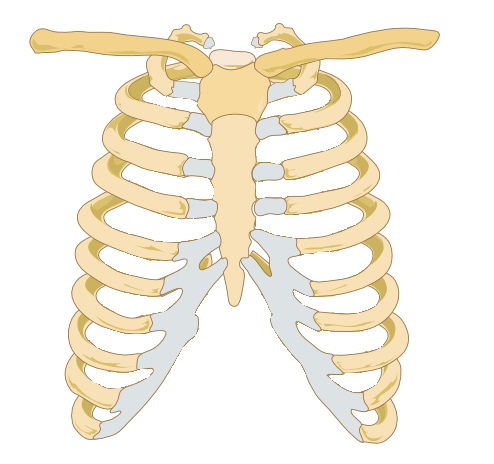
Human rib cage
Animation of the rib cage
Details
Identifiers
Latincavea thoracis
MeSHD000070602
TA98A02.3.04.001
TA21096
FMA7480
Anatomical terminology

The rib cage or thoracic cage is an endoskeletal enclosure in the thorax of most vertebrates that comprises the ribs, vertebral column and sternum, which protect the vital organs of the thoracic cavity, such as the heart, lungs and great vessels and support the shoulder girdle to form the core part of the axial skeleton.

A typical human thoracic cage consists of 12 pairs of ribs and the adjoining costal cartilages, the sternum (along with the manubrium and xiphoid process), and the 12 thoracic vertebrae articulating with the ribs. The thoracic cage also provides attachments for extrinsic skeletal muscles of the neck, upper limbs, upper abdomen and back, and together with the overlying skin and associated fascia and muscles, makes up the thoracic wall.

In tetrapods, the rib cage intrinsically holds the muscles of respiration (diaphragm, intercostal muscles, etc.) that are crucial for active inhalation and forced exhalation, and therefore has a major ventilatory function in the respiratory system.

Structure

[edit]

There are thirty-three vertebrae in the human vertebral column. The rib cage is associated with TH1−TH12. Ribs are described based on their location and connection with the sternum. All ribs are attached posteriorly to the thoracic vertebrae and are numbered accordingly one to twelve. Ribs that articulate directly with the sternum are called true ribs, whereas those that do not articulate directly are termed false ribs. The false ribs include the floating ribs (eleven and twelve) that are not attached to the sternum at all.

Attachment

[edit]

The terms true ribs and false ribs describe rib pairs that are directly or indirectly attached to the sternum respectively. The first seven rib pairs known as the fixed or vertebrosternal ribs are the true ribs (Latin: costae verae) as they connect directly to the sternum via their own individual costal cartilages. The next five pairs (eighth to twelfth) are the false ribs (Latin: costae spuriae) or vertebrochondral ribs, which do not connect directly to the sternum. The first three pairs of vertebrochondral ribs (eighth to tenth) connect indirectly to the sternum via the costal cartilages of the ribs above them,[1][2] and the overall elasticity of their articulations allows the bucket handle movements of the rib cage essential for respiratory activity.

The phrase floating rib (Latin: costae fluctuantes) or vertebral rib refers to the two lowermost (the eleventh and twelfth) rib pairs; so-called because they are attached only to the vertebrae and not to the sternum or any of the costal cartilages. These ribs are relatively small and delicate, and include a cartilaginous tip.[3]

The spaces between the ribs are known as intercostal spaces; they contain the instrinsic intercostal muscles and the neurovascular bundles containing intercostal nerves, arteries and veins.[4] The superficial surface of the rib cage is covered by the thoracolumbar fascia, which provides external attachments for the neck, back, pectoral and abdominal muscles.

Parts of rib

[edit]
The parts of the rib

Each rib consists of a head, neck, and a shaft. All ribs are attached posteriorly to the thoracic vertebrae. They are numbered to match the vertebrae they attach to – one to twelve, from top (T1) to bottom. The head of the rib is the end part closest to the vertebra with which it articulates. It is marked by a kidney-shaped articular surface which is divided by a horizontal crest into two articulating regions. The upper region articulates with the inferior costal facet on the vertebra above, and the larger region articulates with the superior costal facet on the vertebra with the same number. The transverse process of a thoracic vertebra also articulates at the transverse costal facet with the tubercle of the rib of the same number. The crest gives attachment to the intra-articular ligament.[5]

The neck of the rib is the flattened part that extends laterally from the head. The neck is about 3 cm long. Its anterior surface is flat and smooth, whilst its posterior is perforated by numerous foramina and its surface rough, to give attachment to the ligament of the neck. Its upper border presents a rough crest (crista colli costae) for the attachment of the anterior costotransverse ligament; its lower border is rounded.

On the posterior surface at the neck, is an eminence—the tubercle that consists of an articular and a non-articular portion. The articular portion is the lower and more medial of the two and presents a small, oval surface for articulation with the transverse costal facet on the end of the transverse process of the lower of the two vertebrae to which the head is connected. The non-articular portion is a rough elevation and affords attachment to the ligament of the tubercle. The tubercle is much more prominent in the upper ribs than in the lower ribs.

The angle of a rib (costal angle) may both refer to the bending part of it, and a prominent line in this area, a little in front of the tubercle. This line is directed downward and laterally; this gives attachment to a tendon of the iliocostalis muscle. At this point, the rib is bent in two directions, and at the same time twisted on its long axis.

The distance between the angle and the tubercle is progressively greater from the second to the tenth ribs. The area between the angle and the tubercle is rounded, rough, and irregular, and serves for the attachment of the longissimus dorsi muscle.

Bones

[edit]

Ribs and vertebrae

[edit]

The first rib (the topmost one) is the most curved and usually the shortest of all the ribs; it is broad and flat, its surfaces looking upward and downward, and its borders inward and outward.

The head is small and rounded, and possesses only a single articular facet, for articulation with the body of the first thoracic vertebra. The neck is narrow and rounded. The tubercle, thick and prominent, is placed on the outer border. It bears a small facet for articulation with the transverse costal facet on the transverse process of T1. There is no angle, but at the tubercle, the rib is slightly bent, with the convexity upward, so that the head of the bone is directed downward. The upper surface of the body is marked by two shallow grooves, separated from each other by a slight ridge prolonged internally into a tubercle, the scalene tubercle, for the attachment of the anterior scalene; the anterior groove transmits the subclavian vein, the posterior the subclavian artery and the lowest trunk of the brachial plexus. Behind the posterior groove is a rough area for the attachment of the medial scalene. The under surface is smooth and without a costal groove. The outer border is convex, thick, and rounded, and at its posterior part gives attachment to the first digitation of the serratus anterior. The inner border is concave, thin, and sharp, and marked about its center by the scalene tubercle. The anterior extremity is larger and thicker than that of any of the other ribs.

The second rib is the second uppermost rib in humans or second most frontal in animals that walk on four limbs. In humans, the second rib is defined as a true rib since it connects with the sternum through the intervention of the costal cartilage anteriorly (at the front). Posteriorly, the second rib is connected with the vertebral column by the second thoracic vertebra. The second rib is much longer than the first rib, but has a very similar curvature. The non-articular portion of the tubercle is occasionally only feebly marked. The angle is slight and situated close to the tubercle. The body is not twisted so that both ends touch any plane surface upon which it may be laid; but there is a bend, with its convexity upward, similar to, though smaller than that found in the first rib. The body is not flattened horizontally like that of the first rib. Its external surface is convex, and looks upward and a little outward; near the middle of it is a rough eminence for the origin of the lower part of the first and the whole of the second digitation of the serratus anterior; behind and above this is attached the posterior scalene. The internal surface, smooth, and concave, is directed downward and a little inward: on its posterior part there is a short costal groove between the ridge of the internal surface of the rib and the inferior border. It protects the intercostal space containing the intercostal veins, intercostal arteries, and intercostal nerves.[6][4]

The ninth rib has a frontal part at the same level as the first lumbar vertebra. This level is called the transpyloric plane, since the pylorus is also at this level.[7]

The tenth rib attaches directly to the body of vertebra T10 instead of between vertebrae like the second through ninth ribs. Due to this direct attachment, vertebra T10 has a complete costal facet on its body.[3]

The four floating ribs indicated

The eleventh and twelfth ribs, the floating ribs, have a single articular facet on the head, which is of rather large size. They have no necks or tubercles, and are pointed at their anterior ends. The eleventh has a slight angle and a shallow costal groove, whereas the twelfth does not. The twelfth rib is much shorter than the eleventh rib, and only has a one articular facet.[8]

Sternum

[edit]

The sternum is a long, flat bone that forms the front of the rib cage. The cartilages of the top seven ribs (the true ribs) join with the sternum at the sternocostal joints. The costal cartilage of the second rib articulates with the sternum at the sternal angle making it easy to locate.[9]

The manubrium is the wider, superior portion of the sternum. The top of the manubrium has a shallow, U-shaped border called the jugular (suprasternal) notch. The clavicular notch is the shallow depression located on either side at the superior-lateral margins of the manubrium. This is the site of the sternoclavicular joint, between the sternum and clavicle. The first ribs also attach to the manubrium.[10]

The transversus thoracis muscle is innervated by one of the intercostal nerves and superiorly attaches at the posterior surface of the lower sternum. Its inferior attachment is the internal surface of costal cartilages two through six and works to depress the ribs.[11]

Development

[edit]

Expansion of the rib cage in males is caused by the effects of testosterone during puberty.[12] Thus, males generally have broad shoulders and expanded chests, allowing them to inhale more air to supply their muscles with oxygen.

The development of the rib cage is influenced by a combination of genetic and environmental factors, as well as specific stages of embryonic growth. Genetic factors play a critical role, with specific genes regulating the formation of bones and cartilage to ensure the proper development and alignment of the ribs and sternum. During the embryonic stage, the rib cage begins to form from the mesoderm, one of the three primary germ layers. Ribs develop from structures called somites, which later segment into vertebrae and ribs. Initially, the ribs are composed of cartilage, which gradually ossifies into bone through a process known as endochondral ossification.

As the embryo grows, the ribs elongate and differentiate into three types: true ribs, which attach directly to the sternum; false ribs, which connect to the sternum via cartilage; and floating ribs, which do not attach to the sternum. Additionally, environmental factors such as maternal health, nutrition, and exposure to certain substances can impact rib cage development. For instance, deficiencies in essential nutrients like calcium and vitamin D may hinder proper bone growth and development. Together, these genetic, developmental, and environmental influences ensure the formation of a functional rib cage.

A C7 rib on the right

Variation

[edit]

Variations in the number of ribs occur. About 1 in 200–500 people have an additional cervical rib, and there is a female predominance.[13] Intrathoracic supernumerary ribs are extremely rare.[14] The rib remnant of the 7th cervical vertebra on one or both sides is occasionally replaced by a free extra rib called a cervical rib, which can mechanically interfere with the nerves (brachial plexus) going to the arm.

In several ethnic groups, most significantly the Japanese, the tenth rib is sometimes a floating rib, as it lacks a cartilaginous connection to the seventh rib.[3]

Function

[edit]
The effect of the contraction of the accessory muscles of inhalation, pulling the front of the rib cage upwards, a movement known as the 'pump handle movement'. This increases the antero-posterior diameter of the thorax, contributing to the expansion in the volume of the chest. A similar effect, known as the 'bucket handle movement' causes the transverse diameter of the chest to increase, because not only do the ribs slant downwards from the back to the front, but, in the case of the lower ribs, also from the midline downwards to the sides of the chest.

The human rib cage is a component of the human respiratory system. It encloses the thoracic cavity, which contains the lungs. An inhalation is accomplished when the muscular diaphragm, at the floor of the thoracic cavity, contracts and flattens, while the contraction of intercostal muscles lift the rib cage up and out.

Expansion of the thoracic cavity is driven in three planes; the vertical, the anteroposterior and the transverse. The vertical plane is extended by the help of the diaphragm contracting and the abdominal muscles relaxing to accommodate the downward pressure that is supplied to the abdominal viscera by the diaphragm contracting. A greater extension can be achieved by the diaphragm itself moving down, rather than simply the domes flattening. The second plane is the anteroposterior and this is expanded by a movement known as the 'pump handle'. The downward sloping nature of the upper ribs are as such because they enable this to occur. When the external intercostal muscles contract and lift the ribs, the upper ribs are able also to push the sternum up and out. This movement increases the anteroposterior diameter of the thoracic cavity, and hence aids breathing further. The third, transverse, plane is primarily expanded by the lower ribs (some say it is the 7th to 10th ribs in particular), with the diaphragm's central tendon acting as a fixed point. When the diaphragm contracts, the ribs are able to evert (meaning turn outwards or inside out) and produce what is known as the bucket handle movement, facilitated by gliding at the costovertebral joints. In this way, the transverse diameter is expanded and the lungs can fill.

The circumference of the normal adult human rib cage expands by 3 to 5 cm during inhalation.[15]

Clinical significance

[edit]

Rib fractures are the most common injury to the rib cage. These most frequently affect the middle ribs. When several adjacent ribs incur two or more fractures each, this can result in a flail chest which is a life-threatening condition.

A dislocated rib can be painful and can be caused simply by coughing, or for example by trauma or lifting heavy weights.[16]

One or more costal cartilages can become inflamed – a condition known as costochondritis; the resulting pain is similar to that of a heart attack.

Abnormalities of the rib cage include pectus excavatum ("sunken chest") and pectus carinatum ("pigeon chest"). A bifid rib is a bifurcated rib, split towards the sternal end, and usually just affecting one of the ribs of a pair. It is a congenital defect affecting about 1.2% of the population. It is often without symptoms though respiratory difficulties and other problems can arise.

Rib removal is the surgical removal of one or more ribs for therapeutic or cosmetic reasons.

Rib resection is the removal of part of a rib.

Regeneration

[edit]

The ability of the human rib to regenerate itself has been appreciated for some time.[2][5] However, the repair has only been described in a few case reports. The phenomenon has been appreciated particularly by craniofacial surgeons, who use both cartilage and bone material from the rib for ear, jaw, face, and skull reconstruction.[6][8]

The perichondrium and periosteum are fibrous sheaths of vascular connective tissue surrounding the rib cartilage and bone respectively. These tissues containing a source of progenitor stem cells that drive regeneration.[1][17][18]

Society and culture

[edit]

The position of ribs can be permanently altered by a form of body modification called tightlacing, which uses a corset to compress and move the ribs.

The ribs, particularly their sternal ends, are used as a way of estimating age in forensic pathology due to their progressive ossification.[19]

Biblical story

[edit]

The number of ribs as 24 (12 pairs) was noted by the Flemish anatomist Vesalius in his key work of anatomy De humani corporis fabrica in 1543, setting off a wave of controversy, as it was traditionally assumed from the Biblical story of Adam and Eve that men's ribs would number one fewer than women's.[20][21] However, thirteenth or "cervical ribs" occur in 1% of humans[12] and this is more common in females than in males.[13]

Other animals

[edit]
Tyrannosaurus rib cage, University of California Museum of Paleontology

In herpetology, costal grooves refer to lateral indents along the integument of salamanders. The grooves run between the axilla to the groin. Each groove overlies the myotomal septa to mark the position of the internal rib.[22][23]

Birds and reptiles have bony uncinate processes on their ribs that project caudally from the vertical section of each rib.[24] These serve to attach sacral muscles and also aid in allowing greater inspiration. Crocodiles have cartilaginous uncinate processes.

Additional images

[edit]

See also

[edit]

Notes

[edit]

References

[edit]
[edit]
Revisions and contributorsEdit on WikipediaRead on Wikipedia
from Grokipedia
The rib cage, also known as the thoracic cage, is a semi-rigid bony structure that encloses and protects the thoracic cavity, consisting of twelve pairs of curved ribs, the sternum (breastbone), and the twelve thoracic vertebrae. It forms the central framework of the chest wall, safeguarding vital organs such as the heart, lungs, and major blood vessels while enabling respiratory movements through its flexible articulations. Structurally, the rib cage is anchored posteriorly to the via costovertebral joints, where each 's head articulates with the bodies of one or two adjacent vertebrae, and the connects to the transverse processes. Anteriorly, the connect to the either directly or indirectly through costal cartilages, which provide elasticity. The itself is divided into three parts: the superior manubrium, which includes the jugular notch; the central body; and the inferior , which is cartilaginous in youth and ossifies with age. Each features a head, , , shaft (body), and costal groove that houses neurovascular structures, with the first rib being short and flat, and the lower becoming shorter and more curved. Ribs are classified into three types based on their anterior attachments: true ribs (pairs 1–7), which attach directly to the via individual costal cartilages; false ribs (pairs 8–10), which connect indirectly to the through the shared cartilage of the seventh rib; and floating ribs (pairs 11–12), which lack any anterior sternal connection and instead end in the abdominal musculature. This classification reflects variations in length, curvature, and articulation facets, with atypical features in ribs 1, 2, 10, 11, and 12, such as single articular facets or absent necks. In terms of function, the rib cage provides mechanical protection against trauma to the thoracic contents and serves as an attachment site for respiratory muscles like the intercostals and diaphragm, as well as postural muscles. During , the elevate via a "bucket-handle" or "pump-handle" motion, increasing thoracic volume to draw air into the lungs, while involves passive recoil or active contraction. Additionally, the rib cage contributes to ( production) during fetal development and maintains the cylindrical shape of the chest wall for efficient ventilation.

Anatomy

Bones and components

The rib cage, also known as the thoracic cage, is composed of 12 pairs of , the , and the 12 (T1-T12), forming a bony enclosure that encases the . The articulate posteriorly with the and anteriorly with the via costal cartilages, while the provide the posterior foundation through their specialized articulations. The ribs are classified based on their anterior attachments to the : the first seven pairs ( 1-7) are true ribs, which connect directly to the through individual s; 8-10 are false ribs, attaching indirectly to the via the shared of the seventh ; and 11-12 are floating ribs, which lack any anterior sternal connection and end freely in the abdominal musculature. Additionally, are categorized as typical or ; typical (3-9) feature a consistent structure with a head bearing two articular facets, a , a , a shaft, and a costal groove, whereas include the first (short, flat, with a single facet and two grooves), second (longer and thinner, with a rough tuberosity), tenth (single facet on the head), and eleventh and twelfth (short, with a single and no or ). The sternum, a flat, elongated bone located in the midline of the anterior thoracic wall, consists of three main segments: the superior manubrium, the central body (or mesosternum), and the inferior xiphoid process. The manubrium features the prominent jugular notch at its superior border, flanked by clavicular notches for articulation with the clavicles, and it bears costal notches for the first and second ribs; the body contains costal notches for ribs 2-7, forming the sternal angle (angle of Louis) at its junction with the manubrium; the xiphoid process varies in shape and may ossify variably in adulthood. Posteriorly, the ribs connect to the thoracic vertebrae via costovertebral joints, where the head of each rib (except the first and second, which articulate with one or two vertebrae respectively) articulates with the demi-facets on adjacent vertebral bodies, and costotransverse joints, where the rib tubercle attaches to the transverse process of the corresponding vertebra. Anteriorly, the true ribs form sternocostal joints with the sternum, which are synovial for ribs 2-7 and synchondroses for the first rib, allowing limited movement essential to thoracic dynamics. The thoracic vertebrae (T1-T12) are characterized by their heart-shaped bodies, circular vertebral foramina, and costal facets on the bodies and transverse processes to accommodate these rib articulations.

Rib structure and attachments

A typical rib consists of several distinct anatomical components that facilitate its role in the thoracic framework. The head, located at the posterior end, is wedge-shaped and features two articular facets: a superior facet that articulates with the body of the of the same number, and an inferior facet that connects to the body of the immediately below. Adjacent to the head is the , a short, constricted region approximately 2-3 cm long that lacks muscular attachments and serves primarily as a transitional segment. The , situated at the junction of the and shaft, comprises an articular portion medially that forms a with the transverse process of the , and a non-articular portion laterally that provides attachment for the lateral costotransverse . The shaft, or body, forms the bulk of the and is characterized by a thin, flat structure with a prominent about 5 cm from the , where it bends sharply; this marks the site of attachment for the iliocostalis muscle. Running along the inferior internal border of the shaft is the costal groove, which houses the intercostal (vein, artery, nerve) for protection. At the anterior end, the shaft transitions into the flexible , a strip of that extends the 's length and enables slight movement during respiration. Posteriorly, ribs articulate with the thoracic vertebrae through two main joints: the costovertebral joint, where the head of the rib connects to the vertebral bodies, and the costotransverse joint, where the tubercle attaches to the transverse process. These are diarthrodial (synovial) joints that permit gliding motions essential for thoracic expansion. The costovertebral joint is reinforced by the radiate ligament of the head of the rib, which fans out from the anterior surface of the rib head to the vertebral bodies and intervertebral disc, providing stability while allowing limited rotation. An intra-articular ligament within this joint extends from the rib head to the intervertebral disc, dividing the joint cavity and further limiting excessive movement. The costotransverse joint is supported by three ligaments: the superior costotransverse ligament (connecting the rib neck to the vertebra above), the lateral costotransverse ligament (from the tubercle to the transverse process), and the posterior costotransverse ligament (spanning adjacent transverse processes). These ligaments collectively restrict lateral and vertical displacement, ensuring coordinated rib motion. Anteriorly, the costal cartilages of the first seven (true ribs) attach directly to the via . The first is a , where the cartilage fuses immovably with the manubrium using , providing rigid support at the superior . In contrast, the second through seventh are synovial plane (arthrodial), allowing slight gliding between the cartilage and sternal costal notches, which contributes to respiratory flexibility. For 8-10 (false ribs), the costal cartilages connect indirectly to the seventh cartilage via syndesmoses—inferior attachments formed by fibrous tissue—rather than directly to the . 11 and 12 lack anterior attachments entirely, ending free in the abdominal musculature. Ribs exhibit a characteristic that enhances their protective and mechanical functions: the posterior aspect is convex to conform to the vertebral column, while the anterior aspect is concave, forming a broad thoracic arch. This S-shaped allows the to project laterally and anteriorly, creating space for thoracic organs. In terms of length, progressively increase from the shortest first pair (about 12 cm) to the longest seventh pair (about 25 cm), then gradually decrease toward the twelfth pair, optimizing the conical shape of the rib cage for volume expansion during .

Development and ossification

The rib cage originates from the paraxial mesoderm, particularly the sclerotome component of somites, which begin forming during the third week of embryonic development and differentiate around weeks 4 to 5. These sclerotomal cells migrate ventrally to contribute to the axial skeleton, including the ribs, under the influence of Hox genes that establish segmental identity and patterning along the anterior-posterior axis. Hox gene expression boundaries align with somite formation, ensuring proper rib positioning relative to vertebrae, as disruptions in Hox5, Hox6, and Hox9 lead to reduced rib cage size in model organisms. Rib primordia emerge as mesenchymal condensations around week 7 of gestation, with cartilage models forming by week 8 as the thoracic region expands. Primary ossification centers appear in the rib shafts starting at approximately day 55 (late week 8), initially in the mid-thoracic ribs (6th and 7th pairs), progressing outward to form a structured thorax by day 57, with all but the first and twelfth ribs ossified. Secondary ossification centers develop postnatally in the rib heads and tubercles, typically around puberty, allowing for further maturation. Rib growth proceeds via , in which the initial template is progressively replaced by bone from the primary centers, while peripheral cartilage persists for flexibility and elongation. Longitudinal expansion occurs primarily through interstitial growth in the , which connects ribs to the and permits thoracic adaptation during respiration and growth. The , integral to rib cage stability, forms from multiple centers in its segments (manubrium, body sternebrae, and xiphoid), with fusion of the body segments completing by ages 20 to 25. Developmental influences include genetic factors, such as mutations in the PAX1 gene, which disrupt sclerotomal differentiation and result in malformed or absent proximal ribs, as observed in mouse models. Environmental factors, like maternal smoking during pregnancy, elevate the risk of musculoskeletal defects, potentially affecting rib formation through vascular and cellular disruptions in the embryonic .

Anatomical variations

The rib cage exhibits several normal anatomical variations that deviate from the typical configuration of 12 pairs of . These include variations in rib count, where individuals may have 11 or 13 pairs of , occurring in approximately 1-5% of the , often detected incidentally on . in rib length or curvature is also common, with hypoplastic or —a condition where a fails to reach the —reported in about 16% of cases, more frequently on the right side and sometimes bilaterally. Additionally, , a congenital defect forming a rounded opening in the body, is present in 4-8% of individuals, typically in the lower and without in most cases. Congenital anomalies of the ribs represent more pronounced structural deviations arising during embryonic development. , supernumerary ribs articulating with the seventh cervical vertebra, occur in 0.5-1% of the population and are more prevalent in females, potentially linked to genetic factors influencing segmentation. ribs, extra ribs at the first lumbar vertebra, are rarer and often . Bifid ribs, characterized by a forked anterior end usually affecting the fourth rib, and fused ribs, involving partial or complete union of adjacent ribs due to failed segmentation, are infrequent anomalies sometimes associated with syndromes like Gorlin syndrome. Sex-based differences in rib cage anatomy include a generally smaller overall volume in females compared to males of equivalent height, approximately 10% less, though female rib cages may exhibit relatively broader dimensions to accommodate pregnancy-related physiological demands. Ethnic variations are subtler but notable; for instance, individuals of tropical or African descent tend to have smaller, more slender rib cages compared to those from higher latitudes or European populations, with potential differences in floating rib incidence influenced by genetic and environmental factors during development. These variations are typically identified through radiographic imaging, such as computed tomography, and cervical ribs in particular show higher detection rates in females.

Function

Respiratory mechanics

The rib cage plays a central role in respiration by facilitating changes in thoracic volume through coordinated movements of the , , and associated cartilages. During , the elevate and rotate outward, expanding the in multiple dimensions to draw air into the lungs. This dynamic motion is enabled by the articulations at the costovertebral and costochondral joints, allowing the rib cage to act as a bellows-like structure. Inhalation involves two primary types of rib motion: the , predominant in upper (1-7), which elevates the anterior and , enhancing the anteroposterior diameter; and the bucket-handle movement, seen mainly in lower (8-10), which produces lateral expansion by rotating the around a transverse axis, increasing the transverse diameter of the . These actions are driven primarily by the contraction of the , which span between adjacent and pull them superiorly and laterally. The diaphragm contributes by contracting and descending, with its costal fibers originating from the inner surfaces of the lower (primarily 7-12) and inserting onto the central , further aiding rib elevation and stabilizing the lower . Accessory muscles such as the (attaching to 1-2) and (to 3-5) assist in elevating the upper during deeper breaths. Exhalation, in contrast, is largely passive during quiet , relying on the of the lungs and the , including the inherent elasticity of the costal cartilages that connect the to the . This recoil depresses the ribs and , reducing thoracic volume and expelling air. During forced exhalation, the internal intercostal muscles contract to actively depress the , enhancing the downward and inward motion. These respiratory movements result in significant increases in intrathoracic volume; rib elevation contributes approximately 25-30% to the inspiratory expansion of thoracic volume, supporting by augmenting the transverse and anteroposterior diameters. Biomechanically, the costovertebral joints permit rotations of about 10-15 degrees for the pump-handle and bucket-handle components, with the elasticity of the costal cartilages allowing deformation up to several millimeters while returning to resting position. This joint mobility and cartilage compliance ensure efficient, reversible changes in thoracic dimensions without excessive energy expenditure.

Protective and structural roles

The rib cage functions as a robust protective barrier for the vital organs within the thoracic cavity, primarily enclosing the heart, lungs, and great vessels such as the aorta. This enclosure is formed by the sternum anteriorly, the 12 pairs of ribs laterally, and the thoracic vertebrae posteriorly, creating a semi-rigid bony framework that shields these structures from external impacts and trauma. The costal cartilages, which connect the ribs to the sternum, introduce flexibility to the system, allowing the cage to deform slightly under force and distribute mechanical stress across multiple points rather than concentrating it on individual bones, thereby enhancing overall resilience without compromising enclosure integrity. Structurally, the rib cage anchors numerous thoracic and muscles, contributing to postural stability and the maintenance of thoracic —the characteristic forward curvature of the upper spine. Key attachments include the , which originates from the outer surfaces of the upper eight or nine to stabilize the , and portions of the , which originate from the and costal cartilages of the upper to support arm adduction and flexion. In collaboration with the and intervertebral discs, the rib cage reinforces spinal alignment, preventing excessive collapse or deviation under gravitational loads and promoting upright posture. This muscular scaffolding also integrates with ligaments to bolster the thoracic region's overall rigidity. The rib cage facilitates load distribution by serving as an intermediary between the upper limbs and the , transferring forces generated during arm movements or weight-bearing to the spine and . Muscles like the serratus anterior and latissimus dorsi, anchored to the , enable this transmission while stabilizing the against shear and rotational stresses, particularly during locomotion or dynamic activities. This biomechanical role enhances whole-body equilibrium by dissipating upper extremity loads across the broader thoracic framework, reducing localized strain on the vertebrae. Supporting these protective and structural functions, the rib cage receives its blood supply and innervation via intercostal neurovascular bundles that traverse the costal grooves—inferior sulci on each rib's inner surface, sheltered by the overhanging inferior border. Posterior branch from the to supply the posterior , while anterior derive from the for the upper six spaces and the musculophrenic artery for the lower ones; accompanying veins drain into the azygos or internal thoracic systems. The , originating from thoracic spinal segments T1–T11, run parallel to these vessels, providing motor innervation to for stability and sensory input to the thoracic and pleura. This organized bundle ensures continuous nourishment and neural control, vital for maintaining the cage's mechanical integrity.

Clinical significance

Injuries and trauma

The rib cage is susceptible to various injuries due to its role in protecting vital organs and facilitating movement during respiration. Fractures represent the most common form of rib cage trauma, classified into several types based on the nature and extent of bone disruption. Simple or closed fractures involve a single break in the rib without penetration of the skin or surrounding tissues, often healing with conservative management. Comminuted fractures occur when the rib shatters into multiple fragments, increasing the risk of displacement and associated soft tissue damage. Stress fractures, resulting from repetitive microtrauma rather than acute force, are less common in the general population but seen in athletes or individuals with chronic overuse. The middle ribs (typically 5 through 9) are the most frequently affected sites due to their greater mobility and thinner cortical bone compared to the upper or lower ribs. Trauma to the rib cage arises from diverse mechanisms, broadly categorized as blunt, penetrating, or high-impact forces. , such as falls from standing height or assaults with fists or blunt objects, accounts for a significant portion of cases and often results in isolated fractures without deep organ involvement. Penetrating injuries, including stab wounds or injuries, directly breach the chest and integrity, potentially leading to immediate vascular or pulmonary damage. High-impact events like collisions can cause multiple fractures across several , sometimes resulting in —a severe condition where a segment of the chest becomes detached and moves paradoxically during breathing due to three or more consecutive fractured in two places. accidents are the leading mechanism overall, comprising over 50% of cases in trauma registries. Immediate effects of rib cage injuries extend beyond skeletal disruption to critical complications that threaten respiratory and hemodynamic stability. Displaced fracture fragments may puncture the lungs, causing (air in the pleural space) or (blood accumulation), both of which impair ventilation and oxygenation. In severe cases, sharp bone edges can lacerate adjacent organs such as the or liver, leading to internal hemorrhage and . exacerbates these risks by destabilizing the chest wall, promoting and hypoxia, with associated mortality rates ranging from 10% to 20%. Rib cage injuries occur in approximately 10% to 15% of all major trauma presentations, with higher prevalence in blunt chest trauma where 10-40% of patients sustain fractures. Incidence rises significantly in the elderly population, where osteoporosis weakens bone density and increases fracture susceptibility; falls from low heights are a primary mechanism in this group, affecting over 50% of older adults with rib fractures. Each additional rib fracture in elderly patients elevates mortality odds by about 19% and pneumonia risk by 27%, underscoring the amplified immediate impact in this demographic. Recent studies as of 2024 indicate increasing adoption of surgical stabilization for multiple rib fractures to improve outcomes in high-risk groups.

Associated diseases and conditions

The rib cage is susceptible to several non-traumatic diseases that compromise its structural integrity and function, ranging from degenerative bone loss to infectious, neoplastic, and congenital anomalies. These conditions often manifest through alterations in , cartilage inflammation, tumor growth, or developmental malformations, leading to impaired respiratory mechanics or protective roles without acute injury. , a systemic skeletal disorder marked by diminished bone mineral density and microarchitectural deterioration, heightens the risk of rib fractures in affected individuals. This fragility arises from imbalanced , where resorption exceeds formation, particularly exacerbated by deficiency in postmenopausal women, who face a lifetime fracture risk of up to 50%. Rib fractures in this population are often subtle, resulting from minimal trauma like coughing, and serve as predictors of future osteoporotic events, underscoring the condition's progressive impact on thoracic stability. Infectious processes affecting the rib cage include , an inflammation of the at the rib-sternum junctions, typically idiopathic or linked to repetitive strain, viral , or autoimmune triggers. Pathophysiologically, it involves localized aseptic inflammation without systemic spread, causing reproducible tenderness and sharp, non-radiating aggravated by respiration, coughing, or upper body movement. of the , conversely, represents a hematogenous or contiguous bacterial of the , often from , leading to cortical destruction, formation, and periosteal reaction. It manifests as localized swelling, warmth, and severe pain, frequently accompanied by fever and elevated inflammatory markers, with indolent progression in pediatric or immunocompromised cases. Neoplastic involvement of the rib cage encompasses primary and metastatic tumors that disrupt normal architecture through uncontrolled proliferation. , a primary malignant cartilage-derived tumor, originates in the rib's or , driven by genetic mutations like IDH1/2 alterations that promote matrix production and low-grade . It presents as a slowly enlarging, firm anterior chest wall mass with dull, progressive pain, potentially causing palpable deformity or due to endosteal erosion. Metastatic lesions, commonly from or carcinomas, colonize the ribs via hematogenous dissemination, inducing osteolytic resorption through tumor-secreted factors like , which activates osteoclasts and elicits severe, localized from periosteal stretching and nerve compression. These metastases often deform the chest wall through expansile growth, with favoring axial sites and accounting for approximately 40% of bone metastases cases. Congenital deformities of the rib cage arise from aberrant chondral and osseous development during embryogenesis, influenced by genetic or factors. features posterior depression of the and adjacent ribs, stemming from excessive growth that displaces the inward, thereby reducing intrathoracic volume in severe cases and restricting expansion. This condition, affecting approximately 1 in 300-400 individuals, may tie to anatomical variations in rib curvature and is often asymptomatic in mild forms but can link to syndromes with thoracic asymmetry. , by contrast, involves anterior protrusion of the due to shortened or flared lower ribs and sternal eversion, resulting from unbalanced appositional growth at the costochondral junctions. It occurs in about 1 in 1,500 births and associates with through fibrillin-1 gene mutations that weaken elastic fibers, predisposing to chest wall instability alongside aortic risks. Across these diseases, patients commonly experience ranging from sharp and positional to chronic and aching, dyspnea due to mechanical restriction of thoracic excursion, and palpable masses or deformities that alter contour and evoke tenderness on examination. These manifestations, while overlapping, guide , with pain often nocturnal in tumors, inflammatory in infections, and exertional in congenital cases.

Diagnostic and surgical aspects

Diagnosis of rib cage disorders primarily involves a combination of clinical assessment and modalities to evaluate fractures, injuries, and associated complications. Clinical examination begins with and to identify deformities, tenderness, , or abnormal chest wall movement, such as in , followed by to assess breath sounds and detect underlying pulmonary issues. Pain is quantified using standardized scales, like the Visual Analog Scale, to guide and monitor progress. Pulmonary function tests, including , are employed to evaluate respiratory capacity and detect restrictive patterns resulting from rib injuries. Imaging plays a crucial role in confirming rib fractures and assessing extent. Conventional X-rays serve as the initial modality for detecting rib fractures, though they may miss nondisplaced or ones. Computed tomography (CT) scans provide detailed visualization, including 3D reconstructions for complex trauma, offering higher sensitivity for multiple fractures and associated injuries like . (MRI) excels in evaluating soft tissues, , and stress fractures, particularly in cases of subtle or non-displaced injuries. is valuable for bedside detection of rib and fractures, as well as , with advantages in portability and absence of . Surgical interventions for rib cage pathologies aim to stabilize fractures, repair injuries, and remove pathological tissues while minimizing complications. Open reduction and internal fixation (ORIF) using plates and screws is the standard for , improving respiratory mechanics and reducing ventilator dependence. is indicated for penetrating injuries requiring direct access to control hemorrhage or repair vital structures. Rib resection is performed for tumors, ensuring wide margins to achieve oncologic clearance, often via open or minimally invasive approaches. (VATS) enables minimally invasive fixation and exploration, reducing postoperative pain and recovery time compared to open techniques. Postoperative care emphasizes pain control to facilitate breathing and mobility. Intercostal nerve blocks, administered pre- or postoperatively, effectively reduce and opioid requirements following rib surgeries. These blocks target the to provide targeted analgesia, with variants like rhomboid intercostal blocks showing efficacy in thoracic procedures.

Regeneration and repair

Natural healing processes

The natural healing of rib fractures follows the general stages of bone repair, beginning with hematoma formation immediately after injury, where disrupted blood vessels create a at the fracture site that serves as a scaffold for subsequent repair processes. This inflammatory phase lasts approximately 1 to 5 days, during which inflammatory cells are recruited to clear debris and initiate formation. Next, the reparative stage involves soft development over weeks 1 to 3, where fibroblasts and chondroblasts produce a fibrocartilaginous matrix that bridges the gap and provides initial stability. This transitions to hard callus formation between weeks 3 and 12, as the soft callus undergoes to form woven , restoring structural integrity to the rib. Finally, remodeling occurs over months to years, where the callus is reshaped into mature lamellar through balanced osteoblastic and osteoclastic activity, adapting to mechanical stresses from respiration and movement. Costal cartilage, which connects the ribs to the sternum, exhibits limited regenerative capacity compared to bone, primarily regenerating slowly through the differentiation of fibroblasts into chondrocyte-like cells that produce a matrix of collagen and proteoglycans. However, this process is inefficient due to the avascular nature of cartilage, often resulting in incomplete restoration and a propensity for calcification or ossification, which can lead to stiffness or deformity over time. Several factors influence the efficiency of rib cage healing. Advanced age impairs the process by reducing function, delaying chondrogenesis, and decreasing vascularization in the , leading to slower overall repair in elderly individuals. Nutritional status plays a key role, with deficiencies in and calcium hindering mineralization and formation, while adequate intake supports activity. Blood supply, primarily from the branching from the , is essential for delivering oxygen and nutrients to the fracture site; compromised can prolong healing. Potential outcomes of natural healing include successful union in most cases, but non-union occurs in 5-10% of rib fractures, often due to excessive motion at the site disrupting stability. , where the heals in a misaligned position, may result in chest wall or , particularly if involving multiple ribs.

Therapeutic interventions

Therapeutic interventions for rib cage repair primarily aim to alleviate , support healing, and prevent complications in cases of fractures, non-unions, or structural defects, building on the body's natural healing processes by incorporating medical and biological enhancements. Conservative approaches form the foundation of treatment for most rib fractures, focusing on control and respiratory support to facilitate recovery without invasive procedures. Nonsteroidal anti-inflammatory drugs (NSAIDs), such as ibuprofen, are recommended as first-line analgesics for isolated rib fractures due to their efficacy in reducing inflammation and while minimizing opioid-related risks. Opioids may be added for moderate to severe , particularly in multiple fractures, to enable deep and mobility, though their use is limited to short durations to avoid dependency. Supportive measures like holding a against the chest during coughing or movement act as a soft brace to stabilize the area and reduce discomfort. Respiratory , including spirometry, deep exercises, and chest physiotherapy, is essential to expand lung volume, clear secretions, and prevent , a common complication from due to . Within conservative management, specific exercises can further improve rib cage mobility and posture, particularly in adults where bony shape is fixed but soft tissue and joint mobility can be enhanced. These include quadruped thoracic rotations, performed on all fours with one hand behind the head and rotating the elbow upward to open the chest before reversing the motion, which promotes thoracic rotation; foam roller thoracic extensions, involving lying on a horizontal foam roller under the upper back with arms overhead or crossed and gently extending backward, to enhance thoracic extension; and diaphragmatic breathing, done lying or sitting with hands on the belly and chest while breathing deeply to prioritize belly expansion over chest rise for lateral rib expansion. Such exercises enhance thoracic extension, rotation, and expansion, reducing kyphosis, supporting scapular gliding, and aiding respiratory function during recovery. For cases of delayed union or non-union, advanced interventions incorporate biologics and grafting to promote osteogenesis and cartilage repair. Bone autografts, harvested from the patient's and secured with locking plates, provide structural support and biological cues for in symptomatic rib non-unions, offering a reliable alternative to resection. injections, typically mesenchymal stem cells derived from , target non-union sites to enhance cellular proliferation and differentiation, accelerating regeneration when combined with scaffolds or growth factors. (PRP), an autologous concentrate of growth factors, is injected to stimulate formation and increase content in fractures, improving mechanical strength during early phases. Emerging therapies leverage advanced manufacturing and genetic approaches for complex defects, though many remain in preclinical or early clinical stages as of 2025. Custom 3D-printed or rib implants enable precise reconstruction of large chest wall defects post-resection or trauma, matching patient to restore respiratory mechanics and reduce operative time. In 2025, resorbable 3D-printed composite plates using fumarate-based copolyester-hydroxyapatite have been developed for surgical stabilization of rib fractures (SSRF), showing reduced in preclinical models. targeting ossification defects, such as delivery of cDNA via viral vectors, shows promise in preclinical models for enhancing endochondral bone formation in rib-like structures, but human trials are limited to broader applications. Clinical outcomes of these interventions demonstrate improved recovery metrics, with biologics like PRP and stem cells accelerating in models compared to standard care, as evidenced by earlier radiographic union. Complications, including surgical site infections, occur in 2-5% of cases involving grafts or implants, often managed with antibiotics, while conservative methods carry lower risks but may prolong recovery in severe injuries.

Comparative and evolutionary aspects

In non-human animals

In mammals, the rib cage exhibits variations adapted to diverse locomotor and environmental demands. For instance, quadrupedal species like possess 13 pairs of ribs, compared to the 12 pairs in humans, allowing for a broader thoracic attachment that supports quadrupedal posture and . In cetaceans such as whales, the ribs are broad, flat, and loosely articulated with overlapping segments forming a flexible, collapsible structure that compresses under hydrostatic pressure during deep dives, facilitating streamlined body form and adaptation without fracturing. Birds display specialized rib cage features optimized for flight and high metabolic rates. The sternum features a prominent keel-shaped projection that serves as the primary anchorage for the large pectoral flight muscles, enabling powerful wing downstrokes essential for aerial locomotion. Additionally, most bird ribs bear caudal uncinate processes—bony extensions that function as levers to enhance the mechanical advantage of intercostal muscles, stabilizing the thoracic basket and improving respiratory efficiency during sustained flapping. Among reptiles, rib cage morphology reflects extreme adaptations for protection and flexibility. In , the thoracic ribs are broadened, ossified, and fused directly with the vertebrae and overlying dermal plates to integrate into the rigid , forming a bony that shields vital organs while limiting respiratory excursion. Conversely, exhibit a highly elongated and reduced rib cage, with up to 200–400 pairs of slender, floating extending along most trunk vertebrae but lacking a or closed basket; this configuration prioritizes lateral flexibility for sinuous locomotion over thoracic rigidity. These anatomical variations underscore functional specializations across species. In armored mammals like armadillos, the standard mammalian rib cage of approximately 10–12 pairs is secondarily protected by an overlying dermal bony shield () composed of osteoderms, enhancing defense against predators while maintaining internal organ enclosure. In birds, the rib cage supports elevated respiratory demands of endothermy and flight, with uncinate processes facilitating rapid, unidirectional airflow through for oxygen delivery during high-energy exertion.

Evolutionary development

The rib cage in vertebrates traces its origins to the of early fish-like ancestors around 500 million years ago, where rudimentary rib-like structures emerged from ventral projections known as basapophyses on the trunk vertebrae, providing to the body wall rather than forming a protective . These elements, associated with neural arches that enclose the , were primarily adapted for locomotion in aquatic environments and did not yet constitute a cage-like structure. By the late period approximately 375 million years ago, during the transition to tetrapods, significant modifications occurred: ventral ribs were largely lost, and dorsal ribs evolved from parapophyses and diapophyses derived from neural arch components, forming a dual-articulated system that created a protective thoracic around emerging lungs and the heart. This innovation coincided with the shift to terrestrial life, enhancing body rigidity and organ protection during weight-bearing movement on land. In mammalian , the number of rib pairs increased from the ancestral condition, with early mammals typically possessing 13 pairs attached to , reflecting adaptations for expanded thoracic volume and respiratory demands in . However, in the hominin lineage within , this number reduced to 12 pairs, a change linked to the of , which favored a more flexible region and narrower to optimize balance and energy efficiency during upright locomotion. This reduction is evident in comparisons between early and modern hominoids, where the loss of one allowed for proportional adjustments in spinal curvature. Within hominids, the rib cage underwent further adaptations, becoming broader and more barrel-shaped in the genus Homo compared to earlier australopithecines, accommodating the demands of fully upright posture and increased locomotor efficiency. Fossil evidence from Homo erectus, such as the Nariokotome Boy, indicates a conical upper thorax transitioning to a wider lower portion, which supported greater shoulder mobility and respiratory capacity essential for sustained activities. Modern humans exhibit pronounced sexual dimorphism in rib cage morphology, with males having broader and deeper cages to facilitate upper body strength, while females show narrower forms potentially linked to obstetric adaptations, though this dimorphism emerged gradually in the Homo lineage. These evolutionary changes were driven by selective pressures in human ancestors, including protection against falls during arboreal lifestyles in early primates, where a robust rib cage mitigated impact injuries to vital organs. Later, in open savanna environments, enhancements to the rib cage supported respiratory efficiency during endurance running, a key hunting strategy in early Homo, by allowing greater thoracic expansion and integration with diaphragm-driven ventilation for prolonged aerobic exertion.

Cultural and historical context

Representations in society

The rib cage has been a subject of fascination in artistic representations since the , with producing detailed anatomical sketches in the early 1500s that illustrated its mechanical structure and muscular interactions. In one notable drawing from around 1510, da Vinci depicted the full , emphasizing the rib cage's vertebral curvature, oblique rib placements, and articulations with the and clavicles, though he included minor inaccuracies such as overly acute angles on the first two ribs and exaggerated depth. Another sketch highlighted the , distinguishing the external intercostals (fibers oriented downward from left to right) that elevate the ribs to expand the chest cavity during , and the internal intercostals (fibers downward from right to left) that depress the ribs for , marking the first known differentiation of their opposing functions. These works, created during da Vinci's studies in and , applied principles to human anatomy, influencing later bioengineering and medical visualization. Modern medical illustrations build on this tradition, employing digital 3D modeling and vector diagrams to depict the rib cage's structure with precision for educational and diagnostic purposes, such as labeled diagrams showing the 12 pairs of ribs, , and costal cartilages in anterior and lateral views. In contemporary society, the rib cage features prominently in symbolic and aesthetic expressions, particularly through tattoos that outline its skeletal form along the , often chosen for their intimate placement and to evoke themes of resilience and enclosure. These designs draw on the rib cage's inherent role as a protective barrier, appearing in intricate line work or realistic shading to symbolize personal strength or vulnerability. Historically, fashion practices like Victorian-era corseting altered the rib cage's shape through prolonged tight lacing, compressing the lower ribs into a more conical form and deforming the skeletal structure, as evidenced by anthropological analyses of 19th-century remains showing circular rib cages and spinal misalignments. Such modifications, driven by ideals of an hourglass silhouette, compressed the and reduced lung capacity, highlighting cultural pressures on . Media portrayals frequently emphasize the rib cage's vulnerability, with injury scenes in action films depicting fractures or trauma to underscore character and physical limits, as seen in sequences where impacts lead to and restricted movement. Educational models further represent the rib cage in society, using life-size, flexible replicas cast from specimens to demonstrate its articulation with the spine and , aiding in classroom instruction on thoracic and . Historical practices also involved ritualistic manipulation of the ribs, such as the Viking "" execution method from the 8th to 11th centuries, where captors severed the ribs from the spine through the back to expose the lungs in a symbolic act of vengeance, as described in Norse sagas, though its historical occurrence is debated among scholars due to the lack of archaeological and questions regarding the reliability of the textual accounts. These depictions collectively reflect the rib cage's dual role as both a shielded guardian and a site of dramatic exposure in cultural narratives.

Religious and mythological references

In the within the , the creation of the first , , is recounted as occurring from one of 's ribs. According to Genesis 2:21-22, caused a deep sleep to fall upon , took one of his ribs, and closed up the flesh in its place, then formed the rib into a woman and presented her to the man. This narrative appears in various midrashic interpretations in Jewish tradition, where the rib extraction is sometimes described as occurring without Adam's awareness to emphasize divine intent in human companionship. For instance, Rabbi Yose in the Genesis Rabbah suggests God took the rib surreptitiously, highlighting the benefits Adam received through Eve's creation despite any initial loss. In Islamic tradition, a hadith attributed to the Prophet Muhammad reinforces a similar motif, stating that women were created from a rib, with the most curved portion at its upper end. Narrated by Abu Hurairah in Sahih al-Bukhari and other collections, the hadith advises men to treat women kindly, as attempting to straighten the rib would break it, while leaving it intact allows it to remain functional in its natural form. This analogy underscores themes of inherent differences and the importance of patience in marital relations. Theological debates surrounding the rib creation story often center on whether the account is literal or metaphorical, with implications for gender roles and equality. Some scholars interpret the Hebrew term tsela (translated as "rib") more broadly as "side," suggesting an original androgynous human divided into male and female counterparts to symbolize partnership rather than hierarchy. Others view it literally but emphasize equality, arguing the rib's origin from Adam's side—neither head nor foot—indicates women as companions standing alongside men. These interpretations have historically influenced views on gender complementarity, countering notions of female subordination by framing the creation as one of mutual interdependence.

References

Add your contribution
Related Hubs
User Avatar
No comments yet.