Hubbry Logo
Drug packagingDrug packagingMain
Open search
Drug packaging
Community hub
Drug packaging
logo
8 pages, 0 posts
0 subscribers
Be the first to start a discussion here.
Drug packaging
Drug packaging
from Wikipedia

Tablets in a blister pack in folding carton

Drug packaging (or pharmaceutical packaging) is process of packing pharmaceutical preparations for distribution, and the physical packaging in which they are stored. It involves all of the operations from production through drug distribution channels to the end consumer.

Pharmaceutical packaging is highly regulated but with some variation in the details, depending on the country of origin or the region. Several common factors can include: assurance of patient safety, assurance of the efficacy of the drug through the intended shelf life,[1] uniformity of the drug through different production lots, thorough documentation of all materials and processes, control of possible migration of packaging components into the drug, control of degradation of the drug by oxygen, moisture, heat, light exposure etc., prevention of microbial contamination, sterility, etc. Packaging is often involved in dispensing, dosing, and use of the pharmaceutical product. Communication of proper use and cautionary labels are also regulated. Packaging is an integral part of pharmaceutical product.[2][3]

Segments of usage

[edit]

Pharmaceutical packaging can often be thought of by the segment in the distribution system being encountered and by the functions needed by the user of the package. Packaging requirements are different.[4]

Bulk drugs in fiber drums

Bulk pharmaceuticals can be shipped to another pharmaceutical company for further processing, to a contract packager for forming unit packs, to international customers, etc. Bulk shipments might be in fiber drums (with plastic liners), bulk boxes, corrugated boxes with liners, intermediate bulk containers, and other shipping containers.

Smaller bulk packs can be shipped to pharmacies, particularly compounding pharmacies. The liquids or powders can be measured and put into primary packages.

Shipments to medical professionals could be at hospitals, nursing homes, veterinarians, dentists, etc. These packaged pharmaceuticals are intended to be dispensed and administered by professionally trained and certified personnel.

Preparing consumer packaging of prescription drugs at pharmacy

Drugs under prescription control are sent to pharmacies in multi-packs of unit packs or in bottles containing many hundreds of capsules. Typically a pharmacist prepares the final form of the unit pack or places a lower count of capsules in a small bottle for the customer. In a pharmacy, pharmacists are available to answer questions and to ensure that proper documentation is provided. Internet pharmacies mail the prescribed drugs to the customer; boxes or mailing envelopes are used. Child resistant packaging is often required on the unit packs; if requested, a pharmacist is allowed put drugs in a bottle with easy open features.

Over-the-counter drugs are sold in drug stores, grocery stores, and diverse retail outlets. Usually the package needs to have all the usage information available. Packages often need to have tamper resistant features and child-resistant packaging.

Usually the packaging and labeling of dietary supplements, homeopathic drugs, and folk medicines are not regulated. Some producers voluntarily follow the regulations for over-the-counter drugs or regional Pharmacopoeias.

Package forms

[edit]

The wide variety of pharmaceutical solids, liquids, and gasses are packaged in a wide variety of packages. Some of the common primary packages are:

Blister packs

[edit]
Birth control pills in blister packs

Formed solid unit doses of pharmaceuticals (capsules, suppositories, tablets, etc.) are commonly packed in blister packs. In Europe about 85% of solid unit doses are packed in blister packs with only about 20% in North America.[5]

Blister packs are pre-formed plastic/paper/foil packaging used for formed solid drugs. The primary component of a blister pack is a cavity or pocket made from a thermoformed plastic. This usually has a backing of paperboard or a lidding seal of aluminum foil or plastic film. Blister packs are useful for protecting drugs against external factors, such as humidity and contamination for extended periods of time.

Blister packing machinery is readily available and is suited to validation processes.[6]

Bottles

[edit]
A foil inner seal on an induction sealed bottle

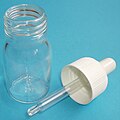
Bottles are commonly used for liquid pharmaceuticals as well as formed tablets and capsules. Glass is most common for liquids because it is inert and has excellent barrier properties. Various types of plastic bottles are used both by drug producers as well as by pharmacists in a pharmacy.

Prescription bottles have been around since the 19th century.[7] Throughout the 19th and 20th centuries, prescription medication bottles were called medicinal bottles.[7] There are many styles and shapes of prescription bottles.[7] Bottles would often include cotton to cushion powdery, breakable pills. In modern times, pills are coated, and thus the inclusion of a cotton ball is no longer necessary. The U.S. National Institute of Health recommends consumers remove any cotton balls from opened pill bottles, as cotton balls may attract moisture into the bottle.[8]

Prescription bottles come in several different colors, the most common of which being orange or light brown due to its ability to prevent ultraviolet light from degrading the potentially photosensitive contents through photochemical reactions, while still letting enough visible light through for the contents to be easily visible. Other common colors include: Clear (for compounds that don't degrade in light), blue, dark brown, green, and various opaque hues.[9]

Temperature

[edit]
Shipment of vaccine: PU insulated box, gel packs, temp monitor, etc.

Many pharmaceutical products are sensitive to heat or cold. Controlled distribution systems and sometimes cold chains are required.

A mail order or online pharmacy usually ships orders by mail services or by small parcel carrier. The shipment is not temperature-controlled and it may sit in a mail box upon delivery. Conditions can include high or low temperatures outside of the recommended storage conditions for certain products. For example, the USFDA found that the temperature in a steel mailbox painted black could reach 136 °F (58 °C) in full sun while the ambient air temperature was 101 °F (38 °C).[10] Insulated mailing envelopes are sometimes used.

Larger shipments are sent in insulated shipping containers with dry ice or gel packs. A digital temperature data logger or a time temperature indicator is often enclosed to monitor the temperature inside the container for its entire shipment.

Moisture

[edit]

Many dry pharmaceuticals are sensitive to moisture. Tablets may become unstable and the drug may degrade. High barrier packaging (including seals) is necessary but, by itself, is often not enough. Shelf life of a moisture-sensitive drug can be extended by means of desiccants.[11] Several types of dessicants are available; the type and quantity need to be matched to the particular drug and package. One common method is to include a small packet of dessicant in a bottle. Other methods of including desiccants attached to the inner surface or in the material have recently been developed.[12][13]

Counterfeiting

[edit]
Two drug packages appear to be identical in normal light
Selective UV wavelength identifies counterfeit package on left

Counterfeit drugs are a serious problem. People can potentially ingest useless or dangerous drugs without their knowledge. Custom package seals, authentication labels, holograms, and security printing can be valued parts of an entire security system.[14] They help verify that enclosed drugs are what the package says they are. Drug counterfeiters, however, often work with package counterfeiters, some of whom can be sophisticated. No packaging system is completely secure.

Prescription labels

[edit]

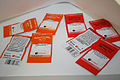
Medication packaging includes a document that provides information about that drug and its use. In the US, this information is overseen by the Center for Drug Research and Evaluation (CDER), a branch of the Food and Drug Administration (FDA). For prescription medications, the insert is technical, and provides information for medical professionals about how to prescribe the drug. Package inserts for prescription drugs often include a separate document called a "patient package insert" with information written in plain language intended for the end-user -- the person who will take the drug or administer the drug to another person. Inserts for over-the-counter medications are also written plainly.[15][16][17][18]

In the US the document is called "prescribing information" or the "package insert" (PI) and layperson's document is called the "patient package insert" (PPI).[15] In Europe the technical document is called the "summary of product characteristics" and the document for end-users is called the "package leaflet".[19]

The bottle or box also has information printed on it, intended for the person taking the medication.[18]

Packaging production

[edit]
Example pharmaceutical packaging line

All aspects of pharmaceutical production, including packaging, are tightly controlled and have regulatory requirements. Uniformity, cleanliness (washdown), sterility, and other requirements are needed to maintain Good Manufacturing Practices.

Product safety management is vital. A complete Quality Management System must be in place. Validation involves collecting documentary evidence of all aspects of compliance.[20] Hazard analysis and critical control points is a methodology which has been proven useful.[21] Quality assurance extends beyond the packaging operations through distribution and cold chain management; Good distribution practice is often a regulatory requirement. Track and trace systems are usually required.

With a large portion of pharmaceutical packaging being outsourced to contract packagers, additional demand is being placed on specialty areas, i.e. specialty dosage forms.[22]

Examples

[edit]

See also

[edit]

References

[edit]
[edit]
Revisions and contributorsEdit on WikipediaRead on Wikipedia
from Grokipedia
Drug packaging, also known as pharmaceutical packaging, encompasses the materials, containers, and components designed to enclose medicinal products from the point of manufacture through to their use by patients, ensuring the , , and of the drugs. It serves multiple critical functions, including to prevent leakage or of the product, against environmental factors such as , , oxygen, and physical damage, and facilitation of safe handling and administration. Common types include primary packaging, which directly contacts the drug (e.g., vials, ampoules, pre-filled syringes, infusion bags, packs), and secondary packaging, such as cartons or boxes that provide additional and labeling. Materials used in drug packaging are selected for compatibility with the and include for its inertness and transparency, plastics like (PVC) for flexibility and cost-effectiveness, metals for durability, and rubber for closures. Compared to metals, most plastics permit gradual permeation of moisture and oxygen, leading to potential degradation such as oxidation of vitamin C or hydrolysis of aspirin; in contrast, metals like aluminum provide superior, near-impermeable barriers against moisture, oxygen, and light, often enhanced by corrosion-resistant anodizing for better sealing. These materials must undergo rigorous testing to ensure they do not interact adversely with the drug, maintaining stability throughout the product's , often verified through stability studies under good manufacturing practices (GMP). Packaging innovations, such as tamper-evident seals and child-resistant features mandated by regulations like the U.S. Poison Prevention Packaging Act of 1970, aim to prevent accidental ingestion and unauthorized access while enhancing user safety. Regulatory oversight is paramount, with international bodies like the World Health Organization (WHO) providing guidelines on packaging standards to ensure medicines reach patients unaltered, and agencies such as the U.S. Food and Drug Administration (FDA) emphasizing clear labeling to minimize medication errors through legible fonts, contrast, and avoidance of look-alike designs. Packaging also incorporates informational elements, including patient package inserts and barcodes, to support proper dosing, storage, and identification. Overall, effective drug packaging balances preservation, accessibility, and compliance to safeguard public health.

Overview and Importance

Role in Drug Safety and Efficacy

Drug packaging encompasses the containers, labels, and materials designed to safeguard pharmaceutical products from environmental influences such as , , oxygen, and fluctuations throughout storage, transportation, and administration. This protective role is essential for upholding the physical and chemical integrity of medications, ensuring they retain their therapeutic properties until reaching the patient. Primary packaging, which directly contacts the drug, secondary packaging for grouping units, and tertiary packaging for bulk handling all contribute to this barrier function, with regulatory bodies like the FDA mandating compatibility to prevent leaching or interactions that could compromise . Key functions of drug packaging include maintaining drug stability by preventing degradation, facilitating accurate dosing through formats like unit-dose blister packs, and delivering critical information via labels for safe usage. For instance, packaging shields sensitive formulations from oxidative reactions that could reduce potency, as seen in oxygen-sensitive drugs like certain injectables or oral solids, where inert barriers such as aluminum foils or oxygen scavengers are employed to minimize and preserve . By averting chemical interactions between the drug and external agents or even the packaging itself, these materials ensure the active pharmaceutical ingredient remains unaltered, directly impacting the drug's absorption and in the body. Inadequate packaging contributes significantly to , particularly in low- and middle-income countries, where at least 1 in 10 medicines is substandard or falsified, often due to poor manufacturing, insufficient stability controls, or improper protection against environmental factors. Packaging failures can lead to reduced , , or altered dosing, exacerbating health risks and treatment failures in resource-limited settings. Furthermore, drug packaging enhances and by promoting adherence through user-friendly designs, such as easy-open features for individuals with limited dexterity or visual reminders on labels. Studies show that adherence packaging interventions, including simplified access and organized dispensing, can significantly improve compliance rates, reducing errors and supporting consistent therapeutic outcomes.

Historical Evolution

The origins of drug packaging trace back to ancient civilizations, where natural materials were employed to store and transport herbal remedies and ointments. In around 1500 BCE, clay pots and animal skins were commonly used to contain medicinal substances such as herbs and balms, providing basic protection against environmental factors while facilitating trade and preservation. These early methods relied on readily available resources like porous stone vessels and organic hides, marking the initial shift toward organized pharmaceutical containment. During the 19th century, the spurred significant advancements in drug packaging, particularly with the widespread introduction of glass bottles, which offered greater durability and transparency compared to earlier materials. Standardized glass vials and bottles became prevalent for storing liquid medicines and powders, enabling and safer distribution. In the , the Pharmacy Act of 1868 mandated that poisons be sold in labeled containers, requiring clear markings to warn users and prevent accidental , a direct regulatory response to rising concerns over toxic substances. This legislation, alongside innovations in glass manufacturing, laid the groundwork for modern safety standards in pharmaceutical containment. The brought transformative shifts driven by material innovations and safety imperatives. In , aluminum foils emerged as a barrier material for wrapping pharmaceuticals, providing enhanced protection against light and moisture while enabling flexible packaging formats. The 1950s saw the rise of plastics, with bottles introduced for their lightweight, shatter-resistant properties, revolutionizing the storage of oral medications and reducing breakage risks during transport. By the 1960s, blister packs gained prominence for unit-dose delivery, particularly for tablets like contraceptives, improving dosage accuracy and hygiene. Regulatory milestones further propelled evolution; the U.S. Poison Prevention Packaging Act of 1970 required child-resistant caps on hazardous drugs, drastically cutting pediatric poisonings. Key incidents accelerated security-focused changes. The 1982 Tylenol tampering crisis, where cyanide-laced capsules killed seven people, prompted the immediate adoption of tamper-evident seals across the industry, including foil liners and outer wraps, setting a global precedent for product integrity. In the early 2000s, technological progress led to the integration of RFID tags in pharmaceutical packaging for tracking, enhancing and combating counterfeiting amid growing . These developments were fueled by ongoing technological advancements, such as polymer synthesis, and regulatory responses to threats, ensuring packaging evolved from simple containment to sophisticated protective systems.

Types of Packaging

Primary Packaging Forms

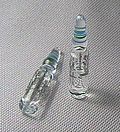
Primary packaging, often referred to as Primary Packaging Materials (PPM) in the context of parenteral preparations, refers to the components that come into direct contact with the pharmaceutical product, serving as the immediate container to protect the from environmental factors and ensure its stability and during storage and use. Examples include vials, ampoules, blister packs, bottles, syringes, and pouches, which are designed to maintain the drug's while minimizing interactions between the packaging material and the . In parenteral preparations, PPM refers to the materials in direct contact with the drug product, such as vials, pre-filled syringes, cartridges, infusion bags, ampoules, stoppers, plungers, and seals. These materials act as the primary barrier against external contaminants, ensuring drug stability, sterility, efficacy, safety, container closure integrity, and functionality throughout the product's shelf life, transport, and administration. Blister packs consist of thermoformed plastic cavities, typically made from (PVC) or PVC combined with (PVDC) for enhanced barrier properties, that are sealed with an aluminum foil lidding to enclose individual doses of solid oral medications such as tablets or capsules. These packs offer advantages like high visibility of the product for patient identification, precise portion control to reduce dosing errors, and improved compliance by facilitating unit-dose dispensing. In , blister packs account for approximately 85% of packaging for solid oral dosage forms, reflecting their widespread adoption due to cost-effectiveness and protective qualities. Bottles and vials are common for liquid and injectable formulations, with glass being preferred for its superior chemical inertness and impermeability. Type I vials, used primarily for injectables, provide high hydrolytic resistance to prevent leaching of ions that could alter pH or stability, making them suitable for sensitive parenteral products. In contrast, (HDPE) plastic bottles are widely used for oral liquids due to their lightweight nature, impact resistance, and moisture barrier properties, with typical capacities ranging from 5 mL to 500 mL depending on the dosage volume. Other primary packaging forms include pre-filled syringes for injectable drugs, which integrate the container and delivery mechanism to ensure accurate dosing and sterility; flexible pouches made from multilayer laminates for liquids or powders, offering portability and ease of use in applications like oral rehydration solutions; and strip packs, similar to blisters but in continuous foil-paper strips, for packaging tablets where space efficiency is key. Materials for primary packaging must exhibit inertness to avoid altering the drug's composition, with leachability rigorously tested under standards like those Pharmacopeia (USP) <661> and <1661> for plastics, which evaluate extractables through simulated extraction studies (e.g., limits often <5 ppm for acceptable safety). For glass, USP <660> assesses hydrolytic resistance, ensuring trace leaching (typically <10 ppm NaOH equivalent for Type I glass). These properties also contribute to basic protection against moisture ingress in forms like blister packs with PVDC layers. Note that as of December 1, 2025, USP <661> is being replaced by <661.1> (Plastics Materials of ) and <661.2> (Plastic Packaging Systems for Pharmaceutical Use) for enhanced evaluation of extractables and safety.

Secondary and Tertiary Packaging

Secondary packaging refers to the outer layer that encloses primary packaging units, such as individual blisters or bottles, without direct contact with the product itself. It serves to protect these primary units during handling, storage, and distribution to retail or end-users, while also facilitating branding, product identification, and inclusion of informational materials like package inserts or leaflets. Common examples of secondary packaging in pharmaceuticals include folding cartons made from printed , which provide a retail-ready and space for labeling, and shrink wraps or plastic overwraps used for bundling multiple primary units into multi-packs for efficient display and transport. These formats enhance logistical efficiency by grouping products and supporting processes, where unique identifiers are applied to track items through the and combat counterfeiting. Tertiary packaging, in contrast, consists of bulk containers designed for large-scale shipping and storage, aggregating multiple secondary packages to withstand the rigors of transportation. Examples include boxes for domestic distribution, wooden crates for international export, and palletized units wrapped in stretch film to secure loads during transit. These systems ensure the of pharmaceutical shipments over long distances, often adhering to international standards for durability. Materials for both secondary and tertiary packaging prioritize robustness and sustainability, such as recyclable for cartons and boxes, alongside films for overwraps that can be downgauged for reduced environmental impact. For hazardous pharmaceuticals, UN-certified boxes are commonly used, providing compliant outer protection when combined with inner packaging to prevent leaks or spills during shipment. Unlike primary packaging, which maintains direct and interacts with the to ensure stability, secondary and tertiary layers focus exclusively on logistical protection, such as cushioning against impacts and facilitating handling without influencing product efficacy. Testing standards like those from the International Safe Transit Association (ISTA) Series 3A validate these capabilities through simulated distribution hazards, including drop tests from heights varying by package weight (e.g., 8-30 inches or 200-760 mm, with lower heights such as 8-12 inches for heavier parcels up to 150 lb or 68 kg), to confirm resilience for pharmaceutical parcels up to 150 lb (68 kg).

Environmental Protection

Temperature Control

Maintaining precise is essential in drug packaging to preserve the stability and efficacy of temperature-sensitive pharmaceuticals. Many biologics and vaccines, such as insulin formulations and vaccines, require storage between 2°C and 8°C to prevent degradation. Temperature excursions outside this range can cause protein denaturation, leading to loss of therapeutic potency; for instance, insulin formulations exposed to temperatures above 30°C exhibit significant reductions in bioactivity, with studies showing up to 18% loss after exposure at 37°C for one to four weeks. This underscores the critical role of -controlled packaging in the pharmaceutical , where even brief deviations can render products ineffective. Packaging solutions for temperature regulation include insulated foam shippers, which provide thermal barriers using expanded , and gel packs that deliver cooling through phase-specific heat absorption. Phase-change materials (PCMs) represent an advanced option, designed to absorb or release at predetermined temperatures—such as 2-8°C for refrigerated biologics—via during phase transitions, offering more consistent protection than traditional refrigerants over extended periods. These materials are integrated into passive shipping systems to maintain stability during transit without relying on active power sources. Effective monitoring of temperature conditions is achieved through data loggers, including USB-enabled devices compliant with 21 CFR Part 11 regulations, which ensure electronic records' , security, and auditability for pharmaceutical applications. International standards, such as those from the (WHO), guide management; for example, vial monitors (VVMs) like VVM14 indicate viability for up to 14 days under controlled heat exposure at 37°C, helping to verify product post-shipment. For specialized ultra-low temperature needs, (solid CO2) is employed to achieve approximately -70°C, commonly for cryopreserved biologics, though it requires ventilated packaging to safely release sublimating CO2 gas and prevent asphyxiation risks. Vacuum-insulated panels (VIPs) enhance long-haul transport by minimizing through evacuated cores with low thermal conductivity, enabling extended durations at controlled temperatures. Challenges persist with highly heat-sensitive drugs like monoclonal antibodies, which are prone to aggregation and denaturation from thermal stress; stability is evaluated via accelerated studies under International Council for Harmonisation (ICH) guidelines, typically at 40°C and 75% relative humidity for 6 months, to predict and inform packaging design. As of 2025, advancements in thermostable formulations, such as lyophilized versions, allow storage at 2-8°C for extended periods, reducing reliance on ultra-cold chains and prompting innovations in for broader .

Moisture and Light Barriers

poses a significant risk to pharmaceutical stability, particularly for hygroscopic drugs that readily absorb from the environment, leading to chemical degradation such as . Aspirin, a classic example of a hygroscopic active pharmaceutical , undergoes in the presence of , converting to and acetic acid, which reduces its potency and . Similarly, vitamin C is prone to oxidation when exposed to oxygen permeating through packaging, decomposing into dehydroascorbic acid and further products that diminish its therapeutic value. This absorption is quantified through water vapor transmission rate (WVTR), a key metric for permeability measured in grams per square meter per day (g//day), where lower values indicate superior barriers essential for protecting sensitive formulations. In comparing materials for pill cases and similar packaging, plastics often permit gradual permeation of moisture and oxygen, lacking full airtightness and leading to oxidation or hydrolysis in sensitive drugs like vitamin C and aspirin, whereas metals such as aluminum provide near-impermeable barriers to moisture, oxygen, and light, with superior sealing properties that enhance long-term stability. To mitigate these risks, pharmaceutical packaging employs desiccants like packets, which absorb excess within sealed containers to maintain low and prevent degradation. Barrier films such as Aclar, a (PVDC) material, provide exceptional protection with WVTR values below 0.01 g/m²/day, often laminated with PVC for enhanced durability in packs. Sealed aluminum s, known as alu-alu packaging, offer nearly impermeable barriers to moisture ingress, ensuring long-term stability for highly sensitive drugs by combining foil lidding with cold-formable aluminum bases. Light exposure, particularly (UV) and visible wavelengths, can induce in photosensitive drugs, altering molecular structures and compromising therapeutic efficacy. exemplifies such vulnerability, where light accelerates decomposition into toxic byproducts like . Protective measures include amber glass containers, which block over 90% of UV radiation below 400 nm, thereby extending for light-sensitive injectables and oral solids. Opaque overwraps or foil laminates further shield products by preventing direct light penetration during storage and distribution. Photostability is rigorously assessed according to ICH Q1B guidelines, which mandate exposure to at least 1.2 million lux-hours of visible light and 200 watt-hours per square meter (Wh/m²) of UV light to simulate real-world conditions and evaluate packaging integrity. In cases of combined environmental threats, interactions between and oxygen can exacerbate oxidation in tablet formulations, where absorbed facilitates reactive oxygen species formation, leading to rancidity or discoloration unless mitigated by multi-layered barriers.

Security and Tamper-Evidence

Anti-Counterfeiting Technologies

drugs represent a significant threat, particularly in low- and middle-income countries where the estimates that approximately 1 in 10 medical products is substandard or falsified. These falsified products contribute to over 100,000 deaths annually, primarily from ineffective treatments for conditions like and . Anti-counterfeiting technologies in drug packaging aim to authenticate products and disrupt illicit supply chains by integrating verifiable features that are difficult to replicate. Track-and-trace systems form a of these technologies, utilizing to assign unique identifiers to individual drug packages. These identifiers, typically encoded in 2D barcodes such as DataMatrix, include product details like global trade item numbers (GTINs), serial numbers, batch information, and expiration dates, allowing stakeholders to monitor items from to dispensing. (RFID) tags complement barcodes by enabling wireless, real-time verification without direct scanning, facilitating inventory management and rapid authenticity checks in the . Overt authentication features like holograms and security inks provide visible deterrence against counterfeiting. Holograms incorporate optically variable devices (OVDs) that exhibit color-shifting effects and intricate three-dimensional images when viewed from different angles, making duplication challenging without specialized equipment. Security inks, including those with taggants, add layers of protection; for instance, DNA-based markers embedded in the ink serve as covert identifiers detectable only by proprietary readers, ensuring even if the packaging is altered. Advanced tamper-evident and digital solutions further enhance verification. Tamper-evident holograms integrate destructible layers that reveal patterns or voids upon removal, signaling unauthorized access while maintaining authentication properties. (NFC) chips embedded in packaging allow consumers and professionals to scan packages with smartphones, connecting to secure databases for instant authenticity confirmation without additional hardware. Regulatory frameworks have driven widespread adoption of these technologies. The European Union's Falsified Medicines Directive (2011/62/EU), implemented through a delegated regulation, requires unique identifiers and tamper-evident devices on , with mandatory verification systems operational since February 2019. In the United States, the Drug Security Act (DSCSA) of 2013 mandates a phased rollout of serialization and interoperable tracing, with full electronic, lot-level tracking enforcement extended to phased deadlines in 2025: manufacturers and repackagers by May 27, 2025; wholesale distributors by August 27, 2025; and dispensers with 26 or more full-time employees by November 27, 2025. Limited exemptions apply to smaller dispensers. These measures ensure that anti-counterfeiting features are standardized and enforceable across global supply chains.

Child-Resistant and Tamper-Evident Features

Child-resistant packaging is designed to prevent young children, particularly those aged 3 to 5, from accessing potentially harmful substances within a reasonable time frame, while allowing adults to open it without undue difficulty. Common mechanisms include push-and-turn caps, which require simultaneous downward pressure and rotation to disengage, typically applied to continuous-thread closures on bottles and jars. These differ from flip-top designs, which may incorporate locking features to achieve child resistance but are often used for dispensing liquids or powders where one-handed operation is preferred. The effectiveness of is rigorously tested under protocols such as the U.S. Consumer Product Safety Commission's (CPSC) 16 CFR 1700.20, which mandates that at least 85% of a panel of 50 children aged 42-51 months fail to open the package within 5 minutes, and at least 80% fail after 10 minutes, equating to a success rate of no more than 15% initially and 20% overall. Since the enactment of the Poison Prevention Packaging Act in 1970, which mandated such features for many household substances including drugs, child poisoning deaths in the U.S. have declined dramatically, from 216 annually in 1972 to an average of about 31 per year from 1973 to 2019, representing an approximately 86% reduction; however, deaths rose during the to an annual average of 82 in the 2021-2023 period per the CPSC's 2025 report. Tamper-evident features provide visible indicators of unauthorized access, enhancing consumer confidence in product integrity. Breakable seals, such as perforated bands or rings that fracture upon initial opening, are commonly integrated into caps and overwraps. Induction seals, applied to bottle necks via electromagnetic heating, create a foil-lined barrier that must be peeled away to access contents, leaving irreversible evidence of tampering. Perforated labels or shrink bands around container necks similarly tear or distort if disturbed, alerting users to potential contamination. Many designs combine child-resistant and tamper-evident functionalities for comprehensive protection. Roll-on pilfer-proof (ROPP) caps, often aluminum, feature a safety ring or band that breaks away during first removal, while the cap itself may include push-and-turn mechanisms for child resistance. These combined systems undergo standardized testing, such as under EN ISO 8317, which requires child panels to demonstrate low access rates (similar to CPSC protocols) and adult panels to achieve at least 90% success in opening within a maximum of 50 attempts across multiple trials. Special considerations address usability challenges, particularly for vulnerable populations. Adult-friendly child-resistant designs, such as EZ-Open caps with ergonomic grips or reduced torque requirements, aim to balance safety for children with accessibility for the elderly, who may struggle with standard push-and-turn mechanisms due to or diminished strength. For liquid formulations, compliant packaging often employs squeeze-and-turn or locking flip-top closures on bottles to prevent spills while maintaining child resistance, ensuring regulatory adherence for products like oral syrups.

Labeling and Regulatory Compliance

Prescription and Patient Labeling

Prescription drug packaging labeling serves to provide essential information for safe administration and use by healthcare professionals and patients. In the United States, the (FDA) mandates that labels on human s include the established name of the drug, its strength, and on the principal display panel, along with the quantity or volume of contents. Additional requirements encompass the , lot or batch number, and storage instructions to ensure product integrity and . Warnings, such as "Keep out of reach of children," must appear prominently to mitigate risks, particularly for pediatric exposure. In the , Directive 2001/83/EC outlines similar core elements for medicinal product labeling, requiring the name of the product, strength of active substances, posology, method of administration, expiry date, batch number, and specific warnings or precautions on the outer packaging. Primary labels are affixed directly to the immediate container, such as vials or bottles, while secondary labels appear on outer cartons to provide comprehensive details without cluttering the dispensing unit. A key accessibility feature is the inclusion of the product name in on the outer packaging, implemented to assist visually impaired users since 2005. Patient information leaflets (PILs) accompany prescription drugs to deliver detailed guidance beyond the label, covering therapeutic indications, contraindications, dosage instructions, potential side effects, storage conditions, and disposal advice. Under (EMA) guidelines, PILs must be written in clear, non-technical language, reflecting user testing for readability, and provided in the official language(s) of the target market; multilingual versions are common for global distribution. In the , equivalent materials include Guides or Patient Package Inserts for high-risk drugs, emphasizing adverse reactions and safe use. At the pharmacy level, labels added to dispensed prescriptions include patient-specific details such as the recipient's name, prescribing physician, specific directions for use (e.g., "Take one tablet daily"), refill instructions, and the 's contact information to facilitate adherence and follow-up. These elements must comply with the Portability and Accountability Act (HIPAA) Privacy Rule, which requires pharmacies—as covered entities—to protect (PHI) on labels from unauthorized disclosure, using measures like secure storage and disposal to prevent breaches. Recent innovations enhance labeling accessibility and safety. Quick Response (QR) codes on packaging link to digital PILs or interactive resources, such as dosage calculators or video instructions, as encouraged by the EMA for centrally authorized products to reduce paper waste while maintaining compliance. Color-coding schemes are emerging for highlighting allergenic excipients, like certain dyes or preservatives, on labels to alert sensitive patients, aligning with EMA requirements for listing such substances in PILs.

Global Regulatory Standards

Global regulatory standards for drug packaging ensure the , , and of pharmaceutical products by establishing requirements for materials, stability, tamper-evidence, and across international borders. These standards are developed and enforced by major regulatory bodies to address variations in manufacturing practices, environmental conditions, and counterfeit risks, facilitating harmonized compliance for multinational pharmaceutical operations. In the United States, the (FDA) regulates drug packaging under (CGMP) guidelines outlined in 21 CFR Parts 210 and 211, which mandate that containers and closures must not be reactive, additive, or absorptive in ways that alter the drug's safety, identity, strength, quality, or purity. These regulations require validation of container closure systems to prevent and ensure compatibility with the drug product, including testing for extractables and leachables that could migrate into the formulation. For significant packaging changes, such as modifications to primary containers that may impact , the FDA requires testing to demonstrate that the altered packaging does not affect the drug's therapeutic performance, as detailed in guidance on changes to approved New Drug Applications (NDAs) or Abbreviated New Drug Applications (ANDAs). In the , the (EMA) enforces standards through the (Ph. Eur.), which specifies requirements for packaging materials, including Chapter 3.2.1 on glass containers for pharmaceutical use, defining types based on hydrolytic resistance to ensure they do not interact adversely with drug contents. Additionally, under the Falsified Medicines Directive (FMD) implemented in 2019, serialization is mandatory for prescription medicines, requiring a (such as a 2D code) and tamper-evident features on outer packaging to verify authenticity and prevent falsification throughout the . The (WHO) provides guidelines for packaging in through its Prequalification Programme, which assesses primary and secondary packaging for quality, stability, and protection against environmental factors to ensure accessibility in low- and middle-income countries. WHO classifies global climates into stability zones: I (temperate, 21°C/45% RH), II (Mediterranean/subtropical, 25°C/60% RH), III (hot/dry, 30°C/35% RH), IVa (hot/humid, 30°C/65% RH), and IVb (hot/very humid, 30°C/75% RH)—requiring stability testing under zone-specific conditions to predict shelf-life and packaging performance in diverse regions. In other regions, China's (NMPA) requires appropriate labeling and anti-counterfeiting measures on drug packaging under the Drug Administration Law to combat falsified products and ensure integrity. The NMPA's Drug Traceability Guidance requires allocation of traceability codes to sales packaging units at each level. As of July 2025, traceability code scanning is enforced for drugs reimbursed under medical insurance. Similarly, India's Central Drugs Standard Control Organization (CDSCO) has required barcoding on drug packaging since 2011 as part of its System, applying initially to exports and later to domestic products to enable identification and reduce counterfeiting risks. In January 2025, mandatory barcoding provisions for exports were withdrawn by the (DGFT), with reliance on Ministry of Health and Family Welfare requirements and destination country measures, while domestic bar/QR codes remain mandated for specified formulations under the Drugs Rules, 1945. Harmonization efforts, such as those by the International Council for Harmonisation (ICH), promote consistency through guidelines like ICH Q1A(R2) on stability testing, which outlines protocols for assessing substances and products under various storage conditions to support global registration. The Product Quality Research Institute (PQRI) contributes by developing best practices for extractables and leachables from packaging, recommending safety thresholds and testing strategies to minimize risks across jurisdictions.

Manufacturing and Sustainability

Production Processes

The production of drug packaging involves a series of specialized techniques tailored to ensure sterility, precision, and compliance with pharmaceutical standards. These processes begin with preparation and forming, progressing to assembly and , and are scaled to meet demands from low-volume specialty items to high-throughput consumer products. Key methods include , molding, and , often integrated into automated lines to minimize risks. Blow molding is a primary process for creating plastic bottles used in pharmaceutical packaging, particularly those made from (PET). In this technique, PET preforms—pre-molded parisons—are heated to approximately 160-180°C in an oven before being stretched and inflated within a mold using high-pressure air to form the final bottle shape. This method allows for the production of lightweight, durable containers suitable for oral liquids and tablets, with the heating step ensuring uniform wall thickness and structural integrity. , another essential process, is widely employed for blister packs, where a sheet of , such as polyvinyl chloride (PVC), is heated to its softening point and then vacuum-formed into cavities over a mold. The cycle time for blisters typically ranges from 10 to 20 seconds per sheet, enabling efficient creation of protective cavities for solid-dose medications like tablets and capsules. Material sourcing for drug packaging often starts with to produce films and sheets. For instance, PVC films are extruded by feeding resin pellets into a screw extruder, where they are melted at temperatures between 180-200°C and forced through a die to form continuous flat sheets, which are then cooled and wound for later use in lidding or forming. To enhance barrier properties against oxygen and moisture, coatings like oxide (SiOx) are applied via techniques, such as (PECVD), where precursors are vaporized in a to deposit a thin, transparent layer on substrates. This process significantly improves the of sensitive drugs by reducing gas rates. Assembly of drug packaging occurs on integrated filling and sealing lines, where formed components are populated with product and sealed under controlled conditions. For blister packs, high-speed lines can achieve outputs of up to 400 blisters per minute, involving automated feeding of tablets into cavities, followed by heat-sealing with aluminum foil or lidding. , a critical step for traceability, is integrated into these lines using specialized printers that apply unique 2D barcodes or codes directly onto the packaging during or immediately after sealing, ensuring compliance with global anti-counterfeiting regulations. Quality control is embedded throughout production, with in-line vision systems employing cameras and algorithms to detect defects such as cracks, misalignments, or contamination in real-time, rejecting non-conforming units at speeds matching the line output. All processes must adhere to ISO 15378 standards, which specify good manufacturing practices (GMP) for primary packaging materials, including validation of equipment, environmental controls, and documentation to prevent mix-ups or adulteration. Production scales vary widely: small-batch glass vial forming uses the blow-and-blow method, where molten glass gobs are dropped into molds, blown to shape the interior, inverted, and blown again for the exterior, ideal for limited runs of injectable vials. In contrast, high-volume injection molding for components like barrels or closures involves injecting molten under into precision molds, enabling millions of units per run with tolerances as tight as 0.01 mm for medical-grade plastics.

Environmental Impact and Innovations

Drug packaging contributes significantly to , primarily through generation and non-recyclable materials. packs are a dominant form of pharmaceutical packaging for oral doses, with over 80% usage in and , often using PVC-aluminum laminates that are difficult to recycle due to their multi-layer composition. (PVDC)-coated PVC materials, commonly employed for moisture barriers, exacerbate this issue as they are non-recyclable and contribute to persistent . packaging, while recyclable, carries a notable ; for instance, production of vials for injectables generates substantial compared to alternatives. Regulatory frameworks aim to mitigate these impacts by imposing restrictions on hazardous substances and promoting waste reduction. The European Union's Packaging and Packaging Waste Directive 94/62/EC limits heavy metal concentrations in packaging materials, such as lead, , mercury, and , to prevent environmental contamination from pharmaceutical waste. This has been updated and expanded by the Packaging and Packaging Waste Regulation (PPWR) of 2025, which sets stricter targets, including making all packaging recyclable by 2030. In the United States, (EPR) laws in several states mandate take-back programs for , encouraging pharmaceutical manufacturers to manage end-of-life disposal and reduce contributions. Innovations in sustainable materials are addressing these challenges by shifting toward eco-friendly alternatives. Biodegradable polymers like (PLA), derived from renewable sources such as , offer compostable options for blister packs and containers, reducing reliance on fossil-based plastics. Recyclable mono-materials, particularly polypropylene (PP)-based films, have gained traction since the early 2020s, enabling easier sorting and processing in streams while maintaining barrier properties. The adoption of principles further enhances sustainability through reusable and customized solutions. Reusable vials for injectables demonstrate lower environmental impacts over their lifecycle compared to single-use , as assessed via life-cycle assessments (LCAs) following ISO 14040 standards. 3D-printed custom packaging allows for on-demand production with minimal material waste, supporting reduced over-packaging in pharmaceutical supply chains. Despite these advancements, key challenges persist in balancing sterility requirements with eco-friendliness. Sustainable materials must withstand rigorous sterilization processes without compromising drug integrity, a hurdle that increases costs and limits adoption. The is working toward net-zero emissions by 2050, with goals to reduce emissions by approximately 64% by 2030 from 2022 levels, driving further innovation in the sector.

References

Add your contribution
Related Hubs
User Avatar
No comments yet.