Mucus
Mucus
Main page
2190106

Mucus

logo
Community Hub0 subscribers
Read side by side
from Wikipedia
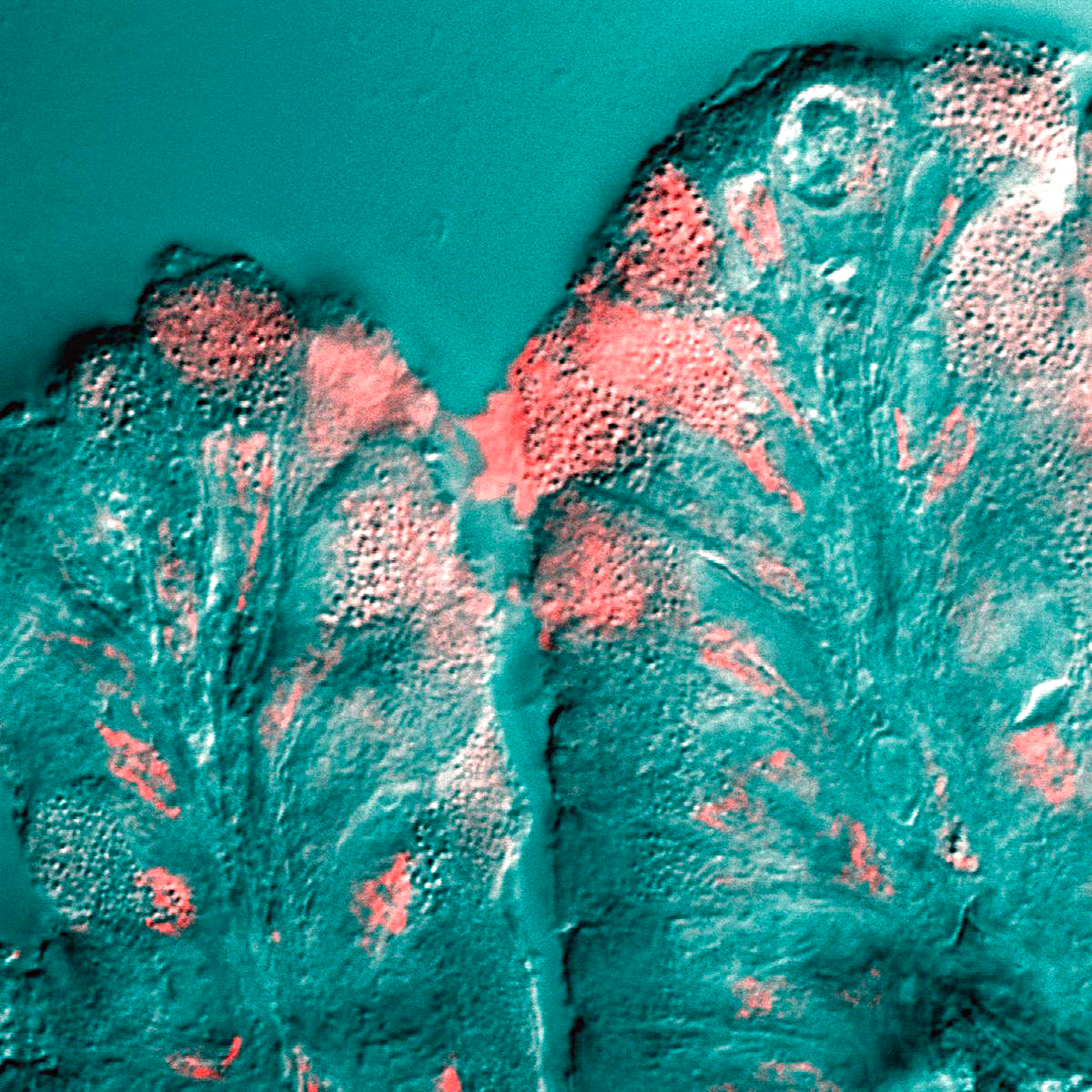
Mucous cells of the stomach lining secrete mucus (pink) into the lumen

Mucus (/ˈmjkəs/, MEW-kəs) is a slippery aqueous secretion produced by, and covering, mucous membranes. It is typically produced from cells found in mucous glands, although it may also originate from mixed glands, which contain both serous and mucous cells. It is a viscous colloid containing inorganic salts, antimicrobial enzymes (such as lysozymes), immunoglobulins (especially IgA), and glycoproteins such as lactoferrin[1] and mucins, which are produced by goblet cells in the mucous membranes and submucosal glands. Mucus covers the epithelial cells that interact with outside environment,[2] serves to protect the linings of the respiratory, digestive, and urogenital systems, and structures in the visual and auditory systems from pathogenic fungi, bacteria[3] and viruses. Most of the mucus in the body is produced in the gastrointestinal tract.

Amphibians, fish, snails, slugs, and some other invertebrates also produce external mucus from their epidermis as protection against pathogens, to help in movement, and to line fish gills. Plants produce a similar substance called mucilage that is also produced by some microorganisms.[4]

Respiratory system

[edit]
Illustration depicting the movement of mucus in the respiratory tract

In the human respiratory system, mucus is part of the airway surface liquid (ASL), also known as epithelial lining fluid (ELF), that lines most of the respiratory tract. The airway surface liquid consists of a sol layer termed the periciliary liquid layer and an overlying gel layer termed the mucus layer. The periciliary liquid layer is so named as it surrounds the cilia and lies on top of the surface epithelium.[5][6][7] The periciliary liquid layer surrounding the cilia consists of a gel meshwork of cell-tethered mucins and polysaccharides.[8] The mucus blanket aids in the protection of the lungs by trapping foreign particles before they can enter them, in particular through the nose during normal breathing.[9]

Mucus is made up of a fluid component of around 95% water, the mucin secretions from the goblet cells, and the submucosal glands (2–3% glycoproteins), proteoglycans (0.1–0.5%), lipids (0.3–0.5%), proteins, and DNA.[8] The major mucins secreted – MUC5AC and MUC5B - are large polymers that give the mucus its rheologic or viscoelastic properties.[8][5] MUC5AC is the main gel-forming mucin secreted by goblet cells, in the form of threads and thin sheets. MUC5B is a polymeric protein secreted from submucosal glands and some goblet cells, and this is in the form of strands.[10][11]

In the airways—the trachea, bronchi, and bronchioles—the lining of mucus is produced by specialized airway epithelial cells called goblet cells, and submucosal glands. Small particles such as dust, particulate pollutants, and allergens, as well as infectious agents and bacteria are caught in the viscous nasal or airway mucus and prevented from entering the system. This process, together with the continual movement of the cilia on the respiratory epithelium toward the oropharynx (mucociliary clearance), helps prevent foreign objects from entering the lungs during breathing. This explains why coughing often occurs in those who smoke cigarettes. The body's natural reaction is to increase mucus production. In addition, mucus aids in moisturizing the inhaled air and prevents tissues such as the nasal and airway epithelia from drying out.[12]

Mucus is produced continuously in the respiratory tract. Mucociliary action carries it down from the nasal passages and up from the rest of the tract to the pharynx, with most of it being swallowed subconsciously. Sometimes in times of respiratory illness or inflammation, mucus can become thickened with cell debris, bacteria, and inflammatory cells. It is then known as phlegm which may be coughed up as sputum to clear the airway.[13][14]

Respiratory tract

[edit]

Increased mucus production in the upper respiratory tract is a symptom of many common ailments, such as the common cold, and influenza. Nasal mucus may be removed by blowing the nose or by using nasal irrigation. Excess nasal mucus, as with a cold or allergies, due to vascular engorgement associated with vasodilation and increased capillary permeability caused by histamines,[15] may be treated cautiously with decongestant medications. Thickening of mucus as a "rebound" effect following overuse of decongestants may produce nasal or sinus drainage problems and circumstances that promote infection.

During cold, dry seasons, the mucus lining nasal passages tends to dry out, meaning that mucous membranes must work harder, producing more mucus to keep the cavity lined. As a result, the nasal cavity can fill up with mucus. At the same time, when air is exhaled, water vapor in breath condenses as the warm air meets the colder outside temperature near the nostrils. This causes an excess amount of water to build up inside nasal cavities. In these cases, the excess fluid usually spills out externally through the nostrils.[16]

3D render showing accumulated mucus in the airways

In the lower respiratory tract impaired mucociliary clearance due to conditions such as primary ciliary dyskinesia may result in mucus accumulation in the bronchi.[17] The dysregulation of mucus homeostasis is the fundamental characteristic of cystic fibrosis, an inherited disease caused by mutations in the CFTR gene, which encodes a chloride channel. This defect leads to the altered electrolyte composition of mucus, which triggers its hyperabsorption and dehydration. Such low-volume, viscous, acidic mucus has a reduced antimicrobial function, which facilitates bacterial colonisation.[18] The thinning of the mucus layer ultimately affects the periciliary liquid layer, which becomes dehydrated, compromising ciliary function, and impairing mucociliary clearance.[17][18] A respiratory therapist can recommend airway clearance therapy which uses a number of clearance techniques to help with the clearance of mucus.[19]

Mucus hypersecretion

[edit]

In the lower respiratory tract excessive mucus production in the bronchi and bronchioles is known as mucus hypersecretion.[11] Chronic mucus hypersecretion results in the chronic productive cough of chronic bronchitis,[20] and is generally synonymous with this.[21] Excessive mucus can narrow the airways, limit airflow, and accelerate a decline in lung function.[11]

Digestive system

[edit]
Gastric glands are composed of epithelial cells (B), chief cells (D), and parietal cells (E). The chief and parietal cells produce and secrete mucus (F) to protect the lining of the stomach (C) against the harsh pH of stomach acid. The mucus is basic, while the stomach acid (A) is acidic.

In the human digestive system, mucus is used as a lubricant for materials that must pass over membranes, such as food passing down the esophagus. Mucus is extremely important in the gastrointestinal tract. It forms an essential layer in the colon and in the small intestine that helps reduce intestinal inflammation by decreasing bacterial interaction with intestinal epithelial cells.[22] The gastric glands in the gastric mucosa produce gastric juice which contains digestive enzymes and gastric acid which can damage the stomach wall. A thick layer of protective mucus is secreted by some gastric glands. This alkaline mucus lines the stomach and helps to form the gastric mucosal barrier, vital in the protection of the stomach wall.[23]

Reproductive system

[edit]

In the human female reproductive system, cervical mucus prevents infection and provides lubrication during sexual intercourse. The consistency of cervical mucus varies depending on the stage of a woman's menstrual cycle. At ovulation cervical mucus is clear, runny, and conducive to sperm; post-ovulation, mucus becomes thicker and is more likely to block sperm. Several fertility awareness methods rely on observation of cervical mucus, as one of three primary fertility signs, to identify a woman's fertile time at the mid-point of the cycle. Awareness of the woman's fertile time allows a couple to time intercourse to improve the odds of pregnancy. It is also proposed as a method to avoid pregnancy.[24]

Clinical significance

[edit]

In general, nasal mucus is clear and thin, serving to filter air during inhalation. During times of infection, mucus can change color to yellow or green either as a result of trapped bacteria[25] or due to the body's reaction to viral infection. For example, Staphylococcus aureus infection may turn the mucus yellow.[26] The green color of mucus comes from the heme group in the iron-containing enzyme myeloperoxidase secreted by white blood cells as a cytotoxic defense during a respiratory burst.

In the case of bacterial infection, the bacterium becomes trapped in already-clogged sinuses, breeding in the moist, nutrient-rich environment. Sinusitis is an uncomfortable condition that may include congestion of mucus. A bacterial infection in sinusitis will cause discolored mucus and would respond to antibiotic treatment; viral infections typically resolve without treatment.[27] Almost all sinusitis infections are viral and antibiotics are ineffective and not recommended for treating typical cases.[28]

In the case of a viral infection such as cold or flu, the first stage and also the last stage of the infection cause the production of a clear, thin mucus in the nose or back of the throat. As the body begins to react to the virus (generally one to three days), mucus thickens and may turn yellow or green.

Obstructive lung diseases often result from impaired mucociliary clearance that can be associated with mucus hypersecretion, and these are sometimes referred to as mucoobstructive lung diseases.[29] Techniques of airway clearance therapy can help to clear secretions, maintain respiratory health, and prevent inflammation in the airways.[19]

A unique umbilical cord lining epithelial stem cell expresses MUC1, termed (CLEC-muc). This has been shown to have good potential in the regeneration of the cornea.[30][31]

Properties of mucus

[edit]

Tunable swelling capacity

[edit]

Mucus is able to absorb water or dehydrate through pH variations. The swelling capacity of mucus stems from the bottlebrush structure[32] of mucin within which hydrophilic segments provide a large surface area for water absorption. Moreover, the tunability of swelling effect is controlled by polyelectrolyte effect.

Polyelectrolyte effect in mucus

[edit]

Polymers with charged molecules are called polyelectrolytes. Mucins, a kind of polyelectrolyte proteoglycans, are the main component of mucus, which provides the polyelectrolyte effect in mucus.[33] The process of inducing this effect comprises two steps: attraction of counter-ions and water compensation. When exposed in physiological ionic solution, the charged groups in the polyelectrolytes attract counter-ions with opposite charges, thereby leading to a solute concentration gradient. An osmotic pressure is introduced to equalize the concentration of solute throughout the system by driving water to flow from the low concentration areas to the high concentration areas. In short, the influx and outflux of water within mucus, managed by the polyelectrolyte effect, contribute to mucus' tunable swelling capacity.[34]

Mechanism of pH-tunable swelling

[edit]

The ionic charges of mucin are mainly provided by acidic amino acids including aspartic acid (pKa=3.9) and glutamic acid (pKa=4.2). The charges of acidic amino acids will change with environmental pH value due to acid dissociation and association. Aspartic acid, for example, has a negative side chain when the pH value is above 3.9, while a neutrally charged side chain will be introduced as pH value drops below 3.9. Thus, the number of negative charges in mucus is influenced by the pH value of surrounding environment. That is, the polyelectrolyte effect of mucus is largely affected by the pH value of solution due to the charge variation of acidic amino acid residues on the mucin backbone. For instance, the charged residue on mucin is protonated at a normal pH value of the stomach, approximately pH 2. In this case, there is scarcely polyelectrolyte effect, thereby causing compact mucus with little swelling capacity. However, a kind of bacteria, Helicobacter pylori, is prone to producing base to elevate the pH value in stomach, leading to the deprotonation of aspartic acids and glutamic acids, i.e., from neutral to negative-charged. The negative charges in the mucus greatly increase, thus inducing the polyelectrolyte effect and the swelling of the mucus. This swelling effect increases the pore size of the mucus and decreases mucus' viscosity, which allows bacteria to penetrate and migrate into the mucus and cause disease.[35]

Charge selectivity

[edit]

The high selective permeability of mucus plays a crucial role in the healthy state of human beings by limiting the penetration of molecules, nutrients, pathogens, and drugs. The charge distribution within mucus serves as a charge selective diffusion barrier, thus significantly affecting the transportation of agents. Among particles with various surface zeta potentials, cationic particles tend to have a low depth of penetration, neutral ones possess medium penetration, and anionic ones have the largest penetration depth. Furthermore, the effect of charge selectivity changes when the status of the mucus varies, i.e., native mucus has a threefold higher potential to limit agent penetration than purified mucus.[36]

Other animals

[edit]

Mucus is also produced by a number of other animals.[37] All fish are covered in mucus secreted from glands all over their bodies.[38] Invertebrates such as snails and slugs secrete mucus called snail slime to enable movement, and to prevent their bodies from drying out. Their reproductive systems also make use of mucus for example in the covering of their eggs. In the unique mating ritual of Limax maximus the mating slugs lower themselves from elevated locations by a mucus thread. Mucus is an essential constituent of hagfish slime used to deter predators.[39] Mucus is produced by the endostyle in some tunicates and larval lampreys to help in filter feeding.

See also

[edit]

References

[edit]
Revisions and contributorsEdit on WikipediaRead on Wikipedia
from Grokipedia
Mucus is a viscous, gel-like substance primarily composed of water, mucins, salts, lipids, and cellular debris, secreted by specialized epithelial cells to form a protective hydrogel layer on mucosal surfaces throughout the body, including the respiratory, gastrointestinal, and urogenital tracts.[1] This slippery secretion, typically 97-99% water with mucins making up about 0.5-1% of its solids, provides lubrication and hydration to prevent tissue desiccation while acting as a physical barrier against environmental insults.[2] Mucins, the key glycoproteins in mucus, are high-molecular-weight proteins heavily glycosylated with carbohydrates (75-90% by mass), enabling the viscoelastic properties essential for its gel-forming structure and encoded by genes such as MUC5AC and MUC5B.[3] Produced mainly by goblet cells in the epithelium and submucosal glands, mucus is synthesized in the rough endoplasmic reticulum and Golgi apparatus before secretion via exocytosis, often stimulated by inflammatory signals like cytokines (e.g., IL-13) or neural agonists.[1] In the airways, for instance, it traps inhaled particles, bacteria, and viruses—up to 10^6 to 10^10 daily—facilitating their removal through mucociliary clearance, where cilia beat at 10-20 Hz to propel the mucus layer at rates of about 50 µm/s. In the nasal passages, clear and sometimes stretchy mucus is a normal protective secretion, often associated with factors such as allergies or irritants, and typically indicates health rather than infection unless accompanied by symptoms like fever, pain, or colored mucus.[4][2] Beyond mechanical defense, mucus supports a diverse microbiota by housing trillions of microbes, regulates immune responses, aids wound healing, and in the stomach prevents self-digestion by protecting the epithelium from acidic contents.[1] Dysregulation of mucus production or hydration, as seen in conditions like cystic fibrosis where mutations in the CFTR gene lead to abnormally thick mucus, underscores its critical role in maintaining organ homeostasis and preventing infection.[5]

Definition and Composition

Definition and General Role

Mucus is a viscous, gel-like substance secreted by specialized epithelial cells, primarily goblet cells and mucous glands, that lines the mucosal surfaces of various organs in animals. Goblet cells, named for their cup-shaped appearance, are unicellular exocrine structures found in the epithelium of the respiratory, gastrointestinal, and other tracts, where they synthesize and release mucin glycoproteins to form this protective layer.[6] Mucous glands, in contrast, are multicellular submucosal structures, such as those in the airways and salivary tissues, that produce and secrete mucus in larger volumes through coordinated cellular activity.[7] This secretion coats wet epithelial interfaces, creating a dynamic hydrogel that adapts to environmental challenges.[1] The primary roles of mucus revolve around protection and maintenance of physiological balance across organisms. It serves as a physical barrier that traps and removes pathogens, particles, and toxins, preventing their adhesion to underlying tissues and facilitating their expulsion.[8] Additionally, mucus provides mechanical protection against abrasion and shear forces, lubricates surfaces to enable smooth movement—such as in the digestive tract or during ciliary beating—and maintains hydration of epithelial layers to support cellular function.[1] For instance, in the respiratory system, mucus contributes to mucociliary clearance by entrapping inhaled debris for removal.[9] These functions collectively safeguard interfaces between the internal environment and external threats.[8] Evolutionarily, mucus represents an ancient adaptation in metazoans, emerging as early as in cnidarians and ctenophores to protect epithelial surfaces at environmental interfaces and support ciliary feeding mechanisms.[8] This conserved trait has persisted across phyla, with mucin-like proteins possibly predating even sponges, underscoring its fundamental role in multicellular life.[8] Mucus is distinct from related secretions like saliva, which is a mixed fluid containing both mucous and serous components for oral lubrication and digestion, or purely serous fluids, which are watery and protein-rich without the gel-forming mucins.[10][7]

Chemical Composition

Mucus is primarily an aqueous secretion, consisting of approximately 95% water, which provides its hydrated nature and facilitates the suspension of other components. The remaining 5% comprises solids, predominantly mucins at 2-3%, along with electrolytes such as sodium (Na⁺) and chloride (Cl⁻) ions that contribute to ionic balance and osmotic properties.[11][12][13] Mucins are high-molecular-weight glycoproteins characterized by O-linked oligosaccharides attached to a core protein backbone, forming densely glycosylated domains. These domains create an extended, bottlebrush-like polymeric structure, with the carbohydrate chains comprising up to 80% of the mucin mass by weight and enabling entanglement for gel formation.[14][15] Analysis of human nasal mucus has revealed sixteen amino acids consistently present in the following order of decreasing abundance: proline, glutamic acid, glycine, serine, leucine, lysine, alanine, threonine, aspartic acid, valine, arginine, phenylalanine, tryptophan, tyrosine, isoleucine, histidine. Nasal mucus exhibits a relatively high proline content, balanced by lower threonine and serine levels than other mucus types, as well as higher glutamic and aspartic acid contents but lower alanine and valine compared to free amino acids in blood plasma.[16] Other constituents include lipids, which reduce surface tension and stabilize the gel; antimicrobial peptides such as defensins and lysozyme for innate defense; and minor amounts of entrapped cells or cellular debris.[13][17][9] The composition of mucus varies by secretion site to suit local physiological demands; for instance, gastric mucus exhibits notable lipid content.[18][17]

Physical Structure

Mucus exhibits a hierarchical supramolecular organization, where mucin polymers serve as the foundational building blocks that entangle to create a porous, cross-linked gel network. These long, bottlebrush-like mucin molecules, primarily MUC5AC and MUC5B in respiratory and gastrointestinal tracts, form linear chains that associate through end-to-end linkages and intermolecular interactions, resulting in a three-dimensional mesh with characteristic pore sizes ranging from 50 to 500 nm. This network architecture provides the structural basis for mucus's barrier properties, allowing selective permeability while maintaining mechanical integrity.[19][20][21] Non-mucin components play a crucial role in stabilizing this gel structure, particularly by enhancing its elasticity and rigidity. Extracellular DNA and filamentous actin (F-actin) released from neutrophils and other inflammatory cells integrate into the mucin network, forming bundled polymers that reinforce the mesh and contribute to the overall viscoelastic framework, especially in inflamed or diseased states such as cystic fibrosis. These elements can increase the gel's cross-linking density, modulating its mechanical properties without altering the primary mucin scaffold.[11][22] The physical assembly of mucus involves dynamic sol-gel transitions that govern its deployment in biological contexts. During secretion from glandular cells, mucus exists as a low-viscosity sol phase, facilitated by high intracellular calcium concentrations that maintain compact mucin storage; upon release into the extracellular environment, dilution, pH shifts, or exposure to ions such as calcium triggers expansion and gelation through reduced electrostatic repulsion and enhanced intermolecular associations. This transition enables rapid adaptation from a fluid state for ejection to a cohesive gel for surface coating.[23][24] Microscopy techniques have elucidated the fine details of this gel architecture. Electron microscopy, including scanning and transmission variants, reveals fibrillar networks composed of bundled mucin fibers and associated filaments, with observable mesh-like patterns in native samples preserved under cryogenic conditions. Complementarily, atomic force microscopy provides high-resolution surface topography, imaging individual mucin molecules and network features at the nanoscale to quantify fibril dimensions and pore distributions without the need for dehydration artifacts.[25][26][27]

Functions in the Human Body

Respiratory Functions

In the respiratory epithelium, mucus forms a biphasic layer that facilitates efficient mucociliary transport. The lower periciliary sol layer, characterized by low viscosity, surrounds the cilia and allows for optimal beating, while the upper gel layer, with high viscosity, traps inhaled particles, allergens, and microbes. This structure, with the sol layer typically 5-10 µm thick and the gel layer around 5 µm, maintains a protective barrier over the airway surface.[28][9] In the nasal cavity, part of the upper respiratory tract, mucus serves as the initial protective barrier against inhaled substances. The nose and sinuses produce approximately 1 liter (about 1 quart) of mucus daily, most of which is moved backward by cilia and swallowed unnoticed. Nasal mucus in healthy individuals is typically clear, which is a sign of normal respiratory function. It is usually thin and watery but can appear stretchy or stringy due to factors such as allergies, environmental irritants, dry air, or dehydration. Clear, stretchy nasal mucus is generally normal and healthy, usually indicating no infection unless accompanied by symptoms such as fever, pain, or colored (yellow or green) mucus.[29][30] Mucus in the airways captures environmental threats such as dust, pathogens, and irritants, enabling their removal through mucociliary clearance. Ciliated epithelial cells beat their cilia at frequencies of 10-20 Hz, generating a metachronal wave that propels the mucus gel layer toward the pharynx at rates of 5-20 mm/min, depending on airway region and conditions. This coordinated transport, occurring continuously in healthy lungs, clears approximately 10-20 mL of mucus daily from the lower airways alone.[31][32] Hydration of the mucus layer is tightly regulated to achieve the appropriate viscosity for clearance, primarily through the actions of the cystic fibrosis transmembrane conductance regulator (CFTR) channel and the epithelial sodium channel (ENaC). CFTR promotes chloride and bicarbonate secretion into the airway surface liquid, which draws water osmotically to hydrate the mucus, while simultaneously inhibiting ENaC-mediated sodium absorption to prevent dehydration. This balance ensures the periciliary layer remains fluid, supporting ciliary function and preventing mucus stagnation.[33][34] During respiratory infections or irritation, mucus secretion adapts via neural and inflammatory pathways to enhance protection. Neural signals, such as those mediated by vasoactive intestinal peptide (VIP) from parasympathetic nerves, stimulate goblet cells and submucosal glands to increase mucus production, aiding in pathogen entrapment. Concurrently, inflammatory cytokines like interleukin-13 (IL-13), released by T helper 2 cells in response to allergens or viral infections, upregulate mucin gene expression (e.g., MUC5AC), promoting goblet cell metaplasia and heightened secretion to bolster the innate immune response.[35][36] When nasal mucus remains in the nostrils and dries out due to exposure to air, low humidity, or other factors, it hardens into clumps commonly known as boogers (or dried nasal mucus). These consist primarily of dried mucus incorporating trapped airborne particles such as dust, pollen, bacteria, viruses, and debris filtered by the nasal passages. The formation of boogers demonstrates the effective protective function of nasal mucus, which traps potential irritants and pathogens before they can reach the lungs. In everyday terms, the presence of boogers indicates that the nose is performing its role as a frontline filter in the respiratory defense system. Most mucus is moved by cilia and swallowed unnoticed, but dried portions in the anterior nose become visible as boogers. \nWhen nasal mucus remains in the nostrils and dries out due to exposure to air, low humidity, or other factors, it hardens into clumps commonly known as boogers (or dried nasal mucus). These consist primarily of dried mucus incorporating trapped airborne particles such as dust, pollen, bacteria, viruses, and debris filtered by the nasal passages. The formation of boogers demonstrates the effective protective function of nasal mucus, which traps potential irritants and pathogens before they can reach the lungs. In everyday terms, the presence of boogers indicates that the nose is performing its role as a frontline filter in the respiratory defense system. Most mucus is moved by cilia and swallowed unnoticed, but dried portions in the anterior nose become visible as boogers.

Gastrointestinal Functions

In the gastrointestinal tract, mucus forms a protective barrier that varies by region, with the colon featuring a distinct two-layered structure consisting of a firm inner adherent layer and a loose outer layer. The inner layer, approximately 50 μm thick, is sterile and primarily composed of mucin glycoproteins, particularly MUC2, which anchors it firmly to the epithelium and prevents bacterial penetration. The outer layer is less structured, allowing habitation by the microbiota, and the total mucus thickness in the colon ranges from 50 to 800 μm, enabling separation of the epithelium from luminal contents while supporting microbial ecology. Mucus provides essential protection against acids, digestive enzymes, and pathogens throughout the GI tract, with specialized mechanisms in the stomach where gastric mucus, secreted by surface epithelial cells, works in concert with bicarbonate ions to neutralize hydrochloric acid. Bicarbonate secretion from the epithelium creates a pH gradient across the mucus layer, maintaining a near-neutral pH of approximately 7 at the epithelial surface despite the acidic luminal environment (pH 1-2), thus shielding cells from autodigestion and microbial invasion.[37] This barrier also traps and immobilizes pathogens, facilitating their clearance without direct contact with the underlying tissue.[38] Beyond protection, mucus lubricates the GI tract to support smooth peristalsis and the movement of the food bolus, reducing friction between the epithelium and contents. In the oral cavity, salivary mucus, rich in MUC5B and MUC7, initiates this lubrication by coating the bolus for easier swallowing and initial transit. This lubricating function extends distally, where intestinal mucus ensures efficient propulsion through the tract.[38] Mucus also modulates nutrient absorption by regulating microbial access to the epithelium, particularly in the small intestine where a single, discontinuous layer with a mesh network featuring pore sizes on the order of 100-500 nm allows passage of nutrients while being penetrable to bacteria. This selective permeability supports optimal digestion and uptake without compromising barrier integrity.[39] Site-specific adaptations further enhance these roles; for instance, salivary mucus primarily facilitates initial bolus lubrication, while intestinal mucus promotes immune tolerance by binding secretory immunoglobulin A (IgA), which coats commensal bacteria in the outer layer and prevents inflammatory responses to the microbiota.

Reproductive Functions

In the female reproductive tract, cervical mucus undergoes cyclical changes driven by hormonal fluctuations, playing a pivotal role in fertility. During the follicular phase, rising estrogen levels stimulate the production of abundant, watery cervical mucus that facilitates sperm transport toward the ovum. This estrogen-dominated mucus exhibits a characteristic ferning pattern when dried on a slide, due to the alignment of mucin proteins under the influence of electrolytes, which correlates with peak fertility around ovulation.[40][41] In contrast, post-ovulation, progesterone induces a shift to thicker, more viscous mucus that forms a barrier, inhibiting sperm penetration and protecting the uterine environment from potential pathogens or excess sperm.[42] Cervical mucus also interacts with seminal fluid to support sperm function essential for fertilization. Components within the mucus, such as specific glycoproteins and ions, promote sperm capacitation—a process involving membrane remodeling and hyperactivated motility that enables sperm to navigate the reproductive tract and undergo the acrosome reaction.[43] Studies indicate that this mucus conserves sperm viability and enhances progressive motility compared to seminal plasma alone, allowing motile sperm to advance while immobilizing less viable ones.[44] These interactions ensure that only competent sperm reach the site of fertilization. Beyond fertility facilitation, cervical and vaginal mucus provide antimicrobial defense in the reproductive tract, preventing ascending infections that could compromise uterine health. The acidic environment maintained by lactic acid produced by Lactobacillus-dominated vaginal microbiota inhibits pathogen growth, with pH levels around 3.5-4.5 conferring broad-spectrum antibacterial effects.[45] Additionally, mucus incorporates antimicrobial peptides like human β-defensins, which are secreted by epithelial cells and exhibit activity against bacteria, viruses, and fungi, thereby safeguarding the vaginal and cervical barriers.[46] This protective role is crucial during vulnerable periods, such as post-coitus when seminal fluid introduces potential microbes. From an evolutionary perspective, cervical mucus acts as a selective filter for sperm quality in mammals, influencing mate choice at the gametic level. In humans and other species, the mucus's viscoelastic properties impede abnormally shaped or low-motility sperm, favoring those with superior morphology and genetic compatibility, such as HLA-dissimilar profiles that promote immune diversity in offspring.[47][44] This mechanism likely evolved to optimize reproductive success by reducing the transmission of deleterious traits, as evidenced in comparative studies across mammals where mucus barriers correlate with post-copulatory sperm competition.[48]

Functions in Other Systems

In the ocular system, mucus forms a critical component of the tear film, where the mucin layer, primarily composed of gel-forming mucins such as MUC5AC and MUC5B secreted by conjunctival goblet cells, stabilizes the interface between the lipid and aqueous layers. This stabilization ensures even distribution of the tear film across the corneal surface, providing a smooth refractive medium that maintains optical clarity and prevents desiccation of the ocular surface. The mucins contribute to hydration by binding water molecules and offer lubrication during blinking, reducing shear forces on the epithelium and thereby averting conditions like dry eye through anti-adhesive properties that limit microbial attachment. Goblet cells in the conjunctiva respond to neural and inflammatory stimuli to regulate mucin secretion, ensuring dynamic adaptation to environmental challenges such as low humidity or irritants.[49][50][51] In the urinary tract, a thin mucus layer coats the urothelium of the bladder, composed largely of glycosaminoglycans (GAGs) such as chondroitin sulfate and hyaluronic acid, which form a protective barrier against urinary solutes. This layer shields the underlying epithelium from crystal formation and aggregation, such as calcium oxalate or struvite, by maintaining a negatively charged surface that repels positively charged ions and prevents encrustation. Additionally, the GAGs exhibit anti-adhesive qualities that inhibit bacterial adherence, particularly from uropathogens like Escherichia coli, by masking receptor sites on the urothelial cells and promoting clearance through voiding. The mucus integrity is maintained by superficial urothelial cells that replenish the layer, ensuring impermeability to urine toxins while allowing selective permeability for nutrient exchange.[52][53][54] Beyond major organ systems, mucus plays minor protective roles in oral and nasal extensions related to sensory functions. In the oral cavity, salivary mucins coat the lingual papillae and protect taste buds from mechanical abrasion during mastication and from microbial invasion by forming a viscoelastic barrier that enhances solubility of tastants for receptor activation. This lubrication also facilitates the dispersion of food particles across taste receptors, supporting gustatory perception while preventing desiccation of the mucosal surface. In the nasal cavity's olfactory region, mucus secreted by Bowman's glands lubricates the olfactory epithelium, creating a solvent medium that dissolves odorants for binding to receptors on cilia and protects sensory neurons from airborne particulates and pathogens. This aqueous-mucinous environment ensures efficient odor transduction and epithelial integrity without impeding airflow.[55][56][57] During skin wound healing, temporary mucus-like serous secretions from nearby mucosal-adjacent tissues or inflammatory responses aid in barrier repair by providing a moist environment that promotes epithelial migration and reduces scarring. These secretions, resembling mucinous exudate, derive from activated seromucous elements in transitional zones and contribute to hydration and antimicrobial defense at the wound site, facilitating granulation tissue formation.[58][59]

Biochemical and Physical Properties

Viscoelastic Properties

Mucus exhibits viscoelastic properties, combining elastic (solid-like) and viscous (liquid-like) responses to mechanical stress, which are essential for its role as a protective barrier and transport medium. The storage modulus $ G' $ quantifies the elastic component, representing the recoverable energy stored during deformation, while the loss modulus $ G'' $ measures the viscous component, indicating energy dissipation through flow. These moduli are determined using rheometry, a technique that applies controlled shear to assess material behavior.[60] The viscoelasticity of mucus is primarily influenced by the concentration of mucins, its key glycoproteins, with concentrations typically around 0.5–2% by weight in healthy mucus, varying by mucosal site (e.g., ~0.5% in airways, higher in gastrointestinal tract)—enhancing elasticity and overall rigidity through increased molecular entanglements.[2][61] Mucus also displays shear-thinning behavior, where viscosity logarithmically decreases under elevated shear rates (e.g., 10³–10⁴ s⁻¹), allowing it to transition from a gel-like state at rest to a more fluid form during movement, thereby aiding clearance processes.[61][62][61] These properties have critical biological relevance, enabling mucus to withstand low stresses while flowing under higher ones; for instance, the yield stress in respiratory mucus, on the order of 0.1–1 Pa, must be surpassed by cough-generated shear for effective expulsion from airways. In the gastrointestinal tract, the viscoelastic characteristics similarly facilitate lubrication and smooth peristalsis by providing a low-friction interface that supports debris propulsion without excessive resistance.[63][64] Viscoelastic properties are commonly evaluated through oscillatory shear testing, where small-amplitude deformations at varying frequencies reveal $ G' > G'' $ at low frequencies (e.g., <1 Hz), confirming the gel's solid-like stability and ability to maintain structural integrity under physiological conditions.[61]

Swelling and Hydration Mechanisms

Mucus exhibits tunable swelling primarily through osmotic pressure generated by fixed negative charges on mucin glycoproteins, which draw water into the gel network to achieve hydration levels up to 1000 times the dry volume.[65] These fixed charges, arising from sulfate and carboxylate groups in the O-linked glycans, create a Donnan osmotic imbalance that promotes water influx until balanced by the elastic resistance of the mucin polymer chains.[24] This mechanism allows mucus to rapidly expand post-secretion, forming a protective hydrated barrier, with swelling ratios reflecting the high water content essential for lubrication and transport functions.[33] The polyelectrolyte nature of mucins further modulates swelling via electrostatic repulsion between charged groups on the glycan chains. Carboxylate groups from sialic acid residues and sulfate groups on oligosaccharides become deprotonated at higher pH, increasing negative charge density and enhancing inter-chain repulsion, which expands the network and boosts hydration.[23] Conversely, at lower pH, protonation neutralizes these charges, reducing repulsion and allowing chain collapse, as observed in acidic environments like the stomach where pH around 2 protonates acidic moieties, compacting the gel for targeted protection while maintaining barrier integrity.[66] This pH-tunable behavior enables adaptive volume changes, with ionization at neutral pH (e.g., in airways or intestines) driving significant swelling to facilitate clearance and defense.[23] Ionic strength influences swelling through modulation of charge screening and cross-linking. Elevated concentrations of divalent cations like Ca²⁺ promote cross-links between negatively charged sites on mucins, shielding charges and restricting water uptake, particularly in dehydrated or high-ionic conditions that collapse the gel structure.[67] In contrast, monovalent ions primarily screen charges without strong bridging, permitting greater osmotic-driven expansion compared to divalent counterparts at equivalent osmolarities.[67] These ionic effects fine-tune mucus hydration, ensuring responsiveness to environmental cues such as dehydration or inflammation.[33]

Charge and Permeability Characteristics

Mucus exhibits charge selectivity primarily due to the negatively charged nature of its mucin glycoproteins, which are rich in sialic acid and sulfate groups. These polyanionic components generate a Donnan exclusion potential across the mucus gel, repelling similarly charged anions while permitting the diffusion of cations and neutral molecules. This electrostatic barrier helps regulate ion and solute transport, with the potential typically arising from the fixed negative charges on mucin chains that create an imbalance in ion distribution relative to the surrounding environment.[68][24] The permeability of mucus functions as a size- and charge-dependent barrier, with the gel's mesh size—typically ranging from 10 to 500 nm in human tissues—effectively excluding large pathogens greater than 500 nm while allowing passage of smaller entities like drugs under 10 nm. Diffusion within the mucus matrix is significantly hindered compared to water, with coefficients reduced by 10 to 100 times due to steric entanglement and electrostatic interactions, particularly for positively charged or hydrophobic particles that bind to mucin networks. This selective filtration prevents microbial invasion while facilitating the movement of essential small molecules.[24][69][19] In physiological applications, this charge and permeability profile enables selective transport of nutrients in the gastrointestinal tract, where the mucus layer permits diffusion of small, neutral dietary components while trapping larger or charged debris. Similarly, in the lungs, it supports the delivery of antimicrobials by allowing low-molecular-weight agents to penetrate toward epithelial surfaces, aiding in pathogen clearance without compromising the barrier's protective role. Experimental techniques such as fluorescence recovery after photobleaching (FRAP) have demonstrated this size- and charge-dependent mobility, revealing faster recovery rates for neutral or negatively charged probes under 200 nm compared to larger or cationic ones, thus quantifying the gel's discriminatory transport properties.[69][19][70]

Clinical and Pathological Aspects

Disorders of Mucus Production

Disorders of mucus production encompass a range of conditions where abnormalities in mucus quantity, composition, or clearance lead to significant pathological consequences across multiple organ systems. These disorders often result from genetic mutations, chronic inflammation, or autoimmune processes that disrupt the normal balance of mucus secretion and hydration, impairing protective barrier functions and facilitating disease progression.[71] Cystic fibrosis (CF) is a prominent genetic disorder caused by mutations in the cystic fibrosis transmembrane conductance regulator (CFTR) gene, which encodes a chloride channel essential for mucus hydration. Defective CFTR function leads to reduced chloride secretion and excessive sodium absorption, resulting in dehydrated and viscous mucus that accumulates in the airways and pancreatic ducts. In the lungs, this thick mucus obstructs airways, promotes chronic bacterial infections, and causes progressive inflammation and tissue damage. Similarly, in the pancreas, mucus blockages impair enzyme secretion, leading to maldigestion and nutritional deficiencies. CF primarily affects individuals of Caucasian descent, with a prevalence of approximately 1 in 2,500 live births.[71][72][73][74] Chronic obstructive pulmonary disease (COPD), particularly its chronic bronchitis phenotype, involves excessive mucus production driven by goblet cell metaplasia and hyperplasia in the airway epithelium. This hypersecretion is triggered by chronic irritants such as cigarette smoke, leading to increased mucin gene expression (e.g., MUC5AC) and overproduction of mucus that accumulates in the airways. The excess mucus exacerbates airflow obstruction, traps pathogens, and contributes to frequent exacerbations, accelerated lung function decline, and reduced quality of life in affected patients.[75][76][77] During viral infections, such as those caused by respiratory syncytial virus (RSV) or influenza, nasal mucus exhibits significant changes in its physical and biochemical properties that correlate with immune activation. Viscosity increases due to upregulated mucin production, particularly MUC5AC, leading to thicker mucus that traps pathogens but can impair clearance if excessive. The pH of mucus may shift toward acidity, influencing mucin conformation and gel formation. Mucoprotein composition alters, with elevated levels of mucins and antimicrobial proteins like lactoferrin, which inhibits viral replication. Pro-inflammatory cytokines, including TNF-α and IL-13, drive increased mucus secretion and modify mucin glycosylations, such as enhanced sialylation, which affects virus adhesion by providing decoy receptors while also facilitating immune cell recruitment and activation. These changes enhance the mucus barrier against viral entry but can contribute to inflammation and symptoms if dysregulated.[78][79] Inflammatory bowel disease (IBD), specifically ulcerative colitis (UC), features a compromised colonic mucus layer that fails to adequately separate the epithelium from luminal bacteria. In UC, chronic inflammation reduces the thickness and integrity of the inner mucus layer, primarily due to decreased goblet cell function and altered mucin (MUC2) production, allowing bacterial penetration toward the mucosal surface. This breach promotes immune activation, perpetuates inflammation, and increases the risk of ulceration and tissue damage throughout the colon.[80][81][82] Other disorders include primary ciliary dyskinesia (PCD), a genetic condition characterized by structural or functional defects in motile cilia, which impairs mucociliary clearance in the respiratory tract and leads to mucus stasis, recurrent infections, and bronchiectasis. Additionally, Sjögren's syndrome, an autoimmune disorder, involves lymphocytic infiltration of exocrine glands, resulting in reduced ocular mucin production by conjunctival goblet cells and contributing to aqueous-deficient dry eye with filamentary mucin aggregates and surface irritation.[83][84][85]

Diagnostic and Therapeutic Implications

Diagnostic approaches to mucus abnormalities often involve targeted assessments of its physical and biochemical properties across different organ systems. In respiratory conditions, sputum analysis serves as a key method to evaluate mucus viscosity and rheology, providing insights into muco-obstructive diseases through measurements of elasticity and flow resistance under physiological conditions.[86] For gastrointestinal evaluation, endoscopy enables direct visualization of the mucus layer overlying the mucosal surface, revealing alterations such as thinning or depletion in inflammatory states like colitis.[87] Genetic testing for CFTR mutations is essential in cystic fibrosis diagnostics, identifying carriers or affected individuals via targeted analysis of the CFTR gene to confirm impaired mucus clearance mechanisms.[88] Therapeutic interventions primarily aim to modulate mucus properties to enhance clearance and reduce pathology. Mucolytics like N-acetylcysteine function by hydrolyzing disulfide bonds in mucin proteins, thereby decreasing mucus viscosity and facilitating expectoration in airway diseases.[89] Hypertonic saline inhalation promotes mucus hydration by drawing water into the airway surface liquid via osmotic gradients, improving mucociliary clearance in conditions such as cystic fibrosis.[90] CFTR modulators, exemplified by ivacaftor approved by the FDA in 2012, potentiate defective CFTR channels to restore ion transport and normalize mucus hydration in specific mutations.[91] Emerging strategies focus on addressing underlying genetic and microbial factors influencing mucus dynamics. Gene therapy targeting ciliary defects, such as inhaled mRNA therapies for DNAI1 mutations in primary ciliary dyskinesia, aims to restore motile cilia function and improve mucus transport.[92] Microbiome modulation through probiotics or dietary interventions can enhance gut mucus integrity by promoting beneficial bacteria that support mucin production and barrier function.[93] Mucus acts as a formidable barrier to drug delivery in mucosal sites like the nasal and ocular cavities, trapping conventional particles and limiting therapeutic efficacy. Nanoparticles designed for mucus penetration, often surface-modified to reduce interactions with mucins, enable deeper diffusion and sustained release, overcoming this challenge in targeted administrations.[94][95]

Mucus in Non-Human Animals

Invertebrate Mucus Systems

Invertebrates exhibit a remarkable diversity of mucus systems tailored to their ecological niches, ranging from locomotion and respiration to defense and pathogen resistance. Among mollusks and annelids, mucus plays critical roles in mobility and gas exchange. In gastropod mollusks such as snails, pedal mucus facilitates locomotion by providing lubrication and adhesion; trail mucus, secreted during movement, forms a viscous path that reduces friction on surfaces, while adhesive mucus anchors the animal to substrates during climbing or resting.[96] This pedal mucus contributes to its gel-like viscoelasticity, enabling efficient gliding over varied terrains without excessive energy expenditure. In annelids, particularly polychaetes, respiratory mucus coats gill structures to support particle filtration and oxygen uptake; the mucus layer traps suspended food particles and maintains a moist surface for diffusion, enhancing both feeding efficiency and respiratory function in aquatic environments.[97][98] Arthropods utilize mucus in specialized ways to manage environmental challenges during development and respiration. During exoskeleton molting in crustaceans, mucoid secretions facilitate ecdysis by softening the old cuticle and lubricating the separation from the new, pre-formed exoskeleton; these glycoproteins and polysaccharides, produced by epidermal cells, ensure smooth shedding and protect vulnerable tissues post-molt.[99][100] Cnidarians, such as jellyfish, deploy mucus as a defensive mechanism through structures known as nematocyst batteries embedded within it. In species like the upside-down jellyfish Cassiopea xamachana, cassiosomes—spherical aggregates of nematocysts suspended in mucus—enable remote stinging without direct tentacle contact; these "mucus grenades" discharge upon detecting predators or prey, releasing toxins for deterrence and capture while allowing the jellyfish to remain inverted and protected.[101] This adaptation highlights mucus's role in extending the reach of cnidarian weaponry in planktonic environments. Antimicrobial properties in invertebrate mucus provide essential protection against soil and environmental pathogens. In earthworms, such as Eisenia fetida, coelomic fluid and epidermal mucus exhibit broad-spectrum antibacterial activity, defending against soil-borne bacteria and fungi during burrowing and nutrient cycling.[102][103]

Vertebrate and Comparative Adaptations

In fish, the epidermal slime layer consists primarily of mucins combined with immunoglobulins like IgM, forming a dynamic barrier that facilitates osmoregulation by regulating ion and water exchange across the skin while also providing defense against parasites and pathogens through antimicrobial and agglutinating properties.[104][105] This layer's thickness typically ranges from 50 μm to 1,200 μm, depending on species and environmental conditions, and exhibits a high turnover rate to maintain its protective efficacy against mechanical abrasion and microbial invasion.[106][107] Amphibians exhibit specialized mucus adaptations in their skin and vocal structures, reflecting their transitional lifestyle between aquatic and terrestrial environments. Skin mucus in many species incorporates alkaloids and other bioactive compounds that confer toxicity, deterring predators and enhancing survival in diverse habitats.[108] In male anurans, the vocal sac is supported by mucus secretions that lubricate the inflating membrane, enabling efficient air recycling and sound amplification during mating calls to increase acoustic projection over distances.[109] In birds, mucus plays key roles in reproductive and digestive systems, with secretions in the crop providing lubrication for food storage and initial breakdown, while cloacal mucus maintains urogenital hygiene by forming a barrier against bacterial ingress during egg-laying and copulation.[110] During oviposition, mucus from the shell gland contributes to the formation of the eggshell cuticle, a protein-rich layer that seals pores and protects the embryo from microbial penetration and desiccation.[111] Across vertebrate evolution, mucin gene diversity has expanded, particularly in mammals, where additional gel-forming and transmembrane mucins support the demands of complex, multilayered epithelia in diverse organs such as the respiratory and gastrointestinal tracts.[112][113] This increase contrasts with more conserved mucin repertoires in basal vertebrates, and in some secondarily aquatic mammals like cetaceans, skin mucus production is reduced in favor of specialized epidermal structures adapted to constant immersion.[114]

References

User Avatar
No comments yet.