Hubbry Logo
RadiologyRadiologyMain
Open search
Radiology
Community hub
Radiology
logo
8 pages, 0 posts
0 subscribers
Be the first to start a discussion here.
Radiology
Radiology
from Wikipedia
Radiologist
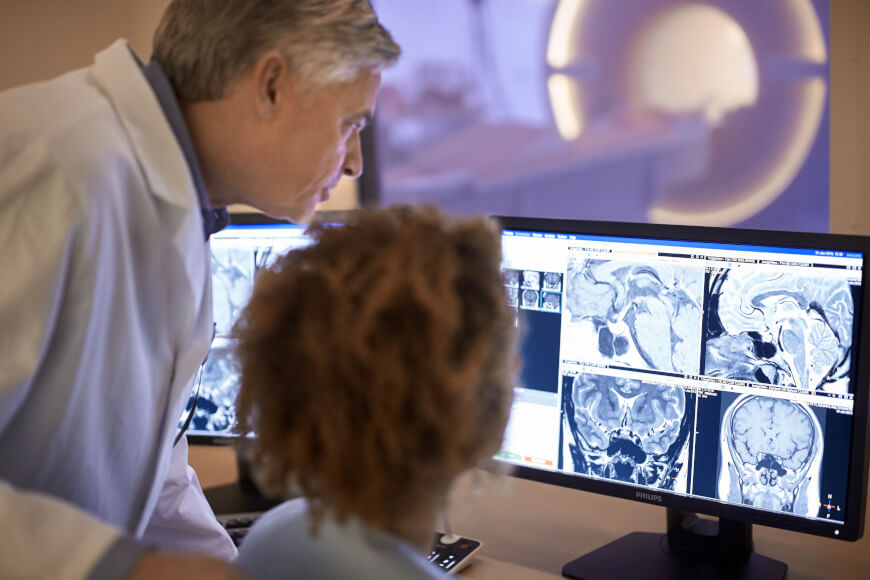
A radiologist interpreting magnetic resonance imaging
Occupation
Names
  • Radiologist
  • Physician
  • Roentgenologist
Occupation type
Specialty
Activity sectors
Medicine
Description
Education required
  • Doctor of Medicine (M.D.)
  • Doctor of Osteopathic medicine (D.O.)
  • * Bachelor of Arts (B.A.) or Bachelor of Science (B.S.) – typical undergraduate degrees prior to medical school in the United States and Canada
  • Doctor of Medicine (M.D.) or Doctor of Osteopathic Medicine (D.O.) – medical degrees in the United States
  • Bachelor of Medicine, Bachelor of Surgery (M.B.B.S. or MBChB) – medical degrees in many Commonwealth countries
Fields of
employment
Hospitals, Clinics

Radiology (/ˌrdiˈɒlədʒi/ RAY-dee-AHL-ə-jee) is the medical specialty that uses medical imaging to diagnose diseases and guide treatment within the bodies of humans and other animals. It began with radiography (which is why its name has a root referring to radiation), but today it includes all imaging modalities. This includes technologies that use no ionizing electromagnetic radiation, such as ultrasonography and magnetic resonance imaging (MRI), as well as others that do use radiation, such as computed tomography (CT), fluoroscopy, and nuclear medicine including positron emission tomography (PET). Interventional radiology is the performance of usually minimally invasive medical procedures with the guidance of imaging technologies such as those mentioned above.

The modern practice of radiology involves a team of several different healthcare professionals. A radiologist, who is a medical doctor with specialized post-graduate training, interprets medical images, communicates these findings to other physicians through reports or verbal communication, and uses imaging to perform minimally invasive medical procedures[1][2] The nurse is involved in the care of patients before and after imaging or procedures, including administration of medications, monitoring of vital signs and monitoring of sedated patients.[3] The radiographer, also known as a radiologic technologist in countries such as the United States and Canada, is a specialized healthcare professional who performs radiographic procedures and radiation therapy for the diagnosis and treatment of diseases such as cancer. The images produced through radiographic procedures are used for interpretation by radiologists, and depending on their education, training, and the regulations of the country in which they practice, radiographers in some regions also have an extended role in image interpretation and reporting.[4]

Diagnostic imaging modalities

[edit]

Projection (plain) radiography

[edit]

Radiographs (originally called roentgenographs, named after the discoverer of X-rays, Wilhelm Conrad Röntgen) are produced by transmitting X-rays through a patient. The X-rays are projected through the body onto a detector; an image is formed based on which rays pass through (and are detected) versus those that are absorbed or scattered in the patient (and thus are not detected). Röntgen discovered X-rays on November 8, 1895,[5] and received the first Nobel Prize in Physics in 1901 for this discovery.[6] In film-screen radiography, an X-ray tube generates a beam of X-rays, which is aimed at the patient. The X-rays that pass through the patient are filtered through a device called a grid or X-ray filter, to reduce scatter, and strike an undeveloped film, which is held tightly to a screen of light-emitting phosphors in a light-tight cassette. The film is then developed chemically and an image appears on the film. Film-screen radiography is being replaced by phosphor plate radiography but more recently by digital radiography (DR) and the EOS imaging.[7] In the two latest systems, the X-rays strike sensors that converts the signals generated into digital information, which is transmitted and converted into an image displayed on a computer screen. In digital radiography the sensors shape a plate, but in the EOS system, which is a slot-scanning system, a linear sensor vertically scans the patient.[citation needed]

Plain radiography was one of the earliest imaging modalities used in clinical medicine and remained the most widely used for several decades. Due to its broad availability, speed, and relatively low cost, it continues to be a common first-line tool in radiologic evaluation. Despite advances in CT, MRI, and other imaging techniques, there are many conditions in which traditional radiographs remain helpful in diagnosis. These include arthritis, pneumonia, bone tumors, fractures, congenital skeletal anomalies, and certain types of kidney stones.

Mammography and DXA are two applications of low energy projectional radiography, used for the evaluation of breast cancer and osteoporosis, respectively.[8][9]

Fluoroscopy

[edit]

Fluoroscopy and angiography are special applications of X-ray imaging, in which a fluorescent screen and image intensifier tube is connected to a closed-circuit television system.[10]: 26  This allows real-time imaging of structures in motion or augmented with a radiocontrast agent. Radiocontrast agents are usually administered by swallowing or injecting into the body of the patient to delineate anatomy and functioning of the blood vessels, the genitourinary system, or the gastrointestinal tract (GI tract). Two radiocontrast agents are presently in common use. Barium sulfate (BaSO4) is given orally or rectally for evaluation of the GI tract. Iodine, in multiple proprietary forms, is given by oral, rectal, vaginal, intra-arterial or intravenous routes. These radiocontrast agents strongly absorb or scatter X-rays, and in conjunction with the real-time imaging, allow demonstration of dynamic processes, such as peristalsis in the digestive tract or blood flow in arteries and veins. Iodine contrast may also be concentrated in abnormal areas more or less than in normal tissues and make abnormalities (tumors, cysts, inflammation) more conspicuous. Additionally, in specific circumstances, air can be used as a contrast agent for the gastrointestinal system and carbon dioxide can be used as a contrast agent in the venous system; in these cases, the contrast agent attenuates the X-ray radiation less than the surrounding tissues.[11]

Computed tomography

[edit]
Image from a CT scan of the brain

CT imaging uses X-rays in conjunction with computing algorithms to image the body.[12] In CT, an X-ray tube opposite an X-ray detector (or detectors) in a ring-shaped apparatus rotate around a patient, producing a computer-generated cross-sectional image (tomogram).[13] CT is acquired in the axial plane, with coronal and sagittal images produced by computer reconstruction. Radiocontrast agents are often used with CT for enhanced delineation of anatomy. Although radiographs provide higher spatial resolution, CT can detect more subtle variations in attenuation of X-rays (higher contrast resolution). CT exposes the patient to significantly more ionizing radiation than a radiograph.[citation needed]

Spiral multidetector CT uses 16, 64, 254 or more detectors during continuous motion of the patient through the radiation beam to obtain fine detail images in a short exam time. With rapid administration of intravenous contrast during the CT scan, these fine detail images can be reconstructed into three-dimensional (3D) images of carotid, cerebral, coronary or other arteries.[citation needed]

The introduction of computed tomography in the early 1970s revolutionized diagnostic radiology by providing front-line clinicians with detailed images of anatomic structures in three dimensions. CT scanning has become the test of choice in diagnosing some urgent and emergent conditions, such as cerebral hemorrhage, pulmonary embolism (clots in the arteries of the lungs), aortic dissection (tearing of the aortic wall), appendicitis, diverticulitis, and obstructing kidney stones. Before the development of CT imaging, risky and painful exploratory surgery was often the only way to obtain a definitive diagnosis of the cause of severe abdominal pain which could not be otherwise ascertained from external observation.[14] Continuing improvements in CT technology, including faster scanning times and improved resolution, have dramatically increased the accuracy and usefulness of CT scanning, which may partially account for increased use in medical diagnosis.[citation needed]

Ultrasound

[edit]

Medical ultrasonography uses ultrasound (high-frequency sound waves) to visualize soft tissue structures in the body in real time. No ionizing radiation is involved, but the quality of the images obtained using ultrasound is highly dependent on the skill of the person (ultrasonographer) performing the exam and the patient's body size. Examinations of larger, overweight patients may have a decrease in image quality as their subcutaneous fat absorbs more of the sound waves. This results in fewer sound waves penetrating to organs and reflecting back to the transducer, resulting in loss of information and a poorer quality image. Ultrasound is also limited by its inability to image through air pockets (lungs, bowel loops) or bone. Its use in medical imaging has developed mostly within the last 30 years. The first ultrasound images were static and two-dimensional (2D), but with modern ultrasonography, 3D reconstructions can be observed in real time, effectively becoming "4D".[citation needed]

Because ultrasound imaging techniques do not employ ionizing radiation to generate images (unlike radiography, and CT scans), they are generally considered safer and are therefore more common in obstetrical imaging. The progression of pregnancies can be thoroughly evaluated with less concern about damage from the techniques employed, allowing early detection and diagnosis of many fetal anomalies. Growth can be assessed over time, important in patients with chronic disease or pregnancy-induced disease, and in multiple pregnancies (twins, triplets, etc.). Color-flow Doppler ultrasound measures the severity of peripheral vascular disease and is used by cardiologists for dynamic evaluation of the heart, heart valves and major vessels. Stenosis, for example, of the carotid arteries may be a warning sign for an impending stroke. A clot, embedded deep in one of the inner veins of the legs, can be found via ultrasound before it dislodges and travels to the lungs, resulting in a potentially fatal pulmonary embolism. Ultrasound is useful as a guide to performing biopsies to minimize damage to surrounding tissues and in drainages such as thoracentesis. Small, portable ultrasound devices now replace peritoneal lavage in trauma wards by non-invasively assessing for the presence of internal bleeding and any internal organ damage. Extensive internal bleeding or injury to the major organs may require surgery and repair.

Magnetic resonance imaging

[edit]
MRI of the knee

MRI uses strong magnetic fields to align atomic nuclei (usually hydrogen protons) within body tissues, then uses a radio signal to disturb the axis of rotation of these nuclei and observes the radio frequency signal generated as the nuclei return to their baseline states.[15] The radio signals are collected by small antennae, called coils, placed near the area of interest. An advantage of MRI is its ability to produce images in axial, coronal, sagittal and multiple oblique planes with equal ease. MRI scans give the best soft tissue contrast of all the imaging modalities. With advances in scanning speed and spatial resolution, and improvements in computer 3D algorithms and hardware, MRI has become an important tool in musculoskeletal radiology and neuroradiology.[citation needed]

One disadvantage is the patient has to hold still for long periods of time in a noisy, cramped space while the imaging is performed. Claustrophobia (fear of closed spaces) severe enough to terminate the MRI exam is reported in up to 5% of patients. Recent improvements in magnet design including stronger magnetic fields (3 teslas), shortening exam times, wider, shorter magnet bores and more open magnet designs, have brought some relief for claustrophobic patients. However, for magnets with equivalent field strengths, there is often a trade-off between image quality and open design. MRI has great benefit in imaging the brain, spine, and musculoskeletal system. The use of MRI is currently contraindicated for patients with pacemakers, cochlear implants, some indwelling medication pumps, certain types of cerebral aneurysm clips, metal fragments in the eyes, some metallic hardware due to the powerful magnetic fields, and strong fluctuating radio signals to which the body is exposed. Areas of potential advancement include functional imaging, cardiovascular MRI, and MRI-guided therapy.

Nuclear medicine

[edit]

Nuclear medicine imaging involves the administration into the patient of radiopharmaceuticals consisting of substances with affinity for certain body tissues labeled with radioactive tracer. The most commonly used tracers are technetium-99m, iodine-123, iodine-131, gallium-67, indium-111, thallium-201 and fludeoxyglucose (18F) (18F-FDG). The heart, lungs, thyroid, liver, brain, gallbladder, and bones are commonly evaluated for particular conditions using these techniques. While anatomical detail is limited in these studies, nuclear medicine is useful in displaying physiological function. The excretory function of the kidneys, iodine-concentrating ability of the thyroid, blood flow to heart muscle, etc. can be measured. The principal imaging devices are the gamma camera and the PET Scanner, which detect the radiation emitted by the tracer in the body and display it as an image. With computer processing, the information can be displayed as axial, coronal and sagittal images (single-photon emission computed tomography - SPECT or Positron-emission tomography - PET). In the most modern devices, nuclear medicine images can be fused with a CT scan taken quasisimultaneously, so the physiological information can be overlaid or coregistered with the anatomical structures to improve diagnostic accuracy.[citation needed]

Positron emission tomography (PET) scanning deals with positrons instead of gamma rays detected by gamma cameras. The positrons annihilate to produce two opposite traveling gamma rays to be detected coincidentally, thus improving resolution. In PET scanning, a radioactive, biologically active substance, most often 18F-FDG, is injected into a patient and the radiation emitted by the patient is detected to produce multiplanar images of the body. Metabolically more active tissues, such as cancer, concentrate the active substance more than normal tissues. PET images can be combined (or "fused") with anatomic (CT) imaging, to more accurately localize PET findings and thereby improve diagnostic accuracy.[citation needed]

The fusion technology has gone further to combine PET and MRI similar to PET and CT. PET/MRI fusion, largely practiced in academic and research settings, could potentially play a crucial role in fine detail of brain imaging, breast cancer screening, and small joint imaging of the foot. The technology recently blossomed after passing the technical hurdle of altered positron movement in strong magnetic field thus affecting the resolution of PET images and attenuation correction.[citation needed]

Interventional radiology

[edit]

Interventional radiology (IR or sometimes VIR for vascular and interventional radiology) is a subspecialty of radiology in which minimally invasive procedures are performed using image guidance. Some of these procedures are done for purely diagnostic purposes (e.g., angiogram), while others are done for treatment purposes (e.g., angioplasty).[citation needed]

The basic concept behind interventional radiology is to diagnose or treat pathologies, with the most minimally invasive technique possible. Minimally invasive procedures are currently performed more than ever before. These procedures are often performed with the patient fully awake, with little or no sedation required. Interventional radiologists and interventional radiographers[16] diagnose and treat several disorders, including peripheral vascular disease, renal artery stenosis, inferior vena cava filter placement, gastrostomy tube placements, biliary stents and hepatic interventions. Radiographic images, fluoroscopy, and ultrasound modalities are used for guidance, and the primary instruments used during the procedure are specialized needles and catheters. The images provide maps that allow the clinician to guide these instruments through the body to the areas containing disease. By minimizing the physical trauma to the patient, peripheral interventions can reduce infection rates and recovery times, as well as hospital stays. To be a trained interventionalist in the United States, an individual completes a five-year residency in radiology and a one- or two-year fellowship in IR.[17]

Analysis of images

[edit]
A radiologist interprets medical images on a modern picture archiving and communication system (PACS) workstation. San Diego, California, 2010.

Plain, or general, radiography

[edit]
X-ray of a hand with calculation of bone age analysis

The basic technique is optical density evaluation (i.e. histogram analysis). It is then described that a region has a different optical density, e.g. a cancer metastasis to bone can cause radiolucency. The development of this is the digital radiological subtraction. It consists in overlapping two radiographs of the same examined region and subtracting the optical densities Comparison of changes in dental and bone radiographic densities in the presence of different soft-tissue simulators using pixel intensity and digital subtraction analyses. The resultant image only contains the time-dependent differences between the two examined radiographs. The advantage of this technique is the precise determination of the dynamics of density changes and the place of their occurrence. However, beforehand the geometrical adjustment and general alignment of optical density should be done Noise in subtraction images made from pairs of intraoral radiographs: a comparison between four methods of geometric alignment. Another possibility of radiographic image analysis is to study second order features, e.g. digital texture analysis Basic research Textural entropy as a potential feature for quantitative assessment of jaw bone healing process Comparative Analysis of Three Bone Substitute Materials Based on Co-Occurrence Matrix[permanent dead link] or fractal dimension Using fractal dimension to evaluate alveolar bone defects treated with various bone substitute materials. On this basis, it is possible to assess the places where bio-materials are implanted into the bone for the purpose of guided bone regeneration. They take an intact bone image sample (region of interest, ROI, reference site) and a sample of the implantation site (second ROI, test site) can be assessed numerically/objectively to what extent the implantation site imitates a healthy bone and how advanced is the process of bone regeneration Fast-Versus Slow-Resorbable Calcium Phosphate Bone Substitute Materials—Texture Analysis after 12 Months of Observation New Oral Surgery Materials for Bone Reconstruction—A Comparison of Five Bone Substitute Materials for Dentoalveolar Augmentation. It is also possible to check whether the bone healing process is influenced by some systemic factors Influence of General Mineral Condition on Collagen-Guided Alveolar Crest Augmentation.

Teleradiology

[edit]

Teleradiology is the transmission of radiographic images from one location to another for interpretation by an appropriately trained professional, usually a radiologist or reporting radiographer. It is most often used to allow rapid interpretation of emergency room, ICU and other emergent examinations after hours of usual operation, at night and on weekends. In these cases, the images can be sent across time zones (e.g. to Spain, Australia, India) with the receiving Clinician working her normal daylight hours. However, at present, large private teleradiology companies in the U.S. currently provide most after-hours coverage employing night-working radiologists in the U.S. Teleradiology can also be used to obtain consultation with an expert or subspecialist about a complicated or puzzling case. In the U.S., many hospitals outsource their radiology departments to radiologists in India due to the lowered cost and availability of high speed internet access.[citation needed]

Teleradiology requires a sending station, a high-speed internet connection, and a high-quality receiving station. At the transmission station, plain radiographs are passed through a digitizing machine before transmission, while CT, MRI, ultrasound and nuclear medicine scans can be sent directly, as they are already digital data. The computer at the receiving end will need to have a high-quality display screen that has been tested and cleared for clinical purposes. Reports are then transmitted to the requesting clinician.

The major advantage of teleradiology is the ability to use different time zones to provide real-time emergency radiology services around-the-clock. The disadvantages include higher costs, limited contact between the referrer and the reporting Clinician, and the inability to cover for procedures requiring an onsite reporting Clinician. Laws and regulations concerning the use of teleradiology vary among the states, with some requiring a license to practice medicine in the state sending the radiologic exam. In the U.S., some states require the teleradiology report to be preliminary with the official report issued by a hospital staff radiologist. Lastly, a benefit of teleradiology is that it might be automated with modern machine learning techniques.[18][19][20]

Patient interaction

[edit]

Some radiologists, like teleradiologists, have no interaction with patients. Other radiologists, like interventional radiologists, primarily interact with patients and spend less time analyzing images. Diagnostic radiologists tend to spend the majority of their time analyzing images and a minority of their time interacting with patients. Compared to the healthcare provider who sends the patient to have images interpreted by a diagnostic radiologist, the radiologist usually does not know as much about the patient's clinical status or have as much influence on what action should be taken based on the images. Thus, the diagnostic radiologist reports image findings directly to that healthcare provider and often provides recommendations, who then takes the appropriate next steps for recommendations about medical management. Because radiologists undergo training regarding risks associated with different types of imaging tests and image-guided procedures,[21] radiologists are the healthcare providers who generally educate patients about those risks to enable informed consent, not the healthcare provider requesting the test or procedure.[22]

Professional training

[edit]

United States

[edit]

Radiology is a field in medicine that has expanded rapidly after 2000 due to advances in computer technology, which is closely linked to modern imaging techniques. Applying for residency positions in radiology has become highly competitive. Applicants are often near the top of their medical school classes, with high USMLE (board) examination scores.[23] Diagnostic radiologists must complete prerequisite undergraduate education, four years of medical school to earn a medical degree (D.O. or M.D.), one year of internship, and four years of residency training.[24] After residency, most radiologists pursue one or two years of additional specialty fellowship training.

The American Board of Radiology (ABR) administers professional certification in Diagnostic Radiology, Radiation Oncology and Medical Physics as well as subspecialty certification in neuroradiology, nuclear radiology, pediatric radiology and vascular and interventional radiology. "Board Certification" in diagnostic radiology requires successful completion of two examinations. The Core Exam is given after 36 months of residency. Although previously taken in Chicago or Tucson, Arizona, beginning in February 2021, the computer test transitioned permanently to a remote format. It encompasses 18 categories. A passing score is 350 or above. A fail on one to five categories was previously a Conditioned exam, however beginning in June 2021, the conditioned category will no longer exist and the test will be graded as a whole. The Certification Exam, can be taken 15 months after completion of the Radiology residency. This computer-based examination consists of five modules and graded pass-fail. It is given twice a year in Chicago and Tucson. Recertification examinations are taken every 10 years, with additional required continuing medical education as outlined in the Maintenance of Certification document.[citation needed]

Certification may also be obtained from the American Osteopathic Board of Radiology (AOBR) and the American Board of Physician Specialties.[citation needed]

Following completion of residency training, radiologists may either begin practicing as a general diagnostic radiologist or enter into subspecialty training programs known as fellowships. Examples of subspeciality training in radiology include abdominal imaging, thoracic imaging, cross-sectional/ultrasound, MRI, musculoskeletal imaging, interventional radiology, neuroradiology, interventional neuroradiology, paediatric radiology, nuclear medicine, emergency radiology, breast imaging and women's imaging. Fellowship training programs in radiology are usually one or two years in length.[25]

Some medical schools in the US have started to incorporate a basic radiology introduction into their core MD training. New York Medical College, the Wayne State University School of Medicine, Weill Cornell Medicine, the Uniformed Services University, and the University of South Carolina School of Medicine offer an introduction to radiology during their respective MD programs.[26][27][28] Campbell University School of Osteopathic Medicine also integrates imaging material into their curriculum early in the first year.[citation needed]

Radiographic exams are usually performed by radiographers. Qualifications for radiographers vary by country, but many radiographers now are required to hold a degree.[citation needed]

Veterinary radiologists are veterinarians who specialize in the use of X-rays, ultrasound, MRI and nuclear medicine for diagnostic imaging or treatment of disease in animals. They are certified in either diagnostic radiology or radiation oncology by the American College of Veterinary Radiology.[citation needed]

United Kingdom

[edit]

Radiology is an extremely competitive speciality in the UK, attracting applicants from a broad range of backgrounds. Applicants are welcomed directly from the Foundation Programme, as well as those who have completed higher training. Recruitment and selection into training post in clinical radiology posts in England, Scotland and Wales is done by an annual nationally coordinated process lasting from November to March. In this process, all applicants are required to pass a Specialty Recruitment Assessment (SRA) test.[29] Those with a test score above a certain threshold are offered a single interview at the London and the South East Recruitment Office.[30] At a later stage, applicants declare what programs they prefer, but may in some cases be placed in a neighbouring region.[30]

The training programme lasts for a total of five years. During this time, doctors rotate into different subspecialities, such as paediatrics, musculoskeletal or neuroradiology, and breast imaging. During the first year of training, radiology trainees are expected to pass the first part of the Fellowship of the Royal College of Radiologists (FRCR) exam. This comprises a medical physics and anatomy examination. Following completion of their part 1 exam, they are then required to pass six written exams (part 2A), which cover all the subspecialities. Successful completion of these allows them to complete the FRCR by completing part 2B, which includes rapid reporting, and a long case discussion.[citation needed]

After achieving a certificate of completion of training (CCT), many fellowship posts exist in specialities such as neurointervention and vascular intervention, which would allow the doctor to work as an Interventional radiologist. In some cases, the CCT date can be deferred by a year to include these fellowship programmes.[citation needed]

UK radiology registrars are represented by the Society of Radiologists in Training (SRT), which was founded in 1993 under the auspices of the Royal College of Radiologists.[31] The society is a nonprofit organisation, run by radiology registrars specifically to promote radiology training and education in the UK. Annual meetings are held by which trainees across the country are encouraged to attend.[citation needed]

Currently, a shortage of radiologists in the UK has created opportunities in all specialities, and with the increased reliance on imaging, demand is expected to increase in the future. Radiographers, and less frequently Nurses, are often trained to undertake many of these opportunities in order to help meet demand. Radiographers often may control a "list" of a particular set of procedures after being approved locally and signed off by a consultant radiologist. Similarly, radiographers may simply operate a list for a radiologist or other physician on their behalf. Most often if a radiographer operates a list autonomously then they are acting as the operator and practitioner under the Ionising Radiation (Medical Exposures) Regulations 2000. Radiographers are represented by a variety of bodies; most often this is the Society and College of Radiographers. Collaboration with nurses is also common, where a list may be jointly organised between the nurse and radiographer.[citation needed]

Germany

[edit]

After obtaining medical licensure, German radiologists complete a five-year residency, culminating with a board examination (known as Facharztprüfung).[citation needed]

Italy

[edit]

Italian radiologists complete a four-year residency program, after completing the six-year MD program.[citation needed]

The Netherlands

[edit]

Dutch radiologists complete a five-year residency program, after completing the six-year MD program.

India

[edit]

In India, one must obtain a bachelor's degree which requires 4.5 years of training, along with 1 year internship, followed by NEET PG examination which is one of the hardest examinations in India. Previous rank data shows only top rankers take radiology which means if the score is less, one might get accepted into other branches, but not radiology. The radiology program is a post graduate 3-year program (MD/DNB Radiology) or a 2-year diploma (DMRD).[32]

Singapore

[edit]

Radiologists in Singapore complete a five-year undergraduate MD program, followed by a one-year internship, and then a five-year residency program. Some radiologists may elect to complete a one or two-year fellowship for further sub-specialization in fields such as interventional radiology.[citation needed]

Slovenia

After finishing a six-year study of medicine and passing the emergency medicine internship, MDs can apply for radiology residency. Radiology is a five-year post-graduate program that involves all fields of radiology with a final board exam.[citation needed]

France

To become a radiologist, after having validated the common core of medical studies, one must obtain a DES (Specialized Studies Diploma) in radiology and medical imaging (specialized studies in 5 years), or a DES in advanced interventional radiology (specialized studies in 6 years). At the end of their DES, once validated, the future doctor will have to defend their "practice thesis" in order to validate their DE (State Diploma) as a doctor of medicine (common to all doctors of medicine therefore) and to be able to practice in France.[citation needed]

Specialty training for interventional radiology

[edit]

Training for interventional radiology occurs in the residency portion of medical education, and has gone through developments.

In 2000, the Society of Interventional Radiology (SIR) created a program named "Clinical Pathway in IR", which modified the "Holman Pathway" that was already accepted by the American Board of Radiology to including training in IR; this was accepted by ABR but was not widely adopted. In 2005 SIR proposed and ABR accepted another pathway called "DIRECT (Diagnostic and Interventional Radiology Enhanced Clinical Training) Pathway" to help trainees coming from other specialities learn IR; this too was not widely adopted. In 2006 SIR proposed a pathway resulting in certification in IR as a speciality; this was eventually accepted by the ABR in 2007 and was presented to the American Board of Medical Specialities (ABMS) in 2009, which rejected it because it did not include enough diagnostic radiology (DR) training. The proposal was reworked, at the same time that overall DR training was being revamped, and a new proposal that would lead to a dual DR/IR specialization was presented to the ABMS and was accepted in 2012 and eventually was implemented in 2014.[33][34][35] By 2016 the field had determined that the old IR fellowships would be terminated by 2020.[35]

A handful of programs have offered interventional radiology fellowships that focus on training in the treatment of children.[36]

In Europe the field followed its own pathway; for example in Germany the parallel interventional society began to break free of the DR society in 2008.[37] In the UK, interventional radiology was approved as a sub-specialty of clinical radiology in 2010.[38][39] While many countries have an interventional radiology society, there is also the European-wide Cardiovascular and Interventional Radiological Society of Europe, whose aim is to support teaching, science, research and clinical practice in the field by hosting meetings, educational workshops and promoting patient safety initiatives. Furthermore, the Society provides an examination, the European Board of Interventional Radiology (EBIR), which is a highly valuable qualification in interventional radiology based on the European Curriculum and Syllabus for IR.

See also

[edit]

References

[edit]
[edit]
Revisions and contributorsEdit on WikipediaRead on Wikipedia
from Grokipedia
Radiology is a branch of that uses to diagnose and treat diseases within the body. This specialty encompasses the interpretation of medical images obtained through various techniques, as well as procedures guided by those images to deliver targeted treatments. Radiologists are medical doctors who specialize in this field, often working in collaboration with other physicians to provide essential diagnostic insights and therapeutic interventions. The field is broadly divided into diagnostic radiology and . Diagnostic radiology focuses on using to identify injuries, illnesses, and other abnormalities without invasive procedures, serving as a key tool for confirming clinical suspicions and monitoring disease progression. Common imaging modalities include radiography, computed tomography (CT), magnetic resonance imaging (MRI), , and techniques such as positron emission tomography (PET). These methods allow for non-invasive visualization of internal structures, from bones and organs to blood vessels and cellular activity, enabling precise diagnosis across a wide range of conditions. In contrast, interventional radiology employs real-time imaging—such as , CT, , or MRI—to guide minimally invasive procedures, including biopsies, placements, and embolizations. This subspecialty has evolved to treat complex conditions like vascular diseases, tumors, and , often reducing the need for open and improving patient outcomes. Interventional radiologists perform these targeted interventions, which can be diagnostic or therapeutic, directly addressing the source of medical problems. Radiology originated with Wilhelm Conrad Roentgen's discovery of X-rays in 1895, marking the beginning of as a discipline. Over the subsequent decades, advancements in technology have transformed it into an indispensable pillar of modern healthcare, with ongoing innovations in and poised to further enhance diagnostic accuracy and therapeutic precision. Despite its benefits, radiology procedures involve potential risks such as , necessitating careful consideration of benefits versus harms in clinical decision-making.

Introduction and Overview

Definition and Scope

is a focused on the use of imaging technologies to diagnose and treat injuries and diseases, encompassing both diagnostic evaluation and therapeutic interventions. Diagnostic radiology, as a primary subspecialty, involves interpreting medical images such as X-rays, CT scans, and MRIs primarily from computer workstations, with minimal direct patient contact and no invasive procedures involving blood or bodily fluids. Radiologists, as physicians trained in this field, interpret medical images and perform image-guided procedures to inform clinical decisions across a wide range of medical conditions. At its core, radiology relies on key principles involving the application of various energy forms to visualize internal body structures non-invasively. , such as X-rays, is used in techniques like projection radiography and computed tomography to produce detailed images of bones, organs, and tissues based on differential absorption. Sound waves, employed in imaging, reflect off tissues to generate real-time visuals of soft structures like the heart and . Magnetic fields and radio waves, as in , align hydrogen atoms in the body to create high-contrast images of soft tissues without . The scope of radiology extends to diagnostic imaging for anatomical assessment, interventional radiology for targeted, minimally invasive treatments such as biopsies and placements, and overlaps with radiation oncology, which applies therapeutically for cancer management—though the latter is often treated as a distinct within broader radiological organizations. , integrated into radiology, differs by emphasizing through the administration of radiotracers to evaluate organ physiology and metabolism, complementing the structural focus of traditional diagnostic methods. In contemporary medicine, radiology is indispensable for early disease detection, precise treatment planning, and facilitating minimally invasive interventions, contributing to an estimated 3.6 billion diagnostic examinations conducted worldwide annually (as reported by the WHO in 2016). Over time, radiology has transitioned from film-based systems, which required physical development and storage of analog images, to fully digital platforms that enable electronic capture, manipulation, archiving, and remote access via picture archiving and communication systems (PACS). This evolution has improved efficiency, reduced through dose optimization, and integrated advanced computing for enhanced image analysis, fundamentally transforming clinical workflows.

Historical Development

The discovery of s by German physicist Wilhelm Conrad Röntgen on November 8, 1895, marked the birth of radiology as a medical discipline. While experimenting with in a , Röntgen observed that an unknown radiation could penetrate materials opaque to light and produce fluorescence on a screen, leading him to capture the first image of his wife's hand. This breakthrough was published in a preliminary report in December 1895, earning Röntgen the first in 1901. The first medical applications of occurred in , when they were used to locate bullets and foreign objects in wounded patients, including soldiers in the Italo-Abyssinian War, demonstrating their potential for non-invasive diagnostics. Early adoption spread rapidly, with X-ray machines installed in hospitals worldwide by 1897, though initial enthusiasm led to unregulated use and injuries from prolonged exposure. In the late 19th and early 20th centuries, radiology advanced with the invention of in by , who developed a fluorescent screen to allow real-time X-ray visualization. This technique enabled dynamic imaging of moving structures, such as the . By the early 1900s, contrast agents like were introduced to enhance visibility of soft tissues, pioneered by Walter Cannon for studying via oral administration. The mid-20th century saw diversification of imaging modalities. Nuclear medicine emerged in the 1930s with the use of radioisotopes, pioneered by , who developed radiotracer techniques for biological studies; clinical applications began in the 1940s with for imaging. Ultrasound gained medical traction in the 1940s through Karl Theo Dussik's echoencephalography for brain imaging, with practical diagnostic scanners developed in the 1950s by Ian Donald for . The principles of magnetic resonance imaging (MRI) were laid in the 1970s by , who demonstrated spatial encoding in 1973, and , who refined fast imaging methods; their work earned the 2003 Nobel Prize in Physiology or Medicine. Computed tomography (CT) revolutionized cross-sectional imaging with Godfrey Hounsfield's invention of the first clinical scanner in 1971 at EMI Laboratories, which produced detailed images using computer reconstruction and earned him the 1979 in Physiology or shared with Allan Cormack. Societal concerns over radiation risks prompted the establishment of safety standards, including the ALARA (As Low As Reasonably Achievable) principle in the 1950s by the to minimize exposure. Early ethical issues arose from overexposure incidents, such as the radiation-induced cancers and deaths among pioneer radiologists like Clarence Dally in 1904, leading to the first protective regulations in the U.S. by 1920. The digital era transformed radiology in the 1980s with the introduction of Picture Archiving and Communication Systems (PACS), first implemented at UCLA in 1982 to digitize and store images, reducing reliance on film. emerged in the , enabled by connectivity, allowing remote image interpretation; the first commercial systems were deployed around 1995. Post-2000 developments expanded , with minimally invasive procedures like placements and embolizations becoming standard, driven by advances in technology since the 1953 but proliferating with endovascular therapies in the 2010s.

Diagnostic Imaging Modalities

Projection Radiography

Projection radiography, also known as plain film radiography, is a fundamental diagnostic imaging technique that utilizes X-rays to produce two-dimensional images of the body's internal structures. X-rays are generated in an where high-speed electrons from a heated filament are accelerated toward a target, striking it to produce radiation (continuous spectrum) and characteristic X-rays through electron deceleration and inner-shell interactions, respectively. These X-rays pass through the patient, where they are attenuated by tissues based on and density; low-energy interactions like the dominate in high-density structures such as , ejecting inner-shell electrons and leading to complete absorption, while prevails in soft tissues, scattering photons without full absorption and contributing to image fog if not controlled. In performing projection radiography, precise patient positioning is essential to minimize distortion and ensure anatomical accuracy; common projections include anteroposterior (AP) views where the X-ray beam enters from the front, posteroanterior (PA) for chest imaging to reduce cardiac magnification, and lateral views for orthogonal assessment of structures like the spine or extremities. Exposure factors, particularly kilovoltage peak (kVp) and milliampere-seconds (mAs), are adjusted to optimize image contrast and penetration while minimizing patient dose: higher kVp (typically 50-120 kV) increases beam energy for better penetration but reduces subject contrast, whereas mAs controls the number of X-rays and thus density, with systems often used to tailor settings to patient size. This modality finds widespread application in detecting thoracic pathologies, such as through consolidation patterns on chest X-rays, which reveal opacified fields due to fluid-filled alveoli. Skeletal employs projection to identify fractures, where linear disruptions in continuity are visualized, often requiring multiple views to assess displacement. Abdominal projections are valuable for evaluating bowel obstructions, showing dilated loops proximal to the blockage with air-fluid levels on upright views, aiding rapid in acute settings. Projection radiography offers key advantages including low operational costs, broad availability in clinical environments, and portability for bedside , making it accessible for assessments worldwide. However, its limitations include the projection of three-dimensional onto a two-dimensional plane, causing overlap of structures that can obscure pathologies, and the inherent risk of exposure, which, though low (typically 0.01-0.1 mSv per exam), accumulates with repeated studies and necessitates adherence to ALARA principles. Image quality in projection is influenced by several factors, notably the use of anti-scatter grids placed between the patient and detector to absorb obliquely scattered photons, thereby improving contrast by reducing veiling glare, particularly in thicker body parts like the where scatter can exceed 90% of detected radiation. The shift from traditional film-screen systems, which required chemical processing and had limited , to digital detectors—such as computed radiography (CR) plates or direct (DR) sensors—enhanced efficiency and image post-processing; this transition was largely complete by the 2010s, enabling wider latitude for exposure errors and reduced repeat rates. Common artifacts in projection radiography include motion blur, resulting from patient or equipment movement during the brief exposure (typically 0.001-1 second), which degrades sharpness and mimics like fractures, and improper collimation, where excessive beam coverage beyond the increases scatter and dose while introducing extraneous densities that compromise diagnostic utility.

Fluoroscopy

Fluoroscopy employs a continuous or pulsed low-intensity beam to generate real-time dynamic images of internal structures, facilitating procedural guidance and motion assessment in medical settings. This technique builds on the foundational principles of projection radiography by capturing sequential images rather than static snapshots, allowing visualization of physiological processes like organ movement or instrument navigation. The core principle involves directing a pulsed beam toward the patient, where attenuated rays are detected by an tube or a . In systems, incoming X-rays strike a fluorescent screen to produce visible light photons, which are electronically amplified and converted to an electronic signal for display on a monitor, enabling low-dose viewing suitable for extended procedures. , increasingly common in modern systems, directly convert X-rays to electrical charges via a or photoconductor layer, offering improved and digital integration without the geometric distortion of intensifiers. Pulsing the beam reduces motion blur while minimizing output compared to continuous exposure. Key equipment includes mobile C-arm fluoroscopes, which feature an source and detector mounted on a C-shaped for flexible positioning in various clinical environments. These systems typically operate at entrance skin dose rates of 1-10 mGy/min, adjustable based on procedure needs and patient size. Pulse rates range from 7.5 to 30 frames per second, with lower rates further reducing while maintaining adequate for real-time guidance. Fluoroscopy finds primary applications in diagnostic and interventional contexts requiring dynamic imaging. In swallowing studies, such as the barium swallow, it visualizes the and during deglutition to detect abnormalities like strictures or aspiration risks. Cardiac catheterization procedures use to guide catheters through vessels for , stent placement, or electrophysiological mapping. In orthopedics, it assists in fracture reductions by providing immediate feedback on alignment during closed or open manipulations. Safety measures are integral to mitigate risks during . The last-image-hold function displays the most recent frame on the monitor without ongoing emission, allowing review without additional dose. Collimation restricts the beam to the , reducing scatter and unnecessary tissue exposure. Protective shielding, including lead aprons, collars, and table drapes, is standard for patients and personnel to attenuate scattered . Advancements have enhanced fluoroscopy's precision and integration. Digital subtraction angiography (DSA) subtracts a pre-contrast mask image from subsequent frames to isolate vascular structures, improving contrast resolution for endovascular procedures. By the 2020s, hybrid operating rooms combining with computed tomography or have proliferated, enabling seamless transitions between open surgery and image-guided interventions. Despite benefits, poses radiation risks due to its prolonged nature. Cumulative doses often exceed those of static , potentially reaching 100 mSv or more in complex procedures, elevating effects like cancer induction through DNA damage in irradiated tissues. The probability of such effects scales linearly with dose, with no established threshold, underscoring the need for dose optimization.

Computed Tomography

Computed tomography (CT), also known as computed axial tomography (), is a diagnostic imaging modality that utilizes to generate cross-sectional images of the body, providing detailed visualization of internal structures in multiple planes. Building on the basic principle of attenuation where denser tissues absorb more radiation, CT employs a fan-shaped beam of emitted from a rotating source that passes through the patient and is detected by an opposing arc of detectors, typically spanning 216 degrees or more. This rotation, occurring at speeds of 30 to 200 , allows acquisition of multiple projections in a single gantry rotation, enabling rapid imaging of 0.3 to 2 seconds per slice. The resulting data are processed to produce tomographic images where tissue density is quantified using the Hounsfield unit () scale, ranging from -1000 HU for air to +3000 HU for dense , with at 0 HU and soft tissues around 20-50 HU. Image reconstruction in CT traditionally relies on the filtered back-projection algorithm, which mathematically reconstructs the 3D volume from 2D projection data by projecting filtered values back through the image to correct for blurring inherent in simple back-projection. Modern multi-slice CT scanners, introduced in the late 1990s and evolving to 320 detector rows by the , acquire volumetric data in a single rotation, covering up to 16 cm of anatomy and enabling isotropic resolution for multiplanar reformats without gaps. These advancements support faster scans and higher resolution, with detector arrays exceeding 700 elements per row in contemporary systems. CT protocols are tailored to clinical needs, often incorporating intravenous contrast agents such as iodine-based compounds to enhance vascular and tissue differentiation by increasing in perfused areas. For lung cancer screening in high-risk individuals, low-dose protocols minimize while maintaining diagnostic efficacy, as demonstrated by the National Lung Screening Trial (NLST) in 2011, which showed a 20% reduction in mortality compared to chest through three annual low-dose CT scans. Key applications of CT include acute trauma evaluation, such as non-contrast head CT to detect intracranial bleeds like epidural or subdural hematomas, which appear as hyperdense regions on scans performed within minutes of . In , contrast-enhanced CT is essential for tumor staging, delineating extent, nodal involvement, and metastases across organs like the and chest. , or CT colonography, uses air-distended bowel and thin-slice imaging to identify colonic polyps and cancers noninvasively, serving as an alternative to optical for screening. Radiation dose in CT is quantified using metrics like the volume CT dose index (CTDIvol) in milligrays (mGy), which measures scanner output, and the dose-length product (DLP) in mGy·cm, which accounts for scan length to estimate total exposure. Adhering to the ALARA (as low as reasonably achievable) principle, post-2010 advancements in algorithms have reduced noise in low-dose images, enabling 40-70% dose savings without compromising diagnostic quality in routine protocols. Common artifacts in CT include beam hardening, caused by preferential absorption of low-energy photons leading to cupping or streaking in dense regions, and metal streak artifacts from high-attenuation implants like hip prostheses, which create dark-bright bands across images. Dual-energy CT, employing two X-ray spectra (typically 80 kVp and 140 kVp), mitigates these by generating virtual monochromatic images and material decomposition maps, improving differentiation of , iodine, and soft tissue while reducing artifact severity.

Ultrasound

Ultrasound imaging, also known as sonography, employs high-frequency sound waves to visualize internal body structures, particularly soft tissues, by leveraging the piezoelectric effect in transducers. These transducers contain piezoelectric crystals that convert electrical energy into mechanical vibrations, generating ultrasound waves typically in the 1-20 MHz range, which propagate through tissues and reflect at interfaces where acoustic impedance mismatches occur, such as between fluid and solid tissues. The reflected echoes are detected by the same crystals, which convert them back into electrical signals for image formation, enabling non-invasive assessment without ionizing radiation. Common imaging modes include B-mode (brightness mode), which produces two-dimensional grayscale images of anatomical structures based on echo amplitude; M-mode (motion mode), which displays one-dimensional motion over time, useful for evaluating cardiac valve or fetal heart dynamics; and Doppler modes for assessing blood flow. Color flow mapping overlays color-coded velocity information on B-mode images to visualize flow direction and turbulence, while spectral Doppler provides a graphical representation of velocity over time for quantitative analysis. In spectral Doppler, peak velocities can estimate pressure gradients using the simplified Bernoulli equation: ΔP=4v2\Delta P = 4v^2 where ΔP\Delta P is the pressure gradient in mmHg and vv is the velocity in m/s, commonly applied in to assess valvular stenoses. Clinical applications of span multiple specialties, including for fetal biometry and , for evaluating cardiac structure and function, vascular imaging to assess conditions like through intima-media thickness and flow measurements, and musculoskeletal evaluation for tendon tears, joint effusions, or soft tissue masses. Its advantages include real-time visualization, portability for bedside use, and absence of , making it ideal for serial monitoring in and pregnancy. However, limitations arise from operator dependence, where image quality relies on probe handling and patient positioning, and reduced penetration through bone or gas, which can obscure deeper structures like the lungs or adult skull. Recent advancements enhance ultrasound's diagnostic capabilities, such as 3D and 4D imaging, which reconstruct volumetric data for improved spatial assessment of complex like fetal faces or cardiac chambers. Microbubble contrast agents, consisting of gas-filled bubbles encapsulated in shells, improve vascular and parenchymal enhancement by oscillating under ultrasound waves, aiding in characterization. quantifies tissue stiffness, for instance, in detecting liver stages by measuring shear wave propagation speeds. considerations focus on bioeffects, monitored via the index (TI), which estimates potential heating, and the (MI), which indicates risk; guidelines recommend keeping both below 1.0, especially in , to minimize non- and hazards.

Magnetic Resonance Imaging

Magnetic resonance imaging (MRI) is a non-invasive imaging technique that utilizes strong s and radiofrequency pulses to generate detailed images of the body's internal structures, particularly excelling in contrast without the use of , similar to but with superior resolution for deep tissues. In MRI, hydrogen protons in the body align with an external typically ranging from 1.5 to 7 tesla (T), creating a net magnetization vector that precesses at the Larmor frequency, given by ω=γB\omega = \gamma B, where ω\omega is the , γ\gamma is the (approximately 42.58 MHz/T for protons), and BB is the strength. Radiofrequency (RF) pulses at this Larmor frequency are applied to tip the magnetization away from alignment, and as the protons relax back to equilibrium, they emit signals that are detected to form images; contrast arises from differences in T1 (longitudinal) and T2 (transverse) relaxation times, where T1 reflects energy exchange with the lattice (typically 300-2000 ms for tissues) and T2 measures due to spin-spin interactions (shorter, 30-100 ms). Common MRI sequences include spin-echo, which uses a 90° RF followed by a 180° refocusing to produce T2-weighted images by correcting for field inhomogeneities, and gradient-echo, which employs gradient reversals instead of refocusing pulses for faster T1- or sensitive to susceptibility effects. Diffusion-weighted (DWI) applies strong gradients to measure diffusion, yielding apparent diffusion coefficient (ADC) maps where reduced ADC values (e.g., <0.5 × 10^{-3} mm²/s in acute stroke) indicate restricted diffusion in ischemic tissue. Functional MRI (fMRI) relies on blood-oxygen-level-dependent (BOLD) contrast, primarily using gradient-echo echo-planar to detect deoxyhemoglobin-induced T2* changes, enabling mapping of brain activity with temporal resolution on the order of seconds. MRI applications span multiple domains, including neuroimaging where T2-weighted and FLAIR sequences detect multiple sclerosis (MS) plaques as hyperintense lesions in white matter, aiding diagnosis and monitoring disease progression. In musculoskeletal imaging, proton density and T2-weighted sequences visualize ligament tears, such as anterior cruciate ligament disruptions appearing as discontinuous fibers with surrounding edema. For oncology, multiparametric MRI of the prostate combines T2-weighted, diffusion-weighted, and dynamic contrast-enhanced sequences to score lesions via PI-RADS, improving detection of clinically significant cancers with sensitivity up to 89%. Safety considerations are paramount in MRI, with absolute contraindications including non-MRI-conditional pacemakers due to risks of device malfunction, lead heating, or asynchronous pacing in the static field. RF energy deposition is quantified by the specific absorption rate (SAR), limited to less than 4 W/kg for head scans to prevent tissue heating, with whole-body limits at 2 W/kg averaged over 6 minutes per FDA guidelines. Advancements include the clinical adoption of 7T MRI scanners following FDA approval in 2017, offering enhanced signal-to-noise ratio for high-resolution research in neuroimaging and oncology, though limited by increased SAR and B1 inhomogeneity. By 2025, AI-accelerated reconstruction techniques, such as deep learning-based methods, have reduced scan times by up to 50% in protocols like shoulder MRI while maintaining diagnostic quality, enabling faster workflows and improved patient comfort. Common artifacts in MRI include susceptibility distortions from metal implants, which cause signal voids and geometric warping due to local field perturbations, and motion artifacts manifesting as ghosting or blurring from phase inconsistencies during k-space filling; unlike projection radiography or CT, MRI involves no ionizing radiation, minimizing long-term risks.

Nuclear Medicine

Nuclear medicine is a branch of medical imaging that utilizes radioactive tracers, known as radiopharmaceuticals, to assess physiological functions and metabolic processes within the body. These agents are administered to patients, typically via injection, and emit gamma rays or positrons that are detected externally to produce images reflecting organ function rather than anatomical structure. A key example is , the most widely used radionuclide in diagnostic nuclear medicine, which has a physical half-life of approximately 6 hours, allowing sufficient time for preparation, administration, and imaging while minimizing patient radiation exposure. Gamma cameras capture emissions from single-photon emitters like Tc-99m, while positron emission tomography (PET) detectors detect pairs of 511 keV photons resulting from positron annihilation. Core techniques in nuclear medicine include single-photon emission computed tomography (SPECT) and PET, often combined with computed tomography (CT) for anatomical correlation. SPECT involves a gamma camera rotating 360 degrees around the patient to acquire multiple projections, reconstructing three-dimensional images of radiotracer distribution to evaluate regional function, such as blood flow or receptor density. PET, in contrast, relies on positron-emitting tracers that decay to produce annihilation photons detected in coincidence, enabling high-sensitivity imaging of molecular processes like glucose metabolism. Hybrid PET/CT systems integrate these functional data with CT-derived anatomy in a single scan, enhancing localization accuracy. Clinical applications of nuclear medicine span cardiology, oncology, and endocrinology, providing insights into disease physiology. In cardiology, thallium-201 (Tl-201) is used for myocardial perfusion imaging, where stress and rest protocols assess coronary artery disease by evaluating blood flow to the heart muscle. For oncology, bone scans with Tc-99m-labeled diphosphonates detect skeletal metastases by highlighting areas of increased bone turnover, aiding in staging and treatment monitoring for cancers like prostate and breast. In endocrinology, iodine-123 (I-123) measures thyroid uptake to diagnose hyperthyroidism or nodules, quantifying glandular function through scintigraphy. Quantification in nuclear medicine supports precise diagnosis and therapy planning. In PET, the standardized uptake value (SUV) measures radiotracer concentration normalized to injected dose and body weight, serving as a biomarker for tumor metabolism and response to treatment. Dosimetry employs the Medical Internal Radiation Dose (MIRD) formalism to calculate absorbed radiation doses to organs from radiopharmaceutical decay, guiding safe administration and predicting therapeutic effects. Recent advancements emphasize theranostics, integrating diagnostics and therapy with targeted radionuclides. A prominent example is lutetium-177 (Lu-177) conjugated to prostate-specific membrane antigen (PSMA) inhibitors, approved by the FDA in March 2022 for treating PSMA-positive metastatic castration-resistant prostate cancer, where PET imaging with gallium-68 PSMA guides Lu-177 therapy to deliver beta radiation to tumors. Longer-half-life isotopes like fluorine-18 (F-18), with a 110-minute half-life, enable wider distribution of PET tracers such as F-18 FDG for oncology staging. Patient safety in nuclear medicine adheres to the ALARA (as low as reasonably achievable) principle to minimize radiation exposure. Typical effective doses range from 10-20 mSv for a whole-body PET/CT scan, comparable to several years of natural background radiation, with risks managed through optimized protocols and shielding. Waste management involves decay-in-storage for short-lived isotopes and regulatory disposal to prevent environmental release, ensuring compliance with radiation protection standards.

Interventional Radiology

Vascular Interventions

Vascular interventions in radiology encompass minimally invasive procedures performed under imaging guidance to diagnose and treat diseases of the blood vessels, primarily focusing on restoring or improving blood flow and preventing complications such as rupture or thrombosis. These techniques leverage catheter-based approaches inserted via peripheral access sites, allowing precise manipulation within the vascular system to address conditions like atherosclerosis, aneurysms, and occlusions. Unlike traditional open surgery, vascular interventions offer reduced recovery times and lower perioperative risks, making them the preferred option for many patients with peripheral artery disease (PAD) or aortic pathologies. Core techniques include diagnostic angiography, where a catheter is inserted into an artery—often via the femoral approach—and advanced under fluoroscopic guidance to inject contrast for vessel visualization, enabling identification of stenoses or abnormalities. Balloon angioplasty follows, involving inflation of a balloon-tipped catheter at the site of narrowing to dilate the vessel and compress plaque against the wall, thereby improving luminal patency. Stent placement is commonly performed adjunctively or subsequently, deploying a mesh-like scaffold to maintain vessel openness; drug-eluting stents, coated with antiproliferative agents like paclitaxel or sirolimus, are particularly used to prevent restenosis by inhibiting smooth muscle cell proliferation. Among common procedures, embolization targets aneurysms by occluding the sac to prevent rupture; detachable coils are deployed through a microcatheter to fill the aneurysm, promoting thrombosis, while liquid embolic agents like Onyx—a non-adhesive ethylene vinyl alcohol copolymer—provide denser packing for complex or wide-necked lesions. Thrombolysis addresses deep vein thrombosis (DVT) through catheter-directed infusion of tissue plasminogen activator (tPA), a fibrinolytic agent that dissolves clots locally at doses of 1-2 mg/hour, reducing post-thrombotic syndrome risk compared to systemic therapy. Endovascular aneurysm repair (EVAR) treats abdominal aortic aneurysms by deploying a modular graft via femoral access to exclude the sac from circulation, sealing it proximally and distally to the aneurysm neck. Imaging guidance is integral, with fluoroscopy providing real-time visualization during catheter navigation, often enhanced by digital subtraction angiography (DSA) to isolate vascular structures by subtracting pre-contrast images from post-contrast frames, yielding high-contrast roadmaps of blood flow. Intravascular ultrasound (IVUS) offers cross-sectional imaging from within the vessel, accurately measuring lumen diameter and plaque burden for precise device sizing and deployment. Cone-beam computed tomography (CBCT) delivers 3D reconstructions during procedures, aiding in complex anatomies by fusing with fluoroscopy for overlaid guidance. Fluoroscopy, as a foundational modality, enables dynamic monitoring throughout these interventions. Patient selection emphasizes risk stratification to balance benefits against procedural hazards, particularly in comorbid populations; scores like CHA2DS2-VASc, originally for atrial fibrillation-related stroke risk, are adapted to identify high-risk individuals with chronic coronary artery disease (CAD) or PAD for major adverse cardiovascular events (MACE), guiding decisions on anticoagulation and intervention candidacy. Candidates typically include those with symptomatic PAD (e.g., claudication or critical limb ischemia), aneurysms exceeding size thresholds (e.g., >5.5 cm for abdominal aortic), or acute thromboses, excluding those with prohibitive bleeding risks or unfavorable anatomy. Outcomes demonstrate reduced morbidity compared to open , with endovascular approaches for PAD achieving technical success rates of approximately 90-98%, defined as >50% residual reduction and restored flow, alongside lower 30-day mortality (1-2%) versus surgical . For EVAR, 5-year aneurysm-related survival exceeds 90%, with sac stabilization in most cases, though lifelong is required due to risks like endoleaks. Complications occur in 2-5% of cases overall, including vessel perforation (0.5-1%), which may necessitate covered stents or , and access-site hematomas; major adverse events like or are rare (<1%) in elective settings. Advancements include robotic systems like the CorPath 200, cleared by the FDA in 2012 for percutaneous coronary and peripheral interventions, which allow remote console control of catheters and stents to minimize radiation exposure and enhance precision in tortuous vessels. By the 2020s, bioresorbable stents—composed of polymers like poly-L-lactic acid—have emerged for PAD, gradually degrading over 2-3 years to restore natural vessel compliance and reduce long-term thrombosis risk; as of 2025, devices like the Abbott Esprit BTK have received approvals, with the LIFE-BTK trial reporting 2-year results showing improved patency and reduced restenosis compared to percutaneous transluminal angioplasty (PTA).

Non-Vascular Interventions

Non-vascular interventions in radiology encompass minimally invasive, image-guided procedures targeting solid organs, cavities, and musculoskeletal structures to diagnose or treat conditions without involving the vascular system. These techniques leverage real-time imaging such as ultrasound (US) or computed tomography (CT) to enable precise percutaneous access, minimizing tissue trauma compared to traditional surgery. Common applications include tissue sampling for pathology and therapeutic interventions like drainage or tumor ablation, often performed on an outpatient basis to reduce recovery time and complications. Percutaneous access is typically achieved under US or CT guidance, allowing interventional radiologists to advance needles or catheters through the skin to reach target sites with high accuracy. Needle biopsy techniques include fine-needle aspiration (FNA), which uses a thin needle to extract cells for cytological analysis, and core needle biopsy (CNB), employing a larger gauge needle to obtain intact tissue cylinders for histopathological evaluation; CNB generally provides higher diagnostic specificity and accuracy for distinguishing malignancies from benign lesions. Ablation methods, such as radiofrequency ablation (RFA) and microwave ablation (MWA), deliver thermal energy via probes to destroy tumors; RFA uses alternating current to generate frictional heat, while MWA employs electromagnetic waves for faster, larger-volume ablation in hepatic or pulmonary lesions. Representative procedures illustrate the scope of non-vascular interventions. Liver biopsy, guided by US or CT, samples tissue to diagnose cirrhosis or malignancy, yielding reliable histological data with low morbidity. Percutaneous nephrostomy addresses urinary obstruction by placing a drainage catheter into the renal pelvis under fluoroscopic or US guidance, restoring urine flow and preventing kidney damage. Vertebroplasty involves injecting polymethylmethacrylate cement into fractured vertebral bodies under CT or fluoroscopy to stabilize the spine and alleviate pain from osteoporotic or neoplastic compression. Essential tools enhance procedural precision and safety. Trocars facilitate initial skin puncture and tract dilation for catheter insertion in drainage procedures like nephrostomy. Fiducials, small metallic markers implanted prior to intervention, enable stereotactic navigation for accurate targeting in complex anatomies, such as thoracic or abdominal tumors. Cryoablation deploys cryoprobes to freeze tissue at -20°C to -40°C, inducing ice crystal formation and cell death, particularly useful for pain palliation in bone metastases while preserving surrounding structures. Outcomes demonstrate the efficacy of these interventions. CT-guided lung biopsies achieve diagnostic yields exceeding 90% for malignant lesions, with sensitivity around 90-95% and specificity over 95%. Compared to open surgical approaches, non-vascular procedures significantly shorten hospital stays, often allowing same-day discharge and reducing overall healthcare costs. Recent advancements improve targeting and outcomes. Augmented reality (AR) navigation, integrated post-2020, overlays preoperative imaging onto live views via head-mounted displays, enhancing needle trajectory accuracy in biopsies and ablations by up to 20-30% in procedural simulations. Irreversible electroporation (IRE) applies high-voltage pulses to create nanopores in cell membranes, enabling non-thermal ablation of perivascular tumors with precise preservation of adjacent vessels and nerves. Complications are generally low but procedure-specific. Pneumothorax occurs in 15-30% of CT-guided lung biopsies, with rates around 25% overall and chest tube insertion needed in 5-7% of cases. Infection risk is mitigated through prophylactic antibiotics, particularly for biliary or urinary drainages, reducing rates to under 5%.

Image Analysis and Reporting

Interpretation Techniques

Interpretation techniques in radiology involve systematic methods for analyzing images to identify abnormalities, quantify changes, and derive diagnostic conclusions. These techniques emphasize structured approaches to ensure comprehensive evaluation, minimizing oversight while leveraging both visual perception and quantitative tools. Radiologists apply modality-specific adjustments and cognitive strategies to interpret findings accurately, often integrating standardized reporting to communicate results effectively. Systematic search patterns guide radiologists in scanning images methodically to avoid missing key features. For instance, the ABCDE approach for chest X-rays evaluates Airway (tracheal alignment and patency), Breathing (lung fields for opacities or pneumothorax), Circulation (heart size and mediastinal contours), Disability (diaphragm position and bony structures), and Exposure (soft tissues and overall adequacy). This mnemonic-based method promotes a consistent visual pathway, reducing perceptual errors in busy images. Similarly, quantitative metrics provide objective measures of disease progression or response. The Response Evaluation Criteria in Solid Tumors (RECIST) standardizes tumor assessment by measuring the longest diameter of target lesions on CT or MRI, classifying responses as complete, partial, stable, or progressive based on percentage changes (e.g., ≥30% decrease for partial response). RECIST facilitates reproducible evaluations in oncology trials and clinical practice. Modality-specific techniques optimize image visualization and interpretation. In computed tomography (CT), window and level adjustments alter the display range of Hounsfield units to highlight tissues; for example, soft tissue windows (width 350-400 HU, level 40-50 HU) enhance organ contrast, while windows (width 1500-2000 HU, level 300-500 HU) reveal fractures. In magnetic resonance imaging (MRI), signal intensity ratios compare lesion brightness relative to reference tissues, such as cerebrospinal fluid or muscle, to characterize pathology; ratios >2 on T2-weighted images may indicate or tumors. scans rely on uptake patterns of radiotracers, where "hot spots" of increased accumulation (e.g., FDG in PET for hypermetabolic malignancies) or "cold spots" (e.g., photopenic defects in bone scans for ) inform functional assessments. To reduce interpretive errors, which occur in 3-5% of daily radiology reports, protocols like double-reading involve a second radiologist reviewing select cases, particularly in screening, yielding discrepancy rates of 10-15% and improving detection by up to 10%. Checklists further mitigate misses, such as in musculoskeletal imaging where structured prompts for alignment, , and margins lower overlooked rates from baseline levels around 3-7%. Cognitive aspects influence accuracy; Gestalt theory underpins by emphasizing holistic over isolated features, allowing rapid identification of abnormalities like consolidations as unified shapes rather than disparate pixels. However, biases such as satisfaction of search—where detecting one halts thorough scanning, missing additional findings in 10-20% of multi-abnormality cases—can compromise this process. Computer-aided detection (CAD) software augments human interpretation, particularly for lesion detection. In mammography, AI-based CAD systems achieve sensitivities of approximately 90-94% for breast cancers, often identifying overlooked microcalcifications or masses and reducing false negatives by 10-20% when integrated into workflows. Reporting standards ensure consistent communication; the Breast Imaging Reporting and Data System () categorizes , , and MRI findings from 0 (incomplete) to 6 (known ), incorporating descriptors like margins and to guide . For lung cancer screening, Lung-RADS assigns low-dose CT nodules to categories 1-4X based on size, density, and growth, with category 3 prompting short-interval follow-up to balance sensitivity (around 93%) and specificity (reducing unnecessary biopsies).

Teleradiology and Digital Workflow

Teleradiology relies on standardized systems for the storage, archiving, and management of medical images to enable remote access and transmission. The () standard serves as the foundational protocol for storing, transmitting, and communicating radiology images and associated data across devices and networks. Picture Archiving and Communication Systems (PACS) utilize to archive and retrieve images, with modern implementations scaling to capacities exceeding 1 petabyte (PB) to accommodate the growing volume of high-resolution data from modalities like CT and MRI in the 2020s. Radiology Information Systems (RIS) complement PACS by handling administrative tasks, including patient scheduling, workflow management, and report generation, ensuring seamless integration of clinical data. Teleradiology facilitates the remote interpretation of images through secure transmission protocols, originating in the 1990s to support emergency and off-hours coverage. Services like , which emerged in the early 2000s as a pioneer in "nighthawk" models, provide 24/7 radiology readings via virtual private networks (VPNs) for rapid image transfer, often completing CT scans in under two minutes. These systems employ HIPAA-compliant platforms with , such as triple DES and site-to-site VPN tunnels, to protect patient data during transit and storage. Digital workflows in integrate (HL7) standards to connect RIS and PACS with electronic health records (EHRs), automating order matching and prefetching of prior images for efficient reporting. (AI) enhances by prioritizing urgent cases, such as imaging, where tools detect large vessel occlusions and reduce report turnaround times by up to 30% through automated flagging and reprioritization. The adoption of improves access to specialized diagnostics in underserved rural areas and enables consultations without geographic constraints, addressing radiologist shortages and enhancing care equity. However, challenges include bandwidth limitations causing transmission latency in remote settings and medico-legal concerns over in cross-jurisdictional readings. Recent advancements incorporate for secure, tamper-proof data exchange in networks, with pilots in 2024 demonstrating reduced breach risks through auditable ledgers. In 2025, research continues to explore integration with large language models for enhanced future applications in . supports privacy-preserving AI model training on distributed datasets, allowing institutions to collaborate without sharing raw data, as shown in multi-site studies for image classification. By 2025, has achieved widespread adoption in the U.S., with significant utilization by hospitals for and routine coverage amid workforce shortages, driving market growth at a 25.7% (2025-2030).

Clinical Practice and Patient Care

Patient Interaction and Preparation

interaction in radiology begins with consultations where healthcare providers explain procedures in clear, accessible language to alleviate concerns and ensure understanding. For instance, during MRI consultations, staff discuss potential risks, which affect approximately 10% of patients undergoing the examination. is a critical component, particularly for procedures involving , where patients are informed about exposure risks and benefits to support autonomous . The American College of Radiology (ACR), Society of Interventional Radiology (SIR), and Society for Pediatric Radiology (SPR) emphasize that informed consent must be obtained and documented for any procedure likely to expose patients to significant risk, including radiation. This process aligns with ethical standards promoting shared , allowing patients to weigh options based on their values and preferences. Preparation protocols vary by modality to optimize and image quality. For contrast-enhanced CT scans, patients are often advised to fast for 4-6 hours prior, though recent guidelines from the European Society of Radiology and ACR indicate that routine preprocedural fasting is unnecessary for intravenous contrast administration and may even pose risks like . In studies, post-injection hydration is encouraged, with patients instructed to drink 1-2 liters of water to facilitate radiotracer excretion and reduce radiation retention. MRI preparation includes thorough screening for metallic implants or devices, as non-MRI-compatible items can cause heating, movement, or image artifacts; this involves verifying device documentation and patient to ensure . Recent updates, such as the 2024 ACR Manual on MR Safety, reinforce comprehensive screening protocols for implants and higher field strengths (up to 7 T in clinical use). Effective communication is essential to address anxiety, which is prevalent in radiology settings. Studies indicate that two-thirds of patients worry about health risks during , with 12% reporting high levels of concern. Radiologists and technologists use , visual aids, and empathetic dialogue to explain processes, reducing anxiety that can reach high levels in up to 91% of patients for certain examinations. Cultural sensitivity enhances this interaction by recognizing diverse beliefs and communication styles, fostering trust and compliance; for example, radiographers trained in adapt explanations to avoid misunderstandings related to language or health perceptions. Special populations require tailored approaches to minimize distress and risks. In , child life specialists play a key role by using age-appropriate play, preparation sessions, and coping techniques to reduce anxiety, improve cooperation, and often eliminate the need for sedation during imaging. For pregnant patients, non-ionizing modalities like or MRI are prioritized when possible, with shielding used for necessary X-rays; the American of Obstetricians and Gynecologists (ACOG) guidelines recommend these alternatives to avoid fetal below 50 mGy, where risks are negligible. Post-procedure care involves providing clear discharge instructions to monitor for complications and ensure follow-up. Patients receive guidance on hydration, activity restrictions, and signs of adverse reactions, such as allergic responses to contrast; for example, after nuclear medicine scans, increased fluid intake and voiding are advised to expedite tracer clearance. Follow-up schedules are communicated to track treatment , with written materials reinforcing verbal instructions for better adherence. Ethical considerations underscore the importance of equity and shared in radiology patient care. Providers must promote equitable access to services, addressing disparities in underserved populations through and to ensure all patients benefit from high-quality diagnostics. This patient-centered approach respects , beneficence, and , as outlined in radiological protection , by involving patients in choices and mitigating biases in care delivery.

Radiation Safety and Dose Optimization

Radiation safety in radiology is guided by the principle of ALARA (as low as reasonably achievable), which aims to minimize to patients and staff while maintaining diagnostic efficacy, considering economic and social factors. This principle underpins the optimization of radiation doses, ensuring exposures are justified only when benefits outweigh risks. Radiation effects are categorized as or deterministic: effects, such as cancer induction, have no threshold and probability increases with dose, whereas deterministic effects, like skin , occur above a threshold of approximately 2-6 Gy for acute skin reactions. Key metrics for assessing exposure include effective dose, measured in millisieverts (mSv), which accounts for varying organ sensitivities to estimate overall risk. Representative benchmarks illustrate typical exposures: a chest delivers about 0.1 mSv, equivalent to 10 days of natural , while an abdominal averages 10 mSv. Organ-specific doses are also monitored to protect sensitive tissues, such as the or gonads. Strategies for dose reduction emphasize justification, where imaging is only performed if clinically necessary, guided by referral criteria from bodies like the American College of Radiology. Optimization involves techniques like to adjust output based on patient size and exam type, reducing unnecessary exposure. Emerging AI tools, as of 2025, further enhance optimization by reducing noise in low-dose CT scans, allowing diagnostic quality at reduced exposures. Shielding uses lead aprons (typically 0.5 mm Pb equivalent) to attenuate scatter , providing up to 99% reduction for protected areas like the gonads or . International regulations, such as the (ICRP) Publication 103 (2007), establish the framework for radiological protection, reinforcing justification, optimization, and dose limits while transitioning to a system based on exposure situations rather than practices. In the United States, the (FDA) promotes dose management through initiatives like the CT Dose Check standard and collaboration with registries to track and reduce exposures, with ongoing mandates for manufacturers to implement dose alerts and notifications. Monitoring ensures compliance: personnel wear (TLD) badges to track cumulative exposure, with limits of 20 mSv per year averaged over 5 years for whole-body effective dose, with no single year exceeding 50 mSv. For patients, diagnostic reference levels (DRLs) serve as benchmarks for typical doses in standard exams, enabling facilities to audit and optimize practices against national or international values. Non-ionizing modalities require separate safety considerations. In (MRI), fringe fields from the static (up to 3 T or more) pose risks of projectile incidents or induced effects on implants, with guidelines limiting access to controlled zones based on . safety focuses on and mechanical indices to prevent bioeffects; limits are managed by keeping the mechanical index below 1.9 for non-ophthalmic use, avoiding inertial thresholds around 3.6 MPa.

Professional Education and Training

General Training Pathways

To become a radiologist, candidates must first complete a , followed by four years of medical school to obtain a (MD) or (DO) degree. Entry into radiology residency programs typically requires passing the (USMLE) Steps 1 and 2, which assess foundational medical knowledge and clinical skills. Following , radiology residency training lasts five years in the United States, comprising one year of clinical (post-graduate year 1, or PGY-1) in a transitional, , or surgical program, followed by four years dedicated to diagnostic radiology (PGY-2 through PGY-5). This structured program, accredited by the Accreditation Council for Graduate Medical Education (ACGME), includes rotations across all major imaging modalities such as , computed tomography (CT), magnetic resonance imaging (MRI), , and , as well as introductory experiences in diagnostic interpretation and interventional procedures. Trainees develop core competencies through progressive responsibility, including hands-on performance of image-guided procedures and supervised interpretation of thousands of cases to build proficiency in and clinical correlation. Board certification in diagnostic radiology is overseen by the American Board of Radiology (ABR), requiring successful completion of the Qualifying (Core) Exam after at least 36 months of residency , which evaluates foundational across 16 subspecialty areas. Optional fellowship , lasting 1-2 years, follows residency for subspecialization in areas such as , musculoskeletal imaging, or pediatric radiology, allowing focused expertise in specific diagnostic techniques; interventional radiology follows dedicated residency pathways rather than fellowships. Many residency programs incorporate research components, often requiring or strongly encouraging 1-2 scholarly publications or presentations to foster and innovation. Ongoing professional development is mandatory for certified radiologists through the ABR's Maintenance of Certification (MOC) program, which includes earning 75 Category 1 continuing medical education (CME) credits every three years to ensure currency in evolving technologies and standards. Initial certification is time-limited, with full recertification required every 10 years via additional examinations and performance assessments. Globally, training pathways draw on harmonization efforts by organizations such as the World Federation of Pediatric Imaging (WFPI), which promotes standardized educational resources and curricula to address variations in pediatric radiology training worldwide.

Country-Specific Programs

In the United States, radiology residency is structured as a five-year program accredited by the Accreditation Council for Graduate Medical Education (ACGME), consisting of one preliminary year (PGY-1) in , , or a transitional , followed by four years of dedicated diagnostic radiology . For , dedicated pathways include an integrated residency (five years following PGY-1) or an independent residency (two years following diagnostic radiology residency), with Early Specialization in () allowing advanced procedural during diagnostic residency; these are required for in . Residents in these programs gain exposure to high case volumes, interpreting a mean of approximately 12,700 examinations during their , which supports proficiency across modalities like CT, MRI, and . In the , specialty training in clinical radiology spans five years under the oversight of the Royal College of Radiologists (RCR), beginning at the level after completion of foundation training. This program integrates clinical rotations, opportunities, and mandatory examinations, including the First FRCR at the end of year three and the Final FRCR at the end of year five, which assess knowledge in physics, , and advanced imaging interpretation. The curriculum emphasizes a balanced progression from general to subspecialized skills, with components encouraged to foster academic contributions. Germany's radiology residency, known as the Facharzt training, lasts five years (60 months) and focuses on practical, hands-on experience in or community hospitals, following the completion of medical studies and a practical year. Trainees rotate through core areas such as , musculoskeletal imaging, and interventional procedures, culminating in state board examinations (Facharztprüfung) administered by regional medical chambers to verify competency. This structure prioritizes direct patient care and procedural skills, with minimal emphasis on formal unless pursued voluntarily. In , postgraduate training in radiology is a three-year MD or (DNB) program pursued after MBBS and a compulsory rotating , with entry determined by the competitive National Eligibility cum Entrance Test for Postgraduate (NEET-PG). Both MD and DNB pathways are equivalent for certification by the , covering diagnostic and interventional aspects, though DNB often occurs in accredited private or corporate hospitals. Amid rapid healthcare expansion, there is increasing emphasis on training to address rural-urban disparities and support remote diagnostics. Other regions exhibit similar five-year training durations tailored to national frameworks. In , the Royal Australian and New Zealand College of Radiologists (RANZCR) oversees a five-year clinical radiology program divided into three years of foundational training and two years of advanced practice, leading to Fellowship (FRANZCR). In Asia, Singapore's five-year residency, accredited by the Ministry of Health and leading to the Master of Medicine (MMed) in Diagnostic Radiology, includes structured rotations and exit examinations through the Academy of Medicine. Low-resource settings, such as , face significant challenges including limited training infrastructure and faculty shortages, addressed through regional networks like those supported by the African Organisation for Standardisation in Radiology to enhance . Efforts toward global harmonization are evident in Europe, where the European Society of Radiology (ESR) promotes the European Training Curriculum as a template for standardized five-year programs to facilitate mobility and consistent quality across member states. For interventional radiology, specialized tracks typically involve separate one- to two-year fellowships following core residency; in the US, these are ACGME-accredited independent pathways, while in Europe, they align with subspecialty fellowships under bodies like the European School of Radiology (ESOR).

Research and Future Directions

Current Innovations

In recent years, (AI) and (ML) have significantly advanced radiology through techniques for and analysis. The architecture, introduced in 2015, remains a foundational for precise segmentation of anatomical structures in medical images, enabling automated delineation of tumors and organs with high accuracy. As of mid-2025, the U.S. (FDA) has authorized over 950 AI-enabled devices specifically for radiology applications, facilitating tasks such as detection and workflow prioritization. Radiomics complements these efforts by extracting quantitative features, including texture-based metrics from image intensities, to predict patient in conditions like cancer, where such features correlate with tumor heterogeneity and treatment response. Multimodality fusion technologies, particularly hybrid PET/MRI systems, have enhanced by integrating metabolic and anatomical data, leading to improved diagnostic specificity. In evaluation, adding PET to MRI has increased specificity from 53% to 97%, representing a substantial gain in distinguishing malignant from benign lesions. These hybrids provide better soft-tissue contrast and reduce radiation exposure compared to PET/CT, supporting more accurate staging and therapy planning in . Portable imaging technologies have expanded access in resource-limited settings, with point-of-care ultrasound devices like the Butterfly iQ, FDA-cleared in 2018, offering handheld, AI-enhanced scanning for rapid bedside assessments. Innovations in logistics, such as drone delivery of medical supplies including contrast agents, have been piloted in remote areas to enable timely contrast-enhanced imaging, reducing delays in diagnosis for underserved populations. Big data initiatives in radiology leverage registries for integrating imaging with genetic data, exemplified by the American College of Radiology's National Clinical Imaging Research Registry (NCIRR), which aggregates clinical imaging data, demographics, and outcomes to support research on disease patterns. derived from these datasets optimize workflows by forecasting case volumes and prioritizing urgent scans, enhancing operational efficiency in busy departments. Sustainability efforts address radiology's environmental footprint through low-energy MRI systems using dry magnet technology, which eliminates liquid helium requirements and reduces energy consumption by up to 30% compared to traditional superconducting magnets. In , recycling initiatives for radiopharmaceutical production waste, including solvent recovery and material reuse, minimize hazardous disposal and support greener manufacturing processes. Ongoing clinical trials underscore AI's practical impact, such as the ACCEPT-AI trial (initiated 2023), which aims to evaluate whether AI-assisted prioritization of head CT reports can reduce turnaround times and diagnostic errors in emergency settings. These trials highlight AI's role in standardizing reporting and mitigating human fatigue-related mistakes.

Emerging Technologies and Challenges

Photon-counting computed tomography (PCCT) represents a significant advancement in spectral imaging, enabling material decomposition and improved contrast at lower radiation doses compared to conventional CT systems. The U.S. Food and Drug Administration (FDA) cleared the first clinical PCCT scanner, Siemens Healthineers' NAEOTOM Alpha, in 2021, marking the transition of this technology from research to routine use. Emerging quantum sensors, including quantum dot-based detectors, promise ultra-low-dose X-ray imaging by enhancing detection efficiency and reducing noise, potentially minimizing patient radiation exposure in and . These sensors leverage quantum effects to achieve higher quantum efficiency, allowing high-resolution images at dose levels significantly below current standards. Virtual reality (VR) simulations are gaining traction for radiology training, offering immersive environments to practice image interpretation and procedural skills without patient risk. Studies demonstrate that VR enhances performance in equipment positioning and reduces during simulated interventional procedures, with 91% of trainees reporting its utility for education. In AI ethics, mitigating bias in radiology algorithms requires diverse datasets to ensure equitable performance across demographics, as biased training data can exacerbate diagnostic disparities. Explainable AI (XAI) is increasingly mandated by 2025 regulations, such as the EU AI Act, which classifies high-risk radiology AI systems and requires transparency in decision-making to build trust. Radiology faces projected shortages, with U.S. studies forecasting a persistent deficit through 2055 due to rising outpacing supply growth, potentially worsening without expanded residency programs. Globally, the healthcare is projected to face shortfalls of up to 18 million workers by 2030, which includes professionals and strains radiology services. Data privacy challenges in radiology are intensified by GDPR expansions and the European Health Data Space (EHDS), effective from 2025, which impose stricter controls on processing sensitive imaging data for AI training while enabling secondary use for research. These regulations aim to balance innovation with patient consent and cross-border . High-energy scanners like MRI and CT contribute substantially to radiology's environmental footprint, accounting for over 50% of departmental through electricity consumption, with MRI alone responsible for significant carbon output due to continuous operation. Efforts to address this include protocol optimizations that reduce scan times and energy use by up to 19%. Global disparities in AI access persist in low- and middle-income countries (LMICs), where infrastructural barriers limit adoption of AI-enhanced radiology, potentially widening diagnostic gaps despite AI's potential to alleviate radiologist shortages. Telemedicine in radiology has expanded post-COVID, with utilization increasing by approximately 300% from 2020 levels, facilitating remote image review but highlighting inequities in and device access in LMICs. Regulatory frameworks are evolving, with the FDA's 2021 AI/ML Action Plan providing updates through 2025 to support adaptive algorithms via Predetermined Change Control Plans, ensuring safe modifications in radiology software. The FDA's 2021 AI/ML Action Plan has seen updates through 2025, including support for adaptive algorithms via Predetermined Change Control Plans to ensure safe updates in radiology AI software. International efforts focus on harmonized standards, such as those from the International Medical Device Regulators Forum (IMDRF), to align AI validation across regions and facilitate global deployment. Looking ahead, molecular imaging holds promise for early Alzheimer's detection, with PET tracers targeting amyloid and tau proteins enabling preclinical identification of neurodegeneration. Nanotechnology-based tracers further enhance specificity in radiology, allowing targeted delivery for improved contrast in cancer and inflammatory imaging.

References

Add your contribution
Related Hubs
User Avatar
No comments yet.