Hubbry Logo
RefractoryRefractoryMain
Open search
Refractory
Community hub
Refractory
logo
8 pages, 0 posts
0 subscribers
Be the first to start a discussion here.
Refractory
Refractory
from Wikipedia
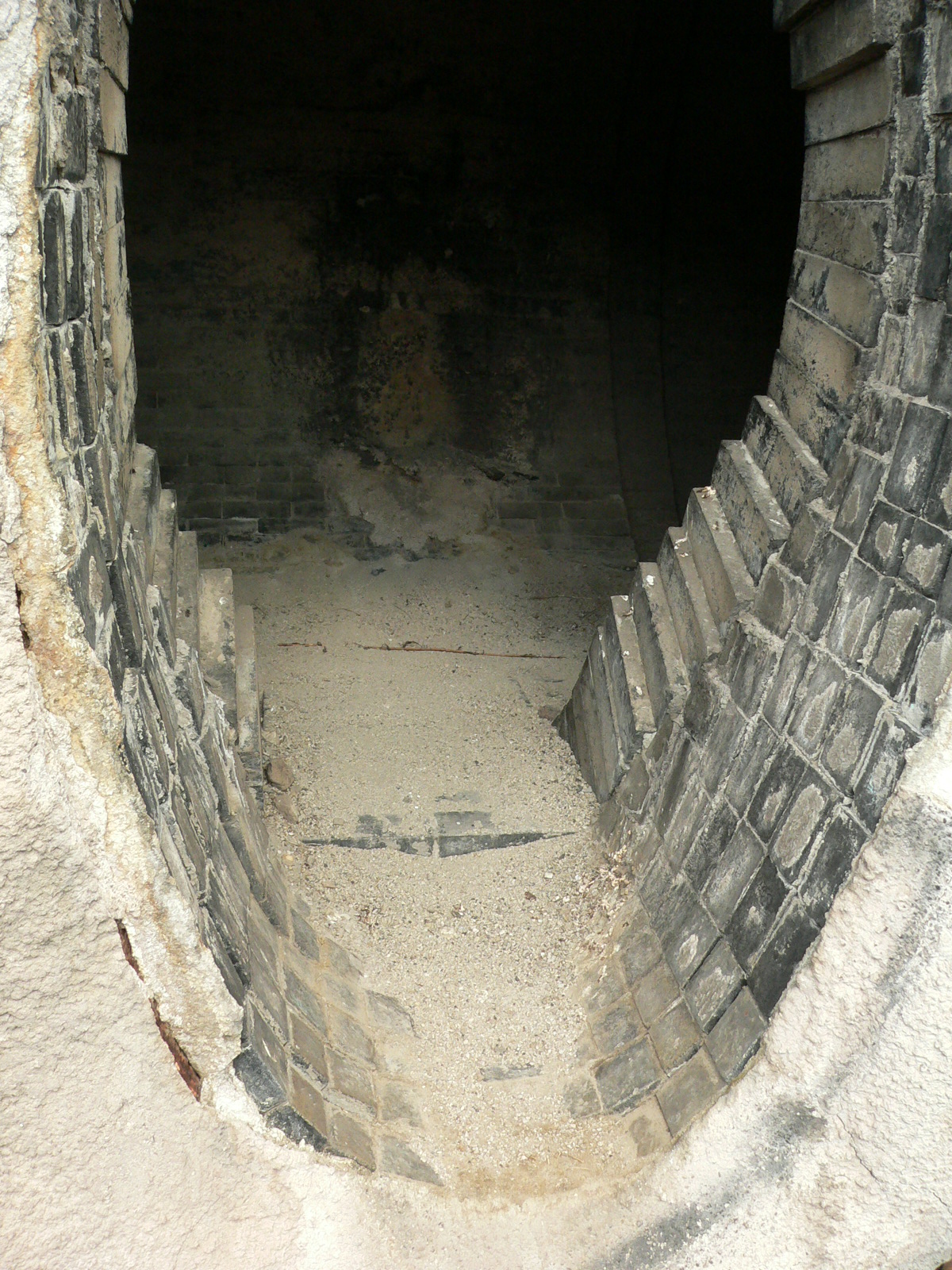
Refractory bricks in a torpedo car used for hauling molten iron

In materials science, a refractory (or refractory material) is a material that is resistant to decomposition by heat or chemical attack and that retains its strength and rigidity at high temperatures.[1] They are inorganic, non-metallic compounds that may be porous or non-porous, and their crystallinity varies widely: they may be crystalline, polycrystalline, amorphous, or composite. They are typically composed of oxides, carbides or nitrides of the following elements: silicon, aluminium, magnesium, calcium, boron, chromium and zirconium.[2] Many refractories are ceramics, but some such as graphite are not, and some ceramics such as clay pottery are not considered refractory. Refractories are distinguished from the refractory metals, which are elemental metals and their alloys that have high melting temperatures.

Refractories are defined by ASTM C71 as "non-metallic materials having those chemical and physical properties that make them applicable for structures, or as components of systems, that are exposed to environments above 1,000 °F (811 K; 538 °C)".[3] Refractory materials are used in furnaces, kilns, incinerators, and reactors. Refractories are also used to make crucibles and molds for casting glass and metals. The iron and steel industry and metal casting sectors use approximately 70% of all refractories produced.[4]

Refractory materials

[edit]

Refractory materials must be chemically and physically stable at high temperatures. Depending on the operating environment, they must be resistant to thermal shock, be chemically inert, and/or have specific ranges of thermal conductivity and of the coefficient of thermal expansion.

The oxides of aluminium (alumina), silicon (silica) and magnesium (magnesia) are the most important materials used in the manufacturing of refractories. Another oxide usually found in refractories is the oxide of calcium (lime).[5] Fire clays are also widely used in the manufacture of refractories.

Refractories must be chosen according to the conditions they face. Some applications require special refractory materials.[6] Zirconia is used when the material must withstand extremely high temperatures.[7] Silicon carbide and carbon (graphite) are two other refractory materials used in some very severe temperature conditions, but they cannot be used in contact with oxygen, as they would oxidize and burn.

Binary compounds such as tungsten carbide or boron nitride can be very refractory. Hafnium carbide is the most refractory binary compound known, with a melting point of 3890 °C.[8][9] The ternary compound tantalum hafnium carbide has one of the highest melting points of all known compounds (4215 °C).[10][11]

Molybdenum disilicide has a high melting point of 2030 °C and is often used as a heating element.

Uses

[edit]

Refractory materials are useful for the following functions:[12][2]

  1. Serving as a thermal barrier between a hot medium and the wall of a containing vessel
  2. Withstanding physical stresses and preventing erosion of vessel walls due to the hot medium
  3. Protecting against corrosion
  4. Providing thermal insulation

Refractories have multiple useful applications. In the metallurgy industry, refractories are used for lining furnaces, kilns, reactors, and other vessels which hold and transport hot media such as metal and slag. Refractories have other high temperature applications such as fired heaters, hydrogen reformers, ammonia primary and secondary reformers, cracking furnaces, utility boilers, catalytic cracking units, air heaters, and sulfur furnaces.[12] They are used for surfacing flame deflectors in rocket launch structures.[13]

Classification of refractory materials

[edit]

Refractories are classified in multiple ways, based on:

  1. Chemical composition
  2. Method of manufacture
  3. Size and shape
  4. Fusion temperature
  5. Refractoriness
  6. Thermal conductivity

Chemical composition

[edit]

Acidic refractories

[edit]

Acidic refractories are generally impervious to acidic materials but easily attacked by basic materials, and are thus used with acidic slag in acidic environments. They include substances such as silica, alumina, and fire clay brick refractories. Notable reagents that can attack both alumina and silica are hydrofluoric acid, phosphoric acid, and fluorinated gases (e.g. HF, F2).[14] At high temperatures, acidic refractories may also react with limes and basic oxides.

  • Silica refractories are refractories containing more than 93% silicon oxide (SiO2). They are acidic, have high resistance to thermal shock, flux and slag resistance, and high spalling resistance. Silica bricks are often used in the iron and steel industry as furnace materials. An important property of silica brick is its ability to maintain hardness under high loads until its fusion point.[2] Silica refractories are usually cheaper hence easily disposable. New technologies that provide higher strength and more casting duration with less silicon oxide (90%) when mixed with organic resins have been developed.
  • Zirconia refractories are refractories primarily composed of zirconium oxide (ZrO2). They are often used for glass furnaces because they have low thermal conductivity, are not easily wetted by molten glass and have low reactivity with molten glass. These refractories are also useful for applications in high temperature construction materials.
  • Aluminosilicate refractories mainly consist of alumina (Al2O3) and silica (SiO2). Aluminosilicate refractories can be semiacidic, fireclay composite, or high alumina content composite.[clarification needed][15]

Basic refractories

[edit]

Basic refractories are used in areas where slags and atmosphere are basic. They are stable to alkaline materials but can react to acids, which is important e. g. when removing phosphorus from pig iron (see Gilchrist–Thomas process). The main raw materials belong to the RO group, of which magnesia (MgO) is a common example. Other examples include dolomite and chrome-magnesia. For the first half of the twentieth century, the steel making process used artificial periclase (roasted magnesite) as a furnace lining material.

  • Magnesite refractories are composed of ≥ 85% magnesium oxide (MgO). They have high slag resistance to lime and iron-rich slags, strong abrasion and corrosion resistance, and high refractoriness under load, and are typically used in metallurgical furnaces.[16]
  • Dolomite refractories mainly consist of calcium magnesium carbonate. Typically, dolomite refractories are used in converter and refining furnaces.[17]
  • Magnesia-chrome refractories mainly consist of magnesium oxide (MgO) and chromium oxide (Cr2O3). These refractories have high refractoriness and have a high tolerance for corrosive environments.

Neutral refractories

[edit]

These are used in areas where slags and atmosphere are either acidic or basic and are chemically stable to both acids and bases. The main raw materials belong to, but are not confined to, the R2O3 group. Common examples of these materials are alumina (Al2O3), chromia (Cr2O3) and carbon.[2]

  • Carbon graphite refractories mainly consist of carbon. These refractories are often used in highly reducing environments, and their properties of high refractoriness allow them excellent thermal stability and resistance to slags.
  • Chromite refractories are composed of sintered magnesia and chromia. They have constant volume at high temperatures, high refractoriness, and high resistance to slags.[18]
  • Alumina refractories are composed of ≥ 50% alumina (Al2O3).

Method of manufacture

[edit]
  1. Dry press process
  2. Fused cast
  3. Hand molded
  4. Formed (normal, fired or chemically bonded)
  5. Un-formed (monolithic-plastic, ramming and gunning mass, castables, mortars, dry vibrating cements.)
  6. Un-formed dry refractories.

Size and shape

[edit]

Refractory objects are manufactured in standard shapes and special shapes. Standard shapes have dimensions that conform to conventions used by refractory manufacturers and are generally applicable to kilns or furnaces of the same types. Standard shapes are usually bricks that have a standard dimension of 9 in × 4.5 in × 2.5 in (229 mm × 114 mm × 64 mm) and this dimension is called a "one brick equivalent". "Brick equivalents" are used in estimating how many refractory bricks it takes to make an installation into an industrial furnace. There are ranges of standard shapes of different sizes manufactured to produce walls, roofs, arches, tubes and circular apertures etc. Special shapes are specifically made for specific locations within furnaces and for particular kilns or furnaces. Special shapes are usually less dense and therefore less hard wearing than standard shapes.

Unshaped (monolithic)

[edit]

These are without prescribed form and are only given shape upon application. These types are known as monolithic refractories. Common examples include plastic masses, ramming masses, castables, gunning masses, fettling mix, and mortars.

Dry vibration linings often used in induction furnace linings are also monolithic, and sold and transported as a dry powder, usually with a magnesia/alumina composition with additions of other chemicals for altering specific properties. They are also finding more applications in blast furnace linings, although this use is still rare.

Fusion temperature

[edit]

Refractory materials are classified into three types based on fusion temperature (melting point).

  • Normal refractories have a fusion temperature of 1580–1780 °C (e.g. fire clay)
  • High refractories have a fusion temperature of 1780–2000 °C (e.g. chromite)
  • Super refractories have a fusion temperature of > 2000 °C (e.g. zirconia)

Refractoriness

[edit]

Refractoriness is the property of a refractory's multiphase to reach a specific softening degree at high temperature without load, and is measured with a pyrometric cone equivalent (PCE) test. Refractories are classified as:[2]

  • Super duty: PCE value of 33–38
  • High duty: PCE value of 30–33
  • Intermediate duty: PCE value of 28–30
  • Low duty: PCE value of 19–28

Thermal conductivity

[edit]

Refractories may be classified by thermal conductivity as either conducting, nonconducting, or insulating. Examples of conducting refractories are silicon carbide (SiC) and zirconium carbide (ZrC), whereas examples of nonconducting refractories are silica and alumina. Insulating refractories include calcium silicate materials, kaolin, and zirconia.

Insulating refractories are used to reduce the rate of heat loss through furnace walls. These refractories have low thermal conductivity due to a high degree of porosity, with a desired porous structure of small, uniform pores evenly distributed throughout the refractory brick in order to minimize thermal conductivity. Insulating refractories can be further classified into four types:[2]

  1. Heat-resistant insulating materials with application temperatures ≤ 1100 °C
  2. Refractory insulating materials with application temperatures ≤ 1400 °C
  3. High refractory insulating materials with application temperatures ≤ 1700 °C
  4. Ultra-high refractory insulating materials with application temperatures ≤ 2000 °C

See also

[edit]

References

[edit]
[edit]
Revisions and contributorsEdit on WikipediaRead on Wikipedia
from Grokipedia
Refractory materials are inorganic nonmetallic substances engineered to withstand extreme temperatures, typically above 1,000°C (1,830°F), and harsh chemical environments, serving as linings, insulation, or containment for industrial furnaces, kilns, and reactors. These materials are essential for processes involving molten metals, gases, or slags, where they prevent structural failure and enable efficient heat management without reacting detrimentally with the contents. Key properties of refractories include high melting points, thermal shock resistance, low thermal conductivity to minimize heat loss, and superior and resistance against aggressive melts or gases. They must also exhibit mechanical strength under load at elevated temperatures, often quantified by metrics such as cold crushing strength exceeding 100 MPa and creep resistance to deformation over prolonged exposure. These characteristics ensure durability in dynamic conditions, such as rapid heating and cooling cycles in industrial operations. Refractories are broadly classified into shaped (bricks and tiles) and unshaped (castables, plastics, and ramming mixes) forms, with compositions primarily based on oxides like alumina (Al₂O₃), silica (SiO₂), magnesia (MgO), or non-oxides such as carbides and nitrides. Common types include fireclay refractories for moderate temperatures, high-alumina variants for , and chromite-magnesia for basic slag resistance, often enhanced with additives like zirconia for improved performance. In applications, refractories are indispensable in sectors like iron and steel production (consuming about 70% of global supply as of 2005), cement manufacturing, glass melting, and non-ferrous metal processing, where they line blast furnaces, ladles, and incinerators to contain corrosive environments and optimize energy use. Their strategic role supports energy efficiency, with U.S. industries potentially saving 166–830 TBtu annually through advanced refractory designs (as of 2005), underscoring their economic and environmental significance in high-temperature processing.

Definition and Fundamentals

Definition of Refractory Materials

Refractory materials are inorganic, non-metallic substances capable of withstanding temperatures above 1,000°C (1,832°F) without significant softening, , or . These materials are typically composed of thermally stable aggregates, binders, and additives, exhibiting high points that enable their use in extreme thermal conditions. Unlike metals, which often soften or lose structural integrity at elevated temperatures due to lower points, or polymers, which degrade rapidly under heat, refractories maintain their rigidity and strength through superior and resistance to . This distinction arises from their non-metallic, often ceramic-like composition, which prioritizes long-term endurance in oxidative or corrosive atmospheres over . The primary functional roles of refractory materials include containing and directing within processing equipment, shielding underlying structures from direct thermal exposure and , and providing barriers against chemical attacks from slags, fluxes, or gases in aggressive environments. Common examples include alumina (Al₂O₃), valued for its high purity and resistance; silica (SiO₂), known for its abundance and properties; and magnesia (MgO), prized for its basic nature and high refractoriness. These substances form the backbone of high-temperature operations in industries such as .

Historical Development

The origins of refractory materials trace back to ancient civilizations around 3000 BCE, where clay-based compositions were utilized in Egyptian and Mesopotamian pottery to withstand firing temperatures exceeding 800°C. These early refractories, derived from fire-resistant soils, marked the initial application of heat-resistant linings in primitive during the . By the , circa 1200 BCE, advancements included the incorporation of silica rock and fireclay into furnace linings, enhancing resistance to thermal and chemical stresses in iron processes. The in 19th-century catalyzed significant progress in refractory technology, with the development of fireclay bricks enabling the construction of durable linings for large-scale iron production. This innovation was closely tied to key figures like , whose 1850s steelmaking process— involving air-blown conversion of —demanded refractories capable of enduring extreme temperatures and erosion, thereby driving further refinements in material composition and manufacturing. Concurrently, milestones such as the development of silica bricks around 1822 and magnesia bricks in the 1860s laid the groundwork for more specialized acid and basic refractories suited to emerging metallurgical demands. In the , the industry saw the introduction of basic refractories like in the early 1900s, which became essential for open-hearth furnaces by providing superior resistance and extending operational life. Post-World War II innovations included fused-cast refractories, such as alumina-zirconia-silica (AZS) blocks developed around 1942 and commercialized thereafter, revolutionizing the glass industry by minimizing contamination and improving furnace durability under continuous high-heat exposure. From the early 2000s to 2025, refractory development has emphasized advanced compositions like carbon-bonded variants, which offer superior thermal conductivity and oxidation resistance for demanding environments. Nano-engineered materials, incorporating nanostructures such as carbonitride nanowires, have enhanced resistance, finding applications in components subjected to rapid temperature fluctuations. Parallel post-2000 research has focused on sustainable practices, including the of spent refractories with recovery rates up to around 80% in some processes for in , thereby reducing waste and resource consumption. As of 2025, further advancements include for optimizing refractory designs and nano-bonded castables for enhanced installation efficiency.

Classification of Refractory Materials

Based on

Refractory materials are classified based on their chemical composition into acidic, basic, and neutral types, a categorization that determines their reactivity with slags and atmospheres in high-temperature environments. This classification stems from the inherent acid-base properties of the constituent s, where acidic refractories exhibit Lewis acid behavior by accepting oxide ions, basic refractories act as Lewis bases by donating oxide ions, and neutral refractories show minimal interaction with either. The choice of composition ensures compatibility with process conditions, minimizing through slag-refractory reactions. Acidic refractories are primarily composed of silica (SiO₂) or such as fireclay, which contain significant amounts of SiO₂ (typically 50-90%) bonded with alumina (Al₂O₃). These materials react readily with basic slags due to the acidic nature of SiO₂, forming low-melting silicates that can lead to degradation. For instance, silica bricks, containing over 93% SiO₂, are a common example suited for environments with acidic slags. Fireclay refractories, with compositions, offer moderate resistance but still exhibit acidic reactivity. Basic refractories consist mainly of magnesia (MgO), dolomite (CaO·MgO), or magnesia-chromite, which resist basic slags but react with acidic ones by forming compounds like magnesium silicates. Magnesia, with a exceeding 2,800°C, provides exceptional refractoriness and is widely used in processes involving basic slags, such as . Dolomite-based refractories combine CaO and MgO for balanced properties, while magnesia-chromite adds stability against certain reducing conditions. These compositions dominate applications requiring high resistance to basic environments. Neutral refractories, including high-purity alumina (Al₂O₃), chromite, and carbon, demonstrate low reactivity with both acidic and basic slags due to their amphoteric or non-polar nature. Alumina refractories can achieve up to 99% Al₂O₃ content, offering versatility across diverse chemical conditions with minimal slag formation. Chromite provides added corrosion resistance, and carbon-based materials like graphite excel in reducing atmospheres. This category is ideal for environments with fluctuating slag basicity. The reactivity principles governing these classifications follow Lewis acid-base theory, where acidic oxides like SiO₂ act as electron pair acceptors and basic oxides like CaO or MgO as donors, leading to slag formation reactions. A representative interaction is the reaction between silica and lime in basic slag: SiO2+CaOCaSiO3\text{SiO}_2 + \text{CaO} \rightarrow \text{CaSiO}_3 This equation illustrates how acidic refractories dissolve in basic slags to form , underscoring the need for compositional matching to prevent . Similar principles apply to other pairs, ensuring the refractory's longevity by avoiding incompatible acid-base pairings.

Based on Manufacturing Method

Refractory materials are classified based on their manufacturing methods into three primary categories: fired, chemically bonded, and fused-cast. This reflects differences in techniques that determine the resulting microstructure, bonding mechanism, and performance characteristics, with raw materials typically including oxides like alumina, silica, magnesia, or clays. Fired refractories are produced by high-temperature of pre-formed shapes. The process begins with preparation, including crushing and grinding of aggregates such as clays or high-alumina sources, followed by mixing with water or binders to form a plastic mass. This mixture is then shaped via pressing or , dried to remove , and fired in periodic or at temperatures ranging from 1,200°C to 1,500°C, where ceramic bonding occurs through solid-state reactions and partial . Controlled cooling prevents thermal stresses, yielding dense, stable structures with improved load-bearing capacity. Chemically bonded refractories achieve cohesion through chemical reactions at lower temperatures, avoiding the need for extensive firing. Refractory aggregates, such as , , or alumina, are blended with binders like , , or magnesium oxychloride, then formed into bricks, ramming mixes, or castables. Curing occurs at ambient temperatures or up to around 300°C, often via hydration, , or acid-base reactions that form strong inter-particle bonds. This enables rapid installation , with examples including phosphate-bonded mixes for furnace repairs that develop strength without high-heat processing. Fused-cast refractories involve complete melting of raw materials to create a homogeneous melt, followed by . Batches of oxides like alumina, zirconia, and silica are melted in furnaces at temperatures exceeding 2,000°C, then poured into preheated molds where the material solidifies into large blocks through controlled cooling and annealing. The resulting microstructure is predominantly with embedded , providing exceptional resistance due to minimal . These refractories are commonly used in highly aggressive environments, such as molten contact zones. The manufacturing methods differ significantly in energy requirements and outcomes: fired processes emphasize for structural integrity, chemically bonded approaches prioritize versatility and low-temperature setting for flexible applications, and fused-cast techniques deliver superior durability through , each tailored to specific industrial demands like strength, installation speed, or resistance.

Based on Shape and Form

Refractory materials are classified based on their physical configuration into , unshaped (also known as monolithic), and hybrid forms, each designed to suit specific installation and application requirements in high-temperature environments. This classification emphasizes how the form influences ease of handling, assembly, and adaptation to furnace geometries, with shaped refractories offering pre-formed precision and unshaped ones providing flexibility for on-site customization. Shaped refractories consist of pre-formed items such as bricks, tiles, and special shapes that are molded and fired to fixed dimensions before delivery. Standard bricks typically measure 230 mm × 114 mm × 65 mm, conforming to modular series defined by ASTM C909 for rectangular and tapered shapes used in linings. These precision-molded products ensure uniformity and dimensional accuracy, facilitating straightforward assembly with minimal joints in permanent structures like furnace walls. Special shapes, such as arches or wedges, are custom-engineered for complex geometries, enhancing structural integrity during installation. Unshaped refractories, or monolithic types, are supplied as , castable, or gunning mixes without a predefined form, allowing them to be applied and shaped to create seamless linings. Common variants include hydraulic-setting castables, which harden upon addition of water, and or mixes that are compacted directly onto surfaces. Gunning mixes enable spray application for quick coverage, while these materials eliminate the need for joints, promoting efficient custom fitting in irregular spaces. Hybrid forms integrate elements of both shaped and unshaped refractories, such as precast shapes or modular blocks produced from castable mixes and pre-hardened off-site. These combine the uniformity of pre-formed units with the adaptability of monolithics, often adhering to ASTM classifications for dimensional tolerances to ensure precise . Precast shapes, for instance, can be tailored to specific furnace zones, offering faster installation than fully custom on-site work while reducing labor compared to traditional bricklaying. Installation considerations vary significantly by form: shaped refractories suit permanent installations where pre-cut pieces can be mortared or dry-stacked for stability and ease of assembly, often requiring less on-site preparation. In contrast, unshaped refractories are ideal for repairs or temporary linings, applied via , , or gunning to conform to existing structures without disassembly. Hybrid options balance these approaches, using modular precasts for core linings supplemented by in-situ monolithics for seals or adjustments.

Key Properties

Refractoriness

Refractoriness is defined as the capacity of a refractory to endure high s without significant softening or deformation, serving as the core indicator of its endurance. This property is quantitatively assessed through the Pyrometric Cone Equivalent (PCE), which represents the standard cone number corresponding to the at which the test deforms under controlled heating. PCE testing employs , such as the Orton series, that bend at predefined temperatures spanning approximately 1580°C to 2010°C, allowing comparison to identify the material's softening point. The standard testing procedure, outlined in ASTM C24 for fireclay and high-alumina refractories, involves grinding the material into powder, forming it into a conical shape, and firing it in a furnace alongside a sequence of standard pyrometric cones heated at a rate of 150°C per hour (approximately 2.5°C per minute). Deformation occurs when the cone tip touches the base plaque, and the matching standard cone defines the PCE value; this method evaluates softening without applied load. In Europe, Seger cones provide an equivalent assessment of deformation behavior under similar thermal conditions. Refractories are thereby classified by PCE-corresponding temperatures into low refractoriness (below approximately 1580–1700°C), intermediate (1700–1800°C), and high (above 1800°C), guiding selection for specific thermal demands. Key factors influencing refractoriness include the purity of raw materials, where impurities such as alkalis or silica can form low-melting eutectics that reduce the softening temperature, and the microstructure, with denser, finer-grained structures promoting greater heat resistance by minimizing weak points. For load-bearing scenarios at elevated temperatures, material performance is characterized by σ=FA\sigma = \frac{F}{A}, where FF is the applied load and AA is the cross-sectional area, with a deformation threshold typically at 0.5% strain marking initial softening. Despite its utility, refractoriness testing via PCE has limitations, as it focuses solely on static high-temperature deformation and does not evaluate dynamic effects like or chemical corrosion under operational loads.

Thermal and Mechanical Properties

Thermal conductivity, measured in watts per meter-kelvin (W/m·K), quantifies the rate at which transfers through a refractory material under a . Insulating refractories, designed to minimize loss, exhibit low thermal conductivity values typically ranging from 0.5 to 2.0 W/m·K at elevated temperatures, achieved through high that traps air and reduces conduction. These properties are commonly assessed using the flow meter apparatus outlined in ASTM C518, which applies a steady-state flow to determine transmission rates. In contrast, dense refractories, such as those based on or high-purity alumina, display higher thermal conductivity in the range of 10 to 20 W/m·K, facilitating efficient distribution in applications like linings where thermal uniformity is essential. Thermal expansion characterizes the dimensional changes in refractories due to temperature variations, with the coefficient of thermal expansion (CTE) expressed in units of 10^{-6}/°C. Uncontrolled expansion can induce internal stresses leading to cracking or spalling during thermal cycling. The linear change in length is described by the equation: ΔL=αLΔT\Delta L = \alpha L \Delta T where α\alpha is the CTE, LL is the original length, and ΔT\Delta T is the temperature change. For alumina-based refractories, α\alpha is approximately 5×10⁶/°C5 \times 10^{-6}/°C over typical operating ranges up to 1000°C, contributing to their resistance. Values vary by composition; for instance, silica refractories have lower CTEs around 1–2 × 10^{-6}/°C, minimizing expansion in acidic environments. Mechanical properties determine a refractory's ability to endure loads without failure, particularly under combined thermal and structural stresses. , often evaluated via the cold crushing strength test per ASTM C133, ranges from 20 to 100 MPa across common refractories, with higher values in dense varieties like magnesia bricks exceeding 80 MPa for enhanced load-bearing capacity. The modulus of rupture, a measure of , typically falls between 5 and 20 MPa and is critical for assessing resistance to bending or impact, directly influencing durability in vibrating or mechanically loaded furnace components. These properties are interrelated in , where achieving low thermal conductivity for insulation often requires porous structures that compromise mechanical strength, necessitating a careful balance to ensure structural integrity without excessive heat loss. For example, while insulating firebricks prioritize sub-1 W/m· conductivity, their compressive strengths remain above 1 MPa to support applications, whereas dense variants trade higher conductivity for strengths over 50 MPa in heavy-duty settings.

Chemical and Corrosion Resistance

Refractory materials must exhibit strong chemical and resistance to endure degradation from slags, gases, and melts in harsh industrial environments, ensuring prolonged service life and operational efficiency. The primary mechanisms involve dissolution, where refractory oxides dissolve into the molten slag through chemical reactions; penetration, whereby liquid slag infiltrates the material's porous network, accelerating internal degradation; and spalling, which occurs when reaction products form low-melting eutectics that induce thermal stresses and structural failure. For example, magnesia-based refractories can react with silica in acidic slags to form (2MgO + SiO₂ → 2MgO·SiO₂), a phase that expands upon cooling and promotes spalling. These processes are exacerbated by factors such as slag composition, temperature, and oxygen , with dissolution often dominating in high-basicity slags and penetration in porous structures. To assess corrosion resistance, standardized laboratory tests replicate industrial conditions, distinguishing between static and dynamic exposures. The ASTM C874 rotary slag test, a dynamic method, involves rotating cylindrical refractory specimens in a furnace with molten slag at temperatures up to 1650°C, evaluating corrosion via post-test wear profiles, penetration depth, and volume loss to simulate flowing slag erosion. In contrast, static tests, such as the crucible or pill method, immerse refractory samples in stationary slag, measuring dissolution and infiltration through cross-sectional analysis after controlled heating cycles. These evaluations often report corrosion rates as linear penetration (e.g., mm of material loss per hour of exposure) or relative volume reduction, providing benchmarks for material selection without direct industrial scaling. Key factors enhancing chemical resistance include low , ideally under 20%, which limits ingress and reduces the surface area available for reactions, while a fine, pore size distribution further impedes deep penetration. Neutral refractories, such as those based on (MgO·Cr₂O₃) or high-alumina with additions, provide superior performance in mixed acidic-basic environments due to their minimal reactivity with either type, forming protective layers that buffer chemical attacks. For instance, magnesia-chrome refractories in ladles resist basic CaO-SiO₂ effectively, with lab-derived rates often below 0.5 mm per test cycle, attributed to the stable phase that slows dissolution and spalling. These attributes underscore the importance of tailored compositions for specific chemistries, prioritizing durability over exhaustive metrics.

Manufacturing Processes

Raw Materials and Preparation

Refractory materials are primarily derived from natural minerals and supplemented by synthetic additives to achieve the necessary high-temperature stability and chemical resistance. Key natural raw materials include , which serves as the primary source for alumina-based refractories through its conversion into high-alumina clinker or fused alumina, consisting mainly of , , and . for refractory production is selectively mined from high-grade deposits with alumina content exceeding 70–80% Al₂O₃. Quartzite provides silica for acid refractories, while (MgCO₃) is calcined to produce magnesia (MgO) for basic refractories, with purity varying by source such as Austrian deposits offering higher grades. Other natural sources encompass refractory clays, dolomite, and , which contribute to diverse compositions like aluminosilicates or carbon-based refractories. Synthetic additives, such as tabular alumina—produced by calcined alumina at high temperatures—and fused magnesia, enhance purity and performance by minimizing impurities inherent in natural ores. Sourcing of these raw materials emphasizes to limit impurities that could compromise refractoriness, such as (Fe₂O₃) in high-alumina variants, where levels are typically maintained below 2% to prevent fluxing effects at elevated temperatures. requires low silica and iron impurities for dead-burned magnesia production. Globally, accounts for approximately 60–70% of the world's magnesite output, as of 2024, and a significant portion of bauxite and alumina supply in 2025, driven by its vast reserves and integrated mining operations. This leadership supports the overall refractories market, projected to reach 57.36 million tons in 2025, with stringent impurity specifications ensuring suitability for and other high-heat applications. Preparation begins with beneficiation to purify and standardize the raw materials, involving washing to remove soluble impurities and for iron contaminants in or . Subsequent steps include crushing to reduce lump sizes to under 50 mm, followed by grinding in ball mills or rod mills to achieve particle distributions ranging from coarse aggregates (5–10 mm) to fines (<0.1 mm), typically targeting mixes with 0–5 mm grains for optimal packing . is a critical thermal treatment; for , initial calcination at 800–1,200°C decomposes carbonates and drives off volatiles, followed by dead-burning at 1,500–2,000°C to form stable (MgO) for refractories, while is calcined at around 1,200–1,400°C to produce calcined alumina, improving reactivity and reducing shrinkage during later processing. at lower temperatures (100–200°C) follows to eliminate , preventing defects in subsequent handling. Batch formulation involves precise blending of prepared components to tailor properties like and density, often comprising 60–80% coarse aggregates for structural integrity and 20–40% fines to fill voids and enhance . For high-alumina refractories, a typical mix might include 70% tabular alumina aggregate (3–6 mm) and 30% finer reactive alumina powders, adjusted based on end-use requirements such as resistance in slag environments. Proportions are determined through and empirical testing to achieve a that maximizes green strength without introducing excessive dust, ensuring uniformity across batches for consistent refractory performance.

Forming, Bonding, and Firing Techniques

Forming techniques for refractory materials shape prepared raw mixtures into desired geometries, ensuring uniformity and density prior to bonding and firing. is commonly employed for producing bricks and other elongated shapes with constant cross-sections, where a plasticized mixture is forced through a die under , followed by cutting to length. This method suits high-volume production of structural refractories like fireclay bricks. For monolithic refractories, methods predominate, including where slurries are poured into porous molds to form complex shapes via , and pressure-assisted that applies external force to accelerate densification and reduce drying times. Pressure forming, such as dry pressing or isostatic pressing, compacts dry or semi-dry powders at pressures up to 100 MPa to create dense, precise shapes like tiles or nozzles, minimizing and enhancing mechanical strength. Bonding techniques bind the formed refractory particles to impart initial cohesion, with the depending on the desired service temperature and installation method. Ceramic bonding occurs through during high-temperature firing, where fluxes promote liquid-phase to form a glassy matrix that interlocks grains, achieving full structural integrity above 1000°C. Chemical bonding employs resins, such as furane types, or phosphates like , which cure at temperatures below 200°C via or acid-base reactions, providing rapid setting for no-bake castables used in maintenance repairs. Hydraulic bonding relies on cement-based agents, such as high-alumina cements or magnesium oxychloride, that set at ambient temperatures through hydration reactions, forming cementitious phases suitable for wet-mix monolithics in applications. Firing processes heat the formed and bonded refractories in to develop permanent bonds, control microstructure, and ensure stability, typically following programmed schedules to avoid defects. or shuttle are used, with ramp rates starting slow at around 50°C per hour during early stages to expel volatiles without cracking, progressing to peak temperatures of 1400°C or higher for . Recent developments as of 2025 include adoption of electric to reduce emissions and of spent refractories to improve . Shrinkage control is critical, as volume loss of 10–15% occurs due to densification and binder burnout, managed by uniform heating and supportive props to prevent warping. for firing varies, typically several GJ per depending on efficiency and raw material volatility, with modern designs incorporating insulation to minimize heat losses. Quality control in these stages involves non-destructive testing and thermal treatments to verify integrity and performance. Ultrasonic pulse velocity (UPV) testing detects internal defects like cracks or voids by measuring wave propagation speeds (typically 2000–2200 m/s in healthy refractories), with reductions indicating damage severity, often applied post-forming or pre-firing. Post-firing annealing, a controlled slow cooling phase, relieves residual stresses from rapid changes, enhancing without additional high-heat exposure.

Industrial Applications

Metallurgical Processes

In the steel industry, refractory materials are essential for lining blast furnaces, where carbon blocks and graphite-based refractories form the hearth and bottom linings to withstand the extreme conditions of molten iron and slag at temperatures exceeding 1,500°C. These carbon-based materials provide high thermal conductivity and resistance to molten metal penetration, enabling prolonged operation despite challenges such as slag erosion and chemical attack from alkali vapors. In basic oxygen converters (BOFs) and electric arc furnaces (EAFs), magnesia-carbon (MgO-C) bricks are predominantly used for slagline and sidewall protection, offering superior resistance to thermal shock and slag infiltration due to their 10-20% carbon content, which forms a non-wetting layer against molten steel. Slag erosion remains a critical issue in these vessels, particularly at 1,600°C, where basic slags with high CaO/SiO₂ ratios dissolve MgO grains, leading to accelerated wear; innovations like slag splashing have extended lining life to over 1,000 heats in modern operations. For non-ferrous metallurgy, alumina-based refractories are vital in aluminum via the Hall-Héroult process, where they line the sidewalls of electrolytic cells to resist sodium penetration and at operating temperatures around 950-980°C. In production, particularly in Peirce-Smith converters, silica bricks are employed in areas exposed to acidic siliceous slags, providing high refractoriness and volume stability to handle the oxidation of matte and addition during converting. These applications highlight the need for refractories with tailored chemical resistance, as from molten metals and slags can reduce lining integrity if not addressed. Key requirements for refractories in metallurgical processes include high refractoriness above 1,700°C to maintain structural integrity under intense heat, and basic compositions (e.g., high MgO content) to compatibly resist erosion from basic slags prevalent in . Service life metrics are critical, with campaigns typically lasting 15–20 years before relining, influenced by factors like cooling systems and material quality that mitigate thermal fatigue and chemical degradation. Innovations such as self-flowing castables, which are low-cement alumina-spinel formulations, have revolutionized ladle maintenance in by enabling rapid, vibration-free installation that reduces downtime by up to 50% and extends lining durability through improved slag resistance.

Non-Metallurgical Uses

Refractories play a vital role in non-metallurgical industries, where they must endure extreme temperatures, corrosive environments, and mechanical stresses unique to processes like , cement manufacturing, and energy generation. These materials, often shaped as bricks or blocks, provide and structural integrity, enabling efficient operation in furnaces and that do not involve metal extraction. In glass manufacturing, fused-cast alumina-zirconia-silica (AZS) blocks are essential for lining tank furnaces, where they directly contact molten . These blocks, composed primarily of alumina, zirconia, and silica, offer superior resistance to corrosion from the viscous, high-temperature glass melt, which typically reaches 1,500°C. Their dense, non-porous structure minimizes contamination of the glass by preventing reactions with the refractory, ensuring high-quality output in and container production. Cement production relies on high-alumina bricks in rotary to withstand the intense heat and chemical attacks prevalent in the process. These bricks, containing 60-80% alumina, line the kiln's burning zone, where temperatures climb to 1,450°C and alkaline dust from raw materials like generates corrosive conditions. Their high refractoriness under load and resistance to penetration allow for prolonged , reducing and costs in clinker formation. Beyond these core applications, refractories serve diverse sectors including coke production and processing. Carbon-based refractories, such as blocks, are employed in coke ovens to handle the of at temperatures around 1,000-1,200°C, providing oxidation resistance and thermal stability during the volatile release phase. In heaters, insulating firebricks made from lightweight ceramic fibers or offer low thermal conductivity, backing dense linings to minimize heat loss and enhance energy efficiency in cracking and reforming operations up to 1,200°C. Incinerators for also utilize specialized refractories like chrome-magnesite bricks, which exhibit strong resistance to alkaline and in zones reaching 1,200°C. These bricks, combining magnesia with , protect furnace walls from erosion by fly and corrosive gases, supporting reliable operation in facilities. Emerging applications as of 2025 highlight refractories' adaptability to advanced energy systems. (SiC) composites are being developed for cladding, offering exceptional radiation tolerance and structural integrity at temperatures exceeding 1,500°C, potentially enhancing accident-tolerant designs in light-water reactors. In plants, advanced refractories such as alumina-based monolithics are increasingly used for their ease of installation and resistance to , improving efficiency in converting municipal to power at scales up to several hundred megawatts. Monolithic forms like castables are briefly referenced here for their versatility in repairing these installations without extensive downtime.

References

Add your contribution
Related Hubs
User Avatar
No comments yet.