


Community hub
Yellow fever
View on Wikipedia
| Yellow fever | |
|---|---|
| Other names | Yellow jack, yellow plague,[1] bronze john[2] |
 | |
| A TEM micrograph of Yellow fever virus (234,000× magnification) | |
| Specialty | Infectious disease |
| Symptoms | Fever, chills, muscle pain, headache, Nausea, Vomiting, Fatigue, loss of appetite, yellow skin[3] |
| Complications | Liver failure, bleeding[3] |
| Usual onset | 3–6 days post exposure[3] |
| Duration | 3–4 days[3] |
| Causes | Yellow fever virus spread by mosquitoes[3] |
| Diagnostic method | Blood test[4] |
| Prevention | Yellow fever vaccine[3] |
| Treatment | Supportive care[3] |
| Frequency | ≈130,000 severe cases in Africa alone (2013)[3][5] |
| Deaths | ≈78,000 in Africa alone (2013)[3][5] |
Yellow fever is a viral disease of typically short duration.[3] In most cases, symptoms include fever, chills, loss of appetite, nausea, muscle pains—particularly in the back—and headaches.[3] Symptoms typically improve within five days.[3] In about 15% of people, within a day of improving the fever recurs, abdominal pain occurs and liver damage begins, causing yellow skin.[3][6] If this occurs, the risk of bleeding and kidney problems is increased.[3][7]
The disease is caused by the yellow fever virus and is spread by the bite of an infected mosquito.[3][8] It infects humans, other primates,[9] and several types of mosquitoes.[3] In cities, it is spread primarily by Aedes aegypti, a type of mosquito found throughout the tropics and subtropics.[3] The virus is an RNA virus of the genus Orthoflavivirus, with a full scientific name Orthoflavivirus flavi.[10] The disease may be difficult to tell apart from other illnesses, especially in the early stages.[3] To confirm a suspected case, blood-sample testing with a polymerase chain reaction is required.[4]
A safe and effective vaccine against yellow fever exists, and some countries require vaccinations for travelers.[3] Other efforts to prevent infection include reducing the population of the transmitting mosquitoes.[3] In areas where yellow fever is common, early diagnosis of cases and immunization of large parts of the population are important to prevent outbreaks.[3] Once a person is infected, management is symptomatic; no specific measures are effective against the virus.[3] Death occurs in up to half of those who get severe disease.[3][11]
In 2013, yellow fever was estimated to have caused 130,000 severe infections and 78,000 deaths in Africa.[3][5] Approximately 90 percent of an estimated 200,000 cases of yellow fever per year occur in Africa.[12] Nearly a billion people live in an area of the world where the disease is common.[3] It is common in tropical areas of the continents of South America and Africa,[13] but not in Asia.[3][14] Since the 1980s, the number of cases of yellow fever has been increasing.[3][15] This is believed to be due to fewer people being immune, more people living in cities, people moving frequently, and changing climate increasing the habitat for mosquitoes.[3]
The disease originated in Africa and spread to the Americas starting in the 17th century with the European trafficking of enslaved Africans from sub-Saharan Africa.[1][16] Since the 17th century, several major outbreaks of the disease have occurred in the Americas, Africa, and Europe.[1] In the 18th and 19th centuries, yellow fever was considered one of the most dangerous infectious diseases; numerous epidemics swept through major cities of the US and in other parts of the world.[1]
In 1927, the yellow fever virus became the first human virus to be isolated.[17][18]
Signs and symptoms
[edit]Yellow fever begins after an incubation period of three to six days.[19] Most cases cause only mild infection with fever, headache, chills, back pain, fatigue, loss of appetite, muscle pain, nausea, and vomiting.[20] In these cases, the infection lasts only three to six days.[21]
In 15% of cases, the disease enters a second, toxic phase, characterized by recurring fever, accompanied by jaundice caused by liver damage, as well as abdominal pain.[22] Bleeding in the mouth, nose, eyes and gastrointestinal tract causes vomit containing blood, hence one of the names in Spanish for yellow fever, vómito negro ("black vomit").[23] There may also be kidney failure, hiccups, and delirium.[24][25]
Among those who develop jaundice, the fatality rate is 20 to 50%, while the overall fatality rate is about 3 to 7.5%.[26] Severe cases may have a mortality rate greater than 50%.[27]
Surviving the infection provides lifelong immunity,[28] generally with no permanent organ damage.[29][30]
Complication
[edit]Yellow fever can lead to death for 20% to 50% of those who develop severe disease. Jaundice, fatigue, heart rhythm problems, seizures and internal bleeding may also appear as complications of yellow fever during recovery time.[8][31]
Cause
[edit]| Yellow fever virus | |
|---|---|

| |
| Flavivirus structure and genome | |
Virus classification 
| |
| (unranked): | Virus |
| Realm: | Riboviria |
| Kingdom: | Orthornavirae |
| Phylum: | Kitrinoviricota |
| Class: | Flasuviricetes |
| Order: | Amarillovirales |
| Family: | Flaviviridae |
| Genus: | Orthoflavivirus |
| Species: | Orthoflavivirus flavi
|
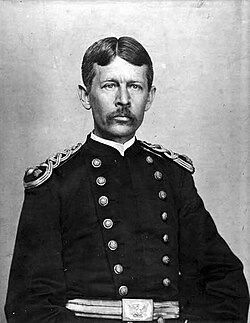
Yellow fever is caused by Yellow fever virus (YFV), an enveloped RNA virus 40–50 nm in width, the type species and namesake of the family Flaviviridae.[17] It was the first illness shown to be transmissible by filtered human serum and transmitted by mosquitoes, by American doctor Walter Reed around 1900.[32] The positive-sense, single-stranded RNA is around 10,862 nucleotides long and has a single open reading frame encoding a polyprotein.[33] Host proteases cut this polyprotein into three structural (C, prM, E) and seven nonstructural proteins (NS1, NS2A, NS2B, NS3, NS4A, NS4B, NS5); the enumeration corresponds to the arrangement of the protein coding genes in the genome.[34] Minimal YFV 3′UTR region is required for stalling of the host 5′-3′ exonuclease XRN1.[35] The UTR contains PKS3 pseudoknot structure, which serves as a molecular signal to stall the exonuclease and is the only viral requirement for subgenomic flavivirus RNA (sfRNA) production.[36] The sfRNAs are a result of incomplete degradation of the viral genome by the exonuclease and are important for viral pathogenicity.[37] Yellow fever belongs to the group of hemorrhagic fevers.[38]
The viruses infect, amongst others, monocytes, macrophages, Schwann cells, and dendritic cells. They attach to the cell surfaces via specific receptors and are taken up by an endosomal vesicle.[39] Inside the endosome, the decreased pH induces the fusion of the endosomal membrane with the virus envelope.[40] The capsid enters the cytosol, decays, and releases the genome.[41] Receptor binding, as well as membrane fusion, are catalyzed by the protein E, which changes its conformation at low pH, causing a rearrangement of the 90 homodimers to 60 homotrimers.[34][42]
After entering the host cell, the viral genome is replicated in the rough endoplasmic reticulum (ER) and in the so-called vesicle packets.[43] At first, an immature form of the virus particle is produced inside the ER, whose M-protein is not yet cleaved to its mature form, so is denoted as precursor M (prM) and forms a complex with protein E.[44] The immature particles are processed in the Golgi apparatus by the host protein furin, which cleaves prM to M.[45] This releases E from the complex, which can now take its place in the mature, infectious virion.[34]
Transmission
[edit]

Yellow fever virus is mainly transmitted through the bite of the yellow fever mosquito Aedes aegypti, but other mostly Aedes mosquitoes such as the tiger mosquito (Aedes albopictus) can also serve as a vector for this virus.[46] Like other arboviruses, which are transmitted by mosquitoes, Yellow fever virus is taken up by a female mosquito when it ingests the blood of an infected human or another primate.[47] Viruses reach the stomach of the mosquito, and if the virus concentration is high enough, the virions can infect epithelial cells and replicate there. From there, they reach the haemocoel (the blood system of mosquitoes) and from there the salivary glands.[48] When the mosquito next sucks blood, it injects its saliva into the wound, and the virus reaches the bloodstream of the bitten person.[49] Transovarial transmissionial and transstadial transmission of yellow fever virus within A. aegypti, that is, the transmission from a female mosquito to its eggs and then larvae, are indicated.[50] This infection of vectors without a previous blood meal seems to play a role in single, sudden breakouts of the disease.[51]
Three epidemiologically different infectious cycles occur[15] in which the virus is transmitted from mosquitoes to humans or other primates.[52] In the "urban cycle", only the yellow fever mosquito A. aegypti is involved. It is well adapted to urban areas, and can also transmit other diseases, including Zika fever, dengue fever, and chikungunya.[53] The urban cycle is responsible for the major outbreaks of yellow fever that occur in Africa. Except for an outbreak in Bolivia in 1999, this urban cycle no longer exists in South America.[54]
Besides the urban cycle, both in Africa and South America, a sylvatic cycle (forest or jungle cycle) is present, where Aedes africanus (in Africa) or mosquitoes of the genus Haemagogus and Sabethes (in South America) serve as vectors.[55] In the jungle, the mosquitoes infect mainly nonhuman primates; the disease is mostly asymptomatic in African primates.[49] In South America, the sylvatic cycle is currently the only way unvaccinated humans can become infected, which explains the low incidence of yellow fever cases on the continent.[46] People who become infected in the jungle can carry the virus to urban areas, where A. aegypti acts as a vector. Because of this sylvatic cycle, yellow fever cannot be eradicated except by completely eradicating the mosquitoes that serve as vectors.[15]
In Africa, a third infectious cycle known as "savannah cycle" or intermediate cycle, occurs between the jungle and urban cycles.[56] Different mosquitoes of the genus Aedes are involved. In recent years, this has been the most common form of transmission of yellow fever in Africa.[57]
Concern exists about yellow fever spreading to southeast Asia, where its vector A. aegypti already occurs.[58]
Pathogenesis
[edit]After transmission from a mosquito, the viruses replicate in the lymph nodes and infect dendritic cells in particular. From there, they reach the liver and infect hepatocytes (probably indirectly via Kupffer cells), which leads to eosinophilic degradation of these cells and to the release of cytokines. Apoptotic masses known as Councilman bodies appear in the cytoplasm of hepatocytes.[59][60]
Fatality may occur when cytokine storm, shock, and multiple organ failure follow.[26]
Diagnosis
[edit]Yellow fever is most frequently a clinical diagnosis, based on symptomatology and travel history. Mild cases of the disease can only be confirmed virologically.[47] Since mild cases of yellow fever can also contribute significantly to regional outbreaks, every suspected case of yellow fever (involving symptoms of fever, pain, nausea, and vomiting 6–10 days after leaving the affected area) is treated seriously.[47]
If yellow fever is suspected, the virus cannot be confirmed until 6–10 days following the illness. A direct confirmation can be obtained by reverse transcription polymerase chain reaction, where the genome of the virus is amplified.[4] Another direct approach is the isolation of the virus and its growth in cell culture using blood plasma; this can take 1–4 weeks.[61][12]
Serologically, an enzyme-linked immunosorbent assay during the acute phase of the disease using specific IgM against yellow fever or an increase in specific IgG titer (compared to an earlier sample) can confirm yellow fever.[62] Together with clinical symptoms, the detection of IgM or a four-fold increase in IgG titer is considered sufficient indication for yellow fever. As these tests can cross-react with other flaviviruses, such as dengue virus, these indirect methods cannot conclusively prove yellow fever infection.[63]
Liver biopsy can verify inflammation and necrosis of hepatocytes and detect viral antigens. Because of the bleeding tendency of yellow fever patients, a biopsy is only advisable post mortem to confirm the cause of death.[64]
In a differential diagnosis, infections with yellow fever must be distinguished from other feverish illnesses such as malaria. Other viral hemorrhagic fevers, such as Ebola virus, Lassa virus, Marburg virus, and Junin virus, must be excluded as the cause.[65]
Prevention
[edit]Personal prevention of yellow fever includes vaccination and avoidance of mosquito bites in areas where yellow fever is endemic.[46] Institutional measures for the prevention of yellow fever include vaccination programmes and measures to control mosquitoes. Programmes for distribution of mosquito nets for use in homes produce reductions in malaria and yellow fever. EPA-registered insect repellent is recommended when outdoors. Exposure for even a short time is enough for a potential mosquito bite. Long-sleeved clothing, long pants, and socks are useful for prevention. Applying larvicides to water-storage containers can help eliminate potential mosquito breeding sites. EPA-registered insecticide spray decreases the transmission of yellow fever.[66]
- Use insect repellent when outdoors such as those containing DEET, picaridin, ethyl butylacetylaminopropionate (IR3535), or oil of lemon eucalyptus on exposed skin.[67]
- Mosquitoes may bite through thin clothing, so spraying clothes with repellent containing permethrin or another EPA-registered repellent gives extra protection.[68] Clothing treated with permethrin is commercially available. Mosquito repellents containing permethrin are not approved for application directly to the skin.[69]
- The peak biting times for many mosquito species are dusk to dawn. However, A. aegypti, one of the mosquitoes that transmit yellow fever virus, feeds during the daytime.[70] Staying in accommodations with screened or air-conditioned rooms, particularly during peak biting times, also reduces the risk of mosquito bites.[70]
Vaccination
[edit]

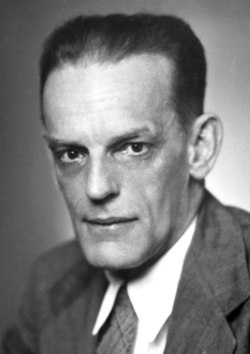
Vaccination is recommended for those traveling to affected areas, because non-native people tend to develop more severe illness when infected. Protection begins by the 10th day after vaccine administration in 95% of people,[72] and had been reported to last for at least 10 years. The World Health Organization (WHO) now states that a single dose of vaccine is sufficient to confer lifelong immunity against yellow fever disease.[73] The attenuated live vaccine stem 17D was developed in 1937 by Max Theiler.[72] The WHO recommends routine vaccination for people living in affected areas between the 9th and 12th month after birth.[4]
Up to one in four people experience fever, aches, local soreness, and redness at the injection site.[74] In rare cases (less than one in 200,000 to 300,000),[72] the vaccination can cause yellow fever vaccine-associated viscerotropic disease, which is fatal in 60% of cases. It is probably due to the genetic morphology of the immune system. Another possible side effect is an infection of the nervous system, which occurs in one in 200,000 to 300,000 cases, causing yellow fever vaccine-associated neurotropic disease, which can lead to meningoencephalitis and is fatal in less than 5%[72] of cases.[4][26]
The Yellow Fever Initiative, launched by the WHO in 2006, vaccinated more than 105 million people in 14 countries in West Africa.[75] No outbreaks were reported during 2015. The campaign was supported by the GAVI alliance and governmental organizations in Europe and Africa.[76] According to the WHO, mass vaccination cannot eliminate yellow fever because of the vast number of infected mosquitoes in urban areas of the target countries, but it will significantly reduce the number of people infected.[77]
Demand for yellow fever vaccines has continued to increase due to the growing number of countries implementing yellow fever vaccination as part of their routine immunization programmes.[78] Recent upsurges in yellow fever outbreaks in Angola (2015), the Democratic Republic of Congo (2016), Uganda (2016), and more recently in Nigeria and Brazil in 2017 have further increased demand, while straining global vaccine supply.[78][79] Therefore, to vaccinate susceptible populations in preventive mass immunization campaigns during outbreaks, fractional dosing of the vaccine is being considered as a dose-sparing strategy to maximize limited vaccine supplies.[78] Fractional dose yellow fever vaccination refers to administration of a reduced volume of vaccine dose, which has been reconstituted as per manufacturer recommendations.[78][80] The first practical use of fractional dose yellow fever vaccination was in response to a large yellow fever outbreak in the Democratic Republic of the Congo in mid-2016.[78] Available evidence shows that fractional dose yellow fever vaccination induces a level of immune response similar to that of the standard full dose.[81]
In March 2017, the WHO launched a vaccination campaign in Brazil with 3.5 million doses from an emergency stockpile.[82] In March 2017 the WHO recommended vaccination for travellers to certain parts of Brazil.[83] In March 2018, Brazil shifted its policy and announced it planned to vaccinate all 77.5 million currently unvaccinated citizens by April 2019.[84]
Compulsory vaccination
[edit]Some countries in Asia are considered to be potentially in danger of yellow fever epidemics, as both mosquitoes with the capability to transmit yellow fever as well as susceptible monkeys are present.[85] The disease does not yet occur in Asia. To prevent the introduction of the virus, some countries demand previous vaccination of foreign visitors who have passed through yellow fever areas.[86] Vaccination has to be proved by a vaccination certificate, which is valid 10 days after the vaccination and lasts for 10 years. Although the WHO on 17 May 2013 advised that subsequent booster vaccinations are unnecessary, an older (than 10 years) certificate may not be acceptable at all border posts in all affected countries. A list of the countries that require yellow fever vaccination is published by the WHO.[71] If the vaccination cannot be given for some reason, dispensation may be possible. In this case, an exemption certificate issued by a WHO-approved vaccination center is required. Although 32 of 44 countries where yellow fever occurs endemically do have vaccination programmes, in many of these countries, less than 50% of their population is vaccinated.[4]
Vector control
[edit]
Control of the yellow fever mosquito A. aegypti is of major importance, especially because the same mosquito can also transmit dengue fever and chikungunya disease.[87] A. aegypti breeds preferentially in water, for example, in installations by inhabitants of areas with precarious drinking water supplies, or in domestic refuse, especially tires, cans, and plastic bottles. These conditions are common in urban areas in developing countries.[88]
Two main strategies are employed to reduce A. aegypti populations.[89] One approach is to kill the developing larvae. Measures are taken to reduce the water accumulations in which the larvae develop. Larvicides are used, along with larvae-eating fish and copepods, which reduce the number of larvae.[90] For many years, copepods of the genus Mesocyclops have been used in Vietnam for preventing dengue fever.[91] This eradicated the mosquito vector in several areas. Similar efforts may prove effective against yellow fever. Pyriproxyfen is recommended as a chemical larvicide, mainly because it is safe for humans and effective in small doses.[4]
The second strategy is to reduce populations of the adult yellow fever mosquito. Lethal ovitraps can reduce Aedes populations, using lesser amounts of pesticide because it targets the pest directly.[92] Curtains and lids of water tanks can be sprayed with insecticides, but application inside houses is not recommended by the WHO.[93] Insecticide-treated mosquito nets are effective, just as they are against the Anopheles mosquito that carries malaria.[4]
Treatment
[edit]As with other Flavivirus infections, no cure is known for yellow fever. Hospitalization is advisable and intensive care may be necessary because of rapid deterioration in some cases. Certain acute treatment methods lack efficacy: passive immunization after the emergence of symptoms is probably without effect; ribavirin and other antiviral drugs, as well as treatment with interferons, are ineffective in yellow fever patients.[26] Symptomatic treatment includes rehydration and pain relief with drugs such as paracetamol (acetaminophen). However, aspirin and other non-steroidal anti-inflammatory drugs (NSAIDs) are often avoided because of an increased risk of gastrointestinal bleeding due to their anticoagulant effects.[94]
Epidemiology
[edit]Yellow fever is common in tropical and subtropical areas of South America and Africa.[95] Worldwide, about 600 million people live in endemic areas. The WHO estimates 200,000 cases of yellow fever worldwide each year.[96] About 15% of people infected with yellow fever progress to a severe form of the illness, and up to half of those will die, as there is no cure for yellow fever.[97]
Africa
[edit]
An estimated 90% of yellow fever infections occur on the African continent.[4] In 2016, a large outbreak originated in Angola and spread to neighboring countries before being contained by a massive vaccination campaign.[98] In March and April 2016, 11 imported cases of the Angola genotype in unvaccinated Chinese nationals were reported in China, the first appearance of the disease in Asia in recorded history.[99][100]
Phylogenetic analysis has identified seven genotypes of yellow fever viruses, and they are assumed to be differently adapted to humans and to the vector A. aegypti. Five genotypes (Angola, Central/East Africa, East Africa, West Africa I, and West Africa II) occur only in Africa. West Africa genotype I is found in Nigeria and the surrounding region.[101] West Africa genotype I appears to be especially infectious, as it is often associated with major outbreaks. The three genotypes found outside of Nigeria and Angola occur in areas where outbreaks are rare. Two outbreaks, in Kenya (1992–1993) and Sudan (2003 and 2005), involved the East African genotype, which had remained undetected in the previous 40 years.[102]
South America
[edit]
In South America, two genotypes have been identified (South American genotypes I and II).[15] Based on phylogenetic analysis these two genotypes appear to have originated in West Africa[103] and were first introduced into Brazil.[104] The date of introduction of the predecessor African genotype which gave rise to the South American genotypes appears to be 1822 (95% confidence interval 1701 to 1911).[104] The historical record shows an outbreak of yellow fever occurred in Recife, Brazil, between 1685 and 1690. The disease seems to have disappeared, with the next outbreak occurring in 1849.[105] It was likely introduced with the trafficking of slaves through the slave trade from Africa. Genotype I has been divided into five subclades, A through E.[106]
In late 2016, a large outbreak began in Minas Gerais state of Brazil that was characterized as a sylvatic or jungle epizootic.[107] Real-time phylogenetic investigations at the epicentre of the outbreak revealed that the outbreak was caused by the introduction of a virus lineage from the Amazon region into the southeast region around July 2016,[108] spreading rapidly across several neotropical monkey species, including brown howler monkeys,[109] which serve as a sentinel species for yellow fever. No cases had been transmitted between humans by the A. aegypti mosquito, which can sustain urban outbreaks that can spread rapidly. In April 2017, the sylvatic outbreak continued moving toward the Brazilian coast, where most people were unvaccinated.[83] By the end of May the outbreak appeared to be declining after more than 3,000 suspected cases, 758 confirmed and 264 deaths confirmed to be yellow fever.[110] The Health Ministry launched a vaccination campaign and was concerned about spread during the Carnival season in February and March. The CDC issued a Level 2 alert (practice enhanced precautions.)[111]
A Bayesian analysis of genotypes I and II has shown that genotype I accounts for virtually all the current infections in Brazil, Colombia, Venezuela, and Trinidad and Tobago, while genotype II accounted for all cases in Peru.[112] Genotype I originated in the northern Brazilian region around 1908 (95% highest posterior density interval [HPD]: 1870–1936). Genotype II originated in Peru in 1920 (95% HPD: 1867–1958).[112] The estimated rate of mutation for both genotypes was about 5 × 10⁻⁴ substitutions/site/year, similar to that of other RNA viruses.[112]
Asia
[edit]The main vector (A. aegypti) also occurs in tropical and subtropical regions of Asia, the Pacific, and Australia, but yellow fever had never occurred there until jet travel introduced 11 cases from the 2016 Angola and DR Congo yellow fever outbreak in Africa. Proposed explanations include:[113]
- That the strains of the mosquito in the east are less able to transmit Yellow fever virus.[citation needed]
- That immunity is present in the populations because of other diseases caused by related viruses (for example, dengue).[114]
- That the disease was never introduced because the shipping trade was insufficient.
But none is considered satisfactory.[115][116] Another proposal is the absence of a slave trade to Asia on the scale of that to the Americas.[117] The trans-Atlantic slave trade probably introduced yellow fever into the Western Hemisphere from Africa.[118]
History
[edit]Early history
[edit].JPG)


The evolutionary origins of yellow fever most likely lie in Africa, with transmission of the disease from nonhuman primates to humans.[119][118] The virus is thought to have originated in East or Central Africa and spread from there to West Africa. As it was endemic in Africa, local populations had developed some immunity to it. When an outbreak of yellow fever would occur in an African community where colonists resided, most Europeans died, while the indigenous Africans usually developed nonlethal symptoms resembling influenza.[1] This phenomenon, in which certain populations develop immunity to yellow fever due to prolonged exposure in their childhood, is known as acquired immunity.[120] The virus, as well as the vector A. aegypti, were probably transferred to North and South America with the trafficking of slaves from Africa, part of the Columbian exchange following European exploration and colonization.[121] However, some researchers have argued that yellow fever might have existed in the Americas during the pre-Columbian period as mosquitoes of the genus Haemagogus, which is indigenous to the Americas, have been known to carry the disease.[122]
The first definitive outbreak of yellow fever in the New World was in 1647 on the island of Barbados.[123] An outbreak was recorded by Spanish colonists in 1648 in the Yucatán Peninsula, where the indigenous Mayan people called the illness xekik ("blood vomit"). In 1685, Brazil suffered its first epidemic in Recife. Dr. John Mitchell of Virginia made the first recorded mention of a disease by the name "yellow fever" in 1744.[124][125][126] However, Mitchell misdiagnosed the disease that he observed and treated, which was probably Weil's disease or hepatitis.[127]
McNeill argues that the environmental and ecological disruption caused by the introduction of sugar plantations created the conditions for mosquito and viral reproduction, and subsequent outbreaks of yellow fever.[128] Deforestation reduced populations of insectivorous birds and other creatures that fed on mosquitoes and their eggs.[129]
In Colonial times and during the Napoleonic Wars, the West Indies were known as a particularly dangerous posting for soldiers due to yellow fever being endemic in the area.[130] The mortality rate in British garrisons in Jamaica was seven times that of garrisons in Canada, mostly because of yellow fever and other tropical diseases.[131] Both English and French forces posted there were seriously affected by the "yellow jack".[132] Wanting to regain control of the highly profitable sugar trade on Hispaniola, and rejuvenate France's New World empire, Napoleon sent an army under the command of his brother-in-law General Charles Leclerc to Saint-Domingue to seize control after a slave revolt.[133] The historian J. R. McNeill asserts that yellow fever inflicted between 35,000 and 45,000 casualties on French army,[134] which was forced to withdraw, with only one-third surviving to return to France. Consequently, Napoleon abandoned his plans for North America and sold Louisiana to the US in 1803. In 1804, Haiti proclaimed its independence as the second republic in the Western Hemisphere.[135] Considerable debate exists over whether the number of deaths caused by disease in the Haitian Revolution was exaggerated.[136]
Although yellow fever is most prevalent in tropical-like climates, the northern United States was not exempt from the fever. The first outbreak in English-speaking North America occurred in New York City in 1668.[137] English colonists in Philadelphia and the French in the Mississippi River Valley recorded major outbreaks in 1669, as well as additional yellow fever epidemics in Philadelphia, Baltimore, and New York City in the 18th and 19th centuries. The disease traveled along steamboat routes from New Orleans, causing some 100,000–150,000 deaths in total.[138] The Yellow Fever Epidemic of 1793 in Philadelphia, which was then the capital of the United States, caused thousands of deaths totaling over 9% of the city's population,[139] including James Hutchinson, a physician helping to treat the population of the city. As the outbreak escalated organs of the federal government fled piecemeal to the city to Trenton, New Jersey, eventually being joined by President George Washington.[140] This was done with little coordination or formal sanction and at times was carried out in great haste. All entities of the federal government including Congress and President soon returned to resume operations in Philadelphia as the epidemic subsided. However, another severe outbreak in 1799 culminated in an official decision to relocate the national government to the city of Trenton, where it remained for the next six months.
The southern city of New Orleans was plagued with major epidemics during the 19th century, most notably in 1833 and 1853.[141] A major epidemic occurred in both New Orleans and Shreveport, Louisiana, in 1873. Its residents called the disease "yellow jack". Urban epidemics continued in the United States until 1905, with the last outbreak affecting New Orleans.[142][15][143]
At least 25 major outbreaks took place in the Americas during the 18th and 19th centuries, including particularly serious ones in Cartagena, Chile, in 1741; Cuba in 1762 and 1900; Santo Domingo in 1803; and Memphis, Tennessee, in 1878.[144]
In the early 19th century, the prevalence of yellow fever in the Caribbean "led to serious health problems" and alarmed the United States Navy as numerous deaths and sickness curtailed naval operations and destroyed morale.[145] One episode began in April 1822 when the frigate USS Macedonian left Boston and became part of Commodore James Biddle's West India Squadron. Unbeknownst to all, they were about to embark on an assignment that "would prove a cruise through hell".[146] Secretary of the Navy Smith Thompson had assigned the squadron to guard American merchant shipping and suppress piracy.[147] From 26 May to 3 August 1822, 76 of the Macedonian's officers and men died, including John Cadle, surgeon USN. 74 of these deaths were attributed to yellow fever. Biddle reported that another 52 of his crew were on the sick list. In their report to the secretary of the Navy, Biddle and Surgeon's Mate Charles Chase stated the cause as "fever". As a consequence of this loss, Biddle noted that his squadron was forced to return to Norfolk Navy Yard early. Upon arrival, the Macedonian's crew were provided medical care and quarantined at Craney Island, Virginia.[148][149][146]
In 1853, Cloutierville, Louisiana, had a late-summer outbreak of yellow fever that quickly killed 68 of the 91 inhabitants. A local doctor concluded that some unspecified infectious agent had arrived in a package from New Orleans.[150][151] In 1854, 650 residents of Savannah, Georgia, died from yellow fever.[152] In 1858, St. Matthew's German Evangelical Lutheran Church in Charleston, South Carolina, had 308 yellow fever deaths, reducing the congregation by half.[153] A ship carrying persons infected with the virus arrived in Hampton Roads in southeastern Virginia in June 1855.[154] The disease spread quickly through the community, eventually killing over 3,000 people, mostly residents of Norfolk and Portsmouth.[155] In 1873, Shreveport lost 759 citizens in an 80-day period to a yellow fever epidemic that began in August, by November over 400 additional victims succumbed for a total death toll of approximately 1,200.[156][157]
The widespread Lower Mississippi Valley yellow fever epidemic of 1878 caused an estimated 20,000 fatalities.[158] That year, Memphis had an unusually large amount of rain, which led to an increase in the mosquito population. The result was a huge epidemic of yellow fever.[159] The steamship John D. Porter took people fleeing Memphis northward in hopes of escaping the disease, but passengers were not allowed to disembark due to concerns of spreading yellow fever. The ship roamed the Mississippi River for the next two months before unloading her passengers.[160]
Major outbreaks have also occurred in southern Europe. Gibraltar lost many lives to outbreaks in 1804, 1814, and 1828.[161] Barcelona suffered the loss of several thousand citizens during an outbreak in 1821. The Duke de Richelieu deployed 30,000 French troops to the border between France and Spain in the Pyrenees Mountains, to establish a cordon sanitaire to prevent the epidemic from spreading from Spain into France.[162]
Causes and transmission
[edit]Ezekiel Stone Wiggins, known as the Ottawa Prophet, proposed that the cause of a yellow fever epidemic in Jacksonville, Florida, in 1888, was astrological.[163]
The planets were in the same line as the sun and earth and this produced, besides Cyclones, Earthquakes, etc., a denser atmosphere holding more carbon and creating microbes. Mars had an uncommonly dense atmosphere, but its inhabitants were probably protected from the fever by their newly discovered canals, which were perhaps made to absorb carbon and prevent the disease.[164]
In 1848, Josiah C. Nott suggested that yellow fever was spread by insects such as moths or mosquitoes, basing his ideas on the pattern of transmission of the disease.[165] Carlos Finlay, a Cuban-Spanish doctor and scientist, proposed in 1881 that yellow fever might be transmitted by previously infected mosquitoes rather than by direct contact from person to person, as had long been believed.[166][167] Since the losses from yellow fever in the Spanish–American War in the 1890s were extremely high, U.S. Army doctors began research experiments with a team led by Walter Reed, and composed of doctors James Carroll, Aristides Agramonte, and Jesse William Lazear. They successfully proved Finlay's "mosquito hypothesis". Yellow fever was the first virus shown to be transmitted by mosquitoes. The physician William Gorgas applied these insights and eradicated yellow fever from Havana. He also campaigned against yellow fever during the construction of the Panama Canal. A previous effort of canal building by the French had failed in part due to mortality from the high incidence of yellow fever and malaria, which killed many workers.[15]
Although Reed has received much of the credit in United States history books for "beating" yellow fever, he had fully credited Finlay with the discovery of the yellow fever vector, and how it might be controlled. Reed often cited Finlay's papers in his articles and also credited him for the discovery in his correspondence.[168] The acceptance of Finlay's work was one of the most important and far-reaching effects of the U.S. Army Yellow Fever Commission of 1900.[169] Applying methods first suggested by Finlay, the United States government and Army eradicated yellow fever in Cuba and later in Panama, allowing completion of the Panama Canal. While Reed built on the research of Finlay, historian François Delaporte notes that yellow fever research was a contentious issue. Scientists, including Finlay and Reed, became successful by building on the work of less prominent scientists, without always giving them the credit they were due.[170] Reed's research was essential in the fight against yellow fever. He is also credited for using the first type of medical consent form during his experiments in Cuba, an attempt to ensure that participants knew they were taking a risk by being part of testing.[171]
Like Cuba and Panama, Brazil also led a highly successful sanitation campaign against mosquitoes and yellow fever. Beginning in 1903, the campaign led by Oswaldo Cruz, then director general of public health, resulted not only in eradicating the disease but also in reshaping the physical landscape of Brazilian cities such as Rio de Janeiro.[172] During rainy seasons, Rio de Janeiro regularly suffered floods, as water from the bay surrounding the city overflowed into Rio's narrow streets. Coupled with the poor drainage systems found throughout Rio, this created swampy conditions in the city's neighborhoods. Pools of stagnant water stood year-long in city streets and proved to be fertile ground for disease-carrying mosquitoes. Thus, under Cruz's direction, public health units known as "mosquito inspectors" fiercely worked to combat yellow fever throughout Rio by spraying, exterminating rats, improving drainage, and destroying unsanitary housing. Ultimately, the city's sanitation and renovation campaigns reshaped Rio de Janeiro's neighborhoods. Its poor residents were pushed from city centers to Rio's suburbs, or to towns found in the outskirts of the city. In later years, Rio's most impoverished inhabitants would come to reside in favelas.[173]
During 1920–1923, the Rockefeller Foundation's International Health Board undertook an expensive and successful yellow fever eradication campaign in Mexico.[174] The IHB gained the respect of Mexico's federal government because of the success. The eradication of yellow fever strengthened the relationship between the US and Mexico, which had not been very good in the years prior. The eradication of yellow fever was also a major step toward better global health.[175]
In 1927, scientists isolated the Yellow fever virus in West Africa.[176] Following this, two vaccines were developed in the 1930s. Max Theiler led the completion of the 17D yellow fever vaccine in 1937, for which he was subsequently awarded the Nobel Prize in Physiology or Medicine.[177] That vaccine, 17D, is still in use, although newer vaccines, based on vero cells, are in development (as of 2018).[4][178][179]
-
 A painting by Juan Manuel Blanes depicting yellow fever in Buenos Aires, 1871
 -

-
-


Current status
[edit]Using vector control and strict vaccination programs, the urban cycle of yellow fever was nearly eradicated from South America.[180] Since 1943, only a single urban outbreak in Santa Cruz de la Sierra, Bolivia, has occurred. Since the 1980s, however, the number of yellow fever cases has been increasing again, and A. aegypti has returned to the urban centers of South America. This is partly due to limitations on available insecticides, as well as habitat dislocations caused by climate change. It is also because the vector control program was abandoned. Although no new urban cycle has yet been established, scientists believe this could happen again at any point. An outbreak in Paraguay in 2008 was thought to be urban in nature, but this ultimately proved not to be the case.[4]
In Africa, virus eradication programs have mostly relied upon vaccination.[181] These programs have largely been unsuccessful because they were unable to break the sylvatic cycle involving wild primates. With few countries establishing regular vaccination programs, measures to fight yellow fever have been neglected, making the future spread of the virus more likely.[4]
Research
[edit]In the hamster model of yellow fever, early administration of the antiviral ribavirin is an effective treatment of many pathological features of the disease.[182] Ribavirin treatment during the first five days after virus infection improved survival rates, reduced tissue damage in the liver and spleen, prevented hepatocellular steatosis, and normalised levels of alanine aminotransferase, a liver damage marker. The mechanism of action of ribavirin in reducing liver pathology in Yellow fever virus infection may be similar to its activity in the treatment of hepatitis C, a related virus.[182] Because ribavirin had failed to improve survival in a virulent rhesus model of yellow fever infection, it had been previously discounted as a possible therapy.[183] Infection was reduced in mosquitoes with the wMel strain of Wolbachia.[184]
Yellow fever has been researched by several countries as a potential biological weapon.[185]
Notes
[edit]- ^ Also required for travellers having transited (more than 12 hours) through a risk country's airport.
- ^ Not required for travellers having transited through a risk country's airport.
- ^ The WHO has designated (parts of) Argentina, Brazil, and Peru as risk countries, but these countries do not require incoming travellers to vaccinate against yellow fever.
References
[edit]- ^ a b c d e Oldstone, Michael B. A. (2020). "Yellow Fever". Viruses, Plagues, and History. pp. 89–122. doi:10.1093/oso/9780190056780.003.0005. ISBN 978-0-19-005678-0.
- ^ Bazin H (2011). Vaccination: a history from Lady Montagu to genetic engineering. Montrouge: J. Libbey Eurotext. p. 407. ISBN 978-2-7420-0775-2. Archived from the original on 23 February 2017.
- ^ a b c d e f g h i j k l m n o p q r s t u v w x y z aa ab "Yellow fever Fact sheet N°100". World Health Organization. May 2013. Archived from the original on 19 February 2014. Retrieved 23 February 2014.
- ^ a b c d e f g h i j k l Tolle MA (April 2009). "Mosquito-borne diseases". Current Problems in Pediatric and Adolescent Health Care. 39 (4): 97–140. doi:10.1016/j.cppeds.2009.01.001. PMID 19327647.
- ^ a b c Garske T, Van Kerkhove MD, Yactayo S, Ronveaux O, Lewis RF, Staples JE, Perea W, Ferguson NM, Yellow Fever Expert Committee (2014). "Yellow Fever in Africa: Estimating the Burden of Disease and Impact of Mass Vaccination from Outbreak and Serological Data". PLOS Medicine. 11 (5) e1001638. doi:10.1371/journal.pmed.1001638. PMC 4011853. PMID 24800812. e1001638.
- ^ Scully C (2014). Scully's Medical Problems in Dentistry. Elsevier Health Sciences. p. 572. ISBN 978-0-7020-5963-6.
- ^ "Yellow fever". World Health Organization. Retrieved 30 April 2022.
- ^ a b "Yellow fever - Symptoms and causes". Mayo Clinic. Archived from the original on 24 April 2022. Retrieved 27 April 2022.
- ^ Goes de Jesus, Jaqueline; Gräf, Tiago; Giovanetti, Marta; Mares-Guia, Maria Angélica; Xavier, Joilson; Lima Maia, Maricelia; Fonseca, Vagner; Fabri, Allison; dos Santos, Roberto Fonseca; Mota Pereira, Felicidade; Ferraz Oliveira Santos, Leandro (11 August 2020). "Yellow fever transmission in non-human primates, Bahia, Northeastern Brazil". PLOS Neglected Tropical Diseases. 14 (8) e0008405. doi:10.1371/journal.pntd.0008405. PMC 7418952. PMID 32780745.
- ^ Postler, Thomas S.; Beer, Martin; Blitvich, Bradley J.; Bukh, Jens; de Lamballerie, Xavier; Drexler, J. Felix; Imrie, Allison; Kapoor, Amit; Karganova, Galina G.; Lemey, Philippe; Lohmann, Volker; Simmonds, Peter; Smith, Donald B.; Stapleton, Jack T.; Kuhn, Jens H. (2023). "Renaming of the genus Flavivirus to Orthoflavivirus and extension of binomial species names within the family Flaviviridae". Archives of Virology. 168 (9). doi:10.1007/s00705-023-05835-1. PMID 37561168.
- ^ "Frequently Asked Questions About Yellow Fever". CDC. 21 August 2015. Archived from the original on 23 March 2016. Retrieved 18 March 2016.
- ^ a b Barnett, Elizabeth D. (2007). "Yellow Fever: Epidemiology and Prevention". Clinical Infectious Diseases. 44 (6): 850–856. doi:10.1086/511869. PMID 17304460.
- ^ Lataillade, Lucy de Guilhem de; Vazeille, Marie; Obadia, Thomas; Madec, Yoann; Mousson, Laurence; Kamgang, Basile; Chen, Chun-Hong; Failloux, Anna-Bella; Yen, Pei-Shi (16 November 2020). "Risk of yellow fever virus transmission in the Asia-Pacific region". Nature Communications. 11 (1): 5801. Bibcode:2020NatCo..11.5801L. doi:10.1038/s41467-020-19625-9. PMC 7669885. PMID 33199712.
- ^ "CDC Yellow Fever". Archived from the original on 21 December 2012. Retrieved 12 December 2012.
- ^ a b c d e f Barrett AD, Higgs S (2007). "Yellow fever: a disease that has yet to be conquered". Annual Review of Entomology. 52: 209–229. doi:10.1146/annurev.ento.52.110405.091454. PMID 16913829.
- ^ "History of Yellow Fever in the U.S." ASM.org. Retrieved 27 April 2022.
- ^ a b Lindenbach BD, Rice CM (2007). "Flaviviridae: The Viruses and Their Replication". In Knipe DM, Howley PM (eds.). Fields Virology (5th ed.). Philadelphia, PA: Lippincott Williams & Wilkins. p. 1101. ISBN 978-0-7817-6060-7.
- ^ Sfakianos J, Hecht A (2009). Babcock H (ed.). West Nile Virus (Curriculum-based juvenile nonfiction). Deadly Diseases & Epidemics. Foreword by David Heymann (2nd ed.). New York: Chelsea House. p. 17. ISBN 978-1-60413-254-0.
The yellow fever virus was isolated in 1927
- ^ "CDC: Yellow fever—Symptoms and treatment". Archived from the original on 21 March 2012. Retrieved 10 November 2010.
- ^ "Yellow fever". WHO. Archived from the original on 17 August 2009. Retrieved 13 August 2009.
- ^ "Yellow fever". World Health Organization. Retrieved 11 July 2021.
- ^ Control of Communicable Diseases Manual (20th ed.). Amer Public Health Assn. 2015. ISBN 978-0-87553-018-5.
- ^ Chastel C (August 2003). "[Centenary of the discovery of yellow fever virus and its transmission by a mosquito (Cuba 1900-1901)]". Bulletin de la Socitété de Pathologie Exotique (in French). 96 (3): 250–256. PMID 14582304.
- ^ Dr. Irwin Sherman, Twelve Diseases that Changed Our World. p. 144. ASM Press. 2007. ISBN 978-1-55581-466-3. OCLC 141178241.
- ^ Franklin, Jon; Sutherland, John. Guinea Pig Doctors: The Drama of Medical Research Through Self-Experimentation, New York: William Morrow & Co (March 1984) ISBN 0-688-02666-4
- ^ a b c d Monath TP (April 2008). "Treatment of yellow fever". Antiviral Research. 78 (1): 116–124. doi:10.1016/j.antiviral.2007.10.009. PMID 18061688.
- ^ Tomori O (2004). "Yellow fever: the recurring plague". Critical Reviews in Clinical Laboratory Sciences. 41 (4): 391–427. doi:10.1080/10408360490497474. PMID 15487593.
- ^ Modrow S, Falke D, Truyen U (2002). Molekulare Virologie – Eine Einführung für Biologen und Mediziner (2nd ed.). Spektrum Akademischer Verlag. p. 182. ISBN 978-3-8274-1086-3.
- ^ Rogers DJ, Wilson AJ, Hay SI, Graham AJ (2006). "The global distribution of yellow fever and dengue". Global Mapping of Infectious Diseases: Methods, Examples and Emerging Applications. Advances in Parasitology. Vol. 62. pp. 181–220. doi:10.1016/S0065-308X(05)62006-4. ISBN 978-0-12-031762-2. PMC 3164798. PMID 16647971.
- ^ "Symptoms, Diagnosis, & Treatment". www.cdc.gov. 26 February 2020. Retrieved 30 April 2022.
- ^ "Yellow Fever: Symptoms, Complications, and Treatment". Practo. Retrieved 31 March 2022.
- ^ Staples JE, Monath TP (August 2008). "Yellow fever: 100 years of discovery". JAMA. 300 (8): 960–962. doi:10.1001/jama.300.8.960. PMID 18728272.
- ^ Modrow S, Falke D, Truyen U, Schätzl H (April 2013). "Viruses with Single-Stranded, Positive-Sense RNA Genomes". Molecular Virology. pp. 185–349. doi:10.1007/978-3-642-20718-1_14. ISBN 978-3-642-20717-4.
- ^ a b c Sampath A, Padmanabhan R (January 2009). "Molecular targets for flavivirus drug discovery". Antiviral Research. 81 (1): 6–15. doi:10.1016/j.antiviral.2008.08.004. PMC 2647018. PMID 18796313.
- ^ Roby JA, Pijlman GP, Wilusz J, Khromykh AA (January 2014). "Noncoding subgenomic flavivirus RNA: multiple functions in West Nile virus pathogenesis and modulation of host responses". Viruses. 6 (2): 404–427. doi:10.3390/v6020404. PMC 3939463. PMID 24473339.
- ^ Funk A, Truong K, Nagasaki T, Torres S, Floden N, Balmori Melian E, et al. (November 2010). "RNA structures required for production of subgenomic flavivirus RNA". Journal of Virology. 84 (21): 11407–11417. doi:10.1128/JVI.01159-10. PMC 2953152. PMID 20719943.
- ^ Silva PA, Pereira CF, Dalebout TJ, Spaan WJ, Bredenbeek PJ (November 2010). "An RNA pseudoknot is required for production of yellow fever virus subgenomic RNA by the host nuclease XRN1". Journal of Virology. 84 (21): 11395–11406. doi:10.1128/jvi.01047-10. PMC 2953177. PMID 20739539.
- ^ "Hemorrhagic Fevers". medlineplus.gov. Retrieved 24 April 2022.
- ^ Vercammen E, Staal J, Beyaert R (January 2008). "Sensing of viral infection and activation of innate immunity by toll-like receptor 3". Clinical Microbiology Reviews. 21 (1): 13–25. doi:10.1128/CMR.00022-07. PMC 2223843. PMID 18202435.
- ^ Zhang, Xingwang; Wu, Wei (July 2014). "Ligand-mediated active targeting for enhanced oral absorption". Drug Discovery Today. 19 (7): 898–904. doi:10.1016/j.drudis.2014.03.001. PMID 24631680.
- ^ Mudhakir D, Harashima H (March 2009). "Learning from the viral journey: how to enter cells and how to overcome intracellular barriers to reach the nucleus". The AAPS Journal. 11 (1): 65–77. doi:10.1208/s12248-009-9080-9. PMC 2664881. PMID 19194803.
- ^ Dhiman G, Abraham R, Griffin DE (July 2019). "Human Schwann cells are susceptible to infection with Zika and yellow fever viruses, but not dengue virus". Scientific Reports. 9 (1): 9951. Bibcode:2019NatSR...9.9951D. doi:10.1038/s41598-019-46389-0. PMC 6616448. PMID 31289325.
- ^ Inoue T, Tsai B (January 2013). "How viruses use the endoplasmic reticulum for entry, replication, and assembly". Cold Spring Harbor Perspectives in Biology. 5 (1) a013250. doi:10.1101/cshperspect.a013250. PMC 3579393. PMID 23284050.
- ^ Veesler D, Johnson JE (2012). "Virus maturation". Annual Review of Biophysics. 41: 473–496. doi:10.1146/annurev-biophys-042910-155407. PMC 3607295. PMID 22404678.
- ^ Op De Beeck A, Molenkamp R, Caron M, Ben Younes A, Bredenbeek P, Dubuisson J (January 2003). "Role of the transmembrane domains of prM and E proteins in the formation of yellow fever virus envelope". Journal of Virology. 77 (2): 813–820. doi:10.1128/JVI.77.2.813-820.2003. PMC 140810. PMID 12502797.
- ^ a b c "Yellow fever". World Health Organization. Retrieved 24 April 2022.
- ^ a b c "Yellow fever". World Health Organization. Retrieved 24 April 2022.
- ^ Kumar A, Srivastava P, Sirisena P, Dubey SK, Kumar R, Shrinet J, Sunil S (August 2018). "Mosquito Innate Immunity". Insects. 9 (3): 95. doi:10.3390/insects9030095. PMC 6165528. PMID 30096752.
- ^ a b Monath, Thomas P. (2009). "Yellow Fever". Encyclopedia of Insects. pp. 1064–1065. doi:10.1016/B978-0-12-374144-8.00279-4. ISBN 978-0-12-374144-8.
- ^ Nag DK, Payne AF, Dieme C, Ciota AT, Kramer LD (September 2021). "Zika virus infects Aedes aegypti ovaries". Virology. 561: 58–64. doi:10.1016/j.virol.2021.06.002. PMC 10117528. PMID 34147955.
- ^ Fontenille D, Diallo M, Mondo M, Ndiaye M, Thonnon J (1997). "First evidence of natural vertical transmission of yellow fever virus in Aedes aegypti, its epidemic vector". Transactions of the Royal Society of Tropical Medicine and Hygiene. 91 (5): 533–535. doi:10.1016/S0035-9203(97)90013-4. PMID 9463659.
- ^ "Infectious Diseases Related to Travel". Yellow Book. Centers for Disease Control and Prevention. Archived from the original on 20 March 2016. Retrieved 20 March 2016.
- ^ Zerbo, Alexandre; Castro Delgado, Rafael; Arcos González, Pedro (December 2020). "Aedes-borne viral infections and risk of emergence/resurgence in Sub-Saharan African urban areas". Journal of Biosafety and Biosecurity. 2 (2): 58–63. doi:10.1016/j.jobb.2020.10.002.
- ^ Kotar SL, Gessler JE (3 February 2017). Yellow Fever: A Worldwide History. McFarland. ISBN 978-1-4766-2628-4.
- ^ Chastel, C. (2008). "Yellow Fever, Historical". International Encyclopedia of Public Health. pp. 665–675. doi:10.1016/B978-012373960-5.00385-3. ISBN 978-0-12-373960-5.
- ^ Yellow Fever at eMedicine
- ^ "Yellow fever fact sheet". WHO—Yellow fever. Archived from the original on 18 April 2006. Retrieved 18 April 2006.
- ^ "Ebola outbreak Alert and response operations Diseases Biorisk reduction Yellow fever: a current threat". WHO. Archived from the original on 8 August 2016. Retrieved 4 August 2016.
- ^ Ryan KJ, Ray CG, eds. (2004). Sherris Medical Microbiology (4th ed.). McGraw Hill. ISBN 978-0-8385-8529-0.
- ^ Quaresma JA, Barros VL, Pagliari C, Fernandes ER, Guedes F, Takakura CF, et al. (February 2006). "Revisiting the liver in human yellow fever: virus-induced apoptosis in hepatocytes associated with TGF-beta, TNF-alpha and NK cells activity". Virology. 345 (1): 22–30. doi:10.1016/j.virol.2005.09.058. PMID 16278000.
- ^ Leland DS, Ginocchio CC (January 2007). "Role of cell culture for virus detection in the age of technology". Clinical Microbiology Reviews. 20 (1): 49–78. doi:10.1128/CMR.00002-06. PMC 1797634. PMID 17223623.
- ^ Falconar AK, de Plata E, Romero-Vivas CM (September 2006). "Altered enzyme-linked immunosorbent assay immunoglobulin M (IgM)/IgG optical density ratios can correctly classify all primary or secondary dengue virus infections 1 day after the onset of symptoms, when all of the viruses can be isolated". Clinical and Vaccine Immunology. 13 (9): 1044–1051. doi:10.1128/CVI.00105-06. PMC 1563575. PMID 16960117.
- ^ Houghton-Triviño N, Montaña D, Castellanos J (March 2008). "Dengue-yellow fever sera cross-reactivity; challenges for diagnosis". Revista de Salud Publica. 10 (2): 299–307. doi:10.1590/s0124-00642008000200010. PMID 19039426.
- ^ Talwani R, Gilliam BL, Howell C (February 2011). "Infectious diseases and the liver". Clinics in Liver Disease. 15 (1): 111–130. doi:10.1016/j.cld.2010.09.002. PMC 3660095. PMID 21111996.
- ^ Cleri DJ, Ricketti AJ, Porwancher RB, Ramos-Bonner LS, Vernaleo JR (June 2006). "Viral hemorrhagic fevers: current status of endemic disease and strategies for control". Infectious Disease Clinics of North America. 20 (2): 359–93, x. doi:10.1016/j.idc.2006.02.001. PMC 7135140. PMID 16762743.
- ^ "Prevention | Yellow Fever | CDC". www.cdc.gov. Archived from the original on 26 October 2016. Retrieved 26 October 2016.
- ^ Lo WL, Mok KL, Yu Pui Ming SD (September 2018). "Which insect repellents should we choose? Implications from results of local market survey and review of current guidelines". Hong Kong Journal of Emergency Medicine. 25 (5): 272–280. doi:10.1177/1024907918773630.
- ^ Shmaefsky BR (November 2009). Yellow Fever. Infobase Publishing. ISBN 978-1-60413-231-1.
- ^ US EPA, OCSPP (15 July 2013). "Repellent-Treated Clothing". United States Environmental Protection Agency. Retrieved 25 April 2022.
- ^ a b "Frequently Asked Questions". www.cdc.gov. 26 February 2020. Retrieved 25 April 2022.
- ^ a b "Countries with risk of yellow fever transmission and countries requiring yellow fever vaccination (May 2021)". World Health Organization. United Nations. 26 May 2021. Retrieved 16 January 2022.
- ^ a b c d Barrett AD, Teuwen DE (June 2009). "Yellow fever vaccine - how does it work and why do rare cases of serious adverse events take place?". Current Opinion in Immunology. 21 (3): 308–313. doi:10.1016/j.coi.2009.05.018. PMID 19520559.
- ^ WHO | Yellow fever vaccination booster not needed Archived 2013-06-09 at the Wayback Machine. Who.int (2013-05-17). Retrieved on 2014-05-12.
- ^ Yellow Fever Vaccine Information Statement. Archived 2013-09-21 at the Wayback Machine Centers for Disease Control and Prevention. March 30, 2011.
- ^ "Yellow fever". World Health Organization. Archived from the original on 18 April 2017. Retrieved 2 April 2017.
- ^ "Measles vaccination has saved an estimated 17.1 million lives since 2000". World Health Organization. Retrieved 25 April 2022.
- ^ "Twelve million West Africans get yellow fever vaccines". BBC News. 23 November 2009. Archived from the original on 8 September 2017. Retrieved 23 November 2009.
- ^ a b c d e "Fractional Dose Yellow Fever Vaccine as a Dose-sparing Option for Outbreak Response. WHO Secretariat Information Paper. Department of Immunization, Vaccines and Biologicals. WHO reference number: WHO/YF/SAGE/16.1". World Health Organization. 20 July 2016. Retrieved 2 September 2018.
- ^ "WHO supports the immunization of 874,000 people against yellow fever in Nigeria. News Release". World Health Organization. 16 October 2017. Retrieved 2 September 2018.
- ^ World Health Organization (October 2017). "Human papillomavirus vaccines: WHO position paper, May 2017-Recommendations". Vaccine. 35 (43): 5753–5755. doi:10.1016/j.vaccine.2017.05.069. PMID 28596091.
- ^ Nnaji CA, Shey MS, Adetokunboh OO, Wiysonge CS (February 2020). "Immunogenicity and safety of fractional dose yellow fever vaccination: A systematic review and meta-analysis". Vaccine. 38 (6): 1291–1301. doi:10.1016/j.vaccine.2019.12.018. PMID 31859201.
- ^ "WHO dispatched 3.5 million doses of yellow fever vaccine for outbreak response in Brazil". World Health Organization. Archived from the original on 1 April 2017. Retrieved 2 April 2017.
- ^ a b "Yellow fever – Brazil". Nature. 150 (3811): 573. 1942. Bibcode:1942Natur.150T.573.. doi:10.1038/150573d0.
- ^ Darlington S (20 March 2018). "Fearing New Outbreaks, Brazil Will Vaccinate Country Against Yellow Fever". The New York Times. Retrieved 21 March 2018.
- ^ Kuno G (November 2020). "The Absence of Yellow Fever in Asia: History, Hypotheses, Vector Dispersal, Possibility of YF in Asia, and Other Enigmas". Viruses. 12 (12): 1349. doi:10.3390/v12121349. PMC 7759908. PMID 33255615.
- ^ Wasserman S, Tambyah PA, Lim PL (July 2016). "Yellow fever cases in Asia: primed for an epidemic". International Journal of Infectious Diseases. 48: 98–103. doi:10.1016/j.ijid.2016.04.025. hdl:10220/47081. PMID 27156836.
- ^ "Vector-borne diseases". World Health Organization. Retrieved 25 April 2022.
- ^ "Humanitarian emergencies". World Health Organization. Retrieved 25 April 2022.
- ^ Singh RK, Dhama K, Khandia R, Munjal A, Karthik K, Tiwari R, et al. (2018). "Prevention and Control Strategies to Counter Zika Virus, a Special Focus on Intervention Approaches against Vector Mosquitoes-Current Updates". Frontiers in Microbiology. 9: 87. doi:10.3389/fmicb.2018.00087. PMC 5809424. PMID 29472902.
- ^ US EPA, OCSPP (21 February 2013). "Controlling Mosquitoes at the Larval Stage". United States Environmental Protection Agency. Retrieved 25 April 2022.
- ^ Tran TT, Olsen A, Viennet E, Sleigh A (January 2015). "Social sustainability of Mesocyclops biological control for dengue in South Vietnam". Acta Tropica. 141 (Pt A): 54–59. doi:10.1016/j.actatropica.2014.10.006. PMID 25312335.
- ^ Hustedt JC, Boyce R, Bradley J, Hii J, Alexander N (June 2020). "Use of pyriproxyfen in control of Aedes mosquitoes: A systematic review". PLOS Neglected Tropical Diseases. 14 (6) e0008205. doi:10.1371/journal.pntd.0008205. PMC 7314096. PMID 32530915.
- ^ Pérez D, Van der Stuyft P, Toledo ME, Ceballos E, Fabré F, Lefèvre P (January 2018). "Insecticide treated curtains and residual insecticide treatment to control Aedes aegypti: An acceptability study in Santiago de Cuba". PLOS Neglected Tropical Diseases. 12 (1) e0006115. doi:10.1371/journal.pntd.0006115. PMC 5766245. PMID 29293501.
- ^ Sterk E (January 2013). "Yellow Fever Case Management" (PDF). OCG BibOp. Médecins Sans Frontières. Archived from the original (PDF) on 6 May 2021. Retrieved 6 May 2021.
NSAIDS need to be avoided because of the risk of gastrointestinal bleeding and the anti-platelet effect (aspirin).
- ^ Simon LV, Hashmi MF, Torp KD (2022). "Yellow Fever". StatPearls. Treasure Island (FL): StatPearls Publishing. PMID 29262028. Retrieved 25 April 2022.
- ^ "Global Health - Newsroom - Yellow Fever". www.cdc.gov. 19 February 2019. Retrieved 25 April 2022.
- ^ "Yellow fever vaccination booster not needed". World Health Organization. Retrieved 9 October 2021.
- ^ "Mass vaccination campaign to protect millions against yellow fever in Angola and the Democratic Republic of the Congo". World Health Organization. Retrieved 25 April 2022.
- ^ "Yellow Fever – China". World Health Organization. Archived from the original on 19 March 2017. Retrieved 9 February 2017.
- ^ Woodall JP, Yuill TM (July 2016). "Why is the yellow fever outbreak in Angola a 'threat to the entire world'?". International Journal of Infectious Diseases. 48: 96–97. doi:10.1016/j.ijid.2016.05.001. PMID 27163382.
- ^ Mutebi JP, Barrett AD (November 2002). "The epidemiology of yellow fever in Africa". Microbes and Infection. 4 (14): 1459–1468. doi:10.1016/S1286-4579(02)00028-X. PMID 12475636.
- ^ Ellis BR, Barrett AD (2008). "The enigma of yellow fever in East Africa". Reviews in Medical Virology. 18 (5): 331–346. doi:10.1002/rmv.584. PMID 18615782.
- ^ Mutebi JP, Rijnbrand RC, Wang H, Ryman KD, Wang E, Fulop LD, et al. (September 2004). "Genetic relationships and evolution of genotypes of yellow fever virus and other members of the yellow fever virus group within the Flavivirus genus based on the 3' noncoding region". Journal of Virology. 78 (18): 9652–9665. doi:10.1128/JVI.78.18.9652-9665.2004. PMC 515011. PMID 15331698.
- ^ a b Auguste AJ, Lemey P, Pybus OG, Suchard MA, Salas RA, Adesiyun AA, et al. (October 2010). "Yellow fever virus maintenance in Trinidad and its dispersal throughout the Americas". Journal of Virology. 84 (19): 9967–9977. doi:10.1128/JVI.00588-10. PMC 2937779. PMID 20631128.
- ^ Bhattacharya A (7 June 2013). A REVIEW ON VIRAL HEMORRHAGIC FEVER. Lulu.com. ISBN 978-1-304-11397-9.
- ^ de Souza RP, Foster PG, Sallum MA, Coimbra TL, Maeda AY, Silveira VR, et al. (January 2010). "Detection of a new yellow fever virus lineage within the South American genotype I in Brazil". Journal of Medical Virology. 82 (1): 175–185. doi:10.1002/jmv.21606. PMID 19950229.
- ^ Faria NR (May 2017). "Real-time Genomic Surveillance of the Yellow Fever Virus Outbreak in Brazil, 2017". Virological.
- ^ Faria NR, Kraemer MU, Hill SH, Goes de Jesus J, Aguiar RS, Iani FC, et al. (August 2018). "Genomic and epidemiological monitoring of yellow fever virus transmission potential". Science. 361 (6405): 894–899. Bibcode:2018Sci...361..894F. doi:10.1126/science.aat7115. PMC 6874500. PMID 30139911.
- ^ "Yellow fever killing thousands of monkeys in Brazil". www.sciencedaily.com. Archived from the original on 24 March 2017. Retrieved 24 March 2017.
- ^ "ProMED-mail post Yellow fever - Americas (47): Brazil, PAHO/WHO". www.promedmail.org. International Society for Infectious Diseases. Archived from the original on 8 September 2017. Retrieved 1 June 2017.
- ^ "Yellow Fever in Brazil – Alert – Level 2, Practice Enhanced Precautions – Travel Health Notices | Travelers' Health | CDC". wwwnc.cdc.gov. Archived from the original on 25 May 2017. Retrieved 1 June 2017.
- ^ a b c Mir D, Delatorre E, Bonaldo M, Lourenço-de-Oliveira R, Vicente AC, Bello G (August 2017). "Phylodynamics of Yellow Fever Virus in the Americas: new insights into the origin of the 2017 Brazilian outbreak". Scientific Reports. 7 (1): 7385. Bibcode:2017NatSR...7.7385M. doi:10.1038/s41598-017-07873-7. PMC 5547128. PMID 28785067.
- ^ Lataillade LG, Vazeille M, Obadia T, Madec Y, Mousson L, Kamgang B, et al. (November 2020). "Risk of yellow fever virus transmission in the Asia-Pacific region". Nature Communications. 11 (1): 5801. Bibcode:2020NatCo..11.5801L. doi:10.1038/s41467-020-19625-9. PMC 7669885. PMID 33199712.
- ^ "Dengue and severe dengue". World Health Organization. Retrieved 25 April 2022.
- ^ Vainio J, Cutts F, eds. (1998). Yellow Fever. WHO Division of Emerging and other Communicable Diseases Surveillance and Control.
- ^ Monath TP (1989). "The absence of yellow fever in Asia: hypotheses. A cause for concern?". Virus Inf Exch Newslett: 106–7.
- ^ Cathey JT, Marr JS (May 2014). "Yellow fever, Asia and the East African slave trade". Transactions of the Royal Society of Tropical Medicine and Hygiene. 108 (5): 252–257. doi:10.1093/trstmh/tru043. PMID 24743951.
- ^ a b Bryant JE, Holmes EC, Barrett AD (May 2007). "Out of Africa: a molecular perspective on the introduction of yellow fever virus into the Americas". PLOS Pathogens. 3 (5): e75. doi:10.1371/journal.ppat.0030075. PMC 1868956. PMID 17511518.
- ^ Gould EA, de Lamballerie X, Zanotto PM, Holmes EC (2003). Origins, evolution, coadaptations within the genus Flavivirus. Advances in Virus Research. Vol. 59. pp. 277–314. doi:10.1016/S0065-3527(03)59008-X. ISBN 978-0-12-039859-1. PMID 14696332.
- ^ McNeill JR (2010). Mosquito Empires: Ecology and war in the greater Caribbean, 1620–1914. NY: Cambridge University Press. pp. 44–45.
- ^ Chippaux JP, Chippaux A (2018). "Yellow fever in Africa and the Americas: a historical and epidemiological perspective". The Journal of Venomous Animals and Toxins Including Tropical Diseases. 24: 20. doi:10.1186/s40409-018-0162-y. PMC 6109282. PMID 30158957.
- ^ Wilkinson, Robert L. (November 1994). "Yellow fever: Ecology, epidemiology, and role in the collapse of the Classic lowland Maya civilization". Medical Anthropology. 16 (1–4): 269–294. doi:10.1080/01459740.1994.9966118. PMID 8643025.
- ^ McNeill, J. R. (April 2004). "Yellow Jack and Geopolitics: Environment, Epidemics, and the Struggles for Empire in the American Tropics, 1650-1825". OAH Magazine of History. 18 (3): 9–13. doi:10.1093/maghis/18.3.9.
- ^ The earliest mention of "yellow fever" appears in a manuscript of 1744 by Dr. John Mitchell of Virginia; copies of the manuscript were sent to Mr. Cadwallader Colden, a physician in New York, and to Dr. Benjamin Rush of Philadelphia; the manuscript was eventually printed (in large part) in 1805 and reprinted in 1814. See:
- "Dr. John Mitchell's Account of the Yellow Fever in Virginia in 1741-42, Written in 1748". Annals of Medical History. 6 (1): 91–92. January 1934. PMC 7943142. PMID 33944007.
- ^ (John Mitchell) (1805) (Mitchell's account of the Yellow Fever in Virginia in 1741–2) Archived 2017-02-23 at the Wayback Machine, The Philadelphia Medical Museum, 1 (1) : 1–20.
- ^ (John Mitchell) (1814) "Account of the Yellow fever which prevailed in Virginia in the years 1737, 1741, and 1742, in a letter to the late Cadwallader Colden, Esq. of New York, from the late John Mitchell, M.D.F.R.S. of Virginia," Archived 2017-02-23 at the Wayback Machine American Medical and Philosophical Register, 4 : 181–215. The term yellow fever appears on p. 186. On p. 188, Mitchell mentions "... the distemper was what is generally called yellow fever in America." However, on pages 191–192, he states "... I shall consider the cause of the yellowness which is so remarkable in this distemper, as to have given it the name of the Yellow Fever." Unfortunately, Mitchell misidentified the cause of yellow fever, believing it was transmitted through '"putrid miasma" in the air.'[citation needed]
- ^ Jarcho S (1957). "John Mitchell, Benjamin Rush, and yellow fever". Bulletin of the History of Medicine. 31 (2): 132–136. PMID 13426674.
- ^ McNeill J (2010). Mosquito Empires: Ecology and War in the Greater Caribbean, 1620–1914. New York, NY: Cambridge University Press. ISBN 978-0-511-67268-2.
- ^ Burkett-Cadena ND, Vittor AY (February 2018). "Deforestation and vector-borne disease: Forest conversion favors important mosquito vectors of human pathogens". Basic and Applied Ecology. 26: 101–110. Bibcode:2018BApEc..26..101B. doi:10.1016/j.baae.2017.09.012. PMC 8290921. PMID 34290566.
- ^ Buckley RN (1978). "The Destruction of the British Army in the West Indies 1793-1815: A Medical History". Journal of the Society for Army Historical Research. 56 (226): 79–92. JSTOR 44224266. PMID 11614813.
- ^ McNeill JR (2002). "Yellow fever and geopolitics: environment, epidemics, and the struggles for empire in the American tropics, 1650-1900". History Now. 8 (2): 10–16. PMID 20690235.
- ^ McNeill JR (2004). "Yellow Jack and Geopolitics: Environment, Epidemics, and the Struggles for Empire in the American Tropics, 1640-1830". Review (Fernand Braudel Center). 27 (4): 343–364. JSTOR 40241611.
- ^ Marshall A (18 November 2020). "What was the Haitian Revolution (1791-1804)?". Boot Camp & Military Fitness Institute. Retrieved 25 April 2022.
- ^ McNeill JR (2010). Mosquito Empires: Ecology and War in the Greater Caribbean, 1620–1914. Cambridge University Press. p. 259.
- ^ "Haiti profile - Timeline". BBC News. 11 February 2019. Retrieved 25 April 2022.
- ^ Girard PR (2011). The Slaves Who Defeated Napoleon: Toussaint Louverture and the Haitian War of Independence, 1801–1804. University of Alabama Press. pp. 179–80. ISBN 978-0-8173-1732-4. Archived from the original on 11 September 2016.
- ^ Kotar SL, Gessler JE (3 February 2017). Yellow Fever: A Worldwide History. McFarland. ISBN 978-1-4766-2628-4.
- ^ Patterson KD (April 1992). "Yellow fever epidemics and mortality in the United States, 1693-1905". Social Science & Medicine. 34 (8): 855–865. doi:10.1016/0277-9536(92)90255-O. PMID 1604377.
- ^ Miller JC (2005). "The Wages of Blackness: African American Workers and the Meanings of Race during Philadelphia's 1793 Yellow Fever Epidemic". The Pennsylvania Magazine of History and Biography. 129 (2): 163–194.
- ^ "Yellow Fever Attacks Philadelphia, 1793". EyeWitness to History. Archived from the original on 7 June 2007. Retrieved 14 August 2009.
- ^ "How Yellow Fever Turned New Orleans Into The 'City Of The Dead'". Codeswitch. NPR. Retrieved 25 April 2022.
- ^ Pierce J, Writer J (2005). Yellow Jack: How Yellow Fever ravaged America and Walter Reed Discovered Its Deadly Secrets. Hoboken: John Wiley & Sons. p. 3.
- ^ "The Tennessee Encyclopedia of History and Culture:Yellow Fever Epidemics". Tennessee Historical Society. Archived from the original on 12 December 2013. Retrieved 20 June 2013.
- ^ John S. Marr, and John T. Cathey. "The 1802 Saint-Domingue yellow fever epidemic and the Louisiana Purchase." Journal of Public Health Management and Practice 19#.1 (2013): 77–82. online Archived 2016-02-04 at the Wayback Machine
- ^ Langley, Harold D. A History of Medicine in the Early U.S. Navy (Johns Hopkins Press: Baltimore 1995), 274-275
- ^ a b Sharp JG. "The Disastrous Voyage: Yellow Fever aboard the USS Macedonian & USS Peacock, 1822". Archived from the original on 25 October 2019. Retrieved 15 August 2020.
- ^ "Annual Report of the Secretary of the Navy - 1823". NHHC. Retrieved 25 April 2022.
- ^ James Biddle to Smith Thompson (3 August 1822). "Captains Letters". Nara M125. 79. letter no. 15.
- ^ "The Macedonian a list of the deaths". Connecticut Herald. 20 August 1822. p. 2.
- ^ Scruggs, Samuel O. (1856). "Yellow Fever at the Village of Cloutierville, La, in the Years 1853 and 1854". The Transactions of the American Medical Association. 9: 704.
- ^ D' Antoni, Blaise C. (June 1970). "Cloutierville Yellow Fever Deaths, 1853". New Orleans Genesis. 9 (35): 261–262.
- ^ Lockley T (2012). "'Like a clap of thunder in a clear sky': differential mortality during Savannah's yellow fever epidemic of 1854" (PDF). Social History. 37 (2): 166–186. doi:10.1080/03071022.2012.675657.
- ^ St. Matthew's Evangelical Lutheran Church: 125 Years of Christian Service, 1967.
- ^ Mauer HB. "Mosquito control ends fatal plague of yellow fever". etext.lib.virginia.edu. Archived from the original on 12 December 2012. Retrieved 11 June 2007. (undated newspaper clipping).
- ^ "Yellow Fever". www.usgwarchives.net. Retrieved 30 September 2019.
- ^ "Louisiana Office of Public Health Statistics, page 6" (PDF). Archived from the original (PDF) on 4 February 2019. Retrieved 28 September 2018.
- ^ "Tour Stop 1 - Yellow Fever Victims - Tour - Oakland Cemetery - Shreveport - Louisiana - Founded 1847". www.oaklandcemeteryla.org. Archived from the original on 28 September 2018. Retrieved 28 September 2018.
- ^ Crosby MC (2006). The American Plague. New York: Berkley Publishing Group. p. 75.
- ^ "Yellow Fever — the plague of Memphis". HistoricMemphis.com. Archived from the original on 21 August 2014. Retrieved 20 August 2014.
- ^ Barnes E (2005). Diseases and Human Evolution. Albuquerque: University of New Mexico. ISBN 978-0-8263-3065-9.
- ^ Sawchuk LA, Burke SD (January 1998). "Gibraltar's 1804 yellow fever scourge: the search for scapegoats". Journal of the History of Medicine and Allied Sciences. 53 (1): 3–42. doi:10.1093/jhmas/53.1.3. PMID 9510598.
- ^ James Taylor, The age we live in: a history of the nineteenth century, Oxford University, 1882; p. 222.
- ^ "World Diseases – 'Yellow Fever'". West Bend News. 30 June 2020. Retrieved 25 April 2022.
- ^ John W. Cowart, "Yellow Jack in Jacksonville, Yellow Fever visited Duval County, Florida, in 1888" Archived 2013-01-05 at the Wayback Machine, Historical Text Archive
- ^ Josiah C. Nott (1848) "Yellow Fever contrasted with Bilious Fever – Reasons for believing it a disease sui generis – Its mode of Propagation – Remote Cause – Probable insect or animalcular origin", The New Orleans Medical and Surgical Journal, "4" : 563–601.
- ^ Carlos Juan Finlay (presented: August 14, 1881; published: 1882) "El mosquito hipoteticamente considerado como agente de transmission de la fiebre amarilla" (Archived 2017-02-23 at the Wayback Machine) (The mosquito hypothetically considered as an agent in the transmission of yellow fever) Anales de la Real Academia de Ciencias Médicas, Físicas y Naturales de la Habana, 18 : 147–169. Available online in English at:
- Charles Finlay, with Rudolph Matas, translator (1881) "The mosquito hypothetically considered as an agent in the transmission of yellow fever poison," Archived 2017-02-23 at the Wayback Machine New Orleans Medical and Surgical Journal, 9 : 601–616.
- Delta Omega.org Archived 2012-05-09 at the Wayback Machine
- ^ Chaves-Carballo E (October 2005). "Carlos Finlay and yellow fever: triumph over adversity". Military Medicine. 170 (10): 881–885. doi:10.7205/milmed.170.10.881. PMID 16435764.
- ^ Pierce JR, Writer J (2005). Yellow Jack: How Yellow Fever Ravaged America and Walter Reed Discovered Its Deadly Secrets. Wiley. ISBN 978-0-471-47261-2.
- ^ "U.S. Army Yellow Fever Commission". UVA Health Sciences: Historical Collections. Archived from the original on 26 April 2017. Retrieved 1 August 2017.
- ^ Delaporte F (1991). The History of Yellow Fever: An Essay on the Birth of Tropical Medicine. Cambridge: MIT Press. pp. 89–90. ISBN 978-0-262-04112-6.
- ^ Crosby MC (2006). The American Plague. New York: Berkley Publishing Group. p. 177.
- ^ Wilson AL, Courtenay O, Kelly-Hope LA, Scott TW, Takken W, Torr SJ, Lindsay SW (January 2020). "The importance of vector control for the control and elimination of vector-borne diseases". PLOS Neglected Tropical Diseases. 14 (1) e0007831. doi:10.1371/journal.pntd.0007831. PMC 6964823. PMID 31945061.
- ^ "Immigration, and Urban and Rural Life". A History of Modern Latin America. 2022. pp. 142–162. doi:10.1002/9781394266500.ch6. ISBN 978-1-394-26650-0.
- ^ Fosdick RB (1952). The Story of the Rockefeller Foundation. New York: Harper & Brothers. pp. 58–79.
- ^ Birn AE, Solórzano A (November 1999). "Public health policy paradoxes: science and politics in the Rockefeller Foundation's hookworm campaign in Mexico in the 1920s". Social Science & Medicine. 49 (9): 1197–1213. doi:10.1016/s0277-9536(99)00160-4. PMID 10501641.
- ^ Bigon L (2014). "Transnational Networks of Administrating Disease and Urban Planning in West Africa: The Inter-Colonial Conference on Yellow Fever, Dakar, 1928". GeoJournal. 79 (1): 103–111. Bibcode:2014GeoJo..79..103B. doi:10.1007/s10708-013-9476-z. S2CID 153603689.
- ^ "The Nobel Prize in Physiology or Medicine 1951". Nobel Foundation. Retrieved 30 November 2017.
- ^ National Institutes of Health (27 July 2016). "NIH launches early-stage yellow fever vaccine trial" (Press release). United States Department of Health and Human Services. Archived from the original on 26 August 2016. Retrieved 14 July 2019.
- ^ National Institute of Allergy and Infectious Diseases (NIAID) (1 June 2018), A Phase I Trial to Evaluate the Safety, Reactogenicity, and Immunogenicity of MVA-BN Yellow Fever Vaccine With and Without Montanide ISA-720 Adjuvant in 18–45 Year Old Healthy Volunteers (NCT number: NCT02743455), United States National Library of Medicine, retrieved 14 July 2019.
- ^ "Yellow fever". World Health Organization. Retrieved 25 April 2022.
- ^ Deressa W, Kayembe P, Neel AH, Mafuta E, Seme A, Alonge O (December 2020). "Lessons learned from the polio eradication initiative in the Democratic Republic of Congo and Ethiopia: analysis of implementation barriers and strategies". BMC Public Health. 20 (Suppl 4): 1807. doi:10.1186/s12889-020-09879-9. PMC 7747367. PMID 33339529.
- ^ a b Sbrana E, Xiao SY, Guzman H, Ye M, Travassos da Rosa AP, Tesh RB (September 2004). "Efficacy of post-exposure treatment of yellow fever with ribavirin in a hamster model of the disease". The American Journal of Tropical Medicine and Hygiene. 71 (3): 306–312. doi:10.4269/ajtmh.2004.71.306. PMID 15381811.
- ^ Huggins JW (1989). "Prospects for treatment of viral hemorrhagic fevers with ribavirin, a broad-spectrum antiviral drug". Reviews of Infectious Diseases. 11 (Suppl 4): S750 – S761. doi:10.1093/clinids/11.Supplement_4.S750. PMID 2546248.
- ^ van den Hurk AF, Hall-Mendelin S, Pyke AT, Frentiu FD, McElroy K, Day A, et al. (2012). "Impact of Wolbachia on infection with chikungunya and yellow fever viruses in the mosquito vector Aedes aegypti". PLOS Neglected Tropical Diseases. 6 (11) e1892. doi:10.1371/journal.pntd.0001892. PMC 3486898. PMID 23133693.
- ^ Endicott SL, Hageman E (1998). The United States and Biological Warfare: Secrets from the Early Cold War and Korea. Indiana University Press. ISBN 978-0-253-33472-5.
Further reading
[edit]- Crosby M (2006). The American Plague: The Untold Story of Yellow Fever, the Epidemic that Shaped Our History. New York: The Berkley Publishing Group. ISBN 978-0-425-21202-8.
- Espinosa M (2009). Epidemic Invasions: Yellow Fever and the Limits of Cuban Independence, 1878–1930. Chicago: University of Chicago Press. ISBN 978-0-226-21811-3.
- Finlay CJ (January 2012). "The Mosquito Hypothetically Considered as the Transmitting Agent of Yellow Fever". MEDICC Review. 14 (1): 56–59. doi:10.37757/MR2012V14.N1.10. PMID 34503309.
- Gessner I (2016). Yellow Fever Years: An Epidemiology of Nineteenth-Century American Literature and Culture. Frankfurt on Main: Peter Lang. ISBN 978-3-631-67412-3.
- Harcourt-Smith S (1974). "'Yellow Jack': Caribbean Fever". History Today. 23 (9): 618–624.
- Murphy J (2003). An American Plague: The True and Terrifying Story of the Yellow Fever Epidemic of 1793. New York: Clarion Books. ISBN 978-0-395-77608-7.
- Nuwer DS (2009). Plague Among the Magnolias: The 1878 Yellow Fever Epidemic in Mississippi. University of Alabama Press. ISBN 978-0-8173-1653-2.
External links
[edit]


- "U.S. Army Yellow Fever Commission." Claude Moore Health Sciences Library, University of Virginia
- "Yellow fever virus". NCBI Taxonomy Browser. 11089.
| International | |
|---|---|
| National | |
| Other | |


