Hubbry Logo
Anti-predator adaptationAnti-predator adaptationMain
Open search
Anti-predator adaptation
Community hub
Anti-predator adaptation
logo
8 pages, 0 posts
0 subscribers
Be the first to start a discussion here.
Anti-predator adaptation
from Wikipedia

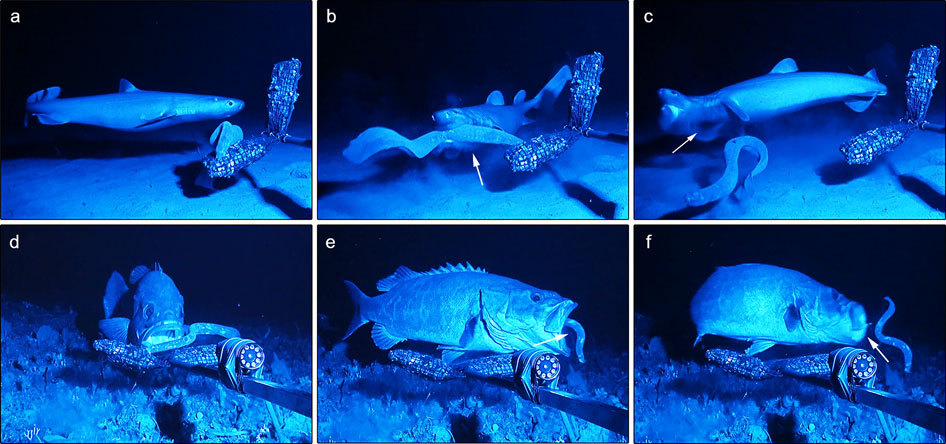
Anti-predator adaptation in action: the kitefin shark (a–c) and the Atlantic wreckfish (d–f) attempt to prey on hagfishes. First, the predators approach their potential prey. Predators bite or try to swallow the hagfishes, but the hagfishes have already projected jets of slime (arrows) into the predators' mouths. Choking, the predators release the hagfishes and gag in an attempt to remove slime from their mouths and gill chambers.[1]

Anti-predator adaptations are mechanisms developed through evolution that assist prey organisms in their constant struggle against predators. Throughout the animal kingdom, adaptations have evolved for every stage of this struggle, namely by avoiding detection, warding off attack, fighting back, or escaping when found.

The first line of defence consists in avoiding detection, through mechanisms such as camouflage, masquerade, apostatic selection, living underground, or nocturnality.

Alternatively, prey animals may ward off attack, whether by advertising the presence of strong defences in aposematism, by mimicking animals which do possess such defences, by startling the attacker, by signalling to the predator that pursuit is not worthwhile, by distraction, by using defensive structures such as spines, and by living in a group. Members of groups are at reduced risk of predation, despite the increased conspicuousness of a group, through improved vigilance, predator confusion, and the likelihood that the predator will attack some other individual.

Avoiding detection

[edit]

Staying out of sight

[edit]
Fruit bats forage by night to avoid predators.

Animals may avoid becoming prey by living out of sight of predators, whether in caves, burrows, or by being nocturnal.[2][3][4][5] Nocturnality is an animal behavior characterized by activity during the night and sleeping during the day. This is a behavioral form of detection avoidance called crypsis used by animals to either avoid predation or to enhance prey hunting. Predation risk has long been recognized as critical in shaping behavioral decisions. For example, this predation risk is of prime importance in determining the time of evening emergence in echolocating bats. Although early access during brighter times permits easier foraging, it also leads to a higher predation risk from bat hawks and bat falcons. This results in an optimum evening emergence time that is a compromise between the conflicting demands.[4] Another nocturnal adaptation can be seen in kangaroo rats. They forage in relatively open habitats, and reduce their activity outside their nest burrows in response to moonlight. During a full moon, they shift their activity towards areas of relatively dense cover to compensate for the extra brightness.[5]

Camouflage illustrated by the flat-tail horned lizard, its flattened, fringed and disruptively patterned body eliminating shadow

Camouflage

[edit]

Camouflage uses any combination of materials, coloration, or illumination for concealment to make the organism hard to detect by sight. It is common in both terrestrial and marine animals. Camouflage can be achieved in many different ways, such as through resemblance to surroundings, disruptive coloration, shadow elimination by countershading or counter-illumination, self-decoration, cryptic behavior, or changeable skin patterns and colour.[6][7] Animals such as the flat-tail horned lizard of North America have evolved to eliminate their shadow and blend in with the ground. The bodies of these lizards are flattened, and their sides thin towards the edge. This body form, along with the white scales fringed along their sides, allows the lizards to effectively hide their shadows. In addition, these lizards hide any remaining shadows by pressing their bodies to the ground.[2]

Masquerade

[edit]
Kallima inachus masquerading as a dead leaf

Animals can hide in plain sight by masquerading as inedible objects. For example, the potoo, a South American bird, habitually perches on a tree, convincingly resembling a broken stump of a branch,[8] while a butterfly, Kallima, looks just like a dead leaf.[9]

Apostatic selection

[edit]

Another way to remain unattacked in plain sight is to look different from other members of the same species. Predators such as tits selectively hunt for abundant types of insect, ignoring less common types that were present, forming search images of the desired prey. This creates a mechanism for negative frequency-dependent selection, apostatic selection.[10]

Warding off attack

[edit]
A Mediterranean mantis, Iris oratoria, attempting to startle a predator with deimatic behaviour

Many species make use of behavioral strategies to deter predators.[11]

Startling the predator

[edit]

Many weakly-defended animals, including moths, butterflies, mantises, phasmids, and cephalopods such as octopuses, make use of patterns of threatening or startling behaviour, such as suddenly displaying conspicuous eyespots, so as to scare off or momentarily distract a predator, thus giving the prey animal an opportunity to escape. In the absence of toxins or other defences, this is essentially bluffing, in contrast to aposematism which involves honest signals.[12][13][14]

Pursuit-deterrent signals

[edit]
An impala stotting, signalling honestly to the predator that the chase will be unprofitable

Pursuit-deterrent signals are behavioral signals used by prey to convince predators not to pursue them. For example, gazelles stot, jumping high with stiff legs and an arched back. This is thought to signal to predators that they have a high level of fitness and can outrun the predator. As a result, predators may choose to pursue a different prey that is less likely to outrun them.[15] White-tailed deer and other prey mammals flag with conspicuous (often black and white) tail markings when alarmed, informing the predator that it has been detected.[16] Warning calls given by birds such as the Eurasian jay are similarly honest signals, benefiting both predator and prey: the predator is informed that it has been detected and might as well save time and energy by giving up the chase, while the prey is protected from attack.[17][18]

Playing dead

[edit]
Eastern hog-nosed snake playing dead

Another pursuit-deterrent signal is thanatosis or playing dead. Thanatosis is a form of bluff in which an animal mimics its own dead body, feigning death to avoid being attacked by predators seeking live prey. Thanatosis can also be used by the predator in order to lure prey into approaching.[19]

An example of this is seen in white-tailed deer fawns, which experience a drop in heart rate in response to approaching predators. This response, referred to as "alarm bradycardia", causes the fawn's heart rate to drop from 155 to 38 beats per minute within one beat of the heart. This drop in heart rate can last up to two minutes, causing the fawn to experience a depressed breathing rate and decrease in movement, called tonic immobility. Tonic immobility is a reflex response that causes the fawn to enter a low body position that simulates the position of a corpse. Upon discovery of the fawn, the predator loses interest in the "dead" prey. Other symptoms of alarm bradycardia, such as salivation, urination, and defecation, can also cause the predator to lose interest.[20]

Distraction

[edit]
A killdeer plover, distracting a predator from its nest by feigning a broken wing

Marine molluscs such as sea hares, cuttlefish, squid and octopuses give themselves a last chance to escape by distracting their attackers. To do this, they eject a mixture of chemicals, which may mimic food or otherwise confuse predators.[21][22] In response to a predator, animals in these groups release ink, creating a cloud, and opaline, affecting the predator's feeding senses, causing it to attack the cloud.[21][23]

Distraction displays attract the attention of predators away from an object, typically the nest or young, that is being protected,[24] as when some birds feign a broken wing while hopping about on the ground.[25]

Mimicry and aposematism

[edit]
Viceroy and monarch butterflies illustrate Müllerian mimicry
Viceroy and monarch are Müllerian mimics, similar in appearance, unpalatable to predators.

Mimicry occurs when an organism (the mimic) simulates signal properties of another organism (the model) to confuse a third organism. This results in the mimic gaining protection, food, and mating advantages.[26] There are two classical types of defensive mimicry: Batesian and Müllerian. Both involve aposematic coloration, or warning signals, to avoid being attacked by a predator.[27][28]

In Batesian mimicry, a palatable, harmless prey species mimics the appearance of another species that is noxious to predators, thus reducing the mimic's risk of attack.[27] This form of mimicry is seen in many insects. The idea behind Batesian mimicry is that predators that have tried to eat the unpalatable species learn to associate its colors and markings with an unpleasant taste. This results in the predator learning to avoid species displaying similar colours and markings, including Batesian mimics, which are in effect parasitic on the chemical or other defences of the unprofitable models.[29][30] Some species of octopus can mimic a selection of other animals by changing their skin color, skin pattern and body motion. When a damselfish attacks an octopus, the octopus mimics a banded sea snake.[31] The model chosen varies with the octopus's predator and habitat.[32] Most of these octopuses use Batesian mimicry, selecting an organism repulsive to predators as a model.[33][34]

In Müllerian mimicry, two or more aposematic forms share the same warning signals,[27][35] as in viceroy and monarch butterflies. Birds avoid eating both species because their wing patterns honestly signal their unpleasant taste.[28]

The porcupine Erethizon dorsatum combines sharp spines with warning coloration

Defensive structures

[edit]

Many animals are protected against predators with armour in the form of hard shells (such as most molluscs and turtles), leathery or scaly skin (as in reptiles), or tough chitinous exoskeletons (as in arthropods).[25]

A spine is a sharp, needle-like structure used to inflict pain on predators. An example of this seen in nature is in the sohal surgeonfish. These fish have a sharp scalpel-like spine on the front of each of their tail fins, able to inflict deep wounds. The area around the spines is often brightly colored to advertise the defensive capability;[36] predators often avoid the Sohal surgeonfish.[37] Defensive spines may be detachable, barbed or poisonous. Porcupine spines are long, stiff, break at the tip, and in some species are barbed to stick into a would-be predator. In contrast, the hedgehog's short spines, which are modified hairs,[38] readily bend, and are barbed into the body, so they are not easily lost; they may be jabbed at an attacker.[37]

Stinging Limacodidae slug moth caterpillars

Many species of slug caterpillar, Limacodidae, have numerous protuberances and stinging spines along their dorsal surfaces. Species that possess these stinging spines suffer less predation than larvae that lack them, and a predator, the paper wasp, chooses larvae without spines when given a choice.[39]

Safety in numbers

[edit]

Group living can decrease the risk of predation to the individual in a variety of ways,[40] as described below.

Dilution effect

[edit]

A dilution effect is seen when animals living in a group "dilute" their risk of attack, each individual being just one of many in the group. George C. Williams and W.D. Hamilton proposed that group living evolved because it provides benefits to the individual rather than to the group as a whole, which becomes more conspicuous as it becomes larger. One common example is the shoaling of fish. Experiments provide direct evidence for the decrease in individual attack rate seen with group living, for example in Camargue horses in Southern France. The horse-fly often attacks these horses, sucking blood and carrying diseases. When the flies are most numerous, the horses gather in large groups, and individuals are indeed attacked less frequently.[41] Water striders are insects that live on the surface of fresh water, and are attacked from beneath by predatory fish. Experiments varying the group size of the water striders showed that the attack rate per individual water strider decreases as group size increases.[42]

In a group, prey seek central positions in order to reduce their domain of danger. Individuals along the outer edges of the group are more at risk of being targeted by the predator.

Selfish herd

[edit]

The selfish herd theory was proposed by W.D. Hamilton to explain why animals seek central positions in a group.[43] The theory's central idea is to reduce the individual's domain of danger. A domain of danger is the area within the group in which the individual is more likely to be attacked by a predator. The center of the group has the lowest domain of danger, so animals are predicted to strive constantly to gain this position. Testing Hamilton's selfish herd effect, Alta De Vos and Justin O'Rainn (2010) studied brown fur seal predation from great white sharks. Using decoy seals, the researchers varied the distance between the decoys to produce different domains of danger. The seals with a greater domain of danger had an increased risk of shark attack.[44]

Predator satiation

[edit]
A newly emerged periodical cicada: millions emerge at once, at long intervals, likely to satiate predators.

A radical strategy for avoiding predators which may otherwise kill a large majority of the emerging stage of a population is to emerge very rarely, at irregular intervals. Predators with a life-cycle of one or a few years are unable to reproduce rapidly enough in response to such an emergence. Predators may feast on the emerging population, but are unable to consume more than a fraction of the brief surfeit of prey. Periodical cicadas, which emerge at intervals of 13 or 17 years, are often used as an example of this predator satiation, though other explanations of their unusual life-cycle have been proposed.[45]

Vervet monkeys have different alarm signals that warn of attacks by eagles, leopards and snakes.

Alarm calls

[edit]

Animals that live in groups often give alarm calls that give warning of an attack. For example, vervet monkeys give different calls depending on the nature of the attack: for an eagle, a disyllabic cough; for a leopard or other cat, a loud bark; for a python or other snake, a "chutter". The monkeys hearing these calls respond defensively, but differently in each case: to the eagle call, they look up and run into cover; to the leopard call, they run up into the trees; to the snake call, they stand on two legs and look around for snakes, and on seeing the snake, they sometimes mob it. Similar calls are found in other species of monkey, while birds also give different calls that elicit different responses.[46]

Improved vigilance

[edit]
A raptor, a northern harrier, chases up an alert flock of American avocets.

In the improved vigilance effect, groups are able to detect predators sooner than solitary individuals.[47] For many predators, success depends on surprise. If the prey is alerted early in an attack, they have an improved chance of escape. For example, wood pigeon flocks are preyed upon by goshawks. Goshawks are less successful when attacking larger flocks of wood pigeons than they are when attacking smaller flocks. This is because the larger the flock size, the more likely it is that one bird will notice the hawk sooner and fly away. Once one pigeon flies off in alarm, the rest of the pigeons follow.[48] Wild ostriches in Tsavo National Park in Kenya feed either alone or in groups of up to four birds. They are subject to predation by lions. As the ostrich group size increases, the frequency at which each individual raises its head to look for predators decreases. Because ostriches are able to run at speeds that exceed those of lions for great distances, lions try to attack an ostrich when its head is down. By grouping, the ostriches present the lions with greater difficulty in determining how long the ostriches' heads stay down. Thus, although individual vigilance decreases, the overall vigilance of the group increases.[49]

A single zebra is hard to catch amongst a herd.

Predator confusion

[edit]

Individuals living in large groups may be safer from attack because the predator may be confused by the large group size. As the group moves, the predator has greater difficulty targeting an individual prey animal. The zebra has been suggested by the zoologist Martin Stevens and his colleagues as an example of this. When stationary, a single zebra stands out because of its large size. To reduce the risk of attack, zebras often travel in herds. The striped patterns of all the zebras in the herd may confuse the predator, making it harder for the predator to focus in on an individual zebra. Furthermore, when moving rapidly, the zebra stripes create a confusing, flickering motion dazzle effect in the eye of the predator.[50]

Fighting back

[edit]

Defensive structures such as spines may be used both to ward off attack as already mentioned, and if need be to fight back against a predator.[37] Methods of fighting back include chemical defences,[51] mobbing,[52] defensive regurgitation,[53] and suicidal altruism.[54]

Chemical defences

[edit]
The bloody-nose beetle, Timarcha tenebricosa, exuding a drop of noxious red liquid (upper right)

Many prey animals, and to defend against seed predation also seeds of plants,[55] make use of poisonous chemicals for self-defence.[51][56] These may be concentrated in surface structures such as spines or glands, giving an attacker a taste of the chemicals before it actually bites or swallows the prey animal: many toxins are bitter-tasting.[51] A last-ditch defence is for the animal's flesh itself to be toxic, as in the puffer fish, danaid butterflies and burnet moths. Many insects acquire toxins from their food plants; Danaus caterpillars accumulate toxic cardenolides from milkweeds (Asclepiadaceae).[56]

Some prey animals are able to eject noxious materials to deter predators actively. The bombardier beetle has specialized glands on the tip of its abdomen that allows it to direct a toxic spray towards predators. The spray is generated explosively through oxidation of hydroquinones and is sprayed at a temperature of 100 °C.[57] Armoured crickets similarly release blood at their joints when threatened (autohaemorrhaging).[58] Several species of grasshopper including Poecilocerus pictus,[59] Parasanaa donovani,[59] Aularches miliaris,[59] and Tegra novaehollandiae secrete noxious liquids when threatened, sometimes ejecting these forcefully.[59] Spitting cobras accurately squirt venom from their fangs at the eyes of potential predators,[60] striking their target eight times out of ten, and causing severe pain.[61] Termite soldiers in the Nasutitermitinae have a fontanellar gun, a gland on the front of their head which can secrete and shoot an accurate jet of resinous terpenes "many centimeters". The material is sticky and toxic to other insects. One of the terpenes in the secretion, pinene, functions as an alarm pheromone.[62] Seeds deter predation with combinations of toxic non-protein amino acids, cyanogenic glycosides, protease and amylase inhibitors, and phytohemagglutinins.[55]

A few vertebrate species such as the Texas horned lizard are able to shoot squirts of blood from their eyes, by rapidly increasing the blood pressure within the eye sockets, if threatened. Because an individual may lose up to 53% of blood in a single squirt,[63] this is only used against persistent predators like foxes, wolves and coyotes (Canidae), as a last defence.[64] Canids often drop horned lizards after being squirted, and attempt to wipe or shake the blood out of their mouths, suggesting that the fluid has a foul taste;[65] they choose other lizards if given the choice,[66] suggesting a learned aversion towards horned lizards as prey.[66]

The slime glands along the body of the hagfish secrete enormous amounts of mucus when it is provoked or stressed. The gelatinous slime has dramatic effects on the flow and viscosity of water, rapidly clogging the gills of any fish that attempt to capture hagfish; predators typically release the hagfish within seconds. Common predators of hagfish include seabirds, pinnipeds and cetaceans, but few fish, suggesting that predatory fish avoid hagfish as prey.[67]

Communal defence

[edit]
Group of muskoxen in defensive formation, horns ready, and highly alert

In communal defence, prey groups actively defend themselves by grouping together, and sometimes by attacking or mobbing a predator, rather than allowing themselves to be passive victims of predation. Mobbing is the harassing of a predator by many prey animals. Mobbing is usually done to protect the young in social colonies. For example, red colobus monkeys exhibit mobbing when threatened by chimpanzees, a common predator. The male red colobus monkeys group together and place themselves between predators and the group's females and juveniles. The males jump together and actively bite the chimpanzees.[52] Fieldfares are birds which may nest either solitarily or in colonies. Within colonies, fieldfares mob and defecate on approaching predators, shown experimentally to reduce predation levels.[68]

Defensive regurgitation

[edit]
A northern fulmar chick protects itself with a jet of stomach oil.

Some birds and insects use defensive regurgitation to ward off predators. The northern fulmar vomits a bright orange, oily substance called stomach oil when threatened.[53] The stomach oil is made from their aquatic diets. It causes the predator's feathers to mat, leading to the loss of flying ability and the loss of water repellency.[53] This is especially dangerous for aquatic birds because their water repellent feathers protect them from hypothermia when diving for food.[53]

European roller chicks vomit a bright orange, foul smelling liquid when they sense danger. This repels prospective predators and may alert their parents to danger: they respond by delaying their return.[69]

Numerous insects utilize defensive regurgitation. The eastern tent caterpillar regurgitates a droplet of digestive fluid to repel attacking ants.[70] Similarly, larvae of the noctuid moth regurgitate when disturbed by ants. The vomit of noctuid moths has repellent and irritant properties that help to deter predator attacks.[71]

Suicidal altruism

[edit]

An unusual type of predator deterrence is observed in the Malaysian exploding ant. Social hymenoptera rely on altruism to protect the entire colony, so the self-destructive acts benefit all individuals in the colony.[54] When a worker ant's leg is grasped, it suicidally expels the contents of its hypertrophied submandibular glands,[54] expelling corrosive irritant compounds and adhesives onto the predator. These prevent predation and serve as a signal to other enemy ants to stop predation of the rest of the colony.[72]

Escaping

[edit]
Startled pheasants and partridges fly from possible danger.

Flight

[edit]

The normal reaction of a prey animal to an attacking predator is to flee by any available means, whether flying, gliding,[73] falling, swimming, running, jumping, burrowing[74] or rolling,[75] according to the animal's capabilities.[76] Escape paths are often erratic, making it difficult for the predator to predict which way the prey will go next: for example, birds such as snipe, ptarmigan and black-headed gulls evade fast raptors such as peregrine falcons with zigzagging or jinking flight.[76] In the tropical rain forests of Southeast Asia in particular, many vertebrates escape predators by falling and gliding.[73] Among the insects, many moths turn sharply, fall, or perform a powered dive in response to the sonar clicks of bats.[76] Among fish, the stickleback follows a zigzagging path, often doubling back erratically, when chased by a fish-eating merganser duck.[76]

Autotomy

[edit]
Lizard tail autotomy can distract predators, continuing to writhe while the lizard makes its escape.

Some animals are capable of autotomy (self-amputation), shedding one of their own appendages in a last-ditch attempt to elude a predator's grasp or to distract the predator and thereby allow escape. The lost body part may be regenerated later. Certain sea slugs discard stinging papillae; arthropods such as crabs can sacrifice a claw, which can be regrown over several successive moults; among vertebrates, many geckos and other lizards shed their tails when attacked: the tail goes on writhing for a while, distracting the predator, and giving the lizard time to escape; a smaller tail slowly regrows.[77]

History of observations

[edit]

Aristotle recorded observations (around 350 BC) of the antipredator behaviour of cephalopods in his History of Animals, including the use of ink as a distraction, camouflage, and signalling.[78]

In 1940, Hugh Cott wrote a compendious study of camouflage, mimicry, and aposematism, Adaptive Coloration in Animals.[6]

By the 21st century, adaptation to life in cities had markedly reduced the antipredator responses of animals such as rats and pigeons; similar changes are observed in captive and domesticated animals.[79]

See also

[edit]

References

[edit]

Sources

[edit]
[edit]
Revisions and contributorsEdit on WikipediaRead on Wikipedia
from Grokipedia
Anti-predator adaptations are protective mechanisms evolved by prey animals to avoid or mitigate predation, operating across stages of the predatory including avoidance of detection, prevention of identification as prey, deterrence of attack, and reduction of if captured. These adaptations include behavioral responses such as fleeing or hiding, morphological traits like or spines, and physiological defenses such as production, all shaped by to enhance survival in predator-prey interactions. Key types of anti-predator adaptations are categorized by their function in the predation process. For avoiding detection, through background matching allows prey to blend seamlessly with their surroundings, as exemplified by the dorsal side of sphinx moth caterpillars that mimic twigs or leaves. To prevent identification, masquerade enables prey to resemble non-threatening objects, such as the Indochinese box turtle that imitates a rock or fallen leaf. deters attacks by advertising unprofitability via bright warning signals, seen in the yellow-and-black stripes of caterpillars that signal toxicity to predators. Finally, to minimize damage, deflective markings direct predator strikes to expendable body parts, like the tail-wiggling behavior in that facilitates and escape. Many species integrate multiple anti-predator defenses, which can be context-dependent and switch based on factors like background, viewing distance, or predator sensory capabilities, enhancing overall effectiveness against diverse threats. These adaptations often involve trade-offs, such as reduced efficiency during heightened vigilance, and are influenced by ecological pressures including predator and prey . Behavioral components, including predator cue recognition and signaling, further underscore the role of learning and neural mechanisms in modulating responses to varying levels. The of these traits drives complex ecological dynamics, with ongoing revealing their plasticity across taxa from to mammals.

Avoiding Detection

Concealment Behaviors

Concealment behaviors represent passive anti-predator strategies where animals modify their activity timing, selection, or movement patterns to minimize detection by predators, thereby reducing the likelihood of encounter before any active defense is needed. These tactics exploit environmental conditions or structural features that obscure or , allowing prey to persist in risky s without relying on speed or . By remaining undetected, animals avoid the immediate costs of flight or confrontation, though such behaviors often involve compromises in other essential activities like or . One key approach is shifting activity to nocturnal or crepuscular periods, when many predators experience reduced due to low levels. Nocturnal activity helps prey evade diurnal hunters, as seen in island foxes that increase nighttime activity after the introduction of daytime predators like golden eagles. Similarly, crepuscular patterns at dawn and allow animals to during transitional phases that hinder predator detection, particularly for facing primarily daytime threats; for instance, full moons can enable diurnal predators to target crepuscular prey more effectively, underscoring the adaptive value of twilight activity. These temporal shifts reduce exposure to peak predator hunting times but may limit access to diurnal resources or increase encounters with nocturnal predators. Animals also conceal themselves through habitat choices such as burrowing or nesting in dense cover, or by freezing in place to mimic immobile elements of the environment. Pocket gophers construct extensive underground tunnel systems, which serve as refuges from surface predators like hawks and snakes, allowing them to forage and reproduce in safety while plugging burrow entrances to block intruders. Stick insects, for example, remain motionless during the day on branches, relying on immobility to avoid avian predators that detect movement. Nesting in thick provides similar concealment for ground-nesting birds, where dense cover obscures nests from visual predators and reduces predation rates compared to open sites. Freezing and habitat hiding can enhance the effectiveness of patterns by preventing motion that might otherwise reveal an animal's outline against its background. Some species also employ non-visual concealment, such as masking their scent trails with urine or soil to avoid olfactory detection by mammalian predators. Despite their benefits, concealment behaviors incur significant trade-offs, including reduced efficiency and high energetic demands. Nocturnal or crepuscular activity often curtails feeding opportunities during optimal daylight hours, forcing to balance predation against intake needs. Burrowing demands substantial —up to 3,400 times the of surface locomotion in pocket gophers—limiting their distribution to suitable soils and diverting resources from growth or . Freezing imposes opportunity costs through immobility, as demonstrated in harvestmen that gain less weight when predator cues induce prolonged stillness, effectively sacrificing time to maintain concealment. These compromises highlight how anti-predator concealment must be finely tuned to environmental risks and individual condition.

Visual Camouflage

Visual camouflage, also known as , refers to morphological adaptations in animals that allow them to blend into their natural backgrounds, thereby reducing detection by visually oriented predators such as birds and . This form of anti-predator adaptation primarily involves matching the color, , or texture of the environment to avoid standing out against it. drives the evolution of these traits, favoring individuals whose appearance minimizes visibility to predators that rely on visual cues for . For instance, in environments where visual predators exert strong selective pressure, crypsis enhances survival by making prey harder to detect from a distance. Two primary types of visual camouflage are background matching and . Background matching occurs when an animal's coloration closely resembles the specific hues and textures of its , such as the light, speckled wings of the (Biston betularia) that align with lichen-covered tree trunks, providing effective concealment against avian predators. In contrast, disruptive coloration uses bold patterns to break up the animal's outline, preventing predators from perceiving a coherent shape; the black-and-white stripes of zebras (Equus spp.), for example, create visual confusion in tall grass or herds, obscuring body contours for mammalian and avian hunters. These mechanisms often work in tandem, with refining them over generations in response to predator foraging behaviors. Notable examples illustrate the sophistication of visual camouflage. Cuttlefish (Sepia officinalis) employ specialized skin cells called chromatophores to rapidly adjust their coloration and patterns, achieving precise background matching against substrates like or rocks to evade predators. Similarly, leaf-tailed geckos (Uroplatus spp.) from exhibit flattened bodies, leaf-like tails, and mottled brown-gray skin that mimics tree bark textures, allowing seamless integration into forested environments and deterring nocturnal avian and reptilian predators. Behavioral freezing often complements these adaptations by minimizing movement, further enhancing during predator encounters. Experimental studies provide robust evidence for the benefits of visual . In field experiments with ground-nesting s, individuals exhibiting stronger background matching and disruptive patterns experienced significantly higher nest rates, with predation events reduced by up to 50% compared to poorly camouflaged counterparts, as monitored by camera traps targeting visual predators like corvids and mammals. assays using artificial prey and predators have similarly demonstrated that disruptive markings increase detection time and decrease attack rates by 20-40%, independent of background similarity, underscoring the adaptive value of these traits under .

Masquerade and Mimesis

Masquerade is an anti-predator strategy in which prey organisms evolve to resemble inanimate, inedible objects in their environment, such as twigs, leaves, or rocks, thereby causing predators to misclassify them and overlook or avoid attacking them. This form of crypsis exploits predators' cognitive biases rather than solely relying on background matching, as the resemblance prompts predators to treat the prey as non-prey items unworthy of pursuit. A classic example is the Indian oakleaf butterfly (Kallima inachus), whose folded wings mimic the texture, color, and vein patterns of dead leaves, significantly reducing predation rates by birds in experimental settings where predators misidentified them as inanimate debris. Similarly, thorn bugs (Umbonia crassicornis), treehoppers with a prominent, thorn-like pronotal helmet derived from co-opted wing-patterning genes, blend seamlessly with plant spines, deterring avian and insect predators through structural mimicry that evolved via developmental redeployment of ancestral genetic networks. Mimesis is a specific form of masquerade where prey closely resemble particular inedible objects in their habitat, such as dead leaves or twigs, enhancing misclassification by predators. For example, the dead-leaf moth (Kallima spp.) extends the oakleaf butterfly's strategy with even finer textural details that fool avian predators at close range. The evolutionary stability of masquerade and mimesis depends on the specificity of resemblance and predator cognition, with benefits accruing when predators fail to recognize the prey as edible. An intriguing case is the orchid mantis (Hymenopus coronatus), whose pink, petal-like body and leg lobes resemble orchid flowers, evading vertebrate predators by being misclassified as floral structures rather than prey, while also luring insect pollinators. Genomic analyses reveal that this camouflage evolved through innovations in pigmentation genes, balancing defensive roles without toxicity.

Disruptive Coloration and Apostatic Selection

Disruptive coloration refers to a form of visual camouflage in which high-contrast markings on an animal's body create irregular patterns that break up its overall silhouette and outline, thereby reducing the prey's detectability by visually hunting predators. This adaptation functions by generating false edges and discontinuities that disrupt the predator's ability to recognize the prey as a cohesive object, independent of how well the coloration matches the background. For instance, many frog species, such as those in the genus Hyla, exhibit bold spots and stripes on their skin that obscure body contours against leaf litter or rocky substrates, making it harder for birds and snakes to detect them. Similarly, the disruptive patterns observed in some moth wings, like those of the peppered moth Biston betularia, have inspired military uniforms, where high-contrast elements mimic natural animal markings to evade visual detection. Apostatic selection arises as a consequence of frequency-dependent predation, where visual predators develop "search images"—mental templates—for the most common prey phenotypes, leading to disproportionately higher attack rates on abundant morphs and conferring a survival advantage to rare ones. This process maintains genetic polymorphism in prey populations by favoring variability in coloration or patterning, as rare morphs evade predation more effectively until they become common enough to form a new search image. A classic example is seen in guppies (Poecilia reticulata), where male color polymorphisms, including rare orange or black spots, experience negative frequency-dependent selection from predators like cichlids, promoting balanced diversity in natural streams. In rock pocket mice (Chaetodipus intermedius), dark and light dorsal morphs on lava flows versus sandy soils illustrate how rarity in mismatched habitats can enhance survival through apostatic effects, though primarily tied to local adaptation. Mathematical models of apostatic selection describe frequency-dependent dynamics where the relative fitness of a prey morph increases as its decreases, often peaking at low proportions to stabilize polymorphism. These models typically incorporate predator behavior, such as search image formation, to predict that selection intensity against common morphs scales inversely with their abundance, preventing fixation of any single type. Empirical evidence from avian predation experiments supports both mechanisms, with wild birds and domestic chicks preferentially attacking common artificial prey patterns while sparing rare disruptive ones. For example, in studies using pastry "moths" with varied stripe configurations presented to blue jays, rare morphs survived up to 30% longer than common ones, demonstrating apostatic selection's role in polymorphism maintenance. Similarly, chick-foraging trials on disruptive versus uniform prey showed that high-contrast edge-breaking patterns reduced detection by 15-20% compared to non-disruptive controls, even on mismatched backgrounds. often integrates with background matching to further enhance by combining outline disruption with environmental blending.

Deterring Attack

Startle Displays

Startle displays, also known as deimatic behaviors, are sudden and dramatic antipredator tactics employed by prey animals to surprise and temporarily disorient predators, thereby creating an opportunity for escape. These displays typically involve the rapid revelation of previously concealed conspicuous features, such as bright colors, patterns, or enlarged body parts, often triggered by the predator's approach or attack. Unlike passive defenses like , startle displays activate only after detection, exploiting innate predator reflexes such as the or looming avoidance to interrupt the hunting sequence. The mechanisms of startle displays vary across taxa but generally rely on low-cost, rapid sensory stimuli that overwhelm or confuse the predator briefly. In , this often includes flashing hidden eyespots or colors through wing or body movements; for instance, many moths and abruptly expose large, eye-like patterns to mimic the gaze of larger animals. Reptiles may adopt deimatic postures, such as the frill-necked lizard (Chlamydosaurus kingii) expanding its while hissing to appear larger and more threatening. Cephalopods employ clouds combined with rapid color changes via chromatophores, sometimes forming pseudomorphs resembling eyes or prey to divert attention. Auditory elements, like rasping sounds in praying mantises, can enhance the visual shock, creating a multimodal startle effect that delays predator pursuit for seconds to minutes. Evolutionarily, startle displays likely arose through a "startle-first" pathway, where initially camouflaged prey evolved sudden movements or color flashes to exploit predator hesitation, later incorporating more elaborate signals without the risks of constant conspicuousness. This low-cost —requiring minimal energy and usable only once per encounter—allows even palatable prey to benefit, as it relies on unlearned predator responses rather than learned avoidance. Seminal studies suggest multiple independent evolutions in , reptiles, and cephalopods, driven by predator and the need for secondary defenses when primary concealment fails. These displays may reinforce aposematic signals in toxic but function independently in non-toxic ones. Empirical studies demonstrate the effectiveness of startle displays in enhancing escape success, particularly against naïve predators. In experiments with peacock butterflies (), eyespot displays substantially increased survival rates against blue tit (Cyanistes caeruleus) attacks, with 7 out of 8 individuals surviving the first attack compared to lower rates without displays, by eliciting freezing or retreat behaviors. (Caligo memnon) similarly deter avian predators through large ventral eyespots mimicking owl eyes, with field observations showing reduced predation on displaying individuals. For reptiles, frill-necked lizards escape more often when displaying compared to non-displaying conspecifics in encounters with monitor lizards. In cephalopods like the European cuttlefish (Sepia officinalis), ink release with false eyespots confuses predators like fish, allowing escape in over 60% of trials. Effectiveness diminishes with predator experience, highlighting the tactic's reliance on surprise.

Pursuit Deterrence

Pursuit deterrence refers to behavioral signals employed by prey animals during active chases to communicate their superior escape capabilities to predators, thereby discouraging continued pursuit by indicating that the cost of capture would outweigh the benefits. These signals typically occur after a predator has initiated an attack, distinguishing them from pre-chase detection cues, and are thought to evolve under the , where only high-quality individuals can afford the energetic or risk-associated costs of the display, ensuring its honesty as an indicator of fitness. One prominent example is , a stiff-legged leaping behavior performed by Thomson's gazelles (Eudorcas thomsonii) when pursued by coursing predators such as wild dogs (Lycaon pictus). Stotting signals the gazelle's physical condition and ability to outrun the predator, as only fit individuals can perform the energetically expensive jumps without compromising their speed. Empirical observations in showed that wild dogs selected and pursued stotting gazelles at significantly lower rates compared to non-stotting ones, with chases involving stotters lasting shorter durations on average, supporting the pursuit-deterrent function. Tail-flagging, the rapid raising and waving of a white-tailed deer's (Odocoileus virginianus) tail to expose its bright underside, serves a similar role during flight from predators like coyotes (Canis latrans). This visual signal advertises the deer's alertness and escape proficiency, as flagging individuals flee at higher speeds than those that do not flag, potentially convincing the predator of a low success probability. Field studies in indicated that tail-flagging reduced pursuit persistence by mammalian predators, with flagged deer eliciting shorter chase distances. In pronghorn antelope (Antilocapra americana), zigzagging runs during pursuits by wolves (Canis lupus) or coyotes demonstrate stamina and maneuverability, signaling to the predator that the prey's agility makes capture unlikely. These erratic movements, combined with the pronghorn's exceptional endurance—capable of sustaining speeds over 60 km/h for several kilometers—act as a dynamic display of fitness that deters prolonged chases. Observations in North American grasslands confirm that such maneuvers often lead predators to abandon pursuits earlier than expected based on straight-line escapes. Among birds, vocalizations during flight function as pursuit-deterrent signals, as seen in skylarks (Alauda arvensis) pursued by merlins (Falco columbarius). Well-singing skylarks during evasion prompted shorter chase durations from predators compared to silent or poorly singing individuals, with the song's intensity reflecting the bird's aerobic capacity and escape potential under the . This acoustic signaling reduces overall predation risk by conveying that the prey is a challenging target. Across these examples, empirical data from mammalian and avian systems consistently show that pursuit-deterrent signals shorten chase durations by 20-50% in observed interactions, allowing prey to conserve while predators redirect efforts toward easier targets. In group contexts, such signals may overlap briefly with enhanced vigilance, amplifying deterrence without relying on confusion.

Thanatosis

Thanatosis, also known as feigning or , is an innate anti-predator in which prey animals adopt a motionless, unresponsive posture upon direct contact or close proximity to a predator, simulating to reduce the likelihood of attack. This serves as a last-resort defense after detection, distinct from avoidance strategies, and is observed across diverse taxa including mammals, reptiles, , and . The is unlearned and can be induced experimentally by restraint or threat simulation, highlighting its reflexive nature. The primary mechanism of thanatosis involves immobilization, where the animal maintains a rigid posture—often with limbs extended or curled—and suppresses responses to external stimuli, though subtle environmental monitoring may persist. In some species, this is enhanced by physiological changes, such as the release of chemicals that alter to mimic carrion, deterring predators that avoid scavenging decayed prey. The duration of this state varies from seconds to several hours, depending on predator persistence and prey condition. Thanatosis confers benefits by exploiting predators' preferences for live, struggling prey; many carnivores and insectivores abandon motionless individuals, mistaking them for non-viable food. Experimental studies show that predators like cats and birds attack mobile prey more readily than those in , increasing survival rates for the feigning animal. Additionally, the temporary stasis can create opportunities for counterattack or escape once the predator departs, as seen in species that recover quickly post-abandonment. Representative examples illustrate thanatosis's application. The Virginia opossum (Didelphis virginiana) responds to threats by entering a catatonic state with rigid limbs, slowed breathing, and sometimes foaming at the mouth, causing predators to lose interest. Eastern hognose snakes (Heterodon platirhinos) dramatically flip onto their back, open their mouth with tongue protruding, and emit a foul odor from cloacal glands while remaining limp, effectively mimicking a decaying corpse. In insects, the red flour beetle (Tribolium castaneum) immobilizes during thanatosis, deterring avian and arthropod predators. Despite its advantages, thanatosis carries drawbacks, including heightened vulnerability to scavengers that target dead prey, potentially leading to consumption during the immobile phase. Prolonged immobility also exposes animals to environmental risks, such as or secondary predation, and incurs metabolic costs from sustained muscle rigidity. These trade-offs underscore thanatosis as a high-risk strategy suited to scenarios where immediate escape is impossible.

Distraction Displays

Distraction displays are active anti-predator behaviors in which animals perform conspicuous actions to divert a predator's attention away from vulnerable body parts, nests, or , often by simulating or creating misleading cues. These displays typically involve movement and are most prevalent in species with high in reproduction, such as ground-nesting birds and nest-guarding , where the displaying individual risks personal harm to enhance offspring survival. Common types include , where an animal pretends to be wounded to lure the predator, and , involving erratic or explosive movements that mimic distress or direct attention elsewhere. In , the performer often drags an apparent injured limb while vocalizing or running to draw pursuit, thereby protecting the actual target. , such as sudden departures or circling maneuvers, create the illusion of an easy catch or false threat, exploiting the predator's . These behaviors are evolutionarily linked to conditions like open habitats and precocial young, appearing in over 285 bird species across 52 families. Such displays are particularly prevalent in birds and during reproductive phases, reflecting substantial in nest or brood defense. In shorebirds like plovers, parents—often —intensify displays during incubation and early chick stages when offspring vulnerability peaks, trading personal for higher nest . Similarly, male three-spined sticklebacks (Gasterosteus aculeatus) use zigzag swims near nests to mislead egg predators or conspecific raiders, a triggered by nest contents and persisting until . This investment is adaptive in species with limited escape options, as displays leverage the parent's familiarity with the terrain to regain safety after diversion. Representative examples illustrate the diversity of these tactics. In plovers such as the (Charadrius alexandrinus), parents execute distraction runs by feigning a broken wing—spreading one wing low while running erratically and calling—to lead predators like foxes or away from nests, a observed in open coastal habitats. Among marine species, like the (Watasenia scintillans) eject luminous photophore-laden clouds during escapes, creating glowing decoys that mimic the squid's form and distract visually hunting predators such as or seabirds in low-light depths. These examples highlight how distraction exploits sensory biases in predators, from visual cues in birds to bioluminescent lures in cephalopods. Field studies demonstrate the effectiveness of distraction displays, particularly in avian species, with diversion rates and nest survival metrics underscoring their adaptive value. In Kentish plovers, nests monitored during simulated predator approaches showed that pairs performing intense distraction behaviors achieved 25-30% higher fledging success compared to non-displaying pairs, as displays successfully diverted 70-80% of approaches within 10 meters of the nest. Broader reviews confirm that ground-based injury feigning outperforms flight-based distractions in dense habitats, correlating with reduced predation rates during peak vulnerability periods. These findings, drawn from long-term observations, affirm distraction as a high-impact strategy when crypsis fails.

Aposematism and Mimicry

refers to the conspicuous warning signals, such as bright coloration or bold patterns, that unprofitable prey use to advertise their defenses to predators, thereby deterring attacks before they occur. These signals are typically paired with chemical toxins, unpalatability, or other defenses that make the prey costly to consume. For instance, poison dart frogs (Dendrobatidae) exhibit vivid red, yellow, or blue hues alongside skin alkaloids that cause illness or death in predators, signaling their toxicity effectively in tropical environments. Similarly, monarch butterflies ( plexippus) display orange-and-black wing patterns while sequestering cardenolides from milkweed , rendering them emetic to birds. The efficacy of aposematism relies on predators learning to associate these signals with negative experiences, leading to avoidance behaviors. After encountering and surviving a defended prey, predators generalize this aversion to similar signals, a process enhanced by conspicuousness that aids formation and from palatable alternatives. This learned avoidance can extend beyond exact matches, creating a "peak-shift" in predator response where novel but similar patterns elicit stronger rejection than the original signal. Such generalization promotes the of aposematic traits across species facing shared predators. Mimicry exploits this learning by allowing other species to imitate aposematic signals, reducing their own predation risk. Batesian mimicry occurs when a palatable, undefended species (the mimic) resembles a defended model, deceiving predators that have learned to avoid the model's signal. A classic example is the harmless (Lampropeltis elapsoides), which mimics the red-yellow-black banding of the venomous eastern (), benefiting from predator aversion in overlapping ranges. The mimic's success depends on the model's abundance, as rare models weaken the association. In contrast, Müllerian mimicry involves two or more defended species converging on similar warning signals, mutually reinforcing predator avoidance with each encounter. This shared benefit amplifies learning efficiency, as every attack on a ring member strengthens the signal's deterrent value. For example, multiple Heliconius butterfly species, such as H. melpomene and H. erato, exhibit convergent wing patterns across Neotropical populations, despite independent genetic bases, to form Müllerian mimicry rings with co-occurring toxic species. Likewise, the viceroy butterfly (Limenitis archippus), which produces unpalatable chemicals, shares the monarch's orange-and-black pattern, exemplifying Müllerian rather than Batesian mimicry. Among Hymenoptera, various stinging wasps and bees form mimicry rings with yellow-and-black stripes, as seen in species like Polistes and Vespula, where shared defenses enhance collective protection. These systems can incorporate startle elements, such as sudden displays, to reinforce the warning signal during close encounters.

Social Strategies

Dilution and Herding Effects

The dilution effect is a key anti-predator strategy in which the risk of predation decreases as group size increases, since predators typically target and capture only a single per attack, thereby spreading the overall risk across more group members. This mechanism assumes random selection of prey within the group and is particularly evident in mobile aggregations where individuals benefit from the statistical improbability of being the chosen victim. Mathematical models formalize this as the probability of an being attacked equaling 1/N, where N represents group size, under conditions of random predator strikes without other complicating factors like detection probability. For instance, in schools of fish such as or guppies, empirical studies have shown that larger schools suffer proportionally lower mortality rates from piscivorous predators, supporting the dilution effect as a primary driver of schooling behavior. Closely related to the dilution effect is the selfish herd mechanism, proposed as a geometric positioning strategy where individuals actively maneuver to minimize their personal exposure by placing conspecifics between themselves and the , effectively reducing their "domain of danger"—the area from which a predator could more easily reach them. In this model, peripheral positions become riskier, prompting individuals to crowd toward the center, which can intensify clustering during s. While the basic dilution assumes passive risk sharing, the selfish herd emphasizes selfish positioning within the group, often leading to uneven risk distribution. Observations in populations illustrate this, as individuals rapidly cluster upon detecting predators like eagles or canids, with subordinates and juveniles often ending up on the exposed edges while dominants seek safer interior spots. Examples of these effects abound in social species. In meerkat (Suricata suricatta) mobs, larger groups exhibit lower per capita mortality from predators such as jackals, attributable to both dilution and strategic positioning that buffers central individuals. Similarly, during migration, bird flocks like those of starlings or geese form tight formations that dilute individual risk from aerial predators, with models showing risk reduction scaling inversely with flock size. These strategies highlight how grouping passively reduces ongoing predation pressure in dynamic environments, distinct from synchronized mass events. Enhanced vigilance in groups can further amplify these benefits by improving early threat detection.

Predator Satiation

Predator satiation is an anti-predator strategy in which prey species synchronize their or in large numbers to overwhelm predators, exceeding the predators' capacity to consume all available individuals. This mechanism relies on pulsed, high-density events that flood the environment with prey, ensuring that even if a significant portion is predated, a sufficient number survive to sustain the . The strategy is particularly effective in facing intense predation pressure during vulnerable life stages, such as or spawning. In , for instance, species in the Magicicada employ 13- or 17-year life cycles that culminate in massive, synchronized emergences, where billions of individuals surface simultaneously across wide areas. This temporal synchronization, evolved over millions of years, saturates the foraging abilities of predators like birds, mammals, and , which cannot consume more than a fraction of the available cicadas despite their abundance. Studies have shown that predator populations respond quickly to these outbreaks but decline rapidly afterward due to the ephemeral nature of the event, allowing many cicadas to reproduce before predation intensifies. Similar dynamics occur in salmon runs, where Pacific salmon species such as synchronize spawning migrations in enormous , often numbering in the millions, to return to natal rivers en masse. This overwhelms aquatic and avian predators, including bears, eagles, and seals, whose handling times limit their intake despite the bounty; for example, during peak runs, predation rates often range from 20-40% or higher, yet the enormous school sizes ensure substantial numbers reach spawning grounds, preserving for future generations. The strategy's success is evident in the persistence of these populations despite high overall mortality rates from various sources. Another example is seen in mast-seeding events, such as the periodic flowering and seeding of bamboo species like Phyllostachys and Sasa, which produce vast quantities of seeds that support explosive rodent population booms. These rodents, in turn, consume the seeds but cannot deplete the entire crop, leaving reserves for germination; research on Asian bamboo forests indicates that such masting events every 20-120 years result in seed survival rates far exceeding non-mast years, despite elevated predation. In oak forests, acorn masting similarly feeds squirrels and other granivores to satiation, but the surplus ensures oak regeneration, with models showing that mast years can increase seedling establishment by orders of magnitude compared to average years. The evolutionary advantage of predator satiation lies in its probabilistic guarantee of offspring survival: by accepting high per capita losses during the event, the strategy minimizes the risk of total reproductive failure, promoting long-term population stability in predator-rich environments. This is supported by theoretical models demonstrating that evolves when predation rates are density-dependent and handling times are significant constraints. However, predator satiation incurs substantial costs, primarily the energetic demands of precise . For , the extended underground development requires allocating resources to timing mechanisms that align emergence, potentially reducing individual fitness in non-predated scenarios. In masting plants and , the physiological toll of producing massive seed or egg outputs in short bursts can lead to post-event exhaustion or reduced future reproductive capacity, though these costs are offset by the survival benefits in high-predation contexts.

Alarm Signaling

Alarm signaling refers to the production of vocal, visual, or chemical cues by animals to warn conspecifics of impending predator threats, often at a personal risk to the signaler due to increased detectability. These signals facilitate rapid group responses, enhancing collective survival while imposing costs such as energy expenditure or heightened predation risk on the caller. In social species, alarm signals can be highly specific, conveying about predator type, location, or urgency to elicit appropriate anti-predator behaviors. Auditory alarm calls are prevalent in mammals and birds, where they serve as immediate warnings tailored to specific dangers. For instance, vervet monkeys (Chlorocebus pygerythrus) produce distinct vocalizations for different predators: low, rhythmic grunts for leopards prompting arboreal escape, high-pitched "chutters" for eagles causing upward scanning, and short "rraup" calls for snakes eliciting ground searches. These predator-specific responses were confirmed through playback experiments, demonstrating semantic content in the calls independent of caller attributes like age or sex. Similarly, Belding's ground squirrels (Urocitellus beldingi) emit high-pitched whistles upon detecting terrestrial or aerial predators, with calling rates significantly higher in the presence of close kin, supporting as the evolutionary driver—females, who remain philopatric and associate with relatives, call more frequently than dispersing males. Prairie dogs (Cynomys spp.) exhibit a sentinel system where designated individuals perch elevated to scan for threats and issue bark-like alarm calls varying in acoustic structure by predator species, such as rapid barks for coyotes versus two-syllable calls for badgers; these calls encode additional details like predator size or color, prompting tailored escapes like diving into burrows. Chemical alarm signals, particularly , are common in for rapid, diffusive alerts. In honey bees (Apis mellifera), the alarm pheromone , released from the sting apparatus, recruits nestmates to defend against intruders like hornets by inducing aggressive behaviors such as stinging or heat-balling. Eastern honey bees () extend this with vibratory "stop signals" that inhibit the —a recruitment mechanism for sources—when foragers detect threats at sites, preventing further visits to dangerous locations and tuning responses to threat severity. These signals integrate with vigilance by amplifying group awareness during heightened risk. The evolution of costly alarm signaling is underpinned by and reciprocal benefits, but poses risks that maintain signal reliability. False alarms, where non-threats trigger calls, incur energetic costs and lost opportunities for responders, potentially leading to or ignoring genuine alerts. In some species, manipulative false calling—such as monkeys (Sapajus apella) using predator-like barks to monopolize food—occurs but is constrained by high costs of erroneous responses to real threats; repeated can result in social sanctions or reduced group tolerance, as seen in avian systems where unreliable signalers face exclusion. Thus, mechanisms like caller consistency and context verification mitigate , ensuring alarms remain evolutionarily stable.

Vigilance and Confusion Tactics

Vigilance refers to the behavioral allocation of time by animals to scan for predators, often at the expense of or other activities. In group-living , this is modulated by group , where larger groups enable individuals to reduce their personal vigilance time because the collective monitoring effort suffices to detect threats early. A of mammalian confirms that individual vigilance decreases as group increases, allowing more time for resource acquisition while maintaining overall group alertness. This pattern holds across taxa, including birds and mammals, as the probability of at least one group member detecting a predator rises with numbers. For example, in foraging flocks of birds, individuals share lookout duties, with scan rates dropping in larger assemblies to optimize energy use. Similarly, in zebra herds (Equus quagga), members alternate scanning the horizon for predators like lions, with vigilance levels inversely related to group size and habitat openness, enabling efficient detection without constant individual effort. These dynamics highlight how group vigilance enhances survival by distributing the anti-predator workload. Confusion tactics complement vigilance by employing erratic, synchronized movements in groups to disorient attacking predators, making it difficult to single out an individual target. This "" is particularly evident in swarming insects and schooling , where dense, unpredictable formations reduce per capita predation risk. In (Sturnus vulgaris) murmurations, rapid, collective turns create visual chaos that impairs predator accuracy, as demonstrated in simulations where larger, denser flocks lowered attack success rates. Biting (Culicoides spp.) clouds exhibit similar swarming, with erratic flight patterns overwhelming predators' targeting abilities. In marine environments, schools, such as those of mysids, employ flashing bioluminescent displays or rapid, synchronized darts to confuse visual hunters like , further amplifying the disorienting impact of group motion. However, these tactics involve trade-offs, as heightened vigilance or erratic maneuvers can reduce efficiency; animals must balance predator detection and evasion with energy intake, often adjusting behaviors based on perceived risk levels. signals from group members can briefly elevate collective vigilance to facilitate these maneuvers.

Direct Defenses

Physical Structures

Physical structures in anti-predator adaptations encompass a range of morphological features that serve as passive mechanical barriers, deterring or impeding predator attacks by making prey difficult to capture or consume. These include spines, shells, and armored plates, which have evolved across diverse taxa to enhance survival against physical threats. Such structures often involve trade-offs, as their development and maintenance can impose physiological costs on the organism. Spines represent one of the most widespread physical defenses, functioning to pierce, deter, or injure predators upon contact. In porcupines, quills are modified hairs with barbed tips and a facilitated release mechanism that allows them to embed deeply into attackers, providing effective protection without requiring active deployment. Similarly, sea urchins possess movable spines arising from their test, which absorb impact energy during predator strikes and can break off to inflict wounds, thereby sacrificing individual spines to safeguard the underlying body. These spiny structures not only physically obstruct access but also contribute to overall body rigidity in marine environments. Shells and plated armors offer enclosure-based protection, encasing vulnerable body parts to prevent penetration or crushing. carapaces, formed by fused ribs and dermal s, evolved as a robust shield that withstands and crushing forces from predators, with biomechanical analyses showing high resistance to simulated attacks. Armadillos exhibit overlapping dermal plates of keratinized covered by tough , enabling some to curl into a defensive ball that resists clawing or , thus minimizing injury during encounters. Specialized examples highlight the diversity and context-dependency of these adaptations. Pangolin scales, composed of keratin layers with a hierarchical microstructure, provide flexible yet puncture-resistant coverage that overlaps to form an impenetrable barrier against fangs and claws. In threespine stickleback fish, lateral armor plates vary latitudinally and evolve rapidly in response to predation intensity; marine populations under high gape-limited predation pressure retain full plating for protection, while freshwater forms in low-predation habitats reduce plates to alleviate energetic costs. Induced physical defenses demonstrate , where structures develop in response to environmental cues signaling predation risk. In , exposure to chemical cues from invertebrate predators like larvae triggers the formation of elongated helmets and crests, which increase body size and alter shape to hinder gape-limited predation without permanent commitment to the trait. Despite their benefits, physical structures often entail evolutionary costs, such as reduced mobility and slower growth rates due to toward or keratinization. For instance, heavily armored sticklebacks exhibit decreased swimming efficiency in low-predation environments, favoring unplated morphs that prioritize foraging and reproduction. In and armadillos, the weight of shells and plates can limit , constraining escape speeds and use.

Chemical Warfare

Chemical warfare in anti-predator adaptations encompasses the production and deployment of biochemical agents such as toxins, venoms, and repellents by prey organisms to deter, harm, or incapacitate predators. These defenses often involve specialized glands or structures that deliver the chemicals through injection, spraying, or , providing an immediate or prolonged deterrent effect. Unlike passive structural barriers, chemical defenses actively exploit the predator's , targeting sensory systems, nervous functions, or causing to disrupt attacks. This strategy is widespread across taxa, from to vertebrates, and has evolved independently multiple times due to its effectiveness in survival scenarios. Venom injection represents a precise delivery mechanism, where prey organisms use specialized apparatuses to administer neurotoxins or paralytics directly into predators. For instance, scorpions deploy via a during defensive encounters, with the cocktail of peptides and proteins causing rapid or pain to allow escape; species like Androctonus australis produce venoms that target ion channels in predator nerves. Similarly, cone snails (Conus spp.) employ a harpoon-like to inject conotoxins, a diverse array of toxins that block neuromuscular transmission, effectively immobilizing predators in seconds. These venoms are biosynthesized in glandular tissues and stored for rapid deployment, highlighting the evolutionary refinement of chemical weaponry for targeted defense. Irritant-based defenses involve the release of volatile or caustic compounds that overwhelm predator senses or cause physical discomfort without necessarily killing. (Mephitis mephitis) exemplify this through anal glands that spray a mixture, primarily (E)-2-butene-1-thiol and 3-methyl-1-butanethiol, producing an intense odor and temporary blindness in predators like canids, deterring attacks from distances up to several meters. The (Brachinus spp.) takes this further with an explosive reaction: hydroquinones and stored in separate reservoirs mix in a reaction chamber with enzymes, generating benzoquinones and a hot, noxious spray ejected at 100°C to scald assailants. These irritants are produced via enzymatic pathways in the insect's pygidial glands, offering a startling, multi-sensory repulsion. Many chemical defenses rely on secondary metabolites, complex organic compounds not essential for basic but crucial for ecological interactions like deterrence. In amphibians, such as poison dart frogs (Dendrobatidae), skin glands secrete alkaloids like batrachotoxins and pumiliotoxins, biosynthesized through dietary uptake and modification of plant-derived precursors, which bind to sodium channels in predator nerves causing . Tetrodotoxin (TTX), a potent found in pufferfish (Tetraodontidae), blocks voltage-gated sodium channels, leading to ; while produced by in the fish's tissues, it serves as a potent anti-predator agent, with lethal doses as low as 1-2 mg for vertebrates. Ants, particularly in the genus Formica, deploy from mandibular glands, a simple that irritates eyes and skin, often sprayed during encounters to repel larger threats. These metabolites are typically synthesized via or pathways, stored in high concentrations for release. Chemical warfare is frequently linked to , where bright coloration or patterns advertise the presence of these defenses to educated predators, enhancing avoidance learning and reducing attack rates. For example, the vivid warning signals of poison frogs correlate with potency, as predators that survive initial encounters associate the visual cues with . This integration amplifies the defensive efficacy, turning chemical production into a multifaceted strategy. Regurgitation can serve as a brief delivery method for some toxins, expelling foul or harmful stomach contents toward threats.

Regurgitation and Expulsion

Regurgitation and expulsion encompass behavioral mechanisms in which prey animals rapidly eject ingested materials or bodily fluids to deter predators, providing an immediate, low-permanence defense that exploits distasteful or irritating properties of the expelled substances. This strategy allows for quick release of deterrents without structural damage to the , often targeting the predator's sensory systems to induce aversion or retreat. In many cases, the expelled material originates from the digestive tract or , leveraging pre-existing compounds for rapid deployment. Among , regurgitation of gut contents is a prominent example, particularly in larval stages such as caterpillars, where projects semi-digested material containing secondary metabolites that taste or smell foul to predators. For instance, caterpillars of various species, including those feeding on toxic host plants, expel this regurgitant with accuracy to coat the attacker's mouthparts or body, effectively reducing further pursuit. Similarly, s like the lubber grasshopper (Romalea microptera) employ expulsion by spraying —a yellowish, sticky fluid from leg joints—when threatened, which irritates predators and can contain defensive chemicals derived from their diet. This spray serves as a reflexive response, buying time for escape. In birds, regurgitation and expulsion manifest as of contents or under duress, both functioning to repel close-range threats through odor and acidity. Turkey vultures (Cathartes aura), for example, projectile-vomit partially digested carrion up to several feet when cornered, the highly acidic and foul-smelling ejecta overwhelming predators and facilitating flight. Nestling birds, such as European rollers, similarly regurgitate viscous, unpalatable fluids, while some species engage in defensive , spraying feces from the to create a barrier of stench and mess that discourages mammalian predators. These avian tactics highlight expulsion's role in immediate deterrence, often overlapping with chemical defenses by utilizing diet-derived irritants. While effective, these defenses incur nutritional costs, as the loss of recently ingested meals reduces energy reserves and can impact growth or , particularly in resource-limited environments. In caterpillars, for instance, frequent regurgitation depletes caloric intake, leading individuals in high-predation areas to balance the energy by adjusting feeding rates or group behaviors to minimize expulsion events. Such costs underscore the evolutionary pressures shaping these rapid-response strategies, favoring their use only when predation risk is acute.

Communal and Altruistic Defenses

Communal represents a anti-predator strategy where multiple individuals from a group collectively harass a predator to deter it from attacking the group or its vulnerable members. This increases the predator's risk of injury while reducing the risk to participants through dilution effects and confusion. In birds, such as passerines, mobbing often involves dive-bombing and vocalizations directed at aerial predators like hawks, with intensity varying based on the predator's perceived dangerousness; for instance, more aggressive responses occur against that pose a higher to nests. Similarly, meerkats (Suricata suricatta) exhibit a mobbing-like response to secondary predators, such as snakes or mammalian cues, where group members approach and harass the threat, even when it poses low immediate risk, potentially to reinforce territorial boundaries or train young. Altruistic defenses extend this cooperation into self-sacrificial acts, where individuals incur high personal costs, including death, to protect kin or the . In eusocial , specialized castes like soldier bees or perform these roles, forgoing reproduction to enhance the survival of relatives sharing their genes. Worker honeybees (Apis mellifera), for example, sting intruders, deploying a barbed that eviscerates them upon withdrawal, releasing alarm pheromones that may initiate further defense; this ultimate sacrifice protects the queen and . In ( spp.), workers engage in suicidal biting, clamping onto predators and refusing to release, which immobilizes the threat at the cost of the defender's life. Such is evolutionarily stable under Hamilton's rule of , where the benefit to relatives (rB) exceeds the actor's cost (c), weighted by genetic relatedness (r). In termites like Neocapritermes taracua, older workers rupture their bodies to release a toxic, explosive mixture from specialized glands, forming a defensive barrier against invaders such as ; this is triggered only in mature individuals, preserving younger colony members for and . Eusocial societies further institutionalize this through differentiation, where soldiers specialize in physical confrontations, such as biting or chemical expulsion, improving overall colony defense against predators and competitors. In vertebrates, analogous behaviors occur in mammalian groups. African lion prides () cooperatively defend territories against intruding coalitions or predators like , with males leading charges that rely on synchronized attacks to repel threats and safeguard cubs; this group territoriality enhances pride cohesion and resource access. These strategies, often initiated by alarm signaling, underscore how communal and altruistic defenses prioritize collective fitness over individual survival in social species.

Escape Mechanisms

Evasive Flight

Evasive flight encompasses a suite of anti-predator strategies where prey animals employ rapid acceleration, high maneuverability, and erratic trajectories to outpace or outturn pursuing predators. These behaviors are facilitated by morphological adaptations such as streamlined body shapes that minimize drag and powerful musculature that enables explosive bursts of speed. In terrestrial mammals, for instance, Thomson's gazelles (Eudorcas thomsonii) possess slender, lightweight builds with elongated hindlimbs and robust , allowing them to achieve accelerations of approximately 4.5 m/s² and top speeds of 80-90 km/h during short sprints. Similarly, in avian species, hummingbirds (family Trochilidae) exhibit exceptional agility through specialized comprising up to 30% of their body mass, enabling rapid changes in direction, including backward and sideways flight, to evade aerial threats like hawks. Aquatic prey, such as fish, often feature fusiform bodies that reduce hydrodynamic resistance, supporting swift evasion in water columns. Key strategies in evasive flight include path unpredictability, such as ging, which disrupts a predator's pursuit by altering the prey's trajectory at irregular intervals. Rabbits (Oryctolagus cuniculus), for example, employ zigzag runs to counter straight-line chases by foxes, as this pattern effectively counters constant-bearing interception tactics used by many predators. Prey may also dive into protective cover during flight; rabbits frequently bolt directly into burrows upon detecting pursuit, leveraging their knowledge of terrain to terminate the chase abruptly. In schooling fish like (Clupea harengus), evasive maneuvers involve rapid splitting of the group, where individuals scatter in divergent directions to confuse predators and reduce capture probability. Physiological constraints shape evasive flight, with a fundamental between burst speed for initial escape and for sustained flight. Across taxa, animals optimized for explosive acceleration, such as sprinting ungulates or , often sacrifice aerobic capacity, limiting duration of high-speed pursuits, whereas specialists like migratory birds prioritize sustained speed over peak bursts. This is evident in , where species with high burst performance show reduced due to fiber-type composition in muscles favoring fast-twitch over slow-twitch fibers. Avian species exhibit escape tactics that enhance unpredictability through agile maneuvers.

Autotomy and Regeneration

Autotomy is a voluntary self-amputation of body parts, serving as an anti-predator strategy that allows animals to escape imminent capture by sacrificing a non-essential . In , caudal involves the shedding of the at a pre-weakened plane, often triggered by predator contact or stress, resulting in a wriggling detached that distracts the attacker while the lizard flees. This process is particularly evident in geckos, where the 's autonomous muscle contractions mimic a living prey item, enhancing escape during predatory encounters. Similar mechanisms occur in , such as leg in , where rapidly detach limbs in response to threats like predation, enabling 98% escape success in experimental trials by halting predator pursuit. Octopuses employ arm , severing tentacles at a specialized plane to break free from grasping predators, with the detached arm continuing to move and potentially entangle the attacker. In spiders, leg is common in species like , where legs are discarded to evade larger predators, though this is often a last-resort tactic due to its prevalence in up to 33% of wild populations in late season. While provides immediate survival benefits, it incurs significant evolutionary trade-offs, balancing short-term escape gains against long-term costs in energy allocation, locomotion impairment, and reproductive fitness. Regeneration demands substantial resources in , delaying growth and increasing vulnerability during the regrowth period, which can last months and reduce sprint speeds. These costs may explain why evolves selectively in high-predation environments, with incomplete regeneration in many taxa leading to functional deficits. Regeneration following autotomy relies on cellular mechanisms, prominently involving stem cell activation to rebuild lost structures. In salamanders, which exhibit exceptional regenerative capacity, limb autotomy triggers dedifferentiation of local cells into a proliferative blastema—a mass of undifferentiated stem-like cells—that orchestrates regrowth through precise patterning cues, restoring full functionality within weeks to months. This process contrasts with less complete regeneration in lizards, where tails regrow via similar stem cell proliferation but lack skeletal elements, highlighting adaptive variations across taxa.

Feigning Injury

Feigning injury, also known as the broken-wing display or injury-feigning , is a deceptive anti-predator tactic where animals simulate vulnerability, such as a wounded limb, to divert predators from vulnerable sites like nests or escape routes. This exploits predators' instincts to pursue seemingly easy prey, allowing the performer to lead the threat away before resuming normal flight or evasion. It is particularly prevalent among ground-nesting birds, where open habitats offer limited cover for eggs or young. The core behavior involves exaggerated limping, tumbling, or dragging an apparent injured appendage while emitting distress calls to attract attention. For instance, in piping plovers (Charadrius melodus), the parent fans its tail, squawks loudly, flutters, and hobbles forward, dragging one wing as if broken, often for tens to hundreds of meters to lure the predator astray. Once sufficiently distant, the bird abruptly flies off unharmed. Similar displays occur in other shorebirds, where the performer positions itself in the predator's and monitors its response by turning its head sharply. This tactic closely resembles broader distraction displays but specifically mimics personal injury to enhance . This adaptation primarily serves a protective role for , drawing diurnal terrestrial predators—such as foxes, snakes, or corvids—away from camouflaged nests in exposed environments like beaches or grasslands. Documented in at least 285 bird species across 52 families, including tinamous, , and passerines like Godlewski's bunting (Emberiza godlewskii), the display significantly boosts nest survival by redirecting threats; in controlled trials with plovers, it successfully diverted intruders in 44 of 45 cases. In Godlewski's buntings, a recently observed example, the female performs the display near the nest during incubation, fluttering wings and calling to simulate impairment while leading potential predators away. While less commonly reported in mammals, analogous lameness feigning has been noted in some species to safeguard young, though bird examples dominate the literature. Despite its efficacy, feigning carries inherent risks, as the displaying individual exposes itself to potential capture if the predator ignores the ruse or pursues aggressively. Effectiveness diminishes in dense habitats or with low nest cover, where predators may detect anyway, and repeated displays could habituate predators over time. In plovers, for example, the parent risks predation during the prolonged hobbling phase, underscoring the behavior's reliance on quick predator disengagement.

Evolutionary Perspectives

Historical Observations

Ancient naturalists provided some of the earliest documented observations on anti-predator adaptations. In his (circa 350 BCE), described the defensive behaviors of cephalopods, noting that and octopuses eject as a means of evasion when pursued by predators, classifying such species as "defensive animals" (amyntika). Similarly, , in his Natural History (circa 77 CE), referenced color-changing mechanisms in animals like , attributing these changes to that allows them to blend with their surroundings and avoid detection. The marked a surge in systematic insights into protective coloration and , driven by evolutionary theory. , in (1859), highlighted as an shaped by , observing that many terrestrial and marine animals exhibit colors and patterns that provide concealment from predators, such as the mottled hues of resembling their foliage habitats. extended these ideas in his 1865 paper "On the phenomena of variation and geographical distribution as illustrated by the Papilionidae of the Malayan region," where he detailed in butterflies, proposing that harmless species evolve resemblances to noxious models to deter predators, using swallowtail butterflies as a key example. A pivotal milestone came in 1890 with Edward Bagnall Poulton's The Colours of Animals, which formalized the concept of —conspicuous warning coloration in toxic or unpalatable species to signal danger to predators, distinguishing it from cryptic and linking it to dynamics. In the early , up to the mid-1940s, researchers built on these foundations. E. B. Ford's 1940 chapter "Polymorphism and Taxonomy" in The New Systematics introduced apostatic selection, a form of negative where predators preferentially target common morphs, thereby maintaining color polymorphisms as anti-predator strategies in prey populations like snails. Complementing this, Hugh B. Cott's comprehensive Adaptive Coloration in Animals (1940) synthesized historical and contemporary evidence on principles, including and disruptive patterns, drawing from field observations and experiments to underscore their role in predator avoidance across taxa.

Genetic and Developmental Bases

Anti-predator adaptations often rely on genetic mechanisms that regulate morphological traits, such as body patterning and coloration, to enhance survival against predators. , which encode transcription factors critical for segmental identity and appendage development, play a key role in shaping these defenses in arthropods. For instance, in the water flea , the Hox3 is up-regulated in response to predator kairomones during postembryonic development, contributing to the formation of morphological defenses like elongated helmets and spines that deter predation. Similarly, melanin biosynthesis pathways underlie camouflage adaptations, as seen in the rock pocket mouse (Chaetodipus intermedius), where mutations in the gene lead to melanism on dark lava rocks, reducing visibility to avian and mammalian predators and conferring a selective advantage in heterogeneous environments. Phenotypic plasticity in anti-predator traits is frequently mediated by epigenetic modifications, allowing rapid responses to environmental cues without altering the underlying DNA sequence. In Daphnia species, exposure to predator-released kairomones induces defensive morphologies through DNA methylation changes, which alter gene expression in pathways involved in helmet formation and spine elongation; these modifications can persist across generations, enhancing offspring survival in risky environments. This epigenetic mechanism enables Daphnia to fine-tune defenses based on perceived predation risk, demonstrating how environmental signals integrate with genetic regulation to produce adaptive phenotypes. Recent studies, as of 2024, have shown that reintroducing native predators enhances antipredator behavioral responses in prey species through learned plasticity, further illustrating the dynamic interplay of genetics and environment. Developmental timing influences the expression of anti-predator traits, with juveniles often exhibiting distinct adaptations that transition during to suit changing habitats and threats. In frogs, tadpoles commonly display transparency as a passive camouflage strategy to evade visual predators in aquatic environments, but this trait fades during as pigmentation develops, aligning with the shift to terrestrial life where or becomes more relevant. This ontogenetic change, driven by hormonal cues like thyroxine, ensures that early larval stages prioritize transparency for gape-limited predation avoidance, while later stages invest in opaque coloration or for broader defense. Recent advances in and gene editing have illuminated the molecular underpinnings of anti-predator traits, particularly in and chemical defenses. CRISPR/Cas9 studies on butterflies since 2010 have targeted loci, such as optix and WntA, revealing how cis-regulatory elements at these sites control wing pattern convergence for , allowing shared warning signals that deter predators across . In the 2020s, whole-genome sequencing of poison frogs, such as the high-quality assembly for the dyeing poison frog (Dendrobates tinctorius) published in 2024, has advanced understanding of in these , with continuing to explore the genetic mechanisms underlying sequestration and skin deposition for defense. These findings underscore the polygenic and regulatory complexity of anti-predator evolution, with implications for understanding trait diversification.

Comparative Examples Across Taxa

display a range of innovative anti-predator strategies tailored to their environments. Social spiders, such as those in the genus Stegodyphus, utilize vibrations propagated through communal webs as an system to detect and respond to predators like wasps. These vibrations enable early defense, reducing the likelihood of successful attacks on individuals within the colony. sea slugs exemplify chemical sequestration, or kleptochemistry, by incorporating defensive compounds from prey such as cnidarians into their own tissues. like Aeolidia papillosa repurpose stolen nematocysts or toxins in external , deploying them to sting potential predators and thereby enhancing personal protection. Vertebrates showcase integrated physical and behavioral defenses across taxa. The short-beaked echidna (Tachyglossus aculeatus) employs spines—modified, keratinized hairs covering its body—as a passive deterrent, increasing predator handling costs and inflicting injury when the animal curls into a defensive ball. Complementing this, echidnas rapidly burrow into soil or leaf litter to evade threats like dingoes or feral cats, exploiting their strong claws for quick refuge. In avian species, flocking provides a dynamic escape mechanism against raptors; murmurations of European starlings (Sturnus vulgaris) perform erratic, non-smooth maneuvers that disrupt peregrine falcon (Falco peregrinus) stoops, allowing birds to enter the predator's blind zone and evade capture in up to 88% of simulated encounters. Although plants lack mobility, their anti-herbivore traits offer analogous insights into passive defenses. Acacia species in arid ecosystems, such as and , deploy paired thorns up to several centimeters long to physically block mammalian browsers like gazelles, while elevated concentrations in foliage act as chemical repellents by binding proteins and reducing nutrient assimilation. These combined mechanical and phenolic defenses significantly lower browsing damage in resource-scarce habitats. Convergent evolution underscores the universality of certain anti-predator traits, notably eyespots—concentric, eye-like patterns that deflect attacks to expendable body regions. Such patterns have arisen independently in (e.g., hindwings), fish (e.g., chaetodontid butterflyfishes), and birds (e.g., ocelli), each enhancing survival by mimicking threats and promoting under predation pressure. Despite extensive documentation of these strategies, significant research gaps persist in comparing marine and terrestrial anti-predator adaptations, with marine systems underexplored relative to terrestrial ones, particularly regarding hydrodynamic influences on convergence versus .

References

Add your contribution
Related Hubs
User Avatar
No comments yet.