Hubbry Logo
ArdipithecusArdipithecusMain
Open search
Ardipithecus
Community hub
Ardipithecus
logo
8 pages, 0 posts
0 subscribers
Be the first to start a discussion here.
Contribute something
Ardipithecus
Ardipithecus
from Wikipedia

Ardipithecus
Temporal range: Late MioceneEarly Pliocene, 5.77–4.4 Ma
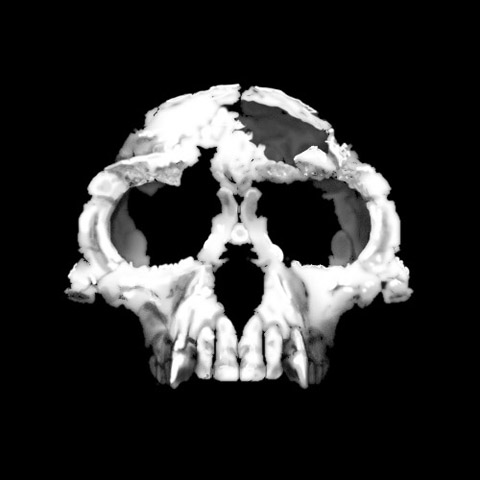
Ardipithecus ramidus specimen, nicknamed Ardi
Scientific classification Edit this classification
Kingdom: Animalia
Phylum: Chordata
Class: Mammalia
Order: Primates
Suborder: Haplorhini
Infraorder: Simiiformes
Family: Hominidae
Subfamily: Homininae
Tribe: Hominini
Subtribe: Hominina
Genus: Ardipithecus
White et al., 1995
Species

Ardipithecus is a genus of an extinct hominine that lived during the Late Miocene and Early Pliocene epochs in the Afar Depression, Ethiopia. Originally described as one of the earliest ancestors of humans after they diverged from the chimpanzees, the relation of this genus to human ancestors and whether it is a hominin is now a matter of debate.[1] Two fossil species are described in the literature: A. ramidus, which lived about 4.4 million years ago[2] during the early Pliocene, and A. kadabba, dated to approximately 5.6 million years ago (late Miocene).[3] Initial behavioral analysis indicated that Ardipithecus could be very similar to chimpanzees;[1] however, more recent analysis based on canine size and lack of canine sexual dimorphism indicates that Ardipithecus was characterised by reduced aggression,[4] and that they more closely resemble bonobos.[5]

Some analyses describe Australopithecus as being sister to Ardipithecus ramidus specifically.[6] This means that Australopithecus is distinctly more closely related to Ardipithecus ramidus than Ardipithecus kadabba. Cladistically, then, Australopithecus (and eventually Homo sapiens) indeed emerged within the Ardipithecus lineage, and this lineage is not literally extinct.

Ardipithecus ramidus

[edit]
−10 —
−9 —
−8 —
−7 —
−6 —
−5 —
−4 —
−3 —
−2 —
−1 —
0 —
Miocene
 

A. ramidus was named in September 1994. The first fossil found was dated to 4.4 million years ago on the basis of its stratigraphic position between two volcanic strata: the basal Gaala Tuff Complex (G.A.T.C.) and the Daam Aatu Basaltic Tuff (D.A.B.T.).[7] The name Ardipithecus ramidus stems mostly from the Afar language, in which Ardi means "ground/floor" and ramid means "root". The pithecus portion of the name is from the Greek word for "ape".[8]

Like most hominids, but unlike all previously recognized hominins, it had a grasping hallux or big toe adapted for locomotion in the trees. It is not confirmed how many other features of its skeleton reflect adaptation to bipedalism on the ground as well. Like later hominins, Ardipithecus had reduced canine teeth and reduced canine sexual dimorphism.[4]

In 1992–1993 a research team headed by Tim White discovered the first A. ramidus fossils—seventeen fragments including skull, mandible, teeth and arm bones—from the Afar Depression in the Middle Awash river valley of Ethiopia. More fragments were recovered in 1994, amounting to 45% of the total skeleton. This fossil was originally described as a species of Australopithecus, but White and his colleagues later published a note in the same journal renaming the fossil under a new genus, Ardipithecus. Between 1999 and 2003, a multidisciplinary team led by Sileshi Semaw discovered bones and teeth of nine A. ramidus individuals at As Duma in the Gona area of Ethiopia's Afar Region.[9] The fossils were dated to between 4.35 and 4.45 million years old.[10]

Map showing discovery locations.

Ardipithecus ramidus had a small brain, measuring between 300 and 350 cm3. This is slightly smaller than a modern bonobo or female chimpanzee brain, but much smaller than the brain of australopithecines like Lucy (~400 to 550 cm3) and roughly 20% the size of the modern Homo sapiens brain. Like common chimpanzees, A. ramidus was much more prognathic than modern humans.[11]

The teeth of A. ramidus lacked the specialization of other apes, and suggest that it was a generalized omnivore and frugivore (fruit eater) with a diet that did not depend heavily on foliage, fibrous plant material (roots, tubers, etc.), or hard and or abrasive food. The size of the upper canine tooth in A. ramidus males was not distinctly different from that of females. Their upper canines were less sharp than those of modern common chimpanzees in part because of this decreased upper canine size, as larger upper canines can be honed through wear against teeth in the lower mouth. The features of the upper canine in A. ramidus contrast with the sexual dimorphism observed in common chimpanzees, where males have significantly larger and sharper upper canine teeth than females.[12] Of the living apes, bonobos have the smallest canine sexual dimorphism, although still greater than that displayed by A. ramidus.[4]

The less pronounced nature of the upper canine teeth in A. ramidus has been used to infer aspects of the social behavior of the species and more ancestral hominids. In particular, it has been used to suggest that the last common ancestor of hominids and African apes was characterized by relatively little aggression between males and between groups. This is markedly different from social patterns in common chimpanzees, among which intermale and intergroup aggression are typically high. Researchers in a 2009 study said that this condition "compromises the living chimpanzee as a behavioral model for the ancestral hominid condition."[12] Bonobo canine size and canine sexual dimorphism more closely resembles that of A. ramidus, and as a result, bonobos are now suggested as a behavioural model.[13]

A. ramidus existed more recently than the most recent common ancestor of humans and chimpanzees (CLCA or Pan-Homo LCA) and thus is not fully representative of that common ancestor. Nevertheless, it is in some ways unlike chimpanzees, suggesting that the common ancestor differs from the modern chimpanzee. After the chimpanzee and human lineages diverged, both underwent substantial evolutionary change. Chimp feet are specialized for grasping trees; A. ramidus feet are better suited for walking. The canine teeth of A. ramidus are smaller, and equal in size between males and females, which suggests reduced male-to-male conflict, increased pair-bonding, and increased parental investment. "Thus, fundamental reproductive and social behavioral changes probably occurred in hominids long before they had enlarged brains and began to use stone tools," the research team concluded.[3]

Ardi

[edit]

On October 1, 2009, paleontologists formally announced the discovery of the relatively complete A. ramidus fossil skeleton first unearthed in 1994. The fossil is the remains of a small-brained 50-kilogram (110 lb) female, nicknamed "Ardi", and includes most of the skull and teeth, as well as the pelvis, hands, and feet.[14] It was discovered in Ethiopia's harsh Afar desert at a site called Aramis in the Middle Awash region. Radiometric dating of the layers of volcanic ash encasing the deposits suggest that Ardi lived about 4.3 to 4.5 million years ago. This date, however, has been questioned by others. Fleagle and Kappelman suggest that the region in which Ardi was found is difficult to date radiometrically, and they argue that Ardi should be dated at 3.9 million years.[15]

The fossil is regarded by its describers as shedding light on a stage of human evolution about which little was known, more than a million years before Lucy (Australopithecus afarensis), the iconic early human ancestor candidate who lived 3.2 million years ago, and was discovered in 1974 just 74 km (46 mi) away from Ardi's discovery site. However, because the "Ardi" skeleton is no more than 200,000 years older than the earliest fossils of Australopithecus, and may in fact be younger than they are,[15] some researchers doubt that it can represent a direct ancestor of Australopithecus.

Some researchers infer from the form of her pelvis and limbs and the presence of her abductable hallux, that "Ardi" was a facultative biped: bipedal when moving on the ground, but quadrupedal when moving about in tree branches.[3][16][17] A. ramidus had a more primitive walking ability than later hominids, and could not walk or run for long distances.[18] The teeth suggest omnivory, and are more generalised than those of modern apes.[3]

Ardipithecus kadabba

[edit]
Ardipithecus kadabba fossils

Ardipithecus kadabba is "known only from teeth and bits and pieces of skeletal bones",[14] and is dated to approximately 5.6 million years ago.[3] It has been described as a "probable chronospecies" (i.e. ancestor) of A. ramidus.[3] Although originally considered a subspecies of A. ramidus, in 2004 anthropologists Yohannes Haile-Selassie, Gen Suwa, and Tim D. White published an article elevating A. kadabba to species level on the basis of newly discovered teeth from Ethiopia. These teeth show "primitive morphology and wear pattern" which demonstrate that A. kadabba is a distinct species from A. ramidus.[19]

The specific name comes from the Afar word for "basal family ancestor".[20]

Classification

[edit]

Due to several shared characteristics with chimpanzees, its closeness to ape divergence period, and due to its fossil incompleteness, the exact position of Ardipithecus in the fossil record is a subject of controversy.[21] Primatologist Esteban Sarmiento had systematically compared and concluded that there is not sufficient anatomical evidence to support an exclusively human lineage. Sarmiento noted that Ardipithecus does not share any characteristics exclusive to humans, and some of its characteristics (those in the wrist and basicranium) suggest it diverged from humans prior to the human–gorilla last common ancestor.[22] His comparative (narrow allometry) study in 2011 on the molar and body segment lengths (which included living primates of similar body size) noted that some dimensions including short upper limbs, and metacarpals are reminiscent of humans, but other dimensions such as long toes and relative molar surface area are great ape-like. Sarmiento concluded that such length measures can change back and forth during evolution and are not very good indicators of relatedness (homoplasy).[23]

However, some later studies still argue for its classification in the human lineage. In 2014, it was reported that the hand bones of Ardipithecus, Australopithecus sediba and A. afarensis have the third metacarpal styloid process, which is absent in other apes.[24] Unique brain organisations (such as lateral shift of the carotid foramina, mediolateral abbreviation of the lateral tympanic, and a shortened, trapezoidal basioccipital element) in Ardipithecus are also found only in the Australopithecus and Homo.[25] Comparison of the tooth root morphology with those of the earlier Sahelanthropus also indicated strong resemblance, also pointing to inclusion to the human line.[26]

Evolutionary tree according to a 2019 study:[27]

Hominini

Paleobiology

[edit]

The Ardipithecus length measures are good indicators of function and together with dental isotope data and the fauna and flora from the fossil site indicate Ardipithecus was mainly a terrestrial quadruped collecting a large portion of its food on the ground. Its arboreal behaviors would have been limited and suspension from branches solely from the upper limbs rare.[23] A comparative study in 2013 on carbon and oxygen stable isotopes within modern and fossil tooth enamel revealed that Ardipithecus fed both arboreally (on trees) and on the ground in a more open habitat, unlike chimpanzees.[28]

In 2015, Australian anthropologists Gary Clark and Maciej Henneberg said that Ardipithecus adults have a facial anatomy more similar to chimpanzee subadults than adults, with a less-projecting face and smaller canines (large canines in primate males are used to compete within mating hierarchies), and attributed this to a decrease in craniofacial growth in favour of brain growth. This is only seen in humans, so they argued that the species may show the first trend towards human social, parenting and sexual psychology.[29] Previously, it was assumed that such ancient human ancestors behaved much like chimps, but this is no longer considered to be a viable comparison.[30] This view has yet to be corroborated by more detailed studies of the growth of A. ramidus. The study also provides support for Stephen Jay Gould's theory in Ontogeny and Phylogeny that the paedomorphic (childlike) form of early hominin craniofacial morphology results from dissociation of growth trajectories.

Clark and Henneberg also argued that such shortening of the skull—which may have caused a descension of the larynx—as well as lordosis—allowing better movement of the larynx—increased vocal ability, significantly pushing back the origin of language to well before the evolution of Homo. They argued that self domestication was aided by the development of vocalization, living in a pro-social society. They conceded that chimps and A. ramidus likely had the same vocal capabilities, but said that A. ramidus made use of more complex vocalizations, and vocalized at the same level as a human infant due to selective pressure to become more social. This would have allowed their society to become more complex. They also noted that the base of the skull stopped growing with the brain by the end of juvenility, whereas in chimps it continues growing with the rest of the body into adulthood; and considered this evidence of a switch from a gross skeletal anatomy trajectory to a neurological development trajectory due to selective pressure for sociability. Nonetheless, their conclusions are highly speculative.[31][29]

According to Scott Simpson, the Gona Project's physical anthropologist, the fossil evidence from the Middle Awash indicates that both A. kadabba and A. ramidus lived in "a mosaic of woodland and grasslands with lakes, swamps and springs nearby," but further research is needed to determine which habitat Ardipithecus at Gona preferred.[9]

Giant snake predation

[edit]

Indigenous people living where large boas and pythons occur are well within the prey size range of those species; an adult male Aeta would constitute greater than or equal to 60% of the mass of a large female reticulated python, which is not a heavy meal by snake standards and especially not for a species whose natural diet includes pigs weighing up to 60 kg. Plio-Plestiocene hominins before the divergence of Homo erectus and reaching back to Ardipithecus ramidus averaged 30-52 kg in mass and thus, making them comparably susceptible to giant snake predation.[32]

See also

[edit]

References

[edit]
[edit]
Revisions and contributorsEdit on WikipediaRead on Wikipedia
from Grokipedia
Ardipithecus is an extinct of early hominins known from remains discovered in the Middle Awash region of , dating between approximately 5.8 and 4.4 million years ago. The genus comprises two : , the older and more fragmentary , and , represented by more complete skeletal material including the famous partial female skeleton nicknamed "." The first fossils attributed to the genus were uncovered in 1992 by a team led by paleoanthropologist Tim White in the Afar Depression, initially classified under the genus . In 2001, additional finds from 5.2 to 5.8 million-year-old sediments were designated Ardipithecus ramidus kadabba, and elevated to species status as A. kadabba in 2004 based on dental morphology showing primitive canine features with evidence of reduced honing wear, suggesting early stages of hominid dental evolution. Key evidence for in A. kadabba comes from a toe bone (ALA-VP-2/160) with a human-like shape indicating upright locomotion, though the species is known primarily from teeth, jaw fragments, and scattered postcranial elements representing at least five individuals. A. ramidus, dated to 4.4 million years ago, is better understood through over 100 fossils, including the 45% complete "" skeleton (ARA-VP-6/500) found in 1994 and analyzed extensively in 2009. This species exhibited a combination of bipedal adaptations, such as a suited for upright walking and an opposable big , alongside arboreal traits like long arms, curved phalanges for grasping branches, and a rigid foot for climbing, indicating a facultative biped that could both walk on the ground and move quadrupedally in trees. Ardi's small body size (approximately 50 kg), with little , ape-like brain size (300-350 cc), and with thin enamel and low, rounded cusps further highlight its primitive morphology, positioned as a close relative to the last common ancestor of humans and chimpanzees. Paleoenvironmental evidence from associated and at the sites reveals that Ardipithecus inhabited a mosaic woodland environment with closed forests and grassy patches, rather than open savannas, challenging earlier models of tied to expansion. This supported a diet likely including fruits, nuts, and small animals, inferred from microwear on teeth showing less abrasive foods than later hominins. The genus's significance lies in demonstrating early hominin without fully committing to terrestrial life, illustrating a period of where arboreal and terrestrial traits coexisted, and providing critical insights into the divergence from the lineage around 6-7 million years ago.

Discovery and Naming

Initial Finds and Etymology

The initial discovery of fossils attributable to the genus Ardipithecus occurred on December 17, 1992, when Japanese paleoanthropologist Gen Suwa, part of an international team led by Tim D. White and Berhane Asfaw, found an upper third molar tooth at the Aramis site in the Middle Awash region of Ethiopia's Afar Depression. Between late 1992 and 1994, the team recovered additional fragmentary remains, including more teeth, a partial cranium, mandible fragments, and postcranial elements, all dated to approximately 4.4 million years ago through associated volcanic ash layers. These early finds represented the oldest known hominin fossils at the time and were excavated from Pliocene sediments in a wooded paleoenvironment, providing initial evidence of a basal hominin form. The fossils were first formally described and named in a seminal 1994 publication in by White et al., who designated the material as a new species, , based on 17 specimens exhibiting a mix of primitive and derived dental and skeletal traits. The species epithet "ramidus" derives from the Afar language word "ramid," meaning "root," underscoring its hypothesized position as a foundational species near the base of the hominin lineage. This naming reflected the team's view of the fossils as an early offshoot from the common ancestor of humans and chimpanzees, though still placed within the genus . In 1995, following further analysis and cladistic evaluation that highlighted distinct primitive features warranting separation from , White et al. issued a corrigendum in reclassifying the species into a new , . The genus name combines "Ardi," the Afar word for "ground" or "floor," with "pithecus" meaning "," emphasizing the species' terrestrial adaptations and basal, ape-like status in hominin evolution. This taxonomic adjustment, published as Australopithecus ramidus, a new species of early hominid from Aramis, (Corrigendum), solidified the foundational role of these initial discoveries in reshaping understandings of early hominin phylogeny.

Key Fossil Localities

The primary fossil localities for Ardipithecus are situated in the Afar Rift region of , where tectonic activity has preserved sediments from the to Early epochs. The site in the Middle Awash Valley stands as the most significant locality, yielding fossils of both A. kadabba and A. ramidus. This site lies within the Lower Aramis Member of the Sagantole Formation, consisting of fluvial sands, silts, and volcanic tuffs deposited on an ancient . Volcanic ash layers, such as the Daam Aatu Basalt Tuff (DABT) and Gaala Aatu Tuff Complex (GATC), bracket the fossil-bearing horizons and have been dated using the ⁴⁰Ar/³⁹Ar laser-fusion method on sanidine crystals, providing precise chronological constraints. Fossils of A. kadabba from Aramis are recovered from strata dated to approximately 5.8–5.2 million years ago (Ma), based on ⁴⁰Ar/³⁹Ar ages from intercalated tuffs like the Chintelelo Tuff (5.77 ± 0.27 Ma) and Kuseralee Tuff (5.2 ± 0.23 Ma), which encase the deposits. Similarly, A. ramidus specimens at Aramis, including the partial skeleton known as Ardi, come from layers dated to 4.4 Ma, with bounding tuffs yielding ages of 4.416 ± 0.031 Ma (DABT below) and 4.419 ± 0.068 Ma (GATC above). Associated fauna at Aramis include cercopithecid monkeys (e.g., Theropithecus sp.) and bovids (e.g., Tragelaphus sp.), indicating a woodland environment, as corroborated by biostratigraphic correlations with other East African sites. Beyond , the Gona Project area in the has produced key Ardipithecus fossils from the Adu-Asa and Sagantole Formations. A. kadabba teeth from Gona date to around 6.3 Ma and 5.4 Ma, constrained by using mammalian assemblages (including colobine monkeys and diverse bovids) and paleomagnetic analysis of reversed polarity intervals in the sediments. For A. ramidus, postcranial elements from Gona's Busidima Formation are estimated at 4.8–4.3 Ma through stratigraphic correlation to dated Aramis equivalents, supplemented by biostratigraphic markers like equids and suids, and paleomagnetic data aligning with the Matuyama chron. These methods confirm the to Early ages across sites, with volcanic tuffs occasionally providing direct ⁴⁰Ar/³⁹Ar dates where preserved. Overall, these sites' dating integrates radiometric, biostratigraphic, and paleomagnetic techniques to establish Ardipithecus as occupants of wooded paleoecologies in the during a critical evolutionary interval.

Species Descriptions

Ardipithecus kadabba

Ardipithecus kadabba is the older species within the genus Ardipithecus, dated to approximately 5.8–5.2 million years ago based on fossils recovered from the Middle Awash region of . This species is known from a total of 11 specimens representing at least five individuals, consisting mainly of isolated teeth but also including a proximal of the fourth toe, a fragment, partial bones, and hand bones. These remains were discovered between 1997 and 2002 across multiple localities, with most dated to 5.6–5.8 Ma and one outlier at 5.2 Ma. A particularly significant fossil is the proximal pedal phalanx IV (ALA-VP-2/160) from the Asa Issie locality, dated to 5.2 Ma, which exhibits morphological features indicative of bipedal locomotion. This has a robust shaft and a base that is transversely expanded and oriented dorsally, traits that facilitate propulsion during bipedal toe-off, differing from the more curved phalanges of arboreal apes. Although the big morphology is not directly represented in the A. kadabba sample, this phalanx provides early evidence of terrestrial adaptations in the genus. The taxonomic status of A. kadabba remains debated, with initial classification as a subspecies of A. ramidus in 2001 later elevated to full in 2004 based on newly discovered teeth showing more primitive canine morphology. Specifically, the lower canines of A. kadabba are diamond-shaped with larger size and greater compared to the reduced, more incisiform canines in A. ramidus, suggesting less advanced hominization. This distinction supports A. kadabba as a potential direct ancestor to A. ramidus. Given the small sample size and fragmentary condition of the fossils, A. kadabba is regarded as a provisional , pending additional discoveries to clarify its evolutionary role.

Ardipithecus ramidus

Ardipithecus ramidus is the of the Ardipithecus, dated to approximately 4.4 million years ago based on fossils recovered primarily from the Aramis site in Ethiopia's Middle Awash region. Over 100 specimens, representing elements from at least 35 individuals, have been unearthed at this locality, providing a relatively substantial record for this early hominin compared to other contemporaneous species. The most iconic specimen is the partial skeleton ARA-VP-6/500, nicknamed "," discovered in 1994 and comprising about 125 bone fragments that reconstruct approximately 45% of the original skeleton. This individual is identified as , with an estimated stature of 1.2 and body mass of 50 kg, alongside a of 300–350 cm³, comparable to that of a modern . A comprehensive description of A. ramidus was published in 2009 through a series of 11 papers in Science, analyzing fossils from at least 11 individuals, including ; these studies highlighted mosaic evolutionary traits, such as a with a short, broad ilium suited for yet retaining ape-like features for climbing, and a foot with a grasping big toe and rigid forefoot indicating arboreal capabilities alongside terrestrial propulsion. Additional fossils beyond include several partial skeletons, mandibles, and limb bones from other individuals at , which collectively demonstrate facultative — the ability to walk upright on the ground while still being adept at tree .

Classification and Phylogeny

Taxonomic Placement

was initially classified as a new within the family in 1994 by and colleagues, based on fragmentary dental remains recovered from 4.4-million-year-old sediments in the Middle Awash region of Ethiopia's Afar Depression. These fossils, including a partial and mandibular fragments, displayed primitive traits such as thin molar enamel, sectorial premolars, and relatively large canines compared to later hominins, which distinguished the genus from and prompted its separation as a more basal form. The naming "" derives from the ("ardi" meaning ground or floor, referring to the basal position) and Latin ("ramidus" meaning rooted), emphasizing its hypothesized proximity to the chimpanzee-human last common ancestor. In 2001, Yohannes Haile-Selassie classified older Middle Awash fossils (dated 5.2–5.8 million years) as a subspecies, Ardipithecus ramidus kadabba. In 2004, this was elevated to the status of a distinct species, Ardipithecus kadabba, within the same genus, based on additional dental and postcranial evidence including a proximal pedal phalanx (toe bone) that suggested facultative bipedalism. This classification was supported by White and team members in subsequent analyses, highlighting shared primitive features like large, sexually dimorphic canines across both species but with early signs of honing reduction. The toe bone's morphology, with a robust base and straight shaft, indicated a divergence from arboreal grasping typical of apes, reinforcing the species' hominin affinity despite its overall primitive dentition. Current consensus places Ardipithecus firmly as a hominin genus within the tribe of Homininae, supported by features such as reduced canine size relative to extant great apes, alongside evidence of reduced in canines (approaching modern human levels). This positioning excludes pongine (orangutan-like) affinities due to the absence of specialized suspensory adaptations and the presence of terrestrially oriented postcranial traits. Debates persist on precise boundaries, but phylogenetic analyses consistently recover Ardipithecus as to the + clade, basal to later hominins. Post-2009 taxonomic updates, including comprehensive reviews of the Ardi skeleton and associated , have refined species attributions but proposed no new genera or major reclassifications as of 2025, maintaining the two-species framework (A. kadabba and A. ramidus) under Ardipithecus. Ongoing analyses of canine dimorphism and craniodental metrics continue to affirm its hominin status without altering the core taxonomic placement.

Evolutionary Relationships

Ardipithecus is hypothesized to occupy a pivotal position in hominin evolution, serving as a basal that bridges the divergence between the lineage and that of chimpanzees (Pan), while potentially representing a common to later genera such as and . Fossils of (dated to approximately 5.8–5.2 million years ago) and (dated to about 4.4 million years ago) postdate the estimated split from the Pan lineage, positioning the genus as an early post-divergence hominin rather than a pre-split . This placement suggests Ardipithecus retained primitive traits from the last common (LCA) of humans and African apes, including adaptations for arboreal locomotion, while exhibiting incipient hominin features like reduced canine size that align it with subsequent bipedal lineages. Molecular clock analyses provide temporal context for this divergence, estimating the human-chimpanzee split at 5.5–7.5 million years ago based on genomic comparisons of nuclear protein-coding genes. , emerging shortly after this timeframe, is interpreted as a representative of the early hominin radiation following the split, with its morphology indicating that the LCA was not chimpanzee-like but rather a more generalized arboreal capable of facultative terrestriality. Cladistic analyses of craniodental and postcranial characters consistently recover as the sister taxon to a comprising and , supported by shared derived dental traits such as reduced canines and microwear patterns indicative of less reliance on tough foods, contrasted with its more primitive pelvic structure. Debates persist regarding whether Ardipithecus represents a direct or merely a sister lineage to later hominins, with some researchers arguing the latter based on foot morphology that retains African ape-like features, such as a divergent hallux and midfoot rigidity suited for grasping rather than fully committed . For instance, analyses of the Ar. ramidus foot suggest it reflects an evolutionary precursor involving and , potentially excluding it from the direct line leading to the more derived bipedal adaptations seen in . These alternative views, prominent in 2010s critiques, emphasize that while Ardipithecus shares key hominin synapomorphies, its mosaic of primitive and derived traits may indicate a collateral branch rather than a linear precursor in the hominin .

Anatomy and Morphology

Cranial and Dental Features

The cranial morphology of Ardipithecus is characterized by a small braincase with an endocranial volume estimated at 300–350 cm³, comparable to that of modern chimpanzees (Pan troglodytes) and indicative of limited cognitive expansion relative to later hominins. The face is short and lightly built, lacking the robust, anteriorly projecting zygomaxillary region seen in species, though it retains a degree of more pronounced than in modern humans. In the partial cranium of the specimen ARA-VP-6/500 (nicknamed ""), the is positioned relatively anteriorly on a short cranial base, a feature shared with and that supports upright posture, despite the overall primitive configuration of the skull. Dental features of Ardipithecus further highlight its transitional position between apes and later hominins. The dental arcade exhibits a parabolic , differing from the more U-shaped configuration in extant great apes and approaching the hominin pattern, facilitated by reduced anterior size. Canines are small and diamond-shaped, with low —comparable to that in modern humans and much reduced relative to the pronounced dimorphism in —lacking the honing complex against the lower third typical of apes. Incisors are procumbent and spatulate, retaining primitive ape-like proportions that are larger and more projecting than those in . The cheek teeth, including premolars and molars, display thin enamel coverage, intermediate between the thicker enamel of Australopithecus and the even thinner, more variable enamel in Pan, suggesting a diet emphasizing soft, sugary fruits (frugivory) rather than the tougher, abrasive foods processed by later hominins. Overall, these cranial and dental traits position Ardipithecus as more primitive than Australopithecus, with reduced postcanine megadontia, thinner occlusal enamel, and less derived facial architecture, reflecting an early stage in hominin dental reduction and cranial base reconfiguration.

Postcranial Skeleton

The postcranial of Ardipithecus exhibits a of primitive and derived features, particularly in A. ramidus, where partial remains including the , limbs, and vertebrae reveal adaptations for both and facultative . These elements contrast with the more specialized bipedal morphology of later hominins, retaining ape-like traits while showing early modifications for upright posture. The of A. ramidus is notably short and broad, with iliac blades that flare laterally in a manner reminiscent of extant apes, providing attachment sites for powerful , yet the ilium is shortened craniocaudally relative to apes, resembling the configuration in . This structure facilitates efficient transfer of body weight from the trunk to the lower limbs during bipedal locomotion by positioning the above the joint, enabling balanced upright walking without the need for extreme valgus angles at the . The pubis is elongated and the shortened compared to chimpanzees, further supporting a transitional locomotor repertoire. Forelimbs in A. ramidus are elongated relative to the hindlimbs, with a characterized by a large, globular head that enhances glenohumeral mobility for overhead reaching and . The and retain primitive proportions, and the manual phalanges are curved, indicating adaptations for suspensory behaviors, such as below-branch suspension, similar to those in modern apes, as supported by recent morphometric analyses. These features suggest that the last common with African apes had suspensory-adapted forelimbs. Hindlimb elements demonstrate a combination of grasping and propulsive capabilities, exemplified by the foot's widely divergent hallux, which remains opposable for arboreal prehension but lacks the leverage for propulsion in terrestrial gait, as evidenced by its lateral position and reduced robusticity compared to later hominins. Recent analysis of the reveals African ape-like features, including a high talar inclination index and deep mediolateral curvature, supporting adaptations for vertical . The midfoot, however, is rigid with a short, stout lateral metatarsals and a developing transverse arch, providing stability for bipedal , while the femur exhibits a moderate valgus angle that aligns the under the for upright posture. This duality underscores a foot adapted for both and walking, distinct from the fully non-opposable hallux of modern humans. The vertebral column of A. ramidus, preserved in limited fragments including thoracic and lumbar elements, features a relatively short lumbar series compared to apes, with pelvic morphology indicating the initiation of lumbar to maintain balance during , though less pronounced than in . The is broad and short, aligning with the iliac orientation to support a more upright trunk, but the absence of advanced wedging in the suggests bipedality was less energetically efficient than in later , relying on a mix of orthogrady and arboreality.

Paleobiology and Paleoecology

Locomotion and Behavior

Ardipithecus exhibited facultative , enabling upright walking on the ground while retaining significant arboreal adaptations, distinguishing it from the more committed terrestrial bipedality of later hominins like . The and show features supporting bipedal locomotion, such as a mediolaterally expanded ilium and enhanced spinal , yet these are primitive compared to , indicating bipedality evolved shortly after the chimpanzee-human split without fully supplanting tree-based movement. This mixed locomotor strategy allowed efficient toe-off during walking, as evidenced by the foot's lateral lever action, but prioritized versatility over specialization. Arboreal locomotion in Ardipithecus involved suspensory behaviors and vertical , inferred from postcranial traits like long arms, curved phalanges, and a grasping foot with an opposable hallux. The hand morphology supports a varied positional repertoire, including suspension and , without evidence of knuckle-walking seen in African apes. Ankle features further indicate ape-like vertical capabilities, facilitating access to flexible branches in forested settings. These adaptations suggest Ardipithecus was primarily arboreal and quadrupedal in trees, using its forelimbs for propulsion and stability during ascent and descent. Social behavior in Ardipithecus likely involved reduced , as indicated by weak canine comparable to modern humans and weaker than in bonobos. This minimal dimorphism (male-to-female ratios of 1.06 for upper canines and 1.13 for lower) implies a shift toward less competitive interactions among males, possibly driven by rather than coercive dominance. Such traits suggest social groups resembling bonobo-like multimale-multifemale structures, with lower levels of intraspecific promoting affiliative bonds. No direct evidence exists for tool use in Ardipithecus, consistent with its small limiting complex cognition. Endocranial volume estimates range from 300 to 350 cubic centimeters, akin to that of extant apes, indicating cognitive capacities insufficient for systematic tool manufacture or use beyond simple modifications.

Diet, Habitat, and Environment

The paleoecological reconstruction of Ardipithecus at the Aramis site in Ethiopia's Middle Awash region indicates a predominantly habitat around 4.4 million years ago, characterized by closed forests covering approximately 70% of the landscape with a grassy . This environment is inferred from multiple lines of evidence, including assemblages suggesting humid, cool woodlands, stable carbon isotope ratios (δ¹³C) from carbonates indicating a mix of woody vegetation and limited grasses, and faunal remains dominated by forest-adapted species. The associated further supports this closed, mosaic , with abundant remains of colobine monkeys, which favor arboreal folivory in wooded settings, and early bovids such as tragelaphine antelopes (e.g., spp.), indicative of bushy or forested habitats rather than open grasslands. These assemblages, including diverse , perissodactyls, and proboscideans, point to a heterogeneous of riparian woodlands interspersed with grassy patches, rather than a uniform . preservation at is limited, but complementary botanical proxies reinforce the prevalence of C₃-dominated vegetation in a moist, alluvial setting. Ardipithecus' diet was omnivorous, primarily consisting of C₃ resources such as fruits, nuts, and leaves from woodland plants, with only minor incorporation of C₄ grasses, as evidenced by stable carbon isotope analysis of tooth enamel yielding δ¹³C values around -9‰ to -10‰. These values reflect a frugivorous emphasis in a humid woodland context, distinct from the more open-savanna diets of later hominins, and align with dental features like thin enamel suggestive of soft, ripe produce consumption. Microwear patterns on the teeth further indicate occasional harder foods but predominantly low-abrasion items from closed-canopy foraging.

Significance and Debates

Role in Hominin Evolution

Ardipithecus, particularly A. ramidus from around 4.4 million years ago, fundamentally challenges the long-standing savanna hypothesis of human evolution, which posited that bipedalism arose as an adaptation to open grasslands for efficient foraging and visibility. Instead, paleoenvironmental evidence from the Middle Awash region indicates that Ardipithecus inhabited a mosaic of closed woodlands and forested areas, with carbon isotope analysis of associated fauna and dental microwear revealing a diet dominated by C3 plants from wooded environments rather than significant C4 grasses typical of savannas. This woodland setting suggests that bipedalism may have initially evolved for arboreal purposes, such as facilitation of movement between trees or social display, rather than as a response to open-terrain pressures. A key contribution of Ardipithecus to understanding the chimpanzee-human lies in its dental morphology, particularly the reduced, non-honing canine-premolar complex, which lacks the sharpened, interlocking features seen in modern chimpanzees and . This configuration, with diamond-shaped upper canines and minimal , represents a derived hominin trait that emerged after the last common (LCA) with chimpanzees, implying the occurred more than 6 million years ago and that the LCA was not chimpanzee-like in its social or locomotor behaviors. Such features indicate early shifts in social dynamics, possibly toward reduced male-male aggression, distinct from the post- specializations in Pan lineages. As a transitional form, Ardipithecus exhibits a of primitive traits that illuminate the evolutionary bridge to later hominins like , including a small , opposable big toe, and arboreal adaptations alongside incipient bipedal capabilities. These retained ancestral characteristics—such as a grasping foot and affinity—explain the gradual, patchwork nature of trait acquisition in subsequent hominins, where full terrestrial and dietary shifts emerged later without requiring a knuckle-walking precursor. Phylogenetically, Ardipithecus is positioned as a sister taxon to , underscoring its role in basal hominin diversification. The 2009 series of publications in Science detailing the A. ramidus (ARA-VP-6/500) profoundly reshaped understandings of early hominin locomotion, , and ancestry, compelling revisions to standard textbooks by rejecting chimpanzee-centric models of the LCA and emphasizing contexts for bipedal origins. These findings, integrating multidisciplinary evidence from over 100 specimens, established Ardipithecus as a critical waypoint in , highlighting that modern African apes are highly specialized and poor proxies for ancestral forms.

Current Controversies

One ongoing debate in Ardipithecus research centers on the taxonomic status of A. ramidus as a true hominin or a stem hominid more closely aligned with the African ape lineage. While the original descriptions emphasized adaptations and reduced canine dimorphism as key hominin traits, recent analyses of postcranial elements have challenged the extent of obligate , suggesting retained African ape-like capabilities for vertical climbing and . For instance, a 2025 study of the Ardi talus bone indicates that its morphology aligns closely with that of chimpanzees and gorillas for climbing, implying A. ramidus was not fully committed to terrestrial bipedality and may represent a transitional form rather than a direct . Similarly, critiques from 2010 highlighted that shared-derived characters with later hominins are insufficient to exclude Ardipithecus from the broader African ape , fueling arguments that it occupies a basal position outside the hominin . A study on canine further complicates this classification, revealing ratios (1.06 for upper canines and 1.13 for lower) nearly as low as in modern humans and weaker than in bonobos, which supports reduced male-male competition typical of hominins but does not resolve whether this reflects direct ancestry or in a stem lineage. These conflicting interpretations underscore the mosaic nature of A. ramidus morphology, with no consensus by 2025 on its precise phylogenetic role. Another significant issue is sample bias stemming from the heavy reliance on fossils from the site in Ethiopia's Middle Awash region, where the majority of A. ramidus specimens, including the partial ARA-VP-6/500 (""), were recovered between 1992 and 2006. This localized sampling introduces spatial bias, potentially skewing interpretations of variation, , and , as eastern African hominin sites exhibit uneven geographic distribution that may not capture broader . A 2024 analysis further quantified this spatial sampling , showing that sites in the Afar region, including Middle Awash, are concentrated in environmental hotspots and may not represent the full ecological range of early hominins like Ardipithecus. Although additional postcranial fossils from the nearby Gona Project (dated 4.8–4.3 Ma) were described in 2019, no major new Ardipithecus discoveries have emerged since the 2009 publications, limiting the sample size to approximately 36 individuals and hindering robust statistical analyses. Research gaps persist in understanding beyond canines, growth patterns, and genetic profiles, due to the fragmentary nature of the fossils and poor preservation in tropical sediments. While canine studies indicate low dimorphism, overall body size and craniofacial differences remain poorly quantified with the current sample, and no evidence addresses ontogenetic trajectories or life history stages like those inferred for later australopiths. extraction is infeasible for Ardipithecus given its age and environmental conditions, leaving molecular insights absent. These limitations have prompted calls for expanded fieldwork beyond to sites in , , or , to test whether A. ramidus represents a regionally restricted or a widespread early hominid.

References

Add your contribution
Related Hubs
Contribute something
User Avatar
No comments yet.