Hubbry Logo
GangreneGangreneMain
Open search
Gangrene
Community hub
Gangrene
logo
8 pages, 0 posts
0 subscribers
Be the first to start a discussion here.
Gangrene
Gangrene
from Wikipedia

Gangrene
Other namesGangrenous necrosis
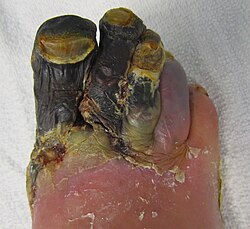
Dry gangrene affecting the toes as a result of peripheral artery disease
SpecialtyInfectious disease, surgery, podiatry
SymptomsChange in skin color to red or black, numbness, pain, skin breakdown, coolness[1]
ComplicationsSepsis, amputation[1][2]
TypesDry, wet, gas, internal, necrotizing fasciitis[3]
Risk factorsDiabetes, peripheral arterial disease, smoking, major trauma, alcoholism, plague, HIV/AIDS, frostbite, Raynaud's syndrome[3][4]
Diagnostic methodBased on symptom, With medical imaging used to identify the underlying cause.
TreatmentDepends on underlying cause[5]
PrognosisVariable
FrequencyUnknown[2]
Gangrenous toes in a diabetic

Gangrene is a type of tissue death caused by a lack of blood supply.[4] Symptoms may include a change in skin color to red or black, numbness, swelling, pain, skin breakdown, and coolness.[1] The feet and hands are most commonly affected.[1] If the gangrene is caused by an infectious agent, it may present with a fever or sepsis.[1]

Risk factors include diabetes, peripheral arterial disease, smoking, major trauma, alcoholism, HIV/AIDS, frostbite, influenza, dengue fever, malaria, chickenpox, plague, hypernatremia, radiation injuries, meningococcal disease, Group B streptococcal infection and Raynaud's syndrome.[3][4] It can be classified as dry gangrene, wet gangrene, gas gangrene, internal gangrene, and necrotizing fasciitis.[3] The diagnosis of gangrene is based on symptoms and supported by tests such as medical imaging.[6]

Treatment may involve surgery to remove the dead tissue, antibiotics to treat any infection, and efforts to address the underlying cause.[5] Surgical efforts may include debridement, amputation, or the use of maggot therapy.[5] Efforts to treat the underlying cause may include bypass surgery or angioplasty.[5] In certain cases, hyperbaric oxygen therapy may be useful.[5] How commonly the condition occurs is unknown.[2]

Etymology

[edit]

The etymology of gangrene derives from the Latin word gangraena and from the Greek gangraina (γάγγραινα), which means "putrefaction of tissues".[7]

Signs and symptoms

[edit]
Four drawn illustrations on a page, including (top left) a foot with black toes, (top right) a limb with holes in the skin showing yellowed matter beneath, (centre right) the end of a foot with blackened stubs where the toes once were, and (bottom) a foot that is wrinkled and dark, with prominent veins and purple toes.
An illustration showing four different stages of gangrene, including one (Fig. 4 top right) caused by an obstacle to the return of the venous blood due to heart disease.

Symptoms may include a change in skin color to red or black, numbness, pain, skin breakdown, and coolness.[1] The feet and hands are most commonly involved.[1]

Causes

[edit]

Gangrene is caused by a critically insufficient blood supply (e.g., peripheral vascular disease) or infection.[3][8][9] It is associated with diabetes[10] and long-term tobacco smoking.[4][3]

Dry gangrene

[edit]

Dry gangrene is a form of coagulative necrosis that develops in ischemic tissue, where the blood supply is inadequate to keep tissue viable. It is not a disease itself, but a symptom of other diseases.[11] The term dry is used only when referring to a limb or to the gut (in other locations, this same type of necrosis is called an infarction, such as myocardial infarction).[12] Dry gangrene is often due to peripheral artery disease, but can be due to acute limb ischemia. As a result, people with atherosclerosis, high cholesterol, diabetes and smokers commonly have dry gangrene.[13] The limited oxygen in the ischemic limb limits putrefaction and bacteria fail to survive. The affected part is dry, shrunken, and dark reddish-black. The line of separation usually brings about complete separation, with eventual falling off of the gangrenous tissue if it is not removed surgically, a process called autoamputation.[13]

Dry gangrene is the result of chronic ischemia without infection. If ischemia is detected early, when ischemic wounds rather than gangrene are present, the process can be treated by revascularization (via vascular bypass or angioplasty).[14] However, once gangrene has developed, the affected tissues are not salvageable.[15] Because dry gangrene is not accompanied by infection, it is not as emergent as gas gangrene or wet gangrene, both of which have a risk of sepsis. Over time, dry gangrene may develop into wet gangrene if an infection develops in the dead tissues.[16]

Diabetes mellitus is a risk factor for peripheral vascular disease, thus for dry gangrene, but also a risk factor for wet gangrene, particularly in patients with poorly controlled blood sugar levels, as elevated serum glucose creates a favorable environment for bacterial infection.[17]

Wet gangrene

[edit]
Wet gangrene of the foot.

Wet, or infected, gangrene is characterized by thriving bacteria and has a poor prognosis (compared to dry gangrene) due to sepsis resulting from the free communication between infected fluid and circulatory fluid. In wet gangrene, the tissue is infected by saprogenic microorganisms (Clostridium perfringens or Bacillus fusiformis, for example), which cause tissue to swell and emit a foul odor. Wet gangrene usually develops rapidly due to blockage of venous (mainly) or arterial blood flow.[13] The affected part is saturated with stagnant blood, which promotes the rapid growth of bacteria. The toxic products formed by bacteria are absorbed, causing systemic manifestation of sepsis and finally death. The affected part is edematous, soft, putrid, rotten, and dark.[citation needed]

Because of the high mortality associated with infected gangrene (about 80% without treatment and 20% with treatment), an emergency salvage amputation, such as a guillotine amputation, is often needed to limit systemic effects of the infection.[18] Such an amputation can be converted to a formal amputation, such as a below- or above-knee amputation.[18]

Gas gangrene

[edit]

Gas gangrene is a bacterial infection that produces gas within tissues. It can be caused by Clostridium, most commonly alpha toxin-producing C. perfringens, or various nonclostridial species.[9][19] Infection spreads rapidly as the gases produced by the bacteria expand and infiltrate healthy tissue in the vicinity. Because of its ability to quickly spread to surrounding tissues, gas gangrene should be treated as a medical emergency.

Gas gangrene is caused by bacterial exotoxin-producing clostridial species, which are mostly found in soil, and other anaerobes such as Bacteroides and anaerobic streptococci. These environmental bacteria may enter the muscle through a wound and subsequently proliferate in necrotic tissue and secrete powerful toxins that destroy nearby tissue, generating gas at the same time. A gas composition of 5.9% hydrogen, 3.4% carbon dioxide, 74.5% nitrogen, and 16.1% oxygen was reported in one clinical case.[20]

Gas gangrene can cause necrosis, gas production, and sepsis. Progression to toxemia and shock is often very rapid.[21]

Other types

[edit]

Treatment

[edit]

Treatment varies based on the severity and type of gangrene.[13]

Lifestyle

[edit]

Exercises such as walking and massage therapy may be tried.[13]

Medication

[edit]

Medications may include pain management, medications that promote circulation in the circulatory system and antibiotics. Since gangrene is associated with periodic pain caused by too little blood flow, pain management is important so patients can continue doing exercises that promote circulation. Pain management medications can include opioids and opioid-like analgesics. Since gangrene is a result of ischemia, circulatory system management is important. These medications can include antiplatelet drug, anticoagulant, and fibrinolytics. As infection is often associated with gangrene, antibiotics are often a critical component of its treatment. The life-threatening nature of gangrene requires treatment with intravenous antibiotics in an inpatient setting.[13] Antibiotics alone are not effective because they may not penetrate infected tissues sufficiently.[28]

Surgery

[edit]

Surgical removal of all dead tissue, however, is the mainstay of treatment for gangrene. Often, gangrene is associated with underlying infection, thus the gangrenous tissue must be debrided to hinder the spread of the associated infection. The extent of surgical debridement needed depends on the extent of the gangrene and may be limited to the removal of a finger, toe, or ear, but in severe cases may involve a limb amputation.[13]

Dead tissue alone does not require debridement, and in some cases, such as dry gangrene, the affected part falls off (autoamputates), making surgical removal unnecessary. Waiting for autoamputation, however, may cause health complications as well as decreased quality of life.[13]

After the gangrene is treated with debridement and antibiotics, the underlying cause can be treated. In the case of gangrene due to critical limb ischemia, revascularization can be performed to treat the underlying peripheral underlateral artery disease.[citation needed]

Ischemic disease of the legs is the most common reason for amputations. In about a quarter of these cases, the other side requires amputation in the next three years.[29]

Angioplasty should be considered if severe blockage in lower leg vessels (tibial and peroneal artery) leads to gangrene.[30]

Other

[edit]

Hyperbaric oxygen therapy treatment is used to treat gas gangrene. It increases pressure and oxygen content to allow blood to carry more oxygen to inhibit anaerobic organism growth and reproduction.[31]

Regenerative medical treatments and stem-cell therapies have successfully altered gangrene and ulcer prognosis.[citation needed]

History

[edit]
Union Army Private Milton E. Wallen lies in bed with a gangrenous amputated arm

As early as 1028, flies and maggots were commonly used to treat chronic wounds or ulcers to prevent or arrest necrotic spread,[32] as some species of maggots consume only dead flesh, leaving nearby living tissue unaffected. This practice largely died out after the introduction of antibiotics to the range of treatments for wounds. In recent times, however, maggot therapy has regained some credibility and is sometimes employed with great efficacy in cases of chronic tissue necrosis.[33][34][35]

The French Baroque composer Jean-Baptiste Lully contracted gangrene in January 1687 when, while conducting a performance of his Te Deum, he stabbed his own toe with his pointed staff (which was used as a baton). The disease spread to his leg, but the composer refused to have his toe amputated, which eventually led to his death in March of that year.[36]

French King Louis XIV died of gangrene in his leg on 1 September 1715, four days prior to his 77th birthday.[37]

Sebald Justinus Brugmans, Professor at Leyden University, from 1795 on Director of the Medical Bureau of the Batavian Republic, and inspector-general of the French Imperial Military Health-Service in 1811, became a leading expert in the fight against hospital-gangrene and its prevention. He wrote a treatise on gangrene in 1814 in which he meticulously analyzed and explained the causes of this dreadful disease, which he was convinced was contagious. He completed his entry with a thorough evaluation of all possible and well experienced sanitary regulations. His work was very well received and was instrumental in convincing most later authors that gangrene was a contagious disease.[38][39]

John M. Trombold wrote: "Middleton Goldsmith, a surgeon in the Union Army during the American Civil War, meticulously studied hospital gangrene and developed a revolutionary treatment regimen. The cumulative Civil War hospital gangrene mortality was 45%. Goldsmith's method, which he applied to over 330 cases, yielded a mortality under 3%."[40] Goldsmith advocated the use of debridement and topical and injected bromide solutions on infected wounds to reduce the incidence and virulence of "poisoned miasma". Copies of his book[41] were issued to Union surgeons to encourage the use of his methods.[42]

References

[edit]
[edit]
Revisions and contributorsEdit on WikipediaRead on Wikipedia
from Grokipedia
Gangrene is a serious and potentially life-threatening medical condition characterized by the death of body tissue due to a lack of blood supply (ischemia) or a severe bacterial that leads to . It most commonly affects the extremities, such as the toes, fingers, hands, feet, and legs, but can also involve muscles, , and internal organs like the intestines or . Early diagnosis and treatment are critical, as untreated gangrene can result in , , or death. Gangrene is classified into several types based on its cause and presentation, including dry gangrene, which develops slowly from reduced blood flow and results in dry, shriveled tissue without significant infection; wet gangrene, which arises from bacterial infection in addition to poor circulation, leading to swelling, blisters, and a foul odor; gas gangrene, a rare but aggressive form caused by bacteria like Clostridium perfringens that produce gas in tissues; and internal gangrene, which affects internal organs due to blocked blood flow. Other variants include Fournier's gangrene, a rapidly progressing infection of the genital or perineal area, and Meleney's gangrene, which occurs post-surgery. The primary causes of gangrene include vascular diseases that obstruct blood flow, such as or , traumatic injuries that damage blood vessels, and uncontrolled infections from wounds or . significantly increases risk due to nerve damage (neuropathy) and poor circulation, which can lead to unnoticed injuries and subsequent tissue death. Other risk factors encompass , which narrows blood vessels; ; from conditions like or ; severe burns or ; and intravenous drug use. Symptoms typically begin with changes in the affected area's color, progressing from pale or gray to , , , or black, often accompanied by swelling, blisters filled with foul-smelling discharge, and severe pain that may give way to numbness as die. In cases of gas or internal gangrene, additional signs include fever, , rapid heartbeat, low , and a crackling sensation under the skin from gas production. Prompt medical attention is essential if persistent pain, unexplained changes, or fever accompanies a . Treatment focuses on removing dead tissue and restoring blood flow, often requiring surgical to excise necrotic areas, antibiotics to combat , and in severe cases, of the affected limb or organ part. Hyperbaric , which increases oxygen delivery to tissues, may be used for certain types like , while or can address underlying blockages. The depends on the extent of involvement, timeliness of intervention, and the patient's overall ; complications can include , prolonged recovery, , or multi-organ failure if treatment is delayed. Prevention involves meticulous wound care, , blood sugar control in diabetics, and regular vascular screenings for at-risk individuals.

Overview

Definition

Gangrene is a serious medical condition defined as the , or death, of body tissue resulting from inadequate supply (ischemia), severe bacterial , or a combination of these factors, which leads to irreversible and can potentially spread to adjacent tissues if not addressed. This process deprives the affected area of oxygen and nutrients essential for cellular survival, culminating in tissue breakdown and . While refers to the general pathological death of cells due to injury or , gangrene specifically denotes macroscopic tissue death that is often visible externally or detectable internally through or examination, typically involving larger areas and carrying a of systemic complications. Unlike microscopic cellular , gangrenous tissue exhibits gross changes such as discoloration, dryness, or , distinguishing it as a clinical rather than a mere cellular event. Gangrene most commonly affects the extremities, including the arms, legs, fingers, and toes, but it can also involve internal organs such as the intestines or external structures like the genitals. The condition is classified into several types, including dry, wet, and , based on the predominant causative mechanism and clinical presentation.

Etymology

The term "gangrene" derives from the Ancient Greek word gangraina (γάγγραινα), meaning "putrefaction of tissues" or "an eating sore," literally referring to a condition that gnaws or devours the flesh. This etymology stems from the verb graō (to gnaw), related to gran-, combined with elements denoting decay, as described in early medical texts. The word first appears in the , a collection of ancient Greek medical writings attributed to and his followers from the 5th to 4th centuries BCE, where it denotes a severe, putrefactive process leading to tissue death and , often observed in wounds or injuries. The Greek gangraina was adopted into Latin as gangraena during the Roman era, retaining its connotation of tissue mortification and corruption, as evidenced in medical literature by authors like , who expanded on Hippocratic descriptions in the 2nd century CE. From Latin, the term entered as gangrene or gancrene in the medieval period, before being borrowed into around the late 14th to early , with widespread use in medical contexts by the 1540s. In its linguistic evolution, "gangrene" distinguishes itself from related terms like "," which originates from the Greek nekrosis (νέκρωσις), meaning "death" or "mortification" of tissue without implying active or . While broadly describes due to or , "gangrene" specifically evokes ischemic or bacterial-induced decay with a gnawing, progressive quality, as highlighted in ancient texts where it carried ominous cultural connotations of inevitable bodily corruption and required drastic interventions like . In the , such descriptions portrayed gangrene as a fearsome entity symbolizing the body's betrayal through internal rotting, influencing its enduring metaphorical use for moral or societal decay in later literature.

Classification

Dry Gangrene

Dry gangrene represents a form of ischemic where leads to inadequate blood supply, causing the affected tissue to become mummified, dry, and shriveled. This process results in the of the tissue due to the lack of moisture and nutrients, distinguishing it from more acute vascular insults. It predominantly occurs in the extremities, where smaller vessels are more susceptible to occlusion, such as the toes, feet, and fingers. The typical appearance of dry gangrene includes a or brown discoloration of the skin and underlying tissue, often with a well-demarcated line separating the necrotic area from viable tissue. The texture is leathery and brittle, reflecting the dehydrated state, and there is notably no foul , as the process remains aseptic without bacterial proliferation in the mummified environment. This contrasts with wet gangrene, which involves moisture and leading to putrid discharge. Progression of dry gangrene is characteristically slow, allowing for potential demarcation and autoamputation in some cases, without inducing systemic toxicity unless a secondary intervenes. The gradual nature stems from the chronic progression of ischemia, enabling the body to sometimes isolate the necrotic segment through natural boundaries.

Wet Gangrene

Wet gangrene is characterized by moist, edematous of tissue resulting from bacterial invasion, typically occurring as a secondary complication to impaired blood flow or direct trauma. This form arises when previously ischemic tissue, such as in dry gangrene, becomes infected, leading to and rapid tissue breakdown due to the inflammatory response and bacterial proliferation. It is distinguished from sterile forms by its infectious , often progressing from an initial injury like a , , or . The appearance of wet gangrene involves significant swelling and , with the skin taking on a discolored hue ranging from red or purple to black as advances. Blisters or bullae filled with serous or purulent fluid commonly form, accompanied by foul-smelling indicative of bacterial activity, and may be palpable in cases involving gas-producing organisms. The moist, boggy texture contrasts sharply with the dry, mummified look of non-infected gangrene, reflecting the exudative process driven by . Wet gangrene most frequently affects the extremities, particularly the lower limbs, where vascular compromise and minor injuries are common, as well as the in cases of perineal trauma or . It often develops in individuals with , where neuropathy and poor predispose tissues to bacterial entry following even trivial injuries like foot ulcers. Other sites include areas of severe injury, such as post-surgical wounds or burns. This type carries a substantial risk of systemic complications, including , due to the spread of toxin-producing bacteria such as species or anaerobes like and , which exacerbate tissue destruction and enter the bloodstream. The rapid progression can lead to profound morbidity, with untreated cases frequently resulting in or death from overwhelming infection. Unlike , which prominently features widespread gas production from clostridial species, wet gangrene's gas formation is less consistent and typically milder.

Gas Gangrene

Gas gangrene, also known as clostridial myonecrosis, is a life-threatening bacterial primarily caused by , an anaerobic, gram-positive, spore-forming bacterium that produces gas and potent exotoxins leading to rapid tissue . This condition typically arises from contaminated wounds, particularly following trauma or surgery, where the bacteria thrive in low-oxygen environments, such as devitalized muscle and soft tissues. The exotoxins, including alpha-toxin (a lecithinase), disrupt cell membranes, cause , and promote widespread tissue destruction, distinguishing it as a severe subset of wet gangrene due to its gas-producing nature. Clinically, gas gangrene presents with characteristic local signs, including bronze or dusky discoloration of the skin overlying the affected area, severe pain disproportionate to the visible injury, and crepitus—a crackling sensation from subcutaneous gas bubbles produced by bacterial fermentation. A serosanguinous, foul-smelling discharge, often described as "dishwater-like," emanates from the wound, accompanied by swelling, blistering, and bullae formation as necrosis spreads rapidly through muscles and adjacent soft tissues. The infection predominantly affects deep skeletal muscle but can extend to subcutaneous tissues and skin, with progression occurring within hours to days post-inoculation in contaminated sites like crush injuries or surgical incisions exposed to soil or feces. Untreated, gas gangrene leads to high mortality rates, approaching 100%, due to its aggressive local destruction and systemic complications such as , characterized by , , fever, and multi-organ failure. Systemic toxemia from absorbed exotoxins can induce , , and acute respiratory distress, exacerbating the condition's lethality even in otherwise healthy individuals. Early recognition of these hallmarks is critical, as the infection's rapid evolution from localized wound contamination to profound myonecrosis underscores its distinction from other gangrenous processes.

Other Types

Internal gangrene refers to the of internal organs or tissues, such as the bowel, due to inadequate supply, often without visible external manifestations. This condition commonly arises from mesenteric ischemia, where occlusion or hypoperfusion of the mesenteric arteries leads to inflammatory injury and progressive tissue death in the . In acute mesenteric ischemia, can begin in the mucosal villi within 3-4 hours and extend to full-thickness within 6 hours if untreated, potentially resulting in gangrenous . Unlike peripheral forms, internal gangrene lacks external skin changes, making early detection challenging; typically relies on symptoms such as severe, diffuse that is disproportionate to findings, often accompanied by or . Fournier's gangrene is a rare, aggressive variant of characterized by polymicrobial infection affecting the soft tissues of the , genitals, and perianal region. It involves a synergistic invasion by aerobic and anaerobic bacteria, such as species, , and , originating from urinary, gastrointestinal, or skin sources. The infection spreads rapidly along fascial planes, particularly in immunocompromised individuals, such as those with (present in 20-70% of cases), leading to extensive tissue and systemic toxicity. Use of sodium-glucose cotransporter-2 (SGLT2) inhibitors for has been associated with an increased risk of , as noted in FDA warnings and studies as of 2025. Key clinical features include due to subcutaneous gas (observed in 54% of cases), scrotal or perineal swelling (79%), purulent drainage (60%), and foul-smelling necrotic tissue, with a approaching 40% even with intervention. Less common forms include progressive bacterial synergistic gangrene, also known as Meleney's gangrene or Meleney's , which manifests as a slowly progressive necrotizing of the skin and subcutaneous tissues, typically following or trauma. This condition results from the interaction between microaerophilic streptococci (e.g., non-hemolytic ) and , causing vascular and tissue in the anterior . It often emerges in the second postoperative week, presenting with , , and an undermining that spreads insidiously, mimicking and posing diagnostic challenges. Untreated, it carries a high of up to 70%, underscoring the need for prompt recognition and aggressive .

Epidemiology

Incidence and Prevalence

Gangrene remains relatively uncommon in the general population, with limited global surveillance data due to its status as a complication rather than a standalone reportable . However, it occurs more frequently among individuals with underlying conditions like (PAD), which affects over 200 million people worldwide, with approximately 10% progressing to critical limb ischemia that often culminates in gangrene. In PAD patients specifically, the one-year cumulative incidence of gangrene is about 16.7%. Among high-risk groups, the lifetime risk of developing foot lesions, including ulcers leading to gangrene, in diabetic patients is estimated at 15% to 25%, with annual incidence rates ranging from 1% to 4.1%. For , a rarer subtype caused primarily by species, approximately 1,000 cases occur annually , representing less than 0.02% of admissions overall. is notably higher in low- and middle-income countries, where factors such as untreated trauma, uncontrolled , and delayed medical access contribute to elevated rates of necrotizing infections like . Demographic patterns show gangrene disproportionately affects older adults, with incidence increasing with age; for instance, critical limb ischemia rates reach 1% in those aged 50 and above in the U.S., rising further in individuals over 70. It is more common in males for certain types, such as (incidence of 1.6 per 100,000 males, peaking at 3.3 per 100,000 in ages 50-79), and is associated with comorbidities like and . Trends indicate a rising burden, driven by the global —affecting over 500 million people—and aging populations; projections suggest PAD prevalence will continue increasing until around 2030, potentially amplifying gangrene cases alongside a 69% rise in prevalence in some regions by mid-century.

Risk Factors

Gangrene development is strongly associated with conditions that impair blood flow, , or immune function. Diabetes mellitus is a primary due to its effects on neuropathy, which reduces sensation and leads to unnoticed injuries, and vasculopathy, which damages blood vessels and restricts circulation. Peripheral artery disease (PAD), often resulting from , narrows arteries and limits oxygen delivery to tissues, predisposing affected limbs to ischemic gangrene. Smoking exacerbates these risks by promoting and accelerating plaque buildup in arteries. Obesity contributes by exerting pressure on blood vessels, slowing circulation, and increasing susceptibility to infections in wounds. Additional predisposing factors include states of , such as those induced by HIV infection or treatments like , which weaken the body's ability to combat infections that can lead to wet or . Chronic wounds, particularly in the lower extremities, heighten vulnerability by providing entry points for bacteria in ischemic tissues. Alcoholism impairs immune response and nutritional status, further compromising tissue repair and increasing infection risk. Malnutrition delays and reduces tissue resilience, often compounding other comorbidities. Trauma significantly elevates susceptibility, with crush injuries, burns, or damaging tissues and blood supply, especially in individuals with underlying circulatory issues. Demographic factors also play a role; individuals over age 65 face higher risks due to age-related vascular decline. Male gender is associated with greater incidence, possibly linked to higher rates of PAD and trauma exposure. Socioeconomic challenges, including limited access to healthcare, can delay treatment of wounds or vascular conditions, amplifying overall vulnerability.

Pathophysiology

Mechanisms of Tissue Necrosis

Gangrene involves the irreversible death of body tissues, primarily driven by ischemic and infectious processes that disrupt cellular at the biochemical level. In the ischemic mechanism, vascular occlusion or hypoperfusion leads to tissue hypoxia, severely limiting oxygen delivery to cells. This hypoxia impairs in mitochondria, resulting in rapid ATP depletion as cells shift to inefficient anaerobic glycolysis. ATP depletion disrupts energy-dependent processes, such as the function of Na+/K+-ATPase pumps, causing sodium influx, cellular swelling, and eventual loss of membrane integrity. Concurrently, anaerobic metabolism produces excess lactate, inducing that lowers intracellular pH and inhibits key enzymes, further compromising cellular function and accelerating progression to . Cell membrane failure follows, with increased permeability allowing uncontrolled and entry, culminating in rupture and release of intracellular contents that trigger local . The infectious mechanism, predominant in wet and gas gangrene, involves bacterial invasion that produces toxins and enzymes directly liquefying tissues. Pathogenic bacteria such as Clostridium perfringens secrete alpha toxin, a phospholipase that hydrolyzes cell membrane phospholipids, leading to hemolysis, platelet aggregation, and rapid cell death. Enzymes like collagenase degrade extracellular matrix components, including collagen fibers, facilitating bacterial spread and tissue liquefaction characteristic of liquefactive necrosis. This enzymatic action is compounded by an intense host inflammatory response, where bacterial superantigens (e.g., from group A Streptococcus in polymicrobial wet gangrene) stimulate massive cytokine release, including IL-1, IL-6, and TNF-α, promoting further tissue destruction and systemic toxicity. Combined ischemic and infectious effects amplify through synergistic pathways, including , , and -mediated . Bacterial toxins induce microvascular by promoting platelet aggregation and endothelial damage, exacerbating hypoxia in surrounding tissues. arises from vascular leakage and lymphatic obstruction due to inflammatory mediators, increasing and compressing capillaries to worsen ischemia. release from activated immune cells intensifies this cycle, recruiting neutrophils that release additional proteases and reactive species, leading to broader tissue breakdown. Free radicals play a in progression, particularly during when blood flow is partially restored to ischemic tissues. Ischemia generates , which, upon reoxygenation, produces radicals that damage lipids, proteins, and DNA via . This reperfusion paradox triggers additional and , converting potentially salvageable tissue into necrotic zones and contributing to the demarcation seen in gangrene.

Stages of Progression

Gangrene progresses through distinct temporal phases, beginning with reversible tissue ischemia and advancing to irreversible and full tissue death if untreated. In the early stage, which typically lasts hours to days, the affected area experiences reduced blood flow leading to , coolness to the touch, and such as tingling or numbness, reflecting initial hypoxic stress that may still allow recovery with prompt intervention. As progression continues into the intermediate stage, ischemia becomes irreversible, resulting in tissue necrosis characterized by (a bluish or purplish discoloration), loss of sensation, and the formation of a clear separating viable from dead tissue, often accompanied by ulceration and a foul from breakdown. In the advanced stage, full gangrene develops with widespread blackening or mummification of the tissue, increasing the risk of auto-amputation—where necrotic tissue spontaneously separates from healthy areas—and systemic complications like if bacterial occurs, potentially leading to shock or organ failure. The speed of progression varies significantly by gangrene type and host factors; dry gangrene advances slowly over weeks due to gradual ischemia, while wet or spreads rapidly within hours to days owing to bacterial proliferation, and compromised host immunity—such as in or —accelerates all phases by impairing defensive responses. These stages tie into the general clinical presentation of gangrene, where early sensory changes evolve into profound tissue alterations.

Signs and Symptoms

General Presentation

Gangrene manifests through a range of observable changes in the affected tissue, primarily involving alterations in appearance and texture. Common signs include discoloration that progresses from pale or gray to blue, purple, black, or bronze, depending on the depth of involvement. Swelling often accompanies these changes, along with blisters that may ooze foul-smelling fluid in cases of deeper tissue damage. The affected area typically feels cool or cold to the touch due to impaired blood flow, and there may be a loss of palpable pulses distal to the site. Patients commonly experience severe pain in the early stages, which may be described as throbbing or burning and is often disproportionate to visible injury. As the condition advances, this pain frequently transitions to numbness or loss of sensation in the affected limb or area. Systemic effects can emerge if the spreads or triggers , including fever, general , and flu-like symptoms such as chills and sweating. In severe cases, individuals may develop , , confusion, or rapid breathing, signaling potential . The onset of symptoms can vary, with acute presentation in infectious forms characterized by rapid progression, contrasted by a more chronic, gradual development in vascular-related cases. While these general features are shared, specific variations occur by type.

Type-Specific Features

Dry gangrene is characterized by a gradual onset of symptoms, with the affected tissue becoming dry, shriveled, and discolored, ranging from brown to purplish blue or black, often without significant swelling or discharge. In its early stages, patients may experience throbbing or burning pain due to ischemia, but as the condition progresses to advanced , the area typically becomes painless owing to complete loss of sensation in the devitalized tissue. Unlike infectious forms, dry gangrene lacks a foul , as there is no associated bacterial overgrowth or . Wet gangrene presents with more acute and inflammatory features, including rapid swelling, blistering, and a moist, boggy appearance of the skin, often accompanied by serous or purulent exudate. The pain is typically severe and throbbing, reflecting the underlying bacterial infection and tissue edema, which distinguishes it from the drier, ischemic variants. A hallmark is the foul, putrid odor emanating from the site, resulting from anaerobic bacterial decomposition and necrosis. Gas gangrene manifests with explosive, out-of-proportion pain that develops suddenly after trauma or , often escalating to severe swelling and systemic toxicity within hours. The skin over the affected area takes on a pale to bronze or brownish-red hue, with palpable or a crackling sensation upon due to subcutaneous gas bubbles produced by clostridial . This gas formation is a distinctive tactile feature, sometimes audible as a crackling sound. Among other specialized forms, , a necrotizing of the and genitalia, features pronounced swelling and tenderness in the genital and perineal regions, often with from gas in the soft tissues. Internal gangrene affects internal organs such as the intestines or due to blocked blood flow, with symptoms varying by organ; for example, intestinal involvement may cause severe , fever, , , and bloody stools, while gangrene can present with right upper quadrant pain, , and fever.

Causes

Ischemic Causes

Ischemic gangrene arises from inadequate blood supply to tissues, primarily due to obstruction or narrowing of arteries, leading to tissue necrosis without significant infection. This form, often termed dry gangrene, typically affects the extremities and results from underlying vascular pathologies that impair perfusion. Atherosclerosis, the buildup of plaques in arterial walls, is a primary cause of ischemic gangrene by progressively narrowing vessels and reducing blood flow. This condition commonly manifests in peripheral artery disease (PAD), where lower limb arteries are affected, leading to critical limb ischemia in advanced cases. PAD affects approximately 114 million people globally as of 2021, with projections to reach 360 million by 2050, and approximately 1-3% of affected individuals developing critical limb ischemia that can progress to gangrene. Embolism and thrombosis further contribute to acute vascular occlusion, abruptly halting blood flow to distal tissues. Emboli, often originating from ruptured atherosclerotic plaques or cardiac sources such as atrial fibrillation, can lodge in peripheral arteries, while in situ thrombosis forms directly within vessels due to hypercoagulable states. These events are responsible for sudden-onset ischemic gangrene, particularly in patients with preexisting vascular disease. Vasospasm, the sudden constriction of blood vessels, can induce transient or prolonged ischemia, predisposing tissues to gangrene. This is commonly triggered by cold exposure, which narrows peripheral vessels, or by Raynaud's phenomenon, a condition involving episodic in response to cold or stress, primarily affecting fingers and toes. In severe cases, repeated vasospastic episodes exacerbate underlying vascular compromise, leading to tissue death. Chronic conditions like -induced and Buerger's disease represent ongoing vascular insults that culminate in ischemic gangrene. In , sustained damages small blood vessels, causing microvascular occlusion and impaired , which heightens gangrene risk in the lower extremities. Buerger's disease, or , involves segmental inflammation and thrombosis of small- to medium-sized arteries and veins, predominantly in young smokers, resulting in distal ischemia and potential gangrene.

Infectious Causes

Infectious gangrene arises from bacterial or microbial invasion that leads to tissue , often classified into subtypes such as wet gangrene, , and based on the involved pathogens and clinical features. These infections typically involve a combination of aerobic and anaerobic that proliferate in hypoxic or devitalized tissues, producing toxins and enzymes that exacerbate tissue destruction. Anaerobic bacteria play a central role in many forms of infectious gangrene, thriving in low-oxygen environments created by initial tissue injury or compromised blood flow. Clostridium species, particularly Clostridium perfringens, are the primary culprits in gas gangrene (clostridial myonecrosis), a rapidly progressive infection characterized by gas production in tissues due to bacterial fermentation. These spore-forming bacilli are ubiquitous in soil and the gastrointestinal tract, entering the body through contaminated wounds and releasing alpha-toxin that lyses cell membranes, leading to widespread necrosis. In wet gangrene, anaerobes like Bacteroides species (e.g., Bacteroides fragilis) are commonly implicated, often in polymicrobial settings where they contribute to liquefactive necrosis and foul-smelling discharge through the production of proteolytic enzymes. These infections are distinguished by their putrid odor and systemic toxicity, reflecting the synergistic action of bacterial metabolites. Aerobic pathogens, while less dominant in strictly anaerobic niches, frequently initiate or amplify gangrenous processes in synergistic infections. Group A Streptococcus () is a key aerobic bacterium responsible for Type II , a monomicrobial form that can progress to gangrene by spreading along fascial planes and releasing superantigens and exotoxins that trigger cytokine storms and tissue breakdown. This pathogen often enters via minor skin breaks and can lead to bullae, , and rapid systemic spread, with mortality rates exceeding 20% if untreated. Other aerobes, such as , may co-infect and contribute to similar necrotizing processes, though streptococci predominate in pure aerobic cases. Polymicrobial synergistic infections exemplify the complexity of infectious gangrene, where multiple collaborate to overwhelm host defenses. , affecting the perineal and genital regions, is a classic example driven by a mix of aerobic (, spp.) and anaerobic (, ) organisms that act in concert to produce through combined enzymatic and toxic effects. This enhances , allowing rapid progression from localized to extensive tissue loss, with reported mortality up to 40% in severe cases. Such polymicrobial dynamics are common in immunocompromised patients, amplifying the destructive potential beyond single-pathogen infections. Common entry points for these infectious agents include traumatic wounds, chronic ulcers (such as ulcers), and sites of post-surgical contamination, where breaches in the barrier allow microbial ingress into deeper tissues. Contaminated soil or fecal matter can introduce during penetrating injuries, while endogenous from the gut or may seed ulcers or surgical sites, facilitating initial colonization. In all cases, prompt recognition of these portals is critical to interrupt the infectious cascade leading to gangrene.

Traumatic and Other Causes

Traumatic injuries represent a significant for gangrene, often resulting from direct damage to vessels and surrounding tissues that impairs circulation and promotes . Crush injuries, such as those from vehicular accidents or heavy machinery, can compress vessels and lead to ischemia, increasing the risk of gangrene if untreated. Similarly, severe burns cause thermal damage to endothelial cells and of within vessels, potentially resulting in dry or wet gangrene depending on secondary . Frostbite, a form of , induces and endothelial damage through prolonged exposure to sub-zero temperatures, leading to tissue freezing and subsequent that manifests as gangrene in severe cases. Iatrogenic causes of gangrene arise from medical interventions that compromise tissue viability. can induce vascular injury and , particularly in the or extremities, leading to ischemia and gangrene as a rare complication, such as in cases of colorectal-genitourinary fistulae following treatment for pelvic malignancies. High-dose may also cause skin ulceration progressing to gangrene due to ongoing tissue and vascular occlusion. agents, especially when extravasated during intravenous administration, can produce severe local , resulting in necrotizing soft-tissue injuries that evolve into gangrene; for instance, cisplatin-based regimens have been associated with and digital gangrene. Exposure to toxins provides another pathway to gangrene through direct cytotoxic effects on tissues. Venomous bites, such as from snakes or certain fish like , introduce cytotoxins that disrupt vascular integrity and cause local , potentially progressing to gangrene if is delayed. Chemical exposures, notably chronic ingestion from contaminated water, lead to peripheral known as blackfoot disease, characterized by progressive ischemia and gangrene of the extremities due to endothelial damage and . Rare causes include electrical injuries and mechanical compression from tight casts. High-voltage electrical burns penetrate deeply, causing in underlying vessels and myonecrosis that can result in gangrene of digits or limbs, often necessitating . Tight casts or dressings applied post-injury can induce by increasing intracompartmental pressure, leading to ischemia and irreversible tissue death if not promptly relieved. These mechanisms may secondarily invite , but the primary stems from mechanical or trauma.

Diagnosis

Clinical Assessment

The clinical assessment of gangrene begins with a detailed history taking to identify risk factors and the onset of symptoms. Clinicians inquire about the sudden or gradual onset of symptoms, such as progressive limb pain that worsens with elevation and improves in a dependent position, which is characteristic of ischemic gangrene. Pain is often described as throbbing or burning in dry gangrene, while severe, disproportionate pain may indicate . Comorbidities like diabetes mellitus, , , and history are elicited, as they predispose to vascular compromise and neuropathy that may mask early symptoms. Recent trauma, surgery, or injury is also assessed, particularly for wet or gas gangrene, where such events often precede infection. Physical examination focuses on inspection, palpation, and vascular evaluation of the affected area. Inspection reveals skin discoloration, such as pallor, cyanosis, or a purplish hue in ischemic cases, with a clear line of demarcation in dry gangrene; wet gangrene shows edema, erythema, bullae, and necrotic tissue. Palpation assesses for cool skin temperature indicating ischemia, crepitus suggesting gas formation in infectious gangrene, and tenderness. Vascular checks include evaluating peripheral pulses for absence, delayed capillary refill, dependent rubor, and pallor on elevation, which signal poor perfusion. The exam also notes numbness or loss of sensation, especially in neuropathic patients. For suspected necrotizing infections leading to gangrene, such as in wet or gas forms, the Laboratory Risk Indicator for (LRINEC) score may be considered as part of initial assessment to stratify risk, though it incorporates laboratory values; a score of ≥6 indicates intermediate risk and warrants urgent evaluation. during clinical assessment distinguishes gangrene from conditions like , which presents with more superficial without demarcation or , or deep vein , characterized by unilateral swelling and pain without tissue . Other considerations include or , where rapid progression and systemic toxicity overlap but lack the vascular signs of dry gangrene.

Diagnostic Tests

Diagnostic tests for gangrene play a crucial role in confirming the , identifying the underlying cause, and assessing the extent of tissue involvement, often complementing initial clinical findings. These objective measures help differentiate between types of gangrene and guide urgent therapeutic decisions. evaluations, modalities, and tissue sampling are the primary tools employed. Laboratory tests are essential for detecting , , and metabolic derangements associated with gangrene. A often reveals , with elevated (WBC) counts typically exceeding 15,000 cells/μL, signaling an active infectious process. (CRP) levels are frequently markedly increased, often above 150 mg/L, reflecting severe inflammation and correlating with the presence of . Serum lactate levels may be elevated, indicating tissue hypoperfusion and potential , particularly in advanced cases. Blood cultures are routinely performed to identify bacteremia, though they yield positive results in less than 1% of gas gangrene cases, aiding in targeted selection when pathogens such as species are isolated. Imaging studies provide non-invasive visualization of tissue necrosis, gas formation, and vascular compromise. Plain X-rays are a first-line modality, particularly useful in where they detect subcutaneous gas bubbles as a characteristic "feathering" pattern in soft tissues, though this finding is not always present. evaluates peripheral vascular flow, identifying arterial occlusions or reduced in ischemic gangrene, and can localize areas of ischemia with high sensitivity. Computed tomography (CT) scans offer detailed assessment of the internal extent of infection, demonstrating fascial thickening, intramuscular fluid collections, and gas pockets with nearly 100% sensitivity for necrotizing processes. provides superior soft tissue resolution, revealing areas of dead muscle and with 80-90% sensitivity, though it is more time-consuming. For precise mapping of ischemia, —often via CT or MR variants—delineates vascular , stenoses, and deficits to inform strategies. Tissue biopsy serves as the gold standard for definitive confirmation, combining and to verify and identify causative organisms. During surgical exploration or via needle aspiration, samples are examined microscopically for widespread myonecrosis, connective tissue destruction, and sparse inflammatory infiltrates, hallmarks of gangrene without prominent neutrophilic response in early gas forms. Microbiological cultures from deep tissue or wound exudate, often guided by Gram staining showing large gram-positive bacilli, confirm infectious etiologies like clostridial species, enabling pathogen-specific therapy. Fluid from blisters or purulent discharge can also be cultured to detect under , distinguishing infectious from purely ischemic gangrene.

Treatment

Medical Management

Medical management of gangrene primarily involves pharmacological interventions and supportive measures to address infection, pain, hemodynamic instability, and underlying comorbidities, particularly in infectious forms such as wet and gas gangrene. These approaches aim to stabilize the patient, control bacterial proliferation, and mitigate systemic complications while awaiting definitive interventions. Antibiotic therapy is a cornerstone for infectious gangrene, with broad-spectrum intravenous regimens initiated empirically to cover gram-positive, gram-negative, and anaerobic pathogens. For gas gangrene caused by species, high-dose penicillin G combined with clindamycin is recommended, as clindamycin inhibits production and bacterial protein synthesis. In polymicrobial cases, such as those in diabetic patients, combinations like piperacillin-tazobactam plus or (e.g., imipenem) with are used to address potential MRSA and enteric organisms. is then tailored based on and sensitivity results from wound or samples, typically continuing for 10-14 days or longer depending on clinical response. Pain management is essential in the early stages of gangrene, where severe, disproportionate pain often precedes visible tissue changes. Opioids such as or are commonly administered intravenously for acute control, supplemented by non-opioid analgesics like acetaminophen or NSAIDs if renal function permits, to alleviate discomfort and improve comfort during hospitalization. Supportive care focuses on maintaining organ perfusion and metabolic balance, especially in septic patients. Intravenous fluid resuscitation with crystalloids is provided to correct , while vasopressors like norepinephrine are used for refractory shock. In diabetic individuals, tight glycemic control targeting blood glucose levels below 180 mg/dL is critical to reduce severity and promote . Anticoagulants play a targeted role in managing thrombotic ischemic gangrene, such as in , to prevent further clot propagation. or unfractionated is administered subcutaneously, often alongside antiplatelet agents like aspirin, based on underlying vascular risk factors.

Surgical Interventions

Surgical interventions are a of gangrene , aimed at excising necrotic tissue, controlling , and restoring to viable areas when possible. These procedures are particularly critical in wet and , where rapid progression demands urgent operative intervention, and in ischemic cases, where may salvage limbs. Surgery often complements antibiotic therapy to achieve source control and prevent systemic complications like . Debridement involves the surgical excision of all dead and infected tissue to halt the spread of and . In wet gangrene, characterized by bacterial proliferation and tissue liquefaction, thorough is performed under general , with repeated sessions as needed to remove any residual necrotic material. For caused by species, immediate wide within 24 hours is essential, often including incision through the full thickness of affected muscle compartments; guillotine —a rapid, open procedure without flap closure—may be employed initially to demarcate and excise extensive involvement, followed by delayed revision. This approach significantly reduces mortality from near 100% in untreated cases to 5-30% with timely surgery. Revascularization procedures address the underlying ischemia in dry or mixed gangrene, restoring blood flow to promote and avoid . Techniques include endovascular interventions such as balloon angioplasty or stenting to open occluded arteries, and open surgical bypass grafting using autologous or synthetic conduits to reroute blood around blockages. These are indicated when preoperative imaging, like , identifies salvageable tissue, particularly in limbs with Rutherford class II or III ischemia; success is monitored for patency and limb viability over at least two years post-procedure. In diabetic patients with , prior to can improve rates and reduce major needs. Fasciotomy is performed to relieve elevated compartment pressures in wet gangrene cases complicated by , where swelling and infection lead to muscle ischemia. This involves longitudinal incisions through the to decompress affected compartments, typically in the lower extremity, allowing for better and facilitating subsequent . It is most urgent in traumatic or infectious etiologies, with optimal outcomes when done within six hours of symptom onset to prevent irreversible and muscle damage. Amputation is reserved for cases where necrosis is irreversible, infection cannot be controlled, or sepsis threatens life, serving as a definitive measure to preserve remaining function. Levels range from partial toe (ray) amputation for localized digital involvement to transmetatarsal, below-knee, above-knee, or hip disarticulation based on the extent of viable tissue; in ischemic gangrene, amputation is considered if revascularization fails or weight-bearing surfaces are compromised. For wet gangrene, a staged approach—initial guillotine amputation followed by closure—minimizes complications. Postoperative ambulation rates are approximately 65% for below-knee and 29% for above-knee amputations at one year, though diabetic patients face a significant risk of contralateral amputation, with studies reporting approximately 5-10% incidence within one year and up to 20% over five years.

Adjunctive Therapies

Adjunctive therapies for gangrene encompass specialized interventions that complement primary medical and surgical treatments by enhancing tissue oxygenation, promoting , and fostering , particularly in cases of wet, gas, or chronic gangrene where standard care alone may be insufficient. These modalities aim to address the underlying , such as anaerobic bacterial proliferation or impaired , while minimizing complications like . Evidence from clinical studies supports their use in select scenarios, though outcomes vary by gangrene type and patient factors. Hyperbaric oxygen therapy (HBOT) involves exposing patients to 100% oxygen at pressures greater than atmospheric levels, typically 2-3 atmospheres absolute for 90-120 minutes per session, to increase dissolved oxygen in plasma and enhance tissue . This mechanism is particularly beneficial for gas and wet gangrene, where it inhibits the growth of anaerobic bacteria like species by creating an oxygen-rich environment that is toxic to obligate anaerobes, while also promoting and reducing . In necrotizing soft-tissue infections (NSTI), including , adjunctive HBOT has been associated with significantly lower mortality rates—up to a 50% reduction in some meta-analyses—compared to conventional alone, alongside decreased need for extensive and amputations. For instance, a of observational studies reported improved survival in NSTI patients receiving HBOT, with treatment protocols often involving 20-40 sessions post-surgery. However, quality is moderate due to limited randomized trials, and HBOT is contraindicated in untreated or certain chemotherapies. Maggot debridement therapy (MDT), also known as larval therapy, utilizes sterile larvae of the (Lucilia sericata) to selectively remove necrotic tissue from gangrenous wounds. The larvae secrete proteolytic enzymes that dissolve dead tissue while sparing viable cells, and they ingest bacteria, releasing that reduce infection burden and formation. Clinical studies in and ulcers with gangrenous components have demonstrated MDT's efficacy in achieving complete within 3-7 days, promoting formation, and controlling infection without systemic antibiotics in some cases. A prospective study of 20 patients with found that MDT led to the disappearance of necrotic tissue and significant wound bed preparation for grafting, with no adverse events beyond mild discomfort. MDT is especially useful for chronic or contaminated wounds where surgical is challenging, though patient acceptance can be a barrier, and it requires 48-72 hour applications under occlusive dressings. Negative pressure wound therapy (NPWT), commonly delivered via vacuum-assisted closure (VAC) systems, applies sub-atmospheric pressure (typically 125 mmHg) through a sealed dressing to the wound bed, removing exudate, reducing edema, and stimulating perfusion. In gangrene management, NPWT promotes proliferation and epithelialization by mechanically drawing wound edges together and enhancing microvascular blood flow, which is critical for ischemic or post-debridement sites. For and disseminated gangrene, NPWT has shown faster wound closure rates—achieving healing in 70-80% of cases within 10 weeks—compared to traditional dressings, with reduced bacterial load and lower reoperation rates. A analysis of patients with peripheral artery disease-related gangrene indicated that home-based NPWT improved healing in 50% of dry gangrene cases and supported limb salvage when used adjunctively after initial interventions. Complications are rare but include bleeding in highly vascular wounds, necessitating careful monitoring. Emerging adjunctive approaches, such as growth factors and therapies, focus on regenerative mechanisms to address the tissue loss in ischemic gangrene, particularly in diabetic or contexts, though clinical evidence remains limited as of 2025. Platelet-derived growth factors (e.g., becaplermin) applied topically stimulate and synthesis, with trials showing accelerated in chronic diabetic ulcers prone to gangrene by 20-30% compared to controls. therapies, including mesenchymal stem cells from or , promote neovascularization and ; a phase II trial in critical limb ischemia reported improved and reduced rates in 60% of participants after . However, systematic reviews highlight inconsistent due to variable cell sources and delivery methods, with ongoing trials exploring exosomes from stem cells for non-cellular regeneration. These therapies are not yet standard but hold promise for refractory cases, pending larger randomized studies.

Prevention

Lifestyle and Behavioral Measures

Adopting healthy lifestyle habits plays a crucial role in preventing gangrene, particularly for individuals at elevated risk due to conditions like (PAD) and , by addressing modifiable factors that impair circulation and tissue health. is one of the most impactful behavioral measures, as tobacco use accelerates and vascular damage leading to PAD, a primary precursor to gangrene. Quitting smoking can reduce PAD risk by approximately 57% after 5 to 9 years, allowing vascular health to improve progressively and approaching that of never-smokers after 30 years. In patients with established PAD, cessation decreases mortality by 50% and lowers the 5-year amputation risk tenfold, directly mitigating the ischemic conditions that foster gangrene. Foot care routines are essential, especially for people with , where neuropathy and poor heighten gangrene susceptibility. Daily self-inspection of the feet—including the soles, between toes, and any pressure points—enables early detection of cuts, blisters, redness, or calluses that could progress to . Proper , such as well-fitted protective shoes and therapeutic options for those with loss of sensation or deformities, prevents trauma and offloads pressure to avoid ulcer formation, which precedes up to 85% of diabetes-related amputations often involving gangrene. Additional practices include washing feet daily with lukewarm water (under 37°C), thorough drying to prevent fungal infections, and moisturizing dry skin while avoiding interdigital areas. Regular exercise enhances blood flow and vascular function in at-risk limbs, countering the stasis that contributes to tissue necrosis. Supervised or moderate activities, such as gradually increasing walking to 1,000 steps daily or foot-specific and strengthening exercises, improve endothelial function, reduce , and boost collateral circulation in PAD patients, thereby lowering the likelihood of ischemic ulcers evolving into gangrene. For those with moderate risk, these interventions safely increase mobility while minimizing peak plantar pressures. Dietary strategies focused on further support prevention by stabilizing blood glucose and maintaining healthy weight, both of which preserve circulation and reduce complication risks. A balanced, low-sugar eating plan emphasizing fiber-rich foods, lean proteins, and controlled portions helps regulate , preventing nerve damage and poor healing that facilitate gangrene in diabetic feet. through calorie moderation and portion control enhances insulin sensitivity in , lowering overall cardiovascular strain and risks associated with uncontrolled disease.

Medical and Surgical Prevention

Medical and surgical prevention of gangrene focuses on targeted interventions for high-risk patients, particularly those with (PAD), , or trauma exposure, to mitigate ischemic and infectious risks. In individuals prone to traumatic injuries, such as those in high-risk occupations or with compromised immunity, proper wound management including prophylaxis is essential to prevent and other wound infections that can complicate healing and contribute to tissue necrosis, including gangrene. According to CDC guidelines, wound management for dirty or major wounds—including of necrotic tissue and administration of tetanus toxoid if the last vaccination was more than 5 years ago, or tetanus immune globulin (TIG) at 250 IU for unvaccinated or immunocompromised patients—significantly reduces the risk of . For prevention, prompt surgical and antibiotics are key. Pharmacologic strategies address underlying vascular and metabolic conditions that predispose to gangrene. For patients with atherosclerosis-related PAD, which heightens ischemic risks leading to tissue , high-intensity statins such as 80 mg daily are recommended to achieve at least 50% LDL-C reduction or levels below 70 mg/dL, thereby decreasing major adverse limb events including gangrene by up to 35%. Antiplatelet therapy, including aspirin or clopidogrel, is advised for symptomatic PAD to lower the incidence of critical limb ischemia and acute limb events that precipitate gangrene, with evidence from trials like CAPRIE showing a 24% in cardiovascular and ischemic complications. In diabetic patients, where poor glycemic control exacerbates foot ulcers progressing to gangrene, maintaining HbA1c below 8% through agents like insulin or oral hypoglycemics is associated with a fourfold lower of lower extremity , as demonstrated in meta-analyses of observational studies. Regular screening with non-invasive imaging is crucial for early detection in PAD patients to avert progression to gangrene. Duplex vascular , which assesses arterial through peak systolic velocity measurements exceeding 200 cm/s, enables identification of hemodynamically significant blockages and guides timely intervention, preventing complications like ulceration and in at-risk limbs. Prophylactic surgical measures target severe ischemia before irreversible tissue death occurs. In cases of advanced PAD with impending , procedures—such as with stenting or bypass grafting—restore to ischemic areas, promoting limb salvage and reducing gangrene incidence by improving tissue viability in the affected extremities.

History

Early Recognition

In the 5th century BCE, the provided early descriptions of gangrene-like conditions, referring to them as "mortification" or "sphacelus" in wounds and injuries, where tissues underwent due to impaired blood flow or bacterial invasion, often leading to and loss of sensation in affected extremities. These accounts emphasized the rapid progression from to tissue death, particularly in ulcers and contused wounds, and highlighted the prognostic severity, with untreated cases frequently resulting in fatality. Medieval medical texts from the 11th to 14th centuries often conflated gangrenous limb decay with , describing blackened, ulcerated extremities and tissue sloughing as hallmarks of the disease, which was viewed as a divine punishment leading to progressive mutilation. Similarly, accounts of the in the mid-14th century associated gangrenous symptoms—such as causing darkened, putrefying fingers and toes—with the plague's septicemic form, exacerbating fears of rapid, disfiguring mortality in affected populations. In the 18th and 19th centuries, recognition of gangrene sharpened within surgical practice, where it emerged as a dire complication of post-amputation sepsis, with "hospital gangrene" denoting a rapidly spreading, foul-smelling necrosis in wounds due to unsanitary conditions and bacterial contamination, claiming up to half of amputation patients before antisepsis. Surgeons like those in Civil War hospitals documented its insidious onset from minor trauma or operative sites, often necessitating further amputations in futile attempts to halt progression.

Key Advances

The advent of antibiotics in the marked a pivotal shift in the management of , particularly through the introduction of penicillin, which dramatically reduced mortality rates from this often fatal condition during . Prior to widespread penicillin use, caused by resulted in high and death rates among wounded soldiers, but clinical trials and battlefield applications demonstrated penicillin's efficacy in eradicating the infection when combined with surgical , transforming outcomes from near-certain lethality to survival rates exceeding 80% in treated cases. In the , hyperbaric oxygen therapy (HBOT) emerged as a groundbreaking adjunctive treatment for clostridial myonecrosis, leveraging high-pressure oxygen to inhibit anaerobic bacterial growth and toxin production. Pioneered by Brummelkamp and colleagues in the , early clinical studies showed HBOT reduced tissue necrosis and improved limb salvage in patients by creating an oxygen-rich environment lethal to species, with survival rates improving by up to 50% when integrated with antibiotics and . Advances in during the late , including the refinement of bypass grafting techniques, significantly curtailed rates associated with ischemic gangrene in . Techniques such as femoral-popliteal bypass, first performed in the 1950s but optimized through the 1970s and 1980s with improved synthetic grafts and endovascular options, restored blood flow to ischemic limbs, leading to a reported 75% reduction in major amputations in multidisciplinary centers by the 1990s. The 21st century brought deeper molecular insights into the toxins driving gangrene pathogenesis, particularly the alpha toxin and perfringolysin O produced by , which disrupt cell membranes and induce vascular leakage. Reviews of toxin mechanisms have elucidated how these proteins glucosylate Rho GTPases, impairing cytoskeletal integrity and promoting , informing targeted antitoxin strategies. Concurrently, (PCR)-based diagnostics revolutionized pathogen identification in gangrene, enabling rapid detection of C. perfringens toxin genes from tissue samples within hours, compared to days for cultures, thus facilitating earlier intervention. In the , regenerative therapies have gained traction for addressing gangrene-related tissue loss, especially in ulcers prone to progression. approaches, including mesenchymal stem cells from sources, promote and by secreting growth factors, with clinical trials demonstrating complete ulcer closure in 60-80% of cases refractory to conventional treatments.

References

Add your contribution
Related Hubs
User Avatar
No comments yet.