Hubbry Logo
LiliumLiliumMain
Open search
Lilium
Community hub
Lilium
logo
8 pages, 0 posts
0 subscribers
Be the first to start a discussion here.
Lilium
Lilium
from Wikipedia

Lilium
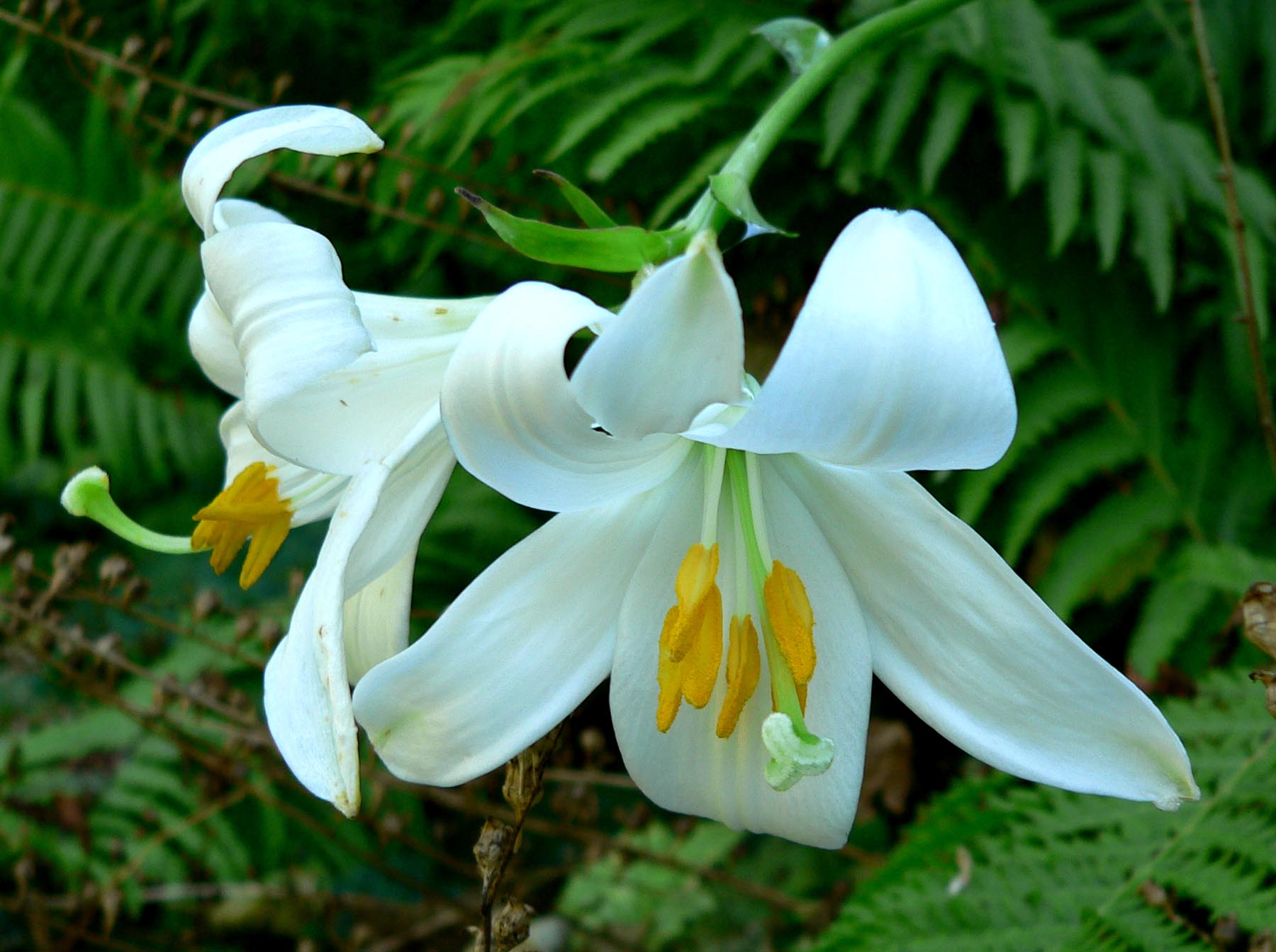
Lilium candidum
Scientific classification Edit this classification
Kingdom: Plantae
Clade: Tracheophytes
Clade: Angiosperms
Clade: Monocots
Order: Liliales
Family: Liliaceae
Subfamily: Lilioideae
Tribe: Lilieae
Genus: Lilium
L.[1]
Type species
Lilium candidum
Species

List of Lilium species

Synonyms[1]
  • Lirium Scop., nom. illeg.
  • Martagon Wolf
  • Martagon (Rchb.) Opiz, nom. illeg.
  • Nomocharis Franch.

Lilium (/ˈlɪliəm/ LIL-ee-əm)[3] is a genus of herbaceous flowering plants growing from bulbs, all with large and often prominent flowers. Lilies are a group of flowering plants which are important in culture and literature in much of the world. Most species are native to the Northern Hemisphere and their range is temperate climates and extends into the subtropics. Many other plants have "lily" in their common names, but do not belong to the same genus and are therefore not true lilies. True lilies are known to be highly toxic to cats.[4]

Description

[edit]
Lilium longiflorum flower – 1. stigma, 2. style, 3. anthers, 4. filament, 5. tepal

Lilies are tall perennials ranging in height from 1–6 ft (30–180 cm). They form naked or tunicless scaly underground bulbs which are their organs of perennation. In some North American species the base of the bulb develops into rhizomes, on which numerous small bulbs are found. Some species develop stolons.[5] Most bulbs are buried deep in the ground, but a few species form bulbs near the soil surface. Many species form stem-roots. With these, the bulb grows naturally at some depth in the soil, and each year the new stem puts out adventitious roots above the bulb as it emerges from the soil. These roots are in addition to the basal roots that develop at the base of the bulb, a number of species also produce contractile roots that move the bulbs deeper into the soil.[6]

Lily, petal

The flowers are large, often fragrant, and come in a wide range of colors including whites, yellows, oranges, pinks, reds and purples. Markings include spots and brush strokes. The plants are late spring- or summer-flowering. Flowers are borne in racemes or umbels at the tip of the stem, with six tepals spreading or reflexed, to give flowers varying from funnel shape to a "Turk's cap". The tepals are free from each other, and bear a nectary at the base of each flower. The ovary is 'superior', borne above the point of attachment of the anthers. The fruit is a three-celled capsule.[7]

Stamen of lilium

Seeds ripen in late summer. They exhibit varying and sometimes complex germination patterns, many adapted to cool temperate climates.

Most cool temperate species are deciduous and dormant in winter in their native environment. But a few species native to areas with hot summers and mild winters (Lilium candidum, Lilium catesbaei, Lilium longiflorum) lose their leaves and enter a short dormant period in summer or autumn, sprout from autumn to winter, forming dwarf stems bearing a basal rosette of leaves until, after they have received sufficient chilling, the stem begins to elongate in warming weather.

Lilium candidum seeds

The basic chromosome number is twelve (n=12).[8]

Taxonomy

[edit]

Taxonomical division in sections follows the classical division of Comber,[9] species acceptance follows the World Checklist of Selected Plant Families,[10] the taxonomy of section Pseudolirium is from the Flora of North America,[11] the taxonomy of Section Liriotypus is given in consideration of Resetnik et al. 2007,[12] the taxonomy of Chinese species (various sections) follows the Flora of China[13] and the taxonomy of Section Sinomartagon follows Nishikawa et al.[14] as does the taxonomy of Section Archelirion.[15]

The Sinomartagon are divided in three paraphyletic groups, while the Leucolirion are divided in two paraphyletic groups.[16]

There are seven sections:

  • Martagon
  • Pseudolirium
  • Liriotypus
  • Archelirion
  • Sinomartagon
  • Leucolirion
  • Daurolirion

There are 119 species counted in this genus.[17] For a full list of accepted species with their native ranges, see List of Lilium species.

Some species formerly included within this genus have now been placed in other genera. These genera include Cardiocrinum, Notholirion, and Fritillaria.[21][22][23] Four other genuses, Lirium, Martagon, and Nomocharis are considered to synonyms by most sources.[17]

Etymology

[edit]

The botanic name Lilium is the Latin form and is a Linnaean name. The Latin name is derived from the Greek word λείριον leírion, generally assumed to refer to true, white lilies as exemplified by the Madonna lily.[24][25][26] The word was borrowed from Coptic ϩ̀ⲣⲏⲣⲓ,[27] from Demotic ḥrry, from Egyptian ḥrr.t "flower".[28] Ancient Greek: κρῖνον, krīnon, was used by the Greeks, albeit for lilies of any color.[29]

The term "lily" has in the past been applied to numerous flowering plants, often with only superficial resemblance to the true lily, including water lily, fire lily, lily of the Nile, calla lily, trout lily, kaffir lily, cobra lily, lily of the valley, daylily, ginger lily, Amazon lily, leek lily, Peruvian lily, and others. All English translations of the Bible render the Hebrew shūshan, shōshan, shōshannā as "lily", but the "lily among the thorns" of Song of Solomon, for instance, may be the honeysuckle.[30]

Distribution and habitat

[edit]
Turk's cap lily growing in the Carinthian Alps

The range of lilies in the Old World extends across much of Europe, across most of Asia to Japan, south to India, and east to Indochina and the Philippines. In the New World they extend from southern Canada through much of the United States. They are commonly adapted to either woodland habitats, often montane, or sometimes to grassland habitats. A few can survive in marshland and epiphytes are known in tropical southeast Asia. In general they prefer moderately acidic or lime-free soils.

Ecology

[edit]

Lilies are used as food plants by the larvae of some Lepidoptera species including the Dun-bar.

The proliferation of deer (e.g. Odocoileus virginianus) in North America, mainly due to factors such as the elimination of large predators for human safety, is responsible there for a downturn in lily populations in the wild and is a threat to garden lilies as well.[31] Fences as high as 8 feet may be required to prevent them from consuming the plants, an impractical solution for most wild areas.[32]

Cultivation

[edit]

Many species are widely grown in the garden in temperate, sub-tropical and tropical regions.[33] Numerous ornamental hybrids have been developed. They are used in herbaceous borders, woodland and shrub plantings, and as patio plants. Some lilies, especially Lilium longiflorum, form important cut flower crops or potted plants. These are forced to flower outside of the normal flowering season for particular markets; for instance, Lilium longiflorum for the Easter trade, when it may be called the Easter lily.

Lilies are usually planted as bulbs in the dormant season. They are best planted in a south-facing (northern hemisphere), slightly sloping aspect, in sun or part shade, at a depth 2½ times the height of the bulb (except Lilium candidum which should be planted at the surface). Most prefer a porous, loamy soil, and good drainage is essential. Most species bloom in July or August (northern hemisphere). The flowering periods of certain lily species begin in late spring, while others bloom in late summer or early autumn.[34] They have contractile roots which pull the plant down to the correct depth, therefore it is better to plant them too shallowly than too deep. A soil pH of around 6.5 is generally safe. Most grow best in well-drained soils, and plants are watered during the growing season. Some species and cultivars have strong wiry stems, but those with heavy flower heads are staked to stay upright.[35][36]

Awards

[edit]

The following lily species and cultivars currently hold the Royal Horticultural Society's Award of Garden Merit (confirmed 2017):[37][38]

'Golden Splendor'

Classification of garden forms

[edit]

Numerous forms, mostly hybrids, are grown for the garden. They vary according to the species and interspecific hybrids that they derived from, and are classified in the following broad groups:[44][45][46]

Asiatic hybrids (Division I)

[edit]
These are derived from hybrids between species in Lilium section Sinomartagon.[47][48]
They are derived from central and East Asian species and interspecific hybrids, including Lilium amabile, Lilium bulbiferum, Lilium callosum, Lilium cernuum, Lilium concolor, Lilium dauricum, Lilium davidii, Lilium × hollandicum, Lilium lancifolium (syn. Lilium tigrinum), Lilium lankongense, Lilium leichtlinii, Lilium × maculatum, Lilium pumilum, Lilium × scottiae, Lilium wardii and Lilium wilsonii.
These are plants with medium-sized, upright or outward facing flowers, mostly unscented. There are various cultivars such as Lilium 'Cappuccino', Lilium 'Dimension', Lilium 'Little Kiss' and Lilium 'Navona'.[49]
  • Dwarf (Patio, Border) varieties are much shorter, c.36–61 cm in height and were designed for containers.[50] They often bear the cultivar name 'Tiny', such as the 'Lily Looks' series, e.g. 'Tiny Padhye',[51] 'Tiny Dessert'.[52]

Martagon hybrids (Division II)

[edit]
These are based on Lilium dalhansonii, Lilium hansonii, Lilium martagon, Lilium medeoloides, and Lilium tsingtauense.
The flowers are nodding, Turk's cap style (with the petals strongly recurved).

Candidum (Euro-Caucasian) hybrids (Division III)

[edit]
This includes mostly European species: Lilium candidum, Lilium chalcedonicum, Lilium kesselringianum, Lilium monadelphum, Lilium pomponium, Lilium pyrenaicum and Lilium × testaceum.

American hybrids (Division IV)

[edit]
These are mostly taller growing forms, originally derived from Lilium bolanderi, Lilium × burbankii, Lilium canadense, Lilium columbianum, Lilium grayi, Lilium humboldtii, Lilium kelleyanum, Lilium kelloggii, Lilium maritimum, Lilium michauxii, Lilium michiganense, Lilium occidentale, Lilium × pardaboldtii, Lilium pardalinum, Lilium parryi, Lilium parvum, Lilium philadelphicum, Lilium pitkinense, Lilium superbum, Lilium ollmeri, Lilium washingtonianum, and Lilium wigginsii.
Many are clump-forming perennials with rhizomatous rootstocks.

Longiflorum hybrids (Division V)

[edit]
These are cultivated forms of this species and its subspecies.
They are most important as plants for cut flowers, and are less often grown in the garden than other hybrids.

Trumpet lilies (Division VI), including Aurelian hybrids (with L. henryi)

[edit]

This group includes hybrids of many Asiatic species and their interspecific hybrids, including Lilium × aurelianense, Lilium brownii, Lilium × centigale, Lilium henryi, Lilium × imperiale, Lilium × kewense, Lilium leucanthum, Lilium regale, Lilium rosthornii, Lilium sargentiae, Lilium sulphureum and Lilium × sulphurgale.
The flowers are trumpet shaped, facing outward or somewhat downward, and tend to be strongly fragrant, often especially night-fragrant.

Oriental hybrids (Division VII)

[edit]

These are based on hybrids within Lilium section Archelirion,[47][48] specifically Lilium auratum and Lilium speciosum, together with crossbreeds from several species native to Japan, including Lilium nobilissimum, Lilium rubellum, Lilium alexandrae, and Lilium japonicum.
They are fragrant, and the flowers tend to be outward facing. Plants tend to be tall, and the flowers may be quite large. The whole group are sometimes referred to as "stargazers" because many of them appear to look upwards. (For the specific cultivar, see Lilium 'Stargazer'.)

Other hybrids (Division VIII)

[edit]
Includes all other garden hybrids.

Species (Division IX)

[edit]
All natural species and naturally occurring forms are included in this group.

The flowers can be classified by flower aspect and form:[53]

  • Flower aspect:
  • a up-facing
  • b out-facing
  • c down-facing
  • Flower form:
  • a trumpet-shaped
  • b bowl-shaped
  • c flat (or with tepal tips recurved)
  • d tepals strongly recurved (with the Turk's cap form as the ultimate state)

Many newer commercial varieties are developed by using new technologies such as ovary culture and embryo rescue.[54]

Pests and diseases

[edit]
Scarlet lily beetles, Oxfordshire, UK

Aphids may infest plants. Leatherjackets feed on the roots. Larvae of the Scarlet lily beetle can cause serious damage to the stems and leaves. The scarlet beetle lays its eggs and completes its life cycle only on true lilies (Lilium) and fritillaries (Fritillaria).[55] Oriental, rubrum, tiger and trumpet lilies as well as Oriental trumpets (orienpets) and Turk's cap lilies and native North American Lilium species are all vulnerable, but the beetle prefers some types over others. The beetle could also be having an effect on native Canadian species and some rare and endangered species found in northeastern North America.[56] Daylilies (Hemerocallis, not true lilies) are excluded from this category. Plants can suffer from damage caused by mice, deer and squirrels. Slugs,[57] snails and millipedes attack seedlings, leaves and flowers.

Brown spots on damp leaves may signal an infection of Botrytis elliptica, also known as Lily blight, lily fire, and botrytis leaf blight.[58] Various viral diseases can cause mottling of leaves and stunting of growth, including lily curl stripe, ringspot, and lily rosette virus.[59]

Propagation and growth

[edit]

Lilies can be propagated in several ways;

  • by division of the bulbs
  • by growing-on bulbils which are adventitious bulbs formed on the stem
  • by scaling, for which whole scales are detached from the bulb and planted to form a new bulb
  • by seed; there are many seed germination patterns, which can be complex
  • by micropropagation techniques (which include tissue culture);[60] commercial quantities of lilies are often propagated in vitro and then planted out to grow into plants large enough to sell. A highly efficient technique for multiple shoot and propagule formation was given by Yadav et al., in 2013.[61]

Plant grow regulators (PGRs) are used to limit the height of lilies, especially those sold as potted plants. Commonly used chemicals include ancymidol, fluprimidol, paclobutrazol, and uni-conazole, all of which are applied to the foliage to slow the biosynthesis of gibberellins, a class of plant hormones responsible for stem growth.[62]

Research

[edit]

A comparison of meiotic crossing-over (recombination) in lily and mouse led, in 1977, to the conclusion that diverse eukaryotes share a common pattern of meiotic crossing-over.[63] Lilium longiflorum has been used for studying aspects of the basic molecular mechanism of genetic recombination during meiosis.[64][65]

Toxicity

[edit]

Some Lilium species are toxic to cats. This is known to be so especially for Lilium longiflorum, though other Lilium and the unrelated Hemerocallis can also cause the same symptoms with equal lethality.[66][67][68][69] The true mechanism of toxicity is undetermined, but it involves damage to the renal tubular epithelium (composing the substance of the kidney and secreting, collecting, and conducting urine), which can cause acute kidney failure.[69] Veterinary help should be sought, as a matter of urgency, for any cat that is suspected of eating any part of a lily – including licking pollen that may have brushed onto its coat. Due to the high mortality rate, medical care should be sought immediately once it is known a cat came into contact with lilies, ideally before any symptoms develop.[70]

Culinary uses

[edit]

Chinese cuisine

[edit]

Lily bulbs are starchy and edible as root vegetables, though bulbs of some species may be too bitter to eat.[71]

Lilium brownii var. viridulum, known as 百合 (pak hop; pinyin: bǎi hé; Cantonese Yale: baak hap; lit. 'hundred united'), is one of the most prominent edible lilies in China. Its bulbs are large in size and not bitter. They were even exported and sold in the San Francisco Chinatown in the 19th century, available both fresh and dry.[71] A landrace called 龍牙百合 (pinyin: lóng yá bǎi hé; lit. 'dragon-tooth lily') mainly cultivated in Hunan and Jiangxi is especially renowned for its good-quality bulbs.[72]

L. lancifolium (Chinese: 卷丹; pinyin: juǎn dān; lit. 'reflexed red') is widely cultivated in China, especially in Yixing, Huzhou and Longshan. Its bulbs are slightly bitter.[72]

L. davidii var. unicolor (Chinese: 蘭州百合; lit. 'Lanzhou lily') is mainly cultivated in Lanzhou and its bulbs are valued for sweetness.[72]

Other edible Chinese lilies include L. brownii var. brownii, L. davidii var. davidii, L. concolor, L. pensylvanicum, L. distichum, L. martagon var. pilosiusculum, L. pumilum, L. rosthornii and L. speciosum var. gloriosoides.[73] Researchers have also explored the possibility of using ornamental cultivars as edible lilies.[76]

The dried bulbs are commonly used in the south to flavor soup.[citation needed] They may be reconstituted and stir-fried, grated and used to thicken soup, or processed to extract starch.[citation needed] Their texture and taste draw comparisons with the potato, although the individual bulb scales are much smaller.[citation needed]

The commonly marketed "lily" flower buds, called kam cham tsoi (Chinese: 金针菜; pinyin: jīnzhēncài; Cantonese Yale: gāmjām choi; lit. 'gold needle vegetable')[77] in Chinese cuisine, are actually from daylilies, Hemerocallis citrina,[78] or possibly H. fulva.[a][77] Flowers of the H. graminea and Lilium bulbiferum were reported to have been eaten as well, but samples provided by the informant were strictly daylilies and did not include L. bulbiferum.[b][79]

Lily flowers and bulbs are eaten especially in the summer, for their perceived ability to reduce internal heat.[80] A 19th century English source reported that "Lily flowers are also said to be efficacious in pulmonary affections, and to have tonic properties".[79]

Asiatic lily cultivars are also imported from the Netherlands; the seedling bulbs must be imported from the Netherlands every year.[81][82][83]

The parts of Lilium species which are officially listed as food material in Taiwan are the flower and bulbs of Lilium lancifolium, Lilium brownii var. viridulum, Lilium pumilum and Lilium candidum.[84]

Japanese cuisine

[edit]
Loose scales of lily bulb in a donburi bowl dish

The lily bulb or yuri-ne is sometimes used in Japanese cuisine.[c][85] It may be most familiar in the present day as an occasional ingredient (, gu) in the chawan-mushi (savoury egg custard),[86] where a few loosened scales of this optional ingredient are found embedded in the "hot pudding" of each serving.[87][88] It could also be used as an ingredient in a clear soup or suimono [ja].[89][90]

The boiled bulb may also be strained[d] into purée for use, as in the sweetened kinton,[91][92] or chakin-shibori.[92][93][e]

Yokan

[edit]

There is also the yuri-yōkan, one recipe of which calls for combining measures of yuri starch with agar dissolved in water and sugar.[95] This was a specialty of Hamada, Shimane,[96] and the shop Kaisei-dō (開盛堂) established in 1885 became famous for it.[97][98] Because a certain Viscount Jimyōin wrote a waka poem about the confection which mentioned hime-yuri "princess lily",[f] one source stated that the hime-yuri (usually taken to mean L. concolor) had to have been used,[97] but another source points out that the city of Hamada lies back to back with across a mountain range with Fuchu, Hiroshima which is renowned for its production of yama-yuri (L. auratum).[94][g]

Species used

[edit]

Current Japanese governmental sources (c. 2005) list the following lily species as prominent in domestic consumption:[102][103] the oni yuri or tiger lily Lilium lancifolium, the kooni yuri Lilium leichtlinii var. maximowiczii,[h] and the gold-banded white yama-yuri L. auratum.

But Japanese sources c. 1895–1900,[99][104] give a top-three list which replaces kooni yuri with the sukashi-yuri (透かし百合; lit. "see-through lily", L. maculatum) named from the gaps between the tepals.[105][106]

There is uncertainty regarding which species is meant by the hime-yuri used as food, because although this is usually the common name for L. concolor in most up-to-date literature,[107] it used to ambiguously referred to the tiger lily as well, c. 1895–1900.[99] The non-tiger-lily himeyuri is certainly described as quite palatable in the literature at the time, but the extent of exploitation could not have been as significant.[i]

North America

[edit]

The flower buds and roots of Lilium columbianum are traditionally gathered and eaten by North American indigenous peoples.[108] Coast Salish, Nuu-chah-nulth and most western Washington peoples steam, boil or pit-cook the bulbs of Lilium columbianum. Bitter or peppery-tasting, they were mostly used as a flavoring, often in soup with meat or fish.[109]

Medicinal uses

[edit]

Traditional Chinese medicine list the use of the following: 野百合 Lilium brownii, 百合 Lilium brownii var. viridulum, 渥丹 Lilium concolor, 毛百合 Lilium dauricum, 卷丹 Lilium lancifolium, 山丹 Lilium pumilum, 南川百合 Lilium rosthornii, 药百合Lilium speciosum var. gloriosoides, 淡黄花百合 Lilium sulphureum.[110][111]

In Taiwan, governmental publications list Lilium lancifolium Thunb., Lilium brownii var. viridulum Baker, Lilium pumilum DC.[112]

In the kanpō or Chinese medicine as practiced in Japan, the official Japanese governmental pharmacopeia Nihon yakkyokuhō (日本薬局方) includes the use of lily bulb (known as byakugō (ビャクゴウ 百合) in traditional pharmacological circles), listing the use of the following species: Lilium lancifolium, Lilium brownii, Lilium brownii var. colchesteri, Lilium pumilum[113] The scales flaked off from the bulbs are used, usually steamed.[113]

In South Korea, the lilium species which are officially listed for medicinal use are 참나리 Lilium lancifolium Thunberg; 당나리 Lilium brownii var. viridulun Baker.[114][115]

In culture

[edit]

Symbolism

[edit]

In the Victorian language of flowers, lilies portray love, ardor, and affection for your loved ones, while orange lilies stand for happiness, love, and warmth.[116]

White lilies have been used since the Romantic era of Japanese literature to symbolize beauty and purity in women, and are a de facto symbol of the yuri genre (yuri (百合) translates literally to "lily"),[117] which describes the portrayal of intimate love, sex, or emotional connections between women. The term Yurizoku (百合族; lit. "lily tribe") was coined in 1976 by Ito Bungaku, editor of the gay men's magazine Barazoku (see above), to refer to his female readers.[118][119] While not all those women were lesbians, and it is unclear whether this was the first instance of the term yuri in this context, an association of yuri with lesbianism subsequently developed.[120] In Korea and China, "lily" is used as a semantic loan from the Japanese usage to describe female-female romance media, where each use the direct translation of the term – baekhap (백합) in Korea[121] and bǎihé (百合) in China.[122]

Lilies are the flowers most commonly used at funerals, where they symbolically signify that the soul of the deceased has been restored to the state of innocence.[123]

A Rukai lady adorned with Formosan lilies at a function in Taiwan

Lilium formosanum, or Taiwanese lily, is called "the flower of broken bowl" (Chinese: 打碗花) by the elderly members of the Hakka ethnic group. They believe that because this lily grows near bodies of clean water, harming the lily may damage the environment, just like breaking the bowls that people rely on.[124] A different viewpoint proposes that parents discourage kids from picking lilies by informing them of the possible repercussions, like their dinner bowls breaking if they harm the flower. The indigenous Rukai people who call this same species bariangalay consider it as a symbol of bravery and perseverance.[125]

In Western Christianity, Madonna lily or Lilium candidum has been associated with the Virgin Mary since at least the Medieval Era. Medieval and Renaissance depictions of the Virgin Mary, especially at the Annunciation, often show her with these flowers. Madonna lilies are also commonly included in depictions of Christ's resurrection. Lilium longiflorum, the Easter lily, is a symbol of Easter, and Lilium candidum, the Madonna lily, carries a great deal of symbolic value in many cultures. See the articles for more information.

In Ancient Minoan Crete and Cyclades cultures, lilies are depicted associated with an unknown religious meaning. The crown from the "Priest-King" fresco at Knossos is covered with white lilies while a depiction of a shrine in the Xesté 3 house Akrotiri is covered in red lilies.[126]

Heraldry

[edit]

Lilium bulbiferum has long been recognised as a symbol of the Orange Order in Northern Ireland.[127]

Lilium mackliniae is the state flower of Manipur. Lilium michauxii, the Carolina lily, is the official state flower of North Carolina. Idyllwild, California, hosts the Lemon Lily Festival, which celebrates Lilium parryi.[128] Lilium philadelphicum is the floral emblem of Saskatchewan province in Canada, and is on the flag of Saskatchewan.[129][130][131]

Other plants referred to as lilies

[edit]

Lily of the valley, flame lilies, daylilies, water lilies and spider lilies are symbolically important flowers commonly referred to as lilies, but they are not in the genus Lilium.

See also

[edit]

Explanatory notes

[edit]

References

[edit]
[edit]
Revisions and contributorsEdit on WikipediaRead on Wikipedia
from Grokipedia
Lilium is a of herbaceous bulbous in the family , encompassing approximately 100 wild species native to the temperate and subtropical regions of the , including , , , and extending to the northern . These grow from scaly bulbs composed of fleshy, overlapping scales without a protective , producing erect stems up to several feet tall that bear linear to lanceolate leaves arranged alternately or in whorls, and culminate in large, showy, often fragrant flowers featuring six similar tepals that may be spotted or recurved. The flowers of Lilium species bloom primarily in summer, displaying a wide array of colors from and to , orange, and red, with some exhibiting pendulous or upright orientations that distinguish taxonomic sections within the genus. Ecologically, these lilies inhabit diverse habitats such as forests, meadows, and mountainous areas, where they contribute to in temperate biomes, though many face threats from habitat loss and overcollection. In , Lilium holds significant economic importance as one of the world's leading ornamental genera, with thousands of cultivars and hybrids bred for garden borders, containers, and commercial cut-flower production, often classified into nine divisions based on flower shape, growth , and origin. These cultivars, including popular Asiatic, Oriental, and LA hybrids, are valued for their vibrant displays and fragrance, while also serving in forcing for seasonal markets like lilies. Beyond ornamentation, certain species have traditional uses in and in their native ranges, though all parts of the are highly toxic to cats, causing acute even from small ingestions.

Description

Morphology

Lilium species are herbaceous perennials characterized by a bulbous underground , erect stems, and lanceolate leaves arranged either spirally or in whorls along the stem. The stems typically range from 30 cm to 3 m in height, depending on the and environmental conditions, with some like reaching up to 3 m. These stems are often smooth or slightly pubescent and may produce adventitious roots at the base or along their length in certain . The is the primary storage structure, consisting of a short, condensed stem surrounded by overlapping, fleshy scales rather than a protective , making it a non-tunicated or scaly type. These scales, derived from bases, vary in size, , and color across , typically white or pale in most but darker in others, and serve to store nutrients for growth and . Bulb size can range from 1-2 cm in in small alpine to over 10 cm in robust ones, with shapes from ovoid to elongated. In some Asian , the bulbs are rhizomatous, forming elongated, horizontal that facilitate vegetative spread in specific habitats. The includes both fibrous for anchorage and uptake, as well as specialized contractile that originate from the bulb's basal plate. These contractile shorten over time, pulling the bulb deeper into the to optimal depths of 10-15 cm, which protects it from and maintains stability as the plant grows. This mechanism is particularly evident in young bulbs and is influenced by light exposure during early development. Foliage consists of linear to lanceolate leaves, 5-15 cm long and 0.5-2 cm wide, with entire margins and a smooth or slightly glaucous surface. Leaves are arranged spirally in most species, providing even distribution along the stem, but form distinct whorls in others, such as Lilium martagon, enhancing photosynthetic efficiency in shaded understories. The leaves are sessile or nearly so and lack petioles, contributing to the plant's streamlined growth form. Flowers are large and showy, typically borne in racemes or umbels at the stem apex, with six undifferentiated tepals (three petaloid sepals and three petals) that fuse at the base into a short tube or remain free. Tepals measure 4-10 cm long, often recurved or spreading, and may bear spots, streaks, or papillae for pollinator attraction. Each flower features six stamens with versatile anthers and a superior ovary that develops into a loculicidal capsule fruit containing numerous flattened, winged seeds—often 50-200 per capsule—facilitating wind dispersal. Flower orientation varies phylogenetically: upright and bowl-shaped in section Sinomartagon (e.g., Lilium concolor), while nodding or pendulous in section Martagon (e.g., Lilium martagon). Bulb types also differ, with ovoid forms common in European species and more elongated or rhizomatous in Asian ones.

Reproduction and Life Cycle

Lilium exhibit a bulbous life cycle characteristic of geophytes, beginning with in the underground during unfavorable conditions, followed by spring emergence of shoots from the bulb scales, vegetative growth through summer, flowering, set, and formation of offsets or daughter bulbs for the next cycle. The , composed of overlapping fleshy scales, serves as the primary , accumulating nutrients during active growth to support dormancy and subsequent regeneration. Sexual reproduction in Lilium involves flower development from meristems induced by environmental cues, leading to bisexual flowers with six tepals, six stamens, and a superior . Most species display , a gametophytic mechanism that prevents self-fertilization by inhibiting growth in the style, promoting and . Upon successful cross-pollination, the develops into a dehiscent capsule containing numerous black seeds, often winged for wind dispersal, which mature and release in late summer or autumn. Asexual reproduction occurs primarily through vegetative means, enhancing clonal in stable habitats. offsets form at the base of the parent , developing into independent over time, while some produce bulbils—small aerial —in axils, as seen in L. lancifolium, which detach and root to form new individuals. scaling, where individual scales detach and regenerate into new , also contributes to natural offset formation, though it is more prominent in contexts. Phenological patterns in Lilium vary by species and region but align with temperate climates, with shoot emergence triggered by rising spring temperatures above 10–15°C, vegetative growth peaking in early summer, and flowering typically from to August in northern temperate zones. Dormancy follows seed set, induced by shortening days and cooling temperatures in autumn, lasting through winter to synchronize with seasonal renewal. Seed germination in many Lilium species requires cold stratification to break physiological , involving 4–12 weeks at 2–5°C in moist conditions to mimic winter, followed by warm temperatures (15–20°C) for emergence. types include hypogeal, where a subterranean forms first before foliage leaves appear, or , with immediate emergence above ground; this process culminates in the development of a new within 1–2 years, completing the life cycle. For example, L. columbianum exhibits a multi-phase stratification (warm-cold-warm) over two seasons to ensure proper timing.

Taxonomy

Etymology

The genus name Lilium derives from the Latin lilium, which in turn originates from the ancient Greek leírion or liríon, referring specifically to the white lily (Lilium candidum), a plant celebrated in classical texts by authors such as Theophrastus and Dioscorides for its elegant, trumpet-shaped flowers. This nomenclature was formalized by Carl Linnaeus in his Species Plantarum of 1753, establishing Lilium as the binomial genus for true lilies, drawing on centuries-old Roman and Greek usage where the term evoked the archetype of a pure, luminous bloom. Linguistically, the etymology of lilium carries connotations of purity and whiteness across Indo-European languages, as the word's root often symbolizes unblemished beauty and renewal, reflected in its adoption into Old English as lilie to denote pale or immaculate qualities. Species epithets within Lilium frequently draw from descriptive Latin terms or honor notable figures, illustrating the descriptive precision of botanical naming. For instance, candidum in Lilium candidum stems from the Latin candidus, meaning "shining white" or "pure," highlighting the flower's pristine petals. Similarly, lancifolium in Lilium lancifolium combines lancea (lance) and folium (leaf), denoting the plant's slender, lanceolate foliage. The epithet henryi in Lilium henryi commemorates the Irish botanist and plant collector Augustine Henry (1857–1930), who gathered specimens of this species in central China during his expeditions in the late 19th century. The historical naming of Lilium species reflects the evolution of botanical taxonomy under the Linnaean system, which emphasized to standardize identification, supplemented by contributions from later explorers and classifiers. British botanist Harold Frederick Comber advanced this through his 1949 monograph A New Classification of the Genus Lilium, reorganizing species based on morphological traits and influencing subsequent naming conventions. Likewise, American plant hunter Ernest Henry Wilson (1876–1930) played a key role by introducing and describing numerous Asian species, such as and Lilium henryi, through his collections for the in the early 20th century.

Phylogenetic Classification

The phylogenetic classification of Lilium has evolved significantly from early morphological approaches to modern integrations of genetic . In 1874, John Gilbert Baker divided the genus into 10 subgenera primarily based on structure, style characteristics, nectary form, and capsule dehiscence patterns. This framework was refined by Harold Frederick in 1949, who proposed a into seven sections—Martagon, Pseudolirium, Liriotypus, Archelirion, Sinomartagon, Leucolirion, and Oxypetala—drawing on floral morphology, type, and geographic distribution to group over 80 . Comber's system emphasized adaptive traits like rhizomatous bulbs in section Martagon and tunicate bulbs in others, providing a foundational sectional that persists in contemporary . Recent DNA-based phylogenies have largely upheld Comber's seven-section framework while revealing nuances in evolutionary relationships, such as in some groups and integrations of formerly separate taxa. Studies from 2020 to 2025 using nuclear ribosomal (ITS) sequences and DNA markers, including complete plastomes, have reconstructed robust phylogenies showing Lilium as monophyletic within , with sections like Martagon (e.g., L. martagon), Pseudolirium (e.g., L. pardalinum), and Sinomartagon (e.g., L. davidii) forming distinct but interconnected clades. These analyses highlight bridges between clades, notably the incorporation of species previously classified under Nomocharis—such as L. liangiae—into Lilium section Sinomartagon based on shared and nuclear markers, resolving long-standing taxonomic debates. Key molecular markers like ITS for nuclear resolution and regions (e.g., trnL-F, matK) have been instrumental in delineating these relationships, offering higher discriminatory power than morphology alone for infrageneric classification. Phylogenetic insights from recent genomic studies underscore Lilium's evolutionary dynamics. A 2025 analysis of the giant Lilium (approximately 36 Gb) revealed extensive activity driving genome expansion, which facilitates interspecific hybridization and explains the polyphyletic origins of many cultivars across sections like Leucolirion and Oriental hybrids. Complementing this, a 2023 plastome-based study on historical biogeography traced Lilium's diversification to Miocene uplifts in , with ancestral ranges in leading to rapid radiations in sections Sinomartagon and Pseudolirium via and occasional reticulate evolution. These findings affirm the utility of Comber's sections while advocating refinements informed by phylogenomics to capture hybridization-driven reticulations.

Species Diversity

The genus Lilium comprises approximately 123 accepted species as of 2025, an increase from earlier estimates of around 100, reflecting ongoing taxonomic revisions and new discoveries. This updated count, drawn from authoritative databases like (POWO) and (WFO), highlights the dynamic nature of lilium , where older compilations often underrepresent infraspecific variation and novel . Species diversity is highest in eastern Asia, which hosts over 80 species and serves as the primary center of origin and for the , followed by with approximately 20 species and with only a handful of native taxa such as L. martagon. Within this distribution, major phylogenetic sections illustrate regional concentrations: section Sinomartagon, encompassing Asian lilies, includes over 50 species characterized by diverse scales and arrangements, while section Pseudolirium features around 20 endemics adapted to varied temperate habitats. Notable endemics underscore localized diversity, such as L. philippinense in the , restricted to montane regions of . Recent discoveries have further enriched this catalog, addressing gaps in underrepresented areas. In 2025, Lilium brunneum was described from alpine meadows in Yunnan Province, , as a narrow endemic with distinctive reddish-brown tepals and a compact , expanding knowledge of high-elevation diversity in section Sinomartagon. Similarly, Lilium liangiae, published in 2024, represents a morphological bridge to the former genus Nomocharis within the Lilium , featuring unique parallel evolutionary traits in flower structure and originating from . These additions, alongside phylogenetic refinements, continue to refine species boundaries and highlight eastern Asia's role as a hotspot for ongoing .

Distribution and Habitat

Geographic Range

The genus Lilium is native to the temperate and subtropical zones of the , spanning latitudes from approximately 20°N to 70°N, with no indigenous species in or . This distribution encompasses a diverse array of ecosystems across three primary continents, reflecting the genus's adaptation to varied climatic conditions within these bounds. Asia serves as the main center of diversity for Lilium, hosting the majority of the approximately 100–115 recognized species, particularly in from the and Qinghai-Tibet Plateau through to . In , species occur along the western and eastern coasts, extending from southern and the into northern , with around 22 species documented. features a smaller but significant representation, with about 10–16 species ranging from the Mediterranean Basin northward to . Several Lilium species have become widely naturalized outside their native ranges through escapes from cultivation, notably in , , and southern . For instance, L. formosanum and L. lancifolium have established populations in parts of and , while L. regale is naturalized in regions of Argentina. The disjunct distributions observed between eastern Asia and North America, as well as within , are attributed to historical biogeographic events, including intercontinental dispersals via the around 10 million years ago, as elucidated in a 2023 phylogenomic study. This research highlights how climatic shifts and tectonic activities, such as the uplift of the Qinghai-Tibet Plateau, facilitated vicariance and diversification, shaping the current global pattern.

Ecological Preferences

Lilium species predominantly favor well-drained, humus-rich soils that support their geophytic growth habit, preventing rot while providing essential nutrients from . Most exhibit a preference for acidic to neutral pH levels, ranging from approximately 5.5 to 7.0, which facilitates optimal uptake in their native temperate environments. However, certain species, such as L. candidum, are calcicole and thrive in alkaline soils with pH above 7.0, often in limestone-derived substrates of Mediterranean regions. Consistent is crucial during active growth, but excess water leads to decay, reflecting their to seasonal patterns rather than constant saturation. In terms of climate, Lilium are well-suited to cool temperate and montane conditions across the , with many populations enduring minimum winter temperatures as low as -18°C and experiencing moderate summer warmth around 10–25°C. Their altitudinal distribution spans from in coastal habitats, as seen in L. occidentale, to over 4,000 m in alpine zones, such as L. paradoxum in the , where they tolerate reduced oxygen and intense solar radiation. These species often occur in regions with distinct seasonal shifts, including cold winters that induce necessary chilling for development. Regarding light and vegetation, Lilium typically inhabit partially shaded forest understories, such as those dominated by like Pinus or Abies, where dappled filters through the canopy to support without excessive exposure. In open meadows or clearings, they receive full sun, as exemplified by L. columbianum in North American prairies and forest edges, associating with graminoids and forbs in mesic grasslands. These niches balance light availability with protection from and herbivory. Physiological adaptations enhance Lilium's resilience in variable habitats; bulb dormancy allows survival through and cold periods by halting growth and conserving resources within scaly until favorable conditions return. Contractile roots, present in many species, contract longitudinally to draw bulbs deeper into the , improving anchorage against and while maintaining access to levels.

Ecology and Conservation

Pollination and Dispersal

Lilium species exhibit predominantly entomophilous pollination syndromes, adapted to specific vectors through floral morphology and rewards. Flowers with long, tubular corollas, such as those in the Oriental section (e.g., Lilium japonicum), are specialized for hawkmoth pollination, featuring nocturnal fragrance and pale coloration to attract sphingid moths like , which access via extended proboscises. In contrast, shorter-tubed or open flowers in North American species, like Lilium columbianum and Lilium pardalinum, attract diurnal pollinators including bumblebees (Bombus spp.) and butterflies (e.g., swallowtails), with bright orange or red tepals and accessible guiding visitors to anthers and stigmas. Rare cases of occur in some North American species, such as Lilium grayi, pollinated primarily by ruby-throated hummingbirds ( colubris), and Lilium columbianum, pollinated by rufous hummingbirds (Selasphorus rufus), drawn to tubular, red-tinged flowers. The breeding systems of Lilium favor , enforced by gametophytic (GSI) in most species, where growth arrests in self-pollinated styles due to S-locus encoded ribonucleases in the pistil that reject incompatible . This mechanism, involving multiple S-alleles (up to four loci in some cases like Lilium martagon), promotes but can limit fruit set in isolated populations. via bulbils occurs in select species like , where small bulb-like structures form in the leaf axils and develop into new plants without . Seed dispersal in Lilium relies primarily on , with capsular fruits releasing numerous small, winged seeds that are carried short distances (typically meters) by currents before settling in suitable microhabitats. Limited zoochory occurs via bulbils in bulbiferous species, where these axillary propagules may be consumed by , with viable portions potentially excreted and establishing new , though this mode is secondary to and gravity.

Interactions with Wildlife

Lilium species engage in various antagonistic interactions with herbivores in their natural habitats. (Odocoileus virginianus) frequently browse on stems and foliage of wild lilies such as , consuming up to 28% of emerging apical meristems and significantly reducing plant height, growth, and reproductive output in forest understories. , including voles and mice, target bulbs as a food source, leading to substantial population declines in and settings where Lilium occurs. Slugs also contribute to herbivory by on tender stems and leaves in damp, shaded habitats, exacerbating damage in moist forest environments. To counter these threats, Lilium produces alkaloids such as jatropham, which serve as chemical deterrents against herbivores by interfering with their . Mutualistic relationships with fungi play a key role in Lilium's survival in nutrient-poor soils. Many Lilium taxa form vesicular-arbuscular mycorrhizae with Endogone , which extend the system's reach and facilitate the uptake of and other immobile nutrients, particularly in low-fertility, acidic substrates common to their habitats. These associations are prevalent in both cultivated and wild populations, enhancing overall plant vigor and resilience in oligotrophic environments. Wild Lilium populations are routinely exposed to fungal and viral pathogens as part of their natural ecological dynamics. Fungi such as infect floral tissues and leaves, causing under humid conditions prevalent in temperate forests. Viruses, including lily symptomless virus (LSV), lily mottle virus (LMoV), and (CMV), are widespread, with prevalence rates up to 83% for LMoV and 79% for CMV in sampled wild and semi-wild plants; co-infections involving multiple viruses are common and can lead to symptoms and stunted growth without necessarily causing mortality. Some species, like , exhibit innate resistance through genes such as LrABCF1, an that upregulates defense responses against both viral and fungal invaders. In ecosystems, Lilium contributes as a nectar source for insects beyond pollination, supporting late-season butterflies like swallowtails and various bees in meadows and woodlands. Its seeds occasionally serve as forage for birds in open habitats, though primary dispersal is often abiotic or by ants. Certain Lilium species, such as L. catesbaei and L. pyrophilum, act as indicator plants for the health of fire-maintained flatwoods and longleaf pine savannas, signaling intact disturbance regimes and habitat quality.

Threats and Conservation Status

Wild populations of Lilium species are primarily threatened by loss resulting from , agricultural expansion, and , which fragment and degrade the specialized ecosystems these plants require. for horticultural trade further endangers accessible populations, as bulbs and plants are illegally collected for ornamental cultivation. exacerbates these pressures by altering temperature and precipitation patterns, leading to projected range shifts and unsuitability for species with small, fragmented distributions; a 2025 modeling study on Lilium ledebourii in the Hyrcanian Forest highlighted a substantial contraction in suitable areas under future scenarios, amplifying risks. Specific cases illustrate the severity of these threats. Lilium occidentale, a coastal species in the , holds federal endangered status under the U.S. Endangered Species Act since 1994, driven by habitat degradation from hydrological changes, suppression, and encroachment. In the southeastern U.S., Lilium pyrophilum faces acute habitat degradation through conversion of -maintained sandhills to and pine plantations, compounded by drainage and road development. Similarly, Lilium philippinense in the is imperiled by and anthropogenic disturbances, including road widening and land conversion in montane forests. These examples underscore how localized human activities intensify vulnerability in narrowly distributed taxa. Conservation strategies for Lilium emphasize integrated and ex situ approaches to mitigate ongoing risks. Protected areas safeguard key populations, such as those of L. occidentale on federal and state lands in and , where habitat management prevents further decline. Ex situ efforts, including seed banking, preserve genetic material for species like L. pyrophilum, enabling potential reintroduction and bolstering resilience against habitat loss. The has assessed over 20 Lilium species, with many categorized as threatened, informing targeted recovery plans and international . Recent assessments reveal heightened risks for Lilium due to inherently small sizes, which limit and amid environmental stressors. For fire-adapted North American , such as those in the southeastern savannas, prescribed burns offer a vital tool by mimicking natural disturbance regimes, reducing woody encroachment and promoting establishment in like L. pyrophilum.

Cultivation

History and Practices

The cultivation of Lilium species dates back thousands of years, with evidence of human use in ancient civilizations across and the Mediterranean. In , lilies have been grown for food and medicinal purposes for at least 2,000 years, as documented in early records of bulb consumption and therapeutic applications. This practice likely centered on species like Lilium brownii, valued for their nutritional and healing properties in . In the Mediterranean region, the Madonna lily (Lilium candidum) held cultural prominence, depicted in Minoan frescoes from around 1550 BCE, such as the "Prince of the Lilies" at , indicating its symbolic importance and probable early cultivation for ornamental and ritual uses. Ancient Greeks and Romans further embraced L. candidum for garden adornment and medicine, marking it as one of the earliest ornamentals in Western . The marked a pivotal in Lilium cultivation, driven by the introduction of Asian species to and the , which spurred widespread hybrid breeding. Plant explorers like brought Japanese lilies such as L. auratum and L. speciosum to by the mid-1800s, enabling breeders like C. M. Hovey to create early interspecific hybrids, including crosses between Asiatic and trumpet lilies in 1864. In the , similar introductions fueled breeding efforts, expanding the palette of colors, forms, and hardiness for garden and commercial use. This period also saw the establishment of dedicated lily societies, such as the Royal Horticultural Society (RHS) Lily Group in 1931, which promoted cultivation, conservation, and knowledge sharing among enthusiasts. Lilium cultivation spread globally through colonial trade and migration, with European species introduced to the by early settlers in the 17th and 18th centuries, integrating into colonial gardens alongside native North American lilies. Commercial production later peaked in the and , where the Netherlands emerged as the world's leading exporter by the mid-20th century, cultivating over 4,000 hectares dedicated to lilies, while Japan focused on high-value cultivars for domestic and markets. To standardize quality for horticultural shows, the RHS developed its lily classification system in the , categorizing hybrids into divisions based on parentage and traits, which has since guided breeding and awards for superior cultivars.

Propagation and Care

Lilium species and hybrids thrive in garden settings when provided with appropriate site conditions, including full sun to partial shade exposure of 6-8 hours daily, which promotes robust flowering while preventing scorching in hotter climates. Well-drained enriched with , maintaining a slightly acidic to neutral of 6.0-7.0, is essential to avoid bulb rot, with protection from strong winds recommended to support tall stems. Spacing should be 15-45 cm (6-18 inches) apart, adjusted according to mature height to allow for air circulation and prevent overcrowding. Planting of Lilium bulbs is best done in fall, about four weeks before the first , or in early spring after the ground thaws, positioning them pointy end up at a depth of 10-15 cm (4-6 inches), roughly two to three times the bulb's height, to ensure proper rooting. Mulching with 5-10 cm (2-4 inches) of organic material around the planting site helps retain and suppress weeds during establishment. Watering should provide consistent moisture to the zone, with deep applications once or twice weekly during active growth if rainfall is less than 2.5 cm (1 inch) per week, while avoiding waterlogging that can lead to fungal issues. Fertilization involves applying a balanced, slow-release formula low in , such as 10-10-10 NPK, in early spring and again after flowering to support development without excessive foliage at the expense of blooms. For overwintering, most Lilium hybrids exhibit cold hardiness in USDA zones 3-9; in colder areas (zones 3-6), apply a 10-15 cm (4-6 inch) layer of , such as or leaves, over the bed after the first to insulate bulbs, removing it gradually in spring to prevent rot. Recent breeding programs in the 2020s have introduced climate-resilient varieties, including LA hybrid lilies with thicker, weather-resistant petals, enhancing adaptability to warmer and more variable conditions.

Hybrid Groups

The Royal Horticultural Society (RHS) classifies cultivated Lilium hybrids into nine divisions based on parentage, flower shape, and other morphological traits, a system established to standardize and facilitate breeding. Divisions I through VIII encompass various hybrid groups, while Division IX includes true and their immediate cultivars. This aids in understanding hybrid diversity, with over 8,000 registered cultivars as of recent supplements to the International Lily Register. Division I (Asiatic hybrids) derives from East Asian species such as Lilium amabile and L. davidii, featuring upright-facing, unfragrant flowers in a wide color range (yellow, orange, red, pink) that bloom early in summer; these are hardy, vigorous plants suited to various soils but lack the fragrance of other groups. Division II (Martagon hybrids) originates from Eurasian species like L. martagon and L. hansonii, producing tall stems with numerous small, nodding, fragrant flowers in pastel shades (pink, yellow, white with spots); they tolerate shade and are among the hardiest, thriving in woodland conditions. Division III (Candidum or Euro-Caucasian hybrids) stems from Mediterranean and Caucasian species including L. candidum and L. chalcedonicum, yielding pure white or yellow trumpet-shaped flowers with strong fragrance; these require alkaline soils and are less hardy in cold climates. Division IV (American hybrids) arises from North American species such as L. pardalinum and L. occidentale, characterized by pendulous orange-red flowers with spotted petals on arching stems; they prefer moist, acidic conditions but are not fully hardy in northern zones. Division V (Longiflorum hybrids) is based on East Asian species like L. longiflorum and L. formosanum, producing large, fragrant white flowers; these are tender, often grown as pot plants or in mild climates, with high commercial value for . Division VI (Trumpet and Aurelian hybrids) combines species (e.g., L. regale) with L. henryi or L. rosthornii, resulting in tall, fragrant plants with outward-facing or bowl-shaped flowers in white, yellow, or orange; Aurelians add multi-colored spots and are hardy with proper mulching. Division VII (Oriental hybrids) derives from Japanese species like L. auratum and L. speciosum, featuring large, fragrant, recurved flowers in pink, white, or red with spotted centers that bloom late; they demand acidic, humus-rich soil and are prone to basal rot but dominate ornamental markets. Division VIII (Other hybrids) includes interdivisional crosses not fitting prior categories, such as LA (Longiflorum-Asiatic, triploid with large, upright flowers and disease resistance), LO (Longiflorum-Oriental, fragrant trumpets), OT or Orienpet (Oriental-Trumpet, vigorous with yellow tones), and OA or CO (Oriental-Asiatic, combining fragrance, color diversity, and early bloom); these emerged from advanced techniques like and now represent over 50% of production due to hybrid vigor. Division IX () covers wild Lilium and close variants, serving as breeding stock without hybrid traits. Modern Lilium hybrid breeding expanded significantly after the 1950s, driven by Dutch and Japanese programs using interspecific crosses, polyploidization (e.g., or treatments to create triploids and tetraploids for larger flowers and fertility), and techniques like to bypass sterility barriers. Early successes included the Asiatic 'Enchantment' (1940s, tetraploid) and Oriental 'Star Gazer' (1974), shifting production from species to hybrids; by the 2010s, intersectional groups like LA and OT dominated, covering thousands of hectares globally with improved vigor and color range. In the , breeding emphasizes virus resistance (e.g., against lily symptomless virus via QTL mapping) and tetraploid forms for enhanced stem strength and bloom size, with over 80% of cultivars now polyploid. Superior hybrids are recognized through awards in RHS trials and shows, including the First Class Certificate (FCC) for exceptional bloom quality and the Premier Class Certificate (PCC) for outstanding stem strength, flower size (over 20 cm diameter), and overall vigor, often awarded to Division VIII intersectionals like certain Orienpets. These accolades highlight cultivars suitable for commercial and garden use, with recent OA/CO hybrids gaining traction for their balanced fragrance and disease tolerance.

Pests and Diseases

Cultivated Lilium species are susceptible to several pests that can damage foliage, flowers, and bulbs. , such as the lily aphid (Macrosiphum lilii), feed on leaves and stems using piercing-sucking mouthparts, causing curling and distortion while potentially transmitting viruses. , including species like Frankliniella occidentalis, rasp flower tissues, leading to scarring and reduced bloom quality. The scarlet lily (Lilioceris lilii), an invasive pest, and its larvae skeletonize leaves, often defoliating entirely. Management of these emphasizes (IPM), including cultural practices like removing debris and encouraging natural predators such as lady beetles and parasitic wasps; () applications every 5-7 days after egg hatch provide effective control with minimal impact on beneficials. Viral diseases pose significant threats to Lilium cultivation, with lily symptomless virus (LSV, a carlavirus) and lily mottle virus (LMoV, a ) being among the most prevalent. These pathogens often cause subtle symptoms like , patterns, or reduced size, leading to yield losses of up to 50% in infected stocks. Transmission occurs via or contaminated tools, persisting in bulbs across seasons. Detection has advanced through s like enzyme-linked immunosorbent assay (ELISA) and tissue blot immunoassay, which offer rapid, field-applicable screening. Recent 2025 improvements in multiplex s and high-throughput sequencing have enhanced sensitivity, enabling simultaneous detection of LSV, LMoV, and co-infecting viruses like , thereby reducing incidence in commercial propagules by improving certification programs. Fungal pathogens thrive in humid environments, exacerbating issues in dense plantings. Botrytis blight, caused by (gray mold), manifests as brown lesions on leaves and flowers under damp, cool conditions (50-75°F), spreading via spores in poor airflow. Fusarium basal rot, induced by f. sp. lilii, results in soft, decayed bases with yellowing foliage and plant collapse, persisting in for years. Cultural controls are primary: promote air circulation by spacing 6-12 inches apart and avoiding overhead watering to dry foliage quickly; rotate crops and use pathogen-free media to limit Fusarium buildup. Fungicides like may supplement in severe cases, but resistance management is essential. Nematodes and bacteria contribute to stem and bulb rots, often interacting synergistically. The stem and bulb nematode (Ditylenchus dipsaci) invades tissues, causing swelling, distortion, and secondary bacterial infections like soft rot from Pectobacterium carotovorum, which produces foul-smelling decay in bulbs and stems. IPM strategies include hot water treatment of bulbs at 111°F for 1 hour to kill nematodes without harming viability, soil solarization, and resistant cultivars where available; avoid overwatering to prevent bacterial proliferation. Quarantine and sanitation of tools further mitigate spread. Post-2020 advancements in , such as next-generation sequencing and multiplex RT-PCR, have revolutionized management in Lilium by identifying novel strains and enabling early eradication via culture, reducing overall disease pressure. Climate-driven changes, including warmer temperatures and erratic rainfall, have increased fungal outbreak frequency in ornamentals like Lilium, with models predicting up to 20% higher Botrytis and incidence in affected regions by promoting dispersal and host stress.

Uses

Ornamental Applications

Lilium species and hybrids are widely employed in ornamental gardening as border plants and container specimens, offering versatile height options to enhance mixed beds. Taller varieties, such as Oriental hybrids reaching up to 1.2 meters, are ideal for the back of borders, providing vertical structure and late-summer blooms, while dwarf Asiatic hybrids, typically under 60 cm, suit foreground plantings or pots for compact displays. These plants thrive in well-drained, slightly acidic soil in full sun to partial shade, with container-grown lilies requiring 20-25 cm deep pots to accommodate their bulbous roots and ensure stability during flowering. In the cut flower industry, Lilium hybrids, particularly Orientals such as the popular cultivars 'Casablanca' (white) and 'Stargazer' (pink), are prized for their extended vase life, typically 7–14 days with proper care, though sources report ranges of 6–14 days or 5–14 days depending on cultivar, harvest stage, and post-harvest conditions. Freshly harvested stems often last 9–14 days. These lilies are frequently purchased as tight buds and may take several days to fully open (e.g., 9–12 days from tight buds in some cases), with individual blooms lasting beyond opening when stamens are removed upon opening to prevent pollen staining and vase water is changed regularly to extend longevity. This allows prolonged enjoyment in arrangements due to their robust stems and slow wilting. The dominates global production, cultivating Lilium on 190 hectares to yield approximately 350 million cut stems annually, supporting valued at over €225 million at the farm gate. This output facilitates widespread availability in , where lilies add elegance to bouquets and events, with bulb exports exceeding 1.2 billion units outside each year. For landscaping, Lilium excels in naturalizing meadows and woodland edges, where species like self-seed and spread to create enduring colonies in moist, humus-rich soils. with shallow-rooted perennials such as peonies, irises, and columbines cools the lilies' roots while extending seasonal interest, as low-growing bulbs like daffodils emerge early to mask fading foliage. This approach promotes in naturalistic designs, avoiding tall or invasive neighbors that could compete for light and space. In the 2020s, breeding efforts emphasize sustainable Lilium varieties that enhance pollinator support, with Asiatic hybrids selected for abundant nectar and pollen to attract bees and butterflies, excluding sterile double-flowered types. These developments, including higher-yielding cultivars grown in protected structures, address environmental concerns while maintaining ornamental appeal in eco-conscious gardens.

Culinary Applications

Lilium species, particularly certain Asian and North American varieties, have been utilized in culinary traditions for their starchy bulbs, which consist of detachable scales that can be consumed fresh, dried, or processed into various dishes. These bulbs provide a mild, slightly sweet flavor and crisp texture when raw or lightly cooked, making them suitable for incorporation into soups, stir-fries, and desserts. Flowers of edible Lilium species are occasionally added to salads for their subtle, peppery taste, though bulbs remain the primary edible component. Only non-toxic species, such as Lilium brownii and , should be used to avoid potential health risks associated with other varieties. In , the bulbs of Lilium brownii, known as baihe, are a staple valued for their nutritional content, including proteins, starches, and vitamins such as B1, B2, and C, along with minerals like calcium, iron, and . They are commonly prepared by or and added to , stir-fries, or sweet soups to enhance texture and provide a cooling effect in meals. Baihe bulbs are also processed into flours for or infused into functional beverages, contributing to their role as a versatile in modern diets. Japanese culinary practices feature yuri-ne, the bulbs of , which are harvested for their starchy, crunchy quality and used in dishes like chawanmushi (savory egg custard), , and simmered preparations. These bulbs can be deep-fried in or incorporated into yokan, a jelly-like confection, offering a neutral base that absorbs flavors. Similarly, bulbs from Lilium leichtlinii are cooked as a substitute in starchy vegetable dishes, providing a comparable texture when boiled or roasted. Indigenous North American communities, including the , , and Blackfoot, have traditionally gathered bulbs of as a food source, boiling them to create a nourishing staple similar to other root vegetables. In contemporary applications, edible Lilium bulbs are explored in functional foods, with 2025 metabolomics studies identifying taste-enhancing compounds that support their use in products like beverages. Preparation methods often involve the bulbs in multiple changes of water to reduce inherent bitterness, ensuring palatability while preserving nutritional integrity. Recent research from 2024 and 2025 highlights the presence of metabolites, such as polyphenols, in these bulbs, underscoring their potential in health-oriented culinary innovations.

Medicinal Properties

Lilium species, particularly the bulbs, have been employed in for over two millennia, with Lilium brownii (known as Bai He in ) documented in ancient texts like the Shen Nong Ben Cao Jing (25–220 AD) for treating , anxiety, , and by moistening the lungs and calming the spirit. In European folk medicine, bulbs and petals have been applied topically as poultices for burns, ulcers, and wounds, while in other regions such as and , various Lilium species serve as expectorants, diuretics, and tonics for respiratory and inflammatory conditions. These uses highlight Lilium's role in addressing lung deficiency and related ailments, often through bulb preparations to nourish yin and clear heat. The medicinal potential of Lilium stems from bioactive compounds including steroidal saponins (e.g., liliosides), (e.g., ), , and phenolic acids, which contribute to and activities by scavenging free radicals and inhibiting pro-inflammatory cytokines like IL-6 and IL-8. These compounds, identified across like L. brownii and L. candidum, underlie the plant's pharmacological effects, with recent metabolomic analyses (2024–2025) revealing over 120 metabolites that enhance and therapeutic efficacy beyond earlier inventories. For instance, in L. candidum extracts promote and reduce , supporting traditional applications for dermal healing. Modern research validates and expands these traditional applications, with a 2025 emphasizing Lilium's role in treating lung deficiency through anti-inflammatory mechanisms that alleviate and chronic respiratory issues in preclinical models. Antitumor effects have been demonstrated in L. brownii extracts, where steroidal inhibit proliferation and migration of cells and enhance chemotherapeutic outcomes by modulating pathways. Hypoglycemic properties, linked to and , improve insulin sensitivity and glucose metabolism, aligning with TCM uses for diabetes-related yin deficiency. Additionally, L. candidum's topical extracts accelerate for burns and ulcers by reducing cytokine-mediated . Pharmacological studies further reveal hepatoprotective effects, as seen in L. candidum and L. pumilum extracts that mitigate carbon tetrachloride-induced liver damage through upregulation in models. Sleep-enhancing properties are evident in L. brownii and L. davidii, which regulate neurotransmitters, levels, and the hypothalamic-pituitary-adrenal axis to alleviate in animal studies. Post-2020 research on immunity includes polysaccharide fractions from L. brownii that boost immune function by enhancing activity and reducing , with preclinical evidence supporting adjunctive use in tumor therapy; however, large-scale clinical trials remain limited, though a 2024 trial on L. lancifolium confirmed joint-protective in humans. In practice, Lilium is administered as decoctions (e.g., boiled bulbs at 10–15 g daily in TCM formulas for conditions) or extracts ( or water-based, 200–500 mg/kg in studies), often combined with other herbs for synergistic effects. Cautions include avoiding overconsumption due to potential gastrointestinal upset from high content, with dosages tailored to individual tolerance and monitored in clinical settings to prevent adverse interactions.

Cultural and Symbolic Importance

Symbolism and Folklore

In Western traditions, the Madonna lily () has long symbolized purity, innocence, and virginity, particularly within Roman Catholic iconography where it represents the Virgin Mary's . This association extends to themes of resurrection and new life, as seen in the Easter lily (), which embodies rebirth and the triumph of life over death in . In Greek mythology, the lily's origins are tied to , queen of the gods; legend holds that when 's milk spilled from her breast—after tricked her into nursing the infant to grant him immortality—it formed the and white lilies on earth, linking the flower to divine motherhood and celestial purity. In Eastern folklore, lilies hold auspicious meanings related to prosperity and endurance. In Chinese culture, the lily (Lilium spp., including L. brownii) symbolizes good fortune, unity, and longevity, often incorporated into celebrations to invoke harmonious family life and extended vitality. Lilium brownii, known as "hundred harmonious scales," is particularly revered in traditional contexts for representing peace and enduring health. In Japan, the term yuri for lilies evokes purity and renewal, while species like the gold-rayed lily (Lilium auratum) signify abundance and prosperity, reflecting themes of natural wealth and spiritual elevation in ikebana arrangements. Across global motifs, lilies appear in narratives of transformation and emotion. In Victorian floriography, the used during the , the orange lily (Lilium spp. with orange blooms) conveyed , disdain, or , serving as a subtle means of expressing negative sentiments in polite society. In Native American traditions, specific lore associates certain Lilium species with renewal and harmony; for example, the wood lily () symbolizes purity and rebirth in some indigenous cultures, while the tiger lily () represents the cycle of life and connection to nature. Lilies also feature prominently in religious roles. Biblical texts reference "lilies" symbolically in the Song of Solomon (2:1-2), where the speaker declares, "I am the , and the lily of the valleys," portraying the flower as one of exquisite beauty and divine favor amid adversity. In Ottoman heraldry, stylized lilies akin to the appeared in regional emblems, such as the Bosnian golden lily, denoting sovereignty and continuity under imperial rule from the 15th to 19th centuries.

Representations in Art and Society

Lilium species have been prominently featured in , particularly in religious paintings where they symbolize purity and . In Sandro Botticelli's Madonna of the Lilies (c. 1477), white lilies are held by angels surrounding the Virgin Mary, emphasizing her chastity and the flower's association with innocence in Christian iconography. Similarly, lilies appear in scenes across works, such as those by , where the Archangel Gabriel often presents a lily to Mary as a token of her purity. In literature, frequently employed lilies as metaphors for beauty, transience, and moral virtue. In Sonnet 94, he warns that "lilies that fester smell far worse than weeds," illustrating how outward perfection can conceal inner corruption. Other references, such as in , describe honor as an "unsullied lily," reinforcing the flower's emblematic role in Elizabethan poetry. Lilium motifs also hold significance in heraldry, often stylized as the , a symbol derived from the lily flower. In , , the city's features a red lily (giglio) on a white field, representing purity and the city's historical ties to the Virgin Mary since the 13th century. This emblem influenced broader European heraldry, including French royal symbols. In , provincial emblems incorporate true lilies; Quebec's floral emblem is the Madonna lily (Lilium candidum), adopted in 1965 to evoke French heritage and purity, while Saskatchewan's is the western red lily (Lilium philadelphicum), chosen in 1941 for its native prairie representation. In contemporary society, Lilium inspires various cultural expressions, including perfumes and . The flower's intense, spicy-floral scent, derived from volatile compounds like , is a key note in fragrances such as ' Un Lys, capturing its waxy sweetness. Lily tattoos, often depicting Asiatic or Oriental varieties, symbolize renewal and elegance, with white lilies evoking innocence and red ones passion; their popularity stems from the flower's graceful form and historical symbolism. However, common confusions arise with non-Lilium plants: the lily () belongs to the family, not , and water lilies ( spp.) are aquatic , lacking the true lily's bulbous structure. Cultural events celebrate Lilium's beauty worldwide, notably in through festivals like the Ie Island Lily Festival, held annually in late April to early May on Okinawa, where over 100 varieties, including Easter lilies (Lilium longiflorum), bloom across fields against coastal backdrops, drawing visitors for floral displays and local crafts. These gatherings highlight the flower's role in modern appreciation, distinct from its deeper symbolic meanings in .

Toxicity

Lilium species, known as true lilies, are highly toxic to cats, with all parts of the plant—including flowers, leaves, stems, , and even vase water—containing a water-soluble that can cause acute . Even minimal , such as licking from fur or consuming a small fragment, can be fatal without prompt veterinary intervention. Symptoms in cats typically appear within 6–12 hours and include , , loss of , increased , and , progressing to if untreated. The exact remains unidentified, though it is suspected to involve steroidal glycosides or similar compounds. In dogs, ingestion causes milder gastrointestinal effects, such as vomiting and diarrhea, but does not typically lead to kidney damage. For humans, Lilium plants pose low toxicity risk, potentially causing mild stomach upset if large quantities are consumed, though bulbs of certain species are safely used in traditional Asian cuisine when properly prepared. Human poisoning cases are rare and not life-threatening. Note that toxicity concerns apply specifically to Lilium and Hemerocallis (daylilies); other plants commonly called "lilies," such as peace lilies (Spathiphyllum) or lily of the valley (Convallaria majalis), have different toxic profiles.

References

Add your contribution
Related Hubs
User Avatar
No comments yet.