Respect all members: no insults, harassment, or hate speech.
Be tolerant of different viewpoints, cultures, and beliefs. If you do not agree with others, just create separate note, article or collection.
Clearly distinguish between personal opinion and fact.
Verify facts before posting, especially when writing about history, science, or statistics.
Promotional content must be published on the “Related Services and Products” page—no more than one paragraph per service. You can also create subpages under the “Related Services and Products” page and publish longer promotional text there.
Do not post materials that infringe on copyright without permission.
Always credit sources when sharing information, quotes, or media.
Be respectful of the work of others when making changes.
Discuss major edits instead of removing others' contributions without reason.
If you notice rule-breaking, notify community about it in talks.
Do not share personal data of others without their consent.
Health informatics is the study and implementation of computer science to improve communication, understanding, and management of medical information.[1] It can be viewed as a branch of engineering and applied science.
The health domain provides an extremely wide variety of problems that can be tackled using computational techniques.[2]
In academic institutions, health informatics includes research focuses on applications of artificial intelligence in healthcare and designing medical devices based on embedded systems.[2] In some countries the term informatics is also used in the context of applying library science to data management in hospitals where it aims to develop methods and technologies for the acquisition, processing, and study of patient data,[5] An umbrella term of biomedical informatics has been proposed.[6]
An example of an application of informatics in medicine is bioimage informatics.
Dutch former professor of medical informatics Jan van Bemmel has described medical informatics as the theoretical and practical aspects of information processing and communication based on knowledge and experience derived from processes in medicine and health care.[2]
An example of how the 2D Fourier transform can be used to remove unwanted information from an X-ray scan
The Faculty of Clinical Informatics has identified six high level domains of core competency for clinical informaticians:[7]
Clinical informaticians use their knowledge of patient care combined with their understanding of informatics concepts, methods, and health informatics tools to:
Assess information and knowledge needs of health care professionals, patients and their families.
Characterize, evaluate, and refine clinical processes,
Lead or participate in the procurement, customization, development, implementation, management, evaluation, and continuous improvement of clinical information systems.
Clinicians collaborate with other health care and information technology professionals to develop health informatics tools which promote patient care that is safe, efficient, effective, timely, patient-centered, and equitable. Many clinical informaticists are also computer scientists.
Telehealth is the distribution of health-related services and information via electronic information and telecommunication technologies. It allows long-distance patient and clinician contact, care, advice, reminders, education, intervention, monitoring, and remote admissions. Telemedicine is sometimes used as a synonym, or is used in a more limited sense to describe remote clinical services, such as diagnosis and monitoring. Remote monitoring, also known as self-monitoring or testing, enables medical professionals to monitor a patient remotely using various technological devices. This method is primarily used for managing chronic diseases or specific conditions, such as heart disease, diabetes mellitus, or asthma.
These services can provide comparable health outcomes to traditional in-person patient encounters, supply greater satisfaction to patients, and may be cost-effective.[8] Telerehabilitation (or e-rehabilitation[40][41]) is the delivery of rehabilitation services over telecommunications networks and the Internet. Most types of services fall into two categories: clinical assessment (the patient's functional abilities in his or her environment), and clinical therapy. Some fields of rehabilitation practice that have explored telerehabilitation are: neuropsychology, speech-language pathology, audiology, occupational therapy, and physical therapy. Telerehabilitation can deliver therapy to people who cannot travel to a clinic because the patient has a disability or because of travel time. Telerehabilitation also allows experts in rehabilitation to engage in a clinical consultation at a distance.
Decision support, artificial intelligence and machine learning in healthcare
X-ray of a hand, with automatic calculation of bone age by a computer software
A pioneer in the use of artificial intelligence in healthcare was American biomedical informatician Edward H. Shortliffe. This field deals with utilization of machine-learning algorithms and artificial intelligence, to emulate human cognition in the analysis, interpretation, and comprehension of complicated medical and healthcare data. Specifically, AI is the ability of computer algorithms to approximate conclusions based solely on input data. AI programs are applied to practices such as diagnosis processes, treatment protocol development, drug development, personalized medicine, and patient monitoring and care. A large part of industry focus of implementation of AI in the healthcare sector is in the clinical decision support systems.
As more data is collected, machine learning algorithms adapt and allow for more robust responses and solutions.[9] Numerous companies are exploring the possibilities of the incorporation of big data in the healthcare industry. Many companies investigate the market opportunities through the realms of "data assessment, storage, management, and analysis technologies" which are all crucial parts of the healthcare industry.[10] The following are examples of large companies that have contributed to AI algorithms for use in healthcare:
Microsoft's Hanover project, in partnership with Oregon Health & Science University's Knight Cancer Institute, analyzes medical research to predict the most effective cancer drug treatment options for patients. Other projects include medical image analysis of tumor progression and the development of programmable cells.[11]
Google's DeepMind platform is being used by the UK National Health Service to detect certain health risks through data collected via a mobile app. A second project with the NHS involves analysis of medical images collected from NHS patients to develop computer vision algorithms to detect cancerous tissues.
Tencent is working on several medical systems and services. These include AI Medical Innovation System (AIMIS), an AI-powered diagnostic medical imaging service; WeChat Intelligent Healthcare; and Tencent Doctorwork.
Intel's venture capital arm Intel Capital recently invested in startup Lumiata which uses AI to identify at-risk patients and develop care options.
Fractal Analytics has incubated Qure.ai which focuses on using deep learning and AI to improve radiology and speed up the analysis of diagnostic x-rays.
Elon Musk premiering the surgical robot that implants the Neuralink brain chipNeuralink has come up with a next generation neuroprosthetic which intricately interfaces with thousands of neural pathways in the brain.[9] Their process allows a chip, roughly the size of a quarter, to be inserted in place of a chunk of skull by a precision surgical robot to avoid accidental injury.[9]
Digital consultant apps like Babylon Health's GP at Hand, Ada Health, Alibaba HealthDoctor You, KareXpert and Your.MD use AI to give medical consultation based on personal medical history and common medical knowledge. Users report their symptoms into the app, which uses speech recognition to compare against a database of illnesses. Babylon then offers a recommended action, taking into account the user's medical history. Entrepreneurs in healthcare have been effectively using seven business model archetypes to take AI solution[buzzword] to the marketplace. These archetypes depend on the value generated for the target user (e.g. patient focus vs. healthcare provider and payer focus) and value capturing mechanisms (e.g. providing information or connecting stakeholders). IFlytek launched a service robot "Xiao Man", which integrated artificial intelligence technology to identify the registered customer and provide personalized recommendations in medical areas.
It also works in the field of medical imaging. Similar robots are also being made by companies such as UBTECH ("Cruzr") and Softbank Robotics ("Pepper"). The Indian startup Haptik recently developed a WhatsApp chatbot which answers questions associated with the deadly coronavirus in India. With the market for AI expanding constantly, large tech companies such as Apple, Google, Amazon, and Baidu all have their own AI research divisions, as well as millions of dollars allocated for acquisition of smaller AI based companies.[10] Many automobile manufacturers are beginning to use machine learning healthcare in their cars as well.[10] Companies such as BMW, GE, Tesla, Toyota, and Volvo all have new research campaigns to find ways of learning a driver's vital statistics to ensure they are awake, paying attention to the road, and not under the influence of substances or in emotional distress.[10] Examples of projects in computational health informatics include the COACH project.[12][13]
Clinical research informatics (CRI) is a sub-field of health informatics that tries to improve the efficiency of clinical research by using informatics methods. Some of the problems tackled by CRI are: creation of data warehouses of health care data that can be used for research, support of data collection in clinical trials by the use of electronic data capture systems, streamlining ethical approvals and renewals (in US the responsible entity is the local institutional review board), maintenance of repositories of past clinical trial data (de-identified). CRI is a fairly new branch of informatics and has met growing pains as any up and coming field does. Some issue CRI faces is the ability for the statisticians and the computer system architects to work with the clinical research staff in designing a system and lack of funding to support the development of a new system.
Researchers and the informatics team have a difficult time coordinating plans and ideas in order to design a system that is easy to use for the research team yet fits in the system requirements of the computer team. The lack of funding can be a hindrance to the development of the CRI. Many organizations who are performing research are struggling to get financial support to conduct the research, much less invest that money in an informatics system that will not provide them any more income or improve the outcome of the research (Embi, 2009). Ability to integrate data from multiple clinical trials is an important part of clinical research informatics. Initiatives, such as PhenX and Patient-Reported Outcomes Measurement Information System triggered a general effort to improve secondary use of data collected in past human clinical trials. CDE initiatives, for example, try to allow clinical trial designers to adopt standardized research instruments (electronic case report forms).[14]
A parallel effort to standardizing how data is collected are initiatives that offer de-identified patient level clinical study data to be downloaded by researchers who wish to re-use this data. Examples of such platforms are Project Data Sphere,[15]dbGaP, ImmPort[16] or Clinical Study Data Request.[17] Informatics issues in data formats for sharing results (plain CSV files, FDA endorsed formats, such as CDISC Study Data Tabulation Model) are important challenges within the field of clinical research informatics. There are a number of activities within clinical research that CRI supports, including:
More efficient and effective data collection and acquisition
Data storage, transfer,[18] processing and analysis
Repositories of data from completed clinical trials (for secondary analyses)
Example IDR schema
One of the fundamental elements of biomedical and translation research is the use of integrated data repositories. A survey conducted in 2010 defined "integrated data repository" (IDR) as a data warehouse incorporating various sources of clinical data to support queries for a range of research-like functions.[19] Integrated data repositories are complex systems developed to solve a variety of problems ranging from identity management, protection of confidentiality, semantic and syntactic comparability of data from different sources, and most importantly convenient and flexible query.[20]
Development of the field of clinical informatics led to the creation of large data sets with electronic health record data integrated with other data (such as genomic data). Types of data repositories include operational data stores (ODSs), clinical data warehouses (CDWs), clinical data marts, and clinical registries.[21] Operational data stores established for extracting, transferring and loading before creating warehouse or data marts.[21] Clinical registries repositories have long been in existence, but their contents are disease specific and sometimes considered archaic.[21] Clinical data stores and clinical data warehouses are considered fast and reliable. Though these large integrated repositories have impacted clinical research significantly, it still faces challenges and barriers. Following is a list of major patient data warehouses with broad scope (not disease- or specialty-specific), with variables including laboratory results, pharmacy, age, race, socioeconomic status, comorbidities and longitudinal changes:
Free for discovery. May have fees for secondary use.[27]
One big problem is the requirement for ethical approval by the institutional review board (IRB) for each research analysis meant for publication.[28] Some research resources do not require IRB approval. For example, CDWs with data of deceased patients have been de-identified and IRB approval is not required for their usage.[28][19][21][20] Another challenge is data quality. Methods that adjust for bias (such as using propensity score matching methods) assume that a complete health record is captured. Tools that examine data quality (e.g., point to missing data) help in discovering data quality problems.[29]
Translational Bioinformatics (TBI) is a relatively new field that surfaced in the year of 2000 when human genome sequence was released.[30] The commonly used definition of TBI is lengthy and could be found on the AMIA website.[31] In simpler terms, TBI could be defined as a collection of colossal amounts of health related data (biomedical and genomic) and translation of the data into individually tailored clinical entities.[30]
Today, TBI field is categorized into four major themes that are briefly described below:
Clinical big data is a collection of electronic health records that are used for innovations. The evidence-based approach that is currently practiced in medicine is suggested to be merged with the practice-based medicine to achieve better outcomes for patients. As CEO of California-based cognitive computing firm Apixio, Darren Schutle, explains that the care can be better fitted to the patient if the data could be collected from various medical records, merged, and analyzed. Further, the combination of similar profiles can serve as a basis for personalized medicine pointing to what works and what does not for certain condition (Marr, 2016).
Genomics in clinical care Genomic data are used to identify the genes involvement in unknown or rare conditions/syndromes. Currently, the most vigorous area of using genomics is oncology. The identification of genomic sequencing of cancer may define reasons of drug(s) sensitivity and resistance during oncological treatment processes.[30]
Omics for drugs discovery and repurposing Repurposing of the drug is an appealing idea that allows the pharmaceutical companies to sell an already approved drug to treat a different condition/disease that the drug was not initially approved for by the FDA. The observation of "molecular signatures in disease and compare those to signatures observed in cells" points to the possibility of a drug ability to cure and/or relieve symptoms of a disease.[30]
Personalized genomic testing In the US, several companies offer direct-to-consumer (DTC) genetic testing. The company that performs the majority of testing is called 23andMe. Utilizing genetic testing in health care raises many ethical, legal and social concerns; one of the main questions is whether the health care providers are ready to include patient-supplied genomic information while providing care that is unbiased (despite the intimate genomic knowledge) and a high quality. The documented examples of incorporating such information into a health care delivery showed both positive and negative impacts on the overall health care related outcomes.[30]
An important application of information engineering in medicine is medical signal processing.[2] It refers to the generation, analysis, and use of signals, which could take many forms such as image, sound, electrical, or biological.[32]
A mid-axial slice of the ICBM diffusion tensor image template. Each voxel's value is a tensor represented here by an ellipsoid. Color denotes principal orientation: red = left-right, blue=inferior-superior, green = posterior-anterior
Imaging informatics and medical image computing develops computational and mathematical methods for solving problems pertaining to medical images and their use for biomedical research and clinical care. Those fields aims to extract clinically relevant information or knowledge from medical images and computational analysis of the images. The methods can be grouped into several broad categories: image segmentation, image registration, image-based physiological modeling, and others.
A medical robot is a robot used in the medical sciences. They include surgical robots. These are in most telemanipulators, which use the surgeon's activators on one side to control the "effector" on the other side. There are the following types of medical robots:
Surgical robots: either allow surgical operations to be carried out with better precision than an unaided human surgeon or allow remote surgery where a human surgeon is not physically present with the patient.
Rehabilitation robots: facilitate and support the lives of infirm, elderly people, or those with dysfunction of body parts affecting movement. These robots are also used for rehabilitation and related procedures, such as training and therapy.
Biorobots: a group of robots designed to imitate the cognition of humans and animals.
Telepresence robots: allow off-site medical professionals to move, look around, communicate, and participate from remote locations.[33]
Pharmacy automation: robotic systems to dispense oral solids in a retail pharmacy setting or preparing sterile IV admixtures in a hospital pharmacy setting.
Companion robot: has the capability to engage emotionally with users keeping them company and alerting if there is a problem with their health.
Pathology informatics is a field that involves the use of information technology, computer systems, and data management to support and enhance the practice of pathology. It encompasses pathology laboratory operations, data analysis, and the interpretation of pathology-related information.
Key aspects of pathology informatics include:
Laboratory information management systems (LIMS): Implementing and managing computer systems specifically designed for pathology departments. These systems help in tracking and managing patient specimens, results, and other pathology data.
Digital pathology: Involves the use of digital technology to create, manage, and analyze pathology images. This includes side scanning and automated image analysis.
Telepathology: Using technology to enable remote pathology consultation and collaboration.
Quality assurance and reporting: Implementing informatics solutions to ensure the quality and accuracy of pathology processes.
Worldwide use of computer technology in medicine began in the early 1950s with the rise of the computers. In 1949, Gustav Wagner established the first professional organization for informatics in Germany. Specialized university departments and Informatics training programs began during the 1960s in France, Germany, Belgium and The Netherlands. Medical informatics research units began to appear during the 1970s in Poland and in the U.S.[37] Since then the development of high-quality health informatics research, education and infrastructure has been a goal of the U.S. and the European Union.
Early names for health informatics included medical computing, biomedical computing, medical computer science, computer medicine, medical electronic data processing, medical automatic data processing, medical information processing, medical information science, medical software engineering, and medical computer technology.
The health informatics community is still growing, it is by no means a mature profession, but work in the UK by the voluntary registration body, the UK Council of Health Informatics Professions has suggested eight key constituencies within the domain–information management, knowledge management, portfolio/program/project management, ICT, education and research, clinical informatics, health records(service and business-related), health informatics service management. These constituencies accommodate professionals in and for the NHS, in academia and commercial service and solution providers.
The Argentinian health system is heterogeneous in its function, and because of that, the informatics developments show a heterogeneous stage. Many private health care centers have developed systems, such as the Hospital Aleman of Buenos Aires, or the Hospital Italiano de Buenos Aires that also has a residence program for health informatics.[citation needed]
The first applications of computers to medicine and health care in Brazil started around 1968, with the installation of the first mainframes in public university hospitals, and the use of programmable calculators in scientific research applications. Minicomputers, such as the IBM 1130 were installed in several universities, and the first applications were developed for them, such as the hospital census in the School of Medicine of Ribeirão Preto and patient master files, in the Hospital das Clínicas da Universidade de São Paulo, respectively at the cities of Ribeirão Preto and São Paulo campuses of the University of São Paulo.
Health Informatics projects in Canada are implemented provincially, with different provinces creating different systems. A national, federally funded, not-for-profit organisation called Canada Health Infoway was created in 2001 to foster the development and adoption of electronic health records across Canada. As of December 31, 2008, there were 276 EHR projects under way in Canadian hospitals, other health-care facilities, pharmacies and laboratories, with an investment value of $1.5-billion from Canada Health Infoway.[38]
Provincial and territorial programmes include the following:
eHealth Ontario was created as an Ontario provincial government agency in September 2008. It has been plagued by delays and its CEO was fired over a multimillion-dollar contracts scandal in 2009.[39]
Alberta Netcare was created in 2003 by the Government of Alberta. Today the netCARE portal is used daily by thousands of clinicians. It provides access to demographic data, prescribed/dispensed drugs, known allergies/intolerances, immunizations, laboratory test results, diagnostic imaging reports, the diabetes registry and other medical reports. netCARE interface capabilities are being included in electronic medical record products that are being funded by the provincial government.
Even though the idea of using computers in medicine emerged as technology advanced in the early 20th century, it was not until the 1950s that informatics began to have an effect in the United States.[40]
The earliest use of electronic digital computers for medicine was for dental projects in the 1950s at the United States National Bureau of Standards by Robert Ledley.[41] During the mid-1950s, the United States Air Force (USAF) carried out several medical projects on its computers while also encouraging civilian agencies such as the National Academy of Sciences – National Research Council (NAS-NRC) and the National Institutes of Health (NIH) to sponsor such work.[42] In 1959, Ledley and Lee B. Lusted published "Reasoning Foundations of Medical Diagnosis," a widely read article in Science, which introduced computing (especially operations research) techniques to medical workers. Ledley and Lusted's article has remained influential for decades, especially within the field of medical decision making.[43]
Guided by Ledley's late 1950s survey of computer use in biology and medicine (carried out for the NAS-NRC), and by his and Lusted's articles, the NIH undertook the first major effort to introduce computers to biology and medicine. This effort, carried out initially by the NIH's Advisory Committee on Computers in Research (ACCR), chaired by Lusted, spent over $40 million between 1960 and 1964 in order to establish dozens of large and small biomedical research centers in the US.[42]
One early (1960, non-ACCR) use of computers was to help quantify normal human movement, as a precursor to scientifically measuring deviations from normal, and design of prostheses.[44] The use of computers (IBM 650, 1620, and 7040) allowed analysis of a large sample size, and of more measurements and subgroups than had been previously practical with mechanical calculators, thus allowing an objective understanding of how human locomotion varies by age and body characteristics. A study co-author was Dean of the Marquette University College of Engineering; this work led to discrete Biomedical Engineering departments there and elsewhere.
The next steps, in the mid-1960s, were the development (sponsored largely by the NIH) of expert systems such as MYCIN and Internist-I. In 1965, the National Library of Medicine started to use MEDLINE and MEDLARS. Around this time, Neil Pappalardo, Curtis Marble, and Robert Greenes developed MUMPS (Massachusetts General Hospital Utility Multi-Programming System) in Octo Barnett's Laboratory of Computer Science[45] at Massachusetts General Hospital in Boston, another center of biomedical computing that received significant support from the NIH.[46] In the 1970s and 1980s it was the most commonly used programming language for clinical applications. The MUMPS operating system was used to support MUMPS language specifications. As of 2004[update], a descendant of this system is being used in the United StatesVeterans Affairs hospital system. The VA has the largest enterprise-wide health information system that includes an electronic medical record, known as the Veterans Health Information Systems and Technology Architecture (VistA). A graphical user interface known as the Computerized Patient Record System (CPRS) allows health care providers to review and update a patient's electronic medical record at any of the VA's over 1,000 health care facilities.
During the 1960s, Morris F. Collen, a physician working for Kaiser Permanente's Division of Research, developed computerized systems to automate many aspects of multi-phased health checkups. These systems became the basis the larger medical databases Kaiser Permanente developed during the 1970s and 1980s.[47] The American Medical Informatics Association presents the Morris F. Collen Award of Excellence for an individual's lifetime achievement in biomedical informatics.
In the 1970s a growing number of commercial vendors began to market practice management and electronic medical records systems. Although many products exist, only a small number of health practitioners use fully featured electronic health care records systems. In 1970, Warner V. Slack, MD, and Howard Bleich, MD, co-founded[48] the academic division of clinical informatics (DCI)[49] at Beth Israel Deaconess Medical Center and Harvard Medical School. Warner Slack is a pioneer of the development of the electronic patient medical history,[50] and in 1977 Dr. Bleich created the first user-friendly search engine for the worlds biomedical literature.[51][52]
Computerised systems involved in patient care have led to a number of changes. Such changes have led to improvements in electronic health records which are now capable of sharing medical information among multiple health care stakeholders (Zahabi, Kaber, & Swangnetr, 2015); thereby, supporting the flow of patient information through various modalities of care. One opportunity for electronic health records (EHR) to be even more effectively used is to utilize natural language processing for searching and analyzing notes and text that would otherwise be inaccessible for review. These can be further developed through ongoing collaboration between software developers and end-users of natural language processing tools within the electronic health EHRs.[53]
Computer use today involves a broad ability which includes but is not limited to physician diagnosis and documentation, patient appointment scheduling, and billing. Many researchers in the field have identified an increase in the quality of health care systems, decreased errors by health care workers, and lastly savings in time and money (Zahabi, Kaber, & Swangnetr, 2015). The system, however, is not perfect and will continue to require improvement. Frequently cited factors of concern involve usability, safety, accessibility, and user-friendliness (Zahabi, Kaber, & Swangnetr, 2015).[54]
The American Medical Informatics Association created a,[56] board certification for medical informatics from the American Board of Preventive Medicine.[57] The American Nurses Credentialing Center offers a board certification in Nursing Informatics.[58] For Radiology Informatics, the CIIP (Certified Imaging Informatics Professional) certification was created by ABII (The American Board of Imaging Informatics) which was founded by SIIM (the Society for Imaging Informatics in Medicine) and ARRT (the American Registry of Radiologic Technologists) in 2005. The CIIP certification requires documented experience working in Imaging Informatics, formal testing and is a limited time credential requiring renewal every five years.
The exam tests for a combination of IT technical knowledge, clinical understanding, and project management experience thought to represent the typical workload of a PACS administrator or other radiology IT clinical support role.[59] Certifications from PARCA (PACS Administrators Registry and Certifications Association) are also recognized. The five PARCA certifications are tiered from entry-level to architect level. The American Health Information Management Association offers credentials in medical coding, analytics, and data administration, such as Registered Health Information Administrator and Certified Coding Associate.[60] Certifications are widely requested by employers in health informatics, and overall the demand for certified informatics workers in the United States is outstripping supply.[61] The American Health Information Management Association reports that only 68% of applicants pass certification exams on the first try.[62]
In 2017, a consortium of health informatics trainers (composed of MEASURE Evaluation, Public Health Foundation India, University of Pretoria, Kenyatta University, and the University of Ghana) identified the following areas of knowledge as a curriculum for the digital health workforce, especially in low- and middle-income countries: clinical decision support; telehealth; privacy, security, and confidentiality; workflow process improvement; technology, people, and processes; process engineering; quality process improvement and health information technology; computer hardware; software; databases; data warehousing; information networks; information systems; information exchange; data analytics; and usability methods.[63]
In 2004, President George W. Bush signed Executive Order 13335,[64] creating the Office of the National Coordinator for Health Information Technology (ONCHIT) as a division of the U.S. Department of Health and Human Services (HHS). The mission of this office is widespread adoption of interoperable electronic health records (EHRs) in the US within 10 years. See quality improvement organizations for more information on federal initiatives in this area. In 2014 the Department of Education approved an advanced Health Informatics Undergraduate program that was submitted by the University of South Alabama. The program is designed to provide specific Health Informatics education, and is the only program in the country with a Health Informatics Lab. The program is housed in the School of Computing in Shelby Hall, a recently completed $50 million state of the art teaching facility. The University of South Alabama awarded David L. Loeser on May 10, 2014, with the first Health Informatics degree.
The program currently is scheduled to have 100+ students awarded by 2016. The Certification Commission for Healthcare Information Technology (CCHIT), a private nonprofit group, was funded in 2005 by the U.S. Department of Health and Human Services to develop a set of standards for electronic health records (EHR) and supporting networks, and certify vendors who meet them. In July 2006, CCHIT released its first list of 22 certified ambulatory EHR products, in two different announcements.[65]Harvard Medical School added a department of biomedical informatics in 2015.[66] The University of Cincinnati in partnership with Cincinnati Children's Hospital Medical Center created a biomedical informatics (BMI) Graduate certificate program and in 2015 began a BMI PhD program.[67][68][69] The joint program allows for researchers and students to observe the impact their work has on patient care directly as discoveries are translated from bench to bedside.
The European Commission's preference, as exemplified in the 5th Framework[70] as well as currently pursued pilot projects,[71] is for Free/Libre and Open Source Software (FLOSS) for health care.
The European Union's Member States are committed to sharing their best practices and experiences to create a European eHealth Area, thereby improving access to and quality health care at the same time as stimulating growth in a promising new industrial sector. The European eHealth Action Plan plays a fundamental role in the European Union's strategy. Work on this initiative involves a collaborative approach among several parts of the Commission services.[72][73] The European Institute for Health Records is involved in the promotion of high quality electronic health record systems in the European Union.[74]
The broad history of health informatics has been captured in the book UK Health Computing: Recollections and reflections, Hayes G, Barnett D (Eds.), BCS (May 2008) by those active in the field, predominantly members of BCS Health and its constituent groups. The book describes the path taken as "early development of health informatics was unorganized and idiosyncratic". In the early 1950s, it was prompted by those involved in NHS finance and only in the early 1960s did solutions including those in pathology (1960), radiotherapy (1962), immunization (1963), and primary care (1968) emerge. Many of these solutions, even in the early 1970s were developed in-house by pioneers in the field to meet their own requirements. In part, this was due to some areas of health services (for example the immunization and vaccination of children) still being provided by Local Authorities.
The coalition government has proposed broadly to return to the 2010 strategy Equity and Excellence: Liberating the NHS (July 2010); stating: "We will put patients at the heart of the NHS, through an information revolution and greater choice and control' with shared decision-making becoming the norm: "no decision about me without me' and patients having access to the information they want, to make choices about their care. They will have increased control over their own care records."[citation needed]
There are different models of health informatics delivery in each of the home countries (England, Scotland, Northern Ireland and Wales) but some bodies like UKCHIP[75] (see below) operate for those 'in and for' all the home countries and beyond.
NHS informatics in England was contracted out to several vendors for national health informatics solutions under the National Programme for Information Technology (NPfIT) label in the early to mid-2000s, under the auspices of NHS Connecting for Health (part of the Health and Social Care Information Centre as of 1 April 2013). NPfIT originally divided the country into five regions, with strategic 'systems integration' contracts awarded to one of several Local Service Providers (LSP).
The various specific technical solutions were required to connect securely with the NHS 'Spine', a system designed to broker data between different systems and care settings. NPfIT fell significantly behind schedule and its scope and design were being revised in real time, exacerbated by media and political lambasting of the Programme's spend (past and projected) against the proposed budget. In 2010 a consultation was launched as part of the new Conservative/Liberal Democrat Coalition Government's White Paper "Liberating the NHS". This initiative provided little in the way of innovative thinking, primarily re-stating existing strategies within the proposed new context of the Coalition's vision for the NHS.
The degree of computerization in NHS secondary care was quite high before NPfIT, and the programme stagnated further development of the install base – the original NPfIT regional approach provided neither a single, nationwide solution nor local health community agility or autonomy to purchase systems, but instead tried to deal with a hinterland in the middle.
Almost all general practices in England and Wales are computerized under the GP Systems of Choice[76] programme, and patients have relatively extensive computerized primary care clinical records. System choice is the responsibility of individual general practices and while there is no single, standardized GP system, it sets relatively rigid minimum standards of performance and functionality for vendors to adhere to. Interoperation between primary and secondary care systems is rather primitive. It is hoped that a focus on interworking (for interfacing and integration) standards will stimulate synergy between primary and secondary care in sharing necessary information to support the care of individuals. Notable successes to date are in the electronic requesting and viewing of test results, and in some areas, GPs have access to digital x-ray images from secondary care systems.
In 2019 the GP Systems of Choice framework was replaced by the GP IT Futures framework, which is to be the main vehicle used by clinical commissioning groups to buy services for GPs. This is intended to increase competition in an area that is dominated by EMIS and TPP. 69 technology companies offering more than 300 solutions have been accepted on to the new framework.[77]
Wales has a dedicated Health Informatics function that supports NHS Wales in leading on the new integrated digital information services and promoting Health Informatics as a career.
The British Computer Society (BCS) [78] provides 4 different professional registration levels for Health and Care Informatics Professionals: Practitioner, Senior Practitioner, Advanced Practitioner, and Leading Practitioner. The Faculty of Clinical Informatics (FCI) [79] is the professional membership society for health and social care professionals in clinical informatics offering Fellowship, Membership and Associateship. BCS and FCI are member organizations of the Federation for Informatics Professionals in Health and Social Care (FedIP),[80] a collaboration between the leading professional bodies in health and care informatics supporting the development of the informatics professions.
In the Netherlands, health informatics is currently a priority for research and implementation. The Netherlands Federation of University medical centers (NFU)[82] has created the Citrienfonds, which includes the programs eHealth and Registration at the Source.[83] The Netherlands also has the national organizations Society for Healthcare Informatics (VMBI)[84] and Nictiz, the national center for standardization and eHealth.[85]
In Asia and Australia-New Zealand, the regional group called the Asia Pacific Association for Medical Informatics (APAMI)[86] was established in 1994 and now consists of more than 15 member regions in the Asia Pacific Region.
The Australasian College of Health Informatics (ACHI) is the professional association for health informatics in the Asia-Pacific region. It represents the interests of a broad range of clinical and non-clinical professionals working within the health informatics sphere through a commitment to quality, standards and ethical practice.[87] ACHI is an academic institutional member of the International Medical Informatics Association (IMIA)[88] and a full member of the Australian Council of Professions.[89]
ACHI is a sponsor of the "e-Journal for Health Informatics",[90] an indexed and peer-reviewed professional journal. ACHI has also supported the "Australian Health Informatics Education Council" (AHIEC) since its founding in 2009.[91]
Although there are a number of health informatics organizations in Australia, the Health Informatics Society of Australia[92] (HISA) is regarded as the major umbrella group and is a member of the International Medical Informatics Association (IMIA). Nursing informaticians were the driving force behind the formation of HISA, which is now a company limited by guarantee of the members. The membership comes from across the informatics spectrum that is from students to corporate affiliates. HISA has a number of branches (Queensland, New South Wales, Victoria and Western Australia) as well as special interest groups such as nursing (NIA), pathology, aged and community care, industry and medical imaging (Conrick, 2006).
After 20 years, China performed a successful transition from its planned economy to a socialist market economy. Along this change, China's health care system also experienced a significant reform to follow and adapt to this historical revolution. In 2003, the data (released from Ministry of Health of the People's Republic of China (MoH)), indicated that the national health care-involved expenditure was up to RMB 662.33 billion totally, which accounted for about 5.56% of nationwide gross domestic products. Before the 1980s, the entire health care costs were covered in central government annual budget. Since that, the construct of health care-expended supporters started to change gradually. Most of the expenditure was contributed by health insurance schemes and private spending, which corresponded to 40% and 45% of total expenditure, respectively. Meanwhile, the financially governmental contribution was decreased to 10% only. On the other hand, by 2004, up to 296,492 health care facilities were recorded in statistic summary of MoH, and an average of 2.4 clinical beds per 1000 people were mentioned as well.[93]
Proportion of nationwide hospitals with HIS in China by 2004
Along with the development of information technology since the 1990s, health care providers realized that the information could generate significant benefits to improve their services by computerized cases and data, for instance of gaining the information for directing patient care and assessing the best patient care for specific clinical conditions. Therefore, substantial resources were collected to build China's own health informatics system.
Most of these resources were arranged to construct hospital information system (HIS), which was aimed to minimize unnecessary waste and repetition, subsequently to promote the efficiency and quality-control of health care.[94] By 2004, China had successfully spread HIS through approximately 35–40% of nationwide hospitals.[95] However, the dispersion of hospital-owned HIS varies critically. In the east part of China, over 80% of hospitals constructed HIS, in northwest of China the equivalent was no more than 20%. Moreover, all of the Centers for Disease Control and Prevention (CDC) above rural level, approximately 80% of health care organisations above the rural level and 27% of hospitals over town level have the ability to perform the transmission of reports about real-time epidemic situation through public health information system and to analysis infectious diseases by dynamic statistics.[96]
China has four tiers in its health care system. The first tier is street health and workplace clinics and these are cheaper than hospitals in terms of medical billing and act as prevention centers. The second tier is district and enterprise hospitals along with specialist clinics and these provide the second level of care. The third tier is provisional and municipal general hospitals and teaching hospitals which provided the third level of care. In a tier of its own is the national hospitals which are governed by the Ministry of Health. China has been greatly improving its health informatics since it finally opened its doors to the outside world and joined the World Trade Organization (WTO). In 2001, it was reported that China had 324,380 medical institutions and the majority of those were clinics. The reason for that is that clinics are prevention centers and Chinese people like using traditional Chinese medicine as opposed to Western medicine and it usually works for the minor cases. China has also been improving its higher education in regards to health informatics.
At the end of 2002, there were 77 medical universities and medical colleges. There were 48 university medical colleges which offered bachelor, master, and doctorate degrees in medicine. There were 21 higher medical specialty institutions that offered diploma degrees so in total, there were 147 higher medical and educational institutions. Since joining the WTO, China has been working hard to improve its education system and bring it up to international standards.[97]
SARS played a large role in China quickly improving its health care system. Back in 2003, there was an outbreak of SARS and that made China hurry to spread HIS or Hospital Information System and more than 80% of hospitals had HIS. China had been comparing itself to Korea's health care system and figuring out how it can better its own system. There was a study done that surveyed six hospitals in China that had HIS. The results were that doctors did not use computers as much so it was concluded that it was not used as much for clinical practice than it was for administrative purposes. The survey asked if the hospitals created any websites and it was concluded that only four of them had created websites and that three had a third-party company create it for them and one was created by the hospital staff. In conclusion, all of them agreed or strongly agreed that providing health information on the Internet should be utilized.[98]
Collected information at different times, by different participants or systems could frequently lead to issues of misunderstanding, dis-comparing or dis-exchanging. To design an issues-minor system, health care providers realized that certain standards were the basis for sharing information and interoperability, however a system lacking standards would be a large impediment to interfere the improvement of corresponding information systems. Given that the standardization for health informatics depends on the authorities, standardization events must be involved with government and the subsequently relevant funding and supports were critical. In 2003, the Ministry of Health released the Development Lay-out of National Health Informatics (2003–2010)[99] indicating the identification of standardization for health informatics which is 'combining adoption of international standards and development of national standards'.
In China, the establishment of standardization was initially facilitated with the development of vocabulary, classification and coding, which is conducive to reserve and transmit information for premium management at national level. By 2006, 55 international/ domestic standards of vocabulary, classification and coding have served in hospital information system. In 2003, the 10th revision of the International Statistical Classification of Diseases and Related Health Problems (ICD-10) and the ICD-10 Clinical Modification (ICD-10-CM) were adopted as standards for diagnostic classification and acute care procedure classification. Simultaneously, the International Classification of Primary Care (ICPC) were translated and tested in China 's local applied environment.[100]
Another coding standard, named Logical Observation Identifiers Names and Codes (LOINC), was applied to serve as general identifiers for clinical observation in hospitals.
Personal identifier codes were widely employed in different information systems, involving name, sex, nationality, family relationship, educational level and job occupation. However, these codes within different systems are inconsistent, when sharing between different regions. Considering this large quantity of vocabulary, classification and coding standards between different jurisdictions, the health care provider realized that using multiple systems could generate issues of resource wasting and a non-conflicting national level standard was beneficial and necessary. Therefore, in late 2003, the health informatics group in Ministry of Health released three projects to deal with issues of lacking national health information standards, which were the Chinese National Health Information Framework and Standardization, the Basic Data Set Standards of Hospital Information System and the Basic Data Set Standards of Public Health Information System.
The objectives of the Chinese National Health Information Framework and Standardization project were:[93]
Establish national health information framework and identify in what areas standards and guidelines are required
Identify the classes, relationships and attributes of national health information framework. Produce a conceptual health data model to cover the scope of the health information framework
Create logical data model for specific domains, depicting the logical data entities, the data attributes, and the relationships between the entities according to the conceptual health data model
Establish uniform represent standard for data elements according to the data entities and their attributes in conceptual data model and logical data model
Circulate the completed health information framework and health data model to the partnership members for review and acceptance
Develop a process to maintain and refine the China model and to align with and influence international health data models
In 2011, researchers from local universities evaluated the performance of China's Electronic Health Record (EHR) Standard compared with the American Society for Testing and Materials Standard Practice for Content and Structure of Electronic Health Records in the United States (ASTM E1384 Standard, withdrawn in 2017).[101] The deficiencies that were found are listed in the following.
The lack of supporting on privacy and security. The ISO/TS 18308 specifies "The EHR must support the ethical and legal use of personal information, in accordance with established privacy principles and frameworks, which may be culturally or jurisdictionally specific" (ISO 18308: Health Informatics-Requirements for an Electronic Health Record Architecture, 2004). However this China's EHR Standard did not achieve any of the fifteen requirements in the subclass of privacy and security.
The shortage of supporting on different types of data and reference. Considering only ICD-9 is referenced as China's external international coding systems, other similar systems, such as SNOMED CT in clinical terminology presentation, cannot be considered as familiar for Chinese specialists, which could lead to internationally information-sharing deficiency.
The lack of more generic and extensible lower level data structures. China's large and complex EHR Standard was constructed for all medical domains. However, the specific and time-frequent attributes of clinical data elements, value sets and templates identified that this once-for-all purpose cannot lead to practical consequence.[102]
In Hong Kong, a computerized patient record system called the Clinical Management System (CMS) has been developed by the Hospital Authority since 1994. This system has been deployed at all the sites of the authority (40 hospitals and 120 clinics). It is used for up to 2 million transactions daily by 30,000 clinical staff. The comprehensive records of 7 million patients are available on-line in the electronic patient record (ePR), with data integrated from all sites. Since 2004 radiology image viewing has been added to the ePR, with radiography images from any HA site being available as part of the ePR.
The Hong Kong Hospital Authority placed particular attention to the governance of clinical systems development, with input from hundreds of clinicians being incorporated through a structured process. The health informatics section in the Hospital Authority[103] has a close relationship with the information technology department and clinicians to develop health care systems for the organization to support the service to all public hospitals and clinics in the region.
The Hong Kong Society of Medical Informatics (HKSMI) was established in 1987 to promote the use of information technology in health care. The eHealth Consortium has been formed to bring together clinicians from both the private and public sectors, medical informatics professionals and the IT industry to further promote IT in health care in Hong Kong.[104]
Since 2010, the Ministry of Health (MoH) has been working on the Malaysian Health Data Warehouse (MyHDW) project. MyHDW aims to meet the diverse needs of timely health information provision and management, and acts as a platform for the standardization and integration of health data from a variety of sources (Health Informatics Centre, 2013). The Ministry of Health has embarked on introducing the electronic Hospital Information Systems (HIS) in several public hospitals including Putrajaya Hospital, Serdang Hospital and Selayang Hospital. Similarly, under Ministry of Higher Education, hospitals such as University of Malaya Medical Centre (UMMC) and University Kebangsaan Malaysia Medical Centre (UKMMC) are also using HIS for healthcare delivery.
A hospital information system (HIS) is a comprehensive, integrated information system designed to manage the administrative, financial and clinical aspects of a hospital. As an area of medical informatics, the aim of hospital information system is to achieve the best possible support of patient care and administration by electronic data processing. HIS plays a vital role in planning, initiating, organizing and controlling the operations of the subsystems of the hospital and thus provides a synergistic organization in the process.
Health informatics is taught at five New Zealand universities. The most mature and established programme has been offered for over a decade at Otago.[107] Health Informatics New Zealand (HINZ), is the national organization that advocates for health informatics. HINZ organizes a conference every year and also publishes a journal, Healthcare Informatics Review Online.
The Saudi Association for Health Information (SAHI) was established in 2006[108] to work under direct supervision of King Saud bin Abdulaziz University for Health Sciences to practice public activities, develop theoretical and applicable knowledge, and provide scientific and applicable studies.[109]
The Russian health care system is based on the principles of the Soviet health care system, which was oriented on mass prophylaxis, prevention of infection and epidemic diseases, vaccination and immunization of the population on a socially protected basis. The current government health care system consists of several directions:
Preventive health care
Primary health care
Specialized medical care
Obstetrical and gynecologic medical care
Pediatric medical care
Surgery
Rehabilitation/ Health resort treatment
One of the main issues of the post-Soviet medical health care system was the absence of the united system providing optimization of work for medical institutes with one, single database and structured appointment schedule and hence hours-long lines. Efficiency of medical workers might have been also doubtful because of the paperwork administrating or lost book records.
Along with the development of the information systems IT and health care departments in Moscow agreed on design of a system that would improve public services of health care institutes. Tackling the issues appearing in the existing system, the Moscow Government ordered that the design of a system would provide simplified electronic booking to public clinics and automate the work of medical workers on the first level.
The system designed for that purposes was called EMIAS (United Medical Information and Analysis System) and presents an electronic health record (EHR) with the majority of other services set in the system that manages the flow of patients, contains outpatient card integrated in the system, and provides an opportunity to manage consolidated managerial accounting and personalized list of medical help. Besides that, the system contains information about availability of the medical institutions and various doctors.
The implementation of the system started in 2013 with the organization of one computerized database for all patients in the city, including a front-end for the users. EMIAS was implemented in Moscow and the region and it is planned that the project should extend to most parts of the country.
Health informatics law deals with evolving and sometimes complex legal principles as they apply to information technology in health-related fields. It addresses the privacy, ethical and operational issues that invariably arise when electronic tools, information and media are used in health care delivery. Health Informatics Law also applies to all matters that involve information technology, health care and the interaction of information. It deals with the circumstances under which data and records are shared with other fields or areas that support and enhance patient care.
As many health care systems are making an effort to have patient records more readily available to them via the internet, it is important that providers implement security standards in order to ensure that the patients' information is safe. They have to be able to assure confidentiality, integrity, and security of the people, process, and technology. Since there is also the possibility of payments being made through this system, it is vital that this aspect of their private information will also be protected through cryptography.
The use of technology in health care settings has become popular and this trend is expected to continue. Various health care facilities had instigated different kinds of health information technology systems in the provision of patient care, such as electronic health records (EHRs), computerized charting, etc.[110] The growing popularity of health information technology systems and the escalation in the amount of health information that can be exchanged and transferred electronically increased the risk of potential infringement in patients' privacy and confidentiality.[111] This concern triggered the establishment of strict measures by both policymakers and individual facility to ensure patient privacy and confidentiality.
One of the federal laws enacted to safeguard patient's health information (medical record, billing information, treatment plan, etc.) and to guarantee patient's privacy is the Health Insurance Portability and Accountability Act of 1996 or HIPAA.[112] HIPAA gives patients the autonomy and control over their own health records.[112] Furthermore, according to the U.S. Department of Health & Human Services (n.d.), this law enables patients to:[112]
View their own health records
Request a copy of their own medical records
Request correction to any incorrect health information
Know who has access to their health record
Request who can and cannot view/access their health information
Impact factors of scholarly journals publishing digital health (ehealth, mhealth) work
Computers and Biomedical Research, published in 1967, was one of the first dedicated journals to health informatics. Other early journals included Computers and Medicine, published by the American Medical Association; Journal of Clinical Computing, published by Gallagher Printing; Journal of Medical Systems, published by Plenum Press; and MD Computing, published by Springer-Verlag. In 1984, Lippincott published the first nursing-specific journal, titled Journal Computers in Nursing, which is now known as Computers Informatics Nursing (CIN).[113]
In the United States, clinical informatics is a subspecialty within several medical specialties. For example, in pathology, the American Board of Pathology offers clinical informatics certification for pathologists who have completed 24 months of related training,[116] and the American Board of Preventive Medicine offers clinical informatics certification within preventive medicine.[117]
In October 2011 American Board of Medical Specialties (ABMS), the organization overseeing the certification of specialist MDs in the United States, announced the creation of MD-only physician certification in clinical informatics. The first examination for board certification in the subspecialty of clinical informatics was offered in October 2013 by American Board of Preventive Medicine (ABPM) with 432 passing to become the 2014 inaugural class of Diplomates in clinical informatics.[118] Fellowship programs exist for physicians who wish to become board-certified in clinical informatics. Physicians must have graduated from a medical school in the United States or Canada, or a school located elsewhere that is approved by the ABPM. In addition, they must complete a primary residency program such as Internal Medicine (or any of the 24 subspecialties recognized by the ABMS) and be eligible to become licensed to practice medicine in the state where their fellowship program is located.[119] The fellowship program is 24 months in length, with fellows dividing their time between Informatics rotations, didactic method, research, and clinical work in their primary specialty.
^Nadri H, Rahimi B, Timpka T, Sedghi S (August 2017). "The Top 100 Articles in the Medical Informatics: a Bibliometric Analysis". Journal of Medical Systems. 41 (10) 150. doi:10.1007/s10916-017-0794-4. PMID28825158. S2CID7309349.
^Shortliffe, Edward Hance; Cimino, James J.; Chiang, Michael F., eds. (2021). Biomedical Informatics: Computer applications in health care and biomedicine (5th ed.). Cham, Switzerland: Springer. ISBN978-3-030-58720-8.
^Hoey J, Poupart P, von Bertoldi A, Craig T, Boutilier C, Mihailidis A (2010). "Automated Handwashing Assistance For Persons With Dementia Using Video and a Partially Observable Markov Decision Process". Computer Vision and Image Understanding. 114 (5): 503–19. CiteSeerX10.1.1.160.8351. doi:10.1016/j.cviu.2009.06.008. S2CID8255735.
^Huser V, Shmueli-Blumberg D (August 2018). "Data sharing platforms for de-identified data from human clinical trials". Clinical Trials. 15 (4): 413–423. doi:10.1177/1740774518769655. PMID29676586. S2CID4993178.
^"ImmPort Private Data". National Institute of Allergy and Infectious Diseases (NIAID), National Institutes of Health (NIH). United States Health and Human Services (HHS).
^Murray MP, Drought AB, Kory RC (March 1964). "Walking patterns of normal men". The Journal of Bone and Joint Surgery. American Volume. 46 (2): 335–60. doi:10.2106/00004623-196446020-00009. PMID14129683.
^Collen MF (1995). A History of Medical Informatics in the United States, 1950 to 1990. Bethesda, MD: American Medical Informatics Association. ISBN978-0-9647743-0-8.
^Zahabi M, Kaber DB, Swangnetr M (August 2015). "Usability and Safety in Electronic Medical Records Interface Design: A Review of Recent Literature and Guideline Formulation". Human Factors. 57 (5): 805–34. doi:10.1177/0018720815576827. PMID25850118. S2CID24450135.
^"Executive Order 13335"(PDF). Federal Register. 69 (84). 30 April 2004 – via U.S. Government Publishing Office. Incentives for the Use of Health Information Technology and Establishing the Position of the National Health Information Technology Coordinator
^ abZhang Y, Xu Y, Shang L, Rao K (August 2007). "An investigation into health informatics and related standards in China". International Journal of Medical Informatics. 76 (8): 614–20. doi:10.1016/j.ijmedinf.2006.05.003. PMID16793329.
^Guo J, Takada A, Niu T, He M, Tanaka K, Sato J, Suzuki M, Takahashi K, Daimon H, Suzuki T, Nakashima Y, Araki K, Yoshihara H (October 2005). "Enhancement of CLAIM (clinical accounting information) for a localized Chinese version". Journal of Medical Systems. 29 (5): 463–71. doi:10.1007/s10916-005-6103-7. PMID16180482. S2CID17540005.
^Wang XJ, Hu J, Wang K, Yu H, Luo M, Lei WY (November 2004). "Setting-up and preliminary performance of the interactive teleradiological conference system based on virtual private network". Chinese Medical Journal. 117 (11): 1735–38. PMID15569497.
^Rao KQ, Wang CY, Hu JP (2005). "Introduction of the National Public Health Emergency Response Information Systems Project". Chinese Journal of Integrative Medicine. 1: 2–5.
^Kalra D, Beale T, Heard S (2005). "The openEHR Foundation". Studies in Health Technology and Informatics. 115: 153–73. PMID16160223.
^Xu W, Guan Z, Cao H, Zhang H, Lu M, Li T (August 2011). "Analysis and evaluation of the Electronic Health Record standard in China: a comparison with the American national standard ASTM E1384". International Journal of Medical Informatics. 80 (8): 555–61. doi:10.1016/j.ijmedinf.2011.05.003. PMID21680236.
^Lévy PP, Duché L, Darago L, Dorléans Y, Toubiana L, Vibert JF, Flahault A (2005). "ICPCview: visualizing the International Classification of Primary Care". Studies in Health Technology and Informatics. 116: 623–28. PMID16160327.
^ abcYour Rights Under HIPAA. (n.d.). [Text]. Retrieved September 5, 2016, from "Your Rights Under HIPAA". U.S. Department of Health & Human Services. 7 May 2008.
^Nelson R, Staggers N (2014). Health Informatics: An Interprofessional Approach. St. Louis: Mosby. ISBN978-0-323-10095-3.
^"NLM Catalog". National Center for Biotechnology Information. U.S. National Library of Medicine. 2016.
Johnson JD, Andrews JE, Allard S (December 2001). "A model for understanding and affecting cancer genetics information seeking". Library & Information Science Research. 23 (4): 335–49. doi:10.1016/S0740-8188(01)00094-9.
Robson S, Baek OK (2009). The engines of Hippocrates: From the Dawn of Medicine to Medical and Pharmaceutical Informatics. Hoboken, NJ: John Wiley & Sons. ISBN978-0-470-28953-2.
Health informatics is the science of using data, information, and knowledge to improve human health and the delivery of healthcare services.[1] It is an interdisciplinary field applying principles from computer science, information science, cognitive science, and social science to biomedical problems.[2] Often overlapping with biomedical informatics, which is broader and includes applications to biomedicine beyond direct healthcare, health informatics focuses on managing health data to support patient care, public health, and research.[3]The field has evolved significantly since the mid-20th century, with early roots in the 1960s when organizations like the Hospital Management Systems Society (later HIMSS in 1986) began promoting the use of computing and management systems in hospitals to enhance efficiency and decision-making.[4] By the 1980s, the merger of key groups formed the American Medical Informatics Association (AMIA) in 1988, which has since led advancements in informatics through education, policy, and research, emphasizing areas like clinical informatics and public health informatics.[5] Key components include electronic health records (EHRs) for storing and sharing patient data, health information technologies (HIT) such as telemedicine and decision support systems, and data standards like HL7 FHIR to ensure interoperability across systems.[6] Modern health informatics leverages machine learning and big data analytics to enable predictive modeling, personalized medicine, and evidence-based practices, addressing challenges like data privacy and system integration while improving healthcare outcomes and accessibility.[6]
Foundations
Definition and Scope
Health informatics, a subfield of the broader biomedical informatics, is the interdisciplinary field that studies and pursues the effective uses of biomedical data, information, and knowledge for scientific inquiry, problem-solving, and decision-making, motivated by efforts to improve human health.[7] It integrates principles from healthcare, computer science, and information science to manage health-related data, enabling advancements in patient care, medical research, and health policy formulation.[8] This field emphasizes the transformation of raw data into actionable insights that support healthcare delivery and innovation.The scope of health informatics encompasses the collection, storage, retrieval, analysis, and application of health information across clinical, administrative, and research contexts, spanning from molecular-level data to population-wide trends.[7] It focuses on health-driven solutions rather than generic information technology, excluding standalone IT implementations without a direct healthcare context or pure clinical practice devoid of informational components.[7] For instance, while electronic health records facilitate data management within this scope, their detailed implementation falls under specialized technologies.Central to health informatics is the concept of health information as a vital resource, structured hierarchically from raw data (facts without context) to information (data with meaning) and knowledge (integrated understanding for decision-making).[7] It plays a key role in evidence-based medicine by enabling the analysis of clinical data to inform personalized treatments and in population health management by supporting surveillance, prevention strategies, and resource allocation.[7] The term originated in the 1970s as "medical informatics," derived from the French "informatique médicale" coined by François Grémy, reflecting early applications of computers in medicine.[9] Over time, it evolved into "health informatics" to broaden inclusion of public health, consumer empowerment, and non-clinical domains, with consumer health informatics emerging in the 1990s to address patient-facing tools for self-management and education.[10]
Interdisciplinary Nature
Health informatics is fundamentally interdisciplinary, drawing on computer science for the development of algorithms and databases that manage vast amounts of health data, while integrating principles from medicine to align technological solutions with clinical workflows and patient care needs.[11] This integration extends to nursing, where informatics facilitates the handling and analysis of patient data to support direct care delivery, and public health, which leverages epidemiological data for population-level surveillance and intervention strategies.[12][13] Additionally, social sciences contribute through user-centered design methodologies that ensure health information systems are intuitive and responsive to diverse user needs, promoting equitable access and adoption in healthcare settings.[14]Professionals from various fields collaborate in health informatics system design, with physicians providing clinical expertise to ensure tools enhance diagnostic and treatment processes, informaticists overseeing the technical implementation and integration of systems, and data scientists applying analytical techniques to derive insights from health data.[1][15] Ethicists play a crucial role in these collaborations by addressing issues such as data privacy, algorithmic bias, and equitable resource allocation, guiding the ethical deployment of informatics solutions.[16]A key framework in health informatics is the socio-technical approach, which views health information systems as complex interactions between human users, organizational processes, and technology, emphasizing the need to optimize human-computer interaction to minimize errors and improve outcomes.[17] This model underscores that successful informatics implementations require balancing technical efficiency with social and cultural factors in healthcare environments.[18]An illustrative example is nursing informatics, which bridges clinical care and information technology by optimizing workflows, such as through the design of electronic documentation systems that reduce administrative burdens and allow nurses to focus more on patient interaction.[19][20] These efforts enhance care coordination and data accuracy, demonstrating how interdisciplinary integration directly supports frontline healthcare delivery.
Importance in Healthcare
Health informatics plays a transformative role in healthcare by enhancing patient safety through the reduction of medical errors and adverse drug events. For instance, the implementation of health information technology (HIT) has been shown to decrease medication errors and adverse reactions, thereby improving overall patient outcomes. Studies demonstrate that electronic health records (EHRs) contribute to a significant positive relationship with medical error reduction, with meta-analyses showing, for example, reductions in adverse drug reactions by 36% following the adoption of electronic medical records. These improvements stem from better data accessibility and decision support, allowing clinicians to make more informed choices and prevent harm at the point of care.[21][22][21]Beyond safety, health informatics drives cost savings through efficient resource allocation and streamlined workflows. HIT enables the optimization of resource utilization by analyzing patterns and identifying bottlenecks, leading to reduced operational costs in healthcare organizations. Research indicates that widespread adoption of HIT can improve efficiency and cost-effectiveness, with facilities leveraging informatics tools experiencing, for example, a 25% decrease in emergency department visits among high-risk patients and 30% reductions in hospital readmissions. Additionally, informatics facilitates enhanced research by aggregating vast datasets from EHRs and other sources, supporting knowledge discovery and clinical studies in standardized formats. This data aggregation accelerates advancements in evidence-based practices and population health monitoring.[23][24][25][26]The field has demonstrated profound impacts across various healthcare scenarios, including pandemic response, chronic disease management, and personalized medicine. During the COVID-19 pandemic, health informatics was instrumental in contact tracing through mobile applications that collected and analyzed patient-generated health data for real-time surveillance and outbreak control. In chronic disease management, HIT innovations improve patient outcomes and efficiency by enabling better monitoring, multidisciplinary care coordination, and self-management tools, with studies showing positive effects on illness care processes. For personalized medicine, informatics provides the foundational infrastructure by integrating systems biology and advanced data tools to tailor treatments based on individual genetic and clinical variability.[27][28][29][30][31]Quantitative evidence underscores the scale of these benefits, with studies reporting significant reductions in adverse events through informatics interventions, such as error detection and prevention systems. The global healthcare informatics market reflects this growing importance, valued at approximately USD 44.66 billion in 2025 and projected to expand significantly due to increasing adoption. However, challenges like the digital divide persist, where disparities in technology access and literacy exacerbate inequities in healthcare outcomes, particularly among underserved populations. Addressing these issues is essential to ensure informatics promotes equitable health improvements across diverse groups.[32][33][34]
Core Technologies and Tools
Electronic Health Records and Information Systems
Electronic Health Records (EHRs) serve as digital repositories for patient health information, encompassing structured data such as demographics, medical history, medications, allergies, immunizations, laboratory results, and imaging reports.[35] These systems typically integrate additional components like billing modules that automate fee calculation and claims processing, as well as scheduling functionalities for appointments and resource allocation.[36] Patient records form the core, enabling longitudinal tracking of clinical encounters, while billing and scheduling streamline administrative workflows to reduce errors and improve efficiency.[37]EHRs are categorized into types based on care settings, with inpatient systems designed for hospital environments to manage acute care data, including real-time vital signs monitoring and order entry for procedures.[37] In contrast, ambulatory systems focus on outpatient or clinic-based care, supporting functionalities like prescription management, preventive screenings, and follow-up coordination.[38] These distinctions ensure tailored data capture and workflow support, with inpatient EHRs often handling higher volumes of complex, multidisciplinary inputs compared to the more episodic nature of ambulatory records.[39]EHR architectures have evolved from paper-based records to digital formats, transitioning through early standalone systems to integrated platforms that facilitate data sharing.[40] Modern architectures predominantly employ client-server models, where centralized servers host relational databases accessible via web interfaces, allowing multiple users to navigate data entry screens with intuitive tools like scrolling and pointers.[41] Cloud-based EHRs have gained prominence for their scalability and remote accessibility, enabling secure storage and real-time updates without on-site hardware dependencies.[42] This evolution incorporates standards like HL7 for integration, ensuring compatibility between legacy paper-derived data and new digital inputs.[43]Implementing EHRs faces significant challenges, including adoption barriers such as high costs, workflow disruptions, and usability issues that can lead to clinician burnout and errors.[44]Usability concerns often stem from non-intuitive interfaces and excessive documentation requirements, hindering seamless integration into daily practice.[45] A notable case is the U.S. Department of Veterans Affairs' (VA) legacy VistA system, an open-source EHR deployed across over 1,500 facilities since the 1990s, which supported 150 applications. The VA's modernization effort to replace VistA with a new Oracle Health EHR encountered hurdles like user dissatisfaction and deployment pauses in 2023 due to interface glitches and training gaps.[46] The VA's transition to the new EHR, including VistAWeb for read-only access, highlighted the need for iterative testing to address these barriers, ultimately improving care coordination for millions of veterans.[47]Leading EHR vendors include Epic Systems, which holds approximately 42% of the U.S. acute care hospital market share (as of 2025) with its comprehensive platform for large-scale implementations, and Oracle Health (formerly Cerner), commanding about 23% through its focus on interoperability and analytics-ready data.[48][49] Open-source alternatives like OpenEMR provide cost-effective options for smaller practices, offering customizable modules for records, billing, and scheduling without proprietary licensing fees.[50] These vendors exemplify the spectrum from enterprise solutions to accessible tools, driving widespread EHR adoption.[51]
Standards and Interoperability
Standards and interoperability in health informatics refer to the frameworks, protocols, and policies that enable the secure and efficient exchange of health data across disparate systems, ensuring that information can be shared without loss of meaning or functionality. These efforts address the fragmentation inherent in healthcare environments, where multiple vendors and legacy technologies often hinder seamless communication. By establishing common data formats and terminologies, standards facilitate improved care coordination, reduced errors, and enhanced decision-making.Interoperability operates at multiple levels to achieve comprehensive data exchange. Technical interoperability, also known as foundational or structural, focuses on the syntax and basic connectivity between systems, allowing data to be transmitted using common protocols like HTTP or APIs.[52] Semantic interoperability ensures that the exchanged data retains its intended meaning, enabling systems to interpret and use the information correctly through standardized vocabularies and codes.[53] Organizational interoperability addresses policy, governance, and procedural aspects, such as consent management and workflow integration, to support practical implementation across institutions.[54]Key standards underpin these levels, with HL7 Fast Healthcare Interoperability Resources (FHIR) serving as a modern API-based protocol for granular data exchange. Developed by Health Level Seven International, FHIR uses a resource-based model where discrete units like "Patient" or "Observation" represent healthcare concepts, allowing modular assembly and RESTful interactions for real-time access.[55][56] This contrasts with older HL7 versions by leveraging web technologies for easier adoption in mobile and cloud environments.[57]Clinical terminology standards like SNOMED CT provide the semantic foundation for consistent coding of medical concepts, including diagnoses, procedures, and anatomy, across languages and systems. Maintained by SNOMED International, it encompasses over 350,000 active concepts, enabling precise documentation and aggregation for analytics while supporting mappings to other terminologies.[58] For diagnosis coding, the World Health Organization's ICD-11 offers a global classification system with enhanced granularity, incorporating over 17,000 categories and digital-friendly features like API integration for morbidity and mortality reporting.[59][60]In the United States, the Office of the National Coordinator for Health Information Technology (ONC) has advanced interoperability through rules under the 21st Century Cures Act, mandating certified health IT systems to support FHIR-based APIs for patient access and provider exchange, effective from 2021 onward.[61] Globally, the World Health Organization's Global Strategy on Digital Health 2020-2027 promotes harmonized standards to scale digital interventions, emphasizing equitable access and integration of tools like FHIR in low-resource settings.[62][63]Despite progress, challenges persist, particularly with legacy systemsilos that rely on proprietary formats incompatible with modern standards, leading to data isolation and integration costs estimated in billions annually.[64] These silos exacerbate inefficiencies, such as fragmented patient records across providers. However, adopting standards like FHIR has demonstrated benefits, including a reduction in duplicate testing; for instance, health information exchange using interoperable systems lowered repeated imaging odds by up to 64% in emergency settings, cutting unnecessary procedures and associated costs.[65]
Data Management and Analytics
In health informatics, data management and analytics encompass the systematic processes for collecting, organizing, and interpreting vast amounts of healthcare data to support evidence-based decision-making. This involves handling diverse data types, from structured electronic health records to unstructured clinical notes, ensuring data quality and usability while adhering to regulatory standards. Effective management enables the extraction of actionable insights, improving patient outcomes and operational efficiency.[66]The data lifecycle in health informatics begins with acquisition, where data is gathered from sources such as wearable devices, electronic health records, and laboratory systems in real-time or batch modes to capture comprehensive patient information. Storage follows, utilizing relational databases like SQL for structured data to maintain referential integrity in clinical records, while NoSQL databases, such as MongoDB or Cassandra, accommodate unstructured or semi-structured data like genomic sequences and imaging metadata for scalable handling of variable formats. Cleaning processes address inconsistencies, missing values, and errors through techniques like normalization and outlier detection, often facilitated by tools such as the Research Data Management Platform (RDMP), which automates curation of longitudinal healthcare datasets to ensure reliability. Governance oversees the entire lifecycle, implementing frameworks that define policies for data access, quality assurance, and compliance, as outlined in scoping reviews of health information governance dimensions including stewardship and accountability.[67][68][69][70]Analytics methods in health informatics are categorized into descriptive, predictive, and prescriptive approaches to derive insights from managed data. Descriptive analytics summarizes historical data using dashboards and visualizations to identify trends, such as infection rates over time, providing a foundational view of healthcare operations. Predictive analytics employs statistical models like regression to forecast outcomes; for instance, logistic regression assesses readmission risk by estimating the probability of an event based on patient features, using the equation:P(y=1)=1+e−(β0+β1x)1where y is the binary outcome (e.g., readmission), x represents predictors like age or comorbidities, and β coefficients are derived from training data. Prescriptive analytics builds on these by applying optimization algorithms to recommend actions, such as resource allocation models that minimize wait times while maximizing care quality.[71][72]Big data tools address the volume, velocity, and variety of health data through frameworks like Hadoop, which uses MapReduce for distributed processing of large-scale datasets, such as analyzing millions of medical images to reduce computation time from hours to minutes on clustered systems. Machine learning pipelines integrate these tools for end-to-end workflows, combining data preprocessing with model training to enable scalable predictive tasks like disease classification from multimodal sources. To mitigate privacy risks in such analyses, techniques like differential privacy are employed, adding calibrated noise to datasets or query results to prevent individual identification while preserving aggregate utility, as demonstrated in health research applications where it balances data sharing with protection under regulations like HIPAA.[66][73]
Applications in Healthcare
Clinical Decision Support and AI
Clinical decision support (CDS) systems are computational tools designed to enhance healthcare delivery by providing clinicians with evidence-based recommendations to improve patient outcomes and reduce errors. These systems analyze patient data against established medical knowledge to generate alerts, reminders, or suggestions at the point of care. Traditional CDS relies on rule-based mechanisms, where predefined clinical rules trigger interventions, such as drug interaction warnings or guideline adherence prompts, to prevent adverse events like medication errors. For instance, rule-based alerts in electronic health records (EHRs) have been shown to streamline workflows and support immediate decision-making by flagging potential risks based on patient-specific inputs.[74][75][76]Knowledge bases form the foundation of many CDS systems, integrating curated medical literature and expert guidelines to deliver targeted advice. UpToDate, a widely adopted evidence-based resource, exemplifies this approach by providing synthesized clinical information that can be embedded into EHR workflows for real-time access, enabling physicians to query drug dosing, diagnostic criteria, or treatment protocols during consultations. Such integrations have demonstrated improved clinician efficiency and adherence to best practices, particularly in complex cases involving chronic disease management. Beyond rule-based systems, artificial intelligence (AI) has revolutionized CDS through machine learning (ML) and deep learning techniques, which learn patterns from large datasets to offer probabilistic predictions rather than rigid rules.[77][76][78]In AI-driven CDS, machine learning models like random forests—an ensemble method that aggregates multiple decision trees to classify or predict outcomes—have been applied to personalize treatment recommendations by analyzing patient variables such as demographics, lab results, and comorbidities. For example, random forest algorithms have achieved high accuracy in predicting opioid use disorder treatment discontinuation, aiding clinicians in tailoring interventions to reduce relapse risks. Deep learning, particularly convolutional neural networks (CNNs), excels in diagnostic applications, such as radiology, where they process medical images to detect abnormalities with performance comparable to human experts. CNNs automatically extract features from scans, enabling early identification of conditions like tumors or fractures, and have shown area under the curve (AUC) values exceeding 0.90 in validation studies.[79][80][81]Prominent examples illustrate AI's impact in CDS. IBM's Watson for Oncology, launched in the mid-2010s, utilized natural language processing and ML to analyze oncology literature and patient records, recommending cancer treatments; however, it faced limited adoption due to challenges in generalizability and evidence integration and was discontinued in 2022.[82] In contrast, Google DeepMind's AI system for ophthalmology demonstrated 94% accuracy in detecting over 50 eye conditions from retinal scans, matching specialist performance and achieving AUC scores of 0.94 to 0.96 for age-related macular degeneration detection, thus facilitating timely referrals in screening programs. These applications underscore AI's potential to augment clinician judgment while emphasizing ethical considerations like bias mitigation. Recent advancements as of 2025 include the integration of large language models (LLMs) for conversational CDS interfaces and explainable AI (XAI) techniques to enhance trust and interpretability in predictions.[83] At the core of many deep learning models in CDS lies the backpropagation algorithm, which optimizes neural networks by adjusting weights to minimize prediction errors during training. The weight update rule is given by:Δw=η⋅∂w∂Lwhere η is the learning rate, L is the loss function, and w represents the network weights; this process has been instrumental in training models for biomedical tasks, such as disease classification from electronic records.[84][85][86][87]
Telehealth and Remote Monitoring
Telehealth encompasses the use of electronic information and telecommunications technologies to support long-distance clinical care, patient and professional education, public health initiatives, and health administration, including tools such as videoconferencing, the internet, and wireless communications.[88] In contrast, telemedicine specifically refers to the remote delivery of clinical services, such as diagnosis and treatment, forming a core subset of telehealth focused on direct patient-provider interactions.[89] These distinctions highlight telehealth's broader role in integrating remote monitoring and educational components to enhance overall healthcare accessibility.Key technologies enabling telehealth and remote monitoring include video conferencing platforms for synchronous consultations, which allow real-time audio-visual interactions between providers and patients.[90] Wearable sensors, such as those in devices like Fitbit, track vital signs including heart rate, activity levels, and sleep patterns, transmitting data wirelessly to healthcare systems for ongoing assessment.[91]Internet of Things (IoT) devices further support real-time data collection, with examples like connected blood pressure monitors and glucose meters sending physiological information to cloud-based platforms for immediate analysis and alerts.[92] These technologies facilitate continuous patient monitoring outside traditional clinical settings, often integrating with secure networks to ensure data integrity.Telehealth applications have significantly expanded access to care in rural areas, where geographic barriers limit in-person visits, enabling providers to deliver services like virtual consultations and chronic disease management locally at reduced costs.[93] The COVID-19 pandemic accelerated this growth, with Medicare evaluation and management visits via telehealth in rural areas rising from 0.4% pre-pandemic to 9.4% during the public health emergency, demonstrating sustained adoption post-crisis.[94] Regulatory frameworks, such as HIPAA, mandate that telehealth platforms incorporate encryption, secure data transmission, and business associate agreements to protect patient information during remote interactions.[95]Evidence from clinical studies underscores the impact of remote monitoring on reducing healthcare utilization, particularly for chronic conditions like heart failure. For instance, telemonitoring programs have been associated with a 20% reduction in heart failure-related hospitalizations (relative risk 0.79, 95% CI 0.69-0.89).[96] Other research indicates up to a 50% decrease in emergency department visits and hospitalizations among heart failure patients through remote monitoring interventions.[97] These outcomes highlight remote monitoring's role in preventing acute events by enabling early intervention based on real-time data trends.
Imaging and Signal Processing Informatics
Imaging and signal processing informatics encompasses the computational methods and systems used to acquire, store, analyze, and interpret medical images and physiological signals, enabling enhanced diagnostic accuracy and patient care in healthcare settings. This subfield integrates digital imaging technologies with advanced algorithms to handle vast datasets from modalities such as magnetic resonance imaging (MRI), computed tomography (CT), and ultrasound, which produce high-resolution visualizations of anatomical structures and pathological conditions. For instance, MRI utilizes magnetic fields and radio waves to generate detailed soft-tissue images, while CT employs X-rays to create cross-sectional views, and ultrasound relies on sound waves for real-time imaging of organs and blood flow. These modalities generate terabytes of data per patient, necessitating robust informatics frameworks for efficient management and analysis.A cornerstone of imaging informatics is the Digital Imaging and Communications in Medicine (DICOM) standard, developed by the American College of Radiology (ACR) and the National Electrical Manufacturers Association (NEMA), which ensures interoperability across diverse imaging devices and systems. DICOM defines protocols for image storage, transmission, and display, incorporating metadata such as patient information, acquisition parameters, and annotations in a vendor-neutral format. This standardization facilitates seamless integration in hospital environments, reducing errors in data exchange and supporting telemedicine applications. For example, DICOM-compliant systems enable the archiving of MRI and CT scans in a centralized repository, allowing radiologists to access and compare images from multiple sources without format conversion issues.In signal processing informatics, techniques are applied to physiological signals like electrocardiograms (ECG) for cardiac rhythm analysis and electroencephalograms (EEG) for brain activity monitoring, often employing frequency-domain methods to extract meaningful features. The Fast Fourier Transform (FFT) is a seminal algorithm widely used for this purpose, decomposing time-series signals into their frequency components to identify anomalies such as arrhythmias in ECG or epileptiform patterns in EEG. The FFT is computed as:X(k)=n=0∑N−1x(n)e−j2πkn/Nwhere x(n) represents the input signal samples, N is the number of samples, and k indexes the frequency bins. This efficient implementation, with a computational complexity of O(NlogN), enables real-time processing of high-frequency signals in clinical devices, improving detection of subtle irregularities that might be overlooked in raw waveforms. Seminal work by Cooley and Tukey in 1965 established the FFT as a foundational tool in biomedical signal analysis.Key informatics tools in this domain include Picture Archiving and Communication Systems (PACS), which serve as centralized digital repositories for storing and retrieving medical images in compliance with DICOM. PACS systems streamline workflow by replacing traditional film-based radiography with electronic viewing stations, allowing radiologists to manipulate images through tools like zooming, windowing, and multi-planar reconstruction. Additionally, artificial intelligence (AI) algorithms, such as the U-Net architecture introduced in 2015, have revolutionized image segmentation tasks by enabling precise delineation of regions of interest, like tumors in CT scans. U-Net, a convolutional neural network with encoder-decoder pathways and skip connections, achieves high accuracy in pixel-level predictions, with reported Dice coefficients exceeding 0.9 for brain tumor segmentation in MRI datasets. This architecture has been widely adopted due to its efficiency on limited training data, a common challenge in medical imaging.Applications of imaging and signal processing informatics are pivotal in oncology and critical care. In tumor detection, AI-enhanced processing of MRI and CT images facilitates early identification of lesions through automated feature extraction and classification, reducing diagnostic times and inter-observer variability; for example, deep learning models have demonstrated sensitivity rates above 95% for lung nodule detection in low-dose CT screenings. In intensive care units (ICUs), real-time signal processing of ECG and EEG streams supports continuous monitoring for hemodynamic instability or neurological events, with FFT-based algorithms triggering alerts for deviations in heart rate variability or spectral power. These capabilities not only enhance prognostic outcomes but also optimize resource allocation in high-acuity environments.
Specialized Domains
Bioinformatics and Genomics
Bioinformatics represents a critical subdomain of health informatics, integrating computational tools and algorithms to analyze biological data, particularly genomic sequences, for applications in disease understanding, diagnosis, and treatment. It enables the processing of vast molecular datasets to uncover patterns in genetic variation that influence health outcomes. Core techniques include sequence alignment, which identifies similarities between DNA, RNA, or protein sequences to infer evolutionary relationships and functional elements. The Basic Local Alignment Search Tool (BLAST), introduced in 1990, revolutionized this process by providing a rapid heuristic method for comparing query sequences against large databases, approximating optimal alignments to detect homologous regions efficiently.[98]Genome annotation further builds on this by identifying and labeling functional elements within sequences, such as genes and regulatory regions, using structural (e.g., predicting open reading frames) and functional (e.g., assigning protein functions based on homology) approaches. Tools like the NCBI Eukaryotic Genome Annotation Pipeline automate much of this, integrating evidence from alignments, predictions, and experimental data to produce reliable annotations for eukaryotic genomes.[99] Essential resources include the National Center for Biotechnology Information (NCBI) databases, such as GenBank, which serves as a comprehensive repository of annotated nucleotide sequences, facilitating global access and collaboration in genomic research.[100]Translational bioinformatics bridges genomic discoveries to clinical practice, exemplified by pharmacogenomics, which studies how genetic variations affect drug responses to enable personalized medicine. For instance, variants in genes like CYP2D6 can predict metabolism rates for medications such as codeine, guiding dosing to minimize adverse effects and improve efficacy. This field leverages bioinformatics pipelines to integrate genomic data with electronic health records, supporting initiatives that translate bench research into bedside applications.[101] Handling the scale of genomic data presents significant challenges, as datasets from projects like whole-genome sequencing often reach petabyte levels, requiring advanced storage, processing, and analysis infrastructure. Algorithms such as Hidden Markov Models (HMMs) address these by modeling probabilistic sequences for tasks like gene prediction, capturing hidden states in DNA to delineate exons and introns with high accuracy. HMMs, widely applied since the 1990s, incorporate transition probabilities between states to infer gene structures from unaligned sequences, overcoming the complexity of non-coding regions.[102]The Human Genome Project (HGP), completed in 2003, underscored the pivotal role of bioinformatics in large-scale genomics, where informatics tools managed the assembly and annotation of approximately 3 billion base pairs, enabling initial mappings of disease-associated genes. This effort relied on computational frameworks for sequence alignment, database curation, and error correction, laying the groundwork for subsequent genomic advancements.[103] Building on HGP insights, precision medicine initiatives, such as the U.S. Precision Medicine Initiative launched in 2015, harness bioinformatics to analyze population-scale genomic data for tailored interventions, integrating multi-omics with clinical analytics to advance targeted therapies. These efforts highlight bioinformatics' ongoing impact in scaling genomic insights to improve health outcomes across diverse populations.[104]
Pathology and Laboratory Informatics
Pathology and laboratory informatics encompasses the application of information technology to manage, analyze, and interpret data from pathological examinations and laboratory testing, enhancing diagnostic accuracy and efficiency in clinical settings. This domain integrates computational tools to handle vast datasets from tissue samples, blood tests, and other specimens, supporting pathologists in routine diagnostics distinct from genomic research. Key components include systems for automating workflows, standardizing data exchange, and leveraging artificial intelligence to minimize human error and expedite results delivery.[105]Laboratory Information Systems (LIS) serve as the backbone for pathology and laboratory operations, facilitating test ordering, specimen tracking, result reporting, and quality control. These systems process data across pre-analytical, analytical, and post-analytical phases, enabling seamless management of high-volume testing in clinical labs. For instance, anatomic pathology LIS (APLIS) support workflow tasks such as case accessioning, gross description entry, and slide management, while integrating with middleware for instrument data capture to reduce manual transcription errors. Pathologists rely on LIS-generated reports for operational monitoring, ensuring compliance with regulatory standards and improving turnaround times for patient care.[106][107]Digital pathology has revolutionized microscopic analysis through whole-slide imaging (WSI), which scans entire glass slides into high-resolution digital formats for remote viewing and computational processing. This technology enables pathologists to annotate, measure, and share images without physical slide transport, fostering collaborative diagnostics. Artificial intelligence, particularly convolutional neural networks, enhances WSI analysis by automating feature detection in tissues, such as identifying cancerous cells with high precision; systematic reviews indicate AI models achieve diagnostic accuracies comparable to or exceeding human pathologists in tasks like tumor grading. Seminal work on deep learning for WSI has demonstrated its potential to classify histopathological patterns, reducing inter-observer variability in diagnoses. Recent meta-analyses as of 2024 confirm AI's high performance in specific pathology tasks, further integrating with clinical workflows.[108][109][110]Workflow integration in pathology informatics bridges laboratory data with broader healthcare systems, primarily through standards like Logical Observation Identifiers Names and Codes (LOINC), which provide universal coding for lab tests to ensure semantic interoperability. LOINC enables structured transmission of results via Health Level Seven (HL7) messaging to Electronic Health Records (EHRs), allowing clinicians to access normalized data for decision-making without proprietary mappings. This integration supports real-time result dissemination, as seen in national e-health initiatives where API-based connections between LIS and EHRs have streamlined data flow, reducing delays in treatment. In multisite environments, such platforms facilitate high-quality pathology reporting by unifying disparate systems.[111][112][113]Advances in this field include telepathology, which extends diagnostic expertise via real-time or store-and-forward image transmission for remote consultations, intraoperative freezes, and second opinions. Hybrid systems combining dynamic video with WSI have proven effective for primary diagnoses, particularly in underserved areas, with studies showing concordance rates over 90% between telepathology and traditional microscopy. Digital tools also contribute to error reduction; for example, automated tracking and AI-assisted validation in LIS and WSI platforms can decrease diagnostic discrepancies, addressing common pre-analytical issues like mislabeling that affect approximately 0.1% of samples. These innovations, while briefly interfacing with genomic lab workflows, prioritize routine diagnostic testing to enhance patient safety and operational efficiency.[114][115][116][117][118][119]
Public Health and Population Informatics
Public health and population informatics encompasses the application of information technology to monitor, analyze, and improve health outcomes at the community and societal levels, focusing on surveillance, epidemiology, and resource allocation. This field integrates diverse data streams to detect emerging threats and inform policy, enabling proactive responses to health challenges that affect entire populations rather than individuals. Key advancements have emphasized real-time data processing and spatial analysis to address disparities and predict disease dynamics. Post-2023 developments include enhanced integration of AI for predictive surveillance in response to ongoing respiratory disease trends as of 2025.Syndromic surveillance systems are essential tools in this domain, relying on the detection of early health indicators—such as symptoms reported in emergency departments or pharmacies—before formal diagnoses are confirmed, allowing for rapid identification of potential outbreaks. These systems, often implemented through platforms like the CDC's National Syndromic Surveillance Program (NSSP), aggregate and analyze data in near real-time to monitor health threats across jurisdictions. For instance, they have been used to track seasonal influenza and bioterrorism risks by refining search terms and aberration detection algorithms to identify unusual patterns.Geographic Information Systems (GIS) further enhance population informatics by enabling spatial mapping of disease incidence, facilitating the visualization of risk factors and health service access. GIS tools support public health planning by overlaying demographic, environmental, and epidemiological data to identify hotspots, as seen in applications for tracking vector-borne diseases like dengue. According to the World Health Organization, these systems are critical for representing spatial data to guide equitable resource distribution and outbreak response.Outbreak detection represents a core application, exemplified by participatory tools like the Flu Near You app (now Outbreaks Near Me), which crowdsources self-reported influenza-like illness symptoms from users across the United States and Canada to provide real-time surveillance data. This approach complements traditional methods by enabling early warning of flu activity, with studies showing its utility in predicting regional trends through volunteer participation. Health equity analytics, another key application, leverages informatics to assess disparities in health outcomes, using stratified data analysis to identify underserved populations and evaluate interventions for reducing inequalities.Data sources for population informatics include aggregated electronic health records (EHRs), which offer validated, population-level insights into chronic conditions and infectious diseases when processed through networks like the Multi-State EHR-based Network for Disease Surveillance (MENDS). Social media platforms provide supplementary real-time signals, such as keyword monitoring for symptom trends, though ethical considerations around privacy and bias are paramount in their use for surveillance.Epidemic simulation models, such as the Susceptible-Infected-Recovered (SIR) model, are widely employed in health informatics to forecast disease spread and evaluate control strategies. The basic SIR model divides a population into susceptible (S), infected (I), and recovered (R) compartments, with dynamics governed by the equation:dtdS=−βNSIwhere β is the transmission rate, N is the total population, and similar differential equations describe changes in I and R. This compartmental approach, originally formulated by Kermack and McKendrick, has been adapted in modern simulations for diseases like COVID-19 to inform public health responses.A prominent initiative is the CDC's National Notifiable Diseases Surveillance System (NNDSS), which collects and disseminates standardized data on reportable conditions from state and local health departments to monitor national trends and support outbreak investigations. NNDSS ensures timely reporting of over 70 infectious and noninfectious diseases, enabling coordinated public health actions across the United States.
Historical Development
Global Origins and Milestones
The origins of health informatics trace back to the mid-20th century, when early applications of computing technology began to address administrative and clinical challenges in healthcare. In the 1950s, hospitals in the United States and Europe started experimenting with computers for tasks such as patient billing, inventorymanagement, and basic record-keeping, marking the initial integration of digital tools into medical environments.[120] These efforts were driven by post-World War II advancements in computing hardware, which promised efficiency gains amid growing healthcare demands, though adoption was limited by high costs and technical limitations.[121]Pioneers of health informatics (also known as medical informatics) include Gustav Wagner, who founded the world's first professional organization for medical documentation and informatics in Germany in 1949;[122] Homer R. Warner, who developed the HELP system—one of the first electronic medical record systems with decision support—in the 1970s, founded the Department of Medical Informatics at the University of Utah in 1968, and is widely regarded as a father of the field;[123] Morris F. Collen, who pioneered automated multiphasic health testing and large-scale medical databases at Kaiser Permanente in the 1960s–1980s and authored a key history of U.S. medical informatics, also called a father of the field;[124] Robert Ledley, an early adopter of computers in medicine in the 1950s who co-authored an influential 1959 paper on computing for medical diagnosis.[125] Other notable figures include Warner V. Slack and Howard Bleich, pioneers in clinical informatics and patient history systems in the 1970s, and Lawrence Weed, developer of the problem-oriented medical record.[126]By the 1970s, health informatics emerged as a distinct field, with the establishment of dedicated research and educational programs. Pioneering institutions like Stanford University launched initiatives such as the Medical Computer Science group in 1979, building on earlier projects like the SUMEX-AIM resource center that facilitated collaborative biomedical computing from the early 1970s.[127] These programs focused on applying artificial intelligence and database technologies to clinical decision-making, exemplified by Stanford's development of MYCIN, an expert system for antibiotic recommendations.[128] Concurrently, medical informatics research units proliferated internationally, including in Poland and the United States, laying the groundwork for interdisciplinary training in the field.[129]A pivotal global milestone occurred in 1987 with the formation of the International Medical Informatics Association (IMIA), which united national societies to promote research, education, and standards in biomedical and health informatics worldwide.[130] During the 1980s, electronic health record (EHR) prototypes advanced significantly, with systems like the Regenstrief Medical Record System evolving to support integrated patient data management and clinical workflows in research settings.[41] Key figures, such as Donald A.B. Lindberg, who served as director of the U.S. National Library of Medicine from 1984 to 2015, championed these developments by funding informatics initiatives and establishing PubMed as a cornerstone for medical literature access.[131] In Europe, the Advanced Informatics in Medicine (AIM) program, launched under the European Commission's framework in the late 1980s and continuing into the 1990s, supported over 40 collaborative projects to standardize healthcare information systems and foster cross-border innovation.[132]The 1990s saw the internet catalyze telemedicine's expansion, enabling remote consultations and data sharing beyond traditional boundaries. Early implementations, such as NASA's telemedicine experiments adapted for civilian use, leveraged web technologies to connect rural clinics with specialists, demonstrating informatics' potential for global accessibility.[133] This era also emphasized standardization efforts, like the Health Level Seven (HL7) protocols, to ensure interoperability among disparate systems.[134]Entering the 2000s, policy interventions accelerated informatics adoption, with the U.S. Health Information Technology for Economic and Clinical Health (HITECH) Act of 2009 providing incentives for EHR implementation and influencing international standards for secure health data exchange.[135] Lindberg's leadership at the National Library of Medicine further amplified these trends by integrating informatics into public health infrastructure, including the development of unified medical language systems.[136] These milestones collectively transformed health informatics from nascent experiments into a foundational discipline supporting evidence-based care on a global scale.
Regional Evolution and Policies
In the Americas, health informatics has evolved through targeted national initiatives aimed at integrating electronic health records and improving care delivery. In the United States, the Meaningful Use program, established under the Health Information Technology for Economic and Clinical Health (HITECH) Act of 2009, incentivized healthcare providers to adopt and demonstrate effective use of certified electronic health records (EHRs) to enhance patient outcomes and data exchange.[137] In Canada, Canada Health Infoway was founded in 2001 as a not-for-profit organization to accelerate the development and adoption of digital health solutions, including interoperable EHRs across provinces, supported by federal funding to foster a pan-Canadian health information highway.[138] Brazil's Unified Health System (SUS) has pursued digital integration through the National Digital Health Strategy (2019-2023), which promotes the standardization and interoperability of health information systems, exemplified by the Conecte SUS platform that enables citizen access to medical records and services via mobile apps.[139]Europe's regional evolution emphasizes harmonized data protection alongside national digital health infrastructures. The European Union's General Data Protection Regulation (GDPR), effective from 2018, sets stringent standards for processing health data, classifying it as special category information requiring explicit consent or legal basis for use in informatics applications like EHR sharing across borders. In the United Kingdom, NHS Digital, which merged into NHS England in 2023,[140] has driven informatics since its inception in 2013 as the national provider of health and care data services, overseeing the implementation of the NHS App and secondary care digital records to support integrated care. The Netherlands advanced eHealth through the National Electronic Health Record (Landelijk Schakelpunt) system, operational since 2006 and further mandated by the Electronic Data Exchange in Healthcare Act (WEGIZ), effective from 2023, which facilitates secure exchange of patient summaries among providers while upholding privacy via opt-in mechanisms.[141]In Asia and Oceania, policies have focused on building inclusive digital ecosystems to address diverse healthcare needs. Australia's My Health Record, launched in July 2012 under the My Health Records Act, provides a national opt-out electronic health summary accessible to patients and clinicians, aiming to reduce duplication in care and support over 23 million records by integrating data from various providers.[142]China's National Health Big Data Platform, initiated in 2016 and expanded through the Healthy China 2030 strategy, aggregates multisource health data for analytics, enabling applications in disease surveillance and resource allocation across provincial systems.[143] India's Ayushman Bharat Digital Mission (ABDM), launched in 2021, establishes a federated digital health infrastructure with unique health IDs for over 1.4 billion citizens, promoting interoperability among public and private providers to streamline access to records and services.[144]Other regions have integrated health informatics into broader national visions, with recent emphases on AI-driven policies. Saudi Arabia's Vision 2030 Healthcare Sector Transformation Program, outlined in 2016, incorporates digital health platforms like the National Health Information Exchange to centralize patient data and leverage AI for predictive analytics, aligning with goals to increase private sector involvement and e-services coverage.[145] In Russia, the Federal Law on Healthcare Information (No. 323-FZ, amended in 2017) mandates a unified federal registry of medical records, operational from 2020, to enable electronic prescriptions and remote consultations through the Unified State Information System in Healthcare.[146] Post-2020, India has advanced AI policies in health informatics via the National Strategy for Artificial Intelligence (updated through NITI Aayog initiatives) and the 2024 India AI Mission, which fund AI applications in diagnostics and telemedicine within the ABDM framework to address resource gaps in rural areas.[147]
Professional Aspects
Education and Training
Education in health informatics spans multiple degree levels, beginning with bachelor's programs that provide foundational knowledge in health information technology. These undergraduate degrees, often accredited by the Commission on Accreditation for Health Informatics and Information Management Education (CAHIIM), typically cover introductory topics such as health data fundamentals, basic information systems, and ethical considerations in healthcare technology.[148] For instance, programs like the Bachelor of Science in Health Informatics at Governors State University emphasize healthcare operations management and systems analysis.[149]Master's programs in health informatics build on this foundation, focusing on advanced applications of information technology in healthcare settings and are widely offered through institutions affiliated with the American Medical Informatics Association (AMIA). These degrees, such as the Master of Science in Health Informatics at Rutgers University or the University of Missouri's executive hybrid program, typically require 30-39 credits and prepare graduates for roles in clinical informatics and data management.[150][151] Core curricula include database design, health policy analysis, clinical decision support systems, data analytics, and standards like HL7 and FHIR for interoperability.[152][153] Many programs offer flexible formats, with fully online options like Pace University's MS in Health Informatics or hybrid models at George Mason University, accommodating working professionals.[154][155]Doctoral programs, including PhDs and professional doctorates like the Doctor of Health Informatics (DHI), emphasize research and leadership in health informatics innovation. Offered at institutions such as the University of North Carolina at Chapel Hill and Johns Hopkins University, these programs involve 54-63 credits, culminating in dissertation research on topics like biomedical data science and informatics methodologies.[156][157][158]Globally, educational structures vary to align with regional standards. In the United States, CAHIIM accreditation ensures programs meet rigorous criteria for health informatics at baccalaureate, master's, and doctoral levels, focusing on information systems, leadership, and professionalism.[148] In Europe, the Bologna Process has standardized degrees into a three-year bachelor's followed by a two-year master's framework, as seen in transformed medical informatics programs at institutions like those in Germany and Bosnia and Herzegovina, promoting harmonization while integrating informatics into broader health sciences curricula.[159][160] This alignment facilitates mobility and quality assurance across the European Higher Education Area.[161]Continuing education in health informatics is essential for professionals to stay current, often delivered through workshops and online modules. AMIA's 10x10 Virtual Courses and Health Informatics Essentials series provide CME-accredited training on topics like health information systems and leadership, with formats including lectures and practical sessions.[162][163] Since 2020, there has been increased emphasis on AI literacy in these programs, with curricula incorporating modules on artificial intelligence applications in healthcare to address ethical integration and workforce readiness.[164][165] In November 2025, Bisk, in collaboration with AMIA and USF Health, launched a new Health Informatics Microcredential program to expand access to informatics education and meet growing workforce needs.[166]
Competencies and Certification
Core competencies in health informatics encompass a range of skills essential for managing health data, optimizing information systems, and ensuring ethical application of technology in healthcare settings. These include data stewardship, which involves safeguarding patient information and ensuring data quality and accessibility; systems analysis, focusing on designing and evaluating health information systems to support clinical workflows; and ethical reasoning, which addresses issues like privacy, equity, and responsible use of informatics tools. The American Medical Informatics Association (AMIA) outlines these competencies in its foundational white paper on biomedical informatics, emphasizing foundational knowledge in health sciences, informatics methods, and applied clinical informatics to prepare professionals for interdisciplinary roles.[7]Frameworks such as AMIA's 10x10 program further support competency development by providing structured education in health IT and informatics principles, including electronic health records, data standards, interoperability, and clinical decision support. This initiative, developed in collaboration with academic partners, delivers a 10-week virtual course equivalent to one semester of graduate-level training, targeting healthcare professionals to build practical skills in data analytics and system implementation.[162]Professional certifications validate these competencies and enhance career mobility in health informatics. The American Health Information Management Association (AHIMA) offers the Registered Health Information Administrator (RHIA) certification, which targets expertise in health data management, revenue cycle, and informatics governance. The RHIA exam consists of 150 multiple-choice questions (including 20 pretest items) over 3.5 hours, covering domains such as Data and Information Governance (17-20%), Compliance with Access, Use, and Disclosure of Health Information (15-18%), Data Analytics and Health Information Exchange (19-22%), Revenue Cycle and Quality Management (17-20%), and Technology for Health Information Management (17-20%), with a passing score determined by scaled scoring. Certification requires a bachelor's degree and must be renewed every two years through 30 continuing education units (CEUs), with at least 80% (24 CEUs) in health information and information management (HIIM) topics, or by retaking the exam.[167][168][169]Similarly, the Healthcare Information and Management Systems Society (HIMSS) provides the Certified Associate in Healthcare Information and Management Systems (CAHIMS) for entry-to-mid-level professionals focusing on healthcare management and IT integration. The CAHIMS exam features 115 multiple-choice questions in 2 hours, assessing knowledge in areas such as clinical informatics (20%), leadership (15%), and project management (15%), with renewal required every three years via 45 CEUs—25 from HIMSS-approved sources—or re-examination.[170]Despite established competencies, skill gaps persist in health informatics, particularly in cybersecurity and AI ethics training, where professionals often lack advanced knowledge to mitigate risks like data breaches or algorithmic bias in clinical decision-making. For instance, integrating AI raises ethical concerns around transparency, fairness, and patient consent, necessitating targeted education to prevent disparities in healthcare outcomes. Cybersecurity training is critical as healthcare systems face increasing threats, with informatics roles requiring skills in secure data handling and threat detection to protect sensitive patientinformation.[171][172][173]International alignments, such as the International Medical Informatics Association (IMIA) guidelines, address these gaps by recommending core knowledge areas like health information systems, data science, and ethical informatics for global curricula, emphasizing skills in information processing and communication technologies to foster standardized professional development across regions.[174]Career paths in health informatics leverage these competencies and certifications, leading to advanced roles such as chief informatics officer (CIO), who oversees enterprise-wide informatics strategy, including EHR implementation, data governance, and technology innovation to improve patient care delivery. Other trajectories include clinical informatics specialists and health IT managers, with the CIO role typically requiring 10+ years of experience and often a master's degree, commanding median salaries ranging from $166,000 to $310,000 annually in the U.S., depending on experience and organization.[175][176][177]
Professional Organizations and Journals
Professional organizations in health informatics play a pivotal role in fostering collaboration, advancing standards, and advocating for the integration of information technology in healthcare. The American Medical Informatics Association (AMIA), founded in 1988, serves as a leading professional society for informatics professionals, including clinicians, researchers, and educators, with a mission to accelerate healthcare transformation through data collection, analysis, and application to improve patient care decisions.[178] AMIA engages in advocacy efforts, such as issuing open letters on public health reporting deficiencies during the COVID-19 pandemic, and supports policy influence by providing expertise to informaticians and policymakers on issues like electronic case reporting for infectious diseases.[179] It organizes key events, including the annual AMIA Symposium, which facilitates research presentations and networking among over 5,400 members from more than 65 countries.[180]The International Medical Informatics Association (IMIA), established in 1987 as an independent organization under Swiss law in 1989, represents a global network of national and regional informatics societies, promoting leadership and expertise in health and biomedical informatics to transform healthcare through multidisciplinary collaboration.[181] IMIA focuses on standards development and information exchange, including accreditation of biomedical and health informatics education programs, and hosts the triennial World Congress on Medical and Health Informatics (MedInfo), a premier international event for sharing advancements in the field.[182] With over 70 member societies worldwide, IMIA supports policy makers and the informatics community in addressing global health challenges.[183]The Healthcare Information and Management Systems Society (HIMSS), founded in 1961 as the Hospital Management Systems Society, is a global organization with more than 125,000 members dedicated to driving change through information and technology to enhance health equity and outcomes.[184] HIMSS contributes to standards development via maturity models for digital health transformation and offers certifications and training to professionals, while its advocacy efforts include market insights and resources for healthcare innovation.[185] A flagship event is the annual HIMSS Global Health Conference & Exhibition, which attracts thousands of leaders to explore health IT innovations, network, and discuss equitable care strategies, with the 2026 edition scheduled for March 9-12 in Las Vegas.[186]Scholarly journals in health informatics provide platforms for disseminating research and best practices. The Journal of the American Medical Informatics Association (JAMIA), the official peer-reviewed publication of AMIA since 1994, covers the full spectrum of biomedical and health informatics, including clinical care, research, translational bioinformatics, consumer health, and global health informatics.[187] With a 2024 impact factor of 5.9, JAMIA emphasizes rigorous, innovative studies that advance the field.[188] Submission guidelines require original manuscripts with clear abstracts, data availability statements, and adherence to ethical standards; articles undergo single-blind peer review, with authors encouraged to deposit data for reproducibility, though not required for initial review.[189]The International Journal of Medical Informatics (IJMI), the official journal of IMIA and the European Federation for Medical Informatics (EFMI), publishes original research and reviews on the application of information and communication technology in healthcare, with a focus on robust evaluations of systems in clinical practice, decision support, and information systems like hospital and regional networks.[190] It has a 2024 impact factor of 4.1 and prioritizes studies demonstrating real-world impact.[190] For submissions, authors must follow the guide for authors on the journal's site, including structured abstracts, ethical approvals, and conflict-of-interest disclosures; open access options are available with an article processing charge of USD 3,160, and the review process averages 73 days from submission to first decision after peer review.[191]
Legal and Ethical Frameworks
Privacy, Security, and Regulations
In health informatics, privacy and security regulations are essential to protect sensitive patient data while enabling the secure exchange and analysis of electronic health information. These frameworks address the risks associated with digital storage, transmission, and sharing of protected health information (PHI), ensuring confidentiality, integrity, and availability amid growing cyber threats and data interoperability demands.[192]The United States Health Insurance Portability and Accountability Act (HIPAA), enacted in 1996, establishes national standards for safeguarding PHI through its Privacy Rule, which governs the use and disclosure of individually identifiable health information, and its Security Rule, which focuses on electronic PHI (e-PHI). The Privacy Rule limits disclosures without patient authorization and grants individuals rights to access and amend their records, while the Security Rule mandates safeguards for e-PHI maintained or transmitted by covered entities like healthcare providers and insurers. Updates via the Health Information Technology for Economic and Clinical Health (HITECH) Act of 2009 strengthened enforcement, and further modifications in 2021 aligned substance use disorder records under HIPAA protections to enhance privacy in behavioral health informatics. In 2025, the HIPAA Security Rule was updated to enhance cybersecurity protections, mandating measures such as multi-factor authentication and improved risk analysis to combat evolving threats.[192][193][194][195][196]In the European Union, the General Data Protection Regulation (GDPR), effective May 25, 2018, classifies health data as a special category of personal data requiring explicit consent or another lawful basis for processing, with stringent requirements for data minimization, purpose limitation, and accountability. Health informatics systems must implement privacy by design, conduct data protection impact assessments for high-risk processing, and uphold data subject rights such as erasure and portability, applying extraterritorially to non-EU entities handling EU residents' data.[197][198][199]China's Personal Information Protection Law (PIPL), effective November 1, 2021, regulates the handling of personal information, including sensitive health data like medical records and biometrics, by requiring informed consent, security assessments for cross-border transfers, and mandatory notifications for data breaches. Personal information handlers in health informatics must appoint data protection officers for large-scale operations and ensure minimization of data collection to balance public health needs with individual privacy.[200]Security measures in health informatics emphasize technical safeguards, such as encryption using Advanced Encryption Standard (AES-256) for data at rest and in transit, which renders e-PHI unreadable without authorization keys, and role-based access controls to limit system entry to verified users. The HIPAA Security Rule classifies these as addressable standards, recommending Federal Information Processing Standards (FIPS) 140-2 validated modules, while breach reporting requirements under HITECH mandate notification to affected individuals, the Department of Health and Human Services (HHS), and potentially the media within 60 days of discovering unsecured PHI breaches affecting 500 or more individuals.[194][201][202][203]Regulatory oversight extends to software in health informatics, where the U.S. Food and Drug Administration (FDA) regulates qualifying informatics tools as Software as a Medical Device (SaMD) if they perform medical functions like diagnosis or treatment without hardware integration, applying risk-based classification and premarket review to ensure safety and effectiveness. International harmonization efforts, led by the International Medical Device Regulators Forum (IMDRF), promote converged frameworks for SaMD evaluation, including risk categorization and quality management systems, facilitating global deployment of health informatics technologies while addressing privacy variances.[204][205]Compliance involves regular audits by bodies like HHS's Office for Civil Rights (OCR), which investigates violations through risk assessments and corrective action plans, with penalties tiered by culpability: up to $50,000 per violation for reasonable cause, escalating to $1.5 million annually for willful neglect. Notable enforcement includes a $16 million settlement with Anthem Inc. in 2018 for a breach exposing 79 million records due to inadequate security, and cumulative OCR penalties over $160 million across cases as of 2025, underscoring the financial stakes of non-compliance in health informatics.[206][192][207][208]
Ethical Challenges in Data Use
One of the primary ethical dilemmas in health informatics arises from bias in AI algorithms, which can perpetuate racial and socioeconomic disparities in healthcare delivery. For instance, a widely used predictive algorithm for managing patienthealth risk, employed by major U.S. health systems, systematically underestimates the needs of Blackpatients by using healthcare costs as a proxy for illness severity, resulting in Blackpatients receiving 17.7% fewer high-risk designations compared to White patients with equivalent health conditions, despite having higher rates of chronic illnesses.[209] This bias stems from historical inequities in care access, where lower spending on minority groups falsely signals better health, leading to unequal resource allocation and exacerbating health inequities.[210] Such algorithmic biases raise profound ethical concerns about justice and fairness, as they can reinforce systemic racism without intentional malice, underscoring the need for equity-focused design in health data systems.[211]Informed consent for data sharing presents another critical ethical challenge, particularly as health informatics increasingly relies on large-scale datasets for AI training and secondary uses like research or population health analytics. Patients often lack comprehensive understanding of how their data might be repurposed, leading to dilemmas where consent processes fail to address long-term risks such as re-identification or unintended commercial exploitation.[212] Stakeholder perspectives highlight barriers including information overload and power imbalances between providers and patients, which undermine true autonomy in data-sharing decisions.[212] This issue parallels broader data misuse scandals, such as the unauthorized harvesting and manipulation of personal information in the Cambridge Analytica case, where health data could similarly be aggregated and applied beyond original intents, eroding trust in informatics systems without robust consent mechanisms.[213]Guiding these dilemmas are core bioethical principles of beneficence—maximizing benefits for individuals and society—and non-maleficence—avoiding harm—adapted to health informatics through frameworks like the World Health Organization's (WHO) guidance on AI ethics. The WHO outlines six principles, including protecting human autonomy via meaningful consent, promoting well-being by mitigating risks like bias, and ensuring transparency to foster accountability in data use.[214] Data ownership further complicates these principles, as patients may assert rights over their health information, yet providers and tech entities often control access, creating tensions over who benefits from derived insights and raising questions of exploitation in commercial AI applications.[215] Algorithmic transparency is equally vital, with "black box" models obscuring decision rationales and amplifying biases, particularly for underrepresented groups in training data, which can lead to misdiagnoses or delayed care.[216]To mitigate these challenges, health informatics employs strategies such as multidisciplinary ethics committees that review AI deployments for bias and equity, integrating diverse stakeholder input to balance trade-offs like accuracy versus fairness.[217] Fair machine learning practices, including diverse dataset curation, continuous auditing, and debiasing techniques—such as recalibrating proxies away from cost-based metrics—help operationalize principles like non-maleficence by reducing disparate impacts.[209] Frameworks like JustEFAB further guide lifecycle assessments, from data acquisition to application, ensuring ethical alignment through iterative governance and patient involvement, thereby promoting trustworthy AI in healthcare.[217]
Governance and Policy Initiatives
Governance in health informatics encompasses structured models that ensure responsible management of health data and information systems. Data stewardship boards play a central role in these models by overseeing data quality, access, and usage to promote trust and compliance across healthcare organizations. These boards typically include representatives from clinical, administrative, and technical domains, defining policies for data lifecycle management from collection to disposal. National health IT strategies further support governance by providing high-level frameworks that align digital health initiatives with public health goals, such as improving system integration and resource allocation in countries like the United States through the Office of the National Coordinator for Health Information Technology (ONC).[218][219][220]Key policies in health informatics emphasize interoperability to facilitate seamless data exchange between systems, with mandates requiring healthcare providers and payers to adopt standards like Fast Healthcare Interoperability Resources (FHIR). In the European Union, significant funding supports these efforts through the EU4Health programme, initially allocating €5.3 billion from 2021 to 2027, reduced to €4.4 billion following the 2021-2027 Multiannual Financial Framework revision, to advance digital health infrastructure, crisis preparedness, and cross-border data sharing. These policies aim to reduce fragmentation in health data ecosystems while fostering innovation in telemedicine and electronic health records.[221][222][223]Prominent initiatives include the World Health Organization's (WHO) Global Strategy on Digital Health 2020-2027 (extended in 2025), which outlines a framework for member states to integrate digital technologies into national health systems, emphasizing equity, evidence-based implementation, and international cooperation. Multi-stakeholder collaborations, such as those involving governments, industry, and academic partners, enhance these initiatives by co-developing standards and addressing gaps in global health data governance. For instance, partnerships under the WHO strategy promote shared repositories and capacity-building to support low-resource settings.[224][63][225]Despite these advancements, governance faces challenges in balancing innovation with accountability, particularly in ensuring rapid adoption of technologies like AI without compromising data integrity or equity. Policymakers must navigate tensions between accelerating digital transformation and maintaining robust oversight to prevent misuse, as highlighted in frameworks that stress adaptive regulations. This balance requires ongoing evaluation of governance structures to adapt to evolving technological landscapes while upholding ethical standards.[226][227]
Emerging Trends and Future Directions
Integration of Emerging Technologies
The integration of blockchain technology into health informatics has primarily focused on enhancing secure data sharing and permission management for electronic health records (EHRs). The MedRec prototype, developed by researchers at MIT, exemplifies this approach by leveraging Ethereum smart contracts to create a decentralized system where patients control access to their medical data through cryptographic keys, while providers query records via blockchain pointers to off-chain databases. This architecture ensures tamper-proof audit trails and granular permissions, addressing interoperability challenges in fragmented healthcare systems.[228]Robotics in health informatics, particularly through systems like the da Vinci Surgical System, incorporates advanced informatics for real-time data processing, visualization, and AI-assisted decision-making during procedures. The da Vinci platform integrates high-definition 3D imaging, haptic feedback, and software analytics to enable precise telesurgery, with informatics components tracking instrument kinematics and tissue interactions to support postoperative outcome analysis and surgeon training simulations. Recent enhancements include AI algorithms for tremor reduction and automated suture tension monitoring.[229]Expansions in artificial intelligence within health informatics include natural language processing (NLP) for extracting insights from unstructured clinical notes and edge computing for processing data from wearables. NLP models, such as the GatorTron large language model trained on over 90 billion words from de-identified clinical notes, enable automated phenotyping and predictive analytics for chronic disease management, achieving F1 scores exceeding 0.85 for tasks like identifying social determinants of health. Complementing this, edge computing in wearables processes physiological data locally to minimize latency, as demonstrated in reservoir computing-based sensor patches that analyze vital signs in real-time for remote monitoring, reducing cloud dependency and enhancing privacy in mobile health applications.[230]00543-XNotable examples of emerging integrations include 5G-enabled tele-surgery and the nascent application of quantum computing in drug discovery simulations. In 5G tele-surgery, low-latency networks facilitate remote robotic procedures; for instance, a 2025 case report described a successful remote robotic-assisted transcervical thyroidectomy performed over 5G with latency of 1-2 ms, resulting in no complications and an operative time of 170 minutes.[231]Quantum computing holds potential for simulating molecular dynamics in drug discovery, allowing informatics platforms to model protein folding and ligand interactions at quantum scales, which classical computers struggle with, potentially accelerating candidate identification by orders of magnitude as shown in variational quantum eigensolver benchmarks.[232]Adoption of these technologies has accelerated through post-2023 pilots, particularly blockchain initiatives in the European Union aimed at compliant data sharing. The European Health Data Space (EHDS) regulation, adopted in 2025 and entering into force in March 2025, supports secondary use of health data in research, with ongoing pilots exploring blockchain frameworks for cross-border data exchanges. These efforts underscore a shift toward scalable, privacy-preserving informatics ecosystems.[233]
Challenges and Barriers
One of the primary barriers to the effective adoption of health informatics is the persistent gap in interoperability among diverse health information systems. This lack of standardization hinders the seamless exchange of patient data across providers, leading to fragmented care, redundant testing, and increased medical errors. For instance, challenges in matching patient identities across systems without a national identifier further complicate data sharing, resulting in inefficiencies that waste resources and reduce care quality. Technical, financial, and cultural factors, including legacy systems and privacy concerns, exacerbate these issues, with surveys of healthcare leaders indicating that interoperability remains a top priority yet unresolved challenge.High implementation costs represent another substantial obstacle, particularly for smaller healthcare organizations. The deployment of electronic health records (EHRs) and other informatics tools can require significant upfront investments, estimated at around $8 billion annually in the United States for widespread adoption across hospitals and physician offices. Ongoing operational expenses, such as maintenance and training, add to the burden, often deterring resource-limited providers from upgrading systems. These costs not only strain budgets but also slow the pace of innovation, as smaller facilities prioritize essential services over advanced informatics integration.Workforce shortages in health informatics further impede progress, with a critical 66% of professionals reporting persistent staffing gaps over recent years. The demand for skilled informaticists, including those proficient in data analysis and system management, outpaces supply due to rapid technological advancements and evolving educational needs. This scarcity contributes to burnout, higher turnover, and reduced capacity to implement and maintain informatics solutions, particularly in under-resourced settings where training programs are limited.Digital literacy divides widen the gap in informatics benefits, disproportionately affecting older adults, rural populations, and those with lower socioeconomic status. Poor digital health literacy limits individuals' ability to engage with tools like patient portals or telehealth, potentially exacerbating health disparities by restricting access to timely information and services. In healthcare settings, disparities in informatics competencies among staff, such as nurses, further hinder effective system use and workflow efficiency.Cybersecurity threats pose an escalating risk, with ransomware attacks on U.S. healthcare entities more than doubling from 2016 to 2021 and affecting nearly 42 million patients' data. These incidents disrupt operations, delay care, and increase vulnerability during crises like the COVID-19 pandemic, where attacks surged due to heightened reliance on digital systems. The financial and operational impacts underscore the need for robust defenses, as breaches can compromise sensitive health data and erode trust in informatics infrastructure.Equity concerns are pronounced in low-income regions, where access disparities limit the reach of health informatics. Underserved communities often lack reliable internet or devices, creating a "health data poverty" that prevents equitable benefits from digital tools and widens outcome gaps. For example, youth in low-income U.S. households faced up to 23% no-home-internet access rates as of 2017, hindering participation in informatics-driven care models. To address these barriers, open-source tools offer promising solutions by providing cost-effective, customizable software that enhances accessibility and resilience in resource-constrained areas, such as through platforms like the Health Equity Explorer for analyzing disparities data.Despite high adoption rates—such as 96% of nonfederal acute-care hospitals in the U.S. possessing certified EHRs by 2021—usability lags remain a key challenge, contributing to clinician dissatisfaction and workflow disruptions. Poor interface design leads to excessive documentation burdens and burnout, with fewer than 30% of family physicians reporting high satisfaction with their systems. These metrics highlight that while infrastructure penetration is strong, optimizing user experience is essential for realizing informatics' full potential.
Global Initiatives and Collaborations
The G7 Digital Health Taskforce, established under the broader G7 Health Ministers' framework, focuses on leveraging digital technologies to enhance equitable access to health services and strengthen global health security. In their 2024 Communiqué, G7 Health Ministers committed to promoting ethical AI integration in healthcare, improving digital skills for health workers, and fostering responsible data sharing to support resilient health systems, particularly in response to pandemics and antimicrobial resistance surveillance.[234] This initiative emphasizes interoperability and data protection to address disparities in digital health adoption across member states.[234]The African Union's Digital Transformation Strategy for Africa (2020-2030) outlines a comprehensive digital health agenda to reduce disease burdens and achieve universal health coverage by integrating ICTs into health systems. Key goals include developing national digital health strategies with interoperable platforms, ensuring data privacy, and scaling teleconsultations and electronic records to improve access in rural areas, supported by broadband infrastructure and AI for decision-making.[235] This strategy aligns with Agenda 2063, promoting regional harmonization of health data systems to enhance informatics capabilities across the continent.[235]Public-private partnerships, such as the Bloomberg Philanthropies and Bill & Melinda Gates Foundation's Data for Health Initiative, have invested over $436 million since 2015 to build data platforms in 31 low- and middle-income countries, collecting millions of birth and death records to inform public health strategies.[236] These collaborations integrate health informatics to track vital events and cancer registries, reducing child mortality and enabling evidence-based interventions.[236] Similarly, health informatics supports UN Sustainable Development Goals (SDGs), particularly SDG 3 on health and wellbeing, through data systems that monitor indicators like non-communicable diseases and immunization coverage in countries such as Italy, Spain, and Pakistan.[237]Looking to future directions, global efforts are advancing AI ethics standards in health informatics, with UNESCO's 2021 Recommendation emphasizing principles like transparency, fairness, and privacy protection for AI systems in diagnostics and patient data management.[238] The WHO-ITU-WIPO Global Initiative on AI for Health (GI-AI4H), launched in 2023, prioritizes ethical governance, regulatory harmonization, and equitable implementation, providing training to over 25,000 stakeholders in 178 countries to mitigate biases in health AI.[239] Sustainable technologies are also emerging to link climate-health informatics, using connected data platforms to reduce healthcare's carbon footprint and integrate environmental data for adaptive responses to climate impacts.[240]Projections for 2030 center on WHO's Global Strategy on Digital Health (2020-2025), which aims for universal digital health coverage by integrating digital tools into national strategies to achieve SDG target 3.8, potentially saving 15% of health costs and addressing a 10 million worker shortage through efficient informatics like electronic health records and telemedicine.[224] This includes robust data governance to ensure equitable access, with monitoring tools like the Global Digital Health Monitor tracking progress toward full-scale transformation.[241]

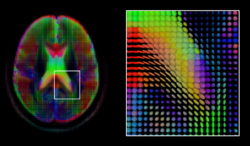


_01.JPG)



_Common_Data_Model_(version_4).png)


_work.png)


