


Community hub
Recent from talks
Contribute something
Nothing was collected or created yet.
Merck & Co.
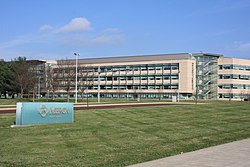
View on WikipediaMerck & Co., Inc. is an American multinational pharmaceutical company headquartered in Rahway, New Jersey. The company does business as Merck Sharp & Dohme or MSD outside the United States and Canada. The company is ranked fourth on the list of largest biomedical companies by revenue.
Key Information


The company's revenues are primarily from cancer treatments, vaccines, and animal health products. In 2024, 46% of the company's revenue, or $29.5 billion, came from sales of Keytruda (pembrolizumab), a PD-1 inhibitor used to treat various types of cancers, and 13% of the company's revenue, or $8.6 billion, came from sales of Gardasil, an HPV vaccine.[1] In addition, 9% of the company's revenue, or $5.8 billion, came from the sales of animal health products.[1]
The company is ranked 65th on the Fortune 500[2] and 76th on the Forbes Global 2000.[3]
In 1891, Merck & Co. was established as the American affiliate of Merck Group, founded by the Merck family, and the companies are still in trademark disputes in several countries over the right to use the name "Merck".
History
[edit]Roots and early history
[edit]
Merck & Co. traces its origins to its former German parent company Merck Group, which was established by the Merck family in 1668 when Friedrich Jacob Merck purchased a pharmacy in Darmstadt.[4][5] In 1827, Merck Group evolved from a pharmacy to a drug manufacturer company with the commercial manufacture of morphine.[6] Merck perfected the chemical process of deriving morphine from opium and later introduced cocaine, used to treat sinus problems and to add to beverages to boost energy levels.[7]
In 1887 a German-born, long-time Merck employee, Theodore Weicker, went to the United States to represent Merck Group.[8] In 1891, with $200,000 received from E. Merck, Weicker started Merck & Co., with headquarters in lower Manhattan. That year George Merck, the 23-year-old son of the then head of E. Merck (and grandson of the founder) joined Weicker in New York.[9][4][5] Merck & Co. operated from 1891 to 1917 as the US subsidiary of the Merck Group.[5]
Nationalization
[edit]After the U.S. entered World War I, due to its German connections, Merck & Co. was the subject of expropriation under the Trading with the Enemy Act of 1917.[10] The government seized 80 percent of the shares owned by the German parent company and sold it.[11] In 1919, George F. Merck (head of the American branch of the Merck family), in partnership with Goldman Sachs and Lehman Brothers, bought the company back at a U.S. government auction for $3.5 million, but Merck & Co. remained a separate company from its former German parent.[12][13] Merck & Co. holds the trademark rights to the "Merck" name in the United States and Canada, while its former parent company retains the rights in the rest of the world; the right to use the Merck name was the subject of litigation between the two companies in 2016.[14][15][16][17]
In 1925, George W. Merck succeeded his father George F. Merck as president. In 1927, the corporation merged with the Powers-Weightman-Rosengarten Company, a Philadelphia quinine manufacturer. George Merck remained president and Frederic Rosengarten became chairman of the board.[18][19] In 1929, H. K. Mulford Company merged with Sharp and Dohme, Inc. and brought vaccine technology, including immunization of cavalry horses in World War I and delivery of a diphtheria antitoxin to Merck & Co.
In 1943, streptomycin was discovered during a Merck-funded research program in Selman Waksman's laboratory at Rutgers University. It became the first effective treatment for tuberculosis. At the time of its discovery, sanatoriums for the isolation of tuberculosis-infected people were a ubiquitous feature of cities in developed countries, with 50% dying within 5 years of admission.[20][21] Although Merck's agreement with Rutgers gave it exclusive rights to streptomycin, at Waksman's request the company renegotiated the agreement, returning the rights to the university in exchange for a royalty. The university then set up non-exclusive licenses with seven companies to ensure a reliable supply of the antibiotic.[22]
1950–2000
[edit]In the 1950s, thiazide diuretics were developed by Merck scientists Karl H. Beyer, James M. Sprague, John E. Baer, and Frederick C. Novello[23] and led to the marketing of the first drug of this class, chlorothiazide, under the trade name Diuril in 1958.[24] The research leading to the discovery of chlorothiazide, leading to "the saving of untold thousands of lives and the alleviation of the suffering of millions of victims of hypertension" was recognized by a special Public Health Award from the Lasker Foundation in 1975.[25]
In 1953, Merck & Co. merged with Philadelphia-based Sharp & Dohme, Inc., becoming the largest U.S. drugmaker. Sharp and Dohme had acquired H. K. Mulford Company in 1929, adding smallpox vaccines to its portfolio.[26][27][28][29][30][4] The combined company kept the trade name Merck in the United States and Canada, and as Merck Sharp & Dohme (MSD) outside North America.[17]
In 1965, Merck & Co. acquired Charles Frosst Ltd. of Montreal (founded 1899), creating Merck-Frosst Canada, Inc., as its Canadian subsidiary and pharmaceutical research facility. Merck & Co. closed this facility in July 2010 but remerged in 2011 as Merck Canada.[31][32]
Maurice Hilleman, a scientist at Merck, developed the first mumps vaccine in 1967,[33] the first rubella vaccine in 1969,[34] and the first trivalent measles, mumps, rubella (MMR vaccine) in 1971.[35] The incidence of rubella-associated birth defects fell from up to 10,000 per year in the U.S. to zero in the aftermath of the rubella vaccine's development.[36] Hilleman also developed the first Hepatitis B vaccine and the first varicella vaccine, for chickenpox.[37]
The company was incorporated in New Jersey in 1970. John J. Horan became CEO and Chairman in 1976, serving until 1985.[38] Under his leadership, the company's investment in R&D grew threefold, and Merck became the largest pharmaceutical company in the world.[38][39]
In 1979, Merck scientists developed lovastatin (Mevacor), the first drug of the statin class.[40]
Merck scientist William C. Campbell and Satoshi Ōmura developed ivermectin for veterinary use in 1981, and later put it to human use against onchocerciasis in 1987–1988 with the name Mectizan; today the compound is also used against lymphatic filariasis, scabies and other parasitic infections.[41][42]
In 1982, the company formed a joint venture, KBI Inc., with AstraZeneca.[43] During the late 1980s and 1990s, the company also established joint ventures with DuPont to access research and development expertise, and with Johnson & Johnson to sell over-the-counter consumer medications.[citation needed]
In 1985, Merck received approval for imipenem, the first member of the carbapenem class of antibiotics. Antibiotics of the carbapenem class play an important role in treatment guidelines for certain hospital-acquired and multi-drug resistant infections.[44] P. Roy Vagelos became CEO and Chairman that year, succeeding Horan.[45] Vagelos served until reaching the company's mandatory retirement age in 1994, succeeded by Raymond Gilmartin.[46]
In 1991, Merck's Kelco subsidiary was responsible for volatile organic compound (VOC) emission pollution in the San Diego area. In 1996 Merck paid $1.8 million for polluting the air. New machines were installed to reduce smog emissions by 680,000 lb (310,000 kg) a year.[47]
In November 1993, Merck & Co. acquired Medco Containment Services for $6 billion.[48][49] Merck & Co. spun Medco off ten years later.[50]
Merck's supply chain reduction programme has been referred to as an example of successful change. Merck reduced its number of global suppliers from 40,000 to less than 10,000 during the period from 1992 to 1997.[51]
2001–2019
[edit]
In May 2002, The Bill & Melinda Gates Foundation purchased stock in Merck.[52]
From 2002 through 2005, the Australian affiliate of Merck paid publishing house Elsevier an undisclosed amount to produce eight issues of a medical journal, the Australasian Journal of Bone and Joint Medicine. Although it gave the appearance of being an independent peer-reviewed journal, without any indication that Merck had paid for it, the journal actually reprinted articles that originally appeared in other publications and that were favorable to Merck. The misleading publication came to light in 2009 during a personal injury lawsuit filed over Vioxx; 9 of 29 articles in the journal's second issue referred positively to Vioxx.[53][54] The CEO of Elsevier's Health Sciences Division, Michael Hansen, admitted that the practice was "unacceptable".[55]
In 2005, Gilmartin retired as CEO following Merck's voluntary worldwide withdrawal of Vioxx. Gilmartin's tenure was criticized as abandoning Vagelos' commitment to corporate social responsibility.[46][56] Former president of manufacturing Richard Clark was named CEO and company president.[57]
In November 2009, Merck & Co. completed a merger with Schering-Plough in a US$41 billion deal.[58][59] Although Merck & Co. was in reality acquiring Schering-Plough, the purchase was declared a "reverse merger", in which "Old" Merck & Co. was renamed Merck Sharp & Dohme, and Schering-Plough renamed as "Merck & Co., Inc.[60] The maneuver was an attempt avoid a "change-of-control" in order to preserve Schering-Plough's rights to market Remicade. A settlement with Johnson & Johnson was reached in 2011, in which Merck agreed to pay $500 million.[61][62] Merck Sharp & Dohme remains a subsidiary of the Merck & Co. parent.[1]
Richard Clark retired as CEO and company president in October 2011 and Kenneth Frazier became CEO.[63]
In October 2013, Merck announced it would cut 8,500 jobs in an attempt to cut $2.5 billion from its costs by 2015. Combined with 7,500 job cuts announced in 2011 and 2012, the layoffs amounted to 20% of its workforce.[64][65]
By 2014, research performed at Merck has led to U.S. FDA approval of 63 new molecular entities.[66]
In August 2014, Merck acquired Idenix Pharmaceuticals for $3.85 billion.[67][68]
In September 2014, the US Food and Drug Administration (FDA) approved Pembrolizumab (MK-3475) as a breakthrough therapy for melanoma treatment.[69] In clinical trials, pembrolizumab provided partial tumor regression in about one quarter of patients, many of whom have not seen further progression of their disease in over 6 months of follow-up.[70]
In December 2014, the company acquired Swiss biotechnology company OncoEthix for up to $375 million.[71][72]
Between 2010 and 2015, the company cut around 36,450 jobs.[73] During that time, the company sold its consumer health business to Bayer and narrowed the company's focus to immunology, vaccines, diabetes, emerging markets and medicines used in hospitals, like certain antibiotics.[73]
In January 2015, Merck acquired Cubist Pharmaceuticals for $102 per share in cash or about $9.5 billion in total.[74]
In July 2015, Merck and Ablynx expanded their 18-month-old immuno-oncology collaboration by four years, generating a potential $4.4 billion in milestone payments for the Abylnx.[75] The company also announced it would spend $95 million up front collaborating with cCAM Biotherapeutics and its early-stage treatment similar to Keytruda. Merck & Co. will bring in CM-24, an antibody designed to block the immune checkpoint CEACAM1.[76]
In January 2016, Merck announced two new partnerships; the first with Quartet Medicine and its small molecule pain treatments,[77] the second with Complix investigating intracellular cancer targets,[78] with both collaborations potentially generating up to $595 million and $280 million respectively. Days later the company announced it would acquire IOmet Pharma, with IOmet becoming a wholly owned subsidiary of Merck & Co. The acquisition includes IOmets indoleamine-2,3-dioxygenase 1 (IDO), tryptophan 2,3-dioxygenase (TDO), and dual-acting inhibitors.[79]
In July 2016, the company acquired Afferent Pharmaceuticals, developer of a candidate used to block P2RX3 receptors, for approximately $1 billion, plus up to $750 million in milestone payments.[80][81]
In 2017, Merck bought the PARP inhibitor Lynparza from AstraZeneca.[82]
In April 2017, Merck Animal Health acquired Vallée S.A., a Brazilian animal health product manufacturer.[83]
In September 2017, the company announced it would acquire Rigontec, developer of a candidate to target the retinoic acid-inducible gene I pathway, for $554 million.[84][85]
In October 2017, the company granted the inaugural Merck-AGITG Clinical Research Fellowship in Gastro-Intestinal (GI) Cancer to David Lau, a professional in Melbourne, Australia.[86][87]
In June 2018, Merck acquired Viralytics, an Australian viral cancer drug company, for AUD$502 million.[88]
In 2018, Merck began the submission process for a Biologics License Application to the Food and Drug Administration under the Breakthrough Therapy Designation for an investigational vaccine, called V920, to fight the Zaire strain of the Ebola virus.[89]
In April 2019, the company acquired Immune Design for approximately $300 million, gaining access to its immunotherapy programs.[90][91] It also acquired Antelliq Group for $2.4 billion, or $3.7 billion including debt.[92]
In May 2019, Merck announced it would acquire Peloton Therapeutics, developer of a HIF-2alpha inhibitor for Von Hippel–Lindau disease-associated renal cell carcinoma, for up to $2.2 billion.[93]
In June 2019, Merck announced it would acquire Tilos Therapeutics for up to $773 million.[94]
In November 2019, the company acquired Calporta, which focused on Parkinsons and Alzheimers treatments.[95]
In December 2019, Merck Animal Health acquired Vaki, an aquaculture company, from Pentair.[96]
2020–present
[edit]In January 2020, Merck acquired ArQule, developer of ARQ 531, an oral Bruton's tyrosine kinase (BTK) inhibitor, for $2.7 billion.[97]
In March 2020, Merck was one of ten companies recognised at the inaugural Manufacturing Awards by New Jersey Business magazine and the New Jersey Business and Industry Association.[98]
In June 2020, Merck acquired Themis Bioscience, a company focused on vaccines and immune-modulation therapies for infectious diseases including COVID-19 and cancer.[99][100][101]
Also in June 2020, Merck Animal Health acquired Quantified Ag, a data and analytics company that monitors cattle body temperature and movement in order to detect illness early.[102]
In August 2020, Merck Animal Health acquired IdentiGEN, engaged in DNA-based animal traceability.[103]
In September 2020, Merck acquired $1 billion of Seattle Genetics common stock, and agreed to co-develop ladiratuzumab vedotin.[104][105]
In November 2020, Merck announced it would acquire VelosBio for $2.75 billion, developer of VLS-101, an antibody-drug conjugate designed to target Tyrosine kinase-like orphan receptor 1 (ROR1) in both hematological and solid tumors. VLS-101 is currently Phase I and Phase II clinical trials.[106] The company also announced it would acquire OncoImmune for $425 million and its phase 3 candidate, CD24Fc, used in the treatment of patients with severe and critical COVID-19.[107][108]
In February 2021, Merck Animal Health acquired PrognostiX Poultry.[109]
In April 2021, Merck acquired Pandion Therapeutics for $1.85 billion, expanding its offering in treating autoimmune diseases.[110][111][112]
In June 2021, the U.S. government agreed to spend $1.2 billion to purchase 1.7 million doses of Molnupiravir, a Merck product, if it were to be approved by regulators to treat COVID-19.[113] In October 2021, the company said that the drug reduces the risk of hospitalization or death by around 50% for patients with mild or moderate cases of COVID-19 and that it would seek Emergency Use Authorization for the drug.[114]
In July 2021, Robert M. Davis became CEO, succeeding Kenneth Frazier, who became executive chairman.[115][116][117][118]
In July 2021, Merck completed the corporate spin-off of Organon & Co.[119]
In September 2021, Merck announced it would acquire Acceleron Pharma for $11.5 billion, gaining control over Sotatercept, used in the treatment of pulmonary hypertension, and luspatercept-aamt.[120]
In September 2022, the company announced it would acquire Vence, a livestock management company for an undisclosed sum, incorporating it within Merck Animal Health.[121]
In December 2022, the company announced a licensing deal with Kelun-Biotech of China whereby it would expand its early cancer pipeline with a set of antibody-drug conjugates; this follows an earlier agreement between the two companies to co-develop such drugs.[122]
In April 2023, Merck announced it would acquire Prometheus Biosciences Inc for $10.8 billion.[123]
In December 2023, Merck announced it had partnered with Owkin to develop artificial intelligence-powered digital pathology diagnostics that could be used to identify patients suitable for immunotherapies. The aim is to come up with tools that can pre-screen patients with four tumour types for the MSI-H biomarker, namely endometrial, gastric, small intestinal, and biliary cancers.[124]
In January 2024, the company announced it would acquire Harpoon Therapeutics for $680 million.[125] With this purchase, Merck expands its portfolio of oncological drugs. The main positions are HPN328, an activator of T-cells that is being researched to treat advanced cancer patients associated with DLL3 expression (delta-like ligand 3), an inherent small cell lung cancer (SCLC), neuroendocrine tumors, and several other species. Merck's portfolio will also be complemented by T-cell attractions using the patented Harpoon Tri-specific design for T cell activation (TriTAC). According to engineering protein technology, tumor cells are destroyed by the patient's own immune cells, and the ProTriTAC platform works with the TriTAC platform to develop a therapeutic agent that attracts T-cells, but is inactive until it reaches the tumor.[126]
In April 2024, Merck completed the acquisition of Abceutics for $208 million.[127]
In July 2024, Merck completed the acquisition of EyeBio for $3 billion.[128]
In October 2024, Merck announced the acquisition of Modifi Biosciences for $1.3 billion.[129]
Acquisition history
[edit]- Merck & Co (Founded in 1891 as the US subsidiary of Merck of Darmstadt, later Nationalised by the US government in 1917 during the first World War)
- Merck & Co
- Merck & Co
- H. K. Mulford Company (Acq 1929)
- Sharp & Dohme, Inc (Acq 1953)
- Charles E. Frosst Ltd (Acq 1965, restructured into Merck-Frosst Canada, Inc, restructured into Merck Canada in 2011)
- Medco Containment Services Inc (Acq 1993, Spun off 2003)
- Schering‑Plough
- Schering-Plough (Merged 1971)
- Schering Corporation (Founded 1851)
- Plough, Inc (Founded 1908)
- Organon International
- Alydia Health (Acq 2021)
- Intervet
- Diosynth
- Nobilon
- Schering-Plough (Merged 1971)
- Merck & Co
- Imperial Blue Corporation[130]
- Idenix Pharmaceuticals (Acq 2014)
- Maven Corporation[131]
- Cubist Pharmaceuticals
- Trius Therapeutics (Acq 2013)
- Optimer Pharmaceuticals (Acq 2013)
- Cubist Pharmaceuticals
- OncoEthix (Acq 2015)
- IOmet Pharma (Acq 2016)
- Afferent Pharmaceuticals (Acq 2016)
- Merck Animal Health
- Vallée S.A. (Acq 2017)
- Vaki (Acq 2019)
- Quantified Ag (Acq 2020)
- IdentiGEN (Acq 2020)
- PrognostiX Poultry Ltd (Acq 2021)
- Vence (Acq 2022)
- Rigontec (Acq 2017)
- Viralytics (Acq 2018)
- Antelliq Group (Acq 2018)
- Cascade Merger Sub, Inc.[132]
- Immune Design Corp (Acq 2019)
- Peloton Therapeutics (Acq 2019)
- Tilos Therapeutics (Acq 2019)
- Calporta (Acq 2019)
- Argon Merger Sub, Inc.
- ArQule, Inc. (Acq 2019)
- Themis Bioscience (Acq 2020)
- VelosBio (Acq 2020)
- OncoImmune (Acq 2020)
- Astros Merger Sub, Inc.
- Acceleron Pharma (Acq 2021)
- Prometheus Biosciences (Acq 2023)
- Caraway Therapeutics (Acq 2023)
- Harpoon Therapeutics (Acq 2024)
- Abceutics (Acq 2024)
- EyeBio (Acq 2024)
- Modifi Biosciences (Acq 2024)
- Verona Pharma plc (Acq 2025)[133]
- Merck & Co
Products
[edit]
Details of Merck's major products are as follows:[1]
Oncology
[edit]- Keytruda (pembrolizumab) ($29.5 billion in 2024 revenues) is an immune modulator for the treatment of cancer.
- Lynparza (olaparib) ($1.3 billion in 2024 revenues) is a PARP inhibitor used to treat BRCA-mutated advanced ovarian cancer.
- Lenvima (lenvatinib) ($1.0 billion in 2024 revenues) is used for the treatment of thyroid cancer.
- Welireg (Belzutifan) ($0.5 billion in 2024 revenues) is used for the treatment of von Hippel–Lindau disease-associated renal cell carcinoma.
- Reblozyl (Luspatercept) ($0.4 billion in 2024 revenues) is used for the treatment of anemia in beta thalassemia and myelodysplastic syndromes.
Vaccines
[edit]- Gardasil (HPV vaccine) ($8.5 billion in 2024 revenues) is a vaccine against multiple serotypes of human papillomavirus (HPV), which is responsible for most cases of cervical cancer worldwide.[1]
- ProQuad/M-M-R II/Varivax ($2.5 billion in 2024 revenues) is a combination MMRV vaccine against measles, mumps, rubella (German measles), and varicella (chickenpox).[1]
- Vaxneuvance ($0.8 billion in 2024 revenues) is a pneumococcal conjugate vaccine.
- RotaTeq ($0.7 billion in 2024 revenues) is a rotavirus vaccine.
- Pneumovax 23 ($0.3 billion in 2024 revenues) is a pneumococcal polysaccharide vaccine.
Hospital acute care
[edit]- Bridion (sugammadex) ($1.7 billion in 2024 revenues) is a medication for the reversal of neuromuscular blockade induced by rocuronium and vecuronium in general anaesthesia.[1]
- Prevymis (letermovir) ($0.8 billion in 2024 revenues) is used for the treatment of cytomegalovirus infections.
- Dificid (fidaxomicin) ($0.3 billion in 2024 revenues) is a tiacumicin.
- Zerbaxa (ceftolozane/tazobactam ($0.3 billion in 2024 revenues) is an antibiotic used to treat urinary tract infections.
- Noxafil (posaconazole) ($0.2 billion in 2024 revenues) is a triazole antifungal.
Cardiology
[edit]- Winrevair (sotatercept) ($0.4 billion in 2024 revenues) is used for the treatment of pulmonary arterial hypertension.
- Adempas/Verquvo (riociguat / vericiguat) ($0.7 billion in 2024 revenues) is used for the treatment of pulmonary hypertension and to reduce the risk of cardiovascular death and hospitalization in certain patients with heart failure after a recent acute decompensation event.
Neuroscience
[edit]- Belsomra (suvorexant) ($0.2 billion in 2024 revenues) is an orexin antagonist medication used in the treatment of insomnia.
Virology
[edit]- Lagevrio (molnupiravir) ($0.9 billion in 2024 revenues) is an antiviral pill to treat COVID-19.[134]
- Isentress (raltegravir) ($0.4 billion in 2024 revenues) is a human immunodeficiency virus integrase inhibitor for the treatment of HIV infection. It is the first anti-HIV compound having this mechanism of action.[135] It is part of one of several first line treatment regimens recommended by the United States Department of Health and Human Services.[136]
- Delstrigo (doravirine/lamivudine/tenofovir) ($0.3 billion in 2024 revenues) is used for the treatment of HIV/AIDS.
Immunology
[edit]- Simponi (golimumab) ($0.5 billion in 2024 revenues) is an immunosuppressive drug.
- Remicade (infliximab) ($0.1 billion in 2024 revenues) is a monoclonal antibody directed toward the cytokine TNF-alpha and used for the treatment of a wide range of autoimmune disorders, including rheumatoid arthritis, Crohn's disease, ankylosing spondylitis, plaque psoriasis, and others. Remicade and other TNF-alpha inhibitors exhibit additive therapeutic effects with methotrexate and improve quality of life. Adverse effects include increased risk of infection and certain cancers.[137] Merck had rights to the drug in certain areas, while Janssen Biotech had rights in other areas;[61] in 2017, Merck announced a biosimilar to Remicade, Renflexis.[138]
Diabetes
[edit]- Januvia (sitagliptin) ($1.3 billion in 2024 revenues) is a dipeptidyl peptidase IV inhibitor for the treatment of type 2 diabetes. In 2013, Januvia was the second largest selling diabetes drug worldwide.[139] It has been popular due in part because unlike many other diabetes drugs, it causes little or no weight gain and is not associated with hypoglycemic episodes.[140][141] There has been some concern that treatment with Januvia and other DPP-IV inhibitors may be associated with a modestly increased risk of pancreatitis.[142]
- Janumet ($1.0 billion in 2024 revenues) is a single pill combination drug containing both Januvia and metformin.
Animal health
[edit]- Livestock products ($3.4 billion in 2024 revenues) include various medications and vaccines for cattle and poultry.
- Companion animal products ($2.4 billion in 2024 revenues) include various medications and vaccines for cats, dogs, and horses.
Philanthropy
[edit]Philanthropic initiatives by Merck include:
- Merck Foundation - founded in 1957, the foundation has donated over $1 billion to charitable causes to promote health equity. In 2012, the foundation ended its donations to the Boy Scouts of America citing its discrimination against gay people.[143]
- Patient assistance programs to offer access to pharmaceuticals to those unable to afford its medications.
- Provides funding to Hilleman Laboratories, an India-based non-profit research organization dedicated to the development of low-cost vaccines for use in developing countries.[144]
- Merck for Mothers prevents maternal mortality.
- Merck produces Mectizan (ivermectin), an anti-parasitic medicine traditionally used to treat onchocerciasis, solely for donation to people in Africa, Latin America, and Yemen. The donation program has significantly reduced the incidence of the disease.
Lawsuits and controversies
[edit]Heart attacks after use of Vioxx
[edit]In 1999, the U.S. Food and Drug Administration (FDA) approved Vioxx (known generically as rofecoxib), a Merck product for treating arthritis. Vioxx was designed as a selective inhibitor of the enzyme cyclooxygenase-2. Such compounds were expected to cause less gastrointestinal bleeding than older anti-inflammatory drugs such as naproxen, which were associated with 20,000 hospitalizations and 2000 deaths each year.[145][non-primary source needed] Vioxx became one of the most prescribed drugs in history.[146]
Thereafter, studies by Merck and by others found an increased risk of heart attack associated with Vioxx use when compared with naproxen. Merck adjusted the labeling of Vioxx to reflect possible cardiovascular risks in 2002.[147]
On September 23, 2004, Merck received information about results from a clinical trial it was conducting that included findings of increased risk of heart attacks among Vioxx users who had been using the medication for over eighteen months.[148] On September 28, 2004, Merck notified the FDA that it was voluntarily withdrawing Vioxx from the market, and it publicly announced the withdrawal on September 30. An analysis for the period 1999–2004, based on U.S. Medical Expenditure Survey data, reported that Vioxx was associated with 46,783 heart attacks in the US, and along with the other popular COX-2 inhibitor Celebrex, an estimated 26,603 deaths from both.[149][150]
About 50,000 people sued Merck, claiming they or their family members had suffered medical problems such as heart attacks or strokes after taking Vioxx.[151] In November 2007, Merck agreed to pay $4.85 billion to settle most of the pending Vioxx lawsuits.[152] The settlement required that claimants provide medical and pharmacy records confirming the occurrence of a heart attack, ischemic stroke, or sudden cardiac death; the receipt of at least 30 Vioxx pills within 60 days prior to the injury or death; and confirmation of Vioxx being used within 14 days of the Vioxx-related event.[153] The settlement was generally viewed by industry analysts and investors as a victory for Merck, considering that original estimates of Merck's liability reached between $10 billion and $25 billion.[152] As of mid-2008, when the plaintiff class had reached the threshold percentage required by Merck to go through with the settlement, plaintiffs had prevailed in only three of the twenty cases that had reached juries, all with relatively small awards.[151]
Merck has refused to consider compensation for Vioxx victims and their families outside the US. This is particularly true in the UK where there are at least 400 victims and the legal protection afforded to the victims and their families is particularly weak.[154]
According to internal e-mail traffic released at a later lawsuit, Merck had a list of doctors critical of Vioxx to be "neutralized" or "discredited". "We may need to seek them out and destroy them where they live," wrote an employee. A Stanford Medical School professor said that Merck was engaged in intimidation of researchers and infringement upon academic freedom.[155]
On May 20, 2008, Merck settled for $58 million with 30 states alleging that Merck engaged in deceptive marketing tactics to promote Vioxx.[156] All its new television pain-advertisements must be vetted by the Food and Drug Administration and changed or delayed upon request until 2018.[157]
Osteonecrosis of the jaw after use of Fosamax
[edit]Fosamax (alendronate) is a bisphosphonate used for the treatment of post-menopausal osteoporosis and for the prevention of skeletal problems in certain cancers. The American College of Clinical Endocrinology, the American College of Obstetricians and Gynecologists, the North American Menopause Society and the UK National Osteoporosis Guideline Group recommend alendronate and certain other bisphosphonates as first line treatments for post-menopausal osteopotosis.[158][159][160] Long-term treatment with bisphosponates produces anti-fracture and bone mineral density effects that persist for 3–5 years after an initial 3–5 years of treatment.[161] Alendronate reduces the risk of hip, vertebral, and wrist fractures by 35-39%.[162][163]
In December 2013, Merck agreed to pay a total of $27.7 million to 1,200 plaintiffs in a class action lawsuit alleging that the company's osteoporosis drug had caused them to develop osteonecrosis of the jaw. Prior to the settlement, Merck had prevailed in 3 of 5 so-called bellwether trials. Approximately 4,000 cases still await adjudication or settlement as of August 2014.[164]
There have also been thousands of lawsuits alleging that Fosamax increased the risk of thigh-bone fractures.[165] In March 2022, Merck defeated approximately 500 lawsuits over Fosamax in New Jersey when U.S. District Judge Freda L. Wolfson ruled that the plaintiffs' lawsuit was preempted by federal law.[166] On September 20, 2024, the United States Court of Appeals for the Third Circuit overturned that decision, holding that federal law did not block plaintiffs' state law claims against Merck over Fosamax.[165] As of June 30, 2024, about 3,115 lawsuits over Fosamax were still pending against Merck in both federal and state courts in the United States.[165]
Medicaid overbilling
[edit]A fraud investigation by the United States Department of Justice began in 2000 when allegations were brought in two separate lawsuits filed by whistleblowers under the False Claims Act.[167] They alleged that Merck failed to pay proper rebates to Medicaid and other health care programs and paid illegal remuneration to health care providers.[168] On February 7, 2008, Merck agreed to pay more than $650 million to settle charges that it routinely overbilled Medicaid for its most popular medicines. The settlement was one of the largest pharmaceutical settlements in history. The federal government received more than $360 million, plus 49 states and Washington, DC, received over $290 million. One whistleblower received a $68 million reward. Merck made the settlement without an admission of liability or wrongdoing.[167][169][170]
"Merck" name legal dispute
[edit]In 191 of 193 countries, the original Merck company, the Merck Group of Darmstadt, owns the rights to the "Merck" name. In the United States and Canada, the company trades under the name EMD (an abbreviation of Emanuel Merck, Darmstadt), its legal name here says Merck KGaA, Darmstadt, Germany, and instead of "Merck Group", the "EMD Group" name is used. In the United States and Canada, Merck & Co. holds the rights to the trademark "Merck", while in the rest of the world the company trades under the name MSD (an abbreviation of Merck, Sharp & Dohme) and its legal name says here Merck Sharp & Dohme LLC., a subsidiary of Merck & Co., Inc. Kenilworth, NJ, USA.
In 2015 the Merck Group adopted a new logo and said it will be "much more aggressive" about protecting the brand of "the real Merck".[171] Merck of Darmstadt has initiated litigation against its former subsidiary, Merck & Co. (MSD) of Kenilworth, in several countries over infringing use of the Merck name. In 2016, the High Court of Justice in the United Kingdom ruled that MSD had breached an agreement with its former parent company and that only Merck of Darmstadt is entitled to use the Merck name in the United Kingdom.[17] The judge also held that MSD's use of "Merck" as part of branding on its global websites were directed to the UK and infringed Merck's trade mark rights in the UK.[172]
In response to the ruling, MSD initiated counter-litigation in the United States in January 2016 by filing a federal lawsuit which accused its former parent company of "infringing on its trademark" through actions that included the increased usage of "Merck KGaA" and "MERCK" in branding in the US as well as on its social media presence. Further Merck & Co. has also accused the Merck Group of federal trademark dilution, unfair competition, false advertising, deceptive trade practices, breach of contract, and cybersquatting. The case came to a head when a research scientist believed he was communicating with Merck & Co regarding a research grant in oncology, when in fact he was talking with the Merck Group. As a result, Merck & Co. asked the federal court to stop the Merck Group from using "Merck" on any products or marketing materials in the United States. As a direct result, Merck & Co is seeking "all monetary gains, profits, and advantages" made by the Merck Group and three-times the damage, plus additional punitive damages.[14]
In April 2020, in the course of litigation of Merck against MSD in Switzerland, the Federal Supreme Court of Switzerland ruled that MSD's use of the "Merck" brand in its global websites could, absent geotargeting mechanisms, have "commercial effect" in Switzerland and could therefore violate Merck's rights (if any) to the "Merck" brand in Switzerland.[173]
Tax implications of transaction accounting
[edit]In February 2007, Merck paid $2.3 billion to the Internal Revenue Service to settle a tax dispute over the accounting treatment of transactions between 1993 and 2001.[174]
Sexual dysfunction and suicidal thoughts associated with Propecia
[edit]In 2021, an investigation by Reuters revealed that Merck's baldness drug Propecia caused persistent sexual dysfunction in men.[175] The drug has been linked to over 700 incidences of suicidal thoughts[176] and 110 deaths.[175] Merck has been receiving reports since 1998, but never included the risks on the label.[175] In 2015, Merck was sued by consumer-rights law firm Hagens Berman over a wrongful death linked to Propecia.[177]
Use of methylene chloride
[edit]Merck & Co. once used methylene chloride, an animal carcinogen on the United States Environmental Protection Agency's list of pollutants, as a solvent in some of its manufacturing processes. Merck chemists and engineers subsequently replaced the compound with others having fewer negative environmental effects. Merck has also modified its equipment to protect the environment, installing a distributed control system that coordinates chemical reactions more efficiently and expedites manufacturing by 50 percent, eliminating the need for the disposal and storage of harmful waste. Biological oxygen demand has also been reduced. In 2011, Merck paid a $1.5 million civil penalty to settle alleged violations of federal environmental laws at its pharmaceutical manufacturing facilities in Riverside, Pennsylvania and West Point, Pennsylvania.[178]
Politics
[edit]The company spends approximately $10 million per year on lobbying in the United States. Political contributions have mostly been to individuals and organizations associated with the Democratic Party.[179] The company is a member of many industry advocacy groups and sponsors many industry events.
Notable publications
[edit]Merck & Co. publishes The Merck Manuals, a series of medical reference books for physicians, nurses, technicians, and veterinarians. These include the Merck Manual of Diagnosis and Therapy, the world's best-selling medical reference. The Merck Index, a compendium of chemical compounds, was published by Merck & Co. until it was acquired by the Royal Society of Chemistry in 2012.
References
[edit]- ^ a b c d e f g h "Merck & Co., Inc. 2024 Form 10-K Annual Report". U.S. Securities and Exchange Commission. February 25, 2025.
- ^ "Fortune 500: Merck & Co". Fortune.
- ^ "Forbes Global 2000: Merck & Co". Forbes.
- ^ a b c "Key Facts About Merck". The New York Times. Associated Press. November 3, 2005.
- ^ a b c Voinea, Cosmina Lelia; Kranenburg, Hans Van (July 14, 2017). Nonmarket Strategic Management. Taylor & Francis. ISBN 978-1-317-42173-3.
- ^ "The history of heroin: From King Tut to cough remedy". The Palm Beach Post. June 28, 2018.
- ^ "Opioid epidemic shares chilling similarities with past drug crises". Stat. Associated Press. October 29, 2017.
- ^ Lillard, Benjamin (1908). Practical Druggist and Pharmaceutical Review of Reviews. New York: Lillard & Company. p. 375.
- ^ Wilkins, Mira (1989). The History of Foreign Investment in the United States to 1914. Harvard University Press. ISBN 978-0-674-39666-1.
- ^ Colditz, Graham A. (2015). The SAGE Encyclopedia of Cancer and Society (2nd ed.). Los Angeles, CA: SAGE Publications. p. 758. ISBN 978-1-4833-4574-1.
- ^ Hawthorne, Fran (2003). The Merck Druggernaut: The Inside Story of a Pharmaceutical Giant. Hoboken, NJ: John Wiley & Sons. p. 23. ISBN 0-471-22878-8.
- ^ "This month in 1917: A tale of two Mercks". PM Live. April 14, 2014.
- ^ "With Merck & Co. Offering, Goldman Sachs Emerges from the Shadow of World War I". Goldman Sachs.
- ^ a b "Legal Wrangle Pits Merck vs. Merck". genengnews.com. January 15, 2016.
- ^ Bulik, Beth Snyder (June 1, 2020). "In another round of Merck vs. Merck, Germany-based Merck KGaA notches a win in the U.K." Fierce Pharma.
- ^ Dauer, Ulrike. "Germany's Merck KGaA Wins Battle Over Name in U.K.". The Wall Street Journal.
- ^ a b c "Fight over Merck name sees German firm win in British court". Reuters. January 15, 2016.
- ^ "Our History: 1925". Rahway, New Jersey: Merck & Co., Inc. 1891. Retrieved February 28, 2024.
- ^ "F. Rosengarten of Merck Co. Dies: Retired Chairman of Makers of Pharmaceuticals Headed Hospital in Philadelphia" (PDF). The New York Times. October 30, 1955. p. 88. Retrieved February 28, 2024.
- ^ Kingston W (July 2004). "Streptomycin, Schatz v. Waksman, and the balance of credit for discovery". J Hist Med Allied Sci. 59 (3): 441–62. doi:10.1093/jhmas/jrh091. PMID 15270337. S2CID 27465970.
- ^ Antibacterial Agents. Chemistry, Mode of Action, Mechanisms of Resistance, and Clinical Applications. Anderson RJ, Groundwater PJ, Todd A, Worsely AJ. Wiley (2012). ISBN 9780470972458 See Preface material.
- ^ Tansey, E.M.; Reynolds, L.A., eds. (2000). Post-Penicillin Antibiotics: From Acceptance to Resistance?. A Witness Seminar held at the Wellcome Institute for the History of Medicine, London. London: Wellcome Trust. ISBN 978-184129-012-6.
- ^ Beyer KH (1993). "Chlorothiazide. How the thiazides evolved as antihypertensive therapy". Hypertension. 22 (3): 388–91. doi:10.1161/01.hyp.22.3.388. PMID 8349332.
- ^ "Drugs@FDA: FDA-Approved Drugs". www.accessdata.fda.gov. Archived from the original on November 4, 2016. Retrieved 10 March 2023.
- ^ Hofschneider, Mark. "All Awards & Winners". Lasker Foundation. Retrieved 10 March 2023.
- ^ Galambos, Louis; Sewell, Jane Eliot (August 13, 1997). Networks of Innovation: Vaccine Development at Merck, Sharp and Dohme, and Mulford, 1895–1995. Cambridge University Press. ISBN 978-0-521-62620-0.
- ^ Esparza, José; Lederman, Seth; Nitsche, Andreas; Damaso, Clarissa R. (June 2020). "Early smallpox vaccine manufacturing in the United States: Introduction of the "animal vaccine" in 1870, establishment of "vaccine farms", and the beginnings of the vaccine industry". Vaccine. 38 (30): 4773–4779. doi:10.1016/j.vaccine.2020.05.037. PMC 7294234. PMID 32473878.
- ^ Schrick, Livia; Tausch, Simon H.; Dabrowski, P. Wojciech; Damaso, Clarissa R.; Esparza, José; Nitsche, Andreas (12 October 2017). "An Early American Smallpox Vaccine Based on Horsepox". New England Journal of Medicine. 377 (15): 1491–1492. doi:10.1056/NEJMc1707600. PMID 29020595.
- ^ Esparza, José; Lederman, Seth; Nitsche, Andreas; Damaso, Clarissa R. (19 June 2020). "Early smallpox vaccine manufacturing in the United States: Introduction of the "animal vaccine" in 1870, establishment of "vaccine farms", and the beginnings of the vaccine industry". Vaccine. 38 (30): 4773–4779. doi:10.1016/j.vaccine.2020.05.037. PMC 7294234. PMID 32473878.
- ^ "CORPORATIONS: Merck's Merger". Time. March 16, 1953.
- ^ "Then and Now". Chemical Institute of Canada. November 2014.
- ^ "Montreal plant among 17 closed by drugmaker Merck". Toronto Star. July 8, 2010.
- ^ "Mumps—History of Vaccines". College of Physicians of Philadelphia.
- ^ "Rubella". College of Physicians of Philadelphia. Archived from the original on 2021-05-01. Retrieved 2021-05-09.
- ^ "1971-MMR Combination Vaccine Debuts". College of Physicians of Philadelphia. Archived from the original on 2016-04-10. Retrieved 2021-05-09.
- ^ "Abnormal Development – Rubella Virus".
- ^ "Chickenpox: Attenuated Strain Licensed in U.S." Archived from the original on 2017-06-06. Retrieved 2021-05-09.
- ^ a b Segal, David (2011-01-28). "John Horan, Former Chief of Merck, Dies at 90". The New York Times. ISSN 0362-4331. Retrieved 2022-06-28.
- ^ "20th Century Leaders - Leadership - Harvard Business School". www.hbs.edu. Retrieved 2022-06-28.
- ^ "About us". Merck.com. Retrieved 10 March 2023.
- ^ "The Nobel Assembly at Karolinska Institutet has today decided to award the 2015 Nobel Prize in Physiology or Medicine". Nobel Prize (Press release). October 5, 2015.
- ^ "Japanese microbiologist Satoshi Omura shares Nobel Prize for medicine". The Japan Times. 5 October 2015.
- ^ "Joint Ventures and Other Equity Method Affiliates". U.S. Securities and Exchange Commission. December 31, 2014.
- ^ Solomkin, J. S.; Mazuski, J. E.; Bradley, J. S.; Rodvold, K. A.; Goldstein, E. J.; Baron, E. J.; O'Neill, P. J.; Chow, A. W.; Dellinger, E. P.; Eachempati, S. R.; Gorbach, S.; Hilfiker, M.; May, A. K.; Nathens, A. B.; Sawyer, R. G.; Bartlett, J. G. (2010). "Diagnosis and Management of Complicated Intra-abdominal Infection in Adults and Children: Guidelines by the Surgical Infection Society and the Infectious Diseases Society of America". Clinical Infectious Diseases. 50 (2): 133–164. doi:10.1086/649554. PMID 20034345.
- ^ Nichols, Nancy A. (1994-11-01). "Medicine, Management, and Mergers: An Interview with Merck's P. Roy Vagelos". Harvard Business Review. ISSN 0017-8012. Retrieved 2022-06-28.
- ^ a b Abramson, John (2022). Sickening: How Big Pharma Broke American Health Care and How We Can Repair It. HarperCollins. pp. 96–97. ISBN 978-1-328-95781-8.
- ^ "U.S. SETTLES $1.8 MILLION POLLUTION CASE WITH MERCK AND MONSANTO". United States Environmental Protection Agency. September 5, 1996.
- ^ "Merck & Co. completes Medco purchase". The Baltimore Sun. November 19, 1993. Archived from the original on May 29, 2019.
- ^ JOHNSON, LINDA A. (November 18, 1993). "Merck Completes $6 Billion Merger With Medco". Associated Press.
- ^ "Merck finally spins off Medco Health to shareholders". USA Today. Associated Press. August 20, 2003.
- ^ Genna, Albert, "How Merck Leverages Supply for Profit" in Purchasing, 4 September 1997, referred to in Moore, N. Y. et al. (2002), Implementing Best Purchasing and Supply Management Practices: Lessons from Innovative Commercial Firms, prepared for the US Air Force, Rand, p. 156, accessed on 1 October 2024
- ^ Bank, David; Buckman, Rebecca (2002-05-17). "Gates Foundation Buys Stakes in Drug Makers". The Wall Street Journal. ISSN 0099-9660. Retrieved 2022-06-14.
- ^ Singer, Natasha (May 13, 2009). "Merck paid for medical 'journal' without disclosure". The New York Times.
- ^ Lowe, Derek (May 11, 2009). "Merck, Elsevier, and Fakery". Science.
- ^ "Statement from Michael Hansen, CEO of Elsevier's Health Sciences Division, Regarding Australia Based Sponsored Journal Practices Between 2000 and 2005" (Press release). Elsevier. May 7, 2009.
- ^ Bowe, Christopher (17 November 2004). "Merck's Fall From Grace". Financial Times. Retrieved 29 July 2025.
- ^ SILBERNER, JOANNE (May 6, 2005). "Merck CEO Gilmartin Steps Down". NPR.
- ^ Singer, Natasha (March 10, 2009). "Merck to Buy Schering-Plough for $41.1 Billion". The New York Times.
- ^ Berkrot, Bill; Pierson, Ransdell (November 3, 2009). "Merck, Schering-Plough set to complete merger". Reuters.
- ^ Edwards, Jim (November 10, 2009). "Merck Legally Changed Its Name 3 Times to Achieve Reverse Merger With Schering". CBS News.
- ^ a b "Merck and Johnson & Johnson Reach Agreement on Distribution Rights for Remicade and Simponi" (Press release). Business Wire. April 15, 2011. Archived from the original on 2012-07-08.
- ^ "Merck, Johnson & Johnson reach Remicade, Simponi deal". American City Business Journals. April 15, 2011.
- ^ Rubin, Ben Fox (October 6, 2011). "Merck Chairman Clark To Retire; CEO Frazier to Take Over". The Wall Street Journal.
- ^ Smith, Aaron (October 1, 2013). "Merck to cut 8,500 more jobs". CNN.
- ^ "Merck cuts another 8,500 jobs". BBC News. October 1, 2013.
- ^ Kinch MS, Haynesworth A, Kinch SL, Hoyer D (August 2014). "An overview of FDA-approved new molecular entities: 1827–2013". Drug Discovery Today. 19 (8): 1033–9. doi:10.1016/j.drudis.2014.03.018. PMID 24680947.
- ^ "Merck Completes Tender Offer to Acquire Idenix" (Press release). Business Wire. August 5, 2014.
- ^ "Merck acquires Idenix". genengnews.com. June 9, 2014.
- ^ "Merck Melanoma Drug Is First PD-1 Inhibitor OK'd by FDA". genengnews.com. September 5, 2014.
- ^ "HIGHLIGHTS OF PRESCRIBING INFORMATION: Keytruda" (PDF). Food and Drug Administration.
- ^ "Merck Buys OncoEthix for up to $375M". genengnews.com. December 18, 2014.
- ^ "Merck Acquires OncoEthix, a Privately Held Oncology Company Developing Novel BET Inhibitors for Hematological and Solid Cancers" (Press release). Business Wire. December 18, 2014.
- ^ a b Staton, Tracy (August 13, 2015). "Merck tallies 36,000 job cuts in 5 years of restructuring". Fierce Pharma.
- ^ "Merck Completes Tender Offer to Acquire Cubist" (Press release). Business Wire. January 21, 2015.
- ^ "Ablynx, Merck & Co. Ink $4B+ Expansion of Immuno-Oncology Collaboration". genengnews.com.
- ^ "Merck signs a $605M deal to bulk up in cancer immunotherapy". FierceBiotech. July 28, 2015.
- ^ "Quartet, Merck Partner on Pain Treatments in Up-to-$595M Alliance". genengnews.com. January 6, 2016.
- ^ "Merck & Co. Launches Up-to-$280M Cancer Collaboration with Complix". genengnews.com. January 6, 2016.
- ^ "Merck & Co. Acquires Cancer Immunotherapy Developer IOmet". genengnews.com. January 11, 2016.
- ^ "Acquisitions, Divestitures, Research Collaborations and License Agreements". U.S. Securities and Exchange Commission.
- ^ "Merck & Co. to Acquire Afferent Pharmaceuticals for Up to $1.25B". genengnews.com. June 10, 2016.
- ^ "Merck looks for a return on its Lynparza investment". March 17, 2022.
- ^ "Merck Animal Health Completes Acquisition of Vallée S.A." (Press release). Business Wire. March 22, 2017.
- ^ "Merck to Acquire Rigontec, Expanding Cancer Immunotherapy Franchise". genengnews.com. September 6, 2017.
- ^ "Merck to Acquire Rigontec, RIG-I Therapeutics Pioneer, Advancing Leadership in Immuno-Oncology" (Press release). Business Wire. September 6, 2017.
- ^ McLean (2017-10-05). "Dr David Lau receives Merck-AGITG Clinical Research Fellowship". GI Cancer. Retrieved 2023-04-10.
- ^ Institute, GI Cancer (2020-09-09). "Doctor David Lau reflects on the Merck-AGITG Clinical Research Fellowship". GI Cancer. Retrieved 2023-04-10.
- ^ Bie, Ephraim (June 20, 2018). "Merck & Co. completes Viralytics acquisition". S&P Global.
- ^ "FDA Accepts Merck's Biologics License Application (BLA) and Grants Priority Review for V920, the Company's Investigational Vaccine for Ebola Zaire Virus" (Press release). Business Wire. September 17, 2019.
- ^ Babu, Aakash Jagadeesh (February 21, 2019). "Merck to buy immunotherapy developer Immune Design for $300 million". Reuters.
- ^ "Merck Completes Tender Offer to Acquire Immune Design" (Press release). Business Wire. April 2, 2019.
- ^ "Merck Completes Acquisition of Antelliq Corporation to Become Leader in Emerging Digital Technology for Livestock and Companion Animals" (Press release). Business Wire. April 1, 2019.
- ^ Repko, Melissa (September 20, 2019). "Peloton Therapeutics' $2.2 billion deal with Merck took root with an idea for clinical trials". The Dallas Morning News.
- ^ Mathias, Tamara (June 10, 2019). "Merck to buy Tilos Therapeutics for up to $773 million". Reuters.
- ^ "COI Pharmaceuticals Announces Acquisition of Calporta by Merck" (Press release). Business Wire. November 13, 2019.
- ^ "Merck Animal Health Completes Acquisition of Vaki to Further Broaden Its Leadership Position in Aquaculture to Advance Fish Health and Welfare" (Press release). Business Wire. December 17, 2019.
- ^ "Merck Completes Acquisition of ArQule" (Press release). Business Wire. January 16, 2020.
- ^ "Inaugural Manufacturing Awards". New Jersey Business magazine. March 11, 2020.
- ^ "Merck Completes Acquisition of Themis" (Press release). Business Wire. June 19, 2020.
- ^ "Merck to Acquire Themis". BioSpace. Retrieved 10 March 2023.
- ^ Erman, Julie Steenhuysen (May 26, 2020). "Merck to buy Austrian vaccine maker as it jumps into COVID-19 race". Reuters. Archived from the original on September 5, 2020.
- ^ "Merck Animal Health Completes Acquisition of Quantified Ag®" (Press release). Business Wire. June 17, 2020.
- ^ "Merck Animal Health Completes Acquisition of IdentiGEN" (Press release). Business Wire. August 5, 2020.
- ^ "Merck to buy $1 billion stake in Seattle Genetics, co-develop cancer therapy". Reuters. 14 September 2020. Archived from the original on September 14, 2020.
- ^ Roy, Trisha (September 14, 2020). "Merck to buy $1 bln stake in Seattle Genetics, co-develop cancer therapy". Reuters.
- ^ "Merck Snaps up VelosBio and its ROR1 Inhibitor in $2.75 Billion Deal".
- ^ O'Donnell, Carl (November 23, 2020). "Merck adds experimental COVID-19 therapy with OncoImmune deal". Reuters. Archived from the original on November 23, 2020.
- ^ "Merck Bolsters COVID-19 Pipeline with OncoImmune Acquisition". BioSpace. 23 November 2020. Retrieved 10 March 2023.
- ^ "Merck Animal Health Completes Acquisition of Poultry Sense Limited" (Press release). Business Wire. February 25, 2021.
- ^ "Merck Completes Acquisition of Pandion Therapeutics" (Press release). Business Wire. April 1, 2021.
- ^ "Merck to buy drug developer Pandion Therapeutics for $1.85 billion". Reuters. 25 February 2021.
- ^ "Merck Snaps Up Autoimmune-Focused Pandion in Massive $1.85 Billion Deal". BioSpace. 25 February 2021. Retrieved 10 March 2023.
- ^ Schumaker, Erin (June 9, 2021). "Merck signs $1.2 billion deal with US government for experimental COVID treatment". ABC News.
- ^ Taylor, Chloe (October 1, 2021). "Merck says its new Covid pill reduces the risk of hospitalization, death by half for some patients". CNBC.
- ^ Schmidt, Ann (July 1, 2021). "Merck's new CEO Robert Davis begins, after Ken Frazier's retirement". FOXBusiness.
- ^ Bomey, Nathan (February 4, 2021). "Kenneth Frazier stepping down as Merck CEO, becomes executive chairman". USA TODAY.
- ^ Williams, Jordan (February 4, 2021). "Merck CEO stepping down at end of June". The Hill.
- ^ Brown, Courtenay (February 4, 2021). "Merck's Ken Frazier, one of just 4 Black CEOs in the Fortune 500, is stepping down". Axios.
- ^ "Merck Announces Completion of Organon & Co. Spinoff" (Press release). Business Wire. June 3, 2021.
- ^ "Merck to Acquire Acceleron Pharma Inc" (Press release). Business Wire. September 30, 2021.
- ^ "Merck Animal Health to Acquire Vence". 22 September 2022.
- ^ Pagliarulo, Ned (22 December 2022). "Merck builds out cancer drug pipeline with Kelun-Biotech deal". BiopharmaDive. Archived from the original on 22 December 2022. Retrieved 23 December 2022.
- ^ Erman, Michael (17 April 2023). "Merck to buy Prometheus Biosciences for about $11 billion". Reuters.
- ^ "Owkin and MSD join forces on AI-powered digital pathology". pharmaphorum. 19 December 2023. Retrieved 2024-03-25.
- ^ "Merck to Buy Cancer Immunotherapy Biotech Harpoon for $680 Million". 8 January 2024.
- ^ "Merck, Johnson & Johnson Announce Acquisitions to Bolster Respective Oncology Pipelines". PharmExec. 9 January 2024. Archived from the original on 2024-02-28. Retrieved 2024-02-27.
- ^ "Merck Snaps up Small Startup in $208M Deal, Seeks to Improve Safety of ADCs". 8 April 2024.
- ^ "Merck to expand ophthalmology pipeline with acquisition of EyeBio in deal worth up to $3bn - PMLiVE". pmlive.com. 2024-05-31. Retrieved 2024-10-30.
- ^ "Merck acquires oncology spinout Modifi Biosciences in deal worth $1.3bn - PMLiVE". pmlive.com. 2024-10-29. Retrieved 2024-10-30.
- ^ "SCHEDULE TO TENDER OFFER STATEMENT UNDER SECTION 14(D)(1) OR 13(E)(1) OF THE SECURITIES EXCHANGE ACT OF 1934 (Amendment No. 8) IDENIX PHARMACEUTICALS, INC. IMPERIAL BLUE CORPORATION" (PDF). U.S. Securities and Exchange Commission.
- ^ "Merck & Co., Inc. – Financials – SEC Filings – SEC Filings Details".
- ^ "SCHEDULE TO TENDER OFFER STATEMENT UNDER SECTION 14(D)(1) OR 13(E)(1) OF THE SECURITIES EXCHANGE ACT OF 1934 (Amendment No. 3) Immune Design Corp" (PDF). U.S. Securities and Exchange Commission.
- ^ Sabrina Valle, Christy Santhosh (2025-07-09). "Merck shells out $10 billion for Verona in bid to diversify beyond Keytruda". Reuters. Archived from the original on 2025-07-15. Retrieved 2025-07-14.
- ^ Zimmer, Carl (2021-06-17). "A Pill to Treat Covid-19? The U.S. Is Betting on It". The New York Times. ISSN 0362-4331.
- ^ "HIGHLIGHTS OF PRESCRIBING INFORMATION: ISENTRESS" (PDF). Merck.
- ^ "Drug Database: Raltegravir". HIV.gov.
- ^ Aaltonen KJ, Virkki LM, Malmivaara A, Konttinen YT, Nordström DC, Blom M (2012). "Systematic review and meta-analysis of the efficacy and safety of existing TNF blocking agents in treatment of rheumatoid arthritis". PLOS One. 7 (1) e30275. Bibcode:2012PLoSO...730275A. doi:10.1371/journal.pone.0030275. PMC 3260264. PMID 22272322.
- ^ "Merck, Samsung Bioepis Launch Remicade Biosimilar in U.S." genengnews.com. July 24, 2017.
- ^ Palmer, Eric (June 17, 2014). "The top 10 best-selling diabetes drugs of 2013". Fierce Pharma.
- ^ Zhan M, Xu T, Wu F, Tang Y (August 2012). "Sitagliptin in the treatment of type 2 diabetes: a meta-analysis". Journal of Evidence-Based Medicine. 5 (3): 154–65. doi:10.1111/j.1756-5391.2012.01189.x. PMID 23672222. S2CID 205981406.
- ^ Deacon CF, Mannucci E, Ahrén B (August 2012). "Glycaemic efficacy of glucagon-like peptide-1 receptor agonists and dipeptidyl peptidase-4 inhibitors as add-on therapy to metformin in subjects with type 2 diabetes-a review and meta analysis". Diabetes Obes Metab. 14 (8): 762–7. doi:10.1111/j.1463-1326.2012.01603.x. PMID 22471248. S2CID 21833823.
- ^ Li L, Shen J, Bala MM, et al. (2014). "Incretin treatment and risk of pancreatitis in patients with type 2 diabetes mellitus: systematic review and meta-analysis of randomised and non-randomised studies". The BMJ. 348 g2366. doi:10.1136/bmj.g2366. PMC 3987051. PMID 24736555.
- ^ Rushe, Dominic (December 10, 2012). "Boy Scouts of America: Merck pulls funding in protest at gay ban". The Guardian.
- ^ Helfand, Carly (June 20, 2014). "Merck JV plans to show up J&J, Sanofi with low-cost cholera vaccine". Fierce Pharma. Archived from the original on 2015-02-07.
- ^ Fries JF, Miller SR, Spitz PW, Williams CA, Hubert HB, Bloch DA (February 1989). "Toward an epidemiology of gastropathy associated with nonsteroidal antiinflammatory drug use". Gastroenterology. 96 (2 Pt 2 Suppl): 647–55. doi:10.1016/S0016-5085(89)80061-7. PMID 2909442.
- ^ "Shocker! Is Vioxx Coming Back... as an Orphan Drug?". www.medpagetoday.com. 2018-05-02.
- ^ Berenson, Alex; Harris, Gardiner; Meier, Barry; Pollack, Andrew (November 14, 2004). "Despite Warnings, Drug Giant Took Long Path to Vioxx Recall". The New York Times. ISSN 0362-4331.
- ^ "The Vioxx Fallout". American Enterprise Institute - AEI. American Enterprise Institute. September 30, 2005.
- ^ Vaithianathan R, Hockey PM, Moore TJ, Bates DW (2009). "Iatrogenic effects of COX-2 inhibitors in the US population: findings from the Medical Expenditure Panel Survey". Drug Saf. 32 (4): 335–43. doi:10.2165/00002018-200932040-00007. PMID 19388724. S2CID 41806262.
- ^ "Report: Vioxx linked to thousands of deaths". NBC News. 2004-10-06. Retrieved 2025-01-03.
- ^ a b Berenson, Alex (May 30, 2008). "Courts Reject Two Major Vioxx Verdicts". The New York Times.
- ^ a b "Merck Agrees to Pay $4.85 Billion in Vioxx Claims". The New York Times. November 9, 2007.
- ^ "Description of Settlement Agreement" (PDF). Vioxx MDL Plaintiffs' Steering Committee Official Vioxx Settlement. November 9, 2007. Archived from the original on July 19, 2008.
- ^ Giles, J. (November 2008). "How Merck Made a Killing". Healthy Scepticism. Archived from the original on October 27, 2008. Alt URL
- ^ Rout, Milanda (April 1, 2009). "Vioxx maker Merck and Co drew up doctor hit list". The Australian.
- ^ Arizona gets $2.3 Million from Vioxx Settlement 92.3 KTAR Retrieved May 19, 2008
- ^ "Merck Agrees to Settlement Over Vioxx Ads". The New York Times. Associated Press. May 20, 2008.
- ^ "Management of osteoporosis in postmenopausal women: 2010 position statement of The North American Menopause Society". Menopause. 17 (1): 25–54, quiz 55–6. 2010. doi:10.1097/gme.0b013e3181c617e6. PMID 20061894. S2CID 7980731.
- ^ Hauk, Lisa (August 2013). "ACOG releases practice bulletin on osteoporosis". American Family Physician. 88 (4): 269–75. PMID 23944732.
- ^ Compston J, Bowring C, Cooper A, et al. (August 2013). "Diagnosis and management of osteoporosis in postmenopausal women and older men in the UK: National Osteoporosis Guideline Group (NOGG) update 2013". Maturitas. 75 (4): 392–6. doi:10.1016/j.maturitas.2013.05.013. PMID 23810490.
- ^ Eriksen EF, Díez-Pérez A, Boonen S (January 2014). "Update on long-term treatment with bisphosphonates for postmenopausal osteoporosis: a systematic review". Bone. 58: 126–35. doi:10.1016/j.bone.2013.09.023. PMID 24120384.
- ^ Serrano AJ, Begoña L, Anitua E, Cobos R, Orive G (December 2013). "Systematic review and meta-analysis of the efficacy and safety of alendronate and zoledronate for the treatment of postmenopausal osteoporosis". Gynecol. Endocrinol. 29 (12): 1005–14. doi:10.3109/09513590.2013.813468. PMID 24063695. S2CID 20163452.
- ^ Gauthier K, Bai A, Perras C, et al. (2012). "Denosumab, Raloxifene, and Zoledronic Acid for the Treatment of Postmenopausal Osteoporosis: Clinical Effectiveness and Harms [Internet]". Canada's Drug Agency. PMID 24278999.
- ^ "Merck agrees to proposed $27.7 million settlement over Fosamax lawsuits". Reuters. December 9, 2013.
- ^ a b c Pierson, Brendan (September 20, 2024). "Court revives more than 500 lawsuits over Fosamax femur fracture risk". Reuters. Retrieved September 23, 2024.
- ^ Raymond, Nate (March 24, 2022). "Merck defeats 500 lawsuits over Fosamax bone-fracture risk warnings". Reuters. Retrieved September 23, 2024.
- ^ a b Johnson, Carrie (February 8, 2008). "Merck to Pay $650 Million In Medicaid Settlement". The Washington Post.
- ^ "Merck to Pay More than $650 Million to Resolve Claims of Fraudulent Price Reporting and Kickbacks" (Press release). United States Department of Justice. February 7, 2008.
- ^ "Merck Resolves Federal and State Investigations Related to Certain Past Pricing And Certain Past Sales and Marketing Activities". FierceBiotech. February 7, 2008.
- ^ Hurdle, Jon (February 7, 2008). "Merck reaches settlement in Medicaid rebate probe". Reuters.
- ^ Connolly, Allison; Kitamura, Makiko (February 10, 2014). "A Tale of Two Mercks as Protesters Take On Wrong Company". Bloomberg News.
- ^ "Merck KGaA, Darmstadt, Germany Announces Favorable UK Court Ruling on Name Use". Fierce Pharma. January 15, 2016.
- ^ "Judgment 4A_335/2019 of 29 April 2020". Federal Supreme Court of Switzerland. April 29, 2020.
- ^ "Merck Agrees to Settle $2.3 Billion Tax Dispute with IRS". CNBC. Reuters. February 14, 2007.
- ^ a b c "Exclusive: Merck anti-baldness drug Propecia has long trail of suicide reports, records show". Reuters. 2021-02-03. Retrieved 2022-02-20.
- ^ "Investigation Finds Merck's Anti-Baldness Drug Long Linked to Suicide Reports". BioSpace. 4 February 2021. Retrieved 2022-02-20.
- ^ "Merck & Co. Slapped With Wrongful Death Suit Over Popular Hair Loss Drug". BioSpace. Retrieved 2022-02-20.
- ^ "Merck & Co., Inc. Settlement". United States Environmental Protection Agency. 9 May 2013.
- ^ "Merck & Co". OpenSecrets.
External links
[edit]
- Official website
- Merck & Co. on OpenSecrets, a website that tracks and publishes data on campaign finance and lobbying
- Business data for Merck & Co.:


| International | |
|---|---|
| National | |
| Artists | |
| Other | |
Merck & Co.
View on GrokipediaMerck & Co., Inc. (NYSE: MRK), which operates internationally as MSD (Merck Sharp & Dohme), is an American multinational healthcare company specializing in the discovery, development, manufacturing, and commercialization of pharmaceuticals, vaccines, and animal health products.[1][2] Headquartered in Rahway, New Jersey, the company was founded on January 1, 1891, by George Merck as a distributor of fine chemicals in New York City, evolving from the U.S. subsidiary of the German Merck family enterprise established in 1668.[3] Merck ranks among the world's largest pharmaceutical firms, reporting worldwide sales of $64.2 billion in 2024, with strong growth in its oncology and vaccine portfolios.[4] Key products include pembrolizumab (Keytruda), a PD-1 inhibitor generating billions in annual revenue as a leading immunotherapy for various cancers, and Gardasil 9, a vaccine preventing human papillomavirus infections linked to cervical and other cancers.[5][6] The company invests heavily in research and development, aspiring to deliver innovative solutions for major health challenges, including infectious diseases and oncology.[1] Merck's scientific contributions have earned recognition, such as involvement in the discovery and distribution of ivermectin (Mectizan), which contributed to the 2015 Nobel Prize in Physiology or Medicine for advancements against parasitic infections like river blindness.[7] However, the company has encountered significant controversies, particularly the voluntary worldwide withdrawal of its COX-2 selective NSAID rofecoxib (Vioxx) on September 30, 2004, after a clinical trial (APPROVe) demonstrated an increased risk of serious cardiovascular thrombotic events, including heart attacks and strokes, in long-term users.[8][9] This led to over 27,000 product liability lawsuits and eventual settlements totaling approximately $4.85 billion by Merck, alongside a $950 million resolution in 2011 for off-label promotion allegations.[10]
Corporate Overview
Founding Origins and Legal Separation from Merck KGaA
Merck & Co. traces its origins to the German pharmaceutical firm founded in 1668 by Friedrich Jacob Merck in Darmstadt, which expanded internationally in the late 19th century.[11] In 1891, George Merck, a member of the Merck family and grandson of Emanuel Merck, established the U.S. subsidiary Merck & Co. on January 1 in New York City to import and distribute fine chemicals, alkaloids, and pharmaceuticals from the German parent company.[3] Initially operating from rented space, the firm focused on supplying physicians and pharmacies with products like morphine and cocaine derivatives, reflecting the era's emphasis on chemical therapeutics.[3] The U.S. entry into World War I in 1917 triggered the legal separation, as anti-German sentiment and wartime policies led the U.S. government to seize enemy-owned assets under the Trading with the Enemy Act.[12] On October 12, 1917, the Alien Property Custodian expropriated Merck & Co., severing ties with the German Merck (later Merck KGaA) and placing the subsidiary under U.S. control to ensure continuity of drug supply amid shortages.[11] George Merck, who had returned to Germany earlier, later reacquired the firm in 1919 after proving his American loyalty through service in the U.S. Army, transforming it into an independent entity focused on domestic manufacturing and research.[3] Post-separation, the two companies operated autonomously, with Merck & Co. retaining the name in the U.S. and Canada while Merck KGaA held rights elsewhere, leading to ongoing trademark disputes resolved through mutual agreements like the 1950s covenant allowing "Merck" usage in specified regions.[13] This bifurcation preserved distinct corporate identities, with no shared ownership or control since 1917, though both entities continued innovating in pharmaceuticals independently.[12] The separation underscored wartime nationalization's role in reshaping global business structures, enabling Merck & Co. to evolve into a major U.S.-based biopharmaceutical leader.[14]Current Operations and Global Reach
Merck & Co., headquartered in Rahway, New Jersey, focuses its core operations on the discovery, development, manufacturing, and marketing of pharmaceuticals, vaccines, and animal health products. The company employs approximately 75,000 people worldwide as of December 31, 2024, supporting activities across research and development, production facilities, and commercial distribution.[15][16] Merck maintains a global footprint, operating in over 100 countries and deriving roughly half of its revenues from the United States, with the remainder from international markets including Europe, the Middle East, Africa, Asia Pacific, China, Japan, and Latin America. In 2024, regional sales breakdowns included approximately $14 billion from Europe, Middle East, and Africa; $5.5 billion from China; $3.3 billion from Japan; $3.5 billion from Latin America; and additional contributions from other areas.[17][18] Outside the United States and Canada, it conducts business as Merck Sharp & Dohme (MSD) to distinguish from the unrelated German Merck KGaA. Key research and development centers are located in West Point, Pennsylvania; South San Francisco and Boston, Massachusetts; Rahway, New Jersey; and additional sites in Canada. Manufacturing operations span multiple U.S. facilities, with recent expansions including a $3 billion Center of Excellence for pharmaceutical manufacturing in Elkton, Virginia—groundbreaking held in October 2025—and a $1 billion biologics facility in Wilmington, Delaware, initiated in April 2025. These investments, part of nearly $6 billion committed in 2025 across North Carolina, Delaware, Kansas, and Virginia, aim to enhance domestic production capacity for active pharmaceutical ingredients and biologics.[19][20][21] In the second quarter of 2025, Merck reported worldwide sales of $15.8 billion, reflecting ongoing global commercialization efforts despite a 2% year-over-year decline, with full-year 2025 projections between $64.3 billion and $65.3 billion. The company's operations emphasize innovation in oncology, vaccines, and infectious diseases, supported by a network of subsidiaries and partnerships worldwide.[22][23]Leadership and Executive History
Merck & Co. was established on January 1, 1891, by George Merck, a 23-year-old German immigrant and son of Emanuel Merck of the German firm, initially to distribute fine chemicals in New York City.[3] George Merck served as the company's first president until his death in 1926, overseeing early expansion into pharmaceuticals and the publication of the first Merck Manual in 1899.[3] George W. Merck, son of the founder, joined the company in 1914, became vice president in 1918, and assumed the presidency in 1925 following his father's declining health.[3] Under his leadership until 1950, Merck & Co. navigated World War II challenges, including government seizure of assets in 1917 and collaboration on critical wartime projects like penicillin and streptomycin production, while emphasizing research-driven innovation.[3] George W. Merck died in 1957, after which subsequent presidents included figures like John T. Connor in the 1960s, who guided diversification into consumer products.[24] From 1976 to 1985, John J. Horan served as president and CEO, focusing on internal growth amid regulatory pressures in the pharmaceutical industry.[24] P. Roy Vagelos succeeded him as CEO from 1985 to 1994 (and chairman until 1995), a period marked by blockbuster drug developments such as Mevacor (the first statin) and the Mectizan Donation Program for ivermectin against river blindness, prioritizing R&D investment that elevated Merck's global stature.[25] Raymond V. Gilmartin became president and CEO in June 1994 and chairman in November 1994, leading through acquisitions and product launches but resigning in April 2005 amid fallout from Vioxx safety concerns and litigation.[26] Richard T. Clark then served as CEO from 2005 to 2011, stabilizing operations post-Vioxx withdrawal and merger with Schering-Plough in 2009.[25] Kenneth C. Frazier assumed the role of president and CEO in January 2011, becoming executive chairman in 2021 after 30 years at the company, during which he oversaw Keytruda's rise as a leading oncology drug and the 2019 spin-off of the animal health unit to Organon.[27] Robert M. Davis succeeded Frazier as CEO and president in July 2021 and chairman in December 2022, previously serving as executive vice president and CFO, with a focus on oncology expansion and partnerships like the 2023 Daiichi Sankyo deal for antibody-drug conjugates.[28] As of October 2025, Davis continues to lead, emphasizing pipeline innovation amid patent cliffs.[29]| CEO/President | Tenure | Key Notes |
|---|---|---|
| George Merck | 1891–1926 | Founder; established U.S. distribution.[3] |
| George W. Merck | 1925–1950 | Wartime R&D leadership; research emphasis.[3] |
| John J. Horan | 1976–1985 | Internal growth focus.[24] |
| P. Roy Vagelos | 1985–1994 | Blockbuster drugs; donation programs.[25] |
| Raymond V. Gilmartin | 1994–2005 | Acquisitions; Vioxx era resignation.[26] |
| Richard T. Clark | 2005–2011 | Post-merger stabilization.[25] |
| Kenneth C. Frazier | 2011–2021 | Keytruda success; spin-offs.[27] |
| Robert M. Davis | 2021–present | Oncology focus; strategic alliances.[28] |
Historical Development
German Roots and U.S. Establishment (1668–1917)
The origins of Merck trace back to 1668, when Friedrich Jacob Merck, a pharmacist, acquired the Engel-Apotheke (Angel Pharmacy) in Darmstadt, Germany, establishing the foundational enterprise that would evolve into the Merck Group.[30] This apothecary served as the core of the family's pharmaceutical activities for generations, initially focusing on compounding and dispensing medicines in the traditional manner.[31] In 1816, Heinrich Emanuel Merck assumed control of the pharmacy from his father, marking a pivotal shift toward industrial production. Under his leadership, the firm began isolating and commercializing active pharmaceutical ingredients, such as morphine in 1827, quinine in 1837, and cocaine in 1862, thereby transitioning from retail dispensing to large-scale chemical manufacturing and export.[32] By 1850, Emanuel Merck formalized the operation as a family partnership, E. Merck, emphasizing research-driven innovation in alkaloids and fine chemicals, which laid the groundwork for global expansion.[30] The U.S. presence began in 1887 with a sales office in New York City to distribute German Merck products, followed by the formal incorporation of Merck & Co. on January 1, 1891, under George W. Merck, grandson of Heinrich Emanuel Merck, then aged 23.[3] Headquartered initially at 62 Wall Street, the subsidiary imported and marketed fine chemicals, antiseptics, and pharmaceuticals, capitalizing on growing American demand.[3] By 1900, operations expanded with a manufacturing facility in Rahway, New Jersey, producing items like tuberculin and diphtheria antitoxin, reducing reliance on imports and building domestic production capacity.[3] World War I disrupted these ties when the United States entered the conflict in April 1917, leading to the seizure of German-owned assets under the Trading with the Enemy Act of October 6, 1917.[13] The U.S. government expropriated Merck & Co., severing its legal and operational connections to the Darmstadt parent and transforming it into an independent American entity to ensure continuity of pharmaceutical supply amid wartime exigencies and anti-German measures.[32] This separation, effective by late 1917, preserved the Rahway operations under American control, with George W. Merck retained as president to guide its autonomous development.[33]Independence and Expansion (1917–1950)
In October 1917, following the United States' entry into World War I, the Alien Property Custodian seized control of Merck & Co.'s shares owned by its German parent company, E. Merck of Darmstadt, due to wartime restrictions on enemy alien assets.[33] The U.S. government auctioned the company in 1919, after which George F. Merck, head of the American branch, partnered with investors including Goldman Sachs and Lehman Brothers to repurchase it for approximately $3 million in stock, severing all ties with the German entity and establishing Merck & Co. as an independent American firm.[34][35] George W. Merck, who had joined the company in 1914 and risen to vice president by 1918, assumed the presidency in 1925 amid his father's declining health, guiding operations until 1950 with a focus on scientific research over mere chemical distribution.[3] Under George W. Merck's leadership, the company expanded through strategic mergers and infrastructure investments, including the 1927 acquisition of Powers-Weightman-Rosengarten Inc., which bolstered manufacturing and early research capabilities in pharmaceuticals and fine chemicals.[3] In 1933, Merck established its dedicated Merck Research Laboratories in Rahway, New Jersey, organized into divisions for pure research, therapeutic research, and applied research, marking a shift toward internal innovation in drug development.[3] This era saw key product advancements, such as the commercial synthesis of vitamin B1 (thiamine) in the 1940s, enabling scalable production to combat deficiencies like beriberi, and positioning Merck as a leader in nutritional therapeutics by the late 1930s.[3] By 1940, these efforts had elevated Merck to one of the United States' premier pharmaceutical producers, with expanded facilities supporting organic synthesis and biological testing. During World War II, Merck contributed significantly to Allied medical efforts, scaling up production of penicillin through submerged fermentation techniques using corn steep liquor, which addressed wartime shortages of the antibiotic discovered by Alexander Fleming in 1928.[36] The company also supported the 1943 discovery of streptomycin, the first effective treatment for tuberculosis, by Merck scientists including Selman Waksman, and voluntarily relinquished patent rights to facilitate widespread access, contributing to a nearly 50% drop in U.S. tuberculosis mortality by 1950.[3] Postwar innovations included the 1949 commercial synthesis of cortisone (branded as CORTONE) by chemist Lewis Sarett for treating rheumatoid arthritis, advancing hormone-based therapies.[3] In 1950, Merck entered the animal health sector with sulfaquinoxaline (S.Q.), an anticoccidial drug for poultry, diversifying beyond human pharmaceuticals and laying groundwork for future growth.[3]Post-War Growth and Innovation (1950–2000)
Following World War II, Merck & Co. experienced significant expansion through strategic mergers and intensified research efforts. In 1953, the company merged with Sharp & Dohme, Inc., which bolstered its research capabilities, manufacturing infrastructure, and international distribution networks, including facilities in West Point, Pennsylvania.[3][34] This acquisition facilitated broader market access and supported post-war recovery in pharmaceutical production. By 1950, Merck's widespread distribution of streptomycin, an antibiotic originally discovered in 1943, contributed to a nearly 50% reduction in U.S. tuberculosis deaths, demonstrating the company's role in public health advancements.[3] A major innovation came in 1955 with the launch of Diuril (chlorothiazide), the first orally effective thiazide diuretic for treating hypertension, establishing Merck as a pioneer in cardiovascular therapeutics.[3] The 1960s and 1970s saw further vaccine developments under virologist Maurice Hilleman, including the 1969 introduction of the M-M-R II vaccine combining measles, mumps, and rubella protections, and the 1977 approval of Pneumovax 23, the initial pneumococcal vaccine targeting 23 strains.[3] These products underscored Merck's commitment to preventive medicine amid rising infectious disease challenges. The 1980s marked a surge in blockbuster pharmaceuticals, driven by leadership under CEO P. Roy Vagelos from 1985. Vasotec (enalapril), launched in 1981 as an ACE inhibitor for hypertension and heart failure, became Merck's first product to generate over $1 billion in annual sales by 1988.[3][34] In 1986, Mevacor (lovastatin) debuted as the first commercial statin for cholesterol management, following extensive lipid research.[3] Subsequent launches included Zocor (simvastatin) in 1992, another statin exceeding $1 billion in sales, and Singulair (montelukast) in 1998 for asthma treatment after two decades of development.[3][34] Acquisitions and partnerships fueled sustained growth into the 1990s. The 1993 purchase of Medco Containment Services for $6.6 billion integrated pharmacy benefit management, enhancing cost control and market reach.[34] In 1999, Vioxx (rofecoxib), a COX-2 inhibitor for arthritis pain, entered the market, contributing to record revenues of $32.71 billion and net income of $5.89 billion that year.[34] Merck also initiated the Mectizan Donation Program in 1987, committing to provide ivermectin indefinitely for river blindness eradication in developing regions, reflecting corporate social responsibility alongside commercial expansion.[3] By 2000, these innovations had positioned Merck as a global leader in pharmaceuticals, with R&D investments yielding treatments for cardiovascular disease, infectious diseases, and chronic conditions.[3]Modern Era Challenges and Transformations (2001–2019)
In the early 2000s, Merck faced severe repercussions from the withdrawal of its blockbuster painkiller rofecoxib (Vioxx), approved by the FDA in May 1999 but voluntarily removed from the market on September 30, 2004, following the APPROVe trial that demonstrated an approximate doubling of the risk for serious cardiovascular events like heart attacks and strokes compared to placebo.[37] [38] The drug had generated over $2.5 billion in annual sales at its peak, but post-withdrawal, Merck confronted nearly 30,000 personal injury lawsuits alleging inadequate warnings about cardiovascular risks, culminating in a $4.85 billion settlement in November 2007 covering about 85% of claims without admitting liability.[39] [40] This crisis eroded investor confidence, with Merck's stock price dropping sharply, and prompted the resignation of CEO Raymond Gilmartin in May 2005 amid criticism over the company's handling of emerging safety data from trials like VIGOR in 2000.[41] Compounding these issues were patent expirations on key products, including Zocor (simvastatin) in June 2006 and Fosamax (alendronate) in February 2008, which triggered rapid generic erosion and contributed to a revenue decline from $22.5 billion in 2004 to $19.7 billion in 2005.[42] These "patent cliffs" exposed vulnerabilities in Merck's small-molecule portfolio, as generics captured up to 80-90% of market share within the first year post-expiry, forcing cost-cutting measures like workforce reductions and R&D reallocations amid broader industry pressures on productivity.[42] Under interim leadership from Richard T. Clark starting in 2005, and his subsequent appointment as CEO, Merck prioritized pipeline diversification, but ongoing Vioxx-related Department of Justice probes—resolved in 2011 with a $950 million civil and criminal settlement—further strained finances and operations.[43] A pivotal transformation occurred through the $41.1 billion merger with Schering-Plough, announced on March 9, 2009, and completed on November 4, 2009, which combined annual revenues exceeding $46 billion and bolstered Merck's vaccines and biologics segments with assets like the HPV vaccine Gardasil (approved June 2006) and biologics such as Remicade.[44] [45] Structured as a reverse merger with Schering-Plough shareholders receiving $10.50 cash plus 0.5767 Merck shares per share, the deal required divestitures like Merck's 50% stake in animal health joint venture Merial for $4 billion to secure regulatory approval, enabling geographic and therapeutic expansion while addressing post-patent revenue gaps.[45] [46] Under CEO Kenneth C. Frazier, appointed in January 2011, Merck accelerated a shift toward immuno-oncology and biologics, exemplified by the FDA approval of pembrolizumab (Keytruda) on September 4, 2014, for advanced melanoma, which evolved into a cornerstone product driving revenue growth to $40 billion by 2019 through expanded indications in lung cancer and other solid tumors.[47] This era also saw investments in diabetes treatments like Januvia (approved October 2006) and strategic R&D partnerships to mitigate small-molecule declines, though challenges persisted from generic pressures and litigation, with Merck settling additional Vioxx claims into the 2010s.[42] By 2019, these adaptations positioned Merck for oncology dominance, offsetting earlier setbacks through diversified innovation rather than reliance on legacy blockbusters.[47]Recent Strategic Shifts (2020–Present)
In June 2021, Merck completed the spin-off of its women's health business unit, including established brands and biosimilars, into the independent company Organon & Co., distributing shares to Merck shareholders via a special dividend.[48] This divestiture streamlined operations, allowing Merck to concentrate resources on high-growth segments such as oncology therapeutics, vaccines, and animal health, while Organon assumed responsibility for mature product lines facing generic competition.[48] Anticipating the 2028 expiration of key patents for its blockbuster immunotherapy Keytruda (pembrolizumab), which generated $29.5 billion in 2024 revenue, Merck accelerated pipeline diversification through targeted acquisitions.[49] In November 2021, it acquired Acceleron Pharma for $11.5 billion, incorporating sotatercept (branded Winrevair upon FDA approval in March 2024) to address pulmonary arterial hypertension and expand beyond oncology.[50] The June 2023 acquisition of Prometheus Biosciences for $10.8 billion added PRA023, a monoclonal antibody targeting inflammatory bowel diseases like ulcerative colitis and Crohn's disease, bolstering Merck's immunology offerings.[51] Further deals included the October 2025 completion of the $10 billion acquisition of Verona Pharma, securing ensifentrine (Ohtuvayre) for chronic obstructive pulmonary disease, and the July 2025 purchase of SpringWorks Therapeutics for $3.4 billion to enhance oncology assets.[52][53] To mitigate revenue risks from the Keytruda "patent cliff," estimated to create a potential $20 billion annual shortfall, Merck initiated a multiyear cost-reduction program in July 2025, targeting $3 billion in annual savings by 2027 through workforce reductions of about 6,000 positions and real estate optimization, with proceeds reinvested in research, development, and manufacturing for emerging products like subcutaneous Keytruda (FDA-approved September 2025).[54][55] Complementing this, Merck pledged over $70 billion in U.S.-based capital investments starting in 2025, including a $3 billion pharmaceutical manufacturing center in Virginia and expansions for vaccine production, aimed at enhancing supply chain resilience and supporting pipeline commercialization.[56][20] These measures reflect a shift toward sustainable growth via innovation in cardiovascular, respiratory, and autoimmune therapies, reducing reliance on oncology dominance.[57]Business Segments and Products
Human Health Pharmaceuticals
Merck's human health pharmaceuticals portfolio consists of prescription medicines targeting oncology, cardio-metabolic disorders, infectious diseases, immunology, neuroscience, and other areas, excluding vaccines and biologics focused on immunization. These products include both small-molecule drugs and monoclonal antibodies, with a heavy emphasis on innovative therapies for chronic and life-threatening conditions. In 2024, the broader pharmaceutical segment, encompassing these products alongside vaccines, reported worldwide sales of $57.4 billion, reflecting 7% growth year-over-year (10% excluding foreign exchange impacts), driven primarily by oncology offerings.[4] The oncology franchise dominates, led by KEYTRUDA (pembrolizumab), a PD-1 inhibitor approved for treating various solid tumors and hematologic malignancies, including melanoma, non-small cell lung cancer, head and neck squamous cell carcinoma, and rare indications such as Merkel cell carcinoma.[58] KEYTRUDA generated $29.5 billion in global sales in 2024, an 18% increase from 2023 (22% excluding foreign exchange), accounting for nearly half of Merck's total revenue and underscoring its role as the world's top-selling drug.[4] Other oncology products include KOSELUGO (selumetinib) for neurofibromatosis type 1 (NF1), a rare genetic disorder,[59] WELIREG (belzutifan), a HIF-2α inhibitor for von Hippel-Lindau disease-associated tumors, pheochromocytoma/paraganglioma (PPGL; approved May 2025), and advanced renal cell carcinoma,[60] and WINREVAIR (sotatercept-csrk), approved in March 2024 for pulmonary arterial hypertension by targeting the activin signaling pathway to improve exercise capacity. TEMODAR (temozolomide) remains available for glioblastoma, though its sales have declined post-patent expiration.[6] In cardio-metabolic disorders, Merck offers therapies for diabetes and cardiovascular conditions, notably JANUVIA (sitagliptin) and JANUMET (sitagliptin/metformin), DPP-4 inhibitors for type 2 diabetes management that improve glycemic control. These generated lower sales in recent years due to generic competition following U.S. patent expiry in 2026, contributing to segment headwinds. Additional options include STEGLATRO (ertugliflozin), an SGLT2 inhibitor for glycemic control, often combined in STEGLUJAN or SEGLUROMET. VERQUVO (vericiguat), a soluble guanylate cyclase stimulator, addresses chronic heart failure with preserved ejection fraction.[4][6] Infectious disease treatments form a key pillar, featuring antibiotics and antivirals such as ZERBAXA (ceftolozane/tazobactam) for complicated intra-abdominal and urinary tract infections, NOXAFIL (posaconazole) for invasive fungal infections, and PREVYMIS (letermovir) for cytomegalovirus prophylaxis in transplant patients. Hospital acute care products include BRIDION (sugammadex) for rapid reversal of neuromuscular blockade during surgery and CANCIDAS (caspofungin) for candidemia and aspergillosis. ZINPLAVA (bezlotoximab) reduces recurrent Clostridium difficile infection risk. These address unmet needs in antimicrobial resistance and post-transplant care, though many face biosimilar or generic pressures.[6] Other areas include immunology and neuroscience, with EMEND (aprepitant/fosaprepitant) for chemotherapy-induced nausea and vomiting, and BELSOMRA (suvorexant), an orexin receptor antagonist for insomnia. STROMECTOL (ivermectin) treats parasitic infections like onchocerciasis. Merck continues to invest in expanding this portfolio through R&D, focusing on precision medicine and combination therapies to counter patent expirations, such as KEYTRUDA's core U.S. patent in 2028, while navigating pricing pressures and regulatory scrutiny.[61][6]Vaccines and Biologics
Merck's vaccines portfolio targets infectious diseases recommended for routine immunization by the Centers for Disease Control and Prevention, covering 10 serious conditions including measles, mumps, rubella, varicella, rotavirus, and human papillomavirus (HPV) infections.[62] The division's flagship products include GARDASIL®9, a recombinant vaccine approved by the U.S. Food and Drug Administration (FDA) on December 10, 2014, for preventing HPV types 6, 11, 16, 18, 31, 33, 45, 52, and 58, which are linked to approximately 90% of cervical cancers and other HPV-related precancers.[63] PROQUAD®, licensed by the FDA on September 6, 2005, combines live attenuated viruses for measles, mumps, rubella, and varicella in a single dose for children aged 12 months to 12 years, demonstrating efficacy rates of 91% against varicella and up to 98% against mumps in clinical trials involving over 4,500 children.[64][65] RotaTeq®, approved on February 3, 2006, is an oral pentavalent vaccine preventing rotavirus gastroenteritis caused by serotypes G1, G2, G3, G4, and G9 in infants, administered as a three-dose series starting at 6-12 weeks of age.[66] Global vaccines sales totaled $13.448 billion for the year ended December 31, 2024, a slight decline from $13.654 billion in 2023, with growth in international markets offsetting U.S. softness amid shifting immunization schedules.[67] GARDASIL 9 remains a key revenue driver, bolstered by expanded approvals such as in China in January 2025 for broader age groups.[68] Other products include VARIVAX® for varicella, PNEUMOVAX® 23 for pneumococcal disease in adults, M-M-R® II for measles, mumps, and rubella, and VAQTA® for hepatitis A.[6] These vaccines undergo rigorous FDA evaluation, with post-licensure surveillance via systems like VAERS monitoring adverse events, though causality for rare reports requires epidemiological confirmation.[69] Merck's biologics efforts extend to manufacturing capabilities for large-molecule therapies, including investments in facilities like the $1 billion Wilmington Biotech center opened in 2025 for commercial production of biologic drugs.[21] While the vaccines segment focuses on prophylactic biologics, Merck supports biologic pharmaceuticals through upstream processes, though human health biologics like monoclonal antibodies fall under separate pharmaceutical reporting.[70] Safety profiles for these products are supported by large-scale clinical data; for instance, GARDASIL 9 trials involving over 15,000 participants showed no significant imbalance in serious adverse events compared to controls.[63] However, ongoing U.S. product liability lawsuits allege that Merck misrepresented GARDASIL's risks, claiming severe side effects like autoimmune disorders, with the first jury trial commencing in January 2025 despite limited causal evidence in peer-reviewed studies affirming the vaccine's net benefit in reducing HPV-associated cancers.[71] Merck maintains that extensive safety data, including from global pharmacovigilance, confirm the vaccines' favorable risk-benefit ratio, with benefits in disease prevention far outweighing rare adverse events.[72]
Animal Health Division
Merck Animal Health, a division of Merck & Co., Inc., develops, manufactures, and markets a broad range of veterinary pharmaceuticals, vaccines, and health management solutions for livestock, companion animals, and aquaculture species worldwide.[73][74] The division operates as a global leader in animal health, emphasizing innovation in areas such as disease prevention, diagnostics, and productivity enhancement for food-producing animals, while also addressing welfare needs for pets.[75] In 2024, it generated $5.9 billion in sales, representing approximately 9% of Merck & Co.'s total revenue and reflecting a 4% year-over-year growth (8% excluding foreign exchange impacts).[4] The division's origins trace back to Intervet, founded in 1949 in Boxmeer, Netherlands, by feed manufacturer Wim Hendrix, initially focusing on poultry health products like sulfaquinoxaline, the first coccidiostat for chickens.[75] Following Schering-Plough's acquisition of Intervet in 2007, the business integrated into Merck & Co. after the 2009 merger, adopting the Merck Animal Health name on June 29, 2011.[76] This heritage underscores over 70 years of research-driven advancements in veterinary science, including vaccines for respiratory diseases in cattle and parasiticides for companion animals.[74] Key product portfolios include antiparasitics like Bravecto for flea and tick control in dogs and cats, vaccines such as Nobivac for canine and feline core diseases, and productivity tools for livestock, including reproductive health solutions like Nuflor antibiotics. In aquaculture, offerings expanded through the July 9, 2024, acquisition of Elanco's aqua business, adding vaccines and therapeutics for fish species to combat bacterial and parasitic infections.[77] Other innovations encompass diagnostics and traceability technologies, bolstered by the August 2020 acquisition of IdentiGEN for DNA-based animal identification systems.[78] Strategic expansions include the April 2017 acquisition of Brazilian firm Vallée S.A. for veterinary biologics and the May 2025 announcement of an $895 million investment in De Soto, Kansas, facilities for manufacturing and R&D to enhance vaccine production capacity.[78] These efforts position the division amid growing demand for sustainable animal protein production and pet care, with 2023 sales reaching $5.6 billion and marking it as one of the sector's fastest-growing entities.[79]Research, Development, and Pipeline
R&D Investment and Strategy
Merck & Co. allocates substantial resources to research and development, with non-GAAP expenses totaling $17.9 billion in 2024, down 40% from the prior year due to the absence of one-time business development costs, yet still representing 28% of the company's $64.2 billion revenue.[4][80] The 2023 figure of $30.5 billion included significant expenditures on acquisitions and partnerships expensed under pharmaceutical accounting rules, more than doubling typical annual outlays and exceeding half of that year's revenue.[81][82] This investment supports a global network of scientists advancing therapies across key therapeutic areas. Merck's R&D strategy centers on converting cutting-edge science into approved medicines and vaccines, prioritizing unmet needs in oncology, vaccines, infectious diseases, cardio-metabolic disorders, immunology, neuroscience, and ophthalmology.[61] The approach integrates internal discovery with external collaborations, acquisitions, and advanced technologies such as AI-driven tools for hit-to-lead optimization, bioanalytical methods, and patient-centric formulation design to expedite pipeline progression.[83] Emphasis is placed on immuno-oncology innovations, tumor targeting, and diversification beyond pembrolizumab (Keytruda), including over 20 late-stage programs in diverse indications.[84][85] To sustain growth amid patent expirations, Merck initiated a $3 billion cost-reduction program in 2025, targeting administrative, sales, and R&D efficiencies by 2027, with redirected funds bolstering pipeline candidates, manufacturing capabilities, and novel modalities like antibody-drug conjugates and radiopharmaceuticals.[55][86] This reflects a causal focus on reallocating capital from mature assets to high-potential innovations, informed by disease burden data and competitive treatment landscapes, while maintaining rigorous clinical trial diversity to enhance generalizability.[83]Key Pipeline Candidates and Innovations
Merck's research pipeline as of August 1, 2025, features over 80 programs, with a strong emphasis on oncology, reflecting the company's strategy to extend beyond Keytruda through targeted therapies and combinations.[70] Key innovations include antibody-drug conjugates (ADCs) with novel targets such as HER3, B7-H3, and CDH6, enabling precise delivery of cytotoxic payloads to tumor cells, and personalized mRNA-based neoantigen vaccines developed in partnership with Moderna.[87] These approaches aim to address resistance mechanisms and expand into earlier disease stages and new tumor types.[88] In oncology, Phase 3 candidates dominate, including patritumab deruxtecan (MK-1022), an investigational HER3-directed ADC in collaboration with Daiichi Sankyo, evaluated for breast cancer and other HER3-expressing tumors.[70] Ifinatamab deruxtecan (MK-2400), another Daiichi Sankyo-partnered ADC targeting B7-H3, advances in Phase 3 for esophageal, prostate, and small cell lung cancers.[87] Sacituzumab tirumotecan (MK-2870), licensed from Kelun-Biotech and targeting Trop-2, is in Phase 3 across multiple indications like breast, cervical, and ovarian cancers, often combined with pembrolizumab (Keytruda).[70] Nemtabrutinib (MK-1026), a next-generation BTK inhibitor acquired from ArQule, targets hematologic malignancies in Phase 3, offering potential advantages over covalent BTK inhibitors in overcoming resistance mutations.[87] Additionally, V940 (intismeran autogene, mRNA-4157), a personalized cancer vaccine co-developed with Moderna, is in Phase 3 for adjuvant melanoma and other solid tumors, leveraging tumor-specific neoantigens to elicit T-cell responses alongside Keytruda.[70] Beyond oncology, Merck's pipeline includes V181, a quadrivalent dengue vaccine in Phase 3, representing an innovative prophylactic approach against a major global infectious disease threat.[87] In immunology, tulisokibart (MK-7240), a monoclonal antibody inhibiting TL1A, progresses in Phase 3 for Crohn's disease and ulcerative colitis, targeting a cytokine pathway implicated in intestinal inflammation.[70] These candidates underscore Merck's diversification into biologics with novel mechanisms, supported by acquisitions and partnerships that enhance therapeutic modalities like ADCs and mRNA technologies.[88]| Therapeutic Area | Candidate | Phase | Key Indication(s) | Notable Innovation/Partnership |
|---|---|---|---|---|
| Oncology | Patritumab deruxtecan (MK-1022) | 3 | Breast cancer | HER3-targeted ADC; Daiichi Sankyo collab.[70] |
| Oncology | Sacituzumab tirumotecan (MK-2870) | 3 | Multiple (e.g., ovarian, NSCLC) | Trop-2 ADC; Keytruda combos; Kelun-Biotech.[87] |
| Oncology | V940 (mRNA-4157) | 3 | Melanoma, solid tumors | Personalized mRNA neoantigen vaccine; Moderna.[70] |
| Vaccines | V181 | 3 | Dengue fever | Quadrivalent vaccine platform.[87] |
| Immunology | Tulisokibart (MK-7240) | 3 | IBD (Crohn's, UC) | Anti-TL1A antibody.[70] |
Manufacturing and Supply Chain Investments
Merck & Co. has pursued extensive investments in manufacturing infrastructure to expand production capacity for pharmaceuticals, biologics, and vaccines, while addressing supply chain vulnerabilities exposed by global disruptions such as the COVID-19 pandemic. These efforts emphasize domestic U.S. facilities to reduce reliance on international suppliers and enhance resilience against shortages. Since 2018, Merck has committed over $12 billion to U.S. capital projects, with plans for an additional $9 billion by the end of the decade, including biologics and small-molecule capabilities.[89] A cornerstone of these initiatives is the $3 billion Center of Excellence for pharmaceutical manufacturing in Elkton, Virginia, where construction began on October 19, 2025. This 400,000-square-foot facility will focus on small-molecule drug production and is projected to create 500 jobs, building on Merck's existing operations at the site to support growing demand for oncology and other therapies.[20] In parallel, Merck broke ground on a $1 billion biologics manufacturing center in Wilmington, Delaware, on April 29, 2025, as part of a broader $3.5 billion commitment to U.S. biologics and small-molecule sites.[21] For vaccines, Merck completed a $1 billion expansion of its Durham, North Carolina, facility in March 2025, adding 225,000 square feet to boost production capacity for products like Gardasil. This project contributes to over $12 billion in cumulative U.S. investments since 2018 and aligns with efforts to secure vaccine supply chains amid fluctuating global demand.[90] In the animal health sector, Merck allocated $895 million for expansions in De Soto, Kansas, announced on May 8, 2025, enhancing biologics manufacturing on an existing site to meet veterinary product needs.[78] These manufacturing expansions underpin Merck's supply chain strategy by localizing critical production, minimizing geopolitical risks, and integrating advanced technologies for efficiency. The company's overarching $70 billion U.S. investment pledge, starting in 2025, excludes potential future acquisitions and prioritizes scalable facilities to support pipeline growth, though it has drawn scrutiny over long-term cost recovery amid patent expirations for blockbusters like Keytruda.[56][91]Acquisitions, Divestitures, and Growth Strategies
Major Acquisitions
In 2009, Merck & Co. merged with Schering-Plough Corporation in a $41 billion transaction, the largest in its history at the time, which integrated Schering-Plough's portfolios in vaccines (including the combined Prevnar franchise), biologics like Remicade, and animal health, positioning the combined entity as the world's second-largest pharmaceutical company by revenue.[3] The merger, completed on November 4, 2009, after regulatory approvals, also brought cholesterol drugs like Zetia and Vytorin, though subsequent patent expirations challenged long-term value.[3] Subsequent acquisitions targeted pipeline enhancement in infectious diseases and hospital care. In December 2014, Merck acquired Cubist Pharmaceuticals for $102 per share in cash, equating to an $8.4 billion equity value plus $1.1 billion in assumed debt, to bolster anti-infectives with products like Zerbaxa (ceftolozane/tazobactam) for complicated infections; the deal closed in January 2015.[92][93]| Year | Target Company | Deal Value | Strategic Focus |
|---|---|---|---|
| 2009 | Schering-Plough | $41 billion | Vaccines, biologics, animal health |
| 2014 | Cubist Pharmaceuticals | $8.4 billion (equity) | Anti-infectives for hospital use |
| 2021 | Acceleron Pharma | $11.5 billion | Rare diseases, oncology (e.g., sotatercept for pulmonary hypertension) |
| 2023 | Prometheus Biosciences | $10.8 billion | Immunology, inflammatory bowel disease (PRA023) |
| 2025 | Verona Pharma | ~$10 billion | Respiratory (ensifentrine for COPD) |