Hubbry Logo
search
logo
2248863

Anseriformes

logo
Community Hub0 Subscribers
Read side by side
from Wikipedia

Anseriformes
Temporal range: Maastrichtian–Present[1]
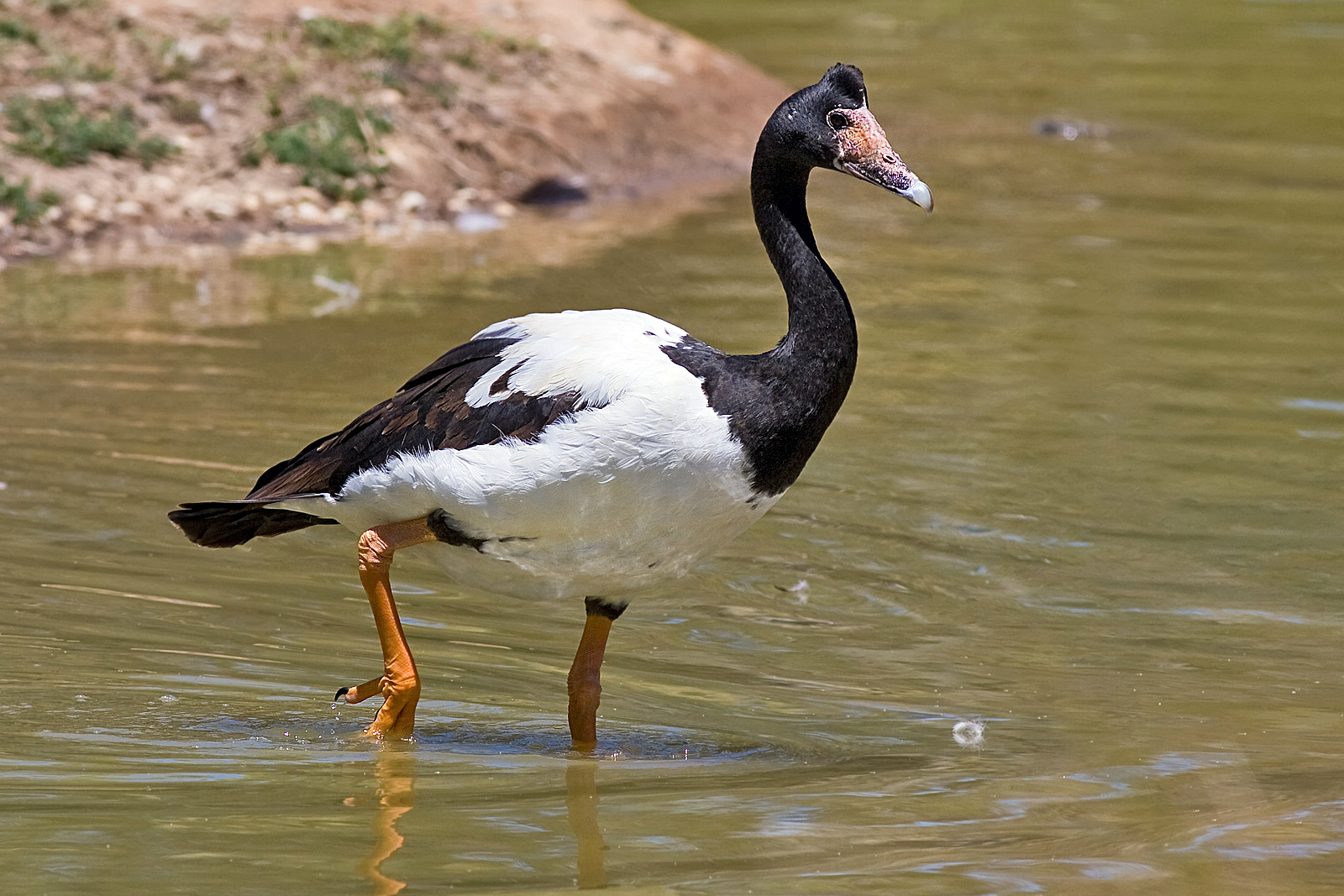
Magpie goose, Anseranas semipalmata
Scientific classification Edit this classification
Kingdom: Animalia
Phylum: Chordata
Class: Aves
Superorder: Galloanserae
Clade: Odontoanserae
Clade: Anserimorphae
Order: Anseriformes
Wagler, 1831
Subtaxa
Range of the waterfowl and allies

Anseriformes is an order of birds also known as waterfowl that comprises about 180 living species of birds in three families: Anhimidae (three species of screamers), Anseranatidae (the magpie goose), and Anatidae, the largest family, which includes over 170 species of waterfowl, among them the ducks, geese, and swans. Most modern species in the order are highly adapted for an aquatic existence at the water surface. With the exception of screamers, males have penises, a trait that has been lost in the Neoaves, the clade consisting of all other modern birds except the galliformes and paleognaths. Due to their aquatic nature, most species are web-footed.

Evolution

[edit]

Anseriformes are one of only two types of modern bird to be confirmed present during the Mesozoic alongside the other dinosaurs, and in fact were among the very few birds to survive their extinction, along with their cousins, the Galliformes. These two groups only occupied two ecological niches during the Mesozoic, living in water and on the ground, while the toothed Enantiornithes were the dominant birds that ruled the trees and air. The asteroid that ended the Mesozoic destroyed all trees as well as animals in the open, a condition that took centuries[citation needed] to recover from. The Anseriformes and Galliformes are thought to have survived in the cover of burrows and water, and not to have needed trees for food and reproduction.[2]

The earliest known stem anseriform is the presbyornithid Teviornis from the Nemegt Formation of Mongolia.[3] Some members apparently surviving the KT extinction event, including presbyornithids, thought to be the common ancestors of ducks, geese, swans, and screamers, the last group once thought to be Galliformes, but now genetically confirmed to be closely related to geese. The first known duck fossils start to appear about 34 million years ago.

Waterfowl are the best-known examples of sexually antagonistic genital coevolution in vertebrates, causing genital adaptations to coevolve in each sex to advance control over mating and fertilization. Sexually antagonistic coevolution (or SAC) occurs as a consequence of sexual conflict between males and females, resulting in coevolutionary process that reduce fit, or that functions to decrease ease of having sex.[4]

Taxonomy

[edit]

The Anseriformes and the Galliformes (pheasants, etc.) belong to a common group, the Galloanserae. They are the most primitive neognathous birds, and as such they should follow the Palaeognathae (ratites and tinamous) in bird classification systems. Several unusual extinct families of birds like the albatross-like pseudotooth birds and the giant flightless gastornithids and mihirungs have been found to be stem-anseriforms based on common features found in the skull region, beak physiology and pelvic region.[5][6][7][8][9][10] The genus Vegavis for a while was found to be the earliest member of the anseriform crown group but a recent 2017 paper has found it to be just outside the crown group in the family Vegaviidae.[11] However, the monophyly of Vegaviidae was questioned by other researchers who described a nearly complete skull of Vegavis in 2025, supporting its placement within crown group Anseriformes.[1]

Below is the general consensus (prior to Torres et al. (2025)[1]) of the phylogeny of anseriforms and their stem relatives.[5][6][7][8][9][11]

Odontoanserae

Pelagornithidae (pseudo-tooth birds)

Anserimorphae

Gastornithidae

Dromornithidae (mihirungs)

Vegaviidae

Anseriformes (screamers and waterfowl)

Systematics

[edit]

Anatidae systematics, especially regarding placement of some "odd" genera in the dabbling ducks or shelducks, is not fully resolved. See the Anatidae article for more information, and for alternate taxonomic approaches. Anatidae is traditionally divided into subfamilies Anatinae and Anserinae.[12] The Anatinae consists of tribes Anatini, Aythyini, Mergini and Tadornini. The higher-order classification below follows a phylogenetic analysis performed by Mikko's Phylogeny Archive[13][14] and John Boyd's website.[15]

Unassigned Anatidae:

In addition, a considerable number of mainly Late Cretaceous and Paleogene fossils have been described where it is uncertain whether or not they are anseriforms. This is because almost all orders of aquatic birds living today either originated or underwent a major radiation during that time, making it hard to decide whether some waterbird-like bone belongs into this family or is the product of parallel evolution in a different lineage due to adaptive pressures.

  • "Presbyornithidae" gen. et sp. indet. (Barun Goyot Late Cretaceous of Udan Sayr, Mongolia) – Presbyornithidae?
  • UCMP 117599 (Hell Creek Late Cretaceous of Bug Creek West, USA)
  • Petropluvialis (Late Eocene of England) – may be same as Palaeopapia
  • Agnopterus (Late Eocene – Late Oligocene of Europe) – includes Cygnopterus lambrechti
  • "Headonornis hantoniensis" BMNH PAL 4989 (Hampstead Early Oligocene of Isle of Wight, England) – formerly "Ptenornis"
  • Palaeopapia (Hampstead Early Oligocene of Isle of Wight, England)
  • "Anas" creccoides (Early/Middle Oligocene of Belgium)
  • "Anas" skalicensis (Early Miocene of "Skalitz", Czech Republic)
  • "Anas" risgoviensis (Late Miocene of Bavaria, Germany)
  • "Anas" meyerii Milne-Edwards 1867 [Aythya meyerii (Milne-Edwards 1867) Brodkorb 1964]
  • Eonessa anaticula Wetmore 1938 {Eonessinae Wetmore 1938}

Phylogeny

[edit]

Living Anseriformes based on the work by John Boyd.[15]

Anseriformes classification

Molecular studies

[edit]

Studies of the mitochondrial DNA suggest the existence of four branches – Anseranatidae, Dendrocygninae, Anserinae and Anatinae – with Dendrocygninae being a subfamily within the family Anatidae and Anseranatidae representing an independent family.[19] The clade Somaterini has a single genus Somateria.

See also

[edit]

References

[edit]

Cited texts

[edit]
Revisions and contributorsEdit on WikipediaRead on Wikipedia
from Grokipedia
Anseriformes is an order of birds known as waterfowl, encompassing approximately 178 species (as of 2023) distributed across three families: Anatidae (ducks, geese, and swans), Anhimidae (screamers), and Anseranatidae (the magpie goose).[1] Most species, particularly in Anatidae, are primarily aquatic and distinguished by adaptations to wetland environments, including fully webbed feet for swimming, broad flattened bills equipped with lamellae for straining food from water, and densely packed waterproof feathers that provide insulation and buoyancy; screamers and the magpie goose exhibit more terrestrial traits with partially webbed feet.[2] [3] The Anatidae family dominates the order with approximately 54 genera and the vast majority of species, while Anhimidae includes three species of ground-dwelling screamers native to South America, and Anseranatidae consists of a single species, the magpie goose, found in northern Australia and New Guinea.[4] [5] Anseriformes are nearly cosmopolitan in distribution, occupying diverse habitats such as freshwater lakes, rivers, marshes, estuaries, and coastal waters across all continents except Antarctica, with many species undertaking long-distance migrations between breeding and wintering grounds.[6] Ecologically, they play key roles in aquatic ecosystems as herbivores, omnivores, and predators of invertebrates, contributing to seed dispersal, nutrient cycling, and serving as prey for various predators.[3] Phylogenetically, Anseriformes forms the waterfowl clade within Galloanseres, sister group to the landfowl order Galliformes, with fossil evidence indicating origins in the late Cretaceous and diversification during the Eocene, exemplified by early forms like Presbyornis.[1] [7] While most species are of least concern, some face threats from habitat loss, hunting, and pollution, highlighting the importance of conservation efforts for maintaining biodiversity in wetland habitats.[6]

Description

Physical characteristics

Anseriformes display considerable variation in body size, ranging from small species such as the green-winged teal (Anas crecca), which measures 31–39 cm in length and weighs 140–500 g, to large species like the trumpeter swan (Cygnus buccinator), which can reach lengths of up to 180 cm and weights of 13.6 kg.[8][9] This diversity in size reflects adaptations to different ecological niches within aquatic environments, with smaller forms often favoring shallow waters and larger ones exploiting open bodies.[2] The plumage of Anseriformes is characteristically dense and waterproof, maintained through oil secreted by the uropygial gland and distributed via preening, which coats the interlocking barbules of the feathers to repel water.[10] These feathers often include a reduced aftershaft, a secondary structure arising from the base of the main feather shaft, contributing to insulation beneath the outer contour feathers.[11] Many species undergo a simultaneous post-breeding molt of all primary flight feathers, resulting in a temporary flightless period lasting 3–4 weeks during which they seek cover in water or dense vegetation for protection.[12] The bill in Anseriformes is typically broad and flattened, featuring transverse lamellae—comb-like structures along the edges—that function as filters to strain food particles from water or mud.[10] In specialized feeders like the northern shoveler (Spatula clypeata), the bill takes a distinctive spatula shape with pronounced lamellae, enabling efficient sieving of small invertebrates and seeds from shallow waters.[13] The feet are generally fully webbed, providing propulsion for swimming, though in screamers (family Anhimidae), the webbing is partial, with longer toes suited to terrestrial movement alongside aquatic activity.[14] Vocalization in Anseriformes is produced by the syrinx, a unique avian vocal organ located at the tracheobronchial junction. This structure exhibits sexual dimorphism particularly in ducks of the family Anatidae, where males possess an enlarged left bronchial bulla that enhances vocal complexity for generating loud, resonant calls such as quacks. Other families produce diverse sounds like honks in geese or screams in Anhimidae, adapted to their respective communication needs.[15]

Anatomical adaptations

Anseriformes possess a highly efficient respiratory system characterized by a rigid lung supplemented by a series of air sacs that enhance oxygen delivery and buoyancy during submersion. The air sacs, including cervical, interclavicular, cranial thoracic, caudal thoracic, and abdominal groups, facilitate unidirectional airflow through the lungs, allowing for sustained aerobic activity even during prolonged dives in species like diving ducks.[16] In diving-adapted subclades such as the Oxyurini, Aythyini, and Mergini, postcranial skeletal pneumaticity—extensions of the air sacs into bones—is notably reduced or absent, which minimizes compressible air volume to prevent buoyancy issues and barotrauma under pressure.[16] Marine and brackish-water species, including sea ducks like the eider (Somateria spp.), feature supraorbital salt glands that excrete hypertonic saline solution, enabling effective osmoregulation by removing excess sodium and chloride ions ingested from seawater or saline foods.[17] These glands, located above the eyes, activate in response to elevated plasma osmolality, with function varying by habitat affinity; for instance, saline-tolerant species like the black duck (Anas rubripes) exhibit more robust glandular activity compared to freshwater mallards (Anas platyrhynchos).[18] The digestive tract of Anseriformes is adapted for a primarily herbivorous or omnivorous diet, featuring a simple proventriculus and ventriculus (gizzard) that grinds tough plant material with the aid of ingested grit.[19] In herbivorous taxa such as geese (Anser spp.), paired ceca at the junction of small and large intestines host microbial fermentation, breaking down cellulose from grasses and sedges to yield volatile fatty acids as an energy source.[19] This adaptation supports high-fiber intake, with cecal length and microbial diversity correlating to dietary grass content; for example, in the magpie goose (Anseranas semipalmata), fermentation efficiency peaks during monsoon-season herbage consumption.[20] Sensory adaptations in Anseriformes emphasize visual acuity suited to both aerial vigilance and aquatic foraging. Eyes are positioned laterally on the head, providing a panoramic field of view exceeding 300 degrees horizontally, which aids in predator detection while grazing or dabbling.[21] For underwater foraging, species like dabbling ducks (Anas spp.) possess a relatively flat cornea and a pecten oculi that supplies nutrients to the retina, enhancing resolution in low-light aquatic environments without specialized retinal specializations beyond those common to birds.[22] Binocular overlap is limited but sufficient for precise bill placement during feeding, with visual fields extending above the head to monitor threats during immersion.[21] Skeletal features of Anseriformes balance the demands of flight and aquatic locomotion through a keeled sternum that anchors powerful pectoral muscles for wing propulsion. Bones are lightweight and extensively pneumatized in non-diving forms, with air sac diverticula invading the vertebrae, ribs, sternum, and proximal limb elements to reduce mass while maintaining structural integrity.[16] In diving specialists, such as stiff-tailed ducks (Oxyura spp.), pneumaticity is minimized to enhance hydrostatic compression tolerance, representing convergent evolution across multiple anseriform lineages.[16] Thermoregulation in Anseriformes involves specialized mechanisms to conserve heat in cold aquatic environments. The uropygial gland, located at the tail base, secretes waxy oils that birds apply during preening to maintain feather waterproofing and insulation, preventing heat loss through plumage wetting.[23] In the legs, a countercurrent heat exchange system between arteries and veins minimizes conductive heat loss to water, with warm arterial blood transferring heat to cooler venous return, thereby retaining core body temperature during prolonged exposure.[24] This vascular arrangement is particularly pronounced in species frequenting icy waters, such as the common eider.[24]

Evolutionary history

Fossil record

The fossil record of Anseriformes begins in the Late Cretaceous, with the earliest known representatives belonging to the extinct family Presbyornithidae, which exhibit a mix of wading and waterfowl characteristics. Notable examples include Teviornis gobiensis from the Nemegt Formation in southern Mongolia, dated to approximately 70 million years ago (mya), and Vegavis iaai from Antarctica (~67-69 mya), representing some of the oldest definitive anseriform fossils and bridging early waterfowl morphology with galliform relatives.[25][26] During the Eocene, presbyornithids diversified widely across the Northern Hemisphere and Australia, dominating lacustrine environments. The Green River Formation in Wyoming, USA, dated to about 50 mya, preserves exceptional specimens of Presbyornis pervetus, including nearly complete skeletons that highlight early adaptations for aquatic foraging in freshwater lakes. This site underscores the rapid post-Cretaceous-Paleogene (K-Pg) radiation of anseriforms in North America. Concurrently, the extinct subfamily Romainvilliinae emerged in the Late Eocene, with fossils like Romainvillia stehlini from France and Romainvillia kazachica from Kazakhstan (approximately 37-34 mya) indicating the initial diversification of more duck-like forms within Anatidae. In Australia, possible early records of Dromornithidae, giant flightless anseriforms, appear from Eocene deposits, though their definitive radiation is better documented in the Oligocene.[27][28][29][30] The Oligocene and Miocene periods reveal further anatid evolution, with Anserpica from the Late Oligocene of France (around 25 mya) providing evidence of early goose-like taxa and the spread of crown-group features. Dromornithids in Australia grew to enormous sizes, with species like Dromornis stirtoni from Miocene sites reaching heights of 3 meters and weights exceeding 500 kg, adapting to terrestrial habitats amid aridifying conditions. Many basal lineages, including presbyornithids, went extinct by the early Oligocene, likely influenced by Middle Eocene climate cooling and habitat shifts that favored more specialized aquatic forms.[31][32] Recent molecular clock analyses, incorporating post-2020 fossil calibrations, estimate the stem origin of Anseriformes around 70 mya in the Late Cretaceous, aligning with the fossil evidence and suggesting survival through the K-Pg extinction via versatile ecological niches. These estimates highlight an incomplete record, with gaps in southern continents, but confirm a global Paleogene peak in diversity before Miocene consolidations.[33][27]

Origin and diversification

Anseriformes, as part of the Galloanseres clade, originated through the divergence from Galliformes in the Late Cretaceous, approximately 79.62 million years ago (Mya), likely on the Gondwanan supercontinent.[34] This split reflects early avian diversification within the neornithine radiation, with molecular evidence supporting a Cretaceous stem for the group.[35] The Cretaceous-Paleogene (K-Pg) mass extinction event around 66 Mya played a pivotal role in their subsequent radiation, as it eliminated many archaic avian lineages and non-avian dinosaurs, creating ecological vacancies in wetland and aquatic habitats that favored surviving neornithines.[36] Fossil and phylogenetic analyses indicate that Anseriformes were among the groups that rapidly exploited these opportunities, transitioning from terrestrial or semi-aquatic ancestors to more specialized waterfowl forms.[37] Diversification in Anseriformes unfolded in distinct phases tied to paleoclimatic and geological changes. In the Eocene (56-34 Mya), early aquatic adaptations emerged, including diving capabilities and lamellate bill structures for filter-feeding, as seen in basal taxa like presbyornithids that inhabited shallow wetlands.[38] This period marked the initial radiation of crown-group lineages, with fossils suggesting a shift toward herbivorous diets in expanding Paleogene lake systems.[27] By the Oligocene (34-23 Mya), continental spread accelerated, with presbyornithid-like forms dispersing to Europe and North America, facilitated by cooling climates that promoted wetland proliferation across landmasses.[39] Pleistocene ice ages (2.58 Mya to present) further drove speciation, particularly in Anatidae (ducks and geese), through glacial cycles that fragmented habitats and isolated populations, leading to adaptive radiations in cold-temperate regions.[40] Key evolutionary drivers included climate shifts and continental drift, with Gondwanan vicariance shaping basal lineages like screamers (Anhimidae) in South America and the magpie goose (Anseranatidae) in Australasia.[39] Post-K-Pg adaptation to wetlands was central, as ancestral Anseriformes evolved aquatic herbivory, with rhamphothecal lamellae enabling efficient foraging in post-extinction ecosystems.[41] Recent studies (2022-2024) emphasize a mix of vicariance and dispersal in Southern Hemisphere taxa, where Gondwanan breakup contributed to early splits, but overwater dispersal events post-Eocene explain broader distributions in groups like Anatidae.[27] While hybridization has been noted in modern ducks, its role in diversification remains secondary to environmental pressures.[42]

Taxonomy

Classification

Anseriformes constitutes a monophyletic order within the class Aves, encompassing waterfowl and allied birds, with three recognized families: Anatidae (ducks, geese, and swans), Anhimidae (screamers), and Anseranatidae (magpie goose).[43][44] The order is part of the clade Galloanseres, sister to Galliformes, and is characterized by shared morphological traits such as a broad, lamellate bill adapted for filter-feeding and webbed feet for aquatic locomotion.[44] Approximately 180 extant species are included, reflecting ongoing taxonomic refinements including the recognition of new duck species through taxonomic splits in 2021, such as within the Anas complex based on genetic and vocal distinctions.[44][45][5] The taxonomic framework originated with Carl Linnaeus in his 1758 Systema Naturae, where he established the order Anseres to group ducks, geese, and swans under genera like Anas and Anser, emphasizing external morphology such as webbed feet and aquatic habits.[46] By the 19th century, classifications diverged, with European ornithologists like John Gould and American counterparts separating screamers into the distinct order Palamedeae due to their terrestrial habits and horn-like spurs, while maintaining Anseres for the core waterfowl. These splits were driven by anatomical studies focusing on skeletal differences, such as the screamers' more cursorial leg structure compared to the swimming-adapted anatids. Contemporary classifications affirm the monophyly of Anseriformes, incorporating molecular and morphological data to unite the three families, though debates persist on internal arrangements.[27] Screamers (Anhimidae) are positioned as basal within the order, potentially as a sister group to the remaining taxa, based on shared synapomorphies like a unique carotid artery configuration, yet some analyses suggest closer affinity to anatids over the magpie goose.[47] The magpie goose (Anseranatidae) is often regarded as an outgroup to Anatidae, supported by its climbing adaptations and distinct plumage, but its exact placement remains contentious in light of fossil evidence indicating early divergence.[27] Revisions in the IOC World Bird List as of version 15.1 (2025) maintain the three-family structure without formal suborder divisions, aligning with broader phylogenetic consensus while noting provisional status for certain basal lineages.[48]

Families and subfamilies

The order Anseriformes encompasses three extant families: Anhimidae, Anseranatidae, and Anatidae, comprising approximately 180 living species across 48 to 58 genera.[44][49] The family Anhimidae, known as screamers, includes only three species in two genera, characterized by their terrestrial habits and unique horn-like structures on the bills of some members, such as the horned screamer (Anhima cornuta). These South American birds are notable for their loud vocalizations and partially webbed feet adapted for walking on land.[50] Anseranatidae is a monotypic family consisting of a single species, the magpie-goose (Anseranas semipalmata), which exhibits semi-terrestrial behaviors and inhabits wetlands in northern Australia and New Guinea. This species features knob-like caruncles on its bill and partially webbed feet, reflecting its intermediate position between screamers and typical waterfowl.[51] The Anatidae family is the most diverse, with approximately 174 species in 49 genera, encompassing ducks, geese, and swans worldwide. It is subdivided into several subfamilies based on morphological and genetic evidence, including Anatinae (dabbling ducks, e.g., genus Anas including the mallard Anas platyrhynchos), Aythyinae (diving ducks, e.g., genus Aythya such as the canvasback Aythya valisineria), and Anserinae (geese and swans, e.g., genus Cygnus for swans like the mute swan Cygnus olor and genus Anser for geese). Other recognized subfamilies include Tadorninae (shelducks), Dendrocygninae (whistling ducks), and Merginae (sea ducks, including mergansers and eiders), with recent genetic studies affirming the distinct status of Merginae as a full subfamily rather than a tribe within Anatinae.[52][53][54][55] Extinct families within Anseriformes include the Dromornithidae, a group of large, flightless birds from Australia during the Cenozoic era, related to modern waterfowl through shared anseriform traits confirmed by recent fossil analyses.[56][57]

Phylogeny

The order Anseriformes is monophyletic, as confirmed by early molecular studies using mitochondrial DNA sequences from the control region, which resolved relationships among 45 waterfowl species and supported the inclusion of screamers (Anhimidae) and the magpie-goose (Anseranatidae) within the order.[58] These analyses identified Anseranatidae as the basal lineage, diverging early from the remaining anseriforms, with Anatidae forming the crown group comprising ducks, geese, and swans.[58] Subsequent mitogenomic studies in the 2010s, incorporating complete mitochondrial genomes from 30 species, refined the tree topology and estimated divergence times using fossil-calibrated Bayesian methods. Screamers (Anhimidae) emerged as the sister group to all other Anseriformes, followed by a split between Anseranatidae and the clade containing Anatidae plus whistling ducks (Dendrocygna). The divergence between the Anseranatidae-Anhimidae clade and the Anatidae-Dendrocygnidae group occurred approximately 58.5 million years ago (95% highest posterior density: 48.5–68.4 Ma), marking the early Paleogene radiation of core waterfowl lineages. Within Anatidae, the crown group diversified rapidly, with evidence of hybridization zones complicating phylogenetic inference, particularly in genera like Anser (true geese), where gene flow has led to reticulate evolution and incomplete lineage sorting. Ongoing debates center on the position of whistling ducks (Dendrocygna), often proposed as an early offshoot or even warranting separation as a distinct family (Dendrocygnidae) due to their morphological and genetic distinctiveness from other Anatidae. Recent whole-genome sequencing analyses from 2024, encompassing 100+ species, have resolved these relationships more precisely, confirming screamers as the most basal lineage and placing whistling ducks as sister to the remaining Anatidae, while integrating hybridization signals to reconstruct a robust phylogenomic tree. These genomic approaches highlight convergent adaptations but affirm the monophyly of major clades without altering the core structure established by earlier molecular work.

Distribution and habitats

Global range

Anseriformes exhibit a cosmopolitan distribution, occurring on all continents except Antarctica. This order encompasses approximately 178 species adapted to a wide array of aquatic and wetland environments across the globe.[59] The highest species diversity is concentrated in the temperate regions of the Northern Hemisphere, where families like Anatidae dominate with numerous duck and goose species thriving in freshwater and coastal habitats.[60] Regional hotspots underscore the order's biogeographic patterns, with notable endemism in certain areas. In the Neotropics, the torrent duck (Merganetta armata) is restricted to fast-flowing Andean rivers from Venezuela through Colombia, Ecuador, Peru, Bolivia, Chile, and Argentina, representing a specialized lineage within the Anatidae family.[61] Similarly, Australasia hosts unique endemics such as the pink-eared duck (Malacorhynchus membranaceus), which is widespread across Australia in ephemeral wetlands and occasionally reaches Tasmania.[62] Human-mediated introductions have expanded the ranges of several Anseriformes beyond their native distributions. Domestic ducks, derived primarily from mallard (Anas platyrhynchos) stock, are now established worldwide through agricultural practices. Feral populations of mallards, originating from at least 30,000 deliberate releases between the 19th and 20th centuries, have become widespread in New Zealand, forming self-sustaining groups estimated at nearly 3 million individuals that interbreed with native species.[63] Historical range dynamics reveal post-glacial expansions that shaped current distributions, particularly among geese. Following the Pleistocene glacial maxima, species like Canada geese (Branta canadensis) underwent rapid northward expansions into deglaciated areas of North America, accompanied by population growth and genetic diversification.[64] More recently, climate change has driven range contractions in several Anseriformes; for instance, 2024 assessments indicate shifts in northern breeding boundaries for waterbirds including geese, with warming temperatures reducing suitable habitats at high latitudes.[65]

Habitat preferences

Anseriformes primarily occupy a range of aquatic environments, including wetlands, rivers, lakes, ponds, streams, swamps, and marshes, which provide essential resources for feeding, breeding, and resting.[2] These birds are predominantly associated with freshwater systems, though some groups extend into brackish or marine habitats, particularly during non-breeding seasons.[66] Sea ducks within the order, such as those in the Anatidae family, frequently utilize marine coasts, including seacoasts, sheltered bays, and estuaries, especially in winter when they forage along shorelines and in nearshore waters.[67] Habitat preferences vary significantly among Anseriformes groups, reflecting differences in foraging strategies and ecological roles. Geese often favor open grasslands and agricultural fields adjacent to wetlands for grazing on emergent vegetation and crops, while maintaining proximity to water bodies for safety.[68] Screamers (Anhimidae) are adapted to tropical or subtropical open savannas, meadows, and floodplains, where they exploit a mix of grassy areas and wetland edges in moist tropical forests.[69] Diving ducks, in contrast, prefer deeper waters in lakes, large wetlands, or coastal zones, allowing them to submerge for aquatic prey and plants.[70] Certain Anseriformes demonstrate remarkable adaptations to extreme environments. Snow geese (Anser caerulescens) thrive in Arctic tundra wetlands during breeding, nesting in coastal marshes and low-lying areas with sparse vegetation that supports their graminivorous diet.[71] Whistling ducks (Dendrocygna spp.) are well-suited to tropical floodplains, swamps, and seasonally inundated grasslands, where fluctuating water levels create dynamic foraging opportunities in shallow, vegetated pools.[72] At finer scales, Anseriformes exhibit specific microhabitat preferences that enhance survival and resource access. Many species, particularly dabbling ducks, select shallow waters along wetland edges for upending to feed on submerged vegetation and invertebrates, often within 0.5–1 meter depths.[73] Reed beds and emergent vegetation stands, such as those dominated by Phragmites or Typha, serve as critical cover for nesting and predator avoidance, with species like teals showing strong affinity for these structurally complex areas during high water periods.[74] Recent studies highlight the vulnerability of Anseriformes habitats to anthropogenic pressures, with habitat loss exacerbating population declines. A 2023 review of waterbird habitat quality metrics emphasized that degradation of wetlands through drainage and pollution reduces availability of shallow, vegetated microhabitats, directly impacting foraging efficiency and breeding success across the order.[75] Similarly, the 2025 Waterfowl Population Status Report documented how agricultural intensification and climate-driven alterations in wetland hydrology have led to reduced carrying capacity in key areas, including a 19% decrease in May pond estimates to 4.2 million (20% below long-term average), prompting calls for targeted restoration to mitigate these effects.[76]

Behavior

Foraging and diet

Anseriformes exhibit a predominantly omnivorous diet, encompassing seeds, aquatic vegetation, invertebrates such as insects and mollusks, and occasionally small fish or crustaceans. Ducks (Anatinae) often filter-feed on a mix of plant matter and invertebrates using their specialized bills, while geese (Anserinae) primarily graze on grasses, sedges, and agricultural crops, and swans (Cygnus spp.) consume larger quantities of aquatic roots, tubers, and stems. Screamers (Anhimidae) forage terrestrially for plants, seeds, and invertebrates by probing soil, while the magpie goose (Anseranatidae) grazes on grasses and sedges both on land and in shallow water.[69][77] This dietary diversity supports their ecological roles across wetland and terrestrial habitats, with nutritional needs met through a balance of proteins from animal sources and carbohydrates from plants.[78][79][80][81] Foraging strategies in Anseriformes are adapted to their environments and body sizes, including surface dabbling, upending (tilting the body to reach submerged food), and diving. Dabbling ducks, such as mallards (Anas platyrhynchos), feed by tipping up in shallow water to sieve mud or vegetation with comb-like lamellae on their bills, while diving species like the long-tailed duck (Clangula hyemalis, formerly oldsquaw) plunge to depths of up to 60 meters to capture benthic invertebrates. Geese and swans typically forage on the surface or by grazing on land, using broader bills to grasp vegetation. Screamers walk and run to forage on the ground, with limited swimming. These methods are facilitated by tactile bill-tip organs that enhance prey detection in low-visibility conditions.[82][83][10][84][69] Dietary composition often shifts seasonally to optimize energy intake, with many species increasing consumption of protein-rich invertebrates during the breeding season to support reproduction, while relying more on herbaceous plants outside this period. For instance, greater white-fronted geese (Anser albifrons) shift from seeds and grains in winter to sedges, grasses, and berries in summer. Tool use remains rare, though urban-adapted ducks occasionally exploit anthropogenic foods like bread or maize in parks. Recent 2025 research highlights emerging threats to these diets, revealing microplastic ingestion in 58% of studied North American waterfowl, including ducks and geese, potentially disrupting nutrient absorption and causing physiological stress.[85][81][86][87] Ecologically, Anseriformes play key roles in seed dispersal via endozoochory, where ingested seeds pass through their digestive tracts viable, promoting plant propagation across wetlands and farmlands; waterfowl like mallards and Canada geese (Branta canadensis) are particularly effective dispersers of both native and invasive species. However, intensive grazing by geese can lead to overgrazing in agricultural areas, reducing crop yields in grasslands and winter wheat fields by up to 20-30% in heavily impacted regions.[88][89][90][91]

Locomotion and migration

Anseriformes exhibit versatile locomotion adapted to aquatic and terrestrial environments, primarily through powerful flight, efficient swimming, and terrestrial walking. Flight is the dominant mode for long-distance travel, with cruising speeds typically ranging from 50 to 80 km/h in species like the mute swan (Cygnus olor), which can reach up to 80.5 km/h during sustained flight.[92] Larger species, such as geese, achieve burst speeds exceeding 100 km/h when necessary, enabling rapid escapes or migrations, though sustained high speeds are limited by energy costs. Swimming relies on webbed feet for paddling, with common eiders (Somateria mollissima) attaining speeds of up to 3.99 m/s (approximately 14.4 km/h) during "steaming" propulsion on the water surface.[93] On land, walking involves a waddling gait using strong legs, with mallard ducklings (Anas platyrhynchos) achieving terrestrial sprint speeds that reach 40% of adult levels by hatch day 3, though adults prioritize aquatic efficiency over terrestrial speed. Screamers are strong runners and fliers for short distances but poor swimmers, while the magpie goose walks and swims effectively in shallow water.[94][69][77] Migration in Anseriformes is predominantly latitudinal in northern hemisphere species, involving seasonal shifts between high-latitude breeding grounds and temperate or subtropical wintering areas, often covering thousands of kilometers. For instance, barnacle geese (Branta leucopsis) migrate from Arctic breeding sites in Svalbard and Greenland to wintering grounds in Scotland and Ireland, traversing approximately 3,000 km each way.[95] Altitudinal migrations occur in montane populations, exemplified by bar-headed geese (Anser indicus), which breed at elevations of 2,000–4,500 m on the Tibetan Plateau and overwinter at sea level in India, routinely crossing the Himalayas at altitudes of 4,500–6,000 m during their biannual journeys.[96] These patterns reflect adaptations to seasonal resource availability, with many species undertaking incomplete migrations where southern populations travel shorter distances or remain resident.[97] Navigation during migration combines celestial cues, geomagnetic fields, and visual landmarks to maintain orientation over vast distances. Waterfowl orient using the sun as a compass during daytime flights and stars at night, supplemented by the Earth's magnetic field for directional information, as demonstrated in experimental releases of homing pigeons and extrapolated to migratory anseriforms. Landmarks such as rivers, coastlines, and mountain ranges provide piloting guidance for point-to-point routes in familiar areas, particularly in species like ducks that follow topographic features during shorter segments.[98] Geese often fly in V-formations to enhance efficiency, where trailing birds exploit updrafts from leaders, yielding estimated savings of 14% in induced power for pink-footed geese (Anser brachyrhynchus) at typical wing-tip spacings, though theoretical maxima reach 51% under optimal conditions.[99] Philopatry, or fidelity to natal or breeding sites, is a key feature of anseriform migration, promoting return to productive areas across generations. Female waterfowl exhibit breeding site philopatry, with return rates typically around 40-50% in species like mallards.[100] Exceptions occur in nomadic desert-adapted ducks, such as certain Australian shelducks (Tadorna spp.), which undertake irregular, weather-dependent movements without fixed migratory routes due to unpredictable water availability.[101] Recent satellite tracking reveals climate-driven shifts in these patterns; for example, 2024 analyses of European goose populations indicate declining migration distances, with southern populations showing annual reductions of up to 22.5 km in response to warmer winters, altering traditional latitudinal flows.[97]

Social and mating behaviors

Anseriformes exhibit a range of social structures, from highly gregarious flocking to more solitary behaviors in certain lineages. Many species, particularly ducks, geese, and swans in the family Anatidae, form large flocks during non-breeding seasons, providing protection against predators through collective vigilance and early warning systems. For instance, snow geese (Anser caerulescens) aggregate in flocks numbering in the tens of thousands, where sentinel individuals alert the group to threats such as eagles or coyotes, reducing individual risk of predation.[102][103] In contrast, screamers in the family Anhimidae display lower sociality, often occurring as solitary individuals or in small groups of pairs and up to six birds outside the breeding season, with breeding pairs remaining isolated to defend territories. The magpie goose forms loose flocks but pairs strongly for breeding.[104][105][77] Mating systems in Anseriformes vary across taxa, with monogamy predominant but exceptions involving polygyny. Geese and swans typically form strong, often lifelong monogamous pair bonds that persist across seasons, facilitating coordinated defense and parental care.[106][107] In contrast, some sea ducks like eiders (Somateria spp.) exhibit polygynous systems, where dominant males mate with multiple females, leading to resource defense polygyny centered on high-quality nesting sites.[108] Courtship displays are elaborate and species-specific, serving to attract mates and reinforce pair bonds. In many ducks, head-pumping involves rhythmic bobbing of the head by both sexes, often accompanied by vocalizations and performed in water to signal readiness for copulation.[109] Geese and swans engage in triumph ceremonies, characterized by mutual head waving, calling, and upright postures following the repulsion of intruders, which strengthens pair cohesion and territorial claims.[110] Aggression in Anseriformes manifests in territorial defense and interspecific interactions, particularly during breeding. Males and females engage in physical confrontations, such as wing-slapping and pecking, to secure nesting areas, as observed in steamer-ducks (Tachyeres spp.) where interspecific fights occur over shared wetlands.[111] Kleptoparasitism also plays a role, with skuas (Stercorarius spp.) frequently chasing and forcing ducks, including eiders, to regurgitate or drop captured fish and invertebrates during foraging bouts.[112] Recent ethological research highlights urban adaptations in these behaviors, such as increased vigilance and reduced aggression in mallards (Anas platyrhynchos) inhabiting city parks, where human presence alters traditional flocking and territorial dynamics.[113]

Reproduction and life cycle

Breeding systems

Anseriformes exhibit distinct breeding seasonality influenced by environmental cues and geographic distribution. In temperate regions, breeding typically occurs in spring, aligning with increased daylight and food availability, as seen in species like mallards (Anas platyrhynchos) where pairs form in winter and laying begins in March to May.[114] In tropical areas, breeding can be year-round or peak during the dry season for many duck species, allowing opportunistic responses to local resource pulses without strict seasonal constraints.[115] Mating strategies in Anseriformes are predominantly socially monogamous, with females exerting strong mate choice based on male courtship displays such as head-pumping, wing-flapping, and vocalizations to assess male quality and genetic fitness.[116] Extra-pair copulations are prevalent due to sexual conflict, particularly forced copulations by non-paired males, resulting in genetic polyandry where 10-40% of broods may contain extra-pair offspring across various species, enhancing male reproductive success at the expense of pair stability.[117] Polyandry is rare in Anatidae but more common in Anseranatidae, as in the magpie goose (Anseranas semipalmata), which often breeds in polygynous trios (one male with two females) that cooperatively raise young. In Anhimidae (screamers), pairs are typically monogamous with biparental care.[118][119] Clutch sizes in Anseriformes generally range from 5 to 12 eggs in Anatidae, reflecting adaptations in precocial species like ducks and geese where larger clutches compensate for high predation risks and enable rapid population recovery; screamers lay 2-7 eggs, while magpie geese lay 5-14.[120] Recent genetic studies, including a 2023 analysis of American black ducks (Anas rubripes), have expanded understanding of paternity dynamics by revealing multi-paternal broods in up to 37% of nests due to extra-pair fertilizations, highlighting previously underappreciated variability in reproductive strategies beyond traditional observations.[121]

Nesting and incubation

Nests in Anseriformes are diverse but generally simple structures adapted to concealed or protected sites near water. Most species, including many ducks and geese, construct ground scrapes—shallow depressions in soil, vegetation, or gravel—lined with plant material and down feathers plucked from the female's breast for insulation and camouflage.[122] Tree-nesting species, such as wood ducks (Aix sponsa) and goldeneyes (Bucephala spp.), use natural cavities or abandoned woodpecker holes high in trees, often over water for predator avoidance.[66] Shelducks (Tadorna spp.) typically nest in burrows, rock crevices, or rabbit holes, while some like the common eider (Somateria mollissima) form colonial ground nests in dense aggregations on beaches or islands, incorporating nearby vegetation and seaweed.[122] Screamers and magpie geese build platform nests of vegetation, often in wetlands or trees. These nest types prioritize proximity to foraging areas while minimizing predation risk, though colonial setups can increase exposure to shared threats.[123][118] Egg-laying follows a consistent pattern, with females depositing one egg every 24-48 hours until the clutch is complete, often beginning incubation only after the last egg to synchronize hatching.[122] Eggs in Anseriformes are typically oval to elliptical, ranging from white or pale buff in most ducks and geese to creamy or lightly speckled in some swans and diving ducks; colors like pale green or blue occur in species such as the ruddy duck (Oxyura jamaicensis).[12] Egg size correlates with female body mass, from about 20-30 g in small ducks to over 200 g in swans, providing resources for precocial young.[124] Incubation periods vary by taxon, lasting 24-28 days in most ducks, 28-33 days in geese, 35-42 days in swans, 28-30 days in magpie geese, and 42-45 days in screamers, during which the incubating parent maintains a temperature of approximately 37.5°C by turning the eggs regularly.[122][125] Incubation is predominantly a female responsibility across Anatidae, with the hen covering eggs with down when departing briefly to feed, ensuring minimal heat loss.[122] Males typically remain nearby to guard against predators, though they rarely share incubation duties; exceptions include rare observations of male nest-sitting in barnacle geese (Branta leucopsis), possibly to relieve the female during extreme conditions.[126] In Anhimidae and Anseranatidae, both parents share incubation duties, enhancing nest defense.[127][119] Brood parasitism occurs within Anseriformes, particularly as conspecific brood parasitism (CBP), where females lay eggs in other individuals' nests to increase reproductive output; this tactic is disproportionately prevalent in waterfowl compared to other bird orders.[128] The black-headed duck (Heteronetta atricapilla) exemplifies intra-order obligate parasitism, depositing eggs in nests of coots or other ducks, leaving all care to hosts.[129] Such behaviors can elevate clutch sizes but reduce host success if parasitic eggs hatch first.[130] Habitat loss has impacted nest success, with studies on over-water nesting ducks in California reporting rates ranging from under 5% to 36%, attributed to increased predation and flooding in fragmented wetlands.[131]

Development of young

Anseriform young exhibit precocial development, hatching with eyes open, a covering of downy feathers, and the ability to move about independently shortly after emergence from the egg.[132] This mobility allows chicks to follow parents and begin foraging soon after hatching, though they remain dependent on adults for protection and guidance. A key behavioral adaptation in these precocial chicks is filial imprinting, where they form a strong attachment to the first moving object they encounter during a sensitive period shortly after hatching, typically the parent.[133] Classic studies by Konrad Lorenz on greylag geese (Anser anser) demonstrated this process, showing that goslings imprinted on and followed human handlers as if they were parents when isolated from adults at hatching.[134] Fledging periods in Anseriformes generally range from 40 to 70 days, varying by species and environmental conditions, after which young achieve flight capability and greater independence.[2] Parental care during this phase differs markedly between diving ducks (e.g., Aythya species) and dabbling ducks (e.g., Anas species). In diving ducks, ducklings are often fed by parents through active provisioning, as their deep-water foraging requires assistance until fledging, whereas dabbling duck chicks typically self-forage on surface vegetation and invertebrates from an early age with less direct feeding.[135] In Anhimidae and Anseranatidae, both parents provide care to precocial young. Juvenile survival in Anseriformes is low, with first-year mortality often ranging from 50% to 80%, influenced by predation, weather, and resource availability.[136] Sibling rivalry contributes to this, as larger or older chicks in broods may dominate access to food and parental attention through aggressive interactions like chasing and threats, potentially reducing survival of smaller siblings.[137] Sexual maturity is typically reached at 1 to 3 years of age across Anseriformes, with smaller ducks maturing around 1 year, geese at 2 years, and larger swans up to 3-5 years.[9]

Conservation status

Major threats

Anseriformes face significant anthropogenic pressures that threaten their populations worldwide. The primary threat is habitat loss, particularly the drainage and conversion of wetlands for agriculture, urbanization, and development. Globally, approximately 50% of wetlands have been lost since 1900, severely reducing breeding, foraging, and migration sites essential for ducks, geese, and swans.[138] Urban expansion exacerbates this issue by fragmenting remaining habitats and increasing human-wildlife conflicts in coastal and inland areas.[139] Hunting and poaching also pose major risks, with legal harvests in North America alone exceeding 15 million ducks annually in recent seasons, alongside unregulated illegal take in other regions.[140] These activities can disrupt population dynamics, especially for migratory species vulnerable during concentrated stopovers. Pollution further endangers Anseriformes through direct and indirect pathways. Lead poisoning from ingested ammunition fragments kills an estimated 1 million wildfowl annually in Europe and causes sublethal effects like impaired reproduction in North American populations.[141] Pesticides contaminate food chains, leading to eggshell thinning and reduced chick survival in species such as mallards and black ducks.[142] Climate change amplifies these threats by altering migration patterns and breeding phenology. Warmer temperatures cause mismatches between arrival times and peak food availability, reducing reproductive success in Arctic-nesting geese like the white-fronted goose.[143] Recent assessments highlight intensified wetland degradation from sea-level rise and droughts, projecting up to 70% habitat loss for waterbirds in vulnerable deltas such as the Ebro Delta by 2100 under high-emissions scenarios.[139][144] Invasive species introduced through human activities compete with native Anseriformes for resources and nesting sites. For instance, feral mallards hybridize with endemic ducks like the Florida mottled duck, diluting genetic purity, while Egyptian geese outcompete locals for foraging areas in Europe and Africa.[145][146] Mute swans aggressively displace native waterfowl in North American wetlands through territorial behavior.[147]

Protected species and efforts

Several species within Anseriformes are classified as threatened on the IUCN Red List, with approximately 20% facing extinction risks due to habitat loss, hybridization, and other pressures. For instance, the Hawaiian duck (Anas wyvilliana) is listed as Vulnerable globally by the IUCN, though it holds Endangered status under the U.S. Endangered Species Act, with populations estimated at 700–1,000 mature individuals (as of 2023) primarily on Kauai and other Hawaiian islands.[148][149] Similarly, the Madagascar pochard (Aythya innotata) remains Critically Endangered, with its wild population estimated at around 80 individuals (as of 2025) at Lake Sofia following rediscovery in 2006 after being presumed extinct. As of October 2025, surveys counted 82 individuals, indicating slight growth from prior estimates.[150][151][152] Conservation efforts for Anseriformes emphasize habitat protection and international cooperation. The Ramsar Convention on Wetlands designates critical sites that support waterfowl breeding, migration, and wintering, including coastal and inland wetlands vital for Anseriformes species across their ranges.[153] Organizations like Ducks Unlimited have conserved over 19 million acres of wetlands in North America since 1937, focusing on restoration projects that benefit ducks, geese, and swans by enhancing breeding and foraging habitats.[154] The Agreement on the Conservation of African-Eurasian Migratory Waterbirds (AEWA) covers 255 wetland-dependent species, including numerous Anseriformes, through action plans that promote sustainable hunting, habitat management, and transboundary cooperation.[155] Captive breeding and reintroduction programs have been pivotal for several threatened species. The Hawaiian duck has benefited from captive propagation and releases, with over 300 birds reintroduced to Oahu between 1958 and 1982, contributing to population recovery despite ongoing hybridization challenges with mallards.[148] For the Madagascar pochard, a 2024 milestone saw Durrell Wildlife Conservation Trust release captive-bred individuals into the wild at Lake Sofia, marking progress in a multi-year program that has produced over 100 ducklings since 2017 to bolster the remnant population.[156][157] Notable success stories highlight the impact of these initiatives. The trumpeter swan (Cygnus buccinator) recovered from fewer than 100 individuals in the contiguous U.S. in the 1930s to over 60,000 across North America by 2015, thanks to egg collection from Alaskan nests, captive rearing, and reintroductions by wildlife agencies.[158][159] The wood duck (Aix sponsa) similarly rebounded from near-extinction in the early 20th century—due to overhunting and habitat loss—to stable populations exceeding 4 million, aided by hunting regulations, nest box programs, and wetland restoration.[160] Looking ahead, future challenges include improving monitoring techniques and addressing climate-induced habitat shifts. Environmental DNA (eDNA) sampling is emerging as a non-invasive tool for detecting waterfowl presence in wetlands, enabling early detection of population declines or invasive threats without disturbing habitats.[161] Continued implementation of AEWA and Ramsar frameworks will be essential for adaptive management, particularly for migratory Anseriformes vulnerable to cross-border threats.[155]

References

User Avatar
No comments yet.