


Community hub
Recent from talks
Contribute something
Nothing was collected or created yet.
Crop rotation
View on Wikipedia | This article needs additional citations for verification. (December 2023) |

| Agriculture |
|---|
 |
 Agriculture portal Agriculture portal |
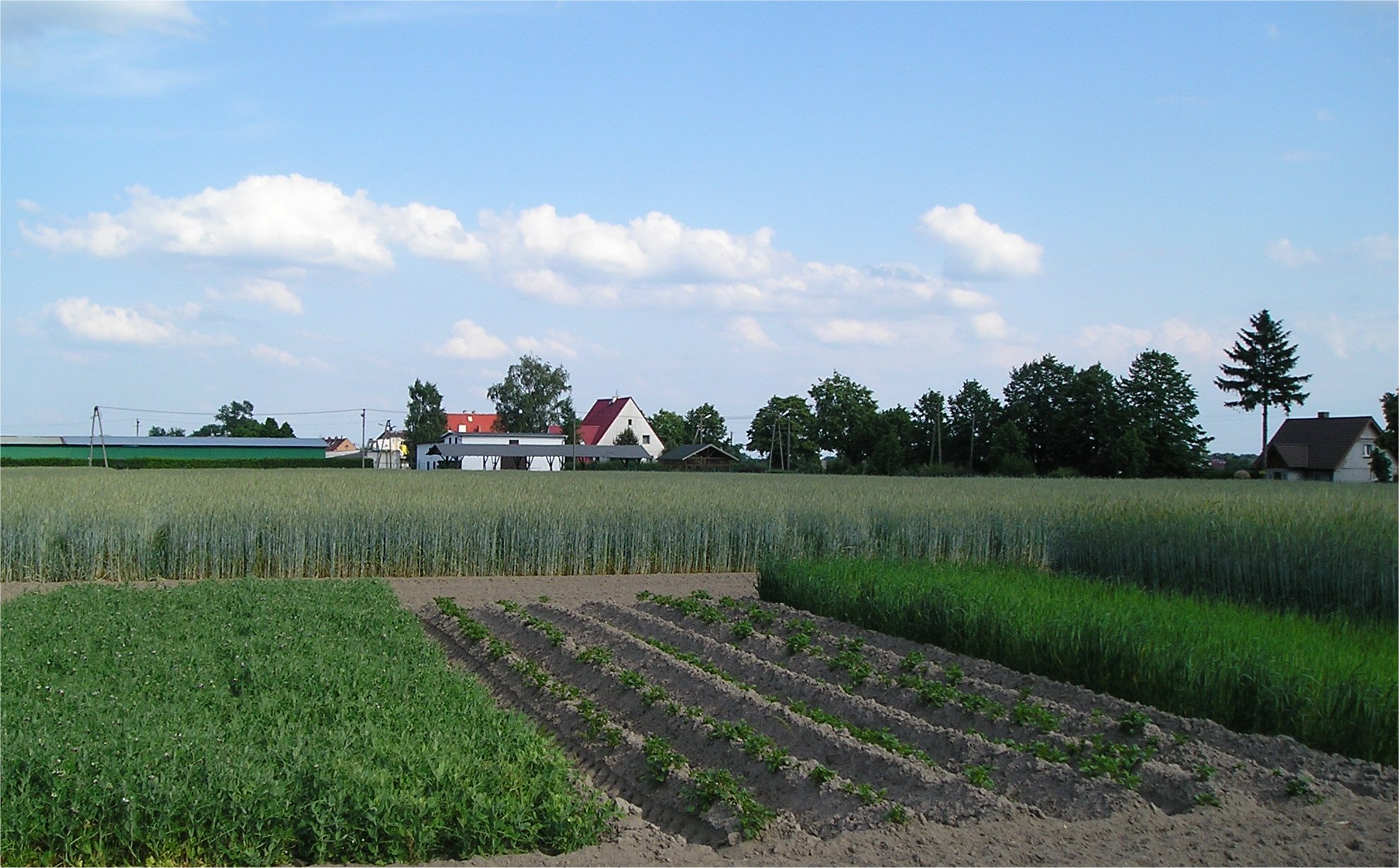
Crop rotation is the practice of growing a series of different types of crops in the same area across a sequence of growing seasons. This practice reduces the reliance of crops on one set of nutrients, pest and weed pressure, along with the probability of developing resistant pests and weeds.
Growing the same crop in the same place for many years in a row, known as monocropping, gradually depletes the soil of certain nutrients and promotes the proliferation of specialized pest and weed populations adapted to that crop system. Without balancing nutrient use and diversifying pest and weed communities, the productivity of monocultures is highly dependent on external inputs that may be harmful to the soil's fertility. Conversely, a well-designed crop rotation can reduce the need for synthetic fertilizers and herbicides by better using ecosystem services from a diverse set of crops. Additionally, crop rotations can improve soil structure and organic matter, which reduces erosion and increases farm system resilience.
History
[edit]
Farmers have long recognized that suitable rotations such as planting spring crops for livestock in place of grains for human consumption make it possible to restore or to maintain productive soils. Ancient Near Eastern farmers practiced crop rotation in 6000 BC, alternately planting legumes and cereals.[1][2][better source needed]
Two-field systems
[edit]Under a two-field rotation, half the land was planted in a year, while the other half lay fallow. Then, in the next year, the two fields were reversed. In China both the two- and three-field systems had been used since the Eastern Zhou period.[3]
Three-field systems
[edit]From the 9th century to the 11th century, farmers in Europe transitioned from a two-field system to a three-field system. This system persisted until the 20th century. Available land was divided into three sections. One section was planted in the autumn with rye or winter wheat, followed by spring oats or barley; the second section grew crops such as one of the legumes, namely peas, lentils, or beans; and the third field was left fallow. The three fields were rotated in this manner so that every three years, one of the fields would rest and lie fallow. Under the two-field system, only half the land was planted in any year. Under the new three-field rotation system, two thirds of the land was planted, potentially yielding a larger harvest. But the additional crops had a more significant effect than mere quantitative productivity. Since the spring crops were mostly legumes, which fix nitrogen needed for plants to make proteins, they increased the overall nutrition of the people of Europe.[4]
Four-field rotations
[edit]The British agriculturist Charles Townshend (1674–1738) popularised this system in the 18th century. The sequence of four crops (wheat, turnips, barley and clover), included a fodder crop and a grazing crop, allowing livestock to be bred year-round. The four-field crop rotation became a key development in the British Agricultural Revolution.[5]
Modern developments
[edit]In the Green Revolution of the mid-20th century, crop rotation gave way in the developed world to the practice of supplementing the chemical inputs to the soil through topdressing with fertilizers, adding (for example) ammonium nitrate or urea and restoring soil pH with lime. Such practices aimed to increase yields, to prepare soil for specialist crops, and to reduce waste and inefficiency by simplifying planting, harvesting, and irrigation.
Crop choice
[edit]A preliminary assessment of crop interrelationships can be found in how each crop:[6]
- Contributes to soil organic matter (SOM) content.
- Provides for pest management.
- Manages deficient or excess nutrients.
- Contributes to or controls for soil erosion.
- Interbreeds with other crops to produce hybrid offspring.
- Impacts surrounding food webs and field ecosystems.
Crop choice is often related to the goal the farmer is looking to achieve with the rotation, which could be weed management, increasing available nitrogen in the soil, controlling for erosion, or increasing soil structure and biomass, to name a few.[7] When discussing crop rotations, crops are classified in different ways depending on what quality is being assessed: by family, by nutrient needs/benefits, and/or by profitability (i.e. cash crop versus cover crop).[8] For example, giving adequate attention to plant family is essential to mitigating pests and pathogens. However, many farmers have success managing rotations by planning sequencing and cover crops around desirable cash crops.[9] The following is a simplified classification based on crop quality and purpose.
Row crops
[edit]Many crops which are critical for the market, like vegetables, are row crops (that is, grown in tight rows).[8] While often the most profitable for farmers, these crops are more taxing on the soil.[8] Row crops typically have low biomass and shallow roots: this means the plant contributes low residue to the surrounding soil and has limited effects on structure.[10] With much of the soil around the plant exposed to disruption by rainfall and traffic, fields with row crops experience faster break down of organic matter by microbes, leaving fewer nutrients for future plants.[10]
In short, while these crops may be profitable for the farm, they are nutrient depleting. Crop rotation practices exist to strike a balance between short-term profitability and long-term productivity.[9]
Legumes
[edit]A great advantage of crop rotation comes from the interrelationship of nitrogen-fixing crops with nitrogen-demanding crops. Legumes, like alfalfa and clover, collect available nitrogen from the atmosphere and store it in nodules on their root structure.[11] When the plant is harvested, the biomass of uncollected roots breaks down, making the stored nitrogen available to future crops.[12]
Grasses and cereals
[edit]Cereal and grasses are frequent cover crops because of the many advantages they supply to soil quality and structure.[13] The dense and far-reaching root systems give ample structure to surrounding soil and provide significant biomass for soil organic matter.
Grasses and cereals are key in weed management as they compete with undesired plants for soil space and nutrients.[14]
Green manure
[edit]Green manure is a crop that is mixed into the soil. Both nitrogen-fixing legumes and nutrient scavengers, like grasses, can be used as green manure.[11] Green manure of legumes is an excellent source of nitrogen, especially for organic systems, however, legume biomass does not contribute to lasting soil organic matter like grasses do.[11]
Planning a rotation
[edit]There are numerous factors that must be taken into consideration when planning a crop rotation. Planning an effective rotation requires weighing fixed and fluctuating production circumstances: market, farm size, labor supply, climate, soil type, growing practices, etc.[15] Moreover, a crop rotation must consider in what condition one crop will leave the soil for the succeeding crop and how one crop can be seeded with another crop.[15] For example, a nitrogen-fixing crop, like a legume, should always precede a nitrogen depleting one; similarly, a low residue crop (i.e. a crop with low biomass) should be offset with a high biomass cover crop, like a mixture of grasses and legumes.[6]
There is no limit to the number of crops that can be used in a rotation, or the amount of time a rotation takes to complete.[10] Decisions about rotations are made years prior, seasons prior, or even at the last minute when an opportunity to increase profits or soil quality presents itself.[9]
Implementation
[edit]Relationship to other systems
[edit]Crop rotation systems may be enriched by other practices such as the addition of livestock and manure,[16] and by growing more than one crop at a time in a field. A monoculture is a crop grown by itself in a field. A polyculture involves two or more crops growing in the same place at the same time. Crop rotations can be applied to both monocultures and polycultures, resulting in multiple ways of increasing agricultural biodiversity (table).[17]
| Diversity in time | |||||
|---|---|---|---|---|---|
| Low | Higher | ||||
| Cyclic | Dynamic | ||||
| Diversity in space |
Low | Monoculture, one species in a field |
Continuous monoculture, monocropping |
Rotation of monocultures |
Sequence of monocultures |
| Higher | Polyculture, two or more species intermingled in a field |
Continuous polyculture |
Rotation of polycultures |
Sequence of polycultures | |
Incorporation of livestock
[edit]Introducing livestock makes the most efficient use of critical sod and cover crops; livestock (through manure) are able to distribute the nutrients in these crops throughout the soil rather than removing nutrients from the farm through the sale of hay.[10]
Mixed farming or the practice of crop cultivation with the incorporation of livestock can help manage crops in a rotation and cycle nutrients. Crop residues provide animal feed, while the animals provide manure for replenishing crop nutrients and draft power. These processes promote internal nutrient cycling and minimize the need for synthetic fertilizers and large-scale machinery. As an additional benefit, the cattle, sheep and/or goat provide milk and can act as a cash crop in the times of economic hardship.[18]
Polyculture
[edit]Polyculture systems, such as intercropping or companion planting, offer more diversity and complexity within the same season or rotation. An example is the Three Sisters, the inter-planting of corn with pole beans and vining squash or pumpkins. In this system, the beans provide nitrogen; the corn provides support for the beans and a "screen" against squash vine borer; the vining squash provides a weed suppressive canopy and a discouragement for corn-hungry raccoons.[7]
Double-cropping is common where two crops, typically of different species, are grown sequentially in the same growing season, or where one crop (e.g. vegetable) is grown continuously with a cover crop (e.g. wheat).[6] This is advantageous for small farms, which often cannot afford to leave cover crops to replenish the soil for extended periods of time, as larger farms can. When multiple cropping is implemented on small farms, these systems can maximize benefits of crop rotation on available land resources.[9]
Organic farming
[edit]Crop rotation is a required practice, in the United States, for farms seeking organic certification.[19] The “Crop Rotation Practice Standard” for the National Organic Program under the U.S. Code of Federal Regulations, section §205.205, states that
Farmers are required to implement a crop rotation that maintains or builds soil organic matter, works to control pests, manages and conserves nutrients, and protects against erosion. Producers of perennial crops that aren’t rotated may utilize other practices, such as cover crops, to maintain soil health.[10]
In addition to lowering the need for inputs (by controlling for pests and weeds and increasing available nutrients), crop rotation helps organic growers increase the amount of biodiversity their farms.[10] Biodiversity is also a requirement of organic certification, however, there are no rules in place to regulate or reinforce this standard.[10] Increasing the biodiversity of crops has beneficial effects on the surrounding ecosystem and can host a greater diversity of fauna, insects,[10] and beneficial microorganisms in the soil[10] as found by McDaniel et al 2014 and Lori et al 2017.[20] Some studies point to increased nutrient availability from crop rotation under organic systems compared to conventional practices as organic practices are less likely to inhibit of beneficial microbes in soil organic matter.[21]
While multiple cropping and intercropping benefit from many of the same principals as crop rotation, they do not satisfy the requirement under the NOP.[10]
Benefits
[edit]Agronomists describe the benefits to yield in rotated crops as "The Rotation Effect".[22] The factors related to the increase are broadly due to alleviation of the negative factors of monoculture cropping systems. Specifically, improved nutrition; pest, pathogen, and weed stress reduction; and improved soil structure have been found in some cases to be correlated to beneficial rotation effects.
Other benefits include reduced production cost. Overall financial risks are more widely distributed over more diverse production of crops and/or livestock. Less reliance is placed on purchased inputs and over time crops can maintain production goals with fewer inputs. This in tandem with greater short and long term yields makes rotation a powerful tool for improving agricultural systems.
Soil organic matter
[edit]The use of different species in rotation allows for increased soil organic matter (SOM), greater soil structure, and improvement of the chemical and biological soil environment for crops. With more SOM, water infiltration and retention improves, providing increased drought tolerance and decreased erosion.
Soil organic matter is a mix of decaying material from biomass with active microorganisms. Crop rotation, by nature, increases exposure to biomass from sod, green manure, and various other plant debris. The reduced need for intensive tillage under crop rotation allows biomass aggregation to lead to greater nutrient retention and utilization, decreasing the need for added nutrients.[8] With tillage, disruption and oxidation of soil creates a less conducive environment for diversity and proliferation of microorganisms in the soil. These microorganisms are what make nutrients available to plants. So, where "active" soil organic matter is a key to productive soil, soil with low microbial activity provides significantly fewer nutrients to plants; this is true even though the quantity of biomass left in the soil may be the same.
Soil microorganisms also decrease pathogen and pest activity through competition. In addition, plants produce root exudates and other chemicals which manipulate their soil environment as well as their weed environment. Thus rotation allows increased yields from nutrient availability but also alleviation of allelopathy and competitive weed environments.[23]
Carbon sequestration
[edit]Crop rotations greatly increase soil organic carbon (SOC) content, the main constituent of soil organic matter.[24] Carbon, along with hydrogen and oxygen, is a macronutrient for plants. Highly diverse rotations spanning long periods of time have shown to be even more effective in increasing SOC, while soil disturbances (e.g. from tillage) are responsible for exponential decline in SOC levels.[24] In Brazil, conversion to no-till methods combined with intensive crop rotations has been shown an SOC sequestration rate of 0.41 tonnes per hectare per year.[25]
In addition to enhancing crop productivity, sequestration of atmospheric carbon has great implications in reducing rates of climate change by removing carbon dioxide from the air.
Nitrogen fixing
[edit]Rotations can add nutrients to the soil. Legumes, plants of the family Fabaceae, have nodules on their roots which contain nitrogen-fixing bacteria called rhizobia. During a process called nodulation, the rhizobia bacteria use nutrients and water provided by the plant to convert atmospheric nitrogen into ammonia, which is then converted into an organic compound that the plant can use as its nitrogen source.[26] It therefore makes good sense agriculturally to alternate them with cereals (family Poaceae) and other plants that require nitrates. How much nitrogen made available to the plants depends on factors such as the kind of legume, the effectiveness of rhizobia bacteria, soil conditions, and the availability of elements necessary for plant food.[27]
Pathogen and pest control
[edit]Crop rotation helps to control pests and diseases that can become established in the soil over time. The changing of crops in a sequence decreases the population level of pests by (1) interrupting pest life cycles and (2) interrupting pest habitat.[9] Plants within the same taxonomic family tend to have similar pests and pathogens. By regularly changing crops and keeping the soil occupied by cover crops instead of lying fallow, pest cycles can be broken or limited, especially cycles that benefit from overwintering in residue.[28] This principle is used in organic farming, where pest control must be achieved without synthetic pesticides.[16]
Weed management
[edit]Integrating certain crops, especially cover crops, into crop rotations is of particular value to weed management. These crops crowd out weeds through competition. In addition, the sod and compost from cover crops and green manure slows the growth of what weeds are still able to make it through the soil, giving the crops further competitive advantage. By slowing the growth and proliferation of weeds while cover crops are cultivated, farmers greatly reduce the presence of weeds for future crops, including shallow rooted and row crops, which are less resistant to weeds. Cover crops are, therefore, considered conservation crops because they protect otherwise fallow land from becoming overrun with weeds.[28]
This system has advantages over other common practices for weeds management, such as tillage. Tillage is meant to inhibit growth of weeds by overturning the soil; however, this has a countering effect of exposing weed seeds that may have gotten buried and burying valuable crop seeds. Under crop rotation, the number of viable seeds in the soil is reduced through the reduction of the weed population.
In addition to their negative impact on crop quality and yield, weeds can slow down the harvesting process. Weeds make farmers less efficient when harvesting, because weeds like bindweeds, and knotgrass, can become tangled in the equipment, resulting in a stop-and-go type of harvest.[29]
Reducing soil erosion
[edit]Crop rotation can significantly reduce the amount of soil lost from erosion by water. In areas that are highly susceptible to erosion, farm management practices such as zero and reduced tillage can be supplemented with specific crop rotation methods to reduce raindrop impact, sediment detachment, sediment transport, surface runoff, and soil loss.[30]
Protection against soil loss is maximized with rotation methods that leave the greatest mass of crop stubble (plant residue left after harvest) on top of the soil. Stubble cover in contact with the soil minimizes erosion from water by reducing overland flow velocity, stream power, and thus the ability of the water to detach and transport sediment.[31] Soil erosion and seal prevent the disruption and detachment of soil aggregates that cause macropores to block, infiltration to decline, and runoff to increase.[32] This significantly improves the resilience of soils when subjected to periods of erosion and stress.
When a forage crop breaks down, binding products are formed that act like an adhesive on the soil, which makes particles stick together, and form aggregates.[33] The formation of soil aggregates is important for erosion control, as they are better able to resist raindrop impact, and water erosion. Soil aggregates also reduce wind erosion, because they are larger particles, and are more resistant to abrasion through tillage practices.[34]
The effect of crop rotation on erosion control varies by climate. In regions under relatively consistent climate conditions, where annual rainfall and temperature levels are assumed, rigid crop rotations can produce sufficient plant growth and soil cover. In regions where climate conditions are less predictable, and unexpected periods of rain and drought may occur, a more flexible approach for soil cover by crop rotation is necessary. An opportunity cropping system promotes adequate soil cover under these erratic climate conditions.[35] In an opportunity cropping system, crops are grown when soil water is adequate and there is a reliable sowing window. This form of cropping system is likely to produce better soil cover than a rigid crop rotation because crops are only sown under optimal conditions, whereas rigid systems are not necessarily sown in the best conditions available.[36]
Crop rotations also affect the timing and length of when a field is subject to fallow.[37] This is very important because depending on a particular region's climate, a field could be the most vulnerable to erosion when it is under fallow. Efficient fallow management is an essential part of reducing erosion in a crop rotation system. Zero tillage is a fundamental management practice that promotes crop stubble retention under longer unplanned fallows when crops cannot be planted.[35] Such management practices that succeed in retaining suitable soil cover in areas under fallow will ultimately reduce soil loss. In a recent study that lasted a decade, it was found that a common winter cover crop after potato harvest such as fall rye can reduce soil run-off by as much as 43%, and this is typically the most nutritional soil.[38]
Biodiversity
[edit]Increasing the biodiversity of crops has beneficial effects on the surrounding ecosystem and can host a greater diversity of fauna, insects,[10] and beneficial microorganisms in the soil[10] as found by McDaniel et al 2014 and Lori et al 2017.[20] Some studies point to increased nutrient availability from crop rotation under organic systems compared to conventional practices as organic practices are less likely to inhibit of beneficial microbes in soil organic matter, such as arbuscular mycorrhizae, which increase nutrient uptake in plants.[21] Increasing biodiversity also increases the resilience of agro-ecological systems.[8]
Farm productivity
[edit]Crop rotation contributes to increased yields through improved soil nutrition. By requiring planting and harvesting of different crops at different times, more land can be farmed with the same amount of machinery and labour.
Risk management
[edit]Different crops in the rotation can reduce the risks of adverse weather for the individual farmer.[39][40]
Challenges
[edit]While crop rotation requires a great deal of planning, crop choice must respond to a number of fixed conditions (soil type, topography, climate, and irrigation) in addition to conditions that may change dramatically from year to the next (weather, market, labor supply).[9] In this way, it is unwise to plan crops years in advance. Improper implementation of a crop rotation plan may lead to imbalances in the soil nutrient composition or a buildup of pathogens affecting a critical crop.[9] The consequences of faulty rotation may take years to become apparent even to experienced soil scientists and can take just as long to correct.[9]
Many challenges exist within the practices associated with crop rotation. For example, green manure from legumes can lead to an invasion of snails or slugs and the decay from green manure can occasionally suppress the growth of other crops.[12]
See also
[edit]References
[edit]- ^ "Jan 1, 6000 BC – Crop Rotation (Timeline)". time.graphics. Archived from the original on 23 September 2019. Retrieved 23 September 2019.
- ^ "What Is Crop Rotation?". WorldAtlas. 25 April 2017. Retrieved 25 January 2019.
- ^ Needham, Joseph (1984). Science and Civilization in China 6-2. p. 150.
- ^ Lienhard, John (2023). "No. 26: Three-Field Crop Rotation". The Engines of Our Ingenuity. University of Houston. Retrieved 31 December 2023.
- ^ "Norfolk four-course system". Encyclopædia Britannica. Retrieved 31 May 2017.
- ^ a b c Organic Production: Using NRCS Practice Standards to Support Organic Growers (Report). Natural Resources Conservation Service. July 2009.
- ^ a b Dufour, Rex (July 2015). Tipsheet: Crop Rotation in Organic Farming Systems (Report). National Center for Appropriate Technology. Archived from the original on 28 April 2016. Retrieved 4 May 2016.
- ^ a b c d e Baldwin, Keith R. (June 2006). Crop Rotations on Organic Farms (PDF) (Report). Center for Environmental Farming Systems. Archived from the original (PDF) on 13 May 2015. Retrieved 4 May 2016.
- ^ a b c d e f g h Johnson, Sue Ellen; Mohler, Charles L. (2009). Crop Rotation on Organic Farms: A Planning Manual, NRAES 177. Ithaca, New York: National Resource, Agriculture, and Engineering Services (NRAES). ISBN 978-1-933395-21-0.
- ^ a b c d e f g h i j k l Coleman, Pamela (November 2012). Guide for Organic Crop Producers (PDF) (Report). National Organic Program. Archived from the original (PDF) on 4 October 2015. Retrieved 4 May 2016.
- ^ a b c Lamb, John; Sheaffer, Craig; Moncada, Kristine (2010). "Chapter 4 Soil Fertility". Risk Management Guide for Organic Producers (Report). University of Minnesota.
- ^ a b "Green Manures". Royal Horticultural Society. Retrieved 4 May 2016.
- ^ "Cover Crops and Crop Rotation". usda.gov. 20 December 2024. Retrieved 23 December 2024.
- ^ "Crop Rotation with Cover Crops". sare.org. Retrieved 23 December 2024.
- ^ a b Bailey, L. H., ed. (1907). "Chapter 5, "Crop Management"". Cyclopedia of American Agriculture. pp. 85–88.
- ^ a b Gegner, Lance; Kuepper, George (August 2004). "Organic Crop Production Overview". National Center for Appropriate Technology. Archived from the original on 15 November 2011. Retrieved 4 May 2016.
- ^ a b "Ecological Theories, Meta-Analysis, and the Benefits of Monocultures". Center for Sustaining Agriculture and Natural Resources, Washington State University. Retrieved 18 September 2015.
- ^ Powell, J. M.; William, T. O. (1993). "An overview of mixed farming systems in sub-Saharan Africa". Livestock and Sustainable Nutrient Cycling in Mixed Farming Systems of Sub-Saharan Africa: Proceedings of an International Conference, International Livestock Centre for Africa. 2: 21–36.
- ^ "§205.205 Crop rotation practice standard". CODE OF FEDERAL REGULATIONS. Retrieved 4 May 2016.
- ^ a b Saleem, Muhammad; Hu, Jie; Jousset, Alexandre (2 November 2019). "More Than the Sum of Its Parts: Microbiome Biodiversity as a Driver of Plant Growth and Soil Health". Annual Review of Ecology, Evolution, and Systematics. 50 (1). Annual Reviews: 145–168. doi:10.1146/annurev-ecolsys-110617-062605. ISSN 1543-592X. S2CID 199632146.
- ^ a b Mäder, Paul; et al. (2000). "Arbuscular mycorrhizae in a long-term field trial comparing low-input (organic, biological) and high-input (conventional) farming systems in a crop rotation". Biology and Fertility of Soils. 31 (2): 150–156. Bibcode:2000BioFS..31..150M. doi:10.1007/s003740050638. S2CID 6152990.
- ^ Pierce, Francis J.; Rice, Charles W. (26 October 2015). "Crop Rotation and Its Impact on Efficiency of Water and Nitrogen Use". ASA Special Publications. Madison, Wisconsin, USA: American Society of Agronomy, Crop Science Society of America, Soil Science Society of America. p. 21–42. doi:10.2134/asaspecpub51.c3. ISBN 978-0-89118-317-4.
- ^ Bowles, Timothy M.; Mooshammer, Maria; Socolar, Yvonne; Calderón, Francisco; Cavigelli, Michel A.; et al. (20 March 2020). "Long-Term Evidence Shows that Crop-Rotation Diversification Increases Agricultural Resilience to Adverse Growing Conditions in North America". One Earth. 2 (3): 284–293. Bibcode:2020OEart...2..284B. doi:10.1016/j.oneear.2020.02.007. hdl:10214/21229. ISSN 2590-3322. S2CID 212745944.
- ^ a b Triberti, Loretta; Anna Nastri; Guido Baldoni (2016). "Long-term effects of crop rotation, manure fertilization on carbon sequestration and soil fertility". European Journal of Agronomy. 74: 47–55. doi:10.1016/j.eja.2015.11.024.
- ^ Victoria, Reynaldo (2012). "The Benefits of Soil Carbon". Risk Management Guide for Organic Producers (Report). United Nations Environment Programme.
- ^ Loynachan, Tom (1 December 2016). "Nitrogen Fixation by Forage Legumes" (PDF). Iowa State University. Department of Agrology. Archived from the original (PDF) on 3 May 2013. Retrieved 1 December 2016.
- ^ Adjei, M. B.; et al. (1 December 2016). "Nitrogen Fixation and Inoculation of Forage Legumes" (PDF). Forage Beef. University of Florida. Archived from the original (PDF) on 2 December 2016. Retrieved 1 December 2016.
- ^ a b Moncada, Kristine; Craig Sheaffer (2010). "Chapter 2 Rotation". Risk Management Guide for Organic Producers (Report). University of Minnesota.
- ^ Davies, Ken (March 2007). "Weed Control in Potatoes" (PDF). British Potato Council. Archived (PDF) from the original on 19 October 2016. Retrieved 1 December 2016.
- ^ Unger, P. W.; McCalla, T. M. (1980). "Conservation Tillage Systems". Advances in Agronomy. 33: 2–53. doi:10.1016/s0065-2113(08)60163-7. ISBN 9780120007332.
- ^ Rose CW, Freebairn DM. "A mathematical model of soil erosion and deposition processes with application to field data".
- ^ Loch, R. J.; Foley, J. L. (1994). "Measurement of Aggregate Breakdown under rain: comparison with tests of water stability and relationships with field measurements of infiltration". Australian Journal of Soil Research. 32 (4): 701–720. doi:10.1071/sr9940701.
- ^ "Forages in Rotation" (PDF). Saskatchewan Soil Conservation Association. 2016. Archived (PDF) from the original on 2 December 2016. Retrieved 1 December 2016.
- ^ "Aggregate Stability". Natural Resources Conservation Centre. 2011. Retrieved 1 December 2016.
- ^ a b Carroll, C.; Halpin, M; Burger, P.; Bell, K.; Sallaway, M. M.; Yule, D. F. (1997). "The effect of crop type, crop rotation, and tillage practice on runoff and soil loss on a Vertisol in central Queensland". Soil Research. 35 (4): 925. doi:10.1071/S96017. ISSN 1838-675X.
- ^ Littleboy, M.; Silburn, D. M.; Freebairn, D. M.; Woodruff, D. R.; Hammer, G. L. (1989). "PERFECT. A computer simulation model of Productive Erosion Runoff Functions to Evaluate Conservation Techniques". Queensland Department of Primary Industries. Bulletin QB89005.
- ^ Huang, Mingbin; Shao, Mingan; Zhang, Lu; Li, Yushan (2003). "Water use efficiency and sustainability of different long-term crop rotation systems in the Loess Plateau of China". Soil and Tillage Research. 72 (1): 95–104. Bibcode:2003STilR..72...95H. doi:10.1016/S0167-1987(03)00065-5.
- ^ Walker, Andy. "Cover crops have major role to play in soil health". peicanada.com. Retrieved 1 December 2016.
- ^ "Crop Rotation – A Vital Component of Organic Farming". 15 June 2016.
- ^ Yamoah, Charles F.; Francis, Charles A.; Varvel, Gary E.; Waltman, William J. (April 1998). "Weather and Management Impact on Crop Yield Variability in Rotations". Journal of Production Agriculture. 11 (2): 219–225. doi:10.2134/jpa1998.0219. S2CID 54785967. Retrieved 9 November 2022.
Further reading
[edit]- Anderson, Randy L. (1 January 2005). "Are Some Crops Synergistic to Following Crops?". Agronomy Journal. 97 (1): 7–10. Bibcode:2005AgrJ...97....7A. doi:10.2134/agronj2005.0007a. S2CID 215776836. Archived from the original on 26 March 2023. Retrieved 4 April 2020.
- Bullock, D. G. (1992). "Crop rotation". Critical Reviews in Plant Sciences. 11 (4): 309–326. Bibcode:1992CRvPS..11..309B. doi:10.1080/07352689209382349.
- Francis, Charles A. (2003). "Advances in the Design of Resource-Efficient Cropping Systems". Journal of Crop Production. 8 (1–2): 15–32. Bibcode:2003JCrIm...8...15F. doi:10.1300/j144v08n01_02.
- Porter, Paul M.; Lauer, Joseph G.; Lueschen, William E.; Ford, J. Harlan; Hoverstad, Tom R.; Oplinger, Edward S.; Crookston, R. Kent (1997). "Environment Affects the Corn and Soybean Rotation Effect". Agronomy Journal. 89 (3): 442–448. Bibcode:1997AgrJ...89..442P. doi:10.2134/agronj1997.00021962008900030012x.
- White, L. T. (1962). Medieval Technology and Social Change. Oxford University Press.
External links
[edit]
Crop rotation
View on GrokipediaOverview
Definition and Basic Principles
Crop rotation is the practice of growing different types of crops in the same area across consecutive growing seasons in a planned sequence.[16] This approach contrasts sharply with monoculture, where the same crop is repeatedly planted in the same field, which can lead to soil degradation, pest buildup, and reduced yields over time.[17] By alternating crops, farmers disrupt these negative cycles and promote long-term agricultural productivity. The basic principles of crop rotation revolve around enhancing soil health through diversity and strategic sequencing. One core mechanism is breaking disease and pest cycles by separating crops from the same plant family, preventing pathogens and insects from persisting in the soil.[18] Crop diversity also improves soil fertility by varying nutrient uptake; for instance, sequencing heavy-feeding crops, which deplete specific nutrients like nitrogen, with light feeders that require fewer resources allows the soil to recover and replenish.[19] Additionally, rotations prevent overall nutrient depletion by incorporating crops with differing root depths and structures, which aerate the soil, improve water infiltration, and enhance organic matter incorporation, thereby maintaining soil structure.[4] A conceptual illustration of a basic two-crop rotation cycle might depict a field divided into sections: in year one, a heavy-feeding crop occupies the area, extracting substantial nutrients; in year two, a light-feeding crop follows, utilizing residual nutrients while allowing soil recovery. This simple alternation can be visualized as:Year 1: Heavy Feeder [Crop](/page/Crop) → [Nutrient](/page/Nutrient) Depletion
Year 2: Light Feeder [Crop](/page/Crop) → [Soil](/page/Soil) Recovery and [Aeration](/page/Aeration)
Year 1: Heavy Feeder [Crop](/page/Crop) → [Nutrient](/page/Nutrient) Depletion
Year 2: Light Feeder [Crop](/page/Crop) → [Soil](/page/Soil) Recovery and [Aeration](/page/Aeration)
Role in Sustainable Agriculture
Crop rotation is integral to sustainable agriculture, as it diminishes the dependence on synthetic fertilizers, pesticides, and other chemical inputs by leveraging natural processes such as nutrient cycling and biological pest suppression, thereby fostering regenerative farming systems that restore ecosystem health.[21] This practice aligns closely with the United Nations Sustainable Development Goal 2 (Zero Hunger), which emphasizes ending hunger through improved food security, nutrition, and sustainable agricultural production by promoting resilient and resource-efficient farming methods.[22] By integrating diverse crops in sequences, rotation enhances soil biodiversity and microbial activity, reducing the environmental footprint of farming while maintaining or increasing yields over time.[23] Globally, crop rotation addresses critical challenges like soil degradation, which impacts approximately 33% of the world's soils through erosion, nutrient depletion, and loss of organic matter, as reported by the Food and Agriculture Organization (FAO).[24] In regions facing land degradation—exacerbated by monoculture and intensive tillage—rotation helps rebuild soil structure and fertility, countering productivity losses that affect food security for billions.[25] Furthermore, it bolsters climate-resilient farming by improving soil's capacity to sequester carbon, retain water during droughts, and mitigate greenhouse gas emissions, making agricultural systems more adaptive to changing weather patterns.[26] From traditional methods, crop rotation has evolved into a modern sustainable practice enhanced by precision agriculture technologies, such as GPS-based mapping introduced in the early 2000s, which enable farmers to optimize rotation plans through variable-rate applications and site-specific management.[27] For instance, in integrated crop-livestock systems, diversified rotations have demonstrated a 20-30% reduction in synthetic nitrogen fertilizer requirements by improving nutrient use efficiency and incorporating nitrogen-fixing crops, leading to cost savings and lower pollution risks without compromising output.[28] These advancements underscore rotation's role in scaling sustainable practices to meet global demands amid environmental pressures.Historical Development
Ancient and Early Systems
The earliest documented evidence of crop rotation practices dates to the Sumerian period in ancient Mesopotamia, as detailed in a farmer's almanac from approximately 1700 BCE, which included explicit instructions for leaving fields fallow every few years to prevent soil depletion.[29] This rudimentary rotation allowed for sustained grain production amid challenging environmental conditions, marking an initial shift from pure slash-and-burn methods toward more organized land management. In the Nile Valley of ancient Egypt, around 3000 BCE, farmers developed rotation systems that alternated grains such as wheat and barley with legumes like lentils and chickpeas, leveraging the annual Nile floods to replenish soil nutrients naturally.[30] This approach ensured consistent yields of staple crops while minimizing erosion in the floodplain, integrating flood-based irrigation with deliberate crop sequencing to support a growing population. Indigenous practices further diversified early rotation techniques; for instance, Native American communities in North America utilized the Three Sisters polyculture, interplanting corn, beans, and squash in complementary cycles that functioned as a form of rotational planting to enhance soil health and biodiversity.[6] Similarly, in the Indus Valley around 2500 BCE, evidence indicates alternations between winter wheat and summer rice crops, adapting to monsoon patterns for balanced resource use in the region's alluvial plains.[31] Basic two-field systems emerged in early Europe, dividing arable land into two parts: one sown with grains like barley or wheat, and the other left fallow to recover, which limited overall productivity to about 50% of the land being actively cultivated each year.[32] In ancient China, early rotation practices under the Zhou dynasty (1046–256 BCE) supported millet and wheat cultivation, reflecting adaptations to varying climates through systems like three-field rotations. These methods represented a foundational step in pre-medieval agriculture, prioritizing soil rest over continuous exploitation. The transition to such rotation systems was driven by increasing population pressures and soil exhaustion from earlier slash-and-burn practices, which depleted nutrients after short cultivation periods and necessitated frequent land abandonment.[33] As settlements expanded in these ancient civilizations, shorter fallow intervals led to declining yields, prompting innovations like crop alternation to sustain food supplies without constant relocation.[34] This shift laid the groundwork for more intensive farming, though it remained constrained by limited technological and scientific understanding.Medieval to Industrial Era Rotations
In medieval Europe, the three-field system emerged as a significant advancement in crop rotation during the 8th century, particularly within the Carolingian Empire, where it was promoted through estate management and land clearance efforts. This system divided arable land into three fields: one sown with winter grains such as wheat or rye in autumn, another with spring crops like oats, barley, or legumes, and the third left fallow to restore fertility. By rotating these uses annually, it replaced the earlier two-field system, which left half the land idle each year, thereby increasing the proportion of cultivated land from 50% to about two-thirds—a productivity gain of roughly 50% in terms of arable output, assuming comparable yields per field.[35][36] By the 18th century, European agriculture evolved further with the introduction of the four-field rotation, known as the Norfolk system, pioneered by Charles Townshend in the 1730s on his estate in Norfolk, England. This cycle involved turnips in the first year to break up soil and provide fodder, legumes such as clover or ryegrass in the second to fix nitrogen and support grazing, barley in the third, and wheat in the fourth, before repeating. Unlike previous systems reliant on fallow periods, it allowed continuous cropping year-round, enhancing soil fertility naturally and integrating livestock farming by using root crops and legumes for winter feed, which in turn provided manure to sustain the rotation. The system's adoption contributed to tripling England's agricultural output during the 1700s, supporting population growth and urbanization.[37] Innovations like Jethro Tull's seed drill, invented in 1701, complemented these rotations by enabling precise, row-based sowing that reduced seed waste and facilitated weeding between rows, making multi-crop sequences more practical and efficient. This mechanical device, drawn by horses, deposited seeds at uniform depths and spacings, aligning with the structured demands of rotational farming and laying groundwork for modern soil management practices.[38] The Industrial Era saw these European rotations spread globally through colonial agriculture, as settlers in the Americas adapted models like the Norfolk system to local conditions in the 18th and 19th centuries, particularly in Pennsylvania and other mid-Atlantic regions, where farmers experimented with modifications to incorporate native crops alongside wheat, barley, and fodder plants. In Britain, the enclosure acts of the 18th and 19th centuries accelerated adoption by consolidating fragmented open fields into private holdings, allowing individual farmers greater flexibility to implement rotations, drainage, and selective breeding without communal constraints, thereby boosting overall productivity.[39][40]Modern and Contemporary Advances
In the early 20th century, scientific principles like Justus von Liebig's Law of the Minimum, formulated in the 1840s, began influencing crop rotation design by emphasizing that plant growth is limited by the scarcest nutrient, prompting rotations to balance soil fertility through diverse crop demands rather than uniform depletion.[41][42] This understanding underpinned USDA-led long-term experiments, such as George Washington Carver's studies at Tuskegee Institute documented in 1926, which demonstrated that rotations were approximately 75% as effective as fertilizers in boosting yields and 91.5% as effective in sustaining soil productivity compared to monoculture.[43] These trials, including the Old Rotation experiment initiated in 1896 and analyzed through the 1920s, revealed yield improvements of 10-20% in rotated systems versus continuous cropping, attributing gains to enhanced nutrient cycling and reduced soil exhaustion.[44] Post-World War II, the Green Revolution of the 1960s prioritized high-yielding varieties and chemical inputs, initially promoting monoculture for efficiency but leading to soil degradation and pest issues that spurred backlash toward integrated rotations by the 1970s and 1980s.[45][46] This shift encouraged combining rotations with fertilizers to restore diversity and resilience, as seen in global efforts to mitigate the Revolution's erosion of traditional systems.[47] From the 1990s onward, precision agriculture integrated geographic information systems (GIS) for site-specific rotations, enabling farmers to map soil variability and optimize sequences for targeted nutrient application and yield stability.[48] Recent advances since the 2010s have focused on climate-adaptive rotations, such as diversified sequences incorporating drought-tolerant crops to buffer against erratic weather, with studies showing up to 25% higher maize yields under drought when rotations include cover crops compared to simple cycles.[49] The regenerative agriculture movement, exemplified by the Rodale Institute's Farming Systems Trial launched in 1981, has provided over four decades of data indicating that organic rotations with legumes and covers match or exceed conventional yields by 10-30% during extreme conditions while improving soil organic matter.[50] In global contexts, African initiatives in the 2000s, such as the African Conservation Tillage Network formed in 2000, promoted rotations with minimum tillage and residue mulching to combat degradation in sub-Saharan smallholder systems, yielding 20-50% productivity gains in maize-soybean sequences across countries like Ghana and Zimbabwe.[51][52] As of 2025, meta-analyses of global studies confirm that diversified crop rotations increase yields by an average of 20–30%, enhance crop nutrition, reduce net greenhouse gas emissions, and boost farm revenues across six continents.[53][26]Crop Selection
Legumes and Nitrogen-Fixing Crops
Legumes play a pivotal role in crop rotations due to their ability to form symbiotic relationships with soil bacteria, particularly Rhizobia species, which enable biological nitrogen fixation. This process involves the bacteria residing in root nodules, where they convert atmospheric dinitrogen (N₂) into ammonia (NH₃) that the plant can utilize for growth. The simplified chemical reaction catalyzed by the nitrogenase enzyme is: This natural fixation reduces the need for synthetic nitrogen fertilizers and replenishes soil nitrogen levels for subsequent crops.[54][55] Common legumes incorporated into rotations include soybeans (Glycine max), alfalfa (Medicago sativa), clover (Trifolium spp.), and peas (Pisum sativum), which are typically planted following nitrogen-depleting cereals to restore soil fertility. These crops can fix 50–200 kg of nitrogen per hectare annually, depending on species, soil conditions, and management, providing a residual benefit of 20–100 kg N/ha to the following crop. For instance, alfalfa and clover, as perennial forage legumes, often contribute higher amounts through extensive root systems, while grain legumes like soybeans offer dual benefits of nitrogen addition and harvestable yield.[56][57][58] Effective nodulation requires careful varietal selection and inoculation practices, where legume seeds are coated with specific Rhizobia strains compatible with the host plant to ensure optimal nitrogen fixation. In soils lacking native populations of the appropriate bacteria, inoculation can increase fixation efficiency by up to 50%. Historically, 20th-century agriculture saw a shift from reliance on forage legumes like alfalfa and clover toward grain legumes such as soybeans, driven by mechanization, market demands, and the expansion of corn-soybean rotations in regions like the U.S. Midwest, which simplified farming systems while maintaining nitrogen benefits.[59][8] However, over-reliance on legumes in rotations can lead to the buildup of pests and diseases specific to the Fabaceae family, such as root-knot nematodes, aphids, or fungal pathogens like Fusarium spp., necessitating diversified sequences to mitigate these risks. Management involves monitoring soil health and limiting legume frequency to every 3–4 years in a cycle.[60][61]Cereals, Grasses, and Row Crops
Cereals, grasses, and row crops, such as corn, wheat, potatoes, and rye, exhibit high nutrient demands, particularly for nitrogen (N) and phosphorus (P), which support their intensive growth and yield potential. These crops often require substantial N inputs to maximize biomass and grain production, with cereals like maize and wheat drawing heavily from soil reserves during critical growth stages. Phosphorus is equally vital for root development and energy transfer in these plants, and deficiencies can limit overall productivity in rotation systems.[11][62] In terms of root architecture, row crops like corn and potatoes typically feature shallow root systems that primarily access nutrients in the upper soil layers, potentially leading to uneven nutrient distribution if not managed through rotations. In contrast, deep-rooted grasses such as wheat and rye can scavenge nutrients from deeper soil profiles, enhancing overall nutrient cycling when sequenced appropriately. Rotating deep-rooted grasses with shallow-rooted row crops helps utilize soil resources more efficiently across depths, reducing leaching losses and improving water use on varied soil types.[16][18] These crops are strategically positioned early in rotation cycles, often following legumes, to capitalize on residual fixed nitrogen and minimize synthetic fertilizer needs. For instance, in the U.S. Midwest, the corn-soybean-wheat sequence allows corn to benefit from soybean-derived N, boosting corn yields by up to 10-15 bushels per acre while reducing N fertilizer applications by 41-46% compared to continuous cereal systems. This positioning optimizes nutrient utilization and supports sustainable yields without excessive inputs.[63][64][11] Within these groups, diversity is key to mitigating risks associated with monoculture practices, such as nutrient depletion and increased disease pressure in continuous cereals. Cereal monocultures can exacerbate soil degradation over time, diminishing ecosystem services and long-term productivity. Row crop production, involving frequent tillage, contributes to soil compaction by compressing pore spaces and reducing aeration, which hinders root growth in subsequent crops. Incorporating mixed grasses for sod-breaking in rotations helps alleviate compaction and promotes soil structure recovery.[65][66][16] Modern developments in genetically modified organisms (GMOs), such as Bt corn introduced in the 1990s, have enhanced rotation compatibility by providing built-in resistance to pests like corn borers and rootworms, reducing the need for broad-spectrum insecticides that could disrupt diverse sequences. This allows for more flexible integration of cereals into rotations without compromising yields from pest damage, though continuous Bt use necessitates monitoring for resistance development to maintain efficacy.[67][68]Cover Crops and Green Manures
Cover crops are non-cash plants grown primarily to protect and enhance soil health between periods of regular crop production, while green manures refer to cover crops that are tilled or incorporated into the soil while still green to decompose and add organic matter and nutrients.[69] Common types of cover crops include grasses like rye and cereals, legumes such as vetch and clover, and broadleaves like mustard and buckwheat, selected for their ability to thrive in off-seasons without competing with main crops.[70] These plants are typically sown after harvest or before planting the primary crop, serving as a living barrier on bare soil.[71] In crop rotations, cover crops and green manures perform essential functions such as suppressing weeds through physical shading and chemical inhibition, preventing soil erosion by anchoring the surface with roots and residue, and adding organic matter upon decomposition, often contributing 2-5 tons of biomass per hectare depending on species and conditions.[72] Winter-sown covers, particularly grasses like rye, can reduce nitrate leaching by 30-50% by absorbing excess nitrogen during fallow periods, thereby minimizing groundwater pollution.[73] When used as green manures, incorporation releases nutrients slowly, improving soil structure and fertility without the need for synthetic inputs.[74] Selection of cover crops emphasizes traits like rapid establishment and growth to quickly cover soil, allelopathic properties for natural weed control—as seen in rye's production of inhibitory compounds—and compatibility with termination methods such as mowing, rolling-crimping, or chemical application to avoid interference with succeeding crops.[75] Farmers consider local climate, soil type, and rotation goals, opting for mixes that balance these attributes for optimal performance.[76] Since the 2010s, a notable trend has been the adoption of multispecies cover crop mixtures in no-till systems, which enhance biodiversity, provide complementary benefits like improved nutrient cycling and pest suppression, and support resilient agroecosystems by leveraging diverse root architectures and growth habits.[77] These mixtures, often including 4-10 species, have gained traction in conservation agriculture to maximize soil protection while minimizing tillage disruptions.[78]Designing Rotations
Key Factors in Planning
Effective crop rotation planning begins with assessing site-specific factors to ensure compatibility with local conditions. Soil type significantly influences rotation sequences; for instance, sandy soils may require more frequent incorporation of organic matter-building crops to maintain fertility, while clay soils benefit from deep-rooted crops that improve drainage and structure. Climate variables, such as rainfall patterns, affect the viability of legumes, which perform better in regions with adequate moisture to support nitrogen fixation without excessive leaching. Topography also plays a role, as sloped fields necessitate rotations that minimize erosion, often prioritizing cover crops on steeper terrains to stabilize soil.[18][79][80] Economic considerations are crucial for sustainable implementation, balancing potential revenues against costs. Market demands guide crop selection within the rotation, allowing adjustments to high-value commodities while preserving overall diversity. Input costs, including seed prices and fertilizers, must be evaluated, as rotations incorporating legumes can reduce nitrogen fertilizer expenses over time. Labor availability influences feasible sequences, favoring less labor-intensive crops during peak periods. Optimizing rotation length, typically 3 to 5 years, achieves a balance between soil health benefits and economic returns by minimizing disruption to farm operations.[81][82][83] Tools and methods support data-driven planning. Soil testing establishes nutrient baselines, identifying deficiencies in phosphorus, potassium, or organic matter to inform crop choices and amendment needs prior to rotation design. Simulation software, such as CropSyst, models potential outcomes by integrating climate, soil, and management variables to predict yield and nutrient dynamics across rotation scenarios. As of 2025, AI and machine learning tools have also emerged, using historical data, climate forecasts, and soil sensors to optimize sequences for yield, sustainability, and risk reduction.[84][85][86] A key prerequisite is understanding crop family relationships to mitigate risks like allelopathy, where chemical residues from one crop inhibit successors. For example, avoiding successive plantings within the same family, such as Solanaceae (e.g., potatoes, tomatoes) or Brassicaceae (e.g., cabbage, broccoli), helps prevent buildup of pests, diseases, and autotoxic effects from root exudates or residues. This family-based approach ensures rotations disrupt pest cycles and maintain soil microbial balance.[87][88]Common Rotation Patterns and Examples
One of the simplest crop rotation patterns is the two-year grain-fallow system, commonly used in semi-arid regions to conserve soil moisture and restore nutrients. In this rotation, a grain crop such as winter wheat is planted in one year, followed by a fallow period the next year where the land is left unplanted or lightly tilled to control weeds and build soil water reserves.[89] This approach has been effective in areas like the Great Plains, where it supports wheat yields by allowing approximately 14 months of fallow between plantings.[89] A three-year rotation incorporating a legume, grain, and fallow period builds on the two-year model by introducing nitrogen-fixing crops to enhance soil fertility. For instance, a legume like soybeans or peas is grown in the first year, followed by a grain such as corn or wheat in the second year, and then a fallow period in the third year to replenish moisture and suppress pests.[90] This sequence leverages the legume's ability to fix atmospheric nitrogen, benefiting the subsequent grain crop while the fallow phase mitigates erosion and weed buildup.[90] The four-year rotation, often involving legumes or leys, roots, and grains, provides greater diversity to manage multiple soil and pest issues. A typical sequence might include grass-clover ley in year one, root crops like potatoes in year two, grains like winter wheat in year three, and spring barley in year four.[83] This pattern disrupts disease cycles across plant families and improves nutrient cycling, with the ley adding organic matter and the root crop loosening soil structure.[83] To illustrate these basic patterns visually:-
Two-year (grain-fallow):
Year 1: Wheat
Year 2: Fallow -
Three-year (legume-grain-fallow):
Year 1: Soybeans (legume)
Year 2: Corn (grain)
Year 3: Fallow -
Four-year (ley/legumes-roots-grains-grains):
Year 1: Grass-clover (ley/legume)
Year 2: Potatoes (roots)
Year 3: Winter wheat (grains)
Year 4: Spring barley (grains)