Hubbry Logo
Pest controlPest controlMain
Open search
Pest control
Community hub
Pest control
logo
8 pages, 0 posts
0 subscribers
Be the first to start a discussion here.
Pest control
Pest control
from Wikipedia

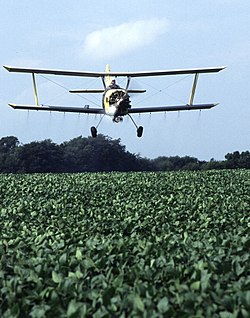
An agricultural aircraft applies low-insecticide bait against western corn rootworm.

Pest control is the regulation or management of a species defined as a pest; such as any animal, plant or fungus that impacts adversely on human activities or environment.[1] The human response depends on the importance of the damage done and will range from tolerance, through deterrence and management, to attempts to completely eradicate the pest. Pest control measures may be performed as part of an integrated pest management strategy.

In agriculture, pests are kept at bay by mechanical, cultural, chemical and biological means.[2] Ploughing and cultivation of the soil before sowing mitigate the pest burden, and crop rotation helps to reduce the build-up of a certain pest species. Concern about environment means limiting the use of pesticides in favour of other methods. This can be achieved by monitoring the crop, only applying pesticides when necessary, and by growing varieties and crops which are resistant to pests. Where possible, biological means are used, encouraging the natural enemies of the pests and introducing suitable predators or parasites.[3]

In homes and urban environments, the pests are the rodents, birds, insects and other organisms that share the habitat with humans, and that feed on or spoil possessions. Control of these pests is attempted through exclusion or quarantine, repulsion, physical removal or chemical means.[4] Alternatively, various methods of biological control can be used including sterilisation programmes.

History

[edit]
Bronze cat, Ancient Egypt. (664–525 BC)

Pest control is at least as old as agriculture, as there has always been a need to keep crops free from pests. As long ago as 3000 BC in Egypt, cats were used to control pests of grain stores such as rodents.[5][6] Ferrets were domesticated by 1500 BC in Europe for use as mousers. Mongooses were introduced into homes to control rodents and snakes, probably by the ancient Egyptians.[7]

The conventional approach was probably the first to be employed, since it is comparatively easy to destroy weeds by burning them or ploughing them under, and to kill larger competing herbivores. Techniques such as crop rotation, companion planting (also known as intercropping or mixed cropping), and the selective breeding of pest-resistant cultivars have a long history.[8]

Red weaver ants, here feeding on a snail, have been used to control pests in China, Southeast Asia, and Africa for many centuries.

Chemical pesticides were first used around 2500 BC, when the Sumerians used sulphur compounds as insecticides.[9] Modern pest control was stimulated by the spread across the United States of the Colorado potato beetle. After much discussion, arsenical compounds were used to control the beetle and the predicted poisoning of the human population did not occur. This led the way to a widespread acceptance of insecticides across the continent.[10] With the industrialisation and mechanization of agriculture in the 18th and 19th centuries, and the introduction of the insecticides pyrethrum and derris, chemical pest control became widespread. In the 20th century, the discovery of several synthetic insecticides, such as DDT, and herbicides boosted this development.[10]

The harmful side effect of pesticides on humans has now resulted in the development of newer approaches, such as the use of biological control to eliminate the ability of pests to reproduce or to modify their behavior to make them less troublesome.[citation needed] Biological control is first recorded around 300 AD in China, when colonies of weaver ants, Oecophylla smaragdina, were intentionally placed in citrus plantations to control beetles and caterpillars.[9] Also around 4000 BC in China, ducks were used in paddy fields to consume pests, as illustrated in ancient cave art. In 1762, an Indian mynah was brought to Mauritius to control locusts, and about the same time, citrus trees in Burma were connected by bamboos to allow ants to pass between them and help control caterpillars. In the 1880s, ladybirds were used in citrus plantations in California to control scale insects, and other biological control experiments followed. The introduction of DDT, a cheap and effective compound, put an effective stop to biological control experiments. By the 1960s, problems of resistance to chemicals and damage to the environment began to emerge, and biological control had a renaissance. Chemical pest control is still the predominant type of pest control today, although a renewed interest in traditional and biological pest control developed towards the end of the 20th century and continues to this day.[11]

In agriculture

[edit]

Control methods

[edit]

Biological pest control

[edit]
Biological pest control: parasitoid wasp (Cotesia congregata) adult with pupal cocoons on its host, a tobacco hornworm Manduca sexta (green background)

Biological pest control is a method of controlling pests such as insects and mites by using other organisms.[12] It relies on predation, parasitism, herbivory, parasitody or other natural mechanisms, but typically also involves an active human management role. Classical biological control involves the introduction of natural enemies of the pest that are bred in the laboratory and released into the environment. An alternative approach is to augment the natural enemies that occur in a particular area by releasing more, either in small, repeated batches, or in a single large-scale release. Ideally, the released organism will breed and survive, and provide long-term control.[13] Biological control can be an important component of an integrated pest management programme.

For example: mosquitoes are often controlled by putting Bt Bacillus thuringiensis ssp. israelensis, a bacterium that infects and kills mosquito larvae, in local water sources.[14]

Cultural control

[edit]
Cultivation by ploughing exposes insect pests to predators such as black-headed gulls.
Spruce budworm (adult and pupa shown), a serious pest of forests, can be monitored using pheromone traps.

Mechanical pest control is the use of hands-on techniques as well as simple equipment and devices, that provides a protective barrier between plants and insects. This is referred to as tillage and is one of the oldest methods of weed control as well as being useful for pest control; wireworms, the larvae of the common click beetle, are very destructive pests of newly ploughed grassland, and repeated cultivation exposes them to the birds and other predators that feed on them.[15]

Crop rotation can help to control pests by depriving them of their host plants. It is a major tactic in the control of corn rootworm, and has reduced early season incidence of Colorado potato beetle by as much as 95%.[16]

Trap cropping

[edit]

A trap crop is a crop of a plant that attracts pests, diverting them from nearby crops.[17] Pests aggregated on the trap crop can be more easily controlled using pesticides or other methods.[18] However, trap-cropping, on its own, has often failed to cost effectively reduce pest densities on large commercial scales, without the use of pesticides, possibly due to the pests' ability to disperse back into the main field.[18]

Pesticides

[edit]
Spraying pine logs with insecticide against Ips sexdentatus, a pine engraver beetle

Pesticides are substances applied to crops to control pests, they include herbicides to kill weeds, fungicides to kill fungi and insecticides to kill insects. Application methods include sprays by hand, tractors, or aircraft or as seed dressings. To be effective, the correct substance must be applied at the correct time and the method of application is important to ensure adequate coverage and retention on the crop. The killing of natural enemies of the target pest should be minimized. This is particularly important in countries where there are natural reservoirs of pests and their enemies in the countryside surrounding plantation crops, and these co-exist in a delicate balance. Often in less-developed countries, the crops are well adapted to the local situation and no pesticides are needed. Where progressive farmers are using fertilizers to grow improved crop varieties, these are often more susceptible to pest damage, but the indiscriminate application of pesticides may be detrimental in the longer term.[19][unreliable source?][failed verification] The efficacy of chemical pesticides tends to diminish over time. This is because any organism that manages to survive the initial application will pass on its genes to its offspring and a resistant strain will be developed. In this way, some of the most serious pests have developed resistance and are no longer killed by pesticides that used to kill their ancestors. This necessitates higher concentrations of chemical, more frequent applications and a movement to more expensive formulations.[20]

Pesticides are intended to kill pests, but many have detrimental effects on non-target species; of particular concern is the damage done to honey-bees, solitary bees and other pollinating insects and in this regard, the time of day when the spray is applied can be important.[21] The widely used neonicotinoids have been banned on flowering crops in some countries because of their effects on bees.[21] Some pesticides may cause cancer and other health problems in humans, as well as being harmful to wildlife.[22] There can be acute effects immediately after exposure or chronic effects after continuous low-level, or occasional exposure.[23] Maximum residue limits for pesticides in foodstuffs and animal feed are set by many nations.[24]

Genetics

[edit]

Using crops with inheritable resistance to pests is referred to as host-plant resistance and reduces the need for pesticide use. These crops can harm or even kill pests, repel feeding, prevent colonization, or tolerate the presence of a pest without significantly impacting yield.[25][26][27] Resistance can also occur through genetic engineering to have traits with resistance to insects, such as with Bt corn, or papaya resistance to ringspot virus.[28] When farmers are purchasing seed, variety information often includes resistance to selected pests in addition to other traits.[29]

Hunting

[edit]
A contemporary wood engraving of varmint hunters shooting passenger pigeons, a varmint species that was known to damage crops. Overhunting resulted in complete extinction of the species.

Pest control can also be achieved via culling the pest animals — generally small- to medium-sized wild or feral mammals or birds that inhabit the ecological niches near farms, pastures or other human settlements — by employing human hunters or trappers to physically track down, kill and remove them from the area. The culled animals, known as vermin, may be targeted because they are deemed harmful to agricultural crops, livestock or facilities; serve as hosts or vectors that transmit pathogens across species or to humans; or for population control as a mean of protecting other vulnerable species and ecosystems.[30]

Pest control via hunting, like all forms of harvest, has imposed an artificial selective pressure on the organisms being targeted. While varmint hunting is potentially selecting for desired behavioural and demographic changes (e.g. animals avoiding human populated areas, crops and livestock), it can also result in unpredicted outcomes such as the targeted animal adapting for faster reproductive cycles.[31]

Forestry

[edit]

Forest pests present a significant problem because it is not easy to access the canopy and monitor pest populations. In addition, forestry pests such as bark beetles, kept under control by natural enemies in their native range, may be transported large distances in cut timber to places where they have no natural predators, enabling them to cause extensive economic damage.[32] Pheromone traps have been used to monitor pest populations in the canopy. These release volatile chemicals that attract males. Pheromone traps can detect the arrival of pests or alert foresters to outbreaks. For example, the spruce budworm, a destructive pest of spruce and balsam fir, has been monitored using pheromone traps in Canadian forests for several decades.[33] In some regions, such as New Brunswick, areas of forest are sprayed with pesticide to control the budworm population and prevent the damage caused during outbreaks.[34]

In homes and cities

[edit]

Many unwelcome animals visit or make their home in residential buildings, industrial sites and urban areas. Some contaminate foodstuffs, damage structural timbers, chew through fabrics or infest stored dry goods. Some inflict great economic loss, others carry diseases or cause fire hazards, and some are just a nuisance. Control of these pests has been attempted by improving sanitation and garbage control, modifying the habitat, and using repellents, growth regulators, traps, baits and pesticides.[35]

General methods

[edit]

Physical pest control

[edit]
Dog control van, Rekong Peo, Himachal Pradesh, India

Physical pest control involves trapping or killing pests such as insects and rodents. Historically, local people or paid rat-catchers caught and killed rodents using dogs and traps.[36] On a domestic scale, sticky flypapers are used to trap flies. In larger buildings, insects may be trapped using such means as pheromones, synthetic volatile chemicals or ultraviolet light to attract the insects; some have a sticky base or an electrically charged grid to kill them. Glueboards are sometimes used for monitoring cockroaches and to catch rodents. Rodents can be killed by suitably baited spring traps and can be caught in cage traps for relocation. Talcum powder or "tracking powder" can be used to establish routes used by rodents inside buildings and acoustic devices can be used for detecting beetles in structural timbers.[35]

Historically, firearms have been one of the primary methods used for pest control. "Garden Guns" are smooth bore shotguns specifically made to fire .22 caliber snake shot or 9mm Flobert, and are commonly used by gardeners and farmers for snakes, rodents, birds, and other pest. Garden Guns are short-range weapons that can do little harm past 15 to 20 yards, and they're relatively quiet when fired with snake shot, compared to standard ammunition. These guns are especially effective inside of barns and sheds, as the snake shot will not shoot holes in the roof or walls, or more importantly, injure livestock with a ricochet. They are also used for pest control at airports, warehouses, stockyards, etc.[37]

The most common shot cartridge is .22 Long Rifle loaded with #12 shot. At a distance of about 10 ft (3.0 m), which is about the maximum effective range, the pattern is about 8 in (20 cm) in diameter from a standard rifle. Special smoothbore shotguns, such as the Marlin Model 25MG can produce effective patterns out to 15 or 20 yards using .22 WMR shotshells, which hold 1/8 oz. of #12 shot contained in a plastic capsule.

Poisoned bait

[edit]
Rodent bait station, Chennai, India

Poisoned bait is a common method for controlling rats, mice, birds, slugs, snails, ants, cockroaches, and other pests. The basic granules, or other formulation, contains a food attractant for the target species and a suitable poison. For ants, a slow-acting toxin is needed so that the workers have time to carry the substance back to the colony, and for flies, a quick-acting substance to prevent further egg-laying and nuisance.[38] Baits for slugs and snails often contain the molluscide metaldehyde, dangerous to children and household pets.[39]

An article in Scientific American in 1885 described effective elimination of a cockroach infestation using fresh cucumber peels.[40]

Bait being placed in a rodent bait box.

Warfarin has traditionally been used to kill rodents, but many populations have developed resistance to this anticoagulant, and difenacoum may be substituted. These are cumulative poisons, requiring bait stations to be topped up regularly.[38] Poisoned meat has been used for centuries to kill animals such as wolves[41] and birds of prey.[42] Poisoned carcasses however kill a wide range of carrion feeders, not only the targeted species.[41] Raptors in Israel were nearly wiped out following a period of intense poisoning of rats and other crop pests.[43]

Fumigation

[edit]
Tent fumigation of a house in the United States

Fumigation is the treatment of a structure to kill pests such as wood-boring beetles by sealing it or surrounding it with an airtight cover such as a tent, and fogging with liquid insecticide for an extended period, typically of 24–72 hours. This is costly and inconvenient as the structure cannot be used during the treatment, but it targets all life stages of pests.[44]

An alternative, space treatment, is fogging or misting to disperse a liquid insecticide in the atmosphere within a building without evacuation or airtight sealing, allowing most work within the building to continue, at the cost of reduced penetration. Contact insecticides are generally used to minimize long-lasting residual effects.[44]

Sterilization

[edit]

Populations of pest insects can sometimes be dramatically reduced by the release of sterile individuals. This involves the mass rearing of a pest, sterilising it by means of X-rays or some other means, and releasing it into a wild population. It is particularly useful where a female only mates once and where the insect does not disperse widely.[45] This technique has been successfully used against the New World screw-worm fly, some species of tsetse fly, tropical fruit flies, the pink bollworm and the codling moth, among others.[46]

To chemically sterilize pests using chemosterilants, laboratory studies conducted using U-5897 (3-chloro-1,2-propanediol) attempted in the early 1970s for rat control, although these proved unsuccessful.[47] In 2013, New York City tested sterilization traps,[48] demonstrating a 43% reduction in rat populations.[48] The product ContraPest was approved for the sterilization of rodents by the U.S. Environmental Protection Agency in August 2016 as a chemosterilant.[49]

Insulation

[edit]

Boron, a known pesticide can be impregnated into the paper fibers of cellulose insulation at certain levels to achieve a mechanical kill factor for self-grooming insects such as ants, cockroaches, termites, and more. The addition of insulation into the attic and walls of a structure can provide control of common pests in addition to known insulation benefits such a robust thermal envelope and acoustic noise-canceling properties. The EPA regulates this type of general-use pesticide within the United States allowing it to only be sold and installed by licensed pest management professionals as part of an integrated pest management program.[50] Simply adding Boron or an EPA-registered pesticide to an insulation does not qualify it as a pesticide. The dosage and method must be carefully controlled and monitored.

On airfields

[edit]
Jet engine fan blades damaged by bird strike

Birds are a significant hazard to aircraft, but it is difficult to keep them away from airfields. Several methods have been explored. Stunning birds by feeding them a bait containing stupefying substances has been tried,[51] and it may be possible to reduce their numbers on airfields by reducing the number of earthworms and other invertebrates by soil treatment.[51] Leaving the grass long on airfields rather than mowing it is also a deterrent to birds.[52] Sonic nets are being trialled; these produce sounds that birds find distracting and seem effective at keeping birds away from affected areas.[53]

See also

[edit]

References

[edit]
[edit]
Revisions and contributorsEdit on WikipediaRead on Wikipedia
from Grokipedia
Pest control involves the regulated of designated as pests—organisms such as , , weeds, or pathogens that cause economic losses, transmit diseases, or damage and —through methods aimed at preventing, suppressing, or eradicating their populations to tolerable levels. These efforts are essential for safeguarding , , and infrastructure, as uncontrolled pest proliferation can lead to failures, epidemics like those from mosquitoes carrying or spreading plague, and structural decay in buildings. Historically, pest control relied on rudimentary physical and chemical means, such as compounds used by ancient Sumerians around 2500 BC to combat , evolving into more systematic approaches with the advent of synthetic s in the that dramatically boosted but also sparked concerns over environmental persistence and non-target effects. Modern practices emphasize (IPM), a process that integrates monitoring, cultural practices like , biological agents such as predatory , and targeted chemical applications to minimize risks while maximizing efficacy. Controversies arise from pesticide overuse, which has induced resistance in pest populations and collateral damage to beneficial species, prompting shifts toward sustainable alternatives despite ongoing debates over balancing human needs against ecological impacts.

Definition and Principles

Core Definition and Objectives

Pest control encompasses the systematic of populations of organisms designated as pests—typically , , weeds, pathogens, or other that interfere with human activities by damaging crops, spreading , inflicting structural harm, or reducing economic productivity. These organisms are contextually defined by their adverse effects rather than inherent traits, with thresholds often determined by economic injury levels where pest density causes losses exceeding control costs. Effective pest control prioritizes accurate identification and monitoring to distinguish pests from beneficial , avoiding unnecessary interventions that could disrupt ecosystems. The core objectives of pest control are to suppress pest numbers to levels where harm is tolerable, thereby safeguarding human health, agricultural yields, property integrity, and environmental stability without undue reliance on any single method. This involves preventive strategies to limit pest establishment, such as habitat modification, alongside corrective actions triggered by surveillance data indicating imminent damage. Economically, the goal is to optimize returns by balancing control expenses against potential losses, as evidenced by principles where interventions are withheld until pest populations approach action thresholds derived from field-specific data. Broader aims include minimizing non-target impacts on pollinators, predators, and , which empirical studies link to resilient agroecosystems, and fostering sustainable practices that reduce resistance development in pest populations—a phenomenon observed in over 500 insect resistant to at least one class as of 2020. These objectives underscore a shift from reactive eradication to proactive management, informed by causal factors like pest biology, host interactions, and environmental variables, ensuring interventions align with verifiable rather than unsubstantiated assumptions.

First-Principles of Pest Management

Pest management operates on the ecological reality that pests—organisms causing economic, , or aesthetic harm—flourish when environmental conditions favor their reproduction and survival over those of hosts or beneficial . Effective strategies prioritize disrupting pest cycles at vulnerable stages while preserving services like predation and , as indiscriminate interventions often amplify problems through resistance development or imbalances. This approach emerged from observations in the mid-20th century, where heavy use led to pest resurgences; for instance, post-World War II applications of initially suppressed insects but subsequently triggered outbreaks as natural enemies were eradicated, demonstrating the causal link between non-selective controls and ecological disruption. Core to these principles is prevention, achieved through system design that excludes pests or renders environments unsuitable, such as site selection to avoid high-risk areas, sanitation to remove breeding sites, or mechanical barriers like screens. Accurate pest identification follows, as misidentification wastes resources; for example, distinguishing between crop-damaging aphids and harmless look-alikes requires morphological or molecular confirmation to target interventions precisely. Monitoring via regular sampling—scouting fields weekly or using traps—quantifies populations against action thresholds, typically economic injury levels (EILs) calculated as the pest density where control costs equal or less than anticipated damage, preventing premature or excessive action. Control tactics are then selected hierarchically for specificity and sustainability: cultural methods (e.g., disrupting host continuity), biological agents (e.g., releasing parasitoids that attack specific pests), physical removals (e.g., burying pupae), and chemical applications as a last resort, rotated to delay resistance—evidenced by cases where continuous use reduced efficacy by over 90% in bollworms within a decade. Post-intervention evaluation assesses outcomes, refining future thresholds based on data like yield losses or residue levels, ensuring grounded in empirical feedback rather than routine spraying. This integrated framework reduces input costs by 20-50% in field trials while curbing secondary pest flares, underscoring the causal efficacy of balanced, evidence-based regulation over suppression.

Historical Development

Pre-Modern and Mechanical Eras

Pre-modern pest control encompassed physical, mechanical, and biological techniques developed across ancient civilizations, relying on direct intervention rather than synthesized compounds. In around 2500 BCE, Sumerians implemented early measures including manual removal and sulfur dusting to target and mites damaging crops, marking initial organized responses to pest pressures in settled . These methods stemmed from necessity, as unchecked pests could devastate stored grains and fields, with evidence from records indicating targeted applications to mitigate losses estimated at up to 30% of yields in vulnerable systems. Ancient Egyptian practices, dating to approximately 2000 BCE, integrated biological agents such as domesticated cats to prey on invading granaries, a strategy evidenced by and faunal remains showing reduced rates in protected stores. Farmers supplemented this with mechanical hand-picking of from crops and application of natural barriers like oils and plant ashes to deter beetles and locusts, achieving partial control through labor-intensive efforts that aligned crop protection with daily agrarian routines. In parallel, Chinese agriculturists by 1200 BCE employed botanical extracts from plants like for repulsion, while cultural practices such as timed planting disrupted pest life cycles. By the classical period, Roman and Greek farmers advanced mechanical , using plows to bury overwintering pests or expose them to and predation, a technique documented in agronomic texts like Cato's (160 BCE) that recommended deep cultivation to break soil habitats. , formalized in Roman four-field systems by the 1st century CE, prevented pest buildup by alternating host plants, reducing populations of soil-dwelling nematodes and insects by diversifying microbial and faunal dynamics in fields. Biological augmentation emerged in around 300 CE, with intentional placement of predatory ants on citrus trees to consume citrus psylla, sustaining yields without broad disruption to ecosystems. In medieval , mechanical traps constructed from wood and clay targeted rats and mice in mills and homes, often baited with food lures to capture individuals and limit breeding, as described in 13th-century agricultural manuals. Physical barriers, including elevated storage and netting over orchards, became standard by the to exclude birds and , with records from monastic estates showing these measures preserving up to 20% more harvest against avian depredation. The transition to early modern mechanical innovations in the 18th and 19th centuries introduced steam-powered plows and harrows, which enhanced soil disruption to unearth and destroy pest pupae, exemplified by the Norfolk four-course rotation system's adoption in around 1700, which integrated mechanical cultivation to suppress weeds and associated . These eras' approaches emphasized empirical observation of pest behaviors, favoring sustainable, low-impact interventions that minimized unintended ecological shifts compared to later chemical dependencies.

Chemical Revolution (20th Century)

The chemical revolution in pest control during the marked a shift from reliance on inorganic compounds like arsenic-based pesticides and natural extracts to synthetic organic chemicals, enabling more effective, broad-spectrum control. This era began with the synthesis of chlorinated hydrocarbons and organophosphates, which targeted pests' nervous systems through contact or ingestion, drastically reducing crop losses and vector-borne diseases. A pivotal development occurred in 1939 when Swiss chemist discovered the insecticidal properties of dichlorodiphenyltrichloroethane (), a persistent compound effective against a wide range of at low concentrations. During , was deployed to combat typhus-carrying lice and mosquitoes, saving millions of lives among troops and civilians by interrupting disease transmission. Post-war, its adoption in agriculture accelerated; by the late 1940s, applications increased yields by controlling pests like the and , with U.S. farmers reporting reductions in insect-related crop damage from over 30% to under 10% in treated fields. Müller's work earned him the 1948 in Physiology or Medicine for 's role in safeguarding health and food production. Parallel advancements included insecticides, first synthesized in the 1930s by German chemist while researching potential chemical weapons; compounds like and emerged in the 1940s as alternatives to , offering rapid knockdown effects via inhibition. These chemicals facilitated large-scale aerial and ground applications, integral to the post-WWII , where pesticide use alongside hybrid seeds and fertilizers boosted global production by over 200% between 1950 and 1984, averting famines in developing regions. In the U.S., expenditures correlated with output gains, with each dollar invested yielding $3 to $6.50 in additional agricultural value through minimized pest-induced losses. By the mid-20th century, the proliferation of these synthetics transformed pest management from labor-intensive mechanical methods to efficient chemical interventions, supporting amid and intensified farming. Herbicides like 2,4-D, introduced in 1945, further revolutionized , reducing manual labor and enabling expansion. However, the broad efficacy stemmed from these compounds' stability and non-selectivity, which initially overshadowed emerging concerns about resistance and off-target effects.

Emergence of Integrated Approaches

The heavy dependence on broad-spectrum synthetic insecticides following their introduction in the and engendered practical failures, including the rapid of resistance in over 100 insect species by the late 1950s and the resurgence of target pests due to the collateral destruction of predatory and parasitic natural enemies. These outcomes stemmed from causal mechanisms such as selective pressure favoring resistant genotypes and disrupted ecological balances that previously suppressed pest populations below damaging levels, prompting entomologists to seek methods that preserved beneficial organisms. In 1959, researchers V.M. Stern, R.F. Smith, R. van den Bosch, and K.S. Hagen formalized the "integrated control" concept in a foundational paper on managing the spotted alfalfa aphid in California, defining it as the coordinated application of biological controls—such as conserving native predators—with chemical treatments used selectively and only when pest densities exceeded established economic thresholds. This framework prioritized monitoring pest and beneficial populations to inform decisions, avoiding routine calendar-based spraying that exacerbated resistance and secondary outbreaks, and marked a shift from pesticide-centric tactics to ecologically informed systems. The terminology evolved to "" (IPM) by the mid-1960s, expanding the scope to include cultural, physical, and host-plant resistance methods alongside biological and judicious chemical options for multiple pest types, not just insects. Practical implementation accelerated in the 1970s, with early successes in cotton fields where IPM strategies reduced broad-spectrum applications by integrating traps, natural enemy conservation, and targeted sprays, achieving yield stability while curbing resistance development and environmental residues. In 1972, U.S. President elevated IPM to national policy by directing federal agencies to develop and promote these programs, institutionalizing the approach amid growing evidence of chemical-only methods' unsustainability.

Agricultural Applications

Biological and Natural Enemy Methods

Biological control in agriculture employs living organisms, known as natural enemies, to suppress pest populations below economically damaging levels. These methods leverage predators, parasitoids, and pathogens that target specific pests while minimizing harm to crops, beneficial species, and the environment. Unlike chemical pesticides, biological agents often provide sustained suppression through reproduction and establishment, though their efficacy depends on factors such as climate, habitat suitability, and integration with other pest management practices. Classical biological control introduces exotic natural enemies to control invasive pests, augmentative releases involve mass-rearing and periodic inundation or inoculation, and conservation enhances existing enemy populations via habitat manipulation. Predators, such as lady beetles (Coccinellidae) and lacewings (Chrysopidae), consume multiple prey items during their development, providing rapid suppression of soft-bodied pests like aphids and mites in crops including alfalfa and citrus. For instance, the vedalia beetle (Rodolia cardinalis), introduced from Australia to California in November 1888, established populations that controlled the invasive cottony cushion scale (Icerya purchasi) by 1890, averting the collapse of the state's citrus industry valued at millions of dollars annually at the time. Parasitoids, primarily wasps or flies whose larvae develop inside a single host pest, killing it upon emergence, offer targeted control; examples include Trichogramma species released inundatively against moth eggs in corn and vegetables, with rates of 100,000–300,000 per acre yielding up to 90% parasitism in field trials. Pathogens, including bacteria, fungi, viruses, and nematodes, induce disease in pests under favorable conditions. Bacillus thuringiensis (Bt), a bacterium producing crystal toxins lethal to lepidopteran larvae, has been commercially applied since the 1920s and used on nearly 8 million hectares of insect-infested forests in Canada since 1985, achieving control rates exceeding 90% against spruce budworm without broad nontarget effects. Fungal pathogens like Beauveria bassiana target whiteflies and thrips in greenhouse tomatoes, while nematodes (Steinernema spp.) suppress soil-dwelling larvae in turf and potatoes. Conservation strategies, such as planting insectary strips with flowering plants to attract and sustain predators, have increased parasitoid densities by 20–50% in vegetable fields, reducing aphid outbreaks. Despite successes, biological methods face challenges including slow response times, vulnerability to pesticides and weather extremes, and occasional failures in establishment; for example, only about 10–20% of classical introductions achieve full control of target pests. Augmentative releases succeed best in enclosed systems like greenhouses, where Phytoseiulus persimilis mites control spider mites on cucumbers with minimal inputs. Overall, these approaches reduce reliance on synthetic chemicals, with meta-analyses showing average pest reductions of 30–50% in integrated systems, though outcomes vary by crop and region.

Cultural, Physical, and Crop-Specific Techniques

Cultural techniques in pest control involve modifying agricultural practices to make the environment less favorable for pests, thereby suppressing their populations without direct intervention. , a foundational method, alternates host crops over seasons to disrupt pest life cycles and prevent buildup of soil-dwelling or crop-specific pests. This approach reduces pest pressure through spatiotemporal separation of suitable hosts, leading to observed yield increases of 10-25% and lower incidence of persistent damage in diversified systems. and trap cropping further enhance these effects by diversifying plantings, which interrupts pest host-finding and concentrates infestations on sacrificial plants for targeted removal. Timely planting and field sanitation, such as removing crop residues, minimize overwintering sites and initial inoculum, contributing to preventive suppression. Physical methods employ mechanical or barrier-based interventions to directly exclude, trap, or destroy pests. operations, including moldboard plowing and vertical tillage, expose soil and weed seeds to , predators, and unfavorable conditions, achieving reductions in winter annual weeds by up to 50% and slug damage by 24% in certain systems. However, efficacy varies with intensity; reduced may preserve beneficial predators while still controlling some pests, though it risks higher abundances in undisturbed soils for others. Barriers like floating row covers, insect netting, and trunk wraps physically prevent pest access to crops, effectively excluding flying or crawling in and field settings without chemical residues. Hand weeding and mulching suppress weed competition, which indirectly limits pest habitats, though labor-intensive for large scales. Crop-specific techniques tailor these methods to the of target pests and host for optimized control. In cucurbit production, perimeter trap cropping with earlier-planted squash varieties lures squash bugs and vine borers away from main fields, reducing damage when combined with localized treatments. For root vegetables like carrots, fine-mesh barriers or collars block oviposition, preventing larval infestation in soil. In crops, with trap plants such as nasturtiums diverts , while adjusted planting dates avoid peak pest flights. These adaptations leverage pest preferences and crop vulnerabilities, enhancing overall efficacy in integrated systems by minimizing broad-spectrum disruptions.

Chemical Pesticide Deployment

Chemical pesticides in agriculture are deployed through various methods tailored to target pests, crop types, and field conditions, primarily including foliar sprays, soil applications, and seed treatments. Foliar application involves spraying liquid formulations directly onto plant surfaces using ground-based boom sprayers or handheld equipment to control above-ground insects, weeds, and diseases, achieving uniform coverage when calibrated for droplet size and pressure. Soil applications, such as drenches or granular broadcasts, deliver pesticides into the root zone for systemic uptake or soil-dwelling pests, with granules incorporated via tillage to enhance efficacy against nematodes and soil insects. Seed treatments coat seeds with pesticides before planting, providing early-season protection against seedcorn maggots and fungal pathogens, minimizing the need for broadcast applications. Aerial deployment, using or helicopters, enables rapid coverage of large areas, treating up to 127 million acres annually in the United States, particularly for row crops like and where timely intervention prevents yield losses from defoliating . This method reduces ground compaction and labor costs but requires adherence to (FAA) regulations and Environmental Protection Agency (EPA) guidelines on drift minimization through nozzle selection and flight altitude adjustments. Band applications along field borders or rows target perimeter pests with non-selective herbicides, conserving resources compared to full-field broadcasts. Deployment strategies emphasize integrated timing and rates to maximize effectiveness while curbing resistance, a phenomenon documented since the with organic insecticides like , where initial successes in yield protection—contributing to post-World War II increases of 20-50% in major crops—gave way to widespread arthropod resistance by the 1980s, affecting over 500 . Empirical studies show that over 90% of applications result in yield gains, with modern formulations improving by reducing application volumes and targeting specificity, though overuse accelerates resistance evolution via on pest populations. Regulatory frameworks, including EPA labeling for drift reduction and buffer zones, mitigate off-target effects, ensuring pesticides' role in sustaining global food production amid .

Genetic Engineering and Biotechnology

Genetic engineering has introduced pest-resistant traits into crops by incorporating genes that produce toxins lethal to specific insects, reducing reliance on chemical insecticides. Bacillus thuringiensis (Bt) crops, commercialized in the mid-1990s, express Cry proteins from the soil bacterium B. thuringiensis, which disrupt the gut of targeted lepidopteran and coleopteran larvae upon ingestion, while sparing non-target organisms due to host specificity. Examples include Bt corn effective against European corn borer (Ostrinia nubilalis), achieving up to 89.7% reduction in Diabrotica spp. infestation, and Bt cotton controlling bollworms, with cumulative savings of $6.8 billion in corn borer damages over 14 years in U.S. Midwest regions. Adoption of insect-resistant (IR) GM crops has empirically lowered insecticide applications by 37% on average across crops and regions, boosted yields by 22%, and cut environmental impacts from pesticides by 17.3% globally between 1996 and 2020, as IR varieties like and corn supplanted broad-spectrum sprays. Bt technology integrates with biological controls, minimally affecting predators and parasitoids, and has stabilized yields by mitigating outbreak risks from mobile pests. However, pest resistance to Bt toxins has emerged in field populations, necessitating strategies like refuge planting—non-Bt areas to sustain susceptible insects—and gene pyramiding with multiple Bt toxins to delay . Beyond Bt, () biotechnology deploys double-stranded (dsRNA) to silence essential pest genes post-ingestion, offering species-specific control without permanent genetic modification to crops. Transgenic or topical sprays delivering dsRNA target genes for reproduction or development in pests like and beetles, with field trials showing reduced damage in and corn; combining with enhances durability against resistance. The (SIT), augmented by , uses or to induce sterility in mass-reared males, released to suppress wild populations via mating incompatibility, as demonstrated in area-wide programs against fruit flies and moths in orchards. CRISPR/Cas9 gene editing refines pest resistance by precisely altering plant genomes, such as knocking out susceptibility factors (e.g., eIF4E genes conferring vulnerability to piercing-sucking insects) or stacking resistance alleles without foreign DNA, evading some regulatory hurdles for GMOs. Recent applications include CRISPR-edited rice and wheat with enhanced tolerance to rice brown planthopper and Hessian fly, respectively, via R-gene activation, with 2024 trials reporting 50-80% mortality in targeted pests. These tools promote sustainable pest management by minimizing off-target effects and enabling rapid trait deployment, though long-term field efficacy requires monitoring for pleiotropic impacts and regulatory approval varies by jurisdiction.

Urban and Domestic Applications

Physical Barriers and Sanitation

Physical barriers in urban and domestic pest control involve structural modifications to exclude pests such as and from entering buildings, primarily by sealing entry points and using screens or meshes. Common methods include caulking cracks and gaps around windows, doors, pipes, and foundations; installing door sweeps and ; and fitting fine-mesh screens on vents, windows, and drains to block small arthropods like , , and flies, which require openings as narrow as 1/16 inch for entry. These exclusions form the foundation of (IPM) by addressing pest access at the source, reducing reliance on chemical interventions. For , metal flashing, , or hardware cloth barriers around foundations and under doors prove more durable than softer materials, with studies showing that treated barriers can reduce penetration by house mice and ground squirrels by 50-80% compared to untreated surfaces. In multi-unit housing, comprehensive sealing of shared walls and utility penetrations has demonstrated up to 70% reductions in sightings when combined with monitoring, as gaps serve as primary harborage and migration routes. Effectiveness varies by pest size and behavior; while highly reliable for larger invaders like rats (needing 1/2-inch gaps), smaller may exploit imperfect seals, necessitating regular inspections and maintenance. Sanitation complements barriers by eliminating attractants that sustain pest populations indoors, targeting , , and through practices like prompt spill cleanup, storing perishables in airtight containers, and ensuring garbage disposals are frequent and sealed. In urban settings, where and thrive on organic debris, maintaining dry conditions—such as fixing leaks and ventilating damp areas—disrupts breeding cycles, with IPM programs reporting 40-60% drops in densities after sustained in apartments. Proper , including lidded bins and prompt removal, prevents fly and foraging, as unsealed refuse can harbor thousands of eggs per site. Together, barriers and yield synergistic effects in IPM, as exclusion alone fails if interior resources persist, while sanitation without seals allows reinvasion from neighboring units or outdoors. Empirical data from studies indicate these non-toxic approaches can suppress pest thresholds below action levels for months, minimizing health risks from allergens and vectors without environmental residues. Implementation requires resident and professional audits, as incomplete application—such as overlooking vents—undermines outcomes.

Baiting, Fumigation, and Targeted Chemicals

Baiting employs attractants combined with toxicants to lure and eliminate pests such as , , and in urban and domestic environments, often using tamper-resistant stations to contain rodenticides and reduce non-target exposure. rodenticides, particularly second-generation compounds like and , dominate rodent control by disrupting blood clotting after consumption, achieving high mortality rates in commensal species like rats and roof rats when bait uptake is sufficient. In urban settings, bait stations placed along rodent runways facilitate targeted delivery, with studies indicating reduced bait consumption post-initial intake due to symptom onset, signaling effective dosing. However, widespread secondary exposure occurs in non-target , such as rats showing anticoagulant residues in over 80% of sampled urban populations, raising concerns for predators like and coyotes. For insect pests, gel and granular baits prove highly effective; cockroach baits incorporating or yield infestation reductions exceeding 90% in apartment studies by exploiting behavior. baits using slow-acting toxins like target colonies systemically, minimizing broadcast applications. Despite , bait shyness—where surviving pests avoid treated food—can emerge, necessitating rotation of bait types and integration with sanitation to sustain control. introduces gaseous pesticides into sealed structures to eradicate hidden infestations, particularly drywood and bed bugs in homes, penetrating voids inaccessible to surface treatments. , the predominant fumigant for residential use since its registration in 1957, acts as a metabolic inhibitor, achieving near-total pest mortality within 24-72 hours of exposure at concentrations of 1-3 grams per cubic meter. The process involves tenting of the building, gas injection, dwell period, and aeration until levels drop below 5 ppm for safe re-entry, with professional monitoring required to prevent exposure. Efficacy data confirm elimination rates over 99% for , though incomplete sealing or insufficient dosage can compromise results. Safety protocols mitigate risks, as the gas's odorless nature and high —lethal to humans above 25 ppm—have led to reported poisonings from premature re-entry or equipment failures. Targeted chemical applications deliver insecticides via precise methods like crack-and-crevice spraying, dusts, or gels to harborage sites, curbing pests including , , and while limiting human and environmental contact compared to broad-spectrum fogging. Pyrethroids such as and neonicotinoids like , applied as residual sprays, provide contact and residual kill lasting weeks to months, with field trials showing 85-95% reductions in populations in urban dwellings. dusts exploit grooming behavior for slow-acting in roaches, achieving suppression without resistance buildup common in faster agents. Fipronil-based treatments target trails and mounds effectively, though regulatory scrutiny emphasizes minimal application volumes—often under 1 per site—to avert runoff into waterways. These methods integrate into IPM frameworks, prioritizing monitoring to apply only upon threshold exceedance, thereby enhancing over prophylactic overuse.

Biological Controls in Human Habitats

Biological control in human habitats employs living organisms—such as predators, parasitoids, pathogens, and microbes—to suppress pest populations in urban landscapes, residential gardens, and indoor structures, often as part of to minimize chemical use. These methods leverage natural enemy-pest dynamics, including predation, , and , targeting common urban pests like mosquitoes, , and while aiming to preserve non-target species. Effectiveness depends on factors like agent specificity, environmental conditions, and release timing, with urban fragmentation sometimes reducing natural enemy compared to rural settings. Microbial agents, particularly bacteria and fungi, are widely applied indoors and in urban water sources. (Bti), a bacterium producing toxins lethal to larvae, is routinely deployed in urban waterways and standing water around homes to control species like , vectors for dengue and Zika; it spares beneficial insects, fish, and humans due to its narrow host range. In field applications, Bti has achieved over 90% larval mortality in treated sites without significant non-target impacts in most studies. Entomopathogenic fungi such as and Metarhizium anisopliae infect via penetration in buildings, causing 70-100% mortality in lab exposures after 7-14 days, offering a viable alternative to insecticides amid growing resistance. These fungi are formulated as sprays or dusts for structural use, though humidity and sanitation influence spore viability. Parasitoid insects, notably wasps, provide targeted control in homes and urban greenspaces. Species like Evania appendigaster parasitize oothecae (egg cases) of American and Oriental cockroaches in structures, reducing populations by 20-50% in augmented releases when combined with monitoring. In residential landscapes, Trichogramma wasps attack caterpillar eggs on ornamentals, while Aphidius spp. parasitize aphids, suppressing outbreaks without broad toxicity. Releases of 1,000-5,000 wasps per acre in urban gardens can yield 60-80% parasitism rates under favorable conditions. Advanced techniques like the Wolbachia method deploy mosquitoes infected with the endosymbiotic bacterium pipientis, which induces cytoplasmic incompatibility—rendering offspring from matings with uninfected females inviable—thus suppressing vector populations in cities. Field trials in dengue-endemic urban areas, such as , (2017-2020), reduced by over 77% and dengue incidence by 77%, with sustained effects over three years. Similar releases in Brazilian cities like achieved 69% mosquito density reductions, demonstrating scalability in dense human habitats without genetic modification. Predatory nematodes, such as Steinernema feltiae, target soil-dwelling pests like in indoor potting areas or lawn grubs around homes, achieving 80-95% control in moist conditions. Conservation approaches enhance these by planting nectar-rich urban flora to sustain native predators like lady beetles, boosting control in parks and yards. Despite successes, urban heat islands and can lower agent persistence, necessitating monitoring for optimal integration.

Specialized and Industrial Contexts

Forestry Pest Management

Forestry pest management encompasses strategies to mitigate damage from insects, pathogens, and other organisms threatening health, timber production, and services, primarily through (IPM) frameworks that combine monitoring, prevention, and targeted interventions. IPM in forests emphasizes long-term prevention by assessing pest populations via aerial surveys, traps, and ground assessments to determine economic injury levels before deploying controls. Common forest insect pests include defoliators like the spruce budworm (Choristoneura fumiferana), which causes cyclic outbreaks every 30-40 years affecting tens of millions of hectares in , and bark beetles such as the mountain pine beetle (Dendroctonus ponderosae), which target stressed and have led to widespread mortality in lodgepole pine stands. Silvicultural practices form the foundation of preventive , including overcrowded stands to enhance vigor and reduce susceptibility, harvesting to remove infested or high-risk trees, and promoting to disrupt pest life cycles. For bark beetles, tactics like the "fall and destroy" method— and burning or chipping infested trees before brood —limits spread, while anti-aggregation pheromones such as verbenone deter attacks on residual pines. Biological controls leverage natural enemies, including predators, parasitoids, and entomopathogens; for instance, the bacterium Bacillus thuringiensis var. kurstaki (Bt) has been aerially applied against spruce budworm larvae since the 1950s to protect foliage without broad nontarget effects. Early intervention strategies, informed by monitoring, aim to suppress rising outbreaks before they escalate, as demonstrated in Canada's response to spruce budworm where pheromone-based detection enables timely action. Chemical interventions are reserved for high-value or outbreak scenarios due to logistical challenges in vast forests and potential ecological risks, often involving helicopter or fixed-wing aerial spraying of insecticides over targeted areas. In , a 2018 federal investment of $74.75 million over five years supported spruce budworm suppression, including research into resilient and improved spraying efficacy. Economic analyses underscore the stakes: uncontrolled spruce budworm outbreaks in could cost approximately $15 billion in timber losses, while invasive forest insects inflict over $4 billion annually in damages across the , predominantly borne by local governments and property owners through removal and replacement efforts. These impacts highlight the causal link between unmanaged pest dynamics—driven by factors like climate warming expanding beetle ranges—and tangible losses in wood fiber supply and nonmarket forest values.

Infrastructure and Transportation Challenges

Termites inflict substantial structural damage on wooden components of buildings and bridges, with annual costs for repairs and control in the United States reaching $5 billion. Globally, termite-related expenditures exceed $40 billion yearly, encompassing prevention and remediation efforts. In regions with aging infrastructure, such as older urban buildings in New York City, cracks, leaks, and deteriorated materials create ideal entry points and harborage for rodents and cockroaches, complicating eradication. Construction sites face additional vulnerabilities, where exposed materials and temporary structures attract pests that damage equipment and compromise safety. Transportation systems encounter distinct pest-related hazards, including bird strikes on , which cause engine failures, structural damage, and operational delays. The reports cumulative costs of $1.48 billion for bird strike damages to U.S. civil from 1990 to 2023, averaging hundreds of millions annually when adjusted for inflation. A single severe incident can necessitate engine overhauls costing $1-5 million or more. Maritime and cargo transport exacerbates invasive species dispersal, as shipping containers inadvertently carry pests like the and from overseas origins. These vectors enable rapid establishment in new ecosystems, leading to widespread ecological and economic harm without natural predators to curb proliferation. Control measures, such as container inspections and treatments, prove challenging due to the volume of global trade—approximately 25 million containers arriving annually in the U.S. from and alone—and the pests' ability to hide in cargoes or packaging. Rail and subway networks grapple with rodent infestations, particularly in tunnels where inaccessible voids and discarded food sustain populations. New York City's subway system harbors an estimated 28 million rats, prompting reliance on traps, baits, and , yet persistent access through cracks undermines efficacy. Similar issues in systems like Washington Metrorail highlight the limitations of low-tech interventions in vast underground infrastructures, where exploit structural weaknesses for ingress. Sealing penetrations and barriers represent critical, yet labor-intensive, preventive strategies.

Empirical Impacts and Effectiveness

Economic Contributions to Yield and Productivity

Pest control interventions, including chemical pesticides, biological agents, and (IPM), have prevented substantial losses, thereby enhancing agricultural yields and productivity worldwide. The (FAO) estimates that pests, weeds, and diseases cause 20-40% of global production losses annually in the absence of effective controls. Similarly, the (USDA) reports that 20-40% of global output is lost to pests each year, with plant diseases alone imposing economic costs of approximately $220 billion globally. These interventions thus contribute an equivalent increase in realizable yields, supporting and economic output from . In specific commodities, the impact is pronounced; for corn, unchecked pests can diminish yields by up to 70%, while targeted pest management preserves and reduces the need for compensatory planting or replanting. Empirical studies confirm primary yield losses from pests and diseases averaging 26%, with secondary losses (from reduced quality or marketability) reaching 38%, underscoring the gains from mitigation strategies. Threshold-based IPM approaches have demonstrated potential to boost yields while cutting applications by 44%, optimizing economic returns through lower input costs and sustained output. Overall, pest control has enabled yield doublings in major crops since the mid-20th century, with economic analyses showing benefits-to-cost ratios for pesticides ranging from 4:1 to 20:1 across regions and crops, reflecting net productivity enhancements despite variable environmental trade-offs. These gains underpin agricultural GDP contributions, with protected harvests translating to higher farmer incomes and reduced food price volatility.

Public Health Outcomes from Vector Control

Vector control measures, particularly indoor residual spraying (IRS) and insecticide-treated nets (ITNs), have substantially lowered incidence and mortality in endemic regions. In , where accounts for the majority of global cases, IRS targets resting mosquitoes post-blood meal, reducing vector lifespan and transmission potential. Studies indicate that ITNs reduce infection risk by 37% and clinical incidence by 38% in children compared to non-users. Combining IRS with ITNs yields additive protection, with modeled reductions in infection prevalence exceeding those from either method alone, as evidenced in trials across multiple African countries. Historical data underscore these outcomes: intensive DDT-based IRS in the mid-20th century correlated with the lowest incidence rates in regions like and parts of , enabling elimination in 37 countries by 2023. Globally, deaths fell from peaks exceeding 1 million annually pre-2000 to 597,000 in 2023, with averting an estimated 7.6 billion clinical cases between 2000 and 2020 through scaled ITN distribution and IRS campaigns. The attributes much of this progress to vector interventions preventing infection at the population level, though insecticide resistance has tempered gains in recent years. For arboviral diseases transmitted by Aedes mosquitoes, such as dengue, Zika, and chikungunya, vector control via larval habitat elimination and adulticide spraying has curbed outbreaks, though resurgence occurs without sustained efforts. In the Americas, targeted Aedes aegypti control reduced dengue transmission in urban foci, with community-based source reduction preventing epidemics in areas achieving over 80% larval index suppression. Yellow fever control, integrating vector management with vaccination, eliminated urban transmission in the Americas since 1948. Overall, vector control has shrunk the geographic burden of vector-borne diseases, responsible for over 700,000 annual deaths, by fostering behavioral changes and reducing human-vector contact.

Controversies and Debates

Efficacy of Chemical vs. Organic Methods

Chemical pesticides generally outperform organic methods in terms of rapid and broad-spectrum pest suppression, enabling quicker population reductions and higher short-term control rates, often exceeding 90% mortality for target species in field applications. This stems from their systemic and contact modes of action, which disrupt pest physiology effectively across diverse taxa, as demonstrated in trials where synthetic insecticides achieved superior knockdown compared to biopesticides requiring multiple applications for similar results. In contrast, organic approaches—relying on microbial agents, extracts like neem, or natural predators—typically exhibit delayed effects, narrower host ranges, and lower consistency under high pest pressure, with often below 70% in standalone use due to and variable . Agricultural yield data further quantifies this disparity, with meta-analyses of global trials showing conventional systems, bolstered by chemical interventions, yielding 18-25% more than organic counterparts, attributable in large part to superior pest and management that minimizes losses estimated at 10-20% in untreated organic plots. For instance, in crops, chemical treatments reduce and infestations more reliably than organic rotations or biopesticides, preserving photosynthetic capacity and grain fill. Organic systems may foster natural enemy populations for secondary suppression, potentially lowering baseline pest densities by 10-18% in low-input scenarios, but this rarely compensates for outbreaks where synthetic options provide decisive intervention. Long-term, chemical reliance accelerates resistance—evident in over 500 pest globally—necessitating rotations, whereas organic methods delay such adaptations but at the expense of immediate productivity. In for , chemical insecticides like pyrethroids maintain high against mosquitoes, achieving 80-95% knockdown in residual sprays, far surpassing organic alternatives such as essential oils, which offer transient protection insufficient for thresholds. Empirical reviews note that while some academic studies emphasize organic viability in niche, low-pressure contexts—potentially influenced by institutional preferences for narratives—rigorous field comparisons consistently affirm chemical methods' edge in scalable, outcome-driven pest eradication. blending both can mitigate drawbacks, but standalone organic remains constrained by causal limitations in potency and persistence.

Environmental Claims and Causal Realities

Environmental advocacy often asserts that chemical pesticides in pest control inflict irreversible harm on ecosystems, citing correlations between pesticide application and declines in non-target species such as birds, , and pollinators. These claims emphasize to beneficial organisms and long-term , positioning pest control as a primary driver of . However, reveals that such effects are frequently overstated or confounded by other anthropogenic factors, including and climate variability, with (IPM) demonstrating viable mitigation strategies that preserve ecological balance while curbing pest-induced crop losses estimated at 30-40% without intervention. In , pesticides have empirically driven yield enhancements critical to global ; U.S. data indicate that alongside fertilizers and improved seeds, they accounted for yield doublings or more in crops like and from 1960 to 2008, averting famine-scale shortages. Without these inputs, pre-pesticide losses to pests could reduce outputs by up to 78% for some staples, underscoring a causal where reduced chemical use correlates with diminished rather than inherent environmental salvation. IPM approaches, emphasizing biological controls and targeted applications, further align pest suppression with gains, as evidenced by positive trophic-level impacts from techniques like and field margins that enhance natural enemy populations. Pollinator declines, particularly colony collapse disorder (CCD), exemplify contested causality; while exposure contributes sublethally, primary drivers include mites, viral pathogens, nutritional deficits from , and , with pesticides acting more as exacerbators than root causes in multifactorial models. Regulatory bans on compounds like , motivated by environmental concerns, have yielded unintended human costs, such as resurgence in and , where case numbers surged from under 10,000 to over 40,000 annually post-1996 restrictions until DDT's reintroduction halved infections by 2000. Broader empirical syntheses challenge blanket indictments of pest control, revealing that while misuse elevates risks, judicious application—supported by declining intensities per yield unit since 1990—facilitates sustainable intensification without proportional ecological collapse. Sources amplifying alarmist narratives, often from institutions with documented ideological skews toward restriction, tend to underweight these productivity imperatives and overstate linear causation from pesticides to decline, ignoring adaptive practices that decouple pest control from .

Regulatory Policies and Unintended Consequences

In the United States, the Federal Insecticide, Fungicide, and Rodenticide Act (FIFRA), originally enacted in 1947 and significantly amended in 1972, requires the Environmental Protection Agency (EPA) to register pesticides only if they perform their intended function without unreasonable adverse effects on human health or the environment. This framework mandates risk assessments, labeling restrictions, and periodic reviews, often leading to phased reductions or cancellations of registrations for persistent or high-toxicity compounds, such as the 1972 cancellation of for most agricultural uses due to and wildlife impacts. Similar regulatory approaches in the , under Directive 2009/128/EC and the 2018 neonicotinoid restrictions, prioritize hazard-based criteria, banning outdoor uses of substances like , , and on pollinator-attractive crops to mitigate sublethal effects on bees. These policies have produced unintended consequences, including accelerated pest resistance when fewer chemical modes of action are available for rotation, as restricted options limit strategies that rely on diverse tools to delay evolutionary adaptations. For instance, post-registration cancellations under FIFRA have correlated with shifts toward narrower-spectrum alternatives, fostering secondary pest outbreaks where suppressed natural enemies allow minor pests to proliferate unchecked, as observed in systems after restrictions. Empirical models indicate that abrupt, landscape-scale reductions in broad-spectrum applications can amplify non-target effects, such as increased vector populations or weed shifts, outweighing targeted benefits in some agroecosystems. In , the neonicotinoid bans have led to higher frequencies of foliar sprays—up to 2-3 additional applications per season in oilseed rape fields—to control and other pests previously managed prophylactically via seed treatments, potentially elevating overall loads and exposure risks to applicators and ecosystems. Yield data from affected crops like canola show profitability declines of 10-20% in regions without derogations, as substitute controls prove less effective against early-season infestations, prompting compensatory increases in or use that indirectly burden pollinators and . Such outcomes underscore causal mismatches in regulatory assumptions, where hazard-focused bans overlook pest and substitution effects, sometimes resulting in net environmental trade-offs, as evidenced by persistent exports of banned actives to non-regulating markets, sustaining global resistance pressures.

Recent Advancements

Technological Innovations (Post-2020)

Since 2020, technological innovations in pest control have emphasized precision targeting, data-driven decision-making, and genetic interventions to minimize environmental impact and chemical reliance. Advances in (AI), unmanned aerial vehicles (UAVs or drones), and tools like CRISPR-Cas9 have enabled real-time monitoring, automated detection, and species-specific management, particularly in where pest-induced losses exceed $220 billion annually globally. These developments integrate with frameworks, using sensors and IoT devices to optimize interventions and reduce applications by up to 30-50% in targeted scenarios. Empirical validations from field trials demonstrate improved efficacy, such as AI models achieving over 95% accuracy in pest identification via convolutional neural networks (CNNs) analyzing imagery. AI and machine learning algorithms have transformed pest detection by processing vast datasets from cameras, sensors, and satellites to identify infestations early. models, including CNNs and explainable AI (XAI), classify pests with high precision, enabling for outbreaks; for instance, edge devices deployed in 2023-2025 trials forecasted pest surges days in advance, integrating with IoT for automated alerts. Multimodal approaches combining visual, spectral, and environmental data further enhance accuracy, as seen in 2024 systems that distinguish pest species from beneficial , reducing misapplications. These tools, often cloud-connected, support (IPM) by quantifying population thresholds, with studies reporting 20-40% yield protections in crops like and . Limitations persist in variable field conditions, but iterative training on diverse datasets has mitigated false positives. Drone technology has advanced pest surveillance and application since 2021, with multirotor UAVs equipped with hyperspectral cameras and AI for mapping infestations at centimeter-scale resolution. In 2025 agricultural deployments, drones facilitated spot-spraying of biopesticides, cutting chemical use by 70-90% compared to broadcast methods while covering large areas efficiently. Integration with GPS and real-time data analytics allows autonomous navigation and variable-rate delivery, as evidenced by trials in control where drones detected pests like bark beetles with 92% accuracy. Regulatory progress, including FAA approvals for beyond-visual-line-of-sight operations, has accelerated adoption, though challenges like battery life and weather dependency remain. CRISPR-Cas9 has emerged as a targeted biotech tool for pest suppression post-2020, enabling modifications to insect fertility, resistance genes, or vector behaviors without broad ecological disruption. Applications include gene drives in mosquitoes to curb disease vectors, with 2022-2024 lab trials achieving sterile-male releases that reduced populations by 80-95% in confined settings. In crops, editing susceptibility genes has conferred resistance to pests like , as demonstrated in 2024 varieties edited for enhanced defenses, potentially decreasing needs by 50%. For direct pest control, disrupts resistance mechanisms, with studies editing target-site genes in beetles to restore susceptibility. Field releases remain limited by ethical and containment concerns, but simulations predict scalable impacts on vectors of diseases like . Precision sensors and IoT networks complement these innovations by enabling continuous monitoring, with 2023-2025 systems using detectors to signal pest presence at low densities. These feed into digital platforms for threshold-based actions, integrating with AI for holistic IPM, as validated in where pesticide reductions reached 40% without yield loss. Overall, these post-2020 technologies prioritize causal efficacy over indiscriminate methods, supported by peer-reviewed trials showing sustained reductions in pest pressure and secondary environmental effects.

Evidence-Based Policy Shifts

In response to accumulating on pesticide resistance, environmental persistence, and human health risks, regulatory bodies have increasingly incorporated (IPM) principles into policy frameworks, prioritizing threshold-based interventions over routine calendar spraying. A 2025 meta-analysis of 90 studies found that threshold-based IPM programs reduced insecticide applications by 44% and costs by 39-40%, while maintaining yields equivalent to conventional methods (p=0.748) and outperforming untreated controls (p<0.0001). This evidence has informed updates to national IPM strategies, such as the U.S. Department of Agriculture's ongoing emphasis on science-based through tools like the Pesticide Risk Tool and annual Chemical Use Surveys, which track adoption and efficacy without mandating uniform risk metrics across states. In the United States, the Environmental Protection Agency (EPA) has enacted targeted restrictions on high-risk pesticides based on toxicological data. For instance, in 2021, the EPA revoked tolerances for on food crops following court-ordered reviews of evidence linking chronic low-level exposure to neurodevelopmental deficits in children, including reduced IQ and attention disorders, as corroborated by longitudinal cohort studies. Complementing this, 2024 revisions to the Agricultural Worker Protection Standard rescinded select 2020 exemptions in application exclusion zones, reinstating buffer requirements to minimize bystander exposure, grounded in field data on drift and acute poisoning incidents. These shifts reflect causal assessments prioritizing verifiable health endpoints over economic , though broader IPM adoption remains voluntary, with extension programs at land-grant universities driving localized implementation. European policies have pursued ambitious reductions under the Farm to Fork Strategy, targeting a 50% cut in pesticide use and risk by 2030 through IPM promotion and substance approvals tied to hazard profiles. Pre-2020 data showed a 33% volume reduction from 2015-2017 baselines, attributed partly to voluntary shifts and bans on persistent organophosphates, but causal attribution to policy alone is limited by confounding factors like market-driven alternatives. In 2024, amid farmer resistance and yield concern critiques, the proposed Sustainable Use Regulation was withdrawn for stakeholder dialogue, signaling evidence-informed flexibility where modeled scenarios indicated potential trade-offs in food security without compensatory innovations like precision application tech. Overall, IPM-centric policies, validated by reviews showing consistent pesticide reductions and sustained pest control across crops, underscore a paradigm favoring multifaceted strategies—biological, cultural, and chemical—over monocultural reliance, though low farmer adoption (e.g., 37% in some vegetable systems) highlights gaps in incentives and extension.

References

Add your contribution
Related Hubs
User Avatar
No comments yet.