Hubbry Logo
Infant formulaInfant formulaMain
Open search
Infant formula
Community hub
Infant formula
logo
8 pages, 0 posts
0 subscribers
Be the first to start a discussion here.
Infant formula
Infant formula
from Wikipedia

Infant formula
Cans of formula (brand name Nidina) as sold in Argentina

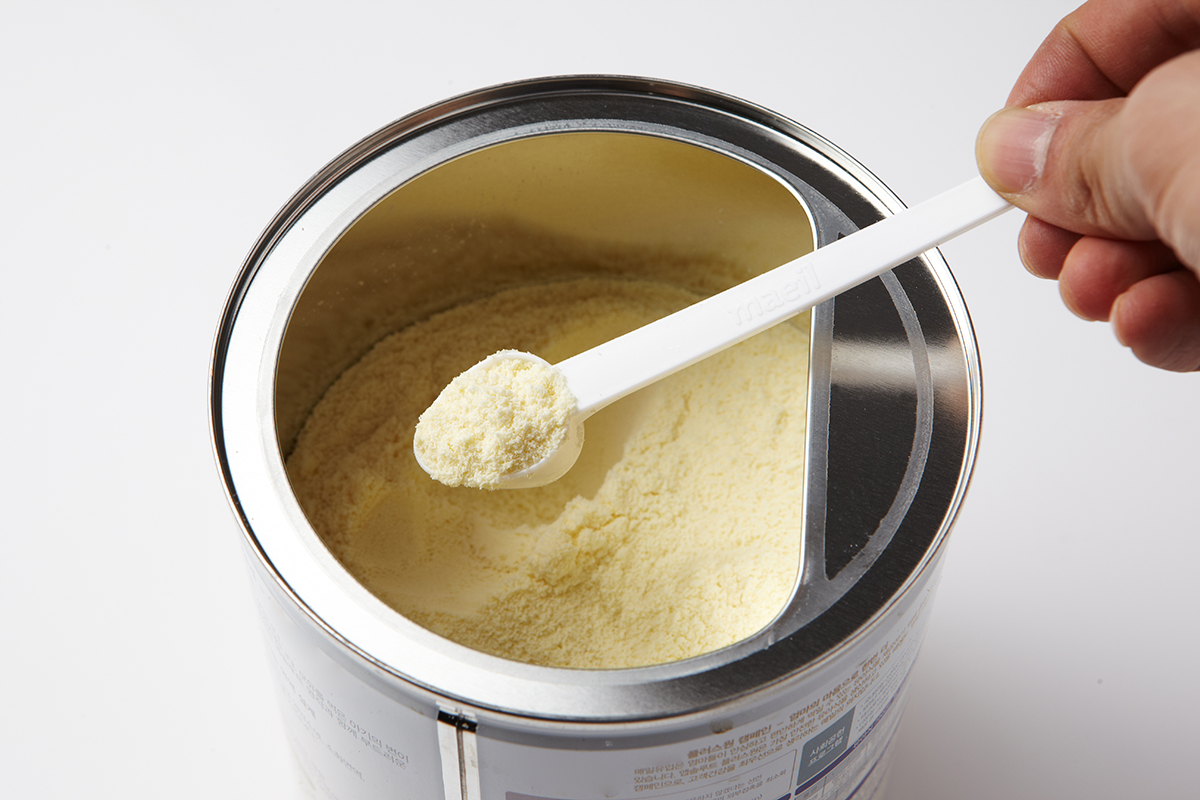
Infant formula, also called baby formula, simply formula (American English), formula milk, baby milk, or infant milk (British English), is a manufactured food designed and marketed for feeding babies and infants under 12 months of age, usually prepared for bottle-feeding or cup-feeding from powder (mixed with water) or liquid (with or without additional water). The U.S. Federal Food, Drug, and Cosmetic Act (FFDCA) defines infant formula as "a food which purports to be or is represented for special dietary use solely as a food for infants because it simulates human milk or its suitability as a complete or partial substitute for human milk".[1]

A 2001 World Health Organization (WHO) report found that infant formula prepared per applicable Codex Alimentarius standards was a safe complementary food and a suitable breast milk substitute. In 2003, the WHO and UNICEF published their Global Strategy for Infant and Young Child Feeding, which restated that "processed-food products for...young children should, when sold or otherwise distributed, meet applicable standards recommended by the Codex Alimentarius Commission", and also warned that "lack of breastfeeding—and especially lack of exclusive breastfeeding during the first half-year of life—are important risk factors for infant and childhood morbidity and mortality".[2]

Some studies have shown that use of formula can vary according to the parents' socio-economic status, ethnicity or other characteristics.

Usage

[edit]
An infant being fed from a baby bottle

The use and marketing of infant formula have been subject to scrutiny. Breastfeeding, including exclusive breastfeeding for the first 6 months of life, is widely advocated as "ideal" for babies and infants, both by health authorities[2][3]—and accordingly in ethical advertising of infant formula manufacturers.[4] Despite the recommendation that babies be exclusively breastfed for the first 6 months, 48% of infants below this age are exclusively breastfed worldwide.[5] The overwhelming majority of American babies are not exclusively breastfed for this period—in 2025 24.9% of babies were breastfed exclusively for the first 6 months[6], with nearly 40% of babies less than 3 months of age being supplemented with infant formula in 2022,[7] and approximately 20% of infants having infant formula feeding within two days of birth.[8] The use of hydrolysed cow milk baby formula versus standard milk baby formula does not appear to change the risk of allergies or autoimmune diseases.[9]

Use of infant formula

[edit]

In some cases, breastfeeding is medically contraindicated; these include:

  • Mother's health: The mother is infected with HIV or has active tuberculosis.[10] She is extremely ill or has had certain kinds of breast surgery, which may have removed or disconnected all milk-producing parts of the breast. She is taking any kind of drug that could harm the baby, including both prescription drugs such as cytotoxic chemotherapy for cancer treatments, as well as illicit drugs.[10]
    • One of the main global risks posed by breast milk specifically is the transmission of HIV and other infectious diseases. Breastfeeding by an HIV-infected mother poses a 5–20% chance of transmitting HIV to the baby.[11][12][13] However, if a mother has HIV, she is more likely to transmit it to her child during the pregnancy or birth than during breastfeeding. A 2012 study conducted by researchers from the University of North Carolina School of Medicine showed reduced HIV-1 transmission in humanized mice, due to components in the breast milk.[14] Cytomegalovirus infection poses potentially dangerous consequences for pre-term babies.[12][15] Other risks include mother's infection with HTLV-1 or HTLV-2 (viruses that could cause T-cell leukemia in the baby),[12][13] herpes simplex when lesions are present on the breasts,[13] and chickenpox in the newborn when the disease manifested in the mother within a few days of birth.[13] In some cases these risks can be mitigated by using heat-treated milk and nursing for a briefer time (e.g. 6 months, rather than 18–24 months), and can be avoided by using an uninfected woman's milk, as via a wet-nurse or milk bank, or by using infant formula and/or treated milk.[16]
    • In balancing the risks, such as cases where the mother is infected with HIV, a decision to use infant formula versus exclusive breastfeeding may be made based on alternatives that satisfy the "AFASS" (Acceptable, Feasible, Affordable, Sustainable and Safe) principles.[16][17]
  • Baby is unable to breastfeed: The child has a birth defect or inborn error of metabolism such as galactosemia that makes breastfeeding difficult or impossible.[18]
  • Baby is considered at risk for malnutrition: In certain circumstances infants may be at risk for malnutrition, such as due to iron deficiency, vitamin deficiencies (e.g. vitamin D which may be less present in breast milk than needed at high latitudes where there is less sun exposure), or inadequate nutrition during transition to solid foods.[19] Risks can often be mitigated with improved diet and education of mothers and caregivers, including availability of macro and micronutrients. For example, in Canada, marketed infant formulas are fortified with vitamin D, but Health Canada also recommends breastfed infants receive extra vitamin D in the form of a supplement.[20]

Other reasons for not breastfeeding include:

  • Personal preferences, beliefs, and experiences: The mother may dislike breast-feeding or find it inconvenient.[21] In addition, breastfeeding can be difficult for victims of rape or sexual abuse; for example, it may be a trigger for posttraumatic stress disorder.[22][23] Many families bottle feed to increase the father's role in parenting his child.[24]
  • Mental health: The pressure to breastfeed in many cultures can be so much that the mother's mental health may take a sharp decline. This can have physical effects such as poor latching, as well as milk depletion and a lack of connection to the child. In some cases, the child should be formula-fed so that a better bond can be made between mother and child, rather than the 'special bond' that comes from breastfeeding being tainted by negative breastfeeding experiences. The pressure to breastfeed in many cultures can increase the likelihood of postpartum depression.[25]
  • Absence of the mother: The child is adopted, orphaned, abandoned, or in the sole custody of a man or male same-sex couple. The mother is separated from her child by being in prison or a mental hospital. The mother has left the child in the care of another person for an extended period of time, such as while traveling or working abroad.
  • Food allergies: The mother eats foods that may provoke an allergic reaction in the infant.[citation needed]
  • Financial pressures: Maternity leave is unpaid, insufficient, or lacking. The mother's employment interferes with breastfeeding.[26] Mothers who breastfeed may experience a loss of earning power.[27]
  • Societal structure: Breastfeeding may be forbidden, discouraged, or difficult at the mother's job, school, place of worship, or in other public places, or the mother may feel that breastfeeding in these places or around other people is immodest, unsanitary, or inappropriate.[26]
  • Social pressures: Family members, such as the mother's husband or boyfriend, or friends or other members of society, may encourage the use of infant formula. For example, they may believe that breastfeeding will decrease the mother's energy, health, or attractiveness.[28] Conversely, societal pressures to breastfeed can also lead to mental health issues. A sense of shame from not being able to or struggling to do so equalling being a failure, has a connection to Postpartum Depression[25]
  • Lack of training and education: The mother lacks education and training from medical providers or community members.[29]
  • Lactation insufficiency: The mother is unable to produce sufficient milk. In studies that do not account for lactation failure with obvious causes (such as use of formula and/or breast pumps), chronic lactation insufficiency affects around 10–15% of women.[30] For about 5–8% of women, milk coming in (i.e., lactogenesis II) may not occur at all, and only drops are produced.[31] Alternatively, despite a healthy supply, the woman or her family may incorrectly believe that her breast milk is of low quality or in low supply. These women may choose infant formula either exclusively or as a supplement to breastfeeding. [citation needed] New research is showing that mothers who report problems with milk production have physical markers indicating low milk production, calling into question the assumption (called "perceived insufficient milk supply" or PIMS) that mothers are incorrect about the quantity of milk they are producing.[32][33]
  • Fear of exposure to environmental contaminants: Certain environmental pollutants, such as polychlorinated biphenyls, can bioaccumulate in the food chain and may be found in humans, including mothers' breast milk.[34]
    • However, studies have shown that the greatest risk period for adverse effects from environmental exposures is prenatally.[34] Other studies have further found that the levels of most persistent organohalogen compounds in human milk decreased significantly over the past three decades and equally did their exposure through breastfeeding.[35]
    • Research on risks from chemical pollution is generally inconclusive in terms of outweighing the benefits of breastfeeding.[36][37] Studies supported by the WHO and others have found that neurological benefits of breast milk remain, regardless of dioxin exposure.[37][38]
    • In developing countries, environmental contaminants associated with increased health risks from use of infant formula, particularly diarrhoea due to unclean water and lack of sterile conditions – both prerequisites to the safe use of formula – often outweigh any risks from breastfeeding.
  • Lack of other sources of breast milk:
    • Lack of wet nurses: Wet nursing is illegal and stigmatized in some countries, and may not be available.[39] It may also be socially unsupported, expensive, or health screening of wet nurses may not be available. The mother, her doctor,[40] or family may not know that wet nursing is possible, or may believe that nursing by a relative or paid wet-nurse is unhygienic.
    • Lack of milk banks: Human-milk banks may not be available, as few exist, and many countries cannot provide the necessary screening for diseases and refrigeration.

Health risks and controversies

[edit]

The use of infant formula has been cited for association with numerous increased health risks. Studies have found infants in developed countries who consume formula are at increased risk for acute otitis media, gastroenteritis, severe lower respiratory tract infections, atopic dermatitis, asthma, obesity,[41] type 1 and 2 diabetes, sudden infant death syndrome (SIDS), eczema and necrotizing enterocolitis when compared to infants who are breastfed.[42][43][44][45] Some studies have found an association between infant formula and lower cognitive development, including iron supplementation in baby formula being linked to lowered I.Q. and other neurodevelopmental delays;[46][47] however other studies have found no correlation.[42] Causation, however, has not been established for negative long-term health effects of infant formula; studies analyzing health outcomes for breastfed vs. formula fed babies are primarily observational in nature and are plagued with confounding factors such as socioeconomic status, education level, and maternal preexisting conditions (such as obesity, which is associated with both low milk production and childhood obesity). When confounding factors are controlled for, differences between the long-term health of breastfed and formula-fed infants decrease.[48]

Melamine contamination

[edit]

In 2008, a case of melamine poisoning of infant formula was discovered in China, where milk was deliberately adulterated with the chemical, leading to the death of six babies, and illnesses in more than 300,000 infants, including cases of acute kidney failure. Large quantities of melamine were added to watered-down milk to give it the appearance of having adequate protein levels. Some of those responsible for the poisoning were sentenced to death.[49]

In November 2008, traces of melamine were reported to have been found by the U.S. Food and Drug Administration in infant formula sold in the United States made by the three main American firms[50][51]Abbott Laboratories, Nestlé, and Mead Johnson — responsible for 90–99% of the infant formula market in that country.[52][50] The levels were much less than those reported in China, where levels of melamine contamination had reached as much as 2,500 parts per million, about 10,000 times higher than the recorded US levels. The safety data sheet for melamine (CAS registry number 108-78-1; C3-H6-N6) recorded the acute oral toxicity (median lethal dose) at 3161 mg/kg for a rat.

Health Canada conducted a separate test and also detected traces of melamine in infant formula available in Canada. The melamine levels were well below Health Canada's safety limits,[53] although concerns remain about the safety of manufactured food for infants and monitoring of potentially dangerous substances.[49]

Other health controversies

[edit]
  • In 1985, Syntex Corporation was ordered to pay $27 million in compensation for the deaths of two American infants who suffered brain damage after drinking the company's baby formula, called Neo-mull-soy.[54] Formulas produced by Syntex had previously been subject to a major recall as they were found to have insufficient chloride to support normal infant growth and development.[55]
  • In 2003, baby plant-based formula manufactured by the German company Humana and sold in Israel under the brand Remedia caused severe vitamin deficiencies in babies. Babies who consumed the formula were hospitalized with cardiac and neurological symptoms. Three of them died, and at least twenty others were left with severe disabilities. An investigation revealed that the formula contained a much lower quantity of Thiamine than is needed for healthy infant development because of a manufacturing error. Humana's chief food technologist received a 30-month prison sentence for negligent manslaughter in February 2013 over the case.[56]
  • In 2010, Abbott Laboratories issued a voluntary recall of about five million Similac brand powder infant formulas that were sold in the United States, Guam, Puerto Rico, and some Caribbean countries. The recall was issued after the presence of a 'small common beetle' was detected in the product.[57]
  • In Canada, New Zealand, and elsewhere, public concerns have been raised over the continued sale and marketing of soy-based formulae potentially containing high levels of phytoestrogens,[58][59] linked to abnormal child development[60] including damage to babies' thyroid glands.
  • In December 2011, Wal-Mart recalled a quantity of infant formula after a baby died in Missouri. "We extend our deepest condolences to this baby boy's family as they try to come to grips with their loss," said Dianna Gee, a Wal-Mart spokeswoman. "As soon as we heard what happened, we immediately reached out to the manufacturer of the formula and to the Department of Health and Senior Services to provide any information we may have to help with the investigation." Wal-Mart said it pulled a batch of Enfamil from its stores nationwide that matched the size and lot number ZP1k7G of the formula that may have sickened the baby in Missouri, Gee said. The baby formula was purchased from a Walmart in Lebanon, Missouri. After the purchase, a 10-day-old infant died from a rare bacterial infection, CNN affiliate KYTV reported. Authorities ran tests to determine if the death came from the formula, the water to make the formula, or any other factor, said Mead Johnson Nutrition, the company that makes Enfamil. "We are highly confident in the safety and quality of our products – and the rigorous testing we put them through," said Chris Perille, a Mead Johnson Nutrition spokesman.[61]

Socioeconomic conditions

[edit]

According to a research conducted in Vancouver, Canada, 82.9% of mothers breastfeed their babies at birth, but the number differed between Caucasians (91.6%) and non-Caucasians (56.8%), with the difference essentially attributed to marital status, education and family income.[62] In the United States, mothers of lower socio-economic status are less likely to breastfeed, although this may be partly related to the adverse effects of government nutrition supplementation programs that provide subsidies for infant formula.[52]

In less economically developed countries, the use of infant formula is linked to poorer health outcomes because of the prevalence of unsanitary preparation conditions, including a lack of clean water and a lack of sanitizing equipment.[2] A formula-fed child living in unclean conditions is between 6 and 25 times more likely to die of diarrhea and four times more likely to die of pneumonia than a breastfed child.[63] Rarely, use of powdered infant formula (PIF) has been associated with serious illness, and even death, due to infection with Cronobacter sakazakii and other microorganisms that can be introduced to PIF during its production. Although C. sakazakii can cause illness in all age groups, infants are believed to be at greatest risk of infection. Between 1958 and 2006, there have been several dozen reported cases of C. sakazakii infection worldwide. The WHO believes that such infections are under-reported.[64]

Preparation and content

[edit]

Variations

[edit]

Infant formulas come in powder, liquid concentrate, and ready-to-feed forms. They are designed to be prepared by the parent or caregiver in small batches and fed to the infant, usually with either a cup or a baby bottle.[2]

Infant formulas come in a variety of types:

  • Cow's milk formula is the most commonly used type. The milk has been altered to resemble breast milk.
  • Soy protein-based formulas are frequently used for infants allergic to cow's milk or lactose. Soy-based formulas can also be useful if the parent wants to exclude animal proteins from the child's diet.
  • Protein hydrolysate formulas contain protein that's been broken down into smaller sizes than that in cow's milk and soy-based formulas. Protein hydrolysate formulas are meant for babies who do not tolerate cow's milk or soy-based formulas.
  • Specialized formulas are also available for premature infants and those with specific medical conditions.[65]

Manufacturers and health officials advise that it is very important to measure powders or concentrates accurately to achieve the intended final product concentration; otherwise, the child will be malnourished. All equipment that comes into contact with the infant formula should be cleaned and sterilized before each use. Proper refrigeration is essential for any infant formula that is prepared in advance.

In developing countries, formula is frequently prepared improperly, resulting in high infant mortality due to malnutrition and diseases such as diarrhea and pneumonia. This is due to a lack of clean water, lack of sterile conditions, a lack of refrigeration, illiteracy (so written instructions cannot be followed), poverty (diluting formula so that it lasts longer), and a lack of education of mothers by formula distributors. These problems and resulting disease and death are a key factor in opposition to the marketing and distribution of infant formula in developing countries by numerous public health agencies and NGOs (discussed in more detail at Nestlé boycott and International Code of Marketing of Breast-milk Substitutes).

Nutritional content

[edit]

Manufacturers state that the composition of infant formula is designed to be roughly based on a human mother's milk at approximately one to three months postpartum; however, there are significant differences in the nutrient content of these products.[66] The most commonly used infant formulas contain purified cow's milk whey and casein as a protein source, a blend of vegetable oils as a fat source,[note 1] lactose as a carbohydrate source, a vitamin-mineral mix, and other ingredients depending on the manufacturer.[67] Modern infant formulas also contain human milk oligosaccharides, which are beneficial for immune development and a healthy gut microbiota in babies.[medical citation needed] In addition, there are infant formulas using soybean as a protein source in place of cow's milk (mostly in the United States and Great Britain) and formulas using protein hydrolysed into its component amino acids for infants who are allergic to other proteins.

An upswing in breastfeeding in many countries has been accompanied by a deferment in the average age of introduction of baby foods (including cow's milk), resulting in both increased breastfeeding and increased use of infant formula between the ages of 3- and 12-months.[68][69]

Besides breast milk, infant formula is the only other milk product that the medical community considers nutritionally acceptable for infants under the age of one year (as opposed to cow's milk, goat's milk, or follow-on formula). Supplementing with solid food in addition to breast milk or formula begins during weaning, and most babies begin supplementing about the time their first teeth appear, usually around the age of six months.

Although cow's milk is the basis of almost all infant formula, plain cow's milk is unsuited for infants because of its high casein content and low whey content, and untreated cow's milk is not recommended before the age of 12 months. The infant intestine is not properly equipped to digest non-human milk, and this may often result in diarrhea, intestinal bleeding and malnutrition.[70] To reduce the negative effect on the infant's digestive system, cow's milk used for formula undergoes processing to be made into infant formula. This includes steps to make protein more easily digestible and alter the whey-to-casein protein balance to one closer to human milk, the addition of several essential ingredients (often called "fortification", see below), the partial or total replacement of dairy fat with fats of vegetable or marine origin, etc.

Carbohydrates are an important source of energy for growing infants, as they account for 35 to 42% of their daily energy intake. In most cow's milk-based formulas, lactose is the main source of carbohydrates present, but lactose is not present in cow's milk-based lactose-free formulas, nor specialized non-milk protein formulas or hydrolyzed protein formulas for infants with milk protein sensitivity. Lactose is also not present in soy-based formulas. Therefore, those formulas without lactose will use other sources of carbohydrates, such as sucrose and glucose, dextrins, and natural and modified starches. Lactose is not only a good source of energy, it also aids in the absorption of the minerals magnesium, calcium, zinc and iron.[71]

The nutrient content of infant formula for sale in the United States is regulated by the Food and Drug Administration (FDA) based on recommendations by the American Academy of Pediatrics Committee on Nutrition. The following must be included in all formulas produced in the U.S.:[72]

Non-milk-based formulas must also add the vitamins biotin, choline and inositol.

Additionally, manufacturers may choose to add additional ingredients to their formulas. These additional ingredients are often used to differentiate their products in the market, as the nutrient composition of formulas is otherwise highly similar between products.[73] Not all additives are clearly beneficial according to current studies, either because no benefit has been demonstrated, or because the additives are too new to have received significant scientific scrutiny.

Omega-3 fatty acids
Omega-3 fatty acids, such as DHA, are often added to infant formula, purportedly to support brain development, although studies have generally failed to find a significant effect on neurodevelopmental outcomes.[74] Infants can synthesize DHA and other fatty acids from the linoleic acid in formula. As formula additives, these fatty acids are often derived from fish oil or similar sources.
Human milk oligosaccharides (HMOs)
HMOs are naturally occurring sugars found in human breast milk and may work to improve the immune system and act as nutrients for beneficial gut bacteria.[75] However, while human breastmilk contains dozens of different types of HMOs, commercial infant formula usually only includes a few of the more common types.
Nucleotides
Nucleotides are compounds found naturally in human breast milk. They are involved in critical metabolic processes, such as energy metabolism and enzymatic reactions. Also, as the building blocks of deoxyribonucleic acid (DNA) and ribonucleic acid (RNA), they are essential for normal body functions. Compared to human breast milk, cow's milk has lower levels of the nucleotides uridine, inosine, and cytidine. Therefore, several companies that produce infant formula have added nucleotides to their infant formulas.[71]

Other commonly used ingredients:

  • Emulsifiers and stabilizers: Ingredients added to prevent the separation of the oil from the water (and its soluble components) in the infant formula. Some commonly used emulsifiers include monoglycerides, diglycerides, and gums.[76]
  • Diluents: Skim milk is commonly used as the primary diluent in milk-based liquid formula to provide the bulk of the volume. In contrast, purified water is the most commonly used diluent in milk-free formulations.[76]

Policy, industry and marketing

[edit]

The policy, regulatory, and industry environments surrounding the infant formula market vary tremendously between countries.

International

[edit]

The International Code of Marketing of Breast-milk Substitutes is an international health policy framework adopted by the World Health Assembly of the WHO in 1981 regarding infant formula marketing, including strict restrictions on advertising.[77] Its implementation depends on the laws of different countries and the behavior of infant formula manufacturers – the code has no power itself. Legislation and corporate behavior vary significantly between countries: at least 84 countries have enacted national legislation implementing all or many of the provisions of the Code, and 14 countries have draft laws awaiting adoption;[78] whereas elsewhere, neither the Code nor its principles are followed by governments or formula manufacturers.

Practices that are banned in the Code include most advertising, claiming health benefits for formula, and giving free samples to women able to breastfeed – this latter practice is particularly criticized because it can interfere with lactation, creating dependence on formula, without proper education on ensuring continued breast stimulation while formula is being used. In many countries, free samples of infant formula have been provided to hospitals for decades; infant formula is often the only product routinely provided free of charge to hospitals.[79] The Baby Friendly Hospital Initiative (BFHI) aims to reduce and eliminate this controversial practice; however, there is increasing criticism of the BFHI's rigidity in limiting use of infant formula, which can be an appropriate treatment for common conditions such as suboptimal intake jaundice, and may cause mothers to feel pressured or guilted into breastfeeding.[80][81][82]

By country

[edit]

Philippines

[edit]

Infant formula is one of the top three consumer commodities in the Philippines, and among the most imported products.[83] Annual sales amount to some US$469 million annually. US$88 million is spent on advertising the product.[84]

Infant formula marketing has been regulated since the 1987 Executive Order 51 or "Milk Code",[85] which regulated, but did not ban, practices such as advertising and providing free samples. Shortly after it was enacted, Wyeth introduced "follow-on formula", which was not in the purview of the Milk Code, which predated its market entry.

In 2006, the Department of Health banned the advertising of infant formula and the practice of providing free samples, regardless of intended age group (in the Revised Implementing Rules and Regulations of Executive Order 51, or RIRR).[86] The new regulation was challenged by the infant formula industry in the Supreme Court. Initially the challenge was dismissed, but this decision was reversed following industry pressure and a controversial letter by American business leader Thomas Donahue,[87] then President and CEO of the US Chamber of Commerce, resulting in the regulation being suspended and advertising continuing.[83][85][86][88]

The Guardian newspaper reports widespread illegal advertising and marketing of formula milk contrary to World Health Organization guidelines. Doctors and midwives are encouraged to promote feeding babies formula milk, and advertising also targets mothers directly. Babies get sick and sometimes die because poor mothers cannot sterilize bottles.[89]

South Africa

[edit]

In South Africa, there is a move towards plain packaging of infant formula[90] under R 991 of the Foodstuffs, Cosmetics and Disinfectants Act; as of 6 December 2013, Regulation 7 (Sale and Promotion) is force, whereas Regulations 2-6 (primarily with respect to labelling) are scheduled to come into force on 6 December 2014. One of the key requirements as per Regulation 3.1.A.iii is a conspicuous message stating "[t]his product shall only be used on the advice of a health professional".

Thailand

[edit]

In 2017, Thailand banned advertising for infant formula. Initially, a ban on advertising for toddler formula was also proposed, but was dropped after the intervention of United States trade officials.[91]

United Kingdom

[edit]

In the United Kingdom, infant formula advertising has been prohibited since 1995;[92] advertising for "follow-on formula" is legal, which has been cited as a loophole allowing advertising of similarly packaged formula.[93]

United States

[edit]

In the United States, infant formula is both heavily marketed—the country has not adopted the WHO Code, nor is it being systematically implemented by manufacturers for domestic marketing[94]—and even heavily subsidized by the government: at least one third of the American market is supported by the government,[95] with over half of infant formula sold in the country provided through the Special Supplemental Nutrition Program for Women, Infants, and Children (known as WIC).[52]

According to surveys, over 70% of large U.S. hospitals dispense infant formula to all infants, a practice opposed by the American Academy of Pediatrics and in violation of the Code.[96] The Gerber Products Company began marketing its brand of infant formula directly to the public in October 1989, while the Carnation Company began marketing Good Start infant formula directly to the public in January 1991.[96]

Infant formula costs are a significant fraction of the WIC program costs: 21% post-rebate and 46% pre-rebate.[52] Formula manufacturers are granted a WIC monopoly in individual states.[52] Meanwhile, breastfeeding rates are substantially lower for WIC recipients;[97] this is partly attributed to formula being free of charge to mothers in the WIC program, who are of lower socio-economic status.[52] Violations of federal policy have also been found in terms of infant formula company advertising using the WIC trademark, to reach both WIC and non-WIC participants.[97] In recent years WIC has been expanding its breastfeeding promotion strategies, including providing subsidies for clients who use milk banks.[98]

2022 United States Baby Formula Shortages

[edit]

Supply chain disruptions related to the government response to the COVID-19 pandemic in the United States have been reported[99] as responsible for causing widespread shortages of infant formula in the United States, as of May 2022. This contrasts with far less severe shortages of infant formula around the globe. Reason magazine reported that this was largely the result of Food and Drug Administration (FDA) processes delaying approval of otherwise safe infant formula from Europe or other sources abroad, which might otherwise have eased demand for infant formula tensions in the United States.[99]

As a result of the shortages, on May 16, 2022, the FDA announced that it would temporarily ease enforcement of some labeling rules to allow the importation of foreign formulas. FDA Commissioner Robert Califf stated, "Today's action paves the way for companies who don't normally distribute their infant formula products in the U.S. to do so efficiently and safely. We anticipate that those products that can quickly meet safety and nutrition standards could hit U.S. stores in a matter of weeks."[100] Former FDA associate commissioner, Peter Pitts, asserts that the FDA's regulatory scheme is at least partially to blame for the shortage. Pitts states, "The difference between European baby formula and American baby formula, more or less, is that the labeling is different. The knot in getting that product into the U.S. isn't safety, it's a regulatory issue. I don't want to say it's a nitty issue, but it's certainly something the FDA could have jumped on a lot quicker."[101]

Amid and before the formula shortages, Woman and Infant Children (WIC) centers in Georgia and North Carolina were disposing of infant formula.[102][103] This was done under the USDA's recommendation that unused, returned WIC infant formula were to be disposed of upon return.[104] Despite an attempt by the USDA to walk back this recommendation by stating that it is a recommendation rather than a requirement, the USDA confirms that it will not reverse this recommendation, even amid the formula shortage.[105] As a result, from October 2021 through May 2022, 16,459 cans of baby formula were destroyed by WIC clinics in Georgia and an unknown amount of baby formula cans were destroyed in North Carolina and other US States.

On July 6, 2022, the FDA announced that it would change its rules to allow foreign formula manufacturers to permanently import their goods into the U.S., potentially reducing the severity of the shortage.[106] Critics of the FDA note that this does not remove the regulations entirely and that this shortage has been self-imposed by the FDA from the start.[107] Additionally, critics note that if a formula maker passes EU regulations, this should be good enough for the FDA to allow importation of that formula.

Critics of the FDA's regulatory policy note that the regulatory scheme surrounding European formulas is not borne from a science-based desire to protect children, but rather an influence that the US dairy industry has on the agency.[108][109] Critics also note that if there were an issue with European formulas, the issue would be widespread among the European babies that regularly consume the formula.[110][109]

The FORMULA Act is set to expire at the end of 2022, which will subsequently reinstate tariffs on foreign-made formula.[111] Experts worry that this will result in a repeat formula shortage for 2023.[112] The CEO of the National Milk Producers Federation, a lobbying organization for dairy producers, wrote in a letter to Congress and the Biden administration to allow for the reinstatement of tariffs on foreign baby formula to commence.[113]

History

[edit]

The Wabanaki and other Native American tribal nations of North America made an infant formula from nuts and cornmeal.[114] Elizabeth Hanson was kidnapped by Wabanaki in 1725 and a Native American woman showed Hanson how to make this infant formula and she included this in her captivity narrative.

Early infant foods

[edit]

In 1865, the first infant food was invented [where?] .[115]

Throughout history, mothers who could not breastfeed their babies either employed a wet nurse[116] or, less frequently, prepared food for their babies, a process known as "dry nursing".[116][117] Baby food composition varied according to region and economic status.[117] In Europe and North America during the early 19th century, the prevalence of wet nursing began to decrease, while the practice of feeding babies mixtures based on animal milk rose in popularity.[118][119]

Poster advertisement for Nestle's Milk by Théophile Alexandre Steinlen, 1895

This trend was driven by cultural changes as well as increased sanitation measures,[120] and it continued throughout the 19th and much of the 20th century, with a notable increase after Elijah Pratt invented and patented the India-rubber nipple in 1845.[116][121] As early as 1846, scientists and nutritionists noted an increase in medical problems and infant mortality was associated with dry nursing.[118][122] In an attempt to improve the quality of manufactured baby foods, in 1867, Justus von Liebig developed the world's first commercial infant formula, Liebig's Soluble Food for Babies.[123] The success of this product quickly gave rise to competitors such as Mellin's Food, Ridge's Food for Infants and Nestlé's Milk.[124]

Raw milk formulas

[edit]

As physicians became increasingly concerned about the quality of such foods, medical recommendations such as Thomas Morgan Rotch's "percentage method" (published in 1890) began to be distributed, and gained widespread popularity by 1907.[116] These complex formulas recommended that parents mix cow's milk, water, cream, and sugar or honey in specific ratios to achieve the nutritional balance believed to approximate human milk reformulated in such a way as to accommodate the believed digestive capability of the infant.[68]

A 1915 advertisement for "Nestlé's Food"

At the dawn of the 20th century in the United States, most infants were breastfed, although many received some formula feeding as well. Home-made "percentage method" formulas were more commonly used than commercial formulas in both Europe and the United States.[125] They were less expensive and were widely believed to be healthier. However, formula-fed babies exhibited more diet-associated medical problems, such as scurvy, rickets, and bacterial infections than breastfed babies. By 1920, the incidence of scurvy and rickets in formula-fed babies had greatly decreased through the addition of orange juice and cod liver oil to home-made formulas. Bacterial infections associated with formula remained a problem, more prevalent in the United States than in Europe, where milk was usually boiled prior to use in formulas.[125]

Evaporated milk formulas

[edit]

In the 1920s and 1930s, evaporated milk began to be widely commercially available at low prices, and several clinical studies in the period suggested that breastfed babies and babies fed evaporated milk equally thrived.[116][126]

These studies, accompanied by the affordable price of evaporated milk and the availability of the home icebox, initiated a tremendous rise in the use of evaporated milk formulas.[68] By the late 1930s, the use of evaporated milk formulas in the United States surpassed all commercial formulas, and by 1950, over half of all babies in the United States were reared on such formulas.[116]

Commercial formulas

[edit]

In parallel with the enormous shift (in industrialized nations) away from breastfeeding to home-made formulas, nutrition scientists continued to analyze human milk and attempted to make infant formulas that more closely matched its composition.[68] Maltose and dextrins were believed nutritionally important, and in 1912, the Mead Johnson Company released a milk additive called Dextri-Maltose. This formula was made available to mothers only by physicians. In 1919, milk fats were replaced with a blend of animal and vegetable fats as part of the continued drive to closely simulate human milk. This formula was called SMA for "simulated milk adapted."[116]

In the late 1920s, Alfred Bosworth released Similac (for "similar to lactation"), and Mead Johnson released Sobee.[116] Several other formulas were released over the next few decades, but commercial formulas did not begin to seriously compete with evaporated milk formulas until the 1950s. The reformulation and concentration of Similac in 1951 and the introduction (by Mead Johnson) of Enfamil (for "infant milk") in 1959 were accompanied by marketing campaigns that provided inexpensive formula to hospitals and pediatricians.[116] By the early 1960s, commercial formulas were more commonly used than evaporated milk formulas in the United States, which all but vanished in the 1970s. By the early 1970s, over 75% of American babies were fed on formulas, almost entirely commercially produced.[68]

When birth rates in industrial nations tapered off during the 1960s, infant formula companies heightened marketing campaigns in non-industrialized countries. The poor sanitation in these countries led to steeply increased mortality rates among infants fed the often contaminated formula.[127] Additionally, a WHO has cited over-diluting formula preparations as resulting in infant malnourishment.[128] Organized protests, the most famous of which was the Nestlé boycott of 1977, called for an end to unethical marketing. This boycott is ongoing, as the current coordinators maintain that Nestlé engages in marketing practices which violate the International Code of Marketing of Breast-milk Substitutes.

Generic brand formulas

[edit]

In addition to commercially marketed brands, generic brands (or store brands) of infant formula were introduced in the United States in 1997, first by PBM Products. These private label formulas are sold by many leading food and drug retailers such as Wal-Mart, Target, Kroger, Loblaws, and Walgreens. All infant formula brands in the United States are required to adhere to the Food and Drug Administration (FDA) guidelines. As reported by the Mayo Clinic: "as with most consumer products, brand-name infant formulas cost more than generic brands. But that doesn't mean that brand-name [Similac, Nestle, Enfamil] formulas are better. Although manufacturers may vary somewhat in their formula recipes, the FDA requires that all formulas contain the same nutrient density."[129]

Similarly, in Canada, all infant formulas, regardless of brand, are required to meet standards set by Health Canada.[130]

Follow-on, transition, and toddler formulas

[edit]

Follow-on or toddler formulas are sold for ages 6 months to 3 years (when infants are typically breastfed). In the US, a transition formula is marketed for children from age 9 to 24 months, and a toddler milk is sold for children aged 12 to 26 months.[131] In the UK, follow-on milk is marketed towards children 6-12 months, and toddler milk for children aged 2 to 3 years. Toddler milk marketed in the US contains powdered milk, corn syrup and other added sugars, vegetable oil, and salt.[132][133]

Toddler formulas are not nutritionally complete, nor are they subject to the same regulations or food labeling laws as infant formula.[131] Critics have argued that follow-on and toddler formulas were introduced to circumvent the regulations regarding infant formula and have resulted in confusing advertising.[93]

An early example of follow-on formula was introduced by Wyeth in the Philippines in 1987, following the introduction in this country of regulations on infant formula advertising, but which did not address follow-on formulas (products that did not exist at the time of their drafting).[85] Similarly, while infant formula advertising is illegal in the United Kingdom, follow-on formula advertising is legal, and the similar packaging and market results in follow-on advertisements frequently being interpreted as advertisements for formula.[93] (See also industry and marketing, below.)

These products have also recently fallen under criticism for contributing to the childhood obesity epidemic in some developed countries due to their marketing and flavoring practices.[134] The drinks are also expensive.[133] Although usually not quite as expensive as infant formula,[132] they can cost four times the price of cow's milk.[133]

Usage since 1970s

[edit]

Since the early 1970s, industrial countries have witnessed a resurgence in breastfeeding among newborns and infants to 6 months of age.[69] This upswing in breastfeeding has been accompanied by a delay in the average age of introduction of other foods (such as cow's milk), resulting in increased use of both breastfeeding and infant formula between the ages of 3–12 months.[68][69]

The global infant formula market has been estimated at $7.9 billion,[95] with North America and Western Europe accounting for 33% of the market and considered largely saturated, and Asia representing 53% of the market.[135] South East Asia is a particularly large fraction of the world market relative to its population.[135] Infant formula is the largest segment of the baby food market,[135] with the fraction given as between 40%[135] and 70%.[95]

Leading health organizations (e.g. WHO, U.S. Centers for Disease Control and Department of Health and Human Services) are attempting to reduce the use of infant formula and increase the prevalence of breastfeeding from birth through 12 to 24 months of age through public health awareness campaigns.[3][136][137][138] The specific goals and approaches of these breastfeeding promotion programs, and the policy environment surrounding their implementation, vary by country. As a policy basic framework, the International Code of Marketing of Breast-milk Substitutes, adopted by the WHO's World Health Assembly in 1981, requires infant formula companies to preface their product information with statements that breastfeeding is the best way of feeding babies and that a substitute should only be used after consultation with health professionals.[77] The Baby Friendly Hospital Initiative (BFHI) also restricts use by hospitals of free formula or other infant care aids provided by formula companies. (See also Policy section below.) While the Code was intended to restrict inappropriate marketing of infant formula, not access to it, parents have complained of being lectured or made to sign waivers implying formula would harm their babies in BFHI hospitals.[139]

Infant formula processing

[edit]

History

[edit]

A formula containing wheat flour, cow's milk, malt flour, and potassium bicarbonate was developed in 1867. A powder form was introduced in 1915, containing cow's milk, lactose, oleo oils, and vegetable oils. In 1929, Soy formula was introduced. In 1935, Protein was added because it was believed cow's milk protein content was lower than human milk protein content; protein at 3.3–4.0 g/100 kcal was added.[140]

Iron fortification was introduced in 1959 because a large amount of iron (~80%) is used to expand the red blood cell mass in a growing infant. Infants with birth weights between 1500~2500g require 2 mg/kg of iron per day. Infants with weights of less than 1500g require 4 mg/kg per day.[140][141] In 1962, The whey:casein ratio was made similar to human milk because producers were aware that human milk contains a higher ratio of whey protein, and cow's milk contains a higher ratio of casein.[140] In 1984, Taurine fortification was introduced because newborn infants lack the enzymes needed to convert and form taurine.[140][142]

Nucleotide fortification was introduced into infant formula in the late 1990s because nucleotides can act as growth factors and may enhance the infant's immune system.[140] In the Early 2000s, Polyunsaturated fatty acid fortification was introduced because those fatty acids play an important role in infant brain development. It mainly include Polyunsaturated fatty acids, such as docosahexaenoic acid (DHA) and arachidonic acid (ARA).[140]

Current general procedure

[edit]

The manufacturing process may differ for different types of formula made; therefore, the following is the general procedure for liquid-milk based formulas:[76]

Mixing ingredients
Primary ingredients are blended in large stainless steel tanks, and skim milk is added and adjusted to 60 °C. Then, fats, oils, and emulsifiers are added. Additional heating and mixing may be required to get proper consistency. Next, minerals, vitamins, and stabilizing gums are added at various points, depending on their sensitivity to heat. The batch is temporarily stored and then transported by pipelines to pasteurization equipment when mixing is complete.[76]
Pasteurization
A process that protects against spoilage by eliminating bacteria, yeasts, and molds. It involves quickly heating and then cooling the product under controlled conditions, which microorganisms cannot survive. The batch is held at around 85–94 °C for approximately 30 seconds, which is necessary to adequately reduce micro-organisms and prepare the formula for filling.[76]
Homogenization
A process which increases emulsion uniformity and stability by reducing the size of fat and oil particles in the formula. It is done with a variety of mixing equipment that applies shear to the product, and this mixing breaks fat and oil particles into very small droplets.[76]
Standardization
Used to ensure that the key parameters, like pH, fat concentration, and vitamins and mineral content, are correct. If insufficient levels of these are found, the batch is reworked to achieve appropriate levels. After this step, the batch is ready to be packaged.[76]
Packaging
Generally, liquid formula is filled into metal cans with lids crimped into place, while detailed packaging will depend on the manufacturer and type of equipment used.[76]
Heat treatment or sterilization
Finally, infant formulas are heat-treated to maintain the bacteriologic quality of the product. This can be done traditionally by either retort sterilization or high-temperature short-time (HTST) treatment. Recently, ultrahigh-temperature-treated formula has become more commonly used. If powdered formula is made, then spray drying would be required in addition.[143] Retort sterilization is a traditional retort sterilization method that uses 10-15mins treatment at 118 °C.[143] Ultrahigh-temperature (UHT) is a method that uses a brief (2–3 seconds) treatment at 142 °C. Because of the short time used, there is little protein denaturation, but the process still ensures sterility of the final product.[143]

Recent and future potential new ingredients

[edit]

Probiotics

[edit]

Randomized, controlled trials completed in the 2000s have shown limited and short-term clinical benefits for the use of probiotics in infants' diet.[144] A 2018 clinical study using the multistrain De Simone Formulation probiotic showed it helped some infants reduce symptoms of infant colic.[145] The safety of probiotics in general and in infants, especially preterm infants, has been investigated in a limited number of controlled trials. The findings thus far suggest probiotics are generally safe, though the research is preliminary and has yet to provide definitive conclusions.[144]

Prebiotics

[edit]

Prebiotics are undigestible carbohydrates that promote the growth of probiotic bacteria in the gut. Human milk contains a variety of oligosaccharides believed to be an important factor in the pattern of microflora colonization of breastfed infants. Because of the variety, variability, complexity, and polymorphism of the oligosaccharide composition and structure, it is currently not feasible to reproduce the oligosaccharide components of human milk in a strictly structural fashion.[146]

The European Society of Pediatric Gastroenterology, Hepatology, and Nutrition Committee on Nutrition found evidence to support the short-term effects of ingesting prebiotics on the stool microflora of infants, with an increase in the number of bifidobacteria. Babies can be at risk of dehydration with the induction of softer stools, if they have kidney immaturity and/or a poor ability to concentrate urine.[146] A reduction of pathogens has been associated with the consumption of prebiotics.[146] However, there was no evidence to support major clinical or long-term benefits.[144] Therefore, there is little evidence of beneficial effects of prebiotics in dietary products.[144]

Lysozyme and lactoferrin

[edit]

Lysozyme is an enzyme that is responsible for protecting the body by damaging bacterial cell walls. Lactoferrin is a globular, multifunctional protein that has antimicrobial activity. Compared to human milk, cow's milk has significantly lower levels of lysozyme and lactoferrin; therefore, the industry has an increasing interest in adding them to infant formulas.[140]

Long chain polyunsaturated fatty acid supplementation

[edit]

Some manufacturers have begun supplementing formula milk with long-chain polyunsaturated fatty acids (LCPUFA). The current evidence suggests that there may be little or no difference between formula milk with and without LCPUFA supplementation in terms of babies' visual function, physical growth, or neurodevelopment.[147]

See also

[edit]

Notes

[edit]

References

[edit]

Further reading

[edit]
[edit]
Revisions and contributorsEdit on WikipediaRead on Wikipedia
from Grokipedia
Infant formula is a manufactured product designed and marketed for feeding to babies and infants under 12 months of age, intended to serve as the sole source of as an alternative to human when is unavailable, insufficient, or not pursued. It typically consists of a processed blend of carbohydrates (primarily ), proteins derived from cow's milk or soy, fats from vegetable oils or other sources, and essential vitamins and minerals, formulated to approximate the macronutrient and profile of mature human milk while meeting strict regulatory standards for safety and adequacy. Though infant formula supports normal growth and development in healthy term and has enabled widespread infant in scenarios where is absent—such as , illness, or insufficient supply—empirical evidence consistently indicates that human provides superior outcomes in areas like digestibility, immune protection, and due to its dynamic composition of bioactive factors, enzymes, and oligosaccharides absent or inadequately replicated in formulas. Randomized trials and observational data adjusted for confounders show breastfed infants experiencing lower risks of infections, allergies, and certain chronic conditions compared to formula-fed peers, though some analyses suggest the magnitude of long-term benefits may be overstated after accounting for socioeconomic and behavioral differences between feeding groups. The global infant formula market, valued at approximately $81.7 billion in 2024, reflects its critical role in modern infant feeding, with usage statistics indicating that while exclusive breastfeeding rates remain below WHO recommendations in many regions—often under 50% at six months—formula supplementation or exclusive use is common in high-income countries, affecting a majority of infants by the first year. Significant controversies have marked its history, notably the 1977 international boycott of Nestlé products, triggered by evidence that aggressive marketing of formula in low- and middle-income countries—where poor sanitation led to contaminated water dilution—undermined breastfeeding and contributed to elevated infant mortality, with econometric estimates attributing tens of thousands of annual deaths to such practices among vulnerable populations lacking clean water access. These events prompted the 1981 WHO International Code of Marketing of Breast-milk Substitutes, aiming to curb promotional tactics that prioritize commercial interests over evidence-based infant health imperatives.

Definition and Primary Uses

Core Definition and Types

Infant formula is a manufactured product designed and marketed for feeding to infants under 12 months of age, intended to serve as a substitute for human milk and capable of providing the sole source of during that period. Under the U.S. Federal Food, Drug, and Cosmetic Act, it is defined as a represented for special dietary use solely as a complete or partial replacement for human milk due to its simulation of human milk's nutritional profile or suitability for infant feeding. Regulatory standards, such as those from the Commission, specify compositional requirements including minimum and maximum levels for 30 essential nutrients to ensure safety and adequacy when used as directed. Formulas must be prepared from ingredients safe for infants, with processing methods like or sterilization to minimize microbial risks, though powdered forms are not sterile and require careful reconstitution. Infant formulas are broadly classified by protein source, reflecting adaptations to common infant tolerances and needs. The most prevalent type is cow's milk-based formula, which uses modified cow's milk proteins (typically and in ratios approximating human milk) as the base, accounting for the majority of commercial products and suitable for most healthy term . -based formulas employ isolates for infants with cow's milk protein allergies or , though they lack certain bioactive factors found in milk-based options and are not recommended as first-line for routine use. formulas include partially or extensively variants, where proteins are broken down into peptides or to reduce allergenicity, and amino acid-based formulas for severe allergies or gastrointestinal sensitivities. Formulas also vary by physical presentation: powdered (requiring mixing with water, most economical but needing hygienic preparation), liquid concentrate (diluted with equal parts water), and ready-to-feed (pre-mixed, convenient but costlier). Specialized or "exempt" formulas exist for medical conditions, such as those for preterm infants (with higher caloric density and adjusted electrolytes), (e.g., , using phenylalanine-free compositions), or , which bypass standard nutrient minimums under regulatory exemptions but require physician oversight. Goat's milk-based formulas represent a niche alternative, though evidence for superiority over cow's milk-based is limited and they may pose higher risks in some populations. All types must meet iron standards in regulated markets, with standard formulas containing 10-12 mg/L to prevent deficiency.

Indications for Use and Alternatives to Breastfeeding

Breast milk provides the optimal nutrition for infants. When breast milk is unavailable or insufficient, commercially prepared, iron-fortified infant formula serves as the recommended substitute for human milk when breastfeeding is contraindicated or impractical, providing a nutritionally complete source of feeding for infants up to 12 months of age. Cow's milk-based formulas are suitable for most healthy infants, while soy-based or extensively hydrolyzed formulas may be appropriate for specific conditions such as lactose intolerance or allergies under medical advice. Whole cow's milk should not be given to infants under 12 months due to risks like poor digestibility, kidney stress, and iron deficiency. Homemade formulas are unsafe due to potential nutritional imbalances and contamination risks. Consult a pediatrician for individualized recommendations. The (AAP) endorses exclusive for the first six months when feasible, but acknowledges formula as a safe alternative for healthy term infants lacking access to . Indications include maternal medical conditions such as active , in resource-limited settings without antiretroviral therapy, or substance use disorders involving illicit drugs, where temporary cessation of breastfeeding is advised until resolution or stabilization. Medical necessities for formula encompass infant-specific issues like severe cow's milk protein allergy, , or requiring specialized formulations, such as elemental or amino acid-based types. Preterm or low-birth-weight infants with unique metabolic demands, short-gut , or may necessitate hypoallergenic or preterm-optimized formulas to support growth and prevent deficiencies. Neonatal conditions like , hyperbilirubinemia, or delayed meconium passage often prompt short-term supplementation in hospital settings, though evidence questions routine use without confirmed inadequate intake. Insufficient maternal milk supply, verified by clinical assessment rather than perceived inadequacy, or anatomical barriers such as inverted nipples unresponsive to intervention, further justify formula introduction. Non-medical scenarios include adoption, surrogacy, or maternal choice influenced by employment demands, where formula enables flexible feeding without compromising infant nutrition if iron-fortified products are selected to avert anemia. Alternatives to direct breastfeeding encompass expressed human milk via pumping and bottle-feeding, which preserves bioactive components but requires hygienic storage and may not fully replicate on-demand nursing benefits. Donor human milk from screened banks offers a closer proxy for preterm or allergic infants, though pasteurization reduces antibodies and availability limits widespread use; informal milk-sharing carries infection risks and is discouraged by health authorities. Mixed feeding—combining breast milk with formula—supports partial lactation while addressing volume shortfalls, provided supplementation does not suppress ongoing milk production. For infants unable to latch, non-bottle methods like cup, spoon, or syringe feeding minimize nipple confusion while prioritizing human milk where possible. Exclusive formula feeding remains the default when human milk is unavailable, with guidelines stressing preparation hygiene to mitigate bacterial contamination risks, particularly for vulnerable neonates under two months or immunocompromised.

Nutritional Composition and Enhancements

Macronutrients and Basic Components

Infant formulas are formulated to deliver macronutrients—proteins, fats, and carbohydrates—in quantities and proportions that support normal growth, closely approximating those in human while adhering to regulatory standards such as those set by the U.S. (FDA). These standards mandate minimum and maximum levels per 100 kilocalories (kcal) to ensure nutritional adequacy without excess, with typical reconstituted formulas providing 60-70 kcal per 100 milliliters. Proteins typically contribute 7-10% of total energy, fats 40-50%, and carbohydrates 40-50%, reflecting empirical adjustments based on growth data and metabolic needs. Proteins provide essential amino acids for tissue growth and enzyme function, required at 1.8-4.5 grams per 100 kcal under FDA regulations, with quality assessed via biological value or protein efficiency ratio to confirm digestibility equivalent to or better than casein. In cow's milk-based formulas, which dominate the market, proteins derive from whey (soluble, fast-digesting) and casein (coagulating, slow-release) in ratios adjusted to 60:40 whey-to-casein to mimic breast milk's predominance of whey, enhancing gastric emptying and reducing curd tension compared to unmodified cow's milk (20:80 ratio). Soy protein isolates, used in about 20-25% of formulas for lactose-intolerant or cow's milk-allergic infants, require supplementation with methionine to meet essential amino acid profiles. Extensively or partially hydrolyzed formulas employ enzymatically broken-down whey or casein peptides (to <1,000-5,000 daltons) for hypoallergenicity, indicated for at-risk infants despite higher osmolality and potential bitterness. Amino acid-based formulas, free of intact proteins, serve severe allergy cases using synthetic L-amino acids. Fats furnish concentrated energy (9 kcal per gram) and essential fatty acids for brain development and membrane integrity, mandated at 3.3-6.0 grams per 100 kcal by the FDA, with at least 30% of fat as polyunsaturated or monounsaturated to avoid the high saturated profile of cow's milk fat. Blends of vegetable oils—such as coconut, soy, high-oleic sunflower, and palm olein—provide linoleic acid (minimum 300 mg per 100 kcal) and alpha-linolenic acid, while many formulas fortify with arachidonic acid (ARA) and docosahexaenoic acid (DHA) at 15-30 mg per 100 kcal each, sourced from algal or fungal oils to replicate breast milk's omega-3 and omega-6 balance. Medium-chain triglycerides (MCTs, 6-12 carbons, ≥30% in some specialty formulas) from coconut or palm kernel oil improve absorption in malabsorption syndromes, though standard formulas prioritize long-chain triglycerides for satiety and bile salt dependency akin to breast milk. Fat malabsorption risks arise if blends exceed saturation limits, prompting randomized trials showing equivalent growth with structured lipids. Carbohydrates serve as the primary glucose source for brain fuel and glycogen stores, typically at 9-14 grams per 100 kcal, comprising 40-50% of energy without explicit FDA minima but constrained by total caloric density. , the disaccharide in , dominates milk-based formulas at 70-100% of carbs for its role in calcium absorption and bifidogenic effects via ; alternatives like solids, , or glucose polymers substitute in lactose-free or preterm formulas to lower osmolality (<300 mOsm/kg) and mitigate risks. or , limited to <20-30% in some standards to avoid Maillard reactions or dental caries precursors, appear in soy or specialty products, though evidence links high-fructose variants to transient without growth impacts. additions, precooked and gluten-free, cap at 30% of total carbohydrates in guidelines for digestibility.

Micronutrients, Bioactives, and Modern Additions

Infant formulas are fortified with essential micronutrients including vitamins and minerals to meet the nutritional requirements of s unable to breastfeed, as specified by regulatory bodies such as the U.S. (FDA) and the (EFSA). The FDA mandates inclusion of 30 specific nutrients, with minimum levels for vitamins such as A (250 IU/100 kcal), D (40 IU/100 kcal), E (0.7 mg/100 kcal), K (4 μg/100 kcal), C (8 mg/100 kcal), thiamin (40 μg/100 kcal), (60 μg/100 kcal), B6 (15 μg/g protein beyond baseline), B12 (0.15 μg/100 kcal), niacin (250 μg/100 kcal), folic acid (4 μg/100 kcal), (300 μg/100 kcal), (1.5 μg/100 kcal), and choline (7 mg/100 kcal). Minerals required include calcium (50 mg/100 kcal), (25 mg/100 kcal), magnesium (6 mg/100 kcal), iron (1.8 mg/100 kcal), (1.2 mg/100 kcal), (5 μg/100 kcal), (60 μg/100 kcal), iodine (5 μg/100 kcal), (2 μg/100 kcal), sodium (20 mg/100 kcal), (80 mg/100 kcal), and chloride (55 mg/100 kcal). These levels are derived from empirical on infant growth needs and aim to prevent deficiencies observed in unfortified substitutes, though formulations must balance , as excessive iron can inhibit zinc absorption. EFSA guidelines similarly set minimums covering needs for nearly all healthy term infants, with adjustments for preterm variants. Bioactive components such as , , and L-carnitine are added to certain formulas to approximate elements found in , which may support metabolic and immune functions. (typically 3-5 mg/100 kcal from cytidine, uridine, adenosine, guanosine monophosphates) are conditionally essential during rapid growth and infection, with supplementation linked to improved and gut maturation in randomized trials, though long-term benefits remain understudied. (4-11 mg/100 kcal), abundant in human milk but absent in cow's milk, aids conjugation and neural development; its addition prevents low plasma levels in formula-fed infants, particularly those on -based products. L-carnitine (1.2-2.0 mg/100 kcal) facilitates oxidation and is supplemented in soy or formulas to avoid metabolic disruptions, as endogenous synthesis may be insufficient in preterm infants. Evidence for these additions stems from controlled feeding studies showing normalized biochemical markers, but regulatory status varies, with some viewed as optional absent deficiency risks. Modern additions include long-chain polyunsaturated fatty acids (LCPUFAs) like (DHA) and (ARA), typically at 0.2-0.5% and 0.4-0.7% of total fatty acids, sourced from algal or fungal oils to mimic brain-supporting in . Introduced widely post-2000 following FDA authorization, these aim to enhance visual and cognitive outcomes, yet meta-analyses reveal mixed results: some trials show modest improvements in , but no consistent cognitive gains, with potential trade-offs like increased incidence in sensitive populations. Prebiotics such as galacto-oligosaccharides (GOS) and fructo-oligosaccharides (FOS) (0.4-0.8 g/100 kcal), or synthetic human milk oligosaccharides (HMOs) like , promote bifidobacterial growth and softer stools, reducing constipation in formula-fed infants per randomized controlled trials; evidence for prevention is suggestive but inconclusive, with benefits more pronounced in combination with (synbiotics). Emerging bioactives like (MFGM) components, , and are added in select formulas (e.g., 10-30 mg/100 kcal for ) to support gut barrier function and reduce infection risk, backed by small clinical studies showing lower respiratory illnesses, though larger trials are needed to confirm causality amid confounding variables like baseline health. These enhancements reflect iterative refinements based on compositional analyses of , prioritizing safety and evidence from term infant cohorts while acknowledging gaps in replicating dynamic bioactive synergies.

Variations by Age and Special Needs

Infant formulas are generally standardized for use from birth to 12 months, with formulations meeting nutritional requirements for healthy, full-term during this period, as recommended by regulatory bodies like the FDA, which specifies that babies under 12 months require formulas designed for their needs rather than cow's milk or other substitutes. Some manufacturers offer "staged" formulas, such as stage 1 for 0-3 months, stage 2 for 3-6 months, and stage 3 () for 6-12 months, purportedly tailored to evolving digestive and nutritional demands, including higher protein, iron, and mineral content in later stages to support growth and complement solid food introduction around 6 months. However, major guidelines from the and CDC do not endorse strict staging, emphasizing a single infant formula type suffices for the first year absent , with evidence for staged benefits limited to observational differences rather than randomized trials demonstrating superior outcomes. For preterm or low-birth-weight infants, specialized formulas provide higher caloric density (typically 22-24 kcal/oz versus 20 kcal/oz in standard formulas), elevated protein (2.5-4 g/100 kcal), and adjusted electrolytes to address renal function and rapid catch-up growth needs post-NICU discharge. Examples include products like Premature or NeoSure, which incorporate medium-chain triglycerides for better fat absorption and for immune support, with clinical use showing improved compared to standard formulas in preterm cohorts. Formulas for allergies and intolerances include extensively hydrolyzed protein versions, where cow's milk proteins are broken into peptides to minimize allergic reactions, recommended for infants with confirmed cow's protein allergy affecting up to 2-3% of formula-fed babies. , fully predigested to free , are reserved for severe cases or hydrolyzed formula failures, such as in or multiple , though they are costlier and lack long-term superiority evidence over hydrolyzed options in most infants. Soy-based formulas, derived from isolate, suit or but offer no proven allergy prevention benefit and are contraindicated for preterm infants due to concerns and poorer protein quality. For metabolic disorders, bespoke formulas address inborn errors like (low-phenylalanine) or (branch-chain amino acid restricted), often requiring medical supervision and customization beyond standard production, as per FDA classifications for unusual medical conditions. Additional variants target gastrointestinal issues, such as thickened formulas with rice starch for gastroesophageal reflux to reduce regurgitation episodes, though efficacy varies and overuse risks without addressing underlying causes. All specialty formulas must adhere to compositional standards ensuring safety, but their use should be guided by pediatric assessment to avoid unnecessary switches that could disrupt feeding tolerance.

Comparison to Breast Milk and Health Outcomes

Biochemical and Nutritional Similarities and Gaps

Infant formulas are engineered to approximate the macronutrient profile of mature human , which typically comprises approximately 87% water, 3.8% , 1.0% protein, and 7% carbohydrates primarily as . Standard cow's milk-based formulas adjust the whey-to-casein protein ratio to roughly 60:40, mirroring that of to facilitate similar digestion and gastric emptying rates in infants. sources in formulas, such as oils blended to provide essential fatty acids like linoleic and alpha-linolenic acids, aim to replicate the of breast milk (about 4.2 kcal/g), supporting comparable caloric intake and growth velocity in formula-fed infants. Carbohydrate content is standardized to 7-8 g/100 mL using as the primary source, aligning with to promote development via glucose provision. Despite these alignments, biochemical gaps persist, particularly in and digestibility. Human milk proteins exhibit higher proportions of bioavailable proteins, including alpha-lactalbumin and , which resist and support immune modulation, whereas formulas rely on processed bovine or soy proteins that may yield higher undegraded residues in infant stools, potentially altering composition. Fat absorption efficiency is lower in formula-fed infants due to the absence of salt-stimulated and medium-chain fatty acids naturally esterified in triglycerides, resulting in up to 10-15% reduced fat uptake compared to breastfed peers. Formulas often contain elevated protein concentrations (1.8-2.2 g/100 kcal versus 1.0-1.5 g/100 mL in ) to compensate for lower digestibility, which can accelerate but risks straining immature kidneys with excess nitrogenous waste. Micronutrient fortification in formulas adheres to regulatory standards (e.g., ) to match or exceed levels for iron, zinc, and vitamins, but bioavailability differences undermine equivalence; for instance, 's enhances iron absorption without promoting , a nuance unachievable in iron-fortified formulas derived from inorganic salts. Human milk minerals like calcium and exhibit superior uptake due to organic binding and pH modulation, whereas formulas may require higher doses to offset phytate interference from plant-based additives. The most pronounced gaps lie in bioactive and immunological components, which formulas cannot fully replicate due to their dynamic, host-specific nature in . Human milk contains secretory IgA (up to 1-2 g/L in , declining to 0.5-1 g/L), oligosaccharides (5-15 g/L fostering bifidogenic gut ), and enzymes like that provide pathogen-specific immunity and modulation—elements absent or minimally added in formulas via synthetic prebiotics or bovine . , at ~130 mg/L in versus <10 mg/L in unmodified formulas, influences gut barrier integrity and through pathways. Live leukocytes, hormones (e.g., regulating ), and stem cells in adapt to infant needs, contrasting with the static composition of formulas, which lack these adaptive, anti-inflammatory signals potentially linked to reduced risk in breastfed infants. Recent additions like (HMO) mimics (e.g., at 0.2-1 g/L) narrow some gaps in prebiotic effects but fail to match the diversity (over 200 HMOs) or maternal antigen specificity.
Component CategoryKey SimilaritiesNotable Gaps in Formulas
MacronutrientsMatched (~67 kcal/100 mL); lactose-dominant carbs; adjusted protein ratioInferior fat digestibility; higher total protein load; less adaptive lipid structures
MicronutrientsFortified to meet RDA equivalents for vitamins/mineralsLower (e.g., iron, ); absence of organic carriers like
BioactivesAdded pre/ and in modern formulasNo immunoglobulins, live cells, or dynamic hormones; limited variety

Empirical Evidence from Meta-Analyses on Infant Development

A 1999 meta-analysis of 20 studies encompassing over 68,000 children found that breastfed infants exhibited significantly higher cognitive function scores than formula-fed peers at ages 6-23 months, with mean differences of 2.64 to 5.94 points on standardized tests, persisting into school age (mean difference 2.91 points) even after adjusting for maternal , , and . Similar adjusted associations held across study designs, though the authors noted potential residual confounding from unmeasured factors like parenting practices. A 2015 of 17 prospective cohort studies involving 18,674 children reported breastfed children scoring 3.44 IQ points higher on average (95% CI: 2.78-4.10), with dose-response effects for longer duration, after controlling for maternal IQ and demographics; subgroup analyses confirmed robustness, but emphasized observational limitations in inferring . More recent syntheses reinforce these patterns for neurodevelopmental outcomes. A 2020 of 11 studies indicated breastfed infants had higher IQ scores by 5.32 points unadjusted and 3.02 points after multivariable adjustment, linking benefits potentially to fatty acids like DHA in absent or variable in formulas. A 2024 meta-analysis of long-term cognitive data from multiple cohorts showed any (versus none) associated with superior scores in and adulthood (standardized mean difference 0.15-0.20), though effects attenuated with extensive confounder adjustment; the review highlighted consistent evidence across regions but cautioned on favoring positive results. Conflicting findings exist, with some individual studies reporting null effects post-adjustment, attributed to smaller samples or specific populations, yet meta-analytic pooling favors modest advantages. On physical and motor development, from meta-analyses is less uniform, often reflecting growth trajectories rather than deficits. Formula-fed infants typically exhibit faster , averaging 400-600 grams more by 12 months than breastfed counterparts, linked to higher in formulas and potentially elevated adiposity risks, though short-term linear growth () may favor formula in later infancy. A 2025 analysis of data found infants breastfed for at least 6 months had 15-20% lower odds of neurodevelopmental delays or lags (e.g., sitting, walking) versus formula-fed, independent of , suggesting protective effects possibly from bioactive factors. Exclusive breastfeeding correlates with normalized growth within WHO percentiles (10th-90th) for most infants, contrasting formula's tendency toward accelerated patterns, but meta- does not consistently show superiority in gross motor scores, with differences often confounded by feeding method adherence and . Overall, while cognitive associations predominate, physical outcomes underscore trade-offs in growth velocity, with limited by predominant reliance on observational designs unable to fully isolate feeding mode from familial influences.

Long-Term Health Data and Confounding Factors

Observational studies have frequently reported associations between formula feeding and elevated long-term risks for outcomes such as , with meta-analyses estimating a 12-14% reduced obesity risk for ever-breastfed children compared to formula-fed peers. Similarly, has been linked to higher cognitive scores in , with differences persisting up to age 6-23 months in some analyses. These findings, however, derive largely from non-randomized cohorts where selection into correlates with favorable family characteristics, potentially inflating apparent benefits. Confounding factors substantially challenge causal inferences from such data, including maternal , , , and health behaviors like avoidance, which independently predict child outcomes and encourage . mothers often belong to higher socioeconomic strata with better access to and , while genetic endowments and shared environments further entangle associations. Sibling fixed-effects analyses, comparing formula-fed and breastfed siblings within families to isolate feeding mode from these confounders, typically attenuate or nullify links to cognitive performance, , and behavioral issues, with most estimates approaching zero. For instance, a study of U.S. siblings found no persistent advantages for on long-term indicators like or test scores after within-family controls. The Promotion of Breastfeeding Intervention Trial (PROBIT), a cluster-randomized trial in Belarus randomizing maternity hospitals to breastfeeding promotion versus standard care, provides higher-quality evidence by approximating randomization on feeding practices. At 16-year follow-up, the intervention increased exclusive breastfeeding duration but yielded no overall neurocognitive benefits, with only a modest 3.7-point verbal IQ advantage for those exclusively breastfed ≥3 months; other domains like performance IQ showed no difference. Earlier PROBIT assessments at age 6.5 years similarly found no impacts on adiposity, blood pressure, or height, despite short-term infection reductions. These results underscore that while formula lacks breast milk's immunological factors—potentially contributing to microbiota differences observable into infancy—long-term health divergences may stem more from unmeasured confounders than feeding mode alone. Persistent associations in adjusted observational data, such as reduced neurodevelopmental delays with ≥6 months , warrant caution given residual risks, as even large datasets struggle to fully disentangle familial influences. Meta-analyses emphasizing preterm infants report cognitive gains from , but generalizability to term infants fed formula remains limited without comparable RCTs. Overall, while formula-fed children exhibit higher early risks for infections and allergies in uncontrolled studies, long-term data adjusted for confounders reveal minimal causal impacts on adult health markers like or , aligning with causal realism over correlative claims.

Historical Evolution

Early Substitutes and Raw Milk Formulas

Prior to the widespread availability of commercial infant formulas, or wet nursing served as the primary means of infant nourishment, but alternatives emerged as wet nursing declined in the due to urbanization and the , which separated mothers from home-based work. Early substitutes included hand-feeding with pap—a mixture of , , , or —or , a broth-based cereal preparation, often used for or supplementation, though these provided limited and carried risks of from unsterilized utensils. Animal milks, particularly from cows, goats, donkeys, or asses, had been employed since antiquity, with cow's milk becoming predominant in and by the due to its availability; was sometimes preferred for its closer resemblance to human milk in composition. In the early 19th century, physicians observed that feeding infants unaltered resulted in high mortality rates, often exceeding one-third among artificially fed infants, attributed to digestive issues like indigestible curds from high content, , and bacterial from unpasteurized sourced from urban dairies with poor . To mitigate these, simple dilution methods were recommended, such as mixing two-thirds raw cow's with one-third and adding loaf sugar for palatability and carbohydrates, as advised by practitioners like Dr. Bull for initial feeds before established. These raw milk formulas aimed to approximate human milk's lower protein density but often failed due to inconsistent sourcing and preparation, exacerbating risks like gastrointestinal infections in bottle-fed infants using rudimentary feeding vessels like animal horns or early glass bottles. A more systematic approach emerged with Thomas Morgan Rotch's "percentage method" in the 1890s at , which customized raw cow's milk formulas by diluting the milk to reduce levels, supplementing with added to increase content, and incorporating or to balance carbohydrates, tailoring percentages to individual infant needs based on chemical analyses of human milk conducted since the 1830s. This method, popularized among physicians from 1890 to 1915, represented an early scientific effort to replicate human milk's macronutrient profile—typically aiming for around 1.5-3% protein, 3-4% , and 6-7% carbohydrates—but required precise laboratory preparation for accuracy, limiting accessibility. Despite these advancements, formulas remained prone to nutritional gaps, such as deficiencies in leading to and iron, contributing to persistent high infant morbidity until and commercial standardization improved safety in the early .

Commercialization and Evaporated Milk Era

The commercialization of infant formula originated in Europe during the mid-19th century, driven by efforts to provide alternatives to breast milk amid high infant mortality rates from malnutrition and contaminated milk supplies. In 1865, German chemist Justus von Liebig patented the first commercial infant food, a powdered mixture of cow's milk, wheat flour, malt flour, and potassium bicarbonate, initially sold in liquid form and later as a powder for easier preservation and transport. Two years later, in 1867, Swiss pharmacist Henri Nestlé introduced Farine Lactée, a dehydrated product combining cow's milk, wheat flour, and sugar, marketed specifically for infants unable to be breastfed and credited with reducing mortality in Vevey, Switzerland. These early products marked the shift from homemade dilutions of animal milks to standardized, commercially produced substitutes, with companies like Nestlé expanding sales across Europe by the 1870s through aggressive marketing emphasizing scientific formulation and convenience. In the United States, commercialization accelerated in the late 19th and early 20th centuries, but evaporated milk emerged as the dominant base for infant formulas due to its affordability, sterility, and extended shelf life compared to fresh cow's milk. Unsweetened evaporated milk, developed in 1885 by John B. Myerling through vacuum evaporation of 60% of milk's water content followed by sterilization in sealed cans, reduced risks of bacterial contamination that plagued raw milk preparations. By the 1920s, pediatric guidelines promoted evaporated milk formulas, typically prepared by diluting one 13-ounce can with 13 to 19 ounces of boiled water and adding 1 to 2 tablespoons of carbohydrate sources like corn syrup or dextrose to approximate the caloric density of breast milk, often supplemented with vitamins after the 1940s recognition of deficiencies such as rickets. This era saw limited adoption of proprietary formulas like Mead Johnson's SMA in 1919, which included vegetable oils and cod liver oil for better fat absorption, but evaporated milk preparations prevailed among lower- and middle-income families for their low cost—often under 10 cents per can—and widespread availability from brands like Carnation and Borden. Evaporated milk formulas contributed to declining U.S. infant mortality from diarrheal diseases, peaking in usage such that by 1960, approximately 80% of non-breastfed infants received them, though concerns arose over high renal solute loads and mineral imbalances prompting gradual shifts toward specialized commercial products. Despite these formulas' empirical success in urban settings with poor sanitation, their protein concentration—about twice that of breast milk—necessitated careful dilution to avoid issues like hypocalcemia, highlighting the era's reliance on practical, evidence-based adaptations rather than perfect nutritional mimicry. Commercial promotion by dairy companies and pediatric endorsement solidified evaporated milk's role until post-World War II innovations in powdered and ready-to-feed formulas offered greater convenience and customization.

Post-WWII Advancements and Global Adoption

Following , infant formula production advanced through refinements in nutrient fortification and composition to better approximate human milk. Iron-fortified formulas emerged in 1959, targeting widespread observed in bottle-fed infants, with the endorsing their use to prevent nutritional gaps previously supplemented separately. By the mid-1960s, manufacturers adjusted the whey-to-casein protein ratio from cow milk's typical 20:80 toward human milk's 60:40, enhancing protein digestibility and gastric emptying in newborns, as research highlighted cow milk's curdling effects on infant digestion. Commercialization accelerated with ready-to-use and concentrated liquid formats, reducing preparation errors compared to evaporated milk dilutions dominant through the 1940s. Products like Johnson's , introduced in 1959, gained traction amid urban formula-mixing services in U.S. cities starting in the early , standardizing feeding for growing numbers of non-breastfed infants. These innovations supported workforce participation by mothers, with U.S. formula-fed infants at 6 months rising from 20% in 1971 to over 50% by 1980. Globally, adoption surged during the 1950s-1970s , as became a perceived modern alternative in industrialized nations, with sales peaking amid economic recovery and medical endorsement. In low-income countries, however, multinational firms like expanded via aggressive from the , distributing free samples in hospitals and portraying as superior, which eroded traditions. This contributed to overuse where was poor, leading to risks and economic dilution practices; econometric analyses estimate Nestlé's promotions alone caused 9%-66% higher in affected regions through the due to these misuse factors rather than formula quality itself. The backlash prompted the World Health Assembly's 1981 International Code of Marketing of Breast-milk Substitutes, adopted 118-1, to curb unethical promotion in developing areas and prioritize where feasible, though enforcement varied. Market growth persisted, with global infant formula sales expanding from $1.5 billion in 1978 to over $55 billion by 2019, driven by Asia's urbanization despite codes. Empirical data affirm formula's role in averting in breastfeeding-failed cases, but causal evidence links unmonitored adoption to adverse outcomes absent and .

Manufacturing Processes

Ingredient Sourcing and Formulation

Infant formulas are primarily formulated using cow's as the base, with nonfat or skimmed cow's sourced from regulated suppliers to provide proteins and carbohydrates while minimizing saturated fats inherent in whole . concentrates and isolates, derived from the of cheese production using cow's , are incorporated to adjust the whey-to-casein ratio to approximately 60:40, approximating human 's profile rather than cow's 's natural 20:80 ratio. , the dominant carbohydrate mirroring breast , is extracted from whey permeate during processing. Fats are blended from vegetable oils such as palm olein, soy, coconut, sunflower, and high-oleic varieties, sourced from global agricultural supply chains to deliver essential fatty acids like and alpha-linolenic acid, along with structured lipids for better absorption of . These oils replace much of the cow's milk , which is less optimal for due to its higher saturated content and different positioning. For formulas enriched with long-chain polyunsaturated fatty acids like DHA and ARA, these are typically sourced from algal or fungal rather than to avoid potential allergens and ensure purity. Micronutrients, including vitamins (e.g., A, D, E, K, C, and ) and minerals (e.g., iron, calcium, ), are added as premixes from chemical or biotech suppliers, with levels calibrated for and stability during processing. Premixes combine multiple nutrients to meet regulatory minima, such as the FDA's for 30 specified nutrients in U.S. formulas. Emerging additives like human milk oligosaccharides (HMOs) are sourced via microbial using genetically engineered bacteria to replicate specific glycans. Formulation follows Standard CXS 72-1981 (revised), which mandates protein sources suitable for infants (primarily cow's milk-based or hydrolysates), carbohydrate limits (e.g., up to 30% precooked starches if added), and fat compositions ensuring at least 30% of total fats. Soy-based formulas, used for lactose-intolerant or milk-allergic infants, derive proteins from isolates processed from soybeans, with carbohydrates often from solids or to compensate for soy's lack of . All ingredients must be (GRAS) or approved for infant use, with sourcing emphasizing to mitigate contaminants like or pathogens. Organic variants require certified pesticide-free and hormone-free and crop sources per USDA or EU standards. Formulation precision ensures nutrient stability, with adjustments for powder versus ready-to-feed formats to account for reconstitution losses.

Key Production Steps and Sterilization

The production of infant formula involves a series of controlled steps to ensure nutritional consistency and microbial safety, with processes varying between powdered, concentrated liquid, and ready-to-feed formats. For powdered infant formula (PIF), which constitutes the majority of global production, the process begins with blending dry and liquid ingredients such as powder, proteins, vegetable oils, , vitamins, and minerals into a homogeneous under strict conditions to minimize risks. This premix undergoes homogenization at (typically 150-200 bar) to emulsify fats and prevent separation, followed by thermal processing to reduce microbial load. Thermal treatment serves as a critical sterilization or step, employing methods like high-temperature short-time (HTST) at 72-85°C for 15-30 seconds or ultra-high temperature (UHT) processing at 135-150°C for 2-5 seconds to achieve commercial sterility in liquid formats by inactivating pathogens such as and . For PIF, UHT or indirect/direct heat exchangers are used prior to evaporation, concentrating the to 40-50% via multi-effect operating under at 50-70°C to preserve heat-sensitive nutrients while further reducing . However, —the subsequent step where the concentrate is atomized into hot air (inlet temperatures of 180-200°C, outlet 80-90°C)—results in a product with low (aw <0.6) that inhibits microbial growth but does not render it fully sterile, as post-drying environmental remains possible. Post-drying, the powder is cooled in to below 40°C, sieved to remove agglomerates, and subjected to metal detection and quality checks before nitrogen-flushed packaging in airtight cans to limit oxidation and moisture ingress. Liquid ready-to-feed formulas, by contrast, undergo aseptic filling after UHT treatment into pre-sterilized containers, ensuring sterility without until opened. These steps adhere to good practices outlined in standards like , with ongoing advancements such as drying enhancements reducing powder loss and contamination vectors. Despite rigorous controls, PIF's non-sterile necessitates safe preparation protocols, as highlighted by FDA and WHO guidelines emphasizing boiling water reconstitution to mitigate risks from environmental pathogens.

Quality Assurance and Recent Technological Improvements

Quality assurance in infant formula manufacturing encompasses stringent current good manufacturing practices (CGMPs) mandated by regulations such as the U.S. Food and Drug Administration's 21 CFR Part 106, which require comprehensive quality control procedures including nutrient premix testing, production aggregate analysis for key vitamins (A, C, E, and thiamin), and stability assessments to ensure nutritional integrity over shelf life. Manufacturers must calibrate automatic measuring devices periodically and conduct audits to verify compliance, with final product testing focused on biological protein quality and physical growth promotion as defined quality factors. Environmental monitoring and aseptic sampling protocols target pathogens like Cronobacter sakazakii and Salmonella, employing hazard analysis and critical control points (HACCP) to prevent contamination during powder handling and packaging. Contaminant screening forms a core component, with routine assays for , pesticides, and microbial loads conducted per ISO and FDA guidelines, alongside validation of sterilization processes to achieve commercial sterility without compromising bioactive components. Post-2022 supply disruptions, enhanced systems using and real-time analytics have been adopted by major producers to track ingredients from sourcing to distribution, reducing risks from adulteration or cross-contamination. Recent technological improvements have centered on advanced sterilization and processing to minimize thermal degradation of nutrients while enhancing safety. Non-thermal methods, such as high-pressure processing (HPP) and pulsed electric fields, have gained traction since 2020 for liquid formulas, inactivating bacteria like at lower temperatures than traditional ultra-high temperature (UHT) methods, preserving heat-sensitive oligosaccharides and vitamins. In powdered formula production, integrated decontamination approaches combining drying with UV or electron beam irradiation—piloted in facilities by 2023—reduce microbial loads by up to 5-log cycles without residue, addressing limitations of conventional spray- where post-process contamination risks persist. Precision fermentation and enzymatic technologies, refined between 2022 and 2025, enable the scalable production of human milk oligosaccharides (HMOs) and partially hydrolyzed proteins directly in formulations, improving modulation and reduction with rates exceeding 90% in clinical validations. Automation via AI-driven for in-line quality checks, implemented in facilities like those of Abbott and post-2023, detects deviations in particle size, moisture content, and nutrient profiles in real-time, cutting defect rates by 40% compared to manual sampling. These advancements, supported by FDA's 2025 nutrient review updates, prioritize empirical validation through growth trials, though long-term causal impacts on outcomes require further randomized controlled studies beyond compositional mimicry of .

Regulations and Safety Standards

International Guidelines and WHO Code

The Commission, established by the (FAO) and (WHO) in 1963, develops voluntary international food standards, including those for infant formula to ensure safety, nutritional adequacy, and fair trade practices. The primary standard, CXS 72-1981 for Infant Formula and Formulas for Special Medical Purposes Intended for Infants, was adopted in 1981 and has undergone amendments, with significant updates in 1983, 1987, 2015, and ongoing revisions as of 2023 to incorporate advances in , such as refined and levels approximating those in mature human milk. This standard mandates essential composition requirements, including minimum energy content of 60 kcal/100 ml, protein sources primarily from cow's milk or soy (with nitrogen-to-protein conversion factors specified), fats not exceeding 6 g/100 kcal, and specific levels of 29 vitamins and minerals, while prohibiting substances like added or claims of superiority over . It applies to products intended to satisfy by themselves the nutritional needs of normal healthy infants from birth to around 12 months when breast milk is unavailable, emphasizing microbiological safety and contaminant limits aligned with general Codex maximum residue levels. Labeling provisions under CXS 72-1981 require clear statements that the product should be used only on advice of healthcare professionals, with preparation instructions to minimize contamination risks, and no idealization of formula over ; violations of these compositional or labeling rules can affect compliance under WTO agreements referencing . Complementary standards include CXS 156-1987 for Follow-up Formula (revised in 2023 to distinguish products for older infants from those for young children, reducing mandatory micronutrients in the latter to 8 from higher levels in infant formula), which builds on infant formula standards but allows complementary feeding introductions after 6 months. These guidelines prioritize evidence-based , drawing from joint FAO/WHO expert consultations on factors like , without mandating enforcement but serving as benchmarks for national regulations. Distinct from compositional standards, the WHO's International of Marketing of Breast-milk Substitutes, adopted unanimously by the on May 21, 1981 (Resolution WHA34.22), comprises 11 articles aimed at regulating promotion of breast-milk substitutes—including infant , follow-on formula, feeding bottles, and teats—to protect and , particularly in developing countries where practices were linked to increased formula use and health risks from improper preparation. Core provisions prohibit direct advertising to the general , distribution of free or low-cost supplies to mothers or facilities, promotion via healthcare systems (e.g., no product displays or gifts to staff), and misleading labeling or information that undermines breastfeeding confidence; companies must disclose ingredients and provide product information only to professionals upon request. The Code defines breast-milk substitutes broadly as any food for partial or total replacement of , explicitly excluding ethical in line with national policies favoring . Though not legally binding, the Code carries moral and political weight, with over 80 countries incorporating it into national laws by 2023; subsequent resolutions (e.g., on low-cost supplies, on donations, on long-term follow-up) have clarified and expanded scope to address emerging issues like internet marketing and cross-border violations. WHO monitors compliance via annual reports from member states and partners like , revealing persistent issues such as non-compliance in advertising and healthcare settings, often in low-resource contexts where formula misuse correlates with higher due to unsafe water. Critics, including industry groups, argue the Code's restrictions can limit access to necessary information in scenarios where is infeasible, but WHO maintains its evidence base from 1970s inquiries into marketing impacts justifies the framework.

Country-Specific Policies and Enforcement

In the United States, the (FDA) oversees infant formula under the Federal Food, Drug, and Cosmetic Act and the , mandating compliance with specifications for at least 30 nutrients, sanitary practices, and pre-market notification without prior approval. Manufacturers must register facilities and submit detailed filings 90 days before marketing new formulas, with the FDA conducting inspections and sampling for contaminants like or . The FDA also recommends that once a container of powdered infant formula is opened, it should be used within one month, with consumers advised to write the opening date on the lid to minimize bacterial contamination risks and maintain nutritional quality; this guideline is followed by major brands including Similac, Enfamil, Bobbie, and Kendamil. Enforcement includes recalls, such as the 2022 Abbott Nutrition recall of products due to contamination linked to infant illnesses, leading to plant closures and lawsuits; during the ensuing shortage, the FDA exercised temporary enforcement discretion to permit imports of non-compliant but safe foreign formulas until January 2023. In the European Union, infant formula is regulated by Regulation (EU) No 609/2013 on food intended for infants and young children, supplemented by Delegated Regulation (EU) 2016/127, which sets compositional limits (e.g., maximum energy 60-70 kcal/100ml, protein from cow's milk 1.8-3g/100kcal, for stage 1 formulas based on cows' milk, goats' milk proteins, or protein hydrolysates minimum iron 0.3 mg/100 kcal (0.07 mg/100 kJ) to maximum 1.3 mg/100 kcal (0.31 mg/100 kJ), and for those based on soya protein isolates minimum 0.45 mg/100 kcal (0.11 mg/100 kJ) to maximum 2 mg/100 kcal (0.48 mg/100 kJ)), labeling requirements prohibiting health claims or images idealizing formula over breastfeeding, and advertising restrictions aligned with but exceeding the WHO Code in banning promotions to the general public. Food business operators must notify national authorities before placing products on the market, with member states enforcing via inspections and penalties; for instance, the United Kingdom's Food Standards Agency issued improvement notices under the regulation for non-compliant labeling as of 2020, replacing prior directives. China's regulations, strengthened after the 2008 melamine scandal affecting over 300,000 infants and causing six deaths, require pre-market registration with the , mandatory testing for contaminants like (limited to 1 ppm in ), and compliance with GB 10765-2010 standards for nutrients and hygiene. The 2009 Food Safety Law prohibits unauthorized additives and imposes strict traceability, with enforcement involving product recalls, factory shutdowns, and criminal penalties—such as executions of executives in the Sanlu case—though subsequent audits revealed persistent adulteration risks, prompting further 2018-2023 reforms limiting formula brands to 12-15 per province to curb fraud. Australia regulates infant formula through Food Standards Australia New Zealand (FSANZ) under Standard 2.9.1 and Schedule 29 of the Food Standards Code, specifying compositional requirements (e.g., minimum iron 0.45 mg/100kcal), labeling without or claims, and sales restrictions prohibiting to under-36-month-olds. A 2024 review via Proposal P1028 updated these for alignment with and standards, effective September 13, 2024, with enforcement by state authorities through sampling and recalls, such as 2023 actions against imported formulas exceeding contaminant limits.

Responses to Contamination Events

In response to the 2008 melamine contamination scandal in , where was adulterated into infant formula by suppliers to artificially inflate protein readings, leading to over 300,000 affected infants, 54,000 hospitalizations, and at least six confirmed deaths from kidney damage, the Chinese government initiated a nationwide recall of contaminated products from 22 companies, including major producers Sanlu, Mengniu, and Yili. Authorities arrested over 50 individuals involved, executed two executives from Sanlu for negligence and corruption, and imposed life sentences on others, while enacting the 2009 Food Safety Law to centralize oversight under the State Food and Drug Administration, mandate stricter testing for non-protein nitrogen additives, and enhance supply chain traceability. The collaborated with to investigate, recommending global vigilance on in dairy exports, which prompted international bans on Chinese formula imports and influenced standards for contaminant limits in infant foods. The 2022 Cronobacter sakazakii outbreak in the United States, tied to powdered infant formula produced at Abbott Nutrition's facility, involved four reported infant illnesses—including two hospitalizations and one death—along with Newport contamination, triggering a voluntary recall of multiple , Alimentum, and EleCare products on February 17, 2022, and a shutdown of the plant for . The U.S. Food and Drug Administration (FDA) responded by issuing consumer advisories against using recalled lots, conducting inspections that revealed 26 prior detections in high-hygiene areas since 2019, and invoking the Defense Production Act to expedite imports and restart domestic production. Subsequent FDA actions included warning letters to Abbott and two other manufacturers (, , and ) in August 2023 for quality control lapses, updates to infant formula compliance programs emphasizing pathogen surveillance, and a September 2023 to mitigate risks through enhanced microbiological criteria, facility audits, and diversification to bolster market resiliency. Historical responses to earlier bacterial contaminations, such as Enterobacter sakazakii (now ) incidents in the 1980s and 2000s in and the U.S., established precedents for dry-blending prohibitions in wet-production facilities and routine , as outlined in FDA's 2010 guidance, which was reinforced post-2022 with mandatory pre-market testing proposals. Internationally, the Commission updated its infant formula code in 2021 to include maximum levels, reflecting lessons from these events, while industry responses often involve third-party audits and reformulations to minimize in powders, reducing bacterial survival. These measures prioritize empirical over unsubstantiated claims, though enforcement gaps persist in regions with weaker regulatory infrastructure.

Market, Policy, and Access Issues

Industry Structure and Global Trade

The infant formula industry exhibits a highly concentrated oligopolistic structure, dominated by a handful of multinational corporations that control manufacturing, branding, and distribution worldwide. Leading firms such as , (through its division), , and (owner of ) collectively hold substantial market shares, with often cited as the largest global player due to its extensive production facilities and brand portfolio including NAN and Gerber Good Start. In the United States, a key market, four firms—Abbott, , , and —accounted for the majority of production as of 2024, reflecting in sourcing, formulation, and retail supply chains that limit entry for smaller competitors. This concentration stems from high barriers including , in R&D for specialized formulations, and established contracts with retailers and government programs like the U.S. Special Supplemental Nutrition Program for Women, Infants, and Children (WIC). Global market valuation for infant formula stood at approximately USD 81.72 billion in 2024, driven by demand in emerging economies and premium segments like organic and specialty formulas, with projections for growth to USD 178.83 billion by 2032 at a (CAGR) of around 11.7%. Production is geographically concentrated in regions with advanced , such as (e.g., and for Nestlé and plants), the , and increasingly , where firms like Feihe International in cater to domestic and markets. The industry's structure fosters innovation in areas like and probiotic-enriched products but also exposes vulnerabilities, as evidenced by supply disruptions from facility closures or raw material shortages, which amplify price volatility due to limited supplier diversity. International trade in infant formula and related cereal- or milk-based infant foods totaled billions annually, with exports flowing predominantly from high-income producers to developing markets facing breastfeeding challenges or urbanization-driven demand shifts. In 2023, top exporters included the , , and , leveraging dairy surpluses and specialized processing capabilities, while major importers were , , , and , reflecting reliance on imports for nutritional security. Under (HS) code classifications for prepared infant foods, global imports reached significant volumes, with as the largest recipient at USD 3.91 billion in recent trade data, followed by the (USD 356 million) and (USD 347 million). Trade growth in regions like and averaged 8-12% annually through 2024, supported by rising middle-class incomes and distribution, though tariffs, quality standards, and WHO marketing restrictions influence flows. 's dual role as a major importer and exporter—shipping over 5.2 thousand metric tons to alone in 2024—highlights intra-regional dynamics amid domestic scandals that boosted foreign brand preferences.

Marketing Practices and Ethical Debates

In the , infant formula manufacturers, particularly , faced intense scrutiny for aggressive marketing tactics in developing countries, including the distribution of free samples through health workers and claims portraying formula as equivalent or superior to , which contributed to reduced rates and increased due to improper preparation in areas lacking clean water. This led to the initiated by the Infant Formula Action Coalition , which highlighted how such practices exploited vulnerable populations and prompted global calls for . The responded in 1981 by adopting the International Code of Marketing of Breast-milk Substitutes, which prohibits direct advertising to the general public, free or low-cost supplies to facilities, promotional gifts or samples to mothers, and information on formula in health care systems except upon explicit request from mothers initiating bottle-feeding. Subsequent resolutions expanded the code to cover feeding bottles, teats, and follow-on formulas, aiming to protect as the optimal feeding method supported by of its nutritional and immunological benefits. Despite near-universal adoption into national laws— with 88% of countries having some legal measures by 2024—violations persist, including unauthorized promotions in healthcare settings and misleading labels implying health equivalency. Ethical debates center on the tension between corporate profit motives and imperatives, with critics arguing that formula companies' tactics—such as digital advertising, influencer endorsements, and discharge packs—systematically undermine maternal confidence in , leading to lower and duration rates documented in multi-country studies. A 2023 Lancet series described these as "predatory," citing lobbying against code enforcement and distorted claims about formula's benefits, which contravene evidence showing 's causal links to reduced risks of infections and chronic diseases. In low- and middle-income countries, such has been causally linked to excess deaths, with one econometric analysis estimating Nestlé's market entry caused approximately 212,000 annual deaths among those without clean access due to substitution away from . Proponents of industry practices counter that formula serves a critical role where is contraindicated, such as in cases of maternal or insufficient milk supply, and that marketing informs necessary access without coercion, emphasizing and innovation in product safety. However, independent monitoring reveals ongoing breaches, including in 2022 reports of pervasive violations in and global digital promotions evading regulations, fueling debates over enforcement efficacy and whether voluntary corporate pledges suffice against profit-driven incentives. The , suspended in 1984 after partial alignment but reactivated in various forms, persists as of 2025, underscoring unresolved tensions between commercial freedoms and the empirical imperative to prioritize 's established advantages.

Supply Shortages, Pricing, and Government Interventions

The most prominent infant formula supply disruption occurred in , triggered by a voluntary recall of powdered products by Abbott Nutrition on February 17, , following reports of contamination linked to infant illnesses and deaths, which prompted the closure of its plant—a facility producing nearly half of the nation's supply. This event exacerbated preexisting vulnerabilities from COVID-19-related strains, including shortages and transportation delays, leading to national out-of-stock rates peaking at 43% by mid-May and up to 74% for certain products. The U.S. market's high concentration, with four firms—Abbott, Benckiser (), (Gerber), and —controlling approximately 80-90% of production, amplified the shortage's severity, as the loss of one major producer created bottlenecks without rapid substitutes. Pricing dynamics reflect this oligopolistic structure, where limited sustains elevated retail costs despite declining U.S. birth rates; for exclusively formula-fed infants, typical consumption in the first year is approximately 30-40 cans (each 800-900g) or 3-4 cans per month, with amounts decreasing as the baby ages and solids are introduced. Industry revenue fell at a 2.1% to an estimated $2.1 billion in 2025. The USDA's Special Supplemental Nutrition Program for Women, Infants, and Children (WIC), which accounts for over half of U.S. formula purchases through rebate contracts awarding exclusive state-level rights to one manufacturer, has been linked to modest retail price increases—particularly in high-WIC-participation areas—and further entrenching market dominance by discouraging new entrants. Globally, infant formula prices have risen amid demand growth in emerging markets, with the sector valued at $81.72 billion in and projected to reach $178.83 billion by 2032, though U.S. consumers face premiums due to barriers like stringent FDA labeling and equivalency requirements that effectively limit foreign . In response to the 2022 crisis, the FDA invoked emergency powers under the Federal Food, Drug, and Cosmetic Act to expedite imports of approximately 16 million pounds of formula via "Operation Fly Formula," airlifting supplies from manufacturers in starting May 2022 to bypass regulatory hurdles. The USDA temporarily waived WIC rules to permit purchases of non-contracted brands, extended benefit periods, and authorized retailers to stock alternatives, while the Access to Baby Formula Act of 2022 (signed May 21) mandated rebate program flexibility and manufacturer reporting on disruptions. Post-crisis, the FDA proposed enhanced measures, including diversified sourcing and faster contingency approvals, amid FTC scrutiny of ; however, critics attribute ongoing vulnerabilities to WIC's sole-source model and FDA policies that prioritize domestic production over imports, potentially stifling redundancy. Shortages in other nations, such as and parts of during the same period, were milder due to less concentrated markets and easier cross-border access, though global events like Nestlé's 2025 closure of an Irish facility—driven by falling Chinese demand—highlight persistent risks from export reliance.

Controversies and Evidence-Based Critiques

Breastfeeding Promotion vs. Formula Necessity

is recognized by major health authorities as the optimal source of infant nutrition, conferring advantages such as reduced risk of infections, altered favoring lower adiposity, and modest cognitive benefits of 2-5 IQ points in full-term infants compared to formula feeding, based on adjusted analyses from longitudinal studies. Meta-analyses indicate that exclusive duration correlates with lower incidences of diarrhea-related gut and supports immune and neurodevelopmental outcomes, particularly in preterm infants where it enhances cognitive abilities without substantially affecting mortality rates relative to formula. These benefits underpin global promotion efforts, including the World Health Organization's International Code of Marketing of Breast-Milk Substitutes (1981), which restricts formula advertising to counteract commercial influences that have historically lowered initiation rates by promoting formula as equivalent or superior. Despite these advantages, infant formula is medically necessary in scenarios where breastfeeding poses risks or is infeasible, with contraindications including classic in the infant, requiring galactose-free specialized formulas to prevent metabolic crises. Maternal conditions such as untreated infection contraindicate breastfeeding in high-resource settings like the , where formula or pasteurized donor milk eliminates transmission risk, though recent guidelines permit breastfeeding under full antiretroviral suppression with close monitoring due to evolving evidence of low transmission rates (less than 1% with control). Certain medications, active substance use (e.g., agents), or infectious diseases like human T-cell lymphotropic virus type I/II also necessitate formula to avoid infant exposure via . Insufficient milk supply affects up to 15% of mothers, often due to physiological factors like delayed lactogenesis or ineffective , leading to , excessive , or in newborns if supplementation is delayed; in such cases, formula provision prevents hospitalization and supports growth while allowing time for consulting. or inherently requires or donor milk, as biological milk production is absent, underscoring formula's role in enabling non-birthing parents to meet nutritional needs without compromising health. For preterm or low-birth-weight infants, while mother's own milk offers targeted benefits, fortified provides comparable growth and neurodevelopmental outcomes when maternal milk is unavailable, averting risks like in vulnerable neonates. Promotion policies, such as those enforcing the WHO Code, have demonstrably increased exclusive rates by limiting —studies in implemented regions show reduced commercial milk exposure correlating with higher initiation and duration—yet must balance against necessities to avoid coercive narratives that stigmatize use in legitimate cases. Overemphasis on exclusivity without acknowledging empirical limits, like persistent low supply unresponsive to interventions, can exacerbate maternal stress and morbidity, as evidenced by clinical protocols recommending timely supplementation to prioritize causal outcomes over ideological purity. In resource-poor settings, where improper preparation elevates mortality risks from , promotion prioritizes feasibility; however, remains indispensable for contraindicated scenarios, ensuring causal realism in feeding decisions over blanket advocacy.

Alleged Health Risks and Debunked Claims

Various observational studies have reported associations between infant formula feeding and increased risks of childhood obesity, with meta-analyses estimating odds ratios of 1.2 to 1.5 for overweight or obesity in formula-fed versus breastfed children. However, these associations are substantially attenuated or nullified when adjusting for confounders such as maternal education, socioeconomic status, and birth weight, as demonstrated in systematic reviews of cohort studies. Sibling fixed-effects analyses, which control for unmeasured family-level factors, further indicate no causal link, with one large U.S. study of 13,507 children finding that differences in body mass index trajectories disappear when comparing siblings discordant for feeding mode. Alleged cognitive deficits, including lower IQ scores, have similarly been linked to formula feeding in unadjusted meta-analyses, showing a 3-4 point advantage for breastfed children. Yet, evidence from randomized trials and designs isolating maternal IQ and genetic factors reveals no independent causal effect of ; for instance, a trial in found the IQ association vanished after controlling for maternal . Critics note that pro-breastfeeding biases in academic literature may overstate benefits, as residual confounding persists in most observational data despite adjustments. Claims that formula feeding heightens risks, particularly cow's milk , lack robust support and have been challenged; hydrolyzed formulas' purported preventive effects are based on flawed or low-quality evidence, per systematic reviews. Conversely, some controlled trials suggest early cow's milk formula exposure may reduce subsequent development rather than increase it, with no elevated incidence in formula-fed term infants overall. Other purported long-term harms, such as heightened autism or ADHD risk, stem from correlation without causation, often debunked by lack of dose-response patterns or replication in prospective cohorts adjusting for perinatal factors. Short-term risks like gastrointestinal infections are more empirically supported but diminished with modern fortified formulas approximating composition.

Environmental and Economic Critiques

The production of commercial infant formula contributes substantially to , with global estimates for formula fed to infants under six months ranging from 5.9 to 7.5 million metric tons of CO2 equivalents annually, primarily from , energy-intensive drying, and transportation. Each kilogram of milk-based formula generates approximately 4 kilograms of CO2 equivalents during manufacturing, driven by from and fuel for powder production. Compared to exclusive for four months, formula feeding elevates overall environmental impact by 35-72%, encompassing higher and from industrial-scale operations absent in human milk production. Dairy sourcing for formula exacerbates water scarcity and land degradation, requiring over 1,000 gallons of water per kilogram of powder due to irrigation and processing in formula's agricultural supply chain, alongside contributions to waterway pollution from livestock waste. Packaging in single-use plastics and metals, combined with global shipping, adds to solid waste and further emissions, while discarded unprepared or expired formula—often necessitated by preparation hygiene—yields 11-14 kilograms of CO2 equivalents per infant's annual consumption. These impacts persist despite formula's necessity in cases of maternal inability to breastfeed, as promotion encourages substitution where breastfeeding remains viable, amplifying avoidable ecological costs. Economically, infant formula imposes recurrent costs on households, with average prices rising 24% in markets like the between 2021 and 2023 amid stable input costs, straining low-income families and prompting dilution practices that risk . In low- and middle-income countries, aggressive correlates with increased formula use among wealthier but still resource-limited groups, leading to unaffordable dependency and an estimated 212,000 annual infant deaths from contaminated dilutions where clean is scarce. Industry profit margins expanded to 14.2% in 2022 during U.S. shortages, reflecting oligopolistic power rather than production constraints, while suboptimal feeding patterns—often formula-driven—generate global losses of $341.3 billion yearly from elevated healthcare expenditures and mortality. These dynamics underscore critiques that formula's commercialization prioritizes corporate gains over efficiencies, such as the zero marginal cost of when feasible.

References

Add your contribution
Related Hubs
User Avatar
No comments yet.