


Community hub
Recent from talks
Contribute something
Nothing was collected or created yet.
Morus (plant)
View on Wikipedia
| Mulberry | |
|---|---|

| |
| Morus nigra | |
Scientific classification 
| |
| Kingdom: | Plantae |
| Clade: | Tracheophytes |
| Clade: | Angiosperms |
| Clade: | Eudicots |
| Clade: | Rosids |
| Order: | Rosales |
| Family: | Moraceae |
| Tribe: | Moreae |
| Genus: | Morus L. |
| Species | |
|
See text. | |
Morus, a genus of flowering plants in the family Moraceae, consists of 19 species of deciduous trees commonly known as mulberries, growing wild and under cultivation in many temperate world regions.[1][2][3][4] Generally, the genus has 64 subordinate taxa,[5] though the three most common are referred to as white, red, and black, originating from the color of their dormant buds and not necessarily the fruit color (Morus alba, M. rubra, and M. nigra, respectively), with numerous cultivars and some taxa currently unchecked and awaiting taxonomic scrutiny.[6][5] M. alba is native to South Asia, but is widely distributed across Europe, Southern Africa, South America, and North America.[2] M. alba is also the species most preferred by the silkworm. It is regarded as an invasive species in Brazil, the United States and some states of Australia.[2][7]
The closely related genus Broussonetia is also commonly known as mulberry, notably the paper mulberry (Broussonetia papyrifera).[8]
Despite their similar appearance, mulberries are not closely related to raspberries or blackberries. All three species belong to the Rosales order. But while the mulberry is a tree belonging to the Moraceae family (also including the fig, jackfruit, and other fruits), raspberries and blackberries are brambles and belong to the Rosaceae family.[9]
Description
[edit]Mulberries are fast-growing when young, and can grow to 24 metres (79 feet) tall.[2][6] The leaves are alternately arranged, simple, and often lobed and serrated on the margin. Lobes are more common on juvenile shoots than on mature trees.[2][6] The trees can be monoecious or dioecious.[6]
The mulberry fruit is a multiple, about 2–3 centimetres (3⁄4–1+1⁄4 inches) long.[2][6] Immature fruits are white, green, or pale yellow.[6] The fruit turns from pink to red while ripening, then dark purple or black, and has a sweet flavor when fully ripe.[2][6]
-
 Clusters (inflorescences) of unopened male flower buds
 -
 Female catkins
 -
 Young mulberry fruit clusters
 -
 Immature fruit
 -
 Unripe white mulberries
 -
 Berries on branches in Eastern Oklahoma
 -
 Mulberry in southern Brazil
 -
 Long mulberry
 -
 Semi-ripe mulberries on a mulberry leaf
 -

_Morus_alba_-_immatures_inflorescences_and_flowers.jpg)


Taxonomy
[edit]The taxonomy of Morus is complex and disputed. Fossils of Morus appear in the Pliocene record of the Netherlands.[10] Over 150 species names have been published, and although differing sources may cite different selections of accepted names, fewer than 20 are accepted by the vast majority of botanical authorities. Morus classification is further complicated by widespread hybridisation, wherein the hybrids are fertile.[citation needed]
The following species are accepted:[11]
- Morus alba L. – white mulberry (China, Korea, Japan)
- Morus australis Poir. – East and South-East Asia
- Morus boninensis Koidz.
- Morus cathayana Hemsl. – China, Japan, Korea
- Morus celtidifolia Kunth – Texas mulberry (southwestern United States, Mexico, Central America, South America)
- Morus indica L. – India, Southeast Asia
- Morus koordersiana J.-F.Leroy
- Morus liboensis S.S.Chang – Guizhou Province in China
- Morus macroura Miq. – long mulberry (Tibet, Himalayas, Indochina)
- Morus microphylla Buckley
- Morus miyabeana Hotta
- Morus mongolica (Bureau) C.K.Schneid.
- Morus nigra L. - black mulberry (Iran, Caucasus, Levant)
- Morus notabilis C.K.Schneid. – Yunnan and Sichuan Provinces in China
- Morus rubra L. – red mulberry (eastern North America)
- Morus serrata Roxb. – Tibet, Nepal, northwestern India
- Morus trilobata (S.S.Chang) Z.Y.Cao – Guizhou Province in China
- Morus wittiorum Hand.-Mazz. – southern China
Distribution
[edit] | This section needs additional citations for verification. (February 2018) |

Black, red, and white mulberries are widespread in Southern Europe, the Middle East, Central Asia, Northern Africa, and the Indian subcontinent, where the tree and the fruit have names under regional dialects.
Black mulberry was imported to Britain in the 17th century in the hopes that it would be useful in the cultivation of silkworms.[12] It was much used in folk medicine, especially in the treatment of tapeworms.[13]
The United States has native red mulberries,[14] as well as imported black and white mulberries. In North America, the white mulberry is considered an invasive exotic and has taken over extensive tracts from native plant species, including the red mulberry.[2][15]
Mulberries are also widespread in Greece, particularly in the Peloponnese, which in the Middle Ages was known as Morea, deriving from the Greek word for the tree (μουριά, mouria).
Australia has two types of native mulberries: Hedycarya angustifolia, and Pipturus argenteus,[16] which are both from different families to Moraceae. The exotic black, red and white Morus mulberries are also commonly grown in Australian backyards.[17] White mulberry is considered an environmental weed in the states of Queensland and New South Wales.[7]
Cultivation
[edit]
Mulberries can be grown from seed, and this is often advised, as seedling-grown trees are generally of better shape and health.[citation needed] Mulberry trees grown from seed can take up to ten years to bear fruit. Mulberries are most often planted from large cuttings, which root readily. The mulberry plants allowed to grow tall have a crown height of 1.5 to 1.8 m (5 to 6 ft) [citation needed] from ground level and a stem girth of 10–13 cm (4–5 in). They are specially raised with the help of well-grown saplings 8–10 months old of any of the varieties recommended for rainfed areas like S-13 (for red loamy soil) or S-34 (black cotton soil), which are tolerant to drought or soil-moisture stress conditions. Usually, the plantation is raised and in block formation with a spacing of 1.8 by 1.8 m (6 by 6 ft), or 2.4 by 2.4 m (8 by 8 ft), as plant-to-plant and row-to-row distances. The plants are usually pruned once a year during the monsoon season to a height of 1.5–1.8 m (5–6 ft) and allowed to grow with a maximum of 8–10 shoots at the crown.[citation needed]
Mulberry tree scion wood can easily be grafted onto other mulberry trees during the winter, when the tree is dormant. One common scenario is converting a problematic male mulberry tree to an allergy-free female tree, by grafting all-female mulberry tree scions to a male mulberry that has been pruned back to the trunk.[18] However, any new growth from below the graft(s) must be removed, as they would be from the original male mulberry tree.[19]
Toxicity and allergenicity
[edit]All parts of the plant besides the ripe fruit can exude a milky sap (latex) which is mildly toxic if ingested, causing digestive distress and, at larger doses, hallucinations.[20][21][22] It is also an irritant and may cause a skin rash on contact.[23] Unripe green fruit may cause nausea, cramps, and be hallucinogenic.[24] The berries have a laxative effect; too many will cause diarrhea.[25]
Some North American cities have banned the planting of mulberries because of the large amounts of pollen they produce, posing a potential health hazard for some pollen allergy sufferers.[26] Only the male mulberry trees produce pollen; this lightweight pollen can be inhaled deeply into the lungs, sometimes triggering asthma.[27][28] Conversely, female mulberry trees produce all-female flowers, which draw pollen and dust from the air. Because of this pollen-absorbing feature, all-female mulberry trees have an OPALS allergy scale rating of just 1 (lowest level of allergy potential), and some consider it "allergy-free".[27]
Nutrition
[edit]| Nutritional value per 100 g (3.5 oz) | |||||||||||||||||||||||||||||||||||||||||||||
|---|---|---|---|---|---|---|---|---|---|---|---|---|---|---|---|---|---|---|---|---|---|---|---|---|---|---|---|---|---|---|---|---|---|---|---|---|---|---|---|---|---|---|---|---|---|
| Energy | 180 kJ (43 kcal) | ||||||||||||||||||||||||||||||||||||||||||||
9.8 | |||||||||||||||||||||||||||||||||||||||||||||
| Sugars | 8.1 | ||||||||||||||||||||||||||||||||||||||||||||
| Dietary fiber | 1.7 | ||||||||||||||||||||||||||||||||||||||||||||
0.39 | |||||||||||||||||||||||||||||||||||||||||||||
1.44 | |||||||||||||||||||||||||||||||||||||||||||||
| |||||||||||||||||||||||||||||||||||||||||||||
| Other constituents | Quantity | ||||||||||||||||||||||||||||||||||||||||||||
| Water | 87.68 g | ||||||||||||||||||||||||||||||||||||||||||||
| †Percentages estimated using US recommendations for adults,[30] except for potassium, which is estimated based on expert recommendation from the National Academies.[31] | |||||||||||||||||||||||||||||||||||||||||||||
Raw mulberries are 88% water, 10% carbohydrates, 1% protein, and less than 1% fat. In a 100-gram (3.5-ounce) reference amount, raw mulberries provide 43 calories, 44% of the Daily Value (DV) for vitamin C, and 14% of the DV for iron; other micronutrients are insignificant in quantity.[29]
Uses
[edit]Agricultural
[edit]The leaves are harvested three or four times a year by a leaf-picking method under rain-fed or semi-arid conditions, depending on the monsoon. The leaves are useful as animal fodder. The tree branches pruned in the fall (autumn; after the leaves have fallen) are cut and used to make durable baskets supporting agriculture and animal husbandry.[citation needed]
Culinary
[edit]As the fruit matures, mulberries change in texture and color, becoming succulent, plump, and juicy, resembling a blackberry.[6] The color of the fruit does not distinguish the mulberry species, as mulberries may be white, lavender or black in color. The fruit of the black mulberry (native to southwest Asia) and the red mulberry (native to eastern North America) have distinct flavors.[32] White mulberry fruits are typically sweet, but not tart, while red mulberries are usually deep red, sweet, and juicy. Black mulberries are large and juicy, with balanced sweetness and tartness.[6] The fruit of the East Asian white mulberry – a species extensively naturalized in urban regions of eastern North America – has a different flavor, sometimes characterized as refreshing and a little tart, with a bit of gumminess to it and a hint of vanilla.[32][better source needed]
Mulberries are used in pies, tarts, wines, cordials, and herbal teas.[2][6] Jams and sherbets are often made from the fruit in the Old World. In spring, new tender twigs are semisweet and can be eaten raw or cooked.[33]
In Armenia, mulberries are common, with wide usage in homemade oghi (moonshine) production, known as tti oghi, and syrup known as doshab.[34]
Supplement
[edit]The fruit and leaves are sold in various forms as dietary supplements.[23][35]
Silk industry
[edit]
Mulberry leaves, particularly those of the white mulberry, are ecologically important as the sole food source of the silkworm (Bombyx mori, named after the mulberry genus Morus), the cocoon of which is used to make silk.[36][37] The wild silk moth also eats mulberry.[38][39] Other Lepidoptera larvae—which include the common emerald, lime hawk-moth, sycamore moth, and fall webworm—also eat the plant.[40]
The Ancient Greeks and Romans cultivated the mulberry for silkworms; at least as early as 220 AD, Emperor Elagabalus wore a silk robe.[41] English clergy wore silk vestments from about 1500 onwards.[41] Mulberry and the silk industry played a role in colonial Virginia.[41]
Pigment
[edit]Mulberry fruit color derives from anthocyanins, which have unknown effects in humans.[42] Anthocyanins are responsible for the attractive colors of fresh plant foods, including orange, red, purple, black, and blue.[42] These colors are water-soluble and easily extractable, yielding natural food colorants.[2] Due to a growing demand for natural food colorants, they have numerous applications in the food industry.[3][42]
A cheap and industrially feasible method has been developed to extract anthocyanins from mulberry fruit that could be used as a fabric dye or food colorant of high color value.[2] Scientists found that, of 31 Chinese mulberry cultivars tested, the total anthocyanin yield varied from 148 to 2725 mg/L of fruit juice.[43] Sugars, acids, and vitamins of the fruit remained intact in the residual juice after removal of the anthocyanins, indicating that the juice may be used for other food products.[43][2]
Mulberry germplasm resources may be used for:[3][2][44]
- exploration and collection of fruit yielding mulberry species
- their characterization, cataloging, and evaluation for anthocyanin content by using traditional, as well as modern, means and biotechnology tools
- developing an information system about these cultivars and varieties
- training and global coordination of genetic stocks
- evolving suitable breeding strategies to improve the anthocyanin content in potential breeds by collaboration with various research stations in the field of sericulture, plant genetics, and breeding, biotechnology and pharmacology
Paper
[edit]During the Angkorian age of the Khmer Empire of Southeast Asia, monks at Buddhist temples made paper from the bark of mulberry trees. The paper was used to make books, known as kraing.[45]
Tengujo is the thinnest paper in the world. It is produced in Japan and made with kozo (stems of mulberry trees).[46] Traditional Japanese washi paper is often created from parts of the mulberry tree.[47]
Wood
[edit]The wood of mulberry trees is used for barrel aging of Țuică, a traditional Romanian plum brandy.[48]
Culture
[edit]
A Babylonian etiological myth, which Ovid incorporated into his Metamorphoses, attributes the reddish-purple colour of the mulberry fruits to the tragic deaths of the lovers Pyramus and Thisbe. Meeting under a mulberry tree (probably the native Morus nigra),[49] Thisbe dies by suicide by sword after Pyramus does the same, he having believed, on finding her bloodstained cloak, that she was killed by a lion. Their splashed blood stained the previously white fruit, and the gods forever changed the mulberry's colour to honour their forbidden love.[49]
In the Old Testament's 1 Maccabees, the Seleucids used the "blood of grapes and mulberries" to provoke their war elephants in preparation for battle against Jewish rebels.[50][51] In the New Testament, Luke 17:6 refers to the power of a little faith to move a mulberry tree into the sea.[52]
The nursery rhyme "Here We Go Round the Mulberry Bush" uses the tree in the refrain, as do some contemporary American versions of the nursery rhyme "Pop Goes the Weasel".[53][54]
Vincent van Gogh featured the mulberry tree in some of his paintings, notably The Mulberry Tree (Mûrier, 1889, now in Pasadena's Norton Simon Museum). He painted it after a stay at an asylum, and he considered it a technical success.[55]
References
[edit]- ^ J.M. Suttie (2002). "Morus alba L." United Nations, Food and Agriculture Organization. Archived from the original on 24 October 2012. Retrieved 8 March 2020.
- ^ a b c d e f g h i j k l m "Morus nigra (black mulberry)". CABI. 20 November 2019. Retrieved 8 March 2020.
- ^ a b c Duke, James A. (1983). "Morus alba L., Moraceae: White mulberry, Russian mulberry, Silkworm mulberry, Moral blanco". Handbook of Energy Crops. Purdue University. Archived from the original on 28 October 2012. Retrieved 8 March 2020.
- ^ Chan, Eric Wei Chiang (2024). "An overview on clinical studies of Morus species with bioactivities of compounds providing supporting evidence". Journal of Applied Pharmaceutical Science. 14 (7): 014–021. doi:10.7324/JAPS.2024.184245. ISSN 2231-3354.
- ^ a b "Morus L." World Flora Online. World Flora Online Consortium. 2022. Retrieved 7 August 2022.
- ^ a b c d e f g h i j "Mulberry". California Rare Fruit Growers. 1997. Archived from the original on 31 January 2023. Retrieved 8 March 2020.
- ^ a b "Weed Identification – White mulberry". Brisbane City Council. Archived from the original on 15 February 2024.
- ^ Wunderlin, Richard P. (1997). "Broussonetia papyrifera". In Flora of North America Editorial Committee (ed.). Flora of North America North of Mexico (FNA). Vol. 3. New York and Oxford: Oxford University Press – via eFloras.org, Missouri Botanical Garden, St. Louis, MO & Harvard University Herbaria, Cambridge, MA.
- ^ "Rubus L." Plants of the World Online. Board of Trustees of the Royal Botanic Gardens, Kew. 2021. Archived from the original on 31 March 2023. Retrieved 3 September 2024.
- ^ Martinez Cabrera HI; Cevallos-Ferriz SRS (2006). "Maclura (Moraceae) wood from the Miocene of the Baja California Peninsula, Mexico: Fossil and biogeographic history of its closer allies". Review of Palaeobotany and Palynology. 140 (1–2): 113–122. Bibcode:2006RPaPa.140..113M. doi:10.1016/j.revpalbo.2006.03.004.
- ^ "Morus L." Plants of the World Online. Board of Trustees of the Royal Botanic Gardens, Kew. Retrieved 5 July 2021.
- ^ "Timeline of the mulberry in London". Morus Londinium. Retrieved 26 May 2024.
- ^
- Grieve, Margaret (1971) [First published 1931, London: Harcourt, Brace & Company]. "Mulberry, Common". In C. F. Leyel (ed.). A Modern Herbal. Vol. I (Facsimile ed.). New York: Dover Publications. ISBN 0-486-22798-7.
- Culpeper, Nicholas (1653). "The Mulberry-Tree". Culpeper's The Complete Herbal (New 1850 ed.). p. 123 – via Project Gutenberg.
- ^ "Gardening solutions". University of Florida.
- ^ Boning, Charles R. (2006). Florida's Best Fruiting Plants: Native and Exotic Trees, Shrubs, and Vines. Sarasota, Florida, US: Pineapple Press, Inc. p. 153.
- ^ "Native Mulberry – Pipturus argenteus". AussieGreenthumb. 4 October 2023. Retrieved 8 December 2024.
- ^ "Australian Grow Guide: Mulberries". Ultimate Backyard. 28 September 2022. Retrieved 8 December 2024.
- ^ Ogren, Thomas Leo (2003). Safe Sex in the Garden: and Other Propositions for an Allergy-Free World. Berkeley, California, US: Ten Speed Press. pp. 22–23. ISBN 1-58008-314-5.
- ^ Phipps, Nikki. "Can Grafted Trees Revert to Their Rootstock?". Gardening Know How. Retrieved 16 May 2014.
- ^ Hampton, Nan (18 August 2009). "Toxic effect of mulberry fruits and sap". Ask Mr Smarty Plants. Lady Bird Johnson Wildflower Center. The University of Texas at Austin. Retrieved 2 March 2025.
The toxic parts are the unripe berries and the white sap from any part. The symptoms are hallucinations and stomach upset.
- ^ Diggs, George M. Jr.; Lipscomb, Barney L.; O'Kennon, Robert J., eds. (1999). Shinners & Mahler's Illustrated Flora of North Central Texas (PDF). Fort Worth, Texas, US: Botanical Research Institute of Texas. pp. 831–832. ISBN 1-889878-01-4.
- ^ Schmutz, E. M.; Hamilton, L. B. (1979). Plants that poison: An illustrated guide for the American Southwest. Flagstaff, Arizona, US: Northland Press. p. 135. ISBN 978-0-87358-193-6.
- ^ a b "Is White Mulberry Poisonous?". The Poison Post. Washington, DC: National Capital Poison Center. March 2024. Retrieved 2 March 2025.
- ^ "White mulberry – Morus alba". Ohio Perennial and Biennial Weed Guide. The Ohio State University. Archived from the original on 12 April 2012. Retrieved 20 October 2012.
- ^ The Complete Guide to Edible Wild Plants. New York: Skyhorse Publishing; United States Department of the Army. 2009. p. 69. ISBN 978-1-60239-692-0. OCLC 277203364.
- ^ El Paso City Manager (10 July 2007). Discussion: Modify title 9 (Health and safety), Chapter 9.10 (Mulberry trees) (PDF). City of El Paso. (Agenda item department head's summary form). Archived from the original (PDF) on 2 August 2010. Retrieved 21 July 2014.
- ^ a b Ogren, Thomas Leo (2000). Allergy-Free Gardening. Berkeley, California, US: Ten Speed Press. ISBN 1-58008-166-5.
- ^ Wilson, Charles L. "Tree pollen and hay fever". Food and Agriculture Organization. Retrieved 17 May 2014.
- ^ a b "Mulberries, raw". (Data Type: SR Legacy Food; Category: Fruits and Fruit Juices). FoodData Central. U.S. Department of Agriculture – Agricultural Research Service. April 2019. Archived from the original on 1 December 2024.
- ^ United States Food and Drug Administration (2024). "Daily Value on the Nutrition and Supplement Facts Labels". FDA. Archived from the original on 27 March 2024. Retrieved 28 March 2024.
- ^ "TABLE 4-7 Comparison of Potassium Adequate Intakes Established in This Report to Potassium Adequate Intakes Established in the 2005 DRI Report". p. 120. In: Stallings, Virginia A.; Harrison, Meghan; Oria, Maria, eds. (2019). "Potassium: Dietary Reference Intakes for Adequacy". Dietary Reference Intakes for Sodium and Potassium. pp. 101–124. doi:10.17226/25353. ISBN 978-0-309-48834-1. PMID 30844154. NCBI NBK545428.
- ^ a b "Which mulberry to buy. Advise me!". The Cloudforest Gardener. Archived from the original on 8 June 2013.[user-generated source?]
- ^ Angier, Bradford (1974). Field Guide to Edible Wild Plants. Harrisburg, Pennsylvania, US: Stackpole Books. p. 148. ISBN 0-8117-0616-8. OCLC 799792.
- ^ Bedigian, Dorothea (Summer 2020). "An extended review of Mulberry by Peter Coles" (PDF). Plant Science Bulletin. 66 (2). Botanical Society of America: 145–150.
- ^ "White Mulberry Leaf: Usefulness and Safety". NIH National Center for Complementary and Integrative Health. September 2023. Archived from the original on 23 January 2025.
Preparations from white mulberry leaves are sold as dietary supplements for controlling weight and blood glucose.
- ^ Ombrello, T. "The mulberry tree and its silkworm connection". Plant of the Week. Cranford, NJ: Union County College. Archived from the original on 19 October 2012. Retrieved 20 October 2012.
- ^ "Mulberry silk". Central Silk Board, Ministry of Textiles - Govt of India. Retrieved 20 October 2012.
- ^ Bisch-Knaden, Sonja; Daimon, Takaaki; Shimada, Toru; Hansson, Bill S.; Sachse, Silke (January 2014). "Anatomical and functional analysis of domestication effects on the olfactory system of the silkmoth Bombyx mori". Proceedings of the Royal Society of London B: Biological Sciences. 281 (1774) 20132582. doi:10.1098/rspb.2013.2582. ISSN 0962-8452. PMC 3843842. PMID 24258720.
- ^ Tanaka, Kana; Uda, Yusuke; Ono, Yukiteru; Nakagawa, Tatsuro; Suwa, Makiko; Yamaoka, Ryohei; Touhara, Kazushige (9 June 2009). "Highly Selective Tuning of a Silkworm Olfactory Receptor to a Key Mulberry Leaf Volatile". Current Biology. 19 (11): 881–890. Bibcode:2009CBio...19..881T. doi:10.1016/j.cub.2009.04.035. ISSN 0960-9822. PMID 19427209. S2CID 2414559.
- ^ Tang, Rui; Zhang, Feng; Zhang, Zhong-Ning (June 2016). "Electrophysiological Responses and Reproductive Behavior of Fall Webworm Moths (Hyphantria cunea Drury) are Influenced by Volatile Compounds from Its Mulberry Host (Morus alba L.)". Insects. 7 (2): 19. doi:10.3390/insects7020019. ISSN 2075-4450. PMC 4931431. PMID 27153095.
- ^ a b c Lyle, Katie Letcher (2010) [2004]. The Complete Guide to Edible Wild Plants, Mushrooms, Fruits, and Nuts: How to Find, Identify, and Cook Them (2nd ed.). Guilford, Connecticut, US: FalconGuides. p. 103. ISBN 978-1-59921-887-8. OCLC 560560606.
- ^ a b c EFSA Panel on Dietetic Products, Nutrition and Allergies. "Scientific opinion on the substantiation of health claims related to various food(s)/food constituent(s) and protection of cells from premature aging, antioxidant activity, antioxidant content and antioxidant properties, and protection of DNA, proteins and lipids from oxidative damage". EFSA Journal. 8 (2). European Food Safety Authority: 1489. doi:10.2903/j.efsa.2010.1752. Pursuant to Article 13(1) of Regulation (EC) No 1924/20061. Direct link
- ^ a b Liu X, Xiao G, Chen W, Xu Y, Wu J (2004). "Quantification and purification of mulberry anthocyanins with macroporous resins". Journal of Biomedicine & Biotechnology. 2004 (5): 326–331. doi:10.1155/S1110724304403052. PMC 1082888. PMID 15577197.
- ^ "Morus alba L." US Department of Agriculture, National Plant Germplasm System. 2020. Retrieved 8 March 2020.
- ^ Chhem KR, Antelme MR (2004). "A Khmer Medical Text The Treatment of the Four Diseases Manuscript". Siksācakr, Journal of Cambodia Research. 6: 33–42.
- ^ Whang, Oliver (5 May 2020). "The Thinnest Paper in the World". The New York Times. Retrieved 9 May 2020.
- ^ "What Is Washi?". Washi Arts. Retrieved 22 May 2024.
- ^ Varr, Richard (March–April 2017). "Romanian Moonshine Home-brewed ţuica is the country's national drink". Home and Away Magazine. Retrieved 2 March 2025 – via Romania Tourism.
- ^ a b Reich, Lee (2008). "Morus spp. mulberry". In Janick, Jules; Paull, Robert E. (eds.). The Encyclopedia of Fruit and Nuts. CABI. pp. 504–507. ISBN 978-0-85199-638-7.
- ^ Fuks, Daniel; Amichay, Oriya; Weiss, Ehud (27 January 2020). "Innovation or preservation? Abbasid aubergines, archaeobotany, and the Islamic Green Revolution". Archaeological and Anthropological Sciences. 12 (2): 50. Bibcode:2020ArAnS..12...50F. doi:10.1007/s12520-019-00959-5. ISSN 1866-9565.
- ^ Maxwell-Stuart, P. G. (1975). "1 Maccabees VI 34 Again". Vetus Testamentum. 25 (2): 230–233. doi:10.2307/1517274. ISSN 0042-4935. JSTOR 1517274.
- ^ Luke 17:6: English Standard Version
- ^ "What are the lyrics to 'Here we go round the mulberry bush'?". Classical Music | BBC Music Magazine. 10 March 2022.
- ^ Uitti, Jacob (8 August 2022). "Behind the Meaning of the Joyous Nursery Rhyme, 'Pop! Goes the Weasel'". American Songwriter. Retrieved 2 March 2025.
- ^ "The Mulberry Tree, Vincent van Gogh (October 1889)". Norton Simon Museum. Retrieved 2 March 2025.
External links
[edit]

- Flora of China: Morus
- Flora of North America: Morus
- Sorting Morus names (University of Melbourne)
- Propagation (growing) by vegetative method
- Propagation (growing) by seed method
- photo of 300-year-old Japanese mulberry
- Central Sericultural Germplasm Resources Centre, Ministry of Textiles, Government of India
- Replant a mulberry tree: article from The Times of India
- The Morus Londinium project - Mulberry tree heritage in London, UK
| International | |
|---|---|
| National | |
| Other | |

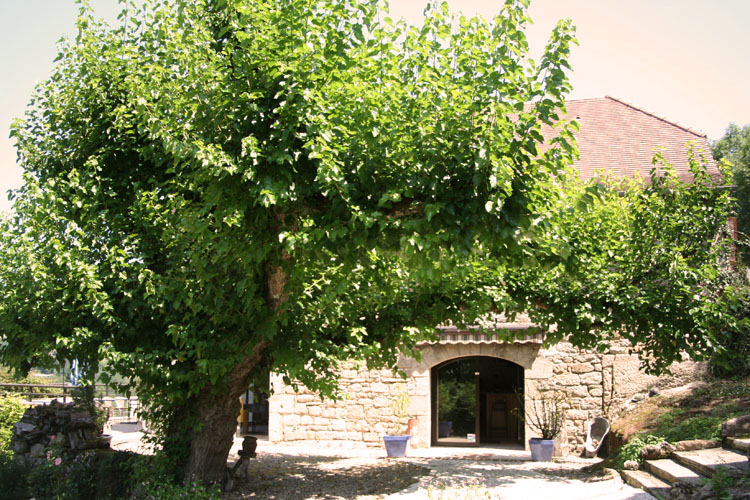
Morus (plant)
View on GrokipediaMorphology and Description
Physical Characteristics
Morus species are deciduous trees or shrubs that typically reach heights of 10 to 20 meters, though some can grow up to 25 meters or more under optimal conditions.[2][8] They exhibit a dense, spreading crown that is often wider than the tree's height, with a short bole and low-branching habit in cultivation.[2] These plants contain milky sap in their stems and leaves, a characteristic trait of the Moraceae family.[2] Most species are dioecious, with male and female flowers on separate plants, though occasional monoecious individuals occur, such as in M. laevigata.[2][9] The leaves of Morus are alternate, simple to palmately lobed, and measure 5 to 20 cm in length, with serrated or toothed margins.[10][2] They feature 3 to 5 primary veins arising from the base and pinnate secondary venation, showing variability in shape even within the same species—often unlobed in M. alba and more frequently lobed in M. rubra.[2] Leaf surfaces vary by species: glossy and smooth in M. alba, pubescent on the lower surface in M. rubra, and matte with a scabrous texture in M. nigra.[2] Stems are initially smooth with gray bark in young plants, becoming rough and deeply fissured with age on mature trunks.[2] Branchlets range from glabrous to densely pubescent depending on the species, and winter buds consist of 3 to 6 imbricate scales.[2] Flowers are inconspicuous and arranged in axillary catkins or spikes, blooming in spring; male flowers form elongate spikes, while female flowers are in shorter spikes or capitate clusters, with dioecious arrangements predominant.[2][11] The fruits develop as aggregate fruits composed of multiple drupes, typically 1 to 3 cm long, with colors varying by species—white to pinkish or purplish in M. alba, dark red to purplish in M. rubra, and black in M. nigra.[2][12]Growth and Life Cycle
Morus species exhibit rapid juvenile growth, typically achieving heights of 3 to 4 meters within the first 4 to 6 years, equating to an average rate of 0.5 to 1 meter per year, before slowing in maturity.[13] In the wild, these trees generally live 30 to 70 years, though cultivated specimens can exceed 100 years, as evidenced by historical examples such as a Morus alba tree at Mount Vernon dating to 1785.[13] In species such as M. rubra, optimum seed production occurs between 30 and 85 years of age in forest stands.[14] The life cycle of Morus begins with germination from seeds, which can occur under favorable moist conditions, followed by a phase of vegetative growth lasting 2 to 3 years characterized by rapid shoot and root extension.[15] Reproductive maturity is reached at 3 to 5 years, when trees begin producing flowers and fruits, with open-grown individuals potentially fruiting as early as 2 years.[14] Vegetative propagation via root sprouting after disturbance allows for perennial persistence, enabling recovery from environmental stresses.[13] Seasonally, Morus species flush new leaves in spring following winter dormancy, marked by complete leaf drop in temperate zones.[13] Fruiting occurs in summer, from May to July in temperate regions, aligning with peak pollinator activity and environmental warmth.[13] This cycle reflects adaptation to deciduous habits, with dormancy providing resilience to cold and aiding in resource conservation.[14] Growth is optimized in full sun, where seedlings show up to 53% higher rates compared to shaded conditions, though partial shade is tolerated with reduced vigor.[13] The root system features a deep taproot penetrating 2 to 4 meters and extensive lateral spread of 7 to 13 meters, facilitating drought tolerance and soil stabilization.[13] In dioecious Morus species, branching patterns form stout, spreading crowns, with monoecious variants occasionally exhibiting mixed-sex catkins on the same branches; however, sex-specific growth rate differences remain undocumented in primary literature.[14] Annual wood production contributes to durable heartwood used historically in implements, though quantitative yields vary by species and site.[14]Taxonomy and Phylogeny
Classification History
The genus Morus was established by Carl Linnaeus in his Species Plantarum in 1753, initially encompassing species such as M. alba, M. nigra, and M. rubra, based primarily on morphological characteristics like leaf shape and fruit type.[16] This foundational classification treated Morus as a small group within the Moraceae family, with seven species described overall, though only five are now recognized as valid mulberries.[2] In the 19th century, Édouard Bureau expanded the taxonomy in 1873, revising Morus into five principal species (M. alba, M. celtidifolia, M. insignis, M. nigra, and M. rubra), along with 19 varieties and 11 subvarieties, emphasizing sectional divisions based on leaf morphology, such as entire versus lobed leaves, and pistillate catkin features.[17] Bureau's work marked a shift toward more detailed infrageneric groupings, influencing subsequent classifications by incorporating variability in vegetative and reproductive structures.[18] The 20th century saw significant revisions, with Gen'ichi Koidzumi's 1917 monograph proposing 24 species and one subspecies, organized into two major sections—Macromorus and Dolichostylae—primarily differentiated by style length in female flowers and syncarp shape.[19] This proliferation reflected increased exploration of Asian diversity, but later systematists consolidated the count; for instance, Leroy in 1949 recognized 18 species across three subgenera (Eumorus, Gomphomorus, Afromorus), while Hotta in 1954 elevated it to 35 species.[3] By the late 20th and early 21st centuries, syntheses like Chang et al. (1998) reduced the recognized species to 16, particularly for Chinese taxa, incorporating herbarium data and regional floras to address hybridization and synonymy issues.[3] These consolidations, often to 10–16 species by the 2000s, highlighted the challenges of morphological plasticity in Morus, paving the way for molecular approaches.[19] In the 2020s, phylogenomic studies have refined Morus taxonomy using molecular markers, including nuclear ITS regions, chloroplast trnL-trnF spacers, and full chloroplast genomes, reclassifying the genus into approximately five sections such as Morus (encompassing Asian and North American lineages) and others like Dolichostylae, while resolving non-monophyly in earlier groupings.[3] These analyses, such as Nepal & Ferguson (2012) and subsequent works, separated African and South American clades, with Hyb-Seq data from hundreds of nuclear loci revealing hybridization events and influencing biogeographic interpretations.[3] A 2025 study analyzing complete chloroplast genomes from 25 Morus accessions confirmed sectional boundaries through phylogenetic clustering into three major clades (wild, fruit, and leaf types), supporting M. alba and relatives as basal while highlighting intraspecific variation via simple sequence repeats.[20] Additionally, a telomere-to-telomere genome assembly of wild M. mongolica in 2025 provided a high-quality reference, enabling precise delineation of chromosomal structures and further validation of phylogenetic relationships within the genus.[21]Species and Diversity
The genus Morus encompasses approximately 15–19 accepted species, with taxonomic authorities varying in their counts; for example, a 2023 review estimates around 16 species, while Plants of the World Online recognizes 17 as of 2024.[3][1] Prominent species include M. alba (white mulberry), M. nigra (black mulberry), M. rubra (red mulberry), M. laevigata, and M. mongolica, each distinguished by traits such as fruit color and leaf morphology.[1] Phylogenetic analyses based on nuclear ribosomal DNA (nrDNA) and chloroplast DNA (cpDNA) from 2025 studies reveal well-supported clades reflecting geographic origins and divergences. These include a primary Asian clade representing the genus's origin, contrasted with disjunct American clades (North and South) and an African lineage, with divergence times estimated around 38.67 million years ago for the most recent common ancestor.[22][23] Hybridization contributes to phylogenetic complexity, notably the fertile hybrid M. × rubralba arising from M. alba and M. rubra, which exhibits asymmetrical introgression favoring M. alba nuclear markers in up to 67% of hybrids.[24] Diversity within Morus is evident in morphological traits like variable leaf lobing—from entire to deeply lobed—and fruit coloration ranging from white to black, alongside substantial genetic variation. A 2025 nrDNA study of 542 accessions uncovered high intraspecific polymorphism, identifying 158 single-nucleotide polymorphisms (SNPs) and 15 insertions/deletions (InDels) that highlight evolutionary flexibility and support species delimitation.[22] Among recognized species, M. alba is the most extensively cultivated worldwide, prized for its adaptability in sericulture and ornamental use. Conversely, M. mesozygia exemplifies conservation concerns in Africa, classified as critically endangered in regions like Zimbabwe due to habitat loss and limited distribution.[13][25]Biogeography and Ecology
Native and Introduced Ranges
The genus Morus encompasses 17 species of deciduous trees and shrubs primarily native to temperate and subtropical regions of Asia, with a concentration in China and the Himalayan foothills where species such as M. alba, M. macroura, and others originated.[26][27] Disjunct native distributions occur elsewhere, including M. rubra in eastern North America from southern Ontario southward to Florida and westward to central Texas, M. nigra in southwestern Asia (precise range obscured by ancient cultivation but centered in regions like Iran).[28] Introduced ranges of Morus species, particularly M. alba, have expanded globally through human-mediated dispersal tied to sericulture, with the species now widespread in North America (introduced in the 1600s via colonial efforts to establish silk production), Europe, Australia (planted in South Australia since 1844 for mulberry cultivation), and South America (brought by Spanish colonizers post-conquest).[29][30][8] In the United States, M. alba has become invasive across much of the lower 48 states except Nevada, aggressively colonizing disturbed areas, forest edges, and urban sites.[31] It poses a significant threat in the eastern U.S. by outcompeting and hybridizing with the native M. rubra, potentially displacing it through faster maturation, prolific seed production, and transmission of root diseases.[32][31] Phylogenetic analyses using chloroplast genomes indicate a Central Asian cradle for the genus, with diversification driven by post-glacial migrations following the [Last Glacial Maximum](/page/Last Glacial Maximum), enabling northward and eastward expansions into temperate zones during Holocene warming. A 2025 biogeographic study of Morus cpGenomes from 25 accessions, including ancient trees in Uzbekistan, confirms this Asian origin and highlights how climatic shifts facilitated the genus's radiation across Eurasia before disjunct colonizations in other continents.Habitat Preferences
Morus species thrive in temperate to subtropical climates, typically within USDA hardiness zones 4 to 9, where they exhibit tolerance to frost down to approximately -20°C and demonstrate drought resistance once established.[33][34][35] These plants prefer full sun exposure but can adapt to partial shade, with optimal growth in regions receiving moderate annual rainfall of 400-1000 mm, though they endure both arid semi-desert conditions and occasional flooding in their native ranges.[6] In terms of soil preferences, Morus favors well-drained loamy soils with a pH range of 5.5 to 7.0, showing adaptability to sandy, clayey, or even poor, infertile substrates as long as drainage is adequate.[6][36] While tolerant of sporadic waterlogging, prolonged saturation leads to root damage and reduced vigor, underscoring their sensitivity to consistently wet conditions.[37][38] Ecologically, Morus acts as a pioneer species in disturbed habitats such as forest edges, old fields, and urban lots, rapidly colonizing gaps to stabilize soil and facilitate secondary succession.[31] As the primary host plant for silkworm larvae (Bombyx mori), it supports sericulture ecosystems, while its fruits attract foraging birds and its canopy provides shade and nesting cover for understory wildlife.[13][39] Morus forms symbiotic associations with soil microorganisms, including arbuscular mycorrhizal fungi that enhance nutrient uptake in nutrient-poor soils, and endophytic bacteria that promote growth and stress tolerance.[40][41] In introduced regions, it often competes aggressively with native flora, sometimes acting as an invasive that displaces local species in open or riparian areas.[42] In their native Asian ranges, Morus species show a particular affinity for riparian zones along rivers and streams in central and northern China, where moist, alluvial soils support their establishment.[13][43] Recent 2025 studies highlight Morus's high adaptability to climate change, noting traits like drought and flood resilience that enable persistence across shifting agro-climatic zones.[44][45]Reproduction
Flowering and Pollination
Most Morus species are dioecious, though some can be monoecious, with male and female flowers produced on separate individuals or occasionally the same plant. Male flowers form in staminate catkins that produce pollen, while female flowers develop in pistillate catkins bearing ovules.[13][2] In the northern hemisphere, flowering typically occurs in spring, from March to May, with blooms lasting about 1-2 weeks.[46][47] Catkin sizes vary by species; for example, in red mulberry (Morus rubra), pistillate catkins measure 1-3 cm long, and staminate catkins reach 3-5 cm.[48] Pollination in Morus is primarily anemophilous, relying on wind to transfer pollen from male to female flowers.[13][49] The dioecious nature necessitates proximity between male and female plants for successful fruit set, as isolated females produce few or no viable fruits.[13] Pollen exhibits high viability, often exceeding 89% in species like black mulberry (Morus nigra), supporting effective dispersal within local populations.[50] Following pollination, fruit development proceeds rapidly, taking 4-8 weeks until ripening.[47] Hybridization between phylogenetically distant Morus species, such as red mulberry (M. rubra) and white mulberry (M. alba), faces post-pollination barriers that reduce success rates and contribute to asymmetric gene flow.[51] These barriers include pollen tube growth inhibition and embryo inviability, limiting interspecific crosses despite overlapping ranges.[51]Seed Dispersal and Propagation
Seed dispersal in Morus species primarily occurs through zoochory, where fruits are consumed by birds and mammals, facilitating the spread of seeds via endozoochory.[13] Birds such as orioles and other frugivores play a key role in this process, ingesting the ripe, fleshy aggregate fruits and excreting viable seeds at distant locations, often promoting long-distance dispersal.[52] Mammals, including red foxes, also contribute by eating the fruits and dispersing seeds through their scat, though birds are the dominant vector.[13] In riparian habitats, some Morus species exhibit limited hydrochory, where seeds may float and travel short distances via water currents during floods, supplementing animal-mediated dispersal.[53] This dispersal mechanism has enabled Morus to become invasive in introduced ranges, particularly M. alba, where bird-dispersed seeds establish dense thickets that outcompete native vegetation.[29] Morus seeds are orthodox, tolerating desiccation and maintaining viability for 2-3 years under cool, dry storage conditions at 0-5°C.[54] Germination rates reach 70-90% following cold moist stratification for 30-100 days at 4-5°C, which breaks dormancy and enhances seedling establishment, with optimal temperatures of 15-20°C post-stratification.[26][55] Vegetative propagation is a prominent reproductive strategy in Morus, allowing clonal spread without sexual reproduction. Root suckers emerge readily from injured roots or stems, enabling rapid colonization in disturbed soils and contributing to the persistence of wild populations.[13] Softwood cuttings, taken in late spring, achieve rooting success rates of up to 80% when treated with auxins and maintained under high humidity, while hardwood cuttings root less reliably but are used for larger-scale propagation.[56] Layering, both ground and air methods, is effective for Morus, with branches rooting in moist soil or sphagnum moss, producing independent plants within one season.[57] Apomixis is rare in Morus, with most reproduction relying on sexual or vegetative means, though recent genomic analyses of wild populations indicate occasional clonal lineages maintained by vegetative sprouting.[58]Cultivation
History of Domestication
The domestication of Morus, particularly M. alba, began in central and northern China around 2700 BCE, driven by its essential role in sericulture as the primary food source for silkworms (Bombyx mori) in silk production. This early cultivation marked a pivotal advancement in ancient agriculture, transforming mulberry from a wild species into a cornerstone of Chinese economy and technology. Archaeological evidence from sites in Shandong and Huzhou confirms sericulture practices dating to this period, with silk threads and cocoons indicating organized mulberry propagation.[59][60] Ancient texts like the Shennong Bencao Jing, compiled around the 1st century CE but drawing on earlier traditions, further document mulberry's uses, classifying its leaves, fruits, and bark as therapeutic agents for ailments such as coughs and digestive issues while emphasizing its agricultural value.[61] Mulberry cultivation disseminated westward along the Silk Road trade network, with silk fabric reaching the Roman Empire by the 1st century BCE. However, sericulture and mulberry groves were introduced to the Byzantine Empire around 550 CE, integrating into Mediterranean societies for silk production. This expansion relied on M. alba's adaptability, allowing it to thrive in diverse climates from temperate Asia to southern Europe. By the early centuries CE, mulberry groves supported emerging sericulture in regions like Persia and Byzantium, though the technology remained a closely guarded Chinese secret for millennia.[62][63][64] European colonists introduced M. alba to the Americas in the early 1600s, aiming to replicate Asian silk industries in the New World. In 1624, the Virginia General Assembly mandated that every household plant at least four mulberry trees to bolster local sericulture, reflecting royal encouragement from King James I to reduce reliance on Asian imports. This effort extended to other colonies, including Georgia in 1733, where 500 trees were imported for experimental plantations.[13][65] The 19th century witnessed intensified mulberry plantings in the United States, fueled by speculative booms in silk production, particularly with the introduction of fast-growing Morus multicaulis from France around 1830. Prices for mulberry saplings surged dramatically, from $4 per hundred in 1834 to $30 per hundred by 1836, as states like Connecticut promoted widespread cultivation through guidebooks and incentives. However, these trials collapsed by the 1840s due to mulberry blights, the labor-intensive nature of silkworm rearing, and inability to compete with inexpensive Chinese silk imports.[66][67] Botanical studies during this era, including detailed species delineations, supported initial breeding efforts to enhance leaf yield and disease resistance for sericulture.[68] In the 20th century, mulberry cultivation increasingly emphasized fruit varieties, with breeders in the United States and Asia selecting for larger, sweeter drupes suitable for human consumption and ornamentals, diverging from sericulture dominance. This shift capitalized on M. alba and hybrids' native adaptability in Asian ranges, promoting sustainable agroforestry amid declining silk interest.[69][63]Modern Practices
Modern mulberry cultivation emphasizes optimized site selection and planting techniques to maximize productivity for both fruit and leaf production. Trees are typically spaced 5-10 meters apart to allow for canopy development and efficient harvesting, with irrigation provided regularly during the establishment phase to support root growth in the first 1-2 years.[70] Pruning is conducted during dormancy in late winter to shape the tree, remove dead or diseased branches, and enhance fruit yield by promoting new growth and improving air circulation.[71] Varietal selection plays a crucial role in adapting mulberry to specific purposes and environmental challenges. For fruit production, hybrids such as 'Illinois Everbearing' (Morus alba × M. rubra) are favored for their extended ripening season and high-quality, sweet berries up to 4 cm long.[72] Disease-resistant cultivars, including those bred to withstand bacterial blight caused by Pseudomonas syringae pv. mori, are increasingly selected to minimize losses in humid regions.[73] Pest management in contemporary mulberry orchards relies on integrated pest management (IPM) strategies to control common threats like scale insects (e.g., white peach scale, Pseudaulacaspis pentagona) and mites, combining monitoring, cultural practices, and targeted interventions. In sustainable and organic farms, biological controls such as predatory insects and horticultural oils are prioritized over broad-spectrum chemicals to maintain ecosystem balance.[74][75] Under optimal conditions, mature fruiting mulberry trees yield 10-20 kg of berries per tree annually, while sericulture-focused plantations achieve leaf production of 20-40 tons per hectare per year through high-density planting and multiple harvests.[76][77] China dominates global sericulture, accounting for approximately 80% of worldwide silk production, which drives intensive mulberry cultivation advancements.[78] Recent 2025 developments in genomic breeding have introduced drought-tolerant varieties, such as 'Guiyou 2024', identified through transcriptome and metabolome analyses to enhance resilience in water-scarce areas without compromising yield.[79]Uses
Sericulture
Sericulture, the practice of silk production, relies heavily on Morus species, particularly Morus alba, as the primary host plant for the domestic silkworm Bombyx mori. The leaves of M. alba serve as the exclusive feed for B. mori larvae, providing essential nutrients that enable the insects to spin cocoons composed of silk proteins. High-quality mulberry leaves typically contain 15-25% crude protein on a dry weight basis, which supports rapid larval growth and cocoon formation.[80][81] Harvesting mulberry leaves for sericulture involves repeated pruning to meet the silkworms' continuous demand for fresh foliage, with nutritional profiles optimized for larval development, including balanced amino acids and digestible carbohydrates. In tropical and subtropical regions, plants can yield 4-6 leaf crops per year through pruning cycles spaced 10-12 weeks apart, allowing for sustainable production aligned with multiple silkworm rearing cycles. This intensive harvesting ensures leaves remain tender and nutrient-rich, as older leaves have reduced protein digestibility that can hinder silkworm health and silk yield.[82] The global sericulture industry centers on Morus cultivation, with China accounting for the majority of production, approximately 55% of the world's raw silk output as of 2023.[83] Breeding programs focus on developing mulberry varieties with enhanced leaf quality, such as higher protein content and disease resistance, to improve silkworm performance and overall silk efficiency. These efforts have sustained the industry's scale, where billions of B. mori cocoons are processed annually into silk threads. Silk from B. mori cocoons consists primarily of fibroin, the structural core protein comprising 70-80% of the fiber, coated by sericin, a hydrophilic gum-like protein making up 20-30%, which binds the filaments during spinning. Historically, China maintained a near-monopoly on silk production for millennia, but this was effectively broken in the 19th century as sericulture expanded in Europe, particularly in France and Italy, through technological advancements and established cultivation practices.[84][85]Culinary Applications
The fruits of Morus species, particularly M. alba and M. rubra, are widely consumed fresh for their sweet, juicy flavor, often harvested at peak ripeness from mid-June through August in temperate regions.[86] These berries are versatile in preparations such as jams, jellies, pies, tarts, cakes, and breads, where their natural sweetness enhances baked goods and preserves.[5] In Mediterranean cuisines, Morus nigra fruits are prized for desserts, including rich tarts and sorbets, due to their intense, dark berry taste.[87] Processing methods extend the usability of mulberry fruits; they are frequently dried for long-term storage and used as a raisin substitute in various recipes.[5] Fermentation produces mulberry wine, typically reaching 9-12% alcohol by volume after primary and secondary stages, yielding a fruity, ruby-red beverage enjoyed in home and commercial settings.[88] Regionally, in Turkish cuisine, mulberry pekmez—a thick molasses—is boiled down from the fruit juice and serves as a traditional sweetener in breakfast spreads, often mixed with tahini or drizzled over pastries.[89] Mulberry leaves contribute to culinary traditions, especially in Asia, where young, tender leaves are blanched and incorporated into dishes like seasoned side salads or stir-fries with sesame oil.[90] In Korean cuisine, they feature in rice preparations such as mulberry leaf gimbap—sushi-style rolls—or bibimbap vegetable mixes, adding an earthy, nutty note when briefly cooked.[91] Dried leaves are steeped to make a mild, caffeine-free tea, commonly consumed hot or iced in East Asian meals.[92]Medicinal and Pharmacological Uses
In traditional Chinese medicine, various parts of Morus species, particularly Morus alba and Morus nigra, have been utilized for their therapeutic properties. Mulberry leaves have been employed to alleviate symptoms of diabetes (known as "Xiao-ke"), hypertension, cough, sore throats, fever, and bronchitis, often through decoctions or teas that nourish the liver and improve vision while countering wind-related ailments. The root bark is valued for its cooling effects, helping to clear heat and treat conditions like diabetes mellitus by promoting diuresis and reducing inflammation. Bark and roots have also been traditionally used for their hypoglycemic effects, addressing weakness, fatigue, anemia, and kidney deficiencies by nourishing yin and blood.[93][94][95][96] Pharmacological studies have substantiated many traditional uses, with a focus on antidiabetic and anti-inflammatory activities. Mulberry leaves contain flavonoids and other antioxidants that exhibit anti-inflammatory effects by scavenging free radicals and modulating cytokine production. A key compound, 1-deoxynojirimycin (DNJ), acts as a potent α-glucosidase inhibitor, delaying carbohydrate digestion and reducing postprandial hyperglycemia; a 2025 review highlights DNJ's strong inhibitory potential against α-glucosidase and α-amylase, contributing to glycemic control. Additionally, a 2025 systematic review identifies over 50 bioactive compounds in Morus alba, including flavonoids, phenolic acids, and alkaloids, underscoring their pharmacological diversity.[97][98][99] Clinical trials support the blood sugar-lowering effects of Morus extracts. In one randomized study, healthy adults consuming 280 mg of mulberry leaf extract three times daily for 12 weeks experienced improved postprandial glycemic and insulinaemic responses to sucrose loads. Another trial involving individuals with impaired glucose tolerance showed that 1 g of mulberry leaf powder taken three times daily after meals for 30 days reduced fasting blood glucose by 27%. Extracts rich in DNJ (12 mg three times daily before meals for 12 weeks) also modestly decreased serum triglycerides and improved lipoprotein profiles in subjects with borderline hyperglycemia. For antimicrobial properties, Morus extracts demonstrate activity against bacteria such as Streptococcus mutans, Escherichia coli, Staphylococcus aureus, and periodontopathic species like Porphyromonas gingivalis, attributed to flavonoids and phenolics that disrupt bacterial cell walls.[100][101][102][103][104] Dosage guidelines for mulberry leaf extract in medicinal applications typically range from 1 to 3 g per day, divided into three doses taken before or after meals, with studies using 0.8–1 g three times daily for up to three months showing efficacy in glycemic control without significant adverse effects. Higher DNJ-enriched doses (e.g., 12–18 mg daily) have been tested for postprandial glucose attenuation, but consultation with healthcare providers is recommended to tailor usage.[101][105][106]Industrial Applications
Mulberry species, particularly Morus nigra, have been utilized for extracting natural pigments from their fruits, yielding deep purple dyes suitable for textile applications. The anthocyanin-rich extracts from black mulberry fruits provide vibrant coloration that has historically been applied to wool, silk, and cotton fabrics, offering antimicrobial properties alongside aesthetic value.[107][108] In traditional practices dating back to ancient China, these fruit-based dyes were combined with mordants like alum to achieve fastness on natural fibers, contributing to durable purple and brownish hues in woven goods.[109] Recent advancements emphasize their sustainability; as of 2025, encapsulated mulberry fruit extracts are being developed as eco-friendly alternatives to synthetic dyes in the textile industry, reducing environmental impact through biodegradable sourcing.[110] The fibrous inner bark of Morus alba and related species has served as a raw material for high-quality paper production, particularly in East Asian traditions. In China, mulberry bark was processed into pulp for durable writing and printing papers as early as the Han dynasty, with the stems stripped, boiled, and beaten to yield fine, strong sheets.[111] Modern adaptations include experimental papermaking from Morus indica twigs, where the bark is soaked and treated with sodium hydroxide to produce lightweight, white paper suitable for artisanal crafts.[112] In the 19th century, United States agricultural experiments explored mulberry bark for paper amid broader silkworm cultivation efforts, though these trials focused more on fiber quality than large-scale production.[68] Variants akin to Japanese washi, while primarily from paper mulberry (Broussonetia papyrifera), occasionally incorporate Morus bast fibers for enhanced texture in handmade sheets.[113] Mulberry wood, derived from species like Morus rubra and Morus alba, is a soft to medium hardwood valued for its workability in industrial woodworking. With an average dried density of approximately 690 kg/m³, it offers a balance of strength and lightness, making it ideal for crafting furniture components, crates, and turned objects such as bowls.[114] The wood's fine grain and yellowish-to-brown heartwood allow easy machining and finishing, though its moderate hardness (Janka rating around 1,680 lbf) suits indoor applications over heavy structural use.[115] Beyond primary materials, mulberry waste biomass supports biofuel production, enhancing industrial sustainability. Prunings and branches from Morus alba plantations are pelletized into high-energy fuel, with calorific values comparable to conventional wood pellets, providing a renewable energy source from agricultural byproducts.[116] Extracts from mulberry roots and fruits are also incorporated into cosmetics, where their tyrosinase-inhibiting compounds promote skin brightening and even tone in formulations like creams and serums.[117][118] These applications underscore mulberry's versatility in eco-conscious industries as of 2025.[119]Nutrition and Bioactive Compounds
Nutritional Composition
The fruits of Morus species, commonly known as mulberries, are characterized by a high water content, typically comprising about 88% of their fresh weight, which contributes to their juicy texture and low caloric density of approximately 43 kcal per 100 g. Carbohydrates make up around 9.8 g per 100 g, primarily in the form of sugars such as glucose and fructose, while protein content is modest at 1.4 g per 100 g and fat is negligible at 0.4 g per 100 g. Dietary fiber is present at about 1.7 g per 100 g, aiding in digestive health. These values are based on aggregated data for raw mulberries from the United States Department of Agriculture (USDA) FoodData Central database.[120] Micronutrients in mulberry fruits are notable, particularly vitamin C at 36.4 mg per 100 g, representing a significant portion of the daily recommended intake, along with iron at 1.85 mg per 100 g. The skin of the fruit contains resveratrol, a stilbenoid polyphenol, at concentrations up to 50.61 μg per g dry weight, varying by species and ripeness. Other minerals include potassium (194 mg per 100 g) and calcium (39 mg per 100 g), supporting electrolyte balance and bone health. These compositional elements highlight mulberries' role as a nutrient-dense, low-energy fruit option.[120][121] Mulberry leaves exhibit a higher protein content compared to the fruits, ranging from 15% to 31% on a dry weight basis across different genotypes, making them a valuable protein source in animal feeds and potential human supplements. For instance, dried leaf powder from various Morus alba cultivars contains 15.31% to 30.91% crude protein, alongside 27.6% to 36.66% neutral detergent fiber. A 2025 study on 21 Turkish mulberry genotypes revealed significant nutritional variation, with Morus rubra showing the highest antioxidant capacity at 47.68%, attributed to elevated levels of polyphenols and flavonoids, while overall macronutrient profiles remained consistent with broader species data. This intraspecific diversity underscores the adaptability of Morus for nutritional applications.[122][123][124]| Nutrient (per 100 g raw fruit) | Amount | Source |
|---|---|---|
| Water | 88 g | USDA |
| Calories | 43 kcal | USDA |
| Carbohydrates | 9.8 g | USDA |
| Protein | 1.4 g | USDA |
| Fat | 0.4 g | USDA |
| Fiber | 1.7 g | USDA |
| Vitamin C | 36.4 mg | USDA |
| Iron | 1.85 mg | USDA |