


Community hub
Recent from talks
Contribute something
Nothing was collected or created yet.
Veterinary medicine
View on Wikipedia
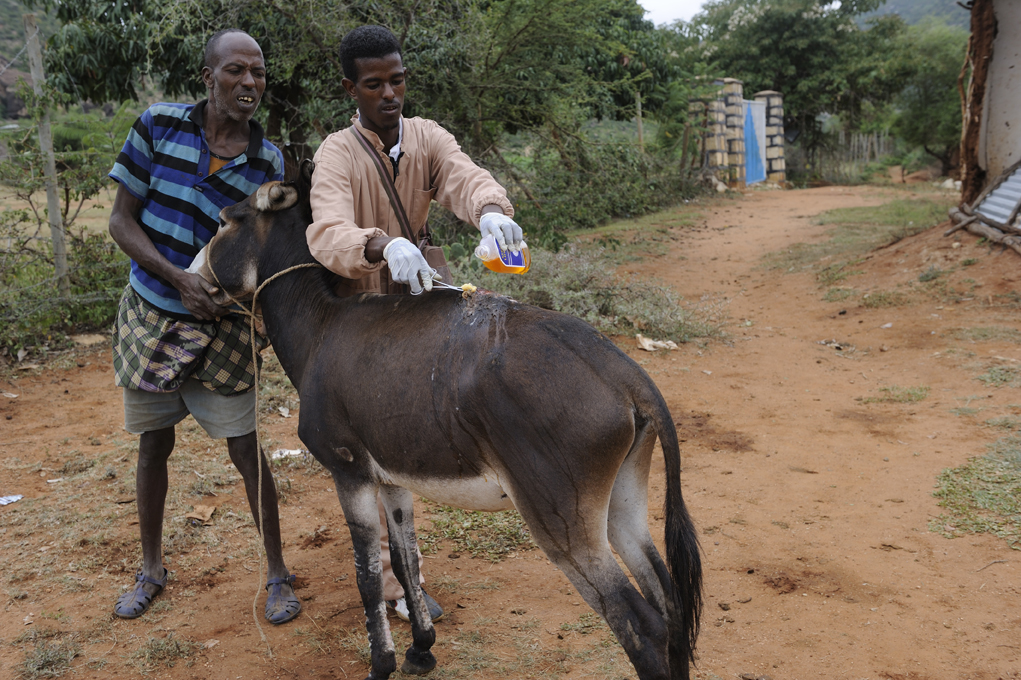
Veterinary medicine is the branch of medicine that deals with the prevention, management, diagnosis, and treatment of disease, disorder, and injury in non-human animals. The scope of veterinary medicine is wide, covering all animal species, both domesticated and wild, with a wide range of conditions that can affect different species.
Veterinary medicine is widely practiced, both with and without professional supervision. Professional care is most often led by a veterinary physician (also known as a veterinarian, veterinary surgeon, or "vet"), but also by paraveterinary workers, such as veterinary nurses, veterinary technicians, and veterinary assistants.[1] This can be augmented by other paraprofessionals with specific specialties, such as animal physiotherapy or dentistry, and species-relevant roles such as farriers.
Veterinary science helps human health through the monitoring and control of zoonotic disease (infectious disease transmitted from nonhuman animals to humans), food safety, and through human applications via medical research. They also help to maintain food supply through livestock health monitoring and treatment, and mental health by keeping pets healthy and long-living. Veterinary scientists often collaborate with epidemiologists and other health or natural scientists, depending on type of work. Ethically, veterinarians are usually obliged to look after animal welfare. Veterinarians diagnose, treat, and help keep animals safe and healthy.
History
[edit]Premodern era
[edit]Archeological evidence, in the form of a cow skull upon which trepanation had been performed, shows that people were performing veterinary procedures in the Neolithic (3400–3000 BCE).[2]

The Egyptian Papyrus of Kahun (Twelfth Dynasty of Egypt) is the first extant record of veterinary medicine.[3]
The Shalihotra Samhita, dating from the time of Ashoka, is an early Indian veterinary treatise. The edicts of Asoka read: "Everywhere King Piyadasi (Asoka) made two kinds of medicine (चिकित्सा) available, medicine for people, and medicine for animals. Where no healing herbs for people and animals were available, he ordered that they be bought and planted."[4]

Hippiatrica is a Byzantine compilation of hippiatrics, dated to the fifth or sixth century AD.[5]
The first attempts to organize and regulate the practice of treating animals tended to focus on horses because of their economic significance. In the Middle Ages, farriers combined their work in horseshoeing with the more general task of "horse doctoring". The Arabic tradition of Bayṭara, or Shiyāt al-Khayl, originates with the treatise of Ibn Akhī Hizām (fl. late ninth century).
In 1356, the Lord Mayor of London, Sir Henry Picard, concerned at the poor standard of care given to horses in the city, requested that all farriers operating within a 7-mile (11-km) radius of the City of London form a "fellowship" to regulate and improve their practices. This ultimately led to the establishment of the Worshipful Company of Farriers in 1674.[6]
Meanwhile, Carlo Ruini's book Anatomia del Cavallo (Anatomy of the Horse) was published in 1598. It was the first comprehensive treatise on the anatomy of a nonhuman species.[7]

Establishment of profession
[edit]
The first veterinary school was founded in Lyon, France, in 1762 by Claude Bourgelat.[8] According to Lupton,[9] after observing the devastation being caused by cattle plague to the French herds, Bourgelat devoted his time to seeking out a remedy. This resulted in founding a veterinary school in Lyon in 1761, from which establishment he dispatched students to combat the disease; in a short time, the plague was stayed and the health of stock restored, through the assistance rendered to agriculture by veterinary science and art.[9] The school received immediate international recognition in the 18th century and its pedagogical model drew on the existing fields of human medicine, natural history, and comparative anatomy.[10]
The Swedish veterinary education received funding 1774, and was officially started May 8th 1775 when the king Gustaf III signed the document.[11][12][13] Peter Hernquist, who had studied for Carl von Linné in Uppsala, and also studied in Lyon with Claude Bourgelat, was head of school and is considered father of veterinary medicine in Sweden.
The Odiham Agricultural Society was founded in 1783 in England to promote agriculture and industry,[14] and played an important role in the foundation of the veterinary profession in Britain. A founding member, Thomas Burgess, began to take up the cause of animal welfare and campaign for the more humane treatment of sick animals.[15] A 1785 society meeting resolved to "promote the study of Farriery upon rational scientific principles."
Physician James Clark wrote a treatise entitled Prevention of Disease in which he argued for the professionalization of the veterinary trade, and the establishment of veterinary colleges. This was finally achieved in 1790, through the campaigning of Granville Penn, who persuaded Frenchman Benoit Vial de St. Bel to accept the professorship of the newly established veterinary college in London.[14] The Royal College of Veterinary Surgeons was established by royal charter in 1844. Veterinary science came of age in the late 19th century, with notable contributions from Sir John McFadyean, credited by many as having been the founder of modern veterinary research.[16]
In the United States, the first schools were established in the early 19th century in Boston, New York City, and Philadelphia. In 1879, Iowa Agricultural College became the first land-grant college to establish a school of veterinary medicine.[17]
The veterinary profession in the United States went through a major transition as automobiles replaced horses as the primary mode of individual transportation in the 1920s and 1930s. Urban equine veterinarians were forced to innovate, shifting their practices to focus on companion animals, namely dogs and cats.[18]
Veterinary workers
[edit]Veterinary physicians
[edit]
Veterinary care and management are usually led by a veterinary physician (usually called a veterinarian, veterinary surgeon or "vet") who has received their doctor of veterinary medicine degree. This role is the equivalent of a physician or surgeon (medical doctor) in human medicine, and involves postgraduate study and qualification.[19]
In many countries, the local nomenclature for a vet is a protected term, meaning that people without the prerequisite qualifications and/or registration are not able to use the title, and in many cases, the activities that may be undertaken by a vet (such as animal treatment or surgery) are restricted only to those people who are registered as vet. For instance, in the United Kingdom, as in other jurisdictions, animal treatment may be performed only by registered vets (with a few designated exceptions, such as paraveterinary workers), calling oneself a vet without being registered or performing any treatment is illegal.
Most vets work in clinical settings, treating animals directly. They may be involved in a general practice, treating animals of all types; may be specialized in a specific group of animals such as companion animals, livestock, laboratory animals, zoo animals, or horses; or may specialize in a narrow medical discipline such as veterinary surgery, dermatology, cardiology, neurology, laboratory animal medicine, internal medicine, and more.
As healthcare professionals, vets face ethical decisions about the care of their patients. Current debates within the profession include the veterinary ethics of purely cosmetic procedures on animals, such as declawing of cats, docking of tails, cropping of ears, and debarking on dogs.
A wide range of surgeries and operations is performed on various types of animals, but not all of them are carried out by vets. In a case in Iran, for instance, an eye surgeon managed to perform a successful cataract surgery on a rooster for the first time in the world.[20]
Paraveterinary workers
[edit]
Paraveterinary workers, including veterinary nurses, veterinary technicians, and veterinary assistants,[1] either assist vets in their work, or may work within their own scope of practice, depending on skills and qualifications, including in some cases, performing minor surgery.
The role of paraveterinary workers is less homogeneous globally than that of a vet, and qualification levels, and the associated skill mix, vary widely.
Allied professions
[edit]A number of professions exist within the scope of veterinary medicine, but may not necessarily be performed by vets or veterinary nurses. This includes those performing roles which are also found in human medicine, such as practitioners dealing with musculoskeletal disorders, including osteopaths, chiropractors, and physiotherapists.
Some roles are specific to animals, but which have parallels in human society, such as animal grooming and animal massage. Some roles are specific to a species or group of animals, such as farriers, who are involved in the shoeing of horses, and in many cases have a major role to play in ensuring the medical fitness of horses.
Veterinary research
[edit]
Veterinary research includes prevention, control, diagnosis, and treatment of diseases of animals, and basic biology, welfare, and care of animals. Veterinary research transcends species boundaries and includes the study of spontaneously occurring and experimentally induced models of both human and animal diseases and research at human-animal interfaces, such as food safety, wildlife and ecosystem health, zoonotic diseases, and public policy.[21] By value the most important Animal Health pharmaceutical supplier worldwide is by far Zoetis (United States).[22]
Clinical veterinary research
[edit]As in medicine, randomized controlled trials also are fundamental in veterinary medicine to establish the effectiveness of a treatment.[23] Clinical veterinary research is far behind human medical research, though, with fewer randomized controlled trials, that have a lower quality and are mostly focused on research animals.[24] Possible improvement consists in creation of networks for inclusion of private veterinary practices in randomized controlled trials. Although the FDA approves drugs for use in humans, the FDA keeps a separate "Green Book", which lists drugs approved specifically for veterinary medicine (about half of which are separately approved for use in humans).[1][25]
No studies exist on the effect of community animal health services on improving household wealth and the health status of low-income farmers.[26]
The first recorded use of regenerative stem-cell therapy to treat lesions in a wild animal occurred in 2011 in Brazil.[27] On that occasion, the Zoo Brasília used stem cells to treat a maned wolf who had been run over by a car, which was later returned, fully recovered, to nature.[27]
See also
[edit]

- Animal drug
- Animal science
- Federation of Veterinarians of Europe
- Lists of animal diseases
- National Office of Animal Health
- One Health
- Pet orthotics
- Technology in veterinary medicine
- WikiVet
By country
[edit]References
[edit]- ^ a b Beatty, Hassan. "Veterinary Assistant vs. Veterinary Technician - A Comparison". Prof. Melissa Crist. Retrieved 22 December 2020.
- ^ Ramirez Rozzi, Fernando; Froment, Alain (19 April 2018). "Earliest Animal Cranial Surgery: from Cow to Man in the Neolithic". Scientific Reports. 8 (1): 5536. Bibcode:2018NatSR...8.5536R. doi:10.1038/s41598-018-23914-1. PMC 5908843. PMID 29674628.
- ^ Thrusfield 2007, p. 2.
- ^ Finger 2001, p. 12.
- ^ Scarborough, John; Cutler, Anthony (1 January 2005), "Hippiatrica", The Oxford Dictionary of Byzantium, Oxford University Press, doi:10.1093/acref/9780195046526.001.0001, ISBN 978-0-19-504652-6, retrieved 27 September 2019
- ^ Hunter, Pamela (2004). Veterinary Medicine: A Guide to Historical Sources, p. 1. Ashgate Publishing, Ltd.
- ^ Wernham, R. B. (1968). The New Cambridge Modern History: The Counter-Reformation and price revolution, 1559–1610, Volume 3, p. 472. Cambridge University Press.
- ^ Marc Mammerickx, Claude Bourgelat: avocat des vétérinaires, Bruxelles 1971
- ^ a b Lupton, J. I. (1879). "The Diseases of Cattle Sheep and Pigs". Modern Practical Farriery. p. 1.
- ^ Heintzman, Kit (2018). "A cabinet of the ordinary: domesticating veterinary education, 1766–1799". The British Journal for the History of Science. 51 (2): 239–260. doi:10.1017/S0007087418000274. PMID 29665887. S2CID 4947361.
- ^ "Peter (Pehr) Hernquist". Riksarkivet.
- ^ "Om Hernquist". SLU.SE (in Swedish). Swedish University of Agricultural Sciences. Archived from the original on 14 May 2024. Retrieved 14 May 2024.
- ^ Dyrendahl, Ivar (1996). Peter Hernquist från Härlunda. eterinärhistoriska muséets meddelandeserie, meddelande nr 38.
- ^ a b Pugh, L.P (1962), From Farriery to Veterinary Medicine 1785–1795, Heffner, Cambridge (for RCVS), pp. 8–19
- ^ Cotchen, Ernest (1990), The Royal Veterinary College London, A Bicentenary History, Barracuda Books Ltd, pp. 11–13
- ^ Exacting researcher brought profession into modern age, American Veterinary Medical Association, 18 April 2011
- ^ Widder, Keith R. (2005). Michigan Agricultural College: The Evolution Of A Land-Grant Philosophy, 1855–1925[permanent dead link], p. 107. MSU Press
- ^ Voiovich, Jason (13 May 2025). Bullfrogs, Bingo, and the Little House on the Prairie: How Innovators of the Great Depression Made the Best of the Worst of Times. Jaywalker Publishing LLC. pp. 80–94. ISBN 978-1-7370013-7-9.
- ^ "How to Become a Veterinarian - Guide + Degree Timeline". www.inspiraadvantage.com. Retrieved 15 August 2024.
- ^ "Rooster Undergoes World's First Cataract Surgery". IFPNews.com. 22 April 2018.
- ^ National Research Council, (US) Committee on the National Needs for Research in Veterinary Science (2005). Critical Needs for Research in Veterinary Science. Washington (DC): National Academies Press (US).
- ^ "Top Global Pharmaceutical Company Report" (PDF). The Pharma 1000. November 2021. Retrieved 29 December 2022.
- ^ Sargeant, JM (2010). "Quality of reporting of clinical trials of dogs and cats and associations with treatment effects". Journal of Veterinary Internal Medicine. 24 (1): 44–50. doi:10.1111/j.1939-1676.2009.0386.x. PMID 19807866.
- ^ Di Girolamo, N (2016). "Deficiencies of effectiveness of intervention studies in veterinary medicine: a cross-sectional survey of ten leading veterinary and medical journals". PeerJ. 4 e1649. doi:10.7717/peerj.1649. PMC 4734056. PMID 26835187.
- ^ Scott, Kevin A.; Qureshi, M. Haziq; Cox, Philip B.; Marshall, Christopher M.; Bellaire, Bailey C.; Wilcox, Michael; Stuart, Bradey A. R.; Njardarson, Jon T. (24 December 2020). "A Structural Analysis of the FDA Green Book-Approved Veterinary Drugs and Roles in Human Medicine". Journal of Medicinal Chemistry. 63 (24): 15449–15482. doi:10.1021/acs.jmedchem.0c01502. ISSN 0022-2623. PMID 33125236. S2CID 226218045.
- ^ Martin Curran, Marina; MacLehose, Harriet (19 April 2006). Cochrane Infectious Diseases Group (ed.). "Community animal health services for improving household wealth and health status of low income farmers". Cochrane Database of Systematic Reviews. 2006 (2) CD003049. doi:10.1002/14651858.CD003049.pub2. PMC 6532712. PMID 16625568.
- ^ a b Conselho Federal de Medicina Veterinária: "Tratamento", 11 January 2011, (in portuguese). Retrieved 4 May 2022.
Further reading
[edit]Introductory textbooks and references
[edit]- Aspinall, Victoria; Cappello, Melanie; Bowden, Sally (2009), Introduction to Veterinary Anatomy and Physiology Textbook, Jeffery, Andrea (forward), Elsevier Health Sciences, ISBN 978-0-7020-2938-7[permanent dead link]
- Boden, Edward; West, Geoffrey Philip (1998), Black's veterinary dictionary, Rowman & Littlefield, ISBN 978-0-389-21017-7
- Done, Stanley H. (1996), Color atlas of veterinary anatomy: The dog & cat, Elsevier Health Sciences, ISBN 978-0-7234-2441-3[permanent dead link]
- Dyce, Keith M.; Sack, Wolfgang O.; Wensing, Cornelis Johannes Gerardus (2010), Textbook of veterinary anatomy, Saunders, ISBN 978-1-4160-6607-1
- Fenner, William R. (2000), Quick reference to veterinary medicine, John Wiley & Sons, ISBN 978-0-397-51608-7
- Lawhead, James B.; Baker, MeeCee (2009), Introduction to veterinary science, Cengage Learning, ISBN 978-1-4283-1225-8
- Pfeiffer, Dirk (2009), Veterinary Epidemiology: An Introduction, John Wiley and Sons, ISBN 978-1-4051-7694-1
- Radostits, O. M.; Gay, C. C.; Blood, D. C.; Arundel, J. H.; Hinchcliff, Kenneth W (2000), Veterinary Medicine: A Textbook of the Diseases of Cattle, Sheep, Pigs, Goats and Horses (9th ed.), Elsevier Health Sciences, p. 1877, ISBN 978-0-7020-2604-1[permanent dead link]
Monographs and other speciality texts
[edit]- Dunlop, Robert H.; Malbert, Charles-Henri (2004), Veterinary pathophysiology, Wiley-Blackwell, ISBN 978-0-8138-2826-8
- Eurell, Jo Ann Coers; Eurell, Jo Ann; Frappier, Brian L.; Dellman, Horst-Dieter (25 May 2006), Dellmann's textbook of veterinary histology, Wiley-Blackwell, ISBN 978-0-7817-4148-4
- Foreyt, William J.; Foreyt, Bill (2001), Veterinary parasitology reference manual, Wiley-Blackwell, ISBN 978-0-8138-2419-2
- Gupta, Ramesh Chandra (2007), Veterinary toxicology: basic and clinical principles, Academic Press, ISBN 978-0-12-370467-2
- Hirsh, Dwight C.; Maclachlan, Nigel James; Walker, Richard L. (2004), Veterinary microbiology, Wiley-Blackwell, ISBN 978-0-8138-0379-1
- Hunter, Pamela (2004), Veterinary Medicine: A Guide to Historical Sources, Ashgate Publishing, Ltd., p. 611, ISBN 978-0-7546-4053-0
- Merck, Melinda D. (2007), Veterinary forensics: animal cruelty investigations, John Wiley & Sons, ISBN 978-0-8138-1501-5
- Murphy, Frederick A. (1999), Veterinary virology, Academic Press, ISBN 978-0-12-511340-3
- Nicholas, Frank W. (2009), Introduction to Veterinary Genetics, John Wiley and Sons, ISBN 978-1-4051-6832-8
- Robinson, Wayne F.; Huxtable, Clive R. R. (2004), Clinicopathologic Principles for Veterinary Medicine, Cambridge University Press, p. 452, ISBN 978-0-521-54813-7
- Slatter, Douglas H. (2002), Textbook of small animal surgery, Elsevier Health Sciences, ISBN 978-0-7216-8607-3
- Kahn, Cynthia M., ed. (2010), The Merck Veterinary Manual, Whitehouse Station, N.J., Merck, ISBN 978-0-911910-93-3
- Thrusfield, Michael (2007), Veterinary epidemiology, Wiley-Blackwell, ISBN 978-1-4051-5627-1
- Zajac, A.; Conboy, Gary A.; American Association of Veterinary Parasitologists (2006), Veterinary clinical parasitology, John Wiley & Sons, ISBN 978-0-8138-1734-7
Veterinary nursing, ophthalmology, and pharmacology
[edit]- Adams, H. Richard (2001), Veterinary pharmacology and therapeutics, Wiley-Blackwell, ISBN 978-0-8138-1743-9
- Bryant, Susan (2010), Anesthesia for Veterinary Technicians, John Wiley and Sons, ISBN 978-0-8138-0586-3
- Cannon, Marthaxcx; Hijfte, Myra Forster-van (2006), Feline medicine: a practical guide for veterinary nurses and technicians, Elsevier Health Sciences, ISBN 978-0-7506-8827-7[permanent dead link]
- Crispin, Sheila M. (2005), Notes on veterinary ophthalmology, Wiley-Blackwell, ISBN 978-0-632-06416-8
- Gelatt, Kirk N. (2000), Essentials of veterinary ophthalmology, Wiley-Blackwell, ISBN 978-0-683-30077-2
- Lane, D. R.; Cooper, B. (2003), Veterinary nursing, Elsevier Health Sciences, ISBN 978-0-7506-5525-5[permanent dead link]
- Pattengale, Paula (2004), Tasks for the veterinary assistant, Wiley-Blackwell, ISBN 978-0-7817-4243-6
- Riviere, Jim E.; Papich, Mark G. (2009), Veterinary pharmacology and therapeutics, John Wiley and Sons, ISBN 978-0-8138-2061-3
Related fields
[edit]- Anthony, David; University of Pennsylvania. University Museum (1984), Man and animals: living, working, and changing together: in celebration of the 100th anniversary, the School of Veterinary Medicine, University of Pennsylvania, UPenn Museum of Archaeology, ISBN 978-0-934718-68-4
- Catanzaro, Thomas E. (1998), Building the Successful Veterinary Practice: Innovation and creativity, Wiley-Blackwell, ISBN 978-0-8138-2984-5
- Finger, Stanley (2001), Origins of neuroscience: a history of explorations into brain function, Oxford University Press, ISBN 978-0-19-514694-3
- Rollin, Bernard E. (2006), An introduction to veterinary medical ethics: theory and cases, Wiley-Blackwell, ISBN 978-0-8138-0399-9
- Sherman, David M. (2002), Tending animals in the global village: a guide to international veterinary medicine, John Wiley & Sons, ISBN 978-0-683-18051-0
- Shilcock, Maggie; Stutchfield, Georgina (2003), Veterinary practice management: a practical guide, Elsevier Health Sciences, ISBN 978-0-7020-2696-6[permanent dead link]
- Smith, Gary; Kelly, Alan M., eds. (2008), Food Security in a Global Economy: Veterinary Medicine and Public Health, Phila.: University of Pennsylvania Press, p. 176, ISBN 978-0-8122-2044-5
- Swabe, Joanna (1999), Animals, Disease, and Human Society: Human-animal Relations and the Rise of Veterinary Medicine, Routledge, p. 243, ISBN 978-0-415-18193-8
- Swope, Robert E.; Rigby, Julie (2001), Opportunities in veterinary medicine careers, McGraw-Hill Professional, p. 151, ISBN 978-0-658-01055-2
- Swabe, Joanna (1999), Veterinary Courses and CE., Routledge, p. 244, ISBN 978-0-415-18193-8, archived from the original on 8 February 2019, retrieved 8 March 2022
- Anthony, David; Zoetis (2014), VeritasDVM, Dr. Donal Smith, ISBN 978-0-934718-68-4, archived from the original on 8 February 2019, retrieved 8 March 2022
External links
[edit] The dictionary definition of veterinary medicine at Wiktionary
 Media related to Veterinary medicine at Wikimedia Commons


| International | |
|---|---|
| National | |
| Other | |

Veterinary medicine
View on GrokipediaDefinition and Scope
Overview of Veterinary Medicine
Veterinary medicine is the scientific discipline concerned with the prevention, diagnosis, treatment, and control of diseases and disorders in non-human animals, encompassing both clinical practice and research into animal health.[5] The term derives from the Latin veterinaria, originally referring to the medical care of beasts of burden such as cattle, though modern veterinary practice extends to all animal species, including companion animals, livestock, wildlife, and exotic species.[9] Veterinarians, as licensed professionals, perform these functions, often integrating surgical, pharmacological, and preventive measures tailored to species-specific physiology and pathology.[10] The scope of veterinary medicine is broad, addressing physical, behavioral, and reproductive health across domesticated, captive, and wild populations, while also contributing to food safety through inspections of livestock and poultry for pathogens.[10] In addition to direct animal care, the field plays a critical role in public health by mitigating zoonotic diseases—those transmissible between animals and humans—such as rabies, brucellosis, and avian influenza, thereby safeguarding human populations from epidemics originating in animal reservoirs.[11] This intersects with the One Health approach, which recognizes the interconnectedness of animal, human, and environmental health, positioning veterinarians as essential collaborators in surveillance, vaccination programs, and antimicrobial stewardship to curb resistance.[12] Veterinary medicine also supports ecosystems and economies by managing wildlife conservation, laboratory animal welfare for biomedical research, and agricultural productivity, ensuring sustainable animal-derived food supplies amid global challenges like climate change and habitat loss.[5] In the United States, approximately 130,000 veterinarians were active as of 2024, with the majority focused on companion animal practice, reflecting evolving societal priorities toward pet ownership and animal welfare.[13] Globally, the profession addresses disparities in access, particularly in developing regions where veterinary services are vital for controlling neglected tropical diseases with zoonotic potential.[14]Distinctions from Human Medicine and One Health Implications
Veterinary medicine diverges from human medicine in its obligation to address the health needs of multiple animal species, each exhibiting distinct anatomical structures, physiological processes, and responses to interventions, which demands tailored diagnostic and therapeutic strategies rather than standardized human-centric protocols.[15] For instance, interspecies variations in pharmacokinetics and pharmacodynamics can render a drug dosage effective and safe in humans lethal in certain animals due to differences in metabolism and receptor interactions.[16] Human medicine, by contrast, concentrates on a singular species, enabling deeper specialization within organ systems or demographics without the confounding variability of taxonomic diversity.[17] This multispecies mandate extends veterinary practice into domains absent or peripheral in human medicine, such as ensuring food safety through ante-mortem and post-mortem inspections of livestock to detect pathogens like Salmonella and E. coli, thereby safeguarding public consumption of animal-derived products.[18] Veterinarians also oversee herd and flock health in agricultural settings to optimize productivity and prevent epizootics, and manage wildlife populations to mitigate ecosystem disruptions, roles that integrate economic and environmental imperatives alongside clinical care.[19] Pharmacological formulations in veterinary medicine often require unique dosage forms, such as medicated feeds or implants, to accommodate behavioral and physiological constraints not encountered in human patients.[20] The One Health framework highlights veterinary medicine's integral role in averting zoonotic spillover events, where pathogens transmit from animals to humans, encompassing threats like avian influenza, Ebola, and antimicrobial-resistant bacteria originating in animal agriculture.[21] Approximately 75% of emerging infectious diseases in humans arise from animal sources, underscoring the need for veterinary surveillance in reservoirs such as wildlife and livestock to enable early detection and containment.[22] Collaborative One Health initiatives, involving veterinarians alongside human health professionals, have reduced economic burdens from outbreaks—estimated in billions annually—through joint measures like vaccination campaigns and habitat monitoring, demonstrating causal links between animal health management and human pandemic prevention.[23] This approach counters siloed medical practices by emphasizing shared environmental drivers of disease transmission.[24]Historical Development
Premodern and Ancient Practices
The earliest documented veterinary practices date to ancient Egypt, with the Kahun Papyrus, composed around 1800 BCE, representing the oldest known veterinary text.[25] This Middle Kingdom document details treatments for cattle ailments, including reproductive disorders, eye infections, and parasites, alongside care for dogs, birds, and fish, reflecting a practical approach integrated with animal husbandry.[26] [27] In ancient Mesopotamia, veterinary practices emerged with animal domestication around 9000 BCE in the Neolithic period, evolving through empirical and religious elements. By circa 3000 BCE in the Early Dynastic period, specialized animal healers appeared, exemplified by Urlugaledinna, an expert in treating animals often regarded as the earliest named veterinarian.[28] Care was integrated with temple institutions under the goddess Gula, patron of healing, and her son Ninazu, associated with serpents and medical symbolism. Healers included Asu, who applied empirical methods like herbal remedies and surgery, and Asipu, who incorporated incantations; both treated human and animal patients from temples or via house calls. Techniques featured antiseptic wound care using alcohol, honey, and myrrh in a standardized process of washing, plastering, and binding to prevent infection.[29] [30] In Mesopotamia, the Code of Hammurabi from circa 1750 BCE codified laws on animal health, imposing penalties for negligence in veterinary care, such as fines for surgeons failing to heal oxen.[31] In ancient India, veterinary knowledge appeared in Ayurvedic texts like the Sushruta Samhita (circa 600 BCE), which described surgical techniques for animals, including castration and fracture setting, emphasizing herbal remedies and humane treatment tied to religious principles.[32] Emperor Ashoka, ruling from 268 to 232 BCE, established the world's first known veterinary hospitals and promoted medicinal plant cultivation for animal welfare, as recorded in his edicts.[33] Chinese records from around 3000 BCE document livestock management and basic treatments using acupuncture and herbs, with legendary origins attributed to Emperor Fuxi over 10,000 years prior, though empirical evidence supports systematic practices by the Shang Dynasty (1600–1046 BCE).[28] [34] Greco-Roman traditions specialized in equine medicine, known as hippiatrics, with texts like those of Apsyrtus (2nd–3rd century CE) compiling remedies for horse wounds, lameness, and digestive issues using diet, purgatives, and surgery.[35] The Roman author Vegetius, in his Mulomedicina (late 4th century CE), synthesized Greek knowledge into a comprehensive guide on horse anatomy, breeding, and therapeutics, influencing later European practices.[36] These works prioritized empirical observation over superstition, though incantations occasionally appeared. In medieval Europe, veterinary care remained artisanal, dominated by farriers and marshals who treated horses and draft animals for military and agricultural needs, blending inherited Greco-Roman texts with folk remedies and religious rituals.[37] Hippiatric manuscripts circulated widely, advising on conditions like colic and fractures, while monastic orders preserved knowledge and occasionally documented treatments for livestock and hunting animals such as hounds and falcons.[38] Premodern practices into the 17th century often incorporated astrology and charms alongside herbal poultices and bleeding, with no formal profession, as care was provided by guild members or self-taught practitioners amid high animal mortality from plagues and overwork.[39]Establishment of the Modern Profession (18th-19th Centuries)
The establishment of the modern veterinary profession commenced in 1761 with the founding of the world's first veterinary school in Lyon, France, by Claude Bourgelat, an equerry renowned for his expertise in horsemanship.[40] This initiative was spurred by recurrent cattle plagues, particularly rinderpest, which devastated livestock populations and highlighted the need for systematic training beyond traditional farriery and empirical remedies.[41] Bourgelat's curriculum emphasized anatomy, pathology, and rational treatment of equine and bovine diseases, marking a shift toward scientifically grounded practice.[42] Bourgelat subsequently established a second school at Maisons-Alfort near Paris in 1766, which became a model for institutional training across Europe.[40] By the late 18th century, similar institutions emerged in response to epizootic outbreaks and Enlightenment-era demands for evidence-based animal health management, including schools in Germany and other nations where veterinary education focused initially on horses and cattle critical to agriculture and military logistics.[43] These early schools trained practitioners to address contagious diseases through quarantine, dissection, and basic surgery, distinguishing veterinary work from unqualified lay healing.[41] In Britain, the Royal Veterinary College was founded in 1791 in Camden Town, London, as the first such institution in the English-speaking world, driven by concerns over glanders and farcy in horses.[44] Initial enrollment was small, with four students in 1792, but the college introduced formal lectures on anatomy and materia medica, fostering professional standards amid resistance from traditional horse doctors.[44] During the 19th century, veterinary education expanded with additional schools in Europe and North America, incorporating microscopy and germ theory by mid-century to combat plagues like anthrax and tuberculosis in livestock.[45] Professional bodies, such as the Royal College of Veterinary Surgeons chartered in 1844, enforced qualifications and regulated practice, elevating veterinarians from tradesmen to scientifically trained experts essential for public health and food security.[42] This period solidified the profession's role in preventing economic losses from animal disease, with state mandates for veterinary oversight in meat inspection and epizootic control.[43]20th and 21st Century Milestones and Shifts
The early 20th century saw veterinary medicine bolstered by its critical role in global conflicts, where practitioners managed the health of millions of draft animals essential to logistics. In World War I, the Allied forces relied on over eight million horses and mules, with veterinary interventions preventing widespread losses from diseases like glanders and epizootic lymphangitis.[46] By World War II, advancements in vaccines and quarantine protocols further reduced mortality, shifting focus post-war to food animal inspection and zoonotic disease control amid rising industrialization of agriculture.[47] Mid-century breakthroughs in microbiology transformed therapeutics, with sulfonamides introduced for bacterial infections in animals during the 1930s and penicillin approved for veterinary use shortly after its mass production in the 1940s.[48] Vaccines for viral diseases, such as hog cholera in the 1950s via Cornell's research, enabled large-scale eradication programs, exemplified by the U.S. stamping out bovine tuberculosis by 1950 through testing and slaughter.[49] Surgical practices advanced with general anesthesia and aseptic techniques, allowing complex procedures previously unfeasible, while preventive hygiene reduced postoperative infections.[50] A significant shift occurred from predominantly large animal and equine focus to companion animal practice, driven by urbanization and post-war pet ownership surges; by the 1970s, over 50% of U.S. veterinarians primarily treated small animals, reflecting societal changes prioritizing pets as family members.[4] This evolution paralleled Calvin W. Schwabe's articulation of "One Medicine" in his 1964 book Veterinary Medicine and Human Health, emphasizing unified approaches to shared diseases between humans and animals, countering disciplinary silos.[51] In the 21st century, diagnostic technologies proliferated, with computed tomography (CT) and magnetic resonance imaging (MRI) becoming routine in veterinary hospitals by the 2000s, enabling precise non-invasive assessments previously limited to human medicine.[52] Genomic sequencing facilitated breed-specific disease screening and personalized treatments, as seen in canine cancer therapies informed by genetic markers.[53] The One Health framework gained formal traction post-2004 Manhattan Principles, integrating veterinary expertise into global responses to pandemics like avian influenza and COVID-19, where veterinarians contributed to surveillance and vaccine development amid 75% of emerging infections being zoonotic.[54][55] Concurrent shifts include corporate consolidation of practices, rising telemedicine adoption, and emphasis on antimicrobial stewardship to combat resistance, with veterinary contributions to alternatives like phage therapy emerging by the 2020s.[56]Education and Professional Training
Veterinary Curriculum and Degrees
In North America, veterinary education requires completion of prerequisite undergraduate coursework, typically culminating in a bachelor's degree, followed by a four-year professional program leading to the Doctor of Veterinary Medicine (DVM) or, in the case of the University of Pennsylvania, Veterinary Medical Doctor (VMD) degree.[57][58] These programs, accredited by the AVMA Council on Education, mandate at least 130 weeks of didactic instruction and one year of clinical education, with curricula reviewed periodically to ensure alignment with evolving professional standards.[59] The curriculum divides into preclinical and clinical phases: the initial 1.5 to 2 years cover foundational biomedical sciences, including gross and microscopic anatomy, physiology, biochemistry, microbiology, immunology, pathology, pharmacology, and animal nutrition, often with early exposure to clinical reasoning through case-based learning and laboratory dissections.[59] Subsequent years shift to applied clinical training, incorporating rotations in internal medicine, surgery, theriogenology, diagnostic imaging, anesthesiology, and population medicine across species such as companion animals, food animals, and equids, emphasizing competency in preventive care, zoonotic disease management, and ethical practice.[59] Programs integrate public health, epidemiology, and practice management to prepare graduates for diverse roles, with assessments via examinations, practical skills evaluations, and outcome-based metrics.[59] Admission to accredited programs demands a competitive undergraduate GPA (often above 3.5 on a 4.0 scale), extensive hands-on animal experience (e.g., shadowing veterinarians or working on farms), letters of recommendation, and in some cases, the Graduate Record Examination (GRE), though its requirement has declined post-2020 in many schools.[60][61] The Veterinary Medical College Application Service (VMCAS) centralizes applications for U.S. and Canadian schools, with acceptance rates typically below 10-15% due to limited seats relative to applicants.[62] Internationally, veterinary degrees exhibit greater variation in structure and nomenclature, often as integrated programs without a separate undergraduate phase. In the United Kingdom, Australia, and New Zealand, Bachelor of Veterinary Science (BVSc) or equivalent degrees span 5-6 years, blending basic sciences with progressive clinical immersion from the outset.[58] European Union countries standardize 5-6 year programs under the European Credit Transfer System, awarding titles like Doctor of Veterinary Medicine (DMV) or Medizin Veterinär (MVDr), with curricula emphasizing harmonized competencies in food safety, animal welfare, and transboundary diseases per European Medicines Agency guidelines.[58][63] In contrast, some Caribbean and Latin American schools offer accelerated DVM tracks of 3.25-4 years post-prerequisites, though graduates seeking U.S. practice must navigate additional certification via the Educational Commission for Foreign Veterinary Graduates (ECFVG).[64][65] Worldwide, over 100 veterinary degrees exist, including Licentiate in Veterinary Science (LicVet) in Portugal and Bachelor in Veterinary Medicine (BVM) in parts of Asia, each tailored to regional animal industries and regulatory needs but requiring verification for cross-border recognition.[58]Licensure, Certification, and Professional Standards
In the United States, veterinary licensure is regulated at the state level by veterinary medical boards, requiring graduates of American Veterinary Medical Association (AVMA)-accredited schools to pass the North American Veterinary Licensing Examination (NAVLE), a 360-question multiple-choice test administered by the International Council for Veterinary Assessment (ICVA).[66] Additional state-specific requirements often include jurisprudence exams on local laws and regulations, with renewal typically mandating continuing education credits—such as 20 to 40 hours biennially, varying by state—and verification of good standing.[67][68] Graduates from non-accredited foreign schools must obtain certification through programs like the AVMA's Educational Commission for Foreign Veterinary Graduates (ECFVG), which involves passing the Basic and Clinical Sciences Examination (BCSE), a clinical skills assessment, and the NAVLE, or equivalent pathways like the Program for the Assessment of Veterinary Education Equivalence (PAVE).[69][70] Internationally, licensure varies significantly; in Canada, the NAVLE is also required alongside provincial oversight, while countries like those in the European Union often mandate degrees from recognized institutions and national exams without a unified continental standard.[66] Some jurisdictions offer conditional or limited licenses to foreign-trained veterinarians who have partially completed equivalency processes, as seen in at least 16 U.S. states and provinces allowing practice in specific competencies pending full certification.[71] These variations stem from differing educational accreditation systems and labor needs, with pathways like ECFVG facilitating cross-border mobility but imposing rigorous equivalency testing to ensure competency alignment with host country standards. Specialty certification, distinct from general licensure, is overseen by AVMA-recognized veterinary specialty organizations through the American Board of Veterinary Specialties (ABVS), which as of 2024 approves 22 specialties including surgery, internal medicine, and preventive medicine.[72][73] Board certification requires a base DVM degree, several years of advanced residency training (typically 3–4 years), and passing rigorous examinations, as administered by bodies like the American College of Veterinary Surgeons (ACVS) for large and small animal surgery or the American College of Veterinary Internal Medicine (ACVIM) for cardiology and oncology subspecialties.[74][75] Diplomates must adhere to ongoing recertification, including continuing education and case logs, to maintain status, ensuring specialized competence beyond general practice.[76] Professional standards are codified in the AVMA's Principles of Veterinary Medical Ethics (PVME), revised in June 2024 to emphasize stewardship of animal health, integrity in professional conduct, and respect for clients and colleagues.[77] These principles mandate honest interactions, adherence to evidence-based procedures, and ethical handling of euthanasia or depopulation only when aligned with guidelines like the AVMA's humane slaughter policies.[78] Veterinarians are prohibited from claiming unearned specialties or engaging in deficient practices without reporting, with state boards enforcing compliance through disciplinary actions for violations.[79] Continuing professional development, often 40–50 hours annually for specialists, upholds these standards amid evolving scientific knowledge.[68]Veterinary Professionals and Roles
Veterinarians: Responsibilities and Specializations
Veterinarians are trained to diagnose, treat, and prevent illnesses and injuries in a wide array of animals, including companion pets, livestock, equine species, exotic animals, and wildlife. Core responsibilities encompass conducting thorough physical examinations, ordering and interpreting diagnostic tests such as radiography, ultrasonography, and laboratory analyses, administering vaccinations and preventive therapies, prescribing pharmaceuticals, and executing surgical procedures from routine neutering to advanced interventions like tumor resections or fracture repairs.[80][81] They also advise animal owners on nutrition, sanitation, breeding, and husbandry practices to optimize health outcomes and mitigate disease transmission.[82][83] In addition to direct patient care, veterinarians contribute to public health by surveilling zoonotic pathogens—diseases transferable from animals to humans, such as rabies or brucellosis—and enforcing biosecurity measures in food production systems to safeguard the human food supply.[80][84] They may engage in regulatory roles, inspecting facilities for compliance with animal welfare standards, or participate in research to advance therapeutic modalities and epidemiological knowledge.[80] Ethical obligations, as outlined by the American Veterinary Medical Association (AVMA), compel veterinarians to prioritize animal welfare, alleviate suffering, and maintain professional integrity in client communications and treatment decisions.[85] Many veterinarians pursue advanced training beyond the Doctor of Veterinary Medicine (DVM) degree to achieve board certification in one of 22 AVMA-recognized specialties, enabling focused expertise in complex cases.[72][86] These include:- Anesthesiology and Analgesia: Managing pain control and safe anesthesia during procedures across species.[87]
- Cardiology: Diagnosing and treating heart conditions using echocardiography and interventional techniques.[72]
- Dermatology: Addressing skin disorders, allergies, and neoplasms through biopsy and immunotherapy.[87]
- Emergency and Critical Care: Providing stabilization for trauma, shock, or acute toxicities in high-volume settings.[87]
- Internal Medicine: Specializing in subsystems like endocrinology, gastroenterology, or oncology for small or large animals.[72]
- Oncology: Developing chemotherapy protocols and radiation therapies for animal cancers.[72]
- Ophthalmology: Performing cataract surgeries and managing glaucoma or retinal diseases.[87]
- Surgery: Executing orthopedic, soft tissue, or neurosurgical operations, often with species-specific emphases.[72]
- Theriogenology: Focusing on reproductive health, artificial insemination, and infertility treatments.[87]
- Toxicology: Identifying and counteracting poisonings from environmental or pharmaceutical exposures.[87]