Respect all members: no insults, harassment, or hate speech.
Be tolerant of different viewpoints, cultures, and beliefs. If you do not agree with others, just create separate note, article or collection.
Clearly distinguish between personal opinion and fact.
Verify facts before posting, especially when writing about history, science, or statistics.
Promotional content must be published on the “Related Services and Products” page—no more than one paragraph per service. You can also create subpages under the “Related Services and Products” page and publish longer promotional text there.
Do not post materials that infringe on copyright without permission.
Always credit sources when sharing information, quotes, or media.
Be respectful of the work of others when making changes.
Discuss major edits instead of removing others' contributions without reason.
If you notice rule-breaking, notify community about it in talks.
Do not share personal data of others without their consent.
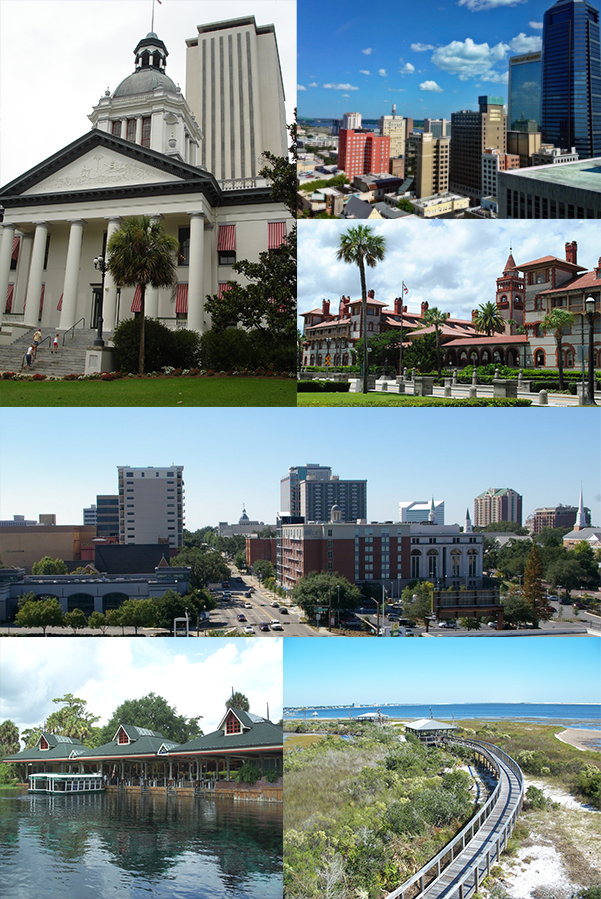
As with many vernacular regions, North Florida does not have any officially designated boundaries or status, and is defined differently in different sources. A 2007 study of Florida's regions by geographers Ary Lamme and Raymond K. Oldakowski found that Floridians surveyed identified "North Florida" as comprising the northernmost areas of the state, including both the peninsula and the Florida Panhandle. Additionally, two localized "directional" regions had emerged: North East Florida, also known as the "First Coast", representing the area around Jacksonville on the Atlantic coast, and North Central Florida, comprising the central area.[2] North Florida is one of Florida's three most common directional regions, along with Central Florida and South Florida.[3] The region includes smaller vernacular regions, particularly along the coast, including the Emerald Coast and the Big Bend on the Gulf Coast and the First Coast and Halifax area on the Atlantic.[2] Lamme and Oldakowski note that the directional region is more commonly used in the interior areas than on the coast.[3]
Enterprise Florida, the state's economic development agency, divides the state into three economic regions, used within the agency and other state and outside entities, including the Florida Department of Transportation. They identify three regions within the area identified as "North Florida" by Enterprise Florida: Northeast Florida, North Central Florida, and Northwest Florida (representing most of the Panhandle).[4]
Historic Gibson Inn, Apalachicola, Florida, built in 1907.
Lamme and Oldakowski's survey identifies several demographic, political, and cultural elements that characterize North Florida and distinguish it from other areas of the state. North Floridians considered North Florida to be part of the South and "Dixie". Additionally, residents of some parts of North Florida considered their area to be in the Bible Belt, while residents of other parts of the state did not.[2] A popular expression of people in this region of the state goes "In Florida, the farther north you go, the farther South you are."
Politically, in contrast to Central Florida, where a majority considered their part of the state moderate, and South Florida, which was more liberal, residents of North Florida overwhelmingly (76%) considered their part of the state conservative; 16% considered it moderate and 8% considered it liberal.[9] Lamme and Oldakowski's findings track with Barney Warf and Cynthia Waddell's studies of Florida's political geography during the 2000 Presidential election.[9][10]
Located in North Florida is Ray Charles, American singer-songwriter, musician, and composer's childhood home, Greenville, Madison County, Florida.
Lamme and Oldakowski's survey also found some cultural indicators that characterize North Florida. In general, North Florida was similar to Central Florida and differed from South Florida in these measures. In North and Central Florida, American cuisine was the most popular food, in contrast to South Florida, where ethnic foods were equally popular.[11] Additionally, while there was little geographical variation for most styles of music, there was regional variation for both country and Latin music. Country was popular in North and Central Florida, and less so in South Florida, while Latin was less popular in North and Central Florida, and more so in South Florida.[11]
Lamme and Oldakowski noted that North Florida's economy was much more diversified than Central and South Florida, where tourism was by far the most significant industry. While tourism was a significant factor in North Florida's economy, particularly in the Emerald Coast, other important industries included agriculture in rural areas, education in Tallahassee and Gainesville, and military and finance in Jacksonville.[12]
North Florida was the birthplace of the Southern Rock band Lynyrd Skynyrd. Inducted into the Rock and Roll Hall of Fame on March 13, 2006, the band's lead singer, Ronnie Van Zant was born & raised in Jacksonville, Florida.
The Suwannee River, is a blackwater river that runs through North Florida and is about 246 miles (396 km) long. The Suwannee River is the site of the prehistoric Suwanee Straits which separated peninsular Florida from the panhandle. Downtown Tallahassee
Lamme, Ary J.; Oldakowski, Raymond K. (November 2007). "Spinning a new geography of vernacular regional identity: Florida in the twenty-first century". Southeastern Geographer. 47 (2): 320–340. doi:10.1353/sgo.2007.0029. S2CID129577530.
Warf, Barney; Waddell, Cynthia (January 2002). "Florida in the 2000 presidential election: historical precedents and contemporary landscapes". Political Geography. 21 (1): 85–90. doi:10.1016/S0962-6298(01)00063-4.
North Florida is a vernacular geographic and cultural region comprising the northern portion of the U.S. state of Florida, generally extending south to State Road 40 and including the Florida Panhandle, Big Bend, North Central Florida, and Northeast Florida subregions across approximately 28 counties.[1] The Florida Panhandle forms a distinctive narrow salient about 200 miles long along the Gulf of Mexico, bordered by Alabama to the west and Georgia to the north.[2] This area features subtropical to temperate climates, pine-dominated forests, karst topography with numerous freshwater springs and rivers such as the Suwannee, and coastal barriers, distinguishing it from the flatter, more urbanized southern peninsula.[1]The region hosts Florida's largest city by population and land area, Jacksonville, with 1,009,833 residents, and the state capital, Tallahassee, with approximately 197,000 inhabitants, alongside other centers like Gainesville, Pensacola, and the historic coastal city of St. Augustine, founded in 1565 as the oldest continuously occupied European-established settlement in the continental United States.[3][4] Economically, North Florida relies on military installations including Eglin Air Force Base and Naval Air Station Pensacola, forestry and timber production, agriculture such as peanuts and cotton in the Panhandle, port activities at Jacksonville, and higher education institutions like the University of Florida and Florida State University.[1]Culturally, North Florida exhibits stronger affinities with the American South than the rest of the state, reflected in rural lifestyles, dialects, cuisine emphasizing barbecue and seafood, and historical ties to cotton plantations and Civil War events, though its development has been constrained relative to southern Florida by factors including fewer natural harbors and historical geographic isolation.[1] Notable features include state parks like Florida Caverns and Big Lagoon, the Apalachicola River's oyster industry, and contributions to music and literature from figures associated with the area, underscoring a blend of natural preservation, defense-related innovation, and heritage tourism amid ongoing population growth driven by affordability and proximity to Georgia.[1]
Geography
Physical Features and Boundaries
North Florida comprises the northern portion of the state, encompassing the Florida Panhandle—a salient extending approximately 200 miles westward along the northern Gulf Coast—and the adjacent northeastern peninsula counties. Its northern limits align with Florida's borders against Georgia and Alabama, from the St. Marys River on the Atlantic side to the Perdido River on the Gulf side. The eastern boundary abuts the Atlantic Ocean, while the western and southern Panhandle edges meet the Gulf of Mexico. The southern demarcation lacks a formal line but is generally drawn near the 29th parallel north, including counties such as Alachua, Marion, Levy, and Volusia in broader definitions, transitioning into Central Florida.[1][5]The region's terrain contrasts with Florida's predominantly flat southern expanses, featuring gently rolling hills, sandhills, and higher relief in the Panhandle and North Central areas, shaped by erosion into low elevations separated by floodplains and ravines. Elevations range from sea level along the coasts to a maximum of 345 feet at Britton Hill in Walton County, marking the state's highest natural point. Karst features dominate, including limestone dissolution forming springs, sinkholes, and caverns, as exemplified by Florida Caverns State Park in Jackson County.[5][6]Hydrologically, North Florida is drained by northward- and westward-flowing rivers originating from Georgia and Alabama, including the Apalachicola, Choctawhatchee, Escambia, and Suwannee, which carve through flatwoods and support tannin-stained waters from extensive upland forests. These forests, comprising longleaf pine savannas, slope hardwoods, and wetlands, cover significant areas, with state forests like Blackwater River preserving rolling uplands and broad floodplains. The St. Johns River, Florida's longest at 310 miles, begins in the region's southeastern fringes and flows northward to the Atlantic.[7][5][8]
Subregions and Landscapes
North Florida is geographically divided into primary subregions including the Panhandle, the Big Bend, and North Central Florida, with the U.S. Geological Survey delineating coastal segments such as the Panhandle (encompassing Escambia through Franklin counties) and the Big Bend (extending eastward from Apalachicola Bay to roughly the Suwannee River).[9] The Panhandle, often subdivided into western (Pensacola area) and eastern portions, features higher elevations up to 345 feet in the northwest, transitioning to coastal lowlands.[10] The Big Bend region includes marshy coastlines and the Apalachicola Coastal Lowlands, characterized by flat terrains and river deltas.[11]North Central Florida, inland from these coastal areas, spans counties like Alachua and Marion, incorporating the North Florida Highlands with rolling uplands and karst-influenced interiors.Landscapes in North Florida exhibit greater topographic variation than southern parts of the state, with physiographic provinces such as the Tallahassee Hills (elevations 100-300 feet) and Marianna Lowlands featuring gently sloping plateaus, sandhills, and river valleys.[12] Predominant landforms include karst topography with sinkholes, springs (e.g., over 1,000 documented in the region), and underground drainage systems formed by dissolution of limestone bedrock, particularly evident in areas like the Woodville Karst Plain.[13] Coastal dunes, barrier islands, and estuaries dominate shorelines, while interiors host pine flatwoods, bottomland hardwood forests along rivers like the Suwannee and Apalachicola, and wetlands covering approximately 20% of the land area.[10] These features arise from Miocene-to-Pleistocene sediments overlaid on older carbonate platforms, resulting in a landscape of low-relief plains interspersed with escarpments like the Cody Scarp, which separates northern highlands from southern coastal lowlands.[14]The region's hydrology integrates surface rivers with subterranean flows, supporting diverse ecosystems; for instance, the Panhandle's Torreya Ravines preserve steep bluffs and relict temperate forests due to cooler microclimates.[11] Human modifications, such as dredging for ports in Jacksonville and Panama City, have altered some coastal landforms, but conservation efforts preserve karst features in state parks like Florida Caverns, which expose Oligocenelimestone formations.[13] Overall, North Florida's landscapes reflect a transition from Appalachian-influenced hills in the northwest to subtropical coastal plains, with elevations rarely exceeding 300 feet but providing more relief than the flatter peninsula to the south.[15]
Climate and Weather Patterns
North Florida exhibits a humid subtropical climate (Köppen Cfa classification), marked by long, hot, and humid summers, mild winters, and abundant rainfall throughout the year.[16] Average annual temperatures range from approximately 67°F in the western Panhandle to 70°F in coastal areas like Jacksonville, with seasonal highs reaching 90–95°F in July and August and lows dipping to 40–50°F during December through February.[17] High humidity levels, often exceeding 70% in summer, contribute to frequent afternoon thunderstorms driven by sea breeze convergence and instability from the Gulf of Mexico.[18]Precipitation averages 50–65 inches annually, with the majority falling during the wet season from June to September, when convective activity peaks and accounts for over 60% of yearly totals.[19] Cities such as Tallahassee record about 58 inches per year, while Jacksonville sees around 52 inches, with variability influenced by tropical moisture and frontal systems.[20] Winters are drier, with occasional cold fronts bringing northerly winds and reduced precipitation, though rare freezes occur, particularly in inland and northern areas where temperatures can drop below 32°F several times per season.[21] Snowfall is exceptional, with measurable accumulations (over 1 inch) happening roughly once every few decades; a notable event in January 2025 delivered up to 8.8 inches in parts of the western Panhandle, shattering prior records but remaining anomalous.[22]Extreme weather includes the Atlantic hurricane season (June–November), during which North Florida faces risks from direct landfalls or indirect effects like storm surge, heavy rain, and tornadoes.[23] Historical impacts include Hurricane Dora (1964), which struck near St. Augustine as a Category 2 storm with 110 mph winds, causing significant flooding and wind damage across Northeast Florida.[24] Tornadoes, often spawned by supercells or hurricane outer bands, occur year-round but peak in spring and summer, with Florida averaging over 50 annually statewide, a portion affecting northern regions due to shear from clashing air masses.[25] These patterns reflect the region's position at the interface of subtropical maritime air and occasional continental polar outbreaks, fostering both convective and synoptic hazards.[16]
Data derived from long-term normals; city-specific variations exist due to topography and proximity to water bodies.[20][17][26]
History
Indigenous Peoples and Early European Contact
The principal Indigenous groups inhabiting North Florida prior to European contact were the Apalachee in the northwest Panhandle and the Timucua across the northeast and north-central regions. The Apalachee occupied territory from the Aucilla River eastward to the Gulf Coast, sustaining themselves through agriculture focused on maize and squash, supplemented by hunting and gathering; they constructed earthen mounds for ceremonial and residential purposes and organized into matrilineal chiefdoms with a paramount chief overseeing multiple villages.[27][28] The Timucua, comprising multiple chiefdoms speaking related dialects, resided in dispersed villages from the Atlantic coast near present-day Jacksonville westward and southward, practicing semi-intensive agriculture with crops including maize, beans, and squash, while also relying on riverine fishing and forest resources; their societies featured hierarchical leadership under caciques and evidence of ritual centers.[29][30]The first major European incursion into North Florida occurred during the Hernando de Soto expedition, which landed on Florida's west coast in May 1539 and advanced northward into Apalachee lands by autumn, reaching the provincial capital of Anhaica—located near modern Tallahassee—where the 600-man force established a winter encampment from October 1539 to March 1540. De Soto's troops systematically looted Apalachee granaries and villages for maize and other provisions, provoking sustained guerrilla resistance that resulted in dozens of Spanish casualties and hundreds of Apalachee deaths from combat and enslavement, though archaeological evidence confirms the site's identification through artifacts like European iron tools and Native pottery.[31][32]Subsequent contacts intensified in the 1560s among the Timucua, as French Huguenot settlers under René de Laudonnière constructed Fort Caroline at the St. Johns River mouth in June 1564, allying temporarily with the local Saturiwa chiefdom for food and intelligence amid intertribal rivalries. Spanish admiral Pedro Menéndez de Avilés responded by founding St. Augustine on September 8, 1565, defeating the French colony, and initiating missionary outreach to Timucua groups, which expanded into a network of doctrinas by the late sixteenth century converting thousands through Franciscan friars.[33][29]These encounters precipitated catastrophic demographic collapse among North Florida's Indigenous populations, primarily from Old World diseases like smallpox and measles against which they lacked immunity; statewide estimates place Florida's Indigenous numbers at around 350,000 at initial contact, plummeting to fewer than 1,000 survivors by the 1750s due to epidemics, compounded by warfare, enslavement, and mission-induced labor demands that eroded traditional economies.[34] The Apalachee and Timucua, once numbering in the tens of thousands regionally, saw their chiefdoms fragment, with remnants fleeing westward or assimilating into mission communities before further dispersals from English raids in the early eighteenth century.[27][35]
Colonial and Territorial Periods
Spanish Franciscan friars established missions among the Timucua and Apalachee peoples in North Florida during the late 16th and 17th centuries, converting indigenous villages into self-sufficient communities focused on agriculture and Christianity. By 1587, missions such as Nombre de Dios north of St. Augustine and San Sebastian to the south were operational, extending inland to Apalachee territories near present-day Tallahassee. These missions facilitated Spanish control over northern regions until raids by English colonists from Carolina destroyed many by the early 1700s.[36][37]In 1763, following the Treaty of Paris, Britain divided Florida into East and West colonies, with East Florida—encompassing most of North Florida—capitalized at St. Augustine. British settlers introduced large-scale plantations producing indigo, rice, and cotton, reliant on imported African enslaved labor, transforming the coastal and riverine areas into export-oriented economies. The region attracted Loyalists fleeing the American Revolution, boosting population to around 17,000 by 1783, though infrastructure like the King's Road connected settlements amid ongoing tensions with escaped slaves and Seminoles.[38][39]Spain regained Florida in 1783 but struggled with sparse settlement and economic stagnation in the northern provinces until the Adams-Onís Treaty of 1819 ceded it to the United States, effective in 1821. Under U.S. territorial governance, North Florida saw rapid American influx; Jacksonville was officially established on June 23, 1822, at the St. Johns River crossing, named for Andrew Jackson. To resolve disputes between eastern and western interests, Tallahassee was selected as territorial capital on March 4, 1824, its central location between St. Augustine and Pensacola enabling log cabin structures for initial government operations.[40][41]Territorial North Florida's economy centered on cotton plantations along rivers like the Suwannee and Apalachicola, with enslaved labor from the Upper South driving exports via ports such as Jacksonville. Settlement expanded into the Panhandle and interior, though conflicts including the First Seminole War (1817–1818) under Jackson cleared some indigenous resistance, setting the stage for statehood in 1845. By 1830, the territorial population exceeded 34,000, concentrated in northern counties with emerging towns like Pensacola and Fernandina supporting trade and military posts.[42][43]
Civil War and Reconstruction Era
Florida seceded from the Union on January 10, 1861, by a vote of 62 to 7 in a secession convention, becoming the third state to do so following South Carolina and Mississippi, primarily to safeguard the institution of slavery that underpinned its plantation economy in regions like Leon and Jefferson counties in North Florida.[44][45] Tallahassee served as the state capital and the only Confederate capital east of the Mississippi River that remained uncaptured throughout the war, facilitating administrative continuity and the shipment of vital supplies such as beef, salt, and cotton from North Florida's interior to Confederate forces.[46][47] The state contributed approximately 15,000 troops, many recruited from North Florida's rural counties, though Florida saw limited major combat compared to other Confederate states, functioning more as a logistical base.[47]Union forces targeted North Florida's coastal areas for strategic raids and recruitment, occupying Jacksonville four times between March 1862 and the war's end, with the final occupation in February 1864 aimed at disrupting Confederate rail lines and enlisting black soldiers.[48] The largest engagement in Florida, the Battle of Olustee on February 20, 1864, occurred in Baker County near Lake City, where roughly 5,500 Union troops under General Truman Seymour clashed with an equal Confederate force led by General Joseph Finegan, resulting in a Confederate victory after four hours of fighting and over 2,800 total casualties, primarily Union.[49] This defeat halted Union advances into the interior, preserving Confederate control over Tallahassee until the war's conclusion; a final skirmish at Natural Bridge in March 1865 further secured the capital against invasion.[50]Following the Confederate surrender in April 1865, North Florida entered Reconstruction under federal military oversight as part of the Third Military District, with efforts to establish Freedmen's Bureau operations amid resistance from former Confederates who enacted restrictive black codes limiting freed slaves' rights until overridden by congressional acts.[51]Florida drafted a new constitution in 1868 granting suffrage to black males, leading to readmission to the Union on June 25 of that year, though North Florida's plantation districts witnessed persistent violence and political intimidation by groups seeking to restore white Democratic dominance.[52] By 1877, the era ended with the withdrawal of federal troops, yielding control to Redeemers who dismantled many reforms, perpetuating socioeconomic disparities rooted in the prewar agrarian system.[53]
20th Century Industrialization and Military Growth
The early 20th century saw significant industrialization in North Florida, driven primarily by the timber industry. Large lumber corporations established sawmill towns after 1900, transforming rural areas through permanent employment and infrastructure development.[54] In the Apalachicola region, Black workers comprised over half of the timber labor force in the late 19th and early 20th centuries, fueling a boom that supported regional economic expansion.[55] Jacksonville experienced a manufacturing surge, with factories, mills, and shipyards proliferating along the St. Johns River by the late 19th century, extending into the 1900s alongside growth in lumber, ports, and related sectors.[56]By 1910, North Florida's sawmills shifted to more stable workforces, reducing reliance on seasonal labor and integrating with broader transportation networks like railroads built since the 1870s.[57] Jacksonville's economy diversified further, with banking, trade, and transportation sectors expanding substantially between 1900 and 1910, though manufacturing remained small-scale overall.[58] The port's role in exporting timber and other goods solidified the region's industrial base, contributing to Jacksonville becoming Florida's largest city by 1900.[59]Military growth accelerated in the 20th century, beginning with the establishment of Naval Air Station Pensacola in 1914 as the primary site for naval aviation training, evolving from an earlier Navy Yard founded in 1826.[60]Eglin Air Force Base originated in 1935 as the Valparaiso Bombing and Gunnery Base, initially serving as a training range for Maxwell Field in Alabama before redesignation.[61] These pre-World War II installations laid the foundation for North Florida's strategic importance in aerial operations.World War II prompted explosive military expansion, with Florida's installations growing from eight to over 170, including key North Florida sites. Camp Blanding, established near Starke in 1940, became one of the largest U.S. Army training bases, functioning as Florida's fourth-largest city at its peak.[62]Naval Air Station Jacksonville activated in 1940 for pilot training in aircraft like Wildcats and Hellcats, while auxiliary airfields proliferated for antisubmarine and combat preparation.[63] This wartime buildup entrenched military infrastructure, employing thousands and spurring ancillary economic activity in the region.
Post-2000 Developments and Urbanization
The Jacksonville metropolitan statistical area, comprising Duval, Baker, Clay, Nassau, and St. Johns counties, recorded a population of 1,122,750 in 2000, expanding to 1,559,514 by 2020, reflecting sustained in-migration driven by military employment, port activities, and relative affordability compared to South Florida. This growth accelerated suburban expansion along Interstate 95 and U.S. Highway 1 corridors, with St. Johns County alone adding over 100,000 residents between 2000 and 2020 due to residential subdivisions and commercial nodes like World Golf Village. Urban core revitalization gained momentum post-2010, including the development of the Jacksonville Transportation Authority's bus rapid transit system launched in 2021 and over $8.8 billion in downtown projects by 2024, encompassing high-rise residential towers, office conversions, and waterfront enhancements along the St. Johns River.[64] These initiatives addressed earlier urban decline from mid-20th-century highway construction, prioritizing mixed-use density to counter sprawl.In Tallahassee, the capital city's metropolitan area population rose from 250,000 in 2000 to 384,000 by 2020, fueled by state government stability, Florida State University enrollment exceeding 45,000 students, and professional services.[65] The Blueprint 2000 program, approved by voters via a half-cent sales surtax in 2000 and renewed in 2014, allocated over $1 billion by 2020 for infrastructure upgrades, including 100 miles of new roadways, 40 parks, and the Tallahassee Intermodal Transportation Center opened in 2022, which integrates rail, bus, and rideshare services to support urban density.[66] These investments contributed to a measurable decline in urban sprawl metrics, with the city's Sprawl Index dropping between 2000 and 2010 through policies favoring infill development and transit-oriented corridors around major arterials like Tennessee Street. Economic diversification included tech and biotech hubs near Innovation Park, attracting firms in software and life sciences, though growth remained modest compared to coastal metros due to limited private-sector dominance.The Florida Panhandle, including Pensacola and surrounding Escambia and Santa Rosa counties, experienced population increases from 347,000 in the Pensacola metro in 2000 to approximately 520,000 by 2023, bolstered by Naval Air Station Pensacola's 15,000+ personnel and tourism revenues exceeding $2 billion annually pre-Hurricane Sally in 2020.[67]Urbanization trends emphasized coastal resort expansions in Gulf Breeze and Navarre, with commercial retail and hotel developments along U.S. Highway 98, though Hurricane Ivan's 2004 devastation prompted stricter building codes and elevated infrastructure, such as Pensacola's $100 million-plus bayfront promenade completed in phases through 2019. Inland areas like Crestview saw strip commercial growth tied to military commuting, while Panama City Beach pursued high-density condo towers post-2000 housing boom, recovering from Hurricane Michael's 2018 Category 5 impact with federal aid exceeding $1 billion for resilient urban redesign by 2023. Regional challenges included uneven infrastructure funding, with per-capita road mileage lagging behind state averages, constraining further densification.[68]Across North Florida, post-2000 urbanization intersected with broader economic shifts, including a 2000-2007 housingconstruction surge that added thousands of units before the 2008 recession halved building permits, followed by recovery via military contracts and logistics at Jacksonville's port, which handled 1.4 million TEUs in 2023.[69] The North Florida Transportation Planning Organization's region, spanning Jacksonville-area counties, projected exceeding 2 million residents by 2050, necessitating coordinated zoning for mixed-income housing to mitigate flood-prone development risks in low-lying zones.[70] These patterns underscore causal links between federal military spending—totaling billions annually across bases like Eglin Air Force Base—and localized urban expansion, distinct from South Florida's tourism-led booms.
Demographics
Population Size and Growth Trends
The Jacksonville metropolitan statistical area, North Florida's largest population center encompassing Duval, Baker, Clay, Nassau, and St. Johns counties, had a population of 1,605,848 according to the 2020 U.S. Census, rising to an estimated 1,733,937 by July 1, 2023—a 7.97% increase driven primarily by net domestic migration and natural increase. Other major metropolitan areas in the region showed more modest gains, reflecting a pattern of urban-led expansion tempered by slower rural development.
Metropolitan Statistical Area
2020 Population
2023 Population Estimate
Percent Change (2020–2023)
Jacksonville, FL
1,605,848
1,733,937
+7.97%
Pensacola-Ferry Pass-Brent, FL
509,921
523,904
+2.75%
Tallahassee, FL
384,527
392,319
+2.04%
Gainesville, FL
339,247
351,065
+3.45%
Crestview-Fort Walton Beach-Destin, FL
287,075
301,667
+5.11%
These figures, derived from U.S. Census Bureau estimates, illustrate that metropolitan growth rates in North Florida averaged around 4–5% from 2020 to 2023, below the statewide rate of approximately 5.1% over the same period. The Panama City MSA (Bay County) grew by about 2.8% to 186,995 residents, supported by recovery from Hurricane Michael in 2018, while smaller micropolitan areas like Lake City (Columbia County) increased by 1.5% to 71,068.Rural counties, comprising much of the Panhandle interior and Big Bend, exhibited divergent trends: coastal-adjacent areas like Walton County surged 14% to 86,391 due to tourism and retirement influxes, whereas inland counties such as Liberty (down 4.9% to 7,955) and Calhoun (up 0.5% to 13,352) stagnated or declined amid out-migration and aging demographics.[71] Overall regional growth since 2020 has been propelled by domestic inflows to urban and coastal zones—totaling over 150,000 net migrants—offset by natural decrease in rural locales, with defense-related employment, university expansions, and lower housing costs relative to southern Florida as key attractors.[71] Projections indicate continued annual growth of 1–1.5% through 2030, potentially adding 200,000–300,000 residents if migration patterns persist.[72]
Racial and Ethnic Composition
North Florida exhibits a racial and ethnic composition distinct from the more Hispanic-influenced southern regions of the state, characterized by a non-Hispanic White majority, a substantial African American population rooted in historical agricultural and plantation economies, and relatively low shares of Hispanic, Asian, and other groups. Aggregated data from regional analyses indicate that non-Hispanic Whites typically comprise 65-75% of the population across subregions, African Americans 15-21%, Hispanics or Latinos (of any race) 5-10%, Asians 1-2%, and Native Americans or others under 1%, with multiracial individuals around 3-4%; these figures contrast with Florida's statewide averages of approximately 51% non-Hispanic White, 15% Black, and 26% Hispanic as of 2020 Census benchmarks updated through 2023 estimates.[73]In the western Panhandle (encompassing counties like Escambia, Santa Rosa, and Bay), non-Hispanic Whites form 68.6% of residents, African Americans 18.1%, reflecting a demographic shaped by military bases, rural conservatism, and limited immigration-driven diversity; Hispanic shares here remain below 7%, per real estate and Census-derived aggregations.[73] Northeast Florida, including Duval (Jacksonville) and surrounding counties, shows a slightly higher African American proportion at 21%, driven by urban centers with legacies of segregation-era communities, while non-Hispanic Whites hover around 65-70% and Hispanics under 10%; this regional variance underscores North Florida's overall lower ethnic diversity compared to coastal migrant hubs in the south.
These distributions, drawn from U.S. Census Bureau American Community Survey data aggregated by regional councils, highlight North Florida's demographic stability with modest growth in multiracial identifications post-2020, but minimal influx of non-Black minorities due to economic factors like limited tech sectors and agriculture focus.[74][73] Urban areas like Jacksonville show higher Black concentrations (around 29-30% in Duval County core), attributable to post-Reconstruction migration patterns, while rural Panhandle counties exceed 80% White non-Hispanic.
Socioeconomic Indicators
North Florida displays a range of socioeconomic indicators influenced by its mix of urban centers, military installations, and rural agricultural areas. The median household income in the Jacksonville metropolitan statistical area (MSA), encompassing Duval, Clay, Nassau, St. Johns, and Baker counties, reached $77,013 in 2023, surpassing the statewide median of $71,711.[75][76] In the Pensacola-Ferry Pass-Brent MSA, covering Escambia and Santa Rosa counties, the figure stood at $78,315 for the same year, reflecting contributions from naval aviation and tourism-related employment.[77] The Tallahassee MSA, including Leon, Gadsden, and Wakulla counties, reported a lower $63,078, tempered by a higher proportion of government and education sector jobs amid a younger, student-heavy population.[78] Across the broader North Florida Transportation Planning Organization region (primarily Northeast Florida counties), the median was $79,089 in 2023, exceeding the state average but highlighting intra-regional disparities, such as St. Johns County's $73,630 peak contrasted with lower rural figures.[70]Poverty rates in North Florida align closely with or slightly trail the Florida average of 12.6%. The Pensacola MSA recorded 10.4% in recent estimates, benefiting from defense sector stability.[77] In the North Florida TPO area, the rate was 11.2%, with Duval County at 13.9% due to urban concentrations of low-wage service jobs.[70] Rural Panhandle counties, however, exhibit elevated poverty, contributing to statewide patterns where the region accounts for disproportionate shares amid limited diversification beyond agriculture and fishing.[79]Unemployment remains low, mirroring Florida's robust post-pandemic recovery. The Tallahassee MSA averaged 3.5% in 2024, up marginally from 3.1% in 2023 but below national norms, driven by state capital employment.[80] Jacksonville's metro area similarly sustains rates around 3%, supported by logistics and port activities.[81] Statewide, July 2023 unemployment was 2.7%, with North Florida's military bases and proximity to Georgia buffering rural vulnerabilities.[82]Educational attainment varies, with urban hubs outperforming rural zones. High school completion exceeds 90% in metros like Jacksonville, while bachelor's degrees hover around 30-35%, akin to state levels, bolstered by institutions such as Florida State University in Tallahassee.[83] Rural attainment lags, correlating with poverty persistence in agriculture-dependent counties.[79]
Indicator
Jacksonville MSA (2023)
Tallahassee MSA (2023)
Pensacola MSA
Florida State (2023)
Median Household Income
$77,013[75]
$63,078[78]
$78,315[77]
$71,711[76]
Poverty Rate
~12% (Duval influence)[70]
~13%
10.4%[77]
12.6%[76]
Unemployment (Recent Avg.)
~3%[81]
3.5% (2024)[80]
Low (state-aligned)
2.7% (Jul 2023)[82]
Political Affiliations and Voting Patterns
North Florida counties predominantly feature Republican-leaning voter registrations and consistent support for Republican presidential candidates, reflecting the region's conservative cultural and socioeconomic profile. As of September 30, 2025, Republican Party affiliation exceeded Democratic in most counties, such as Escambia (49.2% Republican vs. 30.1% Democratic), Santa Rosa (66.2% vs. 15.1%), Okaloosa (61.1% vs. 17.0%), and Bay (58.7% vs. 19.9%), with no-party affiliation comprising the remainder.[84] Duval County showed near parity (38.1% Republican vs. 38.9% Democratic), while Democratic majorities prevailed in Leon (30.6% vs. 49.3%), Alachua (29.6% vs. 46.1%), and Gadsden (22.2% vs. 67.2%).[84]In the 2024 presidential election, this translated to strong Republican performance across the region, with Donald Trump averaging a 25.6 percentage point margin over Kamala Harris in sampled counties. Rural and Panhandle areas delivered landslide victories, including 74.8% for Trump in Santa Rosa County (vs. 24.1% Harris), 73.6% in Walton (vs. 25.3%), and 75.6% in Suwannee (vs. 23.4%).[85] Jacksonville's Duval County tipped Republican at 52.1% Trump to 46.8% Harris, despite balanced registration. Democratic strongholds bucked the trend: Harris won Leon County 58.7% to 40.3%, Alachua 59.8% to 38.9%, and Gadsden 64.8% to 34.7%, attributable to urban populations, government employees, and university communities.[85]
County
Rep % Reg
Dem % Reg
Trump % (2024)
Harris % (2024)
Escambia
49.2
30.1
65.2
33.5
Santa Rosa
66.2
15.1
74.8
24.1
Okaloosa
61.1
17.0
71.9
27.0
Leon
30.6
49.3
40.3
58.7
Duval
38.1
38.9
52.1
46.8
Alachua
29.6
46.1
38.9
59.8
These patterns underscore North Florida's departure from the state's southern urban Democratic enclaves, with Republican gains accelerating since the 2010s amid demographic stability in rural areas and military presence.[84][85]
Politics and Government
Conservative Political Dominance
North Florida, encompassing the Panhandle and north-central regions, displays pronounced conservative political dominance, marked by consistent Republican electoral successes and voter registration edges in rural and military-influenced areas. In the 2020 presidential election, Donald Trump garnered majorities exceeding 60% in key Panhandle counties such as Escambia, Okaloosa, and Santa Rosa, contributing to his statewide victory margin of 3.4 percentage points.[86] This pattern intensified in 2024, with Trump achieving 56.1% statewide while securing even larger shares in North Florida counties, underscoring the region's reliability for Republican candidates.[85][87]Voter registration statistics as of September 30, 2025, reveal Republican majorities in numerous North Florida counties, including Bay (Republicans at approximately 50% of active voters), Walton (over 55%), and Holmes, where the party dominates affiliations.[84] These figures reflect a broader statewide Republican registration lead of over 1 million voters, with North Florida's rural demographics amplifying conservative turnout.[88] While urban enclaves like Tallahassee (Leon County) and Gainesville (Alachua County) maintain Democratic pluralities due to government and university influences, they represent exceptions amid surrounding conservative strongholds.[84]Congressional districts spanning North Florida, such as the 1st (covering the western Panhandle), 2nd (eastern Panhandle and Big Bend), and 4th (northeastern including parts of Jacksonville), are represented by Republicans, aligning with the GOP's 20-8 advantage in Florida's U.S. House delegation.[89] At the state level, Republicans hold supermajorities in the Florida Legislature, bolstered by North Florida delegations advocating conservative priorities like limited government intervention and Second Amendment protections.[90] This dominance stems from causal factors including extensive military bases (e.g., Eglin Air Force Base in Okaloosa County), which correlate with pro-defense conservatism, and prevalent evangelical Protestant communities emphasizing traditional social values.[91]
Key Policy Debates and Local Governance
North Florida's local governance structures vary, with urban centers like Jacksonville operating under a consolidated city-county government established by voter referendum in 1967 and effective from October 1, 1968, which merged municipal and county functions to enhance efficiency in service delivery and planning across Duval County. Rural counties, such as those in the Panhandle, typically employ commission-manager systems under Florida Statutes Chapter 125, emphasizing fiscal conservatism and limited intervention in private enterprise.[92] Tallahassee, as the state capital in Leon County, features a commission-mayor model influenced by its public sector workforce, leading to occasional tensions with state-level directives from Republican majorities.[93]A prominent debate revolves around local spending and property tax policies, intensified by state initiatives like the Department of Governmental Efficiency (DOGE), launched in 2025, which audited municipalities including Pensacola for expenditures on theater renovations and strategic plans deemed non-essential, totaling over $1 million in flagged items.[94] Governor Ron DeSantis highlighted Jacksonville's $500,000 allocation for a holographic mayoral projection as emblematic of waste, arguing it burdens taxpayers amid rising property assessments driven by post-2020 population influxes exceeding 5% in Duval and Escambia counties.[95] Local officials countered that such investments support tourism and economic development, with property tax revenues in North Florida counties increasing 8-12% annually since 2022 due to reassessments, prompting calls for homestead exemptions and millage caps to curb hikes.[96]Environmental policy disputes focus on the Apalachicola River and Bay, where oyster harvests plummeted from 11 million pounds in 1990 to under 100,000 pounds by 2020, linked to diminished freshwater inflows from the Chattahoochee-Flint basin.[97] Florida's 1989 compact negotiations with Georgia and Alabama failed to prevent low flows, culminating in a U.S. Supreme Court original jurisdiction case where justices ruled on April 1, 2021, that Florida did not sufficiently demonstrate Georgia's agricultural pumping—averaging 200 million gallons daily—as the sole causal factor in ecosystem collapse, rejecting apportionment demands.[97] Local stakeholders in Franklin County advocate for stricter interstate allocations and bay restoration funding, contrasting state priorities for agricultural upstream uses, with recovery efforts yielding modest rebounds to 1.2 million pounds by 2024 via hatchery programs.[98]Education governance debates highlight tensions between state-mandated expansions of school choice and local district autonomy, as evidenced by the 2023 universal voucher law enabling ESA accounts up to $7,000 per pupil, benefiting North Florida families in underperforming districts like Duval County's, where proficiency rates lag state averages by 10-15% in math.[99] In Tallahassee, FAMU and FSU districts face scrutiny over curriculum transparency, with 2025 proposals requiring online posting of college syllabi to curb perceived ideological biases, amid state preemption of local book challenges.[100] Charter school growth, including "Schools of Hope" targeting low-income zones, has sparked litigation in Jacksonville over facility access, with enrollment rising 20% since 2020 but critics citing funding diversions from traditional public schools averaging $1,200 per student shift.[101]Hurricane recovery and preemption laws post-2024 storms (Debby, Helene, Milton) underscore governance frictions, as Senate Bill 56 restricted local emergency declarations exceeding 7 days without state approval, prompting 17 North Florida municipalities to join lawsuits claiming it hampers rapid response in flood-prone areas like Escambia County, where damages exceeded $2 billion.[102] Proponents argue it prevents overreach, aligning with conservative emphases on coordinated state aid disbursed at $1.8 billion for Panhandle infrastructure by mid-2025.[103]
Federal Representation and Military Influence
North Florida's federal representation in the United States House of Representatives is dominated by Republican incumbents whose districts align with the region's conservative leanings and military interests. Florida's 1st Congressional District, encompassing the western Panhandle including Pensacola, is represented by Jimmy Patronis, who won a special election on April 1, 2025, following the vacancy left by Matt Gaetz. The 2nd District, covering Tallahassee and the eastern Panhandle, is held by Neal Dunn, a physician and veteran serving since 2017. Florida's 4th District, including parts of Jacksonville and surrounding counties, is represented by Aaron Bean since 2023. The 5th District, spanning Jacksonville to Gainesville, is represented by John Rutherford, reelected in November 2024 for his fifth term. These districts collectively prioritize legislation supporting defense spending, veterans' affairs, and infrastructure tied to military installations, reflecting the area's economic reliance on federal defense allocations.The region's military influence stems from numerous active U.S. military installations that drive employment, federal funding, and policy priorities. Key facilities include Naval Air Station Jacksonville, a major hub for patrol and logistics squadrons; Naval Station Mayport, homeport for over 20 U.S. Navy ships including destroyers; and Eglin Air Force Base, the largest testing range in the U.S. for air armaments.[104] In the Panhandle, NAS Pensacola trains naval aviators, while Tyndall Air Force Base hosts F-22 squadrons, and Hurlburt Field specializes in special operations.[105] These bases generate substantial economic activity: defense sectors in Northwest Florida contribute 28.6% of regional GDP and support 186,689 jobs as of 2022, while in Duval County (Jacksonville area), military operations account for 17% of the economy and 68,060 jobs.[106][107]This military footprint exerts causal influence on federal representation, as local congress members advocate for base preservation and expansion to sustain jobs and infrastructure funding. For instance, appropriations secured by these representatives maintain operations at facilities like the McKinley Climatic Laboratory in Jacksonville, which tests aircraft under extreme conditions. Representatives from North Florida districts frequently serve on House Armed Services or Appropriations committees, channeling federal resources back to the region and reinforcing a political culture aligned with national security priorities over alternative expenditures.[108][109] The dependence on Department of Defense contracts and personnel—exceeding 860,000 statewide jobs with North Florida's share prominent—underpins electoral support for defense hawks, ensuring continuity in pro-military policy stances.
Economy
Primary Sectors and Agriculture
North Florida's primary economic sectors encompass agriculture, forestry, and fishing, which leverage the region's rural landscapes, extensive timberlands, and Gulf Coast access. These industries contribute significantly to local employment and output, though they face challenges from urbanization, environmental changes, and market fluctuations. Agriculture emphasizes row crops and livestock, with forestry dominating land use in many counties.[110]Row crop production features peanuts as a staple, particularly in Jackson and Suwannee counties, where 35,600 acres yielded 129 million pounds in Jackson alone during 2022, contributing to the state's total of 553.8 million pounds valued at $147.3 million. Cotton farming is also prominent, with Jackson County harvesting 36,600 acres to produce 58,400 bales that year, supporting Florida's overall cotton output of 165,000 bales worth $85 million including seed. Other crops include corn, soybeans, and vegetables such as beans, squash, and sweet corn in the Suwannee Valley and Gadsden County, though these are smaller in scale compared to southern Florida's citrus and specialty produce.[110][110][110]Livestock ranching centers on beef cattle, utilizing vast pastures across northern counties; Jackson County maintained 37,500 head and Alachua County 40,000 head in 2022, amid Florida's statewide inventory of 1.62 million cattle generating $562 million in receipts. This sector preserves open lands and supports ancillary auctions in counties like Gadsden and Leon, though it contends with development pressures eroding ranch acreage.[110][110][111]Forestry represents a cornerstone, with northern counties hosting primary wood-processing mills; statewide, 16 million tons of timber were harvested annually as of recent estimates, valued at $315 million, employing over 124,000 in related activities. Slash pine and other species fuel pulp, paper, and lumber production, providing economic stability through sustainable management practices.[110][111]Coastal fishing, especially in the Panhandle, historically relied on Apalachicola Bay oysters, which supplied over 90% of Florida's and 10% of the nation's wild harvest before a collapse led to a five-year suspension starting in 2021; restoration efforts, including $12.5 million in state funding for 2025-2026, aim to revive this sector's local economic role. Commercial landings statewide reached 96.5 million pounds worth $240.5 million in 2024, with shrimp and finfish supplementing oyster declines in Franklin and Gulf counties.[112][113][113]
Manufacturing, Defense, and Emerging Industries
North Florida's manufacturing sector encompasses traditional industries such as wood products, paper milling, and chemicals, particularly in areas like Jacksonville and the timber-rich Panhandle. Logging and timber processing form a backbone, supporting facilities that process regional forestry output into pulp and building materials. In 2023, Florida's overall manufacturing employment reached 422,800 jobs, with North Florida contributing through localized operations in transportation equipment and food processing.[114][115]The defense industry dominates the region's economy, anchored by major installations including Naval Air Station Jacksonville, Naval Station Mayport, and in Northwest Florida, Eglin Air Force Base and Naval Air Station Pensacola. Eglin, the largest testing facility in the Department of Defense by area, drives significant procurement and employment, with Northwest Florida alone accounting for 22% of the state's total defense economic impact and supporting nearly 197,000 jobs statewide in the cluster. Statewide, defense activities generated over $32 billion in federal spending in FY 2023, with North Florida's bases facilitating aviation maintenance, ship repair, and weapons testing that sustain contractors like Lockheed Martin and Boeing.[106][116][117]Emerging industries in North Florida include logistics and distribution, bolstered by Jacksonville's port handling over 1.4 million TEUs annually, and aerospace tied to defense expansions. Advanced manufacturing growth, including semiconductors and aviation components, aligns with statewide projections for a 13.8% employment surge through 2025, though North Florida's focus remains on defense-adjacent tech rather than standalone biotech hubs. These sectors benefit from proximity to military R&D, fostering incremental innovation in areas like climatic testing at Eglin's McKinley Laboratory.[118][119]
Economic Challenges and Regional Disparities
North Florida faces persistent economic challenges, including higher poverty rates in rural areas and heavy reliance on volatile sectors like agriculture and tourism, which contribute to slower income growth relative to the state average. In 2023, Florida's overall poverty rate for all ages stood at 12.4%, but rural North Florida counties such as Calhoun reported median household incomes of $46,901, well below the state median of approximately $69,300, reflecting structural barriers like limited job diversity and educational attainment gaps.[120][70][121] These conditions are compounded by underemployment in seasonal industries, where low-wage service roles predominate despite statewide unemployment rates hovering around 3.3% to 3.8% in 2024.[122][123]Regional disparities within North Florida amplify these issues, with urban hubs like Jacksonville (Duval County) achieving median household incomes near $60,000 and poverty rates of 13.9%, outperforming rural Panhandle and Big Bend counties where incomes often dip below $50,000 and poverty exceeds 20% in places like Holmes or Madison.[70][124] Northeast Florida benefits from port logistics and defense contracts, fostering GDP growth above state averages, while northwest areas lag due to isolation, aging infrastructure, and dependence on federal military spending, which accounts for up to 20% of some local economies but exposes them to budget fluctuations.[125] Compared to South Florida's diversified finance and tech sectors, North Florida's per capita income trails by 15-20%, perpetuating outmigration of skilled workers.[126]The 2024 Atlantic hurricane season intensified vulnerabilities, with storms like Debby, Helene, and Milton inflicting up to $975 million in statewide agricultural losses, disproportionately hitting North Florida's peanut, timber, and cotton production—key to counties like Jackson and Gadsden—through crop destruction and supply chain disruptions.[127] Hurricane Helene alone caused at least $40 million in agricultural damages, alongside broader impacts on small businesses, including temporary closures and labor shortages that depressed consumer sentiment and local GDP by an estimated 1-2% in affected regions.[128][129] Soaring property insurance premiums, averaging 4,000−6,000 annually in coastal North Florida due to reinsurance shortages and frequent claims, further erode disposable income and hinder residential investment, with recovery timelines extending 2-3 years post-disaster in hurricane-prone areas like the Panhandle.[130][131]
Selected North Florida Counties
Median Household Income (2023)
Poverty Rate (Approx., Recent ACS)
Duval (Jacksonville)
$60,000+
13.9%
Alachua (Gainesville)
$59,659
24.3% (individuals)
Calhoun (Panhandle rural)
$46,901
>20%
State Average
$69,300
12.4%
These figures underscore intra-regional divides, where policy efforts like workforce training have yielded modest gains in urban areas but struggle against rural depopulation and sector-specific shocks.[132][133]
Culture and Society
Southern Cultural Heritage
North Florida's cultural heritage is deeply rooted in the traditions of the American South, shaped by 19th-century migrations from Georgia and Alabama, as well as the indigenous Cracker pioneer lifestyle adapted to the region's subtropical climate and piney woods. Florida Crackers, descendants of Anglo-Scottish-Irish settlers, were primarily small farmers and cattle herders known as "cowhunters" who used braided buckskin whips—lending the group its name from the cracking sound—to manage open-range livestock. This vernacular culture emphasized self-reliance, with practices like turpentine harvesting and seasonal cattle drives persisting into the 20th century, distinguishing North Florida from the state's more cosmopolitan southern regions.[134][135][136]Music forms a cornerstone of this heritage, with North Florida serving as a cradle for Southern genres blending blues, gospel, and rock. Ray Charles, raised in Greenville from age five after his family's move from Georgia, drew from local Black church music and juke joints to pioneer soul in the 1950s, influencing generations with hits rooted in regional rhythms. Jacksonville emerged as the epicenter of Southern rock in the 1960s and 1970s, birthing Lynyrd Skynyrd in 1964, whose anthems like "Sweet Home Alabama" captured working-class Southern ethos through triple-guitar riffs and lyrics evoking rural life. These artists reflect the area's fusion of African American blues traditions and white Southern folk influences, fostering a sound that prioritized authenticity over commercial polish.[137][138][139][140]Culinary traditions echo broader Southern patterns, featuring slow-smoked barbecue, corn-based staples like grits, and greens such as collards, often prepared with lard or bacon fat for flavor derived from agrarian self-sufficiency. Barbecue joints proliferated in the Panhandle and northern counties by the mid-20th century, using local oak and hickory for pork shoulders and ribs, while shrimp and grits adaptations highlight coastal ties without diluting inland hearth cooking. The Suwannee River symbolizes this heritage, immortalized in Stephen Foster's 1851 song "Old Folks at Home"—adopted as Florida's state song in 1935—for its evocation of antebellum nostalgia and riverine folk life, drawing annual gatherings that preserve storytelling and bluegrass music amid the landscape. Architectural hallmarks include Cracker-style homes: single-story, frame structures with wide verandas, tin roofs, and elevated foundations to withstand humidity and floods, exemplifying practical adaptations by 19th-century settlers.[141][142][143]
Traditions, Cuisine, and Festivals
North Florida's traditions are deeply rooted in its cultural proximity to the American South, emphasizing family-oriented activities, outdoor pursuits, and religious practices influenced by Protestant denominations such as Baptists and Methodists, which maintain high attendance rates in rural and suburban communities. Hunting and fishing remain central customs, with the region hosting over 1.2 million licensed hunters annually as part of Florida's broader wildlife management efforts, often tied to family rituals passed down generations. Community events like civil war reenactments at sites such as the Olustee Battlefield preserve historical memory of the Civil War, drawing thousands to annual commemorations that highlight Confederate and Union perspectives without modern reinterpretations. Folk music traditions, including bluegrass and Southern gospel, are performed at local gatherings, reflecting the area's Scotch-Irish and African American heritage blends. Cultural heritage is showcased at historical sites such as St. Augustine, featuring Spanish colonial architecture and the Castillo de San Marcos, the oldest masonry fort in the continental United States.[144] The Panhandle's Emerald Coast, including Destin and Panama City Beach, is characterized by white sand beaches and clear Gulf waters tied to coastal traditions.[145] Near Jacksonville, Amelia Island includes beaches, the historic district of Fernandina Beach, and nature areas.[146][147]The cuisine of North Florida showcases seafood-heavy Southern staples adapted to local waters, with smoked mullet—a fish caught in the Panhandle's coastal dips and cured over oak wood—served at community dips and markets since the 19th century, particularly in areas like Carrabelle. Apalachicola Bay oysters, harvested from the nutrient-rich estuary, supply over 90% of Florida's oysters historically, featured raw, fried, or in stews, though production has declined due to environmental pressures. Inland dishes include shrimp and grits, a Lowcountry-influenced preparation using wild-caught shrimp boiled with creamy corn grits, and Hoppin' John, a black-eyed pea and rice stew symbolizing prosperity, common in Jacksonville's Gullah Geechee communities. Barbecue focuses on whole-hog pork shoulders slow-cooked with vinegar-based sauces, distinct from sweeter Central Florida styles, often accompanied by collard greens and cornbread baked in cast-iron skillets.[148][149]Major festivals celebrate these elements, with the Florida Folk Festival, held annually since 1953 at the Stephen Foster Folk Culture Center State Park in White Springs, attracting over 20,000 visitors in March for performances of traditional music, crafts, and storytelling from Seminole, Cracker, and Appalachian influences. The Jacksonville Jazz Festival, a free event over Memorial Day weekend since 1981, features national artists on downtown stages, drawing 200,000 attendees and emphasizing improvisational jazz rooted in the city's riverfront history. Seafood-focused gatherings include the Apalachicola Seafood Festival in November, showcasing oyster shucking contests and mullet smoking demonstrations, while the Great Gulfcoast Arts Festival in Pensacola in March highlights regional crafts and live music amid historic oaks. These events underscore seasonal rhythms, with attendance peaking in spring and fall to avoid summer heat.[150][151]
Media, Arts, and Social Norms
The primary media outlets in North Florida include daily newspapers such as the Florida Times-Union in Jacksonville, which serves as a major source for regional news, and the Tallahassee Democrat, founded in 1905 and covering the capital area with a focus on state politics and local events.[152][153] Television coverage is provided by stations like First Coast News in Jacksonville, offering weather, traffic, and breaking news for the northeast region, while public media such as WUFT serves north central Florida with emergency alerts and community reporting.[154][155] These outlets often reflect the region's conservative political leanings, though national affiliations introduce standard mainstream biases toward progressive narratives on social issues.[156]North Florida's arts scene emphasizes Southern musical heritage, with Jacksonville as a birthplace for influential rock and blues acts; Lynyrd Skynyrd, known for songs evoking regional identity like "Sweet Home Alabama," formed there in the 1960s on the city's Westside.[157] Ray Charles, raised in Greenville until age seven, drew early inspiration from the area's Jellyroll neighborhood, blending gospel and rhythm-and-blues in a style rooted in local Black church traditions.[158] Visual and performing arts are supported by institutions like the Museum of Contemporary Art Jacksonville, affiliated with the University of North Florida since 2009, and community centers hosting exhibitions and folk festivals in towns such as Palatka and Lake City.[159][147]Social norms in North Florida align with broader Southern customs, prioritizing hospitality, politeness, and respect for authority, as seen in practices like offering unsolicited refreshments to visitors and maintaining formal greetings.[160][161] The region exhibits higher religiosity than much of the state, with Florida ranking in the top 20 U.S. states for religious adherence and North Florida's rural and Panhandle areas showing elevated church attendance influenced by Bible Belt evangelical traditions.[162] This fosters conservative social attitudes, including strong emphasis on family structures, community ties, and traditional values on issues like marriage and self-reliance, contrasting with more transient, diverse norms in southern Florida.[163][156]
Education and Research
Higher Education Institutions
North Florida hosts several prominent public universities within Florida's State University System, including the University of Florida in Gainesville, Florida State University and Florida A&M University in Tallahassee, and the University of North Florida in Jacksonville. These institutions enroll tens of thousands of students collectively and emphasize research in fields such as agriculture, engineering, and health sciences.[164] Private colleges like Jacksonville University and Flagler College supplement the landscape with smaller, liberal arts-focused programs.[165][166]The University of Florida, established in 1853, is the state's flagship institution with over 61,000 students as of recent counts.[167] It operates as a land-grant university, leading in agricultural and veterinary research, and maintains extensive graduate programs. Florida State University, founded in 1851 on one of the oldest continuous higher education sites in Florida, reported 32,720 undergraduates in fall 2024, with strengths in physics, oceanography, and business.[168] Adjacent Florida A&M University, a historically Black university established in 1887, enrolled 7,890 undergraduates in fall 2024 and specializes in agriculture, pharmacy, and engineering, serving a diverse student body.[169][170]
The University of North Florida, opened in 1972 on a 1,300-acre campus, serves about 17,000 students with programs in coastal biology, international business, and nutrition.[171]Jacksonville University, a private institution with around 3,500 students, focuses on marine science, nursing, and aviation, drawing from its riverside location.[165]Flagler College in St. Augustine, enrolling approximately 2,400 undergraduates, offers liberal arts degrees with emphasis on coastal environmental studies and historic preservation.[166] These institutions collectively drive regional innovation, though enrollment figures fluctuate annually based on state funding and demographic trends.
K-12 System and Literacy Rates
The K-12 education system in North Florida is administered through over 20 independent county school districts, including major ones in Duval, Leon, Escambia, and Nassau counties, under the oversight of the Florida Department of Education (FLDOE). These districts operate public schools emphasizing standards-based assessments, with Florida's accountability system assigning annual letter grades based on metrics like student proficiency in English language arts (ELA), mathematics, science, graduation rates, and acceleration. In the 2023-24 school year, statewide, 64% of schools earned an A or B, reflecting reforms such as expanded school choice, including universal eligibility for scholarships and charter schools since 2023. North Florida districts show variability: Nassau County ranked first statewide with an A district grade, driven by high proficiency rates exceeding 70% in ELA and math, while Duval County received a B with 61% of possible points, indicating solid but not elite performance amid urban challenges.[172][173][174]Leon County schools demonstrated improvement, with nearly half earning A or B grades in recent years, bolstered by progress in elementary ELA scores rising up to 26% in some schools like Sabal Palm Elementary between 2023-24 and prior years. Rural North Florida districts, such as those in Madison, Hamilton, or Holmes counties, often lag with C or lower averages due to factors like smaller enrollments under 2,000 students, limited resources, and higher poverty rates exceeding 20% in some areas, which correlate with lower test proficiency. Florida's National Assessment of Educational Progress (NAEP) scores for 2024 placed the state above national averages in fourth-grade reading (243 vs. 237), but North Florida's rural and urban-poor subgroups trail, with ELA proficiency in districts like Duval hovering around 50%.[175][176][177]Adult literacy rates in North Florida reflect K-12 outcomes, with Florida's overall rate at 80.3% for basic prose literacy, ranking third-worst nationally with 19.7% of adults lacking such skills per Program for the International Assessment of Adult Competencies (PIAAC) data from 2012-2017. In Duval County, 21% of adults perform at or below the lowest PIAAC literacy level, capable only of simple tasks like recognizing words in short texts, exacerbated by socioeconomic disparities. Rural North Florida counties like those in the Panhandle show elevated low-literacy percentages, often 25% or more, linked to generational poverty and limited early childhood interventions, though exact county breakdowns vary with credible intervals of 5-10% in PIAAC estimates. These rates persist despite state interventions like phonics-based reading mandates since 2021, highlighting causal ties to family income and school funding inequities, where rural districts receive per-pupil allocations around $9,000 annually, below metro averages.[178][179][180]Key challenges include teacher shortages, with rural North Florida facing vacancy rates up to 15% in core subjects as of 2024, driven by lower salaries averaging $48,000 versus statewide $50,000 and competition from military bases in Escambia and Okaloosa. Funding strains from rapid enrollment shifts and voucher expansions have prompted closures in some rural areas, though proponents argue choice improves outcomes by enabling transfers to higher-performing schools. Progress is evident in rising graduation rates above 90% in top districts like Nassau, but systemic rural-urban gaps underscore the need for targeted investments in literacy interventions to address causal roots in early education access.[181][182]
Research Contributions
The University of Florida (UF) in Gainesville has driven substantial research advancements in agriculture, health sciences, and engineering, underpinning North Florida's contributions to statewide and national innovation. In fiscal year 2025, UF faculty executed $1.33 billion in research expenditures and secured $1.25 billion in awards, marking record highs fueled by federal grants and interdisciplinary collaborations.[183] UF's Institute of Food and Agricultural Sciences (UF/IFAS) has delivered practical breakthroughs, including cultivar developments for tropical foliage plants, optimized fertilization and pest management protocols that enhanced disease resistance in citrus groves, and water-efficient irrigation techniques reducing agricultural water use by up to 30% in field trials conducted since the 1990s.[184] These efforts have directly bolstered Florida's $150 billion agriculture sector, with UF/IFAS research credited for increasing yields in peanuts, strawberries, and timber production through genomic mapping and soil remediation studies.[184]In health and biomedical fields, UF Health's Jacksonville and Gainesville campuses have advanced clinical translations, contributing to the university's $1.25 billion research expenditures in fiscal 2023 alone, with emphases on genomics, regenerative medicine, and infectious disease modeling.[185] UF Engineering surpassed $180 million in research spending in 2025, supporting advancements in materials science for hurricane-resistant infrastructure and AI-driven precision agriculture tools deployed in North Florida's rural economies.[186]Florida State University (FSU) in Tallahassee complements these efforts with strengths in physical sciences, coastal resilience, and translational research, achieving $247.7 million in external research expenditures for fiscal 2023—a $44.1 million increase from the prior year—and securing $230 million in competitive federal funding.[187][188]FSU's National High Magnetic Field Laboratory has pioneered magnet technology applications in quantum materials and neuroscience, yielding over 1,000 peer-reviewed publications annually and enabling breakthroughs in high-temperature superconductors tested for energy transmission efficiency. The university's coastal and marine lab has mapped sea-level rise impacts on the Apalachicola Bay ecosystem, informing policy on oyster reef restoration that sustained $10 million in annual fisheries revenue.[189]The University of North Florida (UNF) in Jacksonville focuses on applied environmental and urban research, with centers like the Institute of Environmental Research and Education advancing coastal ecology studies and bioinformatics for biodiversity conservation in the St. Johns River watershed.[190] UNF secured a $350,000 National Endowment for the Humanities grant in 2025 to train archivists in preserving Jacksonville's historical records, enhancing digital humanitiesresearch on regional urban development.[191] Collectively, these institutions generated over $1.8 billion in North Florida research activity in recent years, fostering economic multipliers through patents and startups, though federal funding dependencies highlight vulnerabilities to policy shifts.[192][187]
Transportation and Infrastructure
Road Networks and Major Highways
The road network in North Florida centers on Interstate 10 (I-10), the principal east-west interstate that links major population centers such as Jacksonville, Tallahassee, and Pensacola across the Panhandle and northeastern counties. Managed by the Florida Department of Transportation (FDOT), I-10 facilitates intercity travel, freight movement, and evacuation routes during hurricane seasons, with daily vehicle miles exceeding 26 million on state roadways in the northwest region alone.[193] In Northeast Florida, I-10 intersects with I-95 in Jacksonville, providing seamless connections to coastal and inland routes.[194]Interstate 95 (I-95) serves as the key north-south artery in the northeastern part of the region, running through Duval and St. Johns counties via Jacksonville and St. Augustine before crossing into Georgia. This highway supports tourism to historic sites and ports, while I-295 acts as a beltway around Jacksonville, bypassing downtown congestion and linking I-10 with I-95 for improved regional circulation.[194] Further west, Interstate 75 (I-75) cuts through central North Florida, passing Alachua County and Gainesville en route from the Georgia border southward, enabling efficient links between rural areas and urban hubs like the University of Florida.[195]Auxiliary and U.S. highways complement the interstates, including I-110 in Escambia County, which connects I-10 directly to Pensacola's downtown and naval facilities. U.S. Highway 98 parallels coastal areas in the Panhandle, aiding access to beaches and ports in Bay and Gulf counties, while U.S. 1 follows the eastern seaboard through Nassau and St. Johns counties for local and tourist traffic.[193] FDOT maintains these corridors through ongoing improvements, such as widening projects on U.S. 17 in Duval County to enhance capacity amid population growth.[196] Rural secondary roads, often state-designated, connect smaller communities but face challenges from flooding and maintenance in low-density areas.[195]
Airports and Ports
Jacksonville International Airport (JAX), the busiest airport in North Florida, handled 7.6 million passengers in 2024, marking a record high and a 2.8% increase from 2023.[197] Located 13 miles north of downtown Jacksonville, JAX serves as a hub for domestic flights with connections to major U.S. cities via airlines including Delta, American, and Southwest, and features facilities for international cargo.[198] The airport spans 7,800 acres and includes four runways, supporting both passenger and freight operations critical to the region's logistics.[198]Tallahassee International Airport (TLH), serving the state capital, recorded 965,921 passengers in 2024, a 12.9% rise from 2023 and the highest annual total since 2006.[199] Covering 2,485 acres with two parallel runways, TLH primarily offers nonstop service to Atlanta, Charlotte, and other hubs via Delta and American Airlines, facilitating travel for government, education, and business sectors.[200] It also supports general aviation and occasional international processing for smaller volumes.[200]Other notable airports include Gainesville Regional Airport (GNV), which caters to university-related traffic near the University of Florida, and smaller facilities like Pensacola International Airport (PNS) in the western Panhandle, emphasizing regional connectivity.[201]The Port of Jacksonville, managed by the Jacksonville Port Authority (JAXPORT), stands as North Florida's premier maritime gateway and Florida's largest container port, processing 1,340,412 twenty-foot equivalent units (TEUs) in fiscal year 2024.[202] Ranked 14th among U.S. container ports by volume, it handled diverse cargo including automobiles, forest products, and dry bulk, contributing to over 228,100 jobs and $44 billion in annual economic output for Florida.[203] JAXPORT's terminals, such as Blount Island and Talleyrand, feature deepened channels to 47 feet, enabling larger vessels and recent expansions like a $60 million vehicle berth enhancement completed in 2025.[204]Smaller ports supplement regional trade, including the Port of Pensacola, a deep-water facility focused on bulk commodities, project cargo, and emerging sectors like offshore energy support along the northern Gulf Coast.[205]Port Panama City further aids in handling aggregates, steel, and agricultural exports, though at lower volumes compared to JAXPORT.[206] These facilities underscore North Florida's role in national supply chains, with JAXPORT's strategic location near Interstates 95 and 10 optimizing inland distribution.[207]
Rail and Public Transit
Passenger rail service in North Florida is limited, with Amtrak's Silver Service trains—the Silver Meteor and Silver Star—providing the primary intercity connections. These routes stop at Jacksonville (JAX) and Palatka stations, linking North Florida to destinations in the Northeast Corridor and southward to Miami.[208][209] The Jacksonville station features an enclosed waiting area, parking, and accessible platforms, handling daily arrivals and departures as of 2025.[209] Palatka serves as an intermediate stop on the same lines, accommodating passenger traffic between Jacksonville and central Florida.[208] No direct Amtrak rail extends to Tallahassee, Gainesville, or the Panhandle region; Gainesville relies on Amtrak Thruway bus connections to link with Silver Service trains at nearby stations.[210] The Panhandle lacks Amtrak service entirely, reflecting historical underinvestment in rail infrastructure there.[211]Public transit in North Florida centers on bus systems operated by local authorities, supplemented by the unique Jacksonville Skyway. The Jacksonville Transportation Authority (JTA) manages fixed-route bus services across the city, complemented by the Skyway, a 2.5-mile automated elevated monorail with eight stations serving downtown areas since its opening in 1989.[212][213] The Skyway connects key sites including the St. Johns River waterfront and medical facilities, offering real-time updates and CCTV-monitored safety features, though ridership has historically been low relative to capacity.[212] In Tallahassee, StarMetro operates 14 weekday bus routes, eight university-specific lines, and paratransit services, providing 363 days of annual coverage primarily within city limits and to Florida State University.[214][215]Gainesville's Regional Transit System (RTS) delivers comprehensive bus coverage with 40 city routes and 10 campus lines, fare-free for University of Florida students, faculty, and staff, as well as residents under 18 and over 65.[216][217] In Pensacola, Escambia County Area Transit (ECAT) runs fixed-route buses, flex services, and a seasonal beach trolley, operating Monday through Friday with limited weekend extensions.[218][219] These systems emphasize accessibility and integration with educational institutions but face challenges from the region's car-dependent suburban sprawl and limited funding.[220]Freight rail dominates the region's rail activity, with CSX Transportation—headquartered in Jacksonville—operating an extensive network connecting North Florida ports and industries to national markets.[221] Regional lines like the Florida Northern Railroad handle short-haul freight from interchanges in Ocala and Newberry.[222] This infrastructure supports economic logistics but offers no passenger services beyond Amtrak's limited footprint.[223]
Environment and Conservation
Natural Resources and Protected Areas
North Florida's natural resources are dominated by extensive timberlands, which cover a substantial portion of the region's landscape and support forestry activities including harvesting of slash pine, longleaf pine, and hardwoods for pulpwood, sawtimber, and pine straw production.[224][225] The timber sector contributes significantly to the local economy, with North Florida supplying millions of tons of wood annually, though it faces challenges from market fluctuations and land use changes.[226]Mineral resources include heavy mineral sands deposits along the Trail Ridge in northeast Florida, where active mines extract ilmenite for titanium dioxide production, zircon, and staurolite, with operations spanning over 70 years and generating more than $50 million annually for the state.[227][228] Limited phosphate mining occurs in north-central areas, but heavy minerals dominate extraction in the region.[229]The area is rich in freshwater springs, with over a dozen first-magnitude springs such as Ichetucknee Springs, Wakulla Springs, and Ginnie Springs emerging from the Floridan Aquifer, sustaining rivers, wetlands, and biodiversity while providing habitats for species like manatees and fish.[230][231]Protected areas safeguard these resources through federal, state, and local initiatives. The Apalachicola National Forest in the Panhandle preserves longleaf pine ecosystems, cypress swamps, and rare species habitats across hundreds of thousands of acres, managed by the U.S. Forest Service for conservation and recreation.[232] The Timucuan Ecological and Historic Preserve, administered by the National Park Service, encompasses 46,000 acres of salt marshes, forests, and archaeological sites along the St. Johns River estuary near Jacksonville, protecting one of the Atlantic Coast's last intact coastal wetland systems.[233][234]State parks highlight unique geological and hydrological features, including Florida Caverns State Park in Marianna, the only Florida state park offering public access to air-filled limestone caverns formed over 30 million years ago, with guided tours showcasing stalactites, flowstone, and fossils.[235] Other key sites include Torreya State Park, which conserves rare Torreya taxifolia trees and steep bluffs along the Apalachicola River, and Big Lagoon State Park, preserving coastal dunes and pine flatwoods in the western Panhandle.[236] National wildlife refuges, such as St. Marks and St. Vincent, further protect migratory bird habitats and estuarine environments in the Big Bend region.[237]
Environmental Pressures and Conservation Efforts
North Florida faces significant environmental pressures from urban expansion, particularly in Jacksonville, where population growth exceeding 900,000 residents has fragmented habitats and increased road-related wildlife mortality for threatened species such as the Florida panther and gopher tortoise.[238][239] Groundwater overpumping in the region's karst aquifer systems has diminished flows in northern springs, including those in the Suwannee River basin, exacerbating ecological stress from reduced habitat availability.[240][241]Nitrate pollution, primarily from agricultural fertilizers and septic systems, has impaired water quality in Outstanding Florida Springs like Ichetucknee and Ginnie, fostering algal blooms that disrupt native aquatic communities and reduce biodiversity.[242][241] In the Apalachicola River basin, upstream water diversions in Georgia, compounded by droughts such as the 2011-2012 event, triggered an oyster fishery collapse in Apalachicola Bay by 2012, devastating local economies and estuarine habitats dependent on freshwater inflows.[243][244] Climate-driven pressures, including intensified hurricanes and sea-level rise, threaten coastal wetlands and increase saltwater intrusion into northern estuaries and springs.[245][246]Conservation efforts include the Florida Department of Environmental Protection's Basin Management Action Plans (BMAPs), which target nitrogen reductions in 30 Outstanding Florida Springs, including northern examples, through regulatory measures on fertilizer use and wastewater treatment implemented since 2016.[241][242] The North Florida Land Trust has preserved thousands of acres of forests, wetlands, and riversides via easements, focusing on habitat connectivity in the Panhandle and Big Bend regions.[247] Organizations like Apalachicola Riverkeeper advocate for interstate water compacts and monitor pollution, contributing to partial ecosystem recovery post-2012 through restored flows and habitat restoration projects.[244] The Florida Fish and Wildlife Conservation Commission's Imperiled Species Management Plan, updated in 2023, guides recovery for 60 species across northern habitats, integrating land acquisition and anti-poaching measures.[248]
Water Management and Springs Protection
North Florida's springs, primarily fed by the Upper Floridan Aquifer, face management challenges from groundwater over-extraction and nutrient pollution, overseen by the Suwannee River Water Management District (SRWMD), Northwest Florida Water Management District (NWFWMD), and portions of the St. Johns River Water Management District (SJRWMD). These districts regulate permits for aquifer withdrawals, which supply agriculture, municipalities, and industry, while establishing minimum flows and levels (MFLs) to sustain spring discharges and prevent ecological harm as required under Florida Statute Chapter 373.042.[249][250]Declines in spring flows, observed in systems like Wakulla Spring (average discharge reduced from over 1,000 cubic feet per second historically to periods below 200 cfs in dry years) and the Ichetucknee Springs group, result mainly from aquifer drawdown due to pumping rates exceeding natural recharge in karst geology, where direct connections amplify impacts.[251] Overall Florida spring flows dropped 32% on average from 1950 to 2010, with North Florida trends linked to agricultural irrigation for row crops and timber rather than rainfall deficits alone, as evidenced by USGS monitoring showing sustained low potentiometric surfaces post-droughts.[252][253]Nitrate concentrations exceeding 1 mg/L EPA drinking water standards in springs like those feeding the Suwannee River stem from fertilizer runoff, dairy manure, and legacy septic systems, causing algal overgrowth and oxygen depletion.[254][255]Protection efforts include Basin Management Action Plans (BMAPs) under Total Maximum Daily Loads (TMDLs) for nitrates, mandating reductions via agricultural best management practices (BMPs) such as precision fertilization and cover crops, which have verified 20-40% nutrient cuts in implemented farms per district audits.[256] SJRWMD's 2012 Springs Protection Initiative integrates MFL enforcement, land acquisition for recharge (e.g., over 10,000 acres preserved by 2023), and alternative supplies like surface water conversions to limit aquifer stress.[257] SRWMD's strategies for the Lower Suwannee and Ichetucknee basins emphasize spring protection zones with restricted development and verified BMP compliance, targeting 10g/dL nitrate restoration by 2030 through modeling.[258][259]Legislative measures, including 2016's Senate Bill 712, accelerated BMAP development and funded $200 million annually for water projects via Amendment 1, though 2023 court rulings deemed initial plans insufficient for enforceable timelines, prompting 2025 updates with five-year milestones and NSILT modeling for groundwater travel times.[260][261] NWFWMD efforts for coastal springs like Wakulla incorporate saltwater intrusion barriers and reclaimed water reuse, reducing permitted withdrawals by 15% since 2015.[262] Despite progress, advocacy critiques, such as from the Florida Springs Council, argue enforcement lags due to permit extensions amid growth pressures, underscoring ongoing causal tensions between economic demands and aquifersustainability.[263][264]