

Yogurt
View on Wikipedia
 A plate of yogurt | |
| Type | Fermented dairy product |
|---|---|
| Place of origin | Probably Mesopotamia, Central Asia ~5,000 BC and independently in different places |
| Serving temperature | Chilled |
| Main ingredients | Milk, bacteria |

Yogurt (UK: /ˈjɒɡərt/; US: /ˈjoʊɡərt/,[1] from Ottoman Turkish: یوغورت, Turkish: yoğurt;[a] also spelled yoghurt, yogourt or yoghourt) is a food produced by bacterial fermentation of milk.[2] Fermentation of sugars in the milk by these bacteria produces lactic acid, which acts on milk protein to give yogurt its texture and characteristic tart flavor.[2] Cow's milk is most commonly used to make yogurt. Milk from water buffalo, goats, ewes, mares, camels, and yaks is also used to produce yogurt. The milk used may be homogenized or not. It may be pasteurized or raw. Each type of milk produces substantially different results.
Yogurt is produced using a culture of Lactobacillus delbrueckii subsp. bulgaricus and Streptococcus thermophilus bacteria. Other lactobacilli and bifidobacteria are sometimes added during or after culturing yogurt. Some countries require yogurt to contain a specific amount of colony-forming units (CFU) of bacteria; for example, in China the requirement for the number of lactobacillus bacteria is at least 1 million CFU per milliliter.[3] Some countries also regulate which bacteria can be used: for example, in France,[4] a product can only be labeled as "yaourt" or "yoghourt" if it has been fermented exclusively by Lactobacillus delbrueckii subsp. bulgaricus and Streptococcus thermophilus, a requirement that aligns with the international definition of yogurt in the Codex Alimentarius on fermented milk (CXS 243-2003).[5]
The bacterial culture is mixed in, and a warm temperature of 30–45 °C (86–113 °F) is maintained for 4 to 12 hours to allow fermentation to occur, with the higher temperatures working faster but risking a lumpy texture or whey separation.[6][7]
Etymology and spelling
[edit]The word for yogurt is derived from the Ottoman Turkish: یوغورت, romanized: yoğurt,[8] and is usually related to the verb yoğurmak, "to knead", or "to be curdled or coagulated; to thicken".[8] It may be related to yoğun, meaning thick or dense. The sounds historically represented by the Arabic letter ghayn in the Turkish language ranging from a voiced velar fricative to a voiced velar plosive were traditionally romanized as "gh" prior to the introduction of a new Latin-based Turkish alphabet and the letter "ğ" in 1929, thus "yoghurt" spelled with a "gh" is first attested in sources from 1615 to 1625.[8][9][10]
In English, spelling variations include yogurt, yoghurt, and to a lesser extent yoghourt or yogourt.[8] In the United Kingdom, Australia, New Zealand and South Africa the word is usually spelled yoghurt, while in the United States the spelling is yogurt. Canada has its own spelling, yogourt, a minority variant of the French yaourt, although yogurt and yoghurt are also used.[11]
History
[edit]Analysis of the L. delbrueckii subsp. bulgaricus genome indicates that the bacterium may have originated on the surface of a plant.[12] Milk may have become spontaneously and unintentionally exposed to it through contact with plants, or bacteria may have been transferred from the udder of domestic milk-producing animals.[13] The origins of yogurt are unknown but it was probably discovered first by Neolithic people in Central Asia and Mesopotamia around 5000 BC, when the first milk-producing animals were domesticated.[14] They most likely found out how to ferment milk by chance and in all likelihood, yogurt was discovered independently in this way in many different places at different times.[15][16]

The cuisine of ancient Greece included a dairy product known as oxygala (οξύγαλα) which was a form of yogurt.[17][18][19][20] Galen (AD 129 – c. 200/c. 216) mentioned that oxygala was consumed with honey, similar to the way thickened Greek yogurt is eaten today.[20][19] The oldest writings mentioning yogurt are attributed to Pliny the Elder, who remarked that certain "barbarous nations" knew how "to thicken the milk into a substance with an agreeable acidity".[21] The use of yogurt by medieval Turks is recorded in the books Dīwān Lughāt al-Turk by Mahmud Kashgari and Kutadgu Bilig by Yusuf Has Hajib written in the 11th century.[22][23] Both texts mention the word "yogurt" in different sections and describe its use by nomadic Turks.[22][23] The earliest yogurts were probably spontaneously fermented by wild bacteria in goat skin bags.[24]
Until the 1900s, yogurt was a staple in diets of people in the Russian Empire (and especially Central Asia and the Caucasus), Western Asia, South Eastern Europe/Balkans, Central Europe, and the Indian subcontinent. Stamen Grigorov (1878–1945), a Bulgarian student of medicine in Geneva, first examined the microflora of the Bulgarian yogurt. In 1905, he described it as consisting of a spherical and a rod-like lactic acid-producing bacteria. In 1907, the rod-like bacterium was called Bacillus bulgaricus (now Lactobacillus delbrueckii subsp. bulgaricus). The Russian biologist and Nobel laureate Ilya Mechnikov, from the Institut Pasteur in Paris, was influenced by Grigorov's work and hypothesized that regular consumption of yogurt was responsible for the unusually long lifespans of Bulgarian peasants.[25] Believing Lactobacillus to be essential for good health, Mechnikov worked to popularize yogurt as a foodstuff throughout Europe.
Industrialization of yogurt production is credited to Isaac Carasso, who, in 1919, started a small yogurt business in Barcelona, Spain, naming the business Danone ("little Daniel") after his son.[26] The brand later expanded to the United States under an Americanized version of the name, Dannon.[26] Yogurt with added fruit jam was patented in 1933 by the Radlická Mlékárna dairy in Prague.[27]
Yogurt was introduced to the United States in the first decade of the twentieth century, influenced by Élie Metchnikoff's The Prolongation of Life; Optimistic Studies (1908); it was available in tablet form for those with digestive intolerance and for home culturing.[28] It was popularized by John Harvey Kellogg at the Battle Creek Sanitarium, where it was used both orally and in enemas,[29] and later by Armenian immigrants Sarkis and Rose Colombosian, who started "Colombo and Sons Creamery" in Andover, Massachusetts, in 1929.[30][31]
Colombo Yogurt was originally delivered around New England in a horse-drawn wagon inscribed with the Armenian word "madzoon" which was later changed to "yogurt", the Turkish language name of the product, as Turkish was the lingua franca between immigrants of the various Near Eastern ethnicities who were the main consumers at that time. Yogurt's popularity in the United States was enhanced in the 1950s and 1960s, when it was presented as a health food by scientists like Hungarian-born bacteriologist Stephen A. Gaymont.[32] Plain yogurt still proved too sour for the American palate and in 1966 Colombo Yogurt sweetened the yogurt and added fruit preserves, creating "fruit on the bottom" style yogurt. This was successful and company sales soon exceeded $1 million per year.[33] By the late 20th century, yogurt had become a common American food item and Colombo Yogurt was sold in 1993 to General Mills, which discontinued the brand in 2010.[34]
Nutrition
[edit]| Nutritional value per 100 g (3.5 oz) | |||||||||||||||||||||||||||||||||||||||||||||||||
|---|---|---|---|---|---|---|---|---|---|---|---|---|---|---|---|---|---|---|---|---|---|---|---|---|---|---|---|---|---|---|---|---|---|---|---|---|---|---|---|---|---|---|---|---|---|---|---|---|---|
| Energy | 406 kJ (97 kcal) | ||||||||||||||||||||||||||||||||||||||||||||||||
3.98 g | |||||||||||||||||||||||||||||||||||||||||||||||||
| Sugars | 4.0 g | ||||||||||||||||||||||||||||||||||||||||||||||||
| Dietary fiber | 0 g | ||||||||||||||||||||||||||||||||||||||||||||||||
5.0 g | |||||||||||||||||||||||||||||||||||||||||||||||||
9.0 g | |||||||||||||||||||||||||||||||||||||||||||||||||
| |||||||||||||||||||||||||||||||||||||||||||||||||
| Other constituents | Quantity | ||||||||||||||||||||||||||||||||||||||||||||||||
| Selenium | 9.7 µg | ||||||||||||||||||||||||||||||||||||||||||||||||
| Water | 81.3 g | ||||||||||||||||||||||||||||||||||||||||||||||||
| †Percentages estimated using US recommendations for adults,[35] except for potassium, which is estimated based on expert recommendation from the National Academies.[36] | |||||||||||||||||||||||||||||||||||||||||||||||||
Yogurt (plain yogurt from whole milk) is 81% water, 9% protein, 5% fat, and 4% carbohydrates, including 4% sugars (table). A 100-gram amount provides 406 kilojoules (97 kcal) of dietary energy. As a proportion of the Daily Value (DV), a serving of yogurt is a rich source of vitamin B12 (31% DV) and riboflavin (23% DV), with moderate content of protein, phosphorus, and selenium (14 to 19% DV; table).
| Property | Milk[37] | Yogurt[38] |
|---|---|---|
| Energy | 610 kJ (146 kcal) | 620 kJ (149 kcal) |
| Total carbohydrates | 12.8 g | 12 g |
| Total fat | 7.9 g | 8.5 g |
| Cholesterol | 24 mg | 32 mg |
| Protein | 7.9 g | 9 g |
| Calcium | 276 mg | 296 mg |
| Phosphorus | 222 mg | 233 mg |
| Potassium | 349 mg | 380 mg |
| Sodium | 98 mg | 113 mg |
| Vitamin A | 249 IU | 243 IU |
| Vitamin C | 0.0 mg | 1.2 mg |
| Vitamin D | 96.5 IU | ~ |
| Vitamin E | 0.1 mg | 0.1 mg |
| Vitamin K | 0.5 μg | 0.5 μg |
| Thiamine | 0.1 mg | 0.1 mg |
| Riboflavin | 0.3 mg | 0.3 mg |
| Niacin | 0.3 mg | 0.2 mg |
| Vitamin B6 | 0.1 mg | 0.1 mg |
| Folate | 12.2 μg | 17.2 μg |
| Vitamin B12 | 1.1 μg | 0.9 μg |
| Choline | 34.9 mg | 37.2 mg |
| Betaine | 1.5 mg | ~ |
| Water | 215 g | 215 g |
| Ash | 1.7 g | 1.8 g |
Tilde (~) represents missing or incomplete data. The above shows little difference exists between whole milk and yogurt made from whole milk with respect to the listed nutritional constituents.
Health research
[edit]Because it may contain live cultures, yogurt is often associated with probiotics, which have been postulated as having positive effects on immune, cardiovascular or metabolic health.[39][40][41]
A 2011 review stated that high-quality clinical evidence was insufficient to conclude that consuming yogurt lowers the risk of diseases or otherwise improves health.[42] Meta-analyses found that consuming 80 grams per day of low-fat yogurt was associated with a lower risk of developing type 2 diabetes[41] and a lower incidence of hip fracture in post-menopausal women.[43] A 2021 review found a cause-and-effect relationship between yogurt consumption and improved lactose tolerance and digestion, and that potential associations exist between yogurt consumption and improving bone health, as well as lowering the risk of some diseases, including cancers and metabolic syndrome.[44] Daily intake of 50 grams of yogurt has been shown to reduce risk of overweight or obesity by 13%, and reduce risk of type 2 diabetes by 7%.[45] Yogurt consumption has been associated with reduced risk of cardiovascular disease,[46][47] and insulin resistance.[48] Some of the benefits were somewhat better for the lower fat yogurts.[45][47] Many commercial yogurt products are supplemented with extra probiotic bacteria.[48]
Safety
[edit]Yogurt made with raw milk can be contaminated with bacteria that can cause significant illness and even result in death, including Listeria, Cryptosporidium, Campylobacter, Brucella, Escherichia coli and Salmonella.[49] Yogurts can also be contaminated with aflatoxin-producing Aspergillus flavus, Aspergillus parasiticus and Aspergillus nomius.[50]
Contamination occurs in traditionally prepared yogurts more often than industrially processed ones, but may affect the latter as well if manufacturing and packaging practices are suboptimal.[50]
When mold forms on yogurt it can not be scraped away. The consistency of yogurt allows the mold to penetrate deeply under the surface where it spreads.[51]
Varieties and presentation
[edit]
Dahi is a yogurt from the Indian subcontinent, known for its characteristic taste and consistency. The word dahi seems to be derived from the Sanskrit word dadhi ("sour milk"), one of the five elixirs, or panchamrita, often used in Hindu ritual. Sweetened dahi (mishti doi or meethi dahi) is common in eastern parts of India, made by fermenting sweetened milk. While cow's milk is currently the primary ingredient for yogurt, goat and buffalo milk were widely used in the past, and valued for the fat content (see buffalo curd).
Dadiah or dadih is a traditional West Sumatran yogurt made from water buffalo milk, fermented in bamboo tubes.[52] Yogurt is common in Nepal, where it is served as both an appetizer and dessert. Locally called dahi, it is a part of the Nepali culture, used in local festivals, marriage ceremonies, parties, religious occasions, family gatherings, and so on. One Nepalese yogurt is called juju dhau, originating from the city of Bhaktapur. In Tibet, yak milk (technically dri milk, as the word yak refers to the male animal) is made into yogurt (and butter and cheese) and consumed.
In Northern Iran, Mâst Chekide is a variety of kefir yogurt with a distinct sour taste. It is usually mixed with a pesto-like water and fresh herb purée called delal. Common appetizers are spinach or eggplant borani, Mâst-o-Khiâr with cucumber, spring onions and herbs, and Mâst-Musir with wild shallots. In the summertime, yogurt and ice cubes are mixed together with cucumbers, raisins, salt, pepper and onions and topped with some croutons made of Persian traditional bread and served as a cold soup. Ashe-Mâst is a warm yogurt soup with fresh herbs, spinach and lentils. Even the leftover water extracted when straining yogurt is cooked to make a sour cream sauce called kashk, which is usually used as a topping on soups and stews.
Matsoni is a Georgian yogurt in the Caucasus and Russia. Tarator and cacık are cold soups made from yogurt during summertime in eastern Europe. They are made with ayran, cucumbers, dill, salt, olive oil, and optionally garlic and ground walnuts. Tzatziki in Greece and milk salad in Bulgaria are thick yogurt-based salads similar to tarator.
Khyar w Laban (cucumber and yogurt salad) is a dish in Lebanon and Syria. Also, a wide variety of local Lebanese and Syrian dishes are cooked with yogurt like "Kibbi bi Laban" Rahmjoghurt, a creamy yogurt with much higher fat content (10%) than many yogurts offered in English-speaking countries. Dovga, a yogurt soup cooked with a variety of herbs and rice, is served warm in winter or refreshingly cold in summer. Jameed, yogurt salted and dried to preserve it, is consumed in Jordan. Zabadi is the type of yogurt made in Egypt, usually from the milk of the Egyptian water buffalo. It is particularly associated with Ramadan fasting, as it is thought to prevent thirst during all-day fasting.[53]
Sweetened and flavored
[edit] | This section needs additional citations for verification. (January 2020) |
To offset its natural sourness, yogurt is also sold sweetened, sweetened and flavored or in containers with fruit or fruit jam on the bottom.[54] The two styles of yogurt commonly found in the grocery store are set-style yogurt and Swiss-style yogurt. Set-style yogurt is poured into individual containers to set, while Swiss-style yogurt is stirred prior to packaging. Either may have fruit added to increase sweetness.[54]
Lassi is a common Indian beverage made from stirred liquified yogurt that is either salted or sweetened with sugar commonly, less commonly honey and combined with fruit pulp to create flavored lassi.[55] Consistency can vary widely, with urban and commercial lassis having uniform texture through being processed, whereas rural and rustic lassi has discernible curds or fruit pulp.[55]
Large amounts of sugar – or other sweeteners for low-energy yogurts – are often used in commercial yogurt.[54][56] Some yogurts contain added modified starch,[57] pectin (found naturally in fruit) or gelatin to create thickness and creaminess. This type of yogurt may be marketed under the name Swiss-style, although it is unrelated to conventional Swiss yogurt. Some yogurts, often called "cream line", are made with whole milk which has not been homogenized so the cream rises to the top. In many countries, sweetened, flavored yogurt is common, typically sold in single-serving plastic cups.[54] Common flavors may include vanilla, honey, and toffee, and various fruits.[54][56] In the early 21st century, yogurt flavors inspired by desserts, such as chocolate or cheesecake, became common.[56] There is concern about the health effects of sweetened yogurt due to its high sugar content,[54] although research indicates that use of sugar in yogurt manufacturing has decreased since 2016 in response to WHO and government initiatives to combat obesity.[54]
Straining
[edit]
Strained yogurt has been strained through a filter, traditionally made of muslin and more recently of paper or non-muslin cloth. This removes the whey, giving a much thicker consistency. Strained yogurt is made at home, especially if using skimmed milk which results in a thinner consistency.[58] Yogurt that has been strained to filter or remove the whey is known as labneh in Middle Eastern countries. It has a consistency between that of yogurt and cheese. It may be used for sandwiches in Middle Eastern countries. Olive oil, cucumber slices, olives, and various green herbs may be added. It can be thickened further and rolled into balls, preserved in olive oil, and fermented for a few more weeks. It is sometimes used with onions, meat, and nuts as a stuffing for a variety of pies or kibbeh balls.
Some types of strained yogurts are boiled in open vats first, so that the liquid content is reduced. The East Indian dessert, a variation of traditional dahi called mishti dahi, offers a thicker, more custard-like consistency, and is usually sweeter than western yogurts.[59] In western Indian (Marathi and Gujarati) cuisine, strained yogurt is macerated with sugar and spices such as saffron, cardamom and nutmeg to make the dessert "shrikhand". Strained yogurt is also enjoyed in Greece and is the main component of tzatziki, a well-known accompaniment to gyros and souvlaki pita sandwiches: it is a yogurt sauce or dip made with the addition of grated cucumber, olive oil, salt and, optionally, mashed garlic. Srikhand, a dessert in India, is made from strained yogurt, saffron, cardamom, nutmeg and sugar and sometimes fruits such as mango or pineapple.
In North America, strained yogurt is commonly called "Greek yogurt". Powdered milk is sometimes added in lieu of straining to achieve thickness. In Britain, the name "Greek" may only be applied to yogurt made in Greece.[60]
Beverages
[edit] | This section needs additional citations for verification. (October 2024) |
Ayran, doogh ("dawghe" in Neo-Aramaic) or dhallë is a yogurt-based, salty drink. It is made by mixing yogurt with water and (sometimes) salt.
Borhani (or burhani) is a spicy yogurt drink from Bangladesh. It is usually served with kacchi biryani at weddings and special feasts. Key ingredients are yogurt blended with mint leaves (mentha), mustard seeds and black rock salt (Kala Namak). Ground roasted cumin, ground white pepper, green chili pepper paste and sugar are often added.
Lassi is a yogurt-based beverage that is usually slightly salty or sweet, and may be commercially flavored with rosewater, mango or other fruit juice. Salty lassi is usually flavored with ground, roasted cumin and red chilies, and may be made with buttermilk.[61]
An unsweetened and unsalted yogurt drink usually called simply jogurt is consumed with burek and other baked goods in the Balkans. Sweetened yogurt drinks are the usual form in Europe (including the UK) and the US, containing fruit and added sweeteners. These are typically called "drinkable yogurt". Also available are "yogurt smoothies", which contain a higher proportion of fruit and are more like smoothies.[citation needed]

Production
[edit]
Yogurt production involves preparing warm milk to a temperature (30–45 °C (86–113 °F)) that will not kill the live microorganisms that turn the milk into yogurt, inoculating certain bacteria (starter culture), usually Streptococcus thermophilus and Lactobacillus bulgaricus, into the milk, and finally keeping it warm for several hours (4–12 hours).[62]
Milk with a higher concentration of solids than normal milk may be used; the higher solids content produces a firmer yogurt. Solids can be increased by adding dried milk.[63] The yogurt-making process provides two significant barriers to pathogen growth, heat and acidity (low pH). Both are necessary to ensure a safe product. Acidity alone has been questioned by recent outbreaks of food poisoning by E. coli O157:H7 that is acid-tolerant. E. coli O157:H7 is easily destroyed by pasteurization (heating); the initial heating of the milk kills pathogens as well as denaturing proteins.[64] The microorganisms that turn milk into yogurt can tolerate higher temperatures than most pathogens, so that a suitable temperature not only encourages the formation of yogurt, but inhibits pathogenic microorganisms. Once the yogurt has formed it can, if desired, be strained to reduce the whey content and thicken it.
Microstructure
[edit]Yogurt is characterized as a viscous, shear-thinning, non-Newtonian fluid that forms when milk, a Newtonian fluid, is fermented, causing protein aggregation and subsequent gelation.[65] The result is a soft solid that can be modeled via the interactions of the casein proteins.[66] The microstructure of yogurt is affected by both the fat and protein content and the processing conditions of the yogurt. In low-fat formulations, the microstructure is a network of casein protein globules joined via clusters and strands that encapsulate pores: these pores house the aqueous phase and the bacterial cultures of the yogurt.[66][67]
Stirred yogurt formulations have a coarser distribution of loosely associated casein particulates due to the shear forces and resulting particle-particle collisions induced during the mixing process. After stirring, yogurt is more accurately defined as a weak gel.[66]
Rheology
[edit]The mechanical properties of yogurt are typically assessed using rheometry, which quantifies the deformation and flow response of soft materials subject to shear forces. As is central in materials science, the rheological properties of yogurt are dictated by a variety of processing factors, including the ratios of dry and wet matter, thermal treatments, milk origin, starter cultures, and yogurt type.[65][68]
Although cow milk is a common choice for yogurt production, other milks, such as goat, sheep, and camel, produce different rheologies. Goat milk yogurt has a low viscosity and a thinner texture when compared to cow milk yogurt.[68] Conversely, sheep milk, having higher content of solids, has a higher viscosity and thicker texture when compared to cow milk yogurt.[68]
Yogurt can further be characterized as "set" versus stirred, wherein set yogurts are processed and sold in the same container, and stirred yogurts are mixed prior to packaging in a secondary container.[65]
Commerce
[edit]Two types of yogurt are supported by the Codex Alimentarius for import and export.[69]
- Pasteurized yogurt ("heat treated fermented milk")[69] is yogurt pasteurized to kill bacteria.[70]
- Probiotic yogurt (labeled as "live yogurt" or "active yogurt") is yogurt pasteurized to kill bacteria, with Lactobacillus added in measured units before packaging.[dubious – discuss]
- Yogurt probiotic drink is a drinkable yogurt pasteurized to kill bacteria, with Lactobacillus added before packaging.
Under US Food and Drug Administration regulations, milk must be pasteurized before it is cultured, and may optionally be heat treated after culturing to increase shelf life.[71] Most commercial yogurts in the United States are not heat treated after culturing, and contain live cultures.
Yogurt with live cultures[72][73][74] is more beneficial than pasteurized yogurt for people with lactose malabsorption.[75]
Lactose intolerance
[edit]Lactose intolerance is a condition in which people have symptoms due to the decreased ability to digest lactose, a sugar found in dairy products. In 2010, the European Food Safety Authority (EFSA) determined that lactose intolerance can be alleviated by ingesting live yogurt cultures (lactobacilli) that are able to digest the lactose in other dairy products.[75] The scientific review by EFSA enabled yogurt manufacturers to use a health claim on product labels, provided that the "yogurt should contain at least 108 CFU live starter microorganisms (Lactobacillus delbrueckii subsp. bulgaricus and Streptococcus thermophilus) per gram. The target population is individuals with lactose maldigestion".[75] A 2021 review found that yogurt consumption could improve lactose tolerance and digestion.[44]
Plant-based products
[edit]A variety of plant-based yogurt alternatives appeared in the 2000s, using soy milk, rice milk, and nut milks such as almond milk and coconut milk fermented with cultures. These products may be suitable for people with lactose intolerance and those who prefer plant-based foods, such as vegetarians and vegans.[76] Plant-based milks have different structures and components than dairy milk. Though they can be used to make many products similar to those made from dairy, there are differences in taste and texture, and some consumers may feel that they lack the "delicate and smooth structure" of "conventional yogurts".[77] Since plant-based milks do not contain lactose (the food of Streptococcus thermophilus and Lactobacillus bulgaricus), plant-based products usually contain different bacterial strains than yogurt, such as Lactobacillus casei, Lactobacillus rhamnosus, and Bifidobacterium bifidum.[78] Plant-based products also vary considerably in their nutrition and ingredients and may contain gums, stabilizers, high-intensity sweeteners, and artificial colors.[78]
In Europe, companies may not market their plant-based products using the word yogurt since that term is reserved for products of animal origin only – per European Union regulation 1308/2013 and a 2017 ruling in the Court of Justice of the European Union.[79][80] Reaffirmed in 2021, per the US FDA's Standard of Identity regulations, the word yogurt has been reserved for a product made from lactation and is a product of "milk-derived ingredients".[81][82][83]
Ant yoghurt
[edit]Red wood ants have been used in Bulgaria and Turkey to make yoghurt; a few ants are added to warm milk and left to ferment. Modern studies suggest that the ants' formic acid acidulates the milk, enabling microbes from the ants' microbes to thrive, and ant or bacterial enzymes break down milk proteins to produce a yoghurt.[84][85]
Gallery
[edit]-
 Sweet yoghurt, made and contained in pots of clay are kept for sale, Bangladesh.
 -
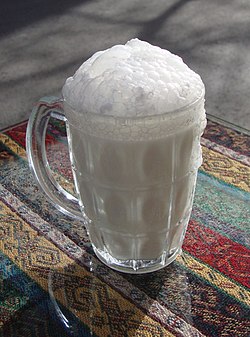 Ayran is a savory yogurt-based beverage, traditionally served cold and is sometimes carbonated and seasoned with mint and salt.
 -

-
 Raita is a condiment made with yogurt in the Indian subcontinent.
 -
 Dadiah in a market
 -
 Homemade yogurt incubator


See also
[edit]
Notes
[edit]References
[edit]- ^ "Yogurt". Cambridge Dictionaries (Online). Cambridge University Press. n.d. Retrieved 17 February 2020.
- ^ a b "Yogurt: from Part 131 – Milk and Cream. Subpart B – Requirements for Specific Standardized Milk and Cream, Sec. 131.200". Code of Federal Regulations, Title 21, US Food and Drug Administration. 1 April 2016. Archived from the original on 16 January 2005. Retrieved 19 July 2018.
- ^ Lee YK, et al. (2012). "Probiotic Regulation in Asian Countries". In Lahtinen S, et al. (eds.). Lactic Acid Bacteria: Microbiological and Functional Aspects (Fourth ed.). Boca Raton: CRC Press. p. 712. ISBN 978-0-8247-5332-0.
- ^ "Décret n°88-1203 du 30 décembre 1988 relatif aux laits fermentés et au yaourt ou yoghourt - Légifrance". www.legifrance.gouv.fr. Archived from the original on 18 February 2025. Retrieved 5 February 2025.
- ^ "Standards | CODEXALIMENTARIUS FAO-WHO". www.fao.org. Archived from the original on 3 February 2025. Retrieved 5 February 2025.
- ^ Clark M. "Creamy Homemade Yogurt Recipe". NYT Cooking. Archived from the original on 19 February 2016. Retrieved 19 March 2017.
- ^ "The Science of Great Yogurt". Retrieved 28 September 2021.
- ^ a b c d "Yogurt". Collins English Dictionary – Complete & Unabridged 10th Edition. HarperCollins. 2012. Archived from the original on 5 October 2023. Retrieved 21 March 2017.
- ^ Redhouse, James W. (1890). A Turkish and English Lexicon. pp. 2215–2216.
- ^ "yoğurt". Nişanyan Sözlük (in Turkish). Archived from the original on 14 January 2024. Retrieved 14 January 2024.
- ^ The Canadian Oxford dictionary (2nd ed.). Oxford University Press. 2004. p. 1807. ISBN 0-19-541816-6.
- ^ "The sequence of the lactobacillus genome in yogurt unveiled". 16 June 2006. Archived from the original on 23 August 2006. Retrieved 16 January 2012.
- ^ "Yogurt Culture Evolves". livescience.com. 9 June 2006. Archived from the original on 3 July 2012. Retrieved 16 January 2012.
- ^ "Le yaourt, du lait qui a vu du pays". Courrier International (in French). 2 June 2022. Archived from the original on 26 July 2023. Retrieved 1 May 2025.
- ^ Ramani, Madhvi (11 January 2018). "The country that brought yoghurt to the world". BBC. Archived from the original on 19 July 2021. Retrieved 1 May 2025.
- ^ "Yogurt, ancient food in the 21st century page 29" (PDF). Archived (PDF) from the original on 29 September 2022. Retrieved 29 September 2022.
- ^ Dalby A (1996). Siren Feasts: A History of Food and Gastronomy in Greece. London: Routledge. p. 66. ISBN 0-415-15657-2.
- ^ Alcock JP (2006). Food in the Ancient World. Greenwood Publishing Group. p. 83. ISBN 978-0-313-33003-2.
Curdled milk (oxygala or melca), probably a kind of yogurt, was acceptable because it was easier to digest. Even so, it was still to be mixed with honey or olive oil. Columella gave instructions on how to make sour milk with seasoning into ...
- ^ a b Hoffman S (2004). The Olive and the Caper: Adventures in Greek Cooking. Workman Publishing. p. 471. ISBN 978-0-7611-6454-8.
...something like yogurt was known to Greeks since classical times – a sort of thickened sour milk called Pyriate or oxygala. Oxi meant "sour" or "vinegar"; gala, "milk". Galen says that Oxygala was eaten alone with honey, just as thick Greek yogurt is today.
- ^ a b Adamson MW (2008). Entertaining from Ancient Rome to the Super Bowl: An Encyclopedia [2 volumes]: An Encyclopedia. ABC-CLIO. p. 9. ISBN 978-0-313-08689-2.
Oxygala, however, a form of yogurt, was eaten and sometimes mixed with honey. Ancient Greek and Roman cuisine did not rely on non-cultured milk products, which can be explained in part because without refrigeration milk becomes sour ...
- ^ The Natural History of Pliny, tr. John Bostock, Henry Thomas Riley, London: Bell, 1856–93, Volume 3 (book 11, section 239), p. 84: "It is a remarkable circumstance, that the barbarous nations which subsist on milk have been for so many ages either ignorant of the merits of cheese, or else have totally disregarded it; and yet they understand how to thicken milk and form therefrom an acrid kind of milk with a pleasant flavor, as well as a rich butter".
- ^ a b Toygar K (1993). Türk Mutfak Kültürü Üzerine Araştırmalar. Türk Halk Kültürünü Araştırma ve Tanıtma Vakfı. p. 29. ISBN 978-975-7878-00-1. Retrieved 11 August 2009.
- ^ a b Ögel B (1978). Türk Kültür Tarihine Giriş: Türklerde Yemek Kültürü. Kültür Bakanlığı Yayınları. p. 35. Retrieved 11 August 2009.
- ^ Biancalana A. "Yogurt – Aquavitae". DiWineTaste. Archived from the original on 2 May 2021. Retrieved 21 February 2012.
- ^ Brown AC, Valiere A (1 January 2004). "Probiotics and medical nutrition therapy". Nutrition in Clinical Care. 7 (2): 56–68. PMC 1482314. PMID 15481739.
- ^ a b Lisa Bramen (26 May 2009). "Yogurt pioneer dies at 103". Smithsonian Magazine. Archived from the original on 7 January 2024. Retrieved 7 January 2024.
- ^ "První ovocný jogurt se narodil u Vltavy" (in Czech). ekonomika.idnes.cz. 23 July 2002. Archived from the original on 18 October 2009. Retrieved 27 April 2009.
- ^ Annual report of the Agricultural Experiment Station of the University of Wisconsin (Report). Vol. 25–26 (1907–09 ed.). pp. 29, 197, 205–206.
- ^ "Dr. John Harvey Kellogg". www.museumofquackery.com. 20 April 2010. Archived from the original on 21 January 2020. Retrieved 2 January 2023.
- ^ "Object of the Month". The Massachusetts Historical Society. June 2004. Archived from the original on 29 December 2010. Retrieved 24 February 2009.
- ^ "Colombo Yogurt – First U.S. Yogurt Brand – Celebrates 75 Years". Business Wire. 13 May 2004. Archived from the original on 4 October 2013. Retrieved 24 February 2009.
- ^ Smith, Andrew (2013). The Oxford Encyclopedia of Food and Drink in America. Vol. 2. Oxford University Press. p. 644. ISBN 978-0-19-973922-6.
- ^ Denker J (2003). The World on a Plate: A Tour Through the History of America's Ethnic Cuisine. University of Nebraska Press. ISBN 0-8032-6014-8.
- ^ "General Mills to discontinue producing Colombo Yogurt". Eagle-Tribune. 29 January 2010. Archived from the original on 28 May 2011. Retrieved 29 April 2010.
- ^ United States Food and Drug Administration (2024). "Daily Value on the Nutrition and Supplement Facts Labels". FDA. Archived from the original on 27 March 2024. Retrieved 28 March 2024.
- ^ "TABLE 4-7 Comparison of Potassium Adequate Intakes Established in This Report to Potassium Adequate Intakes Established in the 2005 DRI Report". p. 120. In: Stallings, Virginia A.; Harrison, Meghan; Oria, Maria, eds. (2019). "Potassium: Dietary Reference Intakes for Adequacy". Dietary Reference Intakes for Sodium and Potassium. pp. 101–124. doi:10.17226/25353. ISBN 978-0-309-48834-1. PMID 30844154. NCBI NBK545428.
- ^ "Milk, whole, 3.25% milkfat". Self Nutrition Data, know what you eat. Conde Nast. Archived from the original on 22 July 2015. Retrieved 21 July 2015.
- ^ "Yogurt, plain, whole milk, 8 grams protein per 8 oz". Self Nutrition Data, know what you eat. Conde Nast. Retrieved 21 July 2015.
- ^ El-Abbadi NH, Dao MC, Meydani SN (May 2014). "Yogurt: role in healthy and active aging". The American Journal of Clinical Nutrition. 99 (5 Suppl): 1263S – 1270S. doi:10.3945/ajcn.113.073957. ISSN 0002-9165. PMC 6410895. PMID 24695886.
- ^ Astrup A (May 2014). "Yogurt and dairy product consumption to prevent cardiometabolic diseases: epidemiologic and experimental studies". The American Journal of Clinical Nutrition. 99 (5 Suppl): 1235S – 1242S. doi:10.3945/ajcn.113.073015. PMID 24695891.
- ^ a b Gijsbers, Lieke; Ding, Eric L; Malik, Vasanti S; de Goede, Janette; Geleijnse, Johanna M; Soedamah-Muthu, Sabita S (24 February 2016). "Consumption of dairy foods and diabetes incidence: a dose-response meta-analysis of observational studies". The American Journal of Clinical Nutrition. 103 (4): 1111–1124. doi:10.3945/ajcn.115.123216. ISSN 0002-9165. PMID 26912494.
- ^ Rijkers GT, de Vos WM, Brummer RJ, Morelli L, Corthier G, Marteau P (November 2011). "Health benefits and health claims of probiotics: bridging science and marketing". The British Journal of Nutrition. 106 (9): 1291–1296. doi:10.1017/S000711451100287X. PMID 21861940.
- ^ Ong, Angel M; Kang, Kai; Weiler, Hope A; Morin, Suzanne N (11 October 2019). "Fermented Milk Products and Bone Health in Postmenopausal Women: A Systematic Review of Randomized Controlled Trials, Prospective Cohorts, and Case-Control Studies". Advances in Nutrition. 11 (2): 251–65. doi:10.1093/advances/nmz108. ISSN 2161-8313. PMC 7442363. PMID 31603185.
- ^ a b Savaiano, Dennis A; Hutkins, Robert W (23 May 2020). "Yogurt, cultured fermented milk, and health: a systematic review". Nutrition Reviews. 79 (5): 599–614. doi:10.1093/nutrit/nuaa013. ISSN 0029-6643. PMC 8579104. PMID 32447398.
- ^ a b Feng Y, Zhao Y, Zhang M (2022). "Consumption of Dairy Products and the Risk of Overweight or Obesity, Hypertension, and Type 2 Diabetes Mellitus: A Dose-Response Meta-Analysis and Systematic Review of Cohort Studies". Advances in Nutrition. 13 (6): 2165–2179. doi:10.1093/advances/nmac096. PMC 9776648. PMID 36047956.
- ^ Tutunchi H, Naghshi S, Esmaillzadeh A (2023). "Yogurt consumption and risk of mortality from all causes, CVD and cancer: a comprehensive systematic review and dose-response meta-analysis of cohort studies". Public Health Nutrition. 26 (6): 1196–1209. doi:10.1017/S1368980022002385. PMC 10346031. PMID 36349966.
- ^ a b Nestel PJ, Mori TA (2022). "Dietary patterns, dietary nutrients and cardiovascular disease". Reviews in Cardiovascular Medicine. 23 (1): 17. doi:10.31083/j.rcm2301017. PMID 35092209.
- ^ a b Kok CR, Hutkins R (2018). "Yogurt and other fermented foods as sources of health-promoting bacteria". Nutrition Reviews. 76 (Suppl 1): 4–15. doi:10.1093/nutrit/nuy056. PMID 30452699.
- ^ "The risks of raw milk". CDC. September 2017. Archived from the original on 8 September 2024. Retrieved 8 September 2024.
- ^ a b Rad, Aziz Homayouni (2019). "The safety perspective of probiotic and non-probiotic yoghurts: a review". Food Quality and Safety. 3 (1): 9–14. doi:10.1093/fqsafe/fyz006. Archived from the original on 27 May 2020. Retrieved 31 March 2021.
- ^ Touzalin, Jane. "Some molds you can eat. This one, you shouldn't". The Washington Post. Archived from the original on 8 March 2022. Retrieved 31 March 2021.
- ^ Surono IS (1 January 2015). "Traditional Indonesian dairy foods". Asia Pacific Journal of Clinical Nutrition. 24 (Suppl 1): S26 – S30. doi:10.6133/apjcn.2015.24.s1.05. PMID 26715081.
- ^ "The technology of traditional milk products in developing countries II. Acidified Milks". www.fao.org. Retrieved 2 January 2023.
- ^ a b c d e f g Moore JB, Horti A, Fielding BA (September 2018). "Evaluation of the nutrient content of yogurts: a comprehensive survey of yogurt products in the major UK supermarkets". BMJ Open. 8 (8) e021387. doi:10.1136/bmjopen-2017-021387. PMC 6144340. PMID 30228100.
- ^ a b Cloake F (21 May 2015). "How to make the perfect mango lassi". The Guardian. Retrieved 8 January 2020.
- ^ a b c Berry D (20 May 2014). "Building a better yogurt". Food Business News, Sosland Publishing. Archived from the original on 23 February 2020. Retrieved 8 January 2020.
- ^ Alting AC, Fred Van De Velde, Kanning MW, Burgering M, Mulleners L, Sein A, Buwalda P (2009). "Improved creaminess of low-fat yogurt: The impact of amylomaltase-treated starch domains". Food Hydrocolloids. 23 (3): 980–987. doi:10.1016/j.foodhyd.2008.07.011.
- ^ Davidson A (2014). The Oxford Companion to Food. Oxford University Press. ISBN 978-0-19-104072-6.
- ^ Ramesh C. Chandan; Charles H. White; Arun Kilara, Y. H., eds. (2006). Manufacturing yogurt and fermented milks. Ames, IA: Blackwell. p. 364. ISBN 978-0-8138-2304-1.
- ^ "'Greek' yoghurt Chobani firm loses legal battle". BBC News. 29 January 2014. Archived from the original on 2 January 2023. Retrieved 2 January 2023.
- ^ Clark, Melissa (16 May 2014). "Yogurt Drinks, Not Too Smooth". New York Times. Archived from the original on 27 October 2022. Retrieved 20 October 2024.
- ^ "How to Make Homemade Yogurt (Easy, Step-by-Step)". Downshiftology. 17 May 2017. Archived from the original on 12 April 2023. Retrieved 12 April 2023.
- ^ Hutkins R. "Making Yogurt at Home". Univ. of Nebraska. Archived from the original on 23 August 2006. Retrieved 8 January 2013.
- ^ Nummer BA. "Fermenting Yogurt at Home". National Center for Home Food Preservation. Archived from the original on 24 November 2011. Retrieved 8 January 2013.
- ^ a b c Sözeri Atik, Didem; Öztürk, Hale İnci; Akın, Nihat (1 April 2024). "Perspectives on the yogurt rheology". International Journal of Biological Macromolecules. 263 130428. doi:10.1016/j.ijbiomac.2024.130428. ISSN 0141-8130.
- ^ a b c Lee, W. J.; Lucey, J. A. (20 August 2010). "Formation and Physical Properties of Yogurt". Asian-Australasian Journal of Animal Sciences. 23 (9): 1127–1136. doi:10.5713/ajas.2010.r.05. ISSN 2765-0189. Archived from the original on 5 May 2025. Retrieved 28 May 2025.
- ^ Sandoval-Castilla, O.; Lobato-Calleros, C.; Aguirre-Mandujano, E.; Vernon-Carter, E. J. (1 February 2004). "Microstructure and texture of yogurt as influenced by fat replacers". International Dairy Journal. 14 (2): 151–159. doi:10.1016/S0958-6946(03)00166-3. ISSN 0958-6946.
- ^ a b c Le Ba, Thong; Dam, Mai Sao; Nguyen, Lien Le Phuong; Baranyai, László; Kaszab, Tímea (2025). "A Review of Processing Techniques and Rheological Properties of Yogurts". Journal of Texture Studies. 56 (1) e70006. doi:10.1111/jtxs.70006. ISSN 1745-4603. PMC 11798767. PMID 39909732.
- ^ a b "Milk and milk products, 2nd Ed. Codex Alimentarius" (PDF). UN Food and Agriculture Organization and World Health Organization. 2011. Archived (PDF) from the original on 12 July 2018. Retrieved 14 August 2018.
- ^ Ray R, Didier M (2014). Microorganisms and Fermentation of Traditional Foods. CRC press. ISBN 978-1-4822-2308-8.
- ^ "Code of Federal Regulations Title 21, Sec. 131.200 Yogurt". US Food and Drug Administration. 1 April 2017. Archived from the original on 16 January 2005.
- ^ Maisonneuve S, Ouriet MF, Duval-Iflah Y (June 2001). "Comparison of yoghurt, heat treated yoghurt, milk and lactose effects on plasmid dissemination in gnotobiotic mice". Antonie van Leeuwenhoek. 79 (2): 199–207. doi:10.1023/A:1010246401056. PMID 11520006. S2CID 11673881.
- ^ Piaia M, Antoine JM, Mateos-Guardia JA, Leplingard A, Lenoir-Wijnkoop I (2009). "Assessment of the Benefits of Live Yogurt: Methods and Markers forin vivo Studies of the Physiological Effects of Yogurt Cultures". Microbial Ecology in Health and Disease. 15 (2–3): 79–87. doi:10.1080/08910600310019336. S2CID 218565763.
- ^ Kalantzopoulos G (1997). "Fermented products with probiotic qualities". Anaerobe. 3 (2–3): 185–190. doi:10.1006/anae.1997.0099. PMID 16887587.
- ^ a b c "Scientific Opinion on the substantiation of health claims related to live yogurt cultures and improved lactose digestion (ID 1143, 2976) pursuant to Article 13(1) of Regulation (EC) No 1924/2006". EFSA Journal. 8 (10). 2010. doi:10.2903/j.efsa.2010.1763.
Live yogurt cultures in yogurt improve digestion of lactose in yogurt in individuals with lactose maldigestion
- ^ Barnes A (17 January 2019). "Choosing Dairy-Free In 2019: Chobani Disrupting Yogurt Market With Plant-Based Product". Forbes. Archived from the original on 30 March 2019. Retrieved 30 March 2019.
- ^ McClements, David Julian; Newman, Emily; McClements, Isobelle Farrell (12 February 2019). "Plant-based Milks: A Review of the Science Underpinning Their Design, Fabrication, and Performance". Comprehensive Reviews in Food Science and Food Safety. 18 (6): 2047–2067. doi:10.1111/1541-4337.12505. PMID 33336952. S2CID 208556034.
- ^ a b Densie Webb (2018). "The Scoop on Vegan Yogurts – Today's Dietitian Magazine". www.todaysdietitian.com. Archived from the original on 23 May 2024. Retrieved 1 March 2021.
- ^ Cornall, Jim (13 June 2017). "European Court of Justice says purely plant-based products can't use dairy names". dairyreporter.com. Archived from the original on 6 May 2021. Retrieved 29 April 2021.
- ^ "European Court Prohibits Use of Dairy Names for NonDairy Products" (PDF) (PDF). USDA Foreign Agricultural Service. 11 July 2017. Archived (PDF) from the original on 16 July 2024. Retrieved 29 April 2021.
In its June 14 ruling, the ECJ concluded that for marketing and advertising purposes, in principle, the designations "milk", "cream", "butter", "cheese" and "yogurt" are reserved under EU law for products of animal origin only. The ECJ ruling prohibits the use of dairy names in association with purely plantbased products unless the names are included in an EU list of exceptions. The ECJ also clarifies that this prohibition applies even when the plant origin of the product concerned is provided because the addition of descriptive and explanatory terms cannot completely rule out consumer confusion.
- ^ Gottlieb, Scott (27 September 2018). "Statement from FDA Commissioner Scott Gottlieb, M.D., on modernizing standards of identity and the use of dairy names for plant-based substitutes". FDA. Archived from the original on 4 June 2019.
- ^ "Milk and Cream Products and Yogurt Products; Final Rule To Revoke the Standards for Lowfat Yogurt and Nonfat Yogurt and To Amend the Standard for Yogurt". Food and Drug Administration. 11 June 2021 – via Federal Register.
- ^ "Yogurt Rule May Aid Consumer Win on Fake Milk – If FDA Follows Through". National Milk Producers Federation. 12 July 2021. Archived from the original on 13 December 2021. Retrieved 13 December 2021.
- ^ Sinotte, Veronica M.; Ramos-Viana, Verónica; Vásquez, Diego Prado; Sirakova, Sevgi Mutlu; Valerón, Nabila Rodríguez; et al. (3 October 2025). "Making yogurt with the ant holobiont uncovers bacteria, acids, and enzymes for food fermentation". iScience. Elsevier. doi:10.1016/j.isci.2025.113595. ISSN 2589-0042.
- ^ Geddes, Linda (3 October 2025). "'Surprisingly creamy': as a fermentista, how could I resist making ant yoghurt?". the Guardian.
External links
[edit]


Yogurt
View on GrokipediaOrigins and History
Etymology
The English word "yogurt" derives from the Turkish "yoğurt," stemming from the verb "yoğurmak," which means "to thicken," "to curdle," or "to knead," evoking the fermentation process that transforms milk into a dense, preserved form. This linguistic root traces back to the ancient practices of Central Asian nomadic groups, particularly Turkic peoples, who relied on such dairy innovations for sustenance during migrations, as documented in early Turkish texts from the 11th century.[15][2][16] As the term spread westward, spelling variations emerged in European languages due to phonetic transliterations and orthographic preferences. In English, common forms include "yogurt" (standard in American usage since the early 20th century) and "yoghurt" (preferred in British English to reflect the original Turkish "ğ" sound), with less frequent alternatives like "yogourt" or "yoghourt" appearing in historical texts. Regional adaptations further diversified the name, such as "yaourt" in French and "yogurt" in Italian, illustrating how the Ottoman Turkish original was adapted to local linguistic norms without altering its core meaning.[17][18][19] The adoption of the term in Europe accelerated during the 16th and 17th centuries amid Ottoman Empire expansions and trade routes, which facilitated cultural exchanges and introduced "yoğurt" to Western vocabularies; for example, it first appeared in English around 1620 as a direct borrowing from Turkish.[15][20] In contemporary contexts, organizations like the International Dairy Federation have aided in standardizing yogurt terminology within global dairy regulations, defining it consistently as a fermented milk product to support international trade and quality control.[21]Historical Development
Yogurt's origins trace back to approximately 6000 BCE, when nomadic herders in Central Asia and Mesopotamia likely discovered milk fermentation through the natural souring process in animal stomachs or containers during transport.[22] This accidental preservation method transformed perishable milk into a stable, nutrient-dense food suitable for long journeys across arid regions.[23] Early evidence suggests these fermented dairy products emerged alongside the domestication of livestock, such as sheep and goats, providing a vital protein source for pastoral communities.[24] Ancient texts document yogurt's cultural significance and perceived health benefits. References to fermented milk products appear in ancient Indian texts dating back to the Vedic period (c. 1500–500 BCE) and in later Ayurvedic scriptures, highlighting its role in promoting vitality and digestion.[2] Archaeological evidence from Mesopotamia and surrounding areas suggests the use of similar curdled milks from around 5000 BCE onward.[22] Greek historian Herodotus, writing in the 5th century BCE, described yogurt-like preparations among the Scythians and other nomadic groups, noting their use for sustenance and medicinal purposes.[23] The earliest known written mentions of the term "yoğurt" appear in 11th-century Turkic texts, including Dīwān Lughāt al-Turk by Mahmud al-Kashgari (c. 1072–1074 CE) and Kutadgu Bilig by Yusuf Has Hajib (c. 1069–1070 CE), which describe its consumption among nomadic Turkic peoples. The term derives from the verb yoğurmak, meaning "to thicken" or "to curdle."[24] Yogurt spread through trade routes like the Silk Road, reaching diverse cultures in Asia and the Middle East by the early centuries CE.[23] During the Islamic Golden Age (8th–13th centuries), it integrated into Persian medical practices, with 10th-century texts by scholars like Avicenna recommending yogurt for its cooling and digestive properties in humoral medicine.[25] Ottoman expansion further disseminated the product, incorporating it into military rations and daily diets across the empire.[26] Its introduction to Europe occurred in the 16th century, facilitated by Ottoman diplomatic ties; according to a longstanding legend, in 1542, Sultan Suleiman the Magnificent sent yogurt cultures to French King Francis I to treat his chronic illness, as prescribed by a Turkish physician.[23] Commercialization accelerated in the 20th century, beginning with Isaac Carasso's establishment of the first yogurt factory in Barcelona in 1919, inspired by Nobel laureate Élie Metchnikoff's research on fermented milks' probiotic effects. This venture was inspired by the research of Nobel laureate Élie Metchnikoff, who in the early 1900s hypothesized that yogurt consumption contributed to longevity in Bulgarian peasants due to its bacterial content.[2] Carasso named the brand Danone after his son.[27] A global boom followed in the post-1950s era, driven by health trends emphasizing probiotics and refrigeration advancements that extended shelf life and enabled mass distribution.[24] By the late 20th century, yogurt transitioned from a niche ethnic food to a mainstream product, with consumption surging in Western markets due to its association with digestive health and low-fat diets.[24]Production Methods
Fermentation Process
The production of yogurt begins with the standardization and preparation of milk to achieve the desired fat and solids-not-fat (SNF) content. This typically involves adjusting the fat level (e.g., 0-3.25% for different varieties) and fortifying with nonfat dry milk or concentration methods to reach at least 8.25% SNF, often 12-15% for improved texture, as required by standards like the FDA.[1][28] The standardized milk is then pasteurized by heating to 85–95°C for 5–30 minutes. This step eliminates pathogenic bacteria and competing microorganisms while denaturing whey proteins to enhance the final gel structure.[29][30][31] Following heating, the milk is cooled to 40–45°C, the optimal temperature range for the activity of yogurt starter cultures. These cultures, primarily consisting of lactic acid bacteria such as Lactobacillus delbrueckii subsp. bulgaricus and Streptococcus thermophilus, are inoculated into the milk at a concentration of 1–3% (v/v). The mixture is then incubated at 40–45°C for 4–12 hours, during which the bacteria metabolize lactose, the primary sugar in milk.[29][32][31] The core biochemical mechanism involves the conversion of lactose to lactic acid by these lactic acid bacteria. Lactose is first hydrolyzed by the enzyme β-galactosidase into glucose and galactose, which then undergo glycolysis to form pyruvate. Pyruvate is subsequently reduced to lactic acid via lactate dehydrogenase, regenerating NAD⁺ for continued glycolysis. This process can be represented by the overall equation:Starter Cultures and Variations
Yogurt production primarily depends on a symbiotic pair of bacteria that ferment milk lactose into lactic acid, imparting the product's signature tanginess and coagulation. The U.S. Food and Drug Administration (FDA) standard of identity mandates the use of Lactobacillus delbrueckii subsp. bulgaricus and Streptococcus thermophilus as the essential starter cultures for yogurt.[1] These thermophilic bacteria work in tandem: S. thermophilus initiates rapid acid production and generates formic acid and peptides that stimulate L. delbrueckii subsp. bulgaricus growth, while the latter contributes to acetaldehyde formation for enhanced flavor and further acidification.[35] Secondary cultures are incorporated to diversify yogurt types, particularly probiotic variants, without altering the core fermentation. Common additions include Lactobacillus acidophilus and Bifidobacterium species, which survive gastric conditions to provide gut health support.[36] For example, Bifidobacterium animalis subsp. lactis (often strain BB-12) is frequently used in "Bifidus" yogurts to boost bifidobacterial counts and improve product stability.[37] Starter culture variations influence fermentation dynamics and final product attributes. Thermophilic cultures, such as the standard pair, operate at 40–45°C for efficient acid development, whereas mesophilic cultures ferment at ambient temperatures (20–30°C) and are employed in traditional fermented milk products like Scandinavian filmjölk, yielding milder flavors and thinner consistencies.[38] Processing styles further differentiate outcomes: set yogurt ferments undisturbed in retail containers to form a firm, unmoving gel, while stirred yogurt is bulk-fermented and mechanically broken post-incubation for a creamy, homogeneous texture suitable for flavoring or portioning.[39] Optimal culturing requires precise ratios and viability monitoring to ensure consistent quality. A typical inoculation ratio of L. delbrueckii subsp. bulgaricus to S. thermophilus is 1:1, promoting balanced symbiotic growth and acidification rates.[40] Cultures must maintain viability exceeding 10^7 colony-forming units (CFU) per gram in the finished product to qualify for "live and active cultures" labeling under industry standards, verified through plate counting or flow cytometry methods.[36]Physical and Chemical Properties
Microstructure
The microstructure of yogurt is characterized by the aggregation of casein micelles during acidification, which forms a three-dimensional gel network that traps whey proteins and fat globules within its porous matrix.[41] As the pH drops to approximately 4.6 through lactic acid production, colloidal calcium phosphate dissolves from the micelles, reducing electrostatic repulsion and promoting hydrophobic interactions that link individual micelles into clusters, chains, and strands, ultimately creating a particulate gel.[41] This network provides the structural integrity essential for yogurt's semi-solid consistency, with the entrapped components influencing overall stability.[42] Electron microscopy reveals a porous structure in the yogurt gel, typically featuring pores ranging from 1 to 10 μm in size, which can vary based on factors such as acidification rate, pH, and pre-heating of milk.[43] Scanning and transmission electron micrographs show these pores as voids interconnected by thin protein strands, with heating (e.g., 90°C for 10 min) leading to finer, more branched networks and smaller pores compared to unheated milk, which results in coarser structures.[42] The porous architecture facilitates serum retention but can contribute to syneresis if excessively large pores form.[41] In full-fat yogurt, emulsified fat globules, typically 0.5 to 5 μm in diameter, are integrated into the casein matrix, acting as fillers that occupy pores and enhance gel cohesiveness.[44] These globules, surrounded by a reformed membrane involving casein, distribute evenly within the network, stabilizing the structure against collapse.[45] Low-fat variants exhibit denser protein networks with reduced pore volume, as the absence of fat globules compacts the casein aggregates, though this often increases susceptibility to whey separation without stabilizers.[42] Homogenization significantly alters fat distribution by reducing globule size to below 2 μm, increasing their surface area and promoting stronger adsorption of casein to the fat-water interface, which integrates them more firmly into the gel and minimizes syneresis.[45] This process, typically at 10-20 MPa, prevents fat globule coalescence and enhances overall gel stability without altering the fundamental casein network.[41]Rheology and Texture
Yogurt functions as a viscoelastic gel, combining viscous flow and elastic recovery due to its protein network structure. This dual behavior allows it to maintain shape under low stress while deforming under higher forces, as characterized by oscillatory rheology where the storage modulus (G') exceeds the loss modulus (G'') at low strains, indicating solid-like properties.[46][47] A hallmark of yogurt's rheology is its shear-thinning behavior, in which apparent viscosity decreases nonlinearly with increasing shear rate, enabling smooth flow during consumption or processing. This non-Newtonian property is quantified using rotational viscometers or rheometers via flow curves, often fitted to power-law models where the consistency index reflects gel strength and the flow behavior index (typically <1) confirms pseudoplasticity. Yield stress, the critical force (ranging from 10 to 100 Pa) needed to initiate flow, further defines yogurt's stability, preventing sedimentation while allowing pourability; values around 25 Pa are common in commercial set yogurts measured at low shear rates (0.01–1 s⁻¹). Yogurt also displays thixotropy, a time-dependent structural breakdown under sustained shear followed by partial recovery upon rest, typically over 3–5 minutes, which influences its handling and mouthfeel.[47][46]75933-2) Several factors modulate these rheological parameters and resultant texture. Higher protein concentrations, from milk fortification or concentration, elevate storage modulus and yield stress, yielding firmer gels with enhanced viscosity. Increased fat content contributes to creamier texture by embedding fat globules within the casein matrix, boosting apparent viscosity and smoothness without altering shear-thinning fundamentally. Stabilizers such as pectin interact with proteins to increase complex viscosity, promote gel continuity, and mitigate flow irregularities in low-fat formulations.[47][48] Sensory texture correlates closely with these properties: low syneresis (whey separation <5–10%) ensures a smooth, cohesive mouthfeel by preserving gel integrity, while excessive syneresis leads to graininess. Texture profile analysis (TPA), a double-compression test, quantifies sensory attributes like firmness (peak force during compression, often 0.5–2 N for set yogurts) and cohesiveness (ratio of areas under compression curves, ideally 0.4–0.6), providing objective metrics that align with consumer perceptions of thickness and stability.[47][49]Nutritional Composition
Macronutrients and Micronutrients
Yogurt's macronutrient profile varies by milk type and processing, but plain unsweetened yogurt typically provides approximately 60–65 kcal per 100 g. The calorie content per tablespoon (about 15 g) varies by type: plain low-fat yogurt typically has around 9-10 calories, nonfat Greek yogurt has about 6-7 calories, and full-fat varieties can have 15 or more calories. For example, plain whole-milk yogurt typically provides 61 kcal per 100 g, with 3.5 g of protein, 3.2 g of total fat, and 4.6 g of carbohydrates, primarily in the form of lactose.[50] These values establish yogurt as a moderate-energy food with balanced macronutrients derived from fermented milk.[50] Commercial plain unsweetened yogurts commonly fall within the 60–65 kcal per 100 g range. Specific examples include Meiji Bulgaria Yogurt LB81 Plain with 62 kcal per 100 g (248 kcal per 400 g pack) and Morinaga Bifidus Plain Yogurt with 65 kcal per 100 g (260 kcal per 400 g pack). Individual portion packs (typically 75–100 g) generally provide about 50–65 kcal. For example, an 85-gram serving of plain low-fat yogurt contains approximately 54 calories (based on 63 calories per 100 grams), while nonfat plain yogurt contains about 48 calories (based on 56 calories per 100 grams). The exact value varies by fat content and brand. While larger containers (such as 400 g) provide about 240–260 kcal. Some products, such as Danone Bio Plain, provide 52 kcal per 75 g serving.[51][52] In the United Kingdom and European Union, the calorie content of plain natural yogurt per 100 g typically ranges from 66 to 85 kcal, varying by fat content and brand. Examples include Onken Natural at 66 kcal [53], Tesco Natural Yogurt at 83 kcal [54], and whole milk plain yogurt around 80 kcal [55]. Low-fat versions tend to be lower (around 60 kcal), while whole milk or Greek-style varieties are higher. This reflects regional differences in formulation and standards compared to US values. The protein in yogurt consists mainly of high-quality casein and whey, offering a Protein Digestibility-Corrected Amino Acid Score (PDCAAS) of approximately 1.0, comparable to that of milk, indicating complete amino acid profiles and high bioavailability.[56] Yogurt also serves as an excellent source of bioavailable calcium, with about 121 mg per 100 g in plain whole-milk varieties, absorbed as effectively as from milk due to the food matrix.[50][57] Dairy-based yogurt is generally low in purines, contributing to its suitability for individuals managing high uric acid levels.[12] Key micronutrients in plain whole-milk yogurt include vitamin B12 at 0.37 μg per 100 g, riboflavin at 0.14 mg per 100 g, and phosphorus at 95 mg per 100 g, contributing to daily requirements for these essential nutrients.[50] Fortified versions may include added vitamin D, typically 0.1–2.5 μg per 100 g, to enhance bone health support, though unfortified yogurt contains negligible amounts.[50]| Nutrient | Amount per 100 g (Plain Whole-Milk Yogurt) | % Daily Value (approx., based on 2,000 kcal diet) |
|---|---|---|
| Calories | 61 kcal | 3% |
| Protein | 3.5 g | 7% |
| Total Fat | 3.2 g | 4% |
| Carbohydrates | 4.6 g | 2% |
| Calcium | 121 mg | 9% |
| Phosphorus | 95 mg | 8% |
| Riboflavin (B2) | 0.14 mg | 11% |
| Vitamin B12 | 0.37 μg | 15% |
- Whole milk: 149 calories, 8.5g protein
- Low-fat (e.g., 1-2% fat): 154 calories, 12.9g protein
- Nonfat: 137 calories, 14g protein
Digestibility Factors
The fermentation process in yogurt production significantly reduces lactose content compared to unfermented milk, which typically contains about 4.8 g of lactose per 100 g. During fermentation, lactic acid bacteria convert 20-30% of the lactose into lactic acid, resulting in a residual lactose level of 2-4 g per 100 g in the final product.[60][61] Reported values vary across sources and regions, with Polish nutritional tables indicating typical lactose contents of 4–5 g per 100 g for natural yogurt and 3–4 g per 100 g for fruit yogurt, reflecting differences in production practices and the dilution effect from added ingredients in flavored variants. This partial hydrolysis makes yogurt more tolerable for individuals with mild lactose maldigestion. Additionally, the presence of live β-galactosidase enzymes from the yogurt cultures further aids lactose digestion in the gut by continuing to break down residual lactose after consumption.[62] Yogurt's processing, involving heat treatment and acidification, enhances protein digestibility relative to unfermented milk. The heat denatures whey proteins, while the acidic environment from lactic acid production improves protein solubility and facilitates faster gastric breakdown, leading to smaller peptide fragments that are more readily absorbed in the small intestine.[63][64] This results in higher overall protein utilization from yogurt than from equivalent amounts of milk.[65] Probiotic strains commonly used in yogurt, such as Lactobacillus acidophilus, contribute to improved lactose digestibility by producing lactase enzymes during fermentation and in the digestive tract. These bacteria can release β-galactosidase upon cell disruption in the stomach, assisting in the hydrolysis of lactose for individuals with partial lactose maldigestion and reducing associated digestive discomfort.[66][67] The acidification during yogurt fermentation enhances mineral bioavailability, particularly for calcium, by increasing its solubility in the lower pH environment (around 4.5). Compared to milk, yogurt provides calcium with similar absorption efficiency.[57]Health Effects
Research on Benefits
Frequent yogurt consumption (more than twice weekly or daily) is linked to health benefits in epidemiological studies. Regular intake (≥2 servings/week) associates with reduced risk of type 2 diabetes (14-18% lower in analyses), high blood pressure, stroke (17-21% lower), and cardiovascular events. Probiotics aid gut microbiome balance, digestion, and immunity; protein and calcium support muscle, bone health, and satiety for weight management. Meta-analyses show inverse associations with all-cause and CVD mortality, with non-linear effects—no further risk reduction above ~0.5 servings/day. Strained (Greek) yogurt provides higher protein (nearly double regular), lower carbs/lactose, potentially amplifying benefits for protein needs and lactose tolerance. Risks include GI upset in lactose-intolerant (less in strained), saturated fat in full-fat, added sugars in flavored. Plain varieties are recommended for optimal effects.Blood Pressure and Hypertension
Multiple large prospective cohort studies and meta-analyses have consistently associated higher yogurt consumption with lower blood pressure and reduced risk of developing hypertension (high blood pressure). For example, pooled analyses from cohorts like the Nurses' Health Study, Nurses' Health Study II, and Health Professionals Follow-Up Study found that regular yogurt intake (≥5 servings/week vs. <1/month) was linked to a 16% lower risk of incident hypertension (95% CI: 0.80–0.88). Individual cohorts showed reductions of 19%, 17%, and 6% for higher yogurt consumers. Other studies report up to 31% lower hypertension risk for those deriving >2% of daily calories from yogurt (equivalent to about one 6-oz serving every three days).[68] Benefits appear stronger in individuals with existing hypertension, with cross-sectional and longitudinal data showing modestly lower systolic blood pressure (SBP), diastolic blood pressure (DBP), and mean arterial pressure (MAP) in hypertensive participants consuming more yogurt frequently. Some reports note blood pressure readings nearly 7 points lower in regular consumers compared to non-consumers. Mechanisms include yogurt's rich content of minerals like calcium, potassium, and magnesium, which support vascular relaxation and blood pressure regulation, as well as probiotics in fermented yogurt that may promote gut health and influence blood pressure via bioactive peptides or reduced inflammation. These effects align with yogurt's inclusion in the DASH (Dietary Approaches to Stop Hypertension) diet, which recommends 2–3 servings of low-fat dairy daily and has been proven to lower systolic blood pressure by 5–11 mm Hg. Importantly, no high-quality evidence suggests that excessive yogurt consumption (within balanced dietary amounts) increases blood pressure; instead, yogurt is more likely to support blood pressure control as part of a healthy diet. Plain, unsweetened varieties (low-fat or full-fat) are preferable to avoid added sugars or sodium that could offset benefits. Individuals with specific conditions should consult healthcare providers. Scientific research has explored yogurt's potential health benefits, primarily attributed to its probiotic content, fermentation byproducts, and nutrient profile. Probiotics in yogurt, such as Lactobacillus and Bifidobacterium strains, enhance intestinal bacterial balance, improve digestion, and have been shown to enhance gut microbiome diversity by promoting the growth of beneficial bacteria and increasing alpha-diversity indices like the Shannon index.[69] These benefits are associated with both commercial plain yogurt containing live and active cultures and homemade yogurt. Homemade yogurt, prepared by fermenting milk with live bacterial cultures such as Lactobacillus delbrueckii subsp. bulgaricus and Streptococcus thermophilus, provides probiotics that support gut health, digestion, immune function, and may reduce symptoms of lactose intolerance. It is rich in protein, calcium, phosphorus, potassium, vitamin B12, riboflavin (vitamin B2), and other nutrients. These nutritional and probiotic benefits are similar to those of plain commercial yogurt with live cultures, though homemade versions may retain higher levels of viable probiotics due to the absence of post-fermentation heat treatment or certain additives that can reduce bacterial viability in some commercial products.[5][70] Meta-analyses of randomized controlled trials (RCTs) indicate that probiotic yogurt consumption can reduce irritable bowel syndrome (IBS) symptoms, including abdominal pain, bloating, gas, diarrhea, and indigestion pains, with significant reductions in global IBS symptoms (relative risk reduction of approximately 23%) compared to placebo in multiple studies,[71][72][73][74] and may also alleviate constipation by improving defecation frequency and stool consistency. Kefir, a fermented milk product with a more diverse microbial composition including bacteria and yeasts, may exert a stronger influence on promoting bowel regularity compared to traditional yogurt. Effects vary considerably among individuals; some may notice enhanced stool frequency or milder stool consistency, particularly during initial consumption as the gut microbiota adjusts, while others experience sustained improvements in regularity without transient changes. These probiotic-mediated effects are generally mild and not equivalent to the action of pharmaceutical laxatives. These probiotics may further aid in managing intestinal infections and support treatment of stomach ulcers, particularly as adjuncts to medical therapies.[75] Regarding bone health, yogurt's combination of calcium and vitamin D supports skeletal integrity. Observational studies and RCTs link regular yogurt intake, approximately 200 g per day, to higher bone mineral density (BMD), with associations showing 3-10% greater BMD at sites like the hip and spine compared to non-consumers, potentially reducing osteoporosis risk.[76][77] This benefit is particularly noted in older adults, where fermented dairy aids calcium absorption and inhibits bone resorption markers.[78] For cardiovascular health, fermented dairy like yogurt is associated with improved lipid profiles. Meta-analyses of observational data report that regular yogurt consumption lowers low-density lipoprotein (LDL) cholesterol levels and, for fermented dairy products including yogurt, correlates with a 15-16% reduced risk of cardiovascular disease (CVD) events, such as stroke and heart disease, in cohorts with daily intake, though some analyses show no significant association specifically for yogurt. Yogurt consumption is also associated with lower serum triglyceride levels, likely attributable to probiotics, calcium, and other nutrients.[10] These effects may stem from bioactive peptides and probiotics modulating cholesterol metabolism.[79][80][81] Additionally, consumption of plain low-fat yogurt is associated with reduced serum uric acid levels and lower risk of gout, as yogurt is low in purines and milk proteins promote uric acid excretion.[82][83] These benefits are primarily associated with plain, unsweetened yogurt, particularly low-fat or non-fat varieties such as plain Greek yogurt. In contrast, flavored yogurts or those with added high-sugar ingredients, such as certain Greek yogurts with cereals containing excess sugars, may not provide the same cardiovascular advantages and could contribute to adverse lipid changes, including elevated LDL cholesterol and triglycerides, due to the negative effects of added sugars on cardiovascular risk factors.[84][85][86] Recent research from the 2020s highlights that probiotics and fermentation byproducts in yogurt may contribute to anti-inflammatory effects, potentially through modulation of gut microbiota that influences short-chain fatty acid (SCFA) production, with SCFAs including acetate and butyrate activating G-protein-coupled receptors to suppress pro-inflammatory cytokines like IL-6 and TNF-α, reducing systemic inflammation in models of metabolic disease.[87] Probiotics in yogurt also support immune function by modulating the gut-immune axis, potentially reducing the risk of respiratory virus infections such as influenza.[88] In diabetes management, yogurt's low glycemic index (approximately 35) contributes to better glycemic control, with meta-analyses showing reduced fasting blood glucose and a 14% lower type 2 diabetes risk with habitual consumption of 80-125 g daily, outperforming milk due to fermentation lowering lactose availability.[89][90] The health benefits of yogurt may be further amplified when paired with complementary foods that provide prebiotics or additional nutrients, creating synergistic effects. Pairing yogurt with fruits such as bananas and berries supplies prebiotics, including fructo-oligosaccharides and polyphenols, which support the survival, activity, and colonization of yogurt's probiotics in the gut, potentially enhancing microbiota diversity, nutrient absorption, and metabolic health outcomes.[6] Adding honey to yogurt improves probiotic viability during gastrointestinal transit, contributing to gut health support.[91][92] Incorporating oats or barley adds beta-glucan, a soluble prebiotic fiber that promotes beneficial gut bacteria growth and intestinal health.[93] Nuts and seeds provide healthy fats and protein, complementing yogurt's nutritional profile for balanced meals. These combinations align with recommendations for plain yogurt enhanced with high-fiber, low-sugar additions to maximize benefits while avoiding added sugars. Evidence for these benefits primarily comes from RCTs and meta-analyses, with strong support for probiotic effects on gut health from systematic reviews of over 20 trials.[94] However, outcomes are often strain-specific, with Lactobacillus rhamnosus and Bifidobacterium bifidum showing consistent efficacy, while benefits vary by dosage, duration, and individual microbiome baseline, limiting generalizability. For probiotic supplementation, a recommended daily intake is 1-2 cups of yogurt.[95] To ensure high live bacteria content for probiotic benefits, consumers should look for labels indicating "live and active cultures," specific strains such as Lactobacillus, or the Live & Active Cultures seal from the International Dairy Foods Association, which verifies at least 100 million viable bacteria per gram. Maintaining the cold chain during storage and distribution is essential to preserve probiotic viability, as interruptions can significantly reduce bacterial survival.[96][97] Larger, long-term RCTs are needed to confirm preventive effects across populations.Full-fat vs. Low-fat Yogurt
While traditional dietary advice often favored low-fat or non-fat yogurt to limit saturated fat and calories, emerging evidence from observational studies, randomized trials, and meta-analyses (particularly from the 2020s) indicates that full-fat (whole-milk) yogurt is not inherently harmful and may provide certain advantages over low-fat versions for many people. Full-fat yogurt retains natural milk fats, which contribute to greater satiety due to slower digestion, potentially aiding weight management and appetite control. Some short-term randomized controlled trials have shown that full-fat yogurt consumption (compared to non-fat) can lower fasting triacylglycerol levels, improve aspects of glucose homeostasis (e.g., reduced fructosamine as a marker of average blood glucose), and positively influence metabolic hormones like GLP-1.[98][99] Regarding cardiovascular health, meta-analyses of prospective cohorts find that full-fat dairy, including yogurt, is associated with neutral or modestly reduced risks of CVD, stroke, and type 2 diabetes, contrary to earlier assumptions based on saturated fat content alone. For example, fermented dairy products like yogurt show inverse associations with CVD events, and dairy-specific saturated fats appear less detrimental than those from other sources, possibly due to the food matrix (protein, probiotics, and other nutrients mitigating effects).[80][100] The 2025–2030 Dietary Guidelines for Americans acknowledge full-fat dairy as an appropriate source of healthy fats within balanced patterns, while still recommending saturated fat below 10% of calories overall. Plain full-fat yogurt can fit well in moderation, especially when unsweetened.[101] Regardless of fat content, prioritize plain yogurt without added sugars, as added sugars in flavored low-fat varieties can negate benefits and contribute to metabolic risks. Greek yogurt (strained for higher protein) is beneficial in both full-fat and low-fat forms. These findings reflect an evolving consensus that the overall food matrix of yogurt—rather than fat content alone—drives health outcomes. Individuals with specific conditions (e.g., high LDL cholesterol) should consult healthcare providers, but for most, full-fat plain yogurt is a nutritious option.Safety and Risks
Yogurt, as a fermented dairy product, poses generally low microbial risks to consumers when produced under proper conditions, but post-pasteurization contamination remains a concern. Pathogens such as Listeria monocytogenes can enter during packaging or handling if hygiene protocols fail, though quantitative risk assessments indicate a very low probability of illness, around 10^{-8} to 10^{-9} per serving for susceptible populations.[102] This translates to an incidence of about 1 in 10^8 to 10^9 servings, reflecting the inhibitory effects of yogurt's acidity and live cultures on pathogen growth.[103] To mitigate these risks, the food industry employs Hazard Analysis and Critical Control Points (HACCP) systems, which identify and control potential contamination points throughout production, ensuring compliance with regulatory standards for pathogen-free products.[104] Individuals with milk allergies face specific hazards from yogurt due to its primary ingredient, cow's milk, which contains allergenic proteins like casein. Cow's milk protein allergy affects approximately 2-3% of infants and young children, manifesting as immediate hypersensitivity reactions such as hives, vomiting, or anaphylaxis upon exposure.[105] While some fermented dairy products may be tolerated better due to protein denaturation during fermentation, yogurt is not universally safe for allergic individuals, and cross-contamination in shared manufacturing facilities can introduce trace milk proteins into otherwise labeled allergen-free products, heightening reaction risks.[106] Lactose intolerance represents another common concern for yogurt consumption, affecting an estimated 65% of the global adult population due to reduced lactase enzyme activity.[107] Symptoms typically include abdominal bloating, flatulence, and diarrhea following lactose ingestion, which can occur even with moderate dairy intake. However, yogurt's fermentation process breaks down much of the lactose into simpler sugars via bacterial action, often resulting in better tolerance compared to unfermented milk, though it does not fully eliminate symptoms for all individuals and may still provoke discomfort in highly sensitive cases.[108] Excessive intake of yogurt, particularly from high-bacteria probiotic products, may cause intestinal discomfort such as bloating, gas, and diarrhea.[109] Flavored and sweetened yogurt varieties introduce additional risks related to excessive sugar intake, which can contribute to weight gain and obesity when consumed regularly. The World Health Organization advises limiting free sugars to less than 10% of total daily energy intake to reduce the risk of noncommunicable diseases, including obesity, yet many commercial flavored yogurts exceed this threshold per serving due to added sugars like fructose or sucrose.[110] In particular, products such as Greek yogurt with cereals containing excess added sugars are not suitable for individuals managing high cholesterol, as added sugars should be limited in such diets due to their contribution to cardiovascular problems, including potential worsening of lipid profiles. Plain low-fat or non-fat Greek yogurt without added sugars is preferable and can be combined with high-fiber, low-sugar additions such as oats or fresh fruits to support heart health without excessive sugar consumption.[14][111] Furthermore, antibiotic residues from treated dairy cows can persist in milk used for yogurt production, potentially leading to human health issues such as disrupted gut microbiota, allergic responses, or the promotion of antibiotic-resistant bacteria if levels surpass maximum residue limits.[112] Regulatory testing and withholding periods help minimize these residues, but vigilance in sourcing is essential.[113]Varieties and Forms
Traditional and Regional Types
Yogurt has been integral to many cultures for centuries, with traditional varieties reflecting local climates, available milks, and culinary practices that emphasize natural fermentation for preservation and nutrition. In the Middle East, labneh emerges as a prominent strained yogurt, particularly associated with Lebanon, where it is crafted through prolonged fermentation of bovine milk using lactic acid bacteria such as Lactobacillus bulgaricus and Streptococcus thermophilus, followed by straining to remove whey and achieve a thick, cheese-like consistency.[114][115] This process concentrates the proteins and results in a tangy, spreadable product often seasoned with salt or herbs for use in dips, spreads, or mezze platters. Similarly, ayran, a refreshing diluted yogurt drink from Turkey, is prepared by mixing fermented yogurt with water or brine and salt, yielding a frothy, probiotic-rich beverage that aids digestion and is traditionally consumed during meals or in hot weather to cool the body.[116][117] In the Indian subcontinent, dahi represents a milder form of yogurt central to Indian cuisine, produced through shorter, ambient fermentation of buffalo or cow milk with natural starter cultures, resulting in a softer, less tangy curd that serves as a base for everyday dishes like curries or raitas.[118] This home-made product, rich in lactic acid bacteria, contrasts with more acidic Western yogurts due to its gentler bacterial profile and cultural emphasis on freshness. Lassi, a spiced variant from the Indian subcontinent, extends dahi by blending it with water, sugar or salt, and spices such as cumin or cardamom, creating a cooling drink that mitigates heat stress and supports gut health in tropical climates.[119] European traditions feature skyr, an Icelandic staple made from skimmed cow milk fermented with specific bacterial cultures and then strained up to four times to produce a dense, high-protein texture—often containing over 10 grams of protein per 100 grams—prized for its satiating qualities and minimal fat content.[120] Kefir, originating from the Caucasus region, involves fermenting milk with kefir grains—a symbiotic culture of bacteria and yeasts—imparting an effervescent, tangy profile with subtle carbonation from yeast activity, distinguishing it from bacterial-only yogurts, valued for its diverse probiotics and potential digestive benefits.[121] Central Asian nomadic cultures have long relied on kumis, a lightly fermented mare's milk beverage that develops mild alcohol content (around 1-2%) through combined lactic and alcoholic fermentation by yeasts and bacteria, traditionally stored and agitated in horsehide skins to enhance fizz and preservation during migrations.[122] These regional types often carry deep cultural significance; in Hinduism, dahi symbolizes purity and is used in rituals to invoke blessings and maintain spiritual cleanliness, reflecting its role in sattvic (pure) diets.[123] In Ayurvedic medicine, yogurt serves as a key therapeutic agent, valued for its cooling properties, digestive aid, and inclusion in formulations like panchgavya to balance doshas and treat ailments such as indigestion or inflammation.[124][125]Flavored and Processed Variants
Flavored and processed yogurt variants incorporate additional ingredients to enhance taste, texture, and shelf life, building on plain yogurt bases by introducing sweeteners, fruits, and stabilizers during or after fermentation. These modifications allow for diverse commercial products that appeal to varied consumer preferences while maintaining the fermented dairy foundation. Sweetening is a primary enhancement in flavored yogurts, with fruit varieties typically containing 10-20 grams of total sugars per 100 grams, primarily from added sources to balance acidity.[126] Natural sweeteners like honey provide subtle flavors and are preferred by consumers for their perceived wholesomeness, whereas artificial options such as aspartame enable low-calorie formulations but may impact microbial viability if added in excess.[127][128] Flavoring techniques often involve incorporating fruit purees, such as strawberry at 5-10% by weight, to impart natural taste and color without overpowering the yogurt's tanginess.[129] Natural extracts from fruits or vanilla further diversify options, while layering—where fruit components are added post-fermentation and positioned at the bottom—creates visual appeal and a burst of flavor upon consumption.[130] Post-fermentation processing includes heat treatment, typically at 70-80°C for several minutes, which pasteurizes the product and extends refrigerated shelf life to up to 30 days by reducing microbial activity.[131] Stabilizers like gelatin, added at around 0.4%, improve consistency by preventing syneresis and yielding a smoother texture in stirred yogurts.[132] Recent trends reflect consumer demand for healthier options, with low-sugar yogurts using stevia as a natural, zero-calorie sweetener gaining traction since the mid-2010s market shift toward reduced-sugar dairy products.[133] Organic certifications, such as USDA Organic, ensure that flavored variants use approved ingredients free from synthetic pesticides, appealing to eco-conscious buyers and comprising a growing segment of the market.[134]Strained and Concentrated Forms
Strained and concentrated yogurts are produced by removing a significant portion of the whey liquid from fermented milk, resulting in a denser product with elevated protein levels. Traditional methods involve cloth straining, where the yogurt is placed in fabric bags or cheesecloth and allowed to drain under gravity for 15-20 hours at temperatures below 10°C, removing approximately 50-70% of the whey through a process known as dead-end filtration.[135][136] In contrast, industrial approaches employ ultrafiltration, a membrane-based technique that concentrates the milk either before or after fermentation, efficiently separating whey while retaining more solids and producing less waste compared to traditional straining.[137][138] This straining process doubles the protein content to around 10 grams per 100 grams in products like Greek yogurt, while reducing carbohydrates to 6-8 grams per 100 grams and water content, compared to regular unstrained plain yogurt's typical 5 grams of protein and 4-5 grams of carbohydrates per 100 grams.[139] The concentration also intensifies the tangy flavor due to higher levels of lactic acid retained in the solids.[140] These changes contribute to a thicker texture, enhancing mouthfeel without additives.[137] Prominent examples include Greek yogurt, which often contains 5-10% fat in full-fat varieties and provides about 10 grams of protein per 100 grams, and Icelandic skyr, a low-fat option with 0.5-2% fat and 11-15 grams of protein per 100 grams, both achieved through extensive whey removal from skim or low-fat milk bases.[141][142][143] Strained yogurts such as Greek yogurt generally have a higher carbon footprint than regular yogurt due to requiring more milk per unit produced (typically two to three times more) and generating significant acid whey waste, which can pollute waterways if mismanaged. Dairy yogurt has a carbon footprint of approximately 1.5–2.5 kg CO₂e per kg, with around 70–83% of the impact stemming from milk production, primarily methane emissions from cow enteric fermentation and feed production. This contributes to climate change and greater resource use, though lower than that of red meat or cheese.[144][145][146] The whey byproduct from straining is repurposed in applications such as protein beverages, infant formula, and animal feed to mitigate waste.[147][148] However, improper disposal of this high-organic-load liquid can pose environmental challenges by increasing biochemical oxygen demand in waterways.[149]Beverage Applications
Yogurt-based beverages are created by diluting yogurt with water, milk, or other liquids, typically in a 1:1 ratio, to achieve a drinkable consistency suitable for refreshment. This process reduces the viscosity of the base yogurt, making it lighter and more hydrating, while preserving its tangy flavor and probiotic content if the mixture is not pasteurized. In some variations, carbonation is added for a fizzy texture, as seen in sparkling ayran, a Turkish drink that enhances effervescence through the incorporation of carbonated water or soda. Prominent examples include doogh, an Iranian beverage often salted and infused with herbs like mint or dill, served as a cooling accompaniment to meals in Middle Eastern cuisines. Similarly, lassi from India comes in sweet versions blended with fruits or sugar and savory ones spiced with cumin, offering versatility for both dessert-like treats and savory digestifs. In Western contexts, yogurt smoothies emerged as a popular trend in the 2000s, blending yogurt with fruits, juices, and sometimes ice for a thick yet pourable smoothie that appeals to health-conscious consumers. These beverages undergo nutritional adjustments that emphasize hydration, with the dilution lowering calorie density and fat content while allowing for the addition of electrolytes like sodium or potassium to support rehydration, particularly in hot climates. Probiotic bacteria from the yogurt remain viable in non-pasteurized forms, contributing to gut health benefits similar to those of plain yogurt. Yogurt drinks are traditionally served chilled to enhance their refreshing quality, often garnished with spices such as cumin or mint for added flavor complexity. The ready-to-drink (RTD) yogurt beverage market has seen significant growth, driven by demand for convenient, probiotic-rich options in portable formats.[150]Storage and Freezing
Yogurt, including strained varieties like Greek yogurt, can be frozen at home to extend its shelf life and reduce waste. According to USDA guidelines, yogurt stored continuously at 0°F (-18°C) or below remains safe indefinitely from a microbiological standpoint, as freezing halts bacterial growth. For optimal quality, including taste and texture, it is recommended to use frozen yogurt within 1–2 months. Freezing does not kill the live probiotic cultures (such as Lactobacillus delbrueckii subsp. bulgaricus and Streptococcus thermophilus); instead, it places them in a dormant state. Upon thawing, many can reactivate, preserving much of the gut health benefits, though prolonged freezing (beyond 2 months) may reduce viability somewhat. The primary drawback is texture alteration: ice crystals form, causing separation of whey and a grainy, watery, or curdled consistency after thawing. Greek yogurt, being thicker and lower in moisture, often fares better than regular yogurt, but changes are still noticeable. Flavor remains largely unchanged, though it may become slightly more tart over time. Best practices for freezing:- Use fresh yogurt before its expiration date.
- Portion into airtight freezer-safe containers or bags, leaving headspace for expansion. For tubs, transfer if needed; single-serve plastic cups can be frozen directly (avoid glass).
- Alternative methods: Scoop portions onto a parchment-lined baking sheet, freeze solid, then transfer to bags (ideal for Greek yogurt due to thickness). Or whisk and fill ice cube trays for smoothie-ready portions.
- Label with date and aim for use within 1–2 months.