Hubbry Logo
DanzhouDanzhouMain
Open search
Danzhou
Community hub
Danzhou
logo
8 pages, 0 posts
0 subscribers
Be the first to start a discussion here.
Danzhou
Danzhou
from Wikipedia

Danzhou (Chinese: 儋州; pinyin: Dānzhōu) is a prefecture-level city in the northwest of the Chinese island province of Hainan. The administrative seat and urban center of Danzhou is Nada Town. Danzhou was upgraded from a county-level city into a prefecture-level city in February 2015.

Key Information

History

[edit]

What is now Danzhou was settled by Cantonese peasants firstly named Danzhou (儋州) in the 12th century and only renamed to Danxian in 1912 after hundreds of years, but later re-obtained its name Danzhou after the Communist takeover in the 1950s.[citation needed]

During World War II, Danzhou was among the top most devastated counties in Hainan as the Japanese had massacred more than 30,000 Cantonese people in Danzhou, destroying over than 10,000 houses and 300 Danzhou villages.[4]

Politics and governance

[edit]

Incumbent leadership

[edit]

Party Secretary: Zou Guang [zh] (邹广), assumed office May 2023[5]

Congress Standing Committee Chairman: Vacant since May 30, 2025[6]

Mayor: Chen Yang (陈阳), assumed office July 28, 2023[7][8]

People's Political Consultative Conference Chairman: Jiang Mingqing (蒋明清), assumed office January 8, 2023.[9]

Danzhou Municipal Public Security Bureau

[edit]

The Danzhou Municipal Public Security Bureau (儋州市公安局) is the municipal law enforcement agency of Danzhou. In 2024, it had a budget of 501.9 million RMB, and operated 177 police vehicles.[10]

Subdivisions

[edit]

Danzhou is a prefecture-level city of the Hainan province. An uncommon administrative feature is that it has no county-level division. The city government directly administers over 17 towns (; zhèn), one state-run institute, and four state-run farms plus an economic development zone:

Map
Name[11] Simplified Chinese Hanyu Pinyin Population
(2010 census)
Area
(km2)
Density
(/km2)
Division code[12] Residential communities Administrative villages
Chengqu Area 城区片区 Chéngqū Piànqū 562,863 1,468.7 383.24 8 towns
Nada [n 1] 那大镇 Nàdà Zhèn 256,652 179.2 1432.20 460400100 10 20
Heqing 和庆镇 Héqìng Zhèn 20,729 188.4 110.03 460400101 1 11
Nanfeng [zh] 南丰镇 Nánfēng Zhèn 23,669 260.3 90.93 460400102 1 10
Dacheng [zh] [n 2] 大成镇 Dàchéng Zhèn 84,620 295.4 286.46 460400103 1 5
Yaxing [zh] [n 3] 雅星镇 Yǎxīng Zhèn 76,427 170 449.57 460400104 2 12
Lanyang [zh] [n 4] 兰洋镇 Lányáng Zhèn 23,711 186.9 126.86 460400105 1 14
Guangcun [zh] 光村镇 Guāngcūn Zhèn 27,803 72 386.15 460400106 1 10
Dongcheng [zh] 东成镇 Dōngchéng Zhèn 49,252 116.5 422.76 460400115 1 21
Binhai Area 滨海片区 Bīnhǎi Piànqū 369,493 811.6 455.26 1 subdistrict, 8 towns
Sandu Administrative Zone [zh] [n 5][13] 三都区 Sān dū qū 76,757 88 872.23 460401001   9
Mutang [zh] 木棠镇 Mùtáng Zhèn 40,373 84 480.63 460400107   25
Haitou [zh] 海头镇 Hǎitóu Zhèn 34,648 195.8 176.96 460400108 4 10
Eman [zh] 峨蔓镇 Émàn Zhèn 17,317 70.5 245.63 460400109   13
Wangwu [zh] 王五镇 Wángwǔ Zhèn 24,274 126.3 192.19 460400111 1 8
Baimajing 白马井镇 Báimǎjǐng Zhèn 59,585 54.7 1089.30 460400112 6 15
Zhonghe 中和镇 Zhōnghé Zhèn 31,646 51.5 614.48 460400113 1 11
Paipu [zh] 排浦镇 Páipǔ Zhèn 17,577 95.8 183.47 460400114 1 7
Xinzhou [zh] 新州镇 Xīnzhōu Zhèn 67,316 45 1495.91 460400116 12 19
  1. ^ Including Guoying Xilian Farm
  2. ^ Including Guoying Xipei Farm and South China Institute of Tropical Crops
  3. ^ Including Guoying Bayi Farm
  4. ^ Including Guoying Lanyang Farm
  5. ^ Including Yangpu Economic Development Zone

Demographics

[edit]

The city's population was 932,362 in 2010. The Han population is 857,342 and the minority population is 75,020.[14]

Language

[edit]

The Danzhou natives mainly speak the Danzhou dialect of Yue language, unlike Hainan Min language that is spoken throughout most of eastern Hainan.

Transportation

[edit]

The area will be served by Danzhou Airport, an under-construction airport approximately 25 km (16 mi) northeast of Nada.[15] It will be international-class, built to handle the increasing number of tourists visiting the area. The airport is scheduled for completion in 2022.[16][17][18]

The Hainan Western Ring High-Speed Railway also provides access.

National priority protected sites

[edit]

Climate

[edit]

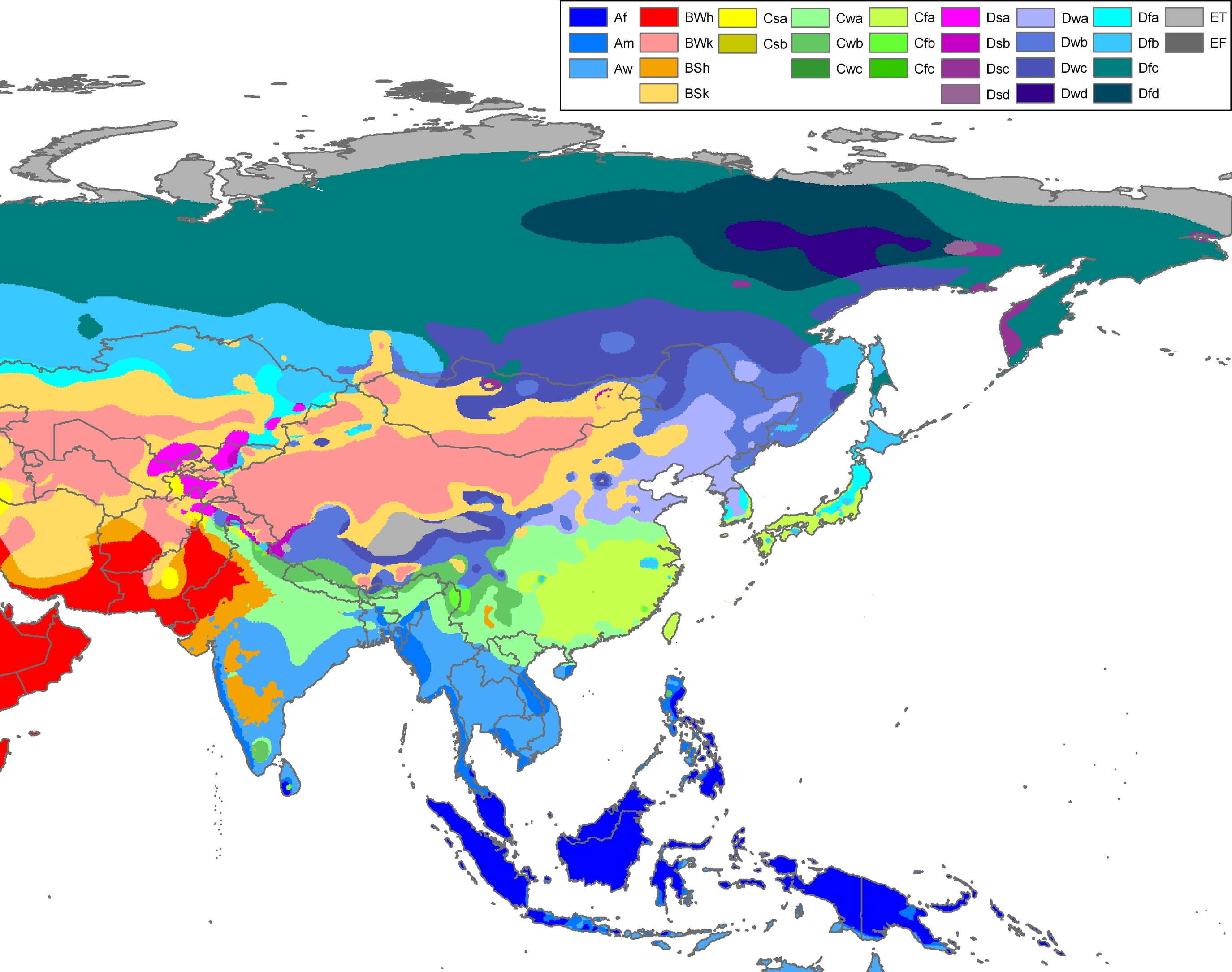
The area has a tropical wet and dry climate (Köppen Aw),[22] featuring very warm weather all year around. Monsoonal influences are strong, with a relatively lengthy wet season and a pronounced dry season. The coolest month is January, with an average high temperature of 22.7 °C (72.9 °F), while the hottest, unlike much of the rest of China, is June, with an average high temperature of 33.7 °C (92.7 °F); the mean annual high temperature is 29.2 °C (84.6 °F). Water temperatures remain above 19 °C (66.2 °F) year-round.

Climate data for Danzhou, elevation 169 m (554 ft), (1991–2020 normals, extremes 1981–present)
Month Jan Feb Mar Apr May Jun Jul Aug Sep Oct Nov Dec Year
Record high °C (°F) 34.2
(93.6)
37.4
(99.3)
38.7
(101.7)
41.2
(106.2)
41.1
(106.0)
38.6
(101.5)
39.1
(102.4)
37.0
(98.6)
35.9
(96.6)
34.2
(93.6)
34.2
(93.6)
33.2
(91.8)
41.2
(106.2)
Mean daily maximum °C (°F) 22.7
(72.9)
24.9
(76.8)
28.6
(83.5)
31.5
(88.7)
33.2
(91.8)
33.7
(92.7)
33.3
(91.9)
32.5
(90.5)
31.1
(88.0)
29.1
(84.4)
26.5
(79.7)
22.9
(73.2)
29.2
(84.5)
Daily mean °C (°F) 18.0
(64.4)
19.6
(67.3)
22.7
(72.9)
25.7
(78.3)
27.5
(81.5)
28.5
(83.3)
28.1
(82.6)
27.5
(81.5)
26.5
(79.7)
24.7
(76.5)
22.2
(72.0)
18.8
(65.8)
24.2
(75.5)
Mean daily minimum °C (°F) 15.1
(59.2)
16.4
(61.5)
19.1
(66.4)
22.2
(72.0)
24.2
(75.6)
25.3
(77.5)
25.0
(77.0)
24.5
(76.1)
23.7
(74.7)
22.0
(71.6)
19.5
(67.1)
16.2
(61.2)
21.1
(70.0)
Record low °C (°F) 4.7
(40.5)
6.7
(44.1)
5.3
(41.5)
13.0
(55.4)
16.1
(61.0)
19.4
(66.9)
20.6
(69.1)
21.2
(70.2)
18.0
(64.4)
12.2
(54.0)
8.6
(47.5)
3.7
(38.7)
3.7
(38.7)
Average precipitation mm (inches) 18.9
(0.74)
19.6
(0.77)
45.1
(1.78)
92.8
(3.65)
231.0
(9.09)
209.8
(8.26)
267.6
(10.54)
363.2
(14.30)
323.1
(12.72)
234.6
(9.24)
82.2
(3.24)
43.8
(1.72)
1,931.7
(76.05)
Average precipitation days (≥ 0.1 mm) 9.8 8.8 9.3 11.4 17.9 15.6 17.4 18.9 18.0 12.6 9.3 9.7 158.7
Average relative humidity (%) 83 81 79 77 78 77 79 83 85 82 82 83 81
Mean monthly sunshine hours 121.0 124.9 156.4 174.3 206.2 204.8 213.9 194.7 157.1 159.5 131.7 102.0 1,946.5
Percentage possible sunshine 35 38 42 46 51 52 53 49 43 44 39 30 44
Source: China Meteorological Administration[23][24] all-time extreme temperature[25]

See also

[edit]

References

[edit]
[edit]
Revisions and contributorsEdit on WikipediaRead on Wikipedia
from Grokipedia
Danzhou is a located in the northwestern part of Hainan Province, , renowned for its historical significance as one of the island's two ancient counties, originally established in 110 BC as Dan'er County. Covering a land area of 3,398 square kilometers with a 307-kilometer coastline along the Beibu Gulf, it serves as a key agricultural and cultural hub in the region. As of the end of 2022, Danzhou had a of 1,078,100 (with 1,015,600 permanent residents as of 2023), with its administrative center in Nada Town. Historically, Danzhou gained prominence during the when the renowned poet, calligrapher, and statesman (Su Dongpo) was exiled there in 1097, where he spent the final years of his life and left a lasting cultural legacy, including contributions to local and literature. The city is often called the "Poetry Village" and "Chinese Couplets Town" due to its deep-rooted traditions in poetry, couplets, and rural folk arts, reflecting a vibrant . Notable sites include the Dongpo Academy, dedicated to , and the Tropical , which showcases diverse tropical flora. Economically, Danzhou is a major center for , producing fruits like bananas, lychees, and dragon fruit, as well as aquatic products such as sea cucumbers and shrimps, supported by institutions like the Chinese Academy of Tropical Agricultural Sciences. In , its GDP reached 87.9 billion yuan; by 2023, per capita GDP was 100,430 yuan, indicating growth to approximately 96 billion yuan based on permanent population. It is driven by modern services including , high-tech industries, and the state-level Yangpu Zone, which focuses on low-carbon and bonded trade. The city administers 16 towns and four state-owned farms, positioning it as a core area for Hainan's western development.

Geography

Location and Terrain

Danzhou is a located in the northwestern part of Island, , bordering the Beibu Gulf to the west and adjacent to municipality to the east. The city's central coordinates are approximately 19°31′15″N 109°34′51″E. This positioning places Danzhou along the western coastline of , contributing to its role as a key area for maritime access and regional connectivity. The total land area of Danzhou encompasses 3,398 km², featuring a mix of coastal plains, undulating hills, and river systems, including the prominent River, which flows through the region and supports local ecosystems. The terrain generally slopes from higher elevations in the interior toward the low-lying coastal zones, with an overall pattern of "high in the southeast and low in the northwest." Low mountains and hills dominate much of the landscape, accounting for approximately 62.5% of the area in the River Basin, while plains cover about 26.1%. These landforms create a diverse that transitions from flat alluvial coastal lowlands to more elevated inland areas. Key natural features include extensive tropical forests, which cover 54.7% of the land area, fostering rich in the hilly and lowland regions. In the central part of Hainan Island, Mount Wuzhi rises as a significant , influencing the broader with its elevated presence. The administrative seat and primary urban center is Nada Town, situated amid these varied terrains and serving as the hub for governance and development.

Climate

Danzhou features a classified as Aw under the Köppen system, characterized by high humidity levels averaging around 80% annually and pronounced wet and influenced by the East Asian monsoon. The spans from May to , delivering the majority of , while the from to brings clearer skies and lower rainfall. This seasonal pattern supports lush vegetation but also heightens vulnerability to events. The city's annual average is 23.1°C, with mean highs reaching approximately 29°C during the hottest months of and ; temperatures in surrounding coastal areas remain above 19°C year-round, facilitating consistent warmth. totals about 1,823 mm annually, concentrated in the when monthly rainfall can exceed 300 mm, particularly in and . risks are elevated from June to October, as the region's coastal position exposes it to tropical cyclones originating in the northwest Pacific, often bringing gusty winds over 30 m/s and storm surges. These climatic conditions profoundly influence , where the abundant rainfall and warmth enable year-round cultivation of tropical crops like rubber, , and betel nut, but frequent typhoons and heavy rains can cause , flooding of fields, and reduced yields—for instance, rubber plantations in Danzhou experience disrupted carbon exchange and heightened pest proliferation during extreme wet periods. thrives in this environment, with the tropical setting fostering high plant and animal diversity in coastal wetlands and forests, though typhoon-induced habitat disruption and from storms threaten endemic and ecosystems. In , Danzhou's coastal location necessitates strategies like enhanced green spaces and landscape fragmentation management to mitigate risks and bolster resilience; studies show that greening initiatives in urban areas significantly enhance plant diversity, aiding to rising sea levels and intensified rainfall. Notable historical weather events underscore these risks. In July 2024, Prapiroon brought heavy rains to , exacerbating floods and disrupting local . Similarly, in October 2024, Tropical Storm Trami caused record downpours across , contributing to widespread coastal inundation. These incidents highlight the need for ongoing monitoring of typhoon paths and flood preparedness in the region.

History

Ancient and Imperial Periods

Danzhou, known anciently as Dan'er (儋耳), originated as part of the Baiyue territories in the pre-Qin era, inhabited primarily by indigenous groups including the ancestors of the Li people. In 110 BCE, during the Western Han Dynasty, Emperor Wu established Dan'er County as a military and administrative outpost, integrating the region into the broader Hainan commandery system following the deployment of garrisons to secure the southern frontier against local resistance. This marked the initial formal incorporation of the area into imperial China, though early Han administration focused on military control amid ongoing interactions with indigenous Li communities, who maintained distinct cultural practices influenced by Kra–Dai traditions. By the 12th century, during the Southern Song Dynasty, Danzhou experienced significant settlement, including waves of migrants from and provinces, who introduced agricultural techniques and reinforced the region's role as a peripheral . These settlers, often Cantonese-speaking peasants fleeing instability on the mainland, contributed to the demographic shift in northern , blending with local Li populations while establishing villages amid the tropical terrain. Danzhou's status as an exile destination for disgraced officials further shaped its early medieval character; notably, in 1097 CE, the renowned poet and scholar (Su Dongpo) was banished there, where he resided for four years until his death in 1101, teaching locals and composing works that celebrated the island's landscapes. His influence endured through the founding of the Dongpo Academy on the site of his former residence, which became a center for Confucian learning and cultural exchange in the region. Under the (1368–1644), Danzhou underwent administrative reorganization as part of Qiongzhou Prefecture within Province, established in 1370 to consolidate control over Island following the expulsion of Mongol Yuan forces. This era saw intensified Han migration and efforts to subdue indigenous resistance, including sporadic Li uprisings against land encroachments and taxation, which imperial forces quelled through military campaigns and relocation policies. The (1644–1911) continued this framework, renaming and refining local divisions—Danzhou was formalized as a (Danzhou Xian)—to enhance fiscal administration and maritime defense, treating the area as a strategic amid ongoing integration of Li communities via intermarriage and . Key events included an 18th-century Li Rebellion, triggered by Qing exploitation, which authorities suppressed with Miao mercenaries from , leading to further Han settlement and the erosion of autonomous Li territories. By the late Qing, Danzhou had evolved into a culturally hybrid outpost, with imperial edicts promoting academies like Dongpo's to foster loyalty, culminating in its stable incorporation into the Chinese empire until the .

Republican and Modern Era

In 1912, following the establishment of the Republic of China, the administrative region of Danzhou was renamed Danxian County, reflecting broader administrative reforms across the country. During the Second Sino-Japanese War, Japanese forces occupied Hainan Island starting in February 1939 as part of their expansion in southern China, leading to widespread devastation in Danzhou, one of the most severely affected counties on the island. The occupation involved brutal suppression of local resistance, including guerrilla activities by Communist-led forces, resulting in significant civilian deaths in Danzhou from violence, forced labor, and reprisals. After the founding of the in 1949, Danzhou played a key role in the liberation of Island, with troops landing at Baimajing in the region on March 5, 1950, supported by local militias to overcome Nationalist defenses. In the , the area reverted to its historical name of Danzhou, restoring the pre-Republican designation amid post-revolutionary administrative consolidations. As was separated from Province to become its own province in 1988, Danzhou was integrated into this new structure, benefiting from the island-wide designation as China's largest , which spurred initial reforms in trade, investment, and infrastructure starting in the late 1980s. In February 2015, Danzhou was upgraded from a to a , enhancing its administrative autonomy and role in . This milestone coincided with the expansion of the Yangpu Economic Development Zone, established in 1992 and incorporating parts of Danzhou, which evolved into a key hub for logistics, , and under Hainan's port initiatives. During the in 2020, Danzhou implemented strict measures, including travel restrictions and community screenings, aligning with national policies to contain outbreaks on the island. Post-2020, the region experienced an infrastructure boom, with investments in roads, , and digital connectivity supporting Hainan's broader economic goals through 2025. Local governance in the People's Republic era has been shaped by figures such as Feng Baiju, a prominent Communist leader who coordinated resistance against Japanese and Nationalist forces in during the 1940s and facilitated the 1950 liberation efforts impacting Danzhou. More recently, Party secretaries like Zou Guang have overseen modernization drives, emphasizing integration with provincial strategies up to 2025.

Government and Administration

Governance Structure

Danzhou functions as a within Province, adhering to China's standard administrative framework where the (CCP) Danzhou Municipal Committee holds ultimate authority over policy direction and personnel appointments. The municipal government, led by the , executes daily administration, while the Danzhou Municipal People's Congress serves as the primary legislative body, electing the standing committee to oversee laws and budgets. This hierarchy ensures alignment with provincial and national directives, with the CCP committee ranking as the highest local official. As of November 2025, Zou Guang serves as the CCP Danzhou Municipal Committee , a position he has held since May 2023, also concurrently leading the Yangpu Zone Party Working Committee. Chen Yang has been the and deputy since July 2023, focusing on economic and urban development. The position of Standing Committee Chairman of the People's Congress has been vacant since May 30, 2025. A leadership transition occurred in late May 2025 with this vacancy, though no further major changes have been reported since then. The Danzhou Municipal Public Security Bureau, subordinate to the Provincial Department of Public Security, manages local , including , control, and public order maintenance across the city's urban and rural areas. Its structure mirrors national standards, with specialized divisions for , economic crimes, and exit-entry administration, headquartered at No. 1 Guangchang West Road in Nada Town. The bureau coordinates with national ministries to address threats like and social instability, emphasizing in Danzhou's diverse coastal and agricultural settings. Under current leadership, Danzhou has prioritized through initiatives like at the Xinying National Wetland Park, where patrols and cleanup efforts removed marine litter and enhanced in 2025. measures include rigorous implementation of central regulations, such as the Eight Provisions on frugality, with municipal meetings in July 2025 reviewing rectification progress and targeting official misconduct. Integration into the Free Trade Port features accelerated economic planning in the Yangpu zone, aiming for customs-independent operations by late 2025 to boost trade and investment while aligning with provincial zero-tariff goals.

Subdivisions

Danzhou directly administers one and seventeen towns, reflecting its status as a without intermediate county-level divisions. This streamlined structure supports efficient local governance, with the subdistrict focusing on urban expansion and , while towns manage rural and semi-urban affairs such as , fisheries, and community services. The —Sandu—is concentrated in key development areas near the Yangpu Economic Development Zone, where it oversees industrial projects, port-related activities, and infrastructure to drive regional growth. Areas such as Ganchong and Xinyingwan serve as development zones supporting these efforts. Among the towns, Nada serves as the urban core and administrative seat, centralizing government functions, commerce, and public services for the city. Rural-oriented towns like Dongcheng and Guangcun function as agricultural zones, coordinating crop production, rural revitalization programs, and local markets to bolster and economic stability. Towns such as Nanfeng incorporate ethnic Li and Miao populations, where subdivisions facilitate targeted governance, including initiatives and community development tailored to minority needs. Following its 2015 upgrade to prefecture-level status, Danzhou's subdivisions have seen no major territorial adjustments, enabling focused administration over its 3,398 square kilometers of land to promote balanced urban-rural integration.

Demographics and Society

Population Statistics

As of the 2020 national census, Danzhou's total permanent population stood at 954,259 residents, reflecting a modest increase from 932,356 recorded in the 2010 census. As of the end of 2022, the permanent population was 981,500; by the end of 2023, it reached 1,015,600; and by the end of 2024, it was 1,018,400. The city's population density was approximately 281 inhabitants per square kilometer in 2020, distributed across its 3,398 square kilometers of land area. Population growth in Danzhou has been gradual, with an annual rate of 0.23% between 2010 and 2020, influenced by historical migrations that began intensifying after the as part of broader efforts to develop Island following its integration into the . These migrations contributed to sustained increases, particularly from nearby mainland provinces like and , where settlers sought new opportunities on the island. Urbanization has accelerated in recent decades, reaching 54% of the permanent population in 2020 and 57.07% by the end of 2024, aligning with Hainan's provincial push toward economic zones and infrastructure development. The urban-rural distribution highlights Danzhou's role as a regional hub, with the of serving as the primary urban center and home to about 325,300 residents in , representing a significant portion of the city's urban dwellers. In contrast, rural townships exhibit higher proportions of aging populations, as younger residents migrate to urban areas or off-island for , leaving behind demographics skewed toward those over 60. Migration patterns in Danzhou continue to feature net inflows from , attracted by economic opportunities in industries like and , contributing to positive observed in 2023 and 2024.

Ethnic Composition

Danzhou's population is predominantly , who comprise approximately 91% of the household-registered population as of 2020. This majority has been shaped by historical Han settlement and post-1949 migration from , which significantly increased their demographic dominance since the 1950s. Ethnic minorities account for about 9% of the population, with the Li people forming the largest group at roughly 8% based on household registration figures, numbering 87,113 individuals. Other minorities include the Zhuang (approximately 0.4%, or 4,710 people) and Miao (0.3%, or 2,931 people), alongside smaller communities of Hui and others totaling around 2,023. These groups represent over 20 distinct ethnicities in total. Minority populations are primarily concentrated in designated ethnic townships, such as Lanyang Town, Nanfeng Town, and Yaxing Town, where they often exceed 30% of local residents and enjoy administrative privileges equivalent to ethnic townships. Over time, historical processes of assimilation during imperial eras reduced distinct minority identities in some areas, but contemporary efforts focus on preservation through community-based initiatives. Under the People's Republic of China's framework, Danzhou implements policies promoting , including in Li and other minority languages in concentrated areas, cultural in ethnic townships, and affirmative measures for economic and social development to address historical disparities. These initiatives have supported relative stability in minority demographics despite ongoing Han influx, with the minority share remaining around 9% based on 2020 household registration data.

Language and Culture

Danzhou Dialect

The Danzhou dialect, locally known as Xianghua, is often classified as a variety of Yue Chinese, though its affiliation is debated in some linguistic studies, closely related to but distinct from standard Cantonese and separate from the Min-based Hainanese spoken in eastern Hainan. It forms part of the broader Yue dialect group, characterized by its Sinitic roots and regional divergence due to historical isolation on Hainan Island. This classification aligns with traditional groupings in Chinese dialectology, where Danzhou is positioned within the interior Yue varieties originating from Guangdong migrations. Phonologically, the Danzhou dialect exhibits features typical of Yue varieties, including a complex tonal system with 6 to 7 tones derived from categories, alongside unique initials such as preserved labial and dental stops and finals that retain nasal endings and diphthongs not common in northern . These elements contribute to limited mutual intelligibility with other Yue dialects, such as Guangzhou , where differences in tone contours and consonant clusters hinder comprehension. For instance, ancient pronunciations like the word for "thou" as "汝" (ru) are preserved, reflecting archaic traits blended with local influences. The dialect is spoken primarily in Danzhou and adjacent western Hainan counties like Changjiang and Dongfang, making it the second most widely used variety on the island after . It serves as the primary medium for daily communication among locals, especially in rural villages where nearly 100% of residents are fluent and use it for interpersonal interactions, family matters, and traditional expressions. In ethnic areas, it occasionally integrates with minority languages like Hlai for basic exchanges. However, its role in formal media and education is minimal, as Standard Mandarin dominates schooling and broadcasts, leading to declining proficiency among younger generations born after 1985. Historically, the Danzhou dialect evolved from Yue varieties carried by Han migrants from regions like Gaozhou and , with formation during the and further influences during the around the 12th century, when exiles and settlers including figures like contributed to local speech patterns. This migration blended incoming elements with indigenous Hlai substrates and earlier Tang-era Han dialects, resulting in a hybrid form that retains ancient Mandarin and old traits. Preservation efforts, recognizing its cultural value, include its designation as part of state-level intangible heritage through Danzhou tone folk songs since 2006, alongside academic documentation and local festivals to counter modernization pressures.

Cultural Traditions

Danzhou's cultural traditions are deeply influenced by its history of , particularly the legacy of the poet (Su Dongpo), who was banished to the region in 1097 and established the Dongpo Academy as a site for teaching and literary pursuits. This academy, located in Zhonghe Town, remains a key cultural landmark preserving Su Shi's contributions to , , and local , including adaptations of dishes like chicken recipes that reflect his time there. The exile narrative has shaped communal storytelling and artistic expressions, emphasizing resilience and harmony with Hainan's natural environment. Traditional performing arts in Danzhou include Hainanese opera, known as Qiongju, a folk opera form using local dialects and melodies that originated in Hainan during the Ming Dynasty and evolved through Qing-era influences. Performances often feature lion dances, a dynamic ritual accompanied by drums and gongs, symbolizing good fortune and warding off evil, commonly enacted during community celebrations. Local cuisine highlights Danzhou chicken, a hardy indigenous breed prized for its tender meat and adaptability to the island's tropical climate, often prepared in simple steamed or braised styles that echo historical recipes. Festivals play a central role in Danzhou's cultural life, with the Sanyuesan (March Third) Festival celebrated by the Li ethnic minority on the third day of the third lunar month, involving ancestor worship, long-table banquets with three-color rice and bamboo-tube rice, and courtship rituals through song and dance. The coincides with the Danzhou Folk Song Festival at Tianyahaijiao, where antiphonal singing—alternating verses between groups—fosters social bonds and briefly incorporates elements of the local dialect in oral traditions. The annual Dongpo Cultural Tourism Festival, launched in 2023, revives Su Shi's legacy through poetry recitals, opera excerpts, and culinary demonstrations. Among the Li and Miao minorities in Danzhou, arts and crafts emphasize textile traditions, including and techniques that produce intricate Li brocade patterns symbolizing nature and mythology, recognized as a national in 2008. Bamboo-related crafts feature the Dachai bamboo , where performers rhythmically step between clashing poles, and utilitarian for baskets and mats, passed down through generations. Preservation efforts since 2000 include provincial policies integrating into , such as the establishment of the Danzhou City in the early 2010s to exhibit local artifacts and host workshops on traditional crafts. These initiatives, supported by Hainan's broader protections, have promoted sites like Dongpo for educational while safeguarding minority practices amid modernization.

Economy

Economic Overview

Danzhou's economy has shown steady expansion, with its (GDP) reaching CN¥100.284 billion (approximately $14.17 billion) in 2023, reflecting a year-on-year real growth of 11.9% from CN¥87.891 billion in 2022. In , GDP reached CN¥101.272 billion (approximately $14.07 billion), with real growth of 4.1%. GDP stood at CN¥100,430 (about $14,187) in 2023, up from CN¥90,071 in 2022, and CN¥99,580 (about $13,840) in 2024, underscoring improvements in living standards amid broader provincial development. The economy's structure is dominated by the tertiary sector, which contributed CN¥55.75 billion or approximately 55.6% of GDP in 2023, followed by the secondary sector at CN¥28.58 billion (28.5%) and the primary sector at CN¥15.95 billion (15.9%). In 2024, the proportions were primary 16.5% (CN¥16.689 billion), secondary 30.6% (CN¥31.002 billion), and tertiary 52.9% (CN¥53.581 billion). This composition aligns with Danzhou's integration into the Free Trade Port initiative, launched in 2020, which positions the city as a strategic node for , , and services in . The Yangpu Economic Development Zone, established in 1992 and expanded to include parts of Danzhou, serves as a major hub for foreign investment, attracting over CN¥8 billion in infrastructure funding and fostering industries like and shipping. Despite these advances, Danzhou faces challenges from its heavy reliance on and port activities, which were severely disrupted by the . The sector, a key driver of the tertiary , experienced significant declines in visitor numbers from 2020 to 2022, impacting local revenues and . By 2023, however, the had largely recovered, with industrial output growing 12.1% in the first half of the year and overall GDP rebounding strongly, supported by eased travel restrictions and provincial stimulus measures.

Major Industries

Danzhou's sector is a cornerstone of its , leveraging the region's and fertile soils to cultivate high-value crops such as rubber, nut, and rice, alongside fruits like bananas, lychees, , and dragon fruit. The presence of the Chinese Academy of Tropical Agricultural Sciences in Danzhou supports research and innovation in tropical high-efficiency farming, contributing to substantial output in rubber latex and betel nut production, which are key exports from Province. in the adjacent Beibu Gulf further bolsters the sector, with harvests including sea cucumbers, , , , and , facilitated by the gulf's rich and numerous coastal bays that ensure high-quality yields. These activities account for a significant portion of local agricultural output, with Hainan's overall dominating the provincial through extensive coastal operations. In , Danzhou benefits from the state-level Yangpu Economic Development Zone, which hosts key industries including , , and assembly. Major enterprises like Hainan Yisheng Petrochemical Co., Ltd., operate in the zone's petrochemical function area, focusing on oil refining and chemical production to process local resources. plants handle tropical produce such as rubber derivatives and betel nut products, while manufacturing emphasizes components and equipment, supported by the zone's bonded harbor facilities for efficient import-export. These sectors employ thousands in the region, driving industrial growth through advanced low-carbon techniques and contributing to 's manufacturing expansion. The services sector in Danzhou has expanded rapidly, particularly in , , retail, and since the 2015 establishment of Hainan's policies. draws visitors to attractions like Guangcun Silver Beach for its pristine coastal scenery, the historical Dongpo Academy, and cultural sites around Songtao Reservoir, positioning the city as a hub for eco- and heritage experiences. thrives via the Yangpu Bonded Harbor Area and over a dozen ports along the Beibu Gulf, enabling efficient and operations. Retail and have boomed post-2015, with developments like the Evergrande integrating , , and residential projects to attract and residents. The tertiary sector, encompassing these services, reached 55.75 billion RMB in value in 2023, underscoring its economic dominance. Danzhou is shifting toward by integrating green industries, including initiatives aligned with Hainan's goal to become a clean energy island by 2025. The Danzhou Datang project, with a 1.2 million kW capacity and 14.6 billion RMB , exemplifies this transition, installing 120 turbines to harness Beibu Gulf winds for generation. Efforts also include advanced low-carbon in Yangpu Zone and green shipping advancements, as highlighted at the 2024 Global Green Shipping Conference in Danzhou, promoting decarbonization in and petrochemicals. These projects enhance environmental resilience while supporting through eco-friendly practices.

Infrastructure

Transportation Networks

Danzhou's road system is primarily served by the G98 Hainan Island Ring Expressway, a major orbital route that encircles the island and passes through the city, facilitating efficient connectivity. Provincial highways, including planned expansions like the Haikou-Nanzhou Airport expressway via Danzhou and Chengmai, link the city directly to , the provincial capital, supporting intercity travel. Urban bus networks in the Nada district connect key local areas, such as routes from Nada Town to historical sites like Dongpo Academy, enhancing intra-city mobility. The rail infrastructure centers on the Hainan Western Ring Railway, a 345 km high-speed line that traverses Danzhou as part of the island's circular network, originating from and extending southward. Stations within Danzhou, including Yintan Railway Station, provide access points for passengers, with high-speed services enabling quick travel to in under two hours. Public transit options include local buses that integrate with rural townships, aiding agricultural transport by linking remote areas to urban centers like Nada and Haihua. Post-2020 developments have focused on expanding these networks to bolster Free Trade Port efficiency, including a planned investment of 220 billion yuan by 2026 in provincial transportation and upgrades in the Danzhou-Yangpu region to enhance capacity. These terrestrial systems play a supporting role in accessing nearby ports, streamlining flows.

Ports and Airports

Yangpu Port, located in the Yangpu Economic Development Zone of Danzhou, serves as Hainan's primary deep-water port facility, specializing in and handling. As a key maritime gateway, it supports diverse operations including , gas, and general , with an annual cargo throughput exceeding 47 million tons in the first three quarters of 2024 alone. Its container terminal processed over 2 million twenty-foot equivalent units (TEUs) in 2024, reflecting a 9.2% year-on-year increase and underscoring its growing role in regional . The maintains vital sea routes connecting to and other Southeast Asian nations, such as and , facilitating trade in commodities like agricultural products and manufactured goods. These links integrate Yangpu into the broader Port framework, enhancing cross-border efficiency and supporting the island's strategic position in the New International Land-Sea Trade Corridor. and rail networks provide essential feeder connections to the port, ensuring seamless inland distribution. Danzhou's aviation infrastructure includes the Xiqing General Airport, which handles short-haul domestic flights, including routes to since 2019 and the newly launched service in January 2025. Travelers typically connect through for broader domestic and international access, with over 100 routes linking major Chinese cities. Future developments emphasize expansion, with Yangpu Port planning five additional large container berths to boost capacity to 5.5 million TEUs annually, incorporating for enhanced efficiency by 2025. Similarly, the under-construction Danzhou aims to introduce dedicated domestic services and eventual international flights, aligning with Hainan's growth targets.

References

Add your contribution
Related Hubs
User Avatar
No comments yet.