Recent from talks
Nothing was collected or created yet.
Refugee camp
View on Wikipedia


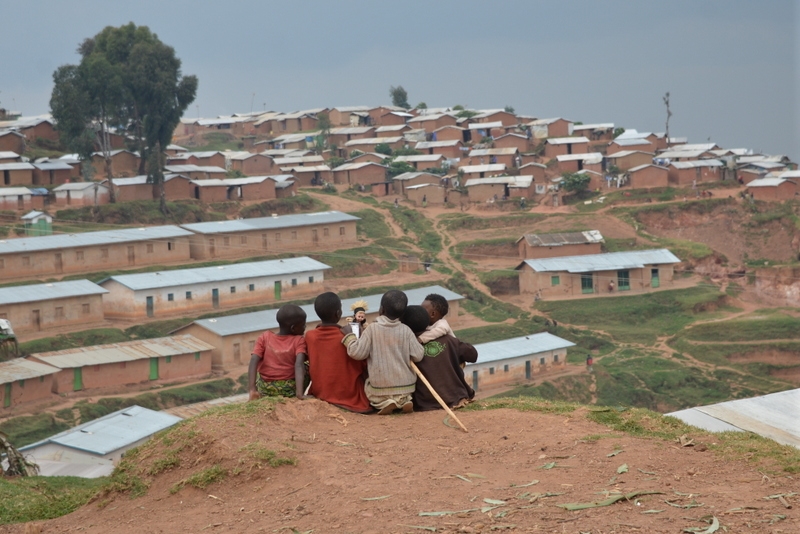
A refugee camp is a temporary settlement built to receive refugees and people in refugee-like situations. Refugee camps usually accommodate displaced people who have fled their home country, but camps are also made for internally displaced people. Usually, refugees seek asylum after they have escaped war in their home countries, but some camps also house environmental and economic migrants. Camps with over a hundred thousand people are common, but as of 2012, the average-sized camp housed around 11,400.[1] They are usually built and run by a government, the United Nations, international organizations (such as the International Committee of the Red Cross), or non-governmental organization. Unofficial refugee camps, such as Idomeni in Greece or the Calais jungle in France, are where refugees are largely left without the support of governments or international organizations.[2]
Refugee camps generally develop in an impromptu fashion with the aim of meeting basic human needs for only a short time. Facilities that make a camp look or feel more permanent are often prohibited by host country governments. If the return of refugees is prevented (often by civil war), a humanitarian crisis can result or continue.
According to UNHCR, most refugees worldwide do not live in refugee camps. At the end of 2015, some 67% of refugees around the world lived in individual, private accommodations.[3] This can be partly explained by the high number of Syrian refugees renting apartments in urban agglomerations across the Middle East. Worldwide, slightly over a quarter (25.4%) of refugees were reported to be living in managed camps. At the end of 2015, about 56% of the total refugee population in rural locations resided in a managed camp, compared to the 2% who resided in individual accommodation. In urban locations, the overwhelming majority (99%) of refugees lived in individual accommodations, compared with less than 1% who lived in a managed camp. A small percentage of refugees also live in collective centres, transit camps, and self-settled camps.[4]
Despite 74% of refugees being in urban areas, the service delivery model of international humanitarian aid agencies remains focused on the establishment and operation of refugee camps.[5]
Facilities
[edit]The average camp size is recommended by UNHCR to be 45 square metres (480 sq ft) per person of the accessible camp area.[6] Within this area, the following facilities can usually be found:[7]
- An administrative headquarters to coordinate services may be inside or outside the actual camp.
- Sleeping accommodations are frequently tents, prefabricated huts, or dwellings constructed of locally available materials. UNHCR recommends a minimum of 3.5 m2 of covered living area per person. Shelters should be at least 2 m apart.
- Gardens attached to the family plot: UNHCR recommends a plot size of 15 m2 per person.
- Hygiene facilities, such as washing areas, latrines, or toilets: UNHCR recommends one shower per 50 persons and one communal latrine per 20 persons. Distance for the latter should be no more than 50 meters from the shelter and not closer than 6 m. Hygiene facilities should be separated by gender.
- Places for water collection: Either water tanks where water is off-loaded from trucks (then filtered and potentially treated with disinfectant chemicals such as chlorine), or water tap stands that are connected to boreholes are needed. UNHCR recommends 20 L of water per person and one tap stand per 80 persons that should be no farther than 200 m away from households.
- Clinics, hospitals and immunization centres: UNHCR recommends one health centre per 20,000 persons and one referral hospital per 200,000 persons.
- Food distribution and therapeutic feeding centres: UNHCR recommends one food distribution centre per 5,000 persons and one feeding centre per 20,000 persons.
- Communication equipment (e.g. radio): Some long-standing camps have their own radio stations.
- Security, including protection from banditry (e.g. barriers and security checkpoints) and peacekeeping troops to prevent armed violence: Police stations may be outside the actual camp.
- Schools and training centres: UNHCR recommends one school per 5,000 persons.

- Markets and shops: UNHCR recommends one marketplace per 20,000 persons.[6]
Schools and markets may be prohibited by the host country's government to discourage refugees from settling permanently in camps. Many refugee camps also have:
- Cemeteries or crematoria
- Locations for solid waste disposal: One 100 L rubbish container should be provided per 50 persons and one refuses pit per 500 persons.
- Reception or transit centre where refugees initially arrive and register before they are allowed into the camp: Reception centres may be outside the camps and closer to the border of the country where refugees enter.
- Churches or other religious centres or places of worship[8]
To understand and monitor an emergency over a period of time, the development and organisation of the camps can be tracked by satellite,[9] and analyzed by GIS.[10][11]
Arrival
[edit]Most new arrivals travel distances up to 500 km on foot. The journey can be dangerous, e.g. wild animals, armed bandits or militias, or landmines. Some refugees are supported by the International Organization for Migration, and some use smugglers. Many new arrivals suffer from acute malnutrition and dehydration. Long queues can develop outside the reception centres, and waiting times of up to two months are possible. People outside the camp are not entitled to official support (but refugees from inside may support them). Some locals sell water or food for excessive prices and make large profits. Not uncommonly, some refugees die while waiting outside the reception centre. They stay in the reception centre until their refugee status is approved and the degree of vulnerability assessed. This usually takes two weeks. They are then taken, usually by bus, to the camp. New arrivals are registered, fingerprinted, and interviewed by the host country's government and the UNHCR. Health and nutrition screenings follow. Those who are extremely malnourished are taken to therapeutic feeding centres and the sick to a hospital. Men and women receive counselling separately from each other to determine their needs. After registration, they are given food rations (until then only high energy biscuits), receive ration cards (the primary marker of refugee status), soap, jerrycans, kitchen sets, sleeping mats, plastic tarpaulins to build shelters (some receive tents or fabricated shelters). Leaders from the refugee community may provide further support to the new arrivals.[citation needed]
Housing and sanitation
[edit]
Residential plots are allocated (e.g. 10 x 12 m for a family of four to seven people). Shelters may sometimes be built by refugees themselves with locally available materials, but aid agencies may supply materials or even prefabricated housing.[12] Shelters are frequently very close to each other, and frequently, many families share a single dwelling, rendering privacy for couples nonexistent. Camps may have communal unisex pit latrines shared by many households, but aid agencies may provide improved sanitation facilities.[13] Household pit latrines may be built by families themselves. Latrines may not always be kept sufficiently clean and disease-free. In some areas, space for new pits is limited. Each refugee is supposed to receive around 20 L of water a day, but many have to survive on much less than that (some may get as little as 8 L per day).[14] A high number of persons may use a tap stand (against a standard number of one per 80 persons). Drainage of water from bathroom and kitchen use may be poor and garbage may be disposed of in a haphazard fashion. Few or no sanitary facilities may be accessible for people with disabilities. Poor sanitation may lead to outbreaks of infectious disease, and rainy-season flooding of latrine pits increases the risk of infection.[15]
Food rations
[edit]The World Food Programme (WFP) provides food rations twice a month: 2,100 calories/person/day. Ideally, it should be:
- 9 oz (260 g) whole grain (maize or sorghum)
- 7 oz (200 g) milled grain (wheat flour)
- 1.5 tablespoons vegetable oil
- 1 teaspoon salt
- 3 tablespoons pulses (beans or lentils)
Diet is insensitive to cultural differences and household needs. WFP is frequently unable to provide all of these staples, thus calories are distributed through whatever commodity is available, e.g. only maize flour. Up to 90% of the refugees sell part or most of their food ration to get cash. Loss of the ration card means no entitlement to food. In 2015, the WFP introduced electronic vouchers.
Economy, work, and income
[edit]Research found that if enough aid is provided, the refugees' stimulus effects can boost the host countries' economies.[16] The UN High Commissioner for Refugees (UNHCR) has a policy of helping refugees work and be productive, using their existing skills to meet their own needs and needs of the host country, too:
Ensure the right of refugees to access work and other livelihood opportunities as they are available for nationals... Match programme interventions with corresponding levels of livelihood capacity (existing livelihood assets such as skills and past work experience) and needs identified in the refugee population, and the demands of the market... Assist refugees in becoming self-reliant. Cash / food / rental assistance delivered through humanitarian agencies should be short-term and conditional and gradually lead to self-reliance activities as part of longer-term development... Convene internal and external stakeholders around the results of livelihood assessments to jointly identify livelihood support opportunities.[17]
Refugee-hosting countries, though, do not usually follow this policy and instead do not allow refugees to work legally. In many countries, the only option is either to work for a small incentive (with NGOs based in the camp) or to work illegally with no rights and often bad conditions. In some camps, refugees set up their own businesses. Some refugees even became rich with that. Those without a job or without relatives and friends who send remittances, need to sell parts of their food rations to get cash. As support does not usually provide cash, effective demand may not be created[18]

The main markets of bigger camps usually offer electronics, groceries, hardware, medicine, food, clothing, cosmetics, and services such as prepared food (restaurants, coffee–tea shops), laundry, internet and computer access, banking, electronic repairs and maintenance, and education. Some traders specialize in buying food rations from refugees in small quantities and selling them in large quantities to merchants outside the camp. Many refugees buy in small quantities because they do not have enough money to buy normal sizes, i.e. the goods are put in smaller packages and sold for a higher price.[citation needed] Payment mechanisms used in refugee camps include cash aid/vouchers, in-kind payments (such as voluntary work), and community-based saving and lending.[19]: 15
Investment by outside private sector organizations in community-based energy solutions such as diesel generators, solar kiosks and biogas digesters has been identified as a way to promote community economic development and employment.[19]: 14
Camp structure
[edit]So, to UNHCR vocabulary a refugee camp consists of settlements, sectors, blocks, communities, and families. Sixteen families make up a community, sixteen communities make up a block, four blocks make up a sector, and four sectors are called a settlement. A large camp may consist of several settlements.[6] Each block elects a community leader to represent the block. Settlements and markets in bigger camps are often arranged according to the nationalities, ethnicities, tribes, and clans of their inhabitants, such as at Dadaab and Kakuma.
Democracy and justice
[edit]In those camps where elections are held, elected refugee community leaders are the contact point within the community for both community members and aid agencies. They mediate and negotiate to resolve problems and liaise with refugees, UNHCR, and other aid agencies. Refugees are expected to convey their concerns, messages, or reports of crimes, etc. through their community leaders. Therefore, community leaders are considered to be part of the disciplinary machinery and many refugees mistrust them. There are allegations of aid agencies bribing them. Community leaders can decide what a crime is and thus, whether it is reported to the police or other agencies. They can use their position to marginalize some refugees from minority groups. In Kakuma and Dadaab Refugee Camps in Kenya, Somali refugees have been allowed to establish their own 'court' system which is funded by charities. Elected community leaders and the elders of the communities provide an informal kind of jurisdiction in refugee camps. They preside over these courts and are allowed to pocket the fines they impose. Refugees are left without legal remedies against abuses and cannot appeal against their own 'courts'.[20]
Security
[edit]Security in a refugee camp is usually the responsibility of the host country and is provided by the military or local police. The UNHCR only provides refugees with legal protection, not physical protection. However, local police or the legal system of the host countries may not take responsibility for crimes that occur within camps. In many camps, refugees create their own patrolling systems as police protection is insufficient. Most camps are enclosed with barbed wire fences. This is not only for the protection of the refugees, but also to prevent refugees from moving freely or interacting with local people.
Refugee camps may sometimes serve as headquarters for the recruitment, support and training of guerrilla organizations engaged in fighting in the refugees' area of origin; such organizations often use humanitarian aid to supply their troops.[21] Cambodian refugee camps in Thailand and Rwandan refugee camps in Zaire supported armed groups until their destruction by military forces.[22][23]
Refugee camps are also places where terror attacks, bombings, militia attacks, stabbings and shootings take place and abductions of aid workers are not unheard of. The police can also play a role in attacks on refugees.
Health and health care
[edit]Due to crowding and lack of infrastructure, refugee camps are often unhygienic, leading to a high incidence of infectious diseases and epidemics. Sick or injured refugees rely on free health care provided by aid agencies in camps, and may not have access to health services outside of a camp setting.[24] Some aid agencies employ outreach workers who make visits from tent to tent to offer medical assistance to ill and malnourished refugees, but resources are often scarce.[25] Vulnerable persons who have difficulties accessing services may be supported through individual case management. Common infectious diseases include diarrhea from various causes, malaria, viral hepatitis, measles, meningitis, respiratory infections such as influenza,[7] and urinary/reproductive tract infections.[26] These are exacerbated by malnutrition.[7] In some camps, guards exchange food and money for sex with young girls and women, in what is called "survival sex".[27]
Reproductive health
[edit]The UNHCR is responsible for providing reproductive health services to refugee populations and in camps.[28] This includes educating refugees on reproductive health, family planning, giving them access to healthcare professionals for their reproductive needs and providing necessary supplies such as feminine hygiene products.[28]
Mental health
[edit]Refugees experience a wide range of traumas in their home country and during their journey to other countries. However, the mental health problems resulting from violent conflicts, such as PTSD and disaster-induced depression, can be compounded by problems induced by the conditions of refugee camps.[29] Mental health concerns within humanitarian aid programs include stress about one's home country, isolation from support structures, and loss of personal identity and agency.[30]
These consequences are increased by the daily stresses of displacement and life within camps, including ongoing risks of violence, lack of basic services, and uncertainty about the future. Women and girls in camps often fear being alone, especially at night, because of the risk of trafficking and sexual violence.[31] The most prevalent clinical problems among Syrian refugees are depression, prolonged grief disorder, PTSD, and anxiety disorders. However, the perception of mental health is affected by cultural and religious values that result in different modes of expressing distress or making sense of psychological symptoms. In addition, refugees who have experienced torture often endure somatic symptoms in which emotional distress from torture is expressed in physical forms.[30]
Unique conditions for the mental health of refugees within camps has led to the development of alternative psychological interventions and approaches. Some mental health services address the effects of negative discourses about migrants and the way that traumatic experiences affect and fragment identity. A therapeutic support project in the Calais refugee camp focused on building spaces of collectivity and community, such as youth groups, to challenge the individualization of distress and trauma. This project encouraged discussion of refugees' small acts of resistance to difficult situations and promoted activities from migrants' cultural roots to develop a positive conception of identity.[32] Other mental health approaches acknowledge core cultural tenets and work to structure the camp itself around these values. For example, in Afghan refugee camps in Pakistan, Pakistani policy prioritized the centrality of personal dignity and collective honour in the cultural traditions of Afghan migrants and constructed "refugee tented villages" that grouped people within their own ethnolinguistic, tribal, or regional communities.[33]
Freedom of movement
[edit]Once admitted to a camp, refugees usually do not have the freedom to move about the country but are required to obtain Movement Passes from the UNHCR and the host country's government. Yet informally many refugees are mobile and travel between cities and the camps, or otherwise make use of networks or technology in maintaining these links. Due to widespread corruption in public service, there is a grey area that creates space for refugees to manoeuvre. Many refugees in the camps, given the opportunity, try to make their way to cities. Some refugee elites even rotate between the camp and the city or rotate periods in the camp with periods elsewhere in the country in family networks, sometimes with another relative in a Western country that contributes financially. Refugee camps may serve as a safety net for people who go to cities or who attempt to return to their countries of origin. Some refugees marry nationals so that they can bypass the police rules regarding movements out of the camps. It is a lucrative side-business for many police officers working the area around the camps to have a lot of unofficial roadblocks and to target refugees travelling outside the camps who must pay bribes to avoid deportation.[citation needed]
Duration and durable solutions
[edit]Although camps are intended to be a temporary solution, some of them exist for decades. Some Palestinian refugee camps have existed since 1948, camps for Eritreans in Sudan (such as the Shagarab camp) have existed since 1968,[34] the Sahrawi refugee camps in Algeria has existed since 1975, camps for Burmese in Thailand (such as the Mae La refugee camp) have existed since 1986, Buduburam in Ghana since 1990, or Dadaab and Kakuma in Kenya since 1991 and 1992, respectively. In fact, over half of the refugees as of the end of 2017 are in "protracted refugee situations", defined as situations where at least 25,000 people from a particular country are refugees in another particular country for five or more years (though this might not be representative of refugees who are specifically in camps).[35] The longer a camp exist the lower tends to be the annual international funding and the bigger the implications for human rights.[36] Some camps grow into permanent settlements and even merge with nearby older communities, such as Ain al-Hilweh, Lebanon and Deir al-Balah, Palestine.
People may stay in these camps, receiving emergency food and medical aid, for many years and possibly even for their whole life. To prevent this the UNHCR promotes three alternatives to that:
- Once it is safe for them to return to their home countries the refugees can use voluntary return programmes.[37]
- In some cases, refugees may be integrated and naturalised by the country they fled to.[38]
- In some cases, often after several years, refugees may get the offer to be resettled in "third countries". Globally, about 17 countries (Australia, Brazil, Burkina Faso, Canada, Chile, Denmark, Finland, Iceland, Ireland, Mexico, the Netherlands, New Zealand, Norway, Sweden, the United Kingdom, and the United States) regularly accept "quota refugees" from refugee camps.[39] The UNHCR works in partnership with these countries and resettlement programmes, such as the Gateway Protection Programme,[40] that support refugees after arrival in the new countries. In recent years, most quota refugees have come from Afghanistan, Iran, Iraq, Liberia, Somalia, Sudan, Syria, and the former Yugoslavia which have been disrupted by wars and revolutions.
Notable refugee camps
[edit]

The largest refugee settlements in the world are in the eastern Sahel region of Africa. For many years the Dadaab complex was the largest until it was surpassed by Bidi Bidi in 2017.[41][42] Bidi Bidi was in turn surpassed by Bangladesh's Kutupalong refugee camp in 2018.
Africa
[edit]- A number of camps in the south of Chad – such as Dosseye, Kobitey, Mbitoye, Danamadja, Sido, Doyaba and Djako – host approximately 113,000 refugees from Central African Republic.[43]
- Ali Addeh (or Ali Adde) and Holhol camps in Djibouti host 23,000 refugees, who are mainly from Somalia, but also Ethiopians and Eritreans.[44]
- Benaco and Ngara in Tanzania.
- Buduburam refugee camp in Ghana, home to more than 12,000 Liberians[45] (opened 1990)
- Bwagiriza and Gatumba refugee camps in Burundi host refugees from the DRC.
- By 2013 there were four camps in Maban County, South Sudan, hosting refugees and internally displaced people. Yusuf Batil camp was home to 37,000 refugees, Doro camp to 44,000, Jamam camp to 20,000 and Gendrassa camp to 10,000.[46] These population numbers are subject to fluctuation during the ongoing violence in the country.
- Cameroon hosted more than 240,000 UNHCR registered refugees in 2014, mainly from the Central African Republic: Minawao refugee camp in the north and Gado Badzere, Borgop, Ngam, Timangolo, Mbilé and Lolo refugee camps in the east of Cameroon.[47]
- Choucha camp in Tunisia hosted nearly 20,000 refugees from 13 countries who fled from Libya in 2011. Half of them are sub-Saharan African and Arab refugees and the other half are Bangladeshis who had been working in Libya. 3,000 refugees remained in the camp in 2012, and 1,300 in 2013 and its closure is planned.[48]
- Comè in Benin hosted Togolese refugees until it was closed in 2006.
- Dadaab refugee camps (Ifo, Ifo II, Dagahaley, Hagadera, and Kambioos) in North Eastern Kenya, established in 1991 and now hosting more than 330,000 refugees from Somalia.[49]
- Dzaleka camp in the Dowa District of Malawi is home to 34,000 refugees from Burundi, the DRC and Rwanda.[50]
- Hart Sheik in Ethiopia hosted more than 250,000 mostly refugees from Somalia between 1988 and 2004.
- Itang camp in Ethiopia hosted 182,000 refugees from South Sudan and was the world's largest refugee camp for some time during the 1990s.[51]
- Jomvu, Hatimy and Swaleh Nguru camps near Mombasa, Kenya, were closed in 1997. Refugees, mainly displaced people from Somalia, were either forced to relocate to Kakuma, repatriated or remunerated to voluntarily relocate into unsafe areas in Somalia.[52] Other closed camps in the area include Liboi, Oda, Walda, Thika, Utange and Marafa.
- Kakuma refugee camp in Kenya was opened in 1991. In 2014, it was the third largest refugee camp worldwide.[53][54] As of December 2020, Kakuma hosts 200,000 people, mostly migrants from the civil war in South Sudan.[55]
- Kala, Meheba and Mwange camps in the northwest of Zambia host refugees from Angola and DRC.[56]
- Lainé and Kouankan (I & II) camps in Guinea hosted nearly 29,300 refugees mostly from Liberia, Sierra Leone, and Côte d'Ivoire. The number reduced to 15,000 in 2009.[57]
- Lazaret in Niger was the largest camp in the Sahel during the extreme drought of 1973–1975 and mainly hosted Tuareg people.
- Lusenda refugee camp in the Democratic Republic of the Congo houses Burundian refugees from across the border.[58]
- M'Bera camp in southeastern Mauritania hosts 50,000 Malian refugees.[59]
- Mentao camp in Burkina Faso hosts 13,000 Malian refugees.[60]
- Nyarugusu refugee camp in Tanzania opened in 1997 and initially hosted 60.000 refugees from the DRC. Due to the recent conflicts in Burundi, it also hosts 90.000 refugees from Burundi. In 2014 it was the 9th largest refugee camp.[54] However, since the conflict in Burundi it is considered one of the world's biggest and most overcrowded camps.[61]
- Osire camp in central Namibia was established in 1992 to accommodate refugees from Angola, Burundi, the DRC, Rwanda and Somalia. It had 20,000 inhabitants in 1998 and only 3,000 in 2014.
- PTP camp near Zwedru, Bahn camp and Little Wlebo camp in eastern Liberia is home to 12,000 refugees from Ivory Coast.[62]
- Ras Ajdir camp, close to the Tunisian border in Libya, was opened in 2011 and is housing between 20,000 and 30,000 Libyan refugees.[63]
- Sahrawi refugee camps near Tindouf, South Western Algeria, were opened circa 1976 and are called Laayoune, Smara, Awserd, 27 February, Rabouni, Daira of Bojador and Dakhla.
- There are 12 camps in the east of Chad hosting approximately 250,000 Sudanese refugees from the Darfur region in Sudan. These camps are in Breidjing, Oure Cassoni, Mile, Treguine, Iridimi, Touloum, Kounoungou, Goz Amer, Farchana, Am Nabak, Gaga and Djabal.[64] Some of these camps appear in the documentary Google Darfur.
- There are 12 camps, such as Shagarab and Wad Sharifey, in eastern Sudan. They host around 66,000 mostly Eritrean refugees, the first of whom arrived in 1968.[34]
- There are a number of camps close to Dolo Odo in southern Ethiopia, hosting refugees from Somalia.[65] In 2014 the Dolo Odo camps (Melkadida, Bokolmanyo, Buramino, Kobe Camp, Fugnido, Hilaweyn and Adiharush) were considered to be the second largest.[53][54]
- There are a number of camps in Rwanda that host 85,000 refugees from the DRC: Gihembe, Kigeme, Kiziba, Mugombwa and Nyabiheke camps.[66]
- There are a rapidly growing number of camps in Uganda, such as Nakivale, Kayaka II, Kyangwali and Rwamwanja. They host 170,000 refugees from South Sudan and the Democratic Republic Of Congo.[67]
- Tongogara Refugee Camp in Zimbabwe was established for Mozambican refugees in 1984 and housed 58,000 of them in 1994.[68]
Asia
[edit]- Ban Mai Nai Soi refugee camp in Burma hosted 19,512 Karenni people in 2008.
- Champtala is a camp in Afghanistan that hosts Afghan refugees who returned from Pakistan.
- Galang Refugee Camp in Indonesia accommodated Indochinese refugees between 1979 and 1996.
- Mae La refugee camp in Thailand hosted around 40,000 Burmese in 2020, most whom were Karen ethnicity. It is the largest of a series of refugee camps coordinated by the Karen Refugee Committee in Thailand.[69]
- Niatak and Torbat-e Jam camps in Iran host Afghan refugees.
- Philippine Refugee Processing Center for Vietnamese, Laotian, and Cambodian refugees fleeing wars in Indochina.
- There are a number of camps in Nepal, such as the three Beldangi refugee camps, Goldhap, Khudunabari, Sanischare and Timai hosting Bhutanese refugees. They are Lhotshampas who were forced to flee from Bhutan to Nepal.
- There are a number of camps in Pakistan that host Afghan refugees, such as Panian, Nasir Bagh, Old Shamshatoo, Old Akora, Gamkol, Barakai, Badaber, Girdi Jungle, Azakhel and Saranan.[70] Jelazee camp, which also hosted Afghan refugees was closed in 2001, because of security concerns.
- There are a number of camps, such as Puzhal, for Sri Lankan Tamils, established in Tamil Nadu in India in 1983, with over 110,000 refugees by 1998.[71]
- There are two camps, Nayapara and Kutupalong, in south-eastern Bangladesh hosting 30,000 registered Rohingya people who fled from Myanmar. It is estimated that 200,000 undocumented Rohingya refugees are living outside the camps with little access to humanitarian assistance.[72] Kutupalong camp may become one of the world's largest refugee camps as there are plans to extend it, so up to 800,000 Rohingya refugees can be housed.[73]
- There were a number of camps on the Thai-Cambodian border in Thailand which hosted Khmer people and Vietnamese between 1979 and 1993 (see Indochina refugee crisis and Cambodian humanitarian crisis), such as Nong Samet, Nong Chan, Sa Kaeo, Site Two, and Khao-I-Dang. There were also camps in the Thai-Laotian border region, hosting Hmong people and Laotians, such as Ban Vinai and Nong Khai. These camps existed between 1975, and final closure in the 1990s.
- Whitehead Camp, Hong Kong, considered the "world's largest prison" in the early 1990s[74]
Middle East
[edit]
- Al Kharaz in Yemen hosts 14,000 refugees from Somalia who crossed the Gulf of Aden.[75]
- Al-Mazraq camps (1–3) host around 24,000 internally displaced persons in Yemen.[76]
- Camps for Syrian refugees in Iraqi Kurdistan, including Domiz in Dohuk Governorate,[77][78] Arbat in Sulaymaniyah, and Qushtapa, Basirma, Gawilan, Kawergosk and Darashakran in Erbil Governorate.[79] (see also Syrian refugee camps in Iraqi Kurdistan)
- Camps for Syrian refugees in Turkey, such as Urfa, Kilis Oncupinar, Gaziantep and those in the Hatay Province that were opened in 2011 (see also Syrian refugee camps in Turkey).
- Immigrant camps (Israel) (1947–1950) and Ma'abarot transition camps (1950–1963) to accommodate Jewish refugees and immigrants in Israel.
- Mrajeeb Al Fhood refugee camp in Jordan, hosting 4,200 and Azraq camp, hosting 26,000 Syrian refugees.
- Palestinian refugee camps were opened between 1948 and 1968. The 59 camps are recognized by the UNRWA and host 1.5 million refugees in Jordan, Lebanon, Syria, the West Bank and the Gaza Strip. Today the former camps were developed to towns. These towns contain the world's largest and oldest refugee population. Yarmouk camp, just outside Damascus, is one of them and was once home to half a million Palestinian refugees (about 18,000 in 2015). It has been besieged by Bashar al-Assad's regime in 2012 and came again under attack by the Islamic State group in 2015.

Aerial view of Zaatari Refugee Camp in Jordan, July 2013 - There are camps for displaced Syrians within Syria such as Qah or the Olive Tree Camp.
- Three camps received Palestinian refugees from Iraq: Al Tanf, Al Hol and Al Waleed. There are around 2,000 refugees in Al Hol and in Al Waleed camp, which is on the Iraqi side of the border. Al Tanf, which was on the Syrian side and hosted 1,600 Palestinians, was closed in 2010.[80] An effort was made to close Al Tanf because the refugees' freedom of movement was severely restricted and the desert environment, with its sandstorms and extreme temperatures, was too harsh. Most of the refugees who lived there were resettled to third countries.[81]
- Zaatari refugee camp in Jordan, hosting 144,000 Syrian refugees as of July 2013, although the population in November 2013 had dropped to around 112,000 as the Syrian civil war continues.[82]
Europe
[edit]- Cyprus internment camps (1946–1949) to accommodate Jewish refugees and Holocaust survivors
- Ħal Far, Malta, for African immigrants.
- Lampedusa immigrant reception center for refugees, asylum seekers and other immigrants on the Italian island of Lampedusa.
- Moria, Oreokastro, Katsikas, Idomeni, and other camps on the Greek islands of Lesbos, Samos, and Chios have rapidly filled (up to 3–4 times more than their official capacity) with migrants fleeing violence in the Middle East and Africa. Since 2015, refugees fleeing conflict such as the Syrian Civil War have attempted to enter Europe but are often stopped in Greece, where they spend, on average, 8 months to a year in camps.[83] Some camps have been destroyed or evacuated, including the evacuation of 4,000 residents from a camp on the island of Lesbos (capacity 1,500) from a tent fire that destroyed more than half the camp.[84]

- Bagnoli camp in Naples, Italy, housed up to 10,000 refugees from Eastern Europe between 1946 and 1951.
- Čardak was a camp in Serbia, for Serbs who fled from Croatia and Bosnia.
- Friedland refugee camp in Germany hosted refugees who fled from the former eastern territories of Germany at the end of World War II, between 1944 and 1950. Between 1950 and 1987 it was a transit centre for East German (GDR) citizens who wanted to flee to West Germany (FRG).
- International Refugee Organization camp at Lesum, near Bremen, Germany.
- Kjesäter in Sweden was a refugee camp and transit centre for Norwegian refugees fleeing Nazi persecution during World War II.
- Kløvermarken in Denmark was a refugee camp that hosted 19,000 German refugees between 1945 and 1949.
- La Linière and Basroch camps in Grande-Synthe, on the outskirts of Dunkirk, northern France[85][86][87] (destroyed by fire on 11 April 2017).[88]
- Sangatte camp[89] and the Calais jungle in northern France.[90]
- The Oksbøl Refugee Camp was the largest camp for German Refugees in Denmark after World War II.
- There are two Emergency Transit Centres for refugees in Europe. One in Timișoara, Romania,[91] and one in Humenné, Slovakia.[92] They can provide a temporary safe haven for refugees who needed to be evacuated immediately from life-threatening situations before being resettled.[93]
- Traiskirchen camp in eastern Austria hosts refugees that come to Europe as part of the European migrant crisis.
- Vrela Ribnička refugee camp in Montenegro was built in 1994 and houses refugees of Bosnian origin who were displaced during the Yugoslav Wars.
Refugee camps by country and population
[edit]| Country | Camp | 2006[94] | 2007[95] | 2008[96] | 2009[97] | 2010[98] | 2011[99] | 2012[100] | 2013[101] | 2014[102] |
|---|---|---|---|---|---|---|---|---|---|---|
| Chad | Am Nabak | 16,504 | 16,701 | 16,696 | 17,402 | 18,087 | 20,395 | 23,611 | 24,513 | 25,553 |
| Chad | Amboko | 12,062 | 12,002 | 12,057 | 11,671 | 11,111 | 11,627 | 11,297 | 10,719 | 11,819 |
| Kenya | Dagahaley, Dadaab | 39,526 | 39,626 | 65,581 | 93,179 | 93,470 | 122,214 | 121,127 | 104,565 | 88,486 |
| Chad | Djabal | 15,162 | 15,602 | 17,153 | 15,693 | 17,200 | 18,083 | 18,890 | 19,635 | 20,809 |
| Yemen | Al Kharaz | 9,298 | 9,491 | 11,394 | 16,466 | 14,100 | 16,904 | 19,047 | 16,816 | 16,500 |
| Chad | Breidjing | 28,932 | 30,077 | 32,669 | 32,559 | 34,465 | 35,938 | 37,494 | 39,797 | 41,146 |
| Malawi | Dzaleka | 4,950 | 8,690 | 9,425 | 10,275 | 12,819 | 16,853 | 16,664 | 16,935 | 5,874 |
| Chad | Farchana | 18,947 | 19,815 | 21,183 | 20,915 | 21,983 | 23,323 | 24,419 | 26,292 | 27,548 |
| Kenya | Hagadera, Dadaab | 59,185 | 70,412 | 90,403 | 83,518 | 101,506 | 137,528 | 139,483 | 114,729 | 106,968 |
| Sudan | Girba | 8,996 | 9,081 | 5,120 | 5,645 | 5,592 | 5,570 | 6,252 | 6,295 | 6,306 |
| Chad | Gondje | 12,624 | 12,664 | 12,700 | 11,184 | 9,586 | 10,006 | 11,717 | 11,349 | 12,138 |
| Kenya | Ifo, Dadaab | 54,157 | 61,832 | 79,469 | 79,424 | 97,610 | 118,972 | 98,294 | 99,761 | 83,750 |
| Chad | Iridimi | 17,380 | 18,269 | 19,531 | 18,154 | 18,859 | 21,329 | 21,083 | 21,976 | 22,908 |
| Kenya | Kakuma | 90,457 | 62,497 | 53,068 | 64,791 | 69,822 | 85,862 | 107,205 | 128,540 | 153,959 |
| Sudan | Kilo 26 | 11,423 | 12,690 | 7,133 | 7,610 | 7,608 | 7,634 | 8,310 | 8,303 | 8,391 |
| Chad | Kounoungou | 13,315 | 13,500 | 18,514 | 16,237 | 16,927 | 18,251 | 19,143 | 20,876 | 21,960 |
| Bangladesh | Kutapalong | 10,144 | 10,708 | 11,047 | 11,251 | 11,469 | 11,706 | 12,404 | 12,626 | 13,176 |
| Thailand | Mae La | 46,148 | 38,130 | 32,862 | 30,073 | 29,188 | 27,629 | 26,690 | 25,156 | 46,978 |
| Thailand | Mae La Oon | 14,366 | 13,450 | 13,478 | 13,811 | 11,991 | 10,204 | 9,611 | 8,675 | 12,245 |
| Thailand | Mae Ra Ma Luang | 12,840 | 11,578 | 11,304 | 13,571 | 11,749 | 10,269 | 9,414 | 8,421 | 13,825 |
| Chad | Mile | 15,557 | 16,202 | 17,476 | 14,221 | 17,382 | 18,853 | 19,823 | 20,818 | 21,723 |
| Bangladesh | Nayapara | 16,010 | 16,679 | 17,076 | 17,091 | 17,547 | 17,729 | 18,066 | 18,288 | 19,179 |
| Thailand | Nu Po | 13,131 | 13,377 | 11,113 | 9,800 | 9,262 | 15,982 | 15,715 | 7,927 | 13,372 |
| Tanzania | Nyarugusu | 52,713 | 50,841 | 49,628 | 62,184 | 62,726 | 63,551 | 68,132 | 68,888 | 57,267 |
| Chad | Oure Cassoni | 26,786 | 28,035 | 28,430 | 31,189 | 32,206 | 36,168 | 33,267 | 35,415 | 36,466 |
| Ethiopia | Shimelba | 13,043 | 16,057 | 10,648 | 10,135 | 9,187 | 8,295 | 6,033 | 5,885 | 6,106 |
| India | Tamil Nadu | 69,609 | 72,934 | 73,286 | 72,883 | 69,998 | 68,152 | 67,165 | 65,674 | 65,057 |
| Chad | Touloum | 22,358 | 23,131 | 24,935 | 26,532 | 24,500 | 27,588 | 27,940 | 28,501 | 29,683 |
| Chad | Treguine | 14,921 | 15,718 | 17,260 | 17,000 | 17,820 | 19,099 | 19,957 | 20,990 | 21,801 |
| Sudan | Um Gargur | 9,845 | 10,104 | 8,180 | 8,715 | 8,641 | 8,550 | 8,947 | 10,172 | 10,269 |
| Thailand | Um Pium | 19,464 | 19,397 | 14,051 | 12,494 | 11,742 | 11,017 | 10,581 | 9,816 | 16,109 |
| Sudan | Wad Sherife | 33,371 | 36,429 | 13,636 | 15,626 | 15,819 | 15,481 | 15,472 | 15,318 | 15,357 |
| Ethiopia | Fugnido | 27,175 | 18,726 | – | 20,202 | 21,770 | 22,692 | 34,247 | 42,044 | 53,218 |
| Chad | Gaga | 12,402 | 17,708 | 20,677 | 19,043 | 19,888 | 21,474 | 22,266 | 23,236 | 24,591 |
| Pakistan | Gamkol | – | 37,462 | 33,499 | 33,033 | 35,169 | 32,830 | 31,701 | 31,326 | 30,241 |
| Pakistan | Gandaf | – | 13,609 | 12,659 | 12,497 | 12,731 | 13,346 | 12,632 | 12,508 | 12,068 |
| South Sudan | Gendressa | – | – | – | – | – | – | 14,758 | 17,289 | 17,975 |
| Rwanda | Gihembe | 17,732 | 18,081 | 19,027 | 19,407 | 19,853 | 19,827 | 14,006 | – | 14,735 |
| Liberia | Bahn | – | – | – | – | – | 5,021 | 8,851 | 8,412 | 5,257 |
| Ethiopia | Bambasi | – | – | – | – | – | – | 12,199 | 13,354 | 14,279 |
| Pakistan | Barakai | – | 30,266 | 28,851 | 28,597 | 32,077 | 28,093 | 26,739 | 25,909 | 24,786 |
| Ethiopia | Tongo | – | – | – | – | – | 9,605 | 9,518 | 10,399 | 11,075 |
| Chad | Yaroungou | 15,260 | 13,352 | 16,573 | 11,925 | 10,544 | 10,916 | 11,594 | – | – |
| South Sudan | Yusuf Batil | – | – | – | – | – | – | 36,754 | 39,033 | 40,240 |
| Jordan | Zaatari | – | – | – | – | – | – | – | 145,209 | 84,773 |
| Pakistan | Thall | – | 17,266 | 15,602 | 15,269 | 15,419 | 13,468 | 12,976 | 12,847 | 12,247 |
| Thailand | Tham Hin | 7,767 | 6,007 | 5,078 | – | 4,282 | 7,150 | 7,242 | – | 7,406 |
| Nepal | Timai | 10,413 | 10,421 | 9,935 | 8,553 | 7,058 | – | – | – | – |
| Pakistan | Timer | – | 13,919 | 12,080 | 11,839 | 11,764 | 11,161 | 8,665 | 8,603 | 8,690 |
| Algeria | Tindouf | 90,000 | 90,000 | 90,000 | 90,000 | 90,000 | 90,000 | 90,000 | 90,000 | 90,000 |
| Pakistan | Old Akora | – | 41,647 | 37,757 | 37,019 | 42,872 | 37,736 | 36,693 | 36,384 | 34,789 |
| Pakistan | Old Shamshatoo | – | 66,556 | 58,773 | 58,804 | 61,205 | 54,502 | 53,573 | 52,835 | 48,268 |
| Namibia | Osire | 6,486 | 7,730 | 8,122 | 8,506 | – | – | – | – | – |
| Uganda | Pader | – | – | 196,000 | 90,000 | 38,550 | 6,677 | – | – | – |
| Pakistan | Padhana | – | 10,564 | 10,403 | 10,380 | 11,393 | 10,075 | 9,892 | 9,775 | 9,362 |
| Pakistan | Panian | – | 65,033 | 62,293 | 61,822 | 67,332 | 58,819 | 56,820 | 56,295 | 53,816 |
| Pakistan | Pir Alizai | – | 16,563 | 14,710 | 13,802 | 15,157 | 10,243 | 9,771 | 9,204 | 7,681 |
| Nepal | Sanischare | 21,285 | 21,386 | 20,128 | 16,745 | 13,649 | 10,173 | 9,212 | 6,599 | – |
| Pakistan | Saranan | – | 24,625 | 24,272 | 24,119 | 26,786 | 21,927 | 21,218 | 20,744 | 18,248 |
| Sudan | Shagarab | 21,999 | 22,706 | 14,990 | 16,562 | 24,104 | 27,809 | 37,428 | 34,147 | 34,039 |
| Ethiopia | Sheder | – | – | 6,567 | 7,964 | 10,458 | 11,326 | 11,882 | 11,248 | 12,263 |
| Ethiopia | Sherkole | 13,958 | 8,989 | – | – | – | 8,962 | 7,527 | 9,737 | 10,171 |
| Pakistan | Surkhab | – | 12,225 | 11,877 | 11,789 | 12,304 | 7,422 | 7,214 | 7,012 | 5,764 |
| Burkina Faso | Mentao | – | – | – | – | – | – | 6,905 | 11,907 | 10,953 |
| Tanzania | Mtabila | – | 90,680 | 45,247 | 36,009 | 36,789 | 37,554 | – | – | – |
| Pakistan | Munda | – | 13,274 | 11,386 | 11,225 | 12,728 | 10,341 | 10,100 | 9,941 | 9,388 |
| Burundi | Musasa | – | 6,764 | 5,984 | 6,572 | 6,153 | 6,330 | 6,500 | 6,829 | 7,001 |
| Zambia | Mwange | 21,179 | 17,911 | 14,429 | 5,820 | – | – | – | – | – |
| Uganda | Nakivale | 25,692 | 33,176 | 42,113 | 52,249 | – | – | 64,373 | – | 66,691 |
| Pakistan | New Durrani | – | – | – | – | 10,458 | 14,397 | 12,438 | 14,978 | – |
| Pakistan | Oblan | – | 11,564 | 9,624 | 9,560 | 10,065 | 9,474 | 9,331 | 9,294 | 9,015 |
| Liberia | PTP | – | – | – | – | – | – | 9,353 | 12,734 | 15,300 |
| Uganda | Rhino Camp | 18,493 | 14,328 | 5,582 | – | – | – | 4,266 | – | 18,762 |
| Uganda | Rwamwanja | – | – | – | – | – | – | 29,797 | – | 52,489 |
| Liberia | Little Wlebbo | – | – | – | – | – | – | 8,399 | 10,009 | 8,481 |
| Tanzania | Lugufu | 75,254 | 45,308 | 28,995 | – | – | – | – | – | – |
| Tanzania | Lukole | 39,685 | 25,490 | – | – | – | – | – | – | – |
| Thailand | Mai Nai Soi | – | 19,103 | 19,311 | – | 12,252 | 12,244 | 11,730 | 9,725 | 12,414 |
| Ethiopia | Mai Ayni | – | – | – | 15,762 | 12,255 | 14,432 | 15,715 | 18,207 | 17,808 |
| Iraq | Makhmour | 11,900 | 10,728 | 10,912 | – | 11,101 | 10,240 | 10,552 | 10,534 | – |
| Mozambique | Maratane | 5,019 | – | – | – | 6,646 | 9,576 | 7,398 | 7,707 | – |
| Uganda | Masindi | – | – | 55,000 | 55,000 | 20,000 | 6,500 | – | – | – |
| Zambia | Mayukwayukwa | 10,636 | 10,660 | 10,474 | 10,184 | – | – | 10,117 | 11,366 | – |
| Mauritania | M'bera | – | – | – | – | – | – | – | 66,392 | 48,910 |
| Zambia | Meheba | 13,732 | 13,892 | 15,763 | 14,970 | – | – | 17,708 | 17,806 | 8,410 |
| Ethiopia | Melkadida | – | – | – | – | 25,491 | 40,696 | 42,365 | 43,480 | 44,645 |
| Chad | Abgadam | – | – | – | – | – | – | – | 21,914 | 21,571 |
| Ethiopia | Adi Harush | – | – | – | – | 6,923 | 15,982 | 23,562 | 25,801 | 34,090 |
| Uganda | Adjumani | 54,051 | 52,784 | 21,714 | 28,000 | 7,365 | – | 9,279 | 11,986 | 96,926 |
| South Sudan | Ajuong Thok | – | – | – | – | – | – | – | 6,691 | 15,015 |
| Djibouti | Ali Adde | 6,739 | 6,376 | 8,924 | – | 14,333 | 19,500 | 17,354 | 17,523 | 18,208 |
| Uganda | Amuru | – | – | 234,000 | 98,000 | 35,475 | 6,779 | – | – | – |
| Ethiopia | Awbarre / Teferiber | – | 8,581 | 11,045 | 12,293 | 13,120 | 13,426 | 13,331 | 13,752 | 12,965 |
| Pakistan | Azakhel | – | 25,649 | 24,258 | 23,963 | 26,342 | 21,398 | 21,231 | 21,132 | 20,191 |
| Jordan | Azraq | – | – | – | – | – | – | – | – | 11,315 |
| Pakistan | Badaber | – | 36,614 | 30,327 | 30,107 | 31,345 | 28,729 | 26,227 | 25,589 | 23,918 |
| Nepal | Beldangi 1 & 2 | 52,997 | 52,967 | 50,350 | 42,122 | 36,761 | 33,855 | 31,976 | 24,377 | 18,379 |
| Chad | Belome | – | – | – | – | – | – | – | 23,949 | 26,521 |
| Ethiopia | Bokolmanyo | – | – | – | 21,707 | 14,988 | 38,501 | 40,423 | 41,670 | 41,665 |
| Ghana | Buduburam | 36,159 | 26,179 | 14,992 | 11,334 | – | – | – | – | – |
| Ethiopia | Buramino | – | – | – | – | – | – | 35,207 | 40,114 | 39,471 |
| Burundi | Bwagiriza | 2,896 | 4,526 | 6,159 | 10,105 | 9,289 | 9,480 | |||
| Niger | Abala | – | – | – | – | – | – | 11,126 | 12,216 | 12,938 |
| Pakistan | Chakdara | – | 17,420 | 16,427 | 16,069 | 18,752 | 13,354 | 11,242 | 11,184 | 10,704 |
| Kenya | Ifo 2, Dadaab | – | – | – | – | – | 64,945 | 69,269 | 65,693 | 52,310 |
| Kenya | Kambioos, Dadaab | – | – | – | – | – | 10,833 | 18,126 | 20,435 | 21,035 |
| Chad | Dogdore | – | – | – | – | 19,500 | 19,500 | 19,500 | – | – |
| South Sudan | Doro | – | – | – | – | – | 28,709 | – | 47,422 | 50,087 |
| Chad | Dosseye | 2,277 | 6,158 | 8,556 | 9,607 | 9,433 | 9,724 | 9,922 | 15,766 | 21,522 |
| Pakistan | Girdi Jungle | – | 29,783 | 29,717 | 29,716 | 31,642 | 22,740 | 22,340 | 22,065 | 17,376 |
| Nepal | Goldhap | 9,602 | 9,694 | 8,315 | 6,356 | 4,764 | – | – | – | – |
| Burkina Faso | Goudebo | – | – | – | – | – | – | 4,943 | 9,287 | 9,403 |
| Chad | Goz Amer | 19,261 | 20,097 | 21,640 | 21,449 | 24,608 | 25,841 | 27,091 | 30,105 | 31,477 |
| Chad | Goz Beïda | – | – | – | – | 73,000 | 73,000 | 60,500 | – | – |
| Uganda | Gulu | – | – | 156,000 | 44,000 | 9,043 | – | – | – | – |
| Yemen | Al-Mazrak | – | – | – | – | – | 12,075 | 12,308 | 12,416 | – |
| Ethiopia | Hilaweyn | – | – | – | – | – | 25,747 | 30,960 | 37,305 | 38,890 |
| Ethiopia | Hitsats | – | – | – | – | – | – | – | 10,226 | 33,235 |
| Uganda | Impevi | 23,331 | 22,061 | 7,453 | – | – | – | – | – | – |
| Niger | Intikane | – | – | – | – | – | – | – | 11,221 | 12,738 |
| Sri Lanka | Jaffna | – | 10,522 | – | – | 9,108 | 6,436 | – | – | – |
| Pakistan | Jalala | – | 16,160 | 14,115 | 13,854 | 16,094 | 14,042 | 13,421 | 13,278 | 12,968 |
| Ethiopia | Kobe | – | – | – | – | – | 26,033 | 31,656 | 36,488 | 39,214 |
| Pakistan | Koga | – | 10,766 | 10,458 | 9,264 | 9,183 | 9,216 | 8,893 | 8,738 | 8,404 |
| Pakistan | Kot Chandna | – | 15,130 | 15,037 | 15,012 | 17,787 | 15,100 | 14,889 | 14,664 | 13,796 |
| Ethiopia | Kule | – | – | – | – | – | – | – | – | 46,314 |
| Pakistan | Jalozai | – | 83,616 | 32,155 | 30,955 | 100,748 | 32,499 | 57,771 | 22,076 | – |
| Pakistan | Kababian | – | 14,729 | 11,291 | 12,335 | 13,214 | 12,504 | 12,167 | 11,664 | 11,044 |
| Pakistan | Kacha Gari | – | 26,721 | 24,554 | 28,365 | – | – | – | – | – |
| Zambia | Kala | 19,143 | 16,877 | 12,768 | – | – | – | – | – | – |
| South Sudan | Kaya | – | – | – | – | – | – | – | 18,788 | 21,918 |
| Uganda | Kyaka II | 16,410 | 18,229 | 14,750 | 17,442 | – | – | 18,055 | – | 22,616 |
| Ethiopia | Kebribeyah | 16,399 | 16,879 | 16,132 | 16,496 | 16,601 | 16,408 | 16,009 | 15,788 | – |
| Iran | Rafsanjan | 12,715 | – | – | 6,630 | 6,852 | – | – | – | – |
| Pakistan | Khaki | – | 16,267 | 16,010 | 15,933 | 16,221 | 15,768 | 14,939 | 14,698 | 14,101 |
| Nepal | Khudunabari | 13,506 | 13,226 | 13,254 | 12,054 | 11,067 | 9,032 | – | – | – |
| Burundi | Kinama | – | – | 8,447 | 9,369 | 9,480 | 9,759 | 9,796 | ||
| Uganda | Kitgum | – | – | 164,000 | 122,000 | 12,290 | 7,070 | – | – | – |
| Rwanda | Kiziba | 17,978 | 18,130 | 18,323 | 18,693 | 18,888 | 18,919 | 15,927 | – | – |
| Pakistan | Khairābād-Kund | – | 14,674 | 11,686 | 11,669 | 11,839 | 12,921 | 12,961 | – | – |
| Uganda | Kyangwali | 19,132 | 20,109 | 13,434 | 20,606 | – | – | 21,280 | – | 40,023 |
| Guinea | Laine | 11,406 | 5,185 | – | – | 4,187 | – | – | – | – |
| Ethiopia | Leitchour | – | – | – | – | – | – | – | – | 47,711 |
| Botswana | Dukwe | – | – | – | – | – | – | – | – | 2,833[103] |
Criticism
[edit]As head of the International Rescue Committee, David Miliband has advocated for abolishing refugee camps and the accompanying material aid altogether. He argues that given the long duration of many ongoing conflicts, refugees and local economies would be better off if refugees were settled in conventional housing and given work permits, with international financial support both for refugees and local government infrastructure and educational services.[104]
Unofficial refugee settlements
[edit]Within countries experiencing large refugee in-migrations, citizen volunteers, non-governmental organizations, and refugees themselves have developed short- and long-term alternatives to official refugee camps established by governments or the UNHCR. Informal camps provide physical shelter and direct service provision but also function as a form of political activism.[105] Alternative forms of migrant settlement include squats, occupations and unofficial camps.
Asylum seekers who have been rejected and refugees without access to state services in Amsterdam worked with other migrants to create the "We are here" movement in 2012. The group set up tents on empty land and occupied empty buildings including a church, office spaces, a garage, and a former hospital. The purpose of these occupations was both for physical housing and to create space for political, cultural, and social communities and events.[106]
In Brussels, Belgium, the speed of refugee processing and the lack of shelters in 2015 resulted in a large number of refugees sleeping in the streets. In response, a group of Belgian citizens and a collective of undocumented migrants built an informal camp in the Maximiliaan park in front of the Foreign Office and provided food, shelter, medical care, schooling, and activities such as a mobile cinema. This camp also functioned as a form of protest through its claims to space and visible location in front of government agencies.[105]
The "Jungle" in Calais, France was an unofficial refugee camp, not legally approved by local or national French authorities. Because the camp did not receive support from the state government or international aid agencies, grassroots organizations were developed to manage food, donations, temporary shelters and toilets, and recreational activities within the camp. Most of the volunteers had not previously been involved in refugee aid work and were not professionals in humanitarian aid. Although filling a need for service provision, the volunteer nature of aid in informal camps resulted in a lack of accountability, reports of volunteers taking advantage of refugees, risks of violence towards volunteers, and a lack of capacity to handle complex situations within the camps such as trafficking, exploitation, and violence.[107] However, volunteer work in the Calais Jungle also functioned as a form of civil disobedience, because working within the camp fell within the definition of Article L622-1 of the French Penal Code, known as the "délit de solidarité" ("crime of solidarity"), which made it illegal to assist the "arrival, movement or residence of persons irregularly present on the French territory".[108]
See also
[edit]- Displaced persons camps in post-World War II Europe
- Forced displacement in popular culture
- Homeless shelter
- Human Flow
- Immigration detention
- Lampedusa immigrant reception center
- Refugee children
- Refugee Nation
- Refugee women and children
- Tent city
- Transitional shelter
- United Nations Border Relief Operation which administered camps in Thailand from 1982 to 1993.
- United Nations High Commissioner for Refugees (UNHCR)
- United Nations Relief and Works Agency for Palestine Refugees in the Near East
References
[edit]- ^ "UNHCR: "Displacement: The New 21st Century Challenge,"" (PDF). fas.org. 2012. p. 35.
- ^ Smith, Sean (10 August 2015). "Migrant life in Calais' Jungle refugee camp – a photo essay". The Guardian. Retrieved 8 February 2016.
- ^ "UNHCR Global Trends 2015". United Nations High Commission for Refugees.
- ^ Corsellis, Tom; Vitale, Antonella (2005). Transitional Settlement: Displaced Populations. Oxfam. ISBN 9780855985349 – via Google Books.
- ^ "From sector to system: reform and renewal in humanitarian aid". International Rescue Committee (IRC). 27 April 2016.
- ^ a b c "UNHCR| Emergency Handbook". emergency.unhcr.org.
- ^ a b c "Refugee Health: An approach to emergency situations" (PDF). Médecins Sans Frontières (MSF) International. Macmillan, Oxford. 1997. Archived from the original (PDF) on 27 January 2012. Retrieved 29 December 2022.
- ^ McAlister, Elizabeth (2013). "Humanitarian Adhocracy, Transnational New Apostolic Missions, and Evangelical Anti-Dependency in a Haitian Refugee Camp" (PDF). Nova Religio: The Journal of Alternative and Emergent Religions. 16 (4): 11–34. doi:10.1525/nr.2013.16.4.11.
- ^ "Syrian refugee camps in Turkish territory". astrium-geo.com. Archived from the original on 6 October 2014. Retrieved 20 June 2013.
- ^ "Beaudou A., Cambrézy L., Zaiss R., "Geographical Information system, environment and camp planning in refugee hosting areas: Approach, methods and application in Uganda," Institute for Research in Development (IRD); November 2003" (PDF). www.cartographie.ird.fr. Archived from the original (PDF) on 17 March 2023. Retrieved 28 April 2023.
- ^ "Alain Beaudou, Luc Cambrézy, Marc Souris, "Environment, cartography, demography and geographical information system in the refugee camps Dadaab, Kakuma – Kenya," October 1999 UNHCR – IRD (ORSTOM)" (PDF). www.cartographie.ird.fr. Archived from the original (PDF) on 23 June 2023. Retrieved 10 November 2014.
- ^ "Better Shelter Unit (Refugee Housing Unit) Designing an alternative shelter for emergency relief and beyond, United Nations High Commission for Refugees". innovation.unhcr.org.
- ^ SARA FAJARDO (15 August 2013). "Refugee Camp Priority: Health and Sanitation". CRS.
- ^ "Liquid treasure: The challenge of providing drinking water in a new refugee camp". United Nations High Commission for Refugees.
- ^ Graham, Jay P.; Polizzotto, Matthew L. (May 2013). "Pit latrines and their impacts on groundwater quality: a systematic review". Environ Health Perspect. 121 (5): 521–30. Bibcode:2013EnvHP.121..521G. doi:10.1289/ehp.1206028. PMC 3673197. PMID 23518813.
- ^ "Development assistance and refugees" (PDF). Oxford University, 2009. Retrieved 9 September 2013.
- ^ "Promoting Livelihoods and Self-reliance" (PDF). UNHCR, 2011. Retrieved 9 September 2013.
- ^ "Investing in refugees: new solutions for old problems". The Guardian. 15 July 2013. Retrieved 9 September 2013.
- ^ a b Van Landeghem, Lindsey (2016). "Private-Sector Engagement – The Key to Efficient, Effective Energy Access for Refugees" (PDF). GVEP International, Moving Energy Initiative (MEI), Chatham House.
- ^ R. Jaji, "Social Technology and Refugee Encampment in Kenya," Journal of Refugee Studies Vol. 25, No. 2, 2011
- ^ Barber, Ben. "Feeding refugees, or war? The dilemma of humanitarian aid." Foreign Affairs (1997): 8–14.
- ^ Van Der Meeren, Rachel (1996). "Three decades in exile: Rwandan refugees 1960–1990". J. Refug. Stud. 9 (3): 252. doi:10.1093/jrs/9.3.252.
- ^ Reynell, J. Political Pawns: Refugees on the Thai-Kampuchean Border. Oxford: Refugee Studies Programme, 1989.
- ^ "Jordan: Syrian refugees blocked from accessing critical health services". Amnesty International. 23 March 2016.
- ^ "Healthcare in Refugee Camps and Settlements". uniteforsight.org. Archived from the original on 15 December 2017. Retrieved 21 February 2017.
- ^ "Syrian women under siege face a new threat: their periods". The Independent. 31 October 2016. Retrieved 21 February 2017.
- ^ Human Rights Watch. Human Rights Watch. 1995. p. 55. ISBN 9780300065466.
survival sex.
- ^ a b "United Nations High Commissioner for Refugees: Reproductive Health". United Nations High Commission for Refugees. Retrieved 21 February 2017.
- ^ iASC-RG MHPSS, Mental Health and Psychosocial Support in Humanitarian Emergencies: What Should Camp Coordination and Camp Management Actors Know? 2012, iASC Reference Group for Mental Health and Psychosocial Support. Geneva.
- ^ a b Hassan, G, Kirmayer, LJ, Mekki-Berrada A., Quosh, C., el Chammay, R., Deville-Stoetzel, J.B., Youssef, A., Jefee-Bahloul, H., Barkeel-Oteo, A., Coutts, A., Song, S. & Ventevogel, P. Culture, Context and the Mental Health and Psychosocial Wellbeing of Syrians: A Review for Mental Health and Psychosocial Support staff working with Syrians Affected by Armed Conflict. Geneva: UNHCR, 2015
- ^ Boyden, Jo; de Berry, Joanna, eds. (2004). Children and youth on the front line: ethnography, armed conflict and displacement. New York: Berghahn Books. ISBN 978-1571818836. OCLC 53191376.
- ^ Burck, Charlotte; Hughes, Gillian (March 2018). "Challenges and impossibilities of 'standing alongside' in an intolerable context: Learning from refugees and volunteers in the Calais camp" (PDF). Clinical Child Psychology and Psychiatry. 23 (2): 223–237. doi:10.1177/1359104517742187. PMID 29566554. S2CID 4162820. Archived (PDF) from the original on 6 December 2023.
- ^ Daniel, E. Valentine; Knudsen, John Chr, eds. (1995). Mistrusting refugees. Berkeley: University of California Press. ISBN 978-0520088986. OCLC 32545794.
- ^ a b "IRIN Africa – Eritrea–Sudan: A forgotten refugee problem – Eritrea – Sudan – Early Warning – Refugees/IDPs". The New Humanitarian. 3 December 2009. Archived from the original on 11 February 2016. Retrieved 8 February 2016.
- ^ "UNHCR Global Trends: Forced Displacement in 2017" (PDF). UNHCR. Archived (PDF) from the original on 6 October 2018. Retrieved 30 September 2018.
- ^ Daniel, E.V., and Knudsen, J. eds. Mistrusting Refugees 1995, the University of California Press. ISBN 9780520088993
- ^ "UN Refugee Chief: Voluntary Return of Somali Refugees a Global Priority". VOA. Retrieved 8 February 2016.
- ^ United Nations High Commissioner for Refugees. "UNHCR welcomes Tanzania's decision to naturalize tens of thousands of Burundian refugees". United Nations High Commission for Refugees. Retrieved 8 February 2016.
- ^ Refugees and New Zealand Archived 11 October 2009 at the Wayback Machine at the Refugee Services
- ^ "Gateway Protection Programme". www.gov.uk. Retrieved 8 February 2016.
- ^ "UNHCR chief visits Somali port of Kismayo, meets refugee returnees". United Nations High Commission for Refugees. Retrieved 12 May 2015.
- ^ Hattem, Julian (24 January 2017). "Uganda's sprawling haven for 270,000 of South Sudan's refugees". The Guardian. Retrieved 5 April 2017.
- ^ "CAR: The Fate of Refugees in Southern Chad". blog.crisisgroup.org. Retrieved 8 February 2016.
- ^ United Nations High Commissioner for Refugees. "UNHCR – Djibouti". www.unhcr.org. Retrieved 8 February 2016.
- ^ "Future of Liberian Refugees in Ghana Uncertain". VOA.
- ^ United Nations High Commissioner for Refugees. "UNHCR tackles Hepatitis E outbreak that kills 16 Sudanese refugees". United Nations High Commission for Refugees. Retrieved 8 February 2016.
- ^ United Nations High Commissioner for Refugees. "UNHCR – Cameroon". www.unhcr.org. Retrieved 8 February 2016.
- ^ "UNHCR – Refugees Daily". www.unhcr.org. Retrieved 8 February 2016.
- ^ United Nations High Commissioner for Refugees. "Refugees in the Horn of Africa: Somali Displacement Crisis – Kenya – Dadaab". UNHCR Refugees in the Horn of Africa: Somali Displacement Crisis. Archived from the original on 9 September 2016. Retrieved 8 February 2016.
- ^ United Nations High Commissioner for Refugees. "UNHCR – Malawi". Retrieved 20 July 2018.
- ^ "Refugees From Sudan Strain Ethiopia Camps". The New York Times. 1 May 1988. Retrieved 8 February 2016.
- ^ G. Verdirame, Journal of Refugee Studies, Vol. 12, No. 1, 1999: "Human Rights and Refugees: The Case of Kenya"
- ^ a b "Ten Largest Refugee Camps". The Wall Street Journal. 7 September 2013. Retrieved 8 February 2016.
- ^ a b c Jack Todd (6 June 2014). "10 Largest Refugee Camps in the World". BORGEN. Retrieved 8 February 2016.
- ^ "Kakuma Population Statistics". UNHCR Operational Portal. December 2020.
- ^ The UN Refugee Agency, 4c0903ca9.pdfwww.unhcr.org Archived 1 February 2016 at the Wayback Machine
- ^ The UN Refugee Agency, 4c08f2409.pdfwww.unhcr.org Archived 1 February 2016 at the Wayback Machine
- ^ "En RDC, les réfugiés burundais du camp de Lusenda craignent pour leur sécurité – Jeune Afrique". JeuneAfrique.com (in French). Retrieved 12 April 2022.
- ^ United Nations High Commissioner for Refugees. "UNHCR – Mauritania". www.unhcr.org. Retrieved 8 February 2016.
- ^ United Nations High Commissioner for Refugees. "Opération Sahel – Mali Situation – Burkina Faso – Camp de Mentao". UNHCR Opération Sahel. Retrieved 8 February 2016.
- ^ Nicole Lee (14 October 2015). "A life of escaping conflict: 'I don't feel like a Burundian – I am a refugee'". The Guardian. Retrieved 8 February 2016.
- ^ United Nations High Commissioner for Refugees. "UNHCR – Liberia". www.unhcr.org. Retrieved 8 February 2016.
- ^ "Libyan Refugee Crisis Called a 'Logistical Nightmare'". The New York Times. 4 March 2011. Retrieved 8 February 2016.
- ^ Esri, Marina Koren. "Where Are the 50 Most Populous Refugee Camps?". Smithsonian. Retrieved 8 February 2016.
- ^ United Nations High Commissioner for Refugees. "UNHCR – Somali refugees in Ethiopia's Dollo Ado exceed 150,000 as rains hit camps". United Nations High Commission for Refugees. Retrieved 8 February 2016.
- ^ United Nations High Commissioner for Refugees. "UNHCR – Rwanda". Retrieved 8 February 2016.
- ^ United Nations High Commissioner for Refugees (UNHCR). "South Sudan Situation – Uganda". UNHCR South Sudan Situation. Retrieved 8 February 2016.
- ^ WikiLeaks, Passed to the Telegraph by (3 February 2011). "Tongogara Refugee Camp Trip Report". The Daily Telegraph. Archived from the original on 12 January 2022.
- ^ Hayso Thako and Tony Waters (2023) "Schooling, Identity, and Nationhood: Karen Mother-Tongue-Based Education in the Thai–Burmese Border Region". Social Sciences, 12(3), 163; doi:10.3390/socsci12030163
- ^ United Nations High Commissioner for Refugees. "UNHCR – Pakistan". Retrieved 8 February 2016.
- ^ United Nations High Commissioner for Refugees. "UNHCR – Sri Lanka". United Nations High Commission for Refugees.
- ^ United Nations High Commissioner for Refugees. "UNHCR – The young and the hopeless in Bangladesh's camps". United Nations High Commission for Refugees. Retrieved 8 February 2016.
- ^ "Bangladesh to build one of the world's largest refugee camps for 800,000 Rohingya". The Guardian. Agence France Presse. 5 October 2017.
- ^ Dobson, Chris (19 July 1992). "A day at the world's largest 'prison'". South China Morning Post.
- ^ "IRIN Middle East – Yemen: Somali refugees hope for a better life beyond Kharaz camp – Somalia – Yemen – Children – Education – Gender Issues – Refugees/IDPs". The New Humanitarian. 25 January 2011. Retrieved 8 February 2016.
- ^ "UNHCR – Refugees Daily". www.unhcr.org. Retrieved 8 February 2016.
- ^ "Life getting harder for Syrian refugees in Iraqi Kurdistan". livewire.amnesty.org. Archived from the original on 10 March 2014. Retrieved 10 March 2014.
- ^ "Syrian refugee women in Domiz camp struggling for their rights in Iraqi Kurdistan". kvinnatillkvinna.se.
- ^ United Nations High Commissioner for Refugees (UNHCR). "Syria Regional Refugee Response – Iraq". UNHCR Syria Regional Refugee Response. Archived from the original on 2 March 2018. Retrieved 10 March 2014.
- ^ United Nations High Commissioner for Refugees. "UNHCR – End of a long ordeal for Palestinian refugees as desert camp closes". United Nations High Commission for Refugees. Retrieved 8 February 2016.
- ^ Refugees, United Nations High Commissioner for. "UNHCR Resettlement Handbook (complete publication)". United Nations High Commission for Refugees.
- ^ United Nations High Commissioner for Refugees (UNHCR). "Syria Regional Refugee Response – Jordan – Mafraq Governorate – Zaatari Refugee Camp". UNHCR Syria Regional Refugee Response. Archived from the original on 8 October 2015. Retrieved 9 July 2013.
- ^ Banning-Lover, Rachel (10 February 2017). "Greek refugee camps remain dangerous and inadequate, say, aid workers". The Guardian. Retrieved 17 March 2018.
- ^ McKenzie, Sheena. "Thousands flee fire at refugee camp in Greece". CNN. Retrieved 17 March 2018.
- ^ "In Dunkirk refugee camp, a life of muddy uncertainty". Al Jazeera. Retrieved 20 December 2019.
- ^ Samuel, Henry (7 March 2016). "France's first ever internationally recognised refugee camp opens near Dunkirk". The Daily Telegraph. ISSN 0307-1235. Archived from the original on 12 January 2022. Retrieved 20 December 2019.
- ^ "France: MSF denounces decision condemning Dunkirk refugee camp to probable closure". Médecins Sans Frontières (MSF) International.
- ^ Elizabeth Roberts (11 April 2017). "Huge fire destroys French refugee camp". CNN. Retrieved 20 December 2019.
- ^ "Sangatte refugee camp". The Guardian. London. 23 May 2002.
- ^ Gentleman, Amelia (3 November 2015). "The horror of the Calais refugee camp: 'We feel like we are dying slowly'". The Guardian. London. Retrieved 6 February 2016.
- ^ United Nations High Commissioner for Refugees. "The Timișoara ETC: a gateway to freedom and a new life". UNHCR RRCE. Retrieved 8 February 2016.
- ^ "Homepage". www.unhcr-centraleurope.org.
- ^ United Nations High Commissioner for Refugees. "UNHCR – Refugees evacuated from desert camp to safe haven in Romania". United Nations High Commission for Refugees. Retrieved 8 February 2016.
- ^ "The UN Refugee Agency 2006". www.unhcr.org. Archived from the original on 3 March 2021. Retrieved 7 February 2016.
- ^ "The UN Refugee Agency 2007". www.unhcr.org. Archived from the original on 25 February 2021. Retrieved 7 February 2016.
- ^ "The UN Refugee Agency 2008". www.unhcr.org. Archived from the original on 24 February 2021. Retrieved 7 February 2016.
- ^ "The UN Refugee Agency 2009". www.unhcr.org. Archived from the original on 24 February 2021. Retrieved 7 February 2016.
- ^ "The UN Refugee Agency 2010". www.unhcr.org. Archived from the original on 27 February 2021. Retrieved 7 February 2016.
- ^ "The UN Refugee Agency 2011". www.unhcr.org. Archived from the original on 25 February 2021. Retrieved 7 February 2016.
- ^ "The UN Refugee Agency 2012". www.unhcr.org. Archived from the original on 25 February 2021. Retrieved 7 February 2016.
- ^ "The UN Refugee Agency 2013". www.unhcr.org. Archived from the original on 25 February 2021. Retrieved 7 February 2016.
- ^ "The UN Refugee Agency 2014". www.unhcr.org. Archived from the original on 10 July 2018. Retrieved 7 February 2016.
- ^ Refugees, United Nations High Commissioner for. "Botswana Fact Sheet". United Nations High Commission for Refugees. Retrieved 14 May 2016.
- ^ "Former British Foreign Secretary Calls For End To Refugee Camp System". NPR.org.
- ^ a b Depraetere, Anika; Oosterlynck, Stijn (2017). "'I finally found my place': a political ethnography of the Maximiliaan refugee camp in Brussels". Citizenship Studies. 21 (6): 693–709. doi:10.1080/13621025.2017.1341653. S2CID 149440348 – via Taylor & Francis Online.
- ^ Slingenberg, C. H.; Bonneau, L. (December 2017). "(In)formal Migrant Settlements and Right to Respect for a Home". European Journal of Migration and Law. 19 (4): 335–369. doi:10.1163/15718166-12340013. hdl:1871.1/72d4c37d-d6e8-47b0-91db-10f79c9d0848.
- ^ Sandri, Elisa (January 2018). "'Volunteer Humanitarianism': volunteers and humanitarian aid in the Jungle refugee camp of Calais". Journal of Ethnic and Migration Studies. 44: 65–80. doi:10.1080/1369183X.2017.1352467. S2CID 149371936.
- ^ Rigby, Joe (April 2013). "Impossible protest: noborders in Calais" (PDF). Citizenship Studies. 17 (2): 157–172. doi:10.1080/13621025.2013.780731. S2CID 144568509.
External links
[edit]- An Assessment of Sphere Humanitarian Standards for Shelter and Settlement Planning in Kenya's Dadaab Refugee Camps
- Camp Management Toolkit published by Norwegian Refugee Council
- Humanitarian Library Resource for organisations responding to the transitional settlement and shelter needs of displaced populations
- Refugee Camp in the Heart of the City. An awareness-raising touring event organized by Médecins Sans Frontières (MSF)
- Thai-Cambodian Border Camps
- The open source and open hardware OLPC One School Per Child Initiative link Refugee Camps
- U.S. Committee for Refugees and Immigrants' Campaign to End Refugee Warehousing in refugee camps around the world, people are confined to their settlement and denied their basic rights.
- UNHCR – The UN Refugee Agency – Data Sharing Tool – Interactive map and passport of every refugee camp, data sharing tool updated by every organisation in the camp
Refugee camp
View on GrokipediaDefinition and Historical Context
Definition and Legal Framework
A refugee camp is a temporary settlement designed to accommodate refugees and individuals in refugee-like situations who have been displaced from their homes due to conflict, violence, persecution, or other threats, providing immediate shelter, protection, and basic assistance until more durable solutions such as repatriation, local integration, or resettlement can be arranged.[2] These camps are typically established on land allocated by host governments, often in border areas, and managed through coordination between national authorities, the United Nations High Commissioner for Refugees (UNHCR), and other humanitarian organizations, with services centralized to address needs like food distribution, healthcare, and security.[1] While intended as short-term measures, many camps persist for years or decades, as evidenced by facilities like Dadaab in Kenya, operational since 1991 and housing over 200,000 Somali refugees as of 2023.[2] The primary legal foundation for refugee protection, which extends to those in camps, is the 1951 Convention Relating to the Status of Refugees and its 1967 Protocol, ratified by 146 and 147 states respectively as of 2023.[9] The Convention defines a refugee as a person outside their country of nationality who, owing to a well-founded fear of persecution based on race, religion, nationality, membership in a particular social group, or political opinion, is unable or unwilling to seek that country's protection, thereby entitling them to non-refoulement—the prohibition against return to places where their life or freedom would be threatened.[10] This framework imposes obligations on host states to provide refugees with rights including access to courts, public relief, and basic welfare, though it does not explicitly regulate camp operations, leaving implementation to domestic laws and bilateral agreements with UNHCR.[11] Under international humanitarian law, particularly the Fourth Geneva Convention of 1949, camps may also serve as internment sites for protected persons in armed conflicts, requiring humane treatment, family unity, and adequate conditions, but such provisions apply mainly during hostilities rather than peacetime refugee flows.[12] Host countries retain sovereignty over camps, often designating them as restricted zones with movement controls justified by security concerns, yet refugees retain rights to freedom of movement absent compelling reasons, as per Convention Article 26.[9] UNHCR's involvement stems from its mandate under the 1950 UN General Assembly Statute to supervise international refugee protection, coordinating camp assistance without supplanting state responsibility, though in practice, prolonged camp dependency has prompted UNHCR policies favoring alternatives like urban integration to avoid institutionalization.[2]Historical Origins and Evolution
The organized housing of displaced civilians in camps emerged during the Second Boer War (1899–1902), when British forces established what were initially termed refugee camps for Boer women, children, and non-combatants displaced by scorched-earth tactics, later redesignated concentration camps. These facilities, numbering around 45 for whites and separate ones for Black Africans, held over 100,000 people but suffered from inadequate sanitation, nutrition, and medical care, resulting in mortality rates exceeding 20% in some white camps due to diseases like measles and typhoid.[13][14] While intended to isolate populations from supporting guerrillas, these camps represented an early state-driven spatial containment of civilians, influencing later models despite their coercive origins rather than purely humanitarian intent.[15] During World War I, refugee camps proliferated as a response to mass displacements, particularly in the Middle East, where imperial powers managed flows from conflicts including the Armenian Genocide and Assyrian persecutions. British authorities operated camps such as the long-term facility at Port Said, Egypt, initially for Armenians rescued by French forces, accommodating thousands amid wartime logistics and disease outbreaks like typhus.[16] These WWI camps marked the adoption of camps as a technology for spatial management of refugees, blending military imperatives with rudimentary aid, and established the Middle East as a key site in the camp's genealogy.[17] In Europe, similar ad-hoc camps housed Belgian and Russian refugees, though often temporary and unmanaged, highlighting the era's evolution from improvised shelters to more structured enclosures.[3] Post-World War II, the scale of displacement—over 40 million in Europe alone—necessitated systematic camp systems for Displaced Persons (DPs), with facilities in Germany, Austria, and Italy holding Jewish and other survivors until repatriation or resettlement.[18] The United Nations High Commissioner for Refugees (UNHCR), established in 1950 with an initial focus on European DPs, coordinated camp closures and responses to new crises, such as the 1956 Hungarian uprising, where it managed camps for over 200,000 refugees.[19] Evolution under UNHCR shifted management toward international standards, emphasizing registration, aid distribution, and eventual durable solutions, though camps increasingly became protracted, as seen in Palestinian facilities established in 1948 by UNRWA and later African and Asian examples during decolonization conflicts.[19] This institutionalization improved survival rates through vaccines and rations but entrenched dependency, with camps transitioning from wartime expedients to semi-permanent humanitarian architectures amid ongoing geopolitical displacements.[20]Causes and Classification
Primary Causes of Refugee Inflows
The primary legal basis for refugee status, as defined in the 1951 United Nations Convention Relating to the Status of Refugees, centers on individuals outside their country of nationality who have a well-founded fear of persecution due to race, religion, nationality, membership in a particular social group, or political opinion, and are unable or unwilling to seek protection from their home government.[10] This framework excludes economic migrants or those displaced solely by natural disasters, emphasizing individualized threats rather than generalized hardship, though state signatories often extend protection in practice to those fleeing broader violence.[9] In contemporary global patterns, armed conflict emerges as the dominant empirical driver of large-scale refugee inflows, accounting for the majority of the 38.3 million refugees recorded worldwide at the end of 2024, with conflicts in Sudan, Ukraine, Syria, and Myanmar generating millions of cross-border displacements.[8] For instance, Russia's full-scale invasion of Ukraine in February 2022 prompted over 6 million Ukrainians to flee primarily to Poland, Romania, and other European states by mid-2023, driven by direct combat, aerial bombardments, and occupation threats rather than isolated persecution.[21] Similarly, Sudan's civil war between the Sudanese Armed Forces and Rapid Support Forces, erupting in April 2023, displaced approximately 2 million refugees to neighboring Chad, Egypt, and South Sudan by late 2024, fueled by ethnic targeting and urban sieges in Khartoum.[8] These cases illustrate how interstate and intrastate wars disrupt governance and expose civilians to systematic violence, exceeding the Convention's narrow persecution threshold in scale. Persecution on Convention grounds constitutes a core but often intertwined cause, manifesting in government crackdowns, ethnic cleansing, or insurgent ideologies that target specific groups. In Afghanistan, the Taliban's 2021 seizure of power led to renewed outflows of over 500,000 refugees by 2024, primarily targeting women, ethnic minorities like Hazaras, and former government affiliates through public executions and restrictions on dissent.[22] Myanmar's Rohingya crisis, rooted in military campaigns since 2017, has produced about 1.2 million refugees in Bangladesh, involving documented arson, mass killings, and rape as tools of religious and ethnic exclusion.[23] Such targeted campaigns, verified through satellite imagery and eyewitness accounts compiled by international monitors, underscore causal links between authoritarian consolidation or sectarian strife and border crossings, distinct from voluntary migration.[24] Human rights violations and generalized violence, including state collapse or non-state actor dominance, amplify inflows where formal persecution blurs into anarchy, as seen in the Democratic Republic of Congo's eastern provinces, where armed groups displaced 1 million refugees to Uganda and Rwanda by 2024 amid resource wars and militia atrocities.[25] UNHCR data indicate that 96% of forcibly displaced populations originate from armed conflict zones, prioritizing conflict over other factors like climate events, which more commonly produce internal displacement.[26] This distribution reflects first-order causal realities: the breakdown of territorial control enables unchecked predation, propelling flight across borders when internal relocation proves untenable.[27]Types and Variations of Camps
Refugee camps are classified primarily by their mode of establishment, duration, and operational restrictions, reflecting differences in planning, host government policies, and the scale of displacement. Planned camps involve deliberate site selection, organized layouts, and infrastructure development by agencies like UNHCR or host governments, accommodating around 4.5 million refugees globally as of 2021.[1] These contrast with self-settled camps, where refugees spontaneously gather without official coordination, often on marginal land, housing approximately 2 million people and leading to ad hoc expansions with limited initial services.[1] Self-settled setups frequently emerge near borders during rapid inflows, such as in Lebanon's response to Syrian displacement, prioritizing host state concerns over permanence.[28] Another key variation encompasses transit camps or centers, designed for short-term stays during registration, processing, or onward movement to permanent sites, typically lasting days to weeks.[29] Examples include UNHCR-supported transit facilities in Chad for Sudanese arrivals, providing basic shelter before relocation, or border points like those on the Syria-Turkey frontier used for temporary holding.[30] These differ from longer-term camps by emphasizing mobility over settlement, though overcrowding can extend durations and strain resources.[31] Camps also vary by duration and policy framework, evolving from emergency phases with tent-based minimalism to protracted situations, defined by UNHCR as 25,000 or more refugees from one country remaining in exile for five consecutive years without durable solutions like repatriation or resettlement.[32] Protracted camps, such as Kenya's Dadaab complex established in 1991 for Somalis, often feature semi-permanent structures, informal economies, and upgraded housing, but foster dependency and social stagnation.[1] In contrast, emergency camps prioritize rapid deployment of lifesaving aid amid acute crises, with less emphasis on sustainability. Operational variations include closed versus open configurations, where closed camps impose movement restrictions via fencing or checkpoints to mitigate security threats or host community tensions, as seen in Greece's controlled facilities post-2016 inflows.[33] Such setups, criticized for resembling open-air prisons due to limited freedoms, contrast with open camps that permit labor mobility and market integration, potentially reducing aid reliance but increasing risks of exploitation or resource strain on hosts.[34] UNHCR policies favor alternatives to camps when feasible, promoting settlements over isolated encampments to enhance self-reliance, though host governments often prefer camps for control.[2] While refugee camps house those crossing international borders under the 1951 Convention's protections, similar facilities for internally displaced persons (IDPs) lack this status, remaining under national jurisdiction without equivalent international oversight, though physical setups may overlap in emergencies.[35] These distinctions influence aid flows, with refugee camps drawing more global funding tied to legal mandates.[36]Establishment and Operational Setup
Arrival, Registration, and Initial Assessment
Upon arrival at border points or transit centers en route to refugee camps, authorities or UNHCR personnel conduct preliminary security and health screenings to identify immediate risks, such as infectious diseases or potential threats, before permitting entry into the camp area. This triage phase, often involving rapid visual inspections and basic questioning, aims to segregate groups and prevent camp contamination or violence, as outlined in UNHCR operational guidelines for mass influxes.[37] Formal registration follows, typically managed by UNHCR in coordination with host governments, where refugees provide personal identifiers including full names, dates of birth, nationality, and family links through individual or household interviews. Biometric enrollment—such as fingerprints, photographs, and iris scans—is standard to establish unique identities, reduce fraud, and enable issuance of ration cards or movement passes, with UNHCR reporting over 20 million refugees registered biometrically by 2023 across global operations.[38][39] The process adheres to standardized forms and software like proGres, ensuring data accuracy for aid distribution, though overload in crises like the 2022 Ukrainian influx led to initial paper-based approximations before digital upgrades.[40] Concurrent with registration, an initial needs and vulnerability assessment evaluates physical, psychological, and protection risks to prioritize interventions. UNHCR's vulnerability screening protocols, developed with partners like the International Detention Coalition, flag categories such as unaccompanied minors, elderly individuals, persons with disabilities, or survivors of sexual violence through targeted questions during interviews, triggering referrals for specialized care or separation from general populations.[41] This step informs shelter allocation, medical triage, and legal status determination, with data indicating that up to 25% of arrivals in protracted camps like those in Kenya's Dadaab complex require such flagged support upon entry.[42] Delays in thorough assessments, however, have been documented in high-volume scenarios, such as Bangladesh's Cox's Bazar camps post-2017 Rohingya arrivals, where initial screenings processed over 700,000 individuals in weeks but deferred detailed verifications amid logistical strains.[43]Infrastructure Development and Facilities
Infrastructure development in refugee camps typically commences with site selection and planning guided by international standards such as those from UNHCR and the Sphere Project, which specify minimum plot sizes of 30-45 square meters per person, proximity to water sources within 500 meters, and drainage to prevent flooding.[44] Initial construction prioritizes emergency shelters like tents or tarpaulins, transitioning to semi-permanent caravan units or family shelters as populations stabilize, often within the first 6-12 months of camp establishment.[45] These developments are coordinated by UNHCR in refugee settings, involving land allocation, basic road networks, and communal facilities to support up to 100,000 residents in larger camps.[44] Core facilities include water supply systems designed to deliver 15-20 liters per person daily through boreholes, pipelines, and distribution points, alongside sanitation infrastructure such as family latrines or trench systems aiming for one per 20 persons to mitigate disease risks.[46] Roads and pathways, often gravel-surfaced and graded for vehicle access, facilitate logistics and emergency response, while energy infrastructure relies on diesel generators or solar panels for lighting and powering health centers, with UNHCR noting that only 7% of camps fully meet digital connectivity needs.[47] Communal buildings like schools, clinics, and markets are constructed using prefabricated materials, with sustainability assessments evaluating durability against climate risks such as heavy rains or winds.[48] In protracted camps like Jordan's Zaatari, established in July 2012 for Syrian refugees, infrastructure has evolved to include a piped water network serving over 80,000 residents and an electricity grid supporting informal markets with thousands of shops, though initial rapid influxes exceeded planned capacity, leading to ad-hoc expansions.[49] Similarly, Kenya's Dadaab complex, comprising Ifo, Hagadera, and Dagahaley camps since 1991, features mapped services including roads, water points, and health facilities across 1,400 square kilometers, but faces strain from overcrowding beyond 400,000 inhabitants.[50] Challenges in development include geological barriers like hard volcanic rock hindering latrine excavation, as seen in Goma camps in 2009, high material transport costs in remote areas, and funding shortfalls that delay upgrades, resulting in many camps remaining unplanned or under-equipped despite standards.[51][45] These issues underscore causal factors like donor dependency and host government land constraints, often prioritizing temporary over resilient builds.[52]Core Services and Daily Life
Housing, Sanitation, and Basic Utilities
Refugee camp housing typically consists of emergency tents or improvised shelters made from tarpaulins, plastic sheeting, and local materials, designed for rapid deployment following mass influxes. According to Sphere standards, shelters should provide a minimum covered living area of 3.5 square meters per person in hot climates and 4.5 square meters in colder conditions to ensure basic privacy and protection from elements. Overall camp planning recommends 45 square meters per person to accommodate shelter plots, roads, sanitation facilities, and firebreaks. In practice, rapid population growth often results in overcrowding, with shelters falling below these thresholds, exacerbating vulnerability to weather extremes and respiratory illnesses from poor ventilation.[53] Sanitation facilities in refugee camps primarily include pit latrines, with emergency standards specifying one latrine per 50 people and post-emergency ratios improving to one per 20 individuals to minimize open defecation and disease transmission.[54] UNHCR guidelines emphasize separate facilities for women and men, alongside handwashing stations supplied with soap—at least 450 grams per person monthly—to promote hygiene.[55] However, inadequate maintenance and overloading due to population surges frequently lead to contamination of groundwater and outbreaks of diarrheal diseases, as observed in densely populated camps like those hosting Rohingya refugees where waste management failures compound fecal-oral pathogen spread.[56][57] Basic utilities focus on water supply, targeting 15 to 20 liters per person per day for drinking, cooking, and hygiene, though initial post-arrival provisions may drop to 7.5 liters during acute crises.[58] Piped systems or communal taps are standard, with one tap per 80 persons recommended, but intermittent supply and distances exceeding 200 meters from dwellings often hinder compliance.[59] Electricity access remains severely limited, with approximately 94 percent of camp residents lacking meaningful grid connections, relying instead on kerosene lamps or sporadic solar provisions that fail to support refrigeration or extended lighting.[60] These constraints stem from logistical challenges in remote or arid host regions, where infrastructure costs and fuel dependencies limit scalability.[61]Food Rations and Nutritional Management
Food rations in refugee camps are primarily managed through partnerships between the United Nations High Commissioner for Refugees (UNHCR) and the World Food Programme (WFP), aiming to meet a baseline of 2,100 kilocalories per person per day to prevent widespread starvation.[62][63] This standard, derived from Sphere humanitarian guidelines, targets basic energy needs but often falls short in practice due to funding constraints and logistical barriers, leading to periodic reductions; for instance, in Kenya's camps in May 2025, WFP implemented its lowest-ever emergency rations amid donor shortfalls.[64][65] Rations typically consist of staple commodities such as cereals (e.g., maize or rice), pulses, vegetable oil, salt, and sometimes sugar or fortified blends, selected for cost-efficiency and shelf-stability rather than nutritional completeness or cultural preferences.[66] Distribution systems vary by camp context, with in-kind deliveries dominating initial emergencies, transitioning to cash-based transfers or e-vouchers in more stable settings to enhance choice and stimulate local markets.[67][68] WFP oversees logistics, including bi-monthly or monthly cycles in many camps, but households experience caloric declines of 1.1 to 1.5 percent daily between distributions due to spoilage, sharing, or informal sales.[63] In protracted camps like those in Ethiopia or Kenya, UNHCR conducts post-distribution monitoring to adjust allocations, yet systemic underfunding—exacerbated by global priorities shifting away from long-term refugee support—results in rations covering only 50-80% of needs in some cases.[69][70] Nutritional management emphasizes screening for acute malnutrition, particularly among children under five, with UNHCR programs recommending blanket supplementary feeding when global acute malnutrition (GAM) exceeds 15%.[71] Median GAM prevalence across camps is around 7.1%, but rates frequently surpass emergency thresholds—e.g., over 15% in half of surveyed African camps from 2004-2010, and surging 27% in Rohingya camps by February 2025—driven by limited dietary diversity, micronutrient deficiencies, and infections amplified by overcrowding.[72][73][74] Supplementary interventions include ready-to-use therapeutic foods for severe cases and fortification of staples, though efficacy is hampered by inconsistent coverage; in South Sudan's Maban camps, GAM rose from 12% to over 18% between February and March 2025 amid food shortages.[75] Protracted dependency on monotonous rations contributes to chronic issues like stunting (median 23.8%) and anemia, underscoring causal failures in transitioning to self-reliance despite aid structures designed for minimal viability.[72][70]Healthcare Delivery and Public Health Challenges
Healthcare delivery in refugee camps typically relies on primary care facilities established by international organizations such as the United Nations High Commissioner for Refugees (UNHCR) and non-governmental organizations, often featuring basic clinics with limited capacity for diagnostics and treatment. These setups face chronic shortages of medical personnel, with ratios as low as one doctor per 10,000 residents in some camps, exacerbated by high patient loads from overcrowding.[76][77] Public health challenges stem primarily from environmental factors like inadequate sanitation and water supply, which facilitate the rapid spread of communicable diseases; upper respiratory tract infections account for 23% of recorded morbidity, followed by malaria at 19% among refugees accessing services. Preventable infectious diseases, including diarrhea, malaria, and acute respiratory infections, constitute the leading causes of mortality, with outbreak risks heightened by population density exceeding 40,000 per square kilometer in camps like those in Bangladesh.[78][79] Notable outbreaks illustrate these vulnerabilities: in Ethiopia's Kumer Refugee Camp, a cholera epidemic confirmed on August 24, 2023, resulted in 470 treated cases amid poor water infrastructure. Similarly, 75% of historical epidemics in camps have involved measles, cholera, or meningitis, with 70% concentrated in Kenya, Chad, and Thailand due to delayed vaccination campaigns and malnutrition weakening immunity. Hepatitis A surged in Lebanon linked to Syrian refugee influxes, while recent mpox spread raises alarms in densely packed African camps.[80][81][82] Mental health burdens are pronounced, with refugees exhibiting higher rates of depression, anxiety, post-traumatic stress disorder, and suicide compared to host populations, often unaddressed due to stigma and insufficient specialized services. Non-communicable diseases, such as diabetes and hypertension, emerge as long-term issues in protracted camps, straining under-resourced systems further.[83] Access barriers compound these problems, including financial constraints—reported by 66% of Syrian refugees in Jordan—and funding shortfalls; in 2025, cuts threatened primary care for 43,000 refugees there, risking surges in maternal and child mortality. Systemic weaknesses in surveillance and supply chains perpetuate cycles of vulnerability, underscoring the causal link between camp conditions and elevated disease burdens.[84][85]Social and Internal Dynamics
Governance, Democracy, and Dispute Resolution
Governance in refugee camps is typically exercised through a hybrid model involving host governments, international organizations such as the United Nations High Commissioner for Refugees (UNHCR), and internal refugee-led structures. Under the UNHCR's Refugee Coordination Model (RCM), established to enhance accountability and inclusivity, coordination involves sector leads, area coordinators, and emergency coordinators who facilitate decision-making on resource allocation and service delivery, often integrating refugee representatives into planning processes.[86] In practice, host states retain sovereignty, delegating operational authority to UNHCR or NGOs, while camps function as semi-autonomous zones with rules on movement, resource use, and conduct enforced by camp administrations.[87] Democratic elements within camps are limited and informal, with formal elections rare due to the temporary nature of camps and overriding authority of external actors. Some camps feature refugee-elected committees for representing community interests in aid distribution or infrastructure decisions, as seen in examples where refugees manage services to optimize resource use.[88] Academic analysis posits that camps constitute distinct political units warranting refugee self-governance to improve outcomes like service efficiency, though implementation faces barriers from host state control and humanitarian bureaucracies.[89] Protests in Syrian refugee camps, such as those in Turkey and Jordan, have occasionally led to informal leadership networks challenging camp authorities, highlighting agency amid restricted formal participation.[90] Dispute resolution predominantly relies on customary mechanisms led by community elders, religious figures like Imams, or group heads such as Majhis, particularly in camps like those in Bangladesh hosting Rohingya refugees.[91] UNHCR documentation notes that refugees often establish their own justice systems for internal conflicts over resources or interpersonal issues, with minimal oversight from formal authorities unless crimes escalate to involve host police.[87] Initiatives like community outreach programs in camps train residents in conflict resolution skills to foster peacemaking, as implemented in various UNHCR-supported settings to mitigate tensions.[92] In Kakuma camp, Kenya, refugee leaders have mediated disputes through alternative mechanisms, reducing reliance on overburdened external systems.[93] Power dynamics and corruption pose significant challenges, with aid diversion and elite capture undermining equitable governance; surveys indicate communities view corruption as a top issue in humanitarian operations, often involving bribery for rations or positions.[94] In Ugandan settlements, South Sudanese refugees have resisted bureaucratic corruption through non-political practices, exposing how informal power structures can perpetuate dependency and inequality despite nominal refugee involvement.[95] These issues stem from weak accountability in protracted camps, where prolonged stays entrench unrepresentative leadership, contrasting with arguments for democratic reforms to align governance with resident needs.[96]Security Measures and Crime Control
Refugee camps face significant security threats, including theft, interpersonal violence, gender-based violence (GBV), and organized criminal activities, often intensified by overcrowding, heterogeneous populations that may include unvetted individuals from conflict zones, and limited host-state enforcement capacity.[97] Common measures to mitigate these include perimeter fencing, entry screening with disarmament, and patrols by host-country police or United Nations police (UNPOL) contingents to maintain the civilian character of camps.[97] [98] UNHCR guidelines emphasize site selection at least 50 kilometers from international borders or active conflict areas to reduce infiltration risks, alongside internal infrastructure like lighting in communal areas and locks on facilities to deter assaults.[99] [100] Crime control relies on a combination of formal and informal mechanisms, such as biometric registration for resident identification, which aids in tracking suspects, and community policing initiatives that involve refugee-led watch groups to report incidents and resolve disputes locally.[101] In camps like Kenya's Dadaab complex, traditional elder-led systems (maslaha) handle many criminal matters, though they often prioritize reconciliation over punishment, potentially undermining deterrence.[102] Host governments typically retain primary law enforcement authority, deploying police for patrols and investigations, but resource constraints frequently result in understaffing and reliance on external aid agencies for supplementary security.[103] Early warning systems, including refugee committees monitoring for threats like smuggling or radical elements, integrate preventive "soft" measures into daily operations.[104] Empirical data indicate elevated crime risks in camp settings; for instance, studies of refugee influxes show increases in property crimes, knife attacks, and rape correlating with population density, as observed in Greek island facilities where a 1% refugee share rise linked to 1.7-2.5% higher overall crime driven by camp residents.[105] GBV, particularly rape, affects women disproportionately, with prevalence rates in some camp studies ranging from 0% to 90.9%, often underreported due to stigma and weak judicial access.[106] In Dadaab, which housed over 210,000 refugees as of 2021, rampant armed robbery targets residents and aid workers, compounded by external threats like militant incursions.[107] [108] Despite these protocols, implementation failures persist, including police corruption, harassment of residents, and inadequate response to internal threats, as evidenced by reports of Kenyan officers in Dadaab extorting or abusing refugees under the guise of security operations.[109] Over-reliance on informal justice can perpetuate impunity for serious offenses, while host-state securitization—viewing camps as terrorism hubs—sometimes escalates tensions without proportionally enhancing safety.[102] Effective control demands sustained investment in trained personnel and refugee empowerment, yet chronic underfunding and political reluctance often leave camps vulnerable to escalating disorder.[110]Education, Employment, and Economic Activities
In refugee camps, access to formal education remains severely constrained, particularly beyond primary levels, due to inadequate infrastructure, teacher shortages, and competing demands such as child labor and household responsibilities. Of the approximately 12.4 million school-aged refugees under UNHCR's mandate as of 2025, 46 percent are estimated to be out of school, with enrollment dropping sharply to 23 percent at the secondary level compared to 84 percent globally.[111][112] Secondary education faces chronic under-resourcing, exacerbated by high dropout rates during crises like the COVID-19 pandemic, where pressures to contribute to family survival intensified.[113] Tertiary enrollment has improved to 9 percent in 2025, driven by targeted programs, but remains inaccessible for most camp residents due to costs, documentation barriers, and lack of certified pathways.[114] Refugee teachers in camps often endure precarious employment conditions, including informal contracts and exclusion from national certification due to legal status limitations, leading to high turnover and inconsistent quality.[115] UNHCR initiatives emphasize education as a safeguard against exploitation, such as forced recruitment or early marriage, yet funding shortfalls—highlighted in 2025 reports—threaten recent gains, with donors covering only a fraction of needs.[116] Employment opportunities within camps are predominantly informal and restricted by host country policies that prohibit formal work permits, fostering dependency on aid while limiting skill development and income. Working refugees in camps earn an average of USD 53 per month, significantly less than the USD 127 earned by those in urban settings, reflecting barriers like movement restrictions and lack of market access.[117] In countries hosting 87 percent of refugees, de jure work rights are often undermined de facto by bureaucratic hurdles and enforcement gaps, with livelihoods programs focusing on vocational training yielding variable results due to camp isolation.[118] World Bank analysis of Ethiopian camps in 2023 shows in-camp refugees experiencing lower welfare outcomes than hosts, partly from curtailed labor mobility that stifles wage competition and entrepreneurship.[119] Economic activities in camps revolve around informal trade, small-scale agriculture, and remittances, supplemented by aid-driven micro-enterprises, though these are hampered by regulatory constraints and security issues. Surveys of Congolese camps in Rwanda reveal diverse income sources, including vending goods sourced from nearby markets and limited farming on allocated plots, generating modest household revenues amid high unemployment.[120] UNHCR and World Bank estimates indicate that enabling economic participation could reduce global subsistence aid costs by facilitating self-reliance, yet camp-based refugees contribute minimally as consumers or taxpayers due to encampment policies.[121] Internal markets emerge as hubs for bartering essentials, but risks of exploitation and illicit trade persist without formal oversight.[122]Broader Impacts and Constraints
Effects on Host Countries and Local Economies
Refugee camps can stimulate local economic activity through increased demand for goods and services, as evidenced by a study of three Congolese refugee camps in Rwanda, where proximity to camps (within a 10-km radius) correlated with higher night-time light intensity—a proxy for economic output—and improved welfare indicators for host populations via expanded market opportunities and informal trade.[123] Similarly, in northern Kenya, long-term refugee presence from Dadaab and Kakuma camps has been linked to substantial job creation in host communities, with refugees engaging as secondary occupations in agriculture, trade, and services, boosting local incomes despite initial strains.[124] [125] These effects arise causally from refugees' consumption expenditures and labor contributions, which fill gaps in underemployed rural economies, though such benefits depend on policies allowing cross-border economic interactions. However, refugee inflows from camps often exert downward pressure on wages and employment for low-skilled host-country workers, particularly in informal sectors where competition is direct. In Turkey, the arrival of over 3 million Syrian refugees by 2016—many initially accommodated in camps before dispersal—contributed positively to aggregate GDP (estimated at 1.5-2% growth) through labor supply and entrepreneurship, but reduced informal-sector wages for Turkish low-skilled workers by approximately 4-10% in affected regions, with no offsetting gains in formal employment. Empirical analyses across multiple host countries indicate that while overall macroeconomic effects may be neutral or positive in labor-surplus developing economies, subgroup-specific harms occur, such as reduced job access for native unskilled youth or women in proximity to camps.[126] [127] This labor market displacement stems from supply shocks overwhelming demand in low-productivity sectors, a pattern less mitigated in camp settings where movement restrictions limit refugees' broader integration. Host governments face significant fiscal burdens from camps, including infrastructure maintenance and service provision, often partially offset by international aid but leading to opportunity costs for local development. In Lebanon, hosting over 1 million Syrian refugees in camps and informal settlements by 2015 strained public finances, contributing to a 20-30% increase in poverty rates among host communities near Beirut's camps due to overcrowded services and redirected subsidies.[4] Studies highlight that without work rights or investment in host-local linkages, camps can foster dependency, reducing incentives for self-sufficiency and exacerbating local unemployment spikes—up to 5-7% in peri-camp areas in Uganda—while aid inflows sometimes inflate prices for essentials like housing and food.[128] [129] Peer-reviewed evidence underscores that positive spillovers require deliberate policies like market access, whereas isolationist camp models amplify localized negatives, including social conflicts over resources that indirectly hinder economic stability.[4] Overall, while aggregate host-country GDP may rise modestly (e.g., 0.5-2% in select African cases), unaddressed local frictions often yield net welfare losses for vulnerable host populations.[130]Freedom of Movement and Integration Barriers
In numerous refugee camps, host governments impose strict limitations on residents' freedom of movement, often confining individuals to camp perimeters through policies requiring special permits for exit. These encampment policies, prevalent in countries like Kenya and Jordan, prioritize security, resource control, and prevention of urban overcrowding over mobility rights enshrined in international law, such as Article 26 of the 1951 Refugee Convention, which generally affirms freedom of movement subject to limited exceptions. For instance, until amendments in Kenya's 2021 Refugee Act, refugees in Dadaab camps were legally required to remain within designated areas, with movement passes issued sparingly by the Department of Refugee Services, hindering access to external employment and services.[131] [132] Such restrictions exacerbate integration barriers by isolating refugees from host communities, limiting opportunities for language acquisition, cultural exchange, and labor market participation. In Jordan's Zaatari camp, which houses over 80,000 Syrian refugees as of 2023, exit requires temporary passes granted for specific purposes like medical visits, effectively segregating residents and fostering dependency on camp-based economies rather than broader societal inclusion.[133] This confinement correlates with elevated mental health challenges and social insecurity in protracted settings, as refugees face prolonged separation from urban opportunities, perpetuating cycles of aid reliance over self-sufficiency.[7] Even where policies nominally permit movement, practical obstacles persist, including bureaucratic delays in permit issuance, risks of arrest or deportation for non-compliance, and economic constraints that deter travel. UNHCR's policy advocates alternatives to camps to enhance protection and integration, yet host state sovereignty often overrides these recommendations, resulting in de facto prisons that undermine long-term solutions like local integration or voluntary repatriation.[2] [34] In African contexts, thematic investigations reveal systemic restrictions violating refugee rights, with states citing national security to justify controls that stifle economic contributions and social cohesion.[134] These dynamics highlight how movement barriers not only impede personal agency but also strain host-refugee relations by concentrating populations in under-resourced enclaves.Duration, Dependency, and Path to Durable Solutions
Refugee camps, initially established as temporary emergency measures, frequently evolve into protracted situations lasting decades, with the average duration of major refugee emergencies reaching 17 years by the early 2000s and many persisting longer amid unresolved conflicts.[135] Protracted refugee situations, defined by UNHCR as those enduring five or more years involving at least 25,000 refugees in a host country, affected approximately 24.9 million refugees by the end of 2023, representing a significant portion of the global total of over 43 million refugees.[136] [137] Notable examples include the Dadaab complex in Kenya, operational since 1991 for Somali refugees, and Palestinian refugee camps originating in 1948, which have become semi-permanent settlements due to ongoing geopolitical stalemates.[138] [139] Prolonged camp residency fosters dependency on international aid, as host government policies often confine refugees to camps, restricting access to formal employment, land ownership, and markets, thereby limiting self-sufficiency.[140] Empirical studies indicate that camp-based refugees derive most income from humanitarian assistance rather than wage labor or enterprise, contrasting with urban refugees who more frequently engage in informal economies.[141] Even in settings allowing economic opportunities, such as Uganda, over 54 percent of refugees remain aid-dependent, highlighting how aid structures can inadvertently erode incentives for autonomy by providing subsistence without pathways to integration.[142] This dependency is exacerbated by camp governance that prioritizes aid distribution over skill-building, leading to skill atrophy and intergenerational welfare reliance.[143] Durable solutions—voluntary repatriation to the country of origin, local integration in the host country, or resettlement to a third country—remain elusive for most refugees, with implementation rates far below needs due to persistent conflicts, restrictive host policies, and limited international commitments.[144] In 2024, while 1.6 million refugees repatriated voluntarily, this figure pales against the 123 million forcibly displaced, and repatriation often occurs amid insecurity rather than sustainable conditions.[24] Local integration is rare, requiring host states to grant legal rights like work permits and citizenship, which few provide amid economic strains and public opposition; resettlement reaches only about 1 percent of refugees annually, with 188,800 admitted in 2024 despite UNHCR identifying 7 percent as urgent cases.[145] [146] Structural barriers, including donor fatigue and host country encampment policies that preserve refugee status for aid eligibility, perpetuate camp longevity over resolution.[146]Criticisms and Systemic Issues
Operational and Humanitarian Shortcomings
Refugee camps frequently suffer from overcrowding, with populations exceeding planned capacities by factors of two or more, leading to strained infrastructure and heightened risks of conflict and disease transmission. For instance, in the Kutupalong camp in Bangladesh, home to over 800,000 Rohingya refugees as of 2023, density reached up to 50,000 people per square kilometer, exacerbating sanitation breakdowns and fire hazards. Operational mismanagement, including delayed site selection and insufficient land allocation, compounds these issues, as seen in the rapid expansion of camps without adequate drainage systems, resulting in recurrent flooding that displaces thousands.[147] Inadequate water supply and sanitation facilities represent core operational failures, often falling below Sphere humanitarian standards of 15 liters of water per person daily. In eastern Chad's camps for Sudanese refugees, water shortages in 2023 limited access to as little as 5-10 liters per person, prompting reliance on unprotected sources and contributing to acute watery diarrhea outbreaks affecting over 10% of children under five.[148] Similarly, sanitation provision failures, such as insufficient latrines (one per 20-50 people instead of the recommended one per 20), have triggered diarrheal disease epidemics in multiple camps worldwide, including cholera outbreaks in Ethiopia's Kumer camp in 2023, where 1,200 cases were reported due to overwhelmed sewage systems amid refugee influxes.[80][149] Shelter inadequacies expose residents to environmental hazards, with temporary structures failing to withstand extreme weather; in Cox's Bazar camps, six refugees died from flooding in the first half of 2021 alone, highlighting poor camp layout and lack of resilient infrastructure. Food distribution logistics often falter under corruption or logistical bottlenecks, leading to malnutrition rates exceeding 15% global acute malnutrition thresholds in camps like those in Kenya's Kakuma, where rations covered only 60-70% of caloric needs in 2023-2024 due to funding shortfalls.[147][150] These shortcomings stem from underfunded operations—global humanitarian appeals for refugee aid met only 40-50% of needs in recent years—and reveal systemic delays in scaling services to match influx rates, perpetuating cycles of dependency and health crises.[151][152]Security Risks, Including Radicalization and Terrorism
Refugee camps have been documented as environments conducive to radicalization and terrorist activities due to factors such as overcrowding, inadequate security oversight, economic desperation, and physical proximity to active conflict zones, which facilitate the infiltration and recruitment by extremist groups.[153] These conditions create grievances that militants exploit through propaganda, offering purpose or financial incentives to vulnerable populations, particularly youth.[154] Empirical evidence from multiple regions indicates that camps serve as logistical bases, training grounds, or recruitment hubs, with host governments frequently citing terrorism links in efforts to impose stricter controls or closures.[155] In Kenya's Dadaab complex, home to over 200,000 Somali refugees as of recent counts, Al-Shabaab has historically exploited the camps for recruitment and operational support, radicalizing local and refugee youth through networks that blend clan ties with jihadist ideology.[156] The 2015 Garissa University College attack, which killed 148 people, was linked to perpetrators who had connections to Dadaab, prompting Kenya's 2016 announcement to close the camps over terrorism concerns, though implementation faced international pushback.[155] Similarly, Lebanon's Ain al-Hilweh camp, the largest Palestinian refugee settlement with around 70,000 residents, harbors designated terrorist groups including Asbat al-Ansar (al-Qaeda affiliate) and Jund al-Sham, leading to recurrent clashes with the Lebanese army; in 2023, factional fighting between militants and security forces resulted in dozens of deaths and highlighted the camp's role as a militant stronghold.[157] [158] Bangladesh's Rohingya camps in Cox's Bazar, sheltering nearly one million since 2017, have seen the rise of the Arakan Rohingya Salvation Army (ARSA), which conducts attacks within the camps and against Myanmar forces, contributing to escalating intra-camp violence including assassinations and turf wars among armed factions.[159] [160] In Syria's al-Hol camp, primarily for ISIS-affiliated families displaced from ISIS territories, radicalization persists among detainees, with reports of enforced veiling, executions by extremists, and concerns over children being groomed as future fighters, underscoring long-term transnational risks.[161] These cases illustrate how camps, intended as temporary havens, can inadvertently amplify terrorism diffusion when vetting and deradicalization efforts lag behind influxes from high-terrorism-origin countries.[162] Host nations respond with measures like enhanced border screening, intelligence sharing, and camp militarization, yet challenges persist due to resource constraints and humanitarian access restrictions that limit proactive interventions.[153] While the absolute incidence of camp-originated attacks remains low relative to global refugee numbers, the potential for networked radicalization—where migrants from terrorism-prone states carry ideologies abroad—necessitates rigorous risk assessments, as evidenced by studies linking refugee flows to elevated domestic terrorism in receiving areas.[163]Economic Burdens and Policy Failures
Host countries, particularly low- and middle-income nations bordering conflict zones, incur substantial fiscal and resource costs from maintaining refugee camps, estimated at $9.3 billion annually across such states, with international aid covering only a fraction of expenses like infrastructure and services.[164] These burdens manifest in direct expenditures on food, water, sanitation, and security, often straining national budgets already facing domestic poverty and unemployment; for instance, in Jordan, the Syrian influx since 2011 has exacerbated water scarcity and housing shortages, driving up rents by up to 20% in affected areas and reducing housing quality for locals.[165] Informal economic activities within camps, such as black markets, further distort local economies by undercutting regulated trade and evading taxes, while competition for low-skilled jobs depresses wages for host populations by 5-10% in high-influx regions.[166] In Turkey, hosting over 3.5 million Syrians as of 2023—many initially in camps transitioning to urban settings—the economic toll includes elevated consumer prices and rental costs, with studies showing a 10-15% increase in housing expenses in refugee-dense provinces, compounded by informal labor market saturation that displaces native workers.[167][168] The European Union provided €6 billion through its Facility for Refugees in Turkey by 2023, yet this aid has proven insufficient against Turkey's total outlays exceeding $40 billion since 2011, highlighting how camps and dispersal policies amplify fiscal pressures without commensurate long-term returns.[169] Similarly, Germany's absorption of over 1 million asylum seekers in 2015-2016 led to integration costs surpassing €20 billion annually by the early 2020s, including welfare and training programs, with federal spending on unemployment benefits rising to €29.7 billion in 2023 amid persistent low employment rates among arrivals (around 50% after five years).[170][171] Policy failures exacerbate these burdens through inadequate burden-sharing mechanisms and over-reliance on encampment models that hinder self-sufficiency. International frameworks like the 1951 Refugee Convention emphasize non-refoulement but lack enforceable load-balancing, leaving frontline states like Turkey and Jordan to shoulder disproportionate costs while wealthier nations contribute sporadically via aid that often funds inefficient camp operations rather than repatriation or integration.[172] In Zaatari camp, Jordan, UN expenditures totaling $55 million on water infrastructure by 2023 faced criticism for opacity and overpricing, yielding limited accountability and perpetuating dependency rather than local economic linkages.[173] Encampment policies restrict refugees' mobility and formal employment, fostering aid diversion, corruption, and prolonged stays—averaging 12 years globally—without incentives for voluntary return when origin conditions stabilize, as seen in stalled Syrian repatriations despite partial conflict de-escalation post-2020.[174] Europe's Dublin Regulation, intended for asylum processing, has failed by overburdening entry points like Italy and Greece, leading to camp mismanagement and secondary movements that inflate costs without resolving root inflows.[175] These shortcomings stem from causal disconnects in policy design, prioritizing humanitarian optics over empirical cost-benefit analysis, resulting in systemic inefficiencies where camps evolve into semi-permanent settlements without host-country reciprocity.[176]Notable Camps and Global Overview
Prominent Camps by Region
In Africa, Kenya hosts two of the continent's largest refugee complexes. The Dadaab complex, comprising the Hagadera, Dagahaley, Ifo, and Ifo 2 camps in Garissa County, was established in 1991 to shelter Somalis fleeing civil conflict; as of May 31, 2025, it registered 432,380 refugees and asylum-seekers, predominantly Somali.[177] The Kakuma camp and adjacent Kalobeyei settlement in Turkana County, opened in 1992 initially for Sudanese, now primarily house South Sudanese alongside Sudanese, Ethiopians, and others, totaling 306,414 individuals under Kakuma operations on the same date.[177] Further north, five Sahrawi camps near Tindouf in southwestern Algeria—named after cities like Laayoune, Smara, and Dakhla—have accommodated around 173,600 Sahrawi refugees displaced from Western Sahara since 1975, administered by the Sahrawi Arab Democratic Republic with UNHCR support.[178] In the Middle East and North Africa, Jordan's Zaatari camp in Mafraq Governorate, hastily constructed in 2012 during the Syrian uprising, remains a key facility for Syrian displacement; it housed approximately 76,000 refugees as of December 2024, featuring informal markets and semi-permanent structures under joint Jordanian-UNHCR management.[179] Other notable sites include Azraq camp in Jordan and various Palestinian refugee camps in Lebanon and Jordan managed by UNRWA, though these predate modern definitions and host multi-generational populations stemming from 1948 and 1967 displacements.[180] In Asia, the Kutupalong-Balukhali expansion site in Cox's Bazar, Bangladesh, emerged as the world's largest refugee settlement following the 2017 Rohingya exodus from Myanmar's Rakhine State; encompassing 33 camps, it sheltered 1,125,883 Rohingya as of September 2025, spanning just 23.6 square kilometers with high population density.[181][182] Europe features fewer sprawling camps compared to other regions, favoring dispersed reception centers and temporary facilities amid asylum processing; however, island camps in Greece, such as those on Lesbos and Samos, have gained prominence for housing thousands of asylum-seekers from Syria, Afghanistan, and Africa since the 2015-2016 migration surge, often criticized for overcrowding and poor conditions despite EU-funded upgrades.[183]Statistics on Camps by Country and Population
As of the end of 2024, UNHCR reported that approximately 42.7 million refugees were hosted worldwide, with a subset residing in formal camps and settlements, particularly in low- and middle-income countries adjacent to conflict zones.[8] While exact global tallies of camp numbers fluctuate due to new establishments, consolidations, and returns, major concentrations occur in Bangladesh, Kenya, Uganda, and Ethiopia, where camps often house hundreds of thousands under UNHCR coordination.[184] Populations in these settings are tracked through operational data, though not all refugees—estimated at around 20-25% globally—are camp-based, with many opting for urban integration where possible.[1] Bangladesh hosts the largest camp-based refugee population, primarily Rohingya from Myanmar, with 929,800 individuals in over 30 formal settlements in Cox's Bazar district, including Kutupalong and Camp 1E, as of end-2024.[184] Kenya maintains significant camp infrastructure, including the Dadaab complex (encompassing settlements like Dagahaley, Ifo, Ifo 2, and Hagadera) housing 416,400 refugees, mostly Somalis, and Kakuma with comparable numbers, across approximately 24 camps in five regions.[184] [185]| Country | Major Camps/Settlements | Population (end-2024) | Primary Origins |
|---|---|---|---|
| Bangladesh | Cox's Bazar (30+ settlements, e.g., Kutupalong) | 929,800 | Myanmar (Rohingya) |
| Kenya | Dadaab complex | 416,400 | Somalia |
| Sudan | White Nile State settlements (e.g., Al Jameya) | 357,000 | South Sudan |
| Uganda | Multiple settlements (e.g., Nakivale, Bidibidi) | ~1.5 million total refugees, majority in settlements | South Sudan, DRC |

