Hubbry Logo
Estates of the realmEstates of the realmMain
Open search
Estates of the realm
Community hub
Estates of the realm
logo
8 pages, 0 posts
0 subscribers
Be the first to start a discussion here.
Estates of the realm
from Wikipedia
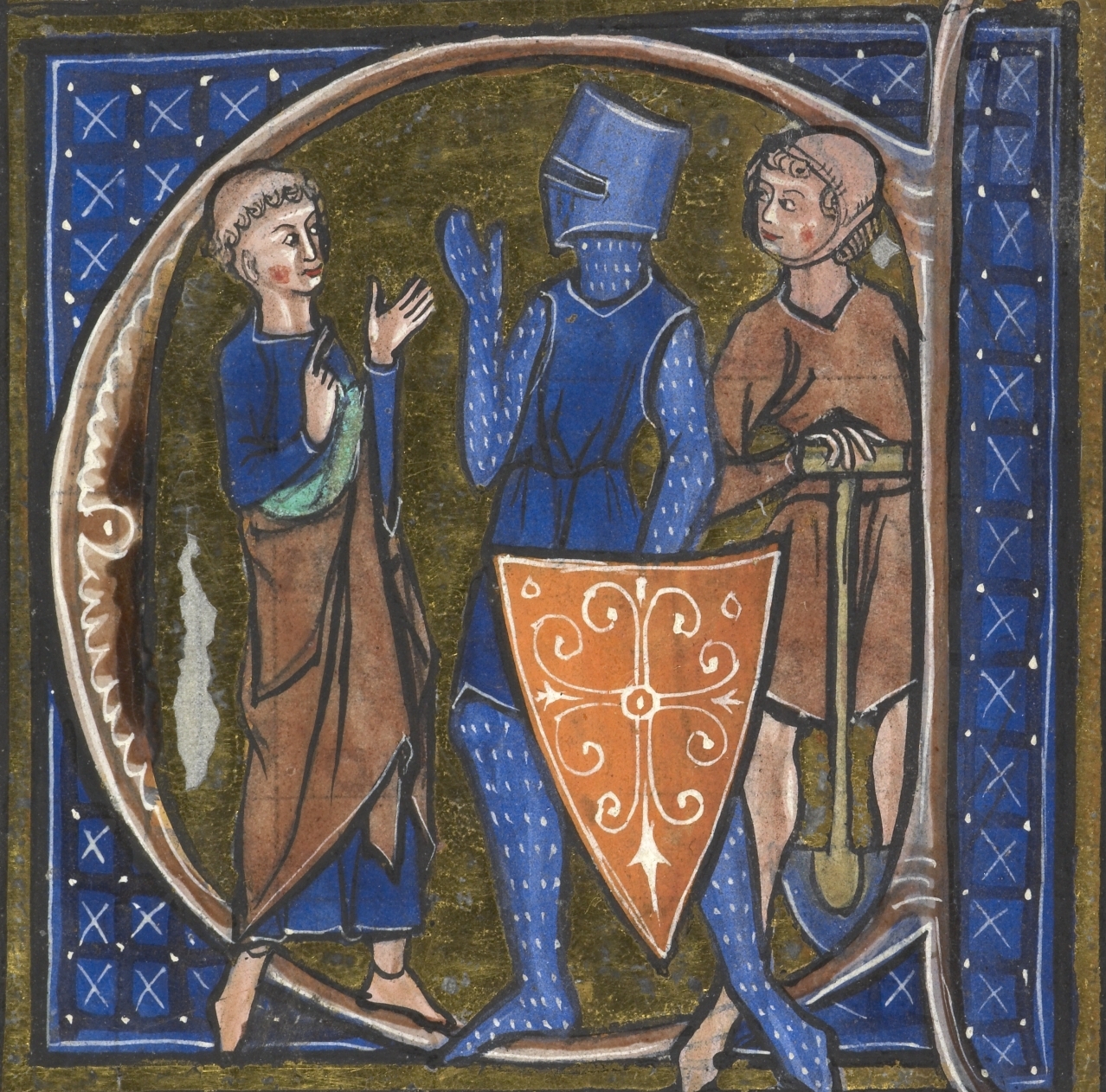
A 13th-century French representation of the tripartite social order of the Middle AgesOratores ("those who pray"), Bellatores ("those who fight"), and Laboratores ("those who work").

The estates of the realm, or three estates, were the broad orders of social hierarchy used in Christendom from the Middle Ages to early modern Europe. Different systems for dividing society members into estates developed and evolved over time.[1][2]

  • The best known system is the French Ancien Régime (Old Regime), a three-estate system which was made up of a First Estate of clergy, a Second Estate of titled nobles, and a Third Estate of all other subjects (both peasants and bourgeoisie).
  • In some regions, notably Sweden and Russia, burghers (the urban merchant class) and rural commoners were split into separate estates, creating a four-estate system with rural commoners ranking the lowest as the Fourth Estate.
  • In Norway, the taxpaying classes were considered as one, and with a very small aristocracy; this class/estate was as powerful as the monarchy itself. In Denmark, however, only owners of large tracts of land had any influence. Furthermore, the non-landowning poor could be left outside the estates, leaving them without political rights.
  • In England, a two-estate system evolved that combined nobility and clergy into one lordly estate with "commons" as the second estate. This system produced the two houses of parliament, the House of Commons and the House of Lords.
  • In southern Germany, a three-estate system of nobility (princes and high clergy), knights, and burghers was used; this system excluded lower clergy and peasants altogether.
  • In Scotland, the Three Estates were the Clergy (First Estate), Nobility (Second Estate), and Shire Commissioners, or "burghers" (Third Estate), representing the bourgeoisie and lower commoners. The Estates made up a Scottish Parliament.

Today, the terms three estates and estates of the realm may sometimes be reinterpreted to refer to the modern separation of powers in government into the legislature, administration, and the judiciary.[citation needed] The modern term the fourth estate invokes medieval three-estate systems, and usually refers to some particular force outside that medieval power structure, most commonly the independent press or the mass media.[3][4]

Social mobility

[edit]
The Three Estates of Christendom by Bartholomäus Bruyn c. 1535

During the Middle Ages, advancing to different social classes was uncommon and difficult, and when it did happen, it generally took the form of a gradual increase in status over several generations of a family rather than within a single lifetime.

One field in which commoners could appreciably advance within a single lifetime was the Church. The medieval Church was an institution where social mobility was most likely achieved up to a certain level (generally to that of vicar general or abbot/abbess for commoners). Typically, only nobility were appointed to the highest church positions (bishops, archbishops, heads of religious orders, etc.), although low nobility could aspire to the highest church positions. Since clergy could not marry, such mobility was theoretically limited to one generation. Nepotism was common in this period.

Dynamics

[edit]

Johan Huizinga observed that "Medieval political speculation is imbued to the marrow with the idea of a structure of society based upon distinct orders".[5] The virtually synonymous terms estate and order designated a great variety of social realities, not at all limited to a class, Huizinga concluded applying to every social function, every trade, every recognisable grouping.

There are, first of all, the estates of the realm, but there are also the trades, the state of matrimony and that of virginity, the state of sin. At court, there are the 'four estates of the body and mouth': bread-masters, cup-bearers, carvers, and cooks. In the Church, there are sacerdotal orders and monastic orders. Finally there are the different orders of chivalry.[5]

Satire of the three estates from 1789; the hard-working Third Estate carries the lazy nobility and clergy. The legend reads A faut espérer q[u]'eu jeu là finira b[i]entôt ("Hopefully, this game will be over soon"), prefiguring the French Revolution.

This static view of society was predicated on inherited positions. Commoners were universally considered the lowest order. The higher estates' necessary dependency on the commoners' production, however, often further divided the otherwise equal common people into burghers (also known as bourgeoisie) of the realm's cities and towns, and the peasants and serfs of the realm's surrounding lands and villages. A person's estate and position within it were usually inherited from the father and his occupation, similar to a caste within that system. In many regions and realms, there also existed population groups born outside these specifically defined resident estates.

The estates of the realm were not merely descriptive or informal divisions. The legal and political status of a person was strongly dependent on his estate. Medieval law was usually not codified or uniform, but the sources of law were diverse. Different laws applied to different estates, and the estates held distinct privileges. A nobleman or cleric could not be sentenced by an ordinary court. One set of laws governed the conduct of the merchants, another governed the feudal system, and the church was governed by its own laws. The application of canon law, which originated in the church, was more widespread than in modern times.[6] The expressions of these rights varied by country. For instance, in Sweden, the right to conduct international trade was subject to licensing and typically only given to burghers. In some countries, non-nobles were legally prohibited from wearing clothing that was considered too luxurious by sumptuary laws.

Legislative bodies or advisory bodies to a monarch were traditionally grouped along lines of these estates, with the monarch above all three estates. Meetings of the estates of the realm became early legislative and judicial parliaments. Monarchs often sought to legitimize their power by requiring oaths of fealty from the estates. Today, in most countries, the estates have lost all their legal privileges, and are mainly of historical interest. The nobility may be an exception, for instance due to legislation against false titles of nobility.

One of the earliest political pamphlets to address these ideas was called "What Is the Third Estate?" (French: Qu'est-ce que le tiers-état?) It was written by Abbé Emmanuel Joseph Sieyès in January 1789, shortly before the start of the French Revolution.

Background

[edit]

The hereditary status of the estates had a precursor in Emperor Diocletian's reforms in the 3rd century, where Diocletian made certain "essential" occupations hereditary. Peasants became tied to their land, and sons of soldiers were forcibly conscripted to the army. Essential occupations included also bakers, armorers, tenant farmers and members of town councils. This significantly restricted social mobility.[7] In essence, by establishing hereditary occupations, which later became the estates of the realm of medieval Europe, Diocletian laid the foundation for feudalism, the political system that would reign over Europe for the following thousand years.[8] Emperor Constantine further entrenched these policies and widened their application in the 4th century.

After the fall of the Western Roman Empire, numerous geographic and ethnic kingdoms developed among the endemic peoples of Europe, affecting their day-to-day secular lives; along with those, the growing influence of the Catholic Church and its Papacy affected the ethical, moral and religious lives and decisions of all. This led to mutual dependency between the secular and religious powers for guidance and protection, but over time and with the growing power of the kingdoms, competing secular realities increasingly diverged from religious idealism and Church decisions.

The new lords of the land identified themselves primarily as warriors, but because new technologies of warfare were expensive, and the fighting men required substantial material resources and considerable leisure to train, these needs had to be filled. The economic and political transformation of the countryside in the period were filled by a large growth in population, agricultural production, technological innovations and urban centers; movements of reform and renewal attempted to sharpen the distinction between clerical and lay status, and power, recognized by the Church also had their effect.

In his book The Three Orders: Feudal Society Imagined, the French medievalist Georges Duby has shown that in the period 1023–1025 the first theorist who justified the division of European society into the three estates of the realm was Gerard of Florennes, the bishop of Cambrai.[9]

French miniature depicting the Three Estates, with King Charles VII at centre, 1400/50

As a result of the Investiture Controversy of the late 11th and early 12th centuries, the powerful office of Holy Roman Emperor lost much of its religious character and retained a more nominal universal preeminence over other rulers, though it varied. The struggle over investiture and the reform movement also legitimized all secular authorities, partly on the grounds of their obligation to enforce discipline.[10]

In the 11th and 12th centuries, thinkers argued that human society consisted of three orders: those who pray, those who fight, and those who labour. The structure of the first order, the clergy, was in place by 1200 and remained singly intact until the religious reformations of the 16th century. The second order, those who fight, was the rank of the politically powerful, ambitious, and dangerous. Kings took pains to ensure that it did not resist their authority. The general category of those who labour (specifically, those who were not knightly warriors or nobles) diversified rapidly after the 11th century into the lively and energetic worlds of peasants, skilled artisans, merchants, financiers, lay professionals, and entrepreneurs, which together drove the European economy to its greatest achievements.[11]

By the 12th century, most European political thinkers agreed that monarchy was the ideal form of governance. This was because it imitated on earth the model set by God for the universe; it was the form of government of the ancient Hebrews and the Christian Biblical basis, the later Roman Empire, and also the peoples who succeeded Rome after the 4th century.[10]

Kingdom of France

[edit]

France under the Ancien Régime (before the French Revolution) divided society into three estates: the First Estate (clergy); the Second Estate (nobility); and the Third Estate (commoners). The king was not part of any estate.

Representation of the Three Estates under the lordship of Jesus Christ. They are labeled Tu supplex ora (you pray), Tu protege (you protect), Tuque labora (and you work).

First Estate

[edit]

The First Estate comprised the entire clergy and the religious orders, traditionally divided into "higher" and "lower" clergy. Although there was no formally recognized demarcation between the two categories, the upper clergy were, effectively, clerical nobility, from Second Estate families. In the time of Louis XVI, every bishop in France was a nobleman, a situation that had not existed before the 18th century.[12]

The "lower clergy" (about equally divided between parish priests, monks, and nuns) constituted about 90 percent of the First Estate, which in 1789 numbered around 130,000 (about 0.5% of the population).[citation needed]

Second Estate

[edit]

The Second Estate (deuxieme état) was the French nobility and (technically, though not in common use) royalty, other than the monarch himself, who stood outside of the system of estates.

The Second Estate is traditionally divided into noblesse d'épée ("nobility of the sword"), and noblesse de robe ("nobility of the robe"), the magisterial class that administered royal justice and civil government.

The Second Estate constituted approximately 1.5% of France's population.[citation needed] Under the ancien régime ("old rule/old government", i.e. before the revolution), the Second Estate were exempt from the corvée royale (forced labor on the roads) and from most other forms of taxation such as the gabelle (salt tax), and most important, the taille (France's oldest form of direct taxation). This exemption from paying taxes was a major reason for their opposition to political reform.

Third Estate

[edit]

The Third Estate (Tiers état) comprised all of those who were not members of either of the above, and can be divided into two groups, urban and rural, together making up over 98% of France's population.[13] The urban included wage-labourers. The rural included free peasants (who owned their own land and could be prosperous) and villeins (serfs, or peasants working on a noble's land). The free peasants paid disproportionately high taxes compared to the other Estates and were unhappy because they wanted more rights. In addition, the First and Second Estates relied on the labour of the Third, which made the latter's inferior status all the more glaring.

There were an estimated 27 million paysans in the Third Estate when the French Revolution started.

They had a hard life of physical labour and food shortages.[14] Most people were born in this group, and most remained in it for their entire lives. It was extremely rare for people of this ascribed status to become part of another estate; those who did were usually being rewarded for extraordinary bravery in battle, or entering religious life.[15] A few commoners were able to marry into the Second Estate, but this was a rare occurrence.[15]

Estates General

[edit]

The Estates General (not to be confused with a "class of citizen") was a general citizens' assembly that was first called by Philip IV in 1302 and then met intermittently at the request of the King until 1614; after that, it was not called again for over 170 years.

In the period leading up to the Estates General of 1789, France was in the grip of an unmanageable public debt.[16][17] In May 1776, finance minister Turgot was dismissed, after failing to enact reforms. The next year, Jacques Necker, a foreigner, was appointed Controller-General of Finances. (He could not officially be made the finance minister because he was a Protestant.)[18] Drastic inflation and simultaneous scarcity of food created a major famine in the winter of 1788–89. This led to widespread discontent, and produced a group of Third Estate representatives (612 exactly) pressing a comparatively radical set of reforms, much of it in alignment with the goals of acting finance minister Jacques Necker, but very much against the wishes of Louis XVI's court and many of the hereditary nobles who were his Second Estate allies (allies at least to the extent that they were against being taxed themselves and in favour of maintaining high taxation for commoners).

Louis XVI called a meeting of the Estates General to deal with the economic problems and quell the growing discontent, but when he could not persuade them to rubber-stamp his 'ideal program', he sought to dissolve the assembly and take legislation into his own hands. However, the Third Estate held out for their right to representation. The lower clergy (and some nobles and upper clergy) eventually sided with the Third Estate, and the King was forced to yield. Thus, the 1789 Estates General meeting became an invitation to revolution.

By June, when continued impasses led to further deterioration in relations, the Estates General was reconstituted in a different form, first as the National Assembly (June 17, 1789), seeking a solution independent of the King's management. (The Estates General, under that name and directed by the King, did continue to meet occasionally.) These independently-organized meetings are now seen as the epoch event of the French Revolution, during which – after several more weeks of civil unrest – the body assumed a new status as a revolutionary legislature, the National Constituent Assembly (July 9, 1789).[19][full citation needed]

This unitary body of former representatives of the three estates began governing, along with an emergency committee, in the power vacuum after the Bourbon monarchy fled from Paris. Among the Assembly was Maximilien Robespierre, an influential president of the Jacobins who would years later become instrumental in the turbulent period of violence and political upheaval in France known as the Reign of Terror (5 September 1793 – 28 July 1794).[19]

Great Britain and Ireland

[edit]

Whilst the estates were never formulated in a way that prevented social mobility, the English (subsequently the British) parliament was formed along the classic estate lines, being composed of the "Lords Spiritual and Temporal, and Commons". The tradition where the Lords Spiritual and Temporal sat separately from the Commons began during the reign of Edward III in the 14th century.

Notwithstanding the House of Lords Act 1999, the British Parliament still recognises the existence of the three estates: the Commons in the House of Commons, the nobility (Lords Temporal) in the House of Lords, and the clergy in the form of the Church of England bishops also entitled to sit in the upper House as the Lords Spiritual.

Scotland

[edit]

The members of the Parliament of Scotland were collectively referred to as the Three Estates (Older Scots: Thre Estaitis), also known from 1290 as the community of the realm (Latin: communitas regni),[20] and until 1690 composed of:

The First Estate was overthrown during the Glorious Revolution and the accession of William III.[21] The Second Estate was then split into two to retain the division into three.

A shire commissioner was the closest equivalent of the English office of Member of Parliament, namely a commoner or member of the lower nobility. Because the Parliament of Scotland was unicameral, all members sat in the same chamber, as opposed to the separate English House of Lords and House of Commons.

The parliament also had university constituencies (see Ancient universities of Scotland). The system was also adopted by the Parliament of England when James VI ascended to the English throne. It was believed that the universities were affected by the decisions of Parliament and ought therefore to have representation in it. This continued in the Parliament of Great Britain after 1707 and the Parliament of the United Kingdom until 1950.[22]

Ireland

[edit]

After the 12th-century Norman invasion of Ireland, administration of the Anglo-Norman Lordship of Ireland was modelled on that of the Kingdom of England. As in England, the Parliament of Ireland evolved out of the Magnum Concilium "great council" summoned by the chief governor of Ireland, attended by the council (curia regis), magnates (feudal lords), and prelates (bishops and abbots). Membership was based on fealty to the king, and the preservation of the king's peace, and so the fluctuating number of autonomous Irish Gaelic kings were outside of the system; they had their own local brehon law taxation arrangements. Elected representatives are first attested in 1297 and continually from the later 14th century. In 1297, counties were first represented by elected knights of the shire (sheriffs had previously represented them). In 1299, towns were represented. From the 14th century, a distinction from the English parliament was that deliberations on church funding were held in Parliament rather than in Convocation. The separation of the Irish House of Lords from the elected Irish House of Commons had developed by the fifteenth century. The clerical proctors elected by the lower clergy of each diocese formed a separate house or estate until 1537, when they were expelled for their opposition to the Irish Reformation.[23] The Parliament of Ireland was dissolved after the Act of Union 1800, and instead Ireland was joined to the Kingdom of Great Britain to form the United Kingdom; 100 Irish MPs instead represented the Third Estate in the House of Commons in London, while a selection of hereditary peers (typically about 28 representative peers) represented the Irish nobility in the House of Lords. In addition, four seats as Lords Spiritual were reserved for Church of Ireland clergy: one archbishop and three bishops at a time, alternating place after each legislative session. After the disestablishment of the Church of Ireland in 1871, no more seats were created for Irish bishops.[24]

Sweden and Finland

[edit]

The Estates in Sweden (including Finland) and later also Russia's Grand Duchy of Finland were the two higher estates, nobility and clergy, and the two lower estates, burghers and land-owning peasants. Each were free men, and had specific rights and responsibilities, and the right to send representatives to the Riksdag of the Estates. The Riksdag, and later the Diet of Finland was tetracameral: at the Riksdag, each Estate voted as a single body. Since early 18th century, a bill needed the approval of at least three Estates to pass, and constitutional amendments required the approval of all Estates. Prior to the 18th century, the King had the right to cast a deciding vote if the Estates were split evenly.

After Russia's conquest of Finland in 1809, the estates in Finland swore an oath to the Emperor in the Diet of Porvoo. A Finnish House of Nobility was codified in 1818 in accordance with the old Swedish law of 1723. However, after the Diet of Porvoo, the Diet of Finland was reconvened only in 1863. In the meantime, for a period of 54 years, the country was governed only administratively.

There was also a population outside the estates. Unlike in other areas, people had no "default" estate, and were not peasants unless they came from a land-owner's family. A summary of this division is:

  • Nobility (see Finnish nobility and Swedish nobility) was exempt from tax, had an inherited rank and the right to keep a fief, and had a tradition of military service and government. Nobility was codified in 1280 with the Swedish king granting exemption from taxation (frälse) to land-owners that could equip a cavalryman (or be one themselves) for the king's army. Around 1400, letters patent were introduced, in 1561 the ranks of Count and Baron were added, and in 1625 the House of Nobility was codified as the First Estate of the land. Following Axel Oxenstierna's reform, higher government offices were open only to nobles. However, the nobility still owned only their own property, not the peasants or their land as in much of Europe. Heads of the noble houses were hereditary members of the assembly of nobles. The Nobility is divided into titled nobility (counts and barons) and lower nobility. Until the 18th century, the lower nobility was in turn divided into Knights and Esquires such that each of the three classes would first vote internally, giving one vote per class in the assembly. This resulted in great political influence for the higher nobility.
  • Clergy, or priests, were exempt from tax, and collected tithes for the church. After the Swedish Reformation, the church became Lutheran. In later centuries, the estate included teachers of universities and certain state schools. The estate was governed by the state church which consecrated its ministers and appointed them to positions with a vote in choosing diet representatives.
  • Burghers were city-dwellers, tradesmen and craftsmen. Trade was allowed only in the cities when the mercantilistic ideology had got the upper hand, and the burghers had the exclusive right to conduct commerce within the framework of guilds. Entry to this Estate was controlled by the autonomy of the towns themselves. Peasants were allowed to sell their produce within the city limits, but any further trade, particularly foreign trade, was allowed only for burghers. In order for a settlement to become a city, a royal charter granting market right was required, and foreign trade required royally chartered staple port rights. After the annexation of Finland into Imperial Russia in 1809, mill-owners and other proto-industrialists would gradually be included in this estate.
  • Peasants were land-owners of land-taxed farms and their families (comparable in status to yeomen in England), which represented the majority in medieval times. Since most of the population were independent farmer families until the 19th century, not serfs nor villeins, there is a remarkable difference in tradition compared to other European countries. Entry was controlled by ownership of farmland, which was not generally for sale but a hereditary property. After 1809, Swedish tenants renting a large enough farm (ten times larger than what was required of peasants owning their own farm) were included as well as non-nobility owning tax-exempt land. Their representatives to the Diet were elected indirectly: each municipality sent electors to elect the representative of an electoral district.
  • To no estate belonged propertyless cottagers, villeins, tenants of farms owned by others, farmhands, servants, some lower administrative workers, rural craftsmen, travelling salesmen, vagrants, and propertyless and unemployed people (who sometimes lived in strangers' houses). To reflect how the people belonging to the estates saw them, the Finnish word for "obscene", säädytön, has the literal meaning "estateless". They had no political rights and could not vote. Their mobility was severely limited by the policy of "legal protection" (Finnish: laillinen suojelu): every estateless person had to be employed by a taxed citizen from the estates, or they could be charged with vagrancy and sentenced to forced labor. In Finland, this policy lasted until 1883.[25]

In Sweden, the Riksdag of the Estates existed until it was replaced with a bicameral Riksdag in 1866, which gave political rights to anyone with a certain income or property. Nevertheless, many of the leading politicians of the 19th century continued to be drawn from the old estates, in that they were either noblemen themselves, or represented agricultural and urban interests. Ennoblements continued even after the estates had lost their political importance, with the last ennoblement of explorer Sven Hedin taking place in 1902; this practice was formally abolished with the adoption of the new Constitution January 1, 1975, while the status of the House of Nobility continued to be regulated in law until 2003.

In Finland, this legal division existed until 1906, still drawing on the Swedish constitution of 1772. However, at the start of the 20th century most of the population did not belong to any Estate and had no political representation. A particularly large class were the rent farmers, who did not own the land they cultivated but had to work in the land-owner's farm to pay their rent (unlike Russia, there were no slaves or serfs.) Furthermore, the industrial workers living in the city were not represented by the four-estate system.

The political system was reformed as a result of the Finnish general strike of 1905, with the last Diet instituting a new constitutional law to create the modern parliamentary system, ending the political privileges of the estates. The post-independence constitution of 1919 forbade ennoblement, and all tax privileges were abolished in 1920. The privileges of the estates were officially and finally abolished in 1995,[26] although in legal practice, the privileges had long been unenforceable. As in Sweden, the nobility has not been officially abolished and records of nobility are still voluntarily maintained by the Finnish House of Nobility.

In Finland, it is still illegal and punishable by jail time (up to one year) to defraud into marriage by declaring a false name or estate (Rikoslaki 18 luku § 1/Strafflagen 18 kap. § 1).

Low Countries

[edit]

The Low Countries, which until the late sixteenth century consisted of several counties, prince bishoprics, duchies etc. in the area that is now modern Belgium, Luxembourg and the Netherlands, had no States General until 1464, when Duke Philip of Burgundy assembled the first States General in Bruges. Later in the 15th and 16th centuries, Brussels became the place where the States General assembled. On these occasions, deputies from the States of the various provinces (as the counties, prince-bishoprics and duchies were called) asked for more liberties. For this reason, the States General were not assembled very often.

As a consequence of the Union of Utrecht in 1579 and the events that followed afterwards, the States General declared that they no longer obeyed King Philip II of Spain, who was also overlord of the Netherlands. After the reconquest of the southern Netherlands (roughly Belgium and Luxemburg), the States General of the Dutch Republic first assembled permanently in Middelburg, and in The Hague from 1585 onward. Without a king to rule the country, the States General became the sovereign power. It was the level of government where all things were dealt with that were of concern to all the seven provinces that became part of the Republic of the United Netherlands.

During that time, the States General were formed by representatives of the States (i.e. provincial parliaments) of the seven provinces. In each States (a plurale tantum) sat representatives of the nobility and the cities (the clergy were no longer represented; in Friesland the peasants were indirectly represented by the Grietmannen).

In the Southern Netherlands, the last meetings of the States General loyal to the Habsburgs took place in the Estates General of 1600 and the Estates General of 1632.

As a government, the States General of the Dutch Republic were abolished in 1795. A new parliament was created, called Nationale Vergadering (National Assembly). It no longer consisted of representatives of the States, let alone the Estates: all men were considered equal under the 1798 Constitution. Eventually, the Netherlands became part of the French Empire under Napoleon (1810: La Hollande est reunie à l'Empire).

After regaining independence in November 1813, the name "States General" was resurrected for a legislature constituted in 1814 and elected by the States-Provincial. In 1815, when the Netherlands were united with Belgium and Luxemburg, the States General were divided into two chambers: the First Chamber and the Second Chamber. The members of the First Chamber were appointed for life by the King, while the members of the Second Chamber were elected by the members of the States Provincial. The States General resided in The Hague and Brussels in alternate years until 1830, when, as a result of the Belgian Revolution, The Hague became once again the sole residence of the States General, Brussels instead hosting the newly founded Belgian Parliament.

From 1848 on, the Dutch Constitution provides that members of the Second Chamber be elected by the people (at first only by a limited portion of the male population; universal male and female suffrage exists since 1919), while the members of the First Chamber are chosen by the members of the States Provincial. As a result, the Second Chamber became the most important. The First Chamber is also called Senate. This however, is not a term used in the Constitution.

Occasionally, the First and Second Chamber meet in a Verenigde Vergadering (Joint Session), for instance on Prinsjesdag, the annual opening of the parliamentary year, and when a new king is inaugurated.

Holy Roman Empire

[edit]
Image of the Three Estates under the Trinity in heaven (Tyrol, 1800)

The Holy Roman Empire had the Imperial Diet (Reichstag). The clergy was represented by the independent prince-bishops, prince-archbishops and prince-abbots of the many monasteries. The nobility consisted of independent aristocratic rulers: secular prince-electors, kings, dukes, margraves, counts and others. Burghers consisted of representatives of the independent imperial cities. Many peoples whose territories within the Holy Roman Empire had been independent for centuries had no representatives in the Imperial Diet, and this included the Imperial Knights and independent villages. The power of the Imperial Diet was limited, despite efforts of centralization.

Large realms of the nobility or clergy had estates of their own that could wield great power in local affairs. Power struggles between ruler and estates were comparable to similar events in the history of the British and French parliaments.

The Swabian League, a significant regional power in its part of Germany during the 15th Century, also had its own kind of Estates, a governing Federal Council comprising three Colleges: those of Princes, Cities, and Knights.

Russian Empire

[edit]

In the late Russian Empire, the estates were called sosloviyes. The four major estates were: nobility (dvoryanstvo), clergy, rural dwellers, and urban dwellers, with a more detailed stratification therein. The division in estates was of mixed nature: traditional, occupational, as well as formal: for example, voting in Duma was carried out by estates. Russian Empire Census recorded the reported estate of a person.

Kingdom of Portugal

[edit]

In the Medieval Kingdom of Portugal, the "Cortes" was an assembly of representatives of the estates of the realm – the nobility, clergy and bourgeoisie. It was called and dismissed by the King of Portugal at will, at a place of his choosing.[27] Cortes which brought all three estates together are sometimes distinguished as "Cortes-Gerais" (General Courts), in contrast to smaller assemblies which brought only one or two estates, to negotiate a specific point relevant only to them.[28]

Principality of Catalonia

[edit]

The Parliament of Catalonia was first established in 1283 as the Catalan Courts (Catalan: Corts Catalanes), according to American historian Thomas Bisson, and it has been considered by several historians as a model of medieval parliament. For instance, English historian of constitutionalism Charles Howard McIlwain wrote that the General Court of Catalonia, during the 14th century, had a more defined organization and met more regularly than the parliaments of England or France.[29]

The roots of the parliament institution in Catalonia are in the Peace and Truce Assemblies (assemblees de pau i treva) that started in the 11th century. The members of the Catalan Courts were organized in the Three Estates (Catalan: Tres Estats or Tres Braços):

  • the "military estate" (braç militars) with representatives of the feudal nobility
  • the "ecclesiastical estate" (braç eclesiàstic) with representatives of the religious hierarchy
  • the "royal estate" (braç reial or braç popular) with representatives of the free municipalities under royal privilege

The parliamentary institution was abolished in 1716, together with the rest of institutions of the Principality of Catalonia, after the War of the Spanish Succession.

See also

[edit]

Location-specific

[edit]

General

[edit]

Notes

[edit]

References

[edit]
[edit]
Revisions and contributorsEdit on WikipediaRead on Wikipedia
from Grokipedia
The estates of the realm were the three principal social orders that formed the hierarchical structure of medieval and early modern Christian , consisting of the First Estate (), the Second Estate (), and the Third Estate (commoners including peasants, burghers, and laborers). This tripartite division, articulated by 11th- and 12th-century theologians as "those who pray" (oratores), "those who fight" (bellatores), and "those who work" (laboratores), assigned complementary functions to each estate: spiritual intercession and moral guidance to the , military protection and secular rule to the , and economic production to the commoners, thereby sustaining feudal interdependence under a divinely sanctioned order. The estates provided the framework for political representation in consultative assemblies across , such as France's Estates-General, Spain's Cortes, and England's , where delegates from each order advised monarchs on matters like taxation and war, though the and often held disproportionate influence due to their exemptions from certain burdens like the in . While the system fostered social stability for centuries by aligning roles with perceived natural and theological realities, its rigid privileges—exemplified by the and 's immunity from direct taxes despite comprising less than 2% of the population—generated causal tensions that intensified with commercial growth, urban expansion, and absolutist centralization, ultimately contributing to its erosion during the .

Definition and Origins

Conceptual Framework and Etymology

The of the estates of the realm delineates a tripartite social prevalent in medieval , dividing society into the (oratores, those who pray), the (bellatores, those who fight), and the commoners (laboratores, those who work). This model portrayed society as an organic whole sustained by complementary functions: the ensured spiritual welfare and divine favor, the provided martial defense against external threats and internal disorder, and the commoners generated the agricultural and artisanal output necessary for subsistence. The framework served to legitimize feudal inequalities by aligning them with theological imperatives, positing that deviation from these roles disrupted cosmic harmony. The doctrine's formulation emerged amid the socio-political upheavals of the post-Carolingian era, with explicit articulations in the early 11th century. Bishop Gerard I of Cambrai outlined the orders in an oration around 1023–1025 at the Peace of Amiens-Corbie, invoking them to exhort peace and delineate responsibilities amid Viking incursions and seigneurial violence. Contemporaneously, Bishop Adalbero of referenced the tripartite structure in a poem addressed to (r. 996–1031), reinforcing the idea that the king's authority rested on harmonizing these interdependent groups. These texts adapted earlier fragmentary notions from 9th-century monastic writings and King Alfred the Great's (r. 871–899) educational reforms, which echoed classical and biblical precedents for social division, but adapted them to justify emerging feudal lordship. Etymologically, "estate" traces to Latin status ("state, condition, or position"), transmitted via estat (12th century), connoting rank, dignity, or corporate body within the . The compound "estates of the realm" thus denoted the principal social conditions or orders comprising the kingdom, evolving by the 13th century to signify representative assemblies like the English or French États Généraux, where these groups convened to advise the . This terminology underscored the estates' quasi-constitutional role, distinct from mere classes, as each possessed inherited privileges, exemptions, and duties enforceable by custom and .

Historical Development in Medieval Christendom

![Cleric, Knight, and Workman representing the three estates][float-right] The tripartite division of into those who pray, those who fight, and those who work originated in the ideological framework of medieval , emerging as a response to the socio-economic structures of and the need for a divinely sanctioned . This model, known as the tres ordines, drew on biblical analogies such as the in 1 Corinthians 12, where different members perform distinct functions for the whole, but was adapted to justify the hierarchical interdependence of , , and commoners amid the fragmentation following the Carolingian Empire's decline. Early precursors appeared in the , with writers like of distinguishing oratores (pray-ers) and laboratores (workers), though the warrior class (bellatores) remained undifferentiated from laborers in functional terms. The model's crystallization occurred in the early 11th century, particularly through the writings of Bishop Adalbero of Laon, who in his satirical poem Carmen ad Rotbertum regem (composed between 1023 and 1027) to King explicitly delineated the three orders: the sustaining society through prayer and sacraments, the defending it through arms, and the laborers feeding it through toil. Adalbero's framework emphasized mutual obligation, with each estate fulfilling irreplaceable roles to maintain cosmic harmony, reflecting a causal view of social stability rooted in functional specialization rather than mere . Contemporaneously, Bishop Gerard of echoed this in his writings around 1025, reinforcing the tripartite ideology amid concerns over social upheaval and monastic reforms. These articulations, grounded in authority, served to legitimize the church's spiritual supremacy while accommodating the military aristocracy's rise in a decentralized . By the 12th century, the three estates ideology permeated theological and political discourse, influencing assemblies like the early precursors to estates-general and literary works that satirized or upheld the order, such as those by and later . This development coincided with the ' economic revival, including the growth of towns, yet the model persisted by subsuming urban merchants and artisans under the third estate, prioritizing agrarian laborers as the foundational providers. The framework's durability stemmed from its alignment with observable causal realities—spiritual guidance, physical protection, and material production as prerequisites for societal survival—rather than egalitarian ideals, though internal tensions, such as clerical critiques of noble violence or peasant revolts, periodically challenged its idealized interdependence.

The Standard Three Estates Model

First Estate: Clergy

The First Estate, comprising the clergy, represented those who prayed (oratores) in the medieval tripartite division of society into orders responsible for spiritual, martial, and productive functions, a framework articulated by Bishop Adalbero of Laon around 1020. This estate encompassed members of the Christian church hierarchy, primarily in Catholic Europe, who were tasked with administering sacraments, preserving doctrine, and providing moral guidance to the populace. Clergymen, from parish priests to bishops and abbots, held a position of spiritual authority derived from their perceived divine mandate, influencing societal norms through preaching and confession. In terms of composition, the First Estate included ( and bishops serving parishes and dioceses) and regular (monks, nuns, and friars in monastic orders), with higher often drawn from noble families and lower from varied backgrounds including commoners. By the late in , a key exemplar of the estates system, the numbered approximately 130,000 individuals, constituting less than 1% of the of about 25 million. The estate's internal divisions reflected broader social hierarchies, with archbishops and bishops enjoying aristocratic lifestyles while many rural lived modestly among peasants. Economically, the wielded substantial power through land ownership and revenue collection, owning around 10% of in pre-revolutionary , which generated income via rents and feudal dues from tenants. They were exempt from most direct taxes, such as the , relying instead on tithes—a compulsory 10% levy on agricultural produce from the —to fund operations, yielding roughly 150 million livres annually by the . This fiscal privilege stemmed from the church's role in maintaining social order and charity, though it often led to tensions with the Third Estate over perceived inequities. Monastic estates further amplified this wealth, with orders like the controlling vast tracts cultivated by lay laborers. Politically, the First Estate participated in assemblies like the Estates-General, where it held one vote as a body, advocating for ecclesiastical interests such as maintaining tithes and opposing secular encroachments on church autonomy. influenced governance through advisory roles to monarchs and control over education and record-keeping, fostering literacy among elites while reinforcing feudal loyalties. Despite these privileges, the estate faced criticism for absentee bishops and , practices that undermined its moral authority by the Enlightenment era.

Second Estate: Nobility

The Second Estate comprised the nobility, conceptualized in medieval European society as the bellatores or "those who fight," responsible for military defense and maintaining order against external threats and internal disorder. This role stemmed from the feudal system, where nobles received land grants (fiefs) in return for providing armed service, typically supplying a quota of knights to their overlord or the king, as formalized in oaths of homage and fealty from the ninth century onward. The estate's identity as warriors distinguished it from the clergy's spiritual duties and the commoners' labor, forming the protective backbone of Christendom's hierarchical order. In pre-revolutionary , the nobility numbered approximately 400,000 individuals, representing 1.5 percent of the yet controlling 25 percent of the through that generated via rents, seigneurial dues, and feudal monopolies such as milling and baking rights. Divided into the noblesse d'épée—ancient lineages validated by heritage—and the noblesse de robe—newer elites who acquired titles through administrative or judicial service—the Second Estate dominated key institutions like the army officer corps and parlements. Nobles exercised local justice via high courts (bailliages) and held exclusive rights to certain hunts and heraldic symbols, reinforcing their social preeminence. Privileges included blanket exemptions from direct taxation like the taille and gabelle, predicated on the estate's historical obligation to bear arms, though commutation into monetary payments became common by the sixteenth century, reducing active military involvement for many. Economic interdependence tied nobles to peasant labor, as they lacked incentives for innovation amid tax immunities and reliance on fixed feudal revenues, contributing to agrarian stagnation. Representation in assemblies such as the Estates-General occurred by order rather than population, with each estate holding one vote, amplifying noble influence despite numerical minority. Stratification within the pitted grandees at Versailles, who monopolized royal favor and pensions, against impoverished provincial knights (hobereaux) burdened by entailment laws preserving estates but hindering adaptation. While the estate's martial ethos waned with professional armies post-1660s under , its legal exemptions and cultural prestige persisted until abolition in , reflecting a causal disconnect between outdated privileges and emerging merit-based economies.

Third Estate: Commoners

The Third Estate encompassed all individuals not belonging to the or , forming the vast majority of the population in pre-revolutionary , approximately 98 percent. This group included rural peasants, who constituted about 80 to 88 percent of the total populace and primarily engaged in agriculture, as well as urban dwellers such as artisans, laborers, merchants, and the emerging . Unlike the privileged orders, commoners lacked exemptions from direct taxation, bearing the primary fiscal burden through levies like the , while also paying tithes to the church and feudal dues to lords. Internally diverse, the Third Estate featured stark hierarchies: peasants at the base often lived in subsistence conditions, exacerbated by poor harvests, rising bread prices, and poverty impacting 80-90% of peasants, tied to manorial systems with obligations for labor and produce, whereas the —comprising professionals, traders, and manufacturers—gained wealth from and industry, fostering resentment over their exclusion from noble privileges despite economic contributions. These economic hardships intensified dissatisfaction among the Third Estate, contributing to revolutionary pressures in the late 18th century. In medieval , this estate aligned with the laboratores (those who work) in the tripartite schema of society, providing the productive labor essential for sustenance and trade, yet holding minimal political voice beyond occasional representation in bodies like the Estates General. Representation for the Third Estate occurred through elected delegates in assemblies such as France's Estates General, convened irregularly—the last prior to 1789 being in 1614—where voting proceeded by estate rather than by head, diluting the influence of commoners despite their numerical superiority. This structure perpetuated inequalities, as the estate funded the realm's expenditures without corresponding exemptions or seigneurial rights enjoyed by the upper orders, contributing to long-standing grievances over fiscal inequities. Economically interdependent, commoners' labor sustained the estates system, yet their lack of hereditary status barred access to high offices or land ownership free of obligations, reinforcing social rigidity until pressures for reform mounted in the late 18th century.

Variations Across Regions

Emergence of Four or More Estates

In regions of , particularly , the traditional tripartite model of estates evolved to incorporate a distinct fourth estate representing freeholding peasants, reflecting weaker feudal hierarchies and greater rural compared to . This development arose from the need for broader consensus in assemblies convened by monarchs for taxation, warfare, and governance, where independent yeomen wielded influence absent in serf-dominated systems. The separation of urban burghers (merchants and townsfolk) from rural cultivators acknowledged economic specialization and political agency, emerging as urban centers grew in the while peasant communities retained communal land rights and self-defense traditions. Sweden's , first convened in 1435, exemplifies this shift, uniquely granting peasants formal representation as the alongside , , and burghers—a structure unparalleled in most of until its replacement in 1866. Peasant delegates, drawn from freeholders, participated regularly from the late 15th century, advocating for agrarian interests and allying with the crown against noble dominance during events like the and wars of expansion. This model persisted through the 17th-century , where the estates balanced monarchical absolutism, with each house holding power on . Denmark and Norway adopted analogous four-estate frameworks in their assemblies, such as 's Danehof and later provincial diets, where , church, burghers, and negotiated privileges amid royal efforts to centralize power in the 14th–16th centuries. , often organized in guilds or hundreds, secured exemptions from certain taxes and input on land policies, though noble influence predominated until absolutism curtailed assemblies in 1660. These systems contrasted with the French Third Estate's subsumption of disparate commoner groups, highlighting how geographic isolation, sparse population, and reliance on peasant militias fostered their elevation to estate status. Further south, the Crown of Aragon's Cortes developed a quadripartite structure by the 13th century, dividing into ecclesiastical, noble, knightly (infanzón), and union (municipal) estates to address regional autonomies in , , and proper. Knights formed a semi-separate branch of lower , while the union estate aggregated royal towns and villages, enabling fiscal pacts that limited royal authority more than in Castile. This elaboration beyond three estates accommodated Mediterranean trade dynamics and fragmented lordships, influencing early until Habsburg centralization diminished the Cortes in the . Instances of five or more estates were rarer and less standardized, often arising in composite realms like the Holy Roman Empire's diets, where colleges separated electors, princes, prelates, imperial knights, and free cities—effectively multiplying categories for bargaining in the Reichstag from the onward. These variations underscore causal pressures from economic diversification, royal fiscal needs, and local power balances, rather than ideological uniformity, with the four-estate model proving adaptive in less absolutist polities.

Adaptations in Non-Western European Contexts

In Poland-Lithuania, the estates framework diverged markedly from Western models, with the emerging as a broad noble estate by the 14th-15th centuries, encompassing all free knights who held hereditary status and land without strict feudal vassalage to . This group wielded collective sovereignty through the , an assembly primarily representing the nobility alongside limited clerical and urban input, enabling practices like and the from the 16th century onward, which prioritized noble consensus over centralized authority. The absence of rigid sub-noble hierarchies and minimal obligatory military service beyond personal defense reflected adaptations to expansive borderlands, where the maintained autonomy over peasant labor while resisting manorial expansion seen elsewhere in . In the Kingdom of Hungary, the estates incorporated noble, clerical, and urban elements into the Diet by the late medieval period, but noble privileges predominated, with all nobles legally equal and exempt from taxation unless consented via assembly. This structure evolved under the Holy Crown doctrine, emphasizing corporate rights of the estates against royal absolutism, particularly after the 1526 fragmented the realm, leading to tripartite divisions where nobles in allied with Székely and Saxon communities as quasi-estates. Hungarian adaptations emphasized defensive militarization, granting nobles broader land exemptions and judicial autonomy in exchange for border service, contrasting Western feudal ties by fostering a more unified noble estate resistant to Habsburg centralization until the . In Muscovite Russia, pre-Petrine social organization featured as the principal noble estate, convened alongside clergy and town delegates in the assemblies from the 1540s to the early 17th century, which advised the on legislation and taxation but lacked binding authority. Unlike Western estates' contractual representation, Russian variants subordinated estates to autocratic rule, with boyar landholdings (pomestia) tied to conditional service rather than allodial inheritance until the 16th-century reforms under Ivan IV, while peasants faced intensifying bondage formalized in the 1649 Law Code. This system prioritized state service over corporate autonomy, adapting the estates paradigm to Orthodox theocracy and steppe expansion, where clerical estates held fiscal exemptions but derived status from proximity to the . In Bohemian lands, integrated into the by 1526, the estates diet united clergy, high nobility (páni), and knights (vladykové) with town representatives, convening regularly from the to deliberate taxes and grievances, though Habsburg oversight curtailed powers post-1620 Defenestration and White Mountain Battle. Adaptations here blended German imperial models with local Hussite legacies, elevating defenestrated nobles' corporate resistance but ultimately yielding to absolutism, where estates retained advisory roles in provincial assemblies until the . These Eastern and Central variants generally amplified noble amid weaker kingship and Ottoman/Tatar threats, diverging from Western emphases on clerical mediation and burgher ascent.

Societal Roles and Internal Dynamics

Political Representation and Governance

The exerted political influence through representative assemblies convened by monarchs to address fiscal, , and advisory needs, where delegates from the , , and commoners articulated estate-specific interests. These bodies emerged in response to rulers' requirements for consent on taxation and extraordinary levies, particularly during the 13th and 14th centuries amid wars and economic strains in . Representation was structured corporatively, with each estate voting as a bloc—typically one vote per estate—preserving the disproportionate power of the smaller first and second estates over the populous third, despite debates over headcount-based alternatives in later periods. In , these assemblies functioned consultatively rather than legislatively, endorsing royal policies while petitioning for reforms, thereby legitimizing monarchical authority without ceding executive control. The advocated spiritual and moral dimensions, influencing appointments and justice; the focused on defense and feudal rights, often dominating deliberations; and commoners, primarily burghers, emphasized economic burdens like taille exemptions sought by higher estates. This tripartite structure mirrored the societal "," with estates interdependent for holistic rule: prayer for divine sanction, sword for protection, and labor for sustenance, as articulated in medieval political theory. Irregular convocations—such as France's Estates-General, last fully assembled in 1614—highlighted their role as crisis mechanisms rather than routine parliaments, limiting systemic checks on absolutism. Internal dynamics revealed tensions, as higher estates resisted diluting privileges, while commoners pushed for broader inclusion, foreshadowing revolutionary shifts; yet, the model's resilience stemmed from aligning representation with functional societal roles, ensuring governance reflected stratified realities over egalitarian ideals. In regions like the Holy Roman Empire's diets or Scandinavian estates, similar patterns prevailed, with often overrepresented in commissions, underscoring ' role in mediating between local autonomies and central power.

Economic Functions and Interdependence

The of the First Estate derived economic sustenance primarily from tithes, which mandated 10% of agricultural produce and other from parishioners, alongside revenues from church-owned lands that often functioned as managed estates. Monasteries, in particular, treated tithes as a significant stream, sometimes comprising up to a quarter of their total receipts, enabling investments in , milling, and storage infrastructure that bolstered regional . This economic role extended to providing during harvests failures, which helped stabilize peasant labor productivity by preventing widespread destitution. The of the Second Estate controlled the majority of through feudal grants, extracting income via fixed rents, customary dues in kind, and compulsory labor services from bound peasants, who typically devoted two to three days weekly to the lord's for plowing, harvesting, and maintenance. These mechanisms generated surplus for noble households and upkeep, with additional tolls on routes supplementing agrarian rents in more commercialized areas. Lords reinvested portions into manor improvements, such as drainage or , to enhance yields, though much wealth circulated through and warfare rather than broad . Commoners in the Third Estate, encompassing peasants, serfs, artisans, and emerging merchants, formed the productive base, tilling fields under manorial tenure and generating the food surplus essential for societal maintenance, with roughly 90% of the population engaged in . Urban subsets drove nascent by processing raw goods and facilitating markets, gradually shifting some dues from labor to monetary payments as coinage proliferated post-11th century. Their output directly funded the upper estates, as rents and tithes converted peasant labor into consumption and investment. Interdependence underpinned the system's viability: peasants supplied labor and provisions in exchange for noble protection against invasions and banditry, which preserved arable land and trade; nobles, in turn, endowed church institutions whose doctrinal authority reinforced feudal obligations and resolved property disputes via ecclesiastical courts, averting economic paralysis from feuds. Disruptions, such as the Black Death in 1347-1351, exposed vulnerabilities by decimating labor, prompting wage rises and commutations of dues that eroded traditional ties, yet the triad's reciprocal structure—prayer legitimizing rule, arms securing production, work yielding sustenance—sustained agrarian output amid pre-modern constraints. This configuration prioritized stability over efficiency, with surplus extraction ensuring elite functions that indirectly enabled peasant subsistence through defended commons and seasonal charity.

Social Mobility Mechanisms

Social mobility across the estates of the realm was inherently restricted by the hereditary nature of status, with the vast majority of individuals remaining within their birth estate throughout life. Empirical studies of medieval records indicate that upward transitions from the Third Estate to the or occurred infrequently, often requiring exceptional circumstances such as wealth accumulation or royal favor, and were more feasible in the before feudal structures solidified around the . Downward mobility, such as noble impoverishment leading to loss of status, was somewhat more common due to economic pressures like or poor harvests, but the system's legal and customary barriers— including and entailment of lands—reinforced rigidity. Entry into the First Estate offered the most accessible path for commoners seeking elevation, as the recruited anew each generation and valued over lineage. Peasants or urban laborers with could become parish priests or monks, potentially rising to bishoprics through merit or ; for instance, in 12th-century , over 20% of documented bishops originated from non-noble families, leveraging church schools for advancement. This route provided influence and exemptions from secular taxes but was constrained by , limiting hereditary benefits, and by competition from aristocratic entrants who dominated higher ecclesiastical offices. Transitions to the Second Estate were rarer and typically required royal or princely intervention, such as granting nobility for loyal service. In the from the late , dukes ennobled administrative or military aides, emulating French royal practices; by the 16th century, such grants were formalized with heraldic controls to verify claims. Military valor provided another channel, particularly in the , where battlefield merit enabled commoners to acquire knightly status or estates, though full noble integration often demanded sustained landholding. In during the 17th and 18th centuries, persistent demand for reflected its role in motivating service amid fiscal-military states, despite skepticism from old nobility about "new men." In later periods, economic mechanisms emerged, notably in where venality of offices—selling judicial or administrative posts since the 13th century but expanding under Francis I in 1523—allowed wealthy Third Estate merchants to purchase "noblesse de robe" status. By the , such offices numbered over 50,000, enabling to gain tax exemptions and seigneurial rights, though sword nobility often contested their legitimacy. Marriage offered limited mobility, as unequal unions (e.g., impoverished nobles wedding rich commoners in the ) rarely conferred full noble privileges on offspring without legal validation. These paths underscore that while mobility existed, it favored the already prosperous and did little to erode the estate system's core inequalities.

Implementation in Key European Kingdoms

Kingdom of France

In the under the , society was divided into three estates: the First Estate of the , the Second Estate of the , and the Third Estate encompassing all commoners. This tripartite structure, inherited from medieval , defined social, economic, and political hierarchies until its abolition during the in 1789. The First and Second Estates together comprised roughly 2% of the population—approximately 500,000 individuals out of 28 million—but controlled about 35% of the land and were largely exempt from direct taxation, shifting the fiscal load onto the Third Estate. The First Estate included around 130,000 members, or 0.5% of the populace, ranging from bishops and abbots to parish priests. They owned 6-10% of France's , derived income from tithes (a 10% levy on agricultural produce), and managed education, hospitals, and charity, while benefiting from exemptions from the taille (a principal direct land ) and most other levies, paying only voluntary subsidies to known as don gratuit. The Second Estate consisted of about 350,000 nobles, roughly 1.5% of the population, divided into nobility of the sword (military aristocracy) and nobility of the robe (judicial and administrative elites). Nobles held 25% of the land, enjoyed feudal dues from peasants, exemptions from the and corvée royale (forced labor), rights to hunt on private lands, and preferential access to high ecclesiastical, military, and court positions. The Third Estate, forming 98% of the population, included urban , rural peasants, and urban workers, yet possessed no corporate privileges and paid the bulk of taxes, including the taille, (salt tax), and tithes, often amounting to heavy burdens that fueled grievances against the privileged orders.

Structure and Privileges

The estates' structure reinforced hereditary privilege and corporate autonomy, with entry into the First and Second Estates typically requiring birth or royal , limiting . The 's internal separated higher clergy (often noble-born bishops controlling wealthy sees) from lower clergy (poorer curés reliant on meager stipends), yet the estate as a whole wielded spiritual authority and legal immunities under . Nobles maintained genealogical purity, with ancient families (noblesse d'épée) claiming martial heritage and newer ones (noblesse de robe) deriving status from venal offices purchased or inherited; both groups exacted seigneurial rights such as banalités (fees for using mills or ovens) from tenants. Privileges (privilèges) were legally enshrined exemptions and monopolies: the avoided secular courts for internal disputes and most taxes, amassing wealth through land rents and alms; nobles evaded personal taxation, corvées, and billeting of troops, while dominating the officer corps and parlements (judicial bodies that could block royal edicts). The Third Estate, lacking such protections, faced direct taxes on land and persons, indirect consumption taxes, and feudal remnants, with bourgeois elements barred from noble-only pursuits like certain guilds or honors, exacerbating economic disparities despite their growing wealth from trade and professions. These privileges, justified by estates theory as reflecting divine and natural order, in practice entrenched inequality, as the Third Estate's productivity subsidized the elites' lifestyles amid France's 18th-century fiscal strains from wars and court extravagance.

Estates-General Assemblies

The Estates-General served as a national consultative body representing the three estates, summoned irregularly by the king since its origins in the 13th century to approve extraordinary taxes or address crises, with documented convocations occurring 17 times between 1302 and 1614. Each estate deliberated separately and cast a single collective vote, granting disproportionate influence to the smaller First and Second Estates despite the Third's numerical majority. Assemblies varied in composition: clergy delegates were elected from cathedral chapters and monastic orders; nobles from provincial lists excluding roturiers (commoners); Third Estate representatives chosen by bailliage assemblies, often favoring lawyers and bourgeoisie over peasants. Key historical meetings included the 1356-1358 assembly during the , which pressured Charles V on governance, and the 1588-1589 States General amid religious wars, which asserted fiscal oversight but dissolved without reforming voting procedures. The last pre-revolutionary assembly convened October 1614 to February 1615 under the regency of for , approving subsidies but failing to resolve voting disputes or establish regular meetings; subsequent monarchs, particularly , avoided reconvening it to consolidate absolutism, relying instead on intendants and provincial estates in regions like and for local taxation. This dormancy highlighted the estates' consultative rather than legislative role, contributing to the monarchy's unchecked debt accumulation until Louis XVI's 1789 summons amid bankruptcy, which precipitated revolutionary transformations.

Structure and Privileges

In the Kingdom of France under the , society was rigidly divided into three estates, forming a hierarchical structure that privileged the first two over the third. The First Estate consisted of the , encompassing both higher clergy (often of noble birth) and lower clergy (parish priests and ), numbering approximately 130,000 members or 0.5% of the in 1789. The Second Estate comprised the , estimated at 300,000 to 400,000 individuals or about 1.5% of the , including ancient titled families and those who purchased noble status through venality of offices. The Third Estate included all remaining subjects—roughly 98% of the , from prosperous and urban professionals to peasants, artisans, and laborers—who lacked hereditary status or institutional privileges. The First Estate enjoyed extensive privileges, including exemption from the taille (the primary direct land tax) and most other direct taxes, while collecting a mandatory equivalent to one-tenth of agricultural produce from parishioners across . Clergy lands, comprising about 10% of France's territory, generated significant revenue, much of which funded ecclesiastical institutions, though corruption and absenteeism among higher clergy drew criticism. These exemptions stemmed from medieval precedents recognizing the clergy's spiritual role, but by the , they contributed to fiscal imbalances as the estate wielded influence over , charity, and moral authority without proportional tax contributions. Members of the Second Estate held feudal privileges rooted in land ownership, controlling roughly 20% of French territory and extracting dues (seigneurial rights) such as banalités (fees for using mills or ovens) and cens (annual payments) from tenant peasants. Nobles were broadly exempt from the taille and corvée royale (forced labor for public works), though some paid indirect taxes like the gabelle (salt tax); they also enjoyed legal precedence in courts, the right to bear arms, and exclusive access to high military and administrative offices. These rights, often hereditary and enforceable through parlements (regional courts dominated by nobles), reinforced economic dominance but increasingly relied on purchasing titles, diluting traditional martial ethos among newer nobles. The Third Estate, despite its vast numerical majority, possessed no collective privileges and shouldered the kingdom's fiscal load, paying the taille, tithes to the , feudal dues to nobles, and indirect taxes that constituted over half of state revenue by the late . Internal divisions existed—wealthy in cities like accumulated capital through trade but faced barriers to noble status, while rural peasants (80% of the estate) endured subsistence farming under multiple overlapping burdens—yet the estate as a whole lacked voting power proportional to its size in the Estates-General, where each estate held one vote regardless of representation. This structure perpetuated inequality, as reforms to equalize taxation repeatedly failed due to resistance from privileged orders.

Estates-General Assemblies

The Estates-General were national assemblies convened irregularly by French monarchs to represent the three estates of the realm and provide counsel on matters such as taxation and policy during crises. First summoned in 1302 by King Philip IV to garner support amid conflicts with the papacy and for financial needs, these assemblies met sporadically thereafter, with notable convocations in 1355–1358 under John II to fund wars against , and later instances in the 16th and early 17th centuries, including 1560, 1576, 1588, 1593, 1600, and the final pre-revolutionary one in 1614 under . Compositionally, each estate—clergy (First), (Second), and (Third)—sent deputies elected or appointed from their ranks, with numbers varying by but traditionally balanced to give each estate equal weight. In the 1789 assembly, for instance, there were approximately 300 clerical deputies, 300 noble ones, and 600 from the Third Estate following a royal concession doubling the latter's representation to address representational disparities. Voting occurred by order, wherein each estate cast a single collective vote after internal deliberation, effectively allowing the First and Second Estates to outvote the Third despite the latter comprising over 98% of the population. These assemblies served primarily consultative roles, advising the king on fiscal grants like aides and taille taxes, ratifying extraordinary levies during wars or famines, and occasionally petitioning for reforms, though the monarch retained ultimate authority and could prorogue or dissolve them without obligation to implement recommendations. Historical examples include the 1357 assembly's influence on the Great Ordinance limiting royal spending, yet such interventions rarely constrained absolutist tendencies, as kings increasingly bypassed the Estates-General in favor of intendants and parlements after the 15th century. The assemblies' procedural rigidity and lack of binding power underscored the estates' advisory rather than sovereign nature, fostering tensions evident in recurrent demands for procedural changes like voting by head, which highlighted underlying inequalities but were seldom conceded until the fiscal exigencies of the late 1780s.

Great Britain and Ireland

In and , the estates of the realm transitioned from feudal assemblies into parliamentary forms that integrated clerical, noble, and commoner representation, adapting to monarchical authority and pressures. This evolution prioritized legislative consent for taxation and law over the continental estates-general model, with the clergy's influence waning after the 16th-century religious upheavals. By the , these bodies embodied the three estates through houses of lords (spiritual and temporal) and , though retained a unicameral structure longer.

English Parliamentary Evolution

The English Parliament emerged from the and , advisory councils of and under Anglo-Saxon and Norman kings, evolving into broader summonses for counsel and aid by the 12th century. Henry III first used the term "parliament" routinely in the 1230s for assemblies of barons and prelates, primarily to secure financial grants. In 1265, Simon de Montfort's assembly innovated by including elected knights from shires and burgesses from towns, representing the third estate alongside the clerical and noble orders, though this was exceptional amid baronial revolt. Edward I formalized this in the of 1295, summoning approximately 292 members: archbishops, bishops, abbots (), earls and barons (), two knights per shire, and two burgesses per borough, establishing systematic inclusion of all three estates for legislative purposes. Clerical representation shifted post-1341 when the convocations of and gained taxing autonomy, leading lower clergy to withdraw from parliamentary commons by the late , while higher clergy retained Lords seats as . The nobility consolidated as , with creation by royal writ from 1295 onward. The , embodying the third estate, gained procedural independence by 1407, asserting that bills originated there without noble amendment. By Henry VI's reign (1422–1461), the three estates aligned explicitly with parliamentary divisions: and temporal in the upper house, knights and burgesses in the lower, facilitating joint sessions for . This structure endured through Tudor centralization, with the Parliament (1529–1536) subordinating clerical estates to via acts like the 1534 Supremacy Act, which dissolved monasteries and redirected their wealth. The 1689 further entrenched , rendering the estates' representation a check on absolutism.

Scottish and Irish Variants

The , unicameral until its 1707 union with , comprised three in a single chamber: prelates (first estate), greater barons and earls (second estate), and commissioners from shires and burghs (third estate, combining lesser barons and townsmen). Originating from 12th-century king's councils of bishops and earls, it first documented the "three estates" term in 1357 under David II, with burgh representation formalized by 1326 via royal charters granting towns electoral rights. Voting often occurred by estate blocs, requiring majority consent across groups for , as in the 1424–1488 general councils where estates negotiated fiscal demands separately. The 1560 excluded Catholic prelates, reducing the first estate to Protestant ministers without formal seats, though abbots lingered until 1587; nobles and burgh/shire commissioners dominated thereafter, with over 100 burgh seats by 1690. Conventions of Estates supplemented full parliaments for urgent matters, as in 1643–1644 when they aligned Scotland with Parliamentarian forces in the . Ireland's Parliament, summoned sporadically from 1297 under Edward I as an extension of English rule in the Lordship of Ireland, mirrored England's bicameral model by the 14th century with houses of lords (spiritual and temporal) and commons. Early assemblies in 1264 and 1297 included Anglo-Irish barons and clergy, representing feudal tenants akin to the second and first estates, while municipal boroughs sent burgesses by the 1370s. Clerical convocation separated by 1536, with Catholic bishops ousted post-Reformation for opposing Henry VIII's supremacy, leaving Anglican prelates in the Lords. The third estate, dominated by Protestant landowners after 1691 Penal Laws excluded Catholics from Commons elections, comprised 300 members by 1790: knights, gentry, and merchants from 32 counties and boroughs. Nobles as lords temporal held veto power, but Commons initiated money bills, reflecting interdependence amid absentee English influence; full sessions occurred only 16 times between 1613 and 1692 due to viceregal control. This Protestant ascendancy structure persisted until the 1801 Act of Union dissolved it, integrating Irish representation into Westminster.

English Parliamentary Evolution

The English emerged from medieval assemblies representing of the , evolving from consultative councils dominated by and to include commoners for granting taxation amid fiscal pressures from warfare. Precedents trace to the Anglo-Saxon Witenagemot, a gathering of nobles, , and royal advisors convened by kings for counsel on governance and succession, which persisted in modified form under Norman rulers as the . By the 13th century, baronial resistance to arbitrary royal levies, intensified by King John's campaigns, prompted broader representation; in 1215 required the "common counsel of the " for extraordinary taxes like or aids, though primarily involving barons rather than full estates. A pivotal advance occurred in 1265 when Simon de Montfort, leading a baronial rebellion against Henry III, convened a from January to March at Westminster that summoned not only earls, barons, and bishops but also elected knights from shires and representatives from boroughs, marking the first inclusion of the third estate in a for consent to and . This assembly, held amid civil strife following the , sought legitimacy by broadening participation beyond the traditional clerical and noble estates, though de Montfort's defeat later that year at curtailed its immediate impact. King Edward I built on this in the of November 1295, assembling archbishops, bishops, abbots, earls, barons, plus two knights per shire, two citizens per city, and two burgesses per borough—explicitly mirroring the three estates to secure war funding against and . By the early 14th century, these practices regularized: parliaments became frequent under Edward I and II for taxation approval, with knights and burgesses coalescing as the "Commons" separate from the lords spiritual (higher clergy) and temporal (nobility). From 1332 onward, Commons sat in a distinct chamber, gaining procedural autonomy by 1341 to deliberate petitions independently before presenting to the king and magnates, solidifying the bicameral structure where the third estate voiced grievances on trade, land, and local rights. Clerical representation waned as bishops aligned with Lords Spiritual and lower clergy withdrew to Convocation by the 1340s, yet the framework endured, adapting through statutes like Edward III's six parliaments per reign mandate in 1368 to embed estate-based consent against royal overreach. This evolution prioritized fiscal accountability over abstract representation, fostering gradual power shifts as Commons leveraged tax refusal to influence policy.

Scottish and Irish Variants

In Scotland, the estates of the realm were embodied in the unicameral , which comprised three distinct estates: the (lords spiritual, including bishops and abbots), the (lords temporal, as tenants-in-chief), and commissioners from the royal burghs representing urban interests. This structure developed from the 13th century, with early parliaments summoning prelates alongside lay magnates and, by the , burgh representatives to address royal taxation and legislation. The formed the first estate among the earliest attendees, reflecting their role in spiritual counsel and , while burghs gained formal entry around 1357 to voice mercantile concerns in an agrarian-dominated economy. Deliberations often proceeded by estate, allowing separate voicing of positions before joint decisions, though the body remained singular-chambered unlike England's bicameral evolution. The Scottish Reformation of 1560 fundamentally altered clerical participation, as Protestant reforms led to the exclusion of bishops and abbots from parliamentary seats by 1567, reducing active representation to the nobility and burghs. (county) interests, initially subsumed under noble influence, secured dedicated commissioners by the mid-16th century, creating a division within the commons estate between rural lairds and urban burgesses. By 1689, parliamentary procedure formalized this as nobles, commissioners (around 150 members), and burgh commissioners (about 50), with elections for the latter held among guild members, emphasizing economic stakeholders over broader popular . This variant preserved medieval estate-based representation longer than in , fostering alliances between nobles and burghs against royal overreach, as seen in the 1689 Claim of Right limiting monarchical powers. In Ireland, the estates manifested differently through the bicameral Parliament established under English influence from the late , with the incorporating the nobility (temporal peers) and clergy (bishops of the established Church), while the drew knights of the shires and borough burgesses as the third estate. Modeled explicitly on the English Parliament after Poynings' Law of 1494 subordinated Irish legislation to crown approval, this structure prioritized Anglo-Irish Protestant elites, excluding Gaelic Irish lords and Catholic clergy post-Reformation. The Lords, numbering around 40-50 temporal peers by the 18th century plus archbishops and bishops, wielded veto power, reflecting fused noble-clerical authority, whereas Commons representation—fixed at 300 members from 64 counties and boroughs—favored pocket boroughs controlled by landowners amid plantations that redistributed estates to Protestant settlers after 1609. Penal Laws from 1695 onward barred Catholics from sitting or voting, confining the estates to a Protestant Ascendancy minority despite comprising less than 15% of the population by 1700, thus entrenching economic privileges tied to land confiscations totaling over 11 million acres by the Cromwellian settlement of 1652-1658. Irish variants diverged from continental models by integrating estates into a crown-dependent assembly, with limited sessions (only 32 parliaments between 1692 and 1800) and absentee English oversight curbing autonomy until Grattan's reforms in 1782 restored legislative independence. Unlike Scotland's explicit unicameral estates, Ireland's system amplified noble dominance via rotten boroughs—over 200 by 1800—where fewer than 50 voters could return members, prioritizing agrarian interests over burghal or clerical input amid ongoing land tenure disputes rooted in earlier from 1169. This structure persisted until the 1801 Act of Union dissolved the Irish Parliament, merging representation into Westminster with 100 seats allocated disproportionately to Protestant counties.

Northern and Eastern Europe

In Northern and , the estates of the realm adapted to regional political traditions, emphasizing consultative assemblies rather than the tripartite French model, with Sweden's system uniquely incorporating freeholding peasants as a alongside , , and burghers. These structures facilitated taxation, warfare, and royal elections but operated sporadically under monarchical oversight, contrasting with the more adversarial Western estates-general. In , estates functioned within a soslovie framework of hereditary social categories, with assemblies like the serving ad hoc advisory roles amid autocratic centralization, limiting corporate privileges compared to noble-dominated systems elsewhere.

Sweden and Finland

The Riksdag of the Estates, Sweden's representative assembly from 1435 to 1866, comprised four estates: , , burghers, and , each deliberating in separate houses with equal voting weight per estate, enabling peasant influence absent in most European counterparts. The first assembly convened at in 1435 under King , primarily to address noble grievances and secure support for Danish wars, evolving into a body for approving taxes and laws. Nobles enjoyed tax exemptions on fief lands (frälse), monopoly on higher civil and military offices after 1612, and reduction privileges on state sales until the 1680 Great Reduction reclaimed crown lands. represented the Lutheran Church, burghers urban merchants and guilds, while peasants—limited to freeholders—defended agrarian interests, notably opposing noble land encroachments in the . Finland, integrated into Sweden until 1809, participated in the Riksdag through representatives from its estates, with Finnish nobles forming a subset of the , holding titles and privileges tied to service in administration and military. The Diet of Arboga in 1435 formalized nobility as an estate, including Finnish branches, granting hereditary status and land rights, though Finnish representation remained modest due to smaller urban and clerical bases. estates in Finland mirrored Sweden's, advocating for tax relief on slash-and-burn farming, while assemblies addressed regional issues like border defenses against . The system's dissolution in 1866 via the reform act replaced estates with bicameral representation based on property and suffrage, ending corporate voting.

Russian Empire

Russia's estates operated under the soslovie system, codified in the 18th-19th centuries, dividing society into (dvoryanstvo), , urban dwellers (meshchane and merchants), and peasants (including state and private serfs), with privileges tied to service obligations rather than autonomous corporate power. The , granted by Peter the Great's 1710 and Catherine II's 1785 Charter, held tax exemptions, land ownership over serfs (up to 23 million by 1858), and exclusive access to officer ranks, but lacked the fiscal autonomy of Western peers due to tsarist control. formed a hereditary estate under the post-1721, managing church lands but subordinate to state bureaucracy, while urban estates enjoyed guild monopolies and limited via town dumas. Peasants, comprising over 80% of the population by 1800, bore poll taxes and labor, with communal assemblies handling local affairs but no national representation. The , or "assembly of the land," convened irregularly from 1549 to 1682 as a consultative body drawing delegates from boyars, , , and towns, advising on war funding, codes like Ivan IV's 1550 Sudebnik, and tsar elections, such as Michael Romanov's in 1613 amid the . Unlike Sweden's persistent , Sobors lacked statutory regularity, dissolving under Alexei I after the 1648 Ulozhenie code and fading with Peter I's Westernizing reforms, reflecting autocracy's prioritization of imperial service over estate bargaining. Emancipation reforms from 1861 eroded , weakening estate boundaries, though noble privileges persisted until the 1917 revolutions dismantled the system entirely.

Sweden and Finland

In Sweden, which included Finland as an integral province until 1809, the estates of the realm were organized into four distinct groups represented in the , a parliamentary assembly dating to the mid-15th century. This structure diverged from the predominant three-estate model elsewhere in by incorporating the peasantry as a separate estate, reflecting the significant economic and demographic weight of freeholding farmers, who comprised about 95% of the population. The first documented Riksdag convened in in 1435, though the modern four-estate framework solidified during the reign of , with key assemblies at in 1527 establishing royal authority over the church and in 1544 confirming . The nobility (adelståndet) consisted of family heads, numbering up to around 1,000 members, who enjoyed privileges such as tax exemptions on their fiefdoms (frälsejord) and obligations primarily in rather than direct taxation. The (prästerskapet), limited to about 50 representatives including bishops and diocesan delegates, held authority over tithes, church lands, and ecclesiastical education, with exemptions from secular taxes in exchange for spiritual and moral oversight. The burghers (borgarståndet), drawn from urban elites with 80–90 delegates representing 101 towns across and (such as 10 from and 3 from ), benefited from monopolies on inter-town trade, guild regulations, and urban . The peasants (böndeståndet), uniquely empowered with approximately 150 elected representatives from rural districts (härader), were restricted to freeholding proprietors (skattebönder) and crown tenants (kronobönder), excluding noble tenants (frälsebönder); their privileges centered on land ownership rights and over taxes, though they faced underrepresentation in secretive committees handling , defense, and finances. Each estate deliberated in separate chambers with its own speaker and record-keeping, casting a single collective vote on resolutions, which required assent from at least three estates to pass. The functioned irregularly until the 1620s, thereafter convening more frequently to approve taxation, troop levies, and legislation, while advising the monarch and submitting petitions. During the Age of Liberty (1719–1772), following the deposition of absolutist King Charles XII, the estates wielded executive power through committees, marking a period of oligarchic rule dominated by the and . In , integrated into the Swedish realm since the 13th century, the estates operated similarly, with Finnish towns contributing to the burgher estate and local assemblies addressing regional issues, though representation remained subordinate to until the 1809 separation, after which Finland's governance shifted under Russian rule without perpetuating the full estates model. The estates system eroded amid 19th-century industrialization, population growth, and demands for broader , culminating in its abolition by the Reform of 1866, which introduced a bicameral based on property and income qualifications rather than corporate orders. This transition dismantled estate-specific privileges, such as noble tax exemptions, and extended political rights beyond the estates, though the nobility retained ceremonial roles until further dilutions in the .

Russian Empire

In the , the estates of the realm manifested as sosloviia (social estates), a formalized division of society into hereditary groups that diverged from the Western European tripartite model by emphasizing state service, autocratic control, and limited representation. The primary estates comprised the (dvoryanstvo), (dukhovenstvo), urban dwellers (including merchants in guilds and meshchane petty traders and craftsmen), and peasants (krest'yane), with additional categories for and inorodtsy (non-Slavic indigenous groups treated separately for taxation and administration). This structure, codified in legal frameworks like the 1785 Charter to the and the 1832 taxation laws, encompassed over 90% of the population as peasants by the mid-19th century, reflecting entrenched rural dependency rather than balanced corporate privileges. The , numbering about 1% of the population by 1800 (roughly 500,000 individuals), derived status primarily from service to the rather than feudal independence. Peter I's , promulgated on January 24, 1722, reorganized civil, military, and court positions into 14 hierarchical classes, enabling non-hereditary entrants to achieve noble status at rank 8 or higher through merit-based promotion, thus merging old elites with a new service class. Catherine II's Charter to the Nobility of April 21, 1785, enshrined hereditary privileges, including exemption from personal taxes, , and compulsory state service; monopoly on serf ownership (up to 10.7 million privately held serfs by 1858); and corporate rights such as provincial noble assemblies for electing marshals and managing estates. These reforms elevated the 's but tied it to to the autocrat, lacking the independent political leverage seen in Western estates. The , predominantly Orthodox, formed a distinct estate subordinate to the state after Peter I's 1721 establishment of the , which replaced the with bureaucratic oversight. Divided into "black" monastic (controlling significant church lands worked by peasants) and "white" parish priests (often from hereditary priestly families, numbering about 200,000 by the ), they enjoyed tax exemptions on church property but faced declining influence, with monastic estates secularized under Catherine II in the 1760s, yielding over 900 monasteries closed and lands redistributed to the . Urban dwellers and peasants constituted the "third estate" equivalents but with fragmented rights and heavy fiscal burdens. Merchants, organized into three guilds by capital (e.g., first-guild firms handling over 50,000 rubles annually), held trade monopolies and urban self-governance via town dumas, yet comprised under 1% of the population and were constrained by guild quotas and noble competition. Meshchane, urban petty bourgeoisie, paid capitation taxes and provided . Peasants, exceeding 80% of the populace (23 million male serfs by 1857), were subdivided into state peasants (free but taxed, about 40%) and private serfs (bound to noble lands, subject to labor up to six days weekly); their communal mir assemblies managed allotments but offered no national representation. Representative mechanisms were rudimentary compared to Western assemblies. The (assembly of the land), active from 1549 to 1682, convened delegates from , , townspeople, and occasionally peasants for advising on succession (e.g., electing Michael Romanov in 1613), wars, and taxes, with attendance varying from hundreds to over 1,000; however, it lacked permanence, meeting irregularly (about 15 times total) and dissolving under autocratic consolidation post-1682. By the imperial era, estates operated without convocation rights, reinforcing tsarist absolutism over corporate bargaining, though noble assemblies persisted locally for administrative petitions. This system prioritized vertical loyalty over horizontal estate autonomy, contributing to its rigidity until the 1861 serf emancipation disrupted peasant dependencies without fully eroding noble privileges.

Central and Southern Europe

Holy Roman Empire

The 's system of estates, known as the Reichsstände or imperial estates, consisted of territories and entities holding immediate feudal allegiance to the emperor, granting them representation in the Imperial Diet (Reichstag). These included secular princes (such as dukes, margraves, and counts), princes (bishops and abbots ruling prince-bishoprics or abbacies), (later nine) prince-electors, and approximately 50-100 free imperial cities, though the exact number fluctuated due to partitions, extinctions, and elevations. Unlike the tripartite estates model of , , and prevalent elsewhere, the Reichsstände emphasized corporate princely autonomy over class-based representation, with cities representing urban burghers collectively rather than as a distinct third estate. These estates enjoyed significant privileges, including ius territoriale (territorial sovereignty), allowing internal governance free from imperial interference, rights to levy taxes, maintain courts, and coin money within their domains, and exemption from direct imperial taxation beyond the Gemeiner (common penny), a theoretically universal but rarely collected levy approved by the Diet. The Diet itself, evolving from irregular assemblies in the (e.g., the Diet of Roncaglia in 1158), became more structured after the 1495 , which established the Imperial Chamber Court and a permanent executive council (Reichsregiment), though full permanence arrived only with the 1663 Diet of , where delegates convened continuously to deliberate on war, peace, and imperial reform. Decisions required consensus among the Diet's colleges—electors, princes, and cities—and bound the , reflecting a dualistic balance where estates checked monarchical power through veto rights and fiscal leverage.

Low Countries and Iberian Peninsula

In the Low Countries, encompassing modern , , and , estates operated primarily at the provincial level rather than as a unified national body until the late medieval period. Each province, such as , Brabant, or , maintained assemblies of , , and town delegates, convened by counts or dukes to consent to extraordinary es and address grievances, with roots in 13th-century charters like those of (1127) granting urban representation. A general States General emerged sporadically under Burgundian rule from 1464, uniting provincial delegates to negotiate with the sovereign (e.g., Philip the Good's 1463-1464 assembly at ), but it lacked permanence until the 1570s Dutch Revolt, when the northern provinces' States General asserted sovereignty against , evolving into a federal executive by 1588. Privileges centered on fiscal consent and local , with towns holding decisive voting power in many provinces due to their tax contributions, though noble and clerical influence persisted in military and ecclesiastical matters. On the Iberian Peninsula, the cortes of Castile, León, Aragon, and Portugal embodied the estates system, first documented in León's 1188 assembly, which included prelates, nobles, and town procurators to approve aids and petitions. Castile's Cortes from 1188 onward typically comprised three estates—clergy, high nobility (ricos hombres), and municipal representatives from 18-24 major towns—excluding peasants and lower knights, with sessions irregular but frequent in the 13th-14th centuries (e.g., 1258 at Seville under Alfonso X, granting servicios taxes in exchange for monetary reforms). Aragonese Cortes, more assertive due to the 1283 Unión privileges limiting royal power, demanded ratification of laws and budgets, as in the 1287 assembly enforcing no empenyo sin corte (no taxation without assembly). Portugal's Cortes, convened from 1254, mirrored this tripartite structure but with greater noble dominance, approving dízimos (tithes) and subsídios until their decline under absolutism by the 1698 Lisbon assembly. These bodies secured privileges like tax immunity for estates and judicial protections, fostering a contractual monarchy where royal authority depended on periodic fiscal pacts.

Holy Roman Empire

![Ständeordnung][float-right]
The estates of the realm in the , termed Reichsstände, consisted of ecclesiastical and secular principalities, counties, and free cities that possessed immediate feudal allegiance solely to the emperor, granting them substantial autonomy in governance, taxation, and military affairs. These estates emerged from medieval assemblies of princes and prelates, evolving into formalized entities by the through reforms such as the Imperial Diet of Worms in 1495, which established a perpetual Reichstag and affirmed their collective rights against imperial overreach. By the late 18th century, approximately 300 such estates held voting privileges in the Diet, reflecting the empire's decentralized structure where territorial sovereignty often superseded centralized authority.
The Reichstag, the primary forum for the estates, was organized into three colleges: the comprising the seven (later eight) prince-electors responsible for selecting the ; the princely college, subdivided into an bench of prince-bishops and abbots and a secular bench of dukes, margraves, and counts; and the college of imperial cities representing urban interests. This tri-collegiate system, rooted in traditions dating to the but codified in the , deliberated on matters like common coinage, defense, and perpetual peace, though decisions required consensus, limiting the emperor's unilateral power. The further entrenched electoral privileges, specifying procedures for imperial elections while implicitly recognizing broader estate participation. Ecclesiastical estates, embodying the spiritual order, included three elector-archbishops (, , ) and numerous prince-bishops and abbots who wielded temporal authority over their dioceses and abbacies, often controlling vast lands and judicatures. Secular estates represented the nobility through hereditary rulers like the four lay electors (, Palatinate, , ) and other princes, alongside imperial knights who gained collective voice in the Swabian, Franconian, and Rhenish circles post-1570s. Free cities, approximating a element, defended mercantile privileges but lacked the cohesive power of a national third estate, as burgher representation remained fragmented and subordinate to princely dominance. The in 1648 codified these privileges, affirming and independence in religious and , which entrenched estate amid confessional divisions. This arrangement prioritized causal territorial loyalties over abstract social estates, fostering resilience yet contributing to the empire's eventual dissolution in 1806 under Napoleonic pressures.

Low Countries and Iberian Peninsula

In the , provincial assemblies known as the States Provincial formed the primary venue for , with delegates from the , , and third estate—predominantly urban representatives from enfranchised cities—approving taxes, managing local finances, and advising rulers on policy. These bodies emerged in the 14th and 15th centuries across principalities like , Brabant, and , reflecting fragmented sovereignty under counts and dukes. The first supra-provincial States General, assembling delegates from multiple States Provincial, convened in 1464 under Burgundian Duke to coordinate responses to external threats and fiscal needs, establishing a for irregular joint consultations. Clerical participation varied by province but often included ecclesiastical estates with voting influence akin to ; however, in the northern provinces post-Dutch Revolt (after 1579), Calvinist reforms excluded the entirely, shifting dominance to urban third-estate delegates who controlled most votes in the republican States General formed by the . On the , the Cortes functioned as estate-based assemblies in the kingdoms of Castile, León, , , , and , typically comprising prelates and monastic representatives for the , titled nobles for the second estate, and procurators from municipalities for the third estate, which advocated urban commercial interests. The inaugural Cortes of León in 1188 under Alfonso IX included delegates alongside and , pioneering broader representation for fiscal consent in medieval . In Castile, regular Cortes from the mid-13th century onward granted monarchs subsidies like the servicio tax while petitioning for privileges, such as clerical immunity from lay taxation and noble exemptions from certain customs duties; Aragonese variants, including the Catalan Corts, emphasized pactist traditions, requiring royal oaths to furs (customary laws) before deliberations. 's Cortes, systematically convened from 1254 under Afonso III, mirrored this triad of estates with added emphasis on bourgeois input, meeting over 100 times by 1500 to legitimize successions and approve revenues, though rural commons rarely participated directly. These Iberian assemblies wielded influence primarily through on taxation—clergy and often voting as blocs to protect feudal and rights, while third-estate procurators negotiated freedoms—but monarchs increasingly bypassed them via extraordinary revenues or alcabalas (sales taxes) by the . In , convocations ceased after 1698 amid absolutist consolidation under the Braganzas; in , Castile's Cortes persisted for tax approvals until 1789, but Aragonese bodies were dissolved post-1707 , subordinating regional estates to centralized Bourbon rule. Throughout, estate privileges reinforced social hierarchies: enjoyed juridical autonomy and obligations, maintained seigneurial jurisdictions over 20-30% of arable land in Castile by 1500, and third-estate towns secured monopolies on markets and guilds, though enforcement depended on royal goodwill amid Reconquista-era fiscal pressures.

Decline and Structural Erosion

Internal Pressures and Absolutism

The estates of the realm encountered significant internal divisions that weakened their collective authority, enabling monarchs to advance absolutist rule by exploiting factional rivalries among the clergy, nobility, and commons. In France, the Estates-General convened in 1614 amid fiscal strain following the Wars of Religion, but procedural quarrels—particularly the third estate's demand for voting by head rather than by order, which threatened noble privileges—led to deadlock and dissolution without granting the crown sustained financial relief or institutional reforms. These conflicts underscored the estates' inability to transcend particularistic interests, as the nobility resisted equitable taxation while the commons sought greater representation, allowing the regency to dismiss the assembly and rule independently thereafter. Monarchs capitalized on such fissures during periods of warfare and debt, bypassing estates to develop direct administrative mechanisms. Under , (1624–1642) systematically undermined provincial estates in pays d'états like and by deploying royal intendants—central appointees who collected taxes, enforced edicts, and supplanted local deliberative bodies, thereby severing noble intermediaries from revenue flows. This centralization addressed the estates' chronic delays in approving funds, as seen in Burgundy's assemblies, which resisted permanent taxation but lacked unified enforcement power against royal incursions. By Louis XIV's reign (1643–1715), the crown's bureaucracy and rendered national estates obsolete, with no further convocations until 1789, as absolutist doctrine emphasized undivided to maintain state cohesion amid internal discord. Parallel erosions occurred elsewhere, amplifying absolutism's appeal as a remedy to estates' inefficiencies. In , Habsburg rulers like Philip II (1556–1598) convened the Cortes of Castile infrequently after 1537, relying instead on American bullion inflows—peaking at 180 tons of silver annually by 1600—and papal subsidies, which obviated parliamentary consent for expenditures and diminished the assemblies' fiscal leverage. The Cortes' internal splits, with Castilian towns opposing Aragonese privileges, prevented cohesive resistance, fostering a model where monarchical councils handled sans broad consultation. In Prussian territories of the , Frederick William the Great Elector (1640–1688) similarly circumvented diets post-Thirty Years' War by imposing direct taxes and militarizing administration, exploiting noble-clergy tensions over war indemnities to forge executive dominance. These pressures revealed the estates' structural rigidity, unable to reconcile order-specific immunities with the crown's imperative for unified mobilization, thus paving absolutism's path as a pragmatic consolidation of fractured medieval hierarchies.

Economic Shifts and Bourgeois Rise

The , ravaging Europe between 1347 and 1351, decimated 30 to 60 percent of the population, creating acute labor shortages that eroded and feudal obligations in . Lords, facing reduced manpower, increasingly commuted labor services to money rents, granting peasants greater mobility and bargaining power; by the late , had largely vanished in and , freeing labor for urban markets and wage work. This demographic collapse, combined with post-plague population recovery by the , shifted economic reliance from manorial self-sufficiency to market-oriented production, diminishing the nobility's control over agrarian surplus. The , accelerating from the 15th century, amplified these changes through expanded Mediterranean and Atlantic trade, innovations in banking, and the formation of joint-stock companies. Italian merchant families, such as the Medici in , pioneered by the 14th century and financed monarchs via bills of exchange, amassing capital independent of . The dominated Baltic commerce from the 13th to 17th centuries, while the , chartered in , exemplified state-backed mercantile ventures that generated profits from spices and textiles, enriching a non-noble urban elite. These developments fostered a of traders, financiers, and proto-manufacturers who operated beyond the traditional estates, their wealth derived from commerce rather than hereditary privilege or tithes. Inflation during the 16th-century Price Revolution further tilted economic power toward this emerging class, as prices quadrupled between 1500 and 1600 due to influxes of American silver following Columbus's 1492 voyages and population rebound. Nobles, reliant on fixed rents and feudal dues, suffered real income erosion, while merchants adjusted prices dynamically, profiting from global ; in , for instance, silver imports totaled over 180 tons annually by mid-century, fueling monetary expansion. Concurrently, England's enclosure movement, intensifying from the 1450s and peaking with over 4,000 parliamentary acts between 1760 and 1830, consolidated common lands into private farms, boosting agricultural yields by up to 50 percent but displacing rural laborers into urban wage economies. These shifts undermined the estates system's rigidity, as the bourgeoisie's liquid capital and market savvy enabled alliances with absolutist monarchs for trade monopolies, yet also bred resentment against noble exemptions from taxation and restrictions. In , the Third Estate—encompassing this growing merchant stratum—controlled much of the nation's productive wealth by the , yet lacked proportional political voice, sowing seeds for demands to reform or dismantle estate-based privileges. Across , the bourgeoisie's exclusion from noble ranks, despite superior economic dynamism, exposed the obsolescence of birth-based hierarchies in an era prioritizing commercial efficiency over feudal loyalty.

Revolutionary Catalysts

The Third Estate, comprising about 98% of France's population including peasants, urban workers, and bourgeoisie, was dissatisfied with the Old Regime due to inequitable taxation (they paid most taxes while clergy and nobility were largely exempt), lack of political representation (voting in the Estates-General was by estate, not per head, marginalizing their majority), economic hardships (feudal dues, poor harvests, rising bread prices, and poverty affecting 80-90% of peasants), and rigid social inequalities limiting mobility and privileges. These factors, compounded by the fiscal insolvency of the French monarchy, precipitated the summoning of the Estates-General in 1789, igniting revolutionary challenges to the estates system. By the late 1780s, France's debt had ballooned to over 4 billion livres, driven by expenditures on wars such as the Seven Years' War (1756–1763) and aid to American revolutionaries (1775–1783), alongside administrative inefficiencies under absolutist rule that bypassed traditional estates consultations. The and other direct taxes fell almost exclusively on commoners, while the (First Estate, about 0.5% of the populace) and (Second Estate, roughly 1.5%) were largely exempt, retaining feudal rights like corvées (forced labor) and * banalités* (monopolies on mills and ovens) that extracted further revenues from peasants. Poor harvests in 1788–1789 doubled bread prices and fueled urban unrest, rendering the privileged orders' immunities intolerable amid state bankruptcy declared effectively by December 1788. King Louis XVI's edict of August 1788 and January 1789 convened the Estates-General for May 5, 1789, at Versailles—the first assembly since 1614—to authorize new taxes, but procedural disputes exposed systemic fractures. Delegates from the Third Estate, including bourgeois professionals and merchants, submitted cahiers de doléances documenting grievances against noble and clerical privileges, such as unequal representation (one vote per estate rather than per head) and the clergy's collection of tithes equaling 10% of peasant produce without equivalent taxation. The nobility's resistance to reform, rooted in their exemption from the (salt tax) and other levies, blocked consensus; on June 17, 1789, Third Estate deputies declared the , asserting sovereignty over fiscal and constitutional matters. The of June 20, 1789, vowed not to disband until a was framed, transforming procedural deadlock into outright defiance of the estates' tripartite voting and privileges. revolts in July, known as the Grande Peur, targeted seignorial records and symbols of , pressuring the to abolish noble and clerical exemptions on August 4, 1789, in a night session that eradicated dues, hunting rights, and tax immunities without compensation for many obligations. This legislative rupture, driven by immediate economic desperation rather than abstract ideology alone, dismantled the estates framework, substituting it with principles of legal equality and proportional taxation by September 1789 decrees.

Enduring Legacy

Institutional Influences

The estates of the realm laid foundational precedents for representative assemblies in , evolving into modern parliamentary structures through the aggregation of estate-based convocations. Medieval assemblies, convened to secure consent for taxation and counsel monarchs, incorporated delegates from , , and , fostering practices of and that persisted beyond the feudal . This model influenced the emergence of bicameral legislatures, where upper chambers often embodied the corporate privileges of higher estates, while lower houses channeled broader societal input. In , the separation of Parliament into the —comprising spiritual lords (bishops) and temporal peers—and the directly reflected the estates' tripartite division, with the Lords serving as a bulwark for aristocratic and ecclesiastical interests. This configuration, solidified by the 14th century, endured through reforms, maintaining hereditary peerage until partial curtailment in 1999 and ongoing debates as of 2024, when legislation advanced to eliminate hereditary voting rights entirely. The persistence of 26 in the upper house underscores clerical estate remnants, granting the formal legislative voice amid secularization trends. Across continental Europe, similar trajectories manifested, as in the Swedish (until its 1866 unicameral reform) and the Polish , where estate assemblies constrained absolutist tendencies and embedded veto powers in noble representations. These institutions promoted rule-of-law norms, correlating with long-term economic outcomes in regions with early representative experience, as evidenced by econometric analyses linking medieval assembly prevalence to contemporary property rights enforcement. Such legacies highlight causal pathways from estate to constrained executive authority, countering narratives of uninterrupted monarchical dominance. Vestiges also appear in supranational bodies and federal upper houses, like the German Bundesrat's state-based representation echoing territorial estates, though diluted by . Empirical persistence is quantifiable: of 47 European democracies circa 2020, 21 retain , many tracing chamber differentiation to pre-modern estate logics rather than purely federal imperatives. This structural inheritance underscores ' role in diffusing power horizontally and vertically, informing resilience against centralized overreach.

Historiographical Interpretations and Debates

Historians have traditionally interpreted the estates of the realm as a functional division of labor rooted in early medieval Christian thought, with the providing spiritual guidance, the military protection, and the productive labor, as articulated in texts like Adalberon of Laon's poem around 1025. This perspective, prominent in 19th-century scholarship such as that of on English constitutional history, emphasized the estates' role in organic social stability and limited monarchical power through assemblies like the French Estates-General, which convened irregularly from 1302 to 1614. Empirical evidence from charters and diets, such as the Imperial Diet of the meeting over 100 times between 1100 and 1800, supports viewing estates as corporate entities enforcing privileges like tax exemptions for (e.g., one-tenth of French held by the Church in ) and noble immunity from direct taxation. The , exemplified by Georges Duby's 1980 analysis in The Three Orders: Feudal Society Imagined, reframed the estates as an ideological construct invented by 11th-century ecclesiastics amid post-Carolingian fragmentation, serving to legitimize emerging feudal hierarchies rather than mirror empirical social reality. Duby traced this to sermons and treatises promoting the oratores, bellatores, laboratores schema during movements like the Peace of God (c. 989–1030), which mobilized and nobles against violence, but critics like Elizabeth A. R. Brown contended that such views overstate rupture around 1000 AD, ignoring continuities in Roman and Germanic legal traditions where social orders were pragmatic rather than purely discursive. This debate highlights tensions between mentalité-focused approaches, which prioritize elite representations, and those stressing causal material factors like manorial and seigniorial revenues, which sustained estate privileges across regions. Marxist interpretations, notably Perry Anderson's 1974 Lineages of the Absolutist State, portray the estates as feudal class formations whose assemblies checked but ultimately yielded to monarchical centralization, as monarchs like of (r. 1461–1483) bypassed estates by developing pays d'election for direct taxation, eroding noble veto power. Anderson argued this facilitated primitive accumulation by subordinating agrarian lords to state bureaucracies, yet empirical data from Sweden's , active until 1866, reveal estates' persistence in restraining absolutism through balanced voting until economic shifts favored burghers. Contemporary scholarship debates the estates' modernity, with some, like Jürgen Habermas-influenced views, seeing them as proto-parliamentary amid fiscal-military demands post-1450, while others critique materialist reductions for neglecting religious causality in estate legitimacy, as church lands comprised 20–30% of arable in by 1500. Institutional biases in post-1960s academia, often favoring conflict narratives over functional analyses, have amplified portrayals of estates as obsolete barriers to , though primary fiscal records indicate their adaptive role in bargaining, such as the English Parliament's control over subsidies from 1295 onward.

References

Add your contribution
Related Hubs
User Avatar
No comments yet.