Hubbry Logo
Developmental psychologyDevelopmental psychologyMain
Open search
Developmental psychology
Community hub
Developmental psychology
logo
8 pages, 0 posts
0 subscribers
Be the first to start a discussion here.
Developmental psychology
from Wikipedia
Special methods are used in the psychological study of infants.
Piaget's test for Conservation. One of the many experiments used for children.

Developmental psychology is the scientific study of how and why humans grow, change, and adapt across the course of their lives. Originally concerned with infants and children, the field has expanded to include adolescence, adult development, aging, and the entire lifespan.[1] Developmental psychologists aim to explain how thinking, feeling, and behaviors change throughout life. This field examines change[2] across three major dimensions, which are physical development, cognitive development, and social emotional development.[3][4] Within these three dimensions are a broad range of topics including motor skills, executive functions, moral understanding, language acquisition, social change, personality, emotional development, self-concept, and identity formation.

Developmental psychology explores the influence of both nature and nurture on human development, as well as the processes of change that occur across different contexts over time. Many researchers are interested in the interactions among personal characteristics, the individual's behavior, and environmental factors, including the social context and the built environment. Ongoing debates in regards to developmental psychology include biological essentialism vs. neuroplasticity and stages of development vs. dynamic systems of development. While research in developmental psychology has certain limitations, ongoing studies aim to understand how life stage transitions and biological factors influence human behavior and development.[5]

Developmental psychology involves a range of fields,[2] such as educational psychology, child psychopathology, forensic developmental psychology, child development, cognitive psychology, ecological psychology, and cultural psychology. Influential developmental psychologists from the 20th century include Urie Bronfenbrenner, Erik Erikson, Sigmund Freud, Anna Freud, Jean Piaget, Barbara Rogoff, Esther Thelen, and Lev Vygotsky.[6]

Historical antecedents

[edit]

Jean-Jacques Rousseau and John B. Watson are typically cited as providing the foundation for modern developmental psychology.[7] In the mid-18th century, Jean Jacques Rousseau described three stages of development: infants (infancy), puer (childhood) and adolescence in Emile: Or, On Education. Rousseau's ideas were adopted and supported by educators at the time.

Developmental psychology generally focuses on how and why certain changes (cognitive, social, intellectual, personality) occur over time in the course of a human life. Many theorists have made a profound contribution to this area of psychology. One of them is the psychologist Erik Erikson,[8] who created a model of eight phases of psychosocial development.[8] According to his theory, people go through different phases in their lives, each of which has its own developmental crisis that shapes a person's personality and behavior.[9]

Charles Darwin

In the late 19th century, psychologists familiar with the evolutionary theory of Darwin began seeking an evolutionary description of psychological development;[7] prominent here was the pioneering psychologist G. Stanley Hall,[7] who attempted to correlate ages of childhood with previous ages of humanity. James Mark Baldwin, who wrote essays on topics that included Imitation: A Chapter in the Natural History of Consciousness and Mental Development in the Child and the Race: Methods and Processes, was significantly involved in the theory of developmental psychology.[7] Sigmund Freud, whose concepts were developmental, significantly affected public perceptions.[7]

Theories

[edit]

Psychosexual development

[edit]

Sigmund Freud developed a theory that suggested that humans behave as they do because they are constantly seeking pleasure. This process of seeking pleasure changes through stages because people evolve. Each period of seeking pleasure that a person experiences is represented by a stage of psychosexual development. These stages symbolize the process of arriving to become a maturing adult.[10]

The first is the oral stage, which begins at birth and ends around a year and a half of age. During the oral stage, the child finds pleasure in behaviors like sucking or other behaviors with the mouth. The second is the anal stage, from about a year or a year and a half to three years of age. During the anal stage, the child defecates from the anus and is often fascinated with its defecation. This period of development often occurs during the time when the child is being toilet trained. The child becomes interested with feces and urine. Children begin to see themselves as independent from their parents. They begin to desire assertiveness and autonomy.

The third is the phallic stage, which occurs from three to five years of age (most of a person's personality forms by this age). During the phallic stage, the child becomes aware of its sexual organs. Pleasure comes from finding acceptance and love from the opposite sex. The fourth is the latency stage, which occurs from age five until puberty. During the latency stage, the child's sexual interests are repressed.

Stage five is the genital stage, which takes place from puberty until adulthood. During the genital stage, puberty begins to occur.[11] Children have now matured, and begin to think about other people instead of just themselves. Pleasure comes from feelings of affection from other people.

Freud believed there is tension between the conscious and unconscious because the conscious tries to hold back what the unconscious tries to express. To explain this, he developed three personality structures: id, ego, and superego. The id, the most primitive of the three, functions according to the pleasure principle: seek pleasure and avoid pain.[12] The superego plays the critical and moralizing role, while the ego is the organized, realistic part that mediates between the desires of the id and the superego.[13]

Theories of cognitive development

[edit]

Jean Piaget, a Swiss theorist, posited that children learn by actively constructing knowledge through their interactions with their physical and social environments.[14] He suggested that the adult's role in helping the child learn was to provide appropriate materials. In his interview techniques with children that formed an empirical basis for his theories, he used something similar to Socratic questioning to get children to reveal their thinking. He argued that a principal source of development was through the child's inevitable generation of contradictions through their interactions with their physical and social worlds. The child's resolution of these contradictions led to more integrated and advanced forms of interaction, a developmental process that he called, "equilibration."

Piaget argued that intellectual development takes place through a series of stages generated through the equilibration process. Each stage consists of steps the child must master before moving to the next step. He believed that these stages are not separate from one another, but rather that each stage builds on the previous one in a continuous learning process. He proposed four stages: sensorimotor, pre-operational, concrete operational, and formal operational. Though he did not believe these stages occurred at any given age, many studies have determined when these cognitive abilities should take place.[15]

Stages of moral development

[edit]

Piaget claimed that logic and morality develop through constructive stages.[16] Expanding on Piaget's work, Lawrence Kohlberg determined that the process of moral development was principally concerned with justice, and that it continued throughout the individual's lifetime.[17]

He suggested three levels of moral reasoning; pre-conventional moral reasoning, conventional moral reasoning, and post-conventional moral reasoning. The pre-conventional moral reasoning is typical of children and is characterized by reasoning that is based on rewards and punishments associated with different courses of action. Conventional moral reason occurs during late childhood and early adolescence and is characterized by reasoning based on rules and conventions of society. Lastly, post-conventional moral reasoning is a stage during which the individual sees society's rules and conventions as relative and subjective, rather than as authoritative.[18]

Kohlberg used the Heinz Dilemma to apply to his stages of moral development. The Heinz Dilemma involves Heinz's wife dying from cancer and Heinz having the dilemma to save his wife by stealing a drug. Preconventional morality, conventional morality, and post-conventional morality applies to Heinz's situation.[19]

Stages of psychosocial development

[edit]

German-American psychologist Erik Erikson and his collaborator and wife, Joan Erikson, posits eight stages of individual human development influenced by biological, psychological, and social factors throughout the lifespan.[8] At each stage the person must resolve a challenge, or an existential dilemma. Successful resolution of the dilemma results in the person ingraining a positive virtue, but failure to resolve the fundamental challenge of that stage reinforces negative perceptions of the person or the world around them and the person's personal development is unable to progress.[8]

The first stage, "Trust vs. Mistrust", takes place in infancy. The positive virtue for the first stage is hope, in the infant learning whom to trust and having hope for a supportive group of people to be there for him/her. The second stage is "Autonomy vs. Shame and Doubt" with the positive virtue being will. This takes place in early childhood when the child learns to become more independent by discovering what they are capable of whereas if the child is overly controlled, feelings of inadequacy are reinforced, which can lead to low self-esteem and doubt.

The third stage is "Initiative vs. Guilt". The virtue of being gained is a sense of purpose. This takes place primarily via play. This is the stage where the child will be curious and have many interactions with other kids. They will ask many questions as their curiosity grows. If too much guilt is present, the child may have a slower and harder time interacting with their world and other children in it.

The fourth stage is "Industry (competence) vs. Inferiority". The virtue for this stage is competency and is the result of the child's early experiences in school. This stage is when the child will try to win the approval of others and understand the value of their accomplishments.

The fifth stage is "Identity vs. Role Confusion". The virtue gained is fidelity and it takes place in adolescence. This is when the child ideally starts to identify their place in society, particularly in terms of their gender role.

The sixth stage is "Intimacy vs. Isolation", which happens in young adults and the virtue gained is love. This is when the person starts to share his/her life with someone else intimately and emotionally. Not doing so can reinforce feelings of isolation.

The seventh stage is "Generativity vs. Stagnation". This happens in adulthood and the virtue gained is care. A person becomes stable and starts to give back by raising a family and becoming involved in the community.

The eighth stage is "Ego Integrity vs. Despair". When one grows old, they look back on their life and contemplate their successes and failures. If they resolve this positively, the virtue of wisdom is gained. This is also the stage when one can gain a sense of closure and accept death without regret or fear.[20]

Stages based on the model of hierarchical complexity

[edit]

Michael Commons enhanced and simplified Bärbel Inhelder and Piaget's developmental theory and offers a standard method of examining the universal pattern of development. The Model of Hierarchical Complexity (MHC) is not based on the assessment of domain-specific information, It divides the Order of Hierarchical Complexity of tasks to be addressed from the Stage performance on those tasks. A stage is the order hierarchical complexity of the tasks the participant's successfully addresses. He expanded Piaget's original eight stage (counting the half stages) to seventeen stages. The stages are:

  1. Calculatory
  2. Automatic
  3. Sensory & Motor
  4. Circular sensory-motor
  5. Sensory-motor
  6. Nominal
  7. Sentential
  8. Preoperational
  9. Primary
  10. Concrete
  11. Abstract
  12. Formal
  13. Systematic
  14. Metasystematic
  15. Paradigmatic
  16. Cross-paradigmatic
  17. Meta-Cross-paradigmatic

The order of hierarchical complexity of tasks predicts how difficult the performance is with an R ranging from 0.9 to 0.98.

In the MHC, there are three main axioms for an order to meet in order for the higher order task to coordinate the next lower order task. Axioms are rules that are followed to determine how the MHC orders actions to form a hierarchy. These axioms are: a) defined in terms of tasks at the next lower order of hierarchical complexity task action; b) defined as the higher order task action that organizes two or more less complex actions; that is, the more complex action specifies the way in which the less complex actions combine; c) defined as the lower order task actions have to be carried out non-arbitrarily.[citation needed]

Ecological systems theory

[edit]
Bronfenbrenner's ecological systems theory

Ecological systems theory, originally formulated by Urie Bronfenbrenner, specifies four types of nested environmental systems, with bi-directional influences within and between the systems. The four systems are microsystem, mesosystem, exosystem, and macrosystem. Each system contains roles, norms and rules that can powerfully shape development. The microsystem is the direct environment in our lives such as our home and school. Mesosystem is how relationships connect to the microsystem. Exosystem is a larger social system where the child plays no role. Macrosystem refers to the cultural values, customs and laws of society.[21]

The microsystem is the immediate environment surrounding and influencing the individual (example: school or the home setting). The mesosystem is the combination of two microsystems and how they influence each other (example: sibling relationships at home vs. peer relationships at school). The exosystem is the interaction among two or more settings that are indirectly linked (example: a father's job requiring more overtime ends up influencing his daughter's performance in school because he can no longer help with her homework). The macrosystem is broader taking into account social economic status, culture, beliefs, customs and morals (example: a child from a wealthier family sees a peer from a less wealthy family as inferior for that reason). Lastly, the chronosystem refers to the chronological nature of life events and how they interact and change the individual and their circumstances through transition (example: a mother losing her own mother to illness and no longer having that support in her life).[15]

Since its publication in 1979, Bronfenbrenner's major statement of this theory, The Ecology of Human Development,[22] has had widespread influence on the way psychologists and others approach the study of human beings and their environments. As a result of this conceptualization of development, these environments—from the family to economic and political structures—have come to be viewed as part of the life course from childhood through to adulthood.[23]

Zone of proximal development

[edit]

Lev Vygotsky was a Russian theorist from the Soviet era, who posited that children learn through hands-on experience and social interactions with members of their culture.[24] Vygotsky believed that a child's development should be examined during problem-solving activities.[25] Unlike Piaget, he claimed that timely and sensitive intervention by adults when a child is on the edge of learning a new task (called the "zone of proximal development") could help children learn new tasks. Zone of proximal development is a tool used to explain the learning of children and collaborating problem solving activities with an adult or peer.[25] This adult role is often referred to as the skilled "master", whereas the child is considered the learning apprentice through an educational process often termed "cognitive apprenticeship" Martin Hill stated that "The world of reality does not apply to the mind of a child." This technique is called "scaffolding", because it builds upon knowledge children already have with new knowledge that adults can help the child learn.[26] Vygotsky was strongly focused on the role of culture in determining the child's pattern of development, arguing that development moves from the social level to the individual level.[26] In other words, Vygotsky claimed that psychology should focus on the progress of human consciousness through the relationship of an individual and their environment.[27] He felt that if scholars continued to disregard this connection, then this disregard would inhibit the full comprehension of the human consciousness.[27]

Constructivism

[edit]

Constructivism is a paradigm in psychology that characterizes learning as a process of actively constructing knowledge. Individuals create meaning for themselves or make sense of new information by selecting, organizing, and integrating information with other knowledge, often in the context of social interactions. Constructivism can occur in two ways: individual and social. Individual constructivism is when a person constructs knowledge through cognitive processes of their own experiences rather than by memorizing facts provided by others. Social constructivism is when individuals construct knowledge through an interaction between the knowledge they bring to a situation and social or cultural exchanges within that content.[15] A foundational concept of constructivism is that the purpose of cognition is to organize one's experiential world, instead of the ontological world around them.[28]

Jean Piaget, a Swiss developmental psychologist, proposed that learning is an active process because children learn through experience and make mistakes and solve problems. Piaget proposed that learning should be whole by helping students understand that meaning is constructed.[29]

Evolutionary developmental psychology

[edit]

Evolutionary developmental psychology is a research paradigm that applies the basic principles of Darwinian evolution, particularly natural selection, to understand the development of human behavior and cognition. It involves the study of both the genetic and environmental mechanisms that underlie the development of social and cognitive competencies, as well as the epigenetic (gene-environment interactions) processes that adapt these competencies to local conditions.[30]

EDP considers both the reliably developing, species-typical features of ontogeny (developmental adaptations), as well as individual differences in behavior, from an evolutionary perspective. While evolutionary views tend to regard most individual differences as the result of either random genetic noise (evolutionary byproducts)[31] and/or idiosyncrasies (for example, peer groups, education, neighborhoods, and chance encounters)[32] rather than products of natural selection, EDP asserts that natural selection can favor the emergence of individual differences via "adaptive developmental plasticity".[30][33] From this perspective, human development follows alternative life-history strategies in response to environmental variability, rather than following one species-typical pattern of development.[30]

EDP is closely linked to the theoretical framework of evolutionary psychology (EP), but is also distinct from EP in several domains, including research emphasis (EDP focuses on adaptations of ontogeny, as opposed to adaptations of adulthood) and consideration of proximate ontogenetic and environmental factors (i.e., how development happens) in addition to more ultimate factors (i.e., why development happens), which are the focus of mainstream evolutionary psychology.[34]

Attachment theory

[edit]

Attachment theory, originally developed by John Bowlby, focuses on the importance of open, intimate, emotionally meaningful relationships.[35] Attachment is described as a biological system or powerful survival impulse that evolved to ensure the survival of the infant. A threatened or stressed child will move toward caregivers who create a sense of physical, emotional, and psychological safety for the individual. Attachment feeds on body contact and familiarity. Psychologist Harry Harlow's research with infant rhesus monkeys in the mid-20th century provided pivotal experimental support for attachment theory. His studies found that infant monkeys consistently preferred cloth surrogate mothers that provided comfort over wire ones that offered only food. These results demonstrated that emotional security and physical comfort are more critical to attachment than nourishment alone. Harlow's findings reinforced Bowlby's view that early caregiving relationships are biologically essential for healthy emotional development and social bonding later in life.[36]

Later Mary Ainsworth developed the Strange Situation protocol and the concept of the secure base. This tool has been found to help understand attachment, such as the Strange Situation Test and the Adult Attachment Interview. Both of which help determine factors to certain attachment styles. The Strange Situation Test helps find "disturbances in attachment" and whether certain attributes are found to contribute to a certain attachment issue.[37] The Adult Attachment Interview is a tool that is similar to the Strange Situation Test but instead focuses attachment issues found in adults.[37] Both tests have helped many researchers gain more information on the risks and how to identify them.[37]

Theorists have proposed four types of attachment styles:[38] secure, anxious-avoidant, anxious-resistant,[18] and disorganized.[38] Secure attachment is a healthy attachment between the infant and the caregiver. It is characterized by trust. Anxious-avoidant is an insecure attachment between an infant and a caregiver. This is characterized by the infant's indifference toward the caregiver. Anxious-resistant is an insecure attachment between the infant and the caregiver characterized by distress from the infant when separated and anger when reunited.[18] Disorganized is an attachment style without a consistent pattern of responses upon return of the parent.[38]

It is possible to prevent a child's innate propensity to develop bonds. Some infants are kept in isolation or subjected to severe neglect or abuse, or they are raised without the stimulation and care of a regular caregiver. This deprivation may cause short-term consequences such as separation, rage, despair, and a brief lag in cerebral growth. Increased aggression, clinging behavior, alienation, psychosomatic illnesses, and an elevated risk of adult depression are among the long-term consequences.[39][page needed][40][page needed]\

According to attachment theory, which is a psychological concept, people's capacity to develop healthy social and emotional ties later in life is greatly impacted by their early relationships with their primary caregivers, especially during infancy. This suggests that humans have an inbuilt need to develop strong bonds with caregivers in order to survive and be healthy. Childhood attachment styles can have an impact on how people behave in adult social situations, including romantic partnerships.[41]

Nature vs nurture

[edit]

A significant concern of developmental psychology is the relationship between innateness and environmental influences on development. This is often referred to as "nature and nurture" or nativism versus empiricism. A nativist account of development would argue that the processes in question are innate, that is, they are specified by the organism's genes.[42] What makes a person who they are? Is it their environment or their genetics? This is the debate of nature vs nurture.[43]

According to an empiricist viewpoint, those processes are learned through interaction with the environment. Today most developmental psychologists take a more holistic approach, emphasizing the interaction between genetic and environmental influences. One of the ways this relationship has been explored in recent years is through the emerging field of evolutionary developmental psychology.

The dispute over innateness has been well represented in the field of language acquisition studies. A major question in this area is whether or not certain properties of human language are specified genetically or can be acquired through learning. The empiricist position on the issue of language acquisition suggests that the language input provides the necessary information required for learning the structure of language and that infants acquire language through a process of statistical learning. From this perspective, language can be acquired via general learning methods that also apply to other aspects of development, such as perceptual learning.[44]

The nativist position argues that the input from language is too impoverished for infants and children to acquire the structure of language. Linguist Noam Chomsky asserts that, evidenced by the lack of sufficient information in the language input, there is a universal grammar that applies to all human languages and is pre-specified. This has led to the idea that there is a special cognitive module suited for learning language, often called the language acquisition device. Chomsky's critique of the behaviorist model of language acquisition is regarded by many as a key turning point in the decline in the prominence of the theory of behaviorism generally.[45] But Skinner's conception of "Verbal Behavior" has not died, perhaps in part because it has generated successful practical applications.[45]

Maybe there could be "strong interactions of both nature and nurture".[46] Many researchers now emphasize that development results from a continuous, dynamic interaction between genetic predispositions and environmental influences. Rather than acting independently, nature and nurture are seen as intertwined forces, where genetic factors can shape sensitivity to environmental inputs, and environmental conditions can influence how genes are expressed across development.[47]

Continuity vs discontinuity

[edit]

One of the major discussions in developmental psychology includes whether development is discontinuous or continuous.

Continuous development is quantifiable and quantitative, whereas discontinuous development is qualitative. Quantitative estimations of development can be measuring the stature of a child, and measuring their memory or consideration span. "Particularly dramatic examples of qualitative changes are metamorphoses, such as the emergence of a caterpillar into a butterfly."[48]

Those psychologists who bolster the continuous view of improvement propose that improvement includes slow and progressing changes all through the life span, with behavior within the prior stages of advancement giving the premise of abilities and capacities required for the other stages. "To many, the concept of continuous, quantifiable measurement seems to be the essence of science".[48]

However, not all psychologists concur that advancement could be a continuous process. A few see advancement as a discontinuous process. They accept advancement includes unmistakable and partitioned stages with diverse sorts of behavior happening in each organization. This proposes that the development of certain capacities in each arrange, such as particular feelings or ways of considering, has a definite beginning and ending point. Nevertheless, there is no exact moment when a capacity suddenly appears or disappears. Although some sorts of considering, feeling or carrying on could seem to seem abruptly, it is more than likely that this has been developing gradually for some time.[49]

Stage theories of development rest on the suspicion that development may be a discontinuous process including particular stages which are characterized by subjective contrasts in behavior. They moreover assume that the structure of the stages is not variable concurring to each person, in any case, the time of each arrangement may shift separately. Stage theories can be differentiated with ceaseless hypotheses, which set that development is an incremental process.[50]

Stability vs change

[edit]

This issue involves the degree to which one becomes older renditions of their early experience or whether they develop into something different from who they were at an earlier point in development.[51] It considers the extent to which early experiences (especially infancy) or later experiences are the key determinants of a person's development. Stability is defined as the consistent ordering of individual differences with respect to some attribute.[52] Change is altering someone/something.

Most human development lifespan developmentalists recognize that extreme positions are unwise. Therefore, the key to a comprehensive understanding of development at any stage requires the interaction of different factors and not only one.[53]

Theory of mind

[edit]

Theory of mind is the ability to attribute mental states to ourselves and others.[54] It is a complex but vital process in which children begin to understand the emotions, motives, and feelings of not only themselves but also others. Theory of mind allows individuals to understand that others have unique beliefs and desires different from their own. This ability enables successful social interactions by recognizing and interpreting the mental states of others. If a child does not fully develop theory of mind within this crucial 5-year period, they can suffer from communication barriers that follow them into adolescence and adulthood.[55] Exposure to more people and the availability of stimuli that encourages social-cognitive growth is a factor that relies heavily on family.[56]

Mathematical models

[edit]

Developmental psychology is concerned not only with describing the characteristics of psychological change over time but also seeks to explain the principles and internal workings underlying these changes. Psychologists have attempted to better understand these factors by using models. A model must simply account for the means by which a process takes place. This is sometimes done in reference to changes in the brain that may correspond to changes in behavior over the course of the development.

Mathematical modeling is useful in developmental psychology for implementing theory in a precise and easy-to-study manner, allowing generation, explanation, integration, and prediction of diverse phenomena. Several modeling techniques are applied to development: symbolic, connectionist (neural network), or dynamical systems models.

Dynamic systems models illustrate how many different features of a complex system may interact to yield emergent behaviors and abilities. Nonlinear dynamics has been applied to human systems specifically to address issues that require attention to temporality such as life transitions, human development, and behavioral or emotional change over time. Nonlinear dynamic systems is currently being explored as a way to explain discrete phenomena of human development such as affect,[57] second language acquisition,[58] and locomotion.[59]

Research areas

[edit]

Neural development

[edit]

One critical aspect of developmental psychology is the study of neural development, which investigates how the brain changes and develops during different stages of life. Neural development focuses on how the brain changes and develops during different stages of life. Studies have shown that the human brain undergoes rapid changes during prenatal and early postnatal periods. These changes include the formation of neurons, the development of neural networks, and the establishment of synaptic connections.[60] The formation of neurons and the establishment of basic neural circuits in the developing brain are crucial for laying the foundation of the brain's structure and function, and disruptions during this period can have long-term effects on cognitive and emotional development.[61]

Experiences and environmental factors play a crucial role in shaping neural development. Early sensory experiences, such as exposure to language and visual stimuli, can influence the development of neural pathways related to perception and language processing.[62]

Genetic factors play a huge roll in neural development. Genetic factors can influence the timing and pattern of neural development, as well as the susceptibility to certain developmental disorders, such as autism spectrum disorder and attention-deficit/hyperactivity disorder.[63]

Research finds that the adolescent brain undergoes significant changes in neural connectivity and plasticity. During this period, there is a pruning process where certain neural connections are strengthened while others are eliminated, resulting in more efficient neural networks and increased cognitive abilities, such as decision-making and impulse control.[64]

The study of neural development provides crucial insights into the complex interplay between genetics, environment, and experiences in shaping the developing brain. By understanding the neural processes underlying developmental changes, researchers gain a better understanding of cognitive, emotional, and social development in humans.

Cognitive development

[edit]

Cognitive development is primarily concerned with how infants and children acquire, develop, and use internal mental capabilities such as: problem-solving, memory, and language. Major topics in cognitive development are the study of language acquisition and the development of perceptual and motor skills. Piaget was one of the influential early psychologists to study the development of cognitive abilities. His theory suggests that development proceeds through a set of stages from infancy to adulthood and that there is an end point or goal.

Other accounts, such as that of Lev Vygotsky, have suggested that development does not progress through stages, but rather that the developmental process that begins at birth and continues until death is too complex for such structure and finality. Rather, from this viewpoint, developmental processes proceed more continuously. Thus, development should be analyzed, instead of treated as a product to obtain.

K. Warner Schaie has expanded the study of cognitive development into adulthood. Rather than being stable from adolescence, Schaie sees adults as progressing in the application of their cognitive abilities.[65]

Modern cognitive development has integrated the considerations of cognitive psychology and the psychology of individual differences into the interpretation and modeling of development.[66] Specifically, the neo-Piagetian theories of cognitive development showed that the successive levels or stages of cognitive development are associated with increasing processing efficiency and working memory capacity. These increases explain differences between stages, progression to higher stages, and individual differences of children who are the same-age and of the same grade-level. However, other theories have moved away from Piagetian stage theories, and are influenced by accounts of domain-specific information processing, which posit that development is guided by innate evolutionarily-specified and content-specific information processing mechanisms.

Social and emotional development

[edit]

Developmental psychologists who are interested in social development examine how individuals develop social and emotional competencies. For example, they study how children form friendships, how they understand and deal with emotions, and how identity develops. Research in this area may involve study of the relationship between cognition or cognitive development and social behavior.

Emotional regulation or ER refers to an individual's ability to modulate emotional responses across a variety of contexts. In young children, this modulation is in part controlled externally, by parents and other authority figures. As children develop, they take on more and more responsibility for their internal state. Studies have shown that the development of ER is affected by the emotional regulation children observe in parents and caretakers, the emotional climate in the home, and the reaction of parents and caretakers to the child's emotions.[67]

Music also has an influence on stimulating and enhancing the senses of a child through self-expression.[68]

A child's social and emotional development can be disrupted by motor coordination problems, evidenced by the environmental stress hypothesis. The environmental hypothesis explains how children with coordination problems and developmental coordination disorder are exposed to several psychosocial consequences which act as secondary stressors, leading to an increase in internalizing symptoms such as depression and anxiety.[69] Motor coordination problems affect fine and gross motor movement as well as perceptual-motor skills. Secondary stressors commonly identified include the tendency for children with poor motor skills to be less likely to participate in organized play with other children and more likely to feel socially isolated.[69]

Social and emotional development focuses on five keys areas: Self-Awareness, Self Management, Social Awareness, Relationship Skills and Responsible Decision Making.[70]

Physical development

[edit]

Physical development concerns the physical maturation of an individual's body until it reaches the adult stature. Although physical growth is a highly regular process, all children differ tremendously in the timing of their growth spurts.[71] Studies are being done to analyze how the differences in these timings affect and are related to other variables of developmental psychology such as information processing speed. Traditional measures of physical maturity using x-rays are less in practice nowadays, compared to simple measurements of body parts such as height, weight, head circumference, and arm span.[71]

A few other studies and practices with physical developmental psychology are the phonological abilities of mature 5- to 11-year-olds, and the controversial hypotheses of left-handers being maturationally delayed compared to right-handers. A study by Eaton, Chipperfield, Ritchot, and Kostiuk in 1996 found in three different samples that there was no difference between right- and left-handers.[71]

Memory development

[edit]

Researchers interested in memory development look at the way our memory develops from childhood and onward. According to fuzzy-trace theory, a theory of cognition originally proposed by Valerie F. Reyna and Charles Brainerd, people have two separate memory processes: verbatim and gist. These two traces begin to develop at different times as well as at a different pace. Children as young as four years old have verbatim memory, memory for surface information, which increases up to early adulthood, at which point it begins to decline. On the other hand, our capacity for gist memory, memory for semantic information, increases up to early adulthood, at which point it is consistent through old age. Furthermore, one's reliance on gist memory traces increases as one ages.[72] Neuroscientific research has contributed to understanding the biological mechanisms behind memory development. A study using diffusion MRI in children aged four to twelve found that greater maturity in white matter tracts, specifically the uncinate fasciculus and dorsal cingulum bundle, was associated with stronger episodic memory recall. These findings suggest that the structural development of white matter pathways plays a significant role in memory function during childhood.[73]

Research methods and designs

[edit]

Main research methods

[edit]

Developmental psychology employs many of the research methods used in other areas of psychology. However, infants and children cannot be tested in the same ways as adults, so different methods are often used to study their development.

Developmental psychologists have a number of methods to study changes in individuals over time. Common research methods include systematic observation, including naturalistic observation or structured observation; self-reports, which could be clinical interviews or structured interviews; clinical or case study method; and ethnography or participant observation.[74] These methods differ in the extent of control researchers impose on study conditions, and how they construct ideas about which variables to study.[75] Every developmental investigation can be characterized in terms of whether its underlying strategy involves the experimental, correlational, or case study approach.[76][77] The experimental method involves "actual manipulation of various treatments, circumstances, or events to which the participant or subject is exposed;[77] the experimental design points to cause-and-effect relationships.[78] This method allows for strong inferences to be made of causal relationships between the manipulation of one or more independent variables and subsequent behavior, as measured by the dependent variable.[77] The advantage of using this research method is that it permits determination of cause-and-effect relationships among variables.[78] On the other hand, the limitation is that data obtained in an artificial environment may lack generalizability.[78] The correlational method explores the relationship between two or more events by gathering information about these variables without researcher intervention.[77][78] The advantage of using a correlational design is that it estimates the strength and direction of relationships among variables in the natural environment;[78] however, the limitation is that it does not permit determination of cause-and-effect relationships among variables.[78] The case study approach allows investigations to obtain an in-depth understanding of an individual participant by collecting data based on interviews, structured questionnaires, observations, and test scores.[78] Each of these methods have its strengths and weaknesses but the experimental method when appropriate is the preferred method of developmental scientists because it provides a controlled situation and conclusions to be drawn about cause-and-effect relationships.[77]

Research designs

[edit]

Most developmental studies, regardless of whether they employ the experimental, correlational, or case study method, can also be constructed using research designs.[75] Research designs are logical frameworks used to make key comparisons within research studies such as:

In a longitudinal study, a researcher observes many individuals born at or around the same time (a cohort) and carries out new observations as members of the cohort age. This method can be used to draw conclusions about which types of development are universal (or normative) and occur in most members of a cohort. As an example a longitudinal study of early literacy development examined in detail the early literacy experiences of one child in each of 30 families.[79]

Researchers may also observe ways that development varies between individuals, and hypothesize about the causes of variation in their data. Longitudinal studies often require large amounts of time and funding, making them unfeasible in some situations. Also, because members of a cohort all experience historical events unique to their generation, apparently normative developmental trends may, in fact, be universal only to their cohort.[80]

In a cross-sectional study, a researcher observes differences between individuals of different ages at the same time. This generally requires fewer resources than the longitudinal method, and because the individuals come from different cohorts, shared historical events are not so much of a confounding factor. By the same token, however, cross-sectional research may not be the most effective way to study differences between participants, as these differences may result not from their different ages but from their exposure to different historical events.[81]

A third study design, the sequential design, combines both methodologies. Here, a researcher observes members of different birth cohorts at the same time, and then tracks all participants over time, charting changes in the groups. While much more resource-intensive, the format aids in a clearer distinction between what changes can be attributed to an individual or historical environment from those that are truly universal.[82]

Because every method has some weaknesses, developmental psychologists rarely rely on one study or even one method to reach conclusions by finding consistent evidence from as many converging sources as possible.[77]

Life stages of psychological development

[edit]

Prenatal development

[edit]

Prenatal development is of interest to psychologists investigating the context of early psychological development. The whole prenatal development involves three main stages: germinal stage, embryonic stage and fetal stage. Germinal stage begins at conception until 2 weeks; embryonic stage means the development from 2 weeks to 8 weeks; fetal stage represents 9 weeks until birth of the baby.[83] The senses develop in the womb itself: a fetus can both see and hear by the second trimester (13 to 24 weeks of age). The sense of touch develops in the embryonic stage (5 to 8 weeks).[84] Most of the brain's billions of neurons also are developed by the second trimester.[85] Babies are hence born with some odor, taste and sound preferences, largely related to the mother's environment.[86]

Some primitive reflexes too arise before birth and are still present in newborns. One hypothesis is that these reflexes are vestigial and have limited use in early human life. Piaget's theory of cognitive development suggested that some early reflexes are building blocks for infant sensorimotor development. For example, the tonic neck reflex may help development by bringing objects into the infant's field of view.[87]

Other reflexes, such as the walking reflex, appear to be replaced by more sophisticated voluntary control later in infancy. This may be because the infant gains too much weight after birth to be strong enough to use the reflex, or because the reflex and subsequent development are functionally different.[88] It has also been suggested that some reflexes (for example the moro and walking reflexes) are predominantly adaptations to life in the womb with little connection to early infant development.[87] Primitive reflexes reappear in adults under certain conditions, such as neurological conditions like dementia or traumatic lesions.

Ultrasounds have shown that infants are capable of a range of movements in the womb, many of which appear to be more than simple reflexes.[88] By the time they are born, infants can recognize and have a preference for their mother's voice suggesting some prenatal development of auditory perception.[88] Prenatal development and birth complications may also be connected to neurodevelopmental disorders, for example in schizophrenia. With the advent of cognitive neuroscience, embryology and the neuroscience of prenatal development is of increasing interest to developmental psychology research.

Several environmental agents—teratogens—can cause damage during the prenatal period. These include prescription and nonprescription drugs, illegal drugs, tobacco, alcohol, environmental pollutants, infectious disease agents such as the rubella virus and the toxoplasmosis parasite, maternal malnutrition, maternal emotional stress, and Rh factor blood incompatibility between mother and child.[89] There are many statistics which prove the effects of the aforementioned substances. A leading example of this would be that at least 100,000 "cocaine babies" were born in the United States annually in the late 1980s. "Cocaine babies" are proven to have quite severe and lasting difficulties which persist throughout infancy and right throughout childhood. The drug also encourages behavioural problems in the affected children and defects of various vital organs.[90]

Infancy

[edit]

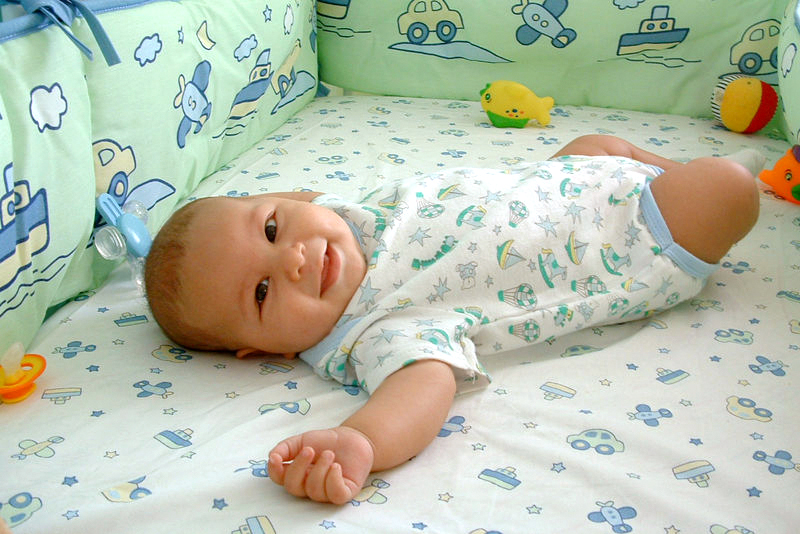
From birth until the first year, children are referred to as infants. As they grow, children respond to their environment in unique ways.[91] Developmental psychologists vary widely in their assessment of infant psychology, and the influence the outside world has upon it.

The majority of a newborn infant's time is spent sleeping.[92] At first, their sleep cycles are evenly spread throughout the day and night, but after a couple of months, infants generally become diurnal.[93] In human or rodent infants, there is always the observation of a diurnal cortisol rhythm, which is sometimes entrained with a maternal substance.[94] Nevertheless, the circadian rhythm starts to take shape, and a 24-hour rhythm is observed in just some few months after birth.[93][94]

Infants can be seen to have six states, grouped into pairs:

  • quiet sleep and active sleep (dreaming, when REM sleep occurs). Generally, there are various reasons as to why infants dream. Some argue that it is just a psychotherapy, which usually occurs normally in the brain. Dreaming is a form of processing and consolidating information that has been obtained during the day. Freud argues that dreams are a way of representing unconscious desires.[95]
  • quiet waking, and active waking
  • fussing and crying. In a normal set up, infants have different reasons as to why they cry. Mostly, infants cry due to physical discomfort, hunger, or to receive attention or stimulation from their caregiver.[96]

Infant perception

[edit]

Infant perception is what a newborn can see, hear, smell, taste, and touch. These five features are considered as the "five senses".[97] Because of these different senses, infants respond to stimuli differently.[88]

  • Vision is significantly worse in infants than in older children. Infant sight tends to be blurry in early stages but improves over time. Color perception, similar to that seen in adults, has been demonstrated in infants as young as four months using habituation methods.[87] Infants attain adult-like vision at about six months.[98]
  • Hearing is well-developed prior to birth. Newborns prefer complex sounds to pure tones, human speech to other sounds, mother's voice to other voices, and the native language to other languages. Scientist believe these features are probably learned in the womb.[99] Infants are fairly good at detecting the direction a sound comes from, and by 18 months their hearing ability is approximately equal to an adult's.
  • Smell and taste are present, with infants showing different expressions of disgust or pleasure when presented with pleasant odors (honey, milk, etc.) or unpleasant odors (rotten egg) and tastes (e.g. sour taste). Newborns are born with odor and taste preferences acquired in the womb from the smell and taste of amniotic fluid, in turn influenced by what the mother eats. Both breast- and bottle-fed babies around three days old prefer the smell of human milk to that of formula, indicating an innate preference.[100] Older infants also prefer the smell of their mother to that of others.[87]
  • Touch and feel is one of the better-developed senses at birth as it is one of the first senses to develop inside the womb.[101] This is evidenced by the primitive reflexes described above, and the relatively advanced development of the somatosensory cortex.[102]
  • Pain: Infants feel pain similarly, if not more strongly than older children, but pain relief in infants has not received so much attention as an area of research.[103] Glucose is known to relieve pain in newborns.[104]

Language

[edit]

Babies are born with the ability to discriminate virtually all sounds of all human languages.[105] Infants of around six months can differentiate between phonemes in their own language, but not between similar phonemes in another language. Notably, infants are able to differentiate between various durations and sound levels and can easily differentiate all the languages they have encountered, hence easy for infants to understand a certain language compared to an adult.[106]

At this stage infants also start to babble, whereby they start making vowel consonant sound as they try to understand the true meaning of language and copy whatever they are hearing in their surrounding producing their own phonemes.

In various cultures, a distinct form of speech called "babytalk" is used when communicating with newborns and young children. This register consists of simplified terms for common topics such as family members, food, hygiene, and familiar animals. It also exhibits specific phonological patterns, such as substituting alveolar sounds with initial velar sounds, especially in languages like English. Furthermore, babytalk often involves morphological simplifications, such as regularizing verb conjugations (for instance, saying "corned" instead of "cornered" or "goed" instead of "went"). This language is typically taught to children and is perceived as their natural way of communication. Interestingly, in mythology and popular culture, certain characters, such as the "Hausa trickster" or the Warner Bros cartoon character "Tweety Pie", are portrayed as speaking in a babytalk-like manner.[107]

Infant cognition: the Piagetian era

[edit]

Piaget suggested that an infant's perception and understanding of the world depended on their motor development, which was required for the infant to link visual, tactile and motor representations of objects.[108] The concept of object permanence refers to the knowledge that an object exists even when it is not directly perceived or visible; in other words, something is still there even if it is not visible. This is a crucial developmental milestone for infants, who learn that something is not necessarily lost forever just because it is hidden. When a child displays object permanence, they will look for a toy that is hidden, showing that they are aware that the item is still there even when it is covered by a blanket. Most babies start to exhibit symptoms of object permanence around the age of eight months. According to this theory, infants develop object permanence through touching and handling objects.[88]

Piaget's sensorimotor stage comprised six sub-stages (see sensorimotor stages for more detail). In the early stages, development arises out of movements caused by primitive reflexes.[109] Discovery of new behaviors results from classical and operant conditioning, and the formation of habits.[109] From eight months the infant is able to uncover a hidden object but will persevere when the object is moved.

Piaget concluded that infants lacked object permanence before 18 months when infants' before this age failed to look for an object where it had last been seen. Instead, infants continued to look for an object where it was first seen, committing the "A-not-B error". Some researchers have suggested that before the age of 8–9 months, infants' inability to understand object permanence extends to people, which explains why infants at this age do not cry when their mothers are gone ("Out of sight, out of mind").

Recent findings in infant cognition

[edit]

In the 1980s and 1990s, researchers developed new methods of assessing infants' understanding of the world with far more precision and subtlety than Piaget was able to do in his time. Since then, many studies based on these methods suggest that young infants understand far more about the world than first thought.

Based on recent findings, some researchers (such as Elizabeth Spelke and Renee Baillargeon) have proposed that an understanding of object permanence is not learned at all, but rather comprises part of the innate cognitive capacities of our species.

According to Jean Piaget's developmental psychology, object permanence, or the awareness that objects exist even when they are no longer visible, was thought to emerge gradually between the ages of 8 and 12 months. However, experts such as Elizabeth Spelke and Renee Baillargeon have questioned this notion. They studied infants' comprehension of object permanence at a young age using novel experimental approaches such as violation-of-expectation paradigms. These findings imply that children as young as 3 to 4 months old may have an innate awareness of object permanence. Baillargeon's "drawbridge" experiment, for example, showed that infants were surprised when they saw occurrences that contradicted object permanence expectations. This proposition has important consequences for our understanding of infant cognition, implying that infants may be born with core cognitive abilities rather than developing them via experience and learning.[110]

Other research has suggested that young infants in their first six months of life may possess an understanding of numerous aspects of the world around them, including:

  • an early numerical cognition, that is, an ability to represent number and even compute the outcomes of addition and subtraction operations;[111]
  • an ability to infer the goals of people in their environment;[112]
  • an ability to engage in simple causal reasoning.[113]

Critical periods of development

[edit]

There are critical periods in infancy and childhood during which development of certain perceptual, sensorimotor, social and language systems depends crucially on environmental stimulation.[114] Feral children such as Genie, deprived of adequate stimulation, fail to acquire important skills and are unable to learn in later childhood. In this case, Genie is used to represent the case of a feral child because she was socially neglected and abused while she was just a young girl. She underwent abnormal child psychology which involved problems with her linguistics. This happened because she was neglected while she was very young with no one to care about her and had less human contact. The concept of critical periods is also well-established in neurophysiology, from the work of Hubel and Wiesel among others. Neurophysiology in infants generally provides correlating details that exists between neurophysiological details and clinical features and also focuses on vital information on rare and common neurological disorders that affect infants.

Developmental delays

[edit]

Studies have been done to look at the differences in children who have developmental delays versus typical development. Normally when being compared to one another, mental age (MA) is not taken into consideration. There still may be differences in developmentally delayed (DD) children vs. typical development (TD) behavioral, emotional and other mental disorders. When compared to MA children there is a bigger difference between normal developmental behaviors overall. DDs can cause lower MA, so comparing DDs with TDs may not be as accurate. Pairing DDs specifically with TD children at similar MA can be more accurate. There are levels of behavioral differences that are considered as normal at certain ages. When evaluating DDs and MA in children, consider whether those with DDs have a larger amount of behavior that is not typical for their MA group. Developmental delays tend to contribute to other disorders or difficulties than their TD counterparts.[115]

Toddlerhood

[edit]

Infants shift between ages of one and two to a developmental stage known as toddlerhood. In this stage, an infant's transition into toddlerhood is highlighted through self-awareness, developing maturity in language use, and presence of memory and imagination.

During toddlerhood, babies begin learning how to walk, talk, and make decisions for themselves. An important characteristic of this age period is the development of language, where children are learning how to communicate and express their emotions and desires through the use of vocal sounds, babbling, and eventually words.[116] Self-control also begins to develop. At this age, children take initiative to explore, experiment and learn from making mistakes. Caretakers who encourage toddlers to try new things and test their limits, help the child become autonomous, self-reliant, and confident.[117] If the caretaker is overprotective or disapproving of independent actions, the toddler may begin to doubt their abilities and feel ashamed of the desire for independence. The child's autonomic development is inhibited, leaving them less prepared to deal with the world in the future. Toddlers also begin to identify themselves in gender roles, acting according to their perception of what a man or woman should do.[118]

Socially, the period of toddler-hood is commonly called the "terrible twos".[119] Toddlers often use their new-found language abilities to voice their desires, but are often misunderstood by parents due to their language skills just beginning to develop. A person at this stage testing their independence is another reason behind the stage's infamous label. Tantrums in a fit of frustration are also common.

Childhood

[edit]

Erik Erikson divides childhood into four stages, each with its distinct social crisis:[120]

  • Stage 1: Infancy (0 to 1½) in which the psychosocial crisis is Trust vs. Mistrust
  • Stage 2: Early childhood (2½ to 3) in which the psychosocial crisis is Autonomy vs. Shame and doubt
  • Stage 3: Play age (3 to 5) in which the psychosocial crisis is Initiative vs. Guilt. (This stage is also called the "pre-school age", "exploratory age" and "toy age".)[121]
  • Stage 4: School age (5 to 12) in which the psychosocial crisis is Industry vs. Inferiority

Infancy

[edit]

As stated, the psychosocial crisis for Erikson is Trust versus Mistrust. Needs are the foundation for gaining or losing trust in the infant. If the needs are met, trust in the guardian and the world forms. If the needs are not met, or the infant is neglected, mistrust forms alongside feelings of anxiety and fear.[122]

Early Childhood

[edit]

Autonomy versus shame follows trust in infancy. The child begins to explore their world in this stage and discovers preferences in what they like. If autonomy is allowed, the child grows in independence and their abilities. If freedom of exploration is hindered, it leads to feelings of shame and low self-esteem.[122]

Play (or preschool) ages 3–5

[edit]

In the earliest years, children are "completely dependent on the care of others". Therefore, they develop a "social relationship" with their care givers and, later, with family members. During their preschool years (3–5), they "enlarge their social horizons" to include people outside the family.[123]

Preoperational and then operational thinking develops, which means actions are reversible, and egocentric thought diminishes.[124]

The motor skills of preschoolers increase so they can do more things for themselves. They become more independent. No longer completely dependent on the care of others, the world of this age group expands. More people have a role in shaping their individual personalities. Preschoolers explore and question their world.[125] For Jean Piaget, the child is "a little scientist exploring and reflecting on these explorations to increase competence" and this is done in "a very independent way".[126]

Play is a major activity for ages 3–5. For Piaget, through play "a child reaches higher levels of cognitive development."[127]

In their expanded world, children in the 3–5 age group attempt to find their own way. If this is done in a socially acceptable way, the child develops the initiative. If not, the child develops guilt.[128] Children who develop "guilt" rather than "initiative" have failed Erikson's psychosocial crisis for the 3–5 age group.

Middle and Late childhood ages 6–12

[edit]

For Erik Erikson, the psychosocial crisis during middle childhood is Industry vs. Inferiority which, if successfully met, instills a sense of Competency in the child.[120]

In all cultures, middle childhood is a time for developing "skills that will be needed in their society."[129] School offers an arena in which children can gain a view of themselves as "industrious (and worthy)". They are "graded for their school work and often for their industry". They can also develop industry outside of school in sports, games, and doing volunteer work.[130] Children who achieve "success in school or games might develop a feeling of competence."

The "peril during this period is that feelings of inadequacy and inferiority will develop.[129] Parents and teachers can "undermine" a child's development by failing to recognize accomplishments or being overly critical of a child's efforts.[130] Children who are "encouraged and praised" develop a belief in their competence. Lack of encouragement or ability to excel lead to "feelings of inadequacy and inferiority".[131]

The Centers for Disease Control (CDC) divides Middle Childhood into two stages, 6–8 years and 9–11 years, and gives "developmental milestones for each stage".[132][133]

Middle Childhood (6–8)

[edit]

Entering elementary school, children in this age group begin to thinks about the future and their "place in the world". Working with other students and wanting their friendship and acceptance become more important. This leads to "more independence from parents and family". As students, they develop the mental and verbal skills "to describe experiences and talk about thoughts and feelings". They become less self-centered and show "more concern for others".[132]

Late Childhood (9–12)

[edit]

For children ages 9–11 "friendships and peer relationships" increase in strength, complexity, and importance. This results in greater "peer pressure". They grow even less dependent on their families and they are challenged academically. To meet this challenge, they increase their attention span and learn to see other points of view.[133]

Adolescence

[edit]

Adolescence is the period of life between the onset of puberty and the full commitment to an adult social role, such as worker, parent, and/or citizen. It is the period known for the formation of personal and social identity (see Erik Erikson) and the discovery of moral purpose (see William Damon). Intelligence is demonstrated through the logical use of symbols related to abstract concepts and formal reasoning. A return to egocentric thought often occurs early in the period. Only 35% develop the capacity to reason formally during adolescence or adulthood. (Huitt, W. and Hummel, J. January 1998)[134]

Erik Erikson labels this stage identity versus role confusion. Erikson emphasizes the importance of developing a sense of identity in adolescence because it affects the individual throughout their life. Identity is a lifelong process and is related with curiosity and active engagement. Role confusion is often considered the current state of identity of the individual. Identity exploration is the process of changing from role confusion to resolution.[135]

During Erik Erikson's identity versus role uncertainty stage, which occurs in adolescence, people struggle to form a cohesive sense of self while exploring many social roles and prospective life routes. This time is characterized by deep introspection, self-examination, and the pursuit of self-understanding. Adolescents are confronted with questions regarding their identity, beliefs, and future goals. The major problem is building a strong sense of identity in the face of society standards, peer pressure, and personal preferences. Adolescents participate in identity exploration, commitment, and synthesis, actively seeking out new experiences, embracing ideals and aspirations, and merging their changing sense of self into a coherent identity. Successfully navigating this stage builds the groundwork for good psychological development in adulthood, allowing people to pursue meaningful relationships, make positive contributions to society, and handle life's adversities with perseverance and purpose.[9]

It is divided into three parts, namely:

  1. Early Adolescence: 9 to 13 years
  2. Mid Adolescence: 13 to 15 years and
  3. Late Adolescence: 15 to 18 years

The adolescent unconsciously explores questions such as "Who am I? Who do I want to be?" Like toddlers, adolescents must explore, test limits, become autonomous, and commit to an identity, or sense of self. Different roles, behaviors and ideologies must be tried out to select an identity. Role confusion and inability to choose vocation can result from a failure to achieve a sense of identity through, for example, friends.[136]

Early adulthood

[edit]

Early adulthood generally refers to the period between ages 18 to 39,[137] and according to theorists such as Erik Erikson, is a stage where development is mainly focused on maintaining relationships.[138] Erikson shows the importance of relationships by labeling this stage intimacy vs isolation. Intimacy suggests a process of becoming part of something larger than oneself by sacrificing in romantic relationships and working for both life and career goals.[139] Other examples include creating bonds of intimacy, sustaining friendships, and starting a family. Some theorists state that development of intimacy skills rely on the resolution of previous developmental stages. A sense of identity gained in the previous stages is also necessary for intimacy to develop. If this skill is not learned the alternative is alienation, isolation, a fear of commitment, and the inability to depend on others.

Isolation, on the other hand, suggests something different than most might expect. Erikson defined it as a delay of commitment in order to maintain freedom. Yet, this decision does not come without consequences. Erikson explained that choosing isolation may affect one's chances of getting married, progressing in a career, and overall development.[139]

A related framework for studying this part of the lifespan is that of emerging adulthood. Scholars of emerging adulthood, such as Jeffrey Arnett, are not necessarily interested in relationship development. Instead, this concept suggests that people transition after their teenage years into a period, not characterized as relationship building and an overall sense of constancy with life, but with years of living with parents, phases of self-discovery, and experimentation.[140]

Middle adulthood

[edit]

Middle adulthood generally refers to the period between ages 40 to 64. During this period, middle-aged adults experience a conflict between generativity and stagnation. Generativity is the sense of contributing to society, the next generation, or their immediate community. On the other hand, stagnation results in a lack of purpose.[141] The adult's identity continues to develop in middle-adulthood. Middle-aged adults often adopt opposite gender characteristics. The adult realizes they are half-way through their life and often reevaluate vocational and social roles. Life circumstances can also cause a reexamination of identity.[142]  

Physically, the middle-aged experience a decline in muscular strength, reaction time, sensory keenness, and cardiac output. Also, women experience menopause at an average age of 48.8 and a sharp drop in the hormone estrogen.[143] Men experience an equivalent endocrine system event to menopause. Andropause in males is a hormone fluctuation with physical and psychological effects that can be similar to those seen in menopausal females. As men age lowered testosterone levels can contribute to mood swings and a decline in sperm count. Sexual responsiveness can also be affected, including delays in erection and longer periods of penile stimulation required to achieve ejaculation.

The important influence of biological and social changes experienced by women and men in middle adulthood is reflected in the fact that depression is highest at age 48.5 around the world.[144]

Old age

[edit]

The World Health Organization finds "no general agreement on the age at which a person becomes old." Most "developed countries" set the age as 65 or 70. However, in developing countries inability to make "active contribution" to society, not chronological age, marks the beginning of old age.[145][146] According to Erikson's stages of psychosocial development, old age is the stage in which individuals assess the quality of their lives.[147]

Erikson labels this stage as integrity versus despair. For integrated persons, there is a sense of fulfillment in life. They have become self-aware and optimistic due to life's commitments and connection to others. While reflecting on life, people in this stage develop feelings of contentment with their experiences. If a person falls into despair, they are often disappointed about failures or missed chances in life. They may feel that the time left in life is an insufficient amount to turn things around.[148]

Physically, older people experience a decline in muscular strength, reaction time, stamina, hearing, distance perception, and the sense of smell.[149] They also are more susceptible to diseases such as cancer and pneumonia due to a weakened immune system.[150] Programs aimed at balance, muscle strength, and mobility have been shown to reduce disability among mildly (but not more severely) disabled elderly.[151]

Sexual expression depends in large part upon the emotional and physical health of the individual. Many older adults continue to be sexually active and satisfied with their sexual activity.[152]

Mental disintegration may also occur, leading to dementia or ailments such as Alzheimer's disease. The average age of onset for dementia in males is 78.8 and 81.9 for women.[153] It is generally believed that crystallized intelligence increases up to old age, while fluid intelligence decreases with age.[154] Whether or not normal intelligence increases or decreases with age depends on the measure and study. Longitudinal studies show that perceptual speed, inductive reasoning, and spatial orientation decline.[155] An article on adult cognitive development reports that cross-sectional studies show that "some abilities remained stable into early old age".[155]

Parenting

[edit]

Parenting variables alone have typically accounted for 20 to 50 percent of the variance in child outcomes.[156]

All parents have their own parenting styles. Parenting styles, according to Kimberly Kopko, are "based upon two aspects of parenting behavior; control and warmth. Parental control refers to the degree to which parents manage their children's behavior. Parental warmth refers to the degree to which parents are accepting and responsive to their children's behavior."[157]

Parenting styles

[edit]

The following parenting styles have been described in the child development literature:

  • Authoritative parenting is characterized as parents who have high parental warmth, responsiveness, and demandingness, but rate low in negativity and conflict.[158] These parents are assertive but not intrusive or overly restrictive.[159] This method of parenting is associated with more positive social and academic outcomes. The beneficial outcomes of authoritative parenting are not necessarily universal. Among African American adolescents, authoritative parenting is not associated with academic achievement without peer support for achievement.[158] Children who are raised by authoritative parents are "more likely to become independent, self-reliant, socially accepted, academically successful, and well-behaved. They are less likely to report depression and anxiety, and less likely to engage in antisocial behavior like delinquency and drug use."[160]
  • Authoritarian parenting is characterized by low levels of warmth and responsiveness with high levels of demandingness and firm control.[158] These parents focus on obedience and they monitor their children regularly.[159] In general, this style of parenting is associated with maladaptive outcomes. The outcomes are more harmful for middle-class boys than girls, preschool white girls than preschool black girls, and for white boys than Hispanic boys.[159]
  • Permissive parenting is characterized by high levels of responsiveness combined with low levels of demandingness.[159] These parents are lenient and do not necessarily require mature behavior.[159] They allow for a high degree of self-regulation and typically avoid confrontation.[159] Compared to children raised using the authoritative style, preschool girls raised in permissive families are less assertive.[159] Additionally, preschool children of both sexes are less cognitively competent than those children raised under authoritative parenting styles.[159] A subtype of this style, known as indulgent parenting, includes patterns of excessive emotional and behavioral leniency. Adolescents raised by highly indulgent parents have been found to report lower self-worth and higher levels of depression, suggesting that this form of permissive parenting may contribute to negative psychological outcomes.[161]
  • Rejecting or neglectful parenting is characterized by low levels of demandingness and responsiveness. These parents are usually unsupportive, unstructured, and disinterested in their children's lives. Low degrees of reactivity and demandingness are characteristics of this parenting style.[159] Children in this category are typically the least competent of all the categories.[159]

Mother and father factors

[edit]

Parenting research has traditionally focused on mothers, but recent studies highlight the important role of fathers in child development. Children as young as 15 months benefit significantly from substantial engagement with their father.[162][163] In particular, a study in the U.S. and New Zealand found the presence of the natural father was the most significant factor in reducing rates of early sexual activity and rates of teenage pregnancy in girls.[164] However, neither a mother nor a father is actually essential in successful parenting, and both single parents as well as homosexual couples can support positive child outcomes.[165] Children need at least one consistently responsible adult with whom they can form a positive emotional bond. Having multiple such figures further increases the likelihood of positive outcomes.[165] Recent research also suggests that the way parents interact with infants can influence early brain development. Parents who guide their baby's attention during play by shifting their gaze between a toy and the child tend to have infants with more complex brain activity. This attention-guiding behavior helps infants process social cues more effectively.[166]

Divorce

[edit]

Another parental factor often debated in terms of its effects on child development is divorce. Divorce in itself is not a determining factor of negative child outcomes. In fact, the majority of children from divorcing families fall into the normal range on measures of psychological and cognitive functioning.[167] A number of mediating factors play a role in determining the effects divorce has on a child, for example, divorcing families with young children often face harsher consequences in terms of demographic, social, and economic changes than do families with older children.[167] Positive coparenting after divorce is part of a pattern associated with positive child coping, while hostile parenting behaviors lead to a destructive pattern leaving children at risk.[167] Additionally, direct parental relationship with the child also affects the development of a child after a divorce. Overall, protective factors facilitating positive child development after a divorce are maternal warmth, positive father-child relationship, and cooperation between parents.[167]

Cross-cultural

[edit]

A way to improve developmental psychology is a representation of cross-cultural studies. The psychology field in general assumes that "basic" human developments are represented in any population, specifically the Western-Educated-Industrialized-Rich and Democratic (W.E.I.R.D.) subjects that are relied on for a majority of their studies. Previous research generalizes the findings done with W.E.I.R.D. samples because many in the Psychological field assume certain aspects of development are exempted from or are not affected by life experiences. However, many of the assumptions have been proven incorrect or are not supported by empirical research. For example, according to Kohlberg, moral reasoning is dependent on cognitive abilities. While both analytical and holistic cognitive systems do have the potential to develop in any adult, the West is still on the extreme end of analytical thinking, and the non-West tend to use holistic processes. Furthermore, moral reasoning in the West only considers aspects that support autonomy and the individual, whereas non-Western adults emphasize moral behaviors supporting the community and maintaining an image of holiness or divinity. Not all aspects of human development are universal and we can learn a lot from observing different regions and subjects.[168]

Indian model of human development

[edit]

An example of a non-Western model for development stages is the Indian model, focusing a large amount of its psychological research on morality and interpersonal progress. The developmental stages in Indian models are founded by Hinduism, which primarily teaches stages of life in the process of someone discovering their fate or Dharma.[169] This cross-cultural model can add another perspective to psychological development in which the West behavioral sciences have not emphasized kinship, ethnicity, or religion.[168]

Indian psychologists study the relevance of attentive families during the early stages of life. The early life stages conceptualize a different parenting style from the West because it does not try to rush children out of dependency. The family is meant to help the child grow into the next developmental stage at a particular age. This way, when children finally integrate into society, they are interconnected with those around them and reach renunciation when they are older. Children are raised in joint families so that in early childhood (ages 6 months to 2 years) the other family members help gradually wean the child from its mother. During ages 2 to 5, the parents do not rush toilet training. Instead of training the child to perform this behavior, the child learns to do it as they mature at their own pace.

This model of early human development encourages dependency, unlike Western models that value autonomy and independence. By being attentive and not forcing the child to become independent, they are confident and have a sense of belonging by late childhood and adolescence. This stage in life (5–15 years) is also when children start education and increase their knowledge of Dharma.[170] It is within early and middle adulthood that we see moral development progress. Early, middle, and late adulthood are all concerned with caring for others and fulfilling Dharma. The main distinction between early adulthood to middle or late adulthood is how far their influence reaches. Early adulthood emphasizes the importance of fulfilling the immediate family needs, until later adulthood when they broaden their responsibilities to the general public. The old-age life stage development reaches renunciation or a complete understanding of Dharma.[169]

The current mainstream views in the psychological field are against the Indian model for human development. The criticism against such models is that the parenting style is overly protective and encourages too much dependency. It focuses on interpersonal instead of individual goals. Also, there are some overlaps and similarities between Erikson's stages of human development and the Indian model but both of them still have major differences. The West prefers Erickson's ideas over the Indian model because they are supported by scientific studies. The life cycles based on Hinduism are not as favored, because it is not supported with research and it focuses on the ideal human development.[169]

See also

[edit]

Journals

[edit]

References

[edit]

Sources

[edit]

Further reading

[edit]
[edit]
Revisions and contributorsEdit on WikipediaRead on Wikipedia
from Grokipedia
Developmental psychology is the branch of that examines systematic changes in , , , and social functioning across the lifespan, from conception through infancy, childhood, , adulthood, and , with a focus on the biological, environmental, and cultural influences driving these transformations. The field emerged in the late as established itself as an experimental , with early pioneers like establishing developmental laboratories to study mental growth in children, influenced by evolutionary ideas from . By the early , it expanded to include lifespan perspectives, shifting from a primary focus on childhood to encompassing all life stages, integrating insights from , , and . Key historical milestones include the development of observational methods and longitudinal studies, which allowed researchers to track individual changes over time rather than relying solely on cross-sectional comparisons. Major theoretical frameworks have shaped the discipline, including psychoanalytic theory proposed by , which posits that personality develops through psychosexual stages driven by unconscious conflicts, and extended by into eight psychosocial stages emphasizing social and cultural crises across the lifespan. Cognitive developmental theory, advanced by , describes how children construct knowledge through four stages—sensorimotor, preoperational, concrete operational, and formal operational—via assimilation and accommodation processes. Complementing this, Lev Vygotsky's sociocultural theory highlights the role of social interactions and cultural tools in cognitive growth, introducing concepts like the where learning occurs through guided support. Behavioral and learning theories, such as those from and , emphasize observable behaviors shaped by reinforcement and modeling, while more recent integrative approaches incorporate neuroscientific and ecological systems models to address continuity, discontinuity, and individual differences in development. Contemporary developmental psychology applies these insights across diverse subareas, including cognitive and perceptual development (e.g., and executive function), social-emotional growth (e.g., attachment and ), and physical maturation (e.g., motor skills and aging processes). Researchers investigate normative patterns as well as atypical trajectories, such as those in developmental disorders like autism or ADHD, informing interventions in education, healthcare, and policy to promote optimal outcomes. Recent advances emphasize interdisciplinary integration with fields like and , using tools such as fMRI and longitudinal cohorts to explore how early experiences influence lifelong health and resilience.

Overview

Definition and scope

Developmental psychology is the scientific study of how and why humans change over the course of their lives, encompassing physical, cognitive, social, emotional, and from conception through . This branch of examines systematic patterns of growth, decline, and stability across the lifespan, focusing on the processes that underlie these transformations rather than isolated events. The scope of developmental psychology extends beyond childhood to include all stages of life, emphasizing a lifespan approach that views development as a continuous, multidirectional process influenced by multiple factors. It investigates normative patterns of typical development, as well as individual differences shaped by genetic predispositions, environmental contexts, and cultural norms. Key influences include interactions between and experience, with research highlighting how early experiences can have lasting effects while later interventions can also promote change. As a multidisciplinary field, developmental psychology integrates insights from biology, neuroscience, sociology, and education to understand the interplay of factors driving human change. This collaborative approach recognizes that development occurs within complex systems, drawing on neuroscientific evidence of brain maturation and sociological analyses of social structures. Central to the field are concepts such as plasticity, which refers to the capacity for change in response to experiences at any life stage; stability, denoting the persistence of certain traits and abilities over time; and sensitive periods, defined as windows during development when the and are particularly responsive to environmental inputs, facilitating optimal learning and . These ideas underscore the dynamic nature of human development, balancing potential for modification with enduring characteristics.

Importance in modern contexts

Developmental psychology significantly informs educational practices by guiding the creation of age-appropriate curricula that align with children's cognitive and social milestones, thereby improving learning outcomes and school readiness. In parenting programs, it promotes relational health approaches that enhance socioemotional development in through responsive caregiving strategies. For mental health interventions, the field underscores the role of structured parenting in mitigating child symptoms of depression, hyperactivity, and irritability, fostering family-based resilience. On the policy front, developmental insights shape child welfare legislation, such as evaluating how mandates and supports affect very young children's cognitive and emotional growth. In contemporary society, developmental psychology addresses by shifting paradigms toward affirmative models for conditions like ADHD and autism, emphasizing natural variations in neurodevelopment rather than deficits. It also examines the adverse effects of on spans, revealing associations between excessive and impulsivity, cognitive inflexibility, and altered development in children. Regarding trauma recovery, the discipline provides frameworks for identifying risks in and physiological regulation among children exposed to adversity, enabling targeted therapies like trauma-focused . For aging populations, it supports initiatives that leverage to counteract cognitive and emotional declines, promoting well-being in later life stages. Interdisciplinarily, developmental psychology contributed to responses during the by documenting isolation's detrimental impacts on children's and , with pronounced effects in lower socioeconomic groups. In AI ethics, it guides the ethical design of simulations and technologies, ensuring systems respect developmental stages and incorporate child rights in algorithmic . These applications highlight the field's role in bridging human growth with and crises. Ethical considerations remain central, requiring researchers to uphold principles of , equity, and scientific integrity while minimizing harm in child studies. Interventions must delicately balance therapeutic support with opportunities for natural developmental trajectories, and protocols emphasize assent from children alongside to safeguard .

Historical Development

Early philosophical and scientific roots

The origins of developmental psychology lie in 17th- and 18th-century philosophical debates about the nature of human growth and the sources of knowledge. , a prevailing biological theory from the , held that embryos contained fully formed miniature adults (homunculi) that simply enlarged during gestation, implying development as mere growth rather than transformation. This deterministic view contrasted with empiricist ideas, notably John Locke's concept of the in his 1690 , which portrayed the infant mind as a blank slate shaped entirely by sensory experiences and environmental influences, rejecting innate ideas in favor of learning through association. In opposition, Jean-Jacques Rousseau's 1762 Émile, or On Education proposed a romantic vision of as a natural, stage-like unfolding of innate potentials, advocating minimal adult interference to allow children to progress through sensory, intellectual, and moral phases in harmony with their age-appropriate capacities. The 19th century shifted toward scientific foundations, influenced by . Charles Darwin's The Descent of Man (1871) extended to human psychological traits, suggesting that parallels adaptive evolutionary processes, with behaviors like play and emotional expressions serving survival functions across generations. Complementing this, Darwin's 1877 Biographical Sketch of an Infant, based on detailed observations of his son's first year, documented instinctive reflexes, emotional milestones, and cognitive emergences, marking an early empirical approach to development that emphasized continuity between animal and human . Ernst Haeckel's 1866 biogenetic law, famously stated as "ontogeny recapitulates phylogeny," further shaped these ideas by arguing that individual embryonic stages replay the species' evolutionary history, implying that human psychological development retraces ancestral forms from primitive to civilized. By the late 19th century, these philosophical and biological threads converged in organized scientific inquiry. launched the child study movement in the 1880s and 1890s, using questionnaires distributed to teachers and parents to gather data on children's behaviors, abilities, and growth patterns, thereby institutionalizing the systematic study of childhood. , the first president of the in 1892, also organized pivotal conferences on starting in 1891, highlighting as a distinct, stormy stage of psychological turmoil and adaptation influenced by . Despite these advances, early efforts exhibited significant limitations, including that privileged observations of white, middle-class Western children while disregarding cultural variations in developmental norms and experiences.

Key milestones and influential figures

In the early 20th century, Arnold Gesell advanced the field through his maturation theory, emphasizing genetically driven developmental norms observed via systematic filming and assessment of infants and children at the Yale Clinic of Child Development during the 1920s. His work established age-specific milestones, such as the average age for sitting without support at around 6 months, influencing pediatric screening tools like the Gesell Developmental Schedules. Concurrently, John B. Watson's behaviorist approach, detailed in his 1925 publication Behaviorism, rejected innate mental states in favor of environmental conditioning, exemplified by the 1920 Little Albert experiment where an infant was conditioned to fear a white rat through paired stimuli, demonstrating learned emotional responses. The mid-20th century saw Jean Piaget's contributions to from the 1930s to 1950s, using the Swiss clinical method of open-ended interviews and tasks to uncover children's active construction of knowledge, as outlined in works like The Language and Thought of the Child (1926, expanded in later volumes). , working in the during the 1930s, developed sociocultural theory, highlighting how social interactions and cultural tools shape ; his ideas, suppressed during his lifetime, gained prominence posthumously in the 1960s through English translations of Thought and Language (1934). Key institutional milestones included the founding of the Child Development journal in 1930 by the National Research Council's Committee on Child Development, succeeded by the Society for Research in Child Development (established 1933), providing a dedicated platform for empirical studies. Influential figures like extended psychosocial development in his 1950 book , proposing eight lifelong stages of ego growth amid social crises, such as trust vs. mistrust in infancy. Mary Ainsworth built on in the 1970s with the procedure, a 20-minute laboratory paradigm assessing infant-caregiver bonds through separation and reunion, identifying secure, anxious, and avoidant patterns in observational data from diverse samples. The , launched in 1938 at , represents a landmark longitudinal effort tracking 268 men's health and life outcomes into the present, revealing predictors like strong relationships for . In the late 20th century, Urie Bronfenbrenner's , formalized in The Ecology of Human Development (1979), conceptualized development as nested influences from microsystems (e.g., family) to macrosystems (e.g., culture), informing policies like Head Start. Entering the 21st century, Alison Gopnik's research on infant cognition, including Bayesian models of learning in The Philosophical Baby (2009) and empirical studies from the 2010s, portrays young children as intuitive statisticians updating beliefs from probabilistic evidence, supported by eye-tracking experiments showing predictive learning akin to machine algorithms. Recent methodological advances, such as post-2000s, leverage online interactions and screen-based observations to study tech-mediated development, addressing gaps in traditional lab methods by analyzing virtual socializations in real-time data streams.

Theoretical Foundations

Cognitive development theories

Cognitive development theories examine how children's thinking, reasoning, and evolve over time, emphasizing processes such as , , problem-solving, and conceptual understanding. These theories provide frameworks for understanding how cognitive abilities emerge and mature, often integrating biological, environmental, and experiential factors. Seminal contributions highlight both universal stages and culturally influenced learning, informing educational practices and interventions. Jean Piaget's theory of cognitive development, developed primarily between 1936 and the 1950s, posits that children actively construct knowledge through interaction with their environment, progressing through four invariant stages. The sensorimotor stage (birth to about 2 years) involves learning through sensory experiences and motor actions, culminating in the development of object permanence, where infants understand that objects continue to exist even when out of sight. The preoperational stage (ages 2 to 7) features symbolic thinking and language use but is limited by egocentrism and centration, where children struggle with perspectives other than their own or focusing on multiple aspects of a problem simultaneously. In the concrete operational stage (ages 7 to 11), children gain logical thinking about concrete events, mastering conservation (understanding that quantity remains the same despite changes in appearance) and classification. The formal operational stage (age 11 and beyond) enables abstract and hypothetical reasoning, allowing adolescents to solve complex problems involving propositions and scientific thinking. Central to Piaget's model are schemas (mental structures representing knowledge), assimilation (incorporating new information into existing schemas), accommodation (modifying schemas to fit new information), and equilibration (balancing these processes to achieve cognitive stability). Piaget's work, based on observational studies of his own children and others, underscores that development is discontinuous, driven by maturation and exploration rather than direct instruction. In contrast, Lev Vygotsky's sociocultural theory, formulated in the 1930s, emphasizes the role of social interactions and cultural tools in shaping cognition, arguing that higher mental functions originate through collaborative activities. A key concept is the zone of proximal development (ZPD), defined as the difference between what a can achieve independently and what they can accomplish with guidance from a more knowledgeable other, such as a teacher or peer. Scaffolding involves providing temporary support within the ZPD to help the learner internalize skills, gradually withdrawing aid as competence grows. Vygotsky also highlighted (self-directed talk) as a mechanism for self-regulation, transitioning from overt social dialogue to internalized thought. Unlike Piaget's focus on individual discovery, Vygotsky viewed development as continuous and mediated by language and culture, with implications for environments. Information processing models, emerging in the 1970s, conceptualize the mind as a computer-like system that handles input through , encoding, storage, and retrieval, with development reflecting increases in processing speed, capacity, and strategy use. These models track changes in (selective focus improving with age), memory strategies (such as or emerging around age 7), and (planning and inhibition maturing into ). Robbie Case's neo-Piagetian approach integrates these elements with Piaget's stages, proposing that cognitive growth stems from expansions in and processing efficiency, leading to more complex central conceptual structures for domains like number or space. For instance, children's ability to solve arithmetic problems advances as they shift from counting strategies to mental computation, driven by maturational and experiential factors. This perspective prioritizes measurable cognitive components over broad stages, influencing assessments of learning disabilities. Core knowledge theory, advanced by Elizabeth Spelke in the 1990s, suggests that infants possess innate, domain-specific modules for fundamental concepts, enabling rapid learning about the physical and social world. These include systems for representing objects (continuity and cohesion), numbers (approximate quantities via ), agents (goal-directed actions), and space ( for ). Evidence from paradigms shows that even young infants expect objects to follow intuitive physics, such as not passing through solids, indicating these representations are present from birth rather than fully constructed. This theory bridges nativism and , positing that core knowledge provides a scaffold for later, more abstract learning. Recent updates to theories incorporate dynamic and probabilistic approaches. Esther Thelen's , from the , views cognitive transitions as emergent properties of interacting brain, body, and environment subsystems, rejecting strict stages in favor of variability and . For example, problem-solving emerges from real-time coupling of and action, as seen in infants' stepwise mastery of reaching. Post-2010 Bayesian models of infant learning treat as probabilistic , where children update prior with to form hypotheses about causal structures. These models explain how infants infer or word meanings by weighing sensory data against innate priors, with computational simulations demonstrating efficient learning from sparse inputs. Such frameworks highlight adaptability and integrate with to reveal underlying neural mechanisms.

Psychosocial and moral development theories

Psychosocial development theories emphasize the interplay between individual personality formation and social interactions across the lifespan, positing that personal growth emerges from resolving conflicts influenced by cultural and relational contexts. One foundational framework is Erik Erikson's theory of psychosocial stages, outlined in his 1950 work , which describes eight sequential crises that shape ego identity from infancy through late adulthood. Each stage involves a central tension, such as trust versus mistrust in the first year of life, where consistent caregiving fosters a sense of security, or identity versus role confusion during , where exploration of roles leads to a coherent . Successful resolution builds virtues like hope or fidelity, while failures risk maladaptive traits, influencing later relational and societal functioning. Moral development theories build on these psychosocial foundations by examining how ethical reasoning evolves, often intertwined with cognitive maturation. Lawrence Kohlberg's stage theory, initially developed in his 1958 dissertation and expanded through the 1980s, delineates three levels of : preconventional (focused on and avoidance), conventional (oriented toward social norms and approval), and postconventional (prioritizing universal ethical principles like ). Kohlberg's justice-oriented model, assessed via moral dilemmas such as the , suggests progression is invariant but not all individuals reach the highest postconventional stage, with empirical studies showing about 10-15% of adults attaining it. This framework highlights a justice perspective, where moral decisions prioritize and fairness over personal or relational concerns. Carol Gilligan critiqued Kohlberg's model for its male-biased justice focus, proposing in her 1982 book In a Different Voice an alternative ethic of care rooted in relational morality. Gilligan argued that women often exhibit a distinct voice emphasizing , connection, and responsibility in relationships, progressing through stages from to balanced integration of care and justice, rather than Kohlberg's hierarchical ascent. Her work, supported by qualitative analyses of moral dilemmas, underscores how shapes ethical orientations, with care fostering interconnectedness over abstract principles. Complementing these, Albert 's social cognitive theory, detailed in his 1977 book Social Learning Theory, integrates psychosocial elements through mechanisms of , , and —the mutual influence of personal factors, behavior, and environment. Individuals acquire social competencies by modeling others, as demonstrated in Bandura's Bobo doll experiments, where children imitated aggressive behaviors observed in adults, highlighting the role of vicarious reinforcement in moral and behavioral development. , or belief in one's capabilities, further modulates psychosocial outcomes, enabling adaptive responses to social challenges and ethical dilemmas. Contemporary updates to these theories address identity development in diverse populations, incorporating intersectional models that examine how overlapping social identities—such as race, , and —interact within power structures. Post-2000 research, including frameworks, reveals that traditional Eriksonian models underrepresent non-Western contexts, where collective identities and contextual belonging often precede individual , as seen in studies from Asian and Indigenous communities. For instance, intersectional approaches highlight how marginalized youth navigate multiple oppressions, fostering resilient identities through culturally attuned explorations rather than linear stages. These expansions promote culturally sensitive applications, bridging gaps in earlier Eurocentric views.

Attachment and ecological theories

Attachment theory, developed by , posits that humans possess an innate biological system for forming emotional bonds with caregivers, which serves as a survival mechanism by promoting proximity to protective figures during vulnerable periods. 's framework, outlined in his seminal work, emphasizes that disruptions in these bonds, such as prolonged separation, can lead to lasting psychological effects, drawing on ethological observations of animal behavior to argue for attachment as an evolved adaptation. Mary Ainsworth expanded Bowlby's ideas through empirical research, introducing the procedure in 1978 to classify infant attachment styles based on responses to brief separations and reunions with caregivers. This observational method identified four primary styles: secure (characterized by distress upon separation and comfort upon reunion, seen in about 65% of infants), avoidant (minimal distress and avoidance of the caregiver), anxious-resistant (intense distress and ambivalence), and later, disorganized (inconsistent or fearful behaviors, often linked to abusive caregiving). These classifications highlight how early caregiving quality shapes internal working models of relationships, influencing later social and emotional development. The evolutionary roots of attachment trace back to ethological studies, such as Konrad Lorenz's experiments on imprinting in greylag geese, where hatchlings rapidly formed irreversible bonds with the first moving object encountered post-hatching, demonstrating attachment as an adaptive mechanism for species survival. Lorenz's findings illustrated a for bonding, paralleling human attachment processes by underscoring the biological imperative for infants to seek proximity to caregivers to avoid predators and ensure nourishment. Extensions of attachment theory to adulthood were proposed by Cindy Hazan and Phillip Shaver in 1987, conceptualizing romantic love as an attachment process where individuals exhibit similar secure, avoidant, or anxious styles in intimate relationships, based on surveys linking childhood patterns to adult relational expectations. This work demonstrated continuity from infant-caregiver bonds to adult partnerships, with secure styles associated with healthier, more trusting dynamics. Recent applications as of 2025 extend to human-AI relationships, conceptualizing AI as potential attachment figures in digital interactions. In parallel, Urie Bronfenbrenner's , introduced in 1979, views development as influenced by nested environmental layers rather than isolated bonds, emphasizing the interplay between the individual and their surroundings. The model delineates five systems: the microsystem (immediate settings like family and school, where direct interactions occur), mesosystem (connections between microsystems, such as parent-teacher relations), exosystem (indirect influences like parental workplace policies), macrosystem (broader cultural values and laws), and chronosystem (changes over time, including life transitions or societal shifts). This multilevel approach underscores how attachment forms within the microsystem but is shaped by wider contextual forces. Bronfenbrenner refined his framework into the by 2006, placing proximal processes—reciprocal, enduring interactions between the developing person and their environment—at the core of growth, such as parent-child play or responsive caregiving that fosters attachment security. This update integrates person characteristics (e.g., ) with process-person-context-time (PPCT) dynamics, highlighting how evolving environmental demands amplify or hinder developmental outcomes. Recent proposals as of 2025 suggest expanding the model to distinguish physical and virtual microsystems, accounting for digital environments' role in proximal processes. Contemporary research addresses gaps in traditional theories by examining digital attachments, where screen-mediated interactions increasingly influence early bonds; for instance, studies since 2015 show that excessive parental use during caregiving moments—termed "technoference"—correlates with reduced attachment security and impaired child in toddlers. Such findings reveal how modern exosystems, like digital distractions, disrupt proximal processes essential for healthy emotional development. Parenting styles, such as authoritative responsiveness, can mitigate these effects by prioritizing face-to-face engagement over device interruptions.

Research Approaches

Primary methods and techniques

Observational methods form a cornerstone of developmental psychology research, allowing researchers to capture behaviors in real-world or controlled settings without direct intervention. involves recording spontaneous behaviors in everyday environments, such as home visits where parent-child interactions are documented to assess social development. This approach, pioneered in early studies like those by on infant motor milestones, minimizes artificial influences but can be time-intensive and prone to . Structured observation, in contrast, occurs in controlled lab settings, such as play sessions designed to elicit specific behaviors like sharing toys to evaluate prosocial tendencies. A prominent example is the procedure, which structures separations and reunions to observe attachment styles in infants. For infants, paradigms measure cognitive processing by tracking looking time to novel stimuli after repeated exposure to familiar ones, revealing preferences for novelty as an index of and memory. Seminal work by Robert Fantz demonstrated that infants habituate to patterns and recover attention to changes, laying the groundwork for this non-verbal technique. Interviews and questionnaires provide self-reported or proxy data on internal states and behaviors across age groups. Parent reports, such as the (CBCL) developed by Thomas Achenbach, use standardized scales to quantify emotional and behavioral problems in children aged 6-18, with over 100 items rated for frequency. This tool, validated through large normative samples, enables efficient screening in clinical and research contexts. Self-reports become feasible for older children and adolescents, often via adapted scales like the Youth Self-Report form, which correlates moderately with parent versions to capture perspective differences. Clinical interviews, inspired by Jean Piaget's method, involve open-ended questioning to probe reasoning processes, such as asking children to explain conservation tasks to uncover logical stages. Piaget's semi-structured dialogues, detailed in works like The Child's Conception of the World (1929), emphasize following the child's lead to avoid leading responses. Experimental techniques manipulate variables to infer causal mechanisms in development. The violation-of-expectation paradigm presents infants with events that conform to or violate physical principles, measuring prolonged looking time to improbable outcomes as evidence of implicit knowledge. Renée Baillargeon's 1985 study showed 5-month-olds expecting object permanence via a drawbridge task, challenging Piaget's timeline for cognitive milestones. Twin studies estimate heritability by comparing monozygotic and dizygotic pairs, often using identical twins reared apart to disentangle genetic from environmental effects. The Minnesota Study of Twins Reared Apart (1990) found genetic factors accounting for about 70% of IQ variance, influencing models of behavioral genetics in development. Neuroimaging techniques adapt adult methods to track brain maturation ethically in children. (fMRI) measures blood-oxygen-level-dependent signals during tasks, revealing activation patterns in areas like the during executive function development, with child-friendly adaptations like story-based paradigms post-2000 to reduce motion artifacts. Electroencephalography (EEG) records electrical activity via scalp electrodes, offering high temporal resolution for studying event-related potentials in language processing from infancy, and is preferred for its non-invasiveness in pediatric samples. Ethical adaptations include shorter sessions and mock scanners to familiarize young participants, ensuring minimal distress as outlined in guidelines from the Society for in Child Development. Ethical protocols safeguard participants, particularly minors, in all methods. Institutional Review Boards (IRBs) oversee studies under federal regulations like 45 CFR 46 Subpart D, requiring additional protections for children such as risk minimization and direct benefits. Assent from children capable of understanding—typically ages 7 and older—must be obtained alongside parental permission, emphasizing voluntary participation without coercion. Recent advancements include AI-assisted tracking for observations, using to analyze video of infant movements or social interactions, enhancing objectivity while adhering to privacy standards like in 2020s studies.

Experimental and longitudinal designs

In developmental psychology, experimental and longitudinal designs provide frameworks for investigating change and across the lifespan by systematically tracking developmental trajectories and manipulating or observing variables under controlled conditions. These approaches address limitations of static methods by enabling inferences about individual differences, age-related patterns, and environmental influences, often integrating to capture real-world behaviors within structured study architectures. Cross-sectional designs compare individuals from different age groups at a single point in time, allowing researchers to efficiently identify age-related differences in traits such as cognitive abilities or . For instance, a study might assess performance in children aged 5, 10, and 15 years simultaneously to infer developmental trends. However, these designs are susceptible to cohort effects, where differences arise from generational experiences (e.g., exposure to ) rather than age alone, potentially results. To mitigate this, cohort-sequential hybrid designs track multiple overlapping cohorts longitudinally over shorter intervals, disentangling age, period, and cohort influences through combined cross-sectional and longitudinal . Longitudinal designs follow the same individuals over extended periods, providing direct evidence of intraindividual change and stability in developmental processes like or emotional regulation. The Seattle Longitudinal Study, initiated in 1956, exemplifies this approach by assessing cognitive abilities in over 5,000 adults across seven decades, revealing patterns of intellectual growth, decline, and cohort differences in primary mental abilities such as verbal comprehension and spatial orientation. A variant, microgenetic designs, involve intensive, short-term observations (e.g., daily sessions over weeks) to capture rapid changes in cognitive strategies during learning tasks, offering high-resolution insights into transition mechanisms that cross-sectional methods overlook. Quasi-experimental designs leverage naturally occurring variations, such as policy implementations, to approximate causal inferences without full randomization, making them valuable for studying real-world interventions in developmental contexts. Evaluations of the Head Start program, a U.S. preschool initiative, have used these designs to examine long-term effects on cognitive and socioemotional outcomes; for example, regression discontinuity analyses of enrollment cutoffs have shown sustained benefits in achievement and health behaviors into adulthood, though effects vary by subgroup. Despite their strengths, these designs face challenges including participant attrition, where dropouts (e.g., due to relocation or disinterest) reduce sample size and introduce toward more individuals, potentially overestimating developmental continuity. Practice effects, where repeated testing improves performance unrelated to true development, can also inflate gains, particularly in cognitive assessments among younger adults. Statistical controls like growth curve modeling address these by estimating individual trajectories via multilevel models, which account for nesting of repeated measures within persons. A basic linear growth curve model is specified as: Yij=β0+β1timeij+u0i+u1itimeij+eijY_{ij} = \beta_0 + \beta_1 \cdot \text{time}_{ij} + u_{0i} + u_{1i} \cdot \text{time}_{ij} + e_{ij} Here, YijY_{ij} is the outcome for person ii at time jj, β0\beta_0 and β1\beta_1 are fixed intercepts and slopes, u0iu_{0i} and u1iu_{1i} are random effects capturing individual variability, and eije_{ij} is residual error; this framework handles and heterogeneity in change rates common in developmental data. Modern advances integrate and multisite collaborations to enhance scale and generalizability, as seen in the Adolescent Brain Cognitive Development (ABCD) Study, launched in 2015, which tracks over 11,000 aged 9-10 annually through using , behavioral assessments, and environmental measures to model trajectories of and cognitive risks.

Domains of Development

Physical and neural development

Physical development in humans follows predictable patterns governed by the cephalocaudal principle, where growth proceeds from the head downward, and the proximodistal principle, where development extends from the body's center outward to the extremities. These principles, central to Arnold Gesell's maturational theory, explain early motor milestones such as infants gaining head control before trunk stability and then limb coordination. marks a key physical transition, characterized by Tanner stages that describe sequential changes in secondary sexual characteristics, originally delineated by in the 1960s based on longitudinal observations of British children. This process is driven by surges in gonadotropins like (LH) and (FSH), which activate gonadal maturation and lead to or testosterone production, typically beginning between ages 8-13 in girls and 9-14 in boys. Neural development involves dynamic processes of , , and that shape brain architecture across the lifespan. , the formation of neural connections, peaks during infancy, with synaptic density in the reaching maximum levels by around 8-12 months, as evidenced by postmortem studies of brains. This overproduction is followed by , which intensifies during to refine circuits for efficiency, particularly in the where density stabilizes into adulthood. , the insulation of axons with myelin sheaths, progresses from infancy through , enhancing neural signal speed and supporting cognitive maturation; for instance, tracts like the show continued development into the early 20s. Critical periods represent windows of heightened neural plasticity during which environmental inputs indelibly shape function, as demonstrated by Hubel and Wiesel's classic experiments on kittens. In these studies, deprivation during early visual development led to permanent deficits in cortical columns, underscoring the visual cortex's sensitivity from birth to about 3-6 months in cats, analogous to human infancy. In aging, physical changes include , the progressive loss of mass and strength beginning around age 30 and accelerating after 60, attributed to factors like reduced protein synthesis and hormonal declines. Neural aging involves neurodegeneration, with increased risk linked to amyloid-beta accumulation and tau tangles, though lifestyle interventions can mitigate onset. persists into adulthood but diminishes; however, experience-dependent changes remain possible, as shown by enlarged posterior hippocampi in experienced drivers navigating complex routes. Recent research highlights epigenetic mechanisms influencing neural pathways, bridging genetic predispositions and environmental factors in development. Post-2010 studies reveal how and modifications regulate in response to or stress, altering and vulnerability to disorders like autism; for example, maternal levels epigenetically affect cortical layering in offspring. These updates emphasize that while core developmental trajectories are genetically programmed, epigenetic marks provide adaptive flexibility across the lifespan.

Cognitive and memory development

Perceptual development in infancy involves the maturation of and the ability to interpret visual and spatial information, laying the foundation for higher cognitive functions. Newborns demonstrate innate preferences for certain visual stimuli, such as complex patterns and faces, as evidenced by longer gaze durations toward these elements compared to simpler shapes in controlled preference studies. This early selectivity suggests an evolutionary adaptation for , with infants spending significantly more time fixating on facial configurations than on scrambled or geometric alternatives from birth. Depth perception emerges shortly after, as shown in the visual cliff experiment, where crawling infants aged 6 to 14 months typically refuse to cross a Plexiglas surface simulating a drop-off, indicating an understanding of visual cues for height and danger despite the safe substrate. , the recognition that objects continue to exist when out of sight, develops around 8 to 12 months during the sensorimotor stage, marked by infants actively searching for hidden items rather than treating them as nonexistent. These milestones reflect rapid perceptual refinement, enabling infants to construct a stable representation of their environment. Memory development progresses from basic implicit forms in early infancy to more complex explicit systems later on. , encompassing like motor skills and habits, is functional from birth and supports learning through repetition without conscious awareness, as seen in infants' conditioned responses to stimuli such as mobile kicking paradigms. In contrast, , involving episodic recall of specific events, emerges reliably after age 2, allowing children to narrate past experiences with contextual details. Infantile amnesia, the inability to recall events from the first 3 to 4 years of life, is largely attributed to the immaturity of the hippocampus, which hinders the consolidation and retrieval of episodic memories during this period. Neural underpinnings in the medial , including gradual myelination and , contribute to this offset around preschool age, when becomes more accessible. Theories of intelligence distinguish between fluid and crystallized components, proposed by Cattell in his foundational framework. Fluid intelligence, the capacity to solve novel problems and reason abstractly, peaks in early adulthood and declines gradually thereafter, relying on innate processing speed and . Crystallized intelligence, accumulated and skills shaped by and , increases steadily across the lifespan, supporting verbal and factual application. This dichotomy highlights how developmental gains in one domain can compensate for losses in the other over time. Metacognition, or thinking about one's own thinking, advances notably with the emergence of around age 4, when children grasp that others hold mental states differing from their own. The false-belief task, exemplified by the Sally-Anne paradigm, reveals this : children predict correctly that Sally will search in her original location for a hidden marble, acknowledging her outdated belief despite knowing its true spot. Success rates jump from below 50% at age 3 to over 80% by age 5, reflecting prefrontal maturation that enables . Recent advances underscore executive function growth, tied to prefrontal cortex development, which enhances inhibitory control and cognitive flexibility from toddlerhood onward. Child-adapted Stroop tasks, where participants name object colors incongruent with the depicted items (e.g., a yellow banana labeled ""), show error rates dropping from 40% in 3-year-olds to under 10% by age 7, illustrating improved conflict resolution. Post-2015 studies on indicate mixed effects on , with prolonged (>3 hours daily) negatively affecting working memory abilities in children, as multitasking divides attentional resources and impairs retention of sequential information. Conversely, targeted educational apps can bolster working memory when limited to interactive, goal-oriented use under 1 hour per session.

Social, emotional, and language development

Social, emotional, and represent key domains in which children acquire the abilities to form relationships, regulate internal states, and convey meaning through communication. These processes are interdependent, with emotional cues influencing social interactions and language serving as a tool for expressing both. From infancy, children display foundational emotional responses that evolve into sophisticated self-regulation, while social competencies emerge through peer engagements that promote and . parallels these advancements, enabling children to articulate emotions and navigate social contexts more effectively. Emotional development commences with basic emotions such as , expressed through around 3-5 months, and , which becomes distinct between 6 and 8 months, allowing infants to differentiate positive and negative affective states. These early emotions provide the building blocks for self-regulation, conceptualized in Mary Rothbart's model from the early 1980s, which delineates individual differences in reactivity (e.g., distress or approach tendencies) and emerging self-regulatory capacities like attention shifting and in infancy. Rothbart's framework, developed through caregiver reports and behavioral observations, underscores how influences emotional adaptation, with effortful control strengthening by toddlerhood to modulate intense feelings. Social skills advance through progressive forms of peer interaction, notably Mildred Parten's stages of play observed in preschoolers during the 1930s, where —children engaging independently but in proximity—dominates around 2-3 years, transitioning to associative and cooperative play by 4-6 years, involving shared goals and role division. This progression fosters , which emerges around age 2 as children recognize others' distress and offer rudimentary comfort, maturing by 4-6 years into and prosocial responses, as evidenced in longitudinal studies of affective and cognitive . Bullying dynamics, often arising in these social contexts, reflect power imbalances and group reinforcement, with seminal research by in the 1970s-1990s identifying bully-victim roles that disrupt emotional security and peer bonds if unaddressed. Language milestones mark parallel growth, with canonical babbling—repetitive syllable production—appearing by 6 months as infants experiment with phonetic sounds, followed by holophrases (single words conveying whole ideas) around 12 months, and the acquisition of basic syntax, including multi-word sentences, between 3 and 5 years. Eric Lenneberg's , proposed in 1967, posits an optimal window for from age 2 to , aligned with lateralization, beyond which fluency is harder to attain, as seen in cases of delayed exposure. Theoretical integration contrasts Noam Chomsky's 1965 , positing an innate (LAD) that endows children with predispositions for syntactic rules, against Michael Tomasello's usage-based from 2003, which emphasizes learning through social interaction and frequency of input, where emerges from general cognitive processes like intention-reading and pattern generalization. These perspectives highlight the blend of biological readiness and environmental exposure in linking to emotional and social expression. In contemporary contexts, bilingualism enhances these developments by boosting , such as and , with meta-analyses of studies from the 2010s-2020s showing bilingual children outperforming monolinguals on relevant tasks by a small (g ≈ 0.08). Similarly, in the 2020s facilitates among adolescents, offering platforms for sharing feelings and building support networks, though excessive use correlates with heightened distress if interactions reinforce negative self-perception. These modern influences build briefly on attachment foundations from earlier theoretical work, amplifying opportunities for emotional regulation and social connection.

Lifespan Stages

In developmental psychology, the human lifespan is commonly conceptualized as a series of stages marked by significant physical, cognitive, emotional, and social changes. One common classification divides the human life cycle into nine stages:
  1. Prenatal stage (conception to birth): Development of organs, initial bonding with the mother via sounds and touch.
  2. Infancy (birth to 3-4 years): Rapid language acquisition, vocabulary expansion, and early theory of mind development.
  3. Early childhood (3-6 years): Formation of self-concept, strengthening of theory of mind, and increased social interactions with peers.
  4. Middle childhood (6-11 years): Advances in mathematical operations, understanding of complex structures, and greater importance of group relationships.
  5. Adolescence (11-17 years): Emergence of abstract thinking, hormonal changes, emotional lability, and intense search for identity.
  6. Young adulthood (18-35 years): Consolidation of lasting friendships, independence from parents, and peak physical and mental capacities.
  7. Middle adulthood (36-50 years): Career specialization, financial independence, and focus on life stability.
  8. Mature adulthood (50-65 years): High economic stability, management of physical changes, and maintenance of stability.
  9. Old age (65+ years): Retirement, renewed independence, empty nest syndrome, and increased exposure to losses and grief.
These stages illustrate the continuous nature of development across the lifespan, influenced by biological, social, and cultural factors.

Prenatal and infancy

begins at conception and unfolds in three distinct stages: the germinal stage, lasting from fertilization to about two weeks post-conception, during which the undergoes rapid and implants in the uterine wall; the embryonic stage, spanning weeks 3 to 8, marked by where major organs and body systems form; and the fetal stage, from week 9 until birth, characterized by rapid growth, refinement of organ systems, and increasing viability, with fetuses generally able to survive outside the womb after 24 weeks when provided intensive medical support. Environmental factors during can profoundly impact fetal development through teratogens, substances that cause birth defects or developmental disruptions. Alcohol, a well-established teratogen, crosses the and interferes with neural development, leading to fetal alcohol syndrome (FAS) in exposed offspring, which manifests as facial abnormalities, growth deficits, and lifelong cognitive and behavioral impairments. Recent research using ultrasound and neuroimaging has revealed evidence of fetal learning capabilities, particularly in auditory processing. Fetuses as early as the third trimester demonstrate habituation to repeated sounds in utero, such as their mother's voice or specific linguistic patterns, forming memory traces that influence neonatal responses and language processing at birth. For instance, studies in the 2020s have shown that prenatal exposure to speech sounds shapes brain activity patterns detectable immediately after birth, highlighting the womb as an active learning environment. Infancy, spanning birth to about two years, features rapid motor skill acquisition beginning with innate reflexes that support survival and exploration. Newborns exhibit the , an involuntary to sudden stimuli involving arm extension and flexion, and the rooting reflex, where stroking the cheek prompts head turning and sucking to locate nourishment; these typically integrate and fade by 3-6 months as voluntary control emerges. Gross motor milestones progress from head control at 2 months, to rolling over by 4-6 months, crawling around 7-10 months, and independent walking between 9-15 months, reflecting maturation of the and muscle strength. Sensory systems also mature swiftly in infancy, enabling integration of environmental cues. At birth, hearing is fully developed, with newborns showing preferences for familiar prenatal sounds like their mother's voice, which aids in early bonding and attachment formation. Vision starts with limited acuity (20/400) and poor color discrimination but sharpens dramatically, reaching 20/20 by 6 months alongside improved and face recognition. Health risks in this period include complications from (under 2,500 grams), often resulting from preterm delivery, which correlates with heightened vulnerabilities to respiratory issues, developmental delays, and long-term cognitive challenges. Sudden infant death syndrome (SIDS), the leading cause of postneonatal mortality, has been significantly reduced since the 1990s "Back to Sleep" campaign, which promotes supine sleeping on a firm surface without soft , cutting U.S. SIDS rates by over 50%.

Early and middle childhood

Early childhood, spanning ages 2 to 6, marks a period of rapid cognitive and physical advancement as children transition from toddlerhood to . Cognitively, children in this stage experience a decline in , the tendency to view the world solely from their own perspective, allowing them to increasingly consider others' viewpoints during interactions. This shift is evident in tasks like Piaget's three-mountain experiment, where younger children struggle to describe scenes from another's angle, but by age 5 or 6, performance improves significantly. Pretend play emerges as a key activity, fostering , , and emotional regulation; for instance, children role-play scenarios like family or superheroes, which enhances and problem-solving abilities. Physically, milestones include achieving bowel and bladder control through , typically beginning around age 2 when children can stay dry for two hours and communicate needs. Success in this area boosts independence and , though readiness varies, with most children mastering it by age 3. Fine motor skills also refine, enabling children to grasp crayons for scribbling (age 2) and progressing to simple shapes like circles by age 4, which supports hand-eye coordination and . These developments prepare children for school entry, where play-based activities consolidate emerging skills. In middle childhood, from ages 6 to 12, cognitive abilities align with Piaget's concrete operational stage, during which children master logical thinking about tangible objects and events, such as understanding conservation (e.g., that liquid volume remains constant despite container changes). This stage facilitates , with children excelling in reading, math, and structured tasks; for example, reading proficiency often solidifies by age 8, correlating with improved in school settings. Self-concept formation becomes more nuanced, shifting from global traits to domain-specific evaluations (e.g., "I'm good at sports but not math"), influenced by peer feedback and accomplishments, which fosters resilience and realistic self-appraisal. Challenges in this period include learning disabilities, such as , which affects reading fluency and impacts 5-10% of school-aged children, often requiring early intervention like phonics-based therapy to mitigate academic setbacks. Additionally, rising rates are linked to sedentary play, including excessive and reduced active outdoor activities, which decrease energy expenditure and increase caloric intake risks. Gender development evolves with children demonstrating awareness of stereotypes by age 3, such as associating dolls with girls or trucks with boys, shaped by parental and media influences. Over early and middle childhood, role flexibility increases, with children showing greater acceptance of cross-gender activities by age 7-11, reflecting cognitive maturity and reduced rigidity in . Contemporary factors, such as , warrant attention; the (AAP) 2016 guidelines recommend limiting recreational screen use to no more than 1 hour per day of high-quality programming for children ages 2-5 to support healthy development. Post-2020 remote learning during the disrupted , leading to learning losses in social-emotional skills and foundational , with studies showing widened achievement gaps due to limited peer interaction and inconsistent access.

Adolescence and emerging adulthood

Adolescence, spanning roughly ages 13 to 18, marks a period of profound physical, cognitive, and social transformation, driven by pubertal changes that heighten sensitivity to rewards and . During , surges in neurotransmission within the brain's , particularly in the ventral , contribute to increased novelty-seeking and risk-taking behaviors, as adolescents exhibit heightened appetitive drive compared to children or adults. This neural remodeling, observed through studies, amplifies responses to potential rewards while prefrontal cortical maturation lags, leading to impulsive decisions often influenced by immediate social contexts. Concurrently, peer influence reaches its peak during mid-adolescence, with conformity to peers on risky behaviors and perceptual tasks intensifying around ages 14 to 16, as susceptibility to social pressure heightens due to evolving neural systems prioritizing group . These dynamics foster autonomy-seeking but also vulnerability to maladaptive choices, distinguishing from the relative stability of childhood. A core developmental task of this stage is , as theorized by James Marcia in his seminal model, which expands on Erik Erikson's framework by classifying adolescents into four identity statuses based on the dimensions of () and commitment. In identity achievement, individuals actively explore options and commit to a stable , often resulting in higher psychological ; moratorium involves ongoing without firm commitment, characterized by and anxiety; foreclosure reflects premature commitment without , typically influenced by parental expectations; and diffusion denotes neither nor commitment, linked to apathy and lower ego strength. Empirical studies validate these statuses as dynamic trajectories, with moratorium and achievement more prevalent in late among those engaging in identity-relevant experiences like career or ideological questioning. Emerging adulthood, proposed by Jeffrey Jensen Arnett in 2000, extends this transitional phase into ages 18 to 25, particularly in developed nations where socioeconomic structures allow prolonged exploration before full adult roles. This period is defined by five features: identity explorations in love and work, instability across domains, self-focus, feeling in-between and adulthood, and possibilities for optimism amid ambiguities. In industrialized contexts, extended and economic demands delay commitments, enabling deeper self-discovery but also prolonging dependence on familial support. Recent data underscore this extension, with young adults prioritizing higher education and career establishment, which correlates with deferred life milestones such as . Risks during adolescence and emerging adulthood are amplified by these neurodevelopmental shifts, notably in mental health and substance use. Depression prevalence among U.S. adolescents has nearly doubled, rising from 8.1% in 2009 to 15.8% in 2019, with rates approaching 20% in some cohorts by the early 2020s, often exacerbated by social pressures and unmet identity needs. Substance use follows a gateway pattern, where early experimentation with legal substances like alcohol or in adolescence predicts progression to illicit drugs, with longitudinal studies showing significant associations between mid-adolescent gateway use and later marijuana or involvement. Contemporary trends reflect further delays in adulthood transitions, influenced by educational pursuits and economic factors. , the median age at first reached 28 for women and 30 for men in 2023, up from earlier decades, as prolonged higher education and job market instability postpone family formation. Similarly, entry into full-time and homeownership has shifted later, with many in their early 20s remaining in parental homes amid rising costs, reshaping the timeline of emerging adulthood into the .

Influences on Development

Familial and parenting factors

Familial and parenting factors play a pivotal role in shaping children's developmental trajectories through daily interactions, emotional support, and within the unit. Research highlights how variations in caregiving approaches influence cognitive, social, and emotional growth, with consistent patterns emerging from longitudinal observations. These factors encompass , family structure changes, and specific parental behaviors, all of which contribute to adaptive or maladaptive outcomes in children. Diana Baumrind's seminal framework, developed in the 1960s, delineates four primary parenting styles based on dimensions of warmth (responsiveness) and control (demandingness). Authoritative parenting, characterized by high warmth and high demandingness, involves clear rules balanced with open communication and empathy, fostering independence and self-regulation in children. This style is associated with optimal developmental outcomes, including higher academic achievement, better social competence, and lower rates of behavioral problems compared to other styles. In contrast, authoritarian parenting features high demandingness but low warmth, emphasizing obedience through strict rules and punishment, which correlates with increased anxiety, lower self-esteem, and poorer social skills in offspring. Permissive parenting, marked by high warmth but low demandingness, permits few boundaries and indulgent responses, often leading to challenges in self-control, impulsivity, and underachievement. Uninvolved parenting, with low levels of both warmth and demandingness, provides minimal guidance or emotional support, resulting in the most adverse effects, such as heightened delinquency, poor academic performance, and emotional detachment. These styles were initially identified through observational studies of preschoolers, with later expansions by Maccoby and Martin incorporating the uninvolved category, and their impacts have been replicated across diverse samples. Family transitions, such as the arrival of or parental , introduce significant disruptions or enrichments to the family dynamic, influencing relationships and individual adjustment. effects, a key aspect of influences, suggest that children often receive undivided parental attention initially, leading to higher achievement and , while later-born may develop stronger through negotiation and competition. Longitudinal data indicate small differences in cognitive outcomes, with showing slightly higher (approximately 1-2 IQ points per birth position). Parental , meanwhile, elevates risks for children's emotional and behavioral adjustment, with longitudinal studies revealing 20-30% higher incidences of internalizing problems (e.g., depression, anxiety) and externalizing behaviors (e.g., ) compared to peers from intact families. These effects persist into adulthood, mediated by interparental conflict and reduced parental involvement, though supportive co-parenting can mitigate long-term impacts. Distinct parental roles further modulate development, with mothers often providing attuned emotional responsiveness and fathers engaging in physically active interactions. Maternal sensitivity, defined as prompt and appropriate responses to a child's cues, promotes secure emotional bonds and enhances regulation and from infancy onward. This fosters resilience against stress, with sensitive caregiving linked to advanced developmental competencies in and problem-solving. Paternal involvement, particularly through —playful physical interactions like wrestling or chasing—builds by teaching impulse control, , and . Such play, more common among fathers, correlates with reduced and improved peer relationships, as children learn to gauge boundaries and during these exchanges. Adverse familial experiences, including and , exert profound negative influences via cumulative trauma. The (ACEs) framework, established through a landmark 1998 study, identifies ten categories of childhood maltreatment and household dysfunction, demonstrating a dose-response relationship wherein greater exposure predicts exponentially higher risks for adult health issues. Individuals with four or more ACEs face 4- to 12-fold increased prevalence of conditions like depression, , and chronic diseases, underscoring the long-term developmental toll of disrupted family environments. This graded impact highlights the need for early intervention to break cycles of intergenerational transmission. In contemporary contexts, evolving family structures and parental demands continue to shape development. Meta-analyses of post-2010 studies on reveal that children in these households exhibit equivalent or superior outcomes in psychological adjustment, academic performance, and social functioning compared to those in heterosexual families, with effective co-parenting—characterized by shared responsibilities and low conflict—serving as a key . Similarly, parental work-life balance influences child , as high work-family conflict reduces nurturing interactions and elevates stress, leading to poorer social adjustment and cognitive trajectories in children. Nonstandard work schedules, for instance, disrupt family routines and correlate with increased behavioral issues, emphasizing the importance of flexible employment for sustaining supportive home environments.

Cultural and environmental influences

Cultural and environmental influences shape developmental trajectories through broader societal and ecological contexts, extending beyond individual or familial dynamics. research highlights significant variations in psychological development due to differing societal norms and values. For instance, much of developmental psychology has historically relied on samples from Western, Educated, Industrialized, Rich, and Democratic () societies, which represent only about 12% of the global population but account for over 90% of studies, leading to biased generalizations about universal human development. This bias is particularly evident in cognitive and social domains, where findings from Western samples may not apply to non-Western contexts, such as in perceptions of self and others. In collectivist cultures, prevalent in many Asian societies, child-rearing emphasizes interdependence, social harmony, and group-oriented goals, fostering relational self-concepts from . For example, Japanese and Chinese children are socialized to prioritize and obligations, which supports emotional regulation through contextual sensitivity rather than the autonomy-focused seen in individualist Western cultures. These differences influence developmental outcomes, such as and , with collectivist approaches promoting and conformity over personal achievement. Environmental factors, including (SES) and physical exposures, create gradients in developmental opportunities and risks. Children from low-SES households experience substantial gaps by age 3, with estimates from Hart and Risley (1995) showing professional families using approximately three times more words daily than welfare families, resulting in cumulative differences of up to 30 million words by ; this estimate has been debated in recent , which questions its magnitude but confirms SES-related disparities. This disparity correlates with later cognitive and academic outcomes, underscoring how economic resources mediate and school readiness. Similarly, environmental pollutants like lead exposure impair neurodevelopment; lifetime average blood lead levels increasing from 1 to 10 μg/dL are associated with a 7.4-point IQ decline in children, affecting executive function and behavioral regulation. Acculturation processes among immigrant youth further illustrate cultural influences on . John Berry's bidimensional model posits that individuals navigate by balancing heritage culture maintenance and host culture adoption, leading to strategies like integration (high on both), assimilation, separation, or marginalization. For immigrant adolescents, integration often yields the most positive developmental outcomes, including higher psychological and ethnic identity coherence, as it allows of bicultural identities amid societal pressures. Global cultural models provide diverse frameworks for development. In , the Hindu tradition of samskaras—16 life-cycle rituals from conception to death—marks developmental milestones and instills moral and spiritual values, such as the ceremony introducing solid foods around six months to symbolize growth and independence. These rites support holistic by integrating physical, cognitive, and ethical maturation within a cultural continuum. In many African communities, communal child-rearing embodies the proverb "it takes a village to raise a ," where extended kin and neighbors share caregiving responsibilities, promoting and resilience through collective . This approach, as articulated in indigenous African , views as embedded in community ontogenesis rather than isolated individual progress. Recent environmental challenges, particularly , impose novel stressors on youth . Post-2020 reports indicate that climate-related events exacerbate anxiety and depression in children and adolescents, with 59% of young people worldwide reporting worry about climate impacts as of 2021. Subsequent 2025 reports continue to highlight increasing among youth due to escalating climate events. These effects are amplified in vulnerable populations, where acute disasters and chronic uncertainties hinder and long-term .

Contemporary Issues

Nature versus nurture debate

The debate in developmental psychology concerns the relative contributions of genetic inheritance (nature) and environmental experiences (nurture) to human development. This discussion traces back to the work of , who in 1869 introduced the concept of heredity's dominant role in traits like , arguing in that exceptional abilities were largely transmitted through biological lineage rather than or environment. Galton's ideas contrasted with environmentalist views, such as those emphasizing learning and upbringing, but his emphasis on nature influenced early and behavioral studies. By the mid-20th century, the debate evolved toward , recognizing that genes and environments do not act in isolation but through complex interplay, as synthesized in modern behavioral genetics. Heritability estimates from behavioral provide quantitative insights into genetic influences, particularly through twin and adoption studies that compare monozygotic (identical) and dizygotic (fraternal) twins. For , as measured by IQ, broad is approximately 50% on average across twin studies, rising to 0.5-0.8 in adulthood as environmental influences stabilize. These estimates derive from methods like the Falconer's formula, which calculates the proportion of phenotypic variance attributable to genetic variance (h² = 2(r_mz - r_dz), where r_mz and r_dz are correlations for monozygotic and dizygotic twins). Post-2010 genome-wide association studies (GWAS) have advanced this via polygenic scores, which aggregate thousands of genetic variants to predict up to 10-20% of IQ variance, underscoring polygenic inheritance over single-gene effects. Epigenetics illustrates how environmental factors can modify without altering DNA sequences, bridging nature and nurture. Mechanisms like silence or activate genes in response to experiences; for instance, can lead to hypermethylation of genes, affecting stress responses in development. A landmark example is the Dutch Hunger Winter study (1944-1945), where prenatal exposure to resulted in persistent hypomethylation of the IGF2 gene, observed decades later in survivors and linked to altered metabolism and increased disease risk. Such findings demonstrate how early environmental insults induce heritable epigenetic changes that influence developmental trajectories across generations. Recent research as of 2025 has also identified "genetic nurture" effects, where parental genotypes indirectly influence offspring outcomes through the environment they provide, such as in depressive and anxiety disorders. Resilience in development often emerges from gene-environment correlations (rGE), where genetic predispositions shape environmental exposures in three main ways. Passive rGE occurs when parents provide both genes and rearing environments that match their traits, such as intellectually stimulating homes for genetically gifted . Evocative rGE involves genotypes eliciting responses from others, like a sociable receiving more social interactions. Active rGE, or niche-picking, sees individuals actively seek environments aligning with their genetics, such as selecting challenging activities. These correlations, formalized by Scarr and McCartney (1983), explain how genes can amplify or buffer environmental effects, enhancing resilience against adversity. The current consensus rejects a strict nature-nurture , favoring bidirectional where genes and environments mutually influence each other throughout development. This view is supported by that genetic effects on , like IQ, vary by context; the Scarr-Rowe hypothesis posits that increases with (SES), from near-zero in low-SES environments (where nurture dominates due to deprivation) to over 0.7 in high-SES ones (where resources allow genetic potential to flourish). Recent studies confirm this fade-out effect, with polygenic scores for predicting outcomes more strongly in advantaged settings. Neural plasticity further enables such interactions, allowing environmental inputs to reshape in the .

Evolutionary and neuroplasticity perspectives

Evolutionary developmental psychology examines how shapes developmental processes across the lifespan, integrating to explain variations in growth, maturation, and reproductive strategies. posits that organisms allocate limited resources between survival, growth, and reproduction in response to environmental cues, leading to "fast" strategies in harsh, unpredictable conditions—characterized by accelerated , earlier , and riskier behaviors—and "slow" strategies in stable environments, featuring extended and delayed reproduction. This framework, applied to humans, suggests that early adversity calibrates life history strategies, with individuals from unstable backgrounds adopting faster paces to maximize fitness under threat. Complementing this, the modular mind hypothesis argues that evolution has equipped the brain with domain-specific adaptations, such as a cheater-detection module that enhances social exchange by identifying violations of reciprocity norms, as evidenced by improved performance when problems involve detecting cheaters rather than abstract rules. Neuroplasticity, the brain's capacity to reorganize neural connections in response to experience, underpins developmental adaptability and intersects with evolutionary perspectives by enabling organisms to fine-tune behaviors to ecological demands. Critical periods represent windows of heightened plasticity where environmental input is essential for normal development, such as in maturation, beyond which deficits may be irreversible; in contrast, sensitive periods allow plasticity with over time. A classic example is birdsong learning in species like zebra finches, where juveniles memorize tutor songs during a sensory phase (20-50 days post-hatch) and refine production in a sensorimotor phase (30-90 days), with neural circuits in the song system showing rapid synaptic changes that close after this window unless reopened by interventions like hormone manipulation. Extending into adulthood, —the birth of new neurons—occurs in the human hippocampus, supporting learning and , as demonstrated by bromodeoxyuridine labeling of dividing cells in postmortem cancer patients treated with this thymidine analog, revealing immature neurons alongside mature granule cells in the . As of 2025, research highlights 's role in adolescent brain development and recovery, emphasizing its evolutionary adaptive functions. These perspectives apply to key developmental phenomena, such as adolescent risk-taking, which may have evolved to facilitate and status-seeking in ancestral environments where bold actions signaled genetic quality to potential partners. In males, this manifests in heightened sensitivity to peer influences and rewards from novel experiences, aligning with life history shifts toward . further enables recovery from disruptions, as seen in stroke rehabilitation where intensive training induces , with perilesional areas and contralateral hemispheres compensating for lost function through synaptic strengthening and dendritic sprouting, improving motor outcomes when initiated early. Critiques of evolutionary approaches highlight over-adaptationism, the tendency to attribute all traits to direct selection pressures while underemphasizing byproducts, drift, or exaptations, as argued that such views neglect spandrels—non-adaptive features arising from adaptive ones—and constrain hypothesis testing by assuming universal optimality. Additionally, cultural factors can override evolved life history strategies in modern societies; for instance, delayed reproduction and low rates in affluent, stable contexts create mismatches with ancestral cues favoring early childbearing, leading to below-replacement fertility despite resources for slower strategies, as socioeconomic pressures prioritize over immediate . Recent advances leverage technologies to probe these dynamics, with CRISPR-Cas9 enabling precise editing of developmental genes since its adaptation for eukaryotes in 2012, revealing roles in formation—such as knocking out genes like DISC1 in mice to model schizophrenia-like impairments—but sparking ethical debates over heritable edits, as in the 2015 Huang et al. study on non-viable embryos that raised concerns about off-target effects, consent for future generations, and risks, prompting international moratoriums. Complementarily, AI models simulate evolutionary developmental paths by integrating genetic algorithms with neural networks to predict trait trajectories under varying selection pressures, offering insights into how plasticity buffers genetic constraints in psychological development.

References

Add your contribution
Related Hubs
User Avatar
No comments yet.