Hubbry Logo
search
logo
Surimi
Surimi
current hub
400914

Surimi

logo
Community Hub0 Subscribers
Read side by side
from Wikipedia

Surimi
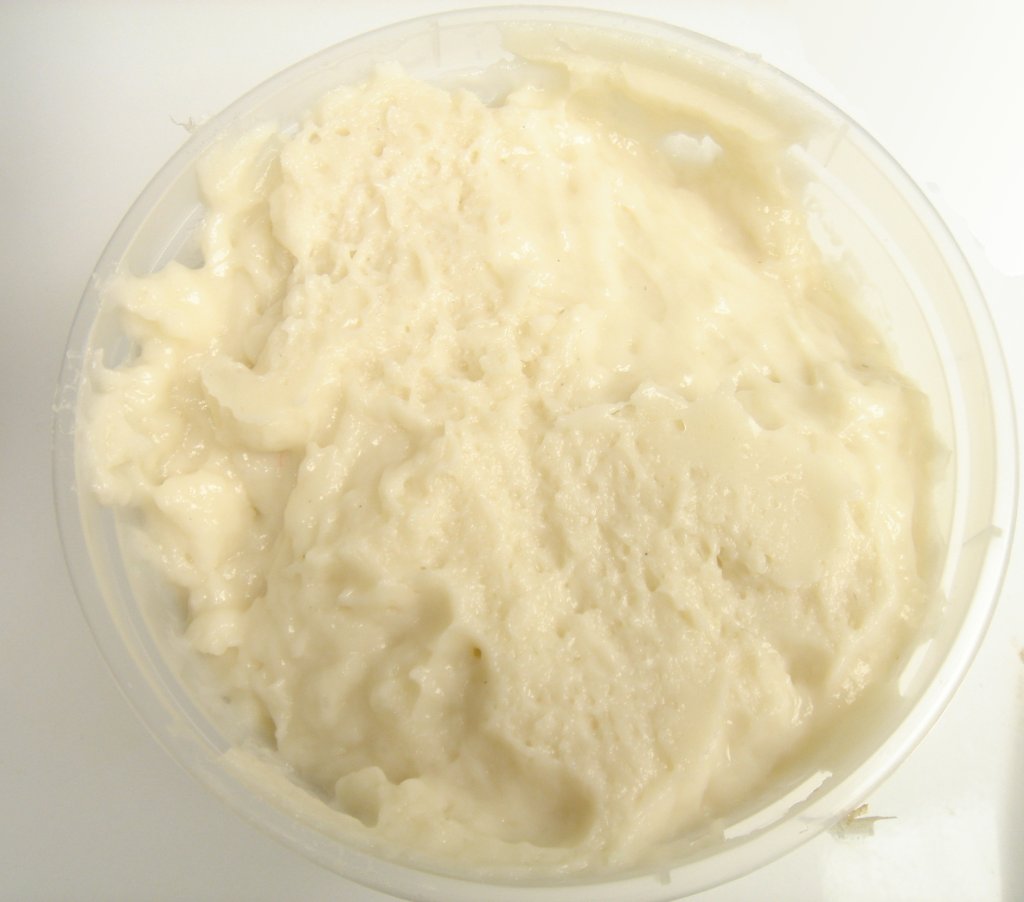
Surimi made of ground fish
TypeFish paste
Place of originJapan
Main ingredientsFish, meats
  •   Media: Surimi
Crab sticks – imitation crab meat made from surimi

Surimi (Japanese: 擂り身 / すり身; 'ground meat') is a paste made from fish or other meat. It can also be any of a number of East Asian foods that use that paste as their primary ingredient. It is available in many shapes, forms, and textures, and is often used to mimic the texture and color of the meat of lobster, crab, grilled Japanese eel, or shellfish.

History

[edit]
Chinese fish tofu, made of ground fish

Fish pastes have been a popular food in East Asia. In China, the food is used to make fish balls (魚蛋/魚丸) and ingredients in a thick soup known as geng (羹), common in Fujian cuisine. In Japan, the earliest surimi production was in 1115 for making kamaboko. Alaska pollock, native to the seas around Japan, played an important role in the development of processed surimi due to its high protein biomass. Satsumaage, chikuwa, and hanpen were other major surimi foods prior to 1960.[1]: 4–5 

After World War II, machines were used to process surimi, but it was always sold fresh, since freezing had a negative effect on the finished product by denaturing the gel-forming capability of the surimi. Between 1945 and 1950, record catches of pollock in Hokkaido (primarily for harvesting the roe) resulted in large quantities of fish meat, so the Hokkaido Fisheries Research Station established a team to make better use of the excess. A team, led by K. Nishiya, discovered the addition of salt during the processing prevented the spongy texture that resulted after freezing, and also began using salted surimi in the manufacture of fish sausages. In 1969, Nishitani Yōsuke further discovered that the use of sucrose, or other carbohydrates, such as sorbitol, acted as a cryoprotectant by stabilizing the actomyosin in the surimi without denaturing the fish protein the way salt does.[1]: 5–6 

Surimi industrial technology developed by Japan in the early 1960s promoted the growth of the surimi industry. In 1963, the government of Hokkaido applied for a patent on the surimi processing technology, and companies, such as Nippon Suisan and Maruha-Nichiro, implemented at-sea frozen fish processing in the mid-1960s. After a peak of surimi consumption in 1975, consumption in Japan began to decline as the preference for other meats (beef, pork) went up, and lower quality products on the market influenced consumer opinion of surimi overall. Although the quality standards for fish in Japanese surimi products were quite high, the consumer perception of surimi generally attributes it to by-catch and lower quality fish.[1]: 6–7 

When the Magnuson–Stevens Fishery Conservation and Management Act was enacted in 1976, the United States became involved in the surimi industry through joint ventures with Japanese fish processors. Imitation crab products were developed in Japan between 1973 and 1975, and although not as popular in Japan, opened the door to international surimi consumption. Further developments for using different types of fish were made since the 1980s. The first US surimi processing plant was built in 1984 on Kodiak Island, and Canada in 1995, aided by Japanese technicians.[1]: 6–9 

In the early 1990s and the late 2000s, the price of surimi skyrocketed. This affected many small Japanese kamaboko companies, causing many to go bankrupt due to cost of materials as well as the diminishing habit of eating kamaboko daily by younger generations.[1]: 8  As the price rose, surimi industry sought methods to minimize waste.[2] The decanter technique, developed in the mid-1990s, further improved the recovery of fish meat during the washing process.[1]: 6–9 

Use and labelling

[edit]
Japanese kamaboko is made of surimi

Two to three million tons of fish from around the world, amounting to 2–3 percent of the world fisheries' supply, are used for the production of surimi and surimi-based products. The United States and Japan are major producers of surimi and surimi-based products. Thailand has become an important producer. China's role as producer is increasing. Many newcomers to the surimi industry have emerged, including Lithuania, Vietnam, Chile, the Faroe Islands, France, and Malaysia.[3]

In the United Kingdom, due to tightening advertising/labeling regulations, the surimi product previously sold as crab sticks is now sold as seafood sticks (since it contains no crab), though the older term is still recognized by most older people, and the red coloring to imitate the appearance of crabs is still applied.

Chemistry

[edit]

Composition

[edit]

According to the United States Department of Agriculture National Nutrient Database, fish surimi contains about 76% water, 15% protein, 6.85% carbohydrate, and 0.9% fat.[4]

Chemistry of curing

[edit]

The curing of the fish paste is caused by the polymerization of myosin when heated. The species of fish is the most important factor that affects this curing process. Many pelagic fish with higher fat contents lack the needed type of heat-curing myosin and are not used for surimi.[5]

Borax was once widely used in Asian fish balls to make the texture bouncier and to preserve the water content. It is now banned in multiple countries (including Taiwan), but clandestine use has continued (such as in 2008).[6] The legal replacement is polyphosphate, which provides a similar effect without the toxicity of borax.[7]

[edit]

See also

[edit]

References

[edit]
[edit]
Revisions and contributorsEdit on WikipediaRead on Wikipedia
from Grokipedia
Surimi is a highly refined fish mince, typically derived from white-fleshed species such as Alaska pollock, that is processed into a wet protein concentrate through mechanical deboning, washing, and partial dehydration, serving as the primary base for imitation seafood products like crab legs and shrimp analogs.[1][2] Originating in Japan around the 12th century as a method to preserve excess fish by grinding and salting it, surimi evolved into a modern frozen product in the 1960s when cryoprotectants like sugar and sorbitol were added to enable long-term storage and global trade, transforming it from a traditional Asian foodstuff into a multibillion-dollar industry.[2][3] The production process involves several steps: fish are sorted and headed, minced to separate flesh from bones and skin, washed multiple times in water to remove fat, blood, and soluble proteins while concentrating myofibrillar proteins, refined to achieve a fine paste, dewatered to about 78-82% moisture, mixed with additives such as salt, starches, and flavorings, and then frozen into blocks for distribution.[3][1] Commonly shaped, colored, and flavored to mimic shellfish—such as in crab sticks, fish cakes (e.g., kamaboko), or California rolls—surimi products are versatile in global cuisine, offering a shelf-stable, affordable alternative to real seafood with high protein content (around 12-15 grams per 100 grams) and low calories (about 80-100 per 100 grams).[2][4] Primary raw materials include Alaska pollock (sustainably managed in U.S. waters), tropical species like threadfin bream and lizardfish from Southeast Asia, and occasionally carp in China, with yields typically at 22-24% of the original fish weight.[2][3][5] Global production was approximately 860,000 metric tons in 2023, down from peaks exceeding 1 million metric tons in the 1980s due to resource management and overfishing concerns, with major producers including the United States (primarily Alaska pollock), Thailand, China, and Vietnam. In 2024, production declined to approximately 820,000 metric tons amid fluctuating quotas and market demands, with early 2025 trends showing growth in Russian pollock and Chinese carp surimi offsetting some declines.[6][3] While U.S.-sourced surimi benefits from strong sustainability oversight, tropical fisheries face challenges like bycatch, habitat damage from trawling, and occasional mislabeling, prompting calls for better traceability and certification.[2][4]

History and Origins

Traditional Development in Japan

The origins of surimi trace back to 12th-century Japan, where it emerged as a practical method for preserving fish in an era when fresh seafood was perishable and transportation limited. Artisans developed the technique by mincing white fish, such as local varieties abundant in Japanese waters, washing the flesh to remove impurities and odors, and forming it into stable pastes that could be broiled or steamed for extended shelf life. This innovation allowed communities to utilize surplus catches, transforming potential waste into a versatile protein source integral to daily diets.[7][8] During the Edo period (1603–1868), surimi production evolved significantly, with kamaboko—a steamed fish cake made from the refined paste—becoming a staple street food accessible to commoners. What began as an elite banquet item in earlier centuries shifted to widespread commercialization, as urban markets in cities like Edo (modern Tokyo) featured vendors grilling or steaming the cakes on wooden planks for quick consumption. This period saw refinements in kneading and seasoning techniques, enhancing texture and flavor while embedding kamaboko in festive traditions, such as New Year's celebrations.[9][10] Regional variations further diversified surimi-based products during the Edo era, exemplified by chikuwa, broiled fish tubes shaped around bamboo sticks that originated as a portable snack in coastal areas. These innovations reflected local adaptations to available fish species and cooking methods, solidifying surimi's role in Japan's culinary heritage before its later industrial expansion.[11][8]

Global Commercialization

Following World War II, surimi production experienced a significant boom in the 1960s, driven by technological advancements in freezing techniques that stabilized the fish paste for long-distance transport. Japanese companies, including Maruha Nichiro, pioneered at-sea processing on factory ships, enabling efficient harvesting of Alaska pollock in distant waters like the Bering Sea. By 1963, Maruha Nichiro had established a purchasing operation in Alaska and initiated test production of frozen surimi aboard North Pacific mother ships, marking the shift from traditional land-based methods to industrial-scale operations. This innovation facilitated the export of frozen surimi from Japan to the United States, where it served as the base for emerging imitation seafood products, laying the groundwork for global trade in the ingredient.[12][13] A key milestone in surimi's internationalization occurred in the 1970s with the development of "krab" products, molded imitation crab meat that mimicked the texture and flavor of real crab using surimi. Several Japanese firms innovated these products as a cost-effective alternative amid rising prices for natural crab, with exports of imitation crab sticks to the U.S. and Europe beginning around 1975. U.S. companies, such as those under Trident Seafoods' Louis Kemp brand, further commercialized these items by adapting surimi for domestic markets, capitalizing on the ingredient's versatility and affordability. By the late 1970s, this spurred widespread adoption in Western cuisine, particularly in salads and sushi rolls, transforming surimi from a niche Japanese export to a staple in global processed foods. The advancements in at-sea processing, exemplified by factory ships in the Bering Sea outfitted with surimi equipment since the mid-1960s, were crucial, allowing for rapid production of high-quality frozen blocks directly from abundant pollock stocks.[14] Economic pressures in the 1980s, including declines in natural crab populations due to overfishing in key regions like the North Pacific, accelerated surimi's role as a sustainable substitute. Japanese crab catches had already begun to wane post-1970s exclusive economic zones that restricted access to foreign fishing grounds, prompting reliance on pollock-based surimi to meet demand without depleting premium species. This shift not only mitigated environmental strain on crab fisheries but also supported economic viability for processors facing volatile real seafood supplies. By 2020, these dynamics had cultivated a robust global surimi market valued at approximately $3.6 billion, with production spanning over 20 countries and emphasizing sustainability through bycatch utilization and alternative species. As of 2023, the market had grown to around $3.6-3.8 billion, reflecting continued expansion in sustainable practices and demand for imitation seafood.[3][15][16]

Composition and Chemistry

Molecular Structure

Surimi is primarily composed of myofibrillar proteins derived from fish muscle, which account for 65-75% of the total protein content and form the basis of its functional properties. These proteins mainly consist of actin and myosin, with myosin comprising approximately 55-60% of the myofibrillar fraction and actin making up 15-30%.[17] Myosin, a large molecule with a molecular weight of about 470 kDa, features a fibrous rod domain and globular heads that contribute to gel formation, while actin, at 43 kDa, assembles into filaments that interact with myosin to create the actomyosin complex essential for surimi's structure.[17] To prevent denaturation during frozen storage, surimi proteins are stabilized by cryoprotectants such as sorbitol and sucrose, which are added at levels of 4-8% each or in combination to maintain protein integrity by reducing ice crystal formation and protein aggregation.[17] The enzyme transglutaminase plays a critical role in gel network formation by catalyzing covalent cross-links between glutamine and lysine residues in proteins like myosin, resulting in an elastic texture through enhanced protein network density.[18] This cross-linking mechanism strengthens the surimi matrix, improving its mechanical properties without relying solely on heat-induced interactions. The typical pH range of 6.0-7.5 influences protein solubility and gelation, with values around 6.5-7.0 optimizing stability, while moisture content is maintained at 75-80% to balance texture and prevent syneresis.[17][19] These biochemical parameters collectively ensure surimi's suitability as a versatile base for processed products.

Nutritional Components

Surimi provides a moderate caloric content, with approximately 99 calories per 100 grams serving, derived primarily from its macronutrient profile. This includes about 15 grams of high-quality protein, which contributes to muscle repair and overall dietary protein needs, alongside minimal fat at around 1 gram—predominantly unsaturated—and roughly 7 grams of carbohydrates. Values are for plain surimi; processed products may vary with additives. Compared to real seafood like crab, surimi delivers about 80% of the protein content per equivalent serving but is notably lower in saturated fats, making it a lighter option for fat-conscious diets.[20] In terms of micronutrients, surimi is a good source of selenium, offering 20-30 micrograms per 100 grams, which supports antioxidant defenses and thyroid function, and vitamin B12, providing 1-2 micrograms per 100 grams to aid in red blood cell formation and neurological health. However, it is generally low in omega-3 fatty acids, containing only about 0.09 grams per 100 grams unless specifically fortified with oils like fish or algae extracts, in contrast to natural seafood that typically offers higher levels (e.g., 0.4-0.5 grams per 100 grams in crab) for cardiovascular benefits. These nutrient levels can vary slightly based on the fish species used and processing methods, but surimi's profile positions it as a functional food for essential mineral intake.[21][22] Surimi's allergen profile includes fish proteins, such as parvalbumin, which can trigger allergic reactions in sensitive individuals, similar to other fish-based products and necessitating clear labeling for consumer safety. Additionally, its sodium content is about 143 milligrams per 100 grams due to salt used in processing, though finished products often have elevated levels (500-800 mg per 100 grams) from further additions, which may impact those monitoring blood pressure or sodium intake.[23][20]

Production Process

Raw Material Preparation

The raw material preparation for surimi production primarily utilizes Alaska pollock (Gadus chalcogrammus), a primary raw material accounting for a significant portion (approximately 30-45%) of global surimi production and sourced from sustainable fisheries in the North Pacific Ocean, managed under rigorous quotas to maintain stock health.[24][25] Fish are first mechanically deboned to create a mince, which undergoes washing 2-3 times in cold water (typically at 0-5°C) to eliminate fat, blood, and soluble proteins such as sarcoplasmic fractions, resulting in a purified mince with about 95% myofibrillar protein content.[26][27] This washed mince is then processed through mincing and straining via screw-press machines, which further separate residual sarcoplasmic proteins, followed by dewatering (typically via centrifugation) to adjust the mixture to a paste with roughly 78-82% water content, optimizing it for gel formation.[28][29][3] Quality assessment occurs at this stage, with premium grades like SA (super A) defined by superior gel strength, quantified by a gelation index exceeding 1000 g/cm² when tested via compression methods on formed gels.[30][31]

Forming and Curing Techniques

Following the preparation of the surimi base paste, cryoprotectants such as a blend of 4% sucrose and 4% sorbitol (totaling 8% sugars and polyols) are added to the mixture to stabilize myofibrillar proteins and prevent denaturation during subsequent freezing and storage.[32] These additives lower the freezing point and inhibit ice crystal formation that could disrupt protein structure.[33] The paste is then thoroughly kneaded or mixed under controlled conditions, typically at temperatures below 10°C, to achieve a uniform texture and ensure even distribution of the cryoprotectants throughout the protein matrix.[34] The mixed surimi paste is then extruded or molded into blocks and subjected to blast freezing, rapidly cooling to -20°C or lower to minimize ice crystal damage and preserve gel integrity.[35] Under proper conditions, including storage at -18 to -25°C, the frozen surimi maintains sufficient gel strength and functionality for up to 12 months, allowing for reliable use in further processing.[35]

Culinary and Commercial Uses

Food Applications

Surimi finds extensive application in diverse culinary contexts, particularly in dishes that leverage its mild flavor and versatile texture to mimic seafood. In Japanese-inspired cuisine, it serves as a primary component in California rolls, where shredded surimi is combined with rice, nori, avocado, and cucumber to create an accessible maki roll popular worldwide.[36] Western adaptations often feature surimi in salads, such as imitation crab salads mixed with mayonnaise, celery, and onions, offering a quick, seafood-like alternative to tuna or lobster salads.[37] In Asian hot pots like nabemono, surimi pieces are simmered alongside vegetables, tofu, and broth, absorbing the savory umami from dashi or miso bases during communal meals.[38] Preparation methods highlight surimi's adaptability in home and restaurant cooking. It can be easily shredded using a fork or knife for incorporation into stir-fries, where it flakes under heat and integrates with vegetables and sauces in dishes like Vietnamese-inspired surimi stir-fries.[39] Flaking surimi similarly suits seafood mixes for sandwiches or appetizers, enhancing texture without overpowering other ingredients. Its porous, gel-like structure allows it to absorb surrounding flavors effectively, making it ideal for marinating or seasoning.[40] Cultural adaptations demonstrate surimi's global integration into everyday meals. In the United States, surimi-based imitation crab has been a staple in fusion dishes since the late 20th century, appearing in sushi bars and casual eateries to broaden seafood accessibility. In Europe, surimi forms the base for products like seafood sticks, which are sliced into salads or used as protein additions in quick meals, reflecting its popularity in supermarkets across the region.[41] The neutral taste of surimi contributes to its versatility, enabling pairings with a variety of spices, acids like lemon or vinegar, or creamy elements such as mayonnaise to create dips, spreads, and flavored patties. This flavor-absorbing quality, combined with its pre-cooked nature, positions surimi as a convenient ingredient for both traditional and innovative recipes.[42]

Product Variations

Surimi-based products primarily consist of seafood analogs designed to replicate the texture, flavor, and appearance of high-value shellfish. The most common variant is imitation crab, known as kani-kama in Japan, which features a fibrous, flaky structure mimicking snow crab legs.[43] Other popular types include shrimp, lobster, and scallop analogs, often shaped into chunks, flakes, or sticks to simulate the original seafood's form.[44] These analogs are typically colored with natural pigments such as astaxanthin derived from shrimp by-products for a pinkish-orange hue, or cochineal extract for red tones, enhancing visual appeal while maintaining stability during processing.[45][46] Leading brands in the surimi market include Trans-Ocean Products and Clover Leaf Seafood, which dominate North American production and distribution. In the United States, annual surimi production from Alaska pollock reached 174,000 metric tons in 2024, reflecting strong demand for these affordable seafood substitutes.[47] Recent innovations have expanded surimi's accessibility to diverse dietary needs. Since 2020, vegan alternatives have emerged, utilizing pea protein isolates to create plant-based analogs that replicate surimi's gel-like texture without animal-derived ingredients, addressing sustainability and ethical concerns in seafood consumption.[48] Gluten-free versions, such as Trans-Ocean's Simply Surimi line certified since 2015, cater to allergen-sensitive markets by excluding wheat-based stabilizers, ensuring broad consumer safety.[49] Packaging formats prioritize convenience and shelf life, with vacuum-sealed legs or chunks preserving freshness for retail and foodservice use. Ready-to-eat sticks are commonly available in individual wrappers for on-the-go snacking, while canned patties offer portability for prepared meals.[40] These variations are often pasteurized, allowing direct incorporation into salads, sushi, or appetizers with minimal preparation.[50]

Regulation and Consumer Aspects

Labelling Requirements

In the United States, the Food and Drug Administration (FDA) mandates that surimi-based products simulating specific seafood, such as crabmeat, must be labeled as "imitation" (e.g., "imitation crabmeat") if they serve as substitutes and are nutritionally inferior to the named seafood, prohibiting unqualified use of terms like "crab" in the product name.[51] Labels must also declare the primary fish species used, such as pollock or whiting, in the ingredient list, along with all additives like colorings and stabilizers, in descending order of predominance to ensure transparency.[51] In the European Union, Regulation (EU) No 1169/2011 requires surimi products to include prominent allergen warnings for fish and any mollusks if present, with these substances emphasized in the ingredients list (e.g., via bold text) or via a separate "contains" statement.[52] Additionally, the regulation stipulates disclosure of the country of origin or place of provenance for the fish used in surimi, particularly for fishery products, to prevent consumer misleading when the origin differs from the product's overall indication.[52] Japanese industry standards, overseen by the Ministry of Agriculture, Forestry and Fisheries, define surimi grades (e.g., SA, FA, A) based on criteria like gel strength, color, and moisture content. Commercial practices limit cryoprotectants such as sucrose and sorbitol to 8-10% total (typically 4-5% each) to maintain frozen stability without excess additives.[3] Common violations of these labeling requirements include failure to declare additives like monosodium glutamate (MSG) or misrepresenting surimi as genuine seafood, resulting in fines under the Federal Food, Drug, and Cosmetic Act and product recalls.[53] Recent updates include the EU's 2024 delegated regulation (EU) 2024/1910 strengthening origin and sustainability indications for processed fishery products under Regulation 1169/2011, and U.S. FDA's 2023 guidance on enhanced supply chain traceability for seafood to combat fraud.[54][55]

Health and Environmental Considerations

Surimi offers health benefits as a low-calorie, high-quality protein source, providing approximately 8 grams of complete protein per 3-ounce serving while remaining low in saturated fat and cholesterol, which can aid in weight management by promoting satiety without excess caloric intake.[56][57] Additionally, surimi derived from Alaska pollock retains some iodine, though levels vary due to processing; raw pollock provides about 67 micrograms per 85-gram serving—about half the recommended daily intake—supporting thyroid hormone production and overall metabolic function.[58] However, surimi products often contain high levels of added sodium, typically 2-3% by weight during processing, which can elevate dietary salt intake and increase the risk of hypertension and cardiovascular issues, particularly for sodium-sensitive individuals.[59] Regarding contaminants, mercury accumulation in pollock-based surimi remains minimal, with average levels around 0.031 parts per million, far below the FDA's action level of 1.0 ppm for methylmercury, posing negligible risk to consumers.[60] Environmentally, surimi production faced significant overfishing pressures on pollock stocks in regions like the Sea of Okhotsk and Western Bering Sea during the early 1990s, contributing to stock declines and prompting stricter management measures.[61] These concerns led to widespread adoption of sustainability certifications, with the Marine Stewardship Council (MSC) covering approximately 80% of global pollock supply as of 2023, ensuring better stock oversight and reduced depletion risks.[62] The process also generates substantial wastewater, as washing requires a water-to-surimi ratio of about 10:1, resulting in high organic loads that challenge treatment and disposal in production facilities.[63] To enhance sustainability, the industry has shifted toward utilizing bycatch species—such as underutilized fish from trawl fisheries—for surimi production, minimizing waste and diversifying raw material sources beyond primary stocks.[64] Furthermore, innovations in plant-based hybrids, blending surimi with proteins from soy or peas, aim to reduce reliance on wild-caught fish and lower the ecological footprint of seafood demand.[65]

References

User Avatar
No comments yet.