Recent from talks
Nothing was collected or created yet.
Green tea
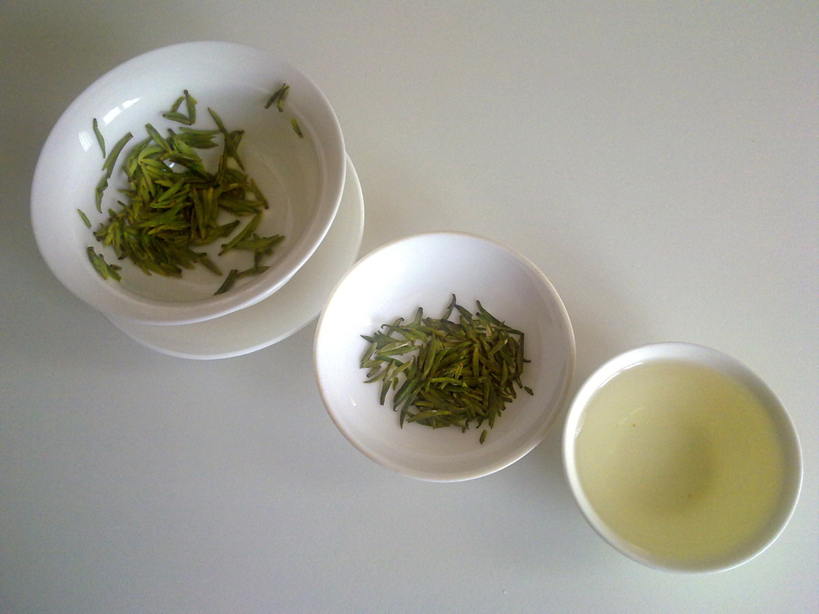
View on WikipediaThe appearance of green tea in three different stages (from left to right): the infused leaves, the dry leaves, and the liquid. | |
| Type | Tea |
|---|---|
| Origin | China, East Asia |
| Colour | Green |
| Ingredients | Tea leaves |
| Related products | Tea |
| Green tea | |||||||||||||||||||||||||
|---|---|---|---|---|---|---|---|---|---|---|---|---|---|---|---|---|---|---|---|---|---|---|---|---|---|
| Chinese name | |||||||||||||||||||||||||
| Traditional Chinese | 綠茶 | ||||||||||||||||||||||||
| Simplified Chinese | 绿茶 | ||||||||||||||||||||||||
| Literal meaning | Green tea | ||||||||||||||||||||||||
| |||||||||||||||||||||||||
| Japanese name | |||||||||||||||||||||||||
| Kanji | 緑茶 | ||||||||||||||||||||||||
| Hiragana | りょくちゃ | ||||||||||||||||||||||||
| |||||||||||||||||||||||||
Green tea is a type of tea made from the leaves and buds of the Camellia sinensis that have not undergone the withering and oxidation process that creates oolong teas and black teas.[1] Green tea originated in China in the late 1st millennium BC, and since then its production and manufacture has spread to other countries in East Asia.
Several varieties of green tea exist, which differ substantially based on the variety of C. sinensis used, growing conditions, horticultural methods, production processing, and time of harvest. While it may slightly lower blood pressure and improve alertness, current scientific evidence does not support most health benefit claims, and excessive intake of green tea extracts can cause liver damage and other side effects.
History
[edit]Tea consumption has its legendary origins in China during the reign of mythological Emperor Shennong.[2]
A book written by Lu Yu in 618–907 AD, The Classic of Tea (Chinese: 茶經; pinyin: chájīng), is considered important in green tea history.[citation needed] The Book of Tea (Kissa Yōjōki, lit. Record [of] Drinking Tea [for] Nourishing Life), written by Zen priest Eisai in 1211, describes how drinking green tea may affect five vital organs, the shapes of tea plants, flowers and leaves, and how to grow and process tea leaves[citation needed].
Steeping, brewing and serving
[edit]

Steeping, or brewing, is the process of making tea from leaves and hot water, generally using 2 grams (0.07 oz) of tea per 100 mL (3.5 imp fl oz; 3.4 US fl oz) of water or about 1 tsp (5 mL) of green tea per 150 mL (5.3 imp fl oz; 5.1 US fl oz) cup. Steeping temperatures range from 61 °C (142 °F) to 87 °C (189 °F) and steeping times from 30 seconds to three minutes.
Generally, lower-quality green teas are steeped hotter and longer while higher-quality teas are steeped cooler and shorter, but usually multiple times (2–3 typically). Higher-quality teas like gyokuro use more tea leaves and are steeped multiple times for short durations. Steeping too hot or too long results in the release of excessive amounts of tannins, leading to a bitter, astringent brew, regardless of initial quality. The brew's taste is also affected by the steeping technique; two important techniques are to warm the steeping container beforehand to prevent the tea from immediately cooling down, and to leave the tea leaves in the pot and gradually add more hot water during consumption.[citation needed]
Extracts
[edit]Polyphenols found in green tea include epigallocatechin gallate (EGCG), epicatechin gallate, epicatechins and flavanols,[1] which are under laboratory research for their potential effects in vivo.[3] Other components include three kinds of flavonoids, known as kaempferol, quercetin, and myricetin.[4] Although the mean content of flavonoids and catechins in a cup of green tea is higher than that in the same volume of other food and drink items that are traditionally considered to promote health,[5] flavonoids and catechins have no proven biological effect in humans.[6][7]
Green tea leaves are initially processed by soaking in an alcohol solution, which may be further concentrated to various levels; byproducts of the process are also packaged and used.[citation needed] Extracts are sold over the counter in liquid, powder, capsule, and tablet forms,[3][8] and may contain up to 17.4% of their total weight in caffeine,[9] though decaffeinated versions are also available.[10]
Green tea extract is usable as a clean label food preservative, protecting fats from rancidity. The oil-soluble form used is palmitoylated green tea catechins, ruled generally recognized as safe in 2020.[11]
Health effects
[edit]| Nutritional value per 100 g (3.5 oz) | |||||||||||||||||||||||||||||||||||
|---|---|---|---|---|---|---|---|---|---|---|---|---|---|---|---|---|---|---|---|---|---|---|---|---|---|---|---|---|---|---|---|---|---|---|---|
| Energy | 4 kJ (0.96 kcal) | ||||||||||||||||||||||||||||||||||
0 g | |||||||||||||||||||||||||||||||||||
0.2 g | |||||||||||||||||||||||||||||||||||
| |||||||||||||||||||||||||||||||||||
| Other constituents | Quantity | ||||||||||||||||||||||||||||||||||
| Water | 99.9 g | ||||||||||||||||||||||||||||||||||
| Caffeine | 12 mg | ||||||||||||||||||||||||||||||||||
| †Percentages estimated using US recommendations for adults,[12] except for potassium, which is estimated based on expert recommendation from the National Academies.[13] | |||||||||||||||||||||||||||||||||||
Regular green tea is 99.9% water, provides 1 kcal per 100 mL serving, is devoid of significant nutrient content (table), and contains phytochemicals such as polyphenols and caffeine.
Numerous claims have been made for the health benefits of green tea, but human clinical research has not found good evidence of benefit.[14][6][15] In 2011, a panel of scientists published a report on the claims for health effects at the request of the European Commission: in general they found that the claims made for green tea were not supported by sufficient scientific evidence.[6] Although green tea may enhance mental alertness due to its caffeine content, there is only weak, inconclusive evidence that regular consumption of green tea affects the risk of cancer or cardiovascular diseases, and there is no evidence that it benefits weight loss.[14]
In some cases of excessive consumption, green tea extract is hepatotoxic with evidence of liver damage.[16][17] A 2020 review by the Cochrane Collaboration listed some potential adverse effects of green tea extract including gastrointestinal disorders, higher levels of liver enzymes, and, more rarely, insomnia, raised blood pressure, and skin reactions.[18]
Cancer
[edit]Cancer Council Australia and Cancer Research UK have stated that there is not enough reliable evidence that green tea can prevent cancer.[19][20] The National Cancer Institute have noted that "the evidence regarding the potential benefits of tea consumption in relation to cancer is inconclusive at present".[21]
Green tea interferes with the chemotherapy drug bortezomib (Velcade) and other boronic acid-based proteasome inhibitors, and should be avoided by people taking these medications.[22]
Cardiovascular disease
[edit]A meta-analysis of observational studies reported an increase in one cup of green tea per day was correlated with slightly lower risk of death from cardiovascular causes.[23] Green tea consumption may be correlated with a reduced risk of stroke.[24][25] Meta-analyses of randomized controlled trials found that green tea consumption for 3–6 months may produce small reductions (about 2–3 mm Hg each) in systolic and diastolic blood pressures.[25][26][27][28] A separate systematic review and meta-analysis of randomized controlled trials found that consumption of 5–6 cups of green tea per day was associated with a small reduction in systolic blood pressure (2 mmHg), but did not lead to a significant difference in diastolic blood pressure.[29]
Glycemic control
[edit]Green tea consumption lowers fasting blood sugar but in clinical studies the beverage's effect on haemoglobin A1c and fasting insulin levels was inconsistent.[30][31][32]
Hyperlipidemia
[edit]Drinking green tea or taking green tea supplements decreases the blood concentration of total cholesterol (about 3–7 mg/dL), LDL cholesterol (about 2 mg/dL), and does not affect the concentration of HDL cholesterol or triglycerides.[29][30][33] A 2013 Cochrane meta-analysis of longer-term randomized controlled trials (>3 months duration) concluded that green tea consumption lowers total and LDL cholesterol concentrations in the blood.[30]
Inflammation
[edit]A 2015 systematic review and meta-analysis of 11 randomized controlled trials found that green tea consumption was not significantly associated with lower plasma levels of C-reactive protein levels (a marker of inflammation).[34]
Weight loss
[edit]There is no good evidence that green tea aids in weight loss or weight maintenance.[14][35]
Potential for liver toxicity
[edit]Excessive consumption of green tea extract has been associated with hepatotoxicity and liver failure.[36][37][38] In 2018, a scientific panel for the European Food Safety Authority reviewed the safety of green tea consumption over a low-moderate range of daily EGCG intake from 90 to 300 mg per day, and with exposure from high green tea consumption estimated to supply up to 866 mg EGCG per day.[17] Dietary supplements containing EGCG may supply up to 1000 mg EGCG and other catechins per day.[17] The panel concluded that EGCG and other catechins from green tea in low-moderate daily amounts are generally regarded as safe, but in some cases of excessive consumption of green tea or use of high-EGCG supplements, liver toxicity may occur.[17]
Production
[edit]In 2013, global production of green tea was approximately 1.7 million tonnes, with a forecast to double in volume by 2023.[39] As of 2015, China provided 80% of the world's green tea market, leading to its green tea exports rising by 9% annually, while exporting 325,000 tonnes in 2015.[40] In 2015, the US was the largest importer of Chinese green tea (6,800 tonnes), an increase of 10% over 2014, and Britain imported 1,900 tonnes, 15% more than in 2014.[40]
Growing, harvesting and processing
[edit]
Green tea is processed and grown in a variety of ways, depending on the type of green tea desired. As a result of these methods, maximum amounts of polyphenols and volatile organic compounds are retained, affecting aroma and taste. The growing conditions can be broken down into two basic types − those grown in the sun and those grown under the shade. The green tea plants are grown in rows that are pruned to produce shoots in a regular manner, and in general are harvested three times per year. The first flush takes place in late April to early May. The second harvest usually takes place from June through July, and the third picking takes place in late July to early August. Sometimes, there will also be a fourth harvest. The first flush in the spring brings the best-quality leaves, with higher prices to match.
Green tea is processed after picking using either artisanal or modern methods. Sun-drying, basket or charcoal firing, or pan-firing are common artisanal methods. Oven-drying, tumbling, or steaming are common modern methods.[41] Processed green teas, known as aracha, are stored under low humidity refrigeration in 30- or 60-kilogram paper bags at 0–5 °C (32–41 °F). This aracha has yet to be refined at this stage, with a final firing taking place before blending, selection and packaging take place. The leaves in this state will be re-fired throughout the year as they are needed, giving the green teas a longer shelf-life and better flavour. The first flush tea of May will readily store in this fashion until the next year's harvest. After this re-drying process, each crude tea will be sifted and graded according to size. Finally, each lot will be blended according to the blending order by the tasters and packed for sale.[42]
Import of radioactive Japanese tea
[edit]On 17 June 2011, at Charles de Gaulle airport in Paris, France, radioactive caesium of 1,038 becquerels per kilogram was measured in tea leaves imported from Shizuoka Prefecture, Japan as a result of the Fukushima Daiichi nuclear disaster on 11 March, which was more than twice the restricted amount in the European Union of 500 becquerels per kilogram. The government of France announced that they rejected the leaves, which totalled 162 kilograms (357 lb).[43]
In response, the governor of Shizuoka Prefecture, Heita Kawakatsu, stated: "there is absolutely no problem when they [people] drink them because it will be diluted to about 10 becquerels per kilogram when they steep them even if the leaves have 1,000 becquerels per kilogram;" a statement backed by tests done in Shizuoka.[44] Japanese Minister for Consumer Affairs and Food Safety Renhō stated on 3 June 2011 that "there are cases in which aracha [whole leaves of Japanese green tea] are sold as furikake [condiments sprinkled on rice] and so on and they are eaten as they are, therefore we think that it is important to inspect tea leaves including aracha from the viewpoint of consumers' safety."[45]
In 2018, the US Food and Drug Administration updated its import status on Japanese products deemed to be contaminated by radionuclides, indicating that tea from the Ibaraki prefecture had been removed from the list by the Government of Japan in 2015.[46]
Green tea across East Asia
[edit]
Mainland China and Taiwan
[edit]| Chinese name | |||||||||||||||||||
|---|---|---|---|---|---|---|---|---|---|---|---|---|---|---|---|---|---|---|---|
| Traditional Chinese | 綠茶 | ||||||||||||||||||
| Simplified Chinese | 绿茶 | ||||||||||||||||||
| Hanyu Pinyin | lǜchá | ||||||||||||||||||
| |||||||||||||||||||
Loose leaf green tea has been the most popular form of tea in China since at least the Southern Song dynasty.[47][48] While Chinese green tea was originally steamed, as it still is in Japan, after the early Ming dynasty it has typically been processed by being pan-fired in a dry wok.[49] Other processes employed in China today include oven-firing, basket-firing, tumble-drying and sun-drying.[50] Green tea is the most widely produced form of tea in China, with 1.42 million tons grown in 2014.[51]
Popular green teas produced in China today include:
- Biluochun (碧螺春)
Produced in Jiangsu, this tea is named after the shape of the leaves, which are curled like snails.[52] - Chun Mee (珍眉)
Known in English by its Cantonese name, and popular outside China. It has a plum-like flavour.[53] - Zhū chá (珠茶)
"Pearl tea", also called Gunpowder tea, is a form of tea which is tumble-dried so that each leaf is rolled into a small pellet that resembles gunpowder.[54] - Huangshan Maofeng (黄山毛峰)
A type of maofeng tea grown in the microclimate of the Huangshan mountain range in Anhui province. Maofeng teas are harvested by plucking intact two equal-sized leaves and a bud together.[55] - Longjing (龍井茶)
Also known as "Dragon Well" tea, the English translation of its name. Grown near Hangzhou in Zhejiang province, Longjing is the most well-known pan-fired Chinese green tea. Its flavour derives partly from the terroir of the region in which it is produced.[52] - Lu'an Melon Seed (六安瓜片)
Grown in Anhui province. Unlike typical Chinese teas, two leaves are plucked separately from each branch, with no bud and no stems. Harvested later in the season, it has a grassier flavour than typical Chinese green teas.[56] - Taiping Houkui (太平猴魁)
Grown in Anhui province. Uses a cultivar with an unusually large leaf. The production process flattens the tea leaves, creating the so-called "two knives and a pole" shape from the leaves and stem.[57] - Xinyang Maojian (信陽毛尖)
A type of maojian tea grown in Xinyang, Henan province.[58] Maojian teas are harvested by plucking a bud and one leaf together.[55]
Japan
[edit]
Tea seeds were first brought to Japan in the early 9th century by the Buddhist monks Saicho and Kūkai. During the Heian period (794–1185), Emperor Saga introduced the practice of drinking tea to the imperial family. The Zen Buddhist priest Eisai (1141–1215), founder of the Rinzai school of Buddhism, brought tea seeds from China to plant in various places in Japan. Eisai advocated that all people, not just Buddhist monks and the elite, drink tea for its health benefits.[59]
The oldest tea-producing region in Japan is Uji, located near the former capital of Kyoto.[59] It is thought that seeds sent by Eisai were planted in Uji, becoming the basis of the tea industry there.[60] Today, Japan's most expensive premium teas are still grown in Uji.[61] The largest tea-producing area today is Shizuoka Prefecture, which accounts for 40% of total Japanese sencha production.[62][61] Other major tea-producing regions include the island of Kyushu and the prefectures of Shiga, Gifu, and Saitama in central Honshu.[61]

All commercial tea produced in Japan today is green tea,[63] though for a brief period black tea was also produced in the late 19th and early 20th centuries. Japanese tea production is heavily mechanized, and is characterized by the use of modern technology and processes to improve yields and reduce labour. Because of the high cost of labour in Japan, only the highest quality teas are plucked and processed by hand in the traditional fashion.[64]
Japanese green teas have a thin, needle-like shape and a rich, dark green colour. Unlike Chinese teas, most Japanese teas are produced by steaming rather than pan-firing. This produces their characteristic colour, and creates a sweeter, more grassy flavour. A mechanical rolling/drying process then dries the tea leaves into their final shape.[63] The liquor of steamed Japanese tea tends to be cloudy due to the higher quantity of dissolved solids.[65]
Most Japanese teas are blended from leaves grown in different regions, with less emphasis on terroir than in the Chinese market. Because of the limited quantity of tea that can be produced in Japan, the majority of production is dedicated to the premium tea market. Cheaper bottled teas and tea-flavoured food products usually use lower-grade Japanese-style tea produced in China.[66]
Although a variety of commercial tea cultivars exist in Japan, the vast majority of Japanese tea is produced using the Yabukita cultivar developed in the 1950s.[67]
Popular Japanese green teas include:
- Bancha (番茶)
A lower-grade tea plucked from the same bushes used to produce sencha. It has a somewhat bolder flavour, and is plucked each season after sencha production is finished.[68] - Genmaicha (玄米茶)
Made by combining sencha tea leaves with toasted puffs of rice. - Gyokuro (玉露)
Grown under shade for three weeks prior to plucking, gyokuro is one of the most exclusive varieties of tea produced in Japan.[69] The shading technique imparts a sweeter flavour, and produces a particularly rich colour thanks to the higher amounts of chlorophyll in the shaded leaf. Gyokuro tea is associated with the Uji region, the first tea-growing region in Japan. It is often made using smaller-leaf cultivars of the tea plant.[70] - Hōjicha (焙じ茶)
This type of tea is made by roasting sencha or bancha leaves with kukicha twigs.[71] - Kabusecha (かぶせ茶)
Similar to gyokuro, kabusecha is shaded for only a week prior to plucking. Its flavour is somewhat between that of gyokuro and normal sencha.[69][70] - Kukicha (茎茶)
A blended tea made of sencha leaves and stems.[72] - Matcha (抹茶)
Like gyokuro, matcha is shaded before plucking. The plucked and processed leaf is called tencha. This product is then ground into a fine powder, which is matcha. Because the tea powder is very perishable, matcha is usually sold in small quantities. It is typically rather expensive.[71] Matcha is the type of tea used in the Japanese tea ceremony. It is prepared by whisking the tea with hot water in a bowl, until the surface is frothy. If the water is too hot, the tea may become overly bitter.[73] - Sencha (煎茶)
This type of tea is produced throughout the tea season, and is the standard style today, representing 80% of all tea produced in Japan.[74] 90% of sencha is grown from the Yabukita cultivar.[67] - Shincha (新茶)
The first early harvest of tea, plucked before the first flush, is called shincha. Shincha is made from the youngest new growth leaves, and is plucked from early April to early May. Shincha typically refers to the early harvest of sencha, but can refer to any type of tea plucked early in the season, before the main harvest. Because of the limited quantities in which it is produced, shincha is highly prized and expensive to obtain.[75]
Korea
[edit]| Green tea | |
| Korean name | |
|---|---|
| Hangul | 녹차 |
| Hanja | 綠茶 |
| RR | nokcha |
| MR | nokch'a |
| IPA | [nok̚.tɕʰa] |


According to Record of Gaya cited in Memorabilia of the Three Kingdoms, the legendary queen Heo Hwang-ok, a princess of the Ayodhya married to King Suro of Gaya, brought the tea plant from India and planted it in Baegwolsan, a mountain in current Changwon.[76]: 3 However, it is a widely held view that systematic planting of tea bushes began with the introduction of Chinese tea culture by the Buddhist monks around the 4th century.[77] Amongst some of the earliest Buddhist temples in Korea, Bulgapsa (founded in 384, in Yeonggwang), Bulhoesa (founded in 384, in Naju) and Hwaeomsa (founded in Gurye, in 544) claim to be the birthplace of Korean tea culture.[77] Green tea was commonly offered to Buddha, as well as to the spirits of deceased ancestors.[77] Tea culture continued to prosper during the Goryeo period, with the tea offering being a part of the biggest national ceremonies and tea towns were formed around temples.[78] Seon-Buddhist manners of ceremony prevailed.[78] During the Joseon period, however, Korean tea culture underwent secularization, along with the Korean culture itself.[78] Korean ancestral rite jesa, also referred to as charye (차례; 茶禮, "tea rite"), has its origin in darye (다례; 茶禮, "tea rite"), the practice of offering tea as simple ancestral rites by the royal family and the aristocracy in Joseon.[78]
Tea culture of Korea was actively suppressed by the Japanese during the Japanese forced occupation period (1910‒1945), and the subsequent Korean War (1950‒1953) made it even harder for the Korean tea tradition to survive.[79] The restoration of the Korean way of tea began in the 1970s, around Dasolsa.[79] Commercial production of green tea in South Korea only began in the 1970s,.[80] By 2012 the industry was producing 20% as much tea as Taiwan and 3.5% as much as Japan.[81][82] Green tea is not as popular as coffee or other types of Korean teas in modern South Korea. The annual consumption per capita of green tea in South Korea in 2016 was 0.16 kg (5+1⁄2 oz), compared to 3.9 kg (8 lb 10 oz) coffee.[83] Recently however, as the coffee market reached saturation point, South Korean tea production doubled during 2010‒2014,[84] as did tea imports during 2009–2015,[85] despite very high tariff rate (513.6% for green tea, compared to 40% for black tea, 8% for processed/roasted coffee, and 2% for raw coffee beans).
Korean green tea can be classified into various types based on several different factors. The most common is the flush, or the time of the year when the leaves are plucked (and thus also by leaf size).
- Ujeon
Ujeon (우전; 雨前; lit. "pre-rain"), or cheonmul-cha (첫물차; lit. "first flush tea"), is made of hand-picked leaves plucked before gogu (20–21 April).[86][87][88] The ideal steeping temperature for ujeon tea is 50 °C (122 °F).[89] - Sejak
Sejak (세작; 細雀; lit. "thin sparrow"), or dumul-cha (두물차; lit. "second flush tea"), is made of hand-picked leaves plucked after gogu (20–21 April) but before ipha (5–6 May).[86][87][88] The tea is also called jakseol (작설; 雀舌; lit. "sparrow tongue") as the tea leaves are plucked when they are about the size of a sparrow's tongue.[87] The ideal steeping temperature for sejak tea is 60–70 °C (140–158 °F).[89] - Jungjak
Jungjak (중작; 中雀; lit. "medium sparrow"), or semul-cha (세물차; lit. "third flush tea"), is made of leaves plucked after ipha (5–6 May) until the mid May.[86][87] The ideal steeping temperature for jungjak tea is 70–80 °C (158–176 °F).[89] - Daejak
Daejak (대작; 大雀; lit. "big sparrow"), or kkeunmul-cha (끝물차; lit. "final flush tea"), is made of tea leaves plucked in late May and after.[87] It is usually made into tea bags or used in cooking.[87] The ideal steeping temperature for daejak tea is 80–90 °C (176–194 °F).[89]
The mode of preparation also differs:
- Ipcha (yeopcha)
The synonyms ipcha (잎차; lit. "leaf tea") and yeopcha (엽차; 葉茶; lit. "leaf tea") refer to loose leaf tea, often in contrast to tea in tea bags. As the words mean "leaf tea", they can also be used in contrast to powdered tea.[90] - Garucha (malcha)
The synonyms garucha (가루차; lit. "powder tea") and malcha (말차; 末茶; lit. "powder tea") refer to powdered tea.[91][92]
Leaf teas are processed either by roasting or steaming.
- Deokkeum-cha (bucho-cha)
Roasting is the most common and traditional way of tea processing in Korea. Also translated into "pan-fried tea", the deokkeum-cha (덖음차; lit. "roasted tea") or bucho-cha (부초차; 麩炒茶; lit. "roasted tea") varieties are richer in flavour.[93][94][95] - Jeungje-cha
Steaming is less popular in Korean green tea processing, but the method is still used in temple cuisine. Tea prepared with steamed tea leaves, called jeungje-cha (증제차; 蒸製茶; lit. "steamed tea"), are more vivid in colour.[96]
Southern, warmer regions such as Boseong in South Jeolla Province, Hadong in South Gyeongsang Province, and Jeju Island are famous for producing high-quality tea leaves.[97]
- Banya-cha
Banya-cha (반야차; 般若茶; lit. "prajñā tea") is one of the most renowned Korean green teas.[98] This steamed tea is developed by Buddhist monks in Boseong.[citation needed] The tea is grown on sandy loam near mountains and sea.[citation needed] The word banya is a Korean transliteration of the Buddhist concept prajñā. - Jungno-cha
Jungno-cha (죽로차; 竹露茶; lit. "bamboo dew tea") is one of the most renowned Korean green teas.[99] The roasted variety of tea is made of tea leaves grown among the bamboo in Gimhae, Hadong, and Jinju in South Gyeongsang Province.[100]
Green tea can be blended with other ingredients.
- Hyeonmi-nokcha
Nokcha (green tea) blended with hyeonmi-cha (brown rice tea) is called hyeonmi-nokcha (현미녹차; 玄米綠茶; lit. "brown rice green tea"). - Remon-nokcha
Nokcha (green tea) blended with lemon is called remon-nokcha (레몬 녹차; lit. "lemon green tea").
Vietnam
[edit]
Green tea is the most popular tea among the Vietnamese people. In 2011, it accounted for over 63% of overall retail volume sales.[101] Vietnamese tea culture is ancient, but large scale cultivation was introduced in the late 19th century by French colonists who ran the first plantations in the Phú Thọ area.
Though less well known than Japanese and Chinese green teas, there are various types of Vietnamese green tea and various cultivars. They have recently entered the international market, usually at lower prices. Vietnam is fifth in the world for tea production today.[102]
There is a long tradition of growing and processing green tea in the Thái Nguyên area, north of Hanoi, which has been called the "cradle" of Vietnamese tea.[103] This region is now known for its green tea, which is shipped internationally.[104]
There are also many scented varieties of Vietnamese green tea, most of which are scented with a certain flower petals. These include:
- Lotus tea (trà sen), scented with Lotus flowers, sometimes the petals will be mixed into the tea leaves.
- Jasmine tea (trà lài), scented with jasmine
- Chrysanthemum tea (trà cúc)
- Aglaia tea (trà ngâu, tea infused with the flower from the Aglaia duperreana plant)
- Trà sói, tea infused with the flower from the Chloranthaceae family.
- Trà sâm dứa, made from a herbal mix of green tea, jasmine, Aglaia duperreana flower, basil and pandan leaves.
See also
[edit]References
[edit]- ^ a b Khan N, Mukhtar H (2013). "Tea and health: studies in humans". Current Pharmaceutical Design (Literature Review). 19 (34): 6141–7. doi:10.2174/1381612811319340008. PMC 4055352. PMID 23448443.
- ^ Dattner, Christine; Boussabba, Sophie (2003). Emmanuelle Javelle (ed.). The Book of Green Tea. Universe Books. p. 13. ISBN 978-0-7893-0853-5.
- ^ a b I.T. Johnson & G. Williamson, Phytochemical functional foods, Cambridge, UK: Woodhead Publishing, 2003, pp. 135–145
- ^ Committee on Diet, Nutrition, and Cancer, Assembly of Life Sciences, National Research Council, Diet, nutrition, and cancer, Washington: D.C National Academies Press, 1982, p. 286.
- ^ USDA Database for the Flavonoid Content of Selected Foods, Release 2.1 (2007)
- ^ a b c "Scientific Opinion on the substantiation of health claims related to Camellia sinensis (L.) Kuntze (tea), including catechins in green tea, and improvement of endothelium-dependent vasodilation (ID 1106, 1310), maintenance of normal blood pressure (ID 1310, 2657), maintenance of normal blood glucose concentrations (ID 1108), maintenance of normal blood LDL cholesterol concentrations (ID 2640), protection of the skin from UV-induced (including photo-oxidative) damage (ID 1110, 1119), protection of DNA from oxidative damage (ID 1120, 1121), protection of lipids from oxidative damage (ID 1275), contribution to normal cognitive function (ID 1117, 2812), "cardiovascular system" (ID 2814), "invigoration of the body" (ID 1274, 3280), decreasing potentially pathogenic gastro-intestinal microorganisms (ID 1118), "immune health" (ID 1273) and "mouth" (ID 2813) pursuant to Article 13(1) of Regulation (EC) No 1924/2006". European Food Safety Authority. 8 April 2011. Retrieved 9 November 2014.
- ^ EFSA Panel on Dietetic Products, Nutrition and Allergies (2010). "Scientific Opinion on the substantiation of health claims related to various food(s)/food constituent(s) and protection of cells from premature aging, antioxidant activity, antioxidant content and antioxidant properties, and protection of DNA, proteins and lipids from oxidative damage pursuant to Article 13(1) of Regulation (EC) No 1924/20061". EFSA Journal. 8 (2): 1489. doi:10.2903/j.efsa.2010.1489.
- ^ A. Bascom, Incorporating herbal medicine into clinical practice, Philadelphia: F.A. Davis Company, 2002, p. 153.
- ^ Seeram, Navindra P.; Henning, Susanne M.; Niu, Yantao; Lee, Rupo; Scheuller, H. Samuel; Heber, David (2006-03-01). "Catechin and Caffeine Content of Green Tea Dietary Supplements and Correlation with Antioxidant Capacity". Journal of Agricultural and Food Chemistry. 54 (5): 1599–1603. Bibcode:2006JAFC...54.1599S. doi:10.1021/jf052857r. ISSN 0021-8561. PMID 16506807.
- ^ "Update on the USP Green Tea Extract Monograph". USP. April 10, 2009.
- ^ "FDA has no objections to GRAS status of Kemin's oil-soluble green tea extract GT-FORT". foodnavigator-usa.com. 22 February 2019. Re: GRAS Notice No. GRN 000772, from FDA
- ^ United States Food and Drug Administration (2024). "Daily Value on the Nutrition and Supplement Facts Labels". FDA. Archived from the original on 2024-03-27. Retrieved 2024-03-28.
- ^ "TABLE 4-7 Comparison of Potassium Adequate Intakes Established in This Report to Potassium Adequate Intakes Established in the 2005 DRI Report". p. 120. In: Stallings, Virginia A.; Harrison, Meghan; Oria, Maria, eds. (2019). "Potassium: Dietary Reference Intakes for Adequacy". Dietary Reference Intakes for Sodium and Potassium. pp. 101–124. doi:10.17226/25353. ISBN 978-0-309-48834-1. PMID 30844154. NCBI NBK545428.
- ^ a b c "Green tea". National Center for Complementary and Integrative Health, US National Institutes of Health. September 2016. Retrieved 12 August 2018.
Green tea extracts haven't been shown to produce a meaningful weight loss in overweight or obese adults. They also haven't been shown to help people maintain a weight loss.
- ^ Filippini, T; Malavolti, M; Borrelli, F; Izzo, AA; Fairweather-Tait, SJ; Horneber, M; Vinceti, M (March 2020). "Green tea (Camellia sinensis) for the prevention of cancer". Cochrane Database of Systematic Reviews. 3 (11) CD005004. doi:10.1002/14651858.CD005004.pub3. PMC 7059963. PMID 32118296.
- ^ Brown AC (September 2017). "Liver toxicity related to herbs and dietary supplements: Online table of case reports. Part 2 of 5 series". Food Chem Toxicol (Review). 107 (Pt A): 472–501. doi:10.1016/j.fct.2016.07.001. PMID 27402097.
- ^ a b c d EFSA Panel on Food Additives and Nutrient Sources added to Food (2018). "Scientific opinion on the safety of green tea catechins". EFSA Journal. 16 (4): e05239. doi:10.2903/j.efsa.2018.5239. ISSN 1831-4732. PMC 7009618. PMID 32625874.
- ^ Filippini T, Malavolti M, Borrelli F, Izzo AA, Fairweather-Tait SJ, Horneber M, et al. (2020). "Green tea (Camellia sinensis) for the prevention of cancer". Cochrane Database Syst Rev (Systematic review). 3 (11) CD005004. doi:10.1002/14651858.CD005004.pub3. PMC 7059963. PMID 32118296.
- ^ "Does drinking green tea cure cancer?". cancer.org.au. Retrieved 10 November 2023.
- ^ "Green tea (Chinese tea)". cancerresearchuk.org. Retrieved 10 November 2023.
- ^ "Tea and Cancer Prevention". cancer.gov. Retrieved 10 November 2023.
- ^ Jia L, Liu FT (December 2013). "Why bortezomib cannot go with 'green'?". Cancer Biol Med (Review). 10 (4): 206–13. doi:10.7497/j.issn.2095-3941.2013.04.004 (inactive 1 July 2025). PMC 3860349. PMID 24349830.
{{cite journal}}: CS1 maint: DOI inactive as of July 2025 (link) - ^ Tang J, Zheng JS, Fang L, Jin Y, Cai W, Li D (July 2015). "Tea consumption and mortality of all cancers, CVD and all causes: a meta-analysis of eighteen prospective cohort studies". Br J Nutr (Meta-analysis). 114 (5): 673–83. doi:10.1017/S0007114515002329. PMID 26202661.
- ^ Zhang C, Qin YY, Wei X, Yu FF, Zhou YH, He J (February 2015). "Tea consumption and risk of cardiovascular outcomes and total mortality: a systematic review and meta-analysis of prospective observational studies". Eur J Epidemiology (Systematic Review and Meta-Analysis). 30 (2): 103–13. doi:10.1007/s10654-014-9960-x. PMID 25354990. S2CID 22529707.
- ^ a b Kromhout, D; Spaaij, CJ; de Goede, J; Weggemans, RM (August 2016). "The 2015 Dutch food-based dietary guidelines". European Journal of Clinical Nutrition (Review). 70 (8): 869–78. doi:10.1038/ejcn.2016.52. PMC 5399142. PMID 27049034.
- ^ Liu G, Mi XN, Zheng XX, Xu YL, Lu J, Huang XH (October 2014). "Effects of tea intake on blood pressure: a meta-analysis of randomised controlled trials". Br J Nutr (Meta-Analysis). 112 (7): 1043–54. doi:10.1017/S0007114514001731. PMID 25137341.
- ^ Khalesi S, Sun J, Buys N, Jamshidi A, Nikbakht-Nasrabadi E, Khosravi-Boroujeni H (September 2014). "Green tea catechins and blood pressure: a systematic review and meta-analysis of randomised controlled trials". Eur J Nutr (Systematic Review and Meta-Analysis). 53 (6): 1299–1311. doi:10.1007/s00394-014-0720-1. PMID 24861099. S2CID 206969226.
- ^ Mozaffarian, D (January 2016). "Dietary and Policy Priorities for Cardiovascular Disease, Diabetes, and Obesity: A Comprehensive Review". Circulation (Review). 133 (2): 187–225. doi:10.1161/CIRCULATIONAHA.115.018585. PMC 4814348. PMID 26746178.
- ^ a b Onakpoya, I; Spencer, E; Heneghan, C; Thompson, M (August 2014). "The effect of green tea on blood pressure and lipid profile: a systematic review and meta-analysis of randomized clinical trials". Nutrition, Metabolism and Cardiovascular Diseases (Systematic Review & Meta-Analysis). 24 (8): 823–36. doi:10.1016/j.numecd.2014.01.016. PMID 24675010.
- ^ a b c Larsson SC (January 2014). "Coffee, tea, and cocoa and risk of stroke". Stroke (Review). 45 (1): 309–14. doi:10.1161/STROKEAHA.113.003131. PMID 24326448.
- ^ Liu K, Zhou R, Wang B, Chen K, Shi LY, Zhu JD, Mi MT (August 2013). "Effect of green tea on glucose control and insulin sensitivity: a meta-analysis of 17 randomized controlled trials". Am J Clin Nutr (Meta-Analysis). 98 (2): 340–8. doi:10.3945/ajcn.112.052746. PMID 23803878.
- ^ Zheng XX, Xu YL, Li SH, Hui R, Wu YJ, Huang XH (April 2013). "Effects of green tea catechins with or without caffeine on glycemic control in adults: a meta-analysis of randomized controlled trials". Am J Clin Nutr (Meta-Analysis). 97 (4): 750–62. doi:10.3945/ajcn.111.032573. PMID 23426037.
- ^ Zheng XX, Xu YL, Li SH, Liu XX, Hui R, Huang XH (August 2011). "Green tea intake lowers fasting serum total and LDL cholesterol in adults: a meta-analysis of 14 randomized controlled trials". Am J Clin Nutr (Meta-Analysis). 94 (2): 601–10. doi:10.3945/ajcn.110.010926. PMID 21715508.
- ^ Serban C, Sahebkar A, Antal D, Ursoniu S, Banach M (September 2015). "Effects of supplementation with green tea catechins on plasma C-reactive protein concentrations: A systematic review and meta-analysis of randomized controlled trials". Nutrition (Systematic review & meta-analysis). 31 (9): 1061–71. doi:10.1016/j.nut.2015.02.004. PMID 26233863.
- ^ Jurgens TM, Whelan AM, Killian L, Doucette S, Kirk S, Foy E (2012). "Green tea for weight loss and weight maintenance in overweight or obese adults". Cochrane Database Syst Rev (Systematic review). 2012 (12) CD008650. doi:10.1002/14651858.CD008650.pub2. PMC 8406948. PMID 23235664.
- ^ "Green Tea". LiverTox: Clinical and Research Information on Drug-Induced Liver Injury. National Institutes of Health. 2012. PMID 31643260.
Green tea extract and, more rarely, ingestion of large amounts of green tea have been implicated in cases of clinically apparent acute liver injury, including instances of acute liver failure and either need for urgent liver transplantation or death.
- ^ Mazzanti, Gabriela; Di Sotto, Antonella; Vitalone, Annabella (2015). "Hepatotoxicity of green tea: An update". Archives of Toxicology. 89 (8): 1175–1191. Bibcode:2015ArTox..89.1175M. doi:10.1007/s00204-015-1521-x. PMID 25975988. S2CID 14744653.
- ^ Javaid A, Bonkovsky HL (2006). "Hepatotoxicity due to extracts of Chinese green tea (Camellia sinensis): a growing concern". J Hepatol. 45 (2): 334–336. doi:10.1016/j.jhep.2006.05.005. PMID 16793166.
- ^ Kaison, Chang (2015). "World tea production and trade: Current and future development" (PDF). Rome, Italy: FAO Intergovernmental Group on Tea, Food and Agriculture Organization, United Nations. Retrieved 15 November 2017.
- ^ a b Mingjie W; Yue T (31 May 2016). "Why tea is Chinese to a tee". World News, The Telegraph. Archived from the original on 27 February 2017. Retrieved 15 November 2017.
- ^ Heiss & Heiss 2007, pp. 56–69.
- ^ Green Tea Processing, O-cha.com, archived from the original on 2013-01-18, retrieved 2013-01-13
- ^ "日本からの緑茶に基準超えるセシウム パリの空港で検出." (Japanese) Asahi Shimbun. 2011-06-18. Retrieved 2011-06-19.
- ^ "静岡知事「飲用茶にすれば問題ない」 仏での検出受け." (Japanese) Asahi Shimbun. 2011-06-18. Retrieved 2011-06-19.
- ^ "蓮舫内閣府特命担当大臣記者会見要旨(平成23年6月3日(金))."[permanent dead link](Japanese) Consumer Affairs Agency. 2011-06-03. Retrieved 2011-06-19.
- ^ "Detention Without Physical Examination of Products from Japan Due to Radionuclide Contamination; Import Alert 99-33". US Food and Drug Administration. 20 March 2018. Archived from the original on 17 April 2018. Retrieved 13 April 2018.
- ^ Mair & Hoh 2009, p. 70.
- ^ Benn 2015, pp. 7–8.
- ^ Mair & Hoh 2009, pp. 110–111.
- ^ Heiss & Heiss 2007, pp. 58–67.
- ^ "国家数据". National Bureau of Statistics of China. 2014.
- ^ a b Heiss & Heiss 2007, p. 124.
- ^ Chow & Kramer 1990, p. 125.
- ^ Heiss & Heiss 2007, p. 65.
- ^ a b Heiss & Heiss 2007, pp. 124–125.
- ^ Battle 2017, pp. 106–107.
- ^ Battle 2017, pp. 105–106.
- ^ Chow & Kramer 1990, p. 143.
- ^ a b Heiss & Heiss 2007, pp. 164–166.
- ^ Mair & Hoh 2009, pp. 85–86.
- ^ a b c Heiss & Heiss 2007, pp. 176–179.
- ^ Battle 2017, p. 156.
- ^ a b Heiss & Heiss 2007, pp. 169–170.
- ^ Heiss & Heiss 2007, pp. 167–168.
- ^ Heiss & Heiss 2007, p. 68.
- ^ Heiss & Heiss 2007, pp. 174–175.
- ^ a b Battle 2017, p. 157.
- ^ Heiss & Heiss 2007, p. 179.
- ^ a b Battle 2017, p. 162.
- ^ a b Heiss & Heiss 2007, pp. 182–183.
- ^ a b Heiss & Heiss 2007, p. 185.
- ^ Heiss & Heiss 2007, p. 187.
- ^ Battle 2017, pp. 163–164.
- ^ Heiss & Heiss 2007, p. 182.
- ^ Heiss & Heiss 2007, p. 171.
- ^ Korean Tea Classics: by Hanjae Yi Mok and the Venerable Cho-ui. Translated by Anthony, Brother Anthony of Taizé; Hong, Kyeong-hee; Owyoung, Steven D. Seoul: Seoul Selection. 2010. ISBN 978-89-91913-66-0.
- ^ a b c Korean Tea Classics (by Hanjae Yi Mok and the Venerable Cho-ui). Translated by Brother Anthony of Taizé; Hong, Kyeong-hee; Owyoung, Steven D. Seoul: Seoul Selection. 2010. p. 3. ISBN 978-89-91913-66-0.
- ^ a b c d 정, 동효; 윤, 백현; 이, 영희 (2012). "한국 전통차문화생활의 연대". Cha saenghwal munhwa daejeon 차생활문화대전 (in Korean). Seoul: Hong Ik Jae. ISBN 978-89-7143-351-5 – via Naver.
- ^ a b Brother Anthony of Taizé; Hong, Kyeong-Hee (2007). The Korean way of tea: an introductory guide. Seoul: Seoul Selection. pp. 97–98. ISBN 978-89-91913-17-2.
- ^ Lee, Geumdong (February 2014). "韓国における主要3茶産地形成期のリーダーの役割: 寶城郡, 河東郡, 済州道を事例に" [The Leaders' Contribution of the Formative Period of Korea's 3 Main Tea Producing Areas] (PDF). 佐賀大学農学部彙報 (in Japanese). 99: 1–20. Archived from the original (PDF) on 2018-11-03. Retrieved 2015-11-28.
- ^ "Crops Primary Equivalent". FAO Corporate Statistical Database. Food and Agriculture Organization of the United Nations. Archived from the original on 1 September 2016. Retrieved 8 April 2017.
- ^ "Crops". FAO Corporate Statistical Database. Food and Agriculture Organization of the United Nations. Archived from the original on 19 June 2012. Retrieved 8 April 2017.
- ^ 허, 건량 (23 July 2016). 커피보단 쉼이 있는 '차문화' 부흥을. Segye Ilbo (in Korean). Retrieved 8 April 2017.
- ^ 안, 지예 (12 October 2016). "이제는 커피 대신 '차(茶)'다"...음료업계, 시장 선회. SisaON (in Korean). ISSN 1976-9792. Retrieved 8 April 2017.
- ^ 이, 새봄 (2016-10-13). 커피, 茶와의 동거...스타벅스 차 브랜드 '티바나' 10일만에 100만잔. Maeil Business Newspaper (in Korean). Retrieved 2017-02-19.
- ^ a b c Brother Anthony of Taizé; Hong, Kyeong-hee (2007). The Korean Way of Tea: An Introductory Guide. Seoul: Seoul Selection. p. 13. ISBN 978-89-91913-17-2.
- ^ a b c d e f Richardson, Lisa Boalt (2016) [2014]. Modern Tea: A Fresh Look at an Ancient Beverage 차 상식사전 (in Korean). Translated by 공, 민희. Seoul: Gilbut Publishing. p. 51. ISBN 979-11-6050-037-0.
- ^ a b Jackson, Julie (14 June 2013). "Green as far as the eye can see". The Korea Herald. Retrieved 20 March 2017.
- ^ a b c d Kim, Young-mann, ed. (2004). "Tradition - The Way of Tea: A Lifestyle Aesthetic for Learning the Depth and Enlightenment of Life". Pictorial Korea. Korean Overseas Culture and Information Service. p. 26. OCLC 704162423.
- ^ "yeopcha" 엽차. Standard Korean Language Dictionary. National Institute of Korean Language. Archived from the original on 20 March 2017. Retrieved 20 March 2017.
- ^ "garucha" 가루차. Standard Korean Language Dictionary. National Institute of Korean Language. Archived from the original on 20 March 2017. Retrieved 20 March 2017.
- ^ "malcha" 말차. Standard Korean Language Dictionary. National Institute of Korean Language. Archived from the original on 20 March 2017. Retrieved 20 March 2017.
- ^ "2015 Spring Harvest Hot Tea Class Champions". Global Tea Championship. Retrieved 20 March 2017.
- ^ 정, 동효; 윤, 백현; 이, 영희, eds. (2012). "deokkeum-cha" 덖음차. 차생활문화대전 (in Korean). Seoul: Hong Ik Jae. ISBN 978-89-7143-351-5. Retrieved 20 March 2017 – via Naver.
- ^ 정, 동효; 윤, 백현; 이, 영희, eds. (2012). "bucho-cha" 부초차. 차생활문화대전 (in Korean). Seoul: Hong Ik Jae. ISBN 978-89-7143-351-5. Retrieved 20 March 2017 – via Naver.
- ^ 정, 동효; 윤, 백현; 이, 영희, eds. (2012). "jeungje-cha" 증제차. 차생활문화대전 (in Korean). Seoul: Hong Ik Jae. ISBN 978-89-7143-351-5. Retrieved 20 March 2017 – via Naver.
- ^ "The World of Korean Tea – Nokcha (Green Tea)". Korea Tourism Organization. Archived from the original on 25 February 2017. Retrieved 20 March 2017.
- ^ "banya-cha" 반야차. Standard Korean Language Dictionary. National Institute of Korean Language. Archived from the original on 20 March 2017. Retrieved 20 March 2017.
- ^ "jungno-cha" 죽로차. Standard Korean Language Dictionary. National Institute of Korean Language. Archived from the original on 20 March 2017. Retrieved 20 March 2017.
- ^ Lee, Young Ho (2002). Ch'oŭi Ŭisun: A Liberal Sŏn Master and an Engaged Artist in Late Chosŏn Korea. Fremont, CA: Jain Publishing. p. 267. ISBN 978-0-89581-950-5.
- ^ "Tea in Vietnam". Euromonitor International Ltd. Retrieved 29 November 2012.
- ^ "The World's Top Tea-Producing Countries". WorldAtlas. 17 September 2020. Retrieved 2022-09-06.
- ^ "Thai Nguyen - The Cradle of Vietnamese Tea". Vietnam Online.
- ^ "Thai Nguyen Tea Conquers the World Market". Vietnam.vn. 20 June 2025. Retrieved 19 July 2025.
Other reading
[edit]- Battle, Will (2017). The World Tea Encyclopaedia: The World of Tea Explored and Explained from Bush to Brew. Market Harborough, UK: Troubador. ISBN 978-1-78589-313-1.
- Benn, James A. (2015). Tea in China: A Religious and Cultural History. Hong Kong: Hong Kong University Press. ISBN 978-988-8208-73-9.
- Chow, Kit Boey; Kramer, Ione (1990). All the Tea in China. San Francisco: China Books. ISBN 978-0-8351-2194-1.
- Farris, William Wayne (2019). A Bowl for a Coin: A Commodity History of Japanese Tea. Honolulu: University of Hawaii Press. hdl:20.500.12657/45612. ISBN 978-0-8248-7660-9.
- Heiss, Mary Lou; Heiss, Robert J. (2007). The Story of Tea: A Cultural History and Drinking Guide. Berkeley: Ten Speed Press. ISBN 978-1-58008-745-2.
- Mair, Victor H.; Hoh, Erling (2009). The True History of Tea. London Berkeley: Thames & Hudson. ISBN 978-0-500-25146-1.
External links
[edit]- NCCIH - Green Tea Side Effects and Cautions (From the National Center for Complementary and Integrative Health)
Green tea
View on GrokipediaHistory
Origins and Early Use in China
Archaeological analysis of residues from funeral objects in the Han Yangling Mausoleum, dating to the Western Han Dynasty (circa 100 BCE), provides the earliest direct evidence of tea consumption in ancient China, confirming its use by imperial elites as a beverage likely prepared from unoxidized leaves.[9] Similar findings in Xi'an tombs from the same period further support routine tea drinking among the aristocracy, with chemical markers identifying Camellia sinensis compounds in soil samples and artifacts.[10] A legendary account attributes tea's discovery to the mythical Emperor Shen Nong around 2737 BCE, who purportedly observed leaves infusing in boiling water and noted their detoxifying effects, but this narrative lacks empirical corroboration and reflects later mythological embellishment rather than historical fact.[11] Verifiable textual mentions emerge later, with medical compendia from the Eastern Han Dynasty (circa 100 CE) and Three Kingdoms period (220–280 CE) describing tea (tu or ming) as a bitter herbal remedy for digestion and alertness, initially consumed as a decoction rather than infusion.[12] During the Tang Dynasty (618–907 CE), processing innovations distinguished unoxidized green tea from emerging fermented varieties, involving steaming or pan-firing fresh leaves to inactivate enzymes and preserve their verdant color and catechins, primarily for medicinal applications against ailments like fatigue and indigestion.[13] This era saw tea integrated into imperial tributes from southern provinces, symbolizing tribute to the court, and adopted in Buddhist monasteries to sustain monks' wakefulness during prolonged meditation, as evidenced by Tang-era poems and records.[12] Lu Yu's The Classic of Tea (Cha Jing), composed around 760 CE, systematized these practices in its third chapter, outlining plucking standards, steaming to fix leaves, rolling, and drying for loose or compressed green tea forms, while critiquing inferior oxidation methods and elevating tea's cultural role beyond mere utility.[14][15] These techniques, rooted in empirical observation of leaf freshness yielding superior flavor and efficacy, laid the foundational causal principles for green tea's enduring distinction as China's primordial tea type.[16]Spread Across Asia and Global Adoption
Green tea reached Japan from China in the early 9th century, when Buddhist monk Saicho returned from studies in 805 CE with tea seeds, which he planted at the Enryaku-ji temple on Mount Hiei near Kyoto.[17] This introduction served religious purposes, aiding monks in meditation as a stimulant. The earliest literary reference appears in 815 CE, recording monk Eichu serving tea to Emperor Saga during an illness, as noted in the Nihon Kōki historical chronicle.[18] By the 12th century, monk Eisai further promoted cultivation and consumption, authoring Kissa Yōjōki in 1211 CE to advocate tea's medicinal benefits for health and Zen practice.[19] In Korea, tea transmission occurred earlier via Buddhist channels during the Silla kingdom around the 7th century, but systematic cultivation and cultural integration evidenced in Goryeo dynasty records from the 10th to 14th centuries, including 13th-century texts describing tea offerings in temples. Archaeological finds, such as tea-related artifacts in royal tombs, support its elite use by this period.[20] Vietnam, owing to geographic proximity, likely saw informal spread from China in antiquity, with documented royal court adoption during the Trần dynasty (1225–1400 CE), where 13th–14th-century literature and ceramics depict tea as a refined beverage among nobility.[21] European encounter began in the mid-16th century through Portuguese traders and Jesuit missionaries, who imported small quantities of Chinese green tea around 1557 CE, initially valued as a medicinal tonic for digestive and other ailments rather than a daily drink. Dutch East India Company merchants established regular shipments by 1610 CE, distributing it across Europe as a luxury curative, with trade records showing initial volumes under 1,000 pounds annually. By the late 17th century, consumption patterns shifted toward beverage use among elites, though green tea competed with emerging fermented varieties.[22] [23] The 19th century marked industrialization of green tea production in Asia, particularly Japan, where steam-powered processing enabled mass output; exports to the United States commenced post-1854 treaty openings, reaching 5 million pounds by 1885. Chinese exports dominated global green tea trade earlier, peaking at over 100 million pounds annually by mid-century before opium wars disrupted supplies. Colonial ventures in India (from 1834 CE seed imports) and Ceylon (plantations from 1867 CE) emphasized black tea for British markets, yielding first commercial exports of 1.5 million pounds from Ceylon by 1873, indirectly bolstering global tea infrastructure but minimal for unfermented green varieties until 20th-century diversification. In the 20th century, Asian producers like Japan and Korea expanded mechanized green tea output, with Japan's annual production surpassing 80,000 tons by 1920, facilitating broader adoption via export networks to Europe and the Americas.[19] [24] [25]Modern Commercialization and Research Era
Following World War II, Japan underwent a major transition in green tea production through extensive mechanization, which standardized processes for varieties like sencha and enabled large-scale output to satisfy rising domestic and export demands. Innovations such as automated steaming drums and rolling machines, evolving from Meiji-era developments, were widely adopted in factories by the 1950s, with the invention of the fukamushi deep-steaming method further refining product consistency and appearance. This mechanized approach contrasted with hand-processing traditions, boosting efficiency while preserving the steamed green tea profile central to Japanese production.[26][27][28] In China, green tea commercialization accelerated in the 20th century amid economic reforms, emphasizing expanded cultivation in regions like Zhejiang and Anhui, though mechanization lagged behind Japan and focused more on hybrid traditional-modern techniques for exports and internal markets. By the late 20th century, China emerged as the dominant global producer, accounting for over 70% of world green tea output, driven by state-supported plantations and processing facilities that prioritized volume alongside premium handcrafted teas.[29] The research era intensified from the mid-20th century, with analytical chemistry advancing the isolation of key catechins like epigallocatechin gallate (EGCG) and subsequent biochemical studies elucidating tea's compound profiles. Epidemiological inquiries proliferated from the 1980s, tracking consumption patterns in large cohorts across Asia to inform compositional analyses. In recent years, digital innovations such as blockchain-based traceability systems have been deployed for authenticity verification in Chinese teas, including Longjing, with implementations by China Mobile in 2023 linking production data to consumer access for countering adulteration.[30][31]Botanical Basis and Production
Cultivation and Growing Conditions
Green tea derives primarily from Camellia sinensis var. sinensis, an evergreen shrub that flourishes in subtropical climates characterized by mild temperatures, ample moisture, and nutrient-rich acidic soils. Optimal growth occurs at average temperatures of 15–30°C, where photosynthesis and metabolic processes support robust leaf development; extremes below 13°C or above 35°C halt expansion and induce stress.[32] [33] High relative humidity of 70–90% minimizes transpiration losses, while annual rainfall of 1,200–2,000 mm ensures hydrological balance without waterlogging.[34] [33] The plant demands well-drained, loamy soils with pH 4.5–5.5 to facilitate iron and nutrient uptake, as higher alkalinity impairs root function and yields.[35] [36] In contrast to C. sinensis var. assamica, which features larger leaves and thrives in warmer, lowland tropical conditions for bolder infusions, var. sinensis adapts to cooler, temperate subtropics with smaller, hardier foliage suited to green tea processing.[37] [38] Cultivation at elevations above 1,000 meters slows vegetative growth due to lower temperatures and reduced oxygen, concentrating amino acids like theanine while moderating catechin levels, which enhances umami and reduces astringency in resulting leaves.[39] [40] China dominates global green tea output, producing over 80% of the world's supply as of 2023, leveraging vast highland plantations in provinces like Fujian and Zhejiang where these conditions align with var. sinensis preferences.[41] [42] Since the 2010s, climate variability has disrupted these equilibria, with erratic rainfall and prolonged droughts in key Asian and African regions correlating to yield declines of 10–20% through diminished soil moisture and photosynthetic efficiency.[43] Studies attribute 68% of yield anomalies to rainfall deviations, exacerbating vulnerability in rain-fed systems and prompting adaptations like shade trees for microclimate stabilization.[44] [45]Harvesting and Processing Techniques
Green tea harvesting primarily involves plucking the terminal bud and the two adjacent young leaves from Camellia sinensis bushes, a practice that ensures tenderness and flavor potential. Hand plucking, conducted selectively by workers, predominates for premium varieties, allowing precise selection of shoots at optimal maturity and yielding superior uniformity compared to mechanical methods, which harvest indiscriminately at rates up to 10 times faster but often incorporate mature or damaged leaves, compromising quality.[46][47] Harvesting cycles, or flushes, occur multiple times annually, with the initial spring flush producing the most valued leaves due to cooler growth conditions enhancing compound concentration. Post-harvest processing aims to arrest oxidation through rapid enzyme inactivation, targeting polyphenol oxidase to maintain the leaves' green hue and volatile profiles. Fixation, the critical first step, employs steaming in Japanese methods—for instance, sencha undergoes 20-150 seconds of steam exposure to uniformly denature enzymes—or pan-firing in Chinese orthodox techniques, where leaves are stir-fried in hot woks at 200-300°C for 2-5 minutes to achieve similar deactivation without water-induced grassiness.[48][49][50] Subsequent rolling mechanically disrupts leaf cells, facilitating sap release and shape formation while promoting flavor development through controlled exposure. Final drying, via hot air or continued firing, reduces moisture content to 3-5%, stabilizing the product against microbial growth and enzymatic residual activity; empirical quality metrics include intact leaf structure, vibrant color retention, and moisture levels below 5% to prevent mold.[51][52] Variations in these steps, such as extended rolling for twisted shapes in Chinese greens versus needle-like forms in sencha, directly influence texture and infusion characteristics.[49]Quality Factors and Sustainability Challenges
Quality in green tea is primarily determined by factors such as leaf integrity, color uniformity, aroma intensity, and infusion clarity, with higher grades featuring tender buds and young leaves harvested by hand. Freshness is a crucial component of overall quality, as green tea—being unoxidized—loses its desirable characteristics relatively quickly if not stored properly. Fresh green tea leaves should display a bright, vibrant green color; leaves that appear pale, yellow, or brownish indicate staleness. The dry leaves should emit a strong, fresh grassy or vegetal aroma and feel crisp and brittle to the touch; a weak, straw-like, or musty odor suggests the tea is past its prime. When brewed, the infusion should be clear and bright green to yellow-green; a dull yellow, brown, or cloudy liquor is a sign of diminished freshness. The taste should be refreshing, lively, and often sweet with umami notes; flavors that are bland, sour, or excessively astringent indicate the tea has lost its vitality. Additionally, after brewing, the spent leaves from fresh tea should remain vibrant, whole, and intact rather than fragmented or dull.[53][54] Terroir elements, including soil composition, altitude, and microclimate, significantly influence flavor profiles and compound concentrations, while shading techniques in varieties like Japanese kabusecha—typically applied for 10-20 days—increase chlorophyll and amino acid levels, enhancing umami and reducing bitterness.[55] Camellia sinensis exhibits inherent pest resistance through biochemical defenses, such as elevated caffeine and polyphenols, which deter herbivores and reduce reliance on chemical interventions in low-input systems.[56] Sustainability challenges in green tea production include substantial water demands, with estimates indicating up to 120-250 liters of water per cup when accounting for irrigation and processing, exacerbating scarcity in rain-fed regions.[57] Pesticide residues persist as a concern, particularly in conventional Asian plantations, where studies detect organochlorines and other contaminants in exported teas, prompting calls for stricter residue limits and integrated pest management.[58] [59] Recent adaptations incorporate intercropping with green manure crops, such as Ophiopogon japonicus, which boosts soil organic matter, enzyme activity, and microbial diversity, while enhancing carbon sequestration potential in tea ecosystems.[60] In response to climate variability, producers in traditional areas are exploring resilient practices, alongside cautious expansion into non-traditional African zones like Malawi and Kenya, where warming trends and adaptation models inform yield stabilization amid shifting rainfall patterns.[61] [43]Chemical Composition
Primary Polyphenols and Catechins
Green tea leaves contain catechins as their predominant polyphenols, accounting for approximately 60-80% of total polyphenolic compounds on a dry weight basis.[6] The four major catechins are epigallocatechin gallate (EGCG), epigallocatechin (EGC), epicatechin gallate (ECG), and epicatechin (EC), with EGCG comprising 40-69% of the total catechins.[62] Total catechin content typically ranges from 59-103 mg/g dry leaf weight, though values can vary by cultivar and environmental factors.[63] High-performance liquid chromatography (HPLC) with diode-array detection (DAD) serves as the standard method for quantifying catechins, enabling separation and measurement of individual compounds based on their retention times and spectral profiles.[64] Seasonal and cultivation variations influence catechin levels; for instance, catechin concentrations are often higher in autumn-harvested leaves compared to spring due to differences in solar radiation and temperature exposure.[65] Shading during growth, as in production of teas like tencha, generally elevates amino acid content while reducing the catechins-to-amino-acids ratio, though absolute catechin yields can increase under moderate shading intensities depending on duration and light levels.[66] The non-fermented processing of green tea— involving rapid heat inactivation of polyphenol oxidase—preserves native catechins by minimizing enzymatic oxidation, in contrast to black tea production where fermentation converts catechins into theaflavins and thearubigins.[67] This oxidative transformation in black tea reduces free catechin levels by up to 87% relative to green tea, shifting the polyphenolic profile toward dimeric and polymeric forms.[68] Empirical analyses confirm EGCG as the most stable and abundant catechin in unprocessed green leaves, retaining structural integrity through steaming or pan-firing steps.[69]Caffeine, Amino Acids, and Other Compounds
Green tea leaves contain caffeine, a xanthine alkaloid, at concentrations typically ranging from 20 to 45 mg per gram of dry weight, varying with cultivar, leaf maturity (younger leaves containing higher levels), and processing conditions.[70][6][71] In the brewed infusion, extracted caffeine levels are influenced by the quantity of tea used, steeping time and water temperature (with longer durations and higher temperatures increasing extraction), and tea form, where bagged teas with finer particles often yield higher amounts than loose leaf.[72] This level accounts for approximately 2-5% of the dry matter, contributing to the beverage's stimulant effects through adenosine receptor antagonism, which enhances neuronal firing and dopamine release.[6] Among amino acids, L-theanine predominates, comprising 1-2% of the dry leaf weight and responsible for the characteristic umami flavor by modulating glutamate receptors.[73][74] L-theanine is biosynthesized in roots and translocated to leaves, where it accumulates during shading, promoting bioavailability via rapid intestinal absorption as a non-proteinogenic amino acid.[75] Trace levels of vitamins, including A, C, E, and B vitamins such as riboflavin, alongside minerals like potassium, calcium, magnesium, and manganese, are present but constitute minimal fractions of daily requirements per serving.[76][77] Volatile compounds, including pyrazines such as 2-ethyl-5-methylpyrazine, contribute to aroma profiles, particularly in semi-roasted varieties, with concentrations quantified via gas chromatography-mass spectrometry (GC-MS) at microgram-per-kilogram levels.[78][79] These heterocyclics form during thermal steps, enhancing sensory complexity through low-threshold odor detection. The interaction between L-theanine and caffeine demonstrates synergy for cognitive enhancement: L-theanine's promotion of alpha-wave activity and GABA/glutamate balance tempers caffeine-induced arousal, yielding improved attention and task-switching performance in human trials, as seen with 97 mg L-theanine paired with 40 mg caffeine outperforming either alone.[80][81][82] This complementarity arises from complementary pharmacokinetics—both compounds exhibit high oral bioavailability (L-theanine ~100%, caffeine ~99%) and peak plasma levels within 1 hour—facilitating sustained alertness without adverse excitation.[81]Variations Influenced by Processing and Origin
Japanese green teas, primarily processed by steaming, retain higher concentrations of catechins, including epigallocatechin gallate (EGCG), compared to Chinese green teas, which are typically pan-fired.[83] Steaming inactivates oxidative enzymes more rapidly and at lower temperatures, minimizing catechin degradation, whereas pan-firing at higher temperatures (around 150–300°C) leads to partial thermal breakdown of these polyphenols.[84] Pan-fired teas exhibit lower overall catechin levels but develop distinct roasted flavor compounds, with bitterness reduced due to catechin loss.[85] Origin-specific terroir, including altitude and climate, further modulates composition. Metabolomics analyses from high-altitude plantations (e.g., above 1,000 meters in Chinese regions like Yunnan) show decreased catechin content—up to 20–30% lower than lowland teas—attributed to cooler temperatures slowing biosynthesis pathways, while L-theanine levels increase positively with elevation due to enhanced amino acid accumulation under stress.[40] A 2024 targeted metabolomics study of Camellia sinensis var. sinensis confirmed these trends, with principal component analysis distinguishing high-elevation samples by elevated theanine and flavonoids but reduced galloylated catechins like EGCG.[86] Geographical factors, such as soil nitrogen and UV exposure, amplify these effects, with multivariate models linking 50+ metabolites to elevation gradients.[87] Post-2011 Fukushima monitoring data illustrate origin impacts from environmental contaminants. Japanese regulatory tests since 2012 report radiocesium (Cs-137) levels in green teas declining exponentially, with effective half-lives of 1–2 years in leaves; by 2023, detections were rare and below 100 Bq/kg, far under international limits (e.g., FDA derived intervention levels).[88] Comprehensive surveys of over 10,000 samples annually confirm minimal residual radionuclides in production regions, attributable to decontamination, restricted harvesting, and natural decay, with no exceedances in exported teas.[89][90]Preparation and Regional Varieties
Brewing and Steeping Methods
Brewing green tea involves infusing 1–2 teaspoons of dried leaves or powder in 200 ml of hot water to extract soluble compounds, with optimal parameters derived from extraction kinetics studies showing temperature-dependent diffusion rates that peak catechin yields at moderate heats while curbing excess tannin release. Temperatures of 70–85°C for 1–3 minutes balance solubilization of epigallocatechin gallate (EGCG) and other catechins, as higher initial extraction rates occur above 70°C but plateau after 2 minutes to avoid thermal degradation.[72] The same leaves can be infused multiple times, typically 2–4 infusions, yielding diminishing but distinct extractions.[91] Water quality significantly influences yield, with neutral pH (6–8) and low mineral content preferred; hard water with elevated calcium or magnesium ions reduces clarity and suppresses delicate flavors by altering infusion chemistry.[92] Variations in leaf type necessitate adjusted parameters based on empirical solubilization curves. For shade-grown teas like gyokuro, lower temperatures of 50–60°C for 1.5–2 minutes minimize astringency and enhance amino acid extraction, reflecting slower diffusion in denser leaves.[93] Standard sencha, conversely, extracts optimally at 70–80°C for shorter durations, yielding higher polyphenol concentrations without excessive bitterness due to its processing and leaf structure.[94] Over-steeping beyond 3 minutes accelerates tannin diffusion, heightening astringency—a puckering mouthfeel from polyphenol-protein interactions in saliva—while diminishing sensory balance, as confirmed by concentration-time profiles in infusion trials.[95] Laboratory data indicate that extraction efficiency follows first-order kinetics, with yields inversely related to particle size but capped by temperature thresholds to prevent off-notes from prolonged contact.[96]Assessing Freshness of Green Tea
Consumers can evaluate green tea freshness using sensory indicators before and during preparation to ensure optimal quality. Fresh dry leaves display a bright, vibrant green color; pale, yellow, or brownish hues indicate staleness. The aroma should be strong and fresh with grassy or herbal notes; absence of scent, hay-like, or moldy odors suggest the tea is old. When brewed, the liquor should appear bright green or yellow-green; dull yellow, brown, or cloudy colors signal loss of freshness. The taste should be refreshing, sweet, with umami notes and lively character; bland, sour, or excessively astringent flavors indicate reduced freshness. Additionally, fresh dry leaves feel crisp and brittle, while post-brew leaves remain vibrant in color and largely intact.Traditional Serving Practices
In traditional Chinese gongfu cha, a preparation method emphasizing skill and originating in regions like Chaozhou, green tea leaves are steeped in a small Yixing clay teapot or porcelain gaiwan using a high leaf-to-water ratio, with initial infusions lasting 5 to 30 seconds and subsequent ones extended to extract evolving flavors across 5 to 10 brews from the same leaves.[97] The brewed tea is decanted into a fairness pitcher for equitable pouring into tiny handleless cups of 30 to 50 milliliters, facilitating quick sips that highlight nuanced aromas and tastes, while etiquette dictates hygienic practices such as handling cups with tweezers and warming utensils beforehand.[97] This reuse of leaves, observed to yield diminishing but distinct extractions, underscores the custom's focus on efficient appreciation of the tea's full potential without waste.[98] Earlier Tang Dynasty practices, as codified in Lu Yu's 760 CE Cha Jing, involved boiling powdered green tea leaves in clear, sweet water sourced from mountain streams, moderated by controlled fire stages to froth without additives, then serving the infusion in bowls using 28 specified utensils to ensure purity and optimal flavor release.[99] This method prioritized unadulterated consumption, aligning with later gongfu traditions where additives like milk or sugar remain absent, preserving the beverage's natural vegetal and astringent profile unlike oxidized tea customs in other cultures.[100] In Japanese chanoyu, formalized by the 16th century under figures like Sen no Rikyū, green tea service centers on matcha powder whisked vigorously into hot water to form thick koicha (shared in one bowl) followed by frothy usucha (individual bowls of 60 to 100 milliliters), performed in austere settings with ritual gestures evoking harmony, respect, purity, and tranquility.[101] Guests receive the chawan bowl with both hands, rotate it to admire, sip in three rotations while cleansing the rim, and return it, with no infusions reused since the powdered form is fully consumed in a single preparation, maintaining the plain, additive-free tradition to honor the tea's essence.[102]Major Varieties by Region
China dominates global green tea production, accounting for approximately 2.1 million metric tons in 2024, which represents the majority of the world's output primarily from Camellia sinensis var. sinensis cultivars suited to its temperate regions.[103] Key varieties include Longjing (Dragon Well), hand-picked from the misty hills near Hangzhou in Zhejiang Province, noted for its flat, sword-shaped leaves and cultivars derived from local selections emphasizing early spring flushes.[104] Another prominent type is Biluochun (Green Snail Spring), cultivated in the Dongting Lake area of Jiangsu Province, featuring tightly curled leaves from hybrid selections that yield delicate, floral profiles.[105] Genomic analyses confirm the prevalence of C. sinensis var. sinensis genetics in these Chinese strains, with DNA mapping revealing high intraspecific diversity traced to ancient domestication in subtropical zones.[106] In Japan, green tea production totals around 83,000 metric tons annually, focusing on shaded and steamed processing of C. sinensis var. sinensis hybrids adapted to its volcanic soils.[107] Sencha, the most widely produced variety comprising over 60% of output, originates from regions like Kagoshima and Shizuoka, using cultivars such as Yabukita for its steamed leaf character.[108] Gyokuro, a premium shaded tea from similar genetic stock, is grown in areas like Uji, with leaves covered for 20 days pre-harvest to enhance amino acid content in select clones.[109] Matcha, powdered from tencha precursors, employs tenno or okumidori cultivars in Kyoto and Nishio, verified through SNP arrays showing Japanese populations cluster closely with Chinese sinensis origins but with localized adaptations.[110] Korean green teas, known as nokcha, are produced mainly on Jeju Island and in Boseong, with annual output contributing modestly to Asia's totals through C. sinensis var. sinensis strains introduced from China and Japan.[111] Jeju nokcha features early flushes like ujeon (pre-midsummer) from shaded bushes, emphasizing organic cultivation on basalt soils for cultivars yielding savory notes.[112] Sejak, a mid-flush variety from Boseong, uses similar genetics, with genetic diversity studies indicating Korean accessions maintain sinensis dominance via selective breeding.[113] Vietnam produces about 31,000 metric tons of green tea yearly, primarily from northern highlands like Thai Nguyen using C. sinensis hybrids blending sinensis and assamica traits for robust growth.[107] Shan tuyet, from ancient trees in Ha Giang and Lao Cai, represents wilder selections with larger leaves, while Thai Nguyen greens employ pan-fired processing on local cultivars.[114] Emerging production in Thailand involves green tea hybrids from northern mountains, incorporating sinensis introductions for oolong-green crosses, though output remains small-scale without dominant varietal standardization.[115]Claimed Health Effects and Evidence
Cardiovascular and Glycemic Outcomes
Observational studies, including prospective cohorts, have consistently reported inverse associations between green tea consumption and cardiovascular disease (CVD) risk. A 2021 umbrella review of meta-analyses found that each additional 3 cups (approximately 710 mL) of daily green tea intake was linked to a 27% reduction in CVD events, based on pooled data from four prospective studies adjusting for confounders like smoking and physical activity.[116] Similarly, a 2023 meta-analysis of East Asian cohorts indicated that higher green tea consumption (e.g., 3 or more cups per day) was associated with a 20-30% lower risk of coronary heart disease, though residual confounding from lifestyle factors cannot be ruled out in non-randomized designs.00030-3/abstract) Randomized controlled trials (RCTs) provide stronger causal evidence; a 2022 meta-analysis of 34 trial arms showed green tea supplementation significantly raised HDL cholesterol (weighted mean difference: 1.85 mg/dL) but had modest or null effects on LDL, total cholesterol, and blood pressure, with effect sizes often small and heterogeneous due to varying doses and durations.[7] Mechanistic studies support potential cardioprotective pathways, particularly through epigallocatechin gallate (EGCG), the predominant catechin in green tea. In vitro and ex vivo experiments demonstrate that EGCG inhibits low-density lipoprotein (LDL) oxidation by scavenging reactive oxygen species and chelating metal ions like copper, reducing oxidizability by up to 50% at physiological concentrations.[117][118] However, human RCTs translating this to clinical outcomes remain limited, with no consistent evidence of reduced LDL oxidation in vivo at typical beverage doses, highlighting a gap between biochemical effects and overt CVD prevention.[119] For glycemic outcomes, RCTs in type 2 diabetes patients show modest benefits, primarily on postprandial and fasting glucose rather than long-term markers. A 2024 meta-analysis of RCTs reported green tea supplementation reduced fasting blood glucose (mean difference: -5.5 mg/dL), HbA1c (-0.3%), and insulin resistance indices, though effects were small and not always sustained beyond 12 weeks.[120] Short-term trials confirm reductions in postprandial glucose spikes (e.g., 10-15% lower after meals), attributed to catechins delaying carbohydrate absorption, but meta-analyses note no significant impacts on fasting insulin or HOMA-IR in some subgroups, with high heterogeneity from extract vs. beverage forms.[121] A 2025 meta-analysis of 15 RCTs in 722 type 2 diabetes participants affirmed improvements in glycemic control, yet emphasized small effect sizes and called for larger trials to assess clinical relevance over pharmacological interventions.[122] Emerging preclinical data suggest indirect glycemic and cardiovascular benefits via lipid metabolism. A July 2025 study in high-fat diet-fed mice found Wuniuzao green tea extract reduced body weight, hepatic steatosis, and fat accumulation by modulating lipid synthesis pathways, though human translation requires confirmation and microbiome-specific mechanisms remain exploratory in this context.[123] Meta-analyses of observational studies further indicate associations between green tea consumption and reduced risk of liver diseases, with polyphenols like catechins offering antioxidant and anti-inflammatory effects that may support liver function, particularly in non-alcoholic fatty liver disease (NAFLD) management and lowering chronic liver condition incidence. One such analysis reported a 32% reduction in liver disease risk (RR=0.68, 95% CI 0.56-0.82) among green tea drinkers, though effects are modest, primarily associational, and require confirmation through larger RCTs.[124] Overall, while cohort associations are robust, RCT evidence for causal reductions in CVD events or diabetes progression is preliminary, prioritizing green tea as an adjunct rather than primary preventive agent.Cancer and Inflammation-Related Claims
Observational epidemiological studies, predominantly from Asian populations with high green tea consumption, have reported associations between regular intake and reduced risk of certain cancers, including prostate and breast cancer. For instance, a meta-analysis of cohort studies found that consuming more than seven cups of green tea per day was linked to a linear decrease in prostate cancer risk, with relative risks dropping progressively with higher intake levels.[125] Similarly, some analyses suggest modest risk reductions for breast cancer incidence, though often not statistically significant after adjusting for factors like overall diet and hormone levels.[126] These findings, however, are limited by confounders such as healthier lifestyles, lower smoking rates, and dietary patterns in tea-drinking cohorts, which may drive the observed associations rather than green tea catechins alone; Western populations with lower habitual intake show weaker or null links in comparable studies.[127] Randomized controlled trials (RCTs), particularly in Western settings, have generally failed to demonstrate causal reductions in cancer incidence or progression. A Cochrane review of green tea interventions concluded inadequate evidence for prevention across cancers, with prostate cancer showing some preclinical promise but no consistent clinical benefits in human trials.[128] Meta-analyses of RCTs report equivocal effects on prostate-specific antigen levels or tumor markers, often null after accounting for dosage and duration.[129] Overall relative risks from broader meta-analyses hover around 0.91 for green tea and cancer, but these aggregate mostly observational data and do not establish causality.[130] In vitro and animal studies highlight potential mechanisms, such as epigallocatechin gallate (EGCG), the primary catechin in green tea, inducing apoptosis in cancer cells and inhibiting the NF-κB pathway to suppress inflammation-linked proliferation and angiogenesis. Green tea is rich in catechins, particularly EGCG, which as polyphenols reduce inflammation by lowering pro-inflammatory cytokines and protect cells from oxidative damage, though these effects are primarily demonstrated in preclinical models.[131][132] EGCG disrupts NF-κB activation, reducing pro-tumorigenic cytokine expression like TNF-α in endothelial cells.[133] Preclinical meta-analyses confirm anti-tumor effects in models of breast and ovarian cancers.[134] However, human bioavailability severely undermines translation: oral EGCG absorption is below 1%, with peak plasma concentrations reaching only 0.57 μM after 3 grams of green tea extract, far lower than in vitro effective levels (5-50 times higher required).[135][136] Post-digestion stability is poor, with less than 10% of EGCG remaining intact.[137] Recent reviews, including those from 2025, emphasize no proven causal role in cancer prevention and caution against overstating benefits amid hype, given reliance on associative data and pharmacokinetic barriers.[138] High-quality RCTs remain sparse, and while anti-inflammatory pathways like NF-κB inhibition offer mechanistic plausibility, they do not override evidence gaps or confounders in human outcomes.[139]Neurological and Weight Management Effects
Green tea catechins and L-theanine exhibit potential neuroprotective effects, with epidemiological data linking regular consumption to reduced dementia risk markers. A January 2025 cohort study of older Japanese adults without dementia found that those consuming three or more cups daily had significantly fewer cerebral white matter lesions—hyperintensities associated with cognitive impairment—compared to non-consumers, suggesting a protective role against vascular brain damage.[140] Another 2025 longitudinal analysis indicated moderate midlife green tea intake correlated with lower dementia incidence, particularly in males, potentially via antioxidant modulation of amyloid and tau pathology.[141] L-theanine, an amino acid abundant in green tea, influences brain activity by increasing alpha wave production, which correlates with relaxed wakefulness without sedation. Electroencephalography studies demonstrate that 200 mg of L-theanine elevates alpha-band activity within 40 minutes, enhancing attention and reducing stress-induced cognitive interference.[142] This effect synergizes with caffeine to improve executive function and working memory in middle-aged adults, as shown in randomized trials measuring response inhibition and selective attention tasks.[143] Regarding weight management, meta-analyses of randomized controlled trials report modest reductions in body weight and fat mass from green tea catechins, averaging 1.3 kg over 12 weeks when combined with caffeine, attributed to augmented diet-induced thermogenesis and postprandial fat oxidation. Green tea's catechins, such as epigallocatechin gallate (EGCG), and caffeine enhance fat burning, particularly during exercise, with regular consumption associated with reduced waist circumference in meta-analyses of RCTs.[144][145][146] EGCG, the primary catechin, inhibits catechol-O-methyltransferase, prolonging norepinephrine-mediated lipolysis in adipocytes.[147] Animal studies have demonstrated that green tea catechins, particularly EGCG, can suppress appetite, leading to reduced food intake and body weight loss. For example, administration of EGCG to rats resulted in significantly reduced food intake and body weight.[148] However, in humans, evidence for appetite suppression by green tea catechins is limited and inconsistent. Some studies show reduced hunger and lower energy intake when catechins are combined with caffeine and soluble fiber,[149] but catechins alone do not reliably suppress appetite. The primary mechanism for the modest weight loss observed in human trials is increased energy expenditure and fat oxidation (e.g., via thermogenesis and lipolysis), rather than appetite suppression.[150] Animal models provide mechanistic insights into metabolic enhancements. A 2025 study in obese mice fed high-fat diets showed green tea extract increased skeletal muscle insulin sensitivity and glucose uptake, promoting fat utilization even under thermoneutral conditions that mimic human resting metabolism.[151] This led to reduced adipose accumulation via upregulated mitochondrial biogenesis in brown adipose tissue.[152] Human applicability remains limited by short trial durations (typically 3-6 months) and potential confounders like caloric restriction or exercise adherence in study participants.[145] Emerging evidence from systematic reviews and meta-analyses suggests potential benefits of green tea for polycystic ovary syndrome (PCOS), including improvements in weight loss, insulin resistance, and glycemic control among women with the condition, possibly through catechin-mediated enhancements in metabolic function.[153][154] These findings remain preliminary, with calls for larger randomized controlled trials to confirm efficacy and address limitations in study design. Green tea polyphenols may support gut health by acting as antioxidants and modulating the gut microbiota to promote beneficial bacteria diversity, reduce detrimental species, intestinal inflammation, and gut permeability, based on preclinical studies and emerging human evidence. The mild caffeine content and hydrating effects may promote bowel movements by stimulating peristalsis and softening stools, potentially aiding mild constipation, though direct evidence for significant relief is limited to preclinical models and indirect data from irritable bowel syndrome symptom studies, with systematic reviews noting inconsistent effects requiring further RCTs. Excessive intake may increase stomach acid or cause digestive discomfort due to tannins.[155][156]Cough and Respiratory Symptom Relief
There is limited clinical evidence supporting green tea for cough relief specifically. One randomized controlled trial found that gargling with green tea solution reduced cough occurrence at 12 hours after coronary artery bypass graft surgery (p=0.030), but showed no effect on hoarseness and no consistent differences at other time points (6 hours: p=0.229; 24 hours: p=0.221).[157] Broader evidence pertains to green tea catechins potentially preventing influenza or the common cold (symptoms of which may include cough), but clinical studies remain inconclusive overall and do not strongly support the use of green tea for treating or suppressing cough. Experimental antiviral effects have been demonstrated, yet human trials yield mixed results, with some suggesting prophylactic benefits while others show no significant differences, underscoring the need for further high-quality research.[158]Assessment of Study Limitations and Causality
Observational studies on green tea consumption, predominantly cohort designs in Asian populations, frequently report inverse associations with mortality or disease risk, yet these are susceptible to confounding factors such as the healthy user bias, where tea drinkers tend to exhibit healthier lifestyles including better diet, exercise, and lower smoking rates compared to non-drinkers.[159] This bias inflates apparent benefits, as self-selection into tea consumption correlates with overall health behaviors rather than causal effects from the tea itself; for instance, Mendelian randomization approaches attempting to isolate genetic proxies for tea intake have yielded inconsistent causal inferences, underscoring the challenge of disentangling confounders in epidemiological data.[160] Randomized controlled trials (RCTs) evaluating green tea or its extracts show methodological constraints, including small sample sizes often under 200 participants, which limit statistical power to detect modest effects, and short durations typically spanning 4-24 weeks, insufficient for assessing chronic outcomes like cancer prevention or sustained cardiovascular protection.[161] Meta-analyses of such RCTs frequently reveal null or inconsistent results for endpoints like blood pressure or lipid profiles in healthy or at-risk adults, with effects confined to high doses via extracts rather than beverage forms, highlighting discrepancies between observational hype and interventional evidence.[162] Larger, long-term RCTs are needed to probe causality, as current trials lack the scale and duration to override potential placebo responses or transient adaptations. Bioavailability poses a fundamental barrier to causal claims, as epigallocatechin gallate (EGCG), the primary catechin in green tea, exhibits low oral absorption with extensive degradation in the gastrointestinal tract; post-digestion stability is poor, retaining less than 20% of total catechins intact, and EGCG specifically under 10%, due to microbial metabolism and pH-dependent instability, resulting in plasma concentrations far below those yielding benefits in vitro or animal models.[137] This gap between ingested doses in tea (yielding ~50-100 mg EGCG per cup) and extract-supplemented trials (often >300 mg) further complicates extrapolations, as beverage polyphenols interact with food matrices and gut microbiota in ways that diminish systemic exposure compared to purified forms.[163] Publication and geographic biases further erode confidence in causality; Asian cohort studies, often from high-consumption regions like Japan and China, predominantly report positive associations with reduced cardiovascular or cancer risks, whereas Western populations show null effects, potentially reflecting selective reporting, cultural confounders (e.g., integrated dietary patterns), or underpowered non-Asian trials rather than universal efficacy.[164] Meta-analyses note limited ability to assess publication bias due to sparse data, with calls for preregistered, diverse long-term trials to mitigate these asymmetries and establish whether observed correlations stem from causal mechanisms or artifacts.[165] Overall, while green tea's bioactive profile suggests plausible pathways, the evidentiary pyramid prioritizes skepticism toward unverified causal links absent robust, unbiased interventions.Risks and Controversies
Hepatotoxicity and Dosage Thresholds
Hepatotoxicity associated with green tea consumption is rare and predominantly linked to high-dose extracts rather than traditional brewed infusions. Case reports and clinical reviews document instances of acute hepatitis and liver injury, typically involving epigallocatechin gallate (EGCG) intakes exceeding 800 mg per day from supplements, with symptoms including elevated alanine aminotransferase (ALT) levels resolving upon discontinuation.[166] [167] A 2022 analysis of 216 reported cases identified 27 probable instances of green tea extract (GTE)-induced liver damage, emphasizing the role of concentrated formulations in susceptible individuals.[167] The primary mechanism involves EGCG-induced mitochondrial dysfunction, where the catechin disrupts the outer mitochondrial membrane in hepatocytes, leading to uncoupling of oxidative phosphorylation and impaired energy production.[168] In vitro and animal studies confirm dose-dependent effects, with EGCG promoting reactive oxygen species accumulation and structural mitochondrial alterations at elevated concentrations, though human susceptibility varies due to factors like genetic polymorphisms in catechin metabolism.[169] [168] Dosage thresholds differ markedly between brewed green tea and extracts. The European Food Safety Authority (EFSA) concluded in 2018 that green tea infusions pose no hepatotoxicity risk at typical intakes of 90–300 mg EGCG daily (equivalent to 3–5 cups), even for high consumers, due to gradual absorption mitigating peak plasma levels.[170] In contrast, bolus doses from supplements warrant caution; EFSA found no liver injury evidence below 800 mg EGCG daily for up to 12 months, but recommended avoiding higher amounts, with a proposed safe upper limit of 338 mg for concentrated solid forms to account for inter-individual variability.[166] [171] A 2017 review similarly suggested 300 mg EGCG daily as a tolerable upper intake for supplements, providing a safety margin against observed clinical trial elevations in liver enzymes.[172] For risk mitigation, moderate consumption of brewed green tea (3–5 cups daily) remains low-risk based on epidemiological data lacking widespread hepatotoxicity signals, while high-dose supplement users should monitor liver function tests such as ALT, particularly if predisposed to metabolic sensitivities.[170] Regulatory updates, including EU limits on EGCG in foods enacted in 2023, reflect ongoing refinement of these thresholds pending further pharmacokinetic studies.[173]Iron Absorption Interference and Anemia Risk
Green tea polyphenols, such as tannins, can inhibit non-heme iron absorption by chelating iron and affecting intestinal transporters, potentially exacerbating iron-deficiency anemia in susceptible individuals.[174] For those with anemia, consumption of 1-2 cups per day, at least 1 hour separated from meals or iron supplements, is generally considered safe and unlikely to cause significant issues; however, 3-4 or more cups daily may increase the risk of worsening symptoms like dizziness due to reduced iron uptake.[175][176]Diuretic Effects and Hydration Concerns
Green tea's caffeine content imparts a mild diuretic effect by increasing urine production. In moderate amounts, such as 2-4 cups per day, this does not result in net dehydration, as the fluid volume from the tea offsets the diuretic action and contributes to overall hydration.[177][178] The beverage's antioxidants support cardiovascular health and metabolic function. Excessive intake, particularly in individuals sensitive to caffeine, may lead to increased urination frequency, discomfort such as nighttime urination, or slight dehydration. Persistent strong urges to urinate could indicate unrelated issues, such as irritable bladder, and warrant medical consultation. Green tea is generally not recommended immediately after vomiting for dehydration recovery. The caffeine in green tea may exacerbate dehydration through its mild diuretic effect and could irritate a sensitive stomach. Preferred rehydration options in such situations include plain water, oral rehydration solutions (e.g., Pedialyte), clear broths, or caffeine-free herbal teas such as ginger tea, which may help relieve nausea.[179]Contamination Concerns Including Radiation
Tea plants (Camellia sinensis) are known to accumulate heavy metals such as lead (Pb), chromium (Cr), and cadmium (Cd) from contaminated soils, with concentrations varying by region and cultivation practices. A 2023 meta-analysis of 227 studies found elevated soil levels of these metals in tea plantations, particularly in China and India, leading to detectable amounts in leaves, though health risk assessments indicated low hazard quotients (HQ < 1) for typical consumption in most cases. For instance, chromium and lead exceeded permissible limits in 7 out of sampled green teas in a 2020 study from Pakistan, highlighting sporadic exceedances linked to industrial pollution and fertilizer use.[180][181] Fluoride accumulation occurs similarly due to the plant's hyper-accumulating nature, drawing from soil, water, and atmospheric sources, with older leaves retaining higher concentrations. Asian green teas show regional variation, with Chinese varieties averaging 6.83 ppm fluoride in dry leaves—higher than Japanese at 1.88 ppm—while infusible levels in brews remain below acute toxicity thresholds (e.g., 1.19 mg/L average for green tea). Soil pH below 5.6 enhances uptake, contributing to elevated levels in acidic plantation soils, though daily intake from moderate consumption poses minimal risk for adults but warrants caution for fluoride-sensitive populations.[182][183][184] Following the 2011 Fukushima Daiichi accident, radioactive cesium (Cs-134 and Cs-137) deposited on Japanese tea fields, resulting in initial exceedances of Japan's provisional limit (500 Bq/kg) in green teas from prefectures like Kanagawa and Saitama, with detections up to 800 Bq/kg reported in 2012-2013. Effective half-lives of cesium in tea leaves ranged from 1.2 to 1.9 years, leading to rapid decline; by 2015, nationwide monitoring confirmed levels below WHO guidelines (1000 Bq/kg for Cs-137), enabling export resumption with ongoing testing. No significant long-term radiation risks from Japanese green tea have been documented post-mitigation.[185][186][88] Pesticide residues in Chinese green tea exports have drawn regulatory scrutiny, with incidents of exceedances prompting rejections; in March 2024, batches were destroyed due to excessive residues, and July 2024 tests detected 0.12 ppm of indoxacarb in jasmine green tea, surpassing the 0.01 ppm limit in importing markets like the EU. Neonicotinoids such as acetamiprid and imidacloprid dominate residues, comprising 95.65% of detections in 2025 surveys of Chinese teas, though levels often comply with Codex standards; traceability initiatives, including blockchain pilots, aim to address non-compliance from intensive farming.[187][188][189] Adulteration incidents involving dyes (e.g., tartrazine or sunset yellow) or mold contaminants are rare but detectable via spectroscopic methods like FT-IR or Raman, which identify foreign pigments or mycotoxins in powders. Cases include tartrazine addition to mimic color in low-grade teas, quantified non-destructively with accuracy >95% using chemometric models; mold-related risks, such as aflatoxins from improper storage, occur infrequently and are mitigated by drying standards, with no widespread outbreaks linked to green tea.[190][191]Economic and Environmental Production Issues
Low farmer incomes in major green tea-producing regions, such as China and India, contribute to excessive pesticide application as producers prioritize short-term yield protection amid volatile prices and rising input costs. In China, tea farmers' risk perceptions of pests and diseases often lead to overuse, resulting in residues that can reduce marketable output and income, with studies indicating that socioeconomic pressures exacerbate non-green practices like indiscriminate spraying.[192][193] Similarly, low auction prices and production expenses in Kenya and India drive reliance on chemical inputs, amplifying environmental contamination and health risks for laborers.[194] Climate variability poses significant supply chain risks, with droughts causing 14-20% yield reductions and 6-19% plant mortality in tea fields, as observed in regions like Kenya's Rift Valley. In 2025, India's June production fell 9% due to extreme heat and drought, underscoring how erratic weather disrupts plucking cycles and leaf quality. Floods compound these effects by increasing soil erosion and disease susceptibility, though quantitative losses vary by topography; projections indicate potential 40% yield declines by 2050 without adaptation.[195][196][197] Warming temperatures amplify pest and disease pressures, with 2025 analyses showing elevated humidity and heat fostering outbreaks that can destroy up to 30% of yields in vulnerable areas. Pathogens like blister blight thrive under these conditions, prompting further pesticide escalation and perpetuating a cycle of dependency.[198][199] Green tea's carbon footprint remains low relative to other beverages, averaging 0.03-0.05 kg CO₂e per cup, primarily from cultivation, drying, and transport, though packaging and fuel use dominate in intensive systems. Efforts to mitigate include shifts toward regenerative agriculture, such as agroforestry and soil restoration, which enhance resilience to climate stressors and reduce emissions by improving carbon sequestration in tea soils. Initiatives by organizations like the Rainforest Alliance promote these practices to cut pesticide needs and bolster long-term viability, with models demonstrating pesticide reductions via on-farm composting and biodiversity enhancement.[200][201][202][194][203]Global Trade and Consumption
Market Size and Growth Projections
The global green tea market was valued at approximately USD 16.26 billion in 2024.[204] Alternative estimates place the 2024 value between USD 16.13 billion and USD 18.85 billion, reflecting variations in scope across reports that include loose leaf, bagged, ready-to-drink, and extract forms.[205][206] Projections indicate steady expansion, with the market expected to reach USD 28.83 billion to USD 35.27 billion by 2032–2034, driven by a compound annual growth rate (CAGR) of 7–10%.[204][207] Forecasts from multiple analysts converge on this trajectory, attributing growth to increasing consumer prioritization of functional beverages amid rising health consciousness.[208][209] Key drivers include surging demand in Western markets for green tea's antioxidant properties and low-calorie profile, alongside entrenched consumption in Asia, which dominates volume shares.[210] The extracts and supplements segment is anticipated to exhibit the fastest growth, fueled by applications in nutraceuticals and cosmetics.[207] Market volatility persists, with price fluctuations in 2023 stemming from adverse weather impacting yields in major production areas, leading to temporary shortages and elevated costs for premium grades before a broader tea price correction.[211][212]Major Producers and Export Dynamics
China dominates global green tea production, accounting for approximately 80% of the world's output, with an estimated annual production of around 480,000 metric tons as of recent assessments.[107] Japan follows as a key producer of premium varieties like sencha, yielding about 83,000 metric tons annually, while Vietnam contributes around 31,000 metric tons, focusing on high-quality exports.[107] Other nations such as Indonesia and India produce smaller volumes, with India emphasizing green tea expansion alongside its traditional black tea focus.[107] In export dynamics, China leads as the top supplier, shipping 183,060 metric tons valued at $648 million in 2023, primarily to markets in the Middle East, Europe, and North America.[213] Vietnam and Japan trail with $106 million and $102 million in exports, respectively, targeting premium segments in the EU and US for specialty greens like matcha and sencha.[213] China's exports represent over 75% of global green tea trade volumes, underscoring its supply chain monopoly, though premium traceability initiatives using blockchain technology have emerged to verify authenticity in high-end markets, enhancing trust amid counterfeiting risks.[212][214] Post-2020 supply chain disruptions, including COVID-19 lockdowns and escalating tariffs—such as US duties up to 15% on Japanese imports—have strained flows, prompting diversification efforts.[215][216] Climate pressures in Asia, like erratic rainfall and heatwaves reducing yields in China and Japan, have accelerated green tea cultivation shifts to India and African regions such as Kenya, where adaptive planting aims to offset Asian declines.[217][218] These moves, supported by international aid and private investments, seek to mitigate risks from Asian vulnerabilities while maintaining global supply stability.[42]| Major Green Tea Exporters (2023) | Export Volume (Metric Tons) | Export Value (USD Million) |
|---|---|---|
| China | 183,060 | 648 |
| Vietnam | 53,859 | 106 |
| Japan | 4,871 | 102 |
