Hubbry Logo
Common coldCommon coldMain
Open search
Common cold
Community hub
Common cold
logo
8 pages, 0 posts
0 subscribers
Be the first to start a discussion here.
Common cold
Common cold
from Wikipedia

Common cold
Other namesCold, acute viral nasopharyngitis, nasopharyngitis, viral rhinitis, rhinopharyngitis, acute coryza, head cold,[1] upper respiratory tract infection (URTI)[2]
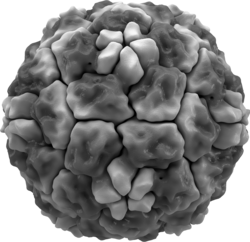
A representation of the molecular surface of one variant of human rhinovirus
SpecialtyInfectious disease
SymptomsCough, sore throat, runny nose, fever, muscle aches, fatigue, headache, anorexia[3][4]
ComplicationsUsually none, but occasionally otitis media, sinusitis, pneumonia and sepsis can occur[5]
Usual onset~2 days from exposure[6]
Duration1–3 weeks[3][7]
CausesViral (usually rhinovirus)[8]
Diagnostic methodBased on symptoms
Differential diagnosisAllergic rhinitis, bronchitis, bronchiolitis,[9] pertussis, sinusitis[5]
PreventionHand washing, cough etiquette, vitamin C[3][10]
TreatmentSymptomatic therapy,[3] zinc[11]
MedicationNSAIDs[12]
Frequency2–3 per year (adults)
6–8 per year (children)[13]

The common cold, or the cold, is a viral infectious disease of the upper respiratory tract that primarily affects the respiratory mucosa of the nose, throat, sinuses, and larynx.[6][8] Signs and symptoms may appear in as little as two days after exposure to the virus.[6] These may include coughing, sore throat, runny nose, sneezing, headache, fatigue, and fever.[3][4] People usually recover in seven to ten days,[3] but some symptoms may last up to three weeks.[7] Occasionally, those with other health problems may develop pneumonia.[3]

Well over 200 virus strains are implicated in causing the common cold, with rhinoviruses, coronaviruses, adenoviruses and enteroviruses being the most common.[14] They spread through the air or indirectly through contact with objects in the environment, followed by transfer to the mouth or nose.[3] Risk factors include going to child care facilities, not sleeping well, and psychological stress.[6] The symptoms are mostly due to the body's immune response to the infection rather than to tissue destruction by the viruses themselves.[15] The symptoms of influenza are similar to those of a cold, although usually more severe and less likely to include a runny nose.[6][16]

There is no vaccine for the common cold.[3] This is due to the rapid mutation and wide variation of viruses that cause the common cold.[17] The primary methods of prevention are hand washing; not touching the eyes, nose or mouth with unwashed hands; and staying away from sick people.[3] People are considered contagious as long as the symptoms are still present.[18] Some evidence supports the use of face masks.[10] There is also no cure, but the symptoms can be treated.[3] Zinc may reduce the duration and severity of symptoms if started shortly after the onset of symptoms.[11] Nonsteroidal anti-inflammatory drugs (NSAIDs) such as ibuprofen may help with pain.[12] Antibiotics, however, should not be used, as all colds are caused by viruses rather than bacteria.[19] There is no good evidence that cough medicines are effective.[6][20]

The common cold is the most frequent infectious disease in humans.[21] Under normal circumstances, the average adult gets two to three colds a year, while the average child may get six to eight colds a year.[8][13] Infections occur more commonly during the winter.[3] These infections have existed throughout human history.[22]

Signs and symptoms

[edit]

The typical symptoms of a cold include cough, runny nose, sneezing, nasal congestion, and a sore throat, sometimes accompanied by muscle ache, fatigue, headache, and loss of appetite.[23] A sore throat is present in about 40% of cases, a cough in about 50%,[8] and muscle aches in about 50%.[4] In adults, a fever is generally not present but it is common in infants and young children.[4] The cough is usually mild compared to that accompanying influenza.[4] While a cough and a fever indicate a higher likelihood of influenza in adults, a great deal of similarity exists between these two conditions.[24] A number of the viruses that cause the common cold may also result in asymptomatic infections.[25][26]

The color of the mucus or nasal secretion may vary from clear to yellow to green and does not indicate the class of agent causing the infection.[27]

Progression

[edit]
Cold symptoms over time

A cold usually begins with fatigue, a feeling of being chilled, sneezing, and a headache, followed in a couple of days by a runny nose and cough.[23] Symptoms may begin within sixteen hours of exposure[28] and typically peak two to four days after onset.[4][29] They usually resolve in seven to ten days, but some can last for up to three weeks.[7] The average duration of cough is eighteen days[30] and in some cases people develop a post-viral cough which can linger after the infection is gone.[31] In children, the cough lasts for more than ten days in 35–40% of cases and continues for more than 25 days in 10%.[32]

Causes

[edit]

Viruses

[edit]
Coronaviruses are a group of viruses known for causing the common cold. They have a halo or crown-like (corona) appearance when viewed under an electron microscope.

The common cold is an infection of the upper respiratory tract which can be caused by many different viruses. The most commonly implicated is a rhinovirus (30–80%), a type of picornavirus with 99 known serotypes.[33] Other commonly implicated viruses include coronaviruses, adenoviruses, enteroviruses, parainfluenza and RSV.[34] Frequently more than one virus is present.[35] In total, more than 200 viral types are associated with colds.[4] The viral cause of some common colds (20–30%) is unknown.[34]

Transmission

[edit]

The common cold virus is typically transmitted via airborne droplets, direct contact with infected nasal secretions, or fomites (contaminated objects).[8][36] Which of these routes is of primary importance has not been determined.[37] As with all respiratory pathogens once presumed to transmit via respiratory droplets, it is highly likely to be carried by the aerosols generated during routine breathing, talking, and singing.[38] The viruses may survive for prolonged periods in the environment (over 18 hours for rhinoviruses) and can be picked up by people's hands and subsequently carried to their eyes or noses where infection occurs.[36] Transmission from animals is considered highly unlikely; an outbreak documented at a British scientific base on Adelaide Island after seventeen weeks of isolation was thought to have been caused by transmission from a contaminated object or an asymptomatic human carrier, rather than from the husky dogs which were also present at the base.[39]

Transmission is common in daycare and schools due to the proximity of many children with little immunity and poor hygiene.[40] These infections are then brought home to other members of the family.[40] There is no evidence that recirculated air during commercial flight is a method of transmission.[36] People sitting close to each other appear to be at greater risk of infection.[37]

Other

[edit]

Herd immunity, generated from previous exposure to cold viruses, plays an important role in limiting viral spread, as seen with younger populations that have greater rates of respiratory infections.[41] Poor immune function is a risk factor for disease.[41][42] Insufficient sleep and malnutrition have been associated with a greater risk of developing infection following rhinovirus exposure; this is believed to be due to their effects on immune function.[43][44] Breast feeding decreases the risk of acute otitis media and lower respiratory tract infections among other diseases,[45] and it is recommended that breast feeding be continued when an infant has a cold.[46] In the developed world breast feeding may not be protective against the common cold in and of itself.[47]

Pathophysiology

[edit]
The common cold is a disease of the upper respiratory tract.

The symptoms of the common cold are believed to be primarily related to the immune response to the virus.[15] The mechanism of this immune response is virus-specific. For example, the rhinovirus is typically acquired by direct contact; it binds to humans via ICAM-1 receptors and the CDHR3 receptor through unknown mechanisms to trigger the release of inflammatory mediators.[15] These inflammatory mediators then produce the symptoms.[15] It does not generally cause damage to the nasal epithelium.[4] The respiratory syncytial virus (RSV), on the other hand, is contracted by direct contact and airborne droplets. It then replicates in the nose and throat before spreading to the lower respiratory tract.[48] RSV does cause epithelium damage.[48] Human parainfluenza virus typically results in inflammation of the nose, throat, and bronchi.[49] In young children, when it affects the trachea, it may produce the symptoms of croup, due to the small size of their airways.[49]

Diagnosis

[edit]

The distinction between viral upper respiratory tract infections is loosely based on the location of symptoms, with the common cold affecting primarily the nose (rhinitis), throat (pharyngitis), and lungs (bronchitis).[8] There can be significant overlap, and more than one area can be affected.[8] Self-diagnosis is frequent.[4] Isolation of the viral agent involved is rarely performed,[50] and it is generally not possible to identify the virus type through symptoms.[4]

Prevention

[edit]

The only useful ways to reduce the spread of cold viruses are physical and engineering measures[10] such as using correct hand washing technique, respirators, and improvement of indoor air. In the healthcare environment, gowns and disposable gloves are also used.[10] Droplet precautions cannot reliably protect against inhalation of common-cold-laden aerosols. Instead, airborne precautions such as respirators, ventilation, and HEPA/high MERV filters, are the only reliable protection against cold-laden aerosols.[38] Isolation or quarantine is not used as the disease is so widespread and symptoms are non-specific. There is no vaccine to protect against the common cold.[51] Vaccination has proven difficult as there are so many viruses involved and because they mutate rapidly.[10][52] Creation of a broadly effective vaccine is, therefore, highly improbable.[53]

Regular hand washing appears to be effective in reducing the transmission of cold viruses, especially among children.[54] Whether the addition of antivirals or antibacterials to normal hand washing provides greater benefit is unknown.[54] Wearing face masks when around people who are infected may be beneficial; however, there is insufficient evidence for maintaining a greater social distance.[54]

It is unclear whether zinc supplements affect the likelihood of contracting a cold.[55]

Management

[edit]
Poster from 1937 encouraging citizens to "consult your physician" for treatment of the common cold

Treatments of the common cold primarily involve medications and other therapies for symptomatic relief.[13] Getting plenty of rest, drinking fluids to maintain hydration, and gargling with warm salt water are reasonable conservative measures.[56] Much of the benefit from symptomatic treatment is, however, attributed to the placebo effect.[57] As of 2010, no medications or herbal remedies had been conclusively demonstrated to shorten the duration of infection.[58]

Symptomatic

[edit]
Various treatments for the common cold - liquid and pill cold medicine, tea, throat lozenges, and over-the-counter decongestants

Treatments that may help with symptoms include pain medication and medications for fevers such as ibuprofen[12] and acetaminophen (paracetamol).[59] However, it is not clear whether acetaminophen helps with symptoms.[60] It is not known if over-the-counter cough medications are effective for treating an acute cough.[61] Cough medicines are not recommended for use in children due to a lack of evidence supporting effectiveness and the potential for harm.[62][63] In 2009, Canada restricted the use of over-the-counter cough and cold medication in children six years and under due to concerns regarding risks and unproven benefits.[62] The misuse of dextromethorphan (an over-the-counter cough medicine) has led to its ban in a number of countries.[64] Intranasal corticosteroids have not been found to be useful.[65]

In adults, short term use of nasal decongestants may have a small benefit.[66] Antihistamines may improve symptoms in the first day or two; however, there is no longer-term benefit and they have adverse effects such as drowsiness.[67] Other decongestants such as pseudoephedrine appear effective in adults.[68][66] Combined oral analgesics, antihistaminics, and decongestants are generally effective for older children and adults.[69] Ipratropium nasal spray may reduce the symptoms of a runny nose but has little effect on stuffiness.[70] Ipratropium may also help with coughs in adults.[71] The safety and effectiveness of nasal decongestant use in children is unclear.[66]

Due to lack of studies, it is not known whether increased fluid intake improves symptoms or shortens respiratory illness.[72] As of 2017, heated and humidified air, such as via RhinoTherm, is of unclear benefit.[73] One study has found chest vapor rub to provide some relief of nocturnal cough, congestion, and sleep difficulty.[74]

Some experts advise against physical exercise if there are symptoms such as fever, widespread muscle aches or fatigue.[75][76] It is regarded as safe to perform moderate exercise if the symptoms are confined to the head, including runny nose, nasal congestion, sneezing, or a minor sore throat.[75][76] There is a popular belief that having a hot drink can help with cold symptoms, but evidence to support this is very limited.[77]

Antibiotics and antivirals

[edit]

Antibiotics have no effect against viral infections, including the common cold.[78] Due to their side effects, antibiotics cause overall harm but nevertheless are still frequently prescribed.[78][79] Some of the reasons that antibiotics are so commonly prescribed include people's expectations for them, physicians' desire to help, and the difficulty in excluding complications that may be amenable to antibiotics.[80] There are no effective antiviral drugs for the common cold even though some preliminary research has shown benefits.[13][81]

Zinc

[edit]

Zinc supplements may shorten the duration of colds by up to 33% and reduce the severity of symptoms if supplementation begins within 24 hours of the onset of symptoms.[11][55][82][83][84] Some zinc remedies directly applied to the inside of the nose have led to the loss of the sense of smell.[11][85] A 2017 review did not recommend the use of zinc for the common cold for various reasons;[20] whereas a 2017 and 2018 review both recommended the use of zinc, but also advocated further research on the topic.[82][83]

Alternative medicine

[edit]

While there are many alternative medicines and Chinese herbal medicines supposed to treat the common cold, there is insufficient scientific evidence to support their use.[13][86] As of 2015, there is weak evidence to support nasal irrigation with saline.[87] There is no firm evidence that Echinacea products or garlic provide any meaningful benefit in treating or preventing colds.[88][89]

Vitamins C and D

[edit]

Vitamin C supplementation does not affect the incidence of the common cold, but may reduce its duration if taken on a regular basis.[90] There is no conclusive evidence that vitamin D supplementation is efficacious in the prevention or treatment of respiratory tract infections.[91]

Prognosis

[edit]

The common cold is generally mild and self-limiting with most symptoms generally improving in a week.[8] In children, half of cases resolve in 10 days and 90% in 15 days.[92] Severe complications, if they occur, are usually in the very old, the very young, or those who are immunosuppressed.[21] Secondary bacterial infections may occur resulting in sinusitis, pharyngitis, or an ear infection.[93] It is estimated that sinusitis occurs in 8% and ear infection in 30% of cases.[94]

Epidemiology

[edit]

The common cold is the most common human disease[21] and affects people all over the globe.[40] Adults typically have two to three infections annually,[8] and children may have six to ten colds a year (and up to twelve colds a year for school children).[13] Rates of symptomatic infections increase in the elderly due to declining immunity.[41]

Weather

[edit]

A common misconception is that one can "catch a cold" merely through prolonged exposure to cold weather.[95] Although it is now known that colds are viral infections, the prevalence of many such viruses are indeed seasonal, occurring more frequently during cold weather.[96] The reason for the seasonality has not been conclusively determined.[97] Possible explanations may include cold temperature-induced changes in the respiratory system,[98] decreased immune response,[99] and low humidity causing an increase in viral transmission rates, perhaps due to dry air allowing small viral droplets to disperse farther and stay in the air longer.[100]

The apparent seasonality may also be due to social factors, such as people spending more time indoors near infected people,[98] and especially children at school.[40][97] Although normal exposure to cold does not increase one's risk of infection, severe exposure leading to significant reduction of body temperature (hypothermia) may put one at a greater risk for the common cold: although controversial, the majority of evidence suggests that it may increase susceptibility to infection.[99]

History

[edit]
A British poster from World War II describing the cost of the common cold[101]

While the cause of the common cold was identified in the 1950s, the disease appears to have been with humanity since its early history.[22] Its symptoms and treatment are described in the Egyptian Ebers papyrus, the oldest existing medical text, written before the 16th century BCE.[102] The name "cold" came into use in the 16th century, due to the similarity between its symptoms and those of exposure to cold weather.[103]

In the United Kingdom, the Common Cold Unit (CCU) was set up by the Medical Research Council in 1946 and it was where the rhinovirus was discovered in 1956.[104] In the 1970s, the CCU demonstrated that treatment with interferon during the incubation phase of rhinovirus infection protects somewhat against the disease,[105] but no practical treatment could be developed. The unit was closed in 1989, two years after it completed research of zinc gluconate lozenges in the prevention and treatment of rhinovirus colds, the only successful treatment in the history of the unit.[106]

Research directions

[edit]

Antivirals have been tested for effectiveness in the common cold; as of 2009, none had been both found effective and licensed for use.[81] There are trials of the anti-viral drug pleconaril which shows promise against picornaviruses as well as trials of BTA-798.[107] The oral form of pleconaril had safety issues and an aerosol form is being studied.[107] The genomes of all known human rhinovirus strains have been sequenced.[108]

Societal impact

[edit]

The economic impact of the common cold is not well understood in much of the world.[94] In the United States, the common cold leads to 75–100 million physician visits annually at a conservative cost estimate of $7.7 billion per year. Americans spend $2.9 billion on over-the-counter drugs and another $400 million on prescription medicines for symptom relief.[109] More than one-third of people who saw a doctor received an antibiotic prescription, which has implications for antibiotic resistance.[109] An estimated 22–189 million school days are missed annually due to a cold. As a result, parents missed 126 million workdays to stay home to care for their children. When added to the 150 million workdays missed by employees who have a cold, the total economic impact of cold-related work loss exceeds $20 billion per year.[56][109] This accounts for 40% of time lost from work in the United States.[110]

References

[edit]
[edit]
Revisions and contributorsEdit on WikipediaRead on Wikipedia
from Grokipedia
The common cold, also known as a common upper respiratory (URI), is a mild, self-limiting viral illness primarily affecting the mucous membranes of the and . It is caused by more than 200 different respiratory viruses, with rhinoviruses accounting for the majority of cases, alongside others such as coronaviruses, parainfluenza viruses, adenoviruses, enteroviruses, and . Symptoms typically develop 1–3 days after exposure and include a runny or stuffy , sneezing, sore or scratchy , , mild body aches, , and sometimes a low-grade fever, though these are generally less severe than those of . The illness is highly contagious, spreading through respiratory droplets from coughing or sneezing, direct contact with contaminated surfaces, or close personal interaction, and it occurs year-round but peaks during colder months in temperate climates. In the United States, adults experience an average of 2–3 colds per year, while young children may have 6–8 or more due to their developing immune systems and frequent exposure in group settings like schools. Most cases resolve without complications within 7–10 days, though symptoms like or congestion can linger up to two weeks, and smokers or those with weakened immunity may experience prolonged or more intense effects. There is no specific cure or for the common cold, and no medication can quickly cure it at an early stage as it is a viral infection that typically resolves on its own in 7-10 days. Antiviral medications are not effective against the viruses causing the common cold and are reserved for other infections such as influenza or COVID-19. Antibiotics are ineffective against viruses and should be avoided unless a secondary bacterial infection is present. Treatment focuses on symptomatic relief through rest, hydration, and over-the-counter remedies such as pain relievers like paracetamol or ibuprofen for fever and pain (up to 4000 mg/day for paracetamol and 1200 mg/day for ibuprofen in adults), decongestants, and saline nasal sprays, as well as local remedies like lozenges or sprays for sore throat. Mild to moderate physical activity is generally safe and does not prolong illness if symptoms are limited to "above the neck" (such as runny nose, nasal congestion, or minor sore throat), and strict bed rest is not required unless symptoms are severe. Prevention relies on basic measures, including frequent handwashing with for at least 20 seconds, covering the and when coughing or sneezing, avoiding close contact with infected individuals, and disinfecting frequently touched surfaces. Although usually harmless, the common cold can lead to complications such as , middle ear infections, or exacerbations of underlying conditions like , particularly in vulnerable populations including infants, the elderly, and those with chronic illnesses. Individuals should consult a healthcare provider for personalized advice, especially if symptoms worsen or persist.

Signs and symptoms

Common symptoms

The common cold is characterized by a range of upper respiratory symptoms, primarily affecting the , , and sinuses, resulting from viral infection and subsequent immune responses. The hallmark symptoms include (runny nose) and , which are very common and arise from inflammation of the triggered by viral replication and the release of inflammatory mediators such as and prostaglandins, leading to increased and production by goblet cells. Sneezing, also very common, accompanies these nasal issues as a reflex response to of the , expelling irritants and aiding viral spread. Sore throat, or pharyngitis, is common as an early symptom, caused by local and sensory nerve stimulation in the due to viral invasion and release. , typically mild to moderate, often follows, initially presenting as a dry, non-productive type from heightened airway sensitivity and irritation, but potentially becoming productive with clearance as progresses. Accompanying systemic symptoms include mild or weakness, stemming from pro-inflammatory cytokines like interleukin-1 (IL-1) and tumor necrosis factor-alpha (TNF-α), which induce , including and in the ; and body aches or chills, when present, are mild or absent. Headache in the common cold, when it occurs, is typically mild and results from nasal congestion leading to sinus pressure, low-grade fever (though rare in adults), or muscle tension associated with the illness. Less common manifestations include low-grade fever and watery eyes. Fever, typically mild (below 100.4°F or 38°C) and brief, is rare in adults and results from acting on the to elevate the body's temperature set point; it occurs more frequently in young children than in adults due to differences in immune maturation. Body aches arise from prostaglandin-mediated and effects on muscle tissue, while watery eyes occur secondary to from nasal congestion, which blocks or pressures the duct and prevents proper tear drainage, leading to overflow tearing (epiphora); this may be more noticeable in one eye if congestion is uneven. Symptom severity generally remains mild across age groups, though children under 6 years old experience more intense nasal symptoms and higher fever incidence compared to adults. Some individuals may experience mild, temporary water retention and slight weight gain (typically a few pounds) due to inflammation as the body fights the viral infection, fluid shifts, increased mucus production, reduced activity, or higher sodium intake. This is not a primary symptom, is more commonly reported anecdotally than as a severe systemic edema, and typically resolves after recovery. In toddlers (ages 1-3), the common cold typically presents with gradual onset and mild symptoms such as runny or stuffy nose, sneezing, cough, sore throat, low-grade or no fever, and mild irritability or fussiness. Additional features may include decreased appetite, difficulty sleeping or feeding due to nasal congestion, and behavioral changes stemming from discomfort. These symptoms are generally milder and more gradual compared to influenza (which often has sudden onset, high fever, severe fatigue, and body aches) or adenovirus infections (which frequently include conjunctivitis, gastrointestinal symptoms like diarrhea or vomiting, and prolonged high fever). Medical evaluation is recommended for high fever (>104°F), breathing difficulty, dehydration, or prolonged symptoms.

Progression and duration

The common cold typically follows a predictable progression with gradual onset over days following viral exposure. The lasts 1 to 3 days, during which the replicates in the upper without noticeable symptoms. In the acute phase, spanning days 1 to 3 after symptom onset, initial signs emerge including sneezing, nasal irritation, , , chilliness, and , as the begins to manifest. These early symptoms reflect the 's initial impact on the and adjacent tissues. Symptom severity often reaches its height within the first 2 to 3 days after onset, with worsening , increased , and becoming prominent as intensifies. During the resolution phase, from days 7 to 10, symptoms gradually subside, with most individuals experiencing improvement in nasal and issues, though may linger for up to 2 to 3 weeks in some cases. The average total duration is 7 to 10 days, though it can extend to 10 to 14 days in young children due to their developing immune systems. Factors such as overall immune status can influence the length and severity of the illness, with immunocompromised individuals potentially facing prolonged recovery.

Causes

Viral etiology

The common cold is primarily caused by a variety of viruses from several families, with viral infections accounting for nearly all cases. Among these, rhinoviruses are the predominant etiologic agents, responsible for 50-80% of common cold episodes depending on the season and population studied. Rhinoviruses belong to the Picornaviridae family and exist in over 100 serotypes, which contributes to their ability to repeatedly infect individuals by evading prior immunity. Other viruses implicated in the common cold include coronaviruses, which cause approximately 10-20% of cases and are more prevalent during winter months. (RSV) is another key contributor, particularly in children under five years old, where it accounts for a significant proportion of upper respiratory infections resembling the common cold. Additional causative agents encompass parainfluenza viruses, adenoviruses, enteroviruses, and , each responsible for smaller but notable fractions of cases, often varying by geographic region and age group. The structural differences between non-enveloped and enveloped viruses influence their environmental stability and potential for in the context of the common cold. Non-enveloped viruses like rhinoviruses and adenoviruses lack a envelope, rendering them more resistant to , heat, and common disinfectants, which allows them to persist longer on surfaces and in aerosols. In contrast, enveloped viruses such as coronaviruses and parainfluenza viruses are more fragile outside the host due to their sensitive , reducing their survival time in the environment but not necessarily their transmissibility through direct contact or droplets. Bacterial causes of the common cold are exceedingly rare, with studies confirming that primary bacterial infections represent less than 1% of cases, underscoring the overwhelmingly viral nature of the illness. Since 2020, certain have emerged as occasional causes of mild upper respiratory infections that clinically resemble the common cold, particularly in vaccinated or previously exposed populations; as of 2025, these account for a variable but minor proportion of such cases amid ongoing seasonal surges.

Transmission

The common cold is primarily transmitted through respiratory droplets and aerosols generated by infected individuals during coughing, sneezing, or talking. Large-particle droplets greater than 10 µm in diameter are expelled and can infect susceptible persons upon direct contact with the nasal or conjunctival mucosa, typically within close proximity (about 1-2 meters). Smaller aerosols under 5 µm can remain suspended longer and infect via into the , though rhinoviruses—the most common cause—are thought to spread mainly via larger droplets with some contribution from short-range aerosols. Indirect transmission occurs via contaminated environmental surfaces, or fomites, such as doorknobs, , or shared objects, where viruses like rhinoviruses can survive for extended periods. Rhinoviruses remain infectious on hands for up to 2 hours and on non-porous inanimate surfaces for several days, up to 4 days under ideal conditions, facilitating transfer to fingertips during routine contact. A key secondary route involves self-inoculation, where contaminated hands touch the , eyes, or mouth, leading to infection; experimental studies confirm this mechanism in both hand-to-hand and hand-to-surface scenarios. Infectivity is highest during the symptomatic phase, with peaking on days 2-7 after symptom onset, though shedding can begin a few days prior to symptoms and persist for up to 3-4 weeks in some cases. shedding contributes to transmission, particularly in the early (12-72 hours before symptoms), allowing spread from pre-symptomatic or mildly affected individuals. Transmission is amplified in settings of close contact, such as households and schools, where secondary attack rates for human infections range from 25% to 70%, driven by frequent interactions among family members or children. The common cold is not transmitted through semen or sexual intercourse in the manner of sexually transmitted infections. There is no evidence that common cold viruses, primarily rhinoviruses, are present in semen or capable of transmission via genital fluids. While close proximity during sexual activity could facilitate transmission through respiratory droplets, saliva, or direct contact, this occurs via the standard respiratory routes rather than through semen or genital fluids.

Predisposing factors

Several factors can weaken the and thereby increase susceptibility to common cold infections. elevates levels, which suppress immune cell activity and reduce the body's ability to fight viral invaders. similarly impairs immune function by decreasing the production of protective cytokines and antibodies, making individuals more prone to upper respiratory infections. , particularly deficiencies in vitamins A, C, D, and , compromises both innate and adaptive immunity, leading to higher rates of respiratory infections including the common cold. Environmental exposures play a significant role in elevating common cold risk by facilitating viral transmission and impairing host defenses. Crowded living conditions increase close-contact opportunities for virus spread, as seen in studies of dormitories where high occupancy correlates with elevated respiratory rates. Poor ventilation in enclosed spaces allows airborne viruses to accumulate, heightening exposure risks for rhinoviruses and other cold-causing pathogens. Low indoor humidity dries out , reducing and creating a more favorable environment for viral replication and . Age-related vulnerabilities are particularly pronounced in young children, who experience higher incidence of common colds due to their immature immune systems, which respond less effectively to novel viral antigens. School and daycare settings exacerbate this risk through frequent exposure to infected peers, resulting in children averaging 6-10 colds per year compared to 2-4 in adults. Certain chronic conditions further predispose individuals to common cold infections by compromising mucosal barriers in the respiratory tract. Asthma patients exhibit heightened vulnerability to rhinovirus infections, the primary cause of colds, due to impaired epithelial integrity and dysregulated antiviral responses. Smoking damages the respiratory epithelium, impairs ciliary function, and alters local immunity, significantly increasing the risk of acquiring and experiencing prolonged common cold symptoms. Seasonal variations in immune function contribute to fluctuating susceptibility to common colds, with shorter day lengths in winter associated with reduced antiviral defenses and higher rates. This modulation involves rhythmic changes in immune cell activity and production, independent of direct viral exposure patterns.

Pathophysiology

Viral mechanisms

The common cold is primarily caused by viruses from the Picornaviridae family, such as rhinoviruses, and Coronaviridae family, including human coronaviruses like 229E, NL63, OC43, and HKU1, each employing distinct mechanisms to invade and replicate within respiratory epithelial cells. Rhinoviruses, non-enveloped single-stranded RNA viruses, initiate infection through attachment to specific receptors on the surface of respiratory epithelial cells. The major group of rhinoviruses, comprising over 90% of serotypes, binds to intercellular adhesion molecule-1 (ICAM-1) via a conserved canyon structure on the viral capsid, facilitating close contact with the host cell membrane. In contrast, the minor group utilizes low-density lipoprotein receptors (LDLR) or related proteins, binding near the five-fold vertex of the capsid. Following attachment, entry occurs via receptor-mediated endocytosis, where the virus is engulfed into an endocytic vesicle. Uncoating of rhinoviruses involves the release of the positive-sense into the host . For the major group, binding triggers conformational changes in the , leading to immediate RNA ejection even at neutral pH; minor group viruses, however, require endosomal acidification (pH ~5.5) to destabilize the capsid and liberate the RNA. Once in the cytoplasm, the RNA serves as a template for into a polyprotein, which viral proteases (2Apro and 3Cpro) cleave into functional components, including the (3Dpol). Replication proceeds rapidly in cytoplasmic replication complexes, producing new genomic RNA strands via negative-strand intermediates, with a full cycle completing in approximately 6-8 hours and yielding hundreds of progeny virions per infected cell. New particles assemble in the and are released upon host cell , which disrupts the epithelial barrier and propagates local infection through direct spread to adjacent cells. This lytic release contributes to tissue damage and the inflammatory response characteristic of the common cold. In comparison, human coronaviruses causing the common cold are enveloped positive-sense viruses with more complex entry and release mechanisms. Attachment is mediated by the spike (S) binding to host receptors: human aminopeptidase N (APN) for HCoV-229E, (ACE2) for HCoV-NL63, and sialic acids (e.g., N-acetyl-9-O-acetylneuraminic acid) for HCoV-OC43 and HKU1. Entry follows receptor binding via , with subsequent fusion of the viral envelope and endosomal membrane, often requiring proteolytic cleavage of the S protein by host enzymes like cathepsins or TMPRSS11D to expose the fusion . Uncoating releases the coronavirus genome into the after fusion, without the need for capsid destabilization seen in non-enveloped viruses. Replication occurs in double-membrane vesicles derived from host membranes, where the genomic is translated into replicase polyproteins (pp1a and pp1ab) that form a complex to synthesize full-length negative-sense intermediates and subsequently new genomic and subgenomic RNAs via discontinuous transcription. The cycle, while not precisely timed in literature for these mild strains, mirrors the efficient replication of related es, leading to high viral yields. Unlike the lytic release of rhinoviruses, coronaviruses assemble at the endoplasmic reticulum-Golgi intermediate compartment (ERGIC), incorporating the S, M, E, and N proteins into new envelopes through into intracellular membranes, followed by without immediate . This non-lytic process allows sustained viral production and dissemination, though eventual cell damage occurs from accumulated viral burden. These mechanistic differences—non-enveloped and for rhinoviruses versus enveloped fusion and for coronaviruses—underlie variations in dynamics and host tissue impact during common cold episodes.

Host immune response

The host immune response to common cold viruses, primarily rhinoviruses, coronaviruses, and other respiratory pathogens, involves both innate and adaptive components that aim to limit while contributing to symptom manifestation. The provides the first line of defense, rapidly detecting viral components through receptors (PRRs) such as Toll-like receptors (TLRs) on respiratory epithelial cells. Upon viral entry, these receptors recognize pathogen-associated molecular patterns like double-stranded , triggering signaling pathways that induce the production of type I and type III interferons (IFN-α, IFN-β, and IFN-λ). These interferons establish an antiviral state in neighboring cells by upregulating genes for antiviral proteins and enhancing , thereby restricting viral spread in the upper . A 2026 study using human nasal epithelial cell organoids demonstrated that a rapid interferon response by infected nasal epithelial cells is highly effective in controlling rhinovirus infection, limiting it to fewer than 2% of cells and often preventing progression to symptomatic illness. This early epithelial innate response, independent of other immune cells, restricts viral replication and spread at the cellular level in the nasal mucosa, with the timing and strength of interferon signaling determining whether infection results in asymptomatic clearance or full common cold symptoms. When the response is impaired, increased viral spread leads to greater inflammation and tissue damage. Concomitant with interferon production, epithelial cells and resident immune cells release pro-inflammatory cytokines, including interleukin-6 (IL-6) and interleukin-8 (IL-8), which mediate systemic symptoms such as fever and fatigue. IL-8, in particular, acts as a potent chemoattractant, recruiting s and macrophages to the site of . This inflammatory cascade leads to neutrophil infiltration and activation, resulting in the release of and proteases that help clear infected cells but also cause local tissue swelling and increased . Macrophages contribute by phagocytosing viral particles and secreting additional cytokines like tumor necrosis factor-α (TNF-α), further amplifying the response; however, this process promotes mucus hypersecretion and as protective barriers against further invasion. The adaptive immune response, while slower to activate, plays a supportive role in resolving the infection, though its impact is often limited by the short duration of common cold episodes (typically 7-10 days). CD4+ and CD8+ T cells infiltrate the airways, with CD8+ T cells directly lysing infected epithelial cells via perforin and granzymes, while CD4+ T cells produce interferon-γ to enhance antiviral activity. B cells are activated to produce virus-specific antibodies, including secretory IgA in mucosal secretions for immediate neutralization and IgG/IgM in serum for longer-term protection, appearing in approximately 80% of individuals within 7-21 days post-infection. Due to the transient nature of the infection and antigenic variability among cold viruses, adaptive immunity confers only partial and serotype-specific protection against reinfection. In rare severe cases, an exaggerated inflammatory response resembling a can occur, involving excessive release of IL-6, TNF-α, and other mediators, leading to heightened symptoms beyond typical mild illness; however, this is uncommon in immunocompetent individuals with common colds. Genetic variations in immune-related genes influence susceptibility and severity of common cold s. For instance, rare loss-of-function mutations in the IFIH1 gene, which encodes the involved in recognizing viral , impair innate antiviral signaling and markedly increase vulnerability to rhinoviruses, as observed in case studies of affected individuals. Additionally, polymorphisms in genes regulating responses or production can modulate individual differences in symptom intensity and risk.

Diagnosis

Clinical assessment

The clinical assessment of the common cold primarily relies on a detailed history and to confirm the presence of typical upper respiratory symptoms and rule out more serious conditions. During history taking, clinicians inquire about the onset and duration of symptoms, which usually begin abruptly and last 7 to 10 days, along with potential exposure to ill contacts such as through close proximity in households, schools, or workplaces. Additional questions may cover risk factors like recent travel, smoking, or underlying comorbidities that could predispose to complications, as well as the progression of symptoms including any associated low-grade fever or malaise. The physical examination focuses on targeted evaluations to corroborate the history without requiring advanced testing in uncomplicated cases. Nasal inspection often reveals congestion, mucosal , or clear , while throat examination may show mild or without significant . of the lungs typically yields clear breath sounds, and are assessed for normal or only a low-grade fever under 38.5°C, with no or . Neck palpation checks for tender , which is usually minimal if present. Assessment also involves excluding red flags that suggest complications or alternative diagnoses beyond a simple cold. These include high fever exceeding 38.5°C for more than three days, , wheezing, intense sinus pain, or symptoms worsening after initial improvement, prompting further evaluation. In children, additional concerns are fever above 38°C lasting over two days, , or unusual irritability, which warrant prompt medical attention. In mild cases, is generally reliable due to the familiar constellation of symptoms like runny nose and , and most individuals do not seek medical care unless symptoms persist beyond 10 days or intensify. Guidelines recommend consulting a healthcare provider if red flags appear or for vulnerable populations such as infants under three months or those with chronic conditions. For research purposes, validated scoring systems like the Upper Respiratory Symptom Survey (WURSS) quantify symptom severity and functional impact, assessing domains such as nasal symptoms, , , and quality-of-life effects over time, but these are not employed in routine clinical care. The WURSS-21, a short form, has demonstrated responsiveness in tracking cold progression in clinical trials involving hundreds of participants.

Differential diagnosis

The differential diagnosis of the common cold involves distinguishing its self-limited upper respiratory symptoms—such as , , sneezing, and mild —from conditions with overlapping presentations to avoid misdiagnosis and ensure targeted evaluation. Common mimics include allergic and , , bacterial , other viral respiratory infections like , and non-infectious causes such as gastroesophageal reflux disease (GERD). Accurate differentiation often relies on symptom onset, associated features, and targeted testing, as symptoms like cough and congestion can persist or evolve in these alternatives. Allergic rhinitis typically presents with seasonal or perennial symptoms triggered by allergens, including intense nasal and ocular itching, itchy and watery eyes, clear , and sneezing paroxysms, but lacks the fever, myalgias, or malaise seen in colds. In children, allergic rhinitis may also present with characteristic physical signs such as "allergic shiners" (dark circles or discoloration under the eyes due to venous congestion from chronic nasal inflammation) and a transverse nasal crease (from the habitual "allergic salute" nose rubbing to relieve itching). Symptoms often recur predictably with exposure and persist longer than the typical 7–14 days of a . is supported by a history of and confirmed through skin prick testing or measurement of allergen-specific IgE levels, which are negative in viral colds. Influenza is characterized by abrupt onset within hours, high fever exceeding 101°F (38.3°C), prominent systemic symptoms like severe muscle aches, chills, , and profound , contrasting with the insidious progression and milder constitutional effects of the common cold. Confirmation involves rapid influenza diagnostic tests or reverse transcription-polymerase chain reaction (RT-PCR) assays, which detect influenza A or B viruses not associated with most colds. Bacterial pharyngitis, such as that caused by group A (strep throat), features acute with tender , fever, , and tonsillar exudates or white patches, but notably spares , , and —hallmarks often present in viral colds. Diagnostic evaluation uses rapid antigen detection tests or to identify , guiding therapy absent in cold management. COVID-19 and other respiratory viruses overlap significantly with colds in causing , , nasal symptoms, and low-grade fever, but may include unique features like (loss of smell), dyspnea, or gastrointestinal upset, while viruses such as (RSV) or adenovirus can prolong symptoms or affect lower airways; epidemiological context, such as travel or outbreaks, aids suspicion. Differentiation requires amplification tests like RT-PCR for or multiplex panels for multiple pathogens, as tests for colds are rarely indicated. Non-infectious mimics like vasomotor rhinitis produce chronic or episodic , , and sneezing triggered by nonallergic irritants such as cold air, humidity changes, or odors, without fever or viral , and symptoms fluctuate with environmental exposure rather than resolving spontaneously. GERD-induced , conversely, manifests as a persistent, non-productive often worsening postprandially or nocturnally, isolated from upper respiratory signs, due to microaspiration of refluxed acid stimulating esophageal or laryngeal receptors. These are diagnosed by exclusion of via history and, for GERD, ambulatory pH monitoring or , while vasomotor rhinitis responds to trigger avoidance without viral testing.

Prevention

Hygiene and behavioral measures

Hygiene and behavioral measures play a crucial role in reducing the transmission of the common cold, primarily through droplet and contact routes. These practices focus on interrupting the spread of respiratory viruses like rhinoviruses by minimizing direct and indirect contact with infectious particles. Frequent handwashing with soap and water for at least 20 seconds is one of the most effective ways to prevent the acquisition and spread of common cold viruses, as it removes germs from the hands and can reduce respiratory infections by approximately 20%. The process involves wetting hands with clean, running water (warm or cold), applying soap, lathering all surfaces including between fingers and under nails, scrubbing for 20 seconds, rinsing thoroughly, and drying with a clean towel or air dryer. Hands should be washed particularly after touching potentially contaminated surfaces, such as doorknobs or shared objects, and before touching the face. When soap and water are unavailable, using an alcohol-based containing at least 60% alcohol provides an effective alternative for reducing common cold transmission by killing many germs on the hands. Apply enough sanitizer to cover all hand surfaces and rub until dry, which typically takes 20 seconds; this method helps avoid illness and limits germ spread in settings like or workplaces. However, sanitizers are less effective against certain non-enveloped viruses and should not replace handwashing when hands are visibly dirty. Respiratory etiquette, such as covering the and with a disposable tissue when coughing or sneezing, followed by immediate disposal of the tissue and handwashing, significantly limits the dispersal of infectious droplets that can transmit the common cold. If a tissue is unavailable, coughing or sneezing into the or upper sleeve is recommended to avoid contaminating hands and nearby surfaces. This practice is especially important in crowded indoor environments where close contact increases transmission risk. Avoiding crowded places further reduces exposure to infected individuals and infectious droplets. Avoiding touching the eyes, nose, or mouth with unwashed hands prevents the introduction of cold viruses from contaminated surfaces directly into mucous membranes, a key entry point for . Similarly, refraining from sharing personal items like utensils, drinking glasses, towels, or cups reduces indirect contact transmission, as these objects can harbor viable viruses. Such measures are particularly relevant in household settings to curb spread among family members. Wearing masks in crowded or high-risk settings provides an additional layer of protection by reducing inhalation of virus-laden aerosols. Individuals experiencing common cold symptoms should isolate at home and away from others, including members if possible, until symptoms improve and any fever has resolved without for at least 24 hours, thereby limiting and transmission. During this period, maintaining distance, improving ventilation, and using masks when interaction is unavoidable further support these efforts. In some cultures, particularly in East Asia, there is a common but unproven belief that exposure to cold, wind, or sudden temperature changes can directly cause the common cold, often referred to by the folk term "冻感冒" (dòng gǎnmào, literally "chill cold" or "frozen cold"). This is sometimes contrasted with "病毒性感冒" (bìngdú xìng gǎnmào), the medically accurate term for viral-induced common cold. "冻感冒" is typically identified by a history of chilling (such as getting cold or wet), along with symptoms like aversion to cold, lack of sweating, and clear, thin nasal discharge. However, scientific evidence shows that the common cold is caused exclusively by viral infections, primarily rhinoviruses, and while cold exposure may modestly influence susceptibility—by impairing nasal mucosal defenses, reducing local immunity, or enhancing viral stability in the environment—temperature fluctuations, chilling, or prolonged exposure to extreme cold (such as at -10°C without adequate protection) are not a direct cause of the common cold or high fever. High fever results from infections (viral or bacterial), not from cold temperature itself. Prolonged exposure to such low temperatures risks hypothermia—a dangerously low core body temperature—characterized by symptoms including shivering, confusion, low heart rate, and in severe cases, death, rather than high fever or viral illness. Hypothermia does not produce high fever; body temperature drops instead. Frostbite, damage to skin and tissues from freezing, is another risk of extreme cold exposure. No evidence supports direct causation of high fever from cold exposure alone; any subsequent fever would likely stem from a separate infection. There is no strict medical distinction between "冻感冒" and viral colds, as all instances are viral in origin, and treatment remains supportive and similar in both cases, focusing on rest, hydration, and symptomatic relief. This belief likely reflects historical misconceptions about the etiology of the common cold (see History).

Immunization and environmental controls

No effective exists for the common cold primarily due to the high antigenic diversity of over 100 serotypes, the most common causative agents, which complicates broad-spectrum efforts. Experimental approaches, such as multi-strain protein-based targeting multiple types, are under development; for instance, a candidate from has shown promise in preclinical studies by protecting monkeys against approximately one-third of known serotypes. As of 2025, these remain in early-stage trials and are not yet available for clinical use. Prophylactic antiviral medications are not standard for preventing common colds, even in high-risk groups, owing to the lack of approved agents with sufficient efficacy against and other cold-causing viruses. In contrast, for —a related respiratory illness— with drugs like or baloxavir is recommended within 48 hours for vulnerable populations, such as the elderly or immunocompromised, to reduce infection risk by up to 70-90% in outbreak settings. Ongoing into rhinovirus-specific antivirals, like vapendavir, focuses mainly on treatment rather than prevention, with phase II trials reporting positive results in May 2025, demonstrating benefits in reducing symptoms in COPD patients with rhinovirus infections. Environmental modifications play a key role in reducing common cold transmission by altering conditions that favor viral survival and spread. Maintaining indoor relative between 40% and 60% may support mucosal and reduce transmission of some respiratory viruses, though for rhinoviruses is mixed and the effect is considered small by authorities like the CDC compared to other measures such as improving ventilation and practicing good . Studies indicate that levels between 40% and 60% are optimal for general respiratory purposes. Improving ventilation in public spaces further aids prevention by diluting airborne viral loads. Installation of filters in HVAC systems or portable air purifiers in settings like schools and offices can capture up to 99.97% of particles 0.3 microns in size, including virus-laden droplets, thereby reducing transmission of common cold viruses. The U.S. Centers for Disease Control and Prevention recommends enhancing airflow and using such filtration as layered strategies to mitigate respiratory virus spread in congregate environments. Quarantine policies for common cold outbreaks draw from post-COVID-19 protocols, emphasizing isolation of symptomatic individuals to curb community transmission. guidelines advise staying home and using precautions, such as masking when around others, for 5 days after symptoms begin to reduce transmission, as rhinoviruses remain contagious for up to 5-7 days or longer. In institutional outbreaks, such as in schools or facilities, targeted of exposed high-risk groups, combined with enhanced ventilation, helps contain spread without broad lockdowns.

Management

Symptomatic treatments

The common cold is a self-limiting viral infection that typically resolves on its own in 7-10 days without specific curative treatment. Symptomatic treatments for the common cold primarily involve non-pharmacological measures to alleviate discomfort and support recovery at home. While rest is commonly recommended to support immune function and recovery, particularly when feeling fatigued, there is limited high-quality evidence directly comparing strict bed rest to continuing normal or mild activity. Evidence is sparse that strict bed rest improves outcomes, and no strong randomized trials demonstrate that it shortens duration or severity compared to normal activity. Mild to moderate physical activity is generally considered safe during a common cold, especially if symptoms are above the neck (such as runny nose or sore throat), and does not prolong illness. Strict bed rest is not required unless symptoms are severe or accompanied by fever. Adequate hydration through drinking abundant warm fluids, such as tea with honey or lemon, broths, or water (aiming for 2-3 liters per day), keeps mucus thin and watery to promote abundant nasal discharge flow, whereas dehydration thickens mucus leading to congestion with reduced external discharge; it also hydrates the throat, loosens congestion, reduces fever, and prevents dehydration exacerbated by fever or increased respiratory effort. While there are no specific foods that must be universally avoided during severe common cold symptoms, reliable sources recommend avoiding caffeine (e.g., coffee, caffeinated sodas) and alcohol, as these can cause dehydration and worsen symptoms like congestion and sore throat. The common belief that dairy products (e.g., milk) increase mucus or phlegm is a myth not supported by evidence; dairy does not need to be avoided unless it personally bothers the individual. For children, plenty of rest and fluids including water, broth, or electrolyte solutions are recommended to support recovery and maintain hydration. Humidifying the air and ensuring good ventilation can ease nasal and throat congestion by moistening dry mucous membranes. Steam inhalation, such as from a hot shower or bowl of hot water, or the use of cool-mist humidifiers, adds moisture to indoor air, which may reduce coughing and improve breathing comfort during a cold. Clean the humidifier daily to prevent bacterial growth, and aim for indoor humidity levels of 30-50% for optimal relief. Cool-mist humidifiers are particularly suitable for children to moisten the air and ease congestion. Ventilation helps reduce indoor irritants and supports overall comfort. Saline nasal irrigation effectively clears nasal passages by flushing out excess mucus and irritants. Devices like neti pots or saline sprays deliver a saltwater solution to one nostril, allowing it to drain from the other, which can reduce congestion and sinus pressure associated with colds. For infants, saline nasal drops or spray followed by bulb suction using a nasal aspirator is recommended to safely clear nasal passages. Use distilled, sterile, or boiled-and-cooled water to avoid infection risks, and perform irrigation 1-2 times daily or as needed for symptom relief. Short-term use (3-5 days) of topical nasal vasoconstrictor drops, such as those containing oxymetazoline, can provide additional decongestion but should be limited to avoid rebound congestion or habituation. For toddlers with cold symptoms, supportive care should emphasize plenty of rest and warm fluids to maintain hydration and support recovery, along with good indoor air circulation and appropriate humidity using ventilation and cool-mist humidifiers. For fever, after antipyretics, physical methods like warm water sponging may provide additional relief. Over-the-counter cough and cold medications such as NyQuil are not recommended for children under 12 and should be avoided due to safety risks. Parents should contact a pediatrician for proper advice, or call Poison Control at 1-800-222-1222 for guidance on accidental exposure. Supportive care includes keeping the child hydrated, using a cool-mist humidifier, saline nasal drops with bulb suction, and elevating the head during sleep to ease congestion. Seek immediate medical attention for severe symptoms such as high fever, trouble breathing, persistent cough, or breathing difficulties. For sore throat relief, gargling with warm saltwater (about 1 teaspoon per glass of water) provides temporary soothing by reducing inflammation and loosening mucus in the throat. Gargle several times a day, especially after meals, to ease pain and discomfort. This simple remedy is safe for most adults and children over age 6. Antiseptic lozenges or sprays can also offer localized relief for sore throat symptoms. For cough relief in children over 1 year of age, a small amount of honey (2-5 mL, straight or in warm tea) can soothe the throat and loosen mucus; however, honey should never be given to infants under 1 year due to the risk of botulism. Over-the-counter expectorants like guaifenesin can help manage productive coughs by thinning and loosening chest mucus, making it easier to expel. It is particularly useful for wet coughs with phlegm during a cold, with typical adult dosing of 200-400 mg every 4 hours, not exceeding 2,400 mg per day, and should be taken with ample fluids to enhance effectiveness. Consult a healthcare provider before use in children under 12 or if symptoms persist beyond a week.

Pharmacological interventions

Pharmacological interventions for the common cold primarily target symptom relief, as there is no specific medication that quickly cures the common cold at an early stage, as it is a viral infection that typically resolves on its own in 7-10 days. In Ukraine in 2026, the Ministry of Health (МОЗ) recommends symptomatic treatment for acute respiratory viral infections (ГРВІ), including the common cold: rest, hydration, paracetamol or ibuprofen for fever and pain (max 4000 mg/day paracetamol, 1200 mg/day ibuprofen), and local remedies like lozenges or sprays for sore throat. Antivirals are reserved for influenza or COVID-19, not common colds. Avoid antibiotics, as they are ineffective against viruses. Consult a doctor for personalized advice, especially if symptoms worsen. Over-the-counter medications are commonly used to alleviate nasal congestion, pain, cough, and other discomforts, though evidence for their efficacy varies, and they do not shorten the overall duration of the illness. These interventions are most effective when selected based on specific symptoms, with careful consideration of potential side effects and contraindications, such as in patients with hypertension, diabetes, or cardiovascular risks. Patients with diabetes or hypertension should consult a physician or pharmacist first, sharing their full medication list; monitor blood pressure and blood sugar closely during use; opt for single-ingredient drugs over combinations to minimize interactions; stop if symptoms worsen (e.g., fever, severe cough) and seek medical help; colds typically self-resolve in 7-10 days with supportive care. For children, experts recommend supportive care over over-the-counter cough and cold medications due to their limited benefits and potential risks; nonprescription cough and cold medicines should not be given to children under 4 years of age and should only be used in children aged 4 to 6 years under the guidance of a healthcare professional due to the risk of serious side effects; if medications are needed, age-appropriate children's formulations should be used under pediatrician guidance. Paracetamol or ibuprofen may be used for fever or headache if temperature exceeds 38.5°C or symptoms are poorly tolerated, but unnecessary use below 38°C should be avoided. Aspirin should not be given to children or teenagers due to the risk of Reye's syndrome, a rare but serious condition linked to aspirin use during viral illnesses. In toddlers, only child-specific formulations of antipyretics or cough syrups should be used under professional guidance, avoiding adult medications and unproven remedies. Decongestants like pseudoephedrine are oral agents that reduce nasal congestion by constricting blood vessels in the nasal mucosa, providing temporary relief in adults and older children. A Cochrane review of randomized trials found that multiple doses of oral pseudoephedrine may modestly improve subjective nasal congestion compared to placebo, with effects noticeable within hours but lasting only a few days. However, evidence is limited by small sample sizes and short-term studies, and pseudoephedrine is not recommended for children under 6 years due to insufficient safety data. Common side effects include insomnia, increased heart rate, and elevated blood pressure, with warnings for patients with hypertension or ischemic heart disease, as it can precipitate cardiovascular events. Topical nasal decongestants should be used short-term to minimize risks like rebound congestion. Antihistamines are sometimes used for symptoms like sneezing and runny nose, particularly if allergic components are suspected. Second-generation antihistamines like loratadine offer non-sedating relief by blocking histamine receptors, but a Cochrane systematic review of 10 trials concluded there is insufficient evidence to support their routine use for non-allergic common colds in adults or children, as they provide little benefit over placebo for overall symptom severity. First-generation oral antihistamines, such as chlorpheniramine (4 mg every 4–6 hours) or doxylamine, may provide a modest drying effect on rhinorrhea and post-nasal drip in early viral symptoms, with studies indicating short-term reductions in nasal discharge severity (up to 25–35%), though they cause drowsiness and are best used at night or if tolerable. Azelastine nasal spray (1–2 sprays per nostril twice daily) offers fast-acting antihistamine effects directly in the nose for rhinorrhea relief, with emerging evidence of antiviral activity against rhinoviruses that may reduce early symptom severity. A combination approach using nasal azelastine and oral first-generation antihistamines may be particularly effective for viral-induced nasal drip. They may be more helpful in combination with other agents for rhinorrhea, but monotherapy is generally ineffective for viral-induced symptoms beyond short-term relief. Side effects are minimal for second-generation agents (dry mouth or headache), but first-generation ones carry sedation risks; antihistamines are less suitable for dry cough or congestion-dominant colds. Analgesics including acetaminophen (paracetamol), ibuprofen, and loxoprofen (where available) address headache, fever, sore throat, and myalgias associated with the common cold. For headache during viral illnesses like the common cold, particularly occurring during work or activities requiring alertness, over-the-counter antipyretic analgesics such as acetaminophen, ibuprofen, or loxoprofen (where available) can be used, preferring formulations less likely to cause drowsiness (e.g., single-ingredient products without sedating additives). Alternating ibuprofen (400–600 mg every 6–8 hours) and acetaminophen (500–1000 mg every 6 hours) as needed can provide effective relief without exceeding daily maximum doses. Ibuprofen may be preferred for its potential anti-inflammatory benefits if there are no contraindications such as stomach issues. Acetaminophen reduces fever and mild pain by inhibiting central prostaglandin synthesis, with one randomized trial showing it superior to placebo in decreasing rhinorrhea severity, though not for sneezing or coughing. Ibuprofen, a nonsteroidal anti-inflammatory drug, is more effective for fever-related discomfort and sore throat inflammation, as evidenced by comparative studies demonstrating greater antipyretic and analgesic effects than acetaminophen in upper respiratory infections. Loxoprofen, another NSAID, is used similarly in certain regions for pain and fever relief in upper respiratory infections. Both are safe in over-the-counter doses for short-term use, but acetaminophen risks hepatotoxicity with overdose, while ibuprofen may cause gastrointestinal upset or renal issues in vulnerable populations. A systematic review confirmed no significant differences in safety profiles among aspirin, acetaminophen, and ibuprofen for cold symptoms at recommended doses. Cough suppressants such as dextromethorphan are indicated for non-productive (dry) coughs, acting centrally to suppress the cough reflex without narcotic effects. A randomized controlled trial in adults demonstrated that dextromethorphan reduced objective cough frequency by 21% over 24 hours compared to placebo, with greater benefits during daytime. It is distinguished from expectorants like guaifenesin, which promote mucus clearance in productive coughs rather than suppressing the reflex; dextromethorphan is thus preferred for irritating, dry coughs but not for those with phlegm. Evidence in children is weaker, with some studies showing no superiority over placebo for acute cough severity. Side effects are rare but include dizziness or nausea at high doses. Corticosteroids Corticosteroids (intranasal or systemic) are not recommended for treating the common cold. There is no reliable evidence of benefits for symptom relief or shortening duration. A Cochrane systematic review concluded that intranasal corticosteroids provide no benefit for symptomatic relief from the common cold. Systemic corticosteroids lack evidence of efficacy for viral upper respiratory infections such as the common cold and are not supported by clinical guidelines. Short-term use of systemic corticosteroids is associated with increased risks of serious adverse events, including sepsis, venous thromboembolism, and fractures, even at relatively low doses and short durations; additional risks include immunosuppression (potentially prolonging viral illness), increased susceptibility to infections, gastrointestinal disturbances, and insomnia. Antiviral agents have a limited role in common cold management, as most target specific viruses like rhinovirus but lack broad approval. Pleconaril, a capsid inhibitor specific to rhinoviruses and enteroviruses, showed promise in early phase III trials for reducing symptom duration by about one day, but the FDA declined approval in 2002 due to safety concerns, including interactions with oral contraceptives, and it remains unapproved for clinical use as of 2025, with ongoing research focused on analogues like vapendavir in experimental stages. No other antivirals are routinely recommended for uncomplicated colds. Antibiotics, such as amoxicillin, are ineffective against viral causes and should be avoided for typical colds, as they provide no benefit and increase risks like antibiotic resistance or side effects; they should only be prescribed for confirmed secondary bacterial infections, like acute bacterial sinusitis or otitis media complicating the cold, as per guidelines. A Cochrane review of 11 trials confirmed antibiotics provide no benefit for typical cold symptoms and increase adverse effects like diarrhea. In children, antibiotics are not routinely advisable solely because a cold lasts longer than 2 weeks, as lingering symptoms like cough or runny nose are typically viral and resolve without treatment; they risk side effects such as diarrhea, rashes, or antibiotic resistance, per NHS and CDC guidance. Most childhood coughs and colds do not require antibiotics even if lasting 2–3 weeks or more. If symptoms persist beyond 2–3 weeks, worsen, or include red flags such as high or persistent fever, breathing difficulties, severe pain, unusual drowsiness, or poor intake, consult a healthcare provider to assess for complications where antibiotics may be appropriate if a bacterial cause is confirmed. Supportive care with fluids, rest, and analgesics remains the mainstay.

Alternative and supportive therapies

Basic home care measures provide foundational support for managing common cold symptoms. These include rest when fatigued to support immune function, increased fluid intake such as warm water or lemon water with honey to maintain hydration and soothe the throat, consumption of light, easy-to-digest warm foods like chicken soup which may offer mild anti-inflammatory benefits, steam inhalation to potentially improve nasal patency, saline nasal rinses to reduce symptom duration, and warm saltwater gargles to alleviate sore throat pain. For headache, commonly caused by nasal congestion, fever, or muscle tension, additional supportive measures include applying a cold pack or cooling sheet wrapped in a towel to the forehead or back of the neck, frequent replenishment of fluids, and taking breaks to perform light neck and shoulder stretches. Mild to moderate activity is generally safe and does not prolong illness, while strenuous physical activity should be avoided, especially if feeling unwell. For children, these supportive measures—emphasizing fluids, rest when fatigued, and honey for cough relief in those over 1 year—are preferred over pharmacological options. While these non-pharmacological approaches are widely recommended and can enhance comfort, evidence for their impact on shortening illness duration is mixed, with stronger support for hydration, nasal irrigation, and rest when fatigued. Zinc lozenges have been investigated for their potential to shorten the duration of common cold symptoms when initiated early, such as within the first day of illness. A 2024 Cochrane systematic review of 34 randomized controlled trials involving 8,526 participants found that oral zinc, particularly in lozenge form at doses exceeding 75 mg/day, may reduce cold duration by approximately 2 days compared to placebo in some analyses, though results varied by formulation and timing, and the evidence remains inconclusive overall with potential side effects such as nausea. However, zinc nasal sprays or gels should be avoided, as they have been associated with permanent loss of smell. Vitamin C supplementation, from foods or supplements, is commonly used as a supportive therapy for colds, with research indicating it may slightly shorten duration or reduce severity, particularly if started early. A 2023 meta-analysis showed that regular daily intake of 1 g or more reduced cold severity in individuals with severe symptoms. In 15 trials with 6,244 participants, regular supplementation of 1 g or more of vitamin C per day decreased the severity of colds by 15% in adults under physical stress, such as athletes or those in extreme environments, but offered no preventive benefit in the general population. Therapeutic doses started after symptom onset have not demonstrated significant reductions in duration or incidence, aligning with findings from updated reviews emphasizing limited overall efficacy. Herbal remedies like echinacea and elderberry are popular alternatives for alleviating cold symptoms, though systematic reviews highlight weak and inconsistent evidence for their benefits. For echinacea, a 2014 Cochrane review of 24 trials involving 4,631 participants concluded that various preparations showed little to no effect on preventing or treating colds compared to placebo, with any observed symptom relief likely attributable to methodological flaws in older studies. However, more recent meta-analyses as of 2024, including one of nine studies, indicate that echinacea may reduce cold duration, incidence of episodes, and antibiotic usage in upper respiratory tract infections, though high-quality evidence remains limited. Similarly, elderberry extracts have demonstrated potential in reducing symptom duration by 2-4 days in some randomized trials for influenza-like illnesses, but evidence specific to the common cold is limited, with a 2021 systematic review of eight studies noting insufficient high-quality data to support routine use and possible risks of immune overstimulation. Probiotics, often administered as supplements containing strains like Lactobacillus or Bifidobacterium, play an emerging role in supporting immune modulation during colds. A 2023 systematic review and meta-analysis of 12 randomized controlled trials found that probiotic use reduced the number of cold episodes by 47% and shortened illness duration by about one day in healthy adults, particularly when taken prophylactically. These effects are attributed to gut microbiota alterations that enhance mucosal immunity, though benefits are more pronounced in children and vary by strain, with ongoing research needed for optimal dosing. Acupuncture and homeopathy represent non-pharmacological supportive therapies for cold relief, but both lack robust evidence beyond placebo responses. A 2018 systematic review suggested possible reductions in common cold symptom severity and duration through mechanisms like improved local circulation, yet emphasized the need for larger placebo-controlled trials, as current data show inconsistent superiority over sham treatments. For homeopathy, a 2022 Cochrane review of 14 trials involving over 1,600 participants with acute respiratory infections, including colds, found no meaningful differences in recovery time or symptom resolution compared to placebo, attributing any perceived benefits to expectation effects.

Prognosis

Typical course and recovery

The common cold is a self-limiting illness, with the majority of cases resolving without specific medical intervention. In adults, symptoms typically last 7 to 10 days, while in children, the median duration is about 8 days, with 90% of cases resolving within 14 days. Overall, approximately 25% of episodes may extend to two weeks, but full recovery occurs in most individuals within this timeframe. Key recovery markers include the resolution of systemic symptoms early in the course, followed by the gradual of local upper respiratory symptoms. Fever, if present, usually abates by day 3, as prolonged fever beyond this point may warrant further evaluation. and often peak within the first 1 to 3 days and typically improve by days 7 to 10, though mild nasal symptoms can persist slightly longer in some cases. , a common lingering symptom, may continue for up to 18 days in adults and three weeks in children due to and airway inflammation. Immunity following a common cold provides only short-term protection against the specific viral strain encountered, lasting weeks to months, but offers no lifelong or cross-strain immunity given the over 200 identified serotypes and other causative viruses. This transient response explains why reinfection with similar strains is possible, though the may mount a faster secondary response upon re-exposure. Recurrence is common due to the diversity of circulating viruses, with adults experiencing an average of 2 to 3 episodes per year and children averaging 6 to 8, particularly preschoolers who may have up to 7 incidents annually. School-aged children face even higher rates, sometimes up to 12 episodes yearly, reflecting increased exposure in group settings. Monitoring for incomplete recovery is advisable if symptoms such as persist beyond three weeks, as this may indicate ongoing or require assessment to rule out secondary issues, though most cases still resolve spontaneously. Individuals should track symptom progression and seek medical advice if recovery deviates from the expected timeline. Additionally, any temporary weight gain from fluid retention during the illness typically resolves as the patient recovers and returns to normal activity levels.

Potential complications

While the common cold is typically self-limiting, it can lead to secondary bacterial infections in a minority of cases, particularly when viral impairs local defenses in the upper or lower . These infections arise as opportunistic bacterial overgrowth following the initial viral insult, with acute being one of the most frequent, occurring in approximately 5% of preschool-aged children during or shortly after a cold episode. Sinusitis may develop if nasal symptoms persist beyond 10 days, signaling bacterial involvement in about 0.5-2% of adult cases, while remains uncommon, affecting less than 1% of otherwise healthy individuals but rising in those with predisposing factors. In individuals with underlying respiratory conditions, the common cold can exacerbate chronic diseases through heightened airway inflammation and hyperresponsiveness. , the predominant cause of colds, frequently triggers flares, with viral detection in up to 80% of acute exacerbations in children and adults, leading to worsened wheezing, , and increased medication needs. Similarly, in (COPD), cold-like symptoms precede about 35% of exacerbations, amplifying , production, and dyspnea due to impaired and bacterial colonization. Rare systemic complications, such as , are exceptionally uncommon with typical common cold viruses like rhinoviruses but have been documented in isolated cases, where viral infection may inflame cardiac tissue, potentially leading to arrhythmias or . Post-viral effects, including persistent olfactory dysfunction ( or ), can occur following upper respiratory infections, with most individuals recovering fully though a small proportion may experience prolonged symptoms even months later, as noted in studies heightened by post-2020 awareness of viral impacts on sensory nerves. Post-viral , though less specifically tied to common colds, can manifest as prolonged in susceptible cases, mirroring broader viral sequelae. Overall complication rates remain low, under 5% in healthy populations, but risk escalates at age extremes—children under 5 and adults over 65 face higher odds due to immature or waning immunity—and with , which doubles infection susceptibility by damaging epithelial barriers and suppressing ciliary function.

Epidemiology

Global prevalence and distribution

The common cold represents a substantial burden, primarily manifesting as upper respiratory infections (URIs) that are predominantly mild and viral in origin. According to the 2021, there were approximately 17.2 billion new episodes of URIs worldwide in 2021, encompassing the vast majority of common cold cases across all age groups and sexes. In the United States, acute URIs, including common colds, result in approximately 1 billion episodes annually, reflecting the disease's high incidence in developed settings with robust reporting. These figures underscore the common cold's ubiquity, with adults typically experiencing 2–4 episodes per year and children up to 6–8, driven by over 200 circulating respiratory viruses. This average incidence for adults implies a very high probability—likely over 90%—of catching at least one cold in a given year, as relatively few adults avoid colds entirely. Geographically, the prevalence exhibits distinct patterns influenced by . In temperate regions, the burden is highest during colder months, with year-round occurrence but marked seasonal peaks that align with increased indoor crowding and lower favoring viral . In contrast, tropical and subtropical areas experience more consistent year-round transmission, often intensifying during rainy seasons due to heightened and behavioral factors like sheltering. Overall incidence rates have shown a gradual decline globally since 1990, with age-standardized rates dropping by about 7.6% by 2021, potentially attributable to improved measures and socioeconomic advancements. Underreporting poses a major challenge to accurate assessment, as the self-limiting nature of the common cold results in most cases resolving without consultation. gaps are particularly pronounced in low-income regions, where limited leads to underestimation of incidence, as highlighted in Global Burden of Disease analyses that rely on modeled extrapolations for under-resourced areas. Disparities in burden are evident, with higher rates in urban versus rural settings due to greater facilitating transmission, though rural low-income areas may face elevated risks from poorer access to preventive care.

Seasonal and demographic patterns

In temperate zones, the common cold exhibits a marked winter predominance, with incidence peaking from late fall through early spring. This pattern is attributed to increased indoor crowding during colder months, which facilitates close-contact transmission among household members and in public spaces, as well as reduced relative humidity from indoor heating, which prolongs the survival and aerosol stability of rhinoviruses, the primary causative agents. Low outdoor temperatures further contribute by driving people indoors, amplifying these effects in regions like North America and Europe. Importantly, low temperatures do not directly cause the common cold or high fever; these illnesses result from viral (or bacterial) infections, not from cold exposure itself. A widespread misconception holds that being chilled or exposed to cold directly causes colds, flu-like illnesses, or high fever, but no scientific evidence supports direct causation. Cold weather indirectly elevates transmission risk through factors such as indoor crowding, dry air irritating nasal passages, and possibly mild immune suppression. Prolonged exposure to extreme cold, such as at -10°C (e.g., on a balcony), risks hypothermia—a dangerous drop in core body temperature leading to symptoms including shivering, confusion, low heart rate, and potentially fatal outcomes—but not high fever or viral respiratory infections like the common cold; any fever would stem from a separate infectious process. Some temperate regions display bimodal peaks in common cold incidence, with a major surge in early fall (September–November) and a secondary rise in late winter or early spring (February–April). These patterns align closely with school calendars, as the return of children to classrooms in fall introduces viruses into communities, while spring peaks may reflect waning immunity and renewed gatherings before summer breaks; studies in school districts have shown sharp declines in respiratory illness cases immediately following winter and spring vacations. Rhinovirus detections, in particular, follow this dual-peak distribution, underscoring the role of pediatric populations in seasonal dynamics. Demographic variations in common cold incidence are pronounced by age. Children, especially those aged 1–5 years, experience the highest rates, averaging 6–10 episodes per year, due to immature immunity and frequent exposure in daycare or school settings. Adults typically suffer 2–4 colds annually, reflecting greater immune experience but ongoing community exposure through work and travel. In contrast, elderly individuals (over 65 years) report fewer infections—often 1–2 per year—owing to reduced social contacts and prior exposures, though infections tend to be more severe, with prolonged symptoms and higher risks of complications like pneumonia due to age-related immune senescence. Gender differences in incidence are modest but notable, with women, particularly those aged 20–30 years, experiencing slightly higher rates than men, potentially linked to greater exposure from childcare responsibilities. Men may exhibit more pronounced symptoms during infections, possibly due to differences in immune response modulation, though overall attack rates remain comparable across genders in most populations. Geographic variations highlight the influence of latitude on seasonality. In equatorial and tropical regions, common cold incidence remains relatively constant year-round, with minimal peaks tied to rainy seasons rather than temperature drops, as consistent warmth and humidity support steady viral circulation without the indoor confinement seen elsewhere. In polar and high-latitude areas, seasonality is even more extreme than in temperate zones, with intense winter outbreaks driven by prolonged darkness, extreme cold, and isolated communities, though overall incidence may be lower due to smaller population densities. As of 2025, climate change is beginning to modulate these patterns, with warming temperatures potentially extending transmission windows in temperate and polar regions by reducing cold-induced behavioral changes like indoor crowding, while increasing humidity variability could enhance viral stability in unexpected seasons. These shifts underscore the need for adaptive public health strategies in affected demographics.

History

Early recognition and virology

The earliest descriptions of symptoms resembling the common cold date back to the 5th century BCE, when the Greek physician documented "" as an acute inflammation of the upper respiratory tract characterized by nasal discharge, sneezing, and , attributing it to an imbalance in the body's humors—specifically, an excess of cold and moist phlegm triggered by chilling of the body. This humoral theory dominated ancient and medieval understandings, with Roman physician Pedanius Dioscorides around 60 CE recommending remedies like to alleviate symptoms by warming the body and expelling excess fluids. Pre-20th century misconceptions widely held that exposure to cold weather, drafts, or dampness directly caused colds by allowing "cold air" to penetrate the body and disrupt internal balance, a belief echoed in folk remedies such as hot toddies, , and herbal infusions to "sweat out" the illness. This notion has persisted into modern times in various cultures, particularly in East Asia. In Chinese folk terminology, the common cold is often distinguished as "冻感冒" (dòng gǎnmào, literally "frozen cold" or "chill-induced cold"), a colloquial term referring to symptoms appearing after exposure to cold, drafts, or chilling, typically characterized by aversion to cold (fear of cold), lack of sweating, and clear, thin nasal discharge. The precise medical term is "病毒性感冒" (bìngdúxìng gǎnmào, viral common cold), which identifies the condition as caused by viruses such as rhinoviruses. Folk distinctions are primarily based on the precipitating factor (history of chilling) and these symptoms, but scientifically, there is no strict distinction: all common colds are viral infections regardless of perceived trigger, as cold exposure may lower local immunity or facilitate viral transmission but is not the direct cause. Thus, the two concepts refer to the same condition, with identical treatment principles centered on rest, increased fluid intake, and symptomatic support. Traditional recommendations to keep warm persist, as reflected in popular sayings such as the Chinese "天气时冷时热,容易感冒。请穿多衣服注意保暖。" which translates to "When the weather is alternately cold and hot, it is easy to catch a cold. Please wear more clothes and pay attention to keeping warm." Similarly, in Korean: "날씨가 추웠다 더웠다 해서 감기 걸리기 쉽습니다. 옷을 많이 입고 보온에 주의하세요." meaning "The weather being cold then hot makes it easy to catch a cold. Please wear a lot of clothes and pay attention to keeping warm." These traditional beliefs and recommendations are analogous to historical humoral theories and warming remedies, despite no scientific evidence directly linking temperature or its fluctuations to the onset of the viral infections that cause the common cold. A related common misconception is that prolonged exposure to extreme cold, such as standing on a balcony at -10°C, directly causes high fever or the common cold. In fact, high fever is a physiological response to infection by viruses or bacteria, not to cold temperatures themselves. Prolonged exposure to such low temperatures can instead cause hypothermia—a dangerous drop in core body temperature below 35°C (95°F)—with symptoms including shivering, confusion, slurred speech, weak pulse, and, in severe cases, loss of consciousness and death. Extreme cold can also lead to frostbite. While cold weather can indirectly contribute to the spread of colds by increasing indoor crowding, drying nasal passages, and mildly suppressing immune function, it does not directly cause high fever or the viral infections responsible for the common cold. In the , efforts to study the contagious nature of the common cold were severely limited by the absence of germ theory, which was not firmly established until the late 1800s through work by and on bacterial pathogens. Physicians like those described in late-1800s medical literature investigated "" through observation and rudimentary , noting patterns of spread in crowded settings but attributing transmission to miasmas—foul vapors from decaying matter—rather than invisible agents. Early suggestions of infectiousness emerged in the as bacteriological methods advanced, but attempts to isolate a causative microbe failed, as viruses were unknown and tools like were unavailable, perpetuating views of colds as primarily environmental or constitutional disorders. The viral etiology of the common cold began to unfold in the 1950s with the first successful isolations of rhinoviruses, the primary causative agents, using newly developed human techniques. In 1953, American virologist Winston H. Price isolated an agent from nasal secretions of ill nurses at , initially culturing it in human embryonic lung cells and later confirming its role in mild respiratory illness. Independent efforts in 1956 by U.S. and U.K. research groups, including the Medical Research Council's Common Cold Unit led by David Tyrrell, isolated similar picornaviruses from volunteers exposed to filtered nasal washings, establishing rhinoviruses as filterable agents distinct from and capable of producing cold-like symptoms in human challenge studies. From the 1960s through the 1980s, intensive serological and antigenic studies identified over 100 distinct rhinovirus serotypes, revealing the virus family's extensive diversity and complicating efforts to pinpoint a single cause for the common cold. Early classifications in the 1960s by researchers like Taylor-Robinson and Tyrrell distinguished initial strains based on neutralization assays, while by the 1970s, approximately 90 serotypes had been cataloged through cross-neutralization tests using reference antisera. By the 1980s, advanced techniques such as partial genome sequencing divided these into major groups—HRV-A with 74 serotypes and HRV-B with 25—highlighting antigenic variation that enables repeated infections and underscoring rhinoviruses' role in over half of common cold cases, alongside other viruses like coronaviruses.12162-9/fulltext)

Treatment evolution

In the early , management of the common cold relied heavily on patent medicines, which were proprietary remedies marketed aggressively for respiratory symptoms but often proven ineffective and sometimes harmful due to unregulated ingredients like opiates or alcohol. These tonics and elixirs promised cures but lacked empirical support, leading to widespread consumer skepticism by the 1910s amid reforms. Concurrently, the introduction of aspirin (acetylsalicylic acid) in 1899 by marked a significant advancement, offering reliable symptomatic relief for fever, , and body aches associated with colds through its anti-inflammatory and properties. By the 1910s, aspirin had become a staple over-the-counter option, reducing reliance on unproven remedies and setting the stage for evidence-based symptom management. By the mid-20th century, the identification of viruses like in 1956 shifted treatment paradigms toward supportive care, emphasizing rest, hydration, and analgesics over curative interventions. This era saw the rejection of s for common colds, as clinical evidence established their ineffectiveness against viral pathogens and highlighted risks like resistance and side effects. Physicians increasingly advocated symptomatic relief with aspirin or emerging antihistamines, while campaigns discouraged antibiotic overuse for self-limiting respiratory infections. From the 1980s to the 2000s, over-the-counter decongestants such as and proliferated, driven by consumer demand for rapid relief and regulatory approvals under the FDA's OTC system established in 1972. These oral agents, often combined with antihistamines in multi-symptom formulas, became market staples, though evidence of their efficacy varied. Simultaneously, trials emerged, with the first randomized controlled study in 1984 testing lozenges, reporting reduced duration, though subsequent research yielded mixed results on dosing and formulation. By the , intranasal sprays entered trials, but concerns over led to their market withdrawal in 2009. In the , Cochrane systematic reviews synthesized evidence on cold treatments, concluding limited benefits from (shortening symptoms by about one day when started early) and (modest preventive effects in high-risk groups), while reinforcing symptomatic care as the cornerstone. These guidelines influenced clinical practice, prioritizing non-pharmacologic measures like saline irrigation over unproven remedies. The from 2020 onward heightened focus on antiviral strategies for respiratory viruses, including coronaviruses that cause some colds, spurring interest in broad-spectrum agents despite challenges in targeting the diverse cold etiologies. Regulatory milestones shaped treatment availability, including FDA approvals for OTC cold products in the 1970s-1980s and withdrawals like in 2000 due to risks. As of 2025, ongoing debates surround oral , with the FDA proposing its removal from OTC monographs in November 2024 after advisory panels deemed it no more effective than for nasal decongestion, prompting industry challenges and reformulations. This evolution underscores a progression from unverified cures to evidence-driven, regulatory-vetted symptomatic management.

Research directions

Emerging antiviral therapies

Recent research into direct-acting antivirals for common cold viruses, primarily , has focused on compounds that inhibit key stages of , such as assembly and synthesis, to address the limitations of symptomatic treatments. inhibitors, which bind to the viral to prevent uncoating and release, represent a longstanding but revitalized approach. , an oral capsid-binding agent targeting the protein, demonstrated efficacy in Phase II trials by reducing viral levels, culture positivity, and illness duration by approximately one day in adults with infections. Although Phase III trials were halted in 2002 due to concerns over modest efficacy, safety issues like P-450 interactions, and resistance emergence in up to 10.7% of isolates, interest has revived post-2020 with preclinical studies on analogues showing improved potency against diverse serotypes and potential for repurposing in respiratory infections. Vapendavir, another capsid inhibitor active against all major families (A, B, and C), has advanced to Phase II clinical trials, particularly for rhinovirus-triggered exacerbations in vulnerable populations like those with COPD. In a 2025 placebo-controlled challenge study involving COPD patients, vapendavir (264 mg or 529 mg doses) reduced , improved patient-reported upper and lower respiratory symptoms, and shortened the overall illness course compared to , with benefits including maintained function and consistent symptom relief across serotypes. These results suggest a 20-30% reduction in symptom severity metrics, though larger trials are needed to confirm broad applicability to uncomplicated common colds. Efforts to develop RNA polymerase inhibitors aim for broad-spectrum activity against rhinoviruses and related coronaviruses by targeting the viral (RdRp, or 3Dpol), which lacks proofreading and is essential for genome replication. Compounds like (EIDD-2801), a , exhibit potent and inhibition of picornavirus RdRp, reducing viral titers in cell models of rhinovirus infection while also showing efficacy against SARS-CoV-2. Similarly, , repurposed from , inhibits rhinovirus RNA synthesis at sub-cytotoxic doses and displays activity against hard-to-treat HRV-C strains, highlighting its potential as a pan-picornavirus agent. , approved in China for , targets RdRp in enteroviruses and rhinoviruses, with preclinical data supporting its expansion to common cold viruses. A major challenge in developing these antivirals is the diversity of rhinoviruses, with over 160 genotypes across species A, B, and C, which leads to variable drug susceptibility and rapid resistance emergence, necessitating pan-viral agents that target conserved replication machinery. For instance, inhibitors like and vapendavir show reduced efficacy against certain HRV-C variants due to structural variability in the VP1 pocket. Broad-spectrum RdRp inhibitors address this by exploiting shared enzymatic features across picornaviruses and coronaviruses, but clinical translation remains limited by delivery to upper airways and potential host toxicity. Advancements in animal models have bolstered preclinical of these therapies, with emerging as a valuable system due to their physiological similarity to humans in respiratory and transmission. studies of and inhibitors, including analogues, have demonstrated reduced and symptom severity in rhinovirus-challenge models, providing translational insights beyond traditional mouse or systems. These models have informed 2025 designs, emphasizing endpoints like reduction and immune priming. A 2026 study using human nasal epithelial organoids demonstrated that a rapid interferon response by infected nasal cells can effectively restrict rhinovirus replication and spread, limiting infection to less than 2% of cells and often preventing or minimizing symptom development. This finding suggests potential future therapeutic strategies to enhance innate immune interferon signaling for preventing or attenuating common cold symptoms.

Vaccine development efforts

Efforts to develop vaccines against the common cold, primarily targeting es which cause the majority of cases, have faced significant hurdles due to the virus's antigenic diversity. In the and early 1970s, researchers conducted clinical trials with monovalent formalin-inactivated vaccines, such as those using a single like RV13, administered via subcutaneous or intranasal routes. These vaccines induced only minimal protection against homologous strains and failed to provide cross-protection against serotypes. Multivalent formulations covering up to 10 serotypes were also tested but similarly proved ineffective, as inactivation processes destroyed key neutralizing epitopes on the viral , and the absence of effective adjuvants limited immune responses. The primary reason for these historical failures was the extensive serotypic variation among over 100 types, which precluded broad immunity from limited-valency approaches. Contemporary vaccine strategies have shifted toward multi-epitope designs to address rhinovirus diversity, drawing inspiration from platforms successful in COVID-19 vaccine development. Virus-like particles (VLPs), which mimic viral structure without genetic material, are being explored as a safe alternative to inactivated viruses, similar to their use in human papillomavirus vaccines, to elicit robust antibody responses against conserved capsid regions like VP1 and VP4. Messenger RNA (mRNA) platforms, accelerated by COVID-19 technologies, are under preclinical investigation to encode multiple rhinovirus epitopes, enabling rapid production and potentially stronger cellular immunity. Subunit vaccines targeting conserved peptides from VP0, VP1, and VP4 have shown promise in animal models, inducing cross-serotype neutralizing antibodies and T-cell responses that reduce viral loads in cotton rats and transgenic mice. These approaches aim to overcome serotype barriers by focusing on shared antigenic sites rather than individual strains. As of 2025, no vaccine has reached licensure, but preclinical advancements indicate growing momentum. A polyvalent covering 50 rhinovirus-A serotypes elicited neutralizing antibodies against 49 of them in rhesus macaques, demonstrating partial cross-protection . Early human trials, such as one led by researchers at evaluating undisclosed multi-serotype candidates, have reported initial safety data supporting progression toward broader efficacy testing. These efforts target at least 50% efficacy against prevalent strains, though challenges like antigenic drift and the need for annual updates persist. Correlates of protection remain centered on serum neutralizing antibodies, which block viral entry via the receptor, but their short-lived nature—waning within months—necessitates boosters or T-cell-focused enhancements for durable immunity. In January 2025, scientists at the successfully cultured previously uncultivable human rhinovirus C (HRV-C) strains, a breakthrough that enhances understanding of these viruses and accelerates and antiviral development. Additionally, at the 2025 American Thoracic Society conference, preclinical data on APL-10456, an adjuvanted rhinovirus candidate, demonstrated against multiple serotypes in animal models, paving the way for potential clinical advancement. Ethical considerations in common cold vaccine development highlight tensions between potential benefits and . The mild, self-limiting nature of the disease raises questions about justifying high development costs—estimated in billions—against more severe threats like or emerging pathogens, despite the common cold's substantial economic burden from lost productivity. Prioritizing such vaccines could divert funding from higher-mortality diseases, prompting debates on equitable investment. Additionally, conducting challenge trials in healthy volunteers poses risks of inducing illness for marginal personal gain, underscoring the need for stringent and oversight to balance scientific progress with participant welfare.

Societal impact

Public health burden

The common cold places considerable strain on healthcare systems worldwide, primarily through frequent visits for symptoms of upper respiratory infections. alone, these infections account for approximately 100-120 million doctor visits annually, overwhelming and urgent care facilities during peak seasons. This burden extends to significant , with the common cold causing an estimated 25 million missed workdays directly, plus over 126 million from parents staying home to care for ill children, and 22-23 million missed school days each year in the , contributing to broader global disruptions estimated at hundreds of millions such days annually. A major concern is the overuse of for viral colds, which are ineffective against the causative viruses; around 30% of outpatient antibiotic prescriptions in the are inappropriate for such respiratory conditions, exacerbating and unnecessary healthcare costs. The burden intensifies during overlapping respiratory virus seasons, as co-circulation of , , and RSV with common cold viruses leads to higher combined hospitalization demands and diagnostic challenges, according to 2025 CDC assessments predicting similar or elevated peak activity levels. Public health strategies increasingly integrate co-prevention measures into existing vaccination programs for and , promoting and multilayered interventions to mitigate the overall impact of multiple respiratory pathogens, including rhinoviruses responsible for most colds.

Economic and productivity effects

The common cold imposes substantial direct economic costs , estimated at $17 billion annually in the early 2000s for physician visits, medications, and treatment of secondary infections, which, adjusted for medical , equates to approximately $30-35 billion in 2025 dollars. These costs reflect over 100 million annual healthcare encounters, including outpatient visits and over-the-counter remedies, with expenditures remaining elevated despite post-COVID shifts in healthcare utilization. Indirect costs from productivity losses are even more pronounced, with the common cold leading to roughly 150 million lost workdays annually in the , including 22-25 million from adult and over 126 million from parents staying home to care for ill children, translating to $20-25 billion in foregone wages and reduced output. Globally, these figures scale significantly, potentially exceeding hundreds of millions of workdays when extrapolated across economies, though precise international data vary due to differing labor markets and reporting. In 2025, trends post-COVID have modestly mitigated transmission and in office-based roles, reducing overall estimates by 10-20% in hybrid sectors, but costs persist at $25 billion for productivity losses alone, with studies showing declined sickness among teleworkers. Industry-specific impacts are notable, with service sectors experiencing higher absenteeism rates in personal care and customer service occupations due to close-contact environments that facilitate spread, amplifying disruptions in hospitality and retail. Childcare-related absences add further strain, as parental work loss often incurs additional expenses for alternative care or lost income, particularly affecting working families in dual-income households. Prevention strategies, such as hygiene campaigns promoting handwashing, offer significant cost-benefit potential, reducing acute respiratory infections by 10-20% and yielding savings of up to $3-5 per dollar invested through fewer infections and gains. These interventions, when implemented in workplaces and communities, can offset a portion of the annual burden, particularly in high-contact settings.

References

Add your contribution
Related Hubs
User Avatar
No comments yet.