Hubbry Logo
IRF4IRF4Main
Open search
IRF4
Community hub
IRF4
logo
8 pages, 0 posts
0 subscribers
Be the first to start a discussion here.
IRF4
IRF4
from Wikipedia
IRF4
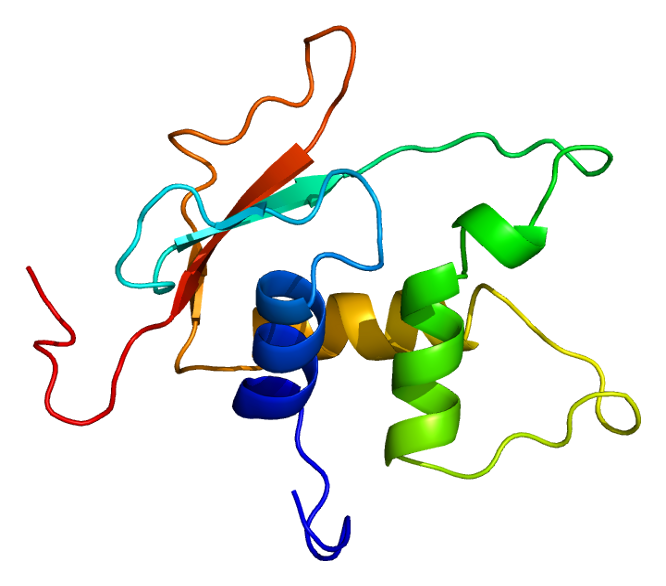
Available structures
PDBOrtholog search: PDBe RCSB
Identifiers
AliasesIRF4, LSIRF, MUM1, NF-EM5, SHEP8, interferon regulatory factor 4
External IDsOMIM: 601900; MGI: 1096873; HomoloGene: 1842; GeneCards: IRF4; OMA:IRF4 - orthologs
Orthologs
SpeciesHumanMouse
Entrez
Ensembl
UniProt
RefSeq (mRNA)

NM_001195286
NM_002460

NM_013674
NM_001347508

RefSeq (protein)

NP_001182215
NP_002451

NP_001334437
NP_038702

Location (UCSC)Chr 6: 0.39 – 0.41 MbChr 13: 30.93 – 30.95 Mb
PubMed search[3][4]
Wikidata
View/Edit HumanView/Edit Mouse

Interferon regulatory factor 4 (IRF4) also known as MUM1 is a protein that in humans is encoded by the IRF4 gene.[5][6][7] IRF4 functions as a key regulatory transcription factor in the development of human immune cells.[8][9] The expression of IRF4 is essential for the differentiation of T lymphocytes and B lymphocytes as well as certain myeloid cells.[8] Dysregulation of the IRF4 gene can result in IRF4 functioning either as an oncogene or a tumor-suppressor, depending on the context of the modification.[8]

The MUM1 symbol is also the current HGNC official symbol for melanoma associated antigen (mutated) 1 (HGNC:29641).

Immune cell development

[edit]

IRF4 is a transcription factor belonging to the Interferon Regulatory Factor (IRF) family of transcription factors.[8][9] In contrast to some other IRF family members, IRF4 expression is not initiated by interferons; rather, IRF4 expression is promoted by a variety of bioactive stimuli, including antigen receptor engagement, lipopolysaccharide (LPS), IL-4, and CD40.[8][9] IRF4 can function either as an activating or an inhibitory transcription factor depending on its transcription cofactors.[8][9] IRF4 frequently cooperates with the cofactors B-cell lymphoma 6 protein (BCL6) and nuclear factor of activated T-cells (NFATs).[8] IRF4 expression is limited to cells of the immune system, in particular T cells, B cells, macrophages and dendritic cells.[8][9]

T cell differentiation

[edit]

IRF4 plays an important role in the regulation of T cell differentiation. In particular, IRF4 ensures the differentiation of CD4+ T helper cells into distinct subsets.[8] IRF4 is essential for the development of Th2 cells and Th17 cells. IRF4 regulates this differentiation via apoptosis and cytokine production, which can change depending on the stage of T cell development.[9] For example, IRF4 limits production of Th2-associated cytokines in naïve T cells while its upregulates the production of Th2 cytokines in effector and memory T cells.[8] While not essential, IRF4 is also believed to play a role in CD8+ cytotoxic T cell differentiation through its regulation of factors directly involved in this process, including BLIMP-1, BATF, T-bet, and RORγt.[8] IRF4 is necessary for effector function of T regulatory cells due to its role as a regulatory factor for BLIMP-1.[8]  

B cell differentiation

[edit]

IRF4 is an essential regulatory component at various stages of B cell development. In early B cell development, IRF4 functions alongside IRF8 to induce the expression of the Ikaros and Aiolos transcription factors, which decrease expression of the pre-B-cell-receptor.[9] IRF4 then regulates the secondary rearrangement of κ and λ chains, making IRF4 essential for the continued development of the BCR.[8]

IRF4 also occupies an essential position in the adaptive immune response of mature B cells. When IRF4 is absent, mature B cells fail to form germinal centers (GCs) and proliferate excessively in both the spleen and lymph nodes.[9] IRF4 expression commences GC formation through its upregulation of transcription factors BCL6 and POU2AF1, which promote germinal center formation.[10] IRF4 expression decreases in B cells once the germinal center forms, since IRF4 expression is not necessary for sustained GC function; however, IRF4 expression increases significantly when B cells prepare to leave the germinal center to form plasma cells.[9]

Long-lived plasma cells

[edit]

Long-lived plasma cells are memory B cells that secrete high-affinity antibodies and help preserve immunological memory to specific antigens.[11] IRF4 plays a significant role at multiple stages of long-lived plasma cell differentiation. The effects of IRF4 expression are heavily dependent on the quantity of IRF4 present.[10] A limited presence of IRF4 activates BCL6, which is essential for the formation of germinal centers, from which plasma cells differentiate.[11] In contrast, elevated expression of IRF4 represses BCL6 expression and upregulates BLIMP-1 and Zbtb20 expression.[11] This response, dependent on a high dose of IRF4, helps initiate the differentiation of germinal center B cells into plasma cells.[11]

IRF4 expression is necessary for isotype class switch recombination in germinal center B cells that will become plasma cells. B cells that lack IRF4 fail to undergo immunoglobulin class switching.[9] Without IRF4, B cells fail to upregulate the AID enzyme, a component necessary for inducing mutations in immunoglobulin switch regions of B cell DNA during somatic hypermutation.[9] In the absence of IRF4, B cells will not differentiate into Ig-secreting plasma cells.[9]

IRF4 expression continues to be necessary for long-lived plasma cells once differentiation has occurred. In the absence of IRF4, long-lived plasma cells disappear, suggesting that IRF4 plays a role in regulating molecules essential for the continued survival of these cells.[11]

Myeloid cell differentiation

[edit]

Among myeloid cells, IRF4 expression has been identified in dendritic cells (DCs) and macrophages.[8][9]

Dendritic cells (DCs)

[edit]

The transcription factors IRF4 and IRF8 work in concert to achieve DC differentiation.[8][9] IRF4 expression is responsible for inducing development of CD4+ DCs, while IRF8 expression is necessary for the development of CD8+ DCs.[9] Expression of either IRF4 or IRF8 can result in CD4-/CD8- DCs.[9] Differentiation of DC subtypes also depends on IRF4's interaction with the growth factor GM-CSF.[8] IRF4 expression is necessary for ensuring that monocyte-derived dendritic cells (Mo-DCs) can cross-present antigen to CD8+ cells.[8]

Macrophages

[edit]

IRF4 and IRF8 are also significant transcription factors in the differentiation of common myeloid progenitors (CMPs) into macrophages.[8] IRF4 is expressed at a lower level than IRF8 in these progenitor cells; however, IRF4 expression appears to be particularly important for the development of M2 macrophages.[8] JMJD3, which regulates IRF4, has been identified as an important regulator of M2 macrophage polarization, suggesting that IRF4 may also take part in this regulatory process.[8]

Clinical significance

[edit]

In melanocytic cells the IRF4 gene may be regulated by MITF.[12] IRF4 is a transcription factor that has been implicated in acute leukemia.[13] This gene is strongly associated with pigmentation: sensitivity of skin to sun exposure, freckles, blue eyes, and brown hair color.[14] A variant has been implicated in greying of hair.[15]

The World Health Organization (2016) provisionally defined "large B-cell lymphoma with IRF4 rearrangement" as a rare indolent large B-cell lymphoma of children and adolescents. This indolent lymphoma mimics, and must be distinguished from, pediatric-type follicular lymphoma.[16] The hallmark of large B-cell lymphoma with IRF4 rearrangement is the overexpression of the IRF4 gene by the disease's malignant cells. This overexpression is forced by the acquisition in these cells of a translocation of IRF4 from its site on the short (i.e. p) arm of chromosome 6 at position 25.3[17] to a site near the IGH@ immunoglobulin heavy locus on the long (i.e. q) arm of chromosome 14 at position 32.33[18][19]

Interactions

[edit]

See also

[edit]

References

[edit]

Further reading

[edit]
[edit]
Revisions and contributorsEdit on WikipediaRead on Wikipedia
from Grokipedia
Interferon regulatory factor 4 (IRF4) is a protein-coding located on 6p25.3 in humans, encoding a that belongs to the regulatory factor (IRF) family of nine mammalian transcription factors. Primarily expressed in immune cells such as lymphocytes and myeloid cells, IRF4 regulates key aspects of immunity, including and T cell differentiation, production, and expression, while also modulating signaling and responses. Structurally, IRF4 features an N-terminal (residues 23–128) and a C-terminal IRF association domain (residues 250–418), along with a that enables it to function as both an activator and repressor of transcription. Its DNA-binding affinity is weak on its own due to an autoinhibitory region, but it forms heterodimers with ETS family proteins like PU.1 or SPIB to bind composite DNA elements such as the ETS/IRF composite element (EICE), thereby controlling genes involved in immune cell development. Expression of IRF4 is tightly regulated and induced in immune cells by stimuli including activation, IL-4 signaling via STAT6, and receptor engagement, with highest levels observed in lymph nodes and . In immunity, IRF4 is indispensable for multiple processes: it drives B cell maturation into plasma cells, facilitates immunoglobulin class-switch recombination, and promotes Th2 and Th17 differentiation while supporting (Treg) suppressive functions through control of IL-10 production. In myeloid cells, it fine-tunes inflammatory responses by negatively regulating TLR signaling pathways. Dysregulation of IRF4 contributes to various diseases; it acts as an in B cell malignancies like —where it is overexpressed and sustains survival via a feedback loop—and activated B cell-like , often through translocations or hyperactivity. Conversely, IRF4 can function as a tumor suppressor in certain precursor B cell neoplasms, and germline variants are associated with immunodeficiencies including autosomal dominant combined immunodeficiency and predisposition to , pigmentation disorders, and common genetic variants associated with autoimmune diseases such as systemic lupus erythematosus (SLE) and . Therapeutically, IRF4's restricted expression in the makes it a promising target for lymphoid malignancies; strategies include disrupting its upstream regulators like or the /IRF4 loop, with preclinical evidence suggesting selective toxicity to cancer cells over normal tissues. As of , novel small-molecule inhibitors targeting IRF4, such as SH514, have shown promise in preclinical models for by disrupting IRF4 function with selective toxicity to cancer cells. Ongoing research highlights its broader metabolic roles in immune cells, underscoring IRF4's dynamic influence across immunity and .

Structure and expression

Protein domains and structure

IRF4 is a belonging to the interferon regulatory factor (IRF) family and is encoded by the IRF4 gene located on human chromosome 6p25.3. The full-length protein comprises 451 amino acids and features a modular architecture typical of IRF family members, with distinct domains that enable DNA binding, protein-protein interactions, and regulatory control. The N-terminal (DBD), spanning approximately the first 120 , is highly conserved across the IRF and contains a characteristic tryptophan pentad—a cluster of five tryptophan residues—that facilitates sequence-specific recognition of interferon-stimulated response elements (ISREs) in target sequences. This domain adopts a structure that inserts into the major groove of , enabling IRF4 to bind consensus motifs such as the ISRE (5'-AANNGAAA-3') either as a homodimer or in complex with other factors. The C-terminal IRF association domain (IAD), comprising about 120-150 , is responsible for homo- or heterodimerization with other IRF members or non-IRF partners, and it harbors motifs that mediate transcriptional activation or repression depending on the cellular context. A distinctive feature of IRF4 is a flexible autoinhibitory region in its , which interacts with the DBD to reduce DNA-binding affinity in the absence of activating signals, a regulatory mechanism not observed in most other IRFs. This region undergoes conformational changes upon stimulation, relieving inhibition and enhancing IRF4's transcriptional activity. Post-translational modifications, particularly at serine and threonine residues within the IAD and autoinhibitory region, further modulate IRF4's stability, localization, and interaction capabilities; for instance, ROCK2-mediated influences Th17 cell differentiation by altering IRF4's repressive functions. Structural studies have elucidated these features through crystallographic analyses, including the crystal structure of the IRF4 DBD homodimer bound to DNA, which reveals cooperative binding stabilized by DNA deformation but demonstrates inherently low affinity without co-binding partners. These insights highlight how IRF4's domain organization allows for fine-tuned regulation of gene expression in immune responses.

Gene regulation and tissue expression

The human IRF4 gene is located on chromosome 6p25.3 and spans approximately 19.7 kb, consisting of 9 exons and 8 introns that a 451-amino-acid protein of about 51 kDa. The promoter region of IRF4 is responsive to immune signals such as receptor engagement, including B cell receptor (BCR) cross-linking via IgM and T cell receptor (TCR) stimulation via CD3, as well as phorbol myristate acetate (PMA) and ionomycin treatment, but it is not directly induced by type I or type II interferons unlike other IRF family members. Upstream transcription factors play key roles in IRF4 regulation during immune activation: PU.1 forms a heterodimeric complex with IRF4 to drive expression in lymphoid cells; STAT6, activated by interleukin-4 (IL-4) signaling, induces IRF4 transcription in T helper 2 (Th2) cells; and establishes a loop to promote IRF4 expression, particularly in activated lymphocytes and contexts. IRF4 expression is largely restricted to hematopoietic lineages, with low or undetectable levels in hematopoietic stem cells (HSCs; 0 nCPM in single-cell data) and progressive upregulation during maturation of lymphocytes and myeloid cells. In non-immune tissues, IRF4 is generally absent or expressed at minimal levels, though minor detection occurs in adipocytes and melanocytes. Within immune subsets, IRF4 mRNA is highly expressed in mature B cells (107 nCPM), plasma cells (360.5 nCPM), T cells (67.8 nCPM), dendritic cells (596.3 nCPM), and macrophages (35.5 nCPM), based on single-cell sequencing from normal tissues, reflecting its role in antigen-driven responses. During B cell development, IRF4 expression is low in pro-B cells but increases in pre-B cells to support the pre-B to immature B transition, peaking in immature and mature stages before declining in germinal center B cells; it then surges again in plasma cells to drive terminal differentiation. In T cells, IRF4 is induced rapidly by TCR signaling, with expression levels scaling with signal strength to modulate effector differentiation, such as in Th2 and Th17 subsets, and remaining elevated in activated mature T cells. These patterns underscore IRF4's immune-restricted functions, as confirmed by expression atlases showing over 10-fold higher mRNA in activated immune subsets compared to HSCs or non-hematopoietic cells.

Role in lymphoid cell development

B cell differentiation

IRF4 plays a redundant role with IRF8 during the early stages of B cell development, specifically in pro-B and pre-B cells, where it supports V(D)J recombination and regulates proliferation to ensure proper lineage progression. In mice lacking both IRF4 and IRF8, B cell development arrests at the large pre-B cell stage, accompanied by uncontrolled hyperproliferation of pre-B cells due to dysregulated pre-B cell receptor signaling. Single IRF4 knockout mice exhibit only mild defects in these early phases, underscoring the compensatory function of IRF8, whereas the double deficiency reveals their shared essentiality for transitioning beyond the pre-B stage. In late-stage B cell development, IRF4 assumes a dominant role, promoting the formation of mature B cells by facilitating receptor editing and repressing IRF8 expression while contributing to the activation of Pax5 through cooperative binding with IRF8 and PU.1 at the Pax5 enhancer. This shift enables IRF4 to drive the commitment and maturation of immature B cells into a functional repertoire, with IRF4 deficiency leading to impaired secondary light-chain rearrangements, particularly at the λ locus. of IRF4, as observed in heterozygous mice, results in partial impairment of B cell maturation and affinity selection without a complete developmental block, highlighting its dosage-sensitive nature in maintaining B cell . IRF4 is essential for (GC) B cell responses, where it cooperates with to promote proliferation, , and class-switch recombination (CSR) in activated B cells. Conditional deletion of IRF4 in GC B cells disrupts late-stage CSR by failing to induce activation-induced cytidine deaminase (), although initial GC formation remains intact. Graded expression levels of IRF4 fine-tune these processes: low levels support AID expression for CSR, while higher levels bias toward terminal differentiation. During plasma cell differentiation, IRF4 induces the expression of Blimp-1 (encoded by ), which in turn represses Pax5 to extinguish the identity program and promote secretion, immunoglobulin production, and metabolic adaptations for high-output secretion. This IRF4-Blimp-1 autoregulatory loop is critical for generating long-lived s, as IRF4 also upregulates XBP-1 and survival factors independently of Blimp-1 to support their persistence in survival niches. In IRF4-deficient mice, the compartment is severely reduced, with a profound failure to activate the Blimp-1-dependent transcriptional program upon activation.

T cell differentiation

IRF4 expression in naïve + T cells is induced by (TCR) signaling, which synergizes with cytokines such as IL-6 and TGF-β to promote differentiation into Th2, Th9, Th17, and regulatory T (Treg) cells. In the context of Th2 differentiation, IL-4 further enhances IRF4 levels, driving the Th2 lineage commitment. In Th2 cells, IRF4 synergizes with the c-Maf to promote the production of IL-4 and IL-5 cytokines that characterize this subset. This cooperative regulation ensures robust Th2 effector functions, including allergic responses and anti-helminth immunity. For Th17 cells, IRF4 directly promotes the expression of the lineage-defining RORγt, facilitating IL-17 secretion and contributing to inflammatory processes such as autoimmune . IRF4 binds to the IL-17A promoter and modulates RORγt levels in response to IL-6 and TGF-β, making it indispensable for Th17 pathogenicity in mucosal inflammation. In Treg cells, IRF4 plays a dosage-dependent role in differentiating peripheral effector Tregs capable of potent immune suppression, particularly within tumor microenvironments where higher IRF4 levels correlate with enhanced suppressive activity and poor patient prognosis. This regulation involves IRF4 partnering with BATF to control immunosuppressive programs. IRF4 also inhibits Th1 differentiation by repressing the transcription factor T-bet, as evidenced by upregulated T-bet expression in IRF4-deficient CD4+ T cells, which skews toward Th1-like phenotypes. In mouse models, IRF4 knockout in T cells prevents differentiation into follicular helper T (Tfh) cells, resulting in defective formation and impaired . This T cell-intrinsic requirement underscores IRF4's role in coordinating Tfh-mediated B cell help during immune responses.

Role in myeloid cell development

Dendritic cell differentiation

Interferon regulatory factor 4 (IRF4) collaborates with IRF8 to regulate the differentiation of common dendritic cell progenitors (CDPs) into conventional dendritic cell (cDC) subsets, specifically cDC1 and cDC2, in tissues such as the and . This cooperation occurs at the pre-cDC stage, where IRF4 and IRF8 direct terminal differentiation, with IRF8 predominantly driving cDC1 (CD103+ CD11b-) development and IRF4 supporting cDC2 (CD11b+) maturation. In the absence of IRF8, pre-cDC1 populations decline, leading to a compensatory increase in IRF4-dependent cDC2 subsets. IRF4 plays a specific role in cDC2 development, promoting the generation of CD11b+ dendritic cells independently of Batf3, a essential for cDC1 but dispensable for cDC2. This IRF4-driven process involves repression of Mafb, a macrophage-associated , which favors dendritic cell fate over differentiation from precursors and progenitors. Consequently, IRF4 is highly expressed in cDC2 subsets, such as splenic CD4+ CD11b+ and lung CD11c^hi^ CD11b+ SIRPα+ + cells, distinguishing them from IRF8-dominant cDC1. IRF4 enhances and T cell priming functions in cDC2, upregulating expression and supporting co-stimulatory molecule presentation to drive adaptive immune responses. These cells are crucial for priming Th2 and Th17 responses, with IRF4 directly activating genes like Il10 and Il33 in response to Th2-promoting stimuli. Expression of IRF4 is dynamically upregulated in maturing dendritic cells following (TLR) signaling, such as via Dectin-1 or other pathways, coordinating maturation with enhanced migratory and priming capabilities. Genetic knockout of IRF4 in CD11c+ cells severely impairs cDC2 development, resulting in near-complete loss of CD11b+ SIRPα+ + cDC2 and substantial reduction of splenic + cDC2 subsets. This leads to defective due to diminished MHC II on remaining cells and compromised T cell priming. Consequently, IRF4-deficient mice exhibit reduced Th2 responses, impairing , and diminished Th17 differentiation, which hinders anti-fungal defenses against pathogens like .

Macrophage differentiation

IRF4 plays a critical role in the monocyte-to- transition by inducing PU.1-dependent genes that drive alternative () polarization. This process is essential for maturation, where IRF4 acts as a transcriptional activator downstream of PU.1, promoting the expression of genes associated with tissue-resident functions. IRF4 promotes polarization through its integration with STAT6 and IL-4 signaling pathways, which enhance responses and tissue repair capabilities. Upon IL-4 stimulation, STAT6 activates the demethylase Jmjd3, which in turn induces IRF4 expression, leading to upregulation of markers such as Arg1, Ym1, and Fizz1. This polarization supports resolution of inflammation and contributes to host defense against parasites, while also dampening excessive immune activation in metabolic contexts like . In certain inflammatory settings, IRF4 represses M1 pro-inflammatory genes by inhibiting MyD88-dependent signaling, thereby blocking the IRF5-MyD88 interaction and reducing production of cytokines like TNF and IL-6. This regulatory function helps balance responses, preventing chronic inflammation and promoting adaptive immunity. Within alveolar , IRF4 contributes to maintaining pulmonary by modulating polarization toward an M2-like that supports activities. Elevated IRF4 expression, as observed in Bach2-deficient models, influences metabolism and lipid handling, though balanced levels are necessary to avoid disruptions in clearance functions. Genetic ablation of IRF4 results in defective polarization, characterized by reduced expression of alternative markers and impaired responses to IL-4, leading to heightened susceptibility to helminth infections such as Nippostrongylus brasiliensis. IRF4-deficient also exhibit exaggerated pro-inflammatory production, underscoring its role in fine-tuning macrophage adaptability for immune .

Non-immune functions

Cardiovascular roles

IRF4 is highly expressed in the nuclei of cardiomyocytes in both and hearts under normal conditions. Although its protein levels are downregulated during advanced stages of pathological cardiac induced by pressure overload, such as aortic banding, or by II treatment, IRF4 nonetheless functions as a critical promoter of the hypertrophic response. In ex vivo models of neonatal cardiomyocytes treated with II (1 μmol/L for 48 hours), IRF4 expression decreases by approximately 56%, mirroring observations where levels drop by 36% at 4 weeks and 65% at 8 weeks post-aortic banding. IRF4 drives pathological cardiac by activating the cAMP response element-binding protein (CREB), which in turn upregulates hypertrophic genes including atrial natriuretic factor (ANF) and (BNP). Overexpression of IRF4 in transgenic mice exacerbates pressure overload-induced cardiac , , and systolic dysfunction, as evidenced by increased heart weight-to-body weight ratios, cross-sectional cardiomyocyte areas, and echocardiographic markers of impaired fractional . Conversely, IRF4 mice subjected to aortic banding exhibit significantly attenuated hypertrophic responses, with reduced heart enlargement (e.g., 30% fractional versus 22% in wild-type controls), lower expression of ANF and BNP mRNA, and decreased interstitial without notable differences in inflammatory cell infiltration. Mechanistically, IRF4 binds directly to three interferon-stimulated (ISRE)-like sites in the CREB promoter via its N-terminal , enhancing CREB transcription and phosphorylation independently of or immune signaling pathways. This interaction was confirmed through assays and luciferase reporter studies showing that IRF4 knockdown reduces CREB promoter activity, while CREB inactivation offsets IRF4-mediated in angiotensin II-stimulated cardiomyocytes. Given its role in amplifying pathological remodeling, IRF4 inhibition emerges as a promising therapeutic strategy to mitigate cardiac and prevent progression to heart , potentially offering a novel target beyond traditional immune-related interventions.

Roles in other tissues

IRF4 exhibits low-level expression in , where it contributes to the of pigmentation. A common (rs12203592) in the IRF4 gene reduces its expression in , leading to decreased production and lighter hair color. This variant influences stem cell differentiation and , thereby associating with premature hair graying in humans. In epithelial cells of the skin, such as , IRF4 is expressed at low levels and may participate in modulating interferon-stimulated responses during viral infections. Protein expression data indicate IRF4 presence in squamous epithelial cells and suprabasal , suggesting a role in local antiviral defense mechanisms within the skin barrier. Emerging evidence points to IRF4 functions in , where it acts as a transcriptional regulator of and . IRF4 promotes the expression of genes involved in and brown fat activation in response to cold or nutrient signals, thereby influencing . Additionally, IRF4 helps restrain metabolic inflammation in by limiting pro-inflammatory polarization, although it appears non-essential for basic development. Knockout studies in mice reveal no major developmental abnormalities in non-hematopoietic tissues, underscoring that IRF4 is dispensable for the basic formation and function of lineages such as epithelial or adipose cells. IRF4-deficient mice are viable and fertile, with phenotypes primarily confined to disruptions.

Clinical significance

Immunodeficiencies and inborn errors

Complete IRF4 deficiency is a rare autosomal recessive form of combined characterized by severe T cell lymphopenia, B cell dysfunction, and myeloid cell defects, leading to recurrent bacterial, viral, and fungal infections starting in early infancy. The first reported case involved a homozygous splicing (c.1213-2A>G, p.V405Gfs*127) inherited via uniparental isodisomy, resulting in absent IRF4 protein expression and impaired lymphoid and myeloid differentiation. Affected individuals exhibit , reduced circulating s, and defective responses, alongside manifestations such as severe . IRF4 haploinsufficiency, often due to dominant-negative heterozygous mutations such as R98W in the , manifests as a milder with selective antibody deficiency and increased susceptibility to specific infections, including caused by Tropheryma whipplei. Recent developments as of 2025 include a report on IRF4 in a multiplex family with , highlighting incomplete and familial clustering, and recognition in the 2024 IUIS classification of inborn errors of immunity as causing autosomal dominant combined . This mutation impairs IRF4's transcriptional activity in B cells and macrophages, leading to reduced immunoglobulin production and defective intracellular bacterial killing without broad T cell involvement. Clinical presentations include recurrent sinopulmonary infections and chronic diarrhea, with laboratory findings of low serum IgG and IgA levels. More recently identified mechanisms include neomorphic and multimorphic gain-of-function variants, such as T95R and F359L, which disrupt IRF4 autoinhibition and cause autosomal dominant combined immunodeficiencies through aberrant binding to interferon-stimulated response elements (ISREs). These mutations lead to dysregulated responses, resulting in phenotypes like agammaglobulinemia, T cell lymphopenia, and , with early-onset infections and features such as skin depigmentation or early hair graying. Common clinical features across IRF4-related immunodeficiencies include recurrent sinopulmonary and gastrointestinal infections, , and variable , reflecting IRF4's essential role in immune cell maturation. Diagnosis relies on targeted genetic sequencing to identify biallelic loss-of-function or heterozygous dominant variants, supported by showing reduced subsets and impaired proliferative responses. Therapeutic approaches involve immunoglobulin replacement and prophylactic antibiotics for milder cases, while (HSCT) serves as a potentially curative option for , though outcomes vary.

Oncogenic roles in cancer

IRF4 functions as an in various lymphoid malignancies, particularly through its overexpression in B-cell cancers such as (MM) and (DLBCL). In these neoplasms, aberrant IRF4 expression drives proliferation and survival by acting as a master that reprograms cellular gene expression. In MM, IRF4 overexpression is frequently driven by the t(6;14)(p25;q32), which juxtaposes the IRF4 locus on 6p25 with the (IGH) enhancer on 14q32, leading to constitutive activation under B-cell-specific regulatory control. This translocation occurs in approximately 1-2% of MM cases, though IRF4 overexpression is common through various mechanisms. As a master regulator, IRF4 induces the expression of key oncogenes like and differentiation genes, forming a positive feedback loop that sustains MM cell survival and proliferation; disruption of this loop, such as through IRF4 knockdown, induces . , an immunomodulatory drug, targets this pathway by promoting the cereblon-dependent ubiquitination and degradation of (), which indirectly represses IRF4 and , thereby inhibiting MM growth. In DLBCL, particularly the activated B-cell-like (ABC) subtype, IRF4 is overexpressed and contributes to oncogenesis through similar mechanisms, including translocations involving IRF4 rearrangements that enhance its activity. IRF4 collaborates with transcription factors like SPIB and BATF to maintain an oncogenic transcriptional program, promoting lymphomagenesis by upregulating and suppressing differentiation. Large B-cell lymphomas with IRF4 rearrangements represent a distinct entity with favorable in pediatric cases but variable outcomes in adults. IRF4 also plays an oncogenic role in T-cell lymphomas, notably in human T-cell leukemia virus type 1 (HTLV-1)-associated adult T-cell leukemia/lymphoma (ATLL). In ATLL, the viral protein activates signaling, which upregulates IRF4 expression, leading to enhanced proliferation and inhibition of ; activating mutations in IRF4, such as at lysine 59, further increase its nuclear localization and transcriptional activity. IRF4 interacts with Tax to drive leukemogenesis by repressing genes and promoting survival pathways. The oncogenicity of IRF4 exhibits dosage dependence, where low levels promote differentiation and may exert tumor-suppressive effects in early B-cell stages, while high levels block differentiation, sustain proliferation, and drive in mature lymphoid cells. This context-specific regulation underscores IRF4's role as a lineage- and stage-restricted . Therapeutically, targeting IRF4 pathways holds promise; beyond , next-generation cereblon E3 ligase modulators like iberdomide (CC-220) enhance /3 degradation more potently, leading to greater downregulation of IRF4 and , and showing clinical activity in relapsed/refractory MM. Antisense directly targeting IRF4 have also demonstrated preclinical efficacy in ATLL models.

Protein interactions

Interactions with transcription factors

IRF4 primarily functions as a transcriptional regulator through heterodimerization or with other transcription factors, enabling context-specific gene activation or repression during immune cell differentiation. These interactions often occur via composite DNA elements, such as Ets-IRF composite elements (EICE), where IRF4's (DBD) and association domain (IAD) facilitate complex formation. The IAD, a conserved protein-protein interaction motif spanning residues 250–418, mediates both homodimerization at high IRF4 concentrations and heterodimerization with partners, while events, such as on associated factors like PU.1, can enhance binding affinity and relieve autoinhibitory constraints for precise regulation. A key partnership is the heterodimerization of IRF4 with IRF8, which binds EICE sites (consensus GGAAnnGAAA) in conjunction with Ets family members PU.1 or Spi-B to drive early development. This complex orchestrates the pre-B to immature transition by promoting rearrangement and receptor editing, as evidenced by blocked maturation in IRF4/IRF8 double-deficient models. Similarly, IRF4 cooperates directly with PU.1 to enhance transcription of - and -specific genes through binding to composite Ets-IRF elements; for instance, of PU.1 at Ser148 strengthens the interaction via IAD residues Arg-398 and Lys-399, upregulating genes like activation-induced cytidine deaminase () for class-switch recombination in s and inflammatory programs in s. In s, IRF4 interacts with to co-repress target genes, maintaining proliferation and suppressing differentiation signals during affinity maturation; low IRF4 levels favor this cooperative repression, while escalating IRF4 shifts toward fates by antagonizing Bcl6. For terminal differentiation, IRF4 and Blimp-1 (encoded by ) engage in mutual induction within s, forming a loop where IRF4 directly activates Blimp-1 expression via ISRE motifs, and Blimp-1 in turn upregulates Irf4 to lock in the secretory program and silence genes. In T helper cells, IRF4 partners with RORγt to drive Th17-specific transcriptional programs, including Il17 production; IRF4 deficiency impairs RORγt induction and Th17 differentiation, with shared regulatory networks involving BATF and amplifying RORγt-dependent expression.

Interactions with signaling pathways

IRF4 integrates immune signals primarily through post-translational modifications and interactions with key signaling cascades, allowing it to fine-tune transcriptional responses in lymphocytes. One critical regulatory mechanism involves of its C-terminal region, which relieves autoinhibition and enhances the activity of its interacting domain (IAD), promoting dimerization and coactivator recruitment. Specifically, serine at sites such as Ser447 by ROCK2 potentiates IRF4 function in T helper cells, facilitating production like IL-17 and IL-21 during Th17 differentiation. In the context of cytokine signaling, IRF4 expression is upregulated via the IL-4/JAK-STAT pathway in Th2 cells, where STAT6 activation directly induces IRF4 transcription to support IL-4-responsive genes. This STAT6-dependent induction enables IRF4 to cooperate with STAT6 at promoters like that of CD23b, amplifying Th2 polarization and antibody class switching. Concurrently, in B cells, IRF4 exhibits with during receptor signaling; BCR and CD40 ligation activates (including c-Rel), which in turn induces IRF4 expression to drive formation and differentiation. IRF4 also crosstalks with the calcium-dependent NFAT pathway in T cells, where it physically interacts with NFATc2 to potentiate IL-4 promoter activity, particularly through synergy with the c-Maf. This interaction occurs at composite elements adjacent to NFAT binding sites, enhancing endogenous IL-4 production and reinforcing Th2 effector functions. To maintain balance, DEF6 acts as a modulator by binding IRF4 in the nucleus of T cells, sequestering it from IL-17 and IL-21 regulatory regions and thereby inhibiting excessive Th17 activation under neutral signaling conditions.00502-5)

References

Add your contribution
Related Hubs
User Avatar
No comments yet.