Hubbry Logo
Soviet space dogsSoviet space dogsMain
Open search
Soviet space dogs
Community hub
Soviet space dogs
logo
8 pages, 0 posts
0 subscribers
Be the first to start a discussion here.
Soviet space dogs
Soviet space dogs
from Wikipedia

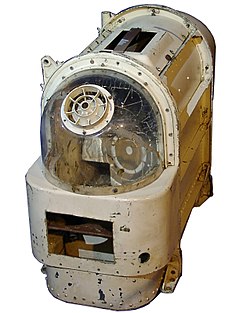
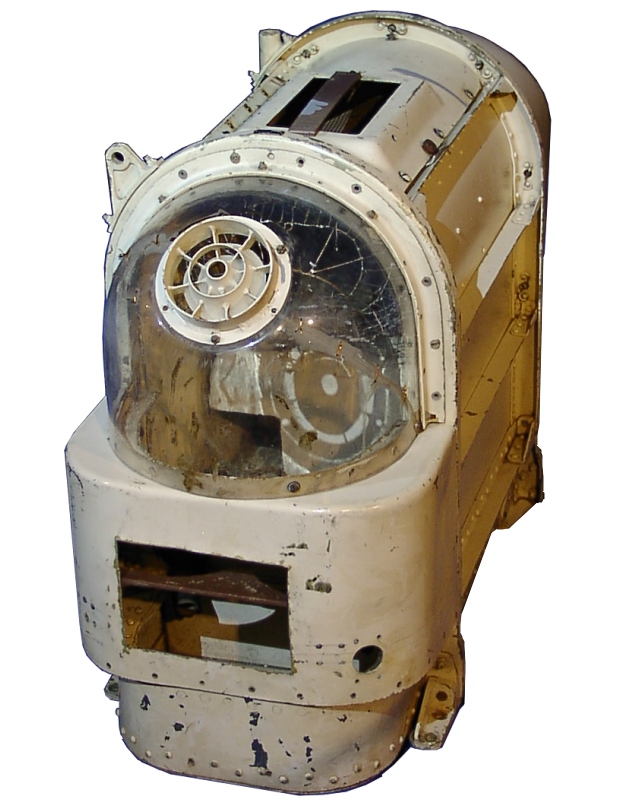
Original Soviet space dog environmentally controlled safety module used on sub-orbital and orbital spaceflights

During the 1950s and 1960s the Soviet space program used dogs for sub-orbital and orbital space flights to determine whether human spaceflight was feasible. The Soviet space program typically used female dogs due to their anatomical compatibility with the spacesuit.[1] Similarly, they used mix-breed dogs due to their apparent hardiness.

In this period, the Soviet Union launched missions with passenger slots for at least 57 dogs. Some dogs flew more than once. Most survived; those that died were lost mostly through technical failures, according to the parameters of the test. Laika was an exception and was expected to die during her Earth-orbiting 3 November 1957 Sputnik 2.[2]

Training

[edit]

Dogs were the preferred animal for the experiments because scientists felt dogs were well suited to endure long periods of inactivity.[3] As part of their training, they were confined in small boxes for 15–20 days at a time. Stray dogs, rather than animals accustomed to living in a house, were chosen because the scientists felt they would be able to tolerate the rigorous and extreme stresses of space flight better than other dogs. Female dogs were used because of their temperament and because the suit the dogs wore in order to collect urine and feces was equipped with a special device, designed to work only with females.[4][5]: 17 

Their training included standing still for long periods of time, wearing space suits, being placed in simulators that acted like a rocket during launch, riding in centrifuges that simulated the high acceleration of a rocket launch and being kept in progressively smaller cages to prepare them for the confines of the space module. Dogs that flew in orbit were fed a nutritious jelly-like protein. This was high in fiber and assisted the dogs to defecate during long periods of time while in their small space module. More than 60% of dogs to enter space were reportedly suffering from constipation and gallstones on arrival back to base.[6][page needed]

Sub-orbital flights

[edit]

Dogs were flown to an altitude of 100 km (62 mi) on board 15 scientific flights on R-1 rockets (itself a copy of the German V-2) from 1951 to 1956. The dogs wore pressure suits with acrylic glass bubble helmets. From 1957 to 1960, 11 flights with dogs were made on the R-2A series (developed from the R-1 missile) which flew to about 200 km (120 mi). Three flights were made to an altitude of about 450 km (280 mi) on R-5A rockets in 1958. In the R-2 and R-5 rockets, the dogs were contained in a pressured cabin.[7]

Dezik, Tsygan, and Lisa-1

[edit]

Dezik (Дезик) and Tsygan (Цыган, "Gypsy") were the first dogs to make a sub-orbital flight and successfully recovered on 22 July 1951.[8]: Part 1 p95  Both dogs were recovered unharmed after travelling to a maximum altitude of 110 km (68 mi). Dezik made another sub-orbital flight in 1951 with the first dog named Lisa (Лиса, "Fox"), although neither survived because the parachute failed to deploy.[3] After the death of Dezik, Tsygan was adopted as a pet by Soviet physicist Anatoli Blagonravov.[9][10]

Lisa-2 and Ryzhik

[edit]

Lisa-2 (Лиса, "Fox" or "Vixen") and Ryzhik (Рыжик, "Ginger" (red-haired)) flew to an altitude of 100 km (62 mi) on 2 June 1954.

Smelaya and Malyshka

[edit]

Smelaya (Смелая, "Brave" or "Courageous", fem.) was due to make a flight in September but ran away the day before the launch. She was found the next day and went on to make a successful flight with a dog named Malyshka (Малышка, "Baby"). They both crashed after the rocket failed to deploy a parachute, and were found the next day by the recovery team.

Bobik and ZIB

[edit]

Bobik (Бобик, common Russian name for a small dog) ran away just days before his flight was scheduled to take place on 15 September 1951.[3] A replacement named ZIB (ЗИБ, a Russian acronym for "Substitute for Missing Bobik", "Замена Исчезнувшему Бобику" Zamena Ischeznuvshemu Bobiku), who was an untrained street dog found running around the barracks, was quickly located and made a successful flight to 100 km and back.[11][3][10]

Otvazhnaya and Snezhinka

[edit]

Otvazhnaya (Отважная, "brave one", fem.) made a flight on 2 July 1959 along with a rabbit named Marfusha (Марфуша, "little Martha") and another dog named Snezhinka (Снежинка, "Snowflake"). She went on to make 5 other flights between 1959 and 1960.[12]

Albina and Tsyganka

[edit]

Albina (Альбина) and Tsyganka (Цыганка, "Gypsy girl") made a flight on 7 June 1958, and were both ejected out of their capsule at an altitude of 85 km (53 mi) and landed safely. Albina was one of the dogs shortlisted for Sputnik 2, but never flew in orbit.

Damka and Krasavka

[edit]

Damka (Дамка, "queen of checkers") and Krasavka (Красавка, "little beauty" or "Belladonna") were to make an orbital flight on 22 December 1960 as a part of the Vostok programme which also included mice.[13] However their mission was marked by a string of equipment failures.

The upper-stage rocket failed and the craft re-entered the atmosphere after reaching a sub-orbital apogee of 214 km (133 mi). In the event of unscheduled return to the surface, the craft was to eject the dogs and self-destruct, but the ejection seat failed and the primary destruct mechanism shorted out. The animals were thus still in the intact capsule when it returned to the surface. The backup self-destruct mechanism was set to a 60-hour timer, so a team was quickly sent out to locate and recover the capsule.

Although the capsule was reached in deep snow on the first day, there was insufficient remaining daylight to disarm the self-destruct mechanism and open the capsule. The team could only report that the window was frosted over in the −43 °C (−45 °F) degree temperatures and no signs of life were detected. On the second day, however, the dogs were heard barking as the capsule was opened. The dogs were wrapped in sheepskin coats and flown to Moscow alive, though all the mice aboard the capsule were found dead because of the cold.[14]

Damka was also known as Shutka (Шутка, "Joke") or Zhemchuzhnaya (Жемчужная, "Pearly") and Krasavka was also known as Kometka (Кометка, "Little Comet") or Zhulka (Жулька, "Cheater"). After this incident Krasavka was adopted by Oleg Gazenko, a leading Soviet scientist working with animals used in space flights. She went on to have puppies and continued living with Gazenko and his family until her death 14 years later.[13]

Bars and Lisichka

[edit]

Bars (Барс (pron. "Barss"); "snow leopard") and Lisichka (Лисичка, "little fox") were also on a mission to orbit as a part of the Vostok programme, but died after their rocket exploded 28.5 seconds into the launch on 28 July 1960.[3] Bars was also known as Chayka (Чайка, "seagull").

Other dogs that flew on sub-orbital flights include Dymka (Дымка, "smoky"), Modnitsa (Модница, "fashionista") and Kozyavka (Козявка, "booger").

At least four other dogs flew in September 1961, and two or more were lost.

Orbital flights

[edit]

Laika

[edit]
Laika on a Romanian post stamp

On 3 November 1957 Laika (Лайка, "barker") flew to space on Sputnik 2 to become the first Earth-born creature (other than microbes) to orbit the planet.[3] Many sub-orbital flights with animal passengers had already been to space, such as the 1949 mission of the rhesus macaque Albert II. Laika was also known as Zhuchka (Жучка, "Little Bug") and Limonchik (Лимончик, "Little Lemon"). The American media dubbed her "Muttnik", making a play on words for the canine follow-on to the first orbital mission, Sputnik. She died between five and seven hours into the flight from stress and overheating.[15]

Laika's true cause of death was not made public until October 2002; officials previously gave reports that she died when the oxygen supply ran out.[12] At a Moscow press conference in 1998 Oleg Gazenko, a senior Soviet scientist involved in the project, stated "The more time passes, the more I'm sorry about it. We did not learn enough from the mission to justify the death of the dog...".[16]

Belka and Strelka

[edit]
Belka
Strelka

Belka (Белка, literally, "squirrel", or alternatively "Whitey") and Strelka (Стрелка, "little arrow") spent a day in space aboard Korabl-Sputnik 2 (Sputnik 5) on 19 August 1960 before safely returning to Earth.[12] They are the first higher living organisms to survive orbit in outer space.

They were accompanied by a grey rabbit, 42 mice, two rats, flies and several plants and fungi. All passengers survived. They were the first Earth-born creatures to go into orbit and return alive,[17] and gave birth to many descendants.

Pchyolka and Mushka

[edit]

Pchyolka (Пчёлка, "little bee") and Mushka (Мушка, "little fly") spent a day in orbit on 1 December 1960 on board Korabl-Sputnik-3 (Sputnik 6) with "other animals", plants and insects.[12] Due to a reentry error when the retrorockets failed to shut off when planned, their spacecraft was intentionally destroyed by remote self-destruct to prevent foreign powers from inspecting the capsule.[18][19]

Mushka was one of the three dogs trained for Sputnik 2 and was used during ground tests. She did not fly on Sputnik 2 because she refused to eat properly.[citation needed]

Chernushka

[edit]

Chernushka (Чернушка, "Blackie") made one orbit on board Korabl-Sputnik-4 (Sputnik 9) on 9 March 1961[20] with a cosmonaut dummy (whom Soviet officials nicknamed Ivan Ivanovich), mice and a guinea pig. The dummy was ejected out of the capsule during re-entry and made a soft landing using a parachute. Chernushka was recovered unharmed inside the capsule.

Zvyozdochka

[edit]
Zvyozdochka on a 1961 stamp

Zvyozdochka (Zvezdochka, Звёздочка, "starlet"[8]: Part 1 p267 ), who was named by Yuri Gagarin,[21] made one orbit on board Korabl-Sputnik 5 on 25 March 1961 with a wooden cosmonaut dummy, and other animals in the final practice flight before Gagarin's historic flight on 12 April.[8]: Part 1 p267  Again, the dummy was ejected out of the capsule while Zvezdochka remained inside. Both were recovered successfully.

Veterok and Ugolyok

[edit]
Space dogs Veterok and Ugolyok

Veterok (Ветерок, "light breeze") and Ugolyok (Уголёк, "ember") were launched on 22 February 1966 on board Cosmos 110, and spent 21 days in orbit before landing on 16 March.[5] This spaceflight of record-breaking duration was not surpassed by humans until Soyuz 11 in June 1971 and still stands as the longest space flight by dogs. The two dogs showed signs of "cardiovascular deconditioning" with dehydration, weight loss, loss of muscle and coordination and took several weeks to fully recover, though they showed no long-term issues.[22]

See also

[edit]

References

[edit]
[edit]
Revisions and contributorsEdit on WikipediaRead on Wikipedia
from Grokipedia
The Soviet space dogs program employed mongrel dogs, selected for their hardiness as strays from streets, in sub-orbital and orbital missions from 1951 to 1966 to assess the physiological impacts of rocket acceleration, , and re-entry on living organisms as a precursor to . Between 1951 and 1952 alone, nine dogs flew on R-1 series rockets, with pairs per mission and some repeating flights, yielding data on survival under g-forces up to 110 kilometers altitude. , a three-year-old stray, achieved the milestone of the first orbital flight on launched November 3, 1957, monitoring to confirm a could endure launch and microgravity, though declassified records later revealed her death within hours from overheating and stress rather than the initially reported after days. Building on these tests, the program advanced to recoverable orbital flights, with completing a 24-hour mission aboard on August 19, 1960, alongside other animals and , returning alive to validate systems and recovery procedures essential for Yuri Gagarin's 1961 voyage. Over the program's span, Soviet engineers launched dogs on approximately 71 missions, prioritizing females for their smaller size and tolerance to confinement, with early sub-orbital tests establishing baseline survivability while orbital efforts faced higher risks, including fatalities from equipment failures and environmental extremes, underscoring the empirical trade-offs in pioneering bioastronautics. These canine experiments provided causal evidence that prolonged exposure to space conditions was survivable with iterative engineering refinements, directly enabling the transition to cosmonaut missions despite the inherent lethality of unproven technologies.

Program Background and Rationale

Historical Context and Objectives

The Soviet Union's canine spaceflight program emerged in the immediate postwar period, building on rocketry advancements derived from captured German V-2 technology and domestic developments under chief designer . Following , the USSR prioritized high-altitude and suborbital research to explore the biological feasibility of space travel amid the escalating competition with the . Initial biological experiments in the late 1940s involved smaller animals like mice and rats on sounding rockets, but by 1951, the program shifted to dogs for more comprehensive physiological testing, with the inaugural suborbital mission launching Dezik and Tsygan on July 22, 1951, from using an R-1B rocket derived from the V-2. The primary objectives centered on evaluating the effects of stressors— including extreme (up to 10g during launch), microgravity, cosmic , variations, and deceleration upon re-entry—on mammalian physiology to inform viability. Dogs were chosen over due to their cardiovascular and metabolic resemblances to humans, greater tolerance for isolation and confinement, and calmer dispositions, which facilitated reliable data via attached sensors monitoring , respiration, and . This approach contrasted with U.S. reliance on chimpanzees, as Soviet scientists prioritized animals amenable to rigorous pre-flight conditioning and less prone to vomiting or agitation, ensuring data integrity for iterative improvements leading to orbital capabilities. These missions also served strategic propaganda aims, demonstrating Soviet technological superiority through milestones like the 1957 launch with , the first orbital mammal, which validated short-term survival in space despite her non-return. Over 70 dogs participated across 36 flights by the mid-1960s, yielding data on weightlessness-induced vestibular disruptions and thresholds that directly contributed to the Vostok program's success, including Yuri Gagarin's 1961 flight.

Selection of Dogs and Choice of Species

The selected dogs as test subjects for suborbital and orbital flights due to their physiological similarities to humans, including comparable cardiovascular and respiratory responses under stress, which allowed for relevant data on and effects. Dogs were preferred over because they exhibited greater tolerance for prolonged confinement and inactivity, reducing the risk of during missions, and were easier to train for experimental conditions. Unlike the American program, which favored monkeys for their closer neurological parallels to humans, Soviet scientists drew on Ivan Pavlov's extensive physiological studies of canine reflexes and conditioning, providing a established research foundation. Additionally, dogs proved less prone to the hyperactivity and aggression observed in under restraint, facilitating more stable readings. Selection emphasized mongrel strays scavenged from streets, as these animals demonstrated superior resilience to environmental hardships compared to pedigreed dogs, with scientists hypothesizing that street survival honed adaptability to stressors like isolation and dietary restrictions. Criteria included small body size, typically 5 to 6 kilograms, to fit compact capsules; female sex for simplified urine collection systems, as males' anatomy complicated designs; and phlegmatic temperaments to minimize agitation during and tests. Candidates underwent initial evaluations at the Institute of , where over 500 dogs were screened between 1951 and 1966, with only the calmest advancing after assessments of stability and lack of . Pairs were often chosen for flights to validate against individual variability, ensuring results reflected species-level responses rather than anomalies.

Training and Preparation

Training Regimen and Facilities


The training of dogs for Soviet space missions occurred primarily at the Institute of Aviation and Space Medicine in Moscow, a facility focused on physiological preparation for high-altitude and spaceflight stresses. Stray mongrels were preferentially sourced from streets near the institute, selected for their small size, calm disposition, and assumed hardiness from surviving urban hardships, with females favored due to easier anatomical fitting for life-support systems. Key personnel, including physician Vladimir Yazdovsky, oversaw the regimens, which began with medical evaluations and progressed to simulations of launch, orbital, and reentry conditions.
Training emphasized acclimation to confinement and immobility, with dogs restrained in progressively smaller capsules—mimicking spacecraft interiors—for up to 15–20 days to endure the cramped conditions of suborbital and orbital capsules. They were conditioned to remain stationary for extended periods, often hours daily, while wearing custom pressure suits developed by the Zvezda Research and Production Enterprise to simulate zero-gravity fluid shifts and thermal regulation. Additional protocols involved feeding from automated dispensers delivering nutrient gel, as liquid food would be impractical in microgravity. To replicate dynamic flight stresses, dogs underwent to experience g-forces up to several times Earth's , platforms simulating rumble and structural oscillations during ascent, and catapult sleds or ejector seat drills for suborbital recovery parachute deployment. Isolation chambers tested tolerance to , noise, and confinement-induced stress, with physiological monitoring via implanted sensors to assess , respiration, and behavioral responses. These methods, applied from the early through the mid-1960s, iteratively refined based on post-flight autopsies and , though high attrition rates underscored the regimen's severity, with only select dogs advancing to flight.

Physiological and Psychological Preparation

Soviet space dogs underwent extensive physiological conditioning to endure the biomechanical stresses of launch and microgravity. Initial selection emphasized healthy females weighing 5–6 kg, as their size facilitated fitting into capsules while approximating proportions for data . examinations assessed cardiovascular resilience, with candidates exposed to centrifuges simulating g-forces up to 10–30 times Earth's to test tolerance to . Vibration platforms replicated oscillations, while anechoic chambers and enclosures habituated dogs to sensory and temperature extremes, revealing physiological responses like elevated heart rates under duress. Surgical preparations for telemetry were standard for advanced missions, involving implantation of sensors to monitor heartbeat, respiration, , and body temperature. In orbital candidates, the was surgically externalized via a flap for non-invasive access during recovery, minimizing post-flight complications while enabling real-time physiological logging. Dogs received a specialized diet of gelatinous, high-fiber protein paste to regulate and excretion in zero-g, addressing challenges like fluid retention observed in simulations. These measures prioritized data yield over , with empirical confirming mammalian viability in space despite risks of or . Psychological preparation focused on desensitization to confinement and isolation, leveraging strays' presumed adaptability from . Dogs were progressively restrained in shrinking capsules for 15–20 hours daily, culminating in multi-day simulations to condition immobility and suppress panic responses. Acclimation to spacesuits enforced stillness amid auditory assaults from speakers blasting launch noises exceeding 100 decibels, combined with erratic motions on shake tables to mimic . Handlers, including Vladimir Yazdovsky, monitored for behavioral stability, favoring phlegmatic individuals that exhibited minimal agitation; this empirical selection reduced variables in flight data, though stress indicators like surges persisted in untrained baselines. The regimen, overseen by physiologists like , integrated physiological and psychological stressors to forecast human cosmonaut performance, yielding data on adaptive thresholds but revealing limits in canine stress tolerance, as evidenced by elevated in pre-flight tests.

Suborbital Missions

Pioneer Flights: Dezik, Tsygan, and Early Partners (1951–1952)

The initial suborbital flights involving dogs as test subjects for Soviet rocketry occurred on July 22, 1951, when two mongrel females, Dezik and Tsygan (meaning "Gypsy" in Russian), were launched aboard an R-1 rocket—a Soviet variant of the German V-2—from the test site. The mission reached an apogee of approximately 110 kilometers, exceeding the threshold for space, and lasted about 15 minutes from launch to recovery, with the dogs experiencing roughly 3-4 minutes of . Both animals were fitted with instrumentation to monitor , including and respiration, under conditions of high (up to 5-6 g during ascent) and deceleration. The capsule separated successfully, and parachutes deployed for a , allowing Dezik and Tsygan to be recovered alive and in relatively good health, though exhibiting temporary disorientation and fatigue. This flight marked the first use of live mammals in Soviet suborbital tests specifically to assess biological tolerance to stresses, validating prior unmanned R-1 series data for potential human applications. Tsygan, deemed sufficiently stressed by the experience, was retired from further flights and reportedly lived out her days as a laboratory pet. Dezik, however, was selected for a repeat mission on September 15, 1951, paired with another mongrel named Lisa (or Lissa in some accounts), aboard a similar R-1 configuration to gather comparative physiological data. The launch proceeded nominally, achieving suborbital trajectory, but a parachute deployment failure during descent caused the recovery capsule to impact the ground at high velocity near the landing zone. Dezik perished in the crash, while Lisa survived with injuries but recovered, highlighting vulnerabilities in the nascent recovery system design. Post-mission analysis attributed the failure to mechanical issues in the parachute release mechanism, prompting immediate engineering reviews. These pioneer efforts with Dezik, Tsygan, and Lisa established foundational protocols for canine testing, including harness restraints, oxygen supplies, and for tracking indicators like . Data from the successful July flight confirmed that dogs could endure launch g-forces, microgravity exposure, and reentry heating without irreversible damage, though the September mishap underscored risks in parachute reliability under dynamic conditions. By late and into 1952, iterative suborbital tests incorporated these dogs' outcomes, transitioning to upgraded R-1V and R-1D rockets for higher altitudes (up to 200 km in some cases) and pairing dogs with anthropometric dummies to simulate . Early partners beyond the initial trio included unnamed strays in low-profile flights to refine , but Dezik and Tsygan's missions remain the documented benchmarks for , informing subsequent animal selections and contributing to the Soviet program's progression toward orbital capabilities.

Mid-Program Suborbital Tests: Albina, Damka, and Others (1953–1957)

Following the initial suborbital experiments of , which involved nine dogs on R-1 rockets with three achieving repeat flights, the Soviet program conducted additional tests through using R-1V geophysical variants and emerging R-2 series rockets to assess biological tolerance to higher altitudes, repeated exposures, and refined systems. These missions, totaling over a dozen on R-1 platforms alone from , reached apogees of approximately 100 km, with dogs encased in pressure suits featuring acrylic helmets to simulate cabin conditions and monitor like and respiration. Recovery via descent and ground teams enabled post-flight analysis of stress indicators, revealing minimal long-term damage in survivors and guiding enhancements. Albina, a noted for her composure under isolation and acceleration training, emerged as a key subject in these mid-period tests, completing multiple suborbital hops on R-2A variants that extended flight durations and g-load profiles beyond prior limits. Her flights, including at least two documented high-altitude ascents exceeding 100 km by the mid-1950s, demonstrated sustained physiological stability—evidenced by normalized post-recovery metrics—and positioned her as a for orbital missions, underscoring the value of animals in validating cumulative and effects. Damka, paired in select trials with companions like Ryzhaya during third-series evaluations, contributed to assessments of multi-occupant dynamics and ejection protocols under suborbital stresses, with her involvement highlighting improvements in harness restraints that reduced injury risks observed in earlier unpaired flights. Other participants, such as Dymka, Modnista, and Kozyavka, underwent similar R-1V/R-2A ascents, yielding telemetry on metabolic shifts and confirming that stray mongrels' adaptability minimized panic responses compared to purebreds. These tests incurred few fatalities, primarily from failures, and empirically affirmed the feasibility of human-rated reentry capsules by correlating canine vitals with projected cosmonaut tolerances.

Outcomes and Iterative Improvements

In the mid-1950s suborbital missions using modified R-1 rockets, dogs such as Albina demonstrated resilience by surviving multiple flights to altitudes of approximately 100 km, providing data on , , and responses to , , and brief periods lasting 3.7 to 10 minutes. Albina, a repeat flyer who completed six missions overall, was successfully recovered after ejections from capsules at around 85 km alongside partners like Tsyganka, confirming the animals' physiological tolerance to suborbital conditions without apparent long-term injury. However, not all flights succeeded; for instance, the August 21, 1954, test with Damka and Krasavka reached only 7 km before an aborted recovery due to malfunction, resulting in the loss of both dogs. These missions yielded that canines could endure the g-forces of launch and reentry—up to several times Earth's —along with exposure to reduced and cosmic , with most of the 15 R-1 flights from 1951 to 1956 achieving data collection despite occasional recoveries landing off-course. Survival rates improved over the series, as technical failures rather than biological limits accounted for fatalities, validating the use of dogs as proxies for human tolerance in preparation for higher-altitude tests. Iterative enhancements addressed recovery shortcomings observed in earlier flights, including refined deployment mechanisms and ejection systems to ensure safer descents after parachute issues in prompted redesigns of the soft-landing apparatus. advanced with more reliable spacesuits featuring acrylic helmets and integrated sensors for real-time physiological monitoring, while life-support upgrades incorporated CO2 absorbers and pressurized capsules weighing 650–760 kg with detachable heads for better post-flight access. By 1957, transitions to R-2A rockets extended altitudes to 200 km, building on mid-decade data to prioritize reusable dogs like Albina for consistency in testing procedural tweaks. These changes reduced loss rates and enhanced data fidelity, causally linking prior failures to targeted engineering fixes that progressed toward orbital capabilities.

Orbital Missions

Laika's Pioneering Orbit (1957)

, launched atop an rocket on November 3, 1957, from the , successfully placed , a three-year-old mongrel dog, into Earth orbit as the first living creature to achieve this milestone. The 508-kilogram , conical in shape and measuring about 2 meters in length, incorporated a pressurized cabin designed to maintain suitable temperature, pressure, and oxygen levels for biological experiments, though it lacked any reentry or recovery system, rendering the mission one-way. systems aboard transmitted engineering and physiological data via the Tral D system for approximately 15 minutes per orbit, monitoring Laika's heartbeat, respiration, blood pressure, and movement. Post-launch analysis of intercepted biomedical signals revealed acute stress responses in immediately after separation from the booster: her pulse rate surged from a baseline of 103 beats per minute to over 240, respiration increased threefold to 30 breaths per minute, and body temperature rose to 41°C (105.8°F), indicating severe physiological strain from , , and confinement. These partially stabilized after the first two orbits, with dropping to around 130 beats per minute, but the cabin overheated due to inadequate thermal control—possibly from a failure in separating the or insufficient cooling—leading to Laika's death from and panic within 5 to 7 hours, during the third or fourth orbit. Soviet authorities initially propagated the narrative that Laika survived for several days, succumbing painlessly to oxygen depletion around the sixth or seventh day, a claim maintained until declassified Russian disclosures in the early confirmed the rapid and distressful demise based on records. The mission yielded critical data validating that a mammal could endure launch g-forces, entry into microgravity, and short-term orbital conditions, with telemetry confirming the functionality of life-support systems under vacuum and radiation exposure for initial phases. Despite the spacecraft's eventual reentry and destruction in the atmosphere on April 14, 1958, after 2,570 orbits, Laika's ordeal provided empirical evidence of circulatory and respiratory adaptations in space, informing subsequent preparations for human cosmonauts by demonstrating survivability thresholds amid unforeseen engineering failures. This pioneering effort underscored the pragmatic trade-offs in early space biology testing, where real-time physiological monitoring exposed both the feasibility and limitations of uncrewed orbital life support.

Successful Returns: Belka, Strelka, and Successors (1960–1961)

The first successful orbital flight returning living animals to Earth occurred on August 19, 1960, when the Soviet spacecraft Korabl-Sputnik 2, also known as Sputnik 5, launched from the Baikonur Cosmodrome carrying the dogs Belka and Strelka, along with mice, rats, a rabbit, fruit flies, and plants. The mission lasted approximately 24 hours, completing 17 orbits at an apogee of 1,568 kilometers and perigee of 183 kilometers, before the capsule reentered and landed safely on August 20, 1960. Telemetry data indicated that Belka and Strelka remained physiologically stable throughout the flight, with heart rates and movements monitored via onboard cameras and sensors; post-recovery examinations confirmed both dogs were healthy, though Belka exhibited temporary stress responses such as increased respiration during reentry. This achievement validated key Vostok spacecraft systems for manned flight, including life support and reentry capabilities. In preparation for , the Soviets conducted additional one-orbit tests in 1961. On March 9, 1961, (Sputnik 9) launched with the Chernushka and a named Ivan Ivanovich, simulating cosmonaut conditions; the completed a single and returned intact, with Chernushka reported in good health upon landing. Similarly, on March 25, 1961, (Sputnik 10) carried Zvezdochka, named by , alongside another ; this final unmanned Vostok test also succeeded, with the surviving the brief orbital flight and reentry without apparent injury. These missions provided critical data on , g-forces, and cabin environment under near-operational profiles, paving the way for less than a month later.

Later Orbital Tests: Veterok, Ugolyok, and Final Missions (1965–1966)

The Kosmos 110 biosatellite mission represented the Soviet Union's final major orbital test involving dogs, launched on February 22, 1966, from the Baikonur Cosmodrome aboard a Voskhod rocket. It carried two mongrel dogs, Veterok ("Little Breeze") and Ugolyok ("Little Coal"), selected for their prior suborbital experience and calm dispositions, to evaluate long-duration spaceflight effects on living organisms. The spacecraft achieved an initial apogee of approximately 900 kilometers, allowing the dogs to complete 347 orbits while instruments monitored radiation exposure, cardiovascular function, and behavioral responses under microgravity and cosmic radiation. After 22 days, 23 hours, and 19 minutes in orbit—setting a record for canine endurance—the capsule reentered Earth's atmosphere and landed safely on March 16, 1966, at 14:09 GMT in the , where recovery teams extracted the dogs in good condition with no immediate signs of severe physiological damage. data indicated manageable stress levels, though post-flight analysis revealed elevated radiation doses and minor vestibular disturbances, validating for extended missions beyond prior one-day limits. This flight, part of the Voskhod program's biological research phase, informed preparations for human long-duration stays, as human records at the time did not exceed 18 days until Soyuz 9 in 1970. No additional orbital dog missions occurred in 1965, marking Kosmos 110 as the conclusive effort in the Soviet canine program, shifting focus thereafter to and for deeper biomedical studies amid advancing capabilities. The successful recovery underscored iterative improvements in reentry systems and animal conditioning, though ethical concerns over risks persisted in declassified reports.

Scientific Contributions

Key Physiological Data Collected

The Soviet space dog experiments primarily collected real-time on cardiovascular and respiratory functions via implanted sensors, including electrocardiograms (ECG), , (measured through surgically modified carotid arteries), and respiration rates. Neurological and muscular data were obtained through electroencephalograms (EEG) and electromyograms, while post-flight assessments involved , , and analyses to evaluate stress responses, cellular changes, and recovery. These measurements confirmed that canines could endure launch vibrations, accelerations up to several g-forces, orbital , and reentry deceleration without irreversible damage to core physiological systems. During Laika's orbital flight on (launched November 3, 1957), heart rate rose from a pre-launch baseline of 103 beats per minute to 240 beats per minute amid initial stresses, before declining to 102 beats per minute after three hours of ; respiration rates simultaneously surged three to four times the pre-launch level at peak g-forces. also tracked and motor activity until thermal failure caused her death hours into the mission. In the 24-hour orbital mission of aboard Sputnik 5 (launched August 19, 1960), in-flight monitoring via radiotelemetry revealed stable under , with no acute failures; post-recovery blood analyses showed transitory elevations in serum globulin and total serum protein levels, coupled with reduced cholinesterase activity days after landing, effects linked to cabin stressors rather than lasting pathology. Both dogs exhibited normal behavior and physiological recovery, with Strelka later producing healthy , indicating negligible long-term impacts from or microgravity exposure. Suborbital tests from 1951–1957 further quantified acceleration tolerance, with dogs like Dezik and Tsygan maintaining ECG and respiration stability under 4–5 g during ascents and descents, enabling iterative harness and cabin designs to mitigate blackout risks observed in early failures. Overall, the validated mammalian adaptability to phases, though limited sample sizes and constraints precluded granular insights into chronic effects like bone demineralization until later studies.

Validation for Human Spaceflight

The Soviet space dog program validated key physiological and engineering requirements for by providing empirical data on mammalian responses to launch accelerations, microgravity, re-entry heating, and closed-loop systems. Suborbital missions from , such as those involving Dezik and Tsygan, demonstrated that dogs could withstand g-forces exceeding 10g during ascent and descent, with survival rates improving through iterative capsule designs that informed the Vostok human-rated vehicle's structural integrity and deceleration systems. Laika's mission on November 3, 1957, supplied the first from , recording heart rates that rose to 260 beats per minute during launch before stabilizing at three times resting levels in microgravity, confirming that biological systems could function beyond despite her eventual death from thermal failure after four to seven hours. This data empirically established the feasibility of orbital insertion for living organisms, directly contributing to pre-flight assessments for Yuri Gagarin's mission on April 12, 1961, by validating sensor reliability and initial exposure tolerances. The flight on August 19, 1960, with orbiting Earth 17 times over approximately 24 hours and returning alive, provided comprehensive post-flight physiological evaluations showing reversible effects like temporary vestibular disturbances and elevated stress hormones, but no permanent cardiovascular or respiratory damage. indicated heart rates normalizing in after peaking at 4-5 times baseline during re-entry, alongside successful operation of oxygen regeneration and systems, which assured Soviet engineers of human survivability for multi-orbit missions. Subsequent missions, including those with Veterok and Ugolyok in , extended validation to five-day durations, quantifying cumulative doses below lethal thresholds (around 0.1-0.2 Gy) and microgravity-induced rates, further de-risking extended human exposures.

Controversies and Ethical Debates

Animal Suffering and Mortality Rates

The Soviet space dog program conducted 71 flights carrying dogs between 1951 and 1966, with 17 recorded deaths, corresponding to a of roughly 24 percent per flight. These fatalities were predominantly attributable to engineering shortcomings, including malfunctions and reentry failures, rather than inherent physiological intolerability of conditions. Early suborbital tests in the R-1 series (1951–1952) involved nine dogs across six launches, with four deaths: Dezik and Lisa perished in September 1951 during an unspecified failure, and two unnamed dogs died in the fourth launch due to parachute issues. Orbital missions exhibited higher risks initially; died hours after her November 3, 1957, launch on from cabin overheating exceeding 90°F (32°C) amid failed , compounded by launch-induced terror that tripled her heart rate and quadrupled respiration. Subsequent losses included Bars and Lisichka on July 28, 1960, from a booster , and Pchelka and Muska on December 1, 1960, due to destructive reentry. By contrast, later flights like those of Belka and Strelka (August 19, 1960) and Veterok and Ugolyok (February 22, 1966) achieved successful recoveries after 24 hours and 21 days in orbit, respectively, demonstrating progressive mitigation of lethal hazards. Beyond outright mortality, participating dogs endured multifaceted stressors across preparation and flight phases. Pre-flight protocols entailed prolonged confinement in pressurized capsules simulating interiors—up to weeks for finalists—alongside surgical insertion of sensors for monitoring , exposure to acoustic noise, tables, and centrifuge-simulated up to 5g. These measures induced measurable distress, as evidenced by Laika's spikes, though empirical data on long-term psychological effects in survivors remain sparse due to the program's focus on immediate physiological endpoints. Surviving animals, such as Chernushka (March 9, 1961) and Zvezdochka (March 25, 1961), tolerated microgravity and reentry deceleration but exhibited no documented chronic pathologies directly tied to orbital exposure in declassified records.

Pragmatic Necessity Versus Moral Critiques

The Soviet space program's deployment of dogs addressed a fundamental pragmatic imperative: ascertaining the biological feasibility of manned orbital flight amid technological limitations that precluded reliable simulations or direct human testing. Lacking advanced for real-time physiological modeling, engineers relied on canines to empirically measure responses to g-forces exceeding 10g during launch, prolonged , cosmic , and reentry deceleration, data indispensable for calibrating life-support systems like oxygen regulation and thermal control. Dogs were preferred over due to their physiological endurance of confinement and inactivity—mirroring conditions—their historical utility in high-altitude trials dating to , and the availability of resilient strays from streets, which exhibited adaptability to stress without the behavioral volatility of monkeys. This selection enabled over 70 suborbital and orbital missions between 1951 and , yielding metrics on heart rates spiking to 260 beats per minute under and fluid shifts causing , which informed Yuri Gagarin's safe orbit on April 12, 1961. Soviet directives framed these tests as unavoidable precursors, with recovery mechanisms evolving from absent in to functional by 1960, achieving return rates above 70% in successful pairs like on August 19, 1960. Proponents of the program, including lead bioengineer Vladimir Yazdovskiy, justified the approach through utilitarian calculus: the aggregate benefits—averting fatalities in unproven environments—superseded individual animal costs, particularly as alternatives like inert dummies failed to capture or adaptive behaviors. Absent such proxies, initial launches risked catastrophic outcomes, as evidenced by parallel U.S. tests where unaddressed variables like vomiting in zero-g could have compromised missions; canine data mitigated these by validating cabin pressurization at 10-20% oxygen mixtures and anti-nausea protocols. Officials dismissed qualms by noting dogs' pre-flight conditioning—simulated flights in centrifuges and pressure chambers—minimized extraneous suffering, while their expendability as non-sentient subjects aligned with prevailing scientific norms prioritizing causal knowledge over anthropocentric projections of pain equivalence to experience. Moral critiques, emanating chiefly from Western animal welfare advocates during the Cold War, condemned the experiments as gratuitous infliction of distress, spotlighting Laika's launch on November 3, 1957, where telemetry indicated panic-induced hyperventilation and fatal hyperthermia reaching 41°C body temperature within seven hours, sans recovery capability. Organizations like the Royal Society for the Prevention of Cruelty to Animals protested the premeditated lethality, arguing it violated intrinsic animal rights irrespective of scientific yields, with some equating canine telemetry harnesses—causing lesions in 20-30% of subjects—to . These objections, often amplified in media sympathetic to anti-vivisection sentiments, overlooked contextual trade-offs: Soviet responses emphasized that halting tests would forfeit irreplaceable insights into autonomic responses, potentially dooming cosmonauts to undetected failures like circulatory collapse observed in early dog flights. Retrospective ethical frameworks, influenced by post-1960s activism, have retrofitted absolutist standards—such as those from PETA, which anthropomorphize dogs as moral peers—onto era-specific realities where computational biology was nascent and human lives hung on verifiable empirics. Yet, even critics concede the program's causality in enabling 24-hour missions by 1963, underscoring how risks underweighting evidence-based progress against unverifiable benevolence.

Legacy

Survivors, Reproduction, and Long-Term Effects

Several Soviet space dogs survived their orbital missions, providing data on post-flight recovery and viability for prolonged exposure to space conditions. completed the first successful orbital flight with safe return on August 19, 1960, aboard , enduring 24 hours in space with telemetry indicating stress but ultimate survival upon landing. Similarly, Veterok and Ugolyok set a canine endurance record with a 22-day mission on Cosmos 110, launched February 22, 1966, returning alive despite experiencing weakened states requiring medical intervention. Reproduction among survivors demonstrated no apparent impairment from space exposure. Strelka produced six puppies in 1961, sired by a ground-tested dog named Pushok, with one pup, , gifted by to U.S. President John F. Kennedy's daughter Caroline; later bred with the Kennedy family's Charlie, yielding descendants that remained alive as late as 2015 without reported genetic anomalies. Veterok and Ugolyok, after recovery from mission-induced ailments, also gave birth to healthy , underscoring the absence of heritable damage from their extended orbital stay. Long-term effects on survivors appeared minimal, with no documented evidence of radiation-induced cancers, mutations, or shortened lifespans attributable to in available records. Belka lived until approximately 1977, outlasting typical mongrel dog expectancy in controlled conditions. The dogs' post-mission lives involved routine care at Soviet facilities, where they contributed to ongoing biomedical studies but exhibited no chronic conditions beyond initial recovery periods, supporting the physiological resilience observed in early cosmonaut preparations.

Influence on Global Space Programs and Animal Testing Norms

The successful recovery of dogs from orbit on August 19, 1960, aboard Sputnik 5 provided empirical evidence that mammalian physiology could withstand the full cycle of launch, , reentry, and landing, directly informing the Soviet Union's rapid progression to human orbital flight with on April 12, 1961. This demonstration of biological resilience under space conditions reduced uncertainties about radiation exposure, microgravity effects on circulation, and deceleration stresses, enabling Soviet engineers to prioritize human-rated systems over further animal iterations. The Soviet program's outcomes exerted competitive pressure on the , accelerating NASA's protocols; following Laika's orbital flight on November 3, 1957, the U.S. intensified suborbital missions, such as the May 28, 1959, launch of monkeys Able and Miss Baker, to independently verify comparable physiological data amid the . Internationally, the dogs' missions established a precedent for using higher mammals in orbital environments, influencing subsequent experiments by other nations: France's Félix the cat in a suborbital flight on November 18, 1963, and later vertebrate tests by programs in and drew on the validated methodologies for monitoring vital signs and recovery. These efforts collectively underscored the causal role of animal surrogates in de-risking , with Soviet data contributing to global consensus on space's non-lethal biological impacts absent prolonged exposure. The high attrition rate in Soviet tests—approximately 57 dogs allocated across suborbital and orbital flights from 1951 to 1966, with many fatalities from launch failures or post-mission—exposed the inherent risks of unrecoverable or experimental profiles, prompting early critiques of in space research. Laika's publicized death from overheating after six hours in highlighted inadequate life-support contingencies, fueling international advocacy for refined protocols that prioritized recoverable missions and minimized suffering, as seen in subsequent U.S. emphases on survival rates exceeding 90% in vetted flights. Over decades, this legacy contributed to evolving norms, including bioethical guidelines from bodies like the International Association of Veterinary Editors advocating respect for animal life through species-appropriate selection and minimal cohort sizes, though space-specific regulations remain absent as of 2025, reflecting persistent tensions between exploratory imperatives and ethical constraints.

References

Add your contribution
Related Hubs
User Avatar
No comments yet.